

🔥Black Friday Deal! Save 10% on Maui’s Best Zipline Adventure🔥
Use Code " BLACKFRIDAY10 "
A Hawaiian cruise offers something few vacations can match: the opportunity to experience multiple islands, each with its own landscapes, culture, and unforgettable adventures, without constantly packing and unpacking.
From Maui's volcanic mountains and tropical rainforests to Kauaʻi's dramatic coastlines and Hawaiʻi Island's active volcanic landscapes, every port reveals a different side of paradise.
Wondering what to see on a cruise in Hawaii? This guide highlights the best attractions, shore excursions, and local experiences to help you make the most of your time on land.
Port of Call: Kahului Harbor
Maui is one of the most rewarding stops on a Hawaiian cruise, offering everything from scenic mountain drives to thrilling outdoor adventures.
Towering 10,023 feet above sea level, Haleakalā offers breathtaking views of volcanic landscapes, colorful cinder cones, and clouds stretching across the horizon.
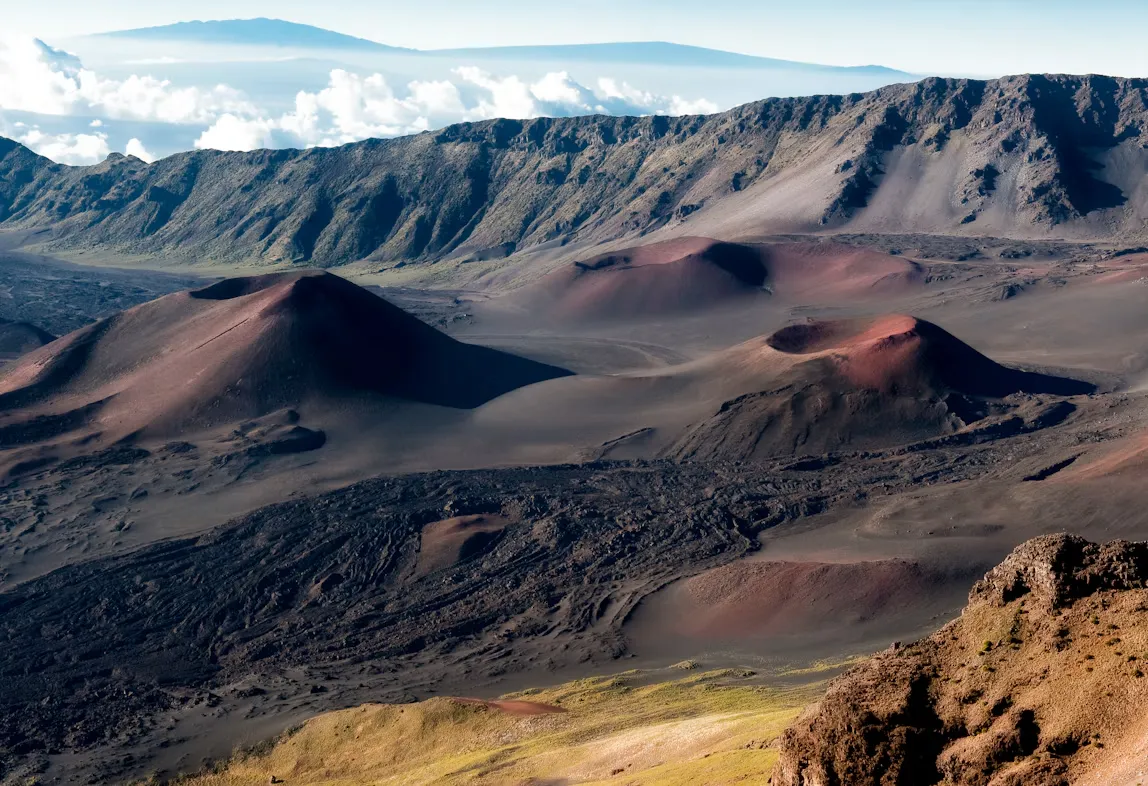
While sunrise requires advance reservations, daytime visits provide spectacular sightseeing opportunities without the early-morning departure.
Cruise Tip: Allow several hours for the round-trip drive from Kahului, especially when factoring in sightseeing stops.
The Road to Hāna is one of Hawaii's most celebrated scenic drives, featuring lush rainforests, waterfalls, coastal viewpoints, and winding mountain roads.
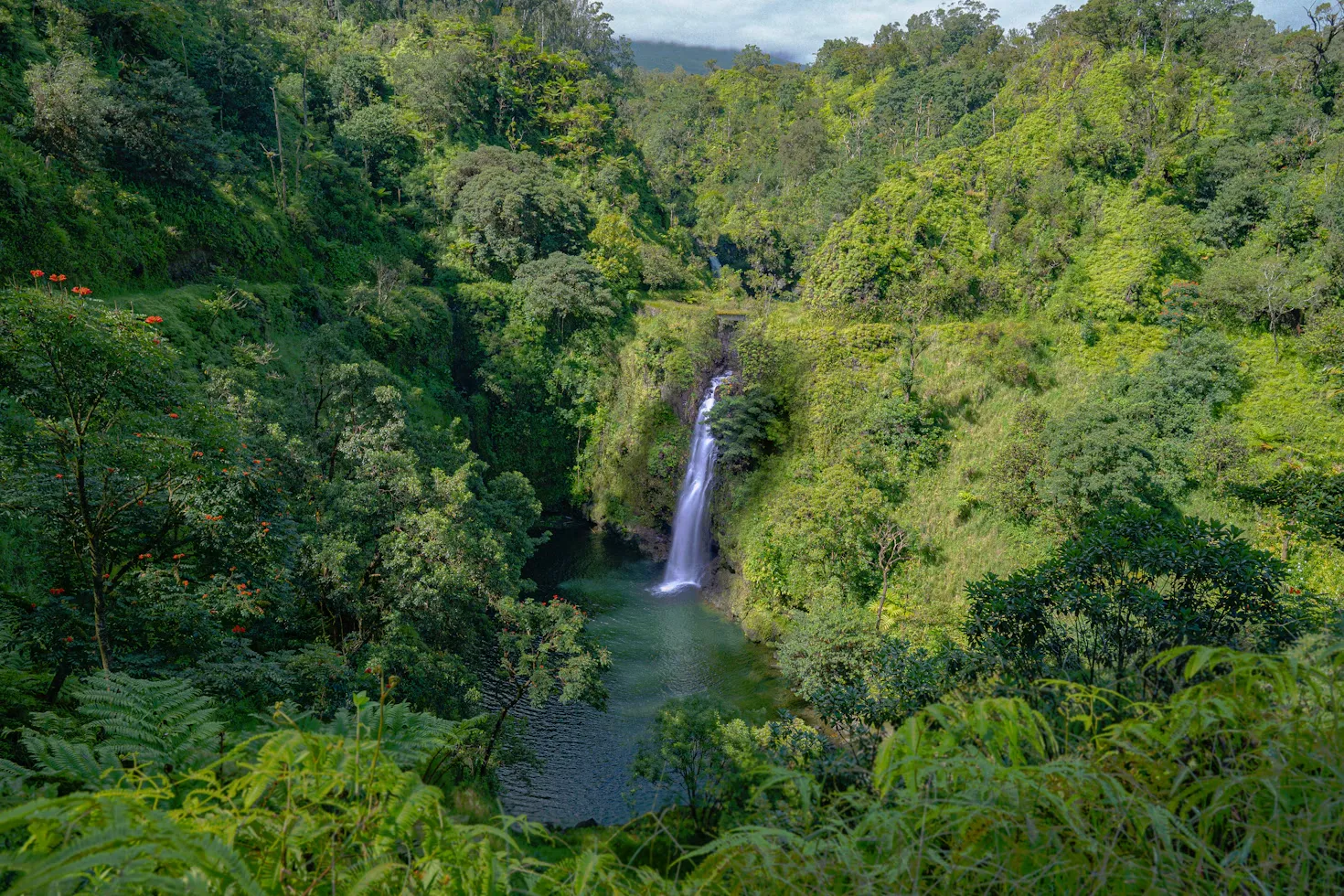
Popular highlights include:
Nonresident visitors must reserve entry to Waiʻānapanapa in advance. Because the full journey takes considerable time, cruise passengers should choose a shorter guided excursion or confirm their ship's departure schedule before attempting the drive.
For travelers seeking adventure without committing to an entire day of driving, Maui's North Shore offers a memorable alternative.
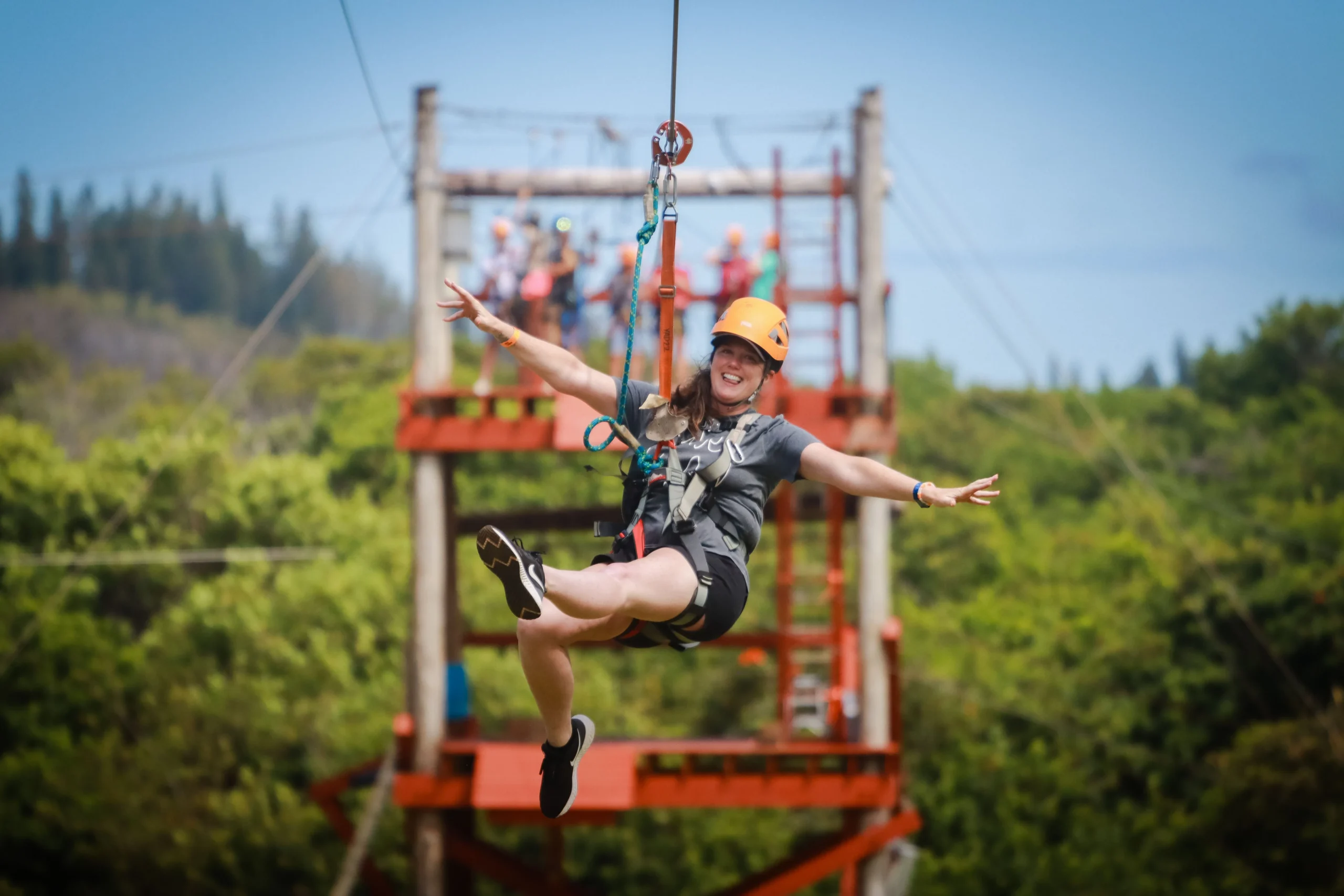
Located in Haʻikū, NorthShore Zipline combines outdoor excitement with scenic views of Maui's tropical landscape. It's an excellent option for families, couples, and adventurous travelers looking to experience something beyond traditional beach excursions.
Visitors can also explore nearby Pāʻia town, known for its boutiques, restaurants, and laid-back North Shore atmosphere.
Port of Call: Honolulu Harbor
Oʻahu combines vibrant city attractions with some of Hawaii's most significant historical landmarks.
Discover the history of the December 7, 1941, attack through exhibits, memorials, and the USS Arizona Memorial program.
Famous for its gentle surf, beachfront dining, and views of Diamond Head, Waikīkī offers an accessible introduction to Hawaii's beach culture.
For panoramic views of Honolulu and the Pacific Ocean, hike the historic Diamond Head summit trail. Advance reservations are required for out-of-state visitors.
Cruise Tip: Honolulu offers several attractions relatively close to the harbor, making it ideal for combining historical sightseeing with beach time.
Ports of Call: Hilo and Kailua-Kona
Hawaiʻi Island, often called the Big Island, showcases the geological forces that continue shaping the Hawaiian Islands.
Accessible from Hilo, this national park features volcanic craters, steam vents, lava landscapes, and opportunities to learn about Hawaiian geology.
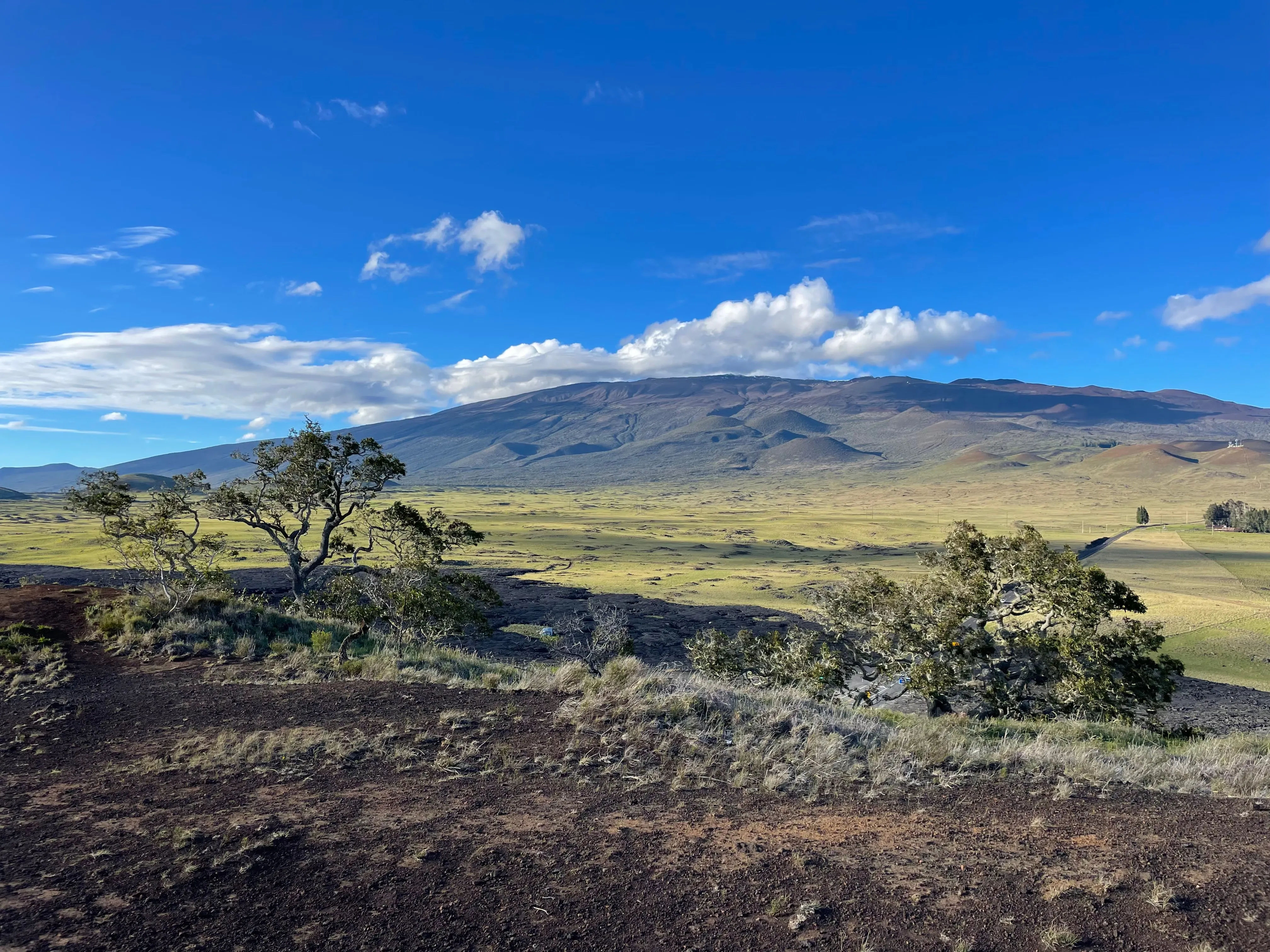
Volcanic activity and viewing conditions change frequently, so visitors should check National Park Service updates before arriving.
On the island's sunnier western coast, Kailua-Kona offers historic landmarks, oceanfront restaurants, snorkeling excursions, and opportunities to sample locally grown Kona coffee.
Cruise Tip: Hilo and Kona are on opposite sides of the island. Plan excursions around your specific port rather than attempting to visit both in one day.
Port of Call: Nāwiliwili Harbor
Known as the Garden Isle, Kauaʻi is celebrated for its lush valleys, towering cliffs, and extraordinary natural scenery.
Often nicknamed the Grand Canyon of the Pacific, Waimea Canyon features dramatic red-and-green cliffs, deep valleys, and breathtaking overlooks.
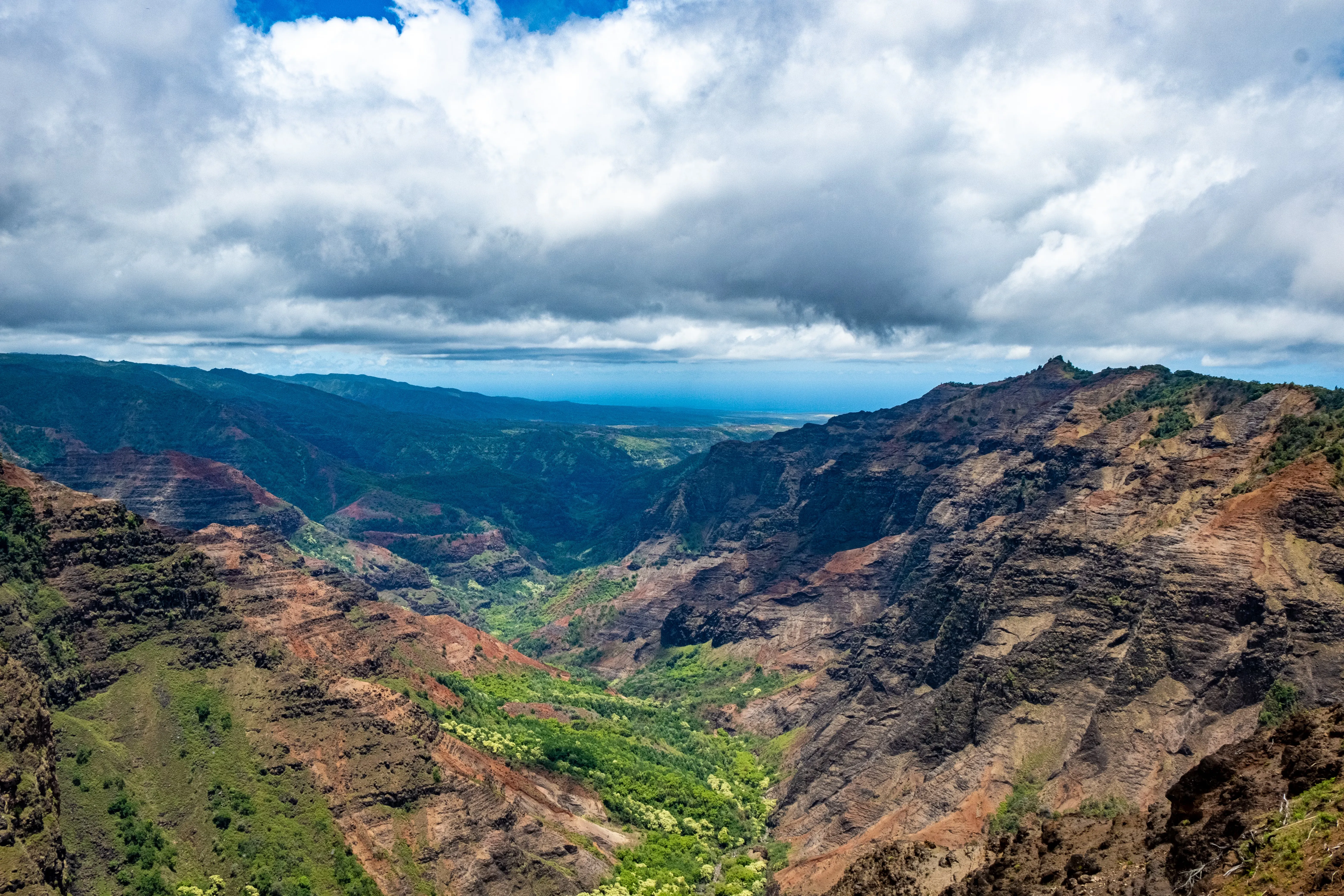
The Nāpali Coast is famous for its towering emerald cliffs and secluded valleys. Boat tours and helicopter excursions offer remarkable perspectives, although availability depends on weather and sea conditions.
Cruise Tip: If your itinerary includes scenic cruising along the Nāpali Coast, secure a good viewing spot aboard your ship.
Making the most of a Hawaiian cruise requires balancing adventure with realistic travel times.
Remember that independent excursions must allow sufficient time to return before your ship's all-aboard deadline.
Top attractions include Haleakalā National Park on Maui, Pearl Harbor on Oʻahu, Hawaiʻi Volcanoes National Park on Hawaiʻi Island, and Waimea Canyon on Kauaʻi. The best choices depend on your ports and time ashore.
Maui is particularly versatile, offering waterfalls, volcanic landscapes, scenic drives, beaches, and ziplining. However, each island offers distinctive experiences worth exploring.
Yes. Honolulu and Kailua-Kona offer walkable attractions, while destinations such as Haleakalā and Waimea Canyon generally require transportation or organized tours.
Yes, provided your itinerary allows enough time. A shorter guided Road to Hāna experience may be more practical than attempting the entire route independently.
Many interisland itineraries visit four major islands: Oʻahu, Maui, Hawaiʻi Island, and Kauaʻi. The exact number depends on the cruise line and itinerary.
Hawaii welcomes cruise visitors year-round. December through April is especially appealing for whale watching around Maui, while other seasons offer excellent opportunities for beaches, hiking, and sightseeing.
If you would like to read and learn more about interesting things in Hawaii! Check out our blog page here on our website!
or
Image Credits:
Blog Photos:
Paddlers and the Atlantis Cruises Ship, Hawaiʻi — Photo by Daniel Ramirez. Licensed under the Creative Commons Attribution 2.0 Generic (CC BY 2.0). Optimized for web. Source: Wikimedia Commons.
"brown and red sand" by Jeff King, via Unsplash
"lush green jungle surrounds a tall waterfall cascading into a pool" by rjb Studios, via Unsplash
"beach and sea tourist resort" by Jess Loiterton, via Pexels
"vast meadow at the foot of the mountain" by Petra Nesti, via Pexels
A Hawaiian cruise offers something few vacations can match: the opportunity to explore multiple islands, each with its own landscapes, cultural history, and unforgettable experiences. From Maui's lush rainforests and volcanic landscapes to Kauaʻi's dramatic cliffs and Hawaiʻi Island's active volcanic terrain, every port introduces a different side of paradise.
But with limited time at each stop, one important question arises: What should you see on a cruise in Hawaii?
For travelers planning a Hawaiian Islands cruise, Maui deserves a special place on your itinerary. Known as the Valley Isle, Maui combines world-famous beaches, scenic mountain roads, Hawaiian cultural landmarks, and outdoor adventures into one extraordinary destination.
Whether your cruise includes a full day in Kahului, an overnight stay on Maui, or stops at several Hawaiian islands, this guide highlights the attractions worth prioritizing, practical travel considerations, and experiences that make each island unique.
Maui is one of the most rewarding stops on a Hawaiian cruise because of its diverse scenery and range of activities. Within a single island, visitors can discover volcanic summits, tropical valleys, historic towns, and some of Hawaiʻi's most beautiful coastlines.
Most large cruise ships visiting Maui dock at Kahului Harbor, on the island's north-central coast. Kahului is a practical starting point for exploring Central Maui, Upcountry, the North Shore, and portions of South Maui.
Some cruise itineraries may also include a tender stop at Lahaina, although availability depends on current port operations and the cruise line's itinerary.
The Road to Hānais among Maui's most famous scenic experiences, winding through tropical forests, past waterfalls, and along dramatic coastal cliffs.
The journey follows the Hāna Highway through East Maui, where visitors encounter dense greenery, narrow bridges, and sweeping views of the Pacific Ocean.
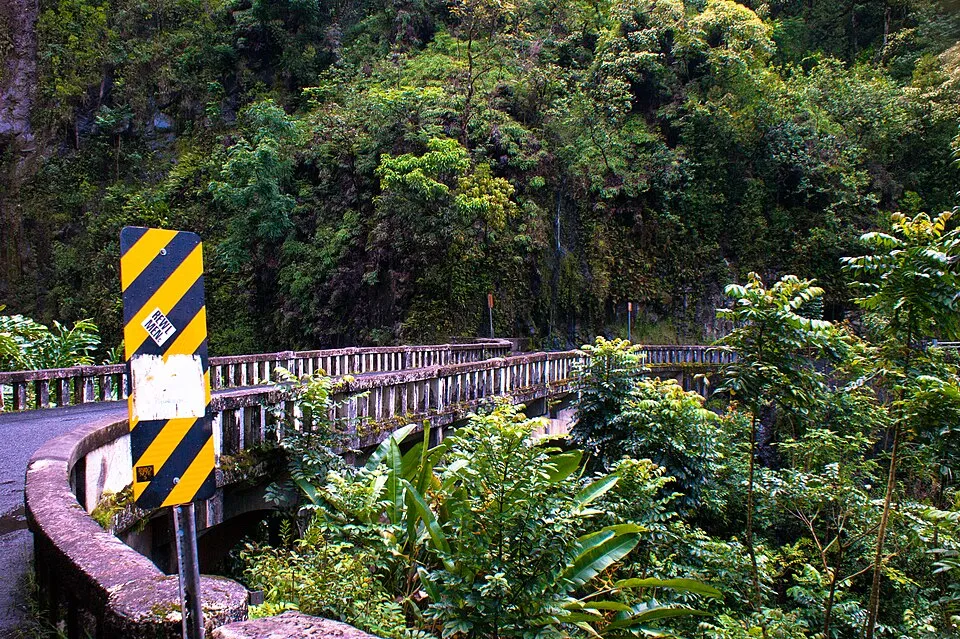
Popular highlights include:
Visitors should understand that the Road to Hāna is not a quick sightseeing excursion. The journey can take an entire day, especially with stops, traffic, and changing weather conditions.
Cruise travel tip: If your ship is only in port for six to eight hours, consider a shorter North Shore adventure instead. The full Road to Hāna is better suited to an overnight Maui stop or an excursion specifically coordinated with your cruise schedule.
Nonresident visitors to Waiʻānapanapa State Park must secure advance reservations.
Rising more than 10,000 feet above sea level, Haleakalā is one of Maui's most extraordinary natural landmarks.
The summit area of Haleakalā National Park features vast volcanic landscapes, colorful cinder cones, and sweeping views above the clouds when weather permits.
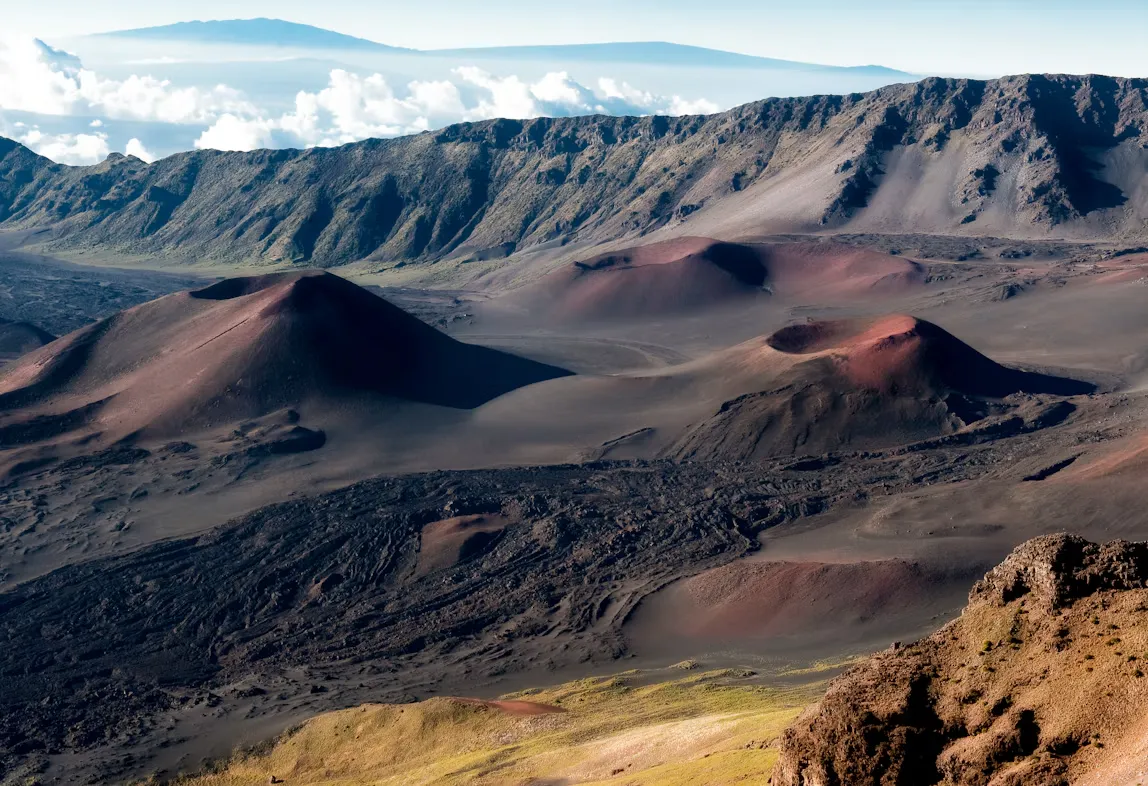
Visitors can enjoy scenic overlooks, hiking trails, and opportunities to learn about the mountain's ecological and cultural significance.
Sunrise is especially famous, although entry during designated early-morning hours requires an advance reservation for vehicles.
For cruise passengers, a daytime summit visit may be more practical, depending on the ship's arrival and departure times.
Cruise travel tip: Temperatures at the summit can be dramatically colder than at sea level. Bring a warm jacket, comfortable shoes, and sun protection. Allow sufficient time for the winding mountain drive and potential weather changes.
For travelers seeking adventure without committing to a full-day drive, Maui's North Shore offers a compelling combination of tropical scenery, outdoor activities, and small-town charm.
The historic town of Pāʻia is known for its independent shops, local restaurants, and laid-back atmosphere. Nearby Hoʻokipa Beach Park is an internationally recognized windsurfing destination and a popular location for observing Hawaiian green sea turtles resting along the shoreline.
Farther inland, Haʻikū features lush landscapes, agricultural scenery, and memorable outdoor experiences.
One option is NorthShore Zipline, where visitors can experience Maui's tropical environment from above while enjoying an adventure rooted in the island's North Shore setting.

For cruise travelers who want something more active than a conventional sightseeing tour, ziplining can be an exciting addition to a Maui port day.
Cruise travel tip: North Shore activities can often be paired with a visit to Pāʻia or Hoʻokipa. Confirm activity duration, transportation arrangements, and return-to-ship timing before booking.
Located in Central Maui, ʻĪao Valley is one of the island's most significant natural and cultural destinations.
Its most recognizable feature, Kukaʻemoku, commonly called the ʻĪao Needle, rises prominently from the lush valley landscape.
Beyond its natural beauty, ʻĪao Valley holds deep importance in Hawaiian history. The valley was the site of the Battle of Kepaniwai in 1790, a major conflict during Kamehameha I's campaign to unify the Hawaiian Islands.
Today, visitors can appreciate the valley's scenery from designated viewpoints and learn about its historical significance.
Because of its location near Wailuku and Kahului, ʻĪao Valley is an excellent option for cruise passengers who have limited time ashore.
Advance reservations are required for out-of-state visitors, with parking and entry fees applicable.
Not every cruise excursion needs to involve hiking or extensive driving. South Maui offers a more relaxed experience with sunny beaches, coastal walks, and oceanfront scenery.
Kīhei is known for its accessible beaches, casual dining, and views toward the neighboring islands of Kahoʻolawe and Lānaʻi.
Farther south, Wailea offers beautifully maintained coastal paths, resort beaches, and scenic ocean viewpoints.
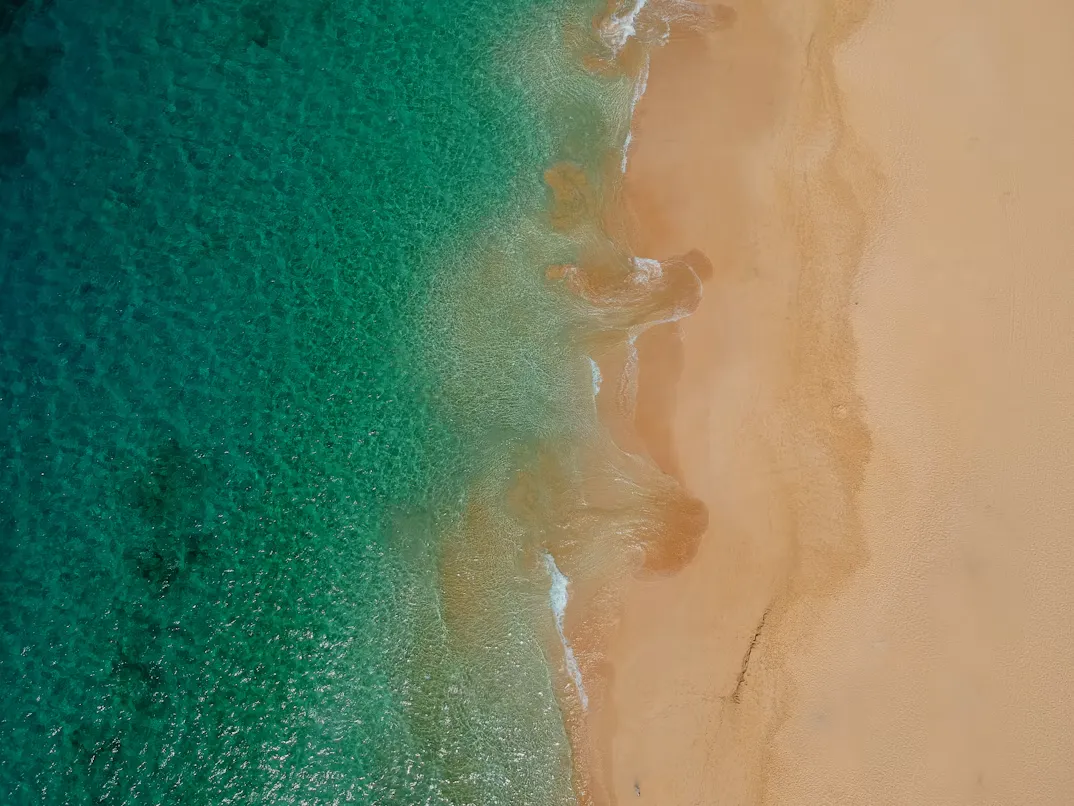
Popular stops include Kamaʻole Beach Parks, Wailea Beach, and the Wailea Beach Path.
During winter, Maui's surrounding waters also become important breeding and calving grounds for North Pacific humpback whales, making seasonal whale-watching excursions a popular cruise activity.
Cruise travel tip: If your priority is swimming, relaxing, and enjoying Maui's coastline, South Maui may be a better choice than a long-distance sightseeing tour. Always check local ocean conditions before entering the water.
Oʻahu is often the starting or ending point for Hawaiian cruises, with Honolulu serving as a major cruise port.
The island combines significant historical landmarks, famous beaches, and urban attractions.
One of its most meaningful destinations is the Pearl Harbor National Memorial, where visitors can learn about the events of December 7, 1941, and their lasting impact on American and world history.
Another essential stop is Waikīkī, celebrated for its beachfront scenery, surfing heritage, and views of Diamond Head, known in Hawaiian as Lēʻahi.
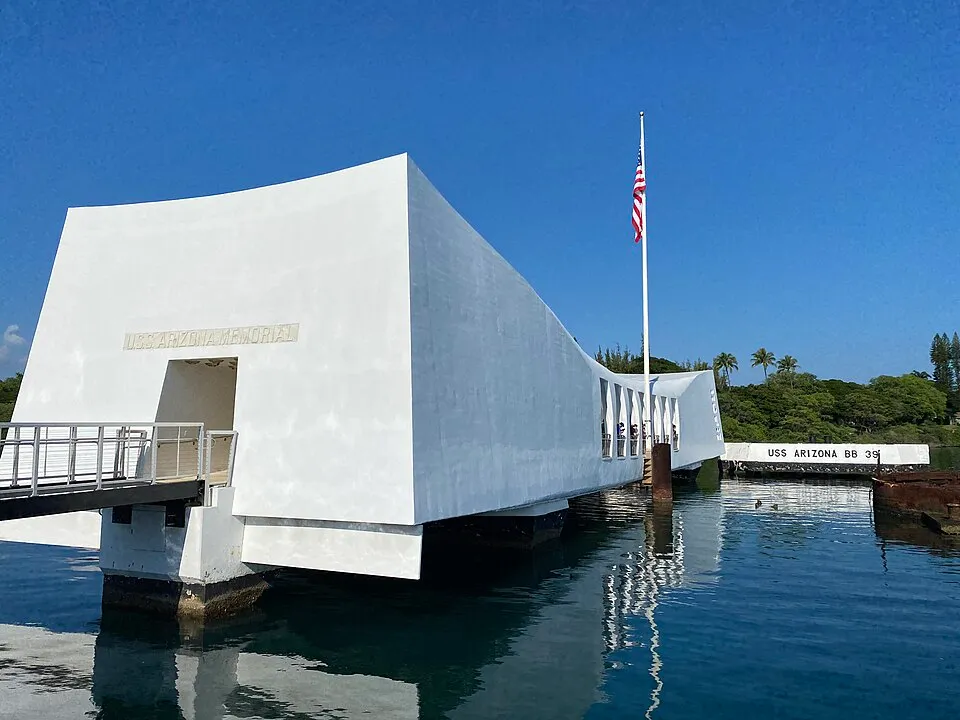
Visitors interested in Hawaiian history should also consider ʻIolani Palace, the former royal residence of the Hawaiian Kingdom's monarchs.
Best for: History enthusiasts, first-time visitors, cultural exploration, shopping, and iconic Hawaiian beaches.
Kauaʻi offers a quieter atmosphere and some of the most dramatic natural scenery in the Hawaiian Islands.
Cruise ships commonly dock at Nāwiliwili Harbor near Līhuʻe, providing access to several memorable attractions.
Often nicknamed the Grand Canyon of the Pacific, Waimea Canyon features dramatic red and green cliffs, deep valleys, and expansive viewpoints.
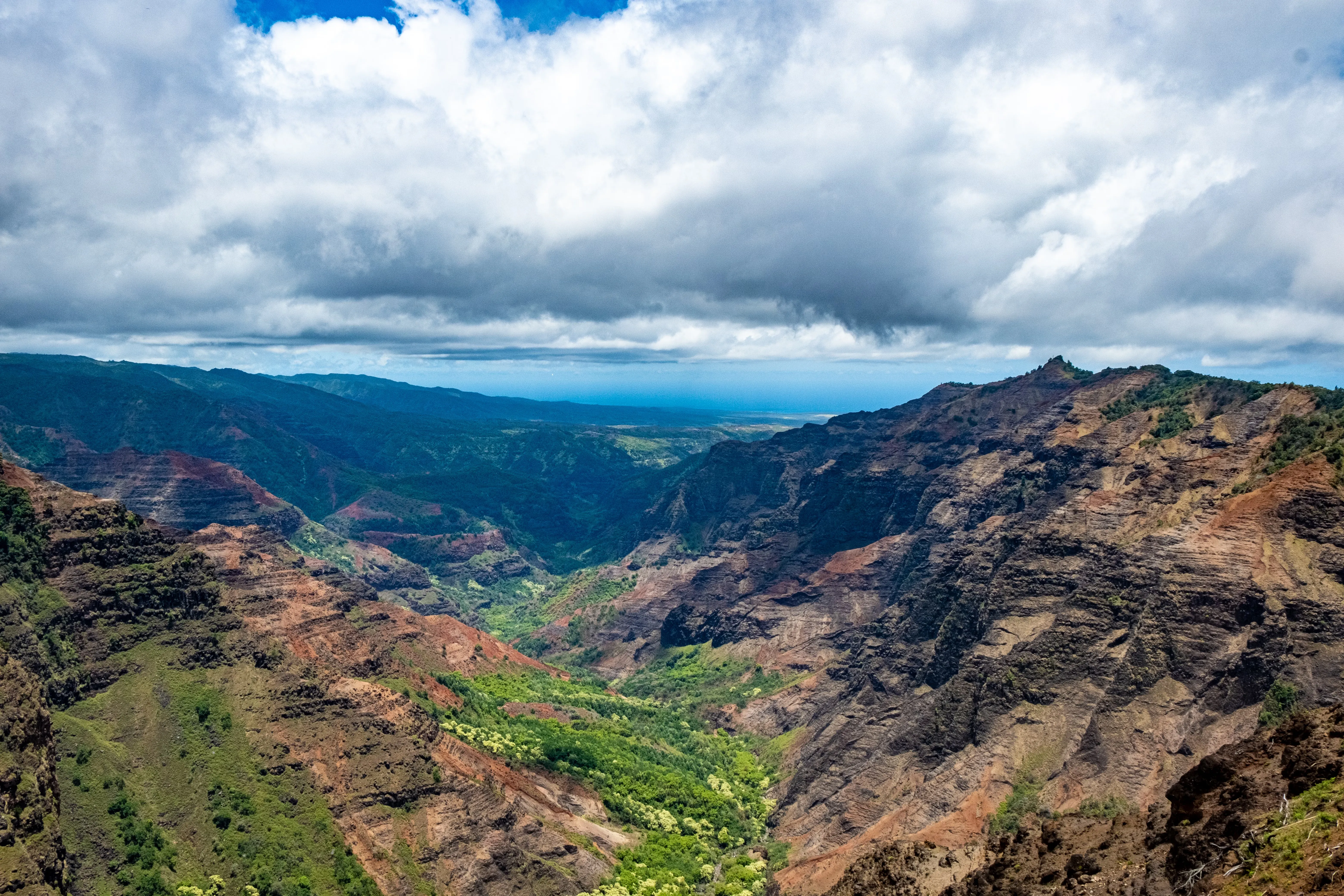
The canyon stretches approximately 14 miles long and reaches depths of more than 3,000 feet.
Visitors can explore scenic overlooks along Waimea Canyon Drive, with opportunities to continue toward Kōkeʻe State Park.
Kauaʻi's Nā Pali Coast is famous for towering sea cliffs, emerald valleys, and remote beaches.
Much of the coastline is inaccessible by road, making boat tours, helicopter excursions, and scenic cruise sail-bys popular ways to appreciate its beauty.
Some Hawaiian cruise itineraries include a dedicated Nā Pali Coast scenic sailing experience, allowing passengers to enjoy the cliffs directly from their ship.
Best for: Nature photography, dramatic landscapes, scenic drives, and outdoor exploration.
Hawaiʻi Island, commonly called the Big Island, offers a completely different experience from Maui, Oʻahu, and Kauaʻi.
Its vast landscape includes volcanic terrain, tropical rainforests, black-sand coastlines, and high-elevation environments.
Many Hawaiian cruises visit both Hilo and Kailua-Kona, although port stops vary by itinerary.
One of the island's most extraordinary attractions is Hawaiʻi Volcanoes National Park, home to Kīlauea and Mauna Loa, two of the world's most significant volcanoes.
Visitors can explore volcanic landscapes, view steam vents, and learn about the geological forces that continue shaping the Hawaiian Islands.
Volcanic activity changes frequently, so visible lava should never be assumed or guaranteed.
Cruise passengers arriving in Hilo can explore the island's lush eastern side.
Popular attractions include Rainbow Falls, Liliʻuokalani Gardens, and scenic coastal areas.
On the western side of the island, Kailua-Kona is known for its sunny weather, historic sites, coffee-growing region, and ocean activities.
Puʻuhonua o Hōnaunau National Historical Park is especially meaningful for travelers interested in traditional Hawaiian history and cultural practices.
Best for: Volcanic landscapes, geological history, tropical waterfalls, and Hawaiian cultural experiences.
For passengers visiting Maui, choosing the right activities depends on the amount of time available and the location of the ship.
Here are three practical approaches.
Short port visit: approximately 6–8 hours
Focus on attractions relatively close to Kahului Harbor. ʻĪao Valley, Pāʻia, and the North Shore can provide a memorable introduction to Maui without requiring an island-wide road trip.
Full-day port visit: approximately 9–12 hours
Consider an organized Haleakalā excursion, a North Shore adventure, or a relaxed day exploring South Maui. Choose one main region rather than attempting to visit every major attraction.
Overnight stay on Maui
An overnight stop creates more flexibility for longer experiences, including the Road to Hāna, multiple scenic regions, or a combination of adventure activities and beach time.
Remember that cruise departure schedules are strict. Independent travelers should allow generous return buffers, especially when visiting destinations connected by winding mountain roads or routes prone to congestion.
The best attractions include Haleakalā National Park and ʻĪao Valley on Maui, Pearl Harbor and Waikīkī on Oʻahu, Waimea Canyon and the Nā Pali Coast on Kauaʻi, and Hawaiʻi Volcanoes National Park on Hawaiʻi Island. The ideal choices depend on your cruise ports and time ashore.
For a first-time Maui cruise visitor, ʻĪao Valley, Pāʻia, Hoʻokipa Beach Park, and North Shore activities offer a strong combination of sightseeing, culture, and adventure. Travelers with longer port stays can consider Haleakalā or the Road to Hāna.
Absolutely. Maui is known for its diverse landscapes, beautiful beaches, Hawaiian cultural landmarks, and outdoor adventures. Its combination of coastal scenery, volcanic terrain, and tropical environments makes it a standout destination on many Hawaiian cruise itineraries.
Yes, but it depends on your port schedule. A full Road to Hāna excursion typically requires most of the day, and unexpected delays can make independent trips risky. Cruise passengers should prioritize excursions with realistic return times and consider shorter alternatives when port hours are limited.
Large cruise ships commonly dock at Kahului Harbor in Central Maui. Some itineraries may list Lahaina as a tender port, but travelers should verify current operations and their specific cruise itinerary before planning transportation or excursions.
Popular options from Kahului include ʻĪao Valley, Wailuku, Pāʻia, Hoʻokipa Beach Park, and activities in Haʻikū. These destinations are generally more practical for shorter port visits than East Maui or the Haleakalā summit.
Yes. Ziplining can be a great choice for cruise passengers looking for an outdoor adventure. NorthShore Zipline in Haʻikū offers a convenient North Shore option for travelers arriving at Kahului Harbor, provided the tour schedule and transportation allow enough time to return to the ship.
Each island offers something different. Maui is especially appealing for scenic diversity and adventure, Oʻahu for history and famous beaches, Kauaʻi for dramatic natural landscapes, and Hawaiʻi Island for volcanoes and geological wonders. A multi-island cruise allows travelers to experience several of these environments in one vacation.
Cruise-line excursions may provide additional reassurance regarding ship departure coordination. Independent tours can offer more flexibility, but travelers must carefully confirm pickup locations, activity durations, cancellation policies, and return times. The best option depends on the destination and available port hours.
One full day is enough to enjoy a selected region of Maui, but not the entire island. An overnight stop provides significantly more flexibility, while three to five days or longer on land allows travelers to experience multiple regions at a more relaxed pace.
If you would like to read and learn more about interesting things in Hawaii! Check out our blog page here on our website!
or
Image Credits:
Blog Photos:
"aerial view of seashore" by Coral Oullette, via Unplash
Bridge on the Hāna Highway, Maui — Photo by JonathanKing. Licensed under the Creative Commons Attribution-ShareAlike 3.0 Unported (CC BY-SA 3.0). Optimized for web. Source: Wikimedia Commons.
"brown and red sand" by Jeff King, via Unsplash
"wave of ocean seashore" by Coral Ouellette, via Unsplash
USS Arizona Memorial, Pearl Harbor, Oʻahu — Photo by Cdavidson602. Licensed under the Creative Commons Attribution-ShareAlike 4.0 International (CC BY-SA 4.0). Optimized for web. Source: Wikimedia Commons.
"Stunning landscape view of Waimea Canyon, showcasing lush greenery and dramatic red cliffs under a cloudy sky." by Kelsey, via Pexels