

WE HAVE REOPENED! Our team has worked hard to repair, inspect, and prepare our course following Hurricane Lala.
We're ready to safely welcome you back !
BOOKINGS ARE OPEN!
Mahalo for your patience and support! 💛
If you are dreaming of trading freezing temperatures, snow-covered roads, and heavy winter coats for warm beaches and tropical sunshine, Hawaii in the winter can be an incredible escape. But just how warm is Hawaii during the winter months?
The good news is that Hawaii in the winter temperature range remains pleasantly warm compared with most of the continental United States. At sea level, Hawaii's average daytime winter temperature is around 78°F (25.6°C), with nighttime temperatures generally about 10 degrees cooler.
Winter does bring some changes, however. Cooler evenings, increased rainfall, larger ocean swells, and significant differences between sunny coastal areas and higher elevations can all affect what visitors experience. Understanding Hawaii's winter weather can make it much easier to decide what to pack, where to stay, and which activities to plan.
Hawaii generally recognizes two primary seasons: summer (kau), from May through October, and winter (hoʻoilo), from November through April. Unlike destinations with four dramatically different seasons, Hawaii experiences relatively small temperature changes throughout the year.
According to Hawaii's official tourism website, average daytime temperatures at sea level are approximately 78°F during winter, compared with about 85°F during summer. Nighttime temperatures are typically around 10°F cooler.
For travelers visiting in December, January, or February, that generally means plenty of weather suitable for beaches, hiking, sightseeing, snorkeling, and other outdoor activities.
January and February are among the cooler months. Typical daytime highs across popular coastal destinations are often in the upper 70s to low 80s, while nighttime temperatures can fall into the 60s.
For perspective, Honolulu averages around 81°F for the daytime high and 67°F for the nighttime low in both January and February.
Along the coast, "cold" is relative.
A morning temperature in the upper 60s might feel chilly to a Hawaii resident, but visitors arriving from snowy climates may find it extremely comfortable. During the afternoon, sunshine can quickly make temperatures in the upper 70s or low 80s feel much warmer.
Elevation is where things change dramatically.
Hawaii contains numerous microclimates because of its mountains, trade winds, and volcanic geography. Visitors can encounter warm beaches, tropical rainforests, dry landscapes, and genuinely cold alpine conditions during the same vacation.
This is particularly important on Maui and Hawaii Island. Visiting the summit of Haleakalā on Maui or high-elevation areas around Mauna Kea on Hawaii Island is nothing like spending the afternoon on the beach.
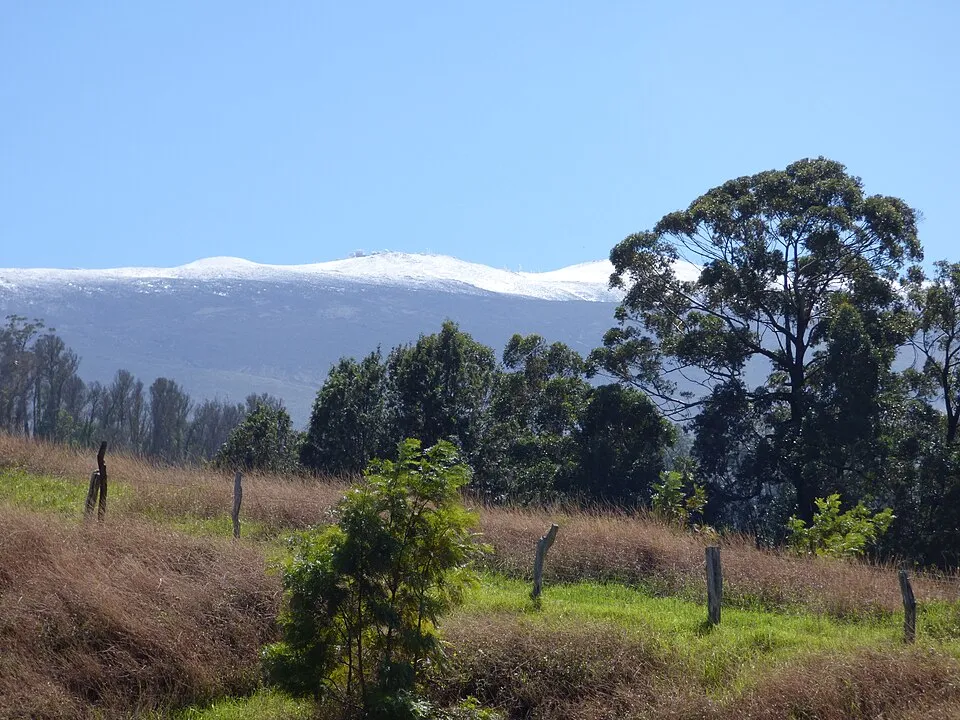
Temperatures at high elevations can become extremely cold, especially overnight and around sunrise. Winter snow can even occur on Hawaii's highest volcanic summits.
So, while you probably won't need a winter jacket for Waikiki or Wailea, warm layers can be essential for high-elevation adventures.
Yes. Winter is generally considered Hawaii's wetter season.
However, that does not mean visitors should expect nonstop rain throughout their vacation. The National Weather Service notes that winter weather can become more unsettled as storm systems and cold fronts reach the islands. At the same time, normal trade-wind conditions still occur frequently, bringing sunshine mixed with relatively brief showers.
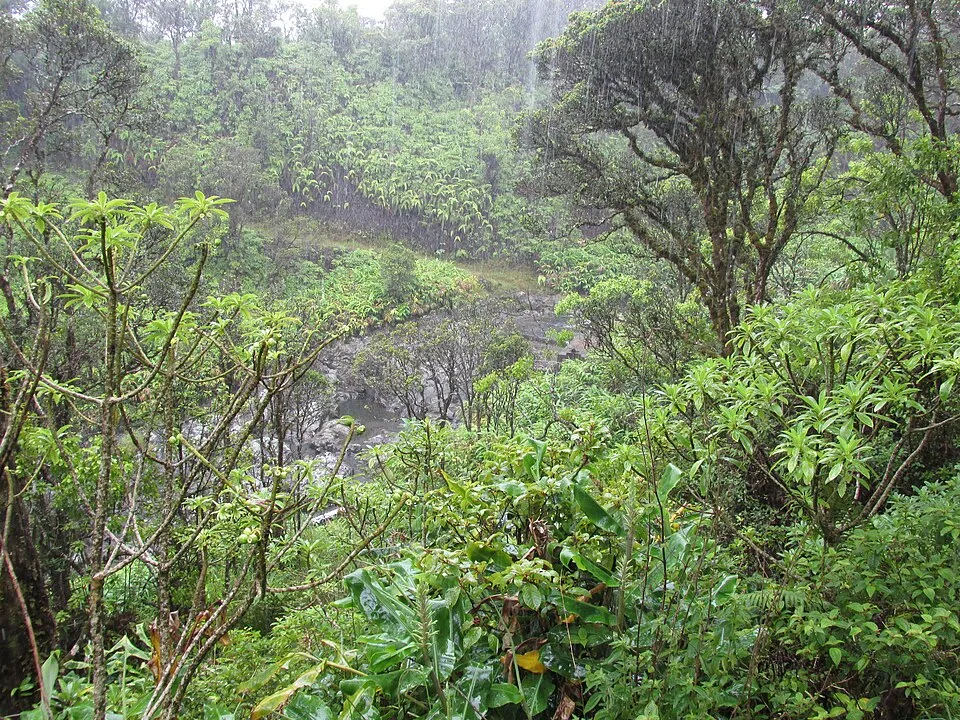
Where you stay also makes a major difference.
Hawaii's mountains create significant differences between windward and leeward areas. Windward areas generally receive more clouds and rainfall, while many leeward resort areas tend to be sunnier and drier.
For example, on Maui, conditions around Kapalua or Hāna can be very different from those around Kīhei and Wailea on the same day.
That variety is part of Hawaii's tropical climate. A rainy morning doesn't necessarily mean an entire day of activities needs to be canceled.
The Pacific Ocean surrounding Hawaii plays a major role in keeping the islands' temperatures relatively stable.
According to the National Weather Service, sea surface temperatures around Hawaii generally reach their annual low of approximately 73°F to 74°F in late February and March, compared with around 80°F near their early-fall peak.
For many visitors, the ocean is still comfortable enough for swimming, snorkeling, surfing, and other water activities during winter.
Ocean conditions, however, deserve just as much attention as ocean temperature.
Winter produces some of Hawaii's largest surf, particularly along exposed north-facing shores. Hawaii's official tourism website describes winter as the heart of the islands' surf season, with large and consistent swells attracting experienced surfers.
Always check local ocean conditions and posted warnings before entering the water.
Temperature is only one reason travelers choose Hawaii during winter.
December through the winter months combines warm tropical weather with several seasonal experiences that aren't available year-round. Most notably, winter falls within Hawaii's humpback whale season, making it an especially exciting time for visitors interested in whale watching.
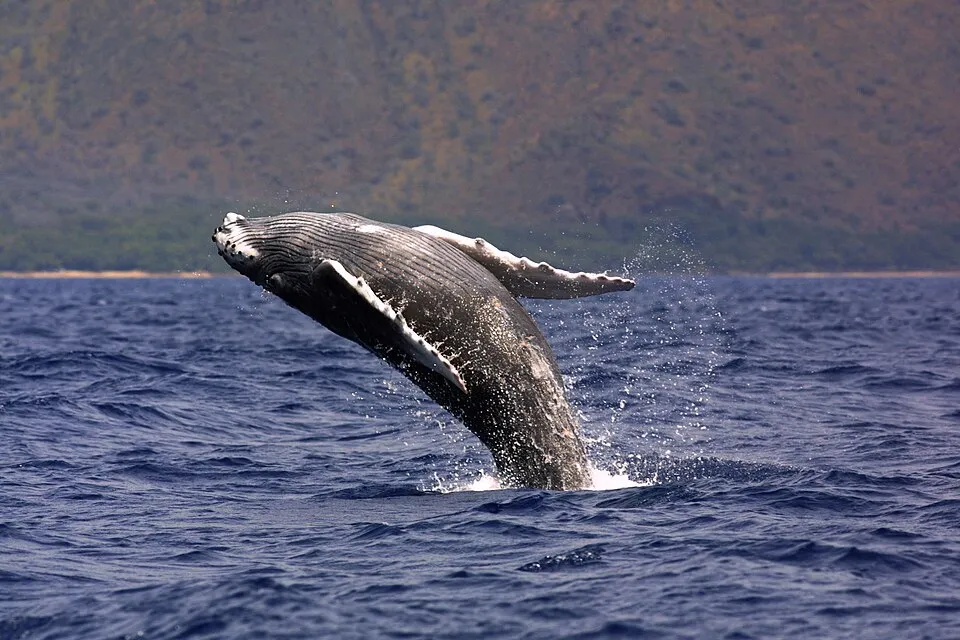
Winter is also an excellent season for hiking, sightseeing, scenic drives, ziplining, cultural experiences, and exploring Hawaii's diverse landscapes without the hottest temperatures of the year.
Surfers have another reason to visit: winter brings powerful swells to Hawaii's famous north-facing surf breaks.
The trade-off is that winter—particularly the holiday period—is a popular travel season. Travelers may encounter higher demand for airfare, accommodations, rental cars, and popular activities.
Packing for a Hawaii winter vacation usually doesn't require an entirely different wardrobe from a summer trip.
Shorts, T-shirts, swimsuits, sandals, sun protection, and lightweight clothing will still be useful for most days. However, adding a light sweater, sweatshirt, or rain jacket is a smart idea for cooler mornings, evenings, rainy weather, and higher elevations.
If you're planning a Haleakalā sunrise or another high-elevation excursion, bring genuinely warm layers rather than relying solely on beach clothing.
It is also smart to pack based on your planned activities instead of looking only at Hawaii's average temperature. A traveler spending a week at a beachfront resort will have very different clothing needs from someone planning rainforest hikes and summit adventures.
For many travelers, absolutely.
Hawaii's winter temperatures provide an appealing balance: warm enough to enjoy the beach and ocean but generally cooler than the hottest months of the year. There may be more rain, particularly in windward areas, but sunny weather remains common.
The combination of roughly upper-70s to low-80s coastal daytime temperatures, warm ocean water, whale season, dramatic winter surf, lush scenery, and outdoor activities makes winter one of Hawaii's most distinctive seasons.
If your idea of winter involves escaping freezing temperatures without giving up outdoor adventures, Hawaii is difficult to beat.
For current forecasts and additional trip-planning information, these resources can help:
What is the average temperature in Hawaii in the winter?
At sea level, Hawaii's average daytime winter temperature is approximately 78°F (25.6°C). Nighttime temperatures are generally about 10°F cooler.
How cold does Hawaii get in December?
Coastal areas generally remain warm during December, with daytime temperatures commonly reaching the upper 70s or low 80s. For example, Honolulu's normal December high is around 82°F.
Is Hawaii warm enough to swim in the winter?
Yes. Many visitors swim, snorkel, surf, and participate in other ocean activities throughout winter. Sea surface temperatures around Hawaii reach their coolest levels around 73°F to 74°F in late February and March.
What is the coldest month in Hawaii?
February and March tend to be Hawaii's coolest period because the surrounding Pacific Ocean takes time to cool after summer.
Does Hawaii get snow during the winter?
Snow is possible at the highest elevations, particularly on Hawaii Island's tallest volcanic summits. Coastal resort areas do not experience snowy winter conditions.
Is Hawaii rainy during the winter?
Winter is Hawaii's wetter season, but rain varies considerably by island, elevation, and whether you are staying on the windward or leeward side. Rain does not necessarily last all day, and sunny periods are common even during winter.
Is December, January, or February better for visiting Hawaii?
All three can be excellent months. December offers holiday travel and warm weather, while January and February generally bring slightly cooler temperatures and remain excellent months for seasonal activities such as whale watching.
What clothes should I wear in Hawaii during winter?
Light summer clothing is appropriate for most coastal areas during the day. Bring a light jacket or sweatshirt for evenings, rain protection for changing weather, and significantly warmer clothing if visiting high-elevation locations such as Haleakalā.
Is Maui warm in the winter?
Yes. Maui's coastal resort areas remain pleasantly warm throughout winter. Conditions vary considerably around the island, however, because elevation and geography create distinct microclimates.
Is it better to visit Hawaii in winter or summer?
It depends on your priorities. Winter offers slightly cooler temperatures, whale watching, powerful surf, and lush landscapes, while summer typically brings warmer temperatures and generally more consistent dry-season conditions.
If you would like to read and learn more about interesting things in Hawaii! Check out our blog page here on our website!
or
Image Credits:
Blog Photos:
Mauna Kea Snow as Seen from Hilo — Photo by International Gemini Observatory/NOIRLab/NSF/AURA/K. Puʻuohau-Pummill. Licensed under the Creative Commons Attribution 4.0 International (CC BY 4.0). Source: Wikimedia Commons.
Snow on Haleakalā, Maui — Photo by Forest & Kim Starr. Licensed under the Creative Commons Attribution 3.0 Unported (CC BY 3.0). Source: Wikimedia Commons.
Waikamoi Stream and Rain, Haʻikū Uka, Maui — Photo by Forest & Kim Starr. Licensed under the Creative Commons Attribution 3.0 United States (CC BY 3.0 US). Source: Wikimedia Commons.
Breaching Humpback Whale, Hawaiian Islands Humpback Whale National Marine Sanctuary — Photo by NOAA / National Marine Sanctuaries. Public domain. Source: Wikimedia Commons.
Hawaiʻi is famous for volcanic landscapes, beaches, waterfalls, and rich cultural traditions, but some of the islands' most fascinating historical features are carved directly into stone. Hawaiian petroglyphs, known as kiʻi pōhaku, can be found across the islands and provide a physical connection to generations of Native Hawaiians who lived, traveled, gathered, and practiced cultural traditions throughout the archipelago.
Petroglyphs are images or markings created by pecking, carving, or incising designs into rock. In Hawaiʻi, many were carved into relatively smooth lava surfaces. Designs can include human figures, geometric shapes, circles, dots, canoe-related imagery, and small depressions known as poho. Although researchers and cultural practitioners have learned a great deal about some petroglyph traditions, the meanings of individual carvings are not always known.
For travelers interested in Hawaiian history and culture, several locations stand out as some of the most famous petroglyph sites in Hawaii.
One of the most significant places to see Hawaiian petroglyphs is the Puʻuloa Petroglyph Field inside Hawaiʻi Volcanoes National Park.
Puʻuloa contains more than 23,000 recorded petroglyph images, making it the largest concentration of petroglyphs in the state. The site includes thousands of small cup-like depressions, along with circles, geometric patterns, human figures, canoe sails, and other designs.
Puʻuloa has particular cultural significance because many of the small depressions, or poho, were associated with the placement of a child's piko, or umbilical cord, as part of traditions connected with the hope for a long and prosperous life.
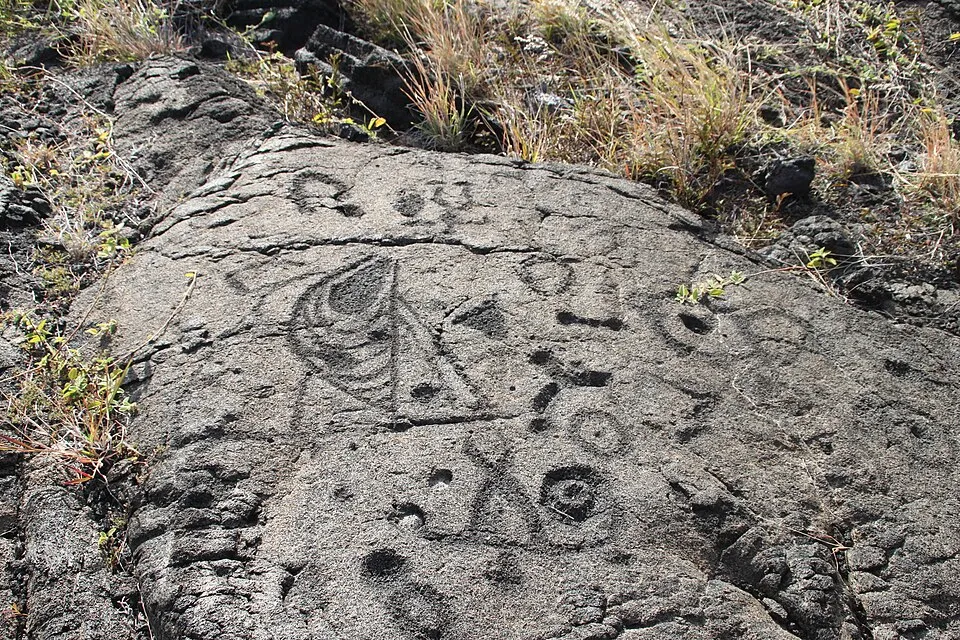
Visitors can reach the viewing area from Chain of Craters Road. The National Park Service describes the hike as approximately 1.4 miles round trip, generally requiring about one to one-and-a-half hours. A boardwalk allows visitors to observe part of the petroglyph field while helping protect the fragile lava surface.
Because Puʻuloa is both an archaeological resource and a sacred Hawaiian cultural landscape, visitors should remain on designated trails and the boardwalk.
The Kohala Coast of Hawaiʻi Island contains another important concentration of petroglyphs.
The Puakō Petroglyph Archaeological Preserve, near Holoholokai Beach Park and the Mauna Lani area, contains hundreds of petroglyphs etched into the lava landscape. Visitors may encounter representations of people and other geometric or symbolic designs.
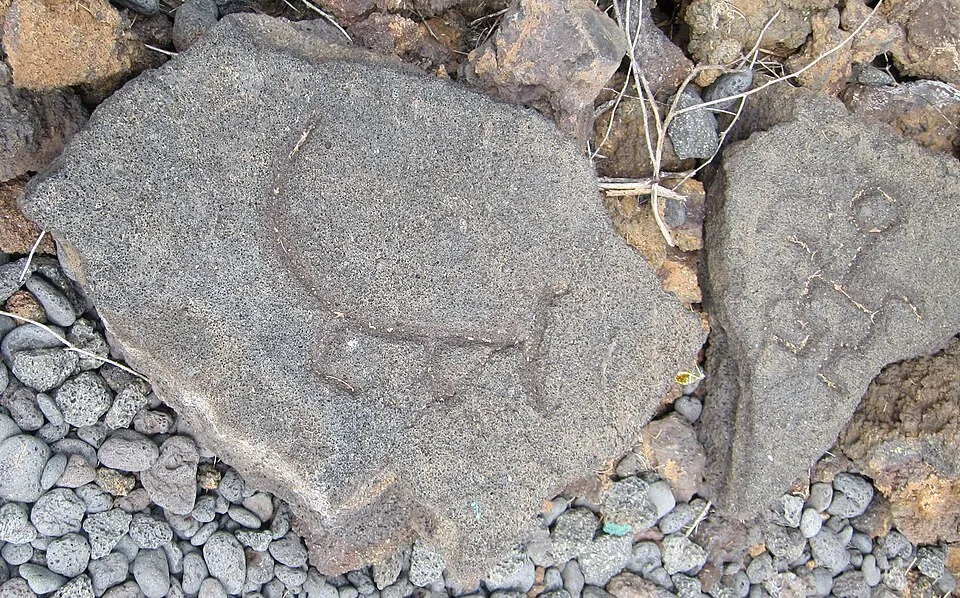
Puakō is especially interesting because the petroglyphs exist within a broader historic Hawaiian landscape. The Kohala Coast contains portions of the Ala Kahakai National Historic Trail, an approximately 175-mile trail corridor connecting numerous culturally important locations around Hawaiʻi Island.
For travelers staying along the Kohala Coast, Puakō can provide an accessible opportunity to learn about Hawaiian history beyond the area's resorts and beaches.
Another well-known petroglyph location can be found near Waikoloa and ʻAnaehoʻomalu Bay.
The ʻAnaehoʻomalu Petroglyph Field contains preserved Hawaiian rock carvings within the lava fields of the Waikoloa resort area. Like Puakō, the site helps illustrate how historic Hawaiian trails and settlements once crossed landscapes that today contain hotels, roads, and modern developments.
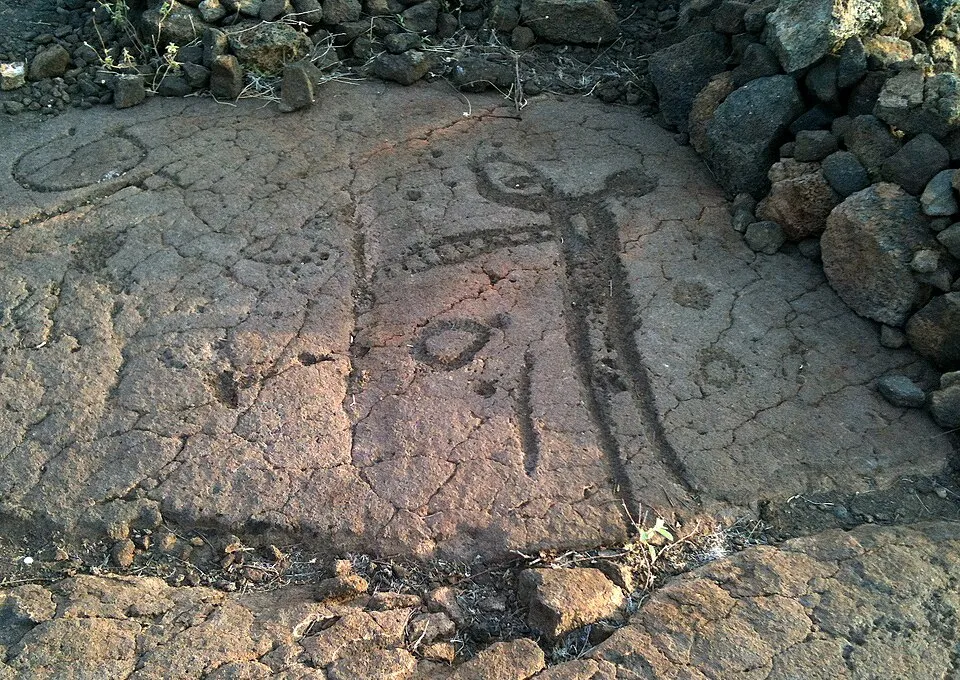
The Hawaiʻi Tourism Authority highlights both Puakō and ʻAnaehoʻomalu among notable places to view petroglyphs on Hawaiʻi Island.
Visitors should follow established paths rather than walking across petroglyph-covered lava. Even seemingly solid volcanic rock can be surprisingly fragile, and repeated foot traffic can permanently damage archaeological features.
Just north of Kailua-Kona, Kaloko-Honokōhau National Historical Park protects far more than petroglyphs.
Throughout the park, visitors can explore a Hawaiian cultural landscape containing archaeological sites, historic trails, fishponds, house platforms, heiau and other features associated with traditional Hawaiian life. Petroglyphs are scattered within this larger cultural environment.
This makes Kaloko-Honokōhau particularly valuable for travelers who want to understand petroglyphs as part of a living cultural landscape rather than simply viewing individual rock carvings.
Instead of being isolated pieces of ancient artwork, Hawaiian petroglyphs can be understood alongside the trails, communities, fishing areas, religious sites, and gathering places used by generations of people.
Hawaiʻi Island may contain the state's largest concentrations of petroglyphs, but Maui also has an important site at Olowalu.
The Olowalu petroglyphs, also associated with Puʻu Kilea, are carved into a basalt cliff in Olowalu Valley on West Maui. Hawaiʻi's Department of Land and Natural Resources has described roughly 100 petroglyphs spread across the cliff face, calling them some of the finest examples of Hawaiian petroglyphs.
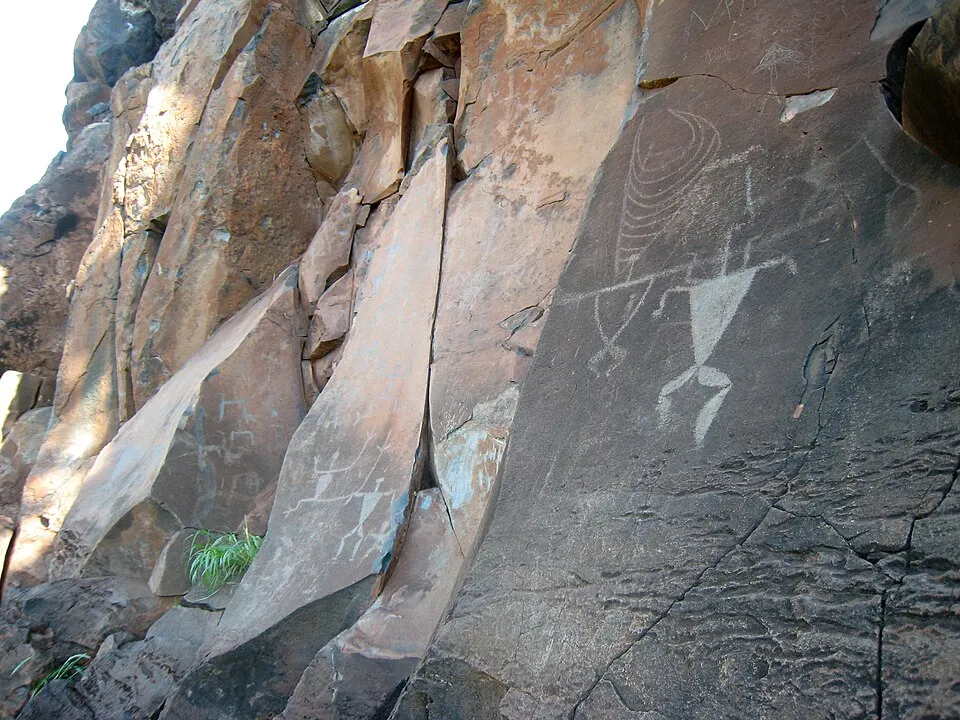
Historical and cultural documentation of Olowalu describes images that include people, animals, and sailing canoes. The surrounding area was historically significant as a travel corridor connecting communities and important destinations on Maui.
The site has unfortunately also experienced vandalism, demonstrating why protecting Hawaiian archaeological resources is so important.
Visitors should never attempt to trace, chalk, paint, touch, climb onto, or otherwise alter a petroglyph.
There is no single interpretation that applies to every Hawaiian petroglyph.
Some carvings may have documented people, families, journeys, significant events, or cultural practices. Other meanings have been lost or remain uncertain. At Puʻuloa, however, the enormous concentration of poho provides particularly strong evidence of traditions associated with children and family genealogy.
The National Park Service emphasizes the deep ancestral connections represented at Puʻuloa, where petroglyphs are connected with genealogy and family customs.
Rather than viewing kiʻi pōhaku simply as ancient drawings, visitors should recognize them as cultural resources connected to Native Hawaiian history and identity.
Petroglyphs have survived for centuries, but they can be permanently damaged surprisingly quickly. Walking directly over carvings can gradually wear them away, while touching, rubbing, chalking, or attempting to reproduce them can damage the rock surface.
At Puʻuloa, the National Park Service specifically instructs visitors to remain on the boardwalk because walking across the lava can fragment the delicate petroglyph surface.
When visiting any Hawaiian archaeological or cultural site, stay on designated trails, obey posted restrictions, leave rocks and artifacts exactly where they are, and photograph cultural features without touching them.
These locations are more than sightseeing attractions—they are part of Hawaiʻi's cultural heritage.
Petroglyph sites are only one way to explore the history of the Hawaiian Islands. Travelers can also visit historic trails, fishponds, preserved village sites, museums, cultural centers, and other archaeological areas.
On Maui, exploring cultural places such as Olowalu can also be combined with outdoor adventures that showcase the island's dramatically different environments. From West Maui's valleys to Upcountry and the slopes of Haleakalā, experiencing the landscape helps visitors develop a greater appreciation for the relationship between Hawaiian history, culture, and the natural environment.
The best Hawaiʻi experiences often come from looking beyond the beach and learning about the generations of people who shaped—and were shaped by—these islands.
Where are the most famous petroglyph sites in Hawaii?
Some of the best-known petroglyph sites in Hawaii include Puʻuloa Petroglyphs in Hawaiʻi Volcanoes National Park, Puakō Petroglyph Archaeological Preserve, the ʻAnaehoʻomalu Petroglyph Field, Kaloko-Honokōhau National Historical Park, and the Olowalu petroglyphs on Maui.
What is the largest petroglyph site in Hawaii?
Puʻuloa in Hawaiʻi Volcanoes National Park is the largest petroglyph field in the state, containing more than 23,000 recorded petroglyph images.
Are there petroglyphs on Maui?
Yes. One of Maui's best-known petroglyph locations is at Olowalu, where Hawaiian petroglyphs are carved into the basalt cliff at Puʻu Kilea. The site includes human figures and other imagery associated with the area's long history.
What island has the most Hawaiian petroglyphs?
Hawaiʻi Island contains several of the state's most extensive and accessible petroglyph fields, including Puʻuloa, Puakō, ʻAnaehoʻomalu, and archaeological features within Kaloko-Honokōhau National Historical Park.
What does a Hawaiian petroglyph mean?
The meaning varies depending on the carving and location. Petroglyphs may represent people, journeys, families, significant events, cultural practices, or symbolic imagery. Some meanings are no longer known. At Puʻuloa, thousands of small depressions are associated with the traditional placement of a newborn child's piko.
Can you touch petroglyphs in Hawaii?
Visitors should not touch, walk on, trace, chalk, carve, or alter Hawaiian petroglyphs. Oils from hands, physical abrasion, and repeated foot traffic can damage archaeological surfaces. Always follow marked trails and viewing platforms.
Is the Puʻuloa Petroglyph Trail difficult?
The National Park Service rates the approximately 1.4-mile round-trip trail as moderate. The route crosses uneven lava terrain and can be exposed to sun, rain, heat, and wind, so visitors should bring water and appropriate footwear.
Can you photograph Hawaiian petroglyphs?
Photography is generally permitted at publicly accessible petroglyph viewing areas unless signs indicate otherwise. Visitors should photograph the carvings from designated trails or viewing areas without touching or disturbing the site.
Why are Hawaiian petroglyphs important?
Hawaiian petroglyphs provide an enduring connection to Native Hawaiian history, genealogy, travel, traditions, and relationships with the land. Preserving these sites ensures that future generations can continue to study, understand, and respect Hawaiʻi's cultural heritage.
If you would like to read and learn more about interesting things in Hawaii! Check out our blog page here on our website!
or
Image Credits:
Puakō Petroglyphs, Hawaiʻi — Photo by Ken and Nyetta. Licensed under the Creative Commons Attribution 2.0 Generic (CC BY 2.0). Source: Wikimedia Commons.
Petroglyphs at Puʻuloa, Hawaiʻi Volcanoes National Park — National Park Service (NPS) photo. Public domain. Source: Wikimedia Commons.
Petroglyphs in Puakō Petroglyph Archaeological District, Hawaiʻi — Photo by Wmpearl. Dedicated to the public domain under CC0 1.0. Source: Wikimedia Commons.
Waikoloa Petroglyphs, Hawaiʻi — Photo by Jean Synodinos. Licensed under the Creative Commons Attribution 2.0 Generic (CC BY 2.0). Source: Wikimedia Commons.
Olowalu Petroglyphs, Maui — Photo by JoshBerglund19. Licensed under the Creative Commons Attribution 2.0 Generic (CC BY 2.0). Source: Wikimedia Commons.
For travelers interested in Hawaiian history, culture, and traditions, planning a Maui trip around old Lahaina sights and a traditional luau can add an entirely different dimension to an island vacation. Lāhainā is more than a scenic town on Maui’s west coast—it was once the capital of the Hawaiian Kingdom and later became an important whaling and plantation-era community.
Today, visiting Lāhainā also requires awareness and respect. The August 2023 wildfire caused devastating losses throughout the community and destroyed or severely damaged many historic structures. As recovery and rebuilding continue, travelers should always follow current access restrictions, respect posted signs, avoid photographing fire-impacted areas, and support local businesses whenever possible.
With thoughtful planning, you can combine the history of old Lāhainā with West Maui scenery, Hawaiian cultural experiences, and an evening at a traditional lūʻau.
Before exploring Lāhainā, it helps to understand why the area is so historically important.
Lāhainā served as the capital of the Hawaiian Kingdom during the early 19th century before the capital eventually moved to Honolulu. It later developed into a major Pacific whaling port, bringing sailors, missionaries, merchants, and immigrants from around the world to Maui.
These different periods created a remarkable concentration of Hawaiian, missionary, maritime, Chinese, Japanese, and plantation history.
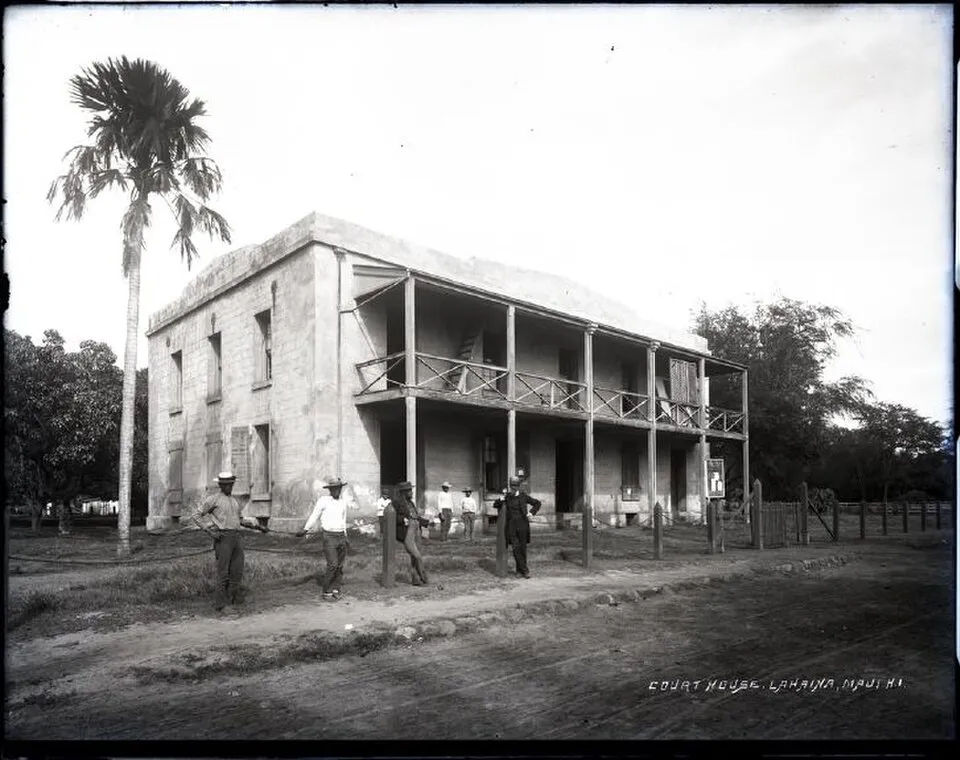
Historically, one of the best ways to understand this story has been the Lāhainā Historic Trail, also known as Ala Moʻolelo O Lāhainā. The historic route encompasses dozens of culturally and historically important locations spread throughout Lāhainā.
However, visitors should not rely on older travel guides when deciding which locations they can currently visit. Many historic properties were lost or damaged in the 2023 wildfire, and restoration is an ongoing process.
Before your trip, check the latest information from the Lahaina Restoration Foundation and official Hawaiʻi tourism resources to determine what areas and experiences are currently accessible.
Even when a historic structure cannot currently be entered, learning about it can help you better understand Lāhainā.
Important places historically associated with the town include the Baldwin Home, Wo Hing Museum, Old Lahaina Courthouse, Hale Paʻahao, Hale Aloha, Lahaina Harbor, and the famous Lāhainā Banyan Tree.
The Lahaina Restoration Foundation has preserved photographs, documents, artifacts, and historical information connected with many of these locations. After the wildfire, this documentation became even more important as the community works to preserve and eventually rebuild parts of Lāhainā's historic landscape.
Instead of treating Lāhainā as simply another sightseeing stop, spend some time learning the stories connected with these places. Doing so provides context for everything from the Hawaiian monarchy and missionary period to the whaling industry and Maui's plantation era.
A history-focused day does not need to involve rushing between attractions.
Consider spending the morning or early afternoon exploring accessible areas of West Maui and supporting locally owned restaurants, shops, galleries, and other businesses. Tourism remains an important part of Maui's economy, and responsible spending can directly benefit local families and communities.
If you encounter closed roads, private property, construction zones, memorial areas, or other restricted locations in Lāhainā, respect those boundaries. Travelers should also avoid treating neighborhoods or wildfire-damaged properties as sightseeing attractions.
The goal should be to learn about Lāhainā while respecting the fact that it is first and foremost a community and home.
One of the best ways to complement a day focused on Lāhainā history is with a traditional Hawaiian lūʻau.
The Old Lāhainā Lūʻau, located at 1251 Front Street, focuses specifically on Hawaiian culture, food, music, storytelling, and hula. Rather than presenting dances from throughout Polynesia, its entertainment is centered on Hawaiian traditions.
Guests can experience Hawaiian music and hula while enjoying foods associated with Hawaiʻi and the islands' multicultural culinary history. The oceanfront setting also makes the experience especially memorable around sunset.
One important distinction for travelers is that Old Lāhainā Lūʻau does not include a Samoan fire-knife performance. The company specifically focuses on Hawaiian traditions, while fire-knife dancing originates from Samoa. For visitors primarily interested in Hawaiian history and culture, that distinction can make the experience particularly relevant.
The lūʻau typically lasts around three hours, with starting times changing seasonally. Reservations are highly recommended, especially during busy Maui travel periods.
If Lāhainā history and a traditional lūʻau are major priorities for your trip, staying in West Maui can make your itinerary much easier.
Kāʻanapali, Nāpili, and Kapalua provide convenient bases for exploring the region while keeping you relatively close to Lāhainā. Staying nearby also means you will not have to make the longer drive back toward Kīhei or Wailea after an evening lūʻau.
A simple day could include breakfast in West Maui, a relaxed morning exploring the coastline, time devoted to learning about Lāhainā's history and supporting local businesses, followed by your lūʻau reservation around sunset.
Avoid packing too many activities into the same day. Lāhainā's history deserves time and attention, and a lūʻau is more enjoyable when it feels like the culmination of the day rather than another item squeezed into a crowded itinerary.
Lāhainā is only one chapter of Maui's history.
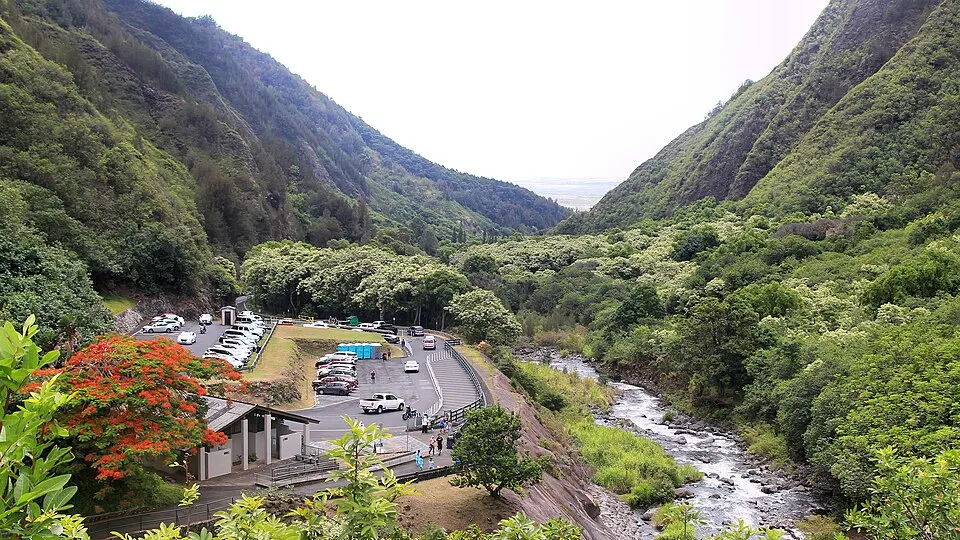
Travelers interested in Hawaiian culture can expand their itinerary to include other significant areas around the island. ʻĪao Valley has deep cultural importance and is associated with the Battle of Kepaniwai, while Upcountry Maui provides insight into ranching, agriculture, and the island's later history.
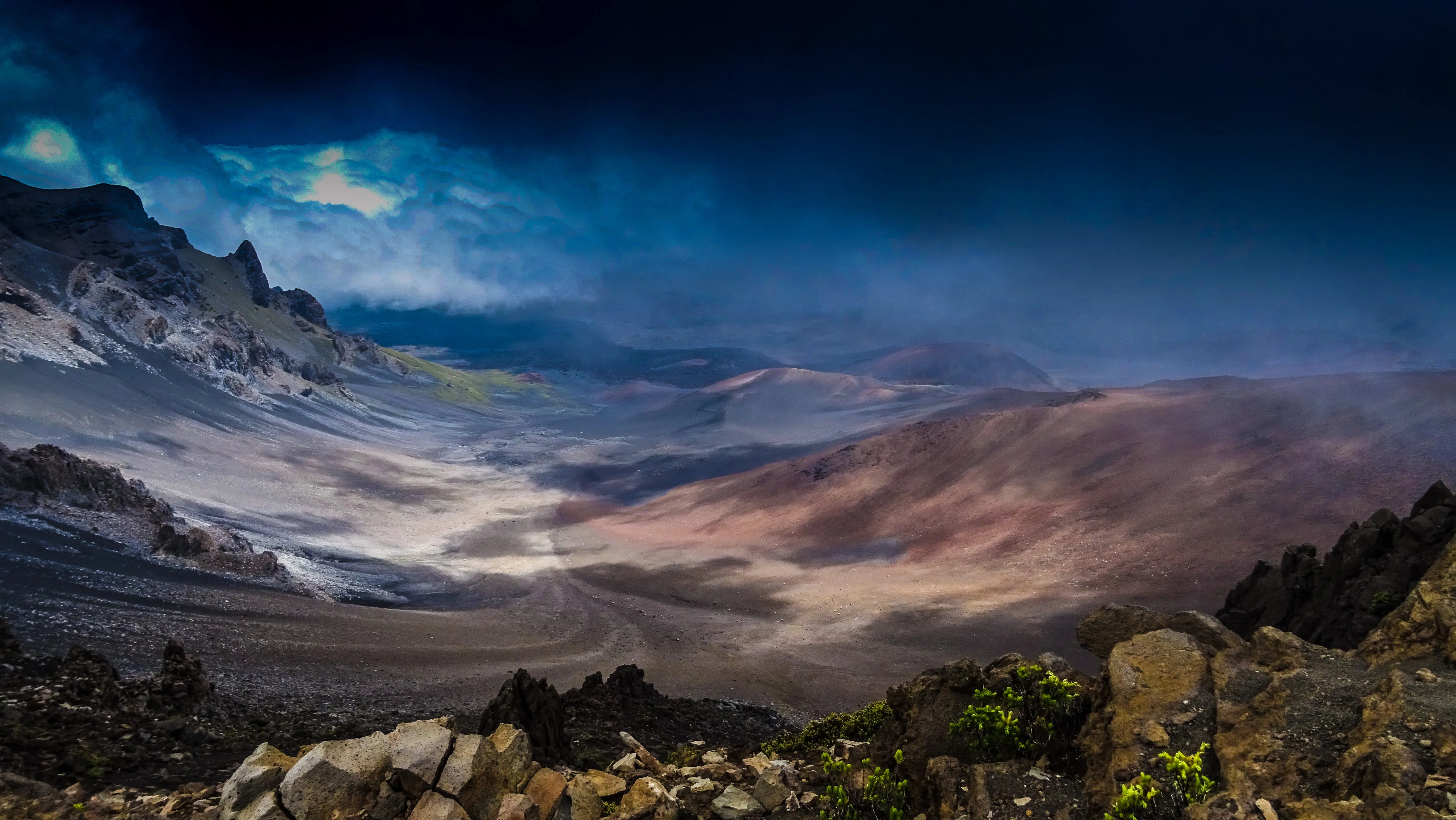
You can also explore Haleakalā, visit local museums and cultural programs, attend Hawaiian music events, and choose activities that introduce you to Maui's landscapes from a different perspective.
Building these experiences into your itinerary transforms a Maui vacation from simply seeing beautiful places into understanding more about the island you're visiting.
The best Maui itineraries balance adventure, relaxation, history, and culture.
If you're planning your trip around old Lahaina sights and a traditional luau, begin by learning about Lāhainā before you arrive. Check current recovery information, determine which areas are accessible, support local businesses, and leave plenty of time for a cultural experience such as a traditional Hawaiian lūʻau.
Most importantly, remember that Lāhainā is a living community with an extraordinary history—and one that continues to recover and rebuild.
Approaching your visit with curiosity and respect can make your time on Maui far more meaningful.
Can tourists visit old Lahaina sights right now?
Some areas of Lāhainā may be accessible, but many historic properties were destroyed or severely damaged during the August 2023 wildfire. Recovery conditions continue to change, so travelers should check current official information before visiting and obey all posted restrictions.
What historic sights was Lahaina known for?
Lāhainā has been associated with numerous important sites, including the Baldwin Home, Wo Hing Museum, Old Lahaina Courthouse, Hale Paʻahao, Hale Aloha, Lahaina Harbor, and the Lāhainā Banyan Tree. Many sites were affected by the 2023 wildfire, making it important to verify their current status before planning a visit.
Why is Lahaina historically important?
Lāhainā was once the capital of the Hawaiian Kingdom and later became an internationally important whaling port. Its history also reflects missionary activity, immigration, plantation life, and the development of modern Maui.
What is the best traditional luau near Lahaina?
Old Lāhainā Lūʻau is one of the best-known options for travelers specifically seeking a Hawaiian-focused cultural experience. Its show emphasizes Hawaiian music, hula, history, food, and storytelling.
Does Old Lahaina Luau have fire dancing?
No. Old Lāhainā Lūʻau focuses on Hawaiian cultural traditions and does not include the Samoan fire-knife dance. Fire-knife dancing is associated with Samoa rather than traditional Hawaiian culture.
How long should I spend exploring Lahaina before a luau?
Plan at least several hours in West Maui rather than rushing directly from one activity to another. This gives you time to explore accessible areas, learn about Lāhainā's history, eat locally, and arrive at your lūʻau comfortably before check-in.
Should I book a Maui luau in advance?
Yes. Popular Maui lūʻau experiences can sell out, especially during holidays and peak travel periods. Booking early is recommended once your Maui travel dates are confirmed.
Can I combine Lahaina sightseeing and a luau in one day?
Yes. They pair naturally because you can spend the earlier part of the day learning about Lāhainā and exploring West Maui before attending an evening lūʻau. Keeping the rest of the day relatively flexible will make the experience feel much less rushed.
How can I visit Lahaina respectfully after the wildfire?
Follow posted signs, stay out of restricted or residential areas, avoid photographing fire-damaged properties, support local businesses, and remember that recovery is ongoing. Checking current guidance shortly before your visit is one of the best ways to ensure you are traveling responsibly.
If you would like to read and learn more about interesting things in Hawaii! Check out our blog page here on our website!
or
Image Credits:
Blog Photos:
Old Lahaina Courthouse, Maui — Photo by Eric Chan. Licensed under the Creative Commons Attribution 2.0 Generic (CC BY 2.0). Source: Wikimedia Commons.
Court House, Lahaina, Maui — Photograph by Brother Bertram (Gabriel Bertram Bellinghausen), circa 1883–1905. Public domain. Source: Wikimedia Commons.
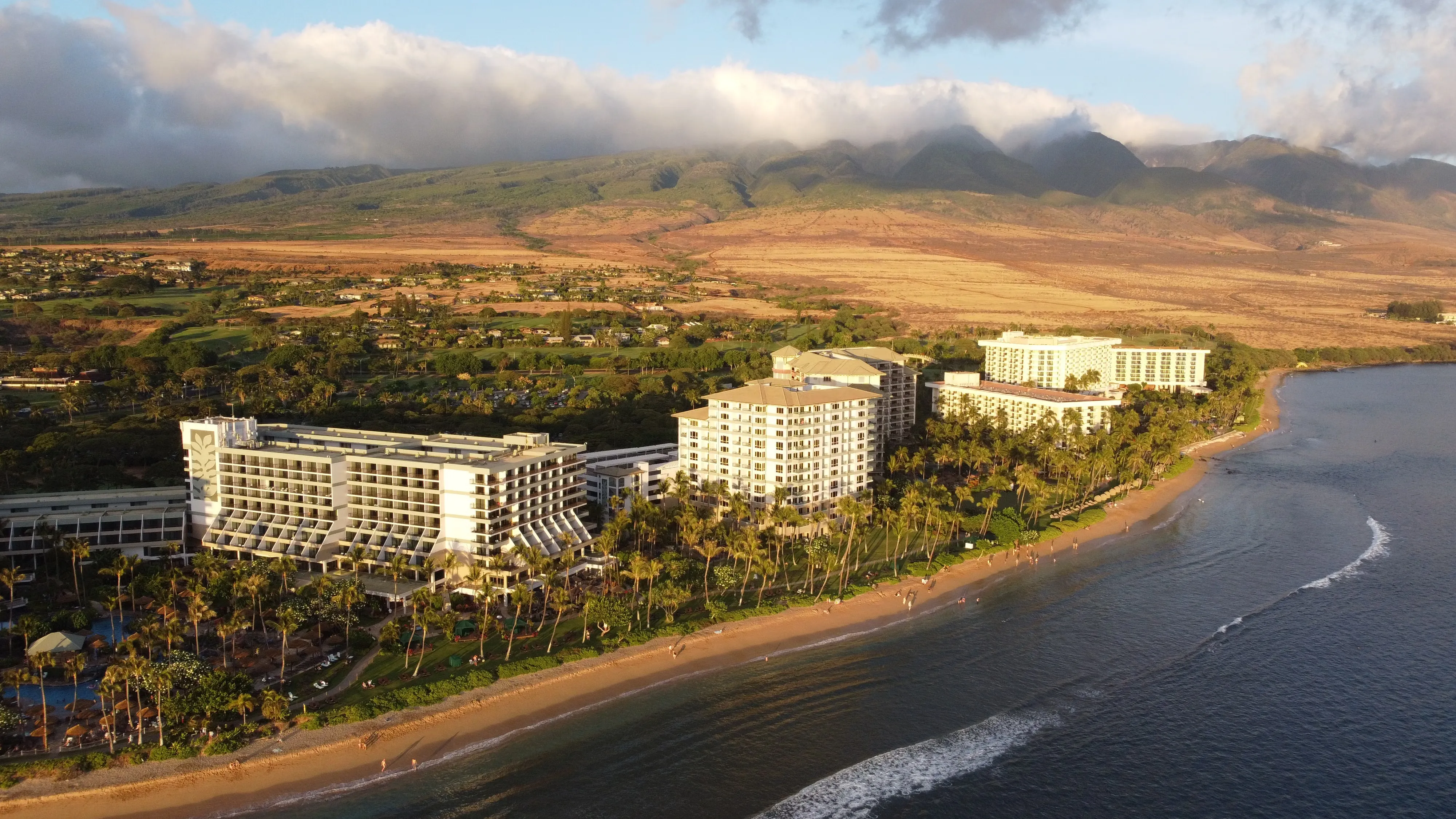
"Aerial view of modern resorts on the maui island in hawaii" by Jashith G, via Pexels
ʻĪao Valley State Park Entrance, Maui — Photo by Larry D. Moore. Licensed under the Creative Commons Attribution 4.0 International (CC BY 4.0). Source: Wikimedia Commons.
"A breathtaking view of Haleakalā Crater in Maui, Hawaii, taken at dusk with dramatic clouds and rocky terrain." by Edoardo Colombo, via Pexels
If you search “whale Maui” while planning a Hawaiian vacation, you are probably wondering when whales are around, where you can see them, and whether Maui is a good island for whale watching. The answer is simple: Maui is one of Hawaiʻi’s premier destinations for seeing humpback whales during the winter months.
Every year, thousands of North Pacific humpback whales, known in Hawaiian as koholā, migrate to the warm waters surrounding the Hawaiian Islands. Hawaiʻi serves as an important breeding, calving, and nursing area for these enormous marine mammals. According to NOAA, approximately half of the North Pacific humpback whale population uses Hawaiian waters during the winter and spring.
For Maui visitors traveling during whale season, spotting a humpback can become one of the most memorable experiences of the entire trip.
The Maui whale season generally runs from November into April or May, although the exact arrival and departure of the whales varies each year.
If whale watching is one of the main reasons for your trip, January through March is typically the best window to visit Maui. NOAA identifies these months as the usual peak period for humpback abundance in Hawaiian waters.
During the beginning of the season, visitors may notice occasional whales appearing offshore. Numbers generally increase as winter progresses before declining again during spring as whales begin migrating back toward northern feeding grounds.
Because whales are wild animals, sightings are never completely guaranteed. However, visiting during peak season can significantly improve your chances.
Humpback whales don't come to Hawaiʻi primarily to feed. Instead, the islands provide important winter breeding habitat.
The whales travel from colder northern feeding areas to Hawaiʻi's warm waters to mate, give birth, and nurse their calves. The relatively warm, shallow waters surrounding the Hawaiian Islands provide important habitat during this stage of their lives.
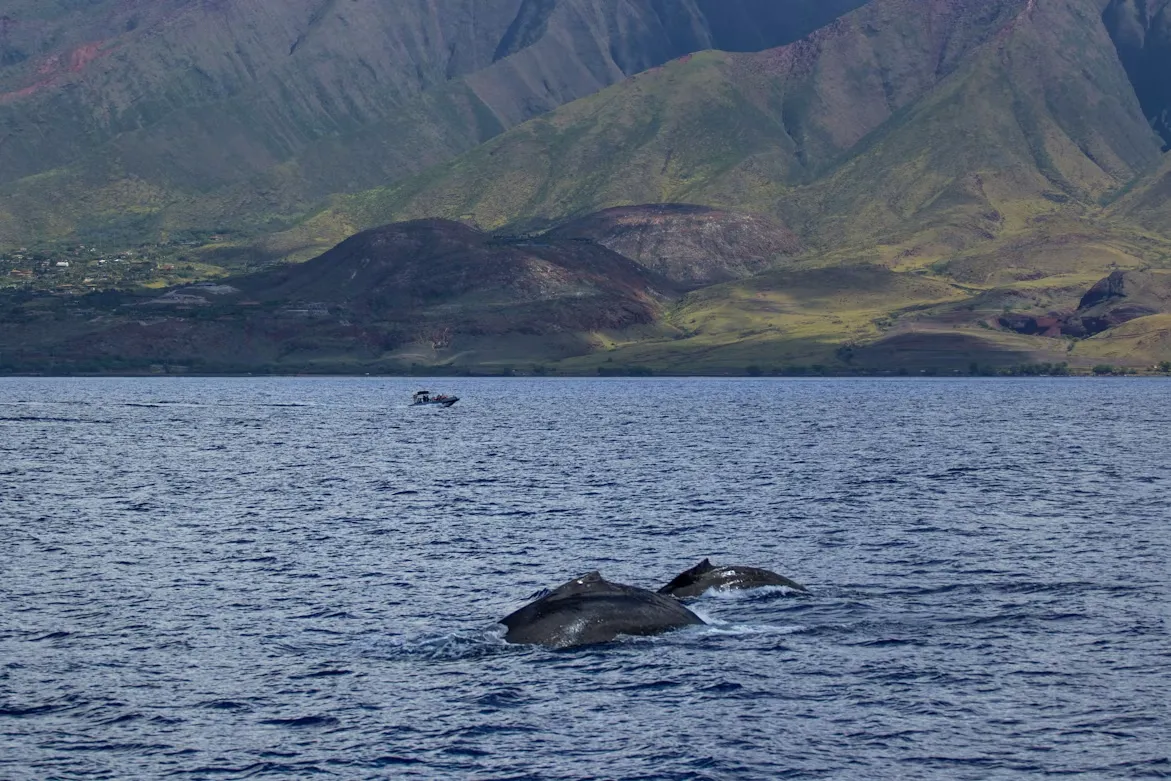
This migration is impressive considering the enormous distances the whales travel between their seasonal habitats.
Maui is especially interesting because of the extensive shallow-water habitat surrounding Maui Nui. NOAA has conducted dedicated vessel surveys off West Maui to better understand the abundance and distribution of humpback whales in the region.
One of the great things about searching for whales on Maui is that you don't necessarily have to get on a boat.
During peak season, whales can sometimes be spotted directly from shore. Elevated viewpoints can be particularly useful because they provide a wider view of the ocean.
Visitors often look for activity in the waters around West and South Maui, including areas facing the channels between Maui, Lānaʻi, Molokaʻi, and Kahoʻolawe.
Watch carefully for a sudden misty plume above the ocean. This is the whale's blow, created when it exhales at the surface.
You might also see a dark back rolling through the water, a tail disappearing beneath the surface, or more dramatic behaviors such as breaches and fin slaps.
Bringing binoculars can make shoreline whale watching even better.
For travelers who want to dedicate part of their vacation specifically to whales, a guided Maui whale-watching tour can be worthwhile.
Boat tours allow visitors to experience the ocean environment while knowledgeable guides explain humpback whale behavior, migration, conservation, and Hawaiian marine ecology.
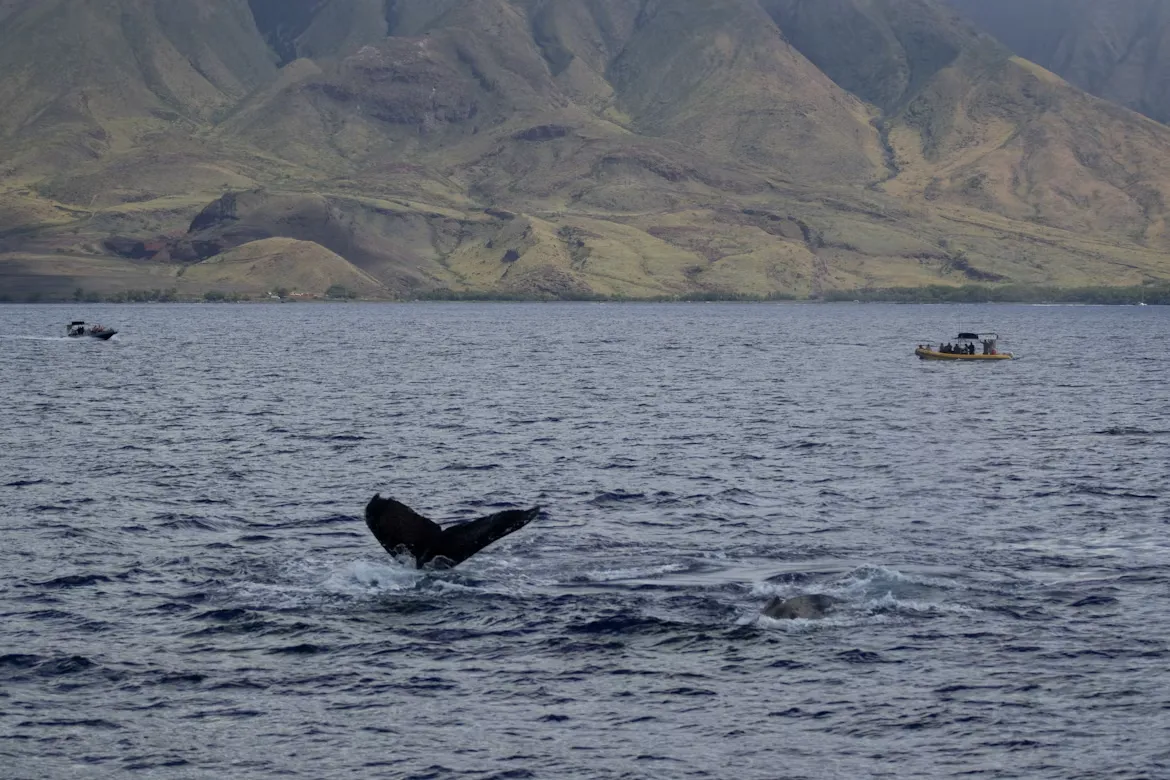
However, responsible wildlife viewing is extremely important.
Humpback whales in Hawaiian waters are protected, and ocean users cannot approach within 100 yards of a humpback whale. The rule applies to vessels as well as swimmers, kayakers, paddleboarders, and other ocean users.
Whales may occasionally choose to approach a vessel themselves. In those situations, operators must continue following applicable wildlife-viewing regulations rather than intentionally moving closer.
Every whale-watching experience is different, which is part of what makes seeing humpbacks so exciting.
One of the most famous behaviors is breaching, when much of a whale's enormous body launches above the surface before crashing back into the ocean.
Visitors might also see:
Male humpback whales are also famous for their complex songs. NOAA researchers use acoustic monitoring because humpback song becomes a major part of Maui's underwater soundscape during winter.
Whale season doesn't mean your entire vacation has to revolve around the ocean.
One of the best ways to experience Maui is to combine marine activities with adventures on land. You might spend the morning searching for humpback whales and then explore Upcountry Maui, visit the slopes of Haleakalā, hike through a tropical landscape, or go ziplining.
This creates a more complete Maui itinerary, especially for families and groups with different interests.
For an adventurous land-based experience, NorthShore Zipline in Haʻikū offers visitors an opportunity to explore a completely different side of Maui after spending time along the coast. Instead of making every vacation day a beach day, travelers can experience Maui's forests, mountain scenery, history, and outdoor adventures as well.
Whale watching should always be about observing these animals without interfering with their natural behavior.
The Hawaiian Islands Humpback Whale National Marine Sanctuary works to protect humpback whales and their Hawaiian habitat through research, education, conservation, and resource protection. Threats can include vessel collisions, entanglement, harassment, and broader environmental changes.
Visitors can help by keeping the required distance, choosing responsible tour operators, reducing marine debris, and never attempting to touch or swim toward a whale.
Respecting these animals helps ensure that future generations can continue experiencing the return of koholā to Hawaiʻi.
For current regulations, whale information, conservation resources, and responsible viewing guidance, these official resources are useful when planning your trip:
Hawaiian Islands Humpback Whale National Marine Sanctuary — Learn about humpback whales, research, conservation, and Hawaiʻi's protected whale habitat.
NOAA Humpback Whale Boating Guidelines — Review safe and responsible boating practices around whales.
NOAA Humpback Whale Regulations — Learn about required approach distances and other protections for humpback whales in Hawaiʻi.
NOAA Humpback Whale Research and Monitoring — Explore research into whale abundance, behavior, acoustic activity, and distribution.
NOAA Responsible Recreation Guidelines — Helpful information for enjoying Hawaiʻi's marine environment responsibly.
What months are whales in Maui?
Humpback whales are generally found around Hawaiʻi from approximately November through April or May, with the greatest abundance typically occurring from January through March.
What is the best month to see whales in Maui?
January, February, and March are generally excellent months for Maui whale watching because they fall within the peak period for humpback whale abundance. February is particularly popular for travelers planning a vacation specifically around whale watching.
Can you see whales from shore in Maui?
Yes. During peak whale season, humpback whales can often be spotted from Maui's shoreline. Look for whale blows, breaches, tail slaps, and other surface activity. Binoculars and elevated coastal viewpoints can improve your chances of seeing them.
Where is the best place to see whales in Maui?
West and South Maui provide many opportunities for shoreline whale watching, while whale-watching boat tours depart from several locations around the island. The best location on any particular day can depend on whale activity, weather, and ocean conditions.
Why are there so many whales around Maui?
Humpback whales migrate to Hawaiian waters during winter to breed, give birth, and nurse their calves. The warm and relatively shallow waters surrounding the islands provide important winter habitat.
Can you swim with humpback whales in Maui?
You cannot intentionally approach humpback whales for a close encounter. In Hawaiian waters, regulations prohibit approaching a humpback whale within 100 yards by any means while on or in the water.
Are Maui whale-watching tours worth it?
For many visitors, yes. A whale-watching tour can provide a dedicated opportunity to look for whales while learning about humpback behavior, migration, and conservation from experienced guides. Remember that humpbacks are wild animals, so specific sightings or behaviors can never be guaranteed.
Can you see whales in Maui in December?
Yes. December falls within Maui's general humpback whale season, and sightings are possible. However, whale abundance typically increases later in winter, with the peak generally occurring from January through March.
Can you see whales in Maui in April?
Yes. Humpback whales can still be present around Maui in April, although numbers generally begin decreasing as whales migrate away from Hawaiʻi toward their northern feeding grounds.
Is Maui good for whale watching with kids?
Absolutely. Whale watching can be a memorable family activity, especially during peak season. Families can choose between shoreline viewing and boat excursions depending on children's ages, comfort on the ocean, and weather conditions.
Searching “whale Maui” might start with the hope of seeing a humpback breach offshore, but whale season can become part of a much larger Maui adventure.
From watching koholā along the coastline to exploring Haleakalā, Upcountry Maui, tropical forests, snorkeling destinations, hiking trails, and outdoor adventures like ziplining, Maui offers far more than a single attraction.
If you're visiting between winter and early spring, keep your eyes on the ocean. That splash in the distance might be one of Maui's most famous seasonal visitors.
If you would like to read and learn more about interesting things in Hawaii! Check out our blog page here on our website!
or
Image Credits:
Blog Photos:
"black whale tail" by Andrew Bain, via Unsplash
"green mountain beside body of water during daytime" By Colton Jones, via Unsplash
"black whale on blue sea during daytime" by Colton Jones, via Unsplash
Planning a family vacation to Maui means finding activities that everyone—from young children to grandparents—can enjoy together. Fortunately, Maui is filled with adventures that combine beautiful scenery, Hawaiian culture, wildlife, and outdoor fun. Whether your family wants to relax on the beach, explore lush rainforests, discover marine life, or experience thrilling adventures, the Valley Isle offers something for every age and interest.
If you're asking which Maui activities are family-friendly, this guide highlights some of the island's best experiences to help you build an unforgettable itinerary.
One of the most memorable family adventures on Maui is a guided zipline tour.
NorthShore Zipline, located in Haʻikū on Maui's North Shore, offers an exciting experience that combines adventure with education. Families soar through towering eucalyptus forests while learning about Maui's natural environment, Hawaiian history, and conservation efforts from knowledgeable guides.

Many families choose ziplining because it offers:
Be sure to check age, height, and weight requirements before booking to ensure everyone in your group qualifies.
No family vacation is complete without beach time.
Some of Maui's most family-friendly beaches include:
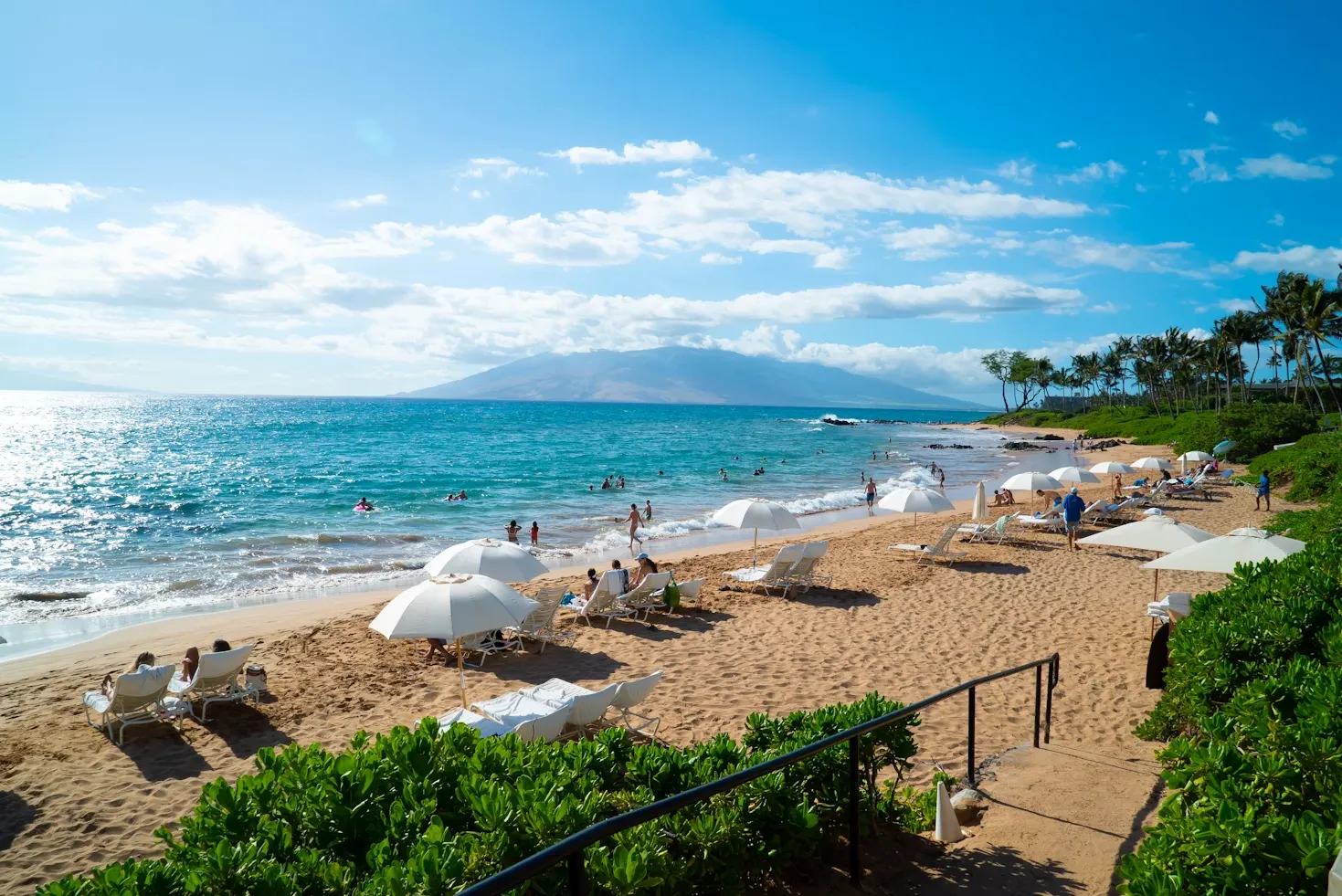
Known for calm, shallow water protected by an offshore reef, Baby Beach is a favorite for families with younger children.
Gentle waves and excellent snorkeling make Napili Bay perfect for both swimming and relaxing.
Located in Kīhei, these beaches feature lifeguards, grassy picnic areas, restrooms, and calm swimming conditions during favorable weather.
Always check ocean conditions before entering the water, as surf can change quickly.
Haleakalā offers families a chance to experience one of Maui's most remarkable natural wonders.
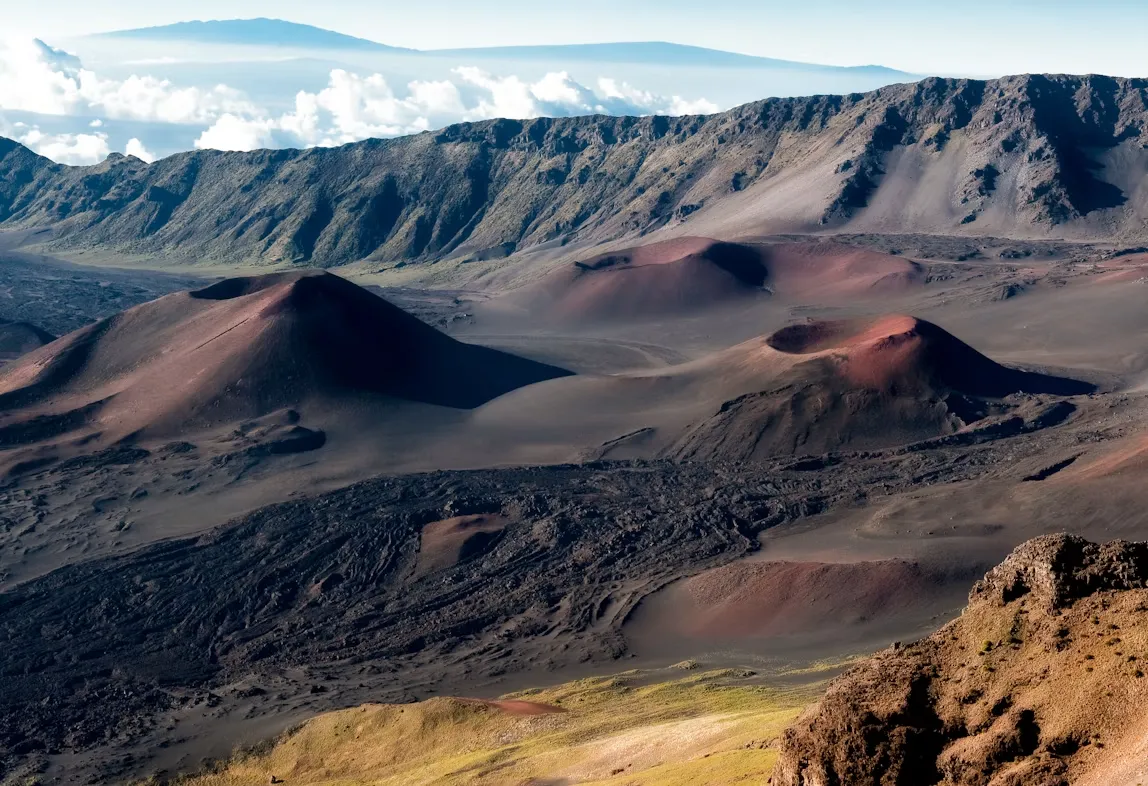
Families can enjoy:
While sunrise requires reservations, visiting later in the day can provide a more relaxed experience with fewer crowds.
Remember to bring jackets—the summit is much cooler than the beaches.
The Road to Hāna is an adventure the entire family can enjoy when taken at a relaxed pace.
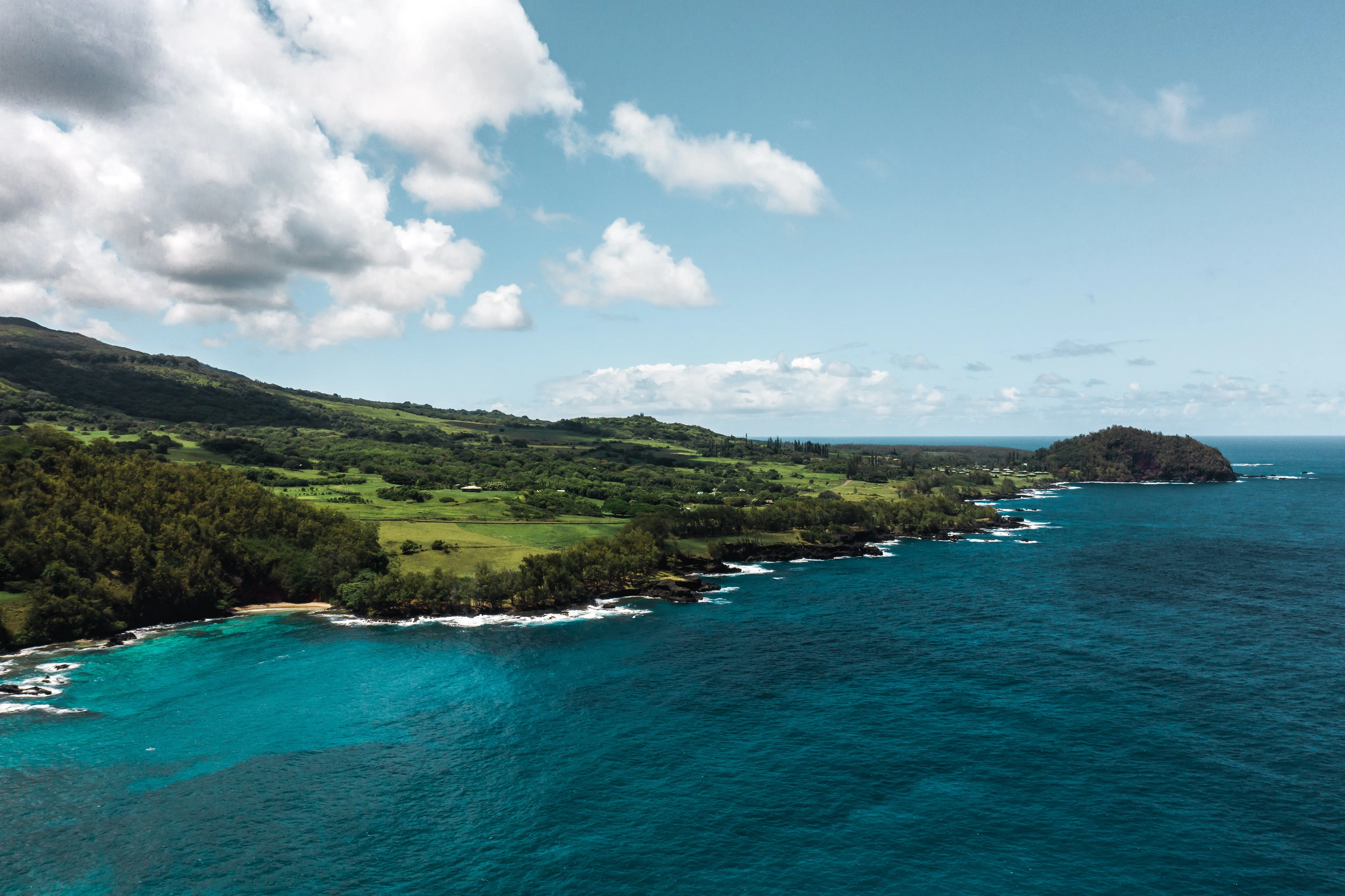
Popular family-friendly stops include:
Rather than rushing to reach Hāna, plan plenty of stops to let children stretch, explore, and enjoy the scenery.
Packing snacks, water, and entertainment for younger travelers makes the drive even more enjoyable.
Snorkeling allows families to discover Maui's incredible underwater world.
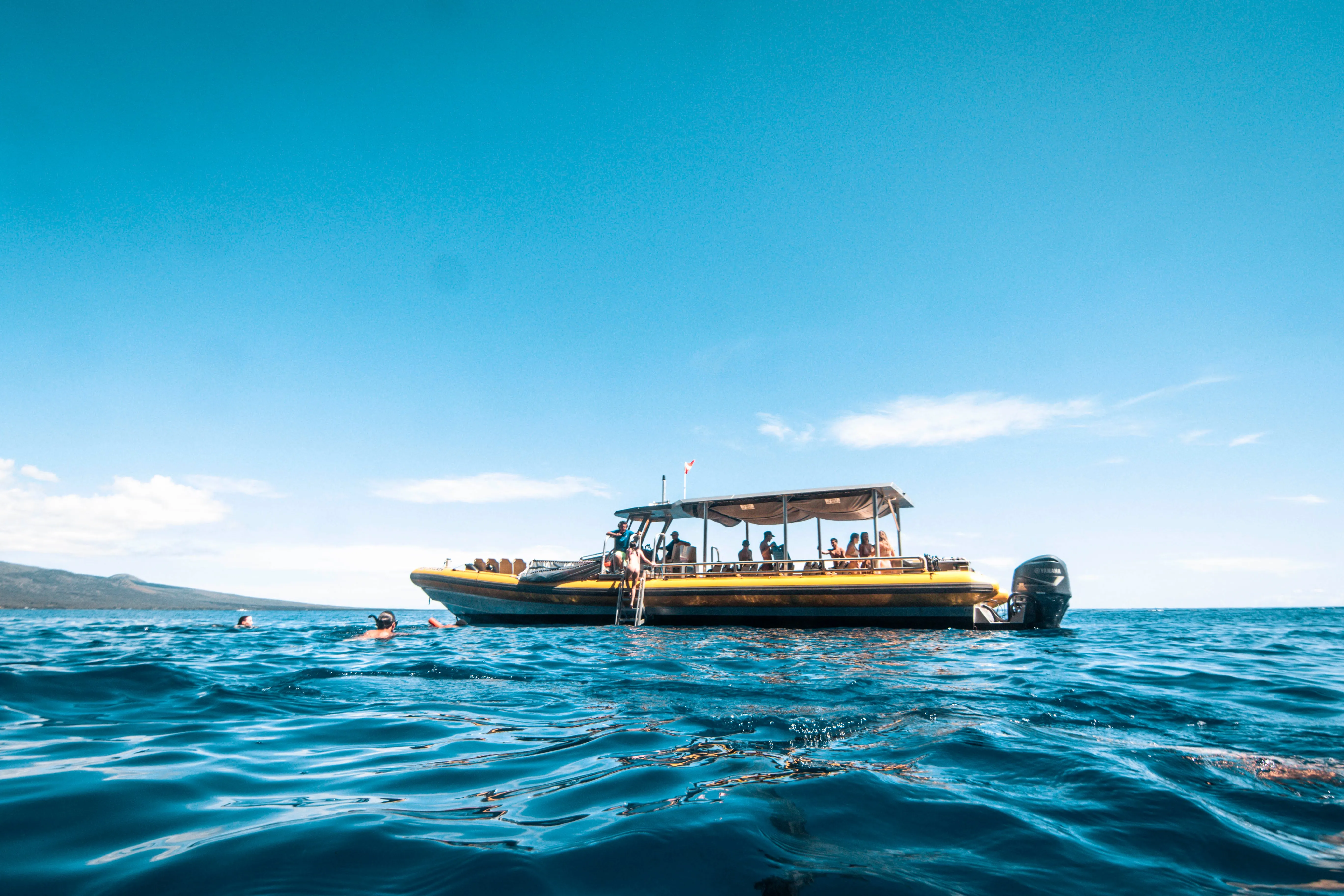
Popular beginner-friendly locations include:
Families often encounter:
Children who aren't ready for deeper snorkeling can still enjoy swimming near shore with proper supervision.
For families seeking an easy outdoor adventure, ʻĪao Valley is an excellent choice.
The paved walking paths lead visitors through lush tropical scenery while showcasing the famous ʻĪao Needle rock formation.
Families enjoy:
It's one of the easiest ways to experience Maui's natural beauty without a strenuous hike.
Hoʻokipa Beach Park is famous for its resident Hawaiian green sea turtles.
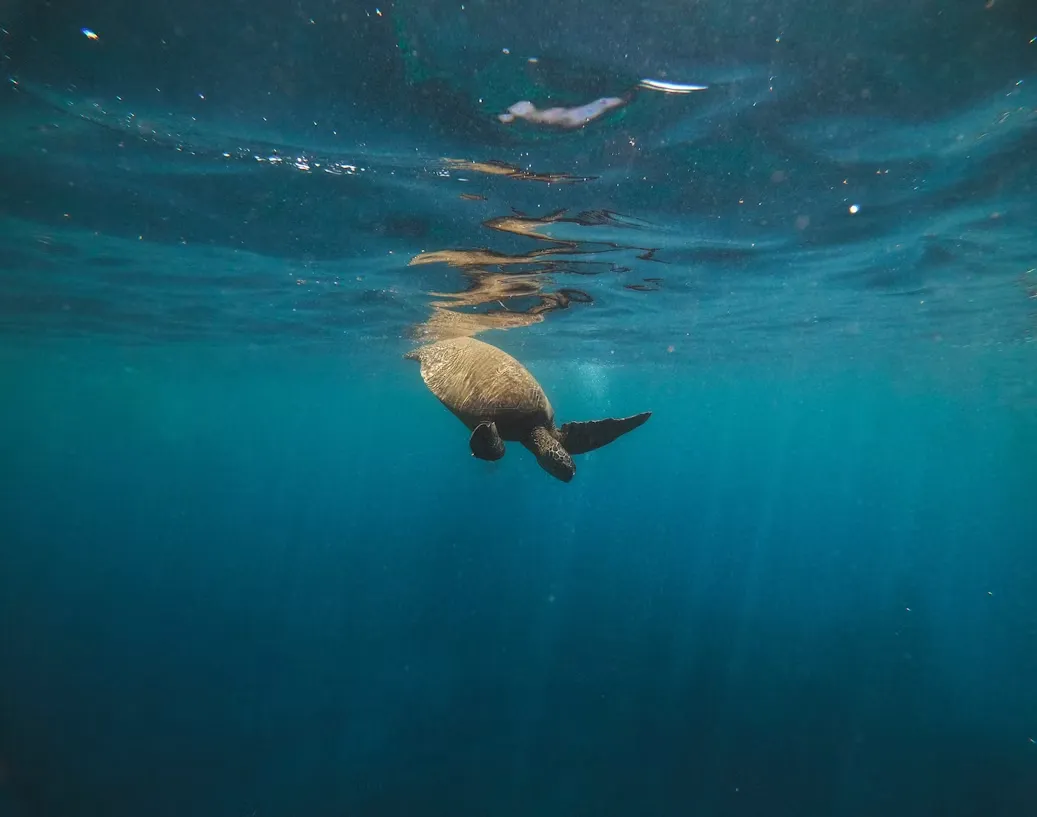
Late afternoons often bring dozens of turtles onto the beach to rest.
Children especially enjoy spotting:
Always observe wildlife from a respectful distance, as sea turtles are protected by federal law.
Many surf schools offer family-friendly lessons designed for beginners.
Professional instructors teach:
Private family lessons allow everyone to learn together while creating unforgettable vacation memories.
If your family wants a break from the sun, the Maui Ocean Center provides an outstanding educational experience.
Highlights include:
It's an excellent activity regardless of the weather.
Between December and April, humpback whales migrate to Maui's warm waters.
Family-friendly whale watching cruises often feature:
Seeing these magnificent animals in the wild is often the highlight of a Maui vacation.
Every family has different interests and energy levels. These tips can help everyone enjoy the trip:
Keeping your schedule balanced helps ensure everyone has a fun and relaxing vacation.
One of Maui's greatest strengths is its incredible variety of experiences. Families can spend one day exploring waterfalls, another snorkeling with tropical fish, another soaring through rainforest canopies, and another simply relaxing on a calm beach.
Whether your family enjoys adventure, wildlife, Hawaiian culture, or simply spending quality time outdoors, Maui offers activities suitable for nearly every age group and interest.
If you're researching which Maui activities are family-friendly, you'll quickly discover that the island is one of Hawaiʻi's best destinations for creating lifelong memories together.
Which Maui activities are family-friendly for young children?
Families with young children often enjoy Baby Beach, Maui Ocean Center, ʻĪao Valley State Monument, calm snorkeling beaches, scenic drives, and turtle watching at Hoʻokipa Beach.
Is ziplining family-friendly on Maui?
Yes. Many zipline operators, including NorthShore Zipline, welcome families with children who meet the required age, height, and weight guidelines. Always review tour requirements before booking.
What are the best outdoor family activities on Maui?
Some of the best outdoor activities include ziplining, beach days, snorkeling, Haleakalā National Park, the Road to Hāna, whale watching (seasonal), paddleboarding, and short nature walks.
Are there free family activities on Maui?
Yes. Families can enjoy many beaches, scenic overlooks, turtle viewing areas, public parks, and several hiking trails with little or no admission cost.
What Maui activities are best if it rains?
Good rainy-day options include the Maui Ocean Center, scenic drives, local museums, shopping, and certain outdoor tours that continue safely in light rain depending on weather conditions.
Which Maui beach is best for families?
Baby Beach, Napili Bay, Kamaʻole Beach Parks, and Kapalua Bay are among the most popular choices due to their generally calmer waters and family-friendly amenities.
How far in advance should families book Maui activities?
Popular tours such as ziplining, snorkeling excursions, whale watching cruises, and sunrise reservations at Haleakalā should ideally be booked several weeks before your vacation, especially during peak travel seasons.
What should families pack for outdoor activities on Maui?
Bring reef-safe sunscreen, hats, reusable water bottles, snacks, swimsuits, towels, lightweight hiking shoes, sunglasses, and a light jacket for cooler areas like Haleakalā or Upcountry Maui.
If you would like to read and learn more about interesting things in Hawaii! Check out our blog page here on our website!
or
Image Credits:
Blog Photos:
"a beach filled with lots of white umbrellas next to the ocean" by Kenneth Oh, via Unsplash
"brown and red sand" by Jeff King, via Unsplash
"an aerial shot of a beautiful coast" by Katie Cerami, via Pexels
"people swimming close to motorboat out at sea" by Jake Houglum, via Pexels
"a sea turtle swimming in the ocean" by Núria Palat Pañella, via Unsplash
If you're searching for the ultimate Maui snorkeler guide, you've come to the right place. Maui is consistently ranked among the world's best snorkeling destinations thanks to its crystal-clear water, thriving coral reefs, abundant marine life, and year-round warm temperatures. Whether you're visiting for the first time or returning for another Hawaiian adventure, snorkeling offers an unforgettable way to experience the island from a completely different perspective.
From colorful tropical fish and Hawaiian green sea turtles to vibrant coral gardens and occasional reef sharks or manta rays, every snorkeling trip is unique. Before heading into the water, however, it's important to understand where to snorkel, how to stay safe, and what other Maui adventures can complement your vacation.
Maui offers snorkeling opportunities for nearly every skill level. Calm, protected bays provide ideal conditions for beginners, while more experienced snorkelers can venture into deeper reefs and offshore marine sanctuaries.
Some of the biggest reasons visitors love snorkeling on Maui include:
Many visitors find that snorkeling becomes one of the highlights of their Hawaiian vacation because it allows them to connect directly with Maui's incredible marine environment.
One of Hawaii's most famous snorkeling destinations, Molokini Crater is a partially submerged volcanic crater located just offshore from South Maui. Protected waters and exceptional visibility often exceeding 100 feet make it one of the premier snorkeling experiences in the state.
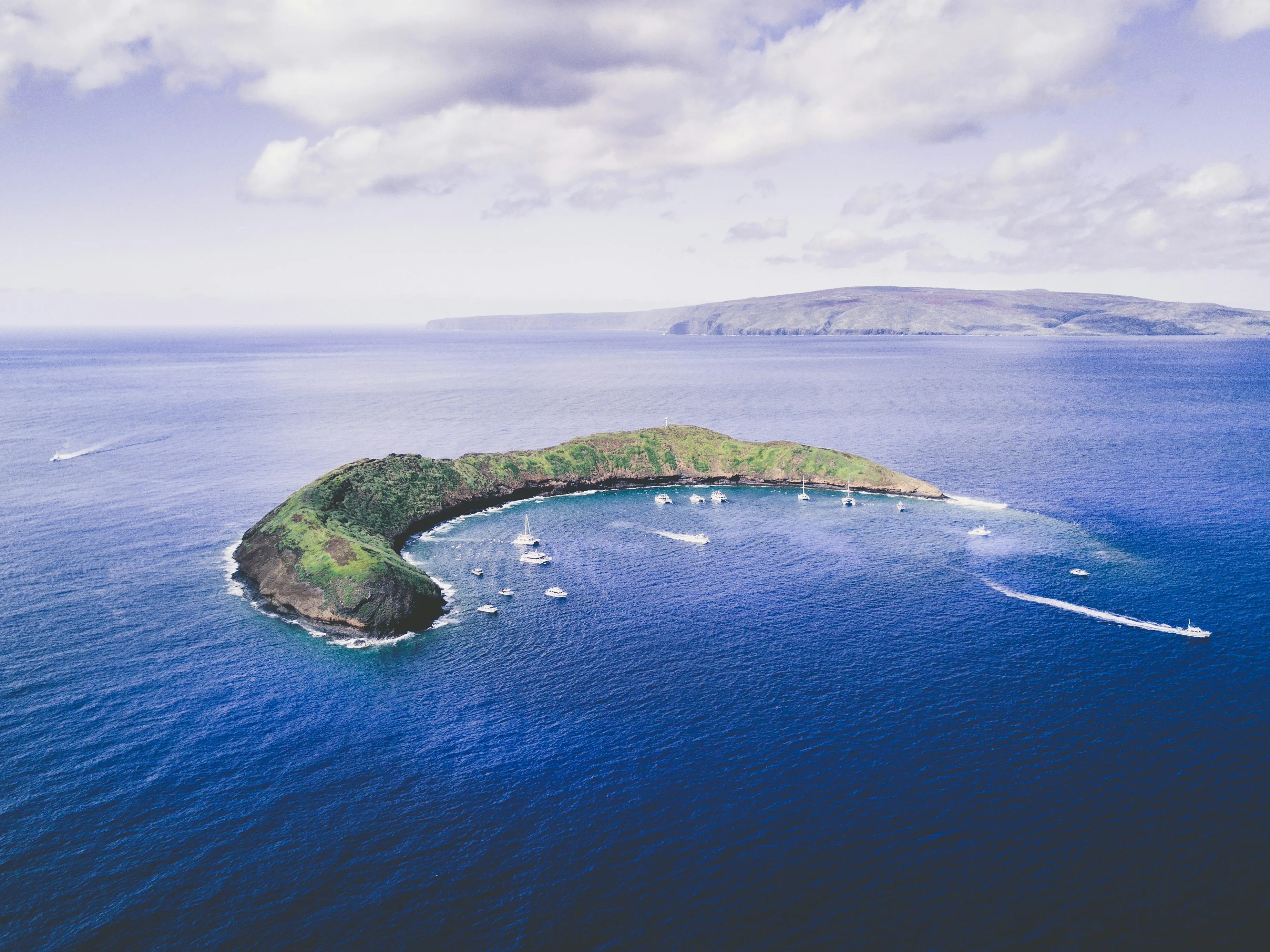
Marine life commonly seen includes:
Most visitors reach Molokini by guided boat tour departing from Māʻalaea Harbor or Kīhei.
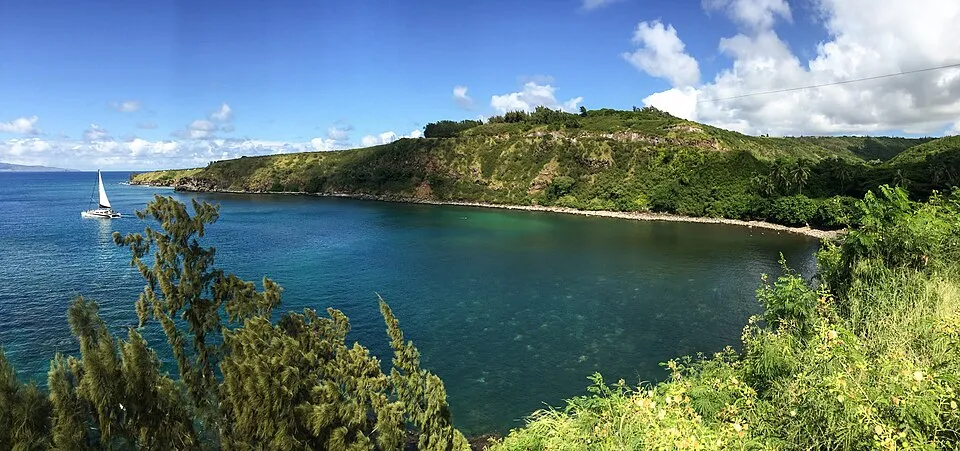
Located on Maui's northwest coast, Honolua Bay is known for its healthy coral reefs and incredible biodiversity. During calm summer months, visibility can be outstanding.
Because this area is a Marine Life Conservation District, fish populations remain especially abundant.
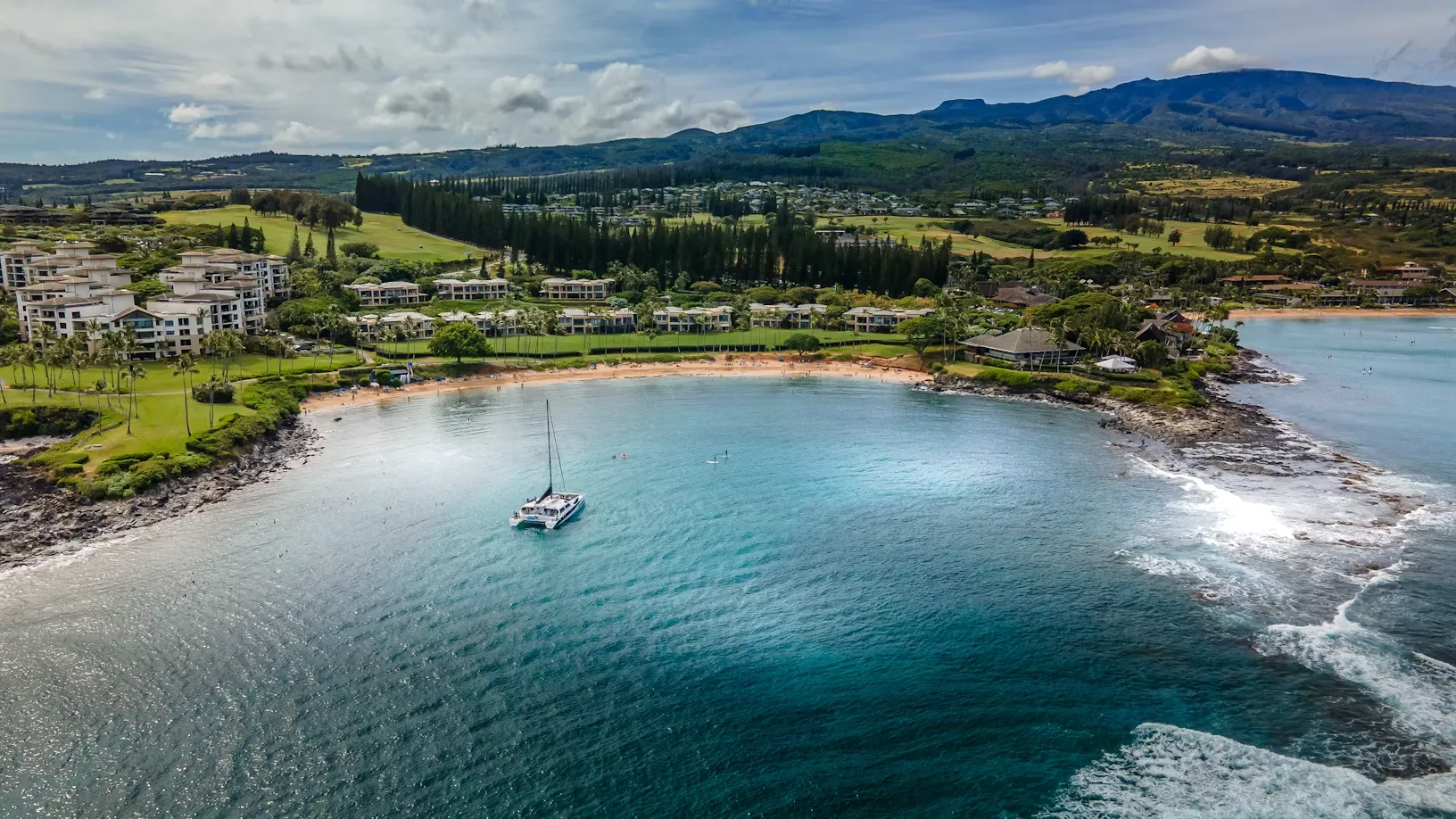
Perfect for beginner snorkelers and families, Kapalua Bay offers relatively calm water and easy beach access. It's an excellent location to see colorful reef fish close to shore.
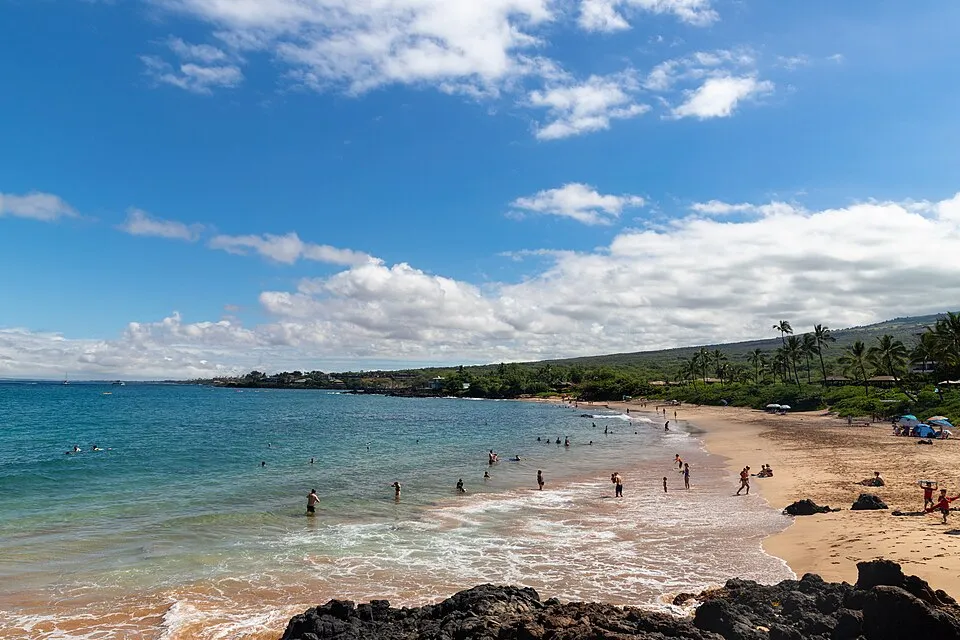
Often referred to as Turtle Town, this South Maui beach is one of the island's best places to observe Hawaiian green sea turtles responsibly in their natural habitat.
Remember to always maintain a respectful distance and never touch or chase marine wildlife.
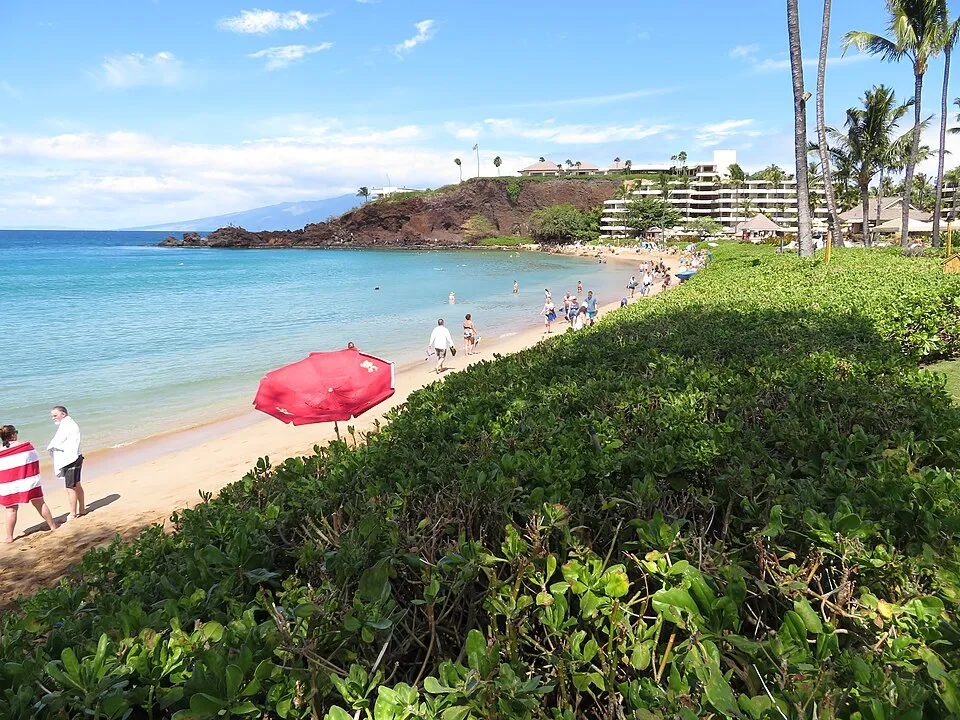
Black Rock combines beautiful snorkeling with one of Maui's most iconic beaches. The rocky lava formations attract many species of fish, making this a favorite for both locals and visitors.
One of the most exciting aspects of snorkeling is never knowing exactly what you'll encounter.
Common sightings include:
Every season brings slightly different wildlife viewing opportunities, making each snorkeling experience unique.
If this is your first snorkeling adventure, following a few simple tips can greatly improve your experience.
Morning typically offers:
Ocean conditions often become rougher during the afternoon.
Protecting Maui's coral reefs helps preserve the island's marine ecosystem for future generations. Choose mineral-based reef-safe sunscreen and avoid products containing harmful chemicals.
Coral reefs are living animals that can be damaged by even slight contact. Standing on coral can permanently destroy decades of growth.
If conditions appear rough or you're uncomfortable swimming in open water, choose calmer beaches or consider joining a guided snorkeling excursion.
The ocean deserves respect, even on calm days.
Before entering the water:
If conditions don't feel right, there will always be another opportunity.
A successful snorkeling trip starts with proper preparation.
Recommended items include:
Rentals are widely available across Maui if you don't bring your own equipment.
While snorkeling showcases Maui's incredible underwater world, the island offers plenty of adventures above sea level as well.
For visitors looking to experience Maui from a completely different perspective, consider adding a zipline adventure through the island's lush rainforest. Flying high above tropical valleys provides breathtaking panoramic views that perfectly complement a day spent exploring beneath the ocean's surface.
NorthShore Zipline in Haʻikū offers guided canopy tours featuring scenic forest landscapes, suspension bridges, and exciting dual-line ziplines. Many visitors enjoy combining both snorkeling and ziplining during their Maui vacation to experience two completely different sides of the island.
Snorkeling is enjoyable throughout the year, although conditions vary.
Summer (May–September):
Winter (November–March):
Checking daily ocean forecasts before heading out is always recommended.
Every Maui snorkeler plays a role in protecting Hawaii's fragile ecosystems.
Remember to:
Responsible tourism helps ensure Maui remains a world-class snorkeling destination for generations to come.
Where is the best place for a Maui snorkeler?
Popular locations include Molokini Crater, Honolua Bay, Kapalua Bay, Turtle Town (Maluaka Beach), and Black Rock, each offering unique underwater experiences depending on ocean conditions.
What time should a Maui snorkeler go snorkeling?
Early morning is usually the best time because winds are lighter, the water is calmer, and visibility is often at its best.
Is snorkeling in Maui safe for beginners?
Yes. Many beaches offer calm conditions suitable for beginners, especially when ocean conditions are favorable. Beginners should consider wearing flotation devices and snorkeling with a partner or guide.
Can a Maui snorkeler see sea turtles?
Absolutely. Hawaiian green sea turtles are commonly seen at several snorkeling locations, particularly Turtle Town. Always observe them from a respectful distance.
Do I need to bring my own snorkeling gear?
No. Snorkeling equipment can be rented from numerous shops throughout Maui, and many guided tours include all necessary gear.
Is Molokini Crater worth visiting?
For many visitors, yes. Molokini offers exceptional visibility, healthy coral reefs, and abundant marine life, making it one of Hawaii's premier snorkeling destinations.
What should a Maui snorkeler wear?
Most visitors wear swimsuits with rash guards for sun protection. Reef-safe sunscreen, water shoes, and polarized sunglasses are also recommended.
Can I combine snorkeling with other Maui adventures?
Definitely. Many visitors pair snorkeling with whale watching (seasonally), hiking, scenic drives, or rainforest ziplining to experience multiple sides of Maui during their vacation.
If you would like to read and learn more about interesting things in Hawaii! Check out our blog page here on our website!
or
Image Credits:
Hero:
"people swimming close to motorboat out at sea" by Jake Houglum, via Pexels
Other Photos in Blog:
"body of water under a white cloudy sky during daytime" by Farid Askerov, via Unplash
Honolua Bay, Maui — Photo by Dronepicr. Licensed under the Creative Commons Attribution 3.0 Unported (CC BY 3.0). Source: Wikimedia Commons.
"white boat on body of water during daytime" by John Bell, via Unplash
Maluaka Beach, Maui, Hawaiʻi — Photo by dronepicr. Licensed under the Creative Commons Attribution 2.0 Generic (CC BY 2.0). Source: Wikimedia Commons.
Kāʻanapali Beach and Black Rock, Maui — Photo by Forest & Kim Starr. Licensed under the Creative Commons Attribution 2.0 Generic (CC BY 2.0). Source: Wikimedia Commons.
Planning a family vacation to West Maui? If you're searching for family-friendly activities in Lahaina and nearby Maui attractions, you'll find plenty of memorable experiences for every age. From calm beaches and wildlife encounters to scenic adventures and cultural attractions, Lahaina and the surrounding West Maui region offer something for toddlers, teens, parents, and grandparents alike.
Although Lahaina continues its long-term recovery following the 2023 wildfires, many nearby attractions, beaches, restaurants, and activity providers are welcoming visitors once again. Visiting respectfully while supporting local businesses helps contribute to the community's continued rebuilding.
One of the best places for families with younger children is Baby Beach (Puʻunoa Beach). Protected by an offshore reef, the water here remains calm and shallow, making it ideal for toddlers and young swimmers.
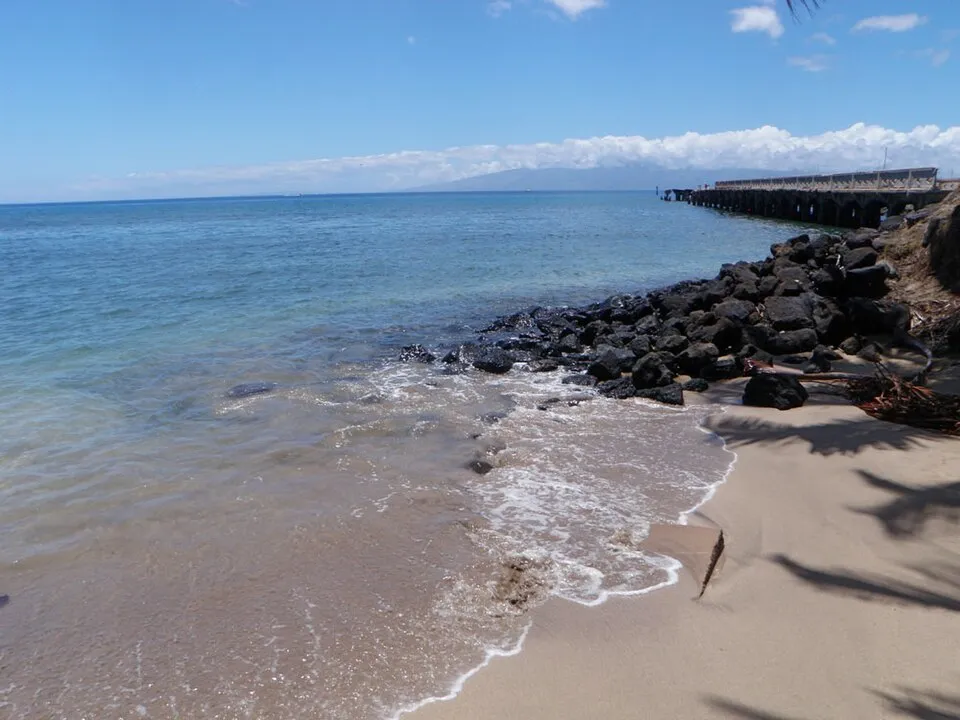
Parents appreciate:
Remember to bring reef-safe sunscreen, drinking water, and shade since natural shade can be limited during midday.
Just north of Lahaina, Kaʻanapali Beach consistently ranks among Maui's most family-friendly destinations.
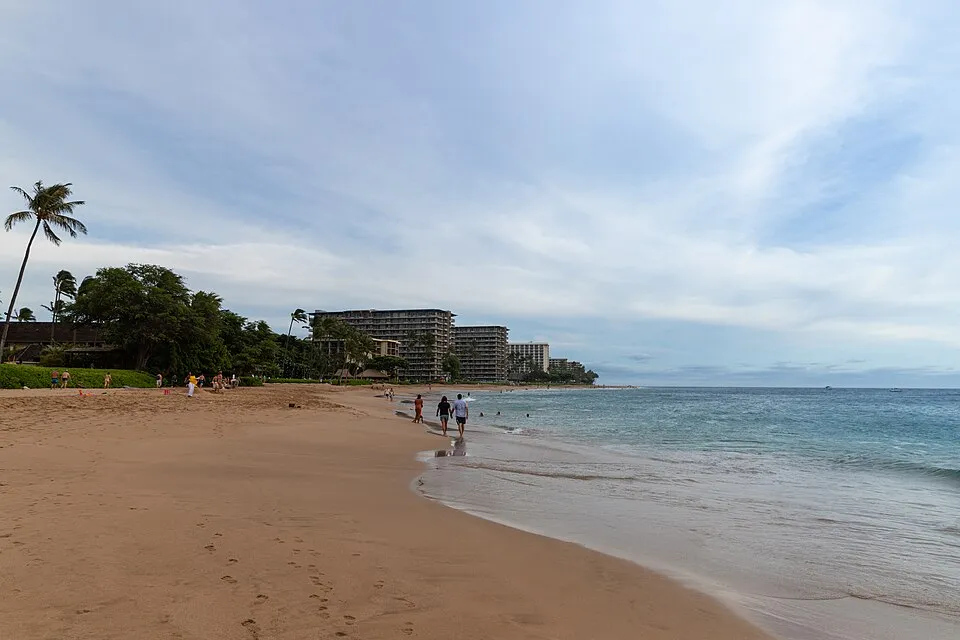
Kids love:
Parents enjoy the nearby restaurants, shopping, and easy parking options. The beach is also perfect for introducing children to snorkeling because of its generally calm morning conditions.
If you're visiting between December and April, whale watching becomes one of the most unforgettable family experiences on Maui.
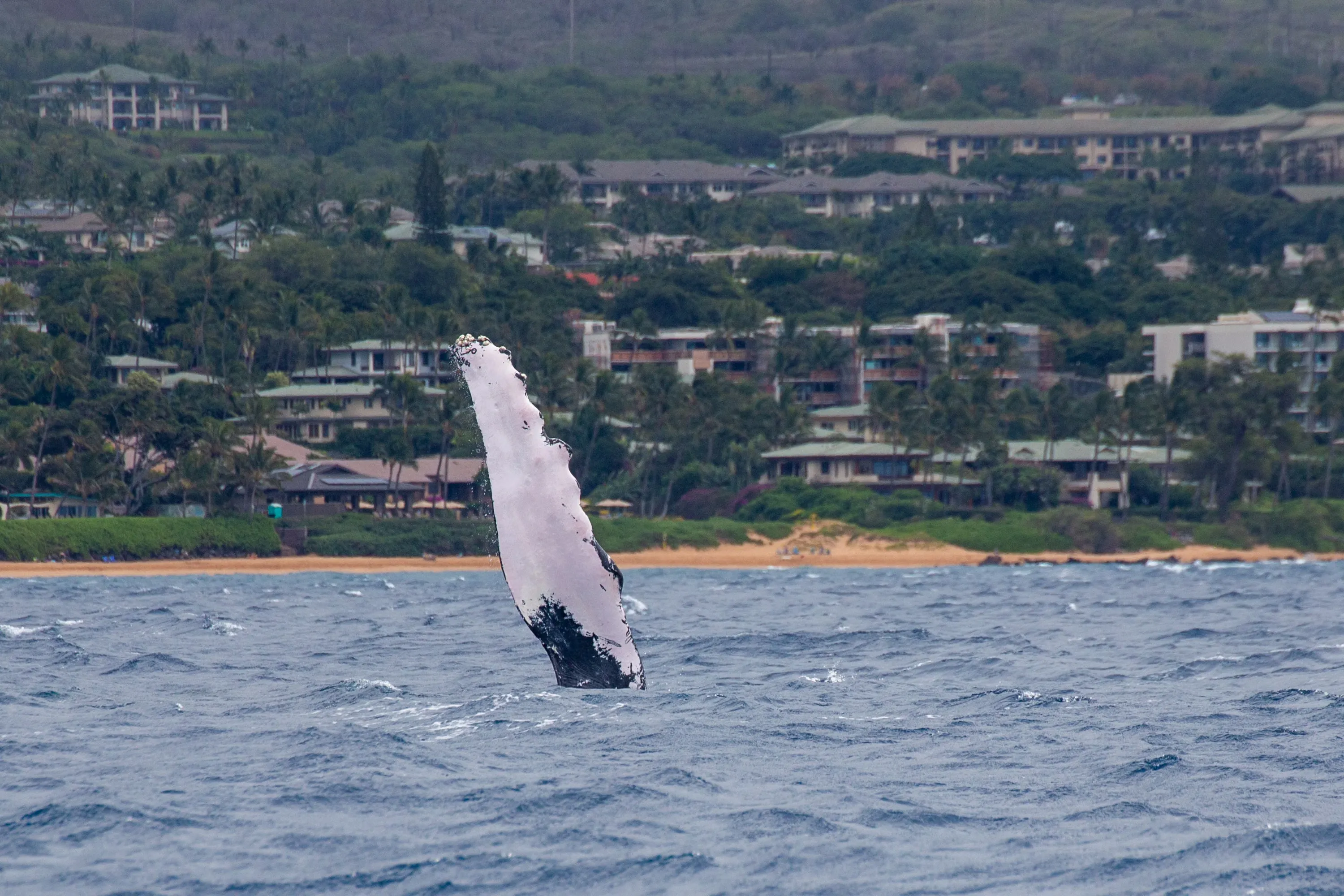
Every winter, thousands of North Pacific humpback whales migrate to Hawaiian waters.
Children often enjoy spotting:
Many West Maui boat tours provide kid-friendly narration that teaches families about whale behavior and marine conservation.
West Maui offers excellent beginner snorkeling locations.
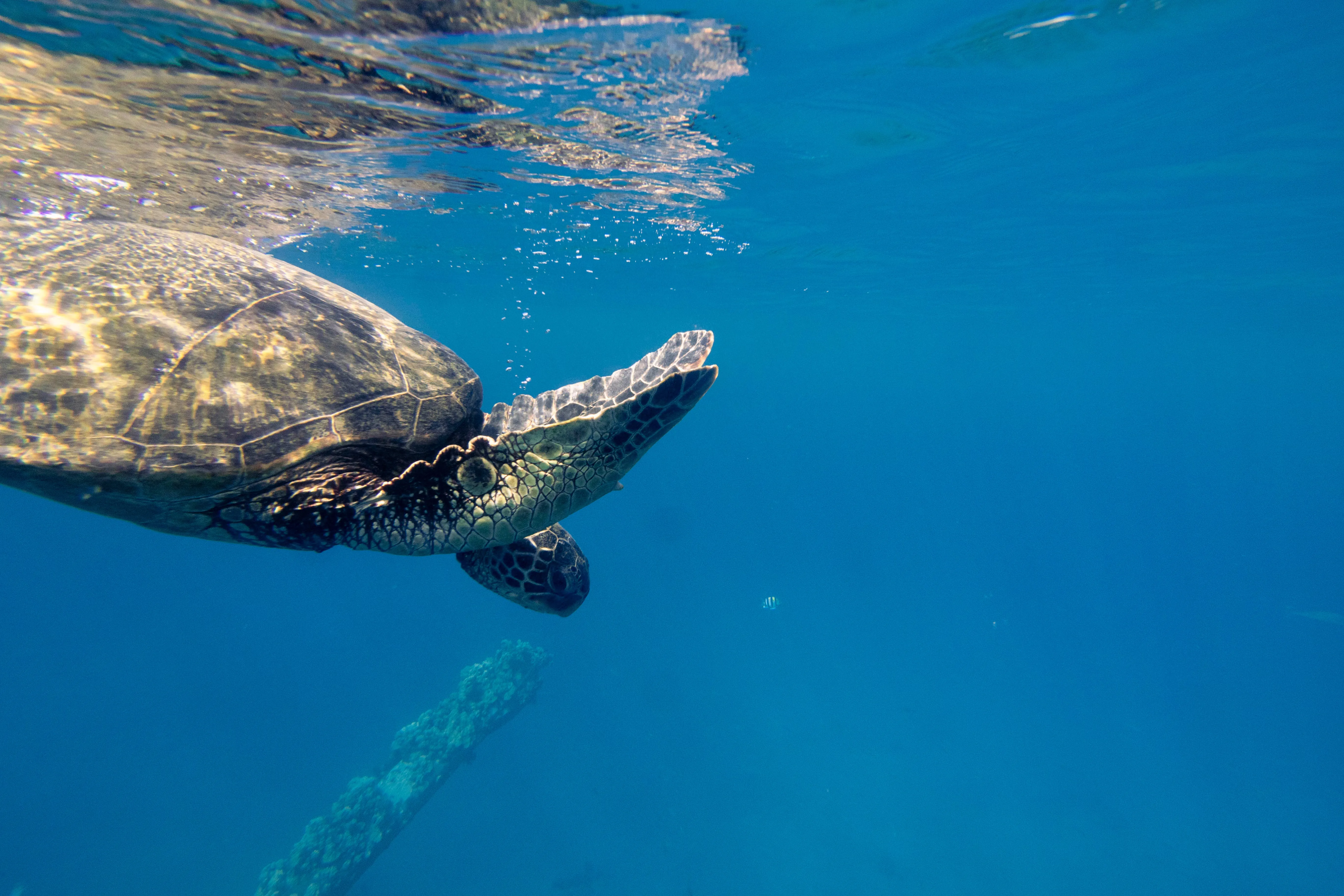
Popular family options include:
You'll commonly see:
Morning hours usually provide the calmest water conditions for children.
Always check ocean conditions before entering the water.
Families with adventurous kids often enjoy adding a zipline experience to their Maui itinerary.
Many Maui ziplines offer courses designed for first-time riders with professionally trained guides, scenic rainforest views, and educational information about native Hawaiian plants and wildlife.
For children who meet minimum age and weight requirements, ziplining often becomes one of the highlights of their vacation while giving parents incredible panoramic views of Maui.
Located in nearby Māʻalaea Harbor, the Maui Ocean Center is one of Hawaii's premier family attractions.
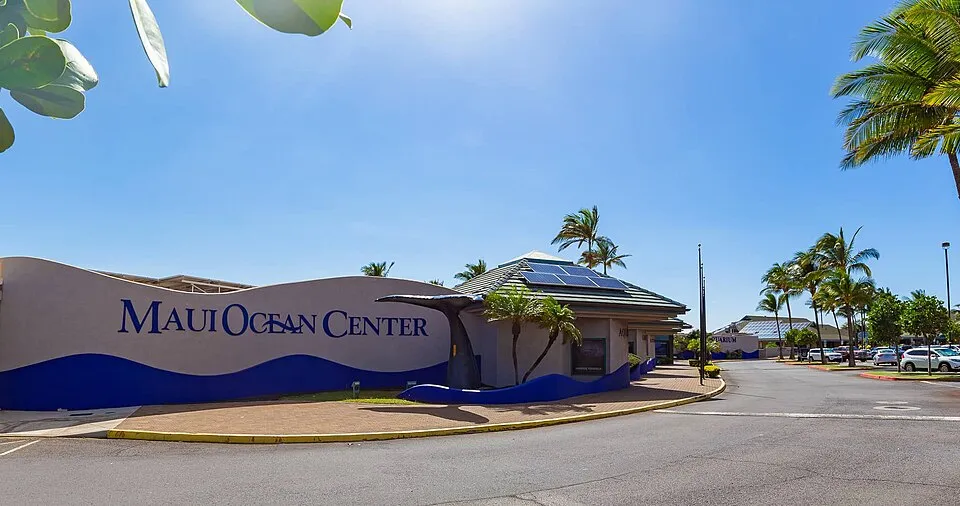
Children can explore:
Interactive educational displays help younger visitors understand ocean conservation while remaining entertaining for adults.
This is also an excellent rainy-day activity.
Families who enjoy scenic drives can explore portions of the beautiful West Maui coastline.
Along the way you'll discover:
Unlike longer island drives, families can customize their route depending on children's ages and attention spans.
A Hawaiian lūʻau introduces children to Hawaiian culture through:
Many family-friendly lūʻaus offer early evening performances that work well with younger children's schedules.
Families looking for slower-paced afternoons can visit community parks throughout West Maui.
These parks often feature:
They're excellent places for children to burn energy between larger activities.
Lahaina remains a place of deep cultural importance and ongoing recovery.
Families can help by:
Many local residents continue encouraging respectful tourism because it directly supports Maui families and businesses rebuilding after the wildfire.
A balanced family day near Lahaina might look like this:
This itinerary keeps driving minimal while providing a mix of relaxation, education, adventure, and Hawaiian culture.
What are the best family-friendly activities in Lahaina?
Popular choices include Baby Beach, Kaʻanapali Beach, whale watching (winter), snorkeling, the Banyan Tree, Maui Ocean Center, ziplining, and traditional Hawaiian lūʻaus.
Is Lahaina suitable for young children?
Yes. While portions of historic Lahaina remain under reconstruction, many surrounding beaches, restaurants, parks, and family attractions are open and welcoming respectful visitors.
Are there free family activities near Lahaina?
Absolutely. Beaches, scenic drives, public parks, walking along Kaʻanapali Beach, and visiting the Banyan Tree area are excellent low-cost or free activities.
What's the best beach for toddlers near Lahaina?
Baby Beach (Puʻunoa Beach) is often considered the top choice because of its calm, shallow water protected by an offshore reef.
What nearby Maui attractions should families not miss?
Maui Ocean Center, Kaʻanapali Beach, Kapalua Bay, Haleakalā National Park, seasonal whale watching tours, and family-friendly zipline adventures are all excellent additions to a West Maui vacation.
Is snorkeling safe for children on Maui?
Many beginner-friendly beaches offer calm morning conditions suitable for children, but families should always check ocean conditions, supervise young swimmers, and use properly fitted snorkeling equipment.
What should families know before visiting Lahaina?
Visitors should remain respectful of recovery efforts, avoid restricted areas, support local businesses whenever possible, and understand that rebuilding continues while much of West Maui remains open for tourism.
If you would like to read and learn more about interesting things in Hawaii! Check out our blog page here on our website!
or
Image Credits:
Hero:
"view of a tropical beach with palm trees" by Yuanpang Wa, via Pexels
Other Photos in Blog:
Puʻunoa Beach, Lahaina, Maui — Photo by 808caver. Licensed under the Creative Commons Attribution-ShareAlike 4.0 International (CC BY-SA 4.0). Source: Wikimedia Commons.
Kāʻanapali Beach, Hawaiʻi — Photo by dronepicr. Licensed under the Creative Commons Attribution 2.0 Generic (CC BY 2.0). Source: Wikimedia Commons.
"fin of a humpback whale above the water surface" by Leif Blessing, via Pexels
"photo of a sea turtle with a shell" by Jake Houglum, via Pexels
Maui Ocean Center — Photo by Westend2011. Licensed under the Creative Commons Attribution-ShareAlike 4.0 International (CC BY-SA 4.0). Source: Wikimedia Commons.
Maui is famous for its stunning beaches, waterfalls, volcanic landscapes, and unforgettable adventures. But not every attraction is suited for every traveler. Families with young children often look for activities that are easy to access, educational, and entertaining, while adventurous visitors may prefer scenic hikes that lead to hidden waterfalls or panoramic viewpoints.
If you're planning a vacation and wondering which Maui attractions are best for families or kids, and which require more hiking, this guide will help you choose experiences that match your group's energy level.
The Maui Ocean Center in Maʻalaea is one of the island's top family-friendly attractions. Children can get an up-close look at Hawaiian reef fish, sea turtles, rays, and sharks while learning about Maui's unique marine ecosystem.
Highlights include:
It's an excellent choice for rainy days or families with toddlers who aren't ready for long outdoor adventures.
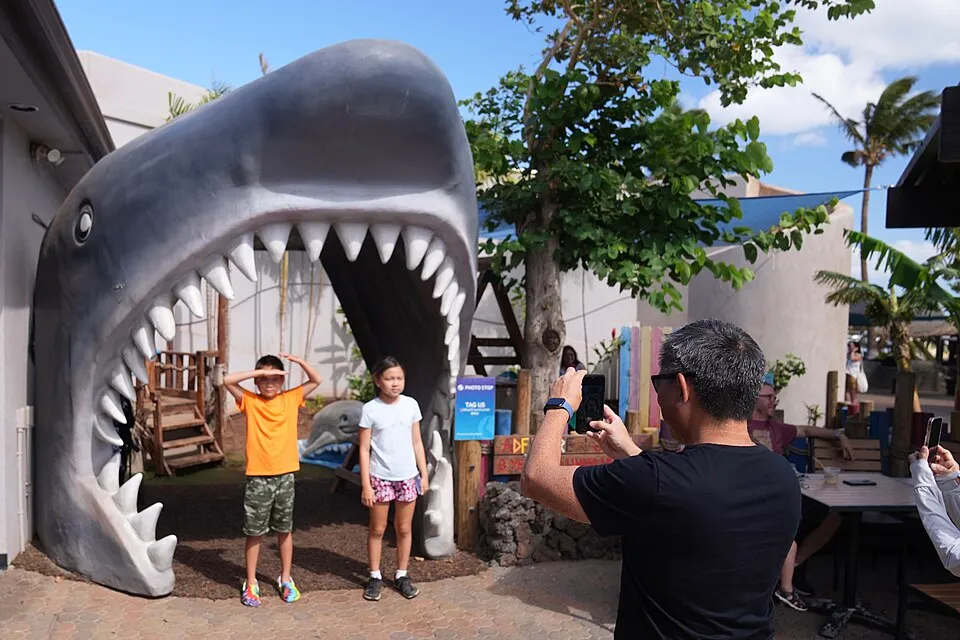
Website: https://mauioceancenter.com/
Many people assume ziplining is only for thrill seekers, but NorthShore Zipline is specifically designed to be family-friendly.
Located in Haʻikū, this experience combines adventure with education as guides share Maui history, native plants, and local wildlife throughout the tour.
Why families enjoy it:

Rather than spending hours hiking through muddy trails, families can enjoy incredible views while moving comfortably from platform to platform.
Website: https://nszipline.com/
ʻĪao Valley offers one of Maui's easiest scenic experiences.
Visitors can enjoy:
Because the walk is relatively short, it's a favorite stop for families with young children or grandparents traveling together.
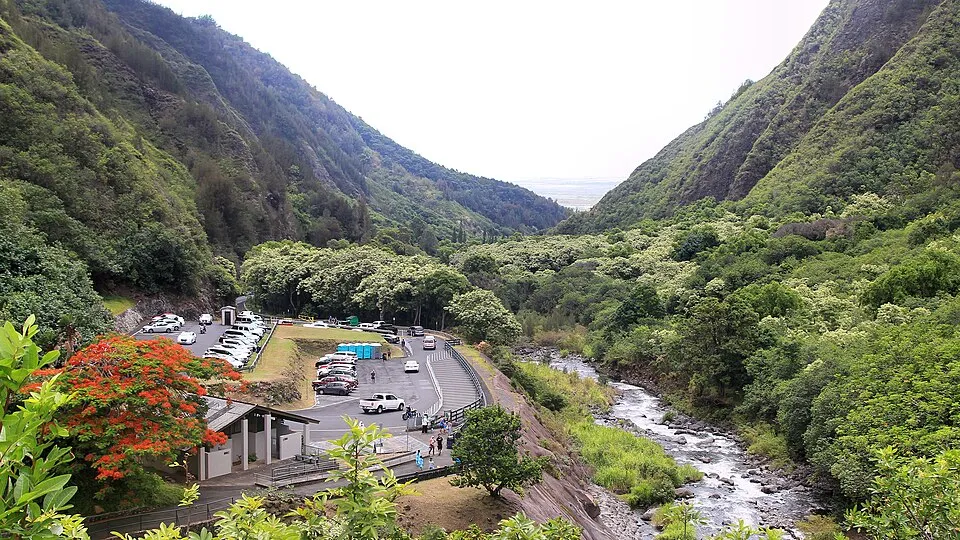
Website: https://dlnr.hawaii.gov/dsp/parks/maui/iao-valley-state-monument/
No family vacation is complete without beach time.
Kāʻanapali Beach features:
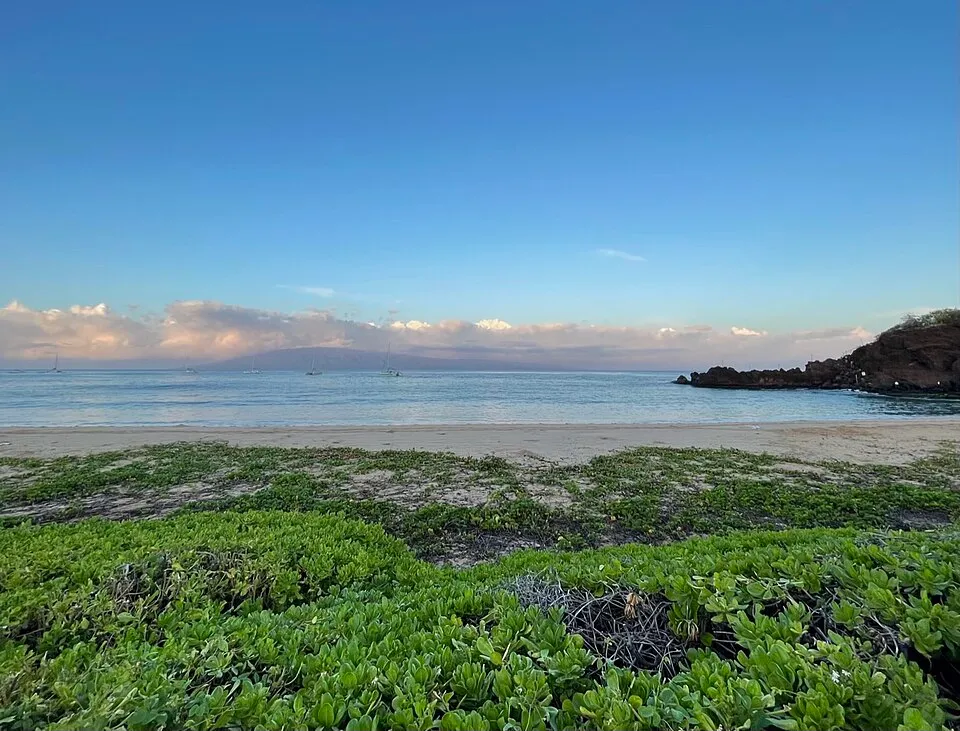
Older kids can even watch the nightly cliff-diving ceremony at Black Rock.
This attraction offers a relaxing afternoon where kids can explore tropical gardens and learn about Hawaiian agriculture.
Families love:
It requires very little walking and works well for multiple generations.
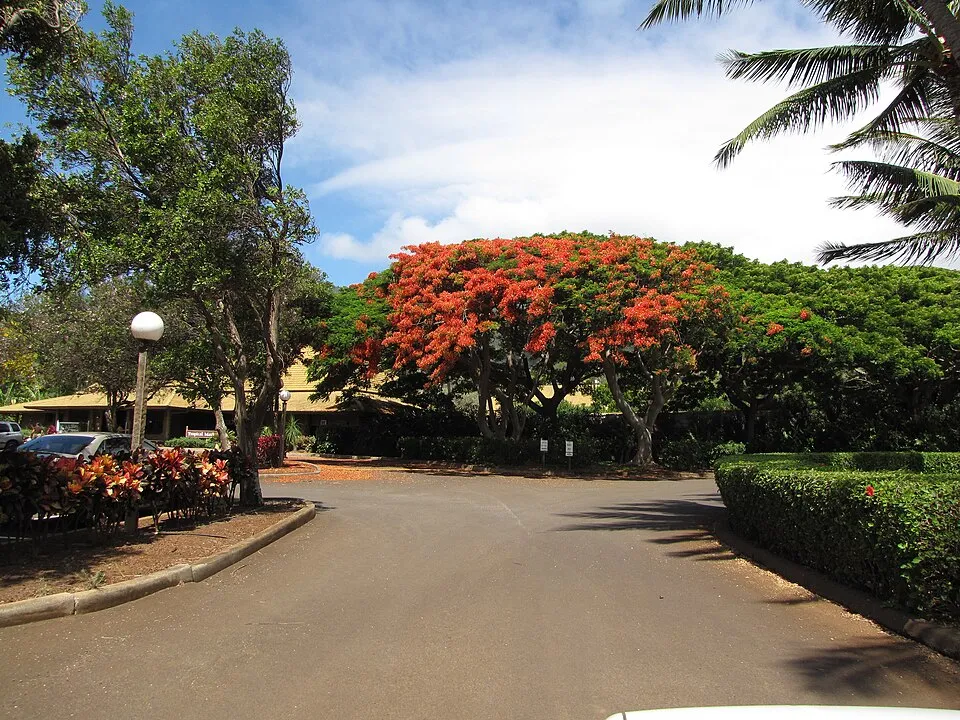
Website: https://mauitropicalplantation.com/
Some of Maui's most spectacular scenery comes with a little extra effort. These destinations are better suited for travelers who enjoy walking, climbing, or uneven terrain.
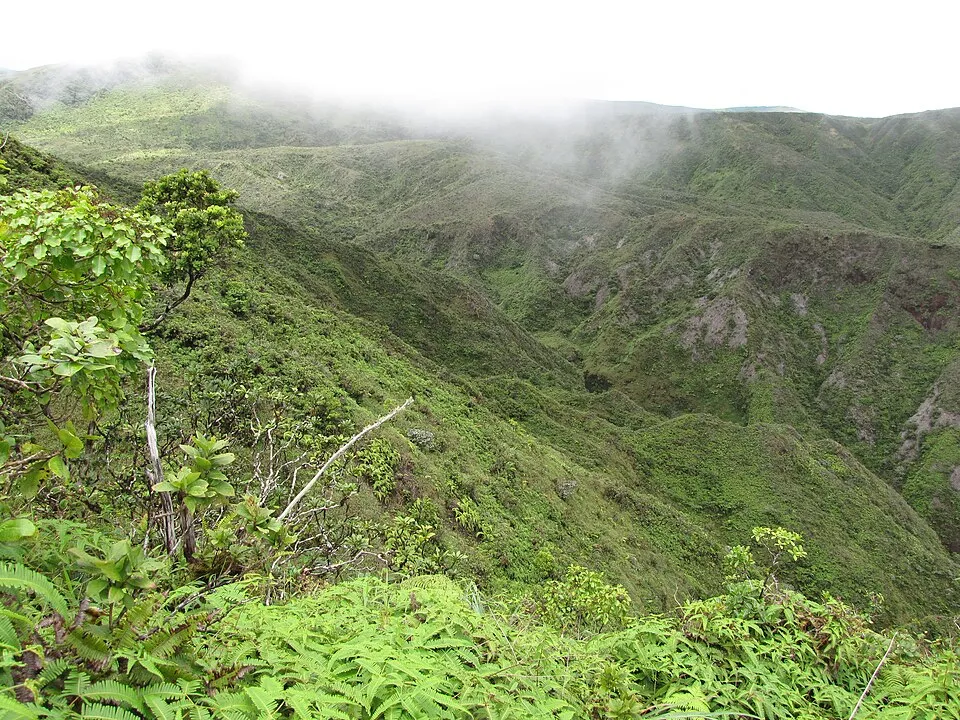
One of Maui's most famous hikes, Waiheʻe Ridge rewards hikers with incredible panoramic views of valleys, waterfalls, and lush rainforest.
Expect:
This trail is generally not recommended for very young children.
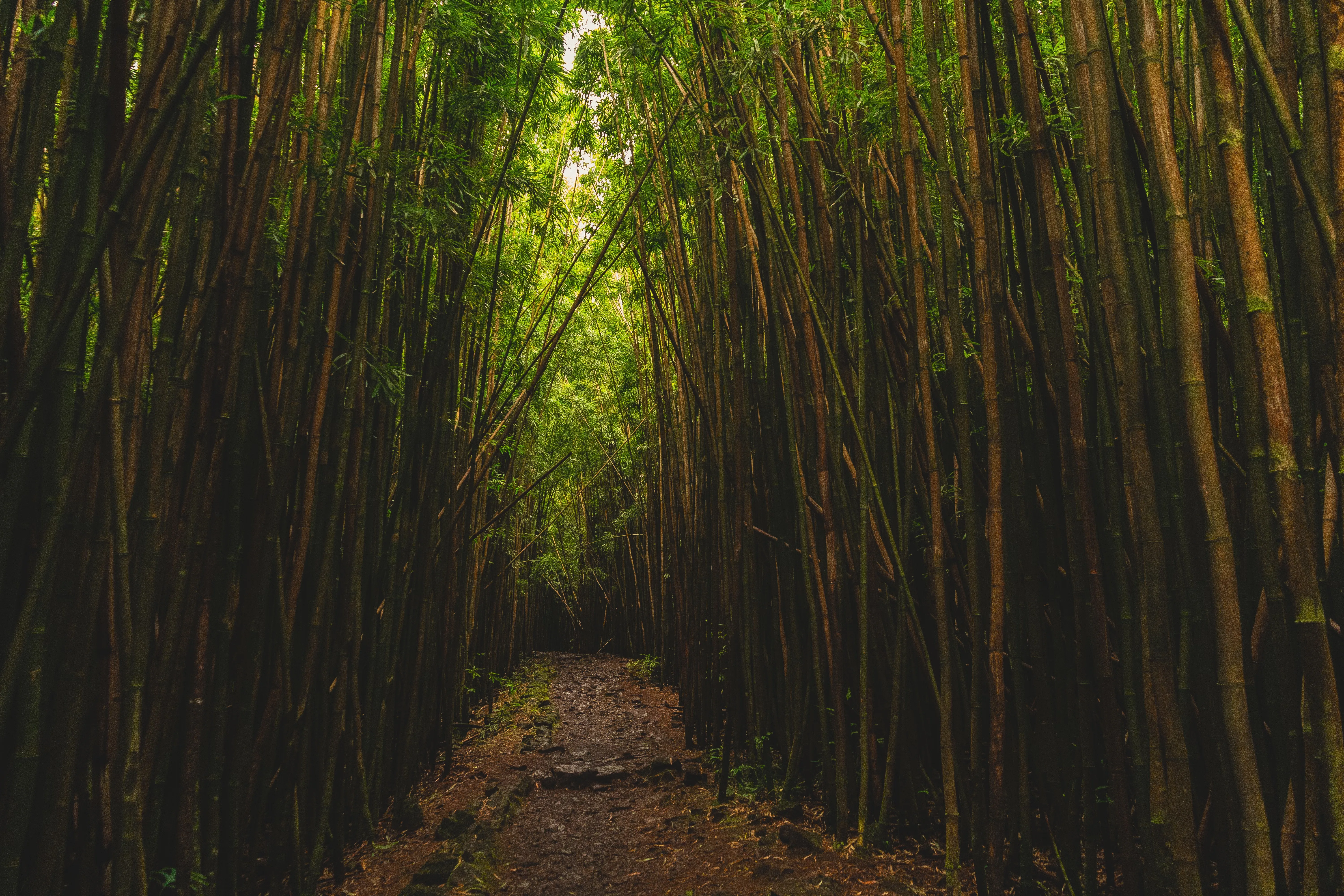
Located inside Haleakalā National Park near Hāna, the Pipiwai Trail leads visitors through one of Maui's most beautiful forests.
Highlights include:
The hike is around four miles round trip and includes elevation gain.
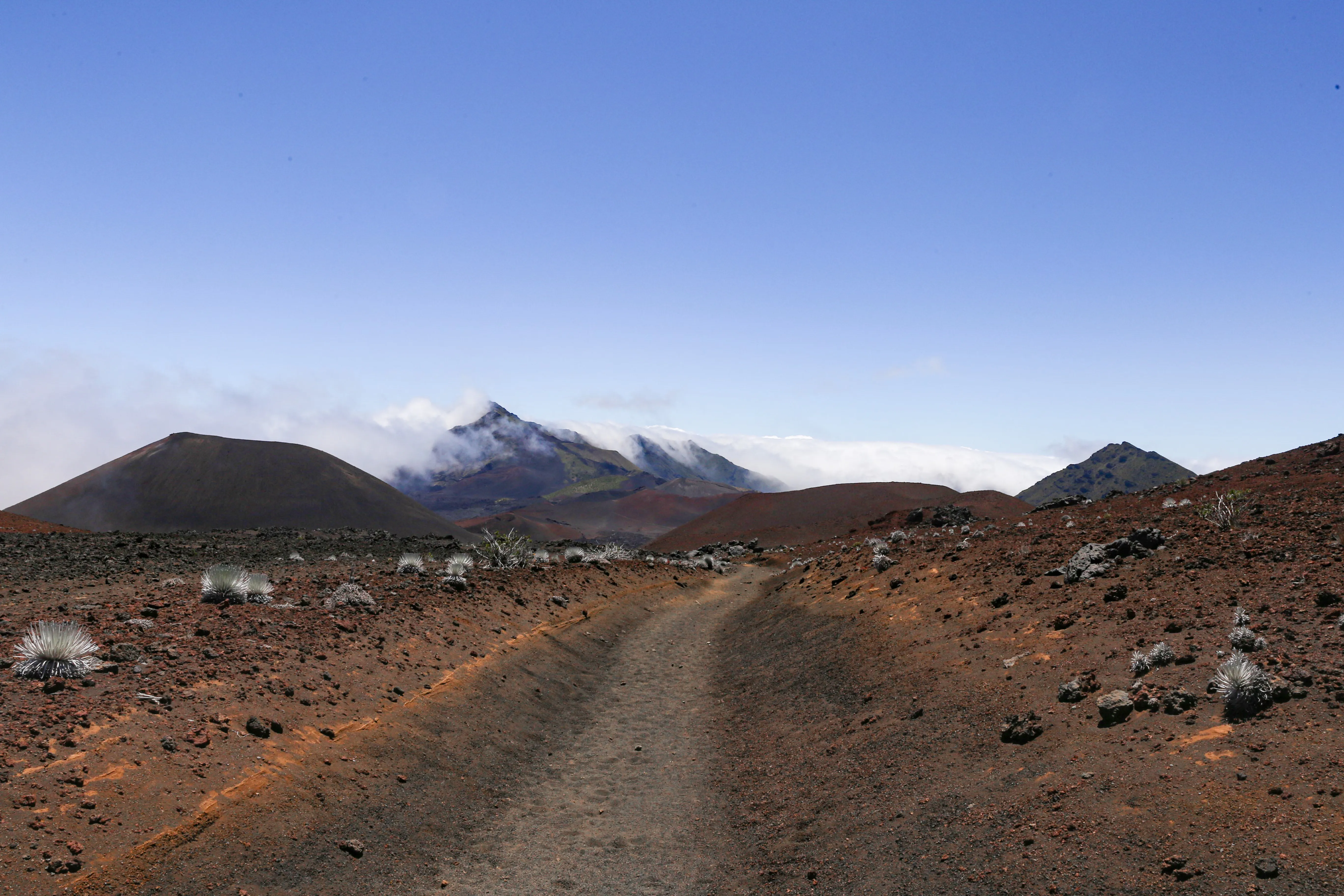
For adventurous travelers, Haleakalā's crater provides one of Hawaii's most unique hiking experiences.
The trail features:
However, the high elevation and steep return climb make it unsuitable for many families with younger children.
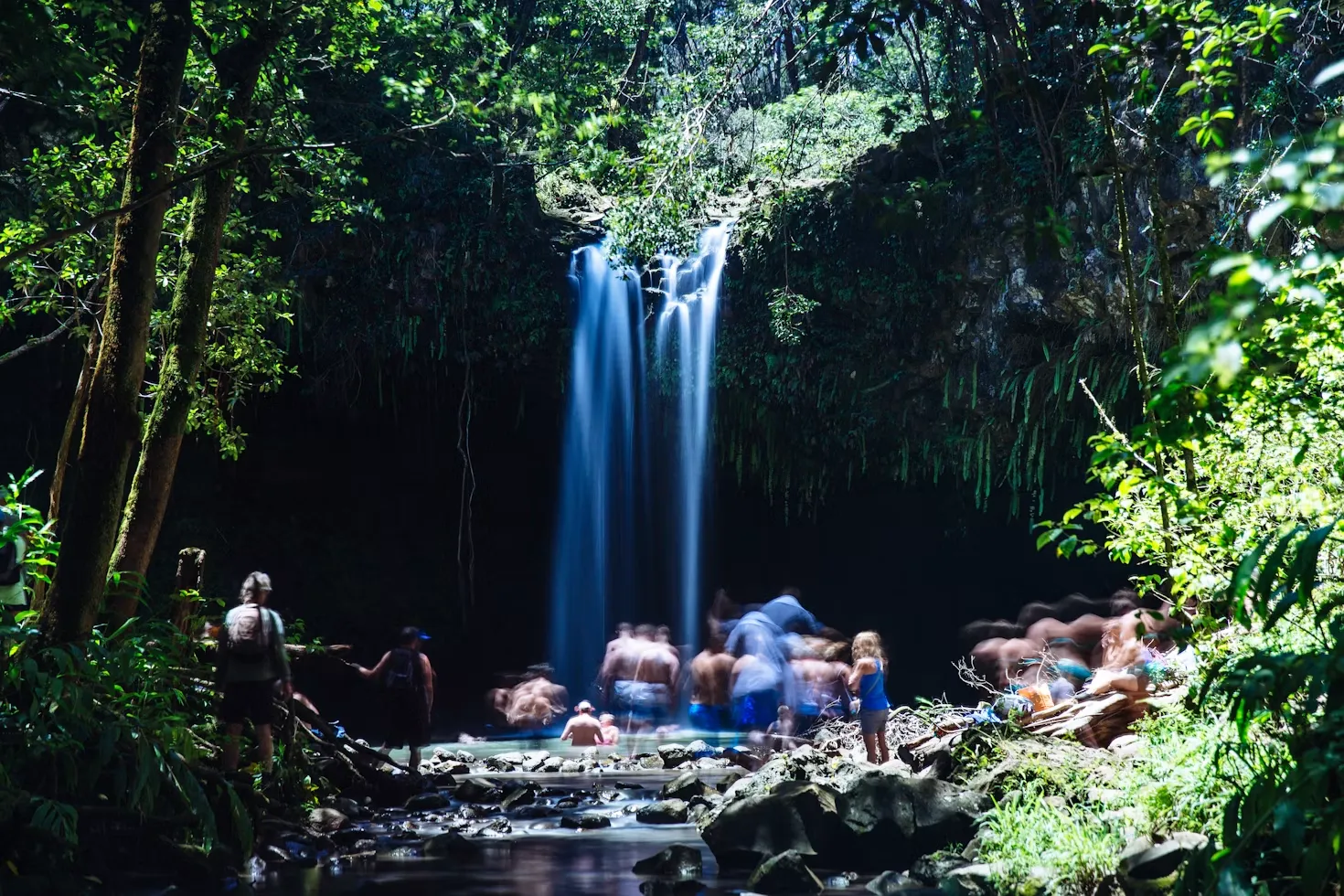
Twin Falls is often considered one of the easier waterfall hikes on Maui.
Visitors can enjoy:
Although relatively easy, the trail can become slippery after rain, so proper footwear is recommended.
Some Maui attractions provide beautiful scenery without requiring a strenuous hike.
These include:
These locations allow visitors to experience Maui's natural beauty while avoiding long or difficult hikes.
When planning your Maui itinerary, consider:
Families with toddlers often enjoy beaches, ocean centers, botanical gardens, and scenic drives, while older children and teenagers may appreciate adventures like ziplining or moderate hiking trails.
Mixing easier attractions with one or two active adventures usually creates the most enjoyable vacation for everyone.
Which Maui attractions are best for toddlers?
The Maui Ocean Center, ʻĪao Valley, Maui Tropical Plantation, and Kāʻanapali Beach are excellent options because they require minimal walking and offer plenty of engaging activities.
Is NorthShore Zipline good for families?
Yes. NorthShore Zipline is designed to be family-friendly and combines adventure, scenic rainforest views, and educational experiences with professional guides.
What are the easiest Maui attractions that don't require hiking?
Some of the easiest attractions include Maui Ocean Center, Haleakalā Summit overlooks, ʻĪao Valley, Maui Tropical Plantation, Hō'okipa Beach Park, and many of Maui's beaches.
Which Maui hikes are best for experienced hikers?
Waiheʻe Ridge Trail, Pipiwai Trail, and portions of the Sliding Sands Trail offer rewarding scenery for hikers comfortable with elevation changes and longer distances.
Are there waterfalls on Maui without difficult hikes?
Yes. Twin Falls provides relatively short walking trails to several waterfalls, although paths may become muddy after rain.
What Maui attractions are good on rainy days?
Indoor attractions like the Maui Ocean Center are excellent rainy-day choices. Families also enjoy local museums, shopping areas, and guided experiences that continue in light rain.
Can young kids visit Haleakalā National Park?
Yes. Families can drive to the summit overlooks and enjoy spectacular views without completing long hikes. Be sure to bring warm clothing because temperatures are much cooler at the summit.
Should I choose hiking or ziplining for my family?
If your family enjoys adventure but wants to avoid long, strenuous hikes, ziplining offers an exciting alternative with incredible scenery and minimal walking between platforms. Hiking is ideal for those specifically looking to explore Maui's trails and waterfalls.
If you would like to read and learn more about interesting things in Hawaii! Check out our blog page here on our website!
or
Image Credits:
Hero:
"top view of beach and turquoise sea in tropics" by Jess Loiterton, via Pexels
Other Photos in Blog:
Maui Ocean Center Shark Photo Stop — Photo by Richard N Horne. Licensed under the Creative Commons Attribution-ShareAlike 4.0 International (CC BY-SA 4.0). Source: Wikimedia Commons.
ʻĪao Valley State Park Entrance (2021) — Photo by Larry D. Moore. Licensed under the Creative Commons Attribution 4.0 International (CC BY 4.0). Source: Wikimedia Commons.
Kāʻanapali Beach, Maui — Photo by John P. Salvatore. Licensed under the Creative Commons Attribution-ShareAlike 4.0 International (CC BY-SA 4.0). Source: Wikimedia Commons.
Royal Poinciana (Delonix regia) at Maui Tropical Plantation, Waikapū, Maui — Photo by Forest & Kim Starr. Licensed under the Creative Commons Attribution 3.0 United States (CC BY 3.0 US). Source: Wikimedia Commons.
Waiheʻe Ridge Trail Habitat, Maui — Photo by Forest & Kim Starr. Licensed under the Creative Commons Attribution 3.0 United States (CC BY 3.0 US). Source: Wikimedia Commons.
"Pathway between bamboo trees" by Satty Singh, via Pexels
"Haleakala National Park volcanic landscape" by Daniel Erlandson, via Pexels
"People near waterfalls during daytime" by Rina Miele, via Unsplash
When most people imagine a vacation in Hawaii, they picture golden beaches, swaying palm trees, and crystal-clear waters. While Maui's coastline certainly deserves its world-famous reputation, some of the island's most unforgettable experiences happen far beyond the sand. From soaring through rainforest canopies and hiking volcanic landscapes to exploring scenic drives and discovering local culture, there is no shortage of incredible adventures on Maui waiting to be experienced.
Whether you're visiting for your honeymoon, a family vacation, or a solo getaway, stepping off the beach allows you to experience Maui from a whole new perspective. Here are some of the best ways to discover the Valley Isle beyond its beautiful shoreline.
For travelers seeking excitement mixed with breathtaking scenery, ziplining is one of the top Adventures on Maui. Instead of viewing the island from the ground, you'll glide high above lush valleys and towering eucalyptus forests while enjoying panoramic views of Maui's North Shore.
NorthShore Zipline offers an unforgettable adventure where guests cross suspension bridges, soar across multiple zipline courses, and learn about Hawaiian history, native plants, and conservation from experienced local guides. It's an excellent activity for families, couples, groups of friends, and anyone looking to experience Maui in a unique way.
Unlike many activities that simply provide beautiful views, ziplining combines adrenaline, education, and nature into one memorable excursion.
No adventure lover should leave Maui without visiting Haleakalā National Park.
Standing over 10,000 feet above sea level, Haleakalā is home to one of the world's largest dormant volcanic craters. Watching the sunrise from the summit is an unforgettable bucket-list experience, but there's much more to discover throughout the park.
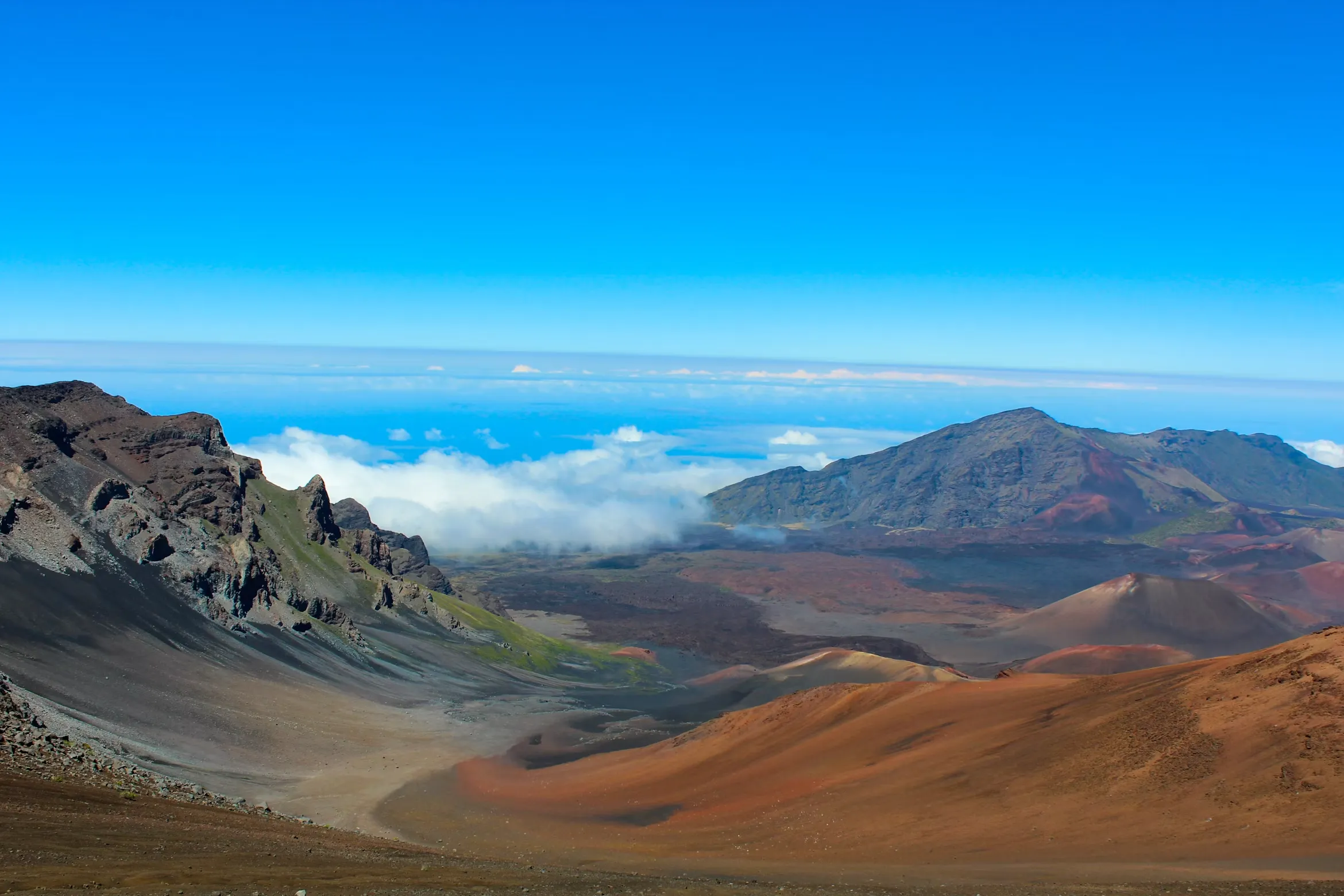
Visitors can:
The dramatic scenery feels almost otherworldly, making it one of the most iconic Adventures on Maui.
The Road to Hāna is much more than a scenic drive—it's an adventure filled with waterfalls, bamboo forests, hidden beaches, and incredible viewpoints.
With over 600 curves and dozens of one-lane bridges, this famous route rewards travelers who slow down and enjoy every stop along the way.
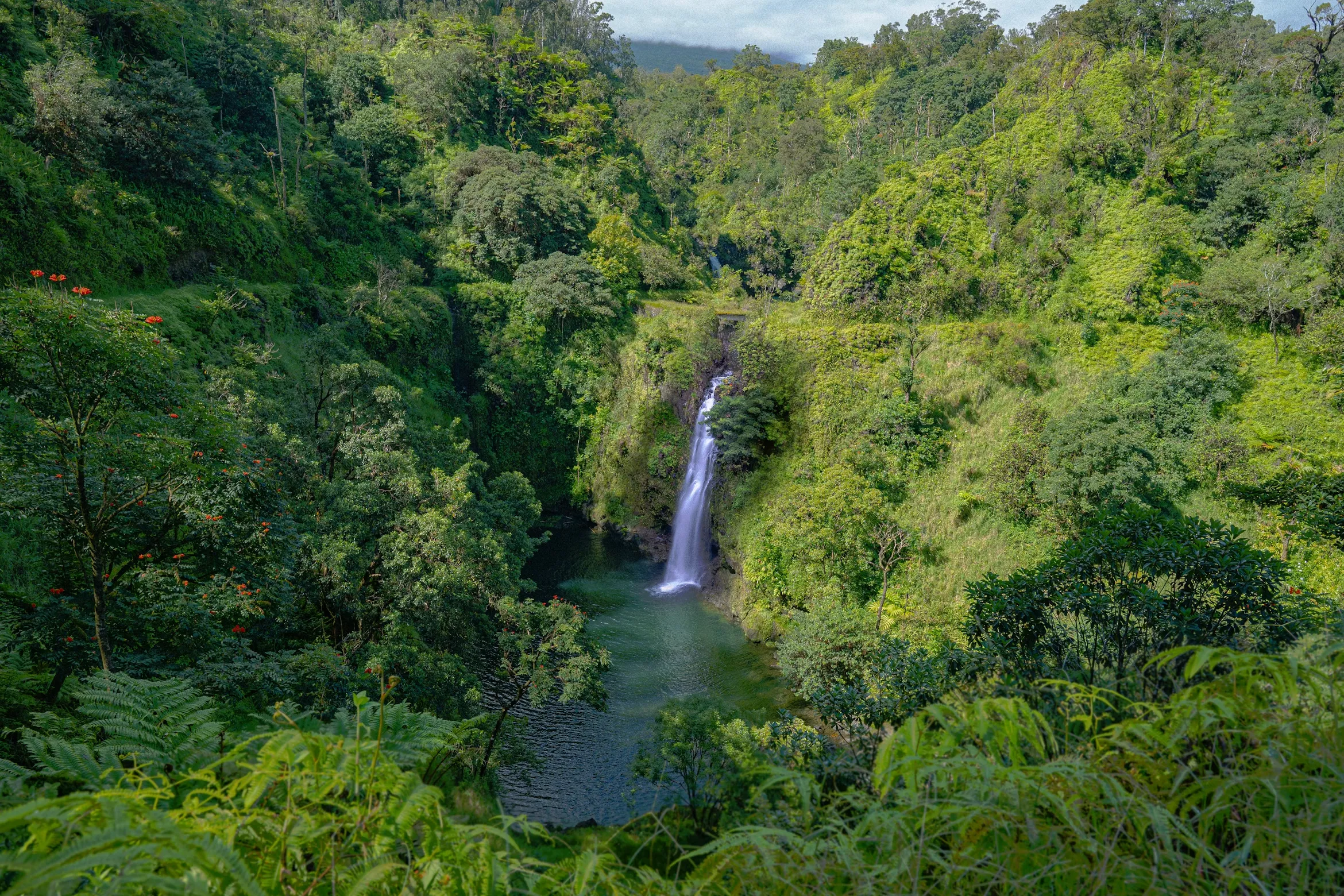
Popular attractions include:
Pack snacks, start early, and plan for a full day of exploration. The journey itself is the destination.
Not every adventure has to happen on land.
Molokini Crater is one of Hawaii's premier snorkeling destinations, offering incredibly clear water, colorful coral reefs, and abundant marine life.
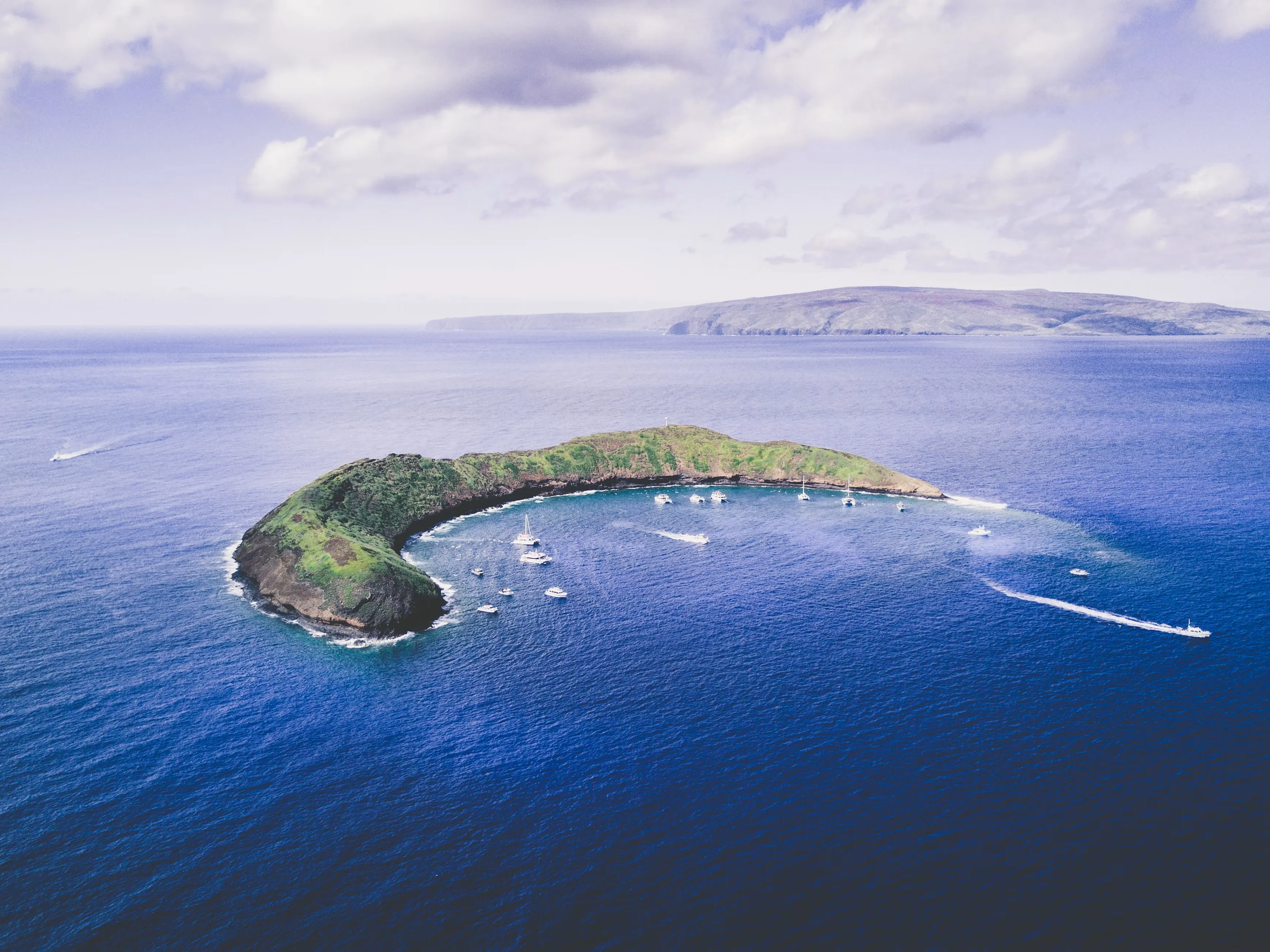
Visitors frequently encounter:
During whale season (December through April), many snorkeling tours also provide opportunities to see humpback whales during the boat ride.
If you're looking for unforgettable ocean-based Adventures on Maui, Molokini should be high on your list.
Maui offers hiking opportunities for every skill level.
Some of the island's most rewarding trails include:
Waiheʻe Ridge Trail
This moderately challenging hike rewards visitors with sweeping views of lush valleys, waterfalls, and Maui's northern coastline.
Pipiwai Trail
Located inside Haleakalā National Park, this trail winds through an enchanting bamboo forest before reaching the impressive Waimoku Falls.
Kapalua Coastal Trail
Perfect for families and casual hikers, this scenic coastal path offers ocean views, lava rock formations, and opportunities to spot sea turtles.
ʻĪao Valley State Monument
This historic valley combines Hawaiian history with stunning natural beauty and easy walking paths suitable for nearly everyone.
Each hike reveals a completely different side of Maui that many beachgoers never experience.
One of Maui's hidden treasures is Upcountry Maui.
Located on the slopes of Haleakalā, this region offers cooler temperatures, rolling farmland, botanical gardens, local wineries, and panoramic island views.
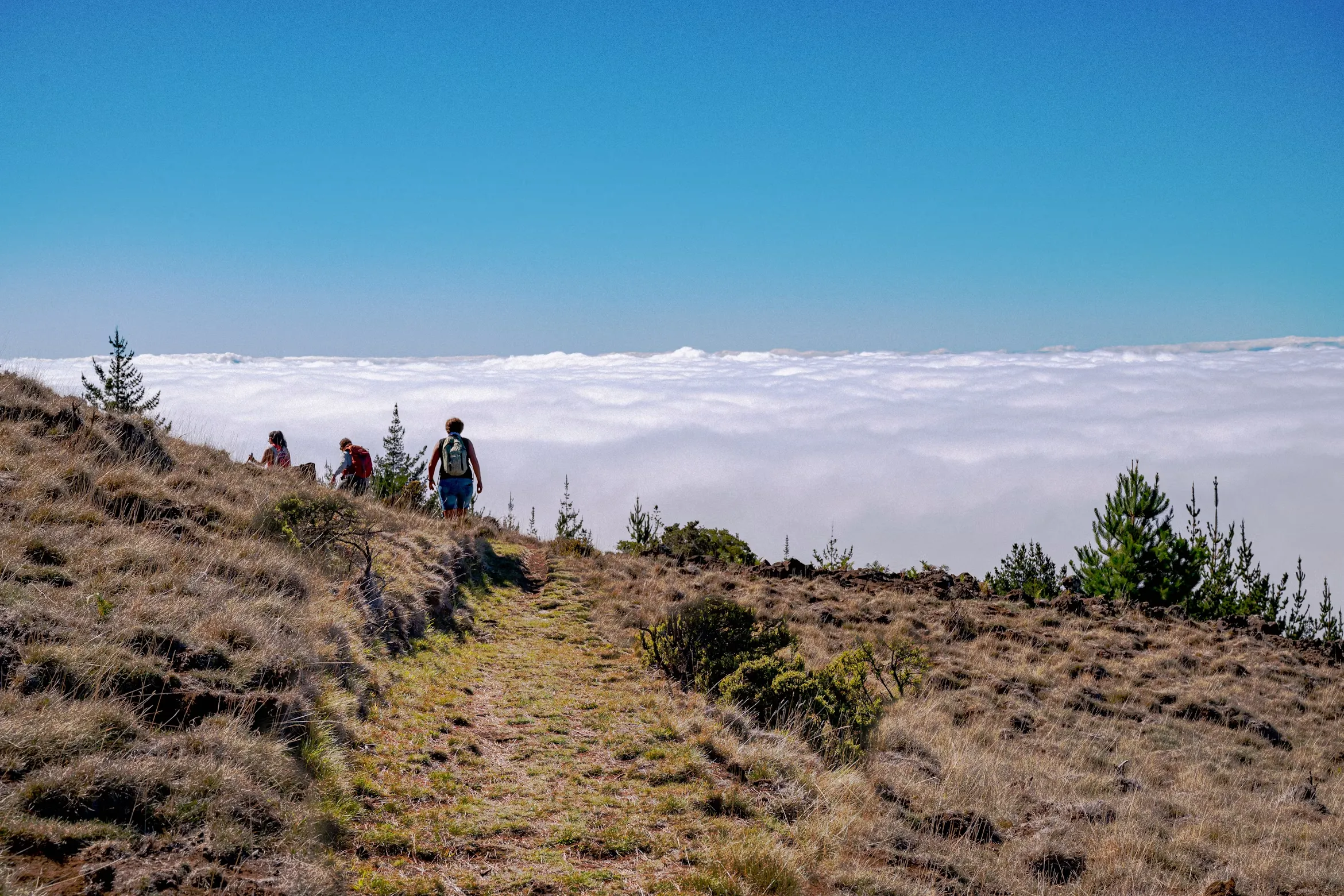
Popular attractions include:
It's a refreshing change of pace from the resort areas while showcasing another unique side of the island.
From December through April, thousands of North Pacific humpback whales migrate to Maui's warm waters.
Whale watching is one of the most unforgettable seasonal Adventures on Maui.
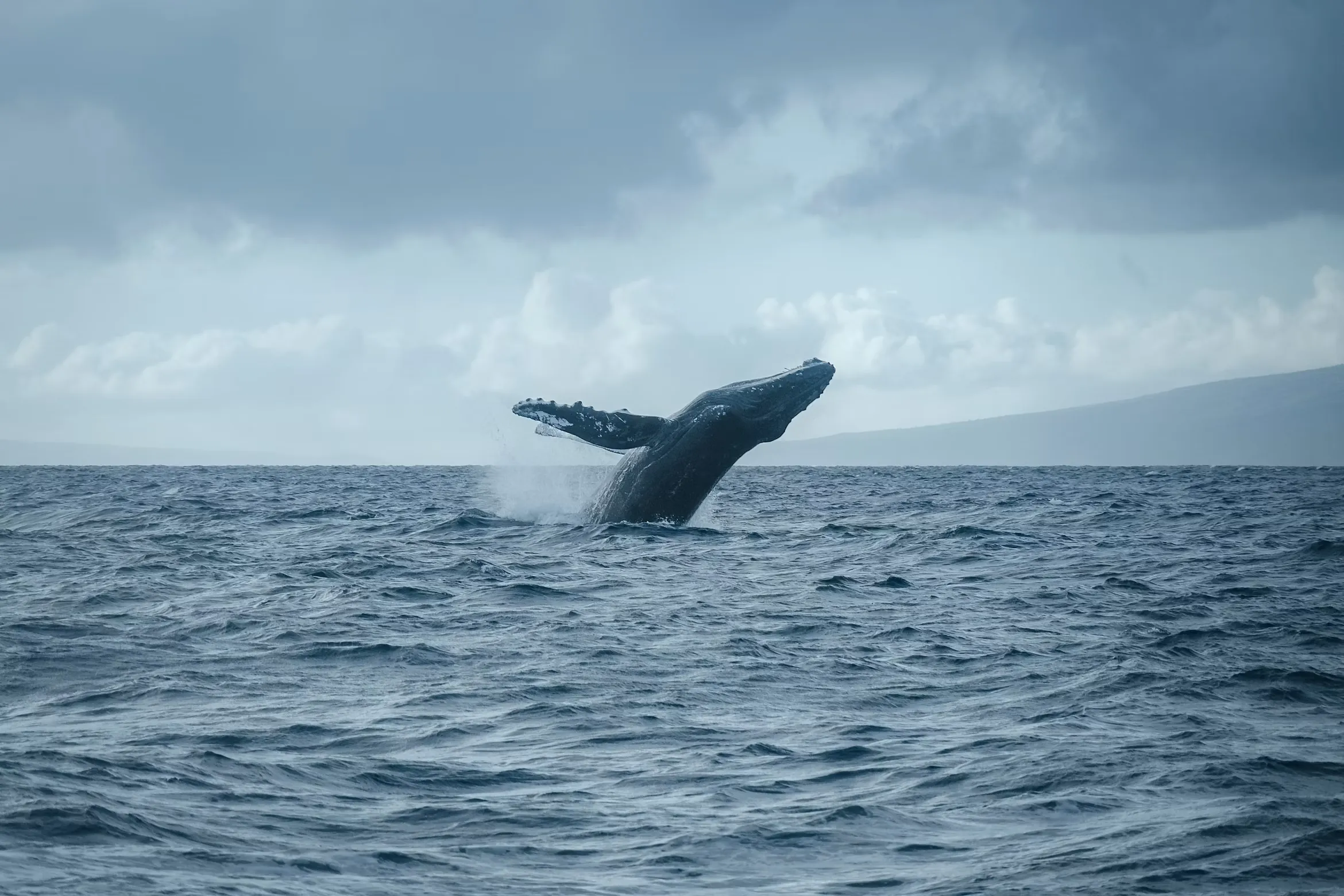
Guests regularly witness:
Even visitors staying on shore often enjoy whale sightings from scenic lookouts around West and South Maui.
Adventure isn't always about adrenaline.
Some of Maui's most meaningful experiences involve learning about Hawaiian culture, traditions, and history.
Visitors can:
Taking time to understand Hawaii's rich heritage creates a deeper appreciation for every adventure you experience.
A balanced Maui vacation often combines relaxation with exploration.
Consider planning your trip like this:
By mixing beaches with outdoor exploration, visitors discover why Maui consistently ranks among the world's top travel destinations.
The island offers far more than beautiful coastlines. Whether you're soaring through rainforest canopies, hiking volcanic craters, snorkeling vibrant reefs, or discovering Hawaiian culture, these incredible adventures on Maui create memories that last a lifetime.
If you're planning your next Hawaiian vacation, don't stop at the beach. The real magic of Maui begins when you venture beyond it.
What are the best Adventures on Maui for first-time visitors?
Many first-time visitors enjoy a combination of ziplining, Haleakalā National Park, the Road to Hāna, snorkeling Molokini Crater, and whale watching during the winter months.
What are unique Adventures on Maui besides going to the beach?
Popular options include ziplining through the rainforest, hiking volcanic trails, exploring Upcountry Maui, driving the Road to Hāna, snorkeling coral reefs, and visiting cultural landmarks.
Is ziplining one of the best Adventures on Maui?
Yes. Ziplining offers breathtaking rainforest views, exciting aerial experiences, knowledgeable local guides, and a fun activity suitable for many families and groups.
What outdoor Adventures on Maui are suitable for families?
Family-friendly adventures include ziplining, easy hiking trails, whale watching, snorkeling tours, farm visits, botanical gardens, and scenic drives.
How many days do I need to experience the best Adventures on Maui?
Five to seven days allows enough time to enjoy several major attractions while also relaxing and exploring different regions of the island.
What is the most adventurous thing to do on Maui?
Many travelers rank ziplining, hiking Haleakalā, snorkeling Molokini Crater, scuba diving, and completing the Road to Hāna among Maui's most exciting adventures.
Are there Adventures on Maui available year-round?
Absolutely. Hiking, ziplining, scenic drives, snorkeling, and cultural attractions are available throughout the year. Whale watching is seasonal, typically from December through April.
Why should I explore beyond Maui's beaches?
While Maui's beaches are spectacular, exploring the island's rainforests, volcanoes, waterfalls, hiking trails, cultural sites, and scenic landscapes provides a much richer and more memorable Hawaiian vacation.
If you would like to read and learn more about interesting things in Hawaii! Check out our blog page here on our website!
or
Image Credits:
Hero:
"aerial view of waves crashing on a rocky shore" by Jashith G, via Pexels
Other Photos in Blog:
"View of mountain under blue sky" by Maddison McMurrin, via Pexels
"Lush green jungle surrounds a tall waterfall cascading into pool" by RJB Studios, via Unsplash
"Body of water under white cloudy sky during daytime" by Farid Askerov, via Unsplash
"Hikers walk on a mountain above the clouds" by RJB Studios, via Unsplash
"A Humpback whale jumping out of the water" by Saroj Bhandari, via Unsplash
If you're planning your first trip to Maui, one of the biggest decisions you'll make is choosing where to stay. The debate of west vs south Maui comes up constantly because both regions offer beautiful beaches, excellent restaurants, unforgettable sunsets, and easy access to some of the island's best activities. However, each side has a different atmosphere that can dramatically shape your vacation.
Whether you're visiting Maui for a honeymoon, family vacation, adventure trip, or relaxing getaway, understanding the differences between West and South Maui will help you choose the perfect home base.
When comparing west vs south Maui, it helps to think about what kind of vacation you want.
Neither choice is wrong—the best destination simply depends on your travel style.
West Maui has long been one of Hawaii's most iconic vacation destinations. Stretching from Māʻalaea around the coastline through Kāʻanapali, Napili, and Kapalua, this region combines luxury with spectacular scenery.
The beaches here consistently rank among the best in the world. Kāʻanapali Beach offers soft white sand, crystal-clear water, oceanfront restaurants, shopping, and nightly cliff-diving ceremonies at Black Rock.
Further north, Napili Bay provides a quieter atmosphere with calm waters perfect for swimming, while Kapalua Bay is famous for snorkeling among tropical fish and sea turtles.
Many visitors choose West Maui because everything feels like a classic tropical resort vacation. Luxury hotels, championship golf courses, spas, fine dining, and oceanfront walks are all within easy reach.
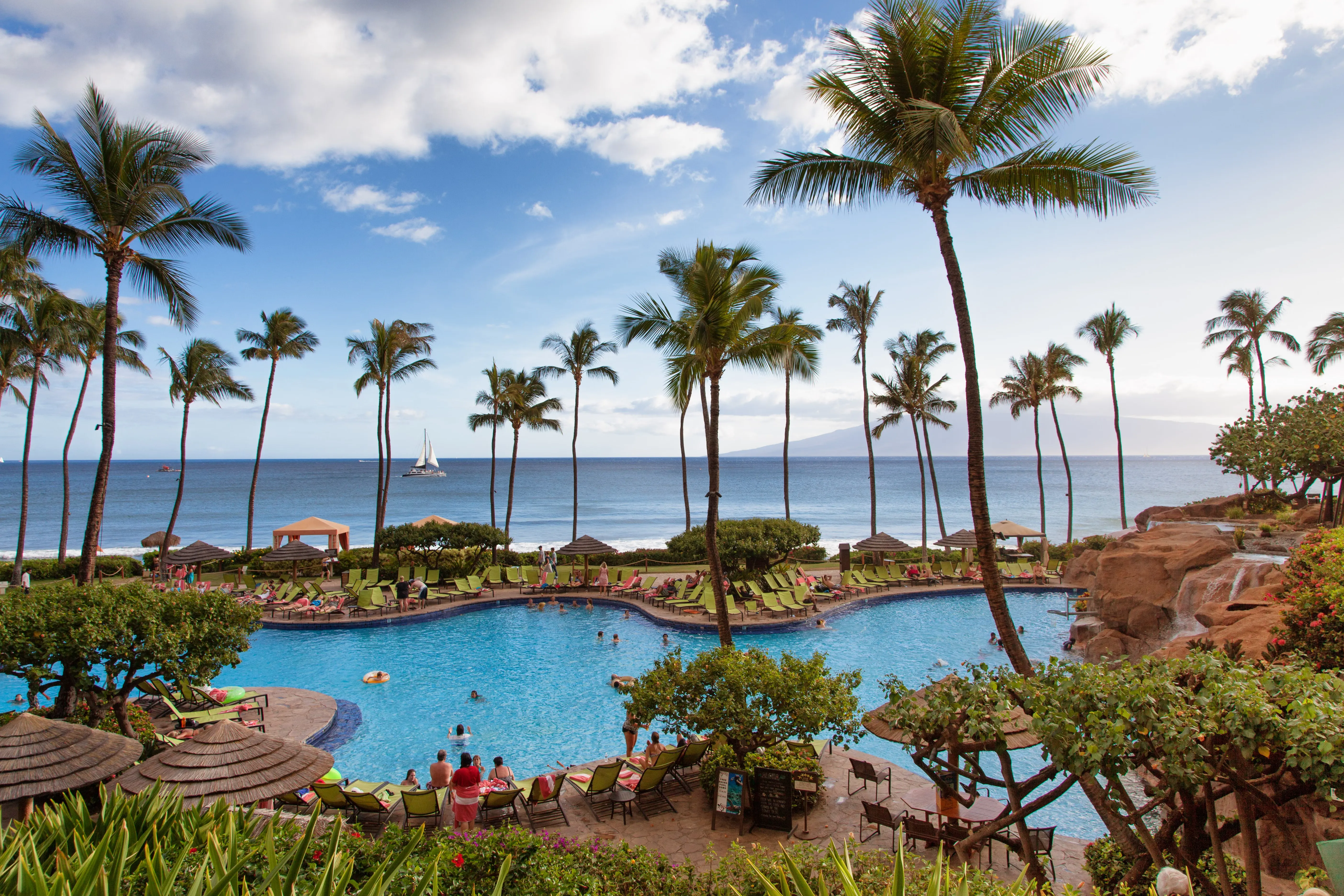

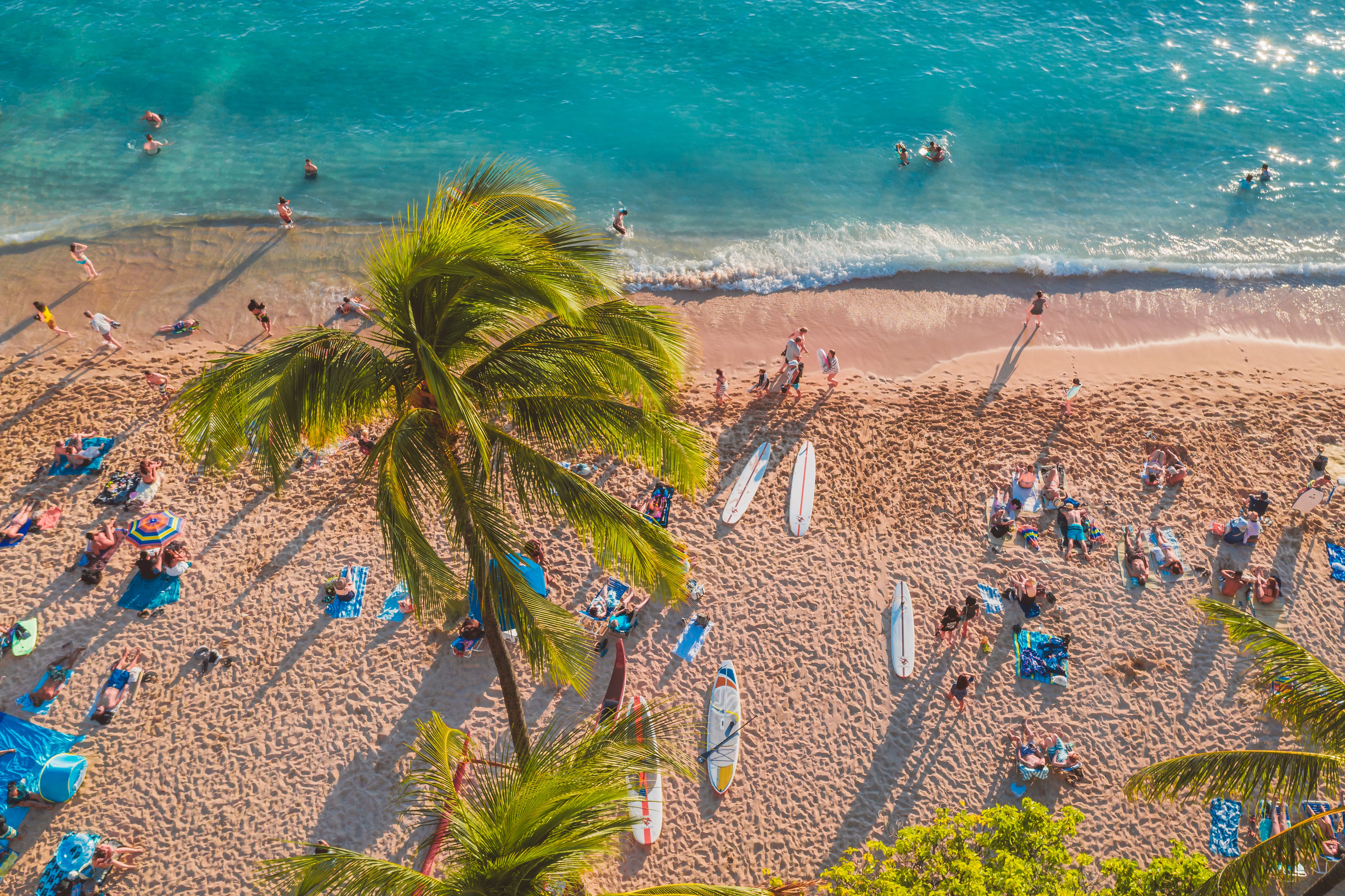
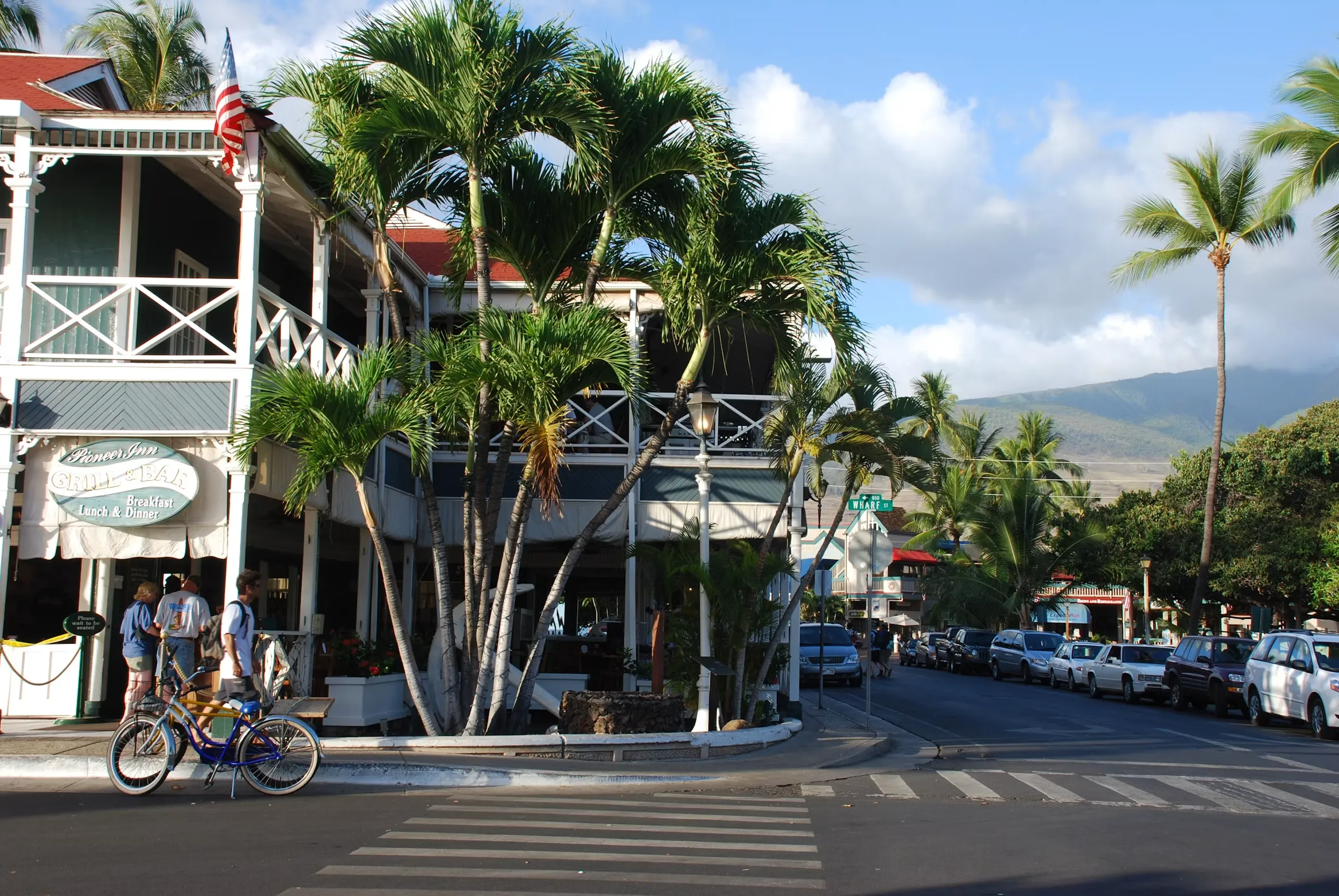
South Maui includes Kihei, Wailea, and Makena. This side of the island is known for its consistently sunny weather and laid-back atmosphere.
Kihei is one of Maui's most popular places to stay because it offers a wide range of accommodations—from affordable vacation rentals to oceanfront condos—while placing visitors close to dozens of beaches.
Wailea offers a more upscale experience with luxury resorts, beautifully landscaped walking paths, championship golf, and some of Maui's finest restaurants.
Further south, Makena features larger natural beaches with fewer buildings, making it ideal for travelers seeking open coastline and beautiful scenery.
One of South Maui's biggest advantages is convenience. Many beaches are only minutes apart, allowing visitors to spend each day exploring somewhere new.
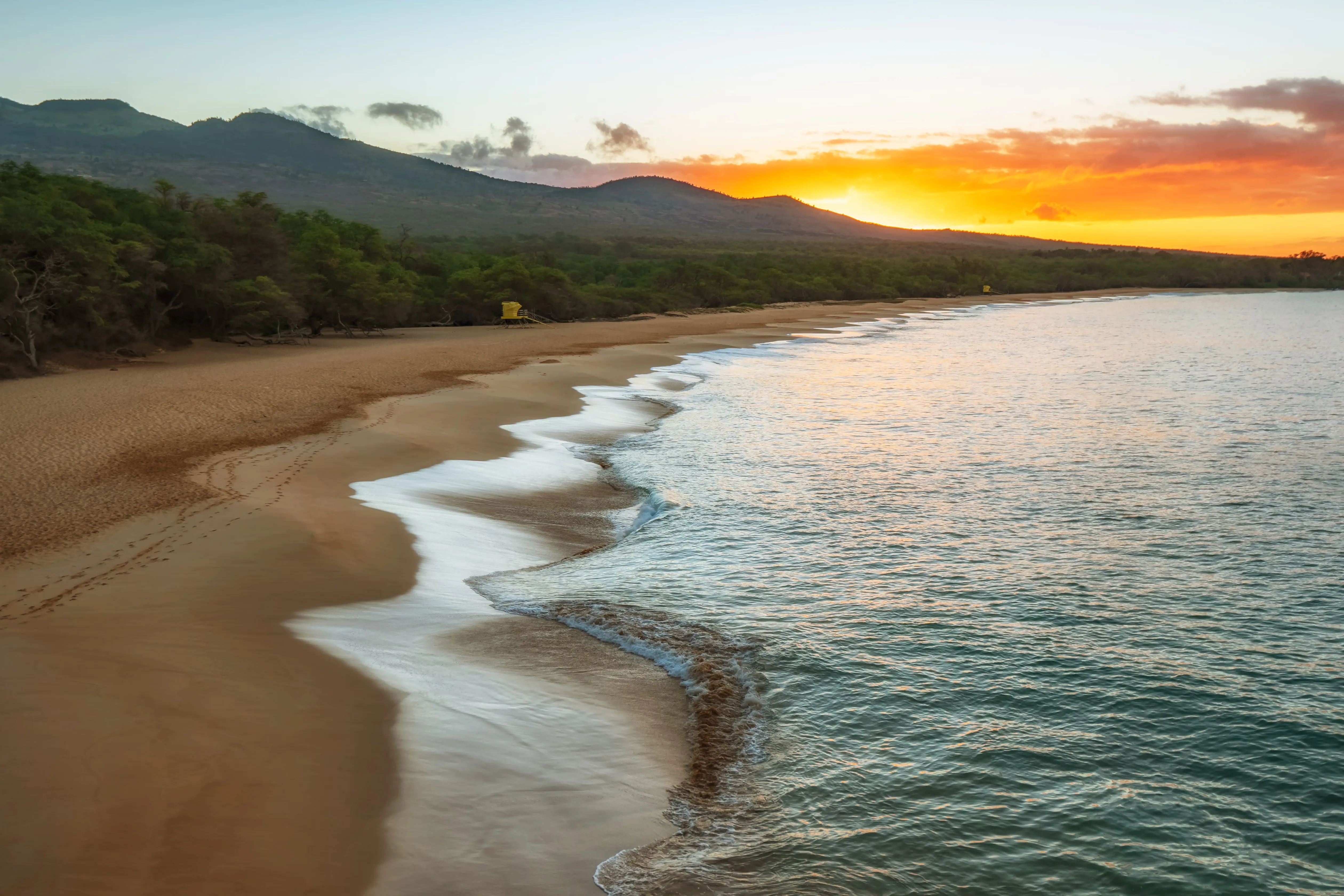
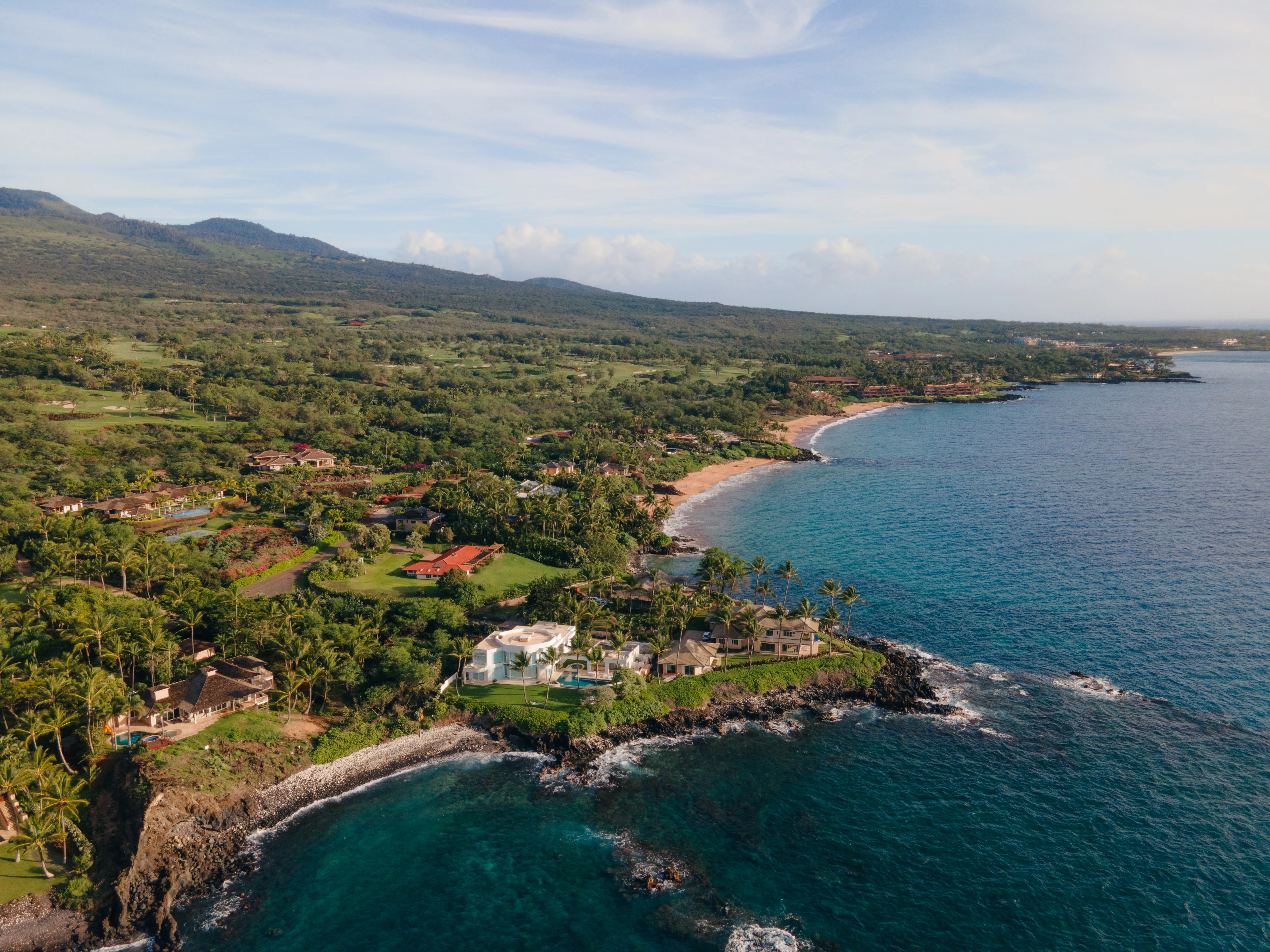
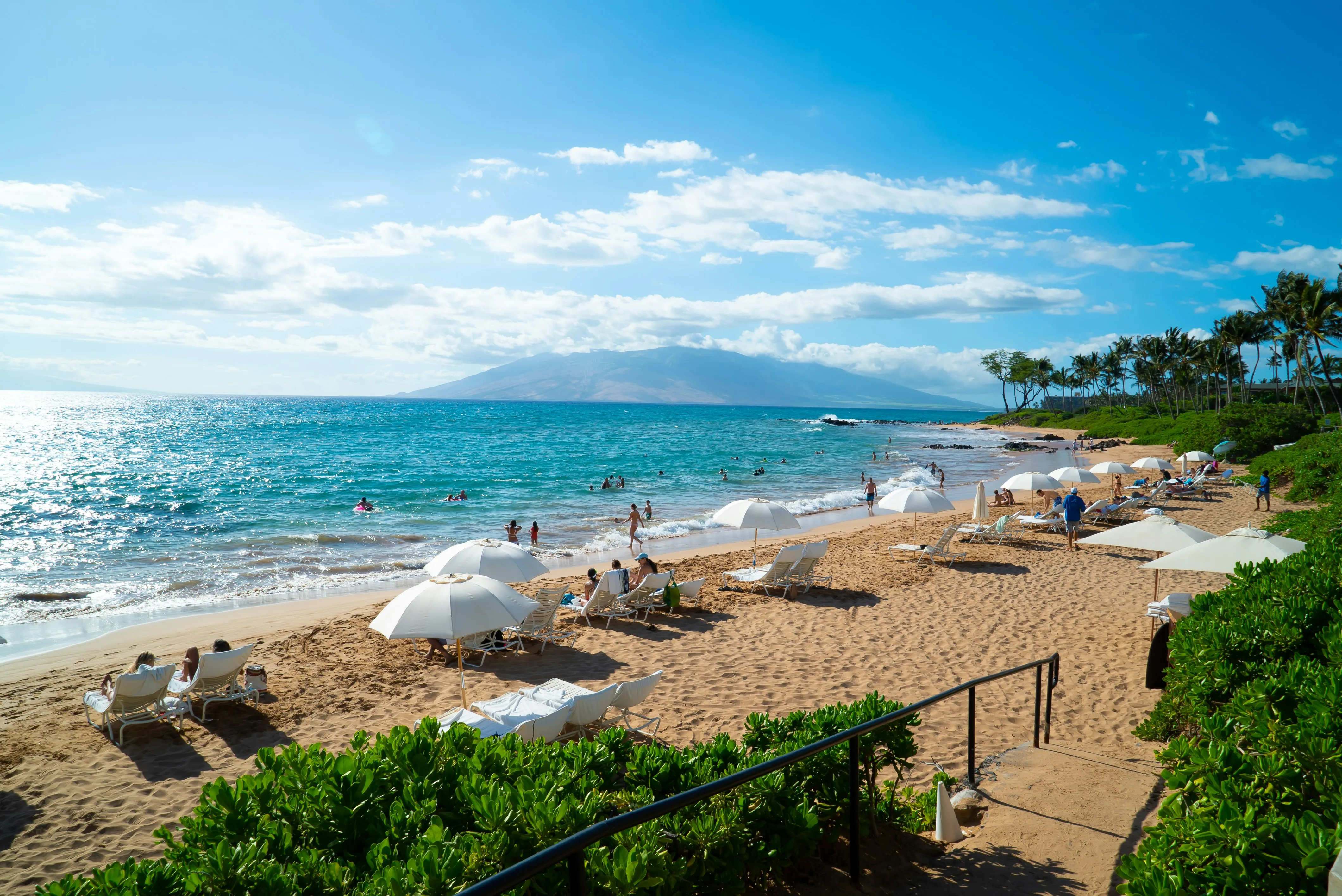
If beaches are your top priority, you truly can't go wrong.
West Maui beaches tend to feel more dramatic, backed by green mountains and luxury resorts.
Popular beaches include:
South Maui beaches offer incredible variety.
Favorites include:
Many visitors actually spend one day beach hopping throughout South Maui because several outstanding beaches are located within minutes of each other.
One major factor in the west vs south Maui decision is weather.
South Maui generally receives less rainfall, especially around Kihei and Wailea. This means more sunny beach days throughout the year.
West Maui remains beautiful but can occasionally receive passing showers due to the nearby West Maui Mountains. These showers are often brief and contribute to the area's lush tropical landscape.
No matter where you stay, you'll have access to incredible adventures.
Popular activities include:
For travelers looking to experience Maui's lush rainforest, soaring eucalyptus forests, and breathtaking ocean views from above, NorthShore Zipline offers an unforgettable adventure in Upcountry Maui. It's an easy day trip from both West and South Maui and provides a completely different perspective of the island beyond its beaches.
For most first-time visitors, the answer depends on priorities.
Choose West Maui if you want:
Choose South Maui if you want:
Many repeat visitors eventually stay on both sides during different trips because each offers its own unique experience.
There isn't a clear winner in the west vs south Maui debate because both regions showcase different sides of what makes Maui special.
West Maui offers lush scenery, luxury resorts, and some of Hawaii's most iconic beaches. South Maui delivers dependable sunshine, incredible beach variety, excellent value, and easy access to many of Maui's top attractions.
If it's your first visit, think about the type of vacation you envision. Whether you're relaxing at a luxury resort in Kāʻanapali or spending your days beach hopping through Kihei and Wailea, you'll quickly discover why Maui remains one of the world's most beloved island destinations.
The best choice isn't necessarily West or South Maui—it's the one that matches your travel style.
Is West or South Maui better for first-time visitors?
South Maui is often recommended for first-time visitors thanks to its sunny weather, central location, and variety of accommodations. However, West Maui is an excellent choice for travelers seeking luxury resorts and iconic beaches.
Which side of Maui has the best beaches?
Both regions feature world-class beaches. West Maui is known for Kāʻanapali and Kapalua, while South Maui offers Wailea Beach, Keawakapu, Makena Beach, and the Kamaole Beach Parks.
Is South Maui less expensive than West Maui?
Generally, yes. Kihei offers many affordable vacation rentals and condos compared to the larger resort properties commonly found in West Maui.
Which side has better snorkeling?
Both offer fantastic snorkeling. Kapalua Bay and Honolua Bay are highlights in West Maui, while South Maui features excellent snorkeling at Ulua Beach, Maluaka Beach, and several Wailea beaches.
Is West Maui greener than South Maui?
Yes. West Maui typically has more tropical vegetation due to slightly higher rainfall, while South Maui is generally drier and sunnier.
Which area has the best sunsets?
Both regions enjoy spectacular sunsets. West Maui sunsets over the neighboring islands are particularly famous, while South Maui also provides stunning evening views from Wailea and Kihei beaches.
Is it easy to visit both West and South Maui during one trip?
Absolutely. The drive between Kihei and Kāʻanapali typically takes around 45–60 minutes depending on traffic, making day trips between both regions very manageable.
Should I stay in Kihei, Wailea, or Kāʻanapali?
Kihei is great for value and convenience, Wailea offers luxury and upscale dining, while Kāʻanapali delivers a classic beachfront resort experience. The best choice depends on your budget and vacation style.
If you would like to read and learn more about interesting things in Hawaii! Check out our blog page here on our website!
or
Image Credits:
Hero:
"a beach that has rocks in it" by Zetong Li, via Unsplash
Other Photos in Blog:
"Resort swimming pool by ocean" by Lindsey Garret, via Pexels
"Top view of beach and turquoise trees sea in tropics" by Jess Loiterton, via Pexels
"Bird's-eye view of beach and sea" by Jess Loiterton, via Pexels
"A man riding a bike down a street next to palm tree" by Mark Thomas, via Unsplash
"Silhouettes of palm trees during sunset" by Shaylon Elmore, via Pexels
"Green trees beside body of water during sunset" by James Wheeler, via Pexels
"Houses on green shore near trees" by Griffin Wooldridge, via Pexels
"A bridge filled with lots of white umbrellas next to the ocean" by Kenneth Oh, via Unsplash