

WE HAVE REOPENED! Our team has worked hard to repair, inspect, and prepare our course following Hurricane Lala.
We're ready to safely welcome you back !
BOOKINGS ARE OPEN!
Mahalo for your patience and support! 💛
If you are dreaming of trading cold winter mornings for tropical beaches, lush landscapes, and warm Pacific sunsets, travel to Hawaii in February can be an excellent choice. While much of the mainland United States is still experiencing the heart of winter, February in Hawaii offers comfortable temperatures, plenty of outdoor adventures, and one of the biggest seasonal attractions of the year: humpback whales.
February does fall within Hawaii's wetter winter season, and ocean conditions can vary considerably from one side of an island to another. However, travelers who build a little flexibility into their itinerary can experience everything from snorkeling and hiking to waterfalls, scenic drives, cultural attractions, and world-class whale watching.
Here is what to know when planning a February vacation to the Hawaiian Islands.
February is part of Hawaii's winter season, but "winter" means something very different in the islands. At sea level, daytime conditions are generally warm enough for shorts, sandals, swimming, and other outdoor activities. Evenings and early mornings may feel noticeably cooler, particularly at higher elevations and in windier areas.
Hawaii also contains numerous microclimates. One side of an island can be rainy while another is enjoying sunshine. Windward areas tend to receive more precipitation, while many leeward resort areas are comparatively dry.
That means a rainy forecast doesn't necessarily mean your entire vacation will be washed out. When planning travel to Hawaii in February, it is helpful to keep your schedule somewhat flexible and check conditions for the specific part of the island you plan to visit.
One of the strongest reasons to visit Hawaii in February is humpback whale season.
Thousands of humpback whales, known in Hawaiian as koholā, migrate to Hawaiian waters during the winter to breed, give birth, and nurse their calves. The Hawaiian Islands Humpback Whale National Marine Sanctuary notes that humpbacks are generally seen in Hawaii from November through April, with peak season occurring from January through March.
Maui is especially famous for whale watching because of the shallow waters surrounding Maui, Molokaʻi, and Lānaʻi. Hawaii's Division of State Parks identifies this area as having some of the state's highest concentrations of humpback sightings.
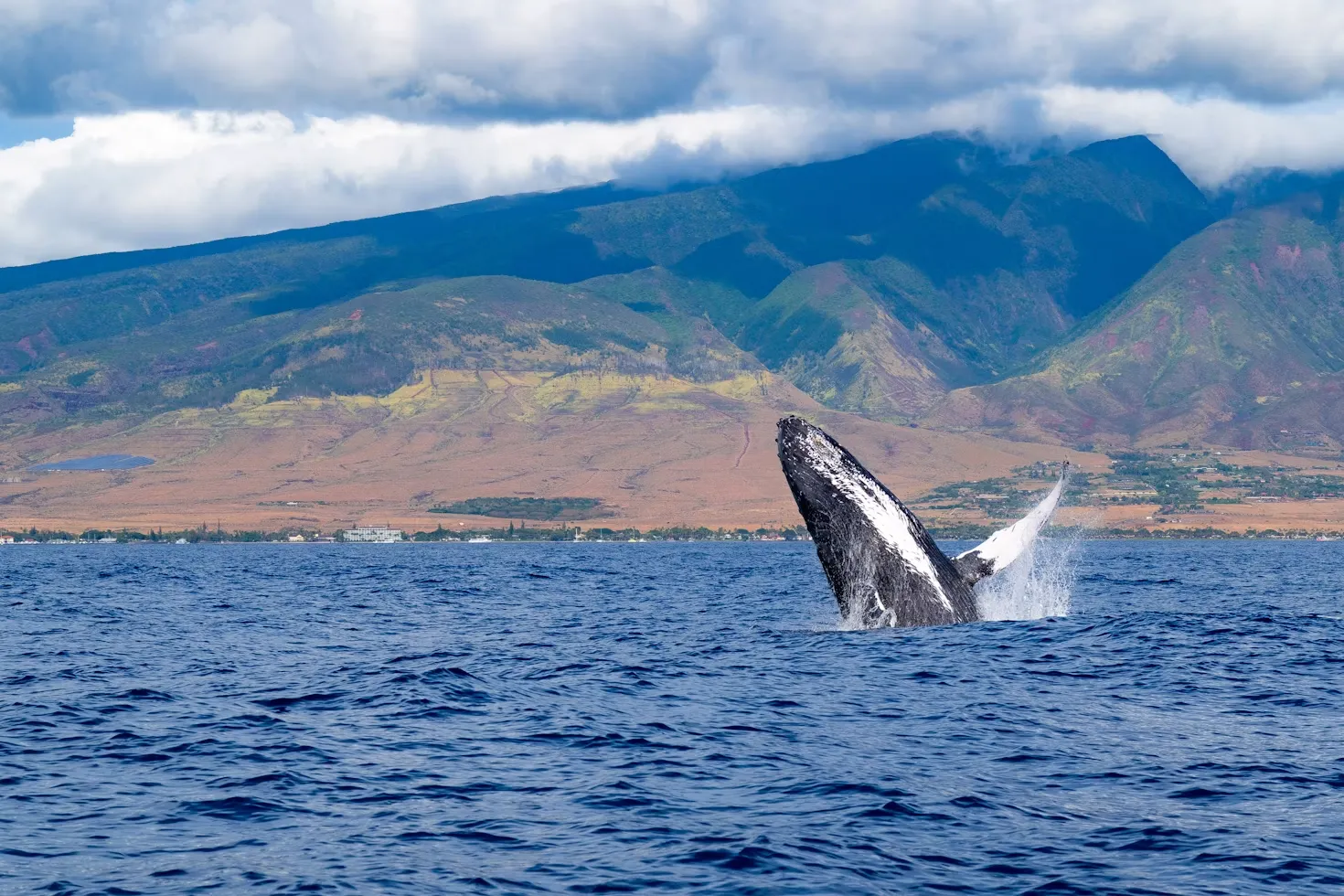
Visitors may spot whales from shore, particularly from elevated coastal viewpoints, but a responsible whale-watching excursion can provide another perspective.
Remember that humpback whales are federally protected. Boats and other ocean users must remain at least 100 yards away from them.
Choosing an island is one of the biggest decisions when planning a Hawaii vacation.
Maui is an especially appealing February destination for travelers interested in outdoor adventures, scenic drives, beaches, and whale watching.
You can spend your trip exploring Upcountry Maui, driving toward Hāna, visiting waterfalls, relaxing along the coast, or heading approximately 10,000 feet above sea level to explore Haleakalā.
February's whale activity adds another reason to spend time around Maui's coastline.
Oʻahu works well for travelers who want a combination of beaches, restaurants, nightlife, history, shopping, and outdoor recreation.
Popular experiences include Waikīkī, Pearl Harbor, the North Shore, and hiking at Diamond Head (Lēʻahi). Non-Hawaii residents currently need advance reservations to enter Diamond Head State Monument, which can be booked through the official Hawaii State Parks reservation system.
Winter also brings powerful swells to many north-facing shores, so always pay attention to posted warnings and local ocean conditions.
Travelers seeking dramatic scenery, hiking, waterfalls, and a quieter atmosphere may prefer Kauaʻi. February rainfall can make the island particularly lush, although rain and trail conditions can also affect outdoor plans.
Consider leaving extra room in your itinerary rather than scheduling every outdoor activity for a specific day.
The Island of Hawaiʻi, commonly called the Big Island, offers an enormous variety of landscapes. Travelers can experience beaches, tropical forests, volcanic terrain, ranch country, and high-elevation environments during the same vacation.
It is a great option for visitors who prioritize exploration and don't mind spending more time driving between attractions.
If Maui is part of your February Hawaii trip, consider visiting Haleakalā National Park.
The summit reaches 10,023 feet above sea level, creating conditions dramatically different from Maui's beaches. Temperatures around the summit can be at least 20 degrees colder than at sea level and can sometimes drop below freezing.
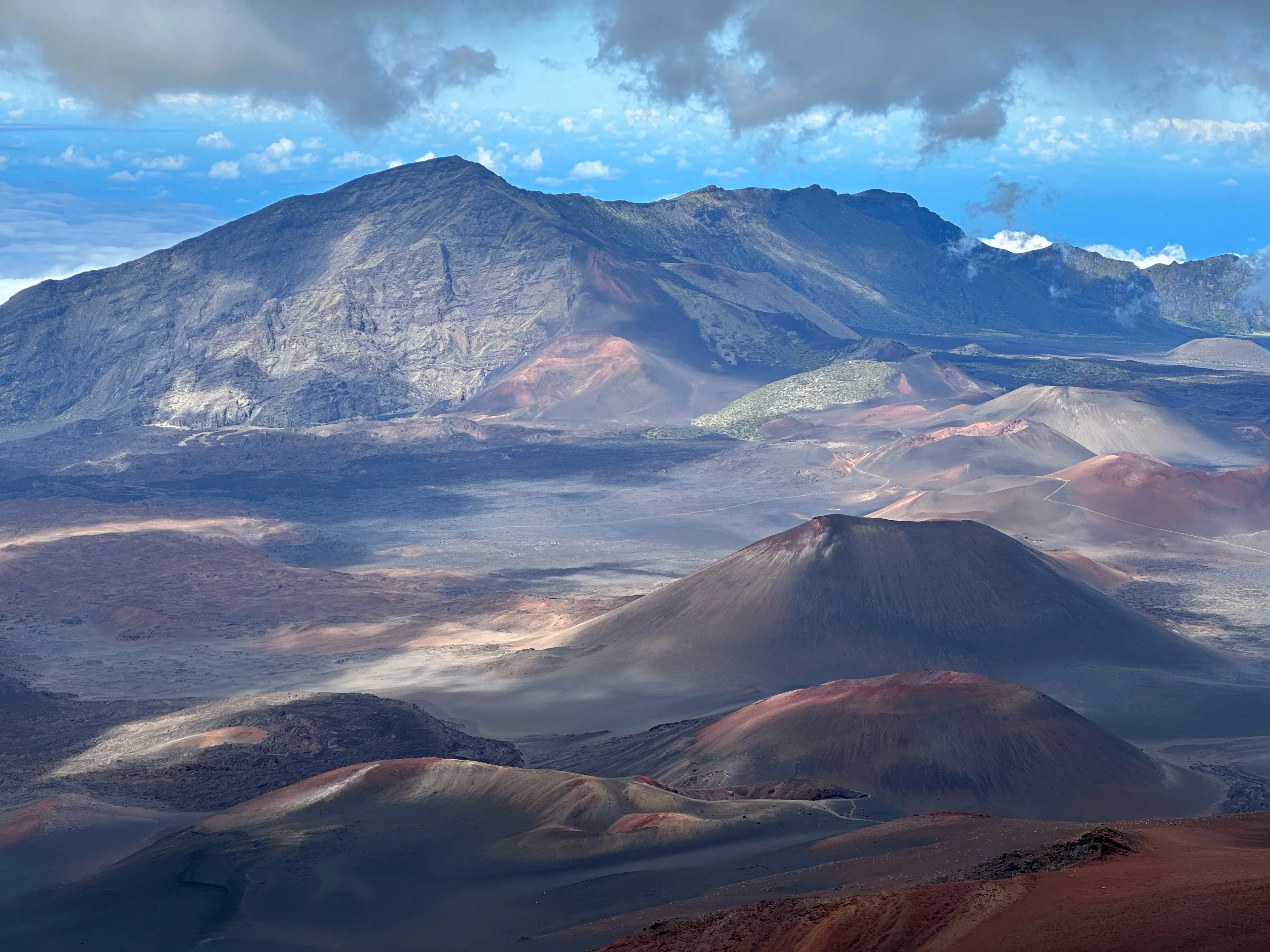
Sunrise is particularly popular. Visitors entering the Summit District between 3:00 a.m. and 7:00 a.m. currently need an advance sunrise reservation in addition to paying the park entrance fee or presenting an eligible park pass. Reservations are released through Recreation.gov up to 60 days in advance, with another portion released two days beforehand.
Even if your beach day requires nothing more than swimwear and a light cover-up, bring warm layers if Haleakalā is on your itinerary.
Absolutely—but ocean conditions matter.
February can provide beautiful swimming and snorkeling opportunities, especially along protected and leeward coastlines. At the same time, winter is known for larger north and northwest swells.
A beach that looks inviting from shore may have strong currents, shorebreak, or other hazards that aren't obvious to an inexperienced visitor.
Check daily ocean conditions, obey posted signs, speak with lifeguards when available, and avoid entering unfamiliar water when conditions appear questionable. If you are uncertain, choosing a lifeguarded beach or professionally guided ocean activity is a safer approach.
Packing for February requires slightly more variety than travelers might expect from a tropical destination.
Bring lightweight clothing, swimwear, comfortable walking shoes, sun protection, a reusable water bottle, and a light rain jacket. A sweater or light jacket can be useful during cooler evenings.
If your itinerary includes Haleakalā or another high-elevation destination, pack genuinely warm layers rather than assuming a thin sweatshirt will be sufficient.
Reef-conscious sun protection, hats, sunglasses, and quick-drying clothing are also useful when spending long days outdoors.
Some of Hawaii's most popular natural attractions now require advance reservations, particularly for nonresidents.
In addition to Diamond Head and Haleakalā sunrise, advance reservations are required for non-Hawaii residents visiting several Hawaii state parks, including ʻĪao Valley State Monument and Waiʻānapanapa State Park on Maui and Hāʻena State Park on Kauaʻi.
Use the Hawaii State Parks reservation portal when planning your itinerary.
It is also wise to reserve rental cars, accommodations, luaus, whale-watching excursions, and other must-do activities ahead of your arrival rather than waiting until you are already on the island.
For many visitors, February is one of the most interesting months to visit Hawaii.
You get warm tropical weather while escaping winter elsewhere, and humpback whale season is near its peak. Hawaii's landscapes can also be exceptionally green during the wetter months.
The tradeoff is that February weather can be more variable than during some summer periods, and winter swells can affect certain beaches and ocean activities.
Instead of planning every hour of your vacation, build a few flexible periods into your itinerary. If weather changes your plans on one part of the island, you may be able to explore somewhere else.
With a little preparation, travel to Hawaii in February can offer an incredible combination of beaches, culture, wildlife, hiking, scenic drives, and unforgettable winter sunshine.
Yes. February offers warm weather, outdoor activities, lush scenery, and peak humpback whale season. Travelers should simply be prepared for occasional rain and changing ocean conditions.
Yes. Swimming, snorkeling, surfing, and other ocean activities continue throughout the winter. However, conditions vary by island and shoreline, so always check local ocean and surf reports before entering the water.
February falls within Hawaii's wetter season, but rainfall varies significantly depending on the island and location. Windward regions generally receive more rain than leeward areas, and showers do not necessarily last all day.
There is no single best island for everyone. Maui is excellent for whale watching and varied outdoor adventures, Oʻahu combines beaches with urban attractions and history, Kauaʻi offers dramatic natural scenery, and the Island of Hawaiʻi provides exceptionally diverse landscapes.
Yes. February falls within the peak period for humpback whales in Hawaiian waters. NOAA identifies January through March as the peak season.
Yes. February is an excellent time to visit Maui, especially for travelers interested in humpback whales, scenic drives, beaches, hiking, Upcountry Maui, and Haleakalā National Park.
Pack warm-weather clothing along with a light rain jacket and sweater or jacket for cooler evenings. Bring substantially warmer layers if you plan to visit high-elevation destinations such as the summit of Haleakalā.
Popular beaches and resort areas can still be busy, particularly around holiday periods. Visiting beaches earlier in the day and exploring beyond the busiest resort areas can provide a quieter experience.
Seven to ten days works well for many travelers visiting one or two islands. If you only have a week, spending most or all of the trip on one island can reduce travel time and allow for a more relaxed vacation.
Whale watching, snorkeling when conditions permit, hiking, scenic drives, visiting cultural and historic sites, attending a luau, exploring national and state parks, and watching sunsets are all excellent February activities.
If you would like to read and learn more about interesting things in Hawaii! Check out our blog page here on our website!
or
Image Credits:
Blog Photos:
"humpback whale tail breaching ocean" by Abigail Lynn, via Unsplash
"a whale jumping out of the water" by Steve Wrzeszczynski, via Unsplash
"majestic Haleakala volcano landscape in Hawaii" by Rushi Patel, via Pexels
Few natural landmarks capture the imagination quite like kilauea. Located on Hawaiʻi Island, this iconic volcano is one of the most active volcanoes on Earth and has played a defining role in shaping the Hawaiian Islands—both physically and culturally. For centuries, kilauea has fascinated scientists, travelers, and Native Hawaiians alike, offering a rare opportunity to witness the raw power of our planet in action.
This article explores the science behind kilauea, the nature of its lava, its cultural significance, and why it continues to be one of the most closely watched volcanoes in the world.
Kilauea is classified as a shield volcano, meaning it is built from repeated lava flows that spread outward in broad, gentle slopes. Unlike explosive stratovolcanoes, kilauea is known for its frequent, relatively fluid lava eruptions. These eruptions have occurred almost continuously over the past several decades, making kilauea one of the most active volcanoes on the planet.
Situated within Hawaiʻi Volcanoes National Park, kilauea offers scientists unparalleled access to an active volcanic system. Its summit caldera, lava lakes, rift zones, and underground magma plumbing provide valuable insight into how volcanoes behave globally.
The lava produced by kilauea is primarily basaltic, meaning it has a low silica content. This makes it less viscous than other lava types, allowing it to flow smoothly and travel long distances. Kilauea lava often appears in two main forms:
These lava flows have repeatedly reshaped Hawaiʻi Island, creating new land as they enter the ocean and altering entire landscapes over time. While visually stunning, kilauea lava is also incredibly destructive, capable of overtaking forests, roads, and communities when eruptions intensify.
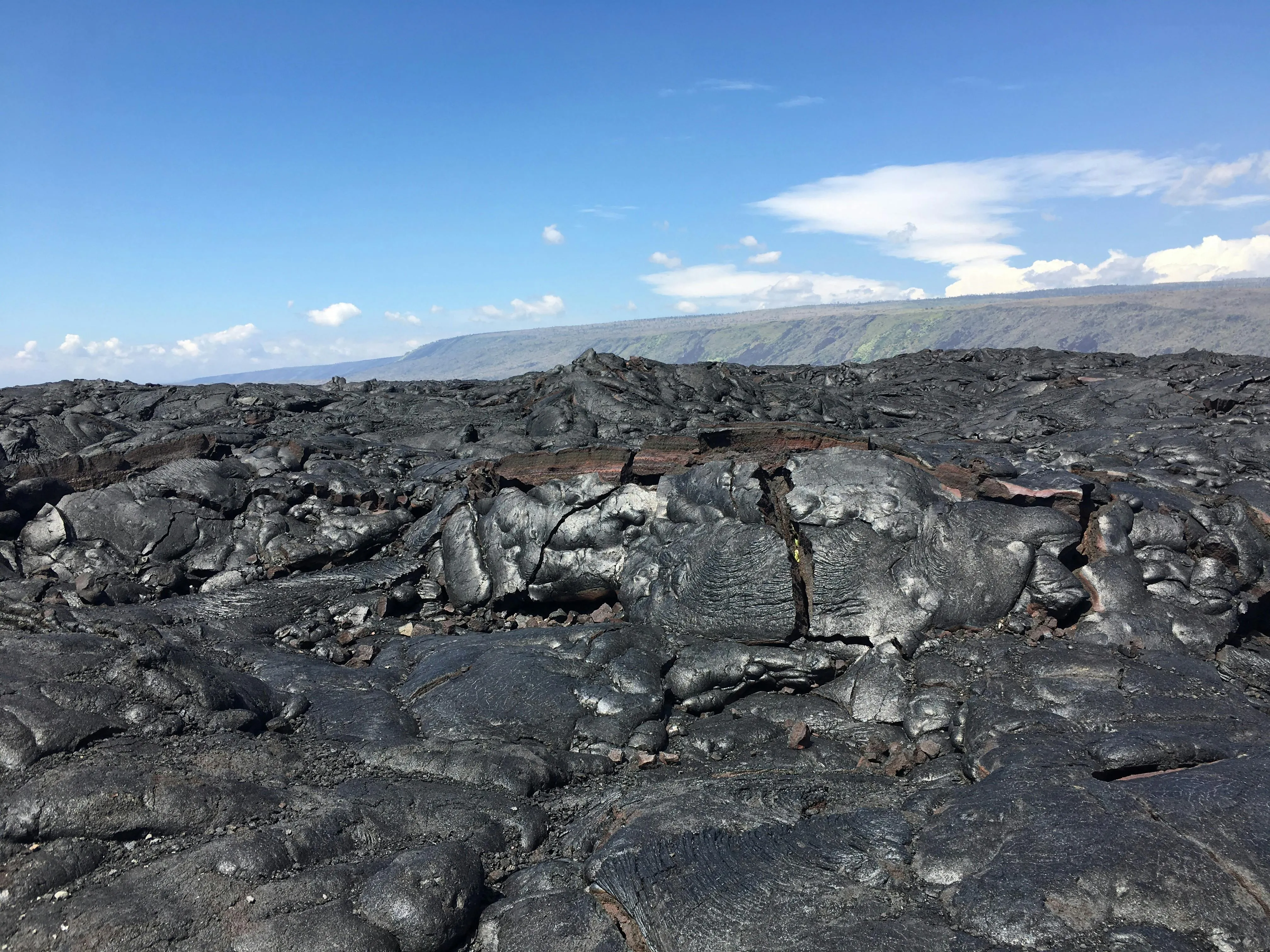
For Native Hawaiians, kilauea is far more than a geological feature. It is considered the sacred home of Pele, the goddess of fire, lightning, and volcanoes. Eruptions are traditionally viewed not as disasters, but as expressions of Pele’s presence and power.
This deep cultural connection means that kilauea is respected as a living entity. Many residents and visitors approach the volcano with reverence, acknowledging that its lava flows represent both destruction and creation—an essential balance in Hawaiian cosmology.
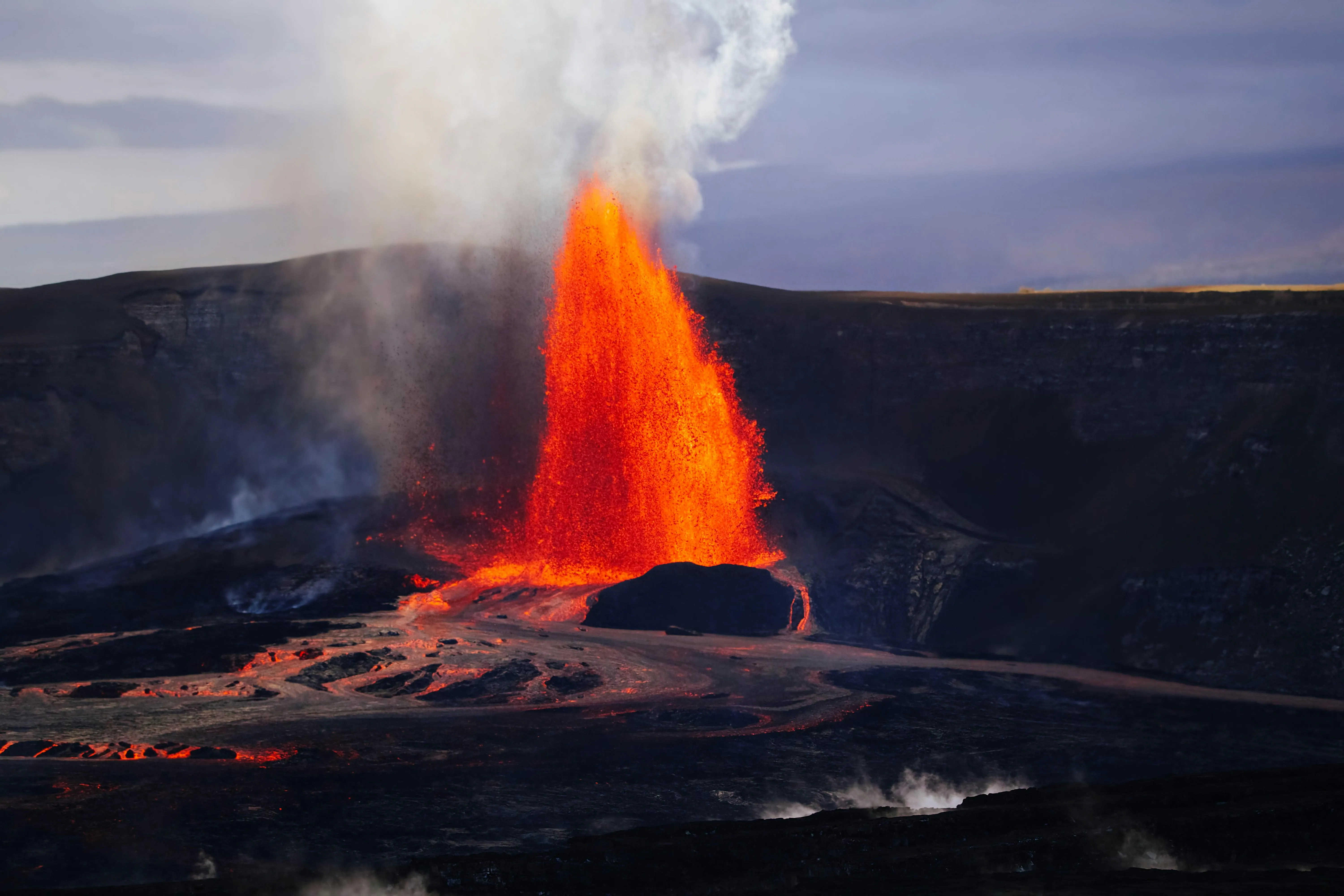
Kilauea’s eruptive behavior has remained dynamic in recent years, with summit lava lake activity and episodic eruptions drawing global attention. Scientists from U.S. Geological Survey continuously monitor kilauea using seismic instruments, gas sensors, satellite imagery, and webcams.
This monitoring allows for early warnings and helps protect nearby communities. Despite its frequent activity, kilauea is considered one of the safest volcanoes to study due to its predictable lava behavior and extensive monitoring infrastructure.
Visitors can experience kilauea up close through designated overlooks, trails, and viewing areas within Hawaiʻi Volcanoes National Park. When lava is visible, the glow from the summit crater can often be seen at night, offering a breathtaking and humbling experience.
Safety is paramount. Lava flows, volcanic gases, and unstable ground can be dangerous. Visitors should always follow park guidelines, respect closures, and stay informed about current conditions before exploring the area.
Kilauea is more than a local attraction—it plays a critical role in advancing volcanic science worldwide. Research conducted here helps scientists better understand eruption forecasting, lava flow behavior, and volcanic gas emissions. The knowledge gained from kilauea has applications for volcanic regions across the globe.
Kilauea remains one of Earth’s most powerful reminders of nature’s ability to create, destroy, and renew. Its lava flows tell an ongoing story—one that continues to shape Hawaiʻi and deepen our understanding of the planet we call home.
Kilauea frequently experiences periods of activity and dormancy. Checking official monitoring updates is the best way to get real-time information.
Kilauea’s constant magma supply and location above a volcanic hotspot allow it to erupt more frequently than most volcanoes worldwide.
During active phases, lava may be visible from designated viewpoints. Visibility depends on current eruption conditions and safety restrictions.
When visited responsibly and following official guidance, kilauea can be explored safely. Hazards exist, so awareness is essential.
When lava flows reach the ocean, they cool and harden, gradually forming new coastline and expanding the island.
If you would like to read and learn more about interesting things in Hawaii! Check out our blog page here on our website!
or
Image Credits:
Header:
Lava Burning in a Volcano - Photo by Tomáš Malík, via Pexels
Cooled Lava after an Eruption - Photo by Jeison Mattos, via Pexels
Dramatic Lava Eruption at Kilauea Volcano - Photo by James Lee, via Pexels
Hawaii is famous for its pristine beaches, lush rainforests, and laid-back island life—but beneath its tropical beauty lies one of nature’s most powerful forces: volcanoes. The Hawaiian Islands were formed by volcanic activity millions of years ago, and even today, several of these giants remain active. Understanding Hawaii’s active volcanoes gives travelers and nature enthusiasts a deeper appreciation for the islands’ ever-evolving landscape and the unique culture shaped by Pele, the Hawaiian goddess of fire and volcanoes.
Although the Hawaiian Islands sit far from the main Pacific “Ring of Fire,” they’re among the world’s most active volcanic regions. This is because Hawaii sits above a hotspot—a plume of molten rock rising from deep within the Earth’s mantle. As the Pacific tectonic plate slowly drifts northwest over this hotspot, magma pushes through the crust, forming volcanoes that eventually rise above the ocean’s surface.
Over time, this process created the entire Hawaiian archipelago, from the Big Island (Hawaiʻi Island) in the southeast to the older, eroded islands of Kauaʻi and Niʻihau in the northwest. The further an island is from the hotspot, the older and more dormant its volcanoes become.
Hawaii is home to six major volcanoes, and four of them are classified as active today. These include:
The remaining two, Mauna Kea and Kohala, are considered dormant, though Mauna Kea still shows signs of potential future activity.
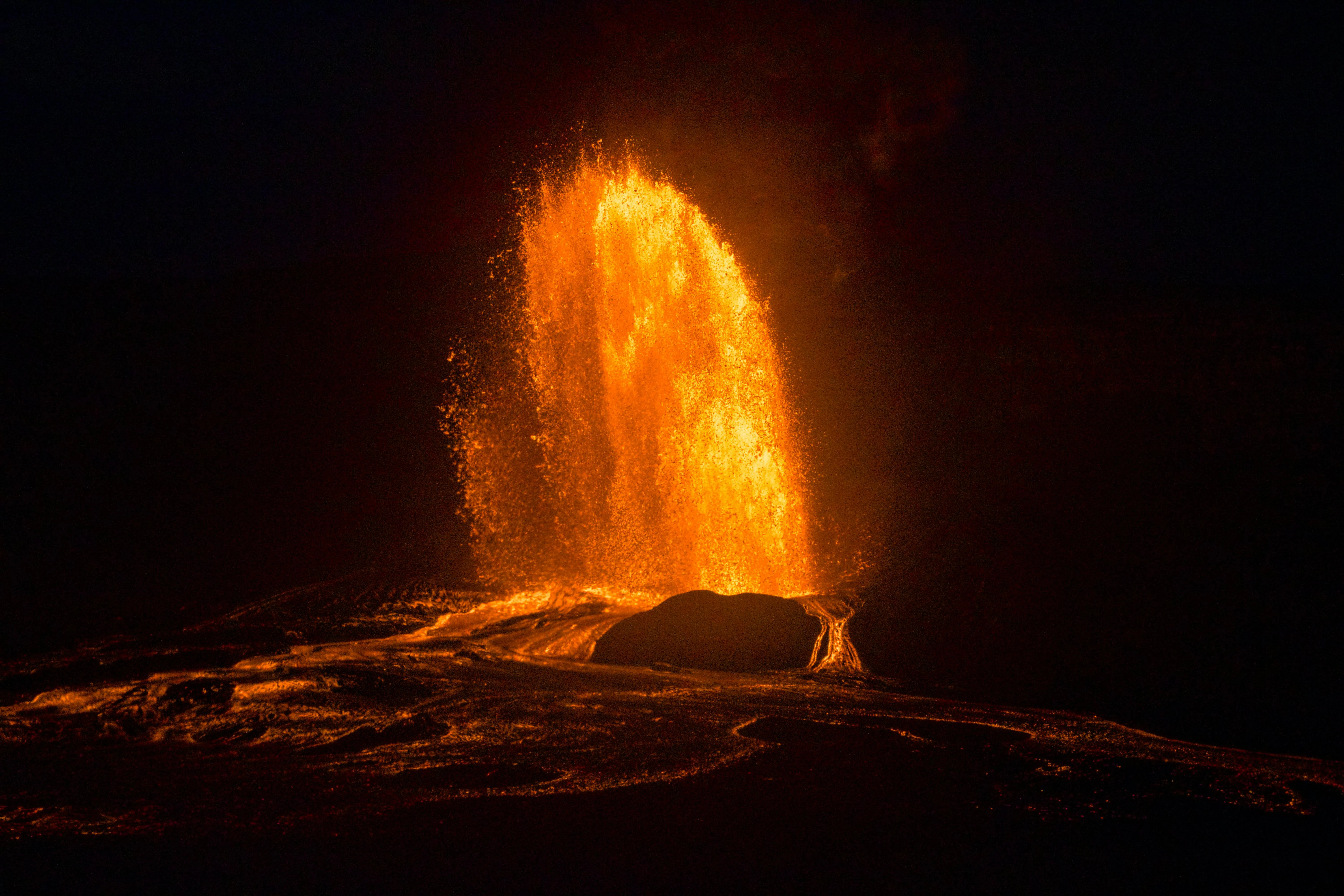
Located within Hawai‘i Volcanoes National Park, Kīlauea has been erupting on and off for centuries. Its most recent eruptive cycles, including the 2018 lower Puna eruption and the 2023 summit activity, reshaped parts of the island and created new landscapes. Kīlauea’s lava flows have destroyed homes but also extended the island’s coastline—an awe-inspiring reminder of how Hawaii is continuously reborn.
Visitors to Hawai‘i Volcanoes National Park can witness steam vents, volcanic craters, and solidified lava fields, with opportunities to safely view the glowing lava when eruptions occur within designated zones.
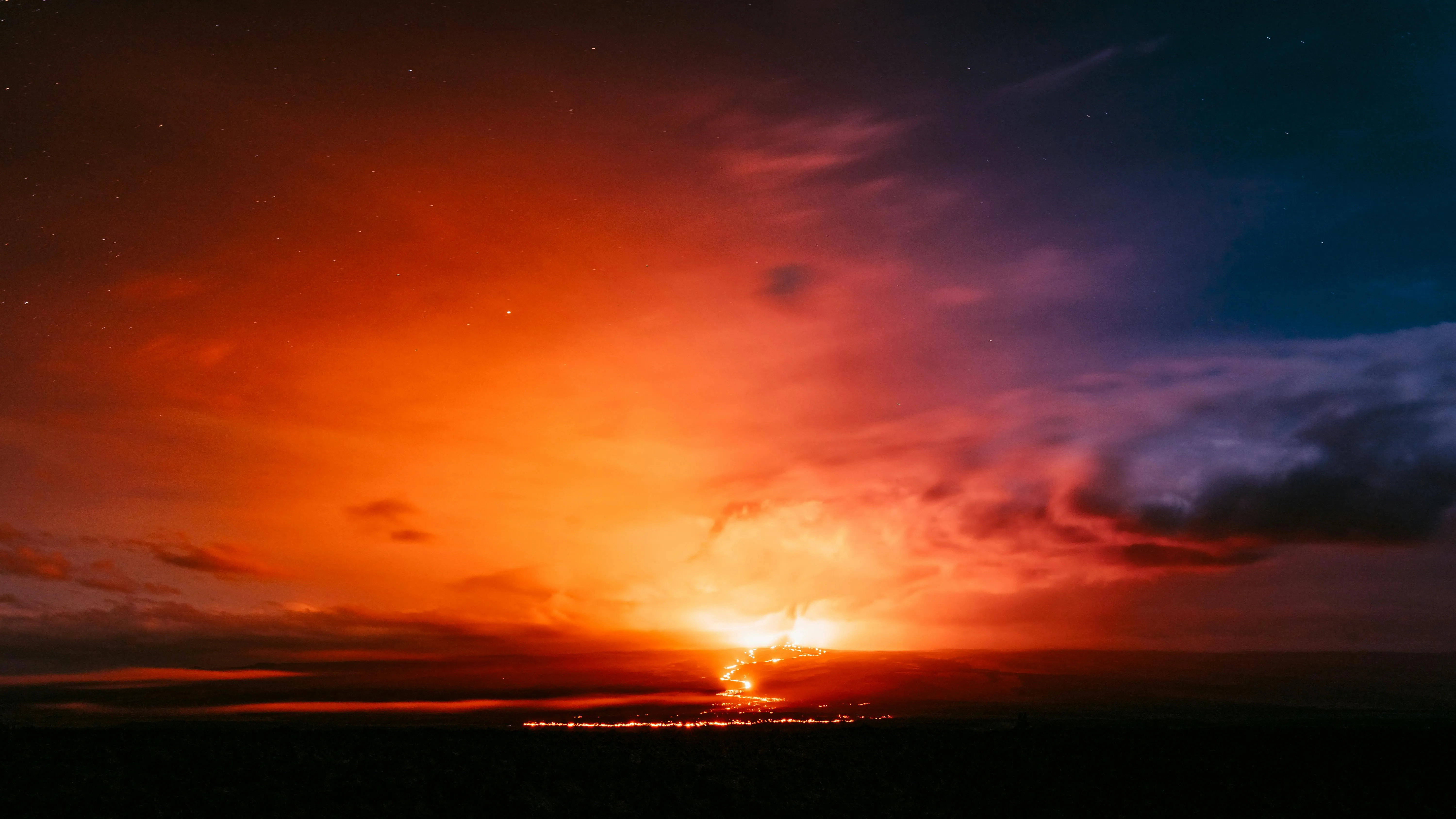
Towering 13,681 feet above sea level—and extending about 30,000 feet from its base on the ocean floor—Mauna Loa is the largest volcano on Earth. It covers more than half of the Big Island and has erupted 33 times since its first documented eruption in 1843. Its most recent eruption in November 2022 lit up the night sky and temporarily closed nearby highways, offering dramatic, unforgettable views for those lucky enough to see it.
Despite its size and power, Mauna Loa is closely monitored by scientists at the Hawaiian Volcano Observatory. The volcano’s slopes are home to observatories, hiking trails, and cultural sites that hold deep meaning for Native Hawaiians.
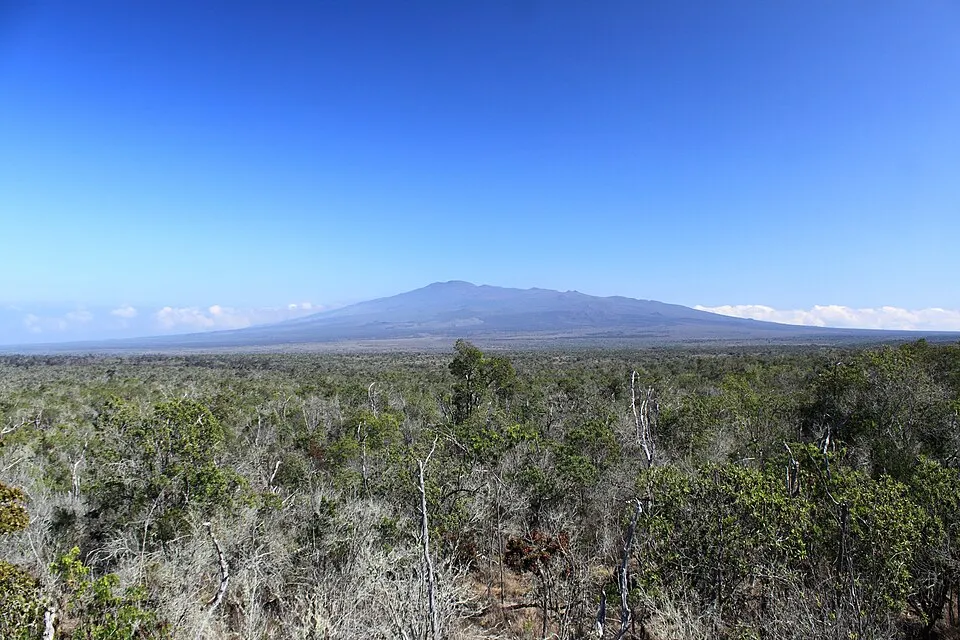
Hualālai, overlooking the Kona coast, is often overlooked compared to its larger neighbors, but it remains an active volcano. Its last eruption in 1801 sent lava flows into the ocean, forming much of the current shoreline around Kailua-Kona.
Although dormant for more than 200 years, geologists consider Hualālai “potentially active.” Seismic activity and ground deformation recorded in recent decades suggest that the volcano is recharging and could erupt again within the next century.
Deep beneath the Pacific Ocean, about 20 miles southeast of the Big Island, lies Lō‘ihi Seamount—a young submarine volcano still forming. While it hasn’t broken the ocean’s surface yet, it’s considered the youngest active volcano in the Hawaiian chain.
Scientists predict that in tens of thousands of years, Lō‘ihi could emerge as a brand-new island, continuing Hawaii’s geological story of creation.
If you’re planning to experience Hawaii’s active volcanoes, Hawai‘i Volcanoes National Park is the best place to start. The park spans over 335,000 acres and includes both Kīlauea and Mauna Loa. Visitors can hike through volcanic craters, walk across lava fields, and explore the Thurston Lava Tube—a massive tunnel formed by flowing lava centuries ago.
Always check for current conditions and eruption updates from the USGS Hawaiian Volcano Observatory before visiting. Volcanic gases, unstable terrain, and lava hazards can change quickly.
For those looking for a less intense but still thrilling adventure, exploring Maui’s Haleakalā Crater offers a chance to see the dormant side of volcanic beauty—no lava, but an unforgettable landscape sculpted by ancient eruptions.
There are four active volcanoes in Hawaii—Kīlauea, Mauna Loa, Hualālai, and Lō‘ihi Seamount.
Activity can change frequently. As of recent updates, Kīlauea is the most consistently active volcano. Always check the USGS Hawaiian Volcano Observatory website for current eruption status.
Yes it is safe to visit these wonders. If you follow park rules and safety advisories. Hawai‘i Volcanoes National Park offers guided areas where visitors can view volcanic activity safely.
Mauna Loa is the largest active volcano on Earth, covering more than half of Hawaii’s Big Island.
Yes! Lō‘ihi Seamount, located underwater south of the Big Island, is slowly growing and could become Hawaii’s newest island in the distant future.
Absolutely. Trails like Kīlauea Iki and Mauna Loa Summit Trail offer breathtaking views of volcanic craters, steam vents, and lava landscapes.
Although Hawaii isn’t on the main “Ring of Fire,” it was formed by a volcanic hotspot beneath the Pacific Plate. As the plate moves, the hotspot stays fixed, creating a chain of islands over millions of years.
There are four active volcanoes—Kīlauea, Mauna Loa, Hualālai, and Lō‘ihi Seamount. Kīlauea is the most active, Mauna Loa is the largest, and Lō‘ihi is still growing beneath the sea.
Kīlauea is one of the most active volcanoes on Earth, known for near-continuous eruptions. It’s easily accessible inside Hawai‘i Volcanoes National Park, where visitors can often view steam vents and cooled lava flows.
Mauna Loa is the largest volcano in the world, rising nearly 30,000 feet from base to summit. It last erupted in November 2022, producing stunning lava flows that were safely visible from nearby highways.
Yes—though it hasn’t erupted since 1801, scientists consider Hualālai “potentially active.” Seismic activity under its slopes suggests that it still has magma movement beneath the surface.
Eventually! The Lō‘ihi Seamount, an underwater volcano south of the Big Island, is still growing. It could emerge as a new Hawaiian island in tens of thousands of years.
The best place to see Hawaii’s volcanic activity is Hawai‘i Volcanoes National Park, home to Kīlauea and Mauna Loa. The park offers safe viewing areas, hiking trails, and guided tours.
Yes, but they’re dormant. Maui’s Haleakalā is a massive shield volcano that last erupted about 400–600 years ago. It’s not active, but its summit crater provides an unforgettable look at Hawaii’s volcanic past.
Not if you follow safety rules. The park and USGS post frequent updates on eruption conditions. Visitors are only allowed near safe zones, and guided tours ensure a secure, educational experience.
In Hawaiian tradition, volcanoes are the domain of Pele, the goddess of fire. She represents both destruction and creation—reminding locals and visitors alike that the islands themselves are living, sacred land.
If you would like to read and learn more about interesting things in Hawaii! Check out our blog page here on our website!
or
Image Credits:
Explosive Eruption at Hawaii Volcanoes National Park - Photo by James Lee, via Pexels
Fiery Volcanic Eruption in Hawaii - Photo by James Lee, via Pexels, modified
Yellow Sky after Mauna Loa Eruption on Hawaii - Photo by Dane Amacher, via Pexels, modified
Hualālai Volcano, Hawaiʻi – Photo by Karl Magnacca, via Wikimedia Commons (CC BY-SA 4.0), modified