CYBER MONDAY DEAL! USE CODE "CYBERMONDAY15" TO GET 15% OFF YOUR BOOKING!
Sitting on the windward side of Maui, Haiku is a hidden gem that captures the heart of every nature enthusiast with its verdant beauty and tranquil atmosphere. While Maui is often celebrated for its sandy beaches and crystal-clear waters, Haiku offers a different kind of wonder—its lush rainforest, where exotic plants thrive under the island’s abundant rainfall and rich volcanic soil. For botanists, horticulturists, and casual plant lovers alike, Haiku is a paradise where the vibrant plant life tells a story of resilience, biodiversity, and tropical enchantment.
Haiku lies in the region known as Maui’s North Shore, a microclimate characterized by frequent rain showers, warm temperatures, and mist-covered hills. This perfect combination has created the ideal environment for a thriving rainforest ecosystem. The region is home to both native Hawaiian plants and a variety of introduced tropical species that now flourish in the fertile soil.
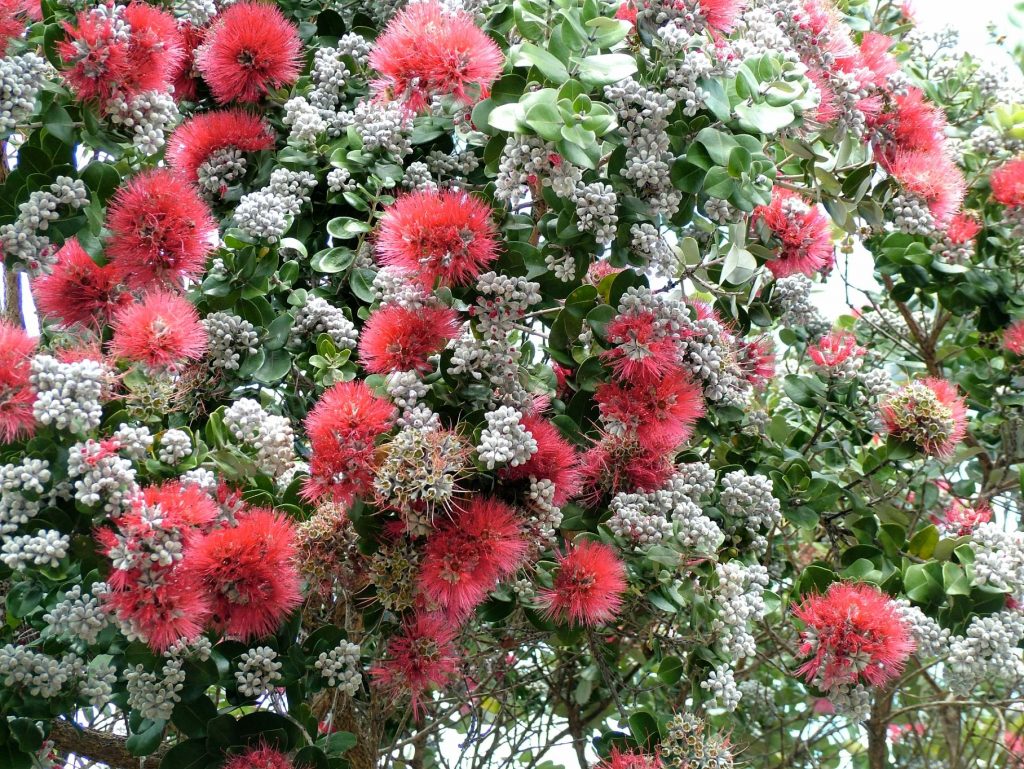
One of the most iconic plants in Haiku's rainforests is the ʻŌhiʻa lehua (Metrosideros polymorpha), a native Hawaiian tree with distinctive red, orange, or yellow pom-pom-like blossoms. This tree is vital to the local ecosystem, providing food for native birds such as the ʻapapane and ʻiʻiwi. In Haiku’s cooler upland areas, the ʻōhiʻa often dominates the canopy, its twisted branches cloaked in mosses and epiphytic ferns.
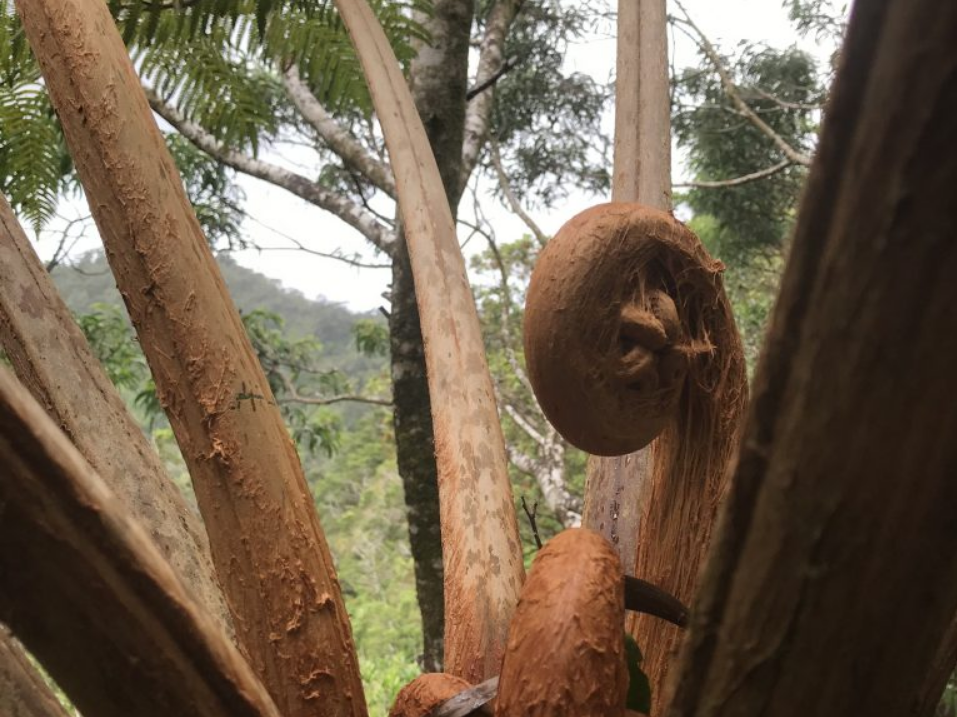
Another standout is the towering tree fern (Cibotium spp.), known in Hawaiian as hāpuʻu. These ancient plants unfurl their fronds in graceful spirals, creating a sense of prehistoric wonder as they arch over muddy trails and shaded gulches. The hāpuʻu is often accompanied by native understory plants like paʻiniu (Astelia spp.), a spiky, silver-green plant with tufts of fragrant flowers that attract native insects.
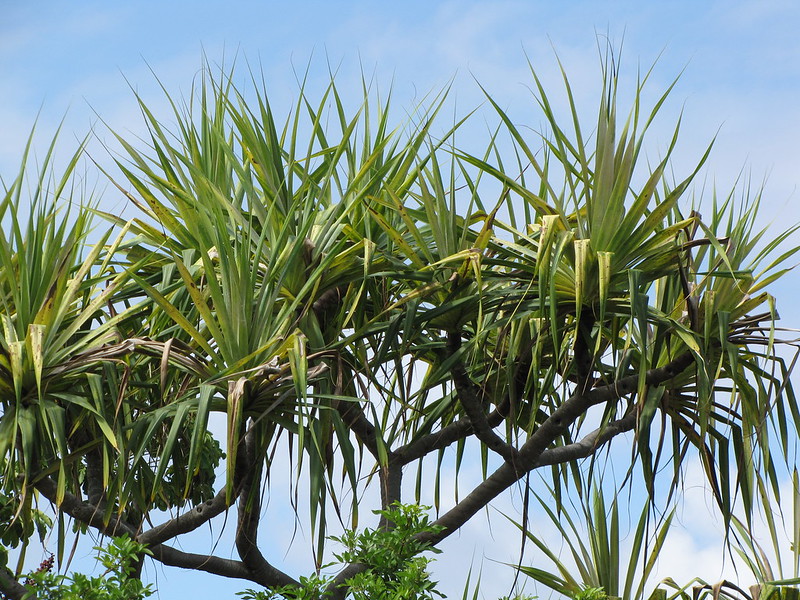
The hala tree (Pandanus tectorius) is a distinctive and culturally important plant found across Maui’s coasts and rainforests. Recognized by its spiky leaves, pineapple-like fruit, and stilt-like roots, the hala plays a vital role in stabilizing soil and supporting coastal ecosystems. In Hawaiian culture, the hala was invaluable—its leaves were woven into mats and baskets, roots used for tools, and fruit for dyes and emergency food. Today, it remains a symbol of resilience and tradition, linking Maui’s natural beauty with its rich cultural heritage.
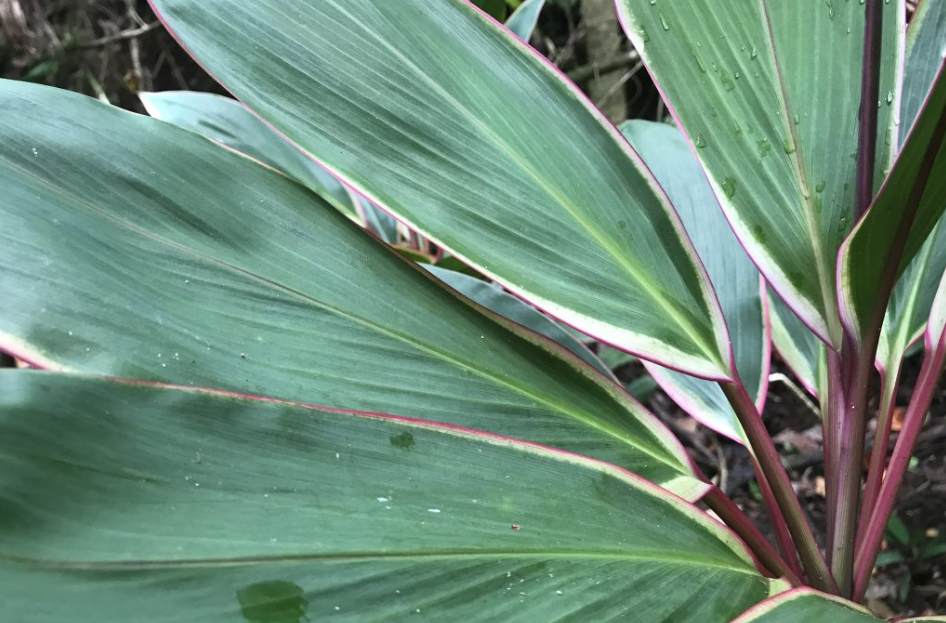
The ti leaf plant (Cordyline fruticosa), known locally as lāʻī, is one of Maui’s most revered and widely used plants. With its glossy green or reddish leaves, the ti plant is not only visually striking but deeply embedded in Hawaiian culture, spirituality, and daily life.Traditionally, ti leaves were used for everything from wrapping food and weaving lei to creating hula skirts and protective amulets. Believed to offer spiritual protection, they are still planted around homes and temples to ward off negative energy. In ceremonies and celebrations, ti leaves symbolize blessing, purification, and good luck.
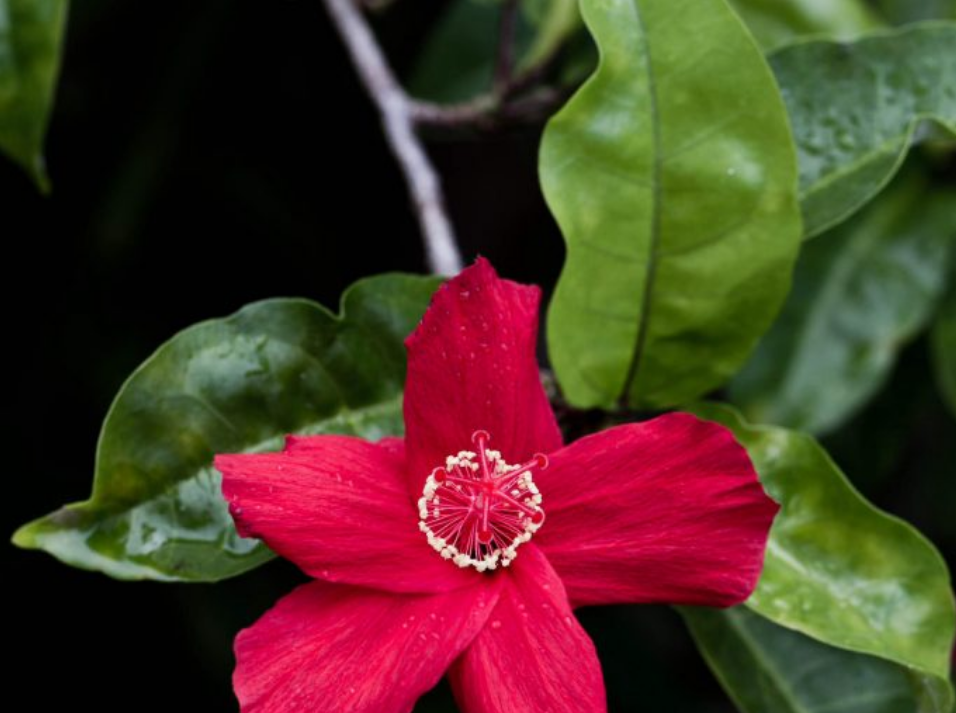
Tropical fruit trees and ornamental plants abound in Haiku as well. You’ll find sprawling avocado trees, vibrant hibiscus blooms, heliconias with their lobster-claw-shaped flowers, and the show-stopping bird of paradise (Strelitzia reginae), which resembles a tropical bird mid-flight. These plants are a testament to the rich cultural history of Hawaii, reflecting centuries of agricultural and ornamental introductions by Polynesian voyagers and later settlers.
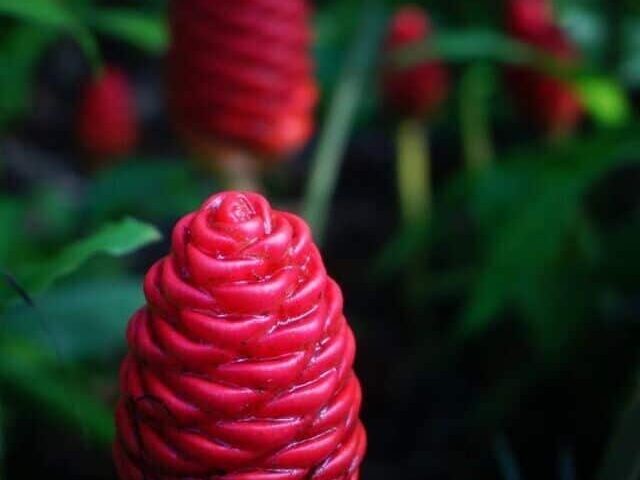
The ʻawapuhi plant (Zingiber zerumbet), commonly known as shampoo ginger, is a cherished botanical treasure in Maui’s lush rainforests. Known for its vibrant green stalks and striking red pinecone-like flower heads, ʻawapuhi is both beautiful and functional, thriving in the island’s humid, tropical environments.Used for centuries by Native Hawaiians, the fragrant juice from ʻawapuhi’s mature flower cones served as a natural shampoo and skin conditioner—hence its nickname. Beyond personal care, ʻawapuhi has been valued in traditional medicine for its soothing, anti-inflammatory properties and as a treatment for digestive and respiratory ailments.
Haiku’s rainforests are also rich with non-native, yet spectacularly lush tropical plants introduced from Asia, Africa, and South America. Bamboo groves are common in the area, especially around old plantations and homesteads. While bamboo is not native to Hawaii, its rapid growth and striking appearance make it a defining feature of Haiku's landscape. The towering stalks and rustling leaves create a mesmerizing experience for those hiking through its dense thickets.
Perhaps the most enchanting aspect of Haiku’s plant life is how it integrates with the region’s laid-back lifestyle and strong connection to the land. Local residents cultivate lush gardens and food forests, blending native and exotic species into sustainable ecosystems. From taro patches to tropical spice trees like allspice and cinnamon, the flora in Haiku reflects a harmonious balance between human habitation and nature.
For visitors, walking through Haiku's rainforest trails is more than a visual treat—it’s an immersion in a living, breathing world of color, texture, and fragrance. Whether you're exploring the jungle paths of Twin Falls or simply enjoying the view from a rainforest retreat, the plant life of Haiku speaks to the island’s incredible natural wealth and the deep respect its people have for the environment.
In an age where biodiversity is increasingly threatened, Haiku stands as a vibrant reminder of what is possible when nature is allowed to flourish. The rainforest plants of this Maui enclave continue to inspire awe, nurturing not only the land but the spirit of those who walk beneath their leafy canopy.
If you would like to read and learn more about interesting things in Hawaii! Check out our blog page here on our website!
1. Why is Haiku, Maui so lush and green compared to other parts of the island?
Haiku sits on Maui’s windward north shore, where consistent rainfall, warm temperatures, and rich volcanic soil create one of the island’s healthiest rainforest ecosystems. Unlike Maui’s dry south and west sides, Haiku receives frequent showers and cloud cover, allowing native and tropical plants to thrive year-round. This climate makes Haiku a paradise for plant lovers, gardeners, and nature enthusiasts seeking a true jungle experience.
2. What kind of rainforest plants can I expect to see in Haiku, Maui?
Haiku is home to a diverse mix of native Hawaiian plants and introduced tropical species, giving the rainforest its vibrant and exotic character. Common plants include:
Visitors often describe walking through Haiku’s rainforest as stepping into a real-life botanical garden.
3. What is special about the ʻŌhiʻa lehua tree in Haiku?
The ʻŌhiʻa lehua is one of Hawaii’s most culturally and ecologically important trees. Found prominently in Haiku’s cooler, upland forests, it:
Its bright blossoms are stunning to see in person, and Haiku offers one of the best environments to observe these native trees flourishing in their natural habitat.
4. Are the tall fern trees in Haiku native to Hawaii?
Yes — the enormous ferns you see, known as hāpuʻu (Cibotium spp.), are native Hawaiian tree ferns. Their spiral fronds and giant arching canopies give Haiku’s trails a prehistoric atmosphere. They thrive in moist, shaded gulches, often accompanied by native understory plants like paʻiniu, making them a signature feature of Haiku’s rainforest ecosystem.
5. What makes the hala tree important in Hawaiian culture?
The hala tree (Pandanus tectorius) is both ecologically essential and culturally cherished. In Hawaiian tradition, hala leaves were woven into mats, baskets, and sails, while roots and fruit were used for dyes, tools, and food in emergencies. You’ll see hala trees throughout Haiku’s lowland and coastal rainforest areas, where they help stabilize soil and support wildlife — a symbol of resilience woven into Maui’s history.
6. Why do I see so many ti leaf plants around homes in Haiku?
The ti plant (lāʻī) is widely grown in Haiku because it carries deep cultural significance. Hawaiians believe ti leaves offer protection, blessing, and good fortune, which is why they’re planted around homes, temples, and gardens. Their glossy green or reddish leaves are also used in lei-making, cooking, hula attire, and ceremonial traditions. In Haiku’s moist climate, ti plants thrive effortlessly.
7. What tropical flowers and fruit trees grow in Haiku’s rainforest?
Haiku’s climate is perfect for visually stunning and fragrant tropical plants such as:
These colorful, showy species add to the lush tapestry of Haiku’s landscape and are commonly seen on hikes, trails, and private gardens.
8. What is ʻawapuhi (shampoo ginger), and why is it popular in Haiku?
ʻAwapuhi, or shampoo ginger, is beloved for its natural, fragrant gel stored inside its bright red flower cones. Native Hawaiians used ʻawapuhi as:
It grows abundantly in Haiku’s warm, moist conditions and is easily recognized by its pinecone-shaped flower heads that release a sweet, soothing liquid when gently squeezed.
9. Are bamboo forests native to Haiku, Maui?
No — bamboo is not native to Hawaii, but it has become a striking feature of Haiku’s rainforest. Introduced generations ago, bamboo thrives in Haiku’s rainfall and spreads quickly, forming tall, atmospheric groves. Many hikers love exploring these rustling, cathedral-like spaces, especially on trails leading toward waterfalls or former plantation roads.
10. What makes Haiku one of the best places for plant lovers on Maui?
Haiku offers one of the most immersive botanical environments on the island thanks to:
From food forests to fern tunnels to tropical flower gardens, Haiku is a dream destination for botanists, horticulturists, hikers, photographers, and nature explorers.
11. Where can I experience Haiku’s rainforest plants up close?
Some favorite spots for seeing Haiku’s plant life include:
Whether you wander independently or join a guided tour, Haiku’s plant life creates a vibrant, unforgettable experience.
12. Why is Haiku considered a paradise for biodiversity?
Haiku has a rare combination of moisture, elevation, sunshine, and volcanic soil that supports incredible biodiversity. Native species like ʻōhiʻa and hāpuʻu thrive alongside introduced tropical plants, creating a layered, textured rainforest unlike any other on Maui. This coexistence illustrates what’s possible when nature is allowed to flourish — and why Haiku remains one of Hawaii’s most biologically rich communities.
If you'd like, I can also create:
or
Nestled along the famed Road to Hana on the eastern side of Maui, the Pipiwai Trail offers one of the most captivating hiking experiences in Hawaii. Known for its diverse scenery—including lush rainforest, a towering bamboo forest, and the awe-inspiring Waimoku Falls—this trail attracts nature lovers, adventure seekers, and photographers alike. Whether you’re seeking a serene walk through a tropical paradise or a rewarding trek to one of Maui’s most spectacular waterfalls, the Pipiwai Trail offers an unforgettable journey into the heart of Hawaiian wilderness.
The Pipiwai Trail is part of Haleakalā National Park, which encompasses the Kipahulu region along the coast and the summit area of the Haleakalā volcano. While the road to reach the trailhead is winding and narrow, the journey itself is part of the adventure, offering stunning coastal views, waterfalls, and lush scenery.
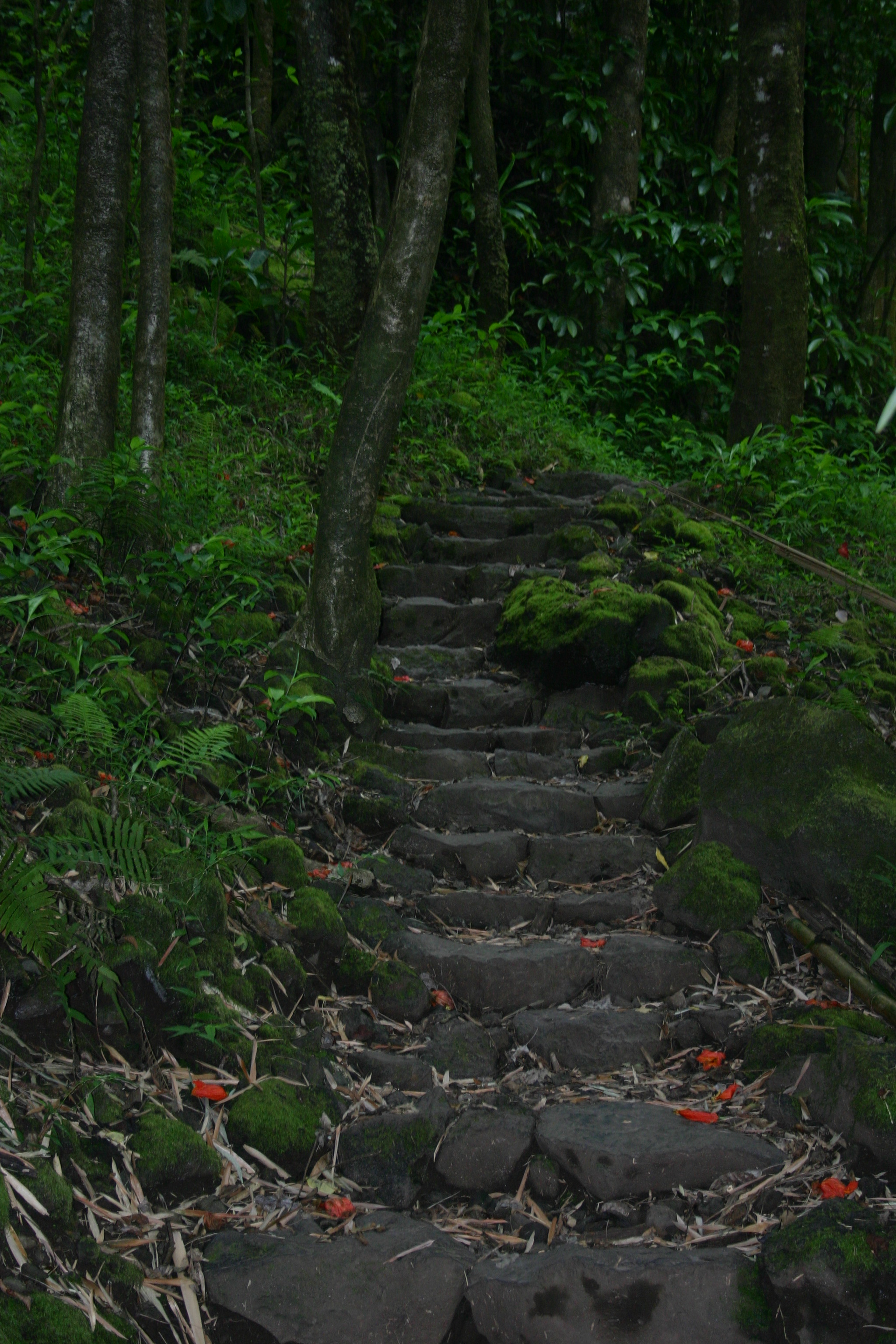
The adventure begins immediately upon stepping onto the trail, where you are greeted by the soothing sounds of rustling leaves and chirping birds. The first section of the trail winds through a tropical rainforest, with a canopy of towering trees offering intermittent shade. You’ll pass by vibrant guava trees, wild ginger, and ferns that thrive in the humid environment.
As you ascend, you’ll cross wooden footbridges over gently flowing streams, adding to the tranquil ambiance. The trail’s terrain alternates between packed dirt, wooden boardwalks, and rocky patches, making proper footwear essential.
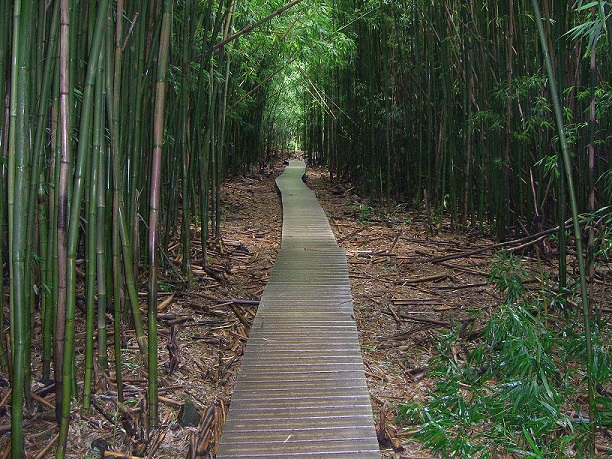
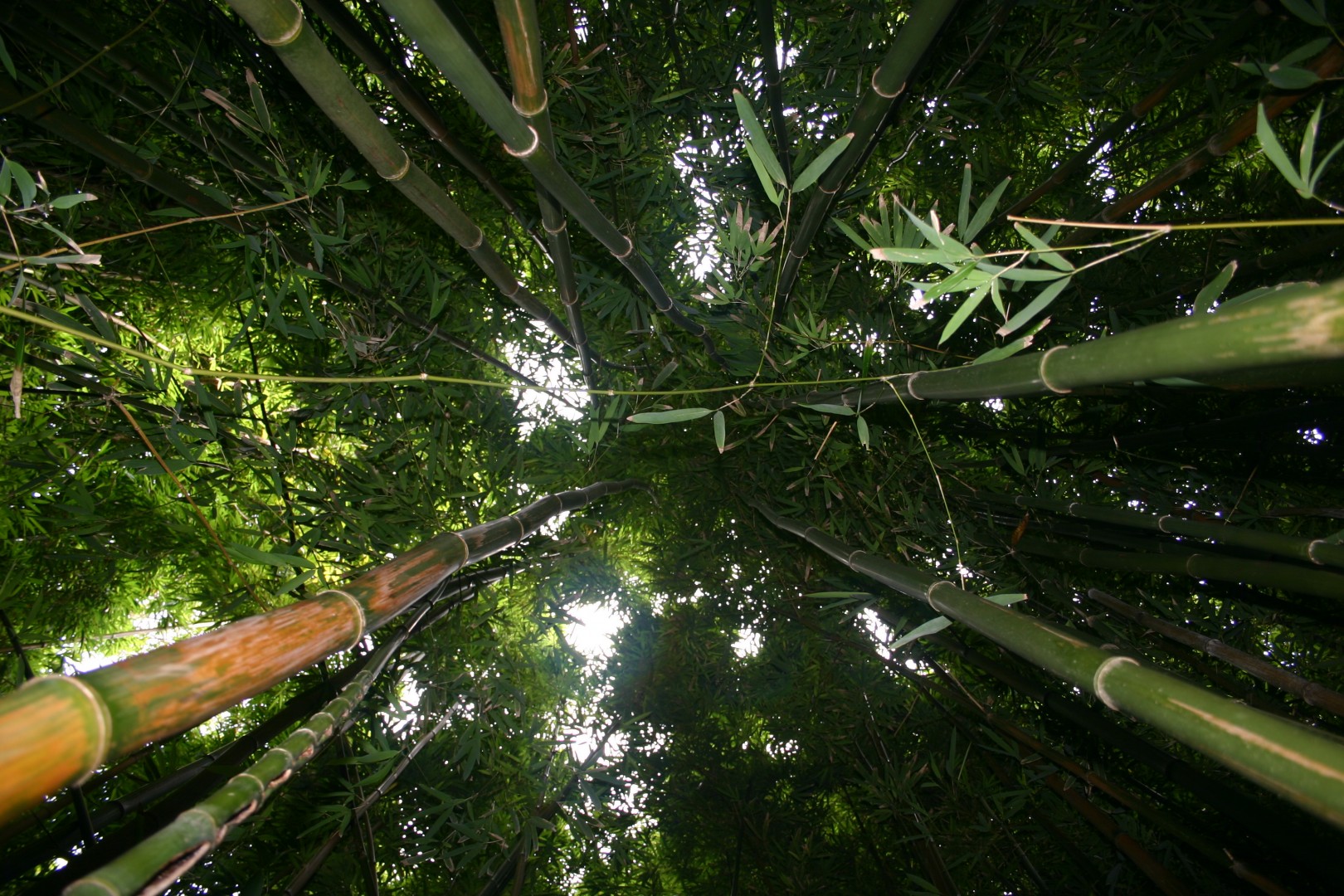
One of the most breathtaking highlights of the hike is the famous bamboo forest. About a mile into the trail, you’ll transition from the dense rainforest into an entirely different ecosystem. Towering bamboo stalks, some reaching over 60 feet high, form a striking tunnel-like corridor. The soft, filtered light creates an ethereal glow, especially during the morning hours.
As the wind passes through the grove, the bamboo stalks clatter gently, creating a calming, almost melodic sound. To protect the fragile forest floor, the park service has installed an elevated boardwalk that makes this section easy to navigate, even after rain. This stretch of the hike offers some of the most picturesque photo opportunities, with long, symmetrical lines of bamboo creating a magical atmosphere.
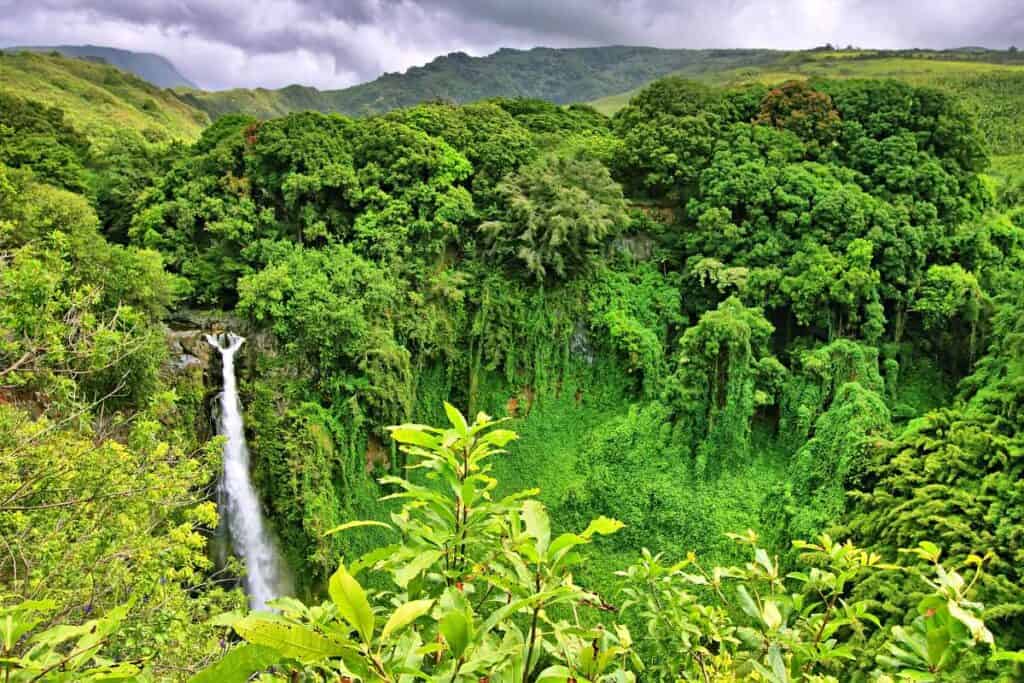
Roughly half a mile in, you’ll reach an overlook offering a spectacular view of Makahiku Falls, a 200-foot cascade that plunges into a hidden pool below. Though smaller than the final waterfall on the trail, Makahiku Falls is still a stunning sight. On sunny days, you may spot rainbows shimmering in the mist at the base of the falls.
This overlook provides a perfect spot to rest, hydrate, and snap some photos. However, resist the urge to venture off the trail—climbing closer to the falls or attempting to reach the pool below is dangerous and strictly prohibited.
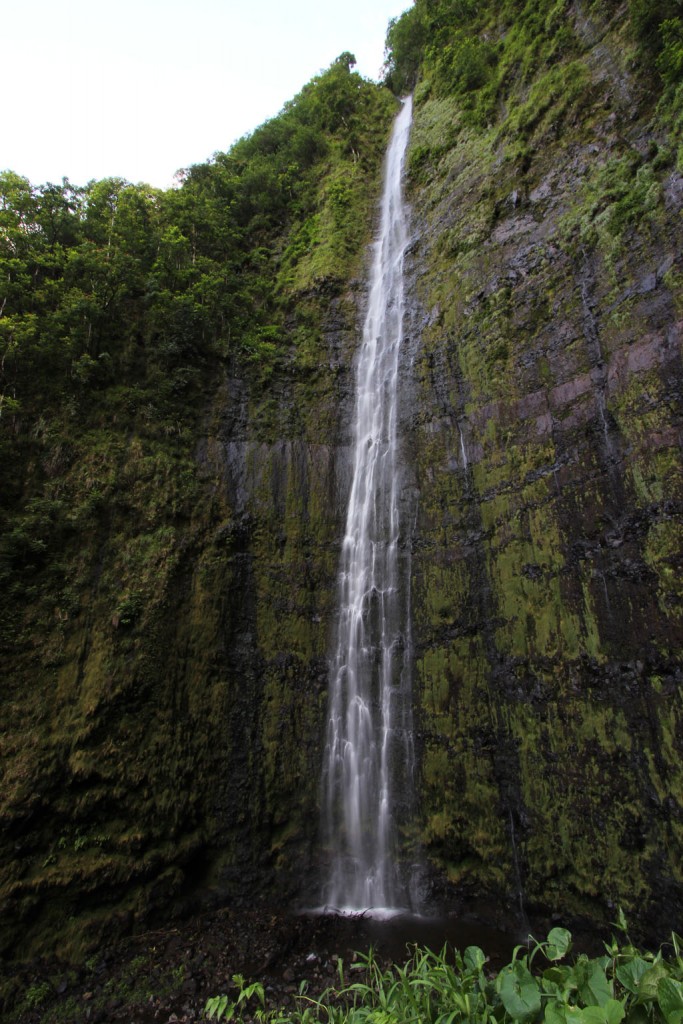
The climax of the Pipiwai Trail is the awe-inspiring Waimoku Falls, which towers 400 feet over the lush rainforest below. The sight of this majestic waterfall cascading down a sheer lava rock wall is nothing short of breathtaking. The spray from the falls creates a refreshing mist, and the entire scene feels like something out of a dream.
The area around the falls is filled with large boulders and thick vegetation, creating a natural amphitheater. While it may be tempting to approach the waterfall or wade into the pool below, it is strongly discouraged due to the risk of falling rocks, which can be fatal. Instead, enjoy the view from a safe distance and take in the grandeur of one of Maui’s most iconic natural wonders.
The Pipiwai Trail is open year-round, but the best time to visit is during the dry season (April to October) when the weather is more predictable and the trail conditions are drier. During the wet season (November to March), the trail can become muddy and slippery, and flash floods are more common, making stream crossings dangerous.
For the most enjoyable experience:
The Pipiwai Trail is a dream for photographers, offering diverse and stunning scenery at every turn. Some of the best photo opportunities include:
For the best lighting, aim to start your hike early in the morning or later in the afternoon, when the sun casts a golden glow through the bamboo forest.
While the Road to Hana offers plenty of scenic stops and short trails, the Pipiwai Trail is a standout experience that showcases the true beauty of Maui’s tropical landscape. From the serene rainforest paths to the awe-inspiring waterfalls, every section of this trail is a testament to Hawaii’s natural splendor.
Whether you’re chasing waterfalls, marveling at the enchanting bamboo forest, or simply enjoying the peaceful sounds of nature, the Pipiwai Trail offers a soul-stirring adventure that will leave you with lasting memories.
1. Where is the Pipiwai Trail located on Maui?
The Pipiwai Trail is located in Haleakalā National Park’s Kipahulu District, near Hana on Maui’s eastern side. It’s accessed along the Road to Hana, about a 10-minute drive past Oheo Gulch (Seven Sacred Pools). This area is known for lush rainforest, waterfalls, and dramatic coastal scenery, making it one of Maui’s most beautiful hiking destinations.
2. How long does it take to hike the Pipiwai Trail?
Most hikers complete the Pipiwai Trail in 2–3 hours, depending on pace and how often you stop for photos. The trail is 4 miles round trip, with about 800 feet of elevation gain. Plan extra time if you want to fully enjoy the rainforest, bamboo forest, and waterfalls along the way.
3. What makes the Pipiwai Trail one of Maui’s best hikes?
The Pipiwai Trail is beloved because it combines multiple ecosystems in one hike:
4. What can I expect to see on the first part of the Pipiwai Trail?
The trail begins with a dense rainforest, where you’ll walk through guava groves, ginger plants, ferns, and moss-covered trees. Wooden footbridges cross flowing streams, and the atmosphere feels serene and tropical. Expect muddy sections, tree roots, and occasional slippery rocks — all part of the authentic rainforest experience.
5. Is the bamboo forest on the Pipiwai Trail worth visiting?
Absolutely — the bamboo forest is one of the most iconic sections of the entire trail. The towering bamboo creates a tunnel-like canopy that glows beautifully in the morning or late afternoon light. The gentle clatter of bamboo stalks in the breeze adds to the magical, Zen-like experience. Because of its popularity, it’s also one of the most photographed spots on Maui.
6. How difficult is the Pipiwai Trail?
The hike is considered moderate, meaning it’s manageable for most visitors with decent fitness levels. You’ll encounter uneven terrain, occasional mud, and some elevation gain, but the boardwalks and maintained trail sections make it accessible. Families with older kids often enjoy this hike just as much as seasoned hikers.
7. Can I see Makahiku Falls from the trail?
Yes! About half a mile in, you’ll reach the Makahiku Falls overlook, which offers stunning views of this 200-foot cascading waterfall. It’s a perfect early stop for photos and a quick rest. Visitors should remain at designated viewpoints — attempting to access the pool or cliff areas is both dangerous and illegal.
8. How impressive is Waimoku Falls at the end of the hike?
Waimoku Falls is the grand finale — a breathtaking 400-foot waterfall, one of Maui’s most dramatic natural wonders. The sheer lava wall, lush greenery, and misty spray make this waterfall feel otherworldly. Visitors must stay a safe distance from the base, as falling rocks can be extremely dangerous. Even from afar, it’s a jaw-dropping and unforgettable sight.
9. What is the best time of year to hike the Pipiwai Trail?
The trail is open year-round, but the best time to hike is during Maui’s dry season (April–October). During wetter months, the rainforest becomes muddier, the boardwalks slick, and stream crossings more hazardous. Regardless of season, starting early in the morning helps you avoid heat, crowds, and afternoon rain showers.
10. What should I bring for the Pipiwai Trail hike?
For a safe and enjoyable experience, pack:
11. Are there any safety concerns on the Pipiwai Trail?
Yes — like all rainforest hikes in Maui, safety is essential. Be mindful of:
12. Do I need to pay to access the Pipiwai Trail?
Yes — entrance to Haleakalā National Park is $30 per vehicle, valid for 3 days. This pass includes access to both the Kipahulu District (Pipiwai Trail) and the Haleakalā Summit. If you’re planning to visit both areas during your trip, this pass provides excellent value.
13. Is the Pipiwai Trail good for photography?
It’s one of the best photography hikes in Hawaii. Photographers love:
For the best lighting, start your hike early in the morning or during the golden late afternoon hours.
14. Is the Pipiwai Trail better than other Road to Hana hikes?
Many visitors consider the Pipiwai Trail the crown jewel of Road to Hana hikes. While there are countless scenic stops along the drive, this trail offers the most immersive combination of rainforest, waterfalls, bamboo forest, and cultural significance. If you only do one major hike on the Road to Hana, make it Pipiwai.
15. Is the Pipiwai Trail worth the long drive to Hana?
Yes — for most hikers, the Pipiwai Trail is one of their top experiences on Maui. The diversity of scenery, the peaceful bamboo forest, and the towering Waimoku Falls make the journey completely worthwhile. It’s one of those rare hikes that feels like a full adventure from start to finish.
If you would like to read and learn more about interesting things in Hawaii! Check out our blog page here on our website!
or
Along the rugged coastline of Hana, Maui, lies one of the island’s most captivating and hidden treasures: Kaihalulu Beach, more commonly known as Red Sand Beach. Famous for its striking crimson shoreline, jagged lava cliffs, and the serene, turquoise waters of the Pacific, this secluded beach offers a breathtaking escape for adventurers, photographers, and nature enthusiasts alike.
Visiting Red Sand Beach is more than just a stop on a travel itinerary—it’s an experience that engages all the senses, from the sight of its vibrant hues to the sound of the waves crashing against the volcanic rocks. Whether you’re hiking in for a scenic adventure, seeking a peaceful spot to reflect, or simply marveling at nature’s artistry, Red Sand Beach is a must-see gem on the island of Maui.
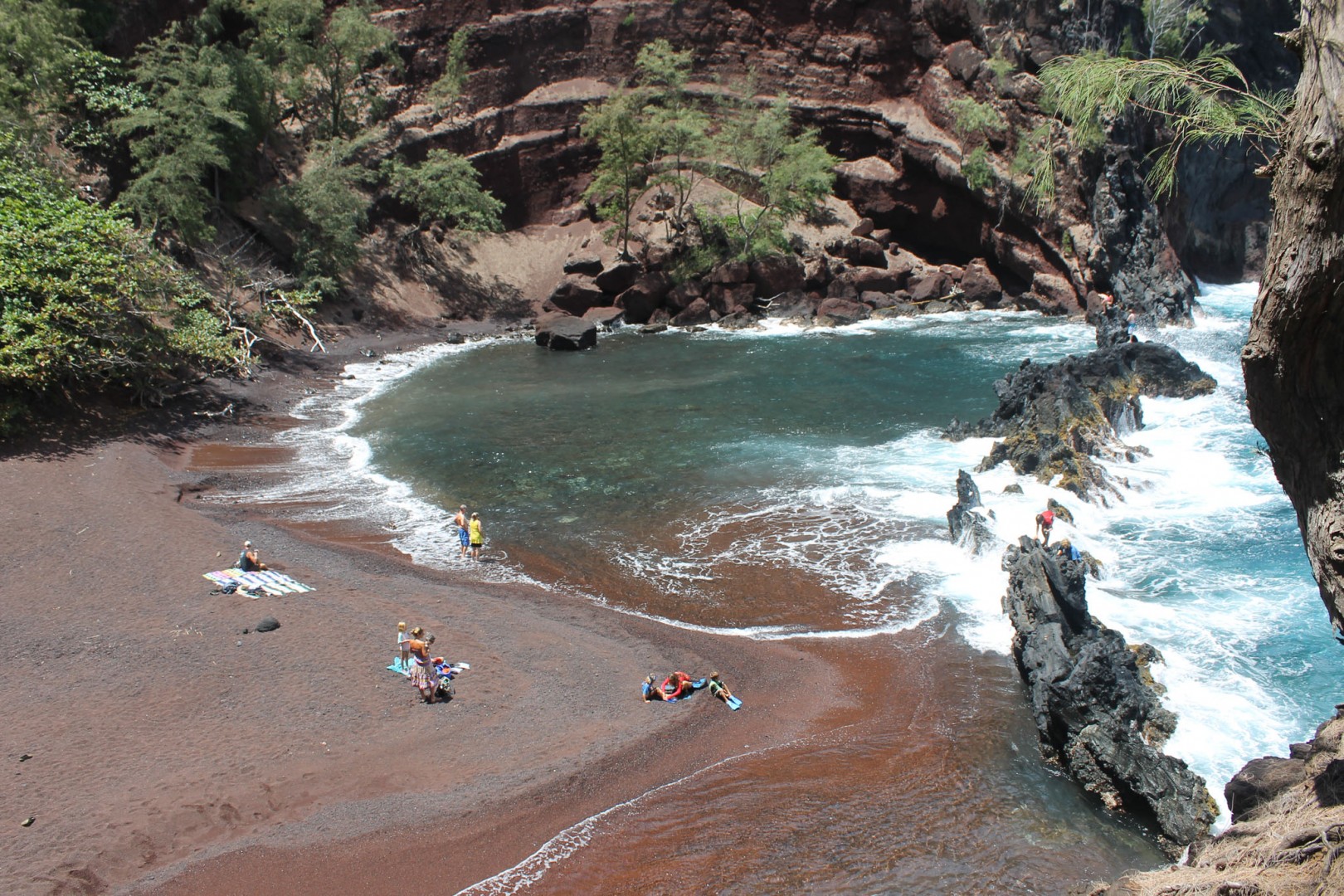
What makes Red Sand Beach truly extraordinary is its unique geological makeup. The beach’s distinctive reddish hue comes from the crumbling volcanic cinder cone that encircles the cove. The cinder cone, rich in iron oxide, erodes over time, depositing iron-rich sediment that gives the beach its deep, rust-colored sand.
The surrounding cliffs, composed of jagged lava rock, add to the beach's dramatic landscape. Their dark, rugged appearance contrasts with the vibrant red shoreline and the emerald-green foliage clinging to the rocks. The interplay of colors creates a scene that feels almost otherworldly—a place where nature’s raw beauty is on full display.
Part of the allure of Red Sand Beach lies in its secluded and somewhat challenging accessibility. Unlike Maui’s more popular beaches, reaching this hidden gem requires a short but adventurous hike.
Trail Details:
Tips for a Safe and Enjoyable Hike:
✅ Footwear Matters: Wear sturdy shoes with good traction. Flip-flops are not recommended, as the loose, gravelly sections can be slippery.
✅ Exercise Caution: The trail runs alongside steep cliffs, making it potentially hazardous, especially after rainfall when the path becomes muddy and slick. Walk carefully and avoid getting too close to the edge.
✅ Travel Light: Since the hike is short, you don’t need to bring much. However, pack essentials like water, sunscreen, and a towel.
✅ Respect Private Property: The beach lies on private land, but public access is generally allowed. Be respectful of the area and follow all guidelines.
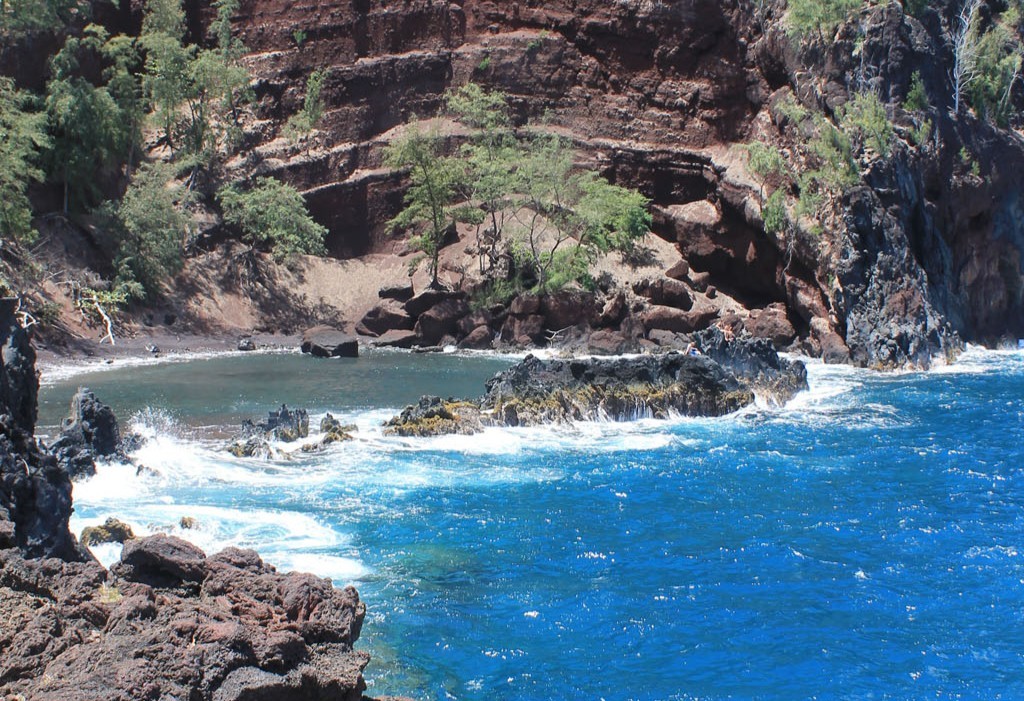
Once you arrive, you’ll be rewarded with a view that feels almost surreal. The crescent-shaped cove, embraced by steep lava rock cliffs, creates a sense of seclusion and intimacy. The beach’s vibrant red sand is soft underfoot, and the surrounding cliffs provide a natural wind barrier, making the cove feel peaceful and protected.
The offshore lava rock wall acts as a natural breakwater, creating a semi-protected swimming area with calmer waters—ideal for a relaxing dip. On calmer days, the water is clear and inviting, perfect for swimming or snorkeling.
Snorkeling Tip:
Bring your gear if you enjoy snorkeling. The reef area near the lava rock wall is home to colorful tropical fish, though visibility can vary depending on ocean conditions.
However, it’s important to note that Red Sand Beach does not have lifeguards. The water can sometimes be unpredictable, and strong currents are possible, especially beyond the protected cove. If you’re not a strong swimmer, it’s best to stay close to the shore and avoid venturing into deeper waters.
For photographers, Red Sand Beach offers endless visual inspiration. The contrast of the red sand against the blue sea and the green vegetation creates a scene that seems almost too vivid to be real.
Whether you’re capturing wide-angle shots of the entire cove or focusing on the intricate patterns in the sand, this beach offers stunning photo opportunities.
Maui’s tropical climate makes Red Sand Beach accessible year-round, but some times are better than others for a more enjoyable experience.
As with all natural wonders, it’s vital to respect and preserve the pristine environment of Red Sand Beach.
By following these guidelines, you can help keep this hidden treasure beautiful for future visitors.
Red Sand Beach in Hana, Maui, is more than just a picturesque destination—it’s a place of wonder and adventure. From the rugged hike through volcanic terrain to the vibrant, iron-rich sands and tranquil waters, the experience is nothing short of magical.
Whether you’re an avid hiker, a photographer seeking the perfect shot, or simply someone who appreciates the beauty of nature, Red Sand Beach offers an unforgettable escape. As you breathe in the salty air, feel the soft red sand beneath your feet, and gaze out at the endless Pacific, you’ll understand why this beach is one of Maui’s most treasured hidden gems. 🌴🏖️
1. What makes Red Sand Beach in Hana so unique?
Red Sand Beach—also known as Kaihalulu Beach—is famous for its striking crimson sand, created by the erosion of a nearby volcanic cinder cone rich in iron oxide. This creates a bold contrast against the turquoise ocean and rugged black lava cliffs, making it one of Maui’s most visually stunning and geologically unique beaches.
2. Why is the sand at Kaihalulu Beach red?
The beach’s vibrant red color comes from the iron-rich cinder cone that surrounds the cove. As the cone erodes, the iron oxide deposits wash onto the shoreline, giving the sand its distinctive rust-red hue. This geological process is ongoing, so the red sands stay rich and colorful year after year.
3. How hard is the hike to Red Sand Beach in Maui?
The hike to Red Sand Beach is short but challenging. Though only about 0.5 miles round trip, the trail features narrow ledges, loose gravel, steep drop-offs, and slippery sections—especially after rain. It is considered moderate to difficult, depending on your comfort with uneven terrain. Wearing proper footwear is essential.
4. Where is the trailhead for Red Sand Beach located?
The trailhead begins near the Hana Community Center on Uakea Road. You’ll follow an unmarked coastal path toward the lava cliffs. Since it crosses private land (with public access generally tolerated), visitors should be respectful, stay on the actual trail, and avoid trespassing or disturbing nearby residents.
5. Is Red Sand Beach safe to visit?
Red Sand Beach is safe as long as hikers exercise caution. The trail is narrow and can be hazardous, especially when wet. At the beach, swimming is possible inside the protected cove, but conditions can change quickly. There are no lifeguards, and strong currents may occur beyond the lava rock barrier. Always assess conditions before entering the water.
6. Can you swim at Red Sand Beach?
Yes — but only with caution. The crescent-shaped cove is partially protected by a natural lava rock breakwater, creating calmer waters ideal for a light swim or snorkel on calmer days. However, strong currents and waves are common, especially in winter. Only confident swimmers should enter the water, and visitors should stay inside the protected area.
7. Is snorkeling good at Red Sand Beach?
Snorkeling can be enjoyable when the ocean is calm. The small reef near the lava rock wall hosts colorful tropical fish. However, visibility varies based on surf conditions, and the area can be hazardous when currents are strong. Bring your own gear and stay within the sheltered cove for safety.
8. What should I bring when visiting Red Sand Beach?
To hike and relax safely at Red Sand Beach, bring:
9. When is the best time to visit Red Sand Beach?
The best time to visit is early morning or early afternoon, when lighting is softer and crowds are minimal. For photography, sunrise and late afternoon offer beautiful golden light that enhances the beach’s red tones. Summer months typically provide calmer ocean conditions, while winter brings larger swells.
10. Is Red Sand Beach good for photography?
Absolutely — Red Sand Beach is one of the most photogenic spots on Maui. Photographers love:
11. Is visiting Red Sand Beach legal?
The beach sits on private property, but public access is generally allowed as long as visitors are respectful. This means:
12. Is Red Sand Beach family-friendly?
Red Sand Beach is more suitable for adults and experienced hikers. Because the trail is narrow and sometimes slippery, it's not ideal for young children, elderly visitors, or anyone unsure on uneven terrain. Families looking for easier access might prefer beaches like Hamoa, Koki, or Wai‘anapanapa Black Sand Beach.
13. How long should I plan to spend at Red Sand Beach?
Most visitors spend 1–2 hours enjoying the hike, swimming, relaxing, and photographing the landscape. Those staying in Hana may linger longer, while Road to Hana day-trippers often budget around an hour before continuing their journey.
14. How do I help preserve Red Sand Beach?
To protect this fragile coastal environment:
15. Is Red Sand Beach worth the hike?
Yes — Red Sand Beach is one of Maui’s most extraordinary hidden gems, offering unmatched color, scenery, and atmosphere. Its dramatic landscape, secluded feel, and rare red shoreline make it a must-see for travelers seeking a unique and memorable Maui experience.
If you would like to read and learn more about interesting things in Hawaii! Check out our blog page here on our website!
or
Maui, the second-largest island in Hawaii, is known for its pristine beaches, lush rainforests, and vibrant culture. But just a few miles off its southern coast lies one of its most breathtaking natural wonders: Molokini Crater. This crescent-shaped, partially submerged volcanic caldera is a world-renowned snorkeling and diving destination, drawing visitors with its crystal-clear waters, vibrant marine life, and unique geological formations.
Molokini stands out from other snorkeling spots for several reasons:
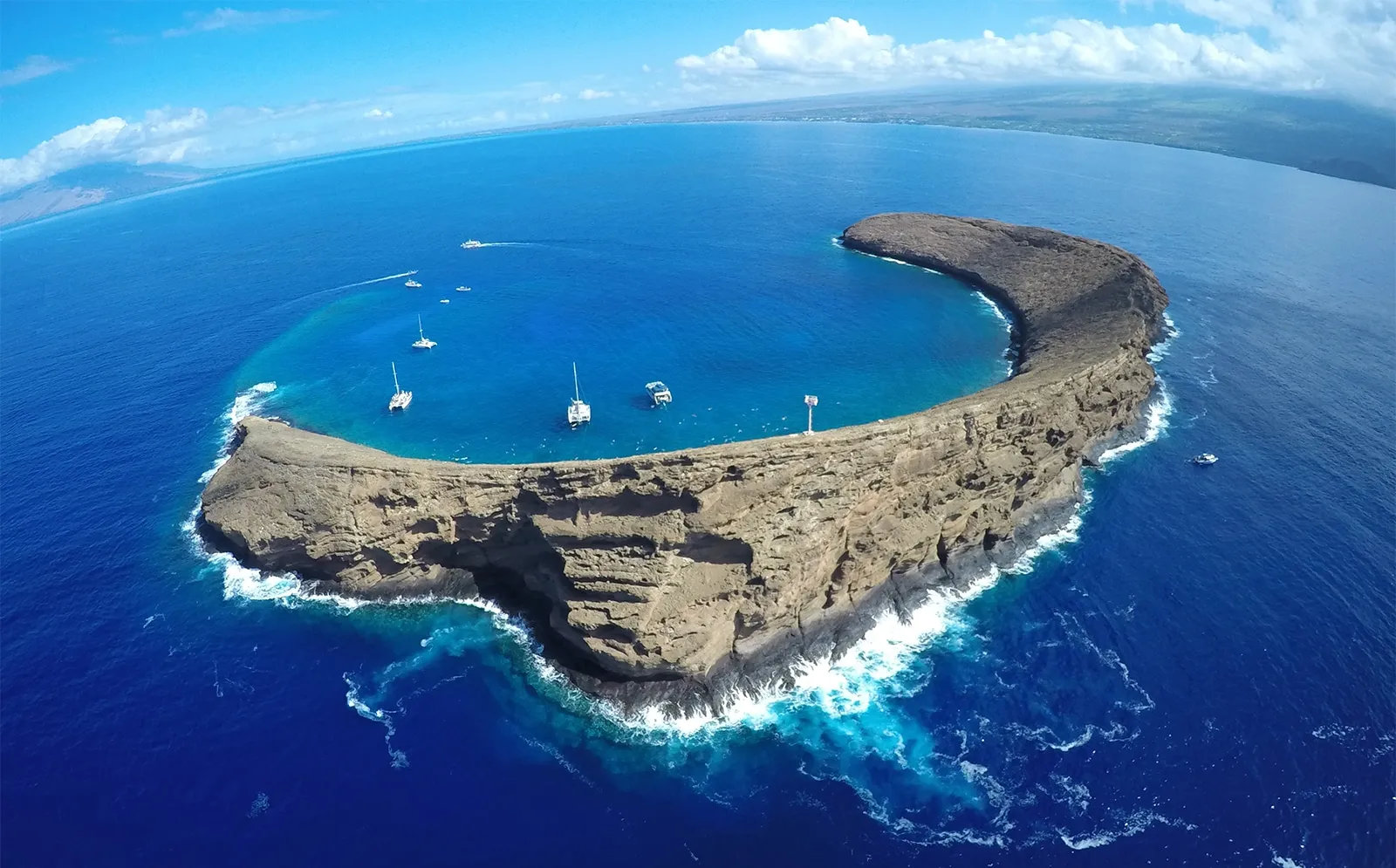
Most snorkeling tours to Molokini Crater depart from Maalaea Harbor or Kihei Boat Ramp. The boat ride takes approximately 20-45 minutes, depending on weather conditions. Tour operators typically provide:
Many tours make a second stop at Turtle Town, a nearby reef where Hawaiian green sea turtles are frequently spotted.
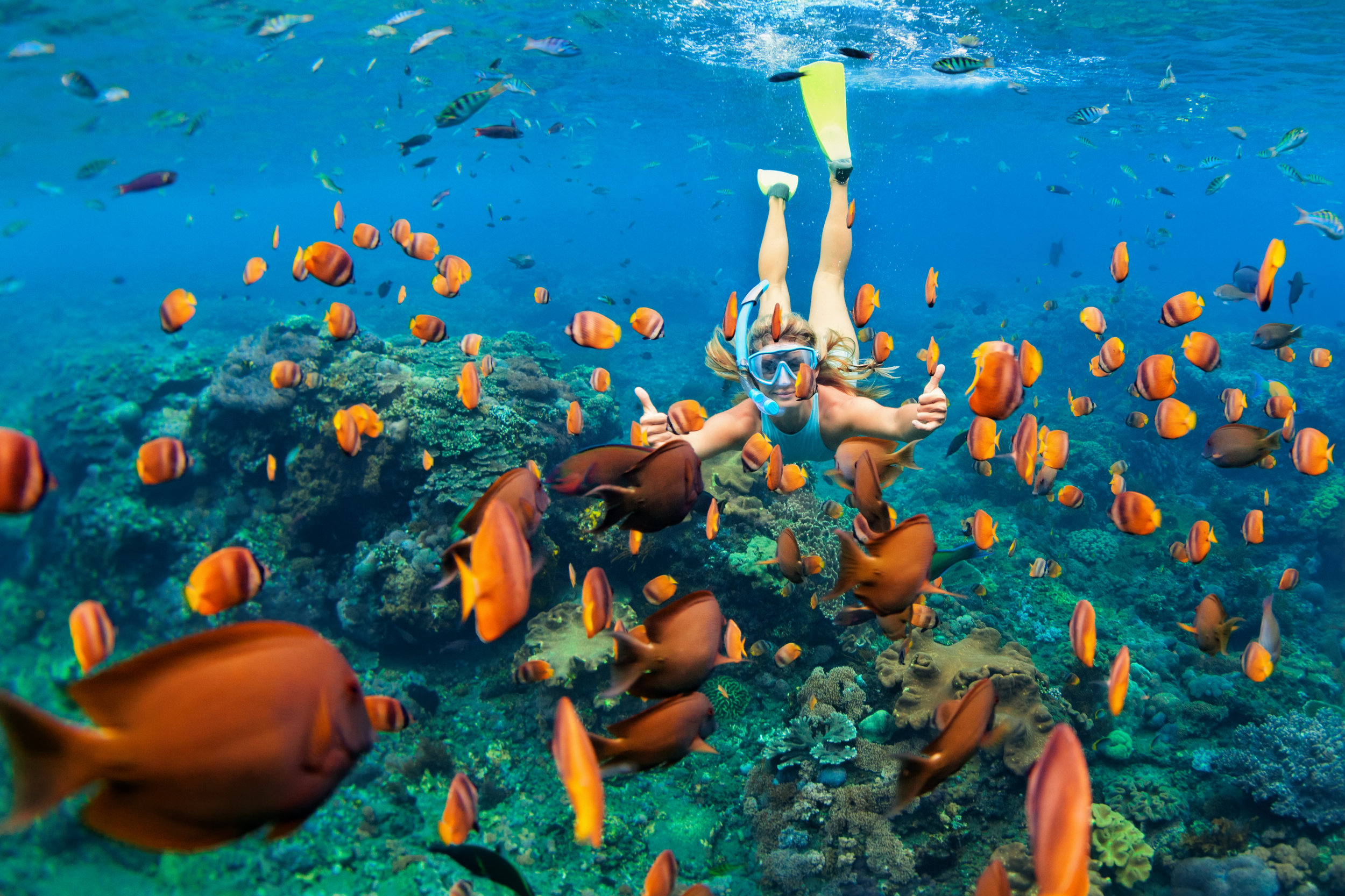
While snorkeling in Molokini’s pristine waters, you’ll have the chance to encounter a dazzling array of marine life, including:
When selecting a snorkeling tour, consider:
Snorkeling at Molokini Crater is a must-do experience for anyone visiting Maui. Whether you’re a first-time snorkeler or an experienced underwater explorer, the crater’s serene waters and thriving marine life make for an unforgettable adventure. With its remarkable visibility, vibrant reefs, and peaceful ambiance, Molokini offers a rare glimpse into Hawaii’s mesmerizing underwater world.
👉 Pro Tip: For the best experience, consider booking your tour in advance, as Molokini excursions are popular and often sell out quickly.
Here is a great link to consider the many different tour options that awaits you! :
Viator Book HERE!
1. What makes Molokini Crater one of the best snorkeling spots in Maui?
Molokini Crater is famous for its unmatched water clarity, often reaching 150 feet visibility, allowing snorkelers to see vibrant coral and marine life with incredible detail. As a protected Marine Life Conservation District, its ecosystem is pristine, making Molokini snorkeling one of the top-rated underwater experiences in Hawaii.
2. How clear is the water at Molokini Crater?
Molokini’s waters are some of the clearest in all of Hawaii. Visibility often ranges from 100–150 feet, thanks to the crater’s bowl-like shape, minimal sediment, and offshore location. This makes it ideal for observing fish, coral formations, and underwater lava structures.
3. What marine life can I expect to see while snorkeling at Molokini?
Molokini is home to over 250 species of fish, many found nowhere else on Earth. Common sightings include:
Depending on the season, you may also spot humpback whales, Hawaiian green sea turtles, moray eels, and occasionally reef sharks. Every trip offers something unique.
4. Where do Molokini snorkeling tours depart from?
Most tours leave from either:
The boat ride is typically 20–45 minutes, depending on ocean conditions.
5. What’s included in a typical Molokini Crater snorkeling tour?
Tour operators usually provide:
Some premium tours may also include reef-safe sunscreen, photography services, or high-end snorkel equipment.
6. What is Turtle Town, and why do tours stop there?
Turtle Town is a reef area near Makena known for frequent sightings of Hawaiian green sea turtles. Its calm waters and lava-formed coral reefs make it an ideal second stop after Molokini. Snorkelers often enjoy up-close (but respectful!) turtle viewing in this peaceful area.
7. When is the best time of day to snorkel at Molokini Crater?
The morning is the best time to snorkel Molokini. Early tours offer:
Afternoon winds in Maui can make ocean conditions choppier, so morning departures are strongly recommended.
8. Is Molokini Crater snorkeling safe for beginners?
Yes — Molokini is a great location for beginners. The crater’s sheltered inner curve helps reduce waves, and most operators provide flotation devices, lifeguard-level guides, and detailed instructions. The incredible visibility also makes first-time snorkeling less intimidating.
9. Do I need to bring my own snorkeling gear?
You can, but it’s not required. Most Molokini tour companies provide:
10. Will I see whales during a Molokini snorkel tour?
From December through April, Maui becomes a major breeding ground for humpback whales. While you won’t snorkel with whales, you may see them:
Whale season adds an unforgettable bonus to your Molokini adventure.
11. What should I bring for a Molokini snorkeling trip?
To enjoy your snorkel experience, pack:
Everything else is typically provided by the tour company.
12. How do I choose the best Molokini snorkeling tour?
When comparing tours, consider:
Reading recent reviews also helps you select a reputable operator.
13. Is Molokini Crater good for scuba diving too?
Absolutely. Molokini is one of Maui’s top dive locations. Certified divers can explore deeper drop-offs, vertical walls, and more diverse marine life. The backside of Molokini offers dramatic 300-foot walls and excellent visibility.
14. Is Molokini Crater worth visiting?
Yes — Molokini Crater is considered one of the best snorkeling destinations in Hawaii and often ranks among the top spots in the world. The clarity, marine biodiversity, dramatic volcanic formations, and peaceful ambiance make it a bucket-list experience for anyone visiting Maui.
If you would like to read and learn more about interesting things in Hawaii! Check out our blog page here on our website!
or
Perched along the iconic Hana Highway, Twin Falls is a captivating stop that offers a glimpse into Maui’s raw and untouched beauty. Known for its accessible trails, cascading waterfalls, and inviting swimming holes, it’s a favorite among both locals and visitors seeking a refreshing and picturesque retreat.
Twin Falls is located at Mile Marker 2 on the Hana Highway (Route 360), just a short drive from the town of Paia. The falls are part of the Ho’olawa Valley, a lush area fed by abundant rainfall, resulting in the steady flow of freshwater streams and waterfalls.
Here is a link to the Google Maps location for easy access and directions!
https://goo.gl/maps/Qa7i1HwUH492
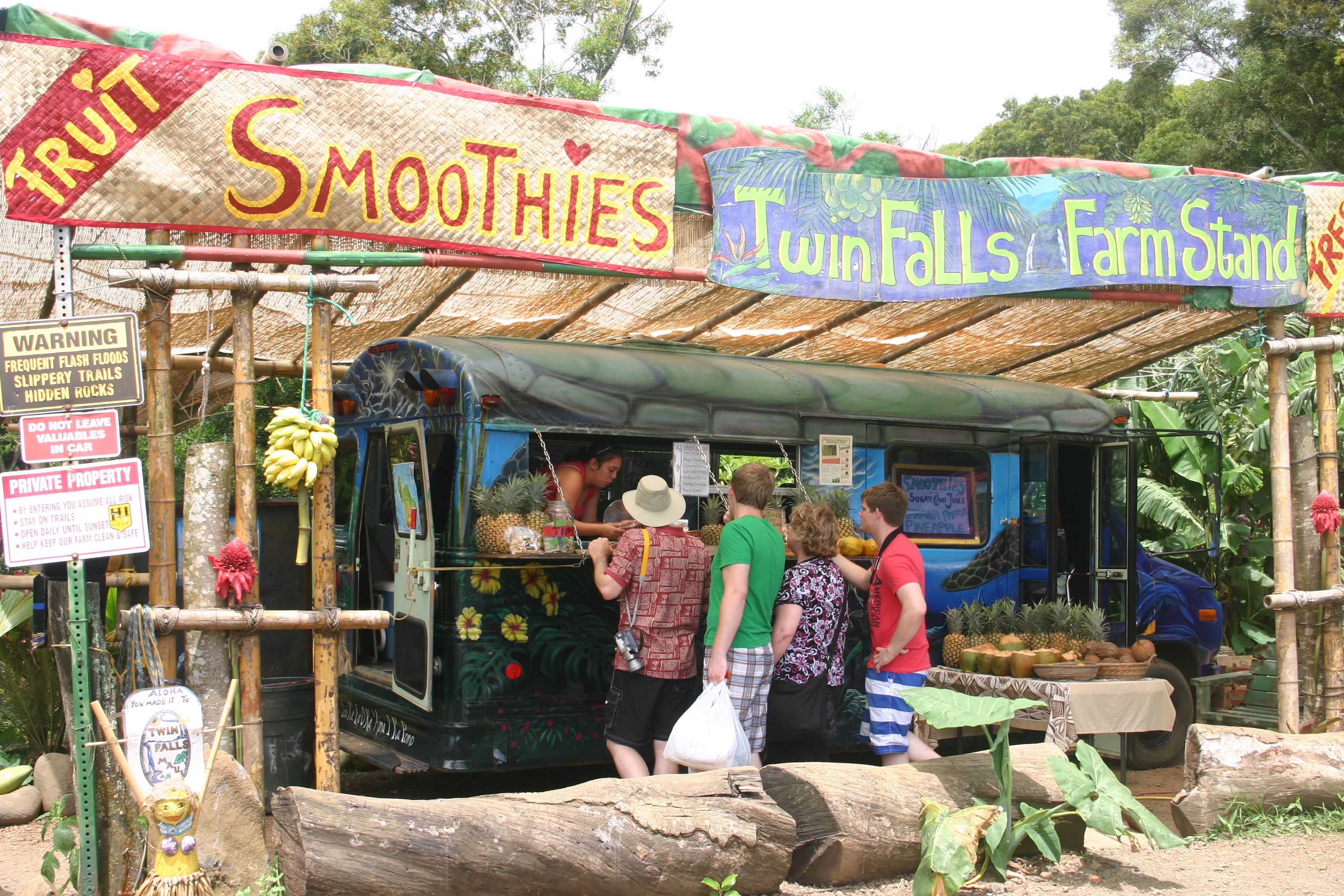
There is a small parking area at the trailhead, often bustling with cars, especially during midday. An on-site farm stand offers locally grown fruits, smoothies, coconut candy, and the famous fresh-baked banana bread—perfect for a pre- or post-hike snack.
The trail to Twin Falls is relatively short and moderate in difficulty, making it ideal for families and casual hikers. The well-trodden path winds through a tropical landscape of towering bamboo, wild ginger, and vibrant ferns. The surrounding area has recently gone through some renovation, making the trails a lot nicer and easier to traverse. The fauna also has been cleaned and new additions were added, adding to the breathtaking scenery.
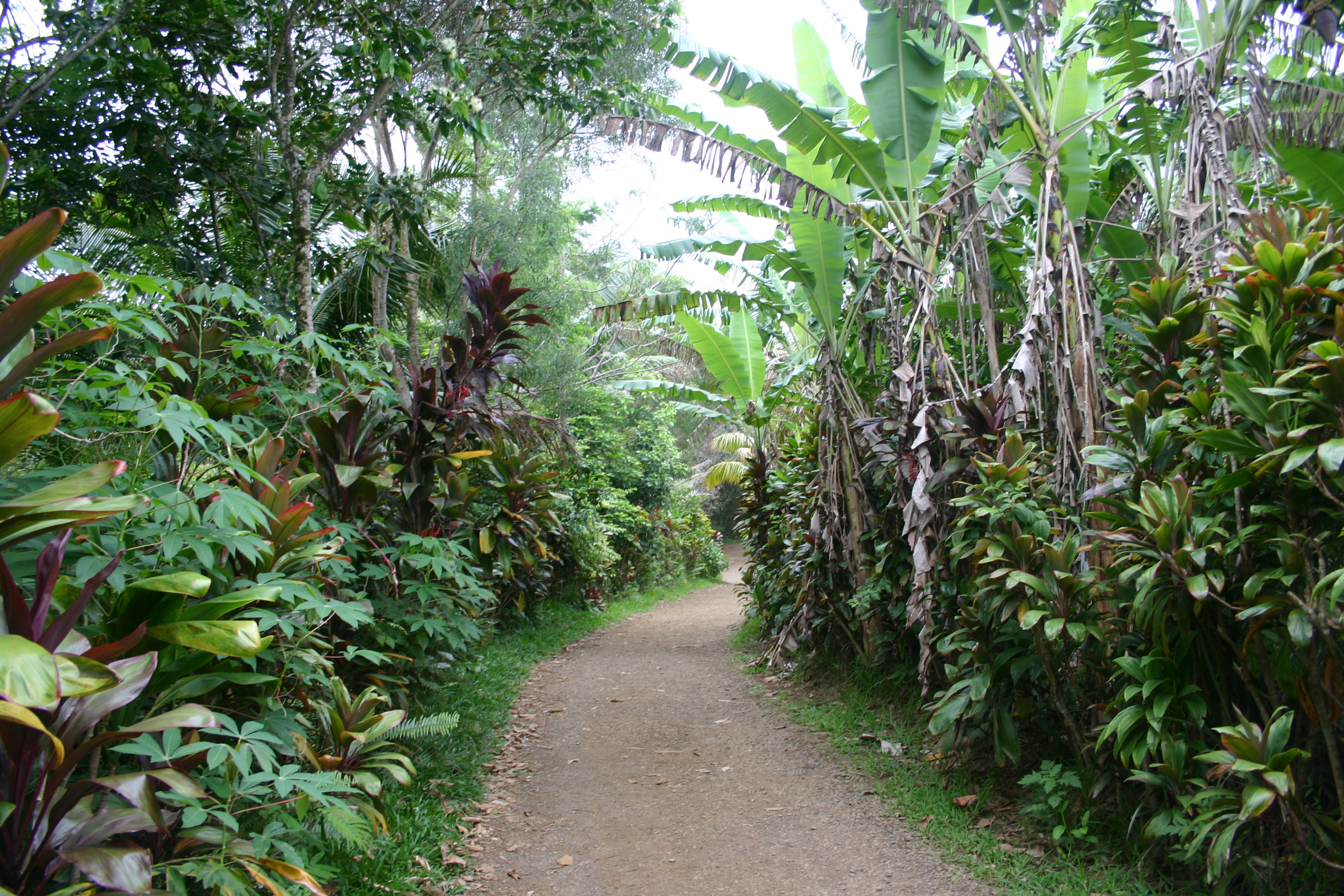
The first of three waterfalls is just a short walk from the trailhead. It’s easy to access and features a calm swimming hole surrounded by mossy rocks and overhanging vines. This spot is perfect for a quick dip or simply relaxing by the water’s edge. Then a few minute walk upward lands you at the second waterfall area, filled with a whole different vibe adding to its own personality. Continuing the adventure upward you come to one of the more striking waterfalls. Which you are able to access from both sides. Jumping in, sitting in the waterfall, or sunbathing on the rocks below... this waterfall is a local favorite for a reason. Alongside this waterfall stands a gate, and this gate leads to more wonders.
For those seeking a bit more adventure, the trail after passing the gate continues to a few more hidden waterfalls. Though slightly more challenging to reach, the reward is worth it. This cascade plunges into a deeper pool, ideal for swimming or wading beneath the rushing water + the beautiful natural Hawaii fauna makes this adventure one for the books. Be mindful to not pass the gate if its closed as in that means the water level is too high. At some point you will need to cross the little river, so be weary of the gate if it is closed.
To fully enjoy your Twin Falls adventure, consider packing the following:
Whether you’re floating in the cool waters, hiking through the dense jungle, or simply sitting by the falls, Twin Falls offers a tranquil and magical escape from the bustle of daily life. Its combination of scenic beauty, accessible trails, and refreshing swimming holes makes it a must-visit destination for anyone exploring Maui’s Hana Highway.
Next time you find yourself on Maui, take a moment to slow down and savor the serenity of Twin Falls—a place where the rhythm of flowing water and the scent of tropical blooms will leave you refreshed and inspired. 🌺
Check out the official Twin Falls Website here for more information!
https://www.twinfallsmaui.net/
If you would like to read and learn more about interesting things in Hawaii! Check out our blog page here on our website!
or
Right along the picturesque northwest coast of Maui, Kapalua is a tropical paradise known for its luxurious resorts, world-class golf courses, and, most importantly, its stunning beaches. Whether you're looking for pristine white sand, crystal-clear waters, or excellent snorkeling opportunities, Kapalua’s beaches offer a little something for every type of beachgoer. There is too many gorgeous beaches and getaway's to choose from here in Kapalua. Here’s a look at the best beaches in Kapalua that should be on your must-visit list.
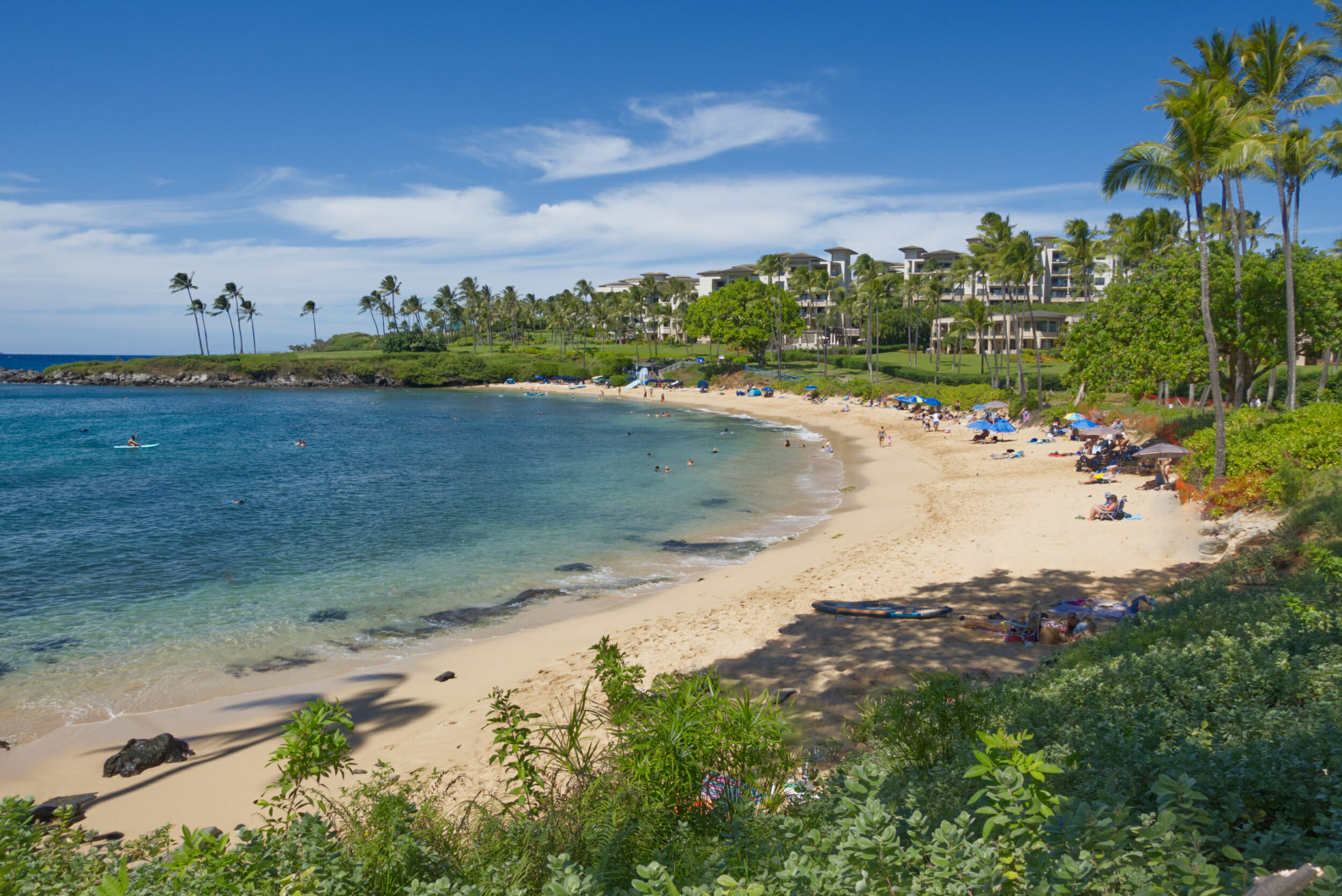
Arguably the most famous beach in the area, Kapalua Bay Beach is a crescent-shaped shoreline offering soft golden sand and calm waters. This beach is perfect for families and beginner snorkelers due to its gentle waves and abundant marine life. Snorkelers will find vibrant coral reefs teeming with tropical fish and even the occasional sea turtle. The bay is protected by two lava rock outcroppings, which help maintain its tranquil conditions year-round.
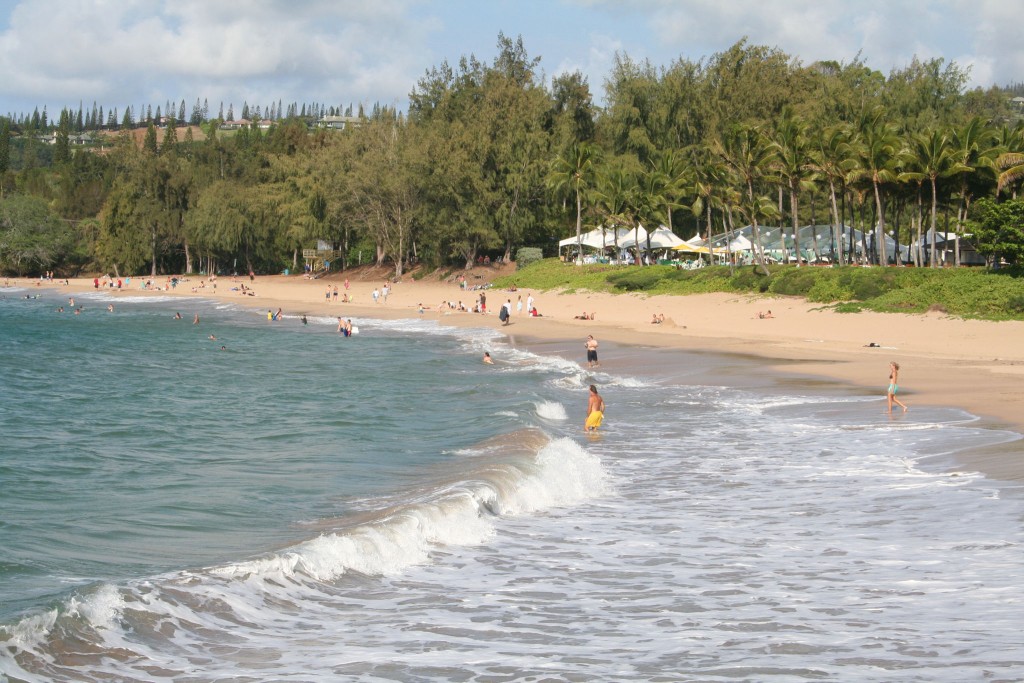
Located just north of Kapalua Bay, DT Fleming Beach Park is a favorite among both locals and visitors. This long, sandy beach is ideal for bodyboarding and surfing, especially during the winter months when the waves pick up. This world-class beach offers a more secluded and less touristy experience compared to Ka’anapali Beach. However, during high surf, conditions can become hazardous, with strong rip currents and powerful waves, making it essential to exercise caution. The perks of this beach are the convenient amenities, including picnic tables, restrooms, and lifeguards on duty, making it a great spot for a fun and safe beach day.
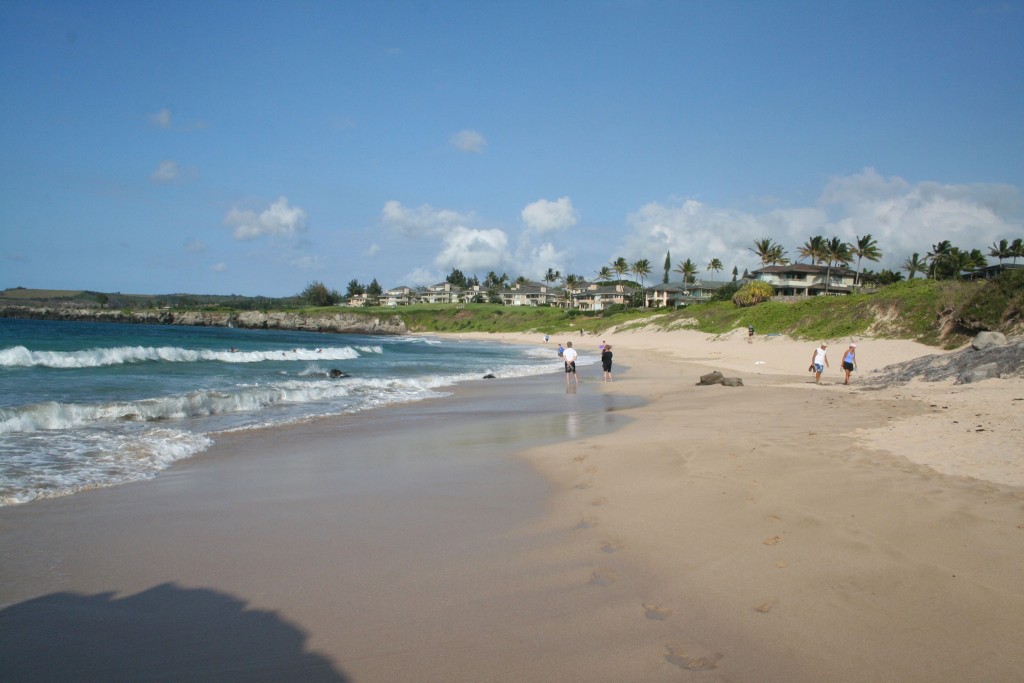
For those seeking a more secluded and peaceful setting, Oneloa Beach, also known as Ironwoods Beach, is a hidden gem. This pristine beach stretches along the rugged Kapalua coastline, offering breathtaking views and a more tranquil atmosphere. While the surf can be rough at times, it’s a fantastic spot for long walks, sunbathing, and photography. At the eastern end of the beach, where the parking lot path leads you, a shallow reef often becomes exposed along the shoreline. Many visitors mistakenly assume this rocky section extends across the entire beach and turn back too soon. Don’t make the same mistake—venture further down, and you’ll find a sandy-bottomed area perfect for wading and swimming.
A short drive from Kapalua stands Honolua Bay, a world-renowned snorkeling and diving destination. Honolua Bay is part of a marine conservation district, framed by dramatic cliffs and lush vegetation. Its rocky shoreline is the result of powerful ocean currents that have long washed away fine sand particles, leaving behind a bed of smooth volcanic rocks and coral rubble. Additionally, the bay’s calm, deep waters and the lack of strong wave action prevent the accumulation of new sand, making it a haven for snorkelers and divers rather than sunbathers.
This absence of sand plays a crucial role in maintaining the bay’s pristine underwater ecosystem. Without the shifting sands to cloud the water, visibility remains excellent, allowing for an up-close view of vibrant coral reefs and diverse marine species; however, In the winter, Honolua Bay transforms into a top-tier surfing spot, attracting experienced surfers from around the world. Honolua Bay is a testament to the raw, untouched beauty of Maui’s coastline—a must-visit for nature lovers seeking an unspoiled underwater paradise.
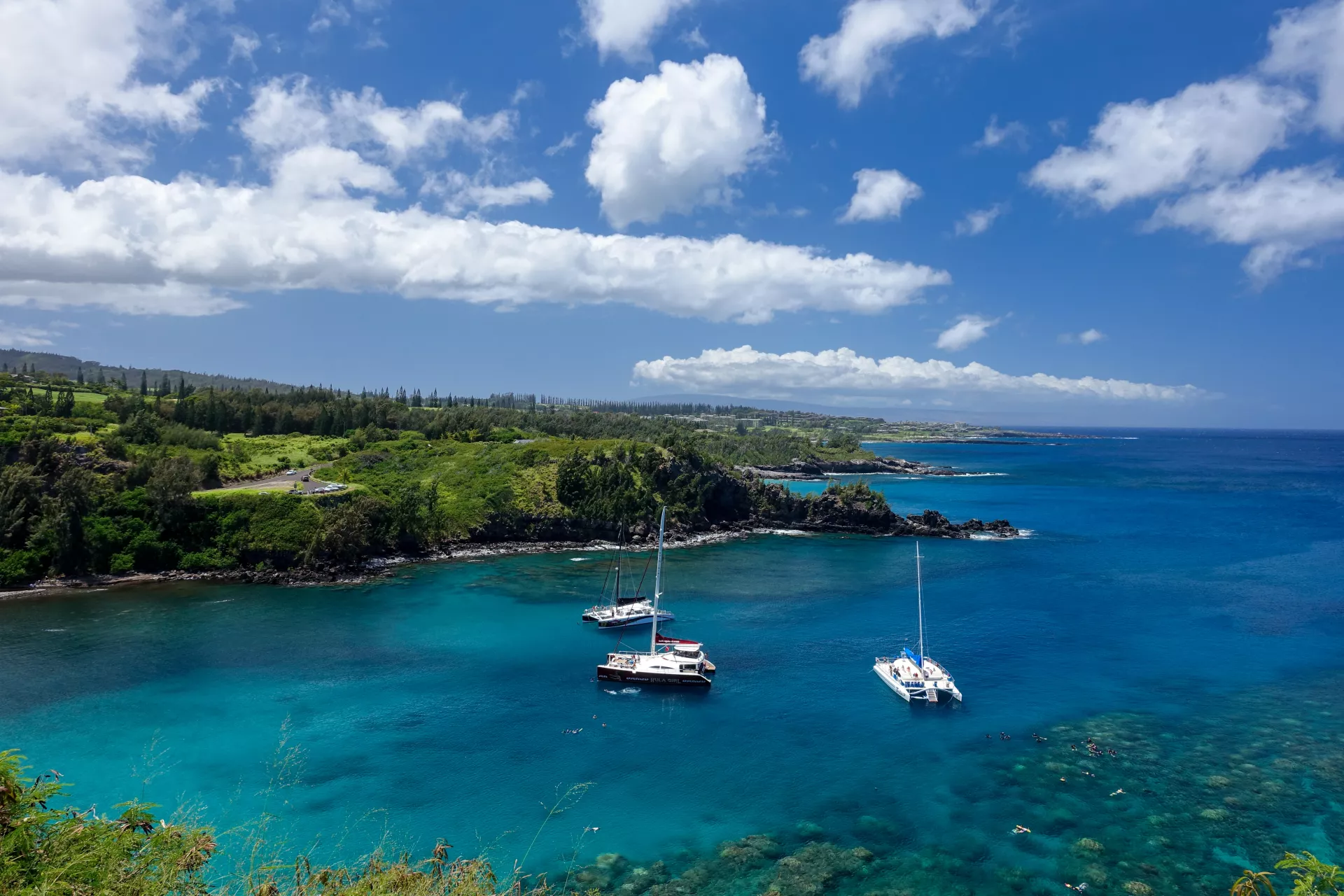
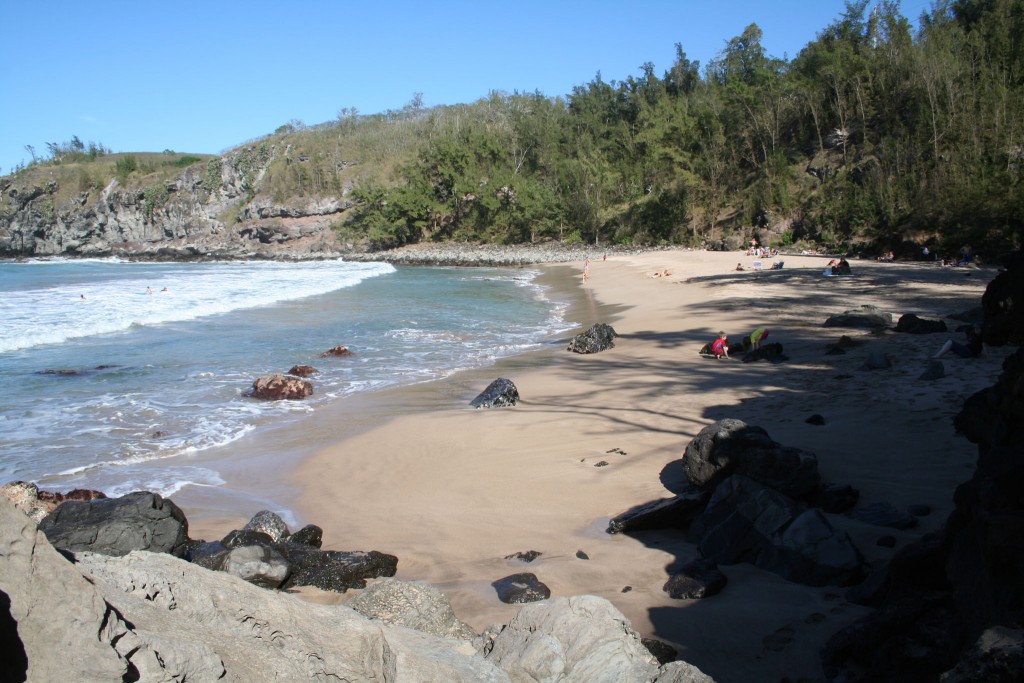
Just around the corner from Honolua Bay, Mokuleia Bay, often referred to as Slaughterhouse Beach, is another stunning option for those who love natural beauty. An amazing beach for surfers and bodyboarders in the winter time. This beach is slightly more difficult to access, requiring a short hike down a set of stairs, but it rewards visitors with soft sand, clear waters, and excellent snorkeling opportunities. Mokule‘ia Bay, part of the Honolua-Mokule‘ia Bay Marine Life Conservation District, shares its protected waters with its northern neighbor, Honolua Bay. However, unlike Honolua’s rocky shoreline, Mokule‘ia Bay offers a beautiful sandy beach for much of the year, making it an ideal spot to unwind and soak in Maui’s natural beauty. During the summer, the calm waters make it a great spot for swimming, while winter months bring powerful waves that draw experienced surfers.
Kapalua’s beaches are among the most beautiful in all of Hawaii, offering something for every kind of beach enthusiast. Whether you’re looking for relaxation, adventure, or breathtaking scenery, these beaches will not disappoint. Be sure to bring reef-safe sunscreen, respect the local marine life, and enjoy the natural wonders that make Kapalua a true paradise.
If you would like to read and learn more about interesting things in Hawaii! Check out our blog page here on our website!
or
Located right in Waikapu, Maui Tropical Plantation is a must-visit destination for those looking to experience the island’s lush landscapes, rich agricultural history, and vibrant cultural heritage. Spanning 500 acres, this beautiful plantation offers visitors an immersive look into Hawaii’s tropical agriculture while providing a serene escape into nature.
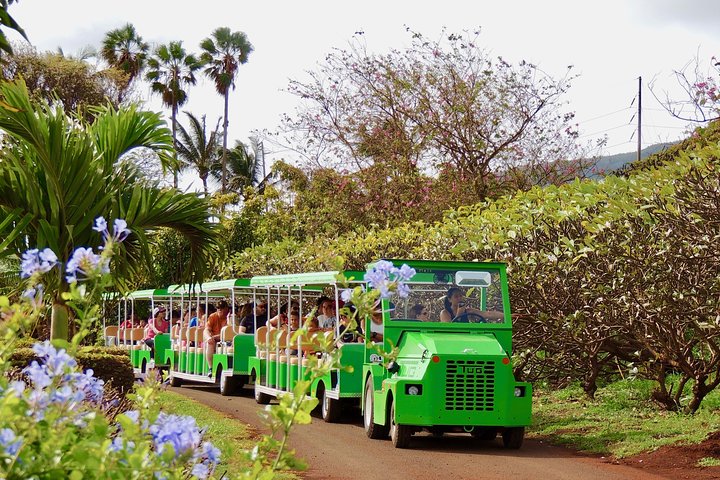
Maui Tropical Plantation is more than just a scenic retreat—it is a living, breathing testament to Hawaii’s farming traditions. Guests can embark on the popular Tropical Express Tour, a guided tram ride through the plantation’s sprawling fields. Along the way, visitors will witness a variety of tropical crops, including coffee, papaya, coconut, mango, and taro, while learning about their significance in Hawaiian culture and history.
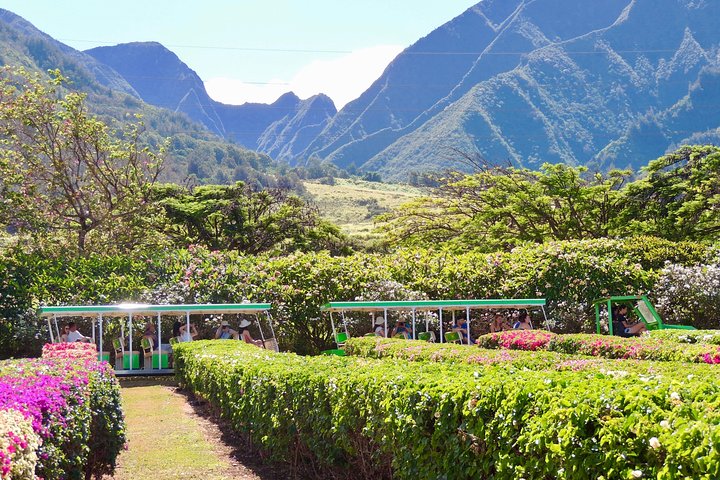
Since its establishment in 1983, Maui Tropical Plantation has been a premier destination for visitors seeking to learn about the island’s rich agricultural traditions. Originally designed to showcase how Maui’s crops are grown, the plantation continues to offer an immersive and educational experience today.
One of the highlights of a visit is the 45-minute tram tour, where local guides lead guests through the plantation’s sprawling 1,500 acres, featuring an impressive variety of 65 crops. Among the lush fields, visitors can see and learn about pineapple, banana, papaya, starfruit, coffee, guava, coconut, macadamia nuts, taro, avocado, and even newly introduced sunflowers—a recent addition to Maui’s agricultural landscape. Seasonal variations ensure that each tour offers something unique.
The tram tour operates hourly from 10 AM to 4 PM, providing ample opportunities to explore the plantation’s beauty. Tickets can be purchased conveniently at the Plantation Store entrance or online.
https://mauitropicalplantation.com/tour-tickets
Maui Tropical Plantation provides a variety of interactive experiences that appeal to visitors of all ages. Whether you’re seeking adventure or a deeper appreciation of Hawaiian farming traditions, the plantation offers something for everyone. For thrill-seekers, the plantation’s zipline course provides an exhilarating way to take in the stunning surroundings. As you soar above the lush fields, you’ll be treated to a breathtaking bird’s-eye view of the towering palm trees, tropical crops, and vibrant floral gardens. The zipline is designed to be both exciting and family-friendly, making it a must-try experience for those looking to add a bit of adrenaline to their visit.
For visitors interested in a more grounded, hands-on approach, the plantation offers engaging demonstrations that highlight traditional Hawaiian agricultural practices. One of the most popular activities is the coconut husking demonstration, where guests can witness firsthand the skill and technique required to open a coconut using time-honored methods. These demonstrations provide an educational glimpse into Hawaiian farming heritage, connecting guests to the island’s deep-rooted agricultural traditions.
A Culinary Delight
A visit to Maui Tropical Plantation wouldn’t be complete without savoring the flavors of the island at The Mill House restaurant. Known for its farm-to-table dining, The Mill House sources fresh ingredients directly from the plantation and local farmers. Guests can indulge in exquisite dishes that highlight the island’s seasonal bounty while enjoying breathtaking views of the West Maui Mountains or Mauna Kahālāwai.
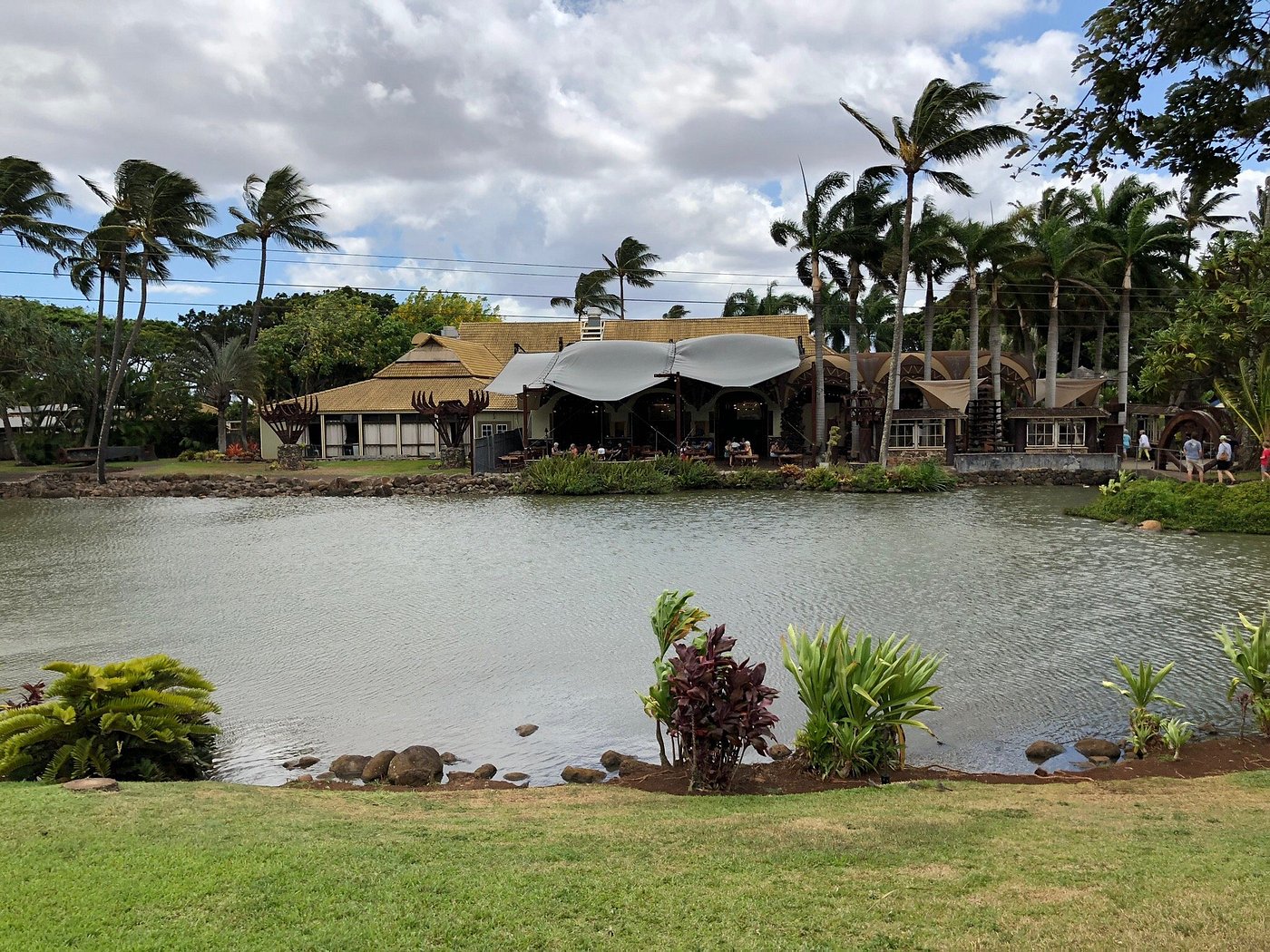
Maui Tropical Plantation is committed to sustainability and preserving the island’s agricultural heritage. Through eco-friendly practices and community engagement, the plantation plays a vital role in educating visitors about the importance of sustainable farming and environmental stewardship.
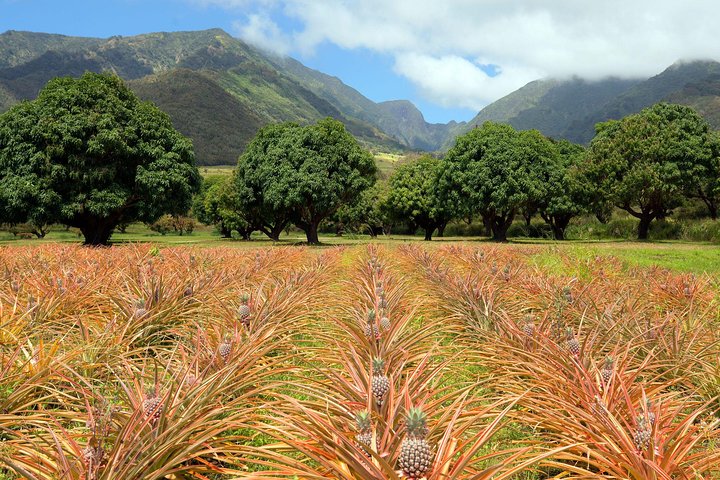
Whether you’re a first-time visitor to Maui or a returning traveler, Maui Tropical Plantation offers a unique blend of adventure, history, and relaxation. With its stunning landscapes, engaging experiences, and dedication to preserving Hawaii’s agricultural traditions, it remains a cherished destination for all who seek to explore the beauty of the island.
Discover the heart of Maui—visit Maui Tropical Plantation and experience the island’s agricultural paradise firsthand.
https://mauitropicalplantation.com/
If you would like to read and learn more about interesting things in Hawaii! Check out our blog page here on our website!
or
Hidden along Maui’s northwest coastline, Honolua Bay is a paradise for ocean lovers, offering some of the island’s best snorkeling and breathtaking natural beauty. This marine sanctuary is renowned for its crystal-clear waters, vibrant coral reefs, and an abundance of marine life, making it a must-visit destination for snorkelers and nature enthusiasts alike. If you are able to get lucky, you might swim with pods of dolphins that are known to frequent these waters. One of the many photo worthy gems of a places in Hawaii.
Honolua Bay is part of the Mokuleia Marine Life Conservation District, meaning its waters are teeming with life and remain protected from fishing and other human activities that could disrupt the delicate ecosystem. As a result, visitors are treated to a thriving underwater world where colorful reef fish, green sea turtles (honu), and even the occasional reef shark can be spotted gliding through the clear blue waters.
The bay is best explored in the morning when the waters are calm and visibility is at its peak. Snorkelers can enter from the rocky shoreline, but the best experience is often found by swimming out towards the deeper sections of the bay, where the coral formations are more vibrant, and the marine life is more diverse. The bay’s unique topography, with its protective cliffs, helps create a serene and undisturbed environment for underwater exploration.
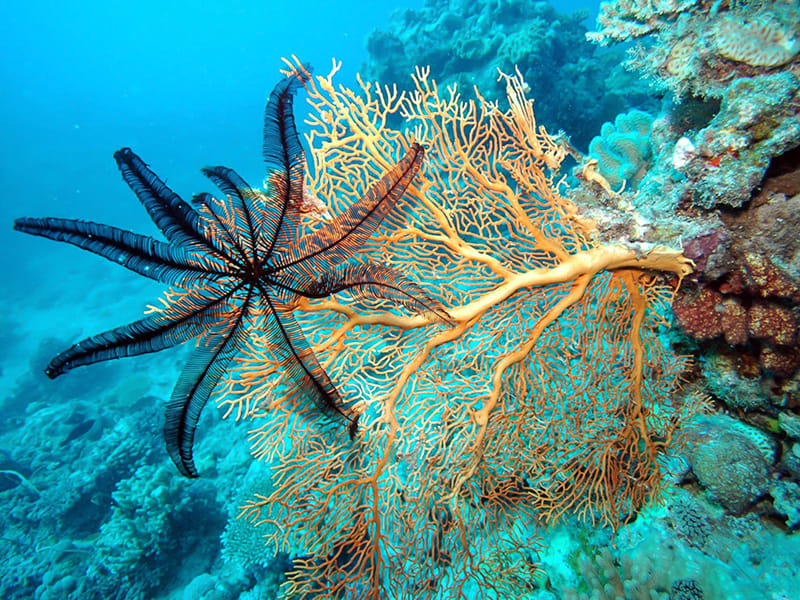
During the winter months, Honolua Bay transforms into a world-class surf break, attracting professional surfers from around the globe. However, in the calmer summer months, the bay becomes a snorkeler’s dream, with water clarity that can extend up to 60 feet, offering an unparalleled view of the underwater wonderland.
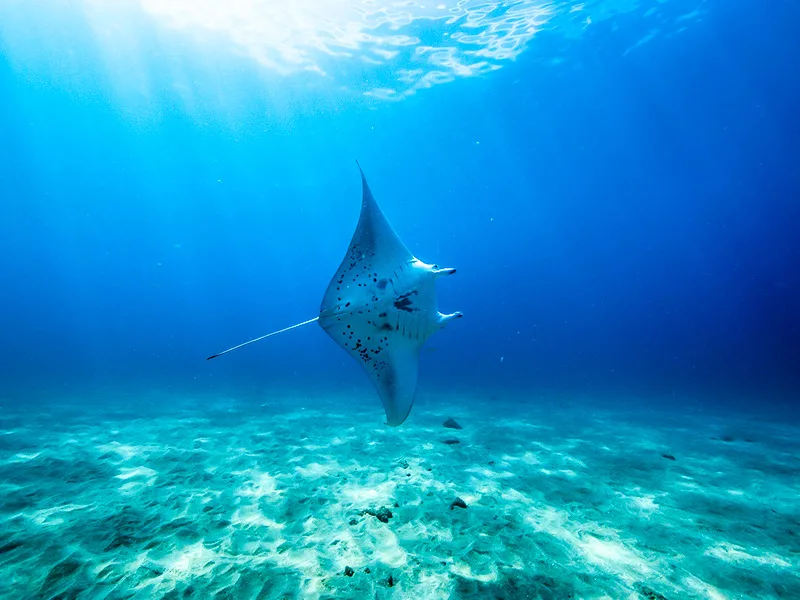
As a designated conservation area, visitors are encouraged to practice responsible tourism to help preserve the beauty of Honolua Bay. Avoid touching the coral, use reef-safe sunscreen, and be mindful of the delicate marine ecosystem. There are no facilities directly on-site, so packing out what you bring in is essential to maintaining the bay’s pristine condition.
Honolua Bay is located about 20 minutes north of Lahaina along the Honoapiilani Highway. A small roadside parking area provides access to a short, scenic trail that winds through lush greenery before opening up to the bay. While the entrance may be somewhat hidden, the journey through this tropical oasis is part of what makes Honolua Bay such a magical experience.
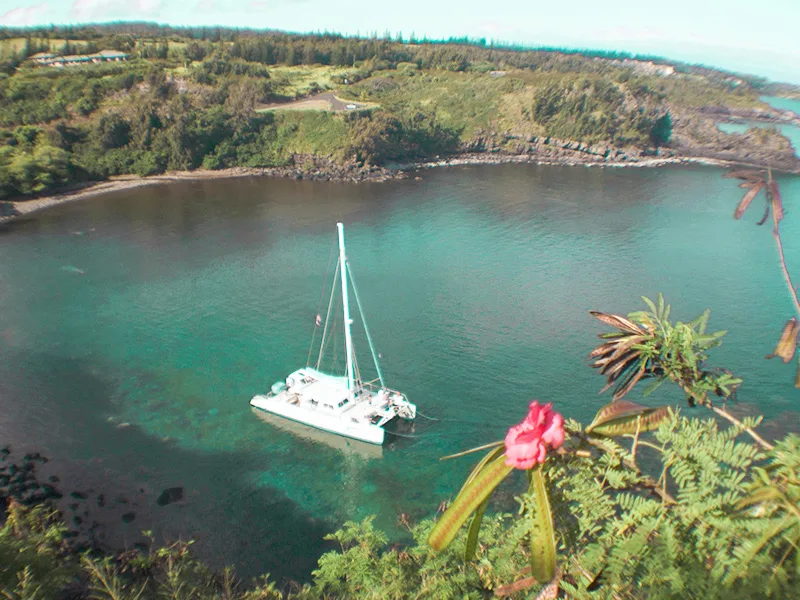
Whether you’re an avid snorkeler, a marine life enthusiast, or simply seeking a slice of untouched paradise, Honolua Bay delivers an unforgettable experience. Its crystal-clear waters, thriving reef, and breathtaking surroundings make it one of Maui’s most cherished natural wonders. By visiting with care and respect, we can ensure that this spectacular bay remains a thriving marine sanctuary for generations to come.
If you would like to read and learn more about interesting things in Hawaii! Check out our blog page here on our website!
or
Haleakalā National Park, located on the island of Maui in Hawai‘i, is a destination of unparalleled beauty and ecological significance. With its dramatic landscapes, vibrant ecosystems, and cultural importance, the park offers an unforgettable experience for visitors. Whether you are an adventurer seeking thrilling hikes, a nature enthusiast captivated by diverse wildlife, or a curious traveler intrigued by local history, Haleakalā National Park has something for everyone.
At the heart of the park lies the massive Haleakalā Crater, a volcanic basin spanning over seven miles in width and descending nearly 2,600 feet. The crater’s otherworldly terrain, featuring cinder cones and lava flows, feels like stepping onto another planet. This stark yet stunning landscape is complemented by the lush Kipahulu District, located on the park’s eastern side, where cascading waterfalls, bamboo forests, and tropical vegetation thrive.
One of the park’s most renowned experiences is witnessing sunrise or sunset from the summit of Haleakalā. At an elevation of 10,023 feet, the summit provides a breathtaking vantage point above the clouds, where hues of gold, orange, and pink paint the sky. It’s no wonder this spot is considered sacred by Native Hawaiians, who view Haleakalā as the “house of the sun.”
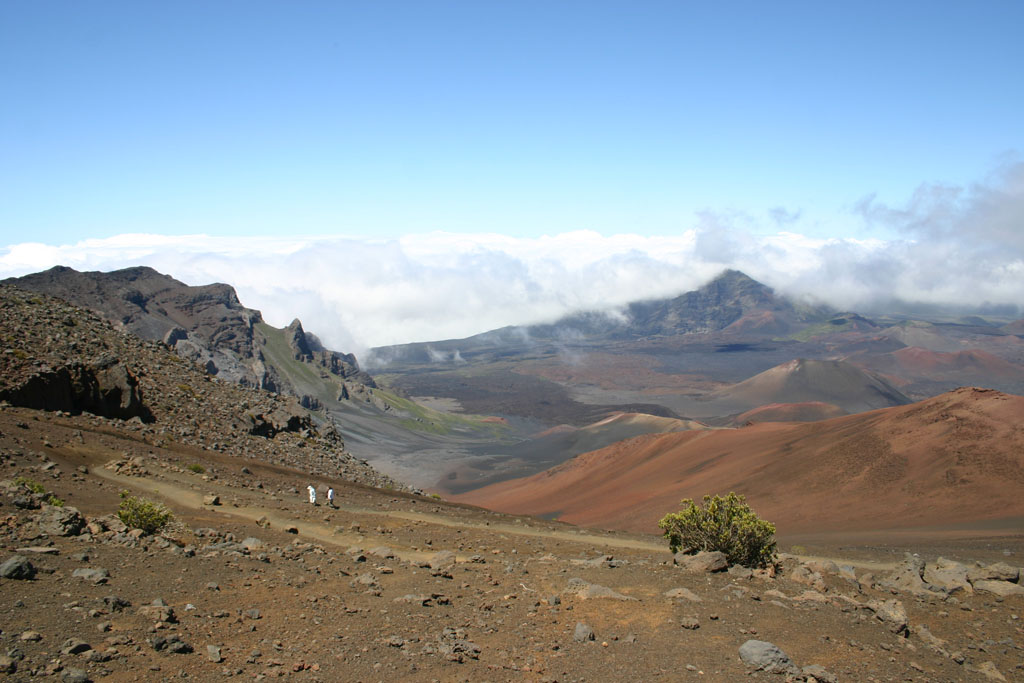
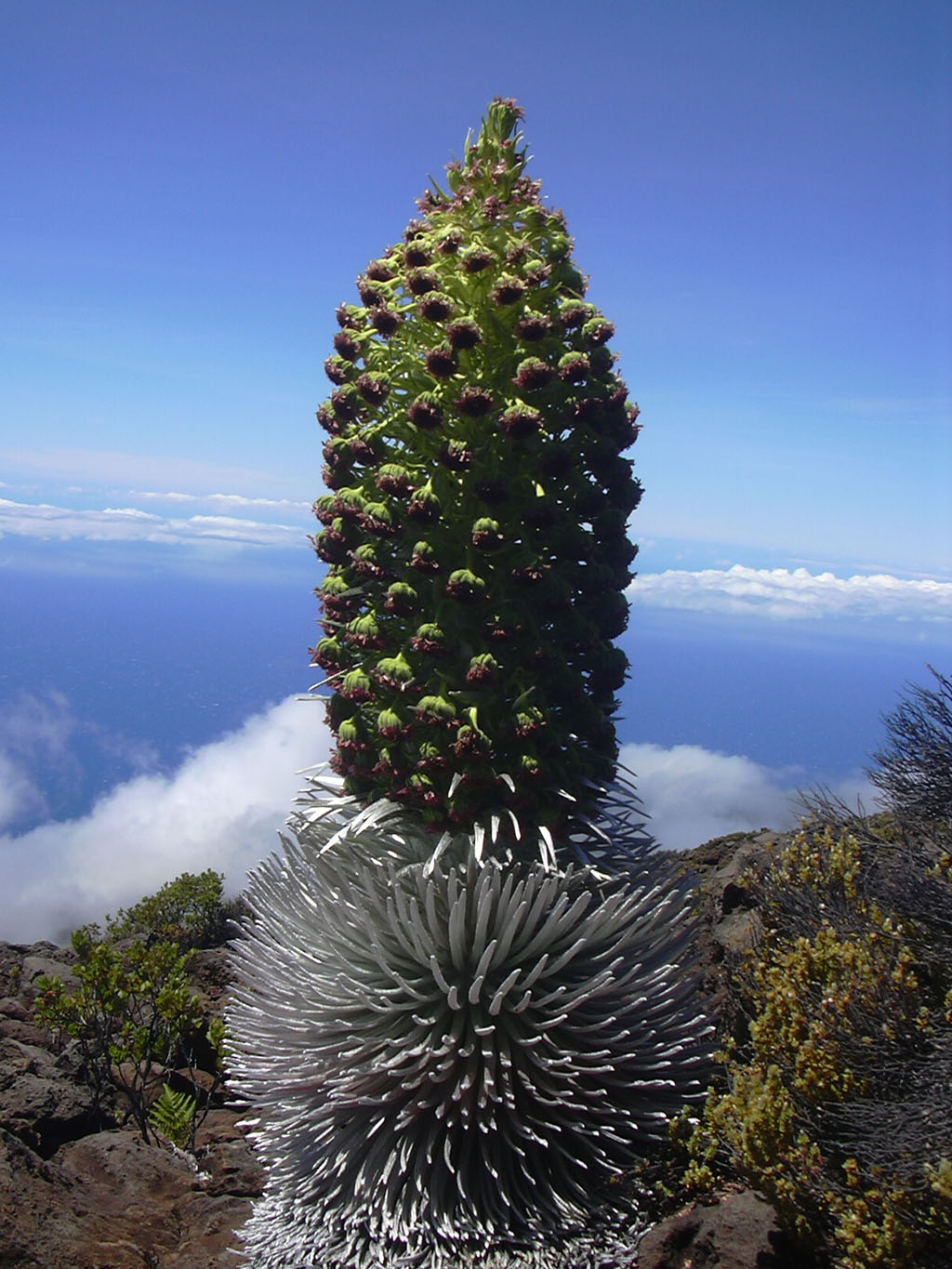
Haleakalā National Park is home to a remarkable range of ecosystems, from subalpine shrublands to tropical rainforests. This diversity supports an array of unique wildlife, including many species found nowhere else in the world. One notable resident is the nēnē, or Hawaiian goose, which is the state bird of Hawai‘i. Visitors may also encounter rare plants like the silversword (‘āhinahina), which thrives in the harsh conditions of the crater and blooms only once in its lifetime.

The Haleakalā silversword (Argyroxiphium sandwicense subsp. macrocephalum) is a rare plant found only on Maui’s Haleakalā volcano. Its silvery leaves reflect sunlight, conserving water in the harsh alpine climate. After decades of growth, it blooms once in a stunning floral display before completing its life cycle.
Once endangered due to habitat loss, conservation efforts have helped restore its population. Visitors to Haleakalā National Park can witness this botanical wonder—a symbol of Hawaii’s fragile and resilient ecosystems.
The park’s biodiversity is a testament to the efforts of conservationists who work tirelessly to protect these fragile ecosystems. As you explore, it’s essential to follow Leave No Trace principles to preserve this natural wonder for future generations.
Haleakalā National Park offers a variety of activities to suit different interests and skill levels. Popular options include:
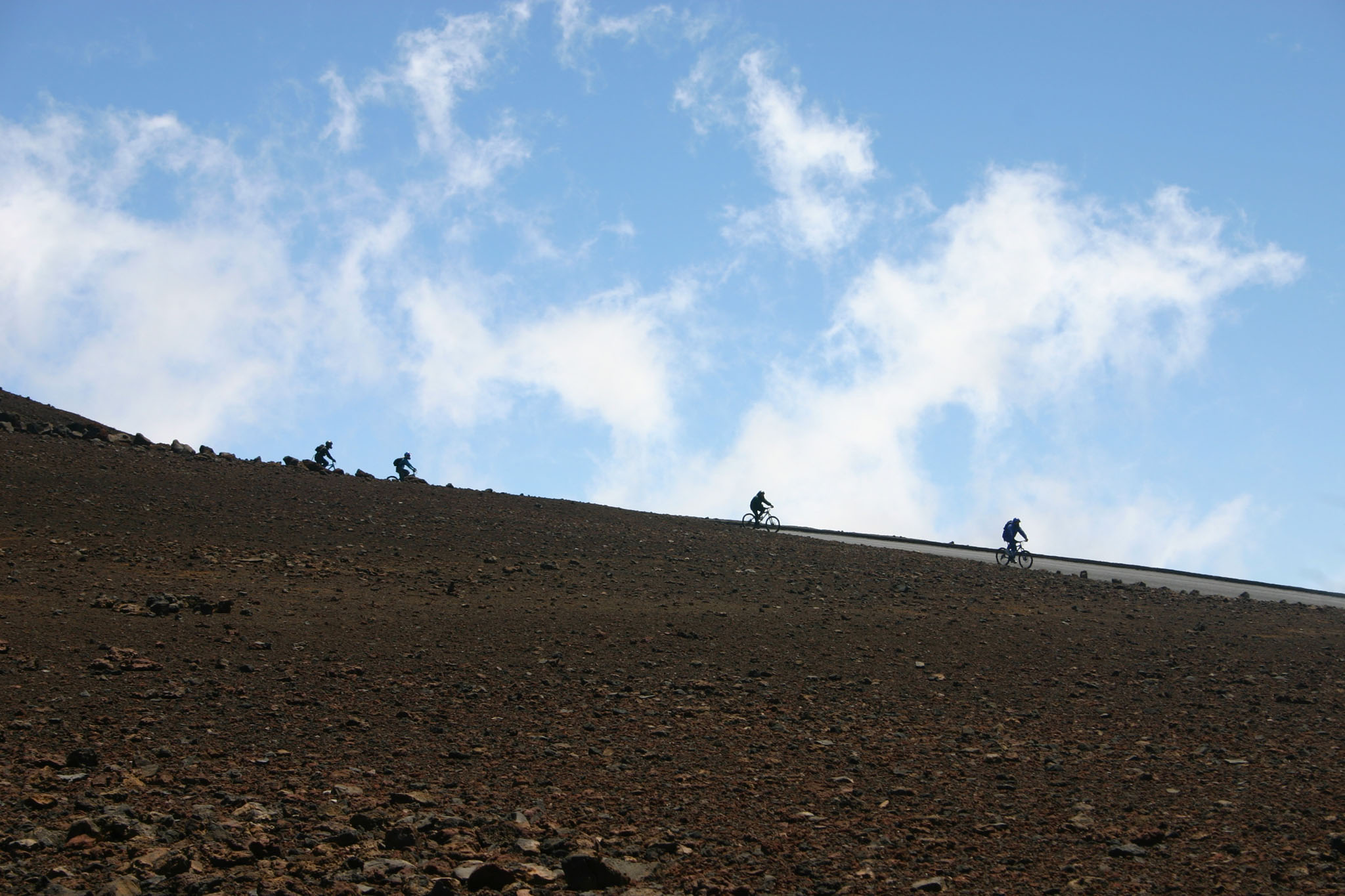
To make the most of your trip to Haleakalā National Park, consider the following tips:
Book your Reservation now for Haleakala National Park
If you would like to read and learn more about interesting things in Hawaii! Check out our blog page here on our website!
or
In the lush embrace of the West Maui Mountains or better known as Mauna Kahalawai, ʻĪao Valley is one of Hawaii’s most breathtaking and historically significant locations. With its emerald-green peaks, misty waterfalls, and deep cultural roots, this valley is more than just a scenic destination—it’s a place where history and nature intertwine. However, beneath its serene beauty lies a dramatic and bloody past, etched in Hawaiian history as the site of one of the most pivotal battles ever fought in the islands.
ʻĪao Valley is a deeply spiritual and sacred place for Native Hawaiians. The valley is home to the iconic ʻĪao Needle, a 1,200-foot-tall basalt pinnacle covered in lush vegetation. The name "ʻĪao" in Hawaiian means "supreme cloud", as the ʻĪao needle is often covered in a layer of clouds. The Needle is the tip of a long, winding ridge shaped by streams and waterfalls that gradually eroded the softer rock around it. Īao Valley, enclosed by the towering walls of Puʻu Kukui Crater, is a remnant of the central crater of Mauna Kahalawai, the ancient West Maui volcano. This natural monument, once used as a lookout by Hawaiian warriors, stands as a silent guardian over the valley.
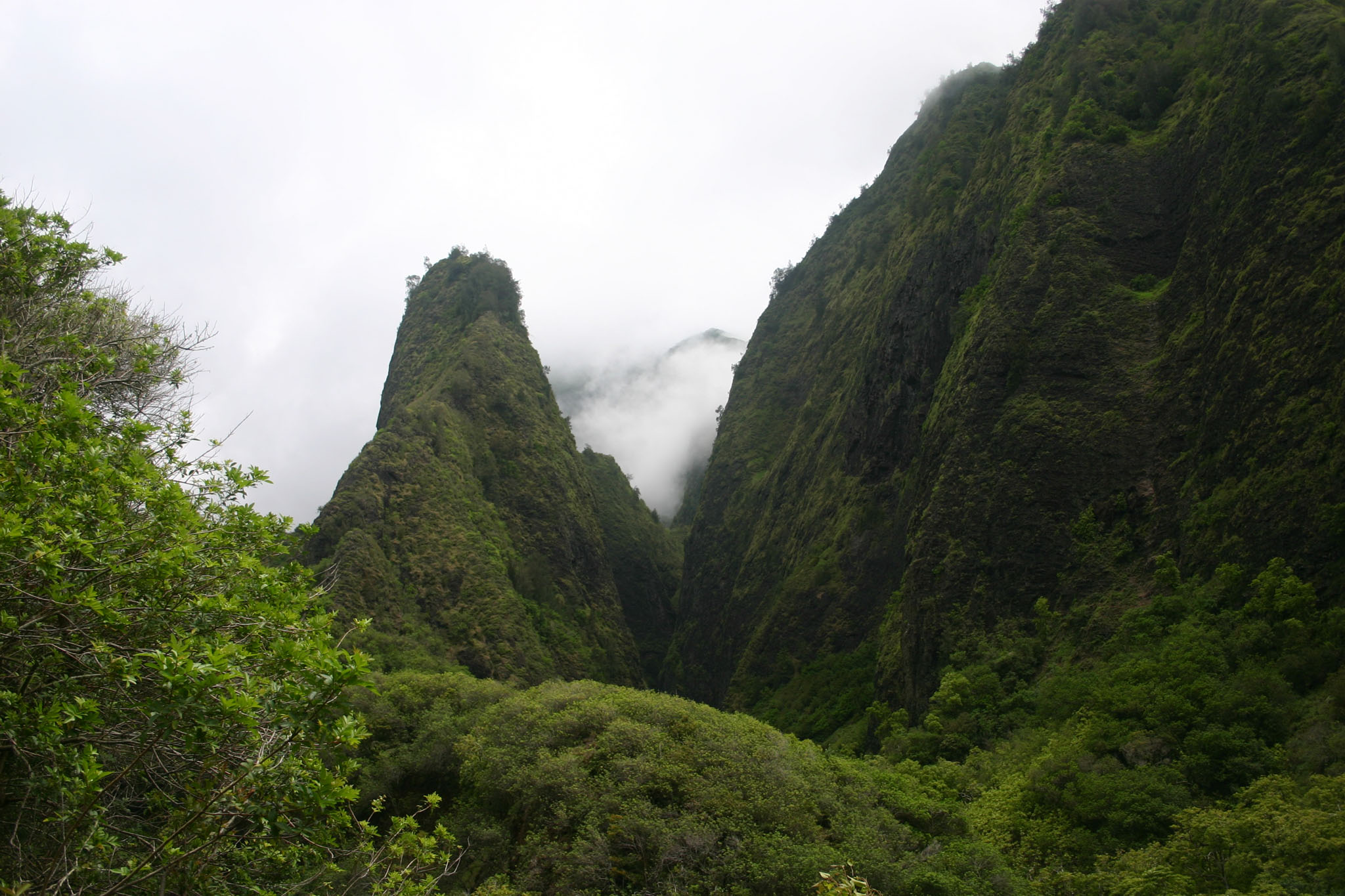
The area receives frequent rainfall, making it one of the wettest places in Hawaii. Its streams and waterfalls nourish the surrounding flora, creating a verdant paradise that has long been revered by locals and visitors alike.
The ʻĪao Stream, which winds through the valley, can quickly transform into a powerful torrent during storms, leading to flash floods, landslides, and significant erosion. In 2016, a major flood event destroyed sections of the state park, washing away roads, trails, and parts of the parking lot. Restoration efforts have since reinforced riverbanks and infrastructure, but the valley remains highly vulnerable.
*Visitors are urged to check weather conditions before exploring and respect any closures. While ʻĪao’s beauty is undeniable, its ever-changing landscape is a powerful reminder of nature’s force in shaping Maui’s terrain.*
Today, the ʻĪao Valley State Monument offers well-maintained trails and viewpoints, allowing travelers to appreciate the valley’s majesty while reflecting on its storied past. Upon visiting and walking in ʻĪao valley, there are signs posted throughout the area teaching you Hawaiian prayers, and Hawaiian sayings enhancing the atmosphere of the area.
Despite its beautiful and lush appearance today, ʻĪao Valley was the site of one of the bloodiest conflicts in Hawaiian history—the Battle of Kepaniwai, fought in 1790. This battle was a turning point in King Kamehameha I’s relentless campaign to unite the Hawaiian Islands. At the time, Maui was ruled by King Kahekili, a formidable leader who had successfully resisted Kamehameha’s advances. However, in 1790, while Kahekili was away on Oʻahu, Kamehameha saw an opportunity to strike.Kamehameha’s forces, armed with Western firearms acquired from European traders, landed on Maui and advanced toward ʻĪao Valley, where they faced Maui’s warriors led by Kahekili’s son, Kalanikūpule. The battle was fierce and unforgiving, with Kamehameha’s superior firepower ultimately overwhelming Maui’s defenders.
*NOT AN ACTUAL REFERENCE OF THE BATTLE*
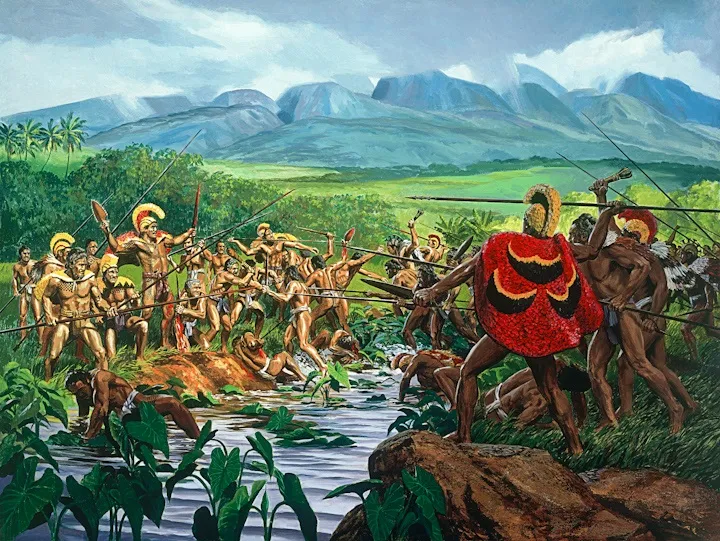
The slaughter was so intense that it is said the waters of ʻĪao Stream were choked with the bodies of fallen warriors, giving rise to the battle’s haunting name—Kepaniwai, meaning “the damming of the waters.” The river quite literally ran red with blood, marking one of the most devastating defeats in Maui’s history.
Although Kamehameha emerged victorious, he was unable to fully secure Maui at that time, as Kahekili later returned and reclaimed control. However, this battle foreshadowed Kamehameha’s eventual conquest of all the Hawaiian Islands, culminating in the unification of the kingdom in 1810.
Today, ʻĪao Valley stands as a place of reflection and reverence. Visitors who walk its trails are not only stepping into a natural wonderland but also onto a battlefield where warriors fought for their land and legacy. Hawaiian cultural practitioners continue to honor the spirits of those who perished here, ensuring that the valley’s history is never forgotten.
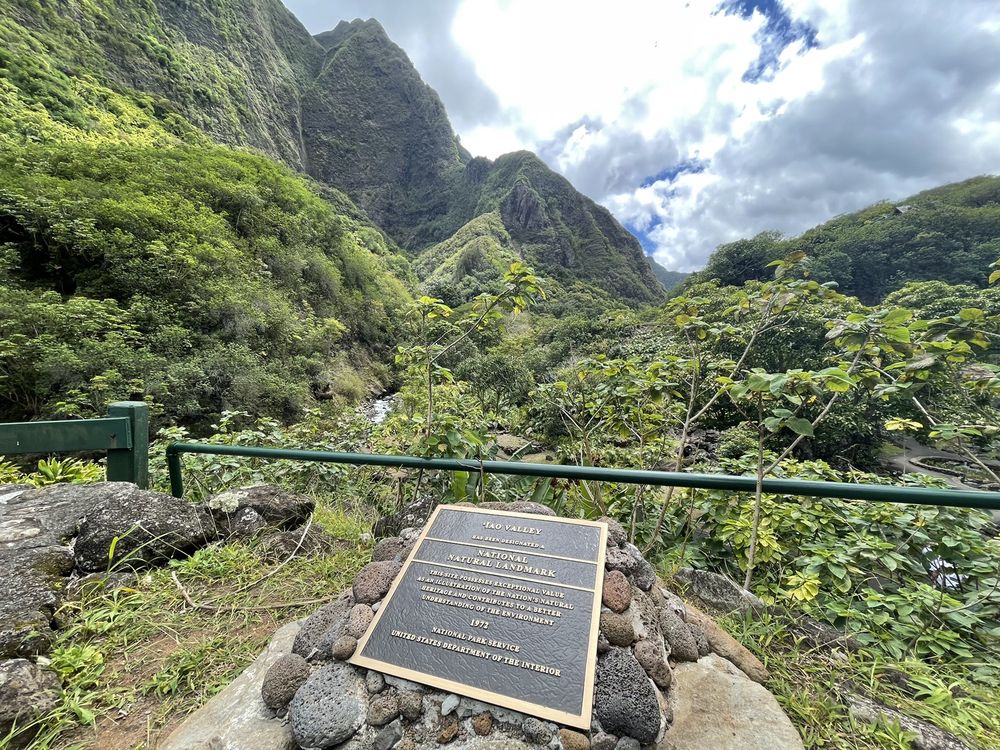
If you plan to visit ʻĪao Valley, take the time to appreciate both its breathtaking scenery and its profound historical significance. The ʻĪao Valley State Monument is easily accessible from Wailuku and offers a short but rewarding hike to vantage points where you can admire the towering peaks and lush landscapes.
While exploring, remember that this land is sacred. Respect the valley by staying on designated paths, avoiding the disturbance of cultural sites, and embracing the deep spiritual energy that continues to flow through its misty air.
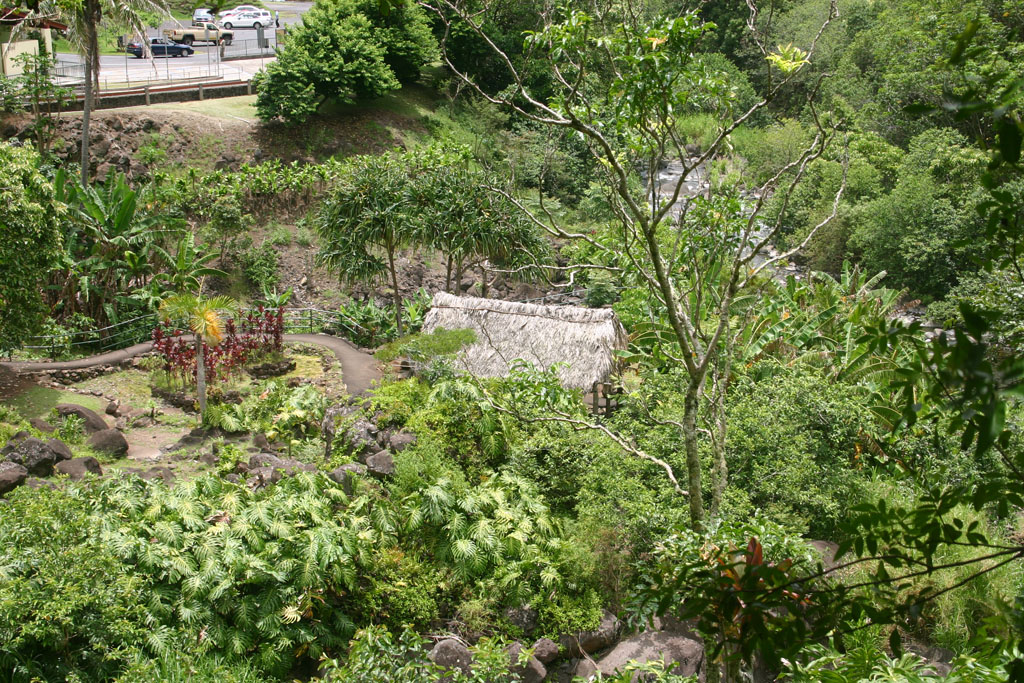
ʻĪao Valley is a testament to both the resilience of nature and the enduring power of Hawaiian history. Whether you visit to learn, to reflect, or simply to take in its awe-inspiring beauty, this sacred valley will leave an indelible mark on your soul.
If you would like to set a reservation for Iao Valley, this is the only website you are able to set a date and time for your adventure: https://gostateparks.hawaii.gov/iao-valley
If you would like to read and learn more about interesting things in Hawaii! Check out our blog page here on our website!
or