

CYBER MONDAY DEAL! USE CODE "CYBERMONDAY15" TO GET 15% OFF YOUR BOOKING!
When people imagine Hawaii, they think of palm trees, warm trade winds, turquoise water, and lava-formed coastlines. Very few expect to see snow. Yet every winter, snow on Mauna Kea transforms the summit of Hawaii’s tallest mountain into a surreal alpine landscape rising above tropical beaches. This rare and striking phenomenon is one of the most fascinating natural contrasts on Earth—and a powerful reminder of Hawaii’s geographic and climatic extremes.
Located on the Big Island, Mauna Kea stands 13,803 feet above sea level, making it the highest point in the Hawaiian Islands. Because of its immense elevation, Mauna Kea regularly experiences winter conditions that rival mountain ranges on the mainland, despite sitting in the middle of the Pacific Ocean.
The reason snow on Mauna Kea occurs lies almost entirely in elevation and atmospheric physics. As air rises, it cools. Temperatures drop roughly 3.5°F for every 1,000 feet gained in altitude. While coastal Hawaii may sit comfortably in the 70s or 80s, the summit of Mauna Kea can dip well below freezing during winter storms.
Between December and March, cold fronts from the North Pacific occasionally reach the Big Island. When enough moisture and cold air coincide, precipitation falls as snow rather than rain at the summit. These snowstorms can blanket the upper slopes, turning a volcanic landscape into a snow-covered plateau—sometimes deep enough to temporarily close summit access roads.
Snowfall on Mauna Kea is not a daily or even weekly occurrence, but it is a consistent seasonal event. Most years see multiple snowfalls, ranging from light dustings to heavy storms. Some winters bring dramatic accumulations that linger for days or even weeks, depending on sun exposure and temperatures.
While snow is most common in mid-winter, it has been recorded as early as October and as late as May. The variability adds to the mystique of snow on Mauna Kea, making each event feel rare and special, even though it happens regularly by climatological standards.
For Native Hawaiians, Mauna Kea is not just a mountain—it is a sacred place, deeply tied to genealogy, cosmology, and spiritual practice. Snow, known in Hawaiian as hauʻoliʻoli or hau kea, appears in ancient chants and legends describing the summit as a realm of the gods.
Historically, snow from Mauna Kea was gathered and transported to aliʻi (chiefs) as a symbol of prestige and sacred power. The presence of snow reinforced the mountain’s status as a bridge between the heavens and the earth. Today, the appearance of snow continues to hold cultural meaning, reminding residents and visitors alike that Mauna Kea is a place deserving of reverence and respect.
Another reason snow on Mauna Kea captures global attention is the presence of world-class astronomical observatories at the summit. Mauna Kea’s high elevation, dry air, and minimal light pollution make it one of the best stargazing locations on Earth.
Snowfall occasionally interrupts operations, coating telescopes and access roads, but it also highlights the extreme environment in which these scientific instruments operate. Images of snow-covered observatories against a backdrop of blue Hawaiian sky often go viral, surprising viewers who never associated Hawaii with winter weather.
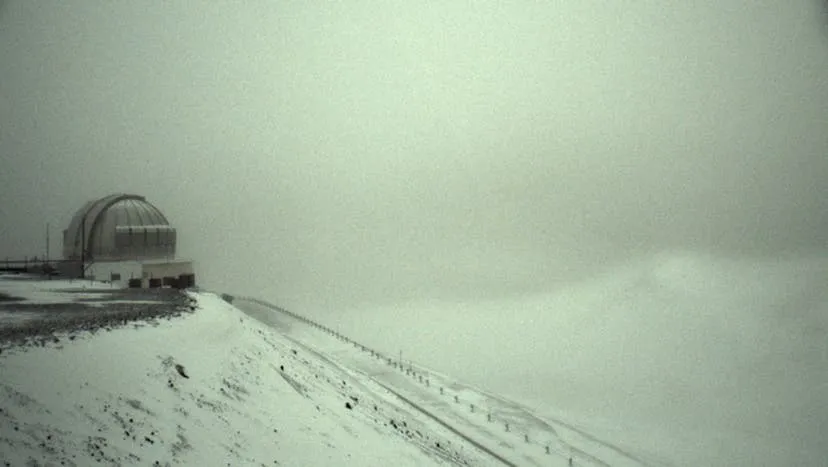
Witnessing snow on Mauna Kea can be unforgettable, but it requires careful planning and respect for safety. Winter conditions can make the summit hazardous, with icy roads, low visibility, and rapidly changing weather. Access to the summit is frequently restricted during snowstorms, and four-wheel drive vehicles are required even in clear conditions.
Many visitors choose to stop at the Mauna Kea Visitor Information Station, located at 9,200 feet, where snow is sometimes visible higher up without the risks of summit travel. Whether you reach the summit or not, seeing snow on Mauna Kea from below is still a remarkable experience—especially when the coastline remains warm and sunny.
What makes snow on Mauna Kea so captivating is the contrast it creates. Few places on Earth allow you to swim in the ocean, hike through lava fields, and see snow-covered peaks all in a single day. This striking diversity is part of what makes the Big Island unique, and Mauna Kea stands at the center of that experience.
The mountain’s snow serves as a reminder that Hawaii is far more than beaches—it is a land of extremes, shaped by volcanic forces, atmospheric dynamics, and deep cultural history.
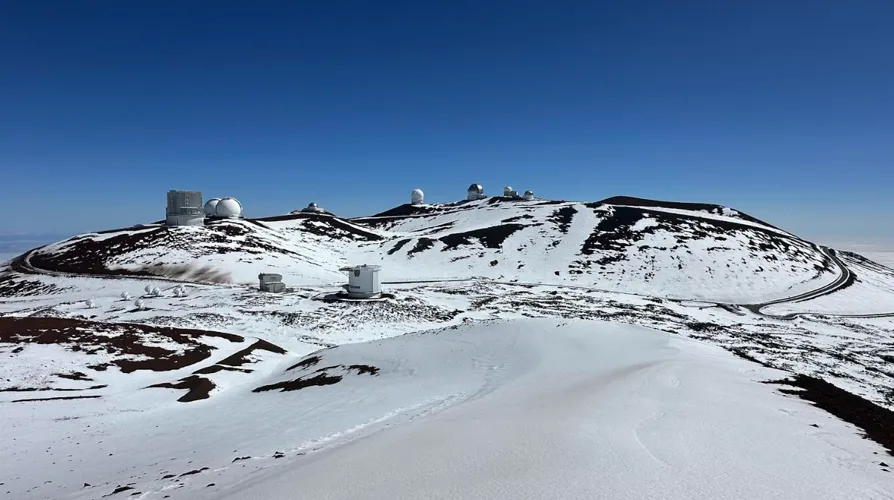
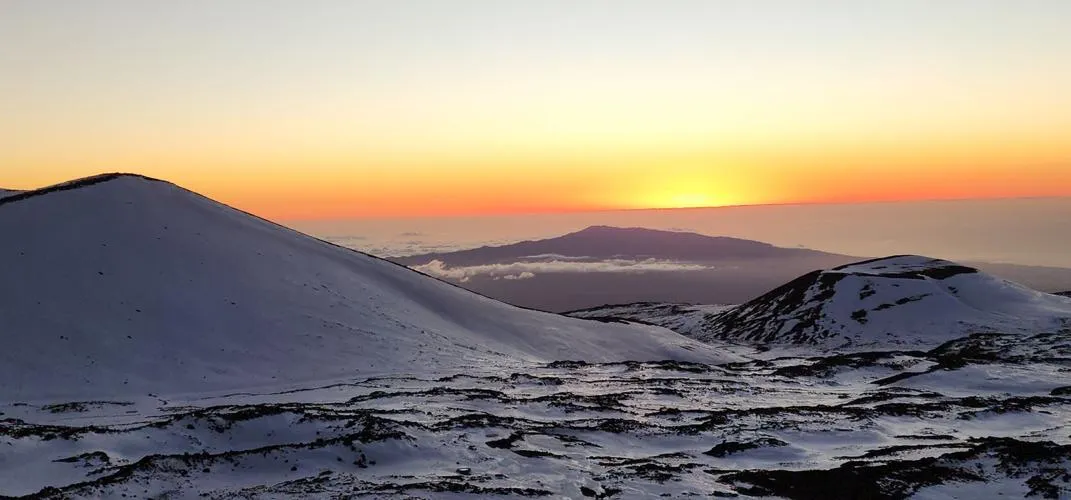
Snow on Mauna Kea is one of Hawaii’s most extraordinary natural phenomena—a fleeting yet powerful example of how elevation, climate, and culture converge atop the tallest mountain in the islands.
Does it really snow on Mauna Kea every year?
Yes. Snow on Mauna Kea occurs almost every year during the winter months, although the amount and duration vary depending on weather patterns.
What months can you see snow on Mauna Kea?
Snow is most common from December through March, but it has been recorded as early as October and as late as May in colder years.
Is Mauna Kea the only place in Hawaii that gets snow?
Mauna Kea receives the most snow, but nearby Mauna Loa can also experience snowfall at high elevations during strong winter storms.
Can visitors drive to see snow on Mauna Kea?
Sometimes. Summit access may be closed during snow or icy conditions. Visitors should always check road conditions and heed safety warnings before attempting the drive.
How cold does it get when there is snow on Mauna Kea?
Temperatures at the summit can drop well below freezing, especially at night, creating icy and potentially dangerous conditions.
Why is snow on Mauna Kea so surprising?
Because Hawaii is associated with tropical climates, many people are unaware that its tallest mountains rise high enough to support snow and winter weather.
If you would like to read and learn more about interesting things in Hawaii! Check out our blog page here on our website!
or
Few natural landmarks capture the imagination quite like kilauea. Located on Hawaiʻi Island, this iconic volcano is one of the most active volcanoes on Earth and has played a defining role in shaping the Hawaiian Islands—both physically and culturally. For centuries, kilauea has fascinated scientists, travelers, and Native Hawaiians alike, offering a rare opportunity to witness the raw power of our planet in action.
This article explores the science behind kilauea, the nature of its lava, its cultural significance, and why it continues to be one of the most closely watched volcanoes in the world.
Kilauea is classified as a shield volcano, meaning it is built from repeated lava flows that spread outward in broad, gentle slopes. Unlike explosive stratovolcanoes, kilauea is known for its frequent, relatively fluid lava eruptions. These eruptions have occurred almost continuously over the past several decades, making kilauea one of the most active volcanoes on the planet.
Situated within Hawaiʻi Volcanoes National Park, kilauea offers scientists unparalleled access to an active volcanic system. Its summit caldera, lava lakes, rift zones, and underground magma plumbing provide valuable insight into how volcanoes behave globally.
The lava produced by kilauea is primarily basaltic, meaning it has a low silica content. This makes it less viscous than other lava types, allowing it to flow smoothly and travel long distances. Kilauea lava often appears in two main forms:
These lava flows have repeatedly reshaped Hawaiʻi Island, creating new land as they enter the ocean and altering entire landscapes over time. While visually stunning, kilauea lava is also incredibly destructive, capable of overtaking forests, roads, and communities when eruptions intensify.
For Native Hawaiians, kilauea is far more than a geological feature. It is considered the sacred home of Pele, the goddess of fire, lightning, and volcanoes. Eruptions are traditionally viewed not as disasters, but as expressions of Pele’s presence and power.
This deep cultural connection means that kilauea is respected as a living entity. Many residents and visitors approach the volcano with reverence, acknowledging that its lava flows represent both destruction and creation—an essential balance in Hawaiian cosmology.
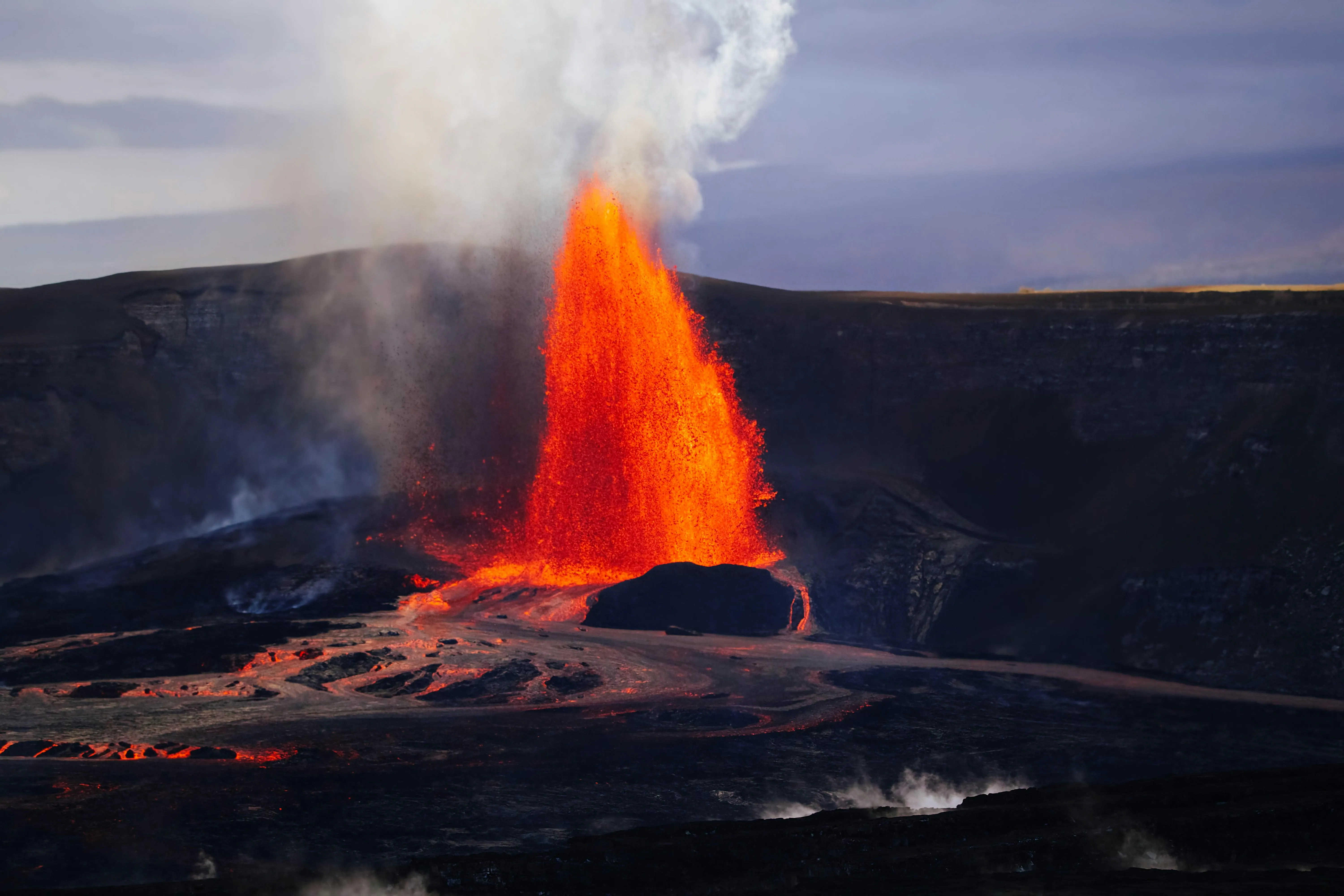
Kilauea’s eruptive behavior has remained dynamic in recent years, with summit lava lake activity and episodic eruptions drawing global attention. Scientists from U.S. Geological Survey continuously monitor kilauea using seismic instruments, gas sensors, satellite imagery, and webcams.
This monitoring allows for early warnings and helps protect nearby communities. Despite its frequent activity, kilauea is considered one of the safest volcanoes to study due to its predictable lava behavior and extensive monitoring infrastructure.
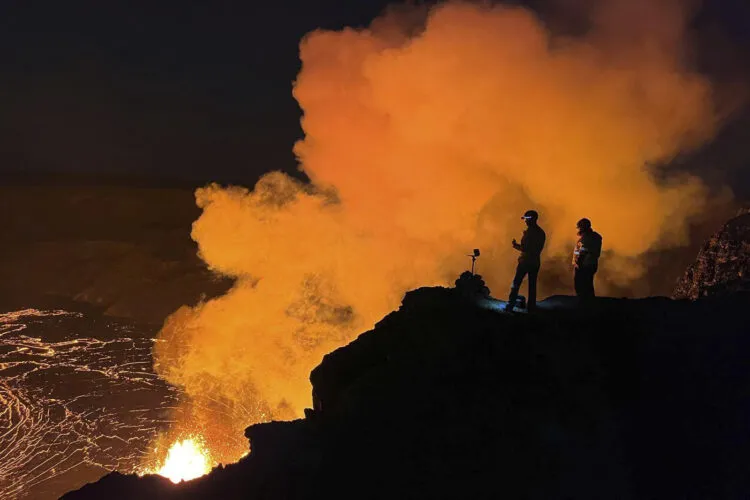
Visitors can experience kilauea up close through designated overlooks, trails, and viewing areas within Hawaiʻi Volcanoes National Park. When lava is visible, the glow from the summit crater can often be seen at night, offering a breathtaking and humbling experience.
Safety is paramount. Lava flows, volcanic gases, and unstable ground can be dangerous. Visitors should always follow park guidelines, respect closures, and stay informed about current conditions before exploring the area.
Kilauea is more than a local attraction—it plays a critical role in advancing volcanic science worldwide. Research conducted here helps scientists better understand eruption forecasting, lava flow behavior, and volcanic gas emissions. The knowledge gained from kilauea has applications for volcanic regions across the globe.
Kilauea remains one of Earth’s most powerful reminders of nature’s ability to create, destroy, and renew. Its lava flows tell an ongoing story—one that continues to shape Hawaiʻi and deepen our understanding of the planet we call home.
Is kilauea currently erupting?
Kilauea frequently experiences periods of activity and dormancy. Checking official monitoring updates is the best way to get real-time information.
Why is kilauea considered one of the most active volcanoes?
Kilauea’s constant magma supply and location above a volcanic hotspot allow it to erupt more frequently than most volcanoes worldwide.
Can you see lava at kilauea?
During active phases, lava may be visible from designated viewpoints. Visibility depends on current eruption conditions and safety restrictions.
Is kilauea dangerous to visit?
When visited responsibly and following official guidance, kilauea can be explored safely. Hazards exist, so awareness is essential.
How does kilauea lava create new land?
When lava flows reach the ocean, they cool and harden, gradually forming new coastline and expanding the island.
If you would like to read and learn more about interesting things in Hawaii! Check out our blog page here on our website!
or
Hawaiʻi is home to some of the most unique wildlife on Earth, and among its most fascinating native birds is the pueo, also known as the Hawaiian short-eared owl. Revered in Hawaiian culture and admired for its adaptability, the pueo stands apart from other owls worldwide. While short-eared owls are found across many continents, the pueo is a distinct, endemic subspecies found only in Hawaiʻi, making it a powerful symbol of the islands’ natural and cultural heritage.
Understanding the pueo offers insight not only into Hawaiʻi’s ecosystems but also into the deep relationship between native wildlife and Hawaiian traditions.
The pueo (Asio flammeus sandwichensis) is Hawaiʻi’s native short-eared owl. Unlike many owl species that are strictly nocturnal, the pueo is often active during the day, especially at dawn and dusk. This behavior makes it one of the most commonly spotted native owls in the islands, particularly in open landscapes such as grasslands, agricultural fields, and coastal plains.
Physically, the pueo has mottled brown and tan feathers that provide excellent camouflage. Its bright yellow eyes and low, buoyant flight pattern make it unmistakable once you know what to look for. Compared to mainland short-eared owls, the pueo tends to be slightly smaller and shows adaptations specific to Hawaiʻi’s environment.
Although short-eared owls exist in many parts of the world, the pueo is genetically and geographically distinct. Scientists believe the ancestors of today’s pueo arrived in Hawaiʻi thousands of years ago, likely carried by strong winds from North America or Asia. Over time, isolation and natural selection led to the development of a unique subspecies found nowhere else on Earth.
This isolation is what defines the pueo as endemic. It evolved in Hawaiʻi’s ecosystems, adapted to its prey, landscapes, and climate, and became an integral part of the islands’ natural balance. Like many Hawaiian species, the pueo has no natural mammalian predators, which historically allowed it to thrive in open habitats.
Beyond biology, the pueo holds deep meaning in Hawaiian culture. In traditional Hawaiian belief systems, the pueo is often regarded as an ‘aumākua, or ancestral guardian spirit. Families who consider the pueo their ‘aumākua believe it offers protection and guidance, sometimes appearing in moments of danger or uncertainty.
Stories passed down through generations describe the pueo warning travelers of impending harm or watching over children. Because of this cultural reverence, harming a pueo was traditionally forbidden. Even today, many locals treat sightings of a pueo with respect and reflection rather than mere curiosity.
Organizations such as Office of Hawaiian Affairs have helped preserve and share knowledge about the cultural importance of native species like the pueo.
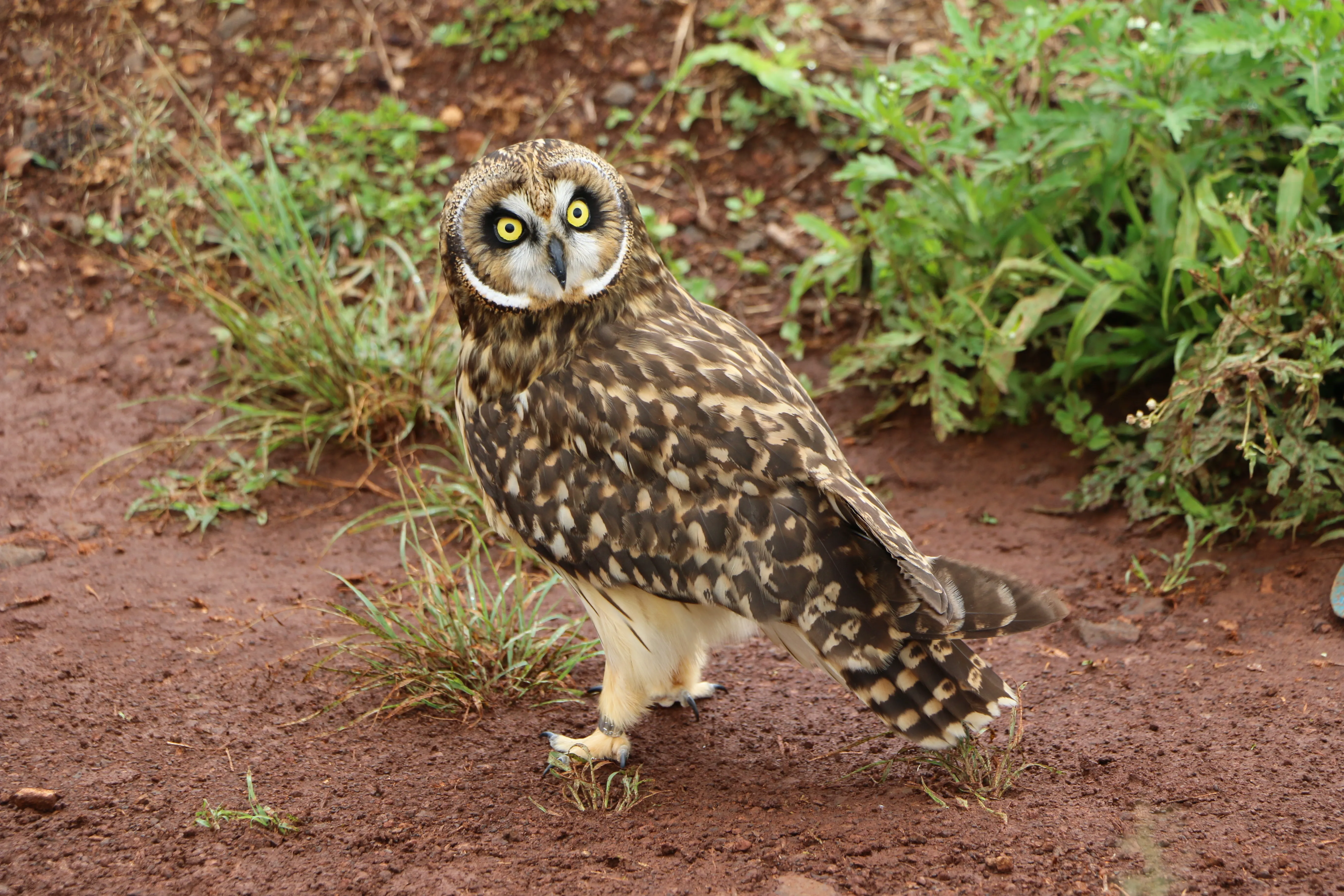
The pueo prefers open areas with low vegetation where it can hunt efficiently. Common habitats include:
Unlike tree-nesting owls, the pueo nests on the ground, creating shallow scrapes hidden by grasses. This behavior makes eggs and chicks particularly vulnerable to predators such as cats, dogs, and mongooses—species introduced to Hawaiʻi by humans.
The pueo primarily feeds on rodents and insects, playing an important role in controlling pest populations. Its hunting style involves flying low over the ground and using keen hearing and eyesight to detect movement.
Although the pueo is still seen across several Hawaiian islands, its population faces ongoing threats. Habitat loss due to development, vehicle collisions, introduced predators, and pesticide use all pose serious risks.
Ground nesting makes the pueo especially susceptible to human activity. Roads built through open fields increase the likelihood of vehicle strikes, while urban expansion reduces suitable hunting and nesting areas. Conservation groups and state agencies continue to monitor populations and promote awareness to protect remaining habitats.
The pueo’s story mirrors that of many native Hawaiian species—resilient, yet vulnerable without careful stewardship.
The pueo is more than a bird; it is a living connection between Hawaiʻi’s past and present. Ecologically, it helps maintain balance by controlling small animal populations. Culturally, it represents protection, ancestry, and respect for the natural world. Environmentally, its survival reflects the health of Hawaiʻi’s remaining open landscapes.
Protecting the pueo means protecting Hawaiʻi itself.
What is a pueo?
The pueo is the Hawaiian short-eared owl, an endemic subspecies found only in Hawaiʻi.
Is the pueo native to Hawaiʻi?
Yes. While short-eared owls exist elsewhere, the pueo evolved in Hawaiʻi and is considered endemic.
Is the pueo endangered?
The pueo is not currently listed as endangered, but it faces significant threats and is considered a species of concern.
Where can you see a pueo in Hawaiʻi?
Pueo are commonly seen in open areas such as grasslands, pastures, and agricultural fields on islands like Maui, Hawaiʻi Island, and Oʻahu.
Why is the pueo important in Hawaiian culture?
The pueo is often regarded as an ‘aumākua, or family guardian spirit, symbolizing protection and guidance.
Are pueo active during the day?
Yes. Unlike many owls, the pueo is frequently active during daylight hours, especially at sunrise and sunset.
If you would like to read and learn more about interesting things in Hawaii! Check out our blog page here on our website!
or
The Hawaiian hawk—known in Hawaiian as the ʻIo—is one of Hawaiʻi’s most iconic birds of prey and a powerful symbol of royalty, protection, and spiritual guidance. Found only in Hawaiʻi, primarily on the Big Island, this remarkable raptor is an irreplaceable part of the islands’ natural heritage. Its story blends ecology, culture, resilience, and the ongoing need for conservation.
Though once widespread across multiple islands, today the Hawaiian hawk persists mainly on Hawaiʻi Island. Its limited range and cultural significance make it one of the most unique birds in the world—and a living reminder of the deep connection between Native Hawaiian traditions and the islands’ native wildlife.
In this blog, we explore the origins, behaviors, cultural role, and importance of preserving this extraordinary endemic species.
The Hawaiian hawk (Buteo solitarius) is endemic to Hawaiʻi, meaning it evolved here and exists naturally nowhere else on the planet. Scientists believe the ancestors of the Hawaiian hawk arrived thousands of years ago and gradually adapted to the islands’ forests, climate, and prey.
These adaptations led to the development of traits that distinguish the Hawaiian hawk from continental hawks, including:
This ecological specialization is part of what makes Hawaiian wildlife so impressive—and so vulnerable. When a species evolves in isolation, it often becomes deeply dependent on the landscapes and ecosystems of its home. For the Hawaiian hawk, that home is primarily the forests of Hawaiʻi Island.
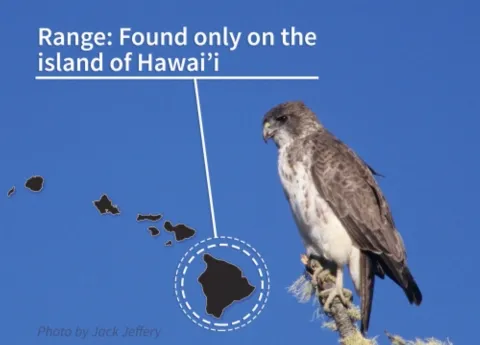
The Hawaiian hawk may not be large compared to mainland raptors, but it carries a powerful presence. Adults typically measure around 18 to 20 inches long with a wingspan of approximately 40 inches. The species displays two distinct color phases:
One of the most distinctive behaviors of the Hawaiian hawk is its piercing, high-pitched call, often described as sounding like “eee-oh,” which likely inspired the name ʻIo.
Unlike many specialized hawks, the Hawaiian hawk is an opportunistic predator. Over centuries, it adapted to hunt native birds, insects, and larger invertebrates. After the introduction of non-native animals like rats and mongoose, the hawk expanded its diet—an adaptability that likely helped keep the species alive despite major environmental changes.
Breeding season runs from March through September, when pairs become highly territorial. They build nests high in native trees, where a single chick is raised each year. Known for their dedicated parental care, both male and female hawks share responsibilities in feeding and protecting their young.
In Native Hawaiian culture, the ʻIo is a bird of aliʻi (royalty) and is associated with:
For many Native Hawaiians, seeing a Hawaiian hawk soaring overhead is considered a sign of blessing or guidance. The bird appears in chants, legends, and place names, further solidifying its role in Hawaiian identity.
Its cultural significance also played a role in shaping conservation efforts, as community groups and cultural practitioners have advocated strongly for protecting the species and its habitat.
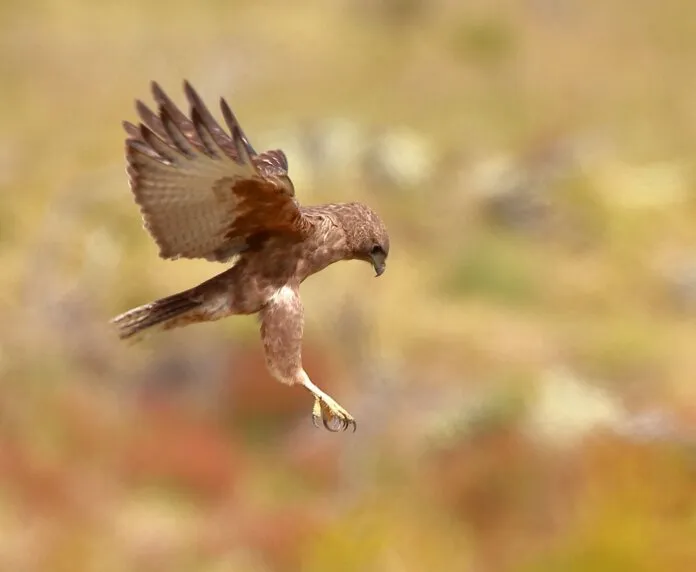
Though the Hawaiian hawk was removed from the U.S. Endangered Species List in 2020, conservationists continue to monitor it closely. Its limited range makes it particularly vulnerable to:
Ongoing conservation initiatives include reforestation, habitat protection, and long-term population monitoring. Maintaining the species’ stability is essential not only for ecological balance but also for preserving its cultural significance.
The Hawaiian hawk is more than a rare island raptor—it is a symbol of Hawaiʻi’s natural resilience and cultural richness. As one of the few remaining native birds of prey, its continued survival is vital to:
Protecting the Hawaiian hawk means protecting a piece of Hawaiʻi’s identity.
1. What is the Hawaiian hawk?
The Hawaiian hawk, or ʻIo, is an endemic bird of prey found only in Hawaiʻi, known for its distinct call, two color phases, and powerful cultural significance.
2. Why is the Hawaiian hawk endemic to Hawaiʻi?
The species evolved in complete isolation over thousands of years, adapting uniquely to Hawaiʻi’s forests, climate, and prey, resulting in a raptor found nowhere else in the world.
3. Where can you see the Hawaiian hawk?
The Hawaiian hawk is seen almost exclusively on Hawaiʻi Island, especially in forested areas, open fields, and high-elevation regions.
4. Is the Hawaiian hawk endangered?
The species was delisted in 2020, but because it lives on only one island, it remains vulnerable and is continually monitored by conservation organizations.
5. What does the Hawaiian hawk symbolize in Hawaiian culture?
It represents royalty, protection, spiritual guidance, and the god Kū, making it one of the most culturally significant birds in Hawaiʻi.
6. What do Hawaiian hawks eat?
They are opportunistic hunters, feeding on birds, insects, rodents, and occasionally carrion.
7. Why is protecting the Hawaiian hawk important?
The species plays a crucial ecological role, represents native Hawaiian heritage, and embodies the unique biodiversity of the islands.
If you would like to read and learn more about interesting things in Hawaii! Check out our blog page here on our website!
or
The Hawaiian monk seal is one of the rarest marine mammals on Earth—and one of Hawai‘i’s most treasured natural wonders. As one of the only seal species found in tropical waters, the Hawaiian monk seal holds a unique place in the islands’ ecological and cultural heritage. Today, this endangered species is a symbol of both resilience and the importance of protecting Hawai‘i’s native wildlife.
With fewer than 1,600 individuals remaining, the Hawaiian monk seal is an extraordinary example of how a species can evolve, survive, and adapt in the isolated environment of the Hawaiian archipelago. Its story is deeply intertwined with the islands themselves, and understanding this remarkable creature offers a glimpse into Hawai‘i’s fragile and irreplaceable natural world.
When a species is endemic, it means it exists naturally in only one geographic location—and for the Hawaiian monk seal, that location is the Hawaiian Islands. Scientists believe monk seals have lived in Hawai‘i for millions of years, evolving in isolation much like the islands’ famed honeycreeper birds and silversword plants.
Unlike other seal species that inhabit colder climates, the Hawaiian monk seal adapted to survive in warm, tropical waters. These adaptations include:
Their evolutionary journey is a testament to the power of isolation and the ecological uniqueness of Hawai‘i.
While the largest populations live in the remote Northwestern Hawaiian Islands, monk seals are increasingly seen around the main Hawaiian Islands—including O‘ahu, Maui, Kaua‘i, and the Big Island.
On Maui, monk seals are occasionally spotted resting on beaches or foraging near reefs. Some favored areas include:
Visitors may see them hauled out on the sand, often sleeping for hours as they digest food or restore energy. Because these animals are easily stressed, protective zones are often placed around resting seals to keep them safe.
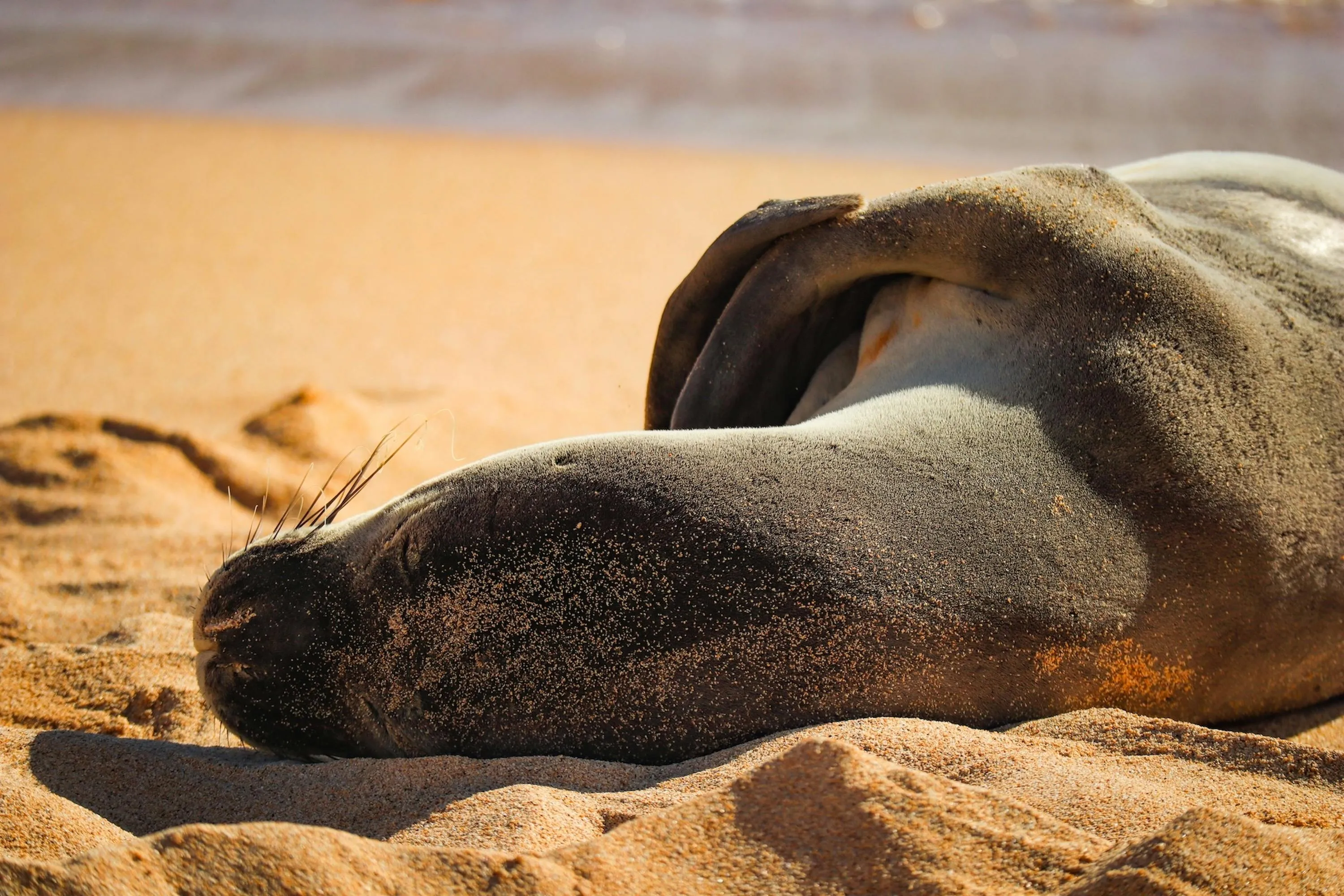
The Hawaiian monk seal is critically endangered due to several threats:
1. Human Disturbance
Approaching a monk seal too closely can cause stress, interrupt sleep, or separate mothers from pups. Local volunteers and conservation groups work daily to ensure seals have safe resting space.
2. Entanglement and Marine Debris
Fishing lines, nets, and plastic can injure or drown seals, especially juveniles.
3. Habitat Loss and Climate Change
Rising sea levels and more frequent storms erode Hawaiian beaches—important resting and pupping areas.
4. Predation
Galapagos sharks often target monk seal pups, especially in the Northwestern Hawaiian Islands.
Despite these challenges, ongoing conservation programs are making an impact. NOAA’s Hawaiian Monk Seal Research Program, along with local organizations, actively monitors populations, removes debris, rescues injured seals, and educates the public. In recent years, the population has shown signs of gradual recovery thanks to these efforts.
In Hawaiian culture, all life is connected through genealogy and stewardship. Native Hawaiian traditions view monk seals—known as ʻīlio-holo-i-ka-uaua, meaning “dog that runs in rough water”—as part of the islands’ natural family. Ancient Hawaiians respected the seal as a fellow inhabitant of the ocean world, and today many cultural practitioners advocate for its protection as a living symbol of Hawai‘i’s natural heritage.
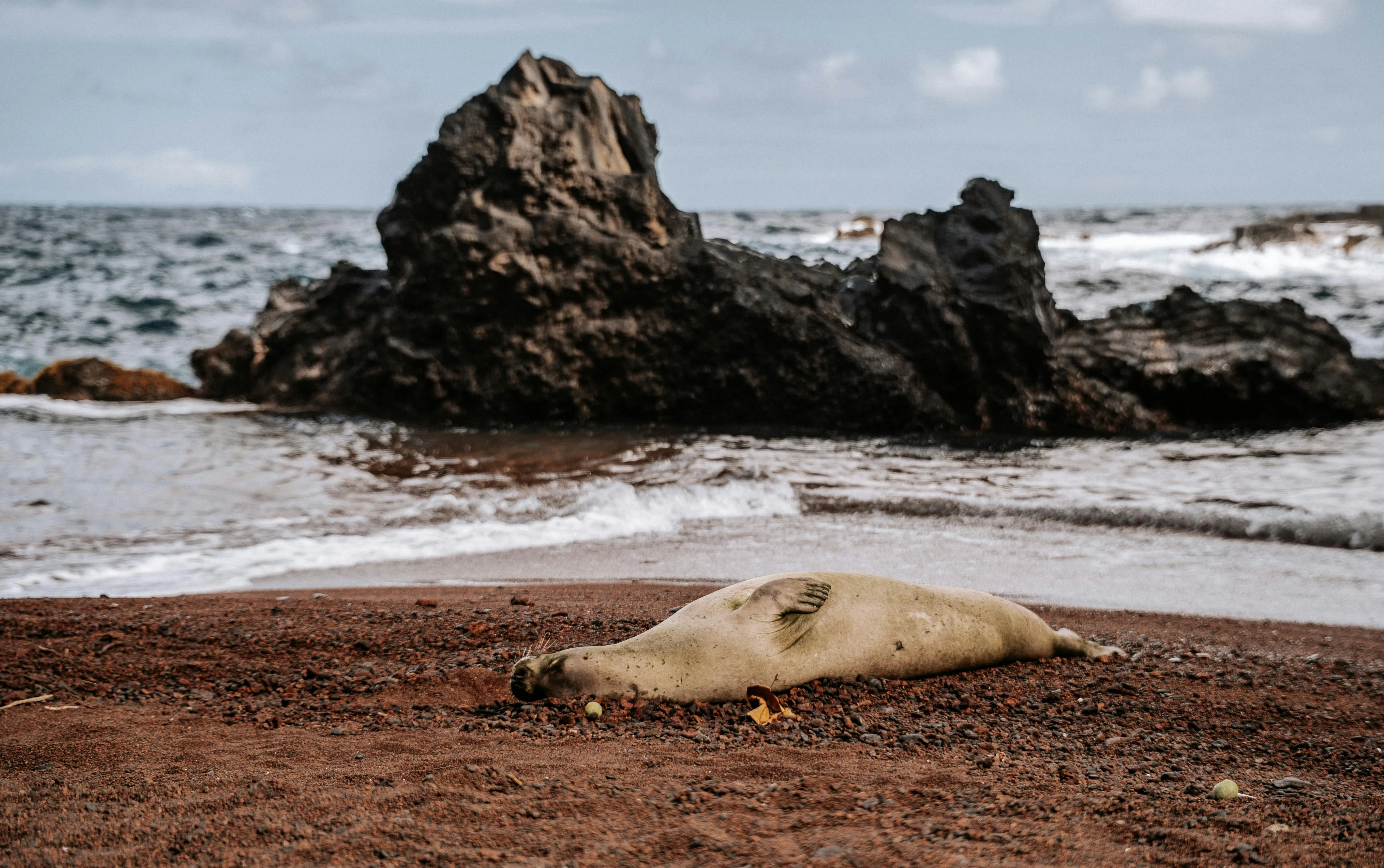
Every traveler to Hawai‘i can play a role in protecting this rare species. Here’s how:
A respectful distance ensures seals can rest, breed, and survive without unnecessary stress.
1. Why is the Hawaiian monk seal considered endemic?
Because it evolved and lives naturally only in the Hawaiian Islands. No other place on Earth is home to this species, making it one of Hawai‘i’s rarest native animals.
2. How many Hawaiian monk seals are left?
There are roughly 1,500–1,600 individuals remaining. Thanks to conservation programs, the population has begun to stabilize.
3. Where is the best place to see a Hawaiian monk seal?
Seals are most common in the Northwestern Hawaiian Islands, but visitors to Maui, O‘ahu, and Kaua‘i frequently spot them resting on beaches or swimming nearshore.
4. Are Hawaiian monk seals dangerous?
They are generally calm and avoid humans, but they are powerful wild animals. Keeping a safe distance protects both you and the seal.
5. Why do monk seals come onto the beach?
They haul out to rest, digest food, warm up, and sometimes give birth. This behavior is normal and essential to their survival.
6. How can tourists help protect the Hawaiian monk seal?
Keep distance, respect marked zones, avoid feeding wildlife, keep beaches clean, and report sightings to conservation groups.
If you would like to read and learn more about interesting things in Hawaii! Check out our blog page here on our website!
or
When visitors first arrive in Hawaiʻi, they expect to see tropical birds, sea turtles, and vibrant marine life—but many are surprised when they spot a quick, slender creature darting across the road. That animal is the mongoose, one of the most misunderstood and impactful invasive species in Hawaiʻi. Although they may look harmless at first glance, the story of the mongoose reveals a complex ecological history deeply tied to the islands’ delicate native wildlife.
Understanding the mongoose—why it was introduced, how it behaves, and what role it plays today—is essential for anyone who wants to learn more about Hawaiʻi’s environment and the challenges conservationists face.
The mongoose (specifically the small Indian mongoose, Herpestes auropunctatus) was introduced to Hawaiʻi in the late 1800s. At the time, sugarcane plantations dominated the islands’ economy. Planters struggled with rats destroying crops, so they sought a biological solution: import mongooses, which were known to prey on rodents in other parts of the world.
In 1883, mongooses were shipped from Jamaica to Hawaiʻi and released on several islands to help control rat populations. However, this plan had one fatal flaw—rats are primarily nocturnal, while mongooses are diurnal. The two species were rarely active at the same time, so the mongoose did very little to reduce rat numbers.
Instead, they turned their attention to something else: native birds, eggs, small mammals, and reptiles.
Once in the wild, mongooses reproduced quickly and spread across the islands. Today they are found on:
They are not found on Kauaʻi, where strict prevention efforts continue because of the island’s rich bird populations.
Mongooses pose a significant threat to native Hawaiian wildlife because:
They Eat Ground-Nesting Birds
Many of Hawaiʻi’s most vulnerable species, including the Hawaiian goose (Nēnē), ʻuaʻu (Hawaiian petrel), and seabirds, lay eggs on or near the ground. Mongooses raid nests and drastically reduce breeding success.
They Prey on Endangered Species
Small mammals, reptiles, amphibians, and bird chicks are all within their diet.
They Carry Diseases
Mongooses can transmit rabies, leptospirosis, and other diseases—posing risks to pets and livestock (although Hawaiʻi is currently rabies-free).
They Outcompete Native Wildlife
As an invasive predator with no natural enemies in Hawaiʻi, mongooses destabilize local ecosystems.
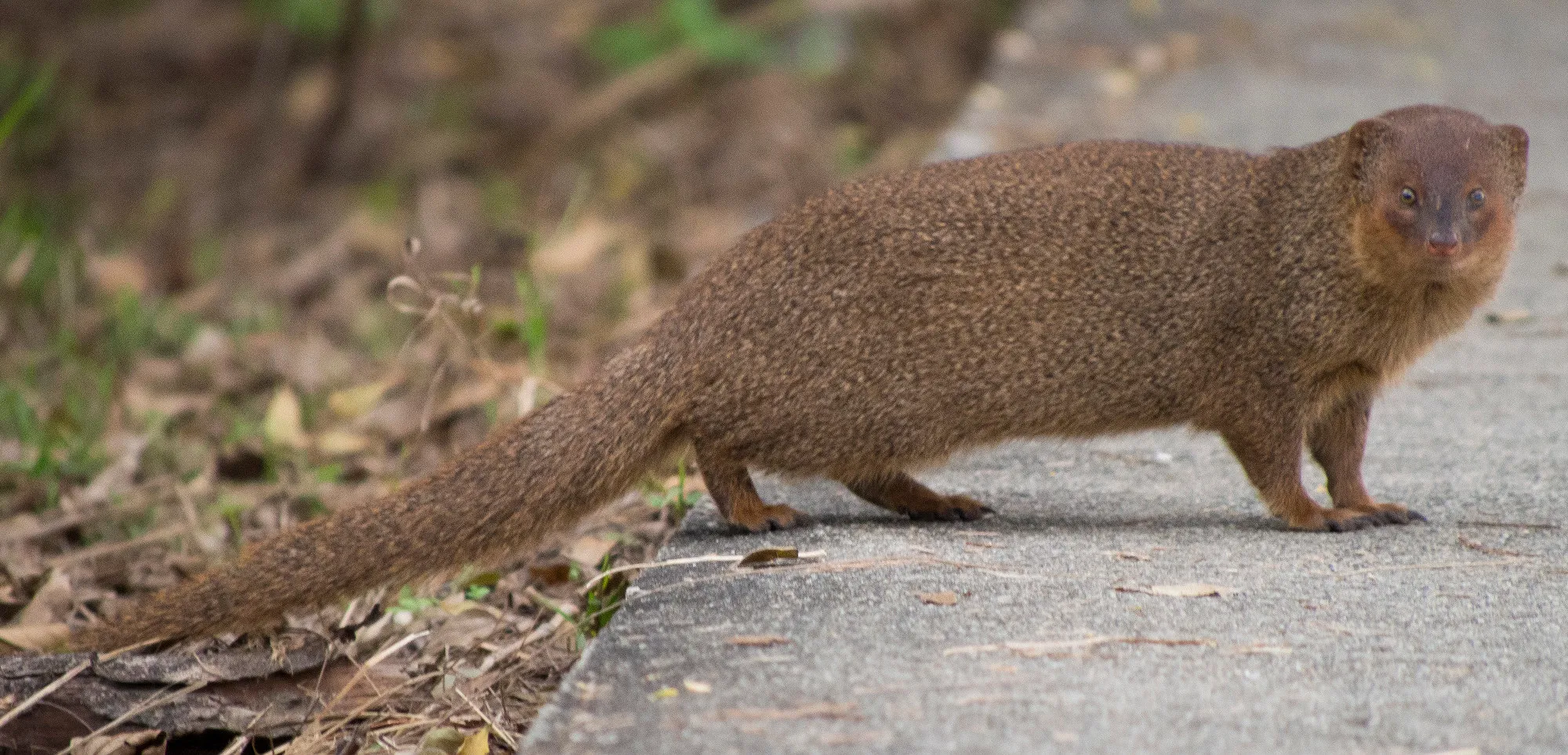
Despite their negative ecological impact, mongooses are fascinating creatures. Here’s a closer look at their behavior and lifestyle:
They Are Extremely Adaptable
Mongooses thrive in forests, fields, urban areas, and even beach parks. Their ability to live almost anywhere has helped them spread quickly.
They Are Opportunistic Predators
Their diet includes:
They Reproduce Quickly
Female mongooses can have two to three litters per year, with up to four pups each time. This rapid reproduction makes population control challenging.
They Are Highly Social
Mongooses often live in family groups, which cooperate to defend territory and raise young.
Because mongooses threaten endangered species, various conservation agencies work to reduce their numbers, especially in sensitive wildlife areas.
Trapping Programs
Live traps are placed in bird nesting zones and coastal regions to protect seabirds.
Predator Fencing
Tall, underground-lined fences block mongooses from entering protected areas where native species nest.
Public Education
Local communities and visitors are encouraged to avoid feeding wildlife, secure trash, and report mongoose sightings in protected zones.
Kauaʻi Prevention Efforts
Kauaʻi remains mongoose-free due to strict monitoring and rapid response programs. Even a single confirmed sighting triggers an immediate investigation.
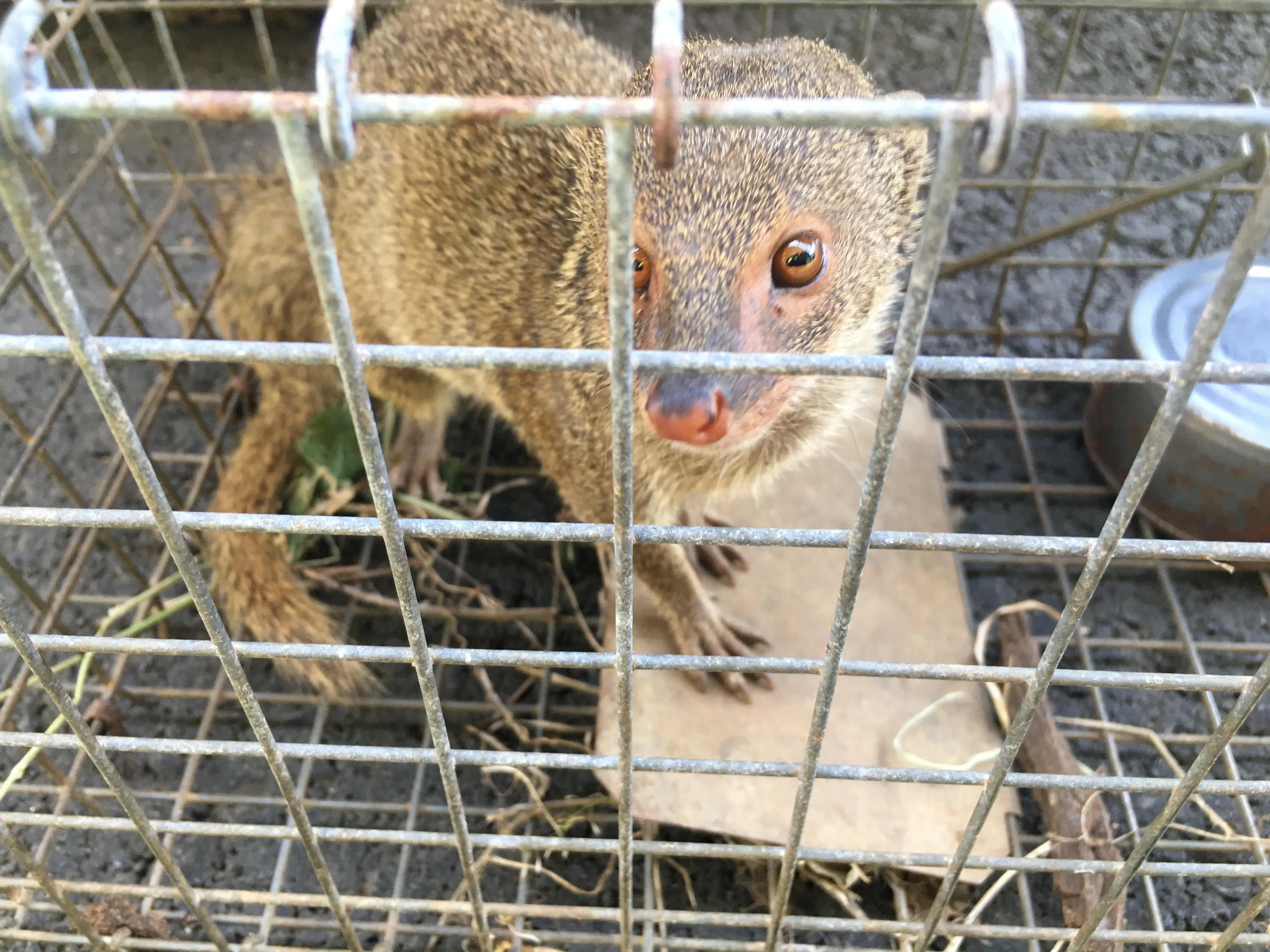
For most visitors, mongooses pose no direct threat. They rarely interact with humans and generally avoid contact. However, it’s important not to feed or approach them, as doing so encourages unnatural behavior and can harm native wildlife.
If you spot a mongoose during your travels in Hawaiʻi, see it as a reminder of the islands’ unique ecosystem—and the ongoing effort to protect native species.
Mongooses were introduced in the late 1800s to control rats on sugarcane plantations. Unfortunately, the plan failed, and they became a major invasive species.
Mongooses are not typically aggressive toward people. They may carry diseases, so it’s best not to touch or feed them.
They eat bird eggs, insects, small animals, fruits, and sometimes human food scraps—making them a threat to native wildlife.
You can find mongooses on Oʻahu, Maui, Molokaʻi, Lānaʻi, and the Big Island. Kauaʻi has successfully kept them out.
Mongooses raid nests, eat eggs, and prey on chicks—putting already endangered species at even greater risk.
Complete removal is unlikely due to how widespread they are, but targeted population control and predator fencing help protect sensitive areas.
If you would like to read and learn more about interesting things in Hawaii! Check out our blog page here on our website!
or
Every winter, thousands of humpback whales make their epic journey from Alaska to the warm, protected waters of Hawaiʻi. Of all the islands, Maui consistently offers the most reliable and exciting whale-watching experience anywhere in the state. Calm channels, shallow waters, and ideal viewing conditions make it the best place in Hawaiʻi to see breaching whales, mothers with calves, and large competing groups of males. If you're planning a visit and want to experience these incredible animals up close, this FAQ guide covers everything travelers frequently ask about Hawaii whale watching.
1. When is the best time of year to see humpback whales in Hawaiʻi?
The official whale season in Hawaiʻi begins in November and continues through April, with the greatest concentration of whales occurring between January and March. During these peak months, whales are highly active as they mate, give birth, and nurse their calves. Visitors during this period can expect daily sightings from both land and sea, with countless opportunities to witness breaching, tail slapping, and other spectacular behaviors.
2. Which Hawaiian island is the best for whale watching?
Although whales are present throughout the archipelago, Maui stands out as the premier destination. The island’s west and south shores border the sheltered Auʻau Channel, an area known for calm seas and optimal breeding conditions. This natural environment draws a significant portion of the entire North Pacific humpback population, giving Maui unmatched visibility and encounter rates.
3. What month has the most whale activity in Maui?
While the season is productive overall, whale activity on Maui typically peaks in February, when the waters are filled with mothers nursing calves, competitive male groups, and frequent surface behavior. Late January through early March consistently provides the most dramatic displays, making this the best window for travelers seeking high-energy encounters.
4. Can you see humpback whales from the shore in Hawaiʻi?
Yes, especially on Maui. The island’s coastline offers numerous vantage points where whales often swim surprisingly close to shore. Locations such as Kāʻanapali, Kihei, Wailea, and various pull-offs along Honoapiʻilani Highway provide excellent visual access. On calm days, you may spot multiple pods within minutes just by scanning the horizon.
5. What are the best whale-watching tours in Maui?
Tours on Maui range from large catamarans to small, fast rafts, each providing a unique experience. Catamarans offer comfort, stability, and ample viewing areas, making them popular with families. Rafts provide a closer-to-the-water vantage point and a more adventurous feel. Sailing vessels provide a peaceful, quiet environment perfect for hearing whale blows and observing surface activity. Choosing the best tour depends on your comfort level, group size, and preference for adventure or relaxation.
6. What time of day is best for whale watching in Hawaiʻi?
Generally, morning conditions are calmer and clearer, offering smooth seas and excellent visibility. However, whales are active around the clock, so midday and afternoon tours can also be rewarding. Weather and ocean conditions have more impact on the viewing experience than the whales’ behavior, which remains consistent throughout the day.
7. Where are the best spots to see whales from land on Maui?
Maui offers exceptional shoreline viewing areas such as Papawai Point, the Kapalua Coastal Trail, the Wailea Beach Path, and the scenic overlooks along the Lahaina-to-Olowalu coastline. These spots are elevated or strategically positioned, giving you a broad view of the ocean where whales frequently travel and rest.
8. Are humpback whales dangerous to be near?
Humpback whales are not aggressive, but their massive size means they must be approached cautiously. Federal regulations protect both whales and humans by requiring boats, swimmers, and drones to maintain safe distances. Following these guidelines ensures peaceful and safe wildlife encounters without disturbing the animals’ natural behavior.
9. How close can boats legally get to humpback whales in Hawaiʻi?
U.S. federal law requires that all vessels remain at least 100 yards away from humpback whales and 300 yards from mothers with young calves. These distances are strictly enforced to protect vulnerable animals. If a whale voluntarily approaches a vessel, known as a “mugging,” the boat must keep engines neutral until the whale moves on.
10. Why do humpback whales come to Hawaiʻi every winter?
Humpback whales migrate more than 3,000 miles from Alaska to Hawaiʻi each year to breed, give birth, and raise their calves. Hawaiʻi’s warm, clear waters provide a safe environment free from major predators such as orcas. Interestingly, the whales do not feed in Hawaiʻi; all feeding occurs in Alaska. Their time here is spent resting, nurturing calves, and preparing for the journey back north.
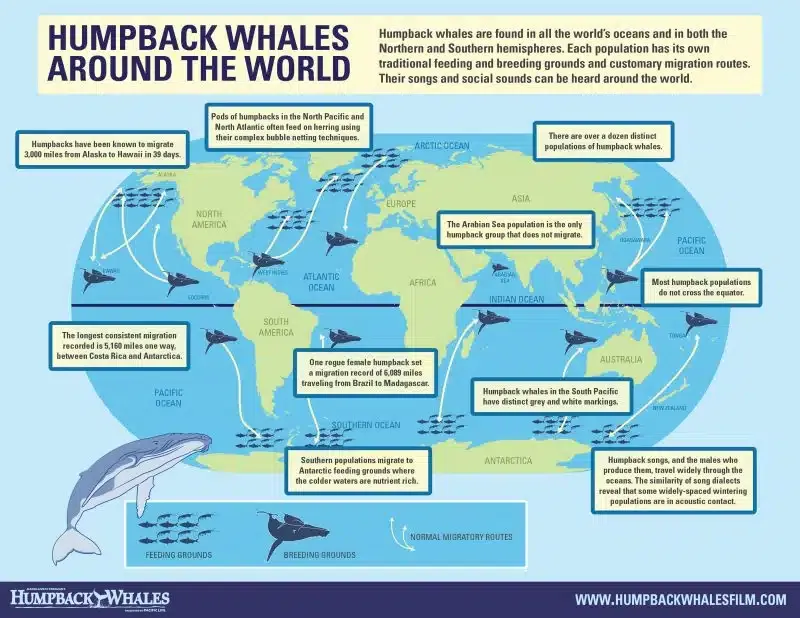
11. Can you hear humpback whales singing while snorkeling?
Yes, it is possible to hear whale songs underwater even if the whales are far away. Their vocalizations travel long distances, especially in calm conditions. Hearing whale songs does not require you to be near them, and swimmers should never attempt to approach whales intentionally, as it is both unsafe and illegal.
12. Is whale watching better in Maui, Big Island, or Kauaʻi?
All islands offer opportunities, but Maui consistently delivers the highest number of sightings due to its protected channels and shallow waters. Big Island has deep drop-offs close to shore that provide unique whale-watching perspectives, while Kauaʻi offers scenic tours along dramatic cliffs. Oʻahu has reliable viewing along the southeastern coastline near Makapuʻu. However, Maui remains unmatched for density and frequency of interactions.
13. Do whales come close to Lahaina or South Maui beaches?
Yes, whales often travel very close to shore in Lahaina, Kihei, Wailea, and Mākena. Mothers with calves frequently rest and nurse in these sheltered waters. It’s not uncommon to see breaches just a few hundred yards offshore during peak season.
14. What is the best month to visit Hawaiʻi for whale watching?
For the strongest combination of weather and whale activity, plan your visit between late January and early March. This period consistently provides high sighting rates, calm conditions, and the most dramatic surface behaviors.
15. Are there whale-watching tours for families with kids?
Yes. Many Maui operators offer family-friendly tours with shaded seating, safe boarding, bathrooms, and naturalist guides who explain whale behavior in engaging, kid-friendly ways. Morning tours tend to be the smoothest and most comfortable for young children.
16. Can you see whales while on the ferry between Maui and Lānaʻi?
In winter, sightings from the ferry are extremely common. The route passes directly through whale territory, giving passengers a strong chance of seeing spouts, breaches, and tail slaps even without booking a dedicated tour.
17. How long does the whale season last in Hawaiʻi?
The first whales often arrive as early as late October. Numbers steadily rise through December, peak in January–March, and taper off by early May. Tours typically operate from November through April to match the bulk of whale activity.
18. What is “whale soup,” and why is Maui known for it?
“Whale soup” is a local nickname given to days when the waters around Maui are filled with so many whales that it becomes difficult to look anywhere without seeing activity. This phenomenon occurs most often in the Auʻau Channel, where calm, warm waters attract a high density of humpbacks.
19. Can pregnant women or seniors safely go on whale-watching tours?
Yes, depending on the type of boat and sea conditions. Larger, stable catamarans are generally the best option for pregnant guests, seniors, and those with mobility concerns. It’s always best to check with the tour operator ahead of time to ensure the vessel can comfortably accommodate your needs.
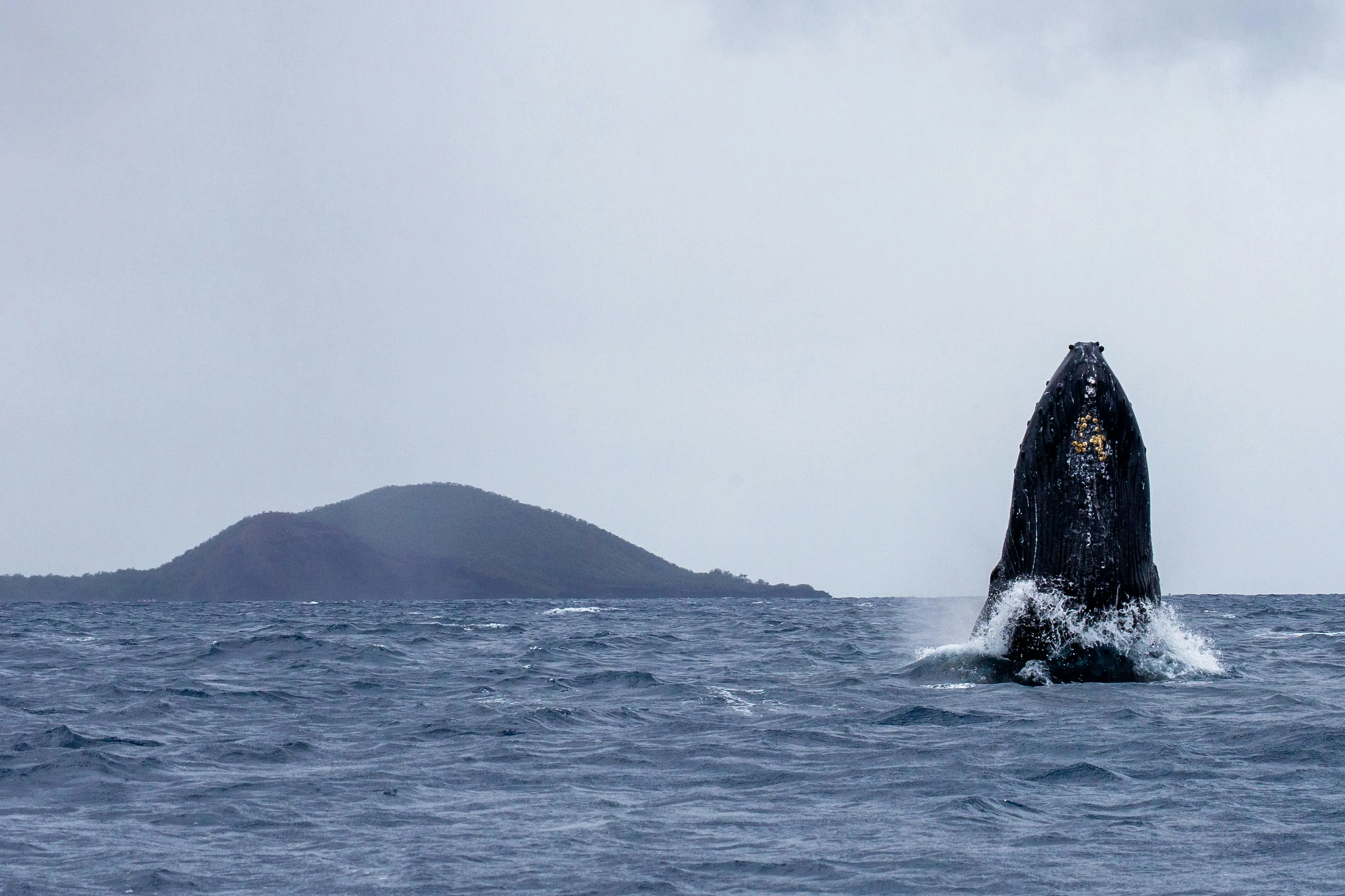
20. Do humpback whales ever breach close to shore in Hawaiʻi?
Yes. Maui often experiences near-shore breaches, particularly around Kihei, Wailea, and Lahaina. Calm winter mornings frequently bring whales surprisingly close to beachgoers, creating memorable moments even without stepping onto a boat.
21. Are drones allowed for filming whales in Hawaiʻi?
Drone operators must maintain a minimum distance of 1,000 feet from whales, according to federal regulations. Flying closer than this is prohibited and subject to significant fines. These rules protect both marine life and visitors while maintaining safe airspace.
22. Can you swim with humpback whales in Hawaiʻi?
It is illegal to attempt to swim with or approach humpback whales in the water. Swimmers and snorkelers must keep a respectful distance at all times. If whales approach unintentionally, the safest action is to remain still and let them pass naturally.
23. Why are there more whales in Maui than other islands?
Maui’s west and south shores border a uniquely sheltered body of water known as the Auʻau Channel. Its warm, shallow, and calm conditions provide exceptional protection for mothers and calves, and it is one of the most important breeding grounds for humpbacks in the entire North Pacific.
24. Can you see whales on the Road to Hāna?
Yes, especially from elevated cliff areas. While the eastern coastline is not as densely populated with whales as West and South Maui, travelers on clear days often spot spouts and breaches from scenic pull-offs along the route.
25. Is it possible to see whales from the Kāʻanapali beachwalk?
Very much so. The Kāʻanapali and Aliʻi Kahekili beachwalks offer excellent shoreline viewing, particularly during calm weather. Many visitors witness breaching whales while enjoying a casual walk along the path.
26. What weather is best for whale watching in Hawaiʻi?
Light wind and smooth seas make for the best viewing conditions. Calm oceans allow you to spot subtle movements such as blows or fin slaps from farther away. Overcast or sunny skies both work well; the primary factor is ocean surface texture rather than sky conditions.
27. How early in the season do the whales arrive?
A small number of whales may arrive in October, but sightings increase dramatically in late December. By January, the majority of migrating whales have reached the Hawaiian Islands.
28. Do humpback whales migrate with their babies?
Yes. After spending the winter months nursing and growing in Hawaiʻi, calves travel north with their mothers to Alaska. This migration helps them acclimate to colder waters and prepares them for feeding in nutrient-rich northern seas.
Here are some useful and reputable resources for whale watching, wildlife protection, and Maui travel:
Maui Travel & Visitor Info
Boat Tour Guidance
If you would like to read and learn more about interesting things in Hawaii! Check out our blog page here on our website!
or
When most people imagine Hawaiʻi’s wildlife, deer are not the first animals that come to mind. Tropical birds? Yes. Green sea turtles? Absolutely. But deer? Surprisingly, Hawaiʻi is home to one of the most unique deer populations in the Pacific—and their impact on the islands, particularly Maui, has become a major topic of conversation among residents, visitors, conservationists, and hunters alike.
In this blog, we break down how deer arrived in Hawaiʻi, how they’ve adapted to island life, why the population has skyrocketed, and what this means for the future of the islands’ ecosystems. Here’s everything you need to know.
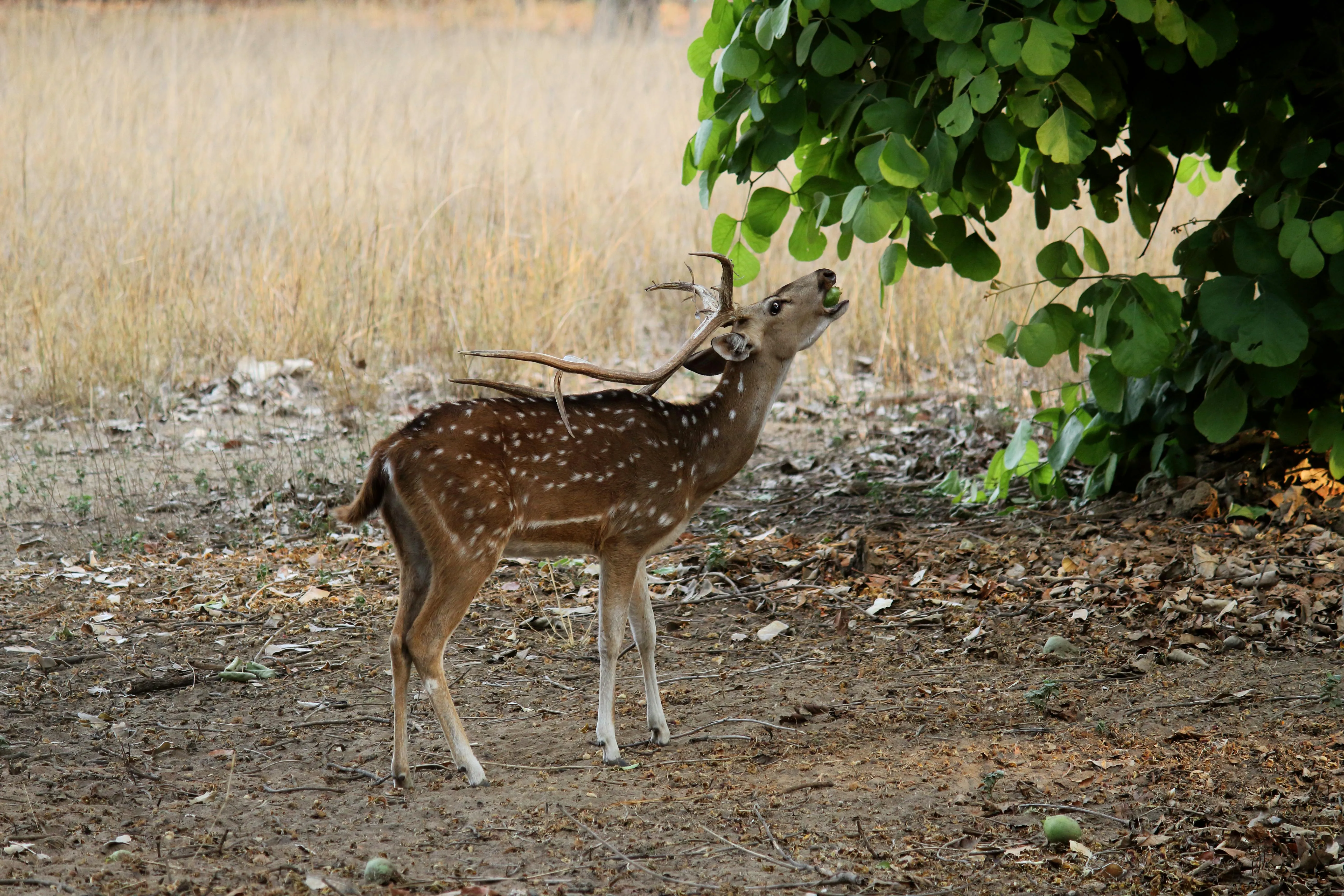
Unlike many species in Hawaiʻi, deer are not native to the islands. The herds seen today—mostly axis deer (also called chital)—were introduced in the 1860s as a gift from the King of India to King Kamehameha V. A few deer were released on Molokaʻi first, and over several decades, populations expanded to Maui, Lanaʻi, and, more recently, the Big Island through illegal transport.
Axis deer were chosen because of their beauty, gentle nature, and potential to support island hunting traditions. At the time, no one realized how quickly they could multiply—or how dramatically they would reshape local landscapes.
Axis deer are naturally suited for warm climates, making Hawaiʻi an ideal environment. They breed year-round, with females capable of giving birth every eight months. With no natural predators, stable weather, and plentiful food sources, populations have grown exponentially.
A few key factors explain their rapid expansion:
1. Ideal Weather Conditions
Hawaiʻi’s mild year-round temperatures support continuous breeding cycles and plentiful food availability.
2. No Natural Predators
On the mainland, deer populations are kept in check by predators like mountain lions and wolves. In Hawaiʻi, nothing naturally keeps their numbers down.
3. Diverse Food Sources
From native shrubs to agricultural crops and residential landscaping, deer have adapted to grazing on a wide variety of vegetation.
Today, Maui alone is estimated to have over 60,000 axis deer, a number that continues to rise.
Deer may be beautiful to see from a distance, but their presence poses major challenges for Hawaiʻi’s fragile ecosystems.
Damage to Native Vegetation
Axis deer eat aggressively, stripping landscapes of native plants and preventing regrowth. This can lead to soil erosion and habitat loss for native species.
Agricultural Losses
Many local farms struggle with deer eating crops like sweet potato, taro, papaya, and even cattle feed. Damage costs millions each year.
Increased Road Hazards
With populations spreading into residential areas, deer-related vehicle accidents have become increasingly common.
Water Resource Strain
Large herds compete with livestock and native wildlife for limited water sources—particularly during droughts.
Communities across Hawaiʻi are working together to manage the deer population in sustainable, humane ways.
Conservation and Eradication Programs
Various state and county-led programs focus on population control, fencing, habitat protection, and targeted management zones.
Regulated Hunting
Hunting is one of the primary tools used to control deer numbers. Many local hunters provide meat for families and communities, reducing waste while helping manage the population.
Road Safety Measures
Fencing, signage, and community awareness campaigns have been implemented in areas with high deer activity.
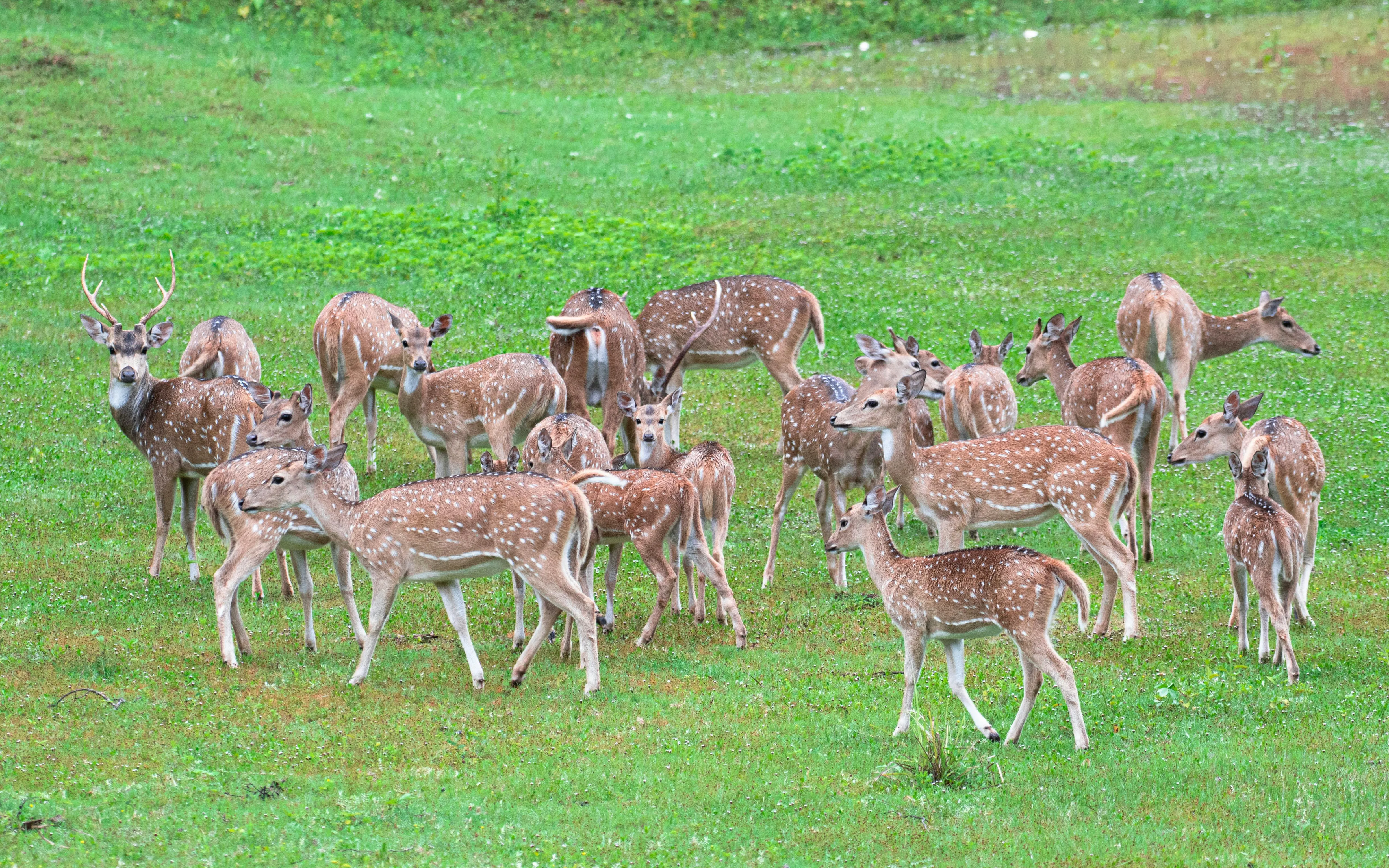
Local ranchers, conservation groups, and government agencies continue to collaborate on long-term solutions.
While deer are not considered a tourist attraction, visitors may spot them—especially at dawn and dusk.
Some common sighting areas include:
Visitors are encouraged to keep a respectful distance and avoid feeding wildlife.
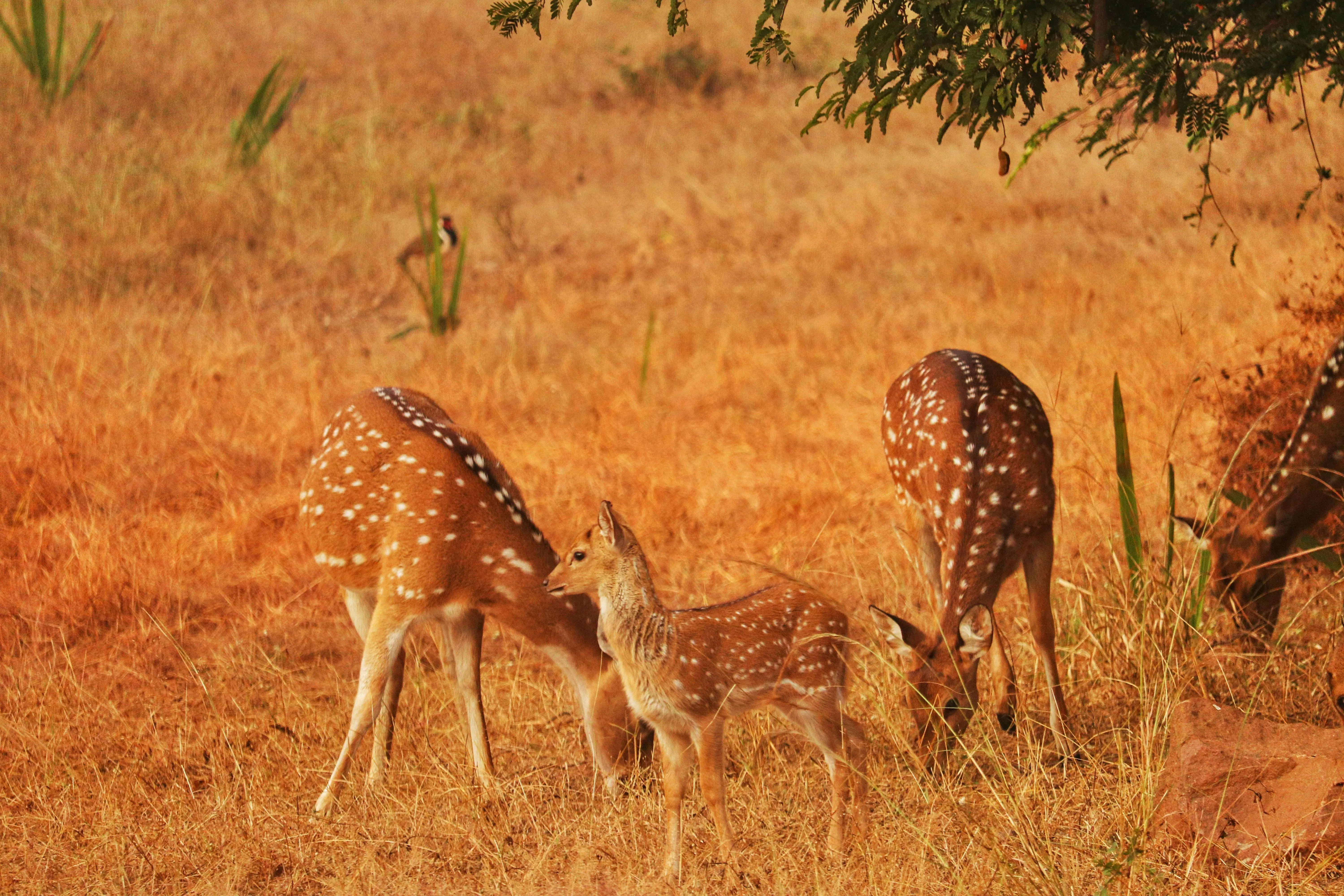
Axis deer are now firmly established in Hawaiʻi, and their future depends on effective long-term population management. With coordinated efforts, Hawaiʻi aims to balance ecological preservation with cultural, community, and agricultural needs. The deer population will remain part of the islands’ landscape, but sustainable control is essential to protect Hawaiʻi’s native ecosystems for generations to come.
No. Deer are not native to the islands. Axis deer were introduced in the 1860s as a royal gift, and their populations have grown significantly since then.
2. Why are there so many deer in Hawaiʻi?
The climate is ideal, they have no natural predators, and they reproduce year-round—leading to rapid population growth.
3. Where can I see deer in Hawaiʻi?
They are most commonly seen on Maui, Lānaʻi, and Molokaʻi, often in rural or upcountry areas.
4. Are deer harmful to the environment?
Yes. Deer cause major damage to native plants, farms, forests, and water resources, and they contribute to erosion and road hazards.
5. Can you hunt deer in Hawaiʻi?
Yes. Regulated hunting helps manage populations and is an important conservation strategy.
6. Do deer pose a danger to drivers?
Absolutely. Deer often cross roads unexpectedly, especially at night, leading to accidents in rural areas.
7. What type of deer live in Hawaiʻi?
The primary species is the axis deer, known for its spotted coat and graceful build.
If you would like to read and learn more about interesting things in Hawaii! Check out our blog page here on our website!
or
If you've visited the Hawaiian Islands—especially Kauaʻi, Oʻahu, or Maui—there’s a good chance you've seen them strutting across parking lots, crowing at 4 a.m., or boldly wandering through beach parks: wild chickens in Hawaii. These colorful, charismatic birds have become an iconic part of island life, leaving visitors wondering how they got here and why they’re seemingly everywhere.
The story of chickens in Hawaii isn’t just quirky—it’s deeply rooted in history, ecology, culture, and even natural disasters.
The first chickens in Hawaii didn’t arrive by accident—they were brought here over 1,000 years ago by the original Polynesian settlers. These early voyagers carried red junglefowl, known locally as moa, for food, eggs, feathers, and cultural practices.
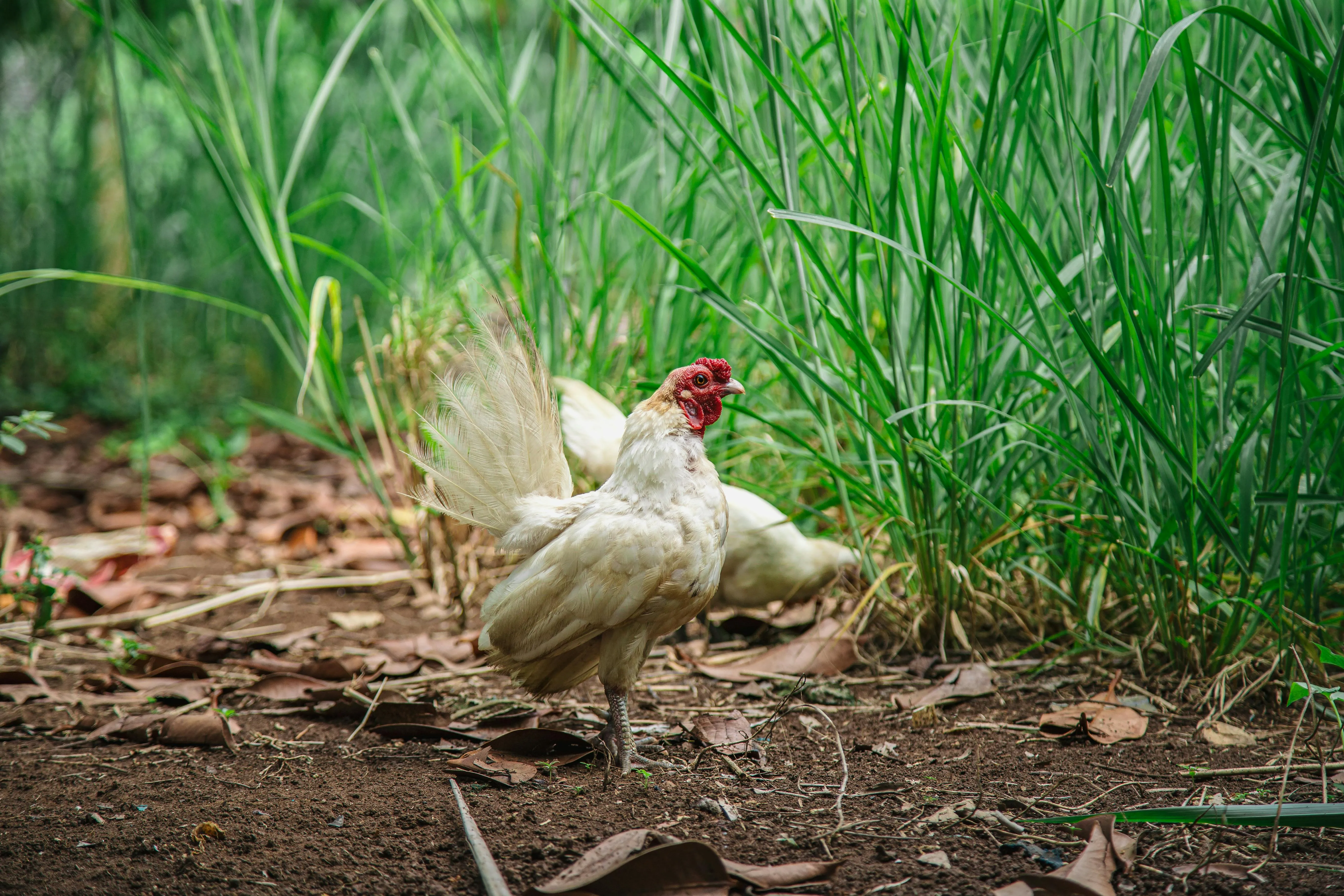
These ancient birds were smaller, more vibrant, and more agile than the modern domesticated chicken. In many areas—especially Kauaʻi—today’s wild chickens are believed to be a genetic blend of these ancient junglefowl and escaped domestic chickens.
This mix explains why Hawaii’s chickens are often:
While chickens have existed in Hawaii for centuries, their dramatic population boom is far more recent.
Two major storms played a huge role:
Hurricane Iwa (1982)
Hurricane Iniki (1992)
These back-to-back hurricanes devastated parts of Kauaʻi and Oʻahu, destroying thousands of chicken coops. Domesticated birds escaped into the wild, interbred with ancient junglefowl, and reproduced rapidly in the tropical climate.
Without many natural predators—and with consistent warm weather—the chicken populations exploded and never went back down.
Chickens thrive in Hawaii for several reasons:
🌴 Warm, tropical climate
No harsh winters mean year-round breeding and foraging.
🪵 Abundant food sources
Chickens feast on:
🐈 Few natural predators
On some islands—especially Kauaʻi—there are no mongoose, which means chickens can roam freely without the threat of this common predator found elsewhere in Hawaii.
With no competition and plenty of resources, the birds reproduce quickly and consistently.
While not technically native, chickens in Hawaii have become a memorable cultural symbol. Many locals view them as harmless, humorous, and even lucky. Their frequent crowing has become part of the daily soundtrack of island life.
In Hawaiian culture:
Though today’s chickens are often seen running through parking lots or dancing around picnic tables, they remain part of Hawaii’s living cultural landscape.
Many visitors are surprised to learn that on some islands—especially Kauaʻi—wild chickens are protected under state law because they are considered descendants of ancient junglefowl.
This means:
However, rules vary island-to-island, and the state continues to explore humane management solutions in areas where overpopulation becomes a challenge.
The chickens in Hawaii have adapted well to human presence. Over time, they’ve learned that:
Their boldness is simply a learned behavior from decades of coexisting with humans.
While charming, the vast number of chickens can cause issues:
Some local governments attempt population control, but due to the birds’ protected status and rapid breeding, long-term solutions are complex.
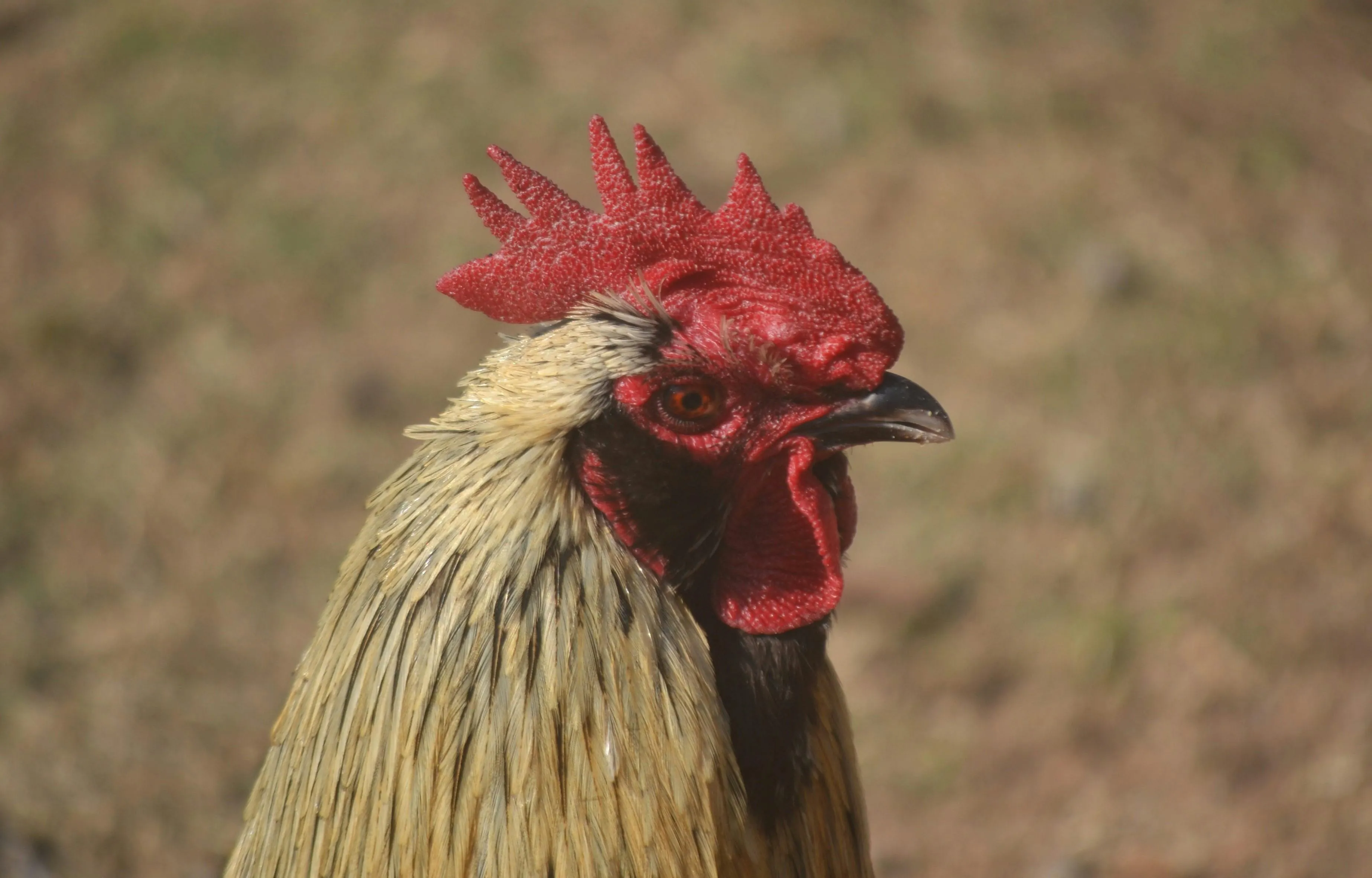
The abundance of chickens in Hawaii is the result of ancient Polynesian migration, powerful hurricanes, ideal island conditions, and cultural coexistence. Whether you find them adorable or noisy, these wild birds have firmly rooted themselves into Hawaii’s identity—strutting across the islands as feathered ambassadors of history, resilience, and tropical charm.
Why are there so many chickens in Hawaii?
Because ancient Polynesians brought junglefowl to the islands, and later hurricanes released domestic chickens into the wild. With warm weather and few predators, the population multiplied rapidly.
Are the chickens in Hawaii native?
Not exactly—but many are descendants of the ancient moa brought by Polynesians, mixed with modern domestic chickens.
Why are there more chickens on Kauaʻi than other islands?
Kauaʻi doesn’t have mongoose, a major chicken predator found on most other Hawaiian islands, allowing populations to flourish.
Are wild chickens protected in Hawaii?
Some populations—especially on Kauaʻi—are protected because of their genetic ties to ancient junglefowl.
Do wild chickens bother tourists?
Some visitors enjoy them, while others find them noisy. They may approach picnics or outdoor dining areas, but they are generally harmless.
Can you feed chickens in Hawaii?
Feeding them is discouraged because it increases dependency on humans and can contribute to overpopulation.
Where are you most likely to see wild chickens?
Beaches, parks, parking lots, hiking trails, and roadside areas across Kauaʻi, Maui, and Oʻahu.
If you would like to read and learn more about interesting things in Hawaii! Check out our blog page here on our website!
or
When people search for the Hawaii state tree, they often expect a plant with deep cultural importance, ecological value, and centuries of Hawaiian heritage woven into its roots. The kukui nut tree, also known as the candlenut tree (Aleurites moluccanus), is exactly that—an iconic symbol of light, knowledge, resilience, and aloha. From its shimmering silvery leaves to its practical uses in Hawaiian society, the kukui embodies the essence of the islands.
Designated as the official state tree of Hawaiʻi in 1959, the kukui nut tree is far more than a botanical highlight. It stands as a reminder of ancestral wisdom, environmental harmony, and the innovative spirit of Native Hawaiians who found meaningful uses for every part of this versatile plant.
The kukui tree holds a unique cultural meaning in Hawaiian tradition. Its nuts contain an oily kernel that burns brightly, which is where the tree gets its English nickname, “candlenut tree.” Ancient Hawaiians strung the nuts together and burned them as candles or torches—each nut providing several minutes of clean-burning light. This practical use evolved into deeper symbolism: kukui became a representation of illumination, guidance, and inner wisdom.
In Hawaiian culture, kukui was also associated with Lono, the god of peace, rain, agriculture, and fertility. The tree’s glowing nuts and luminous presence further tied it to spiritual insight and protection, making kukui a plant of both physical and metaphysical importance.
When Hawaiʻi became a U.S. state in 1959, lawmakers selected a symbol that represented the heart of Hawaiian identity. Because kukui had long been cherished for its cultural legacy and practical everyday uses, it was the natural choice. Its selection elevated the tree from a cultural icon to a statewide emblem representing unity, resilience, and heritage.
Today, kukui trees can be seen throughout the Hawaiian Islands, thriving in lush valleys, forests, and even planted decoratively in neighborhoods and resorts. Their pale, silvery-green leaves catch the sunlight beautifully, making them one of the most visually distinctive trees in the Hawaiian landscape.
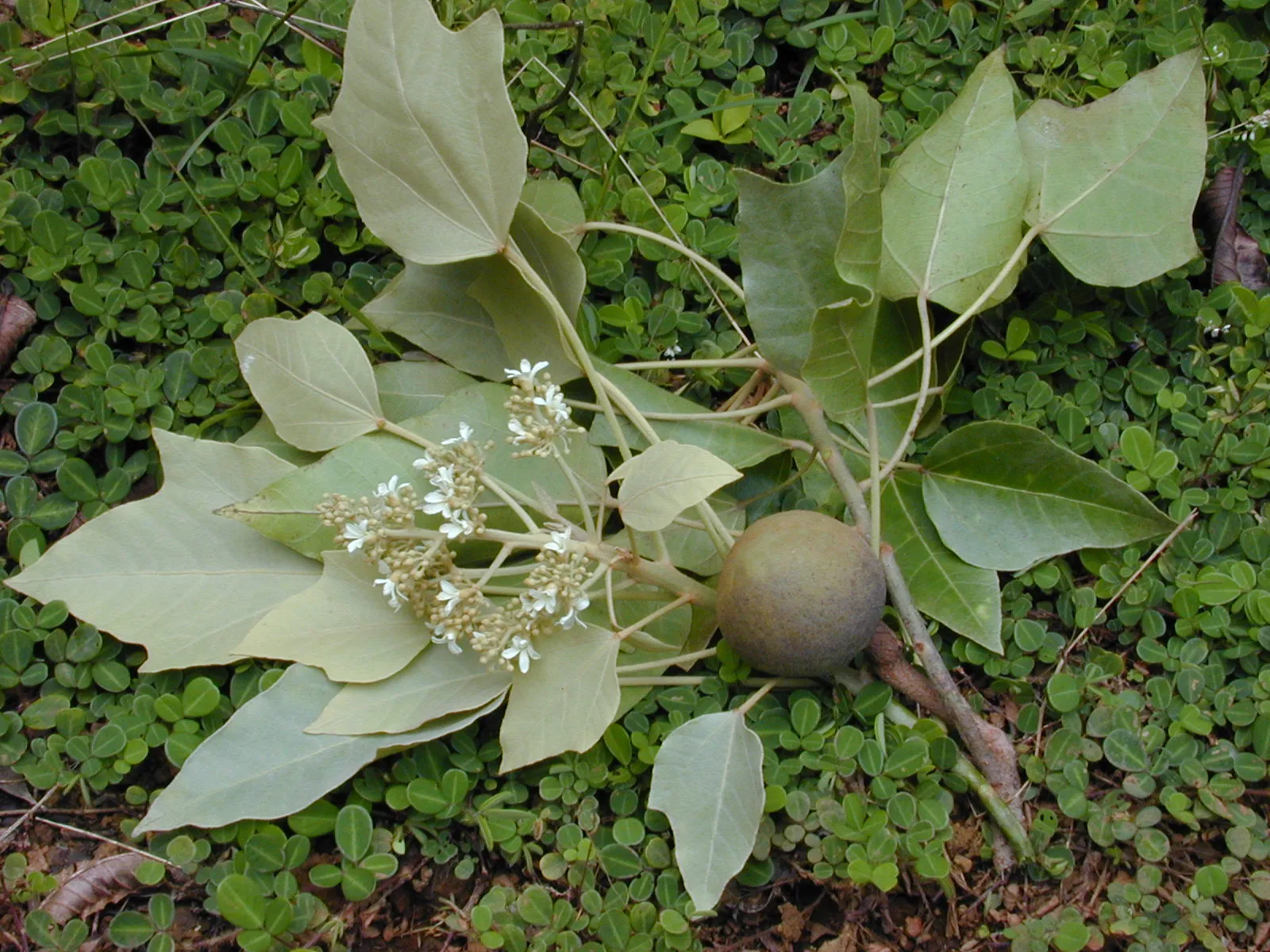
One of the reasons kukui became the Hawaii state tree is the wide range of practical uses it provided to Native Hawaiians. This tree was—and still is—a vital resource.
Kukui nuts burn cleanly and brightly. Traditionally:
While raw kukui nuts are not eaten due to toxicity, roasted nuts (known as inamona) are used to:
In modern Hawaiian cuisine, inamona remains a cherished traditional ingredient.
The kukui tree played an important role in laʻau lapaʻau, Hawaiian herbal medicine:
Its healing properties are still valued today and appear in many Hawaiian skincare products.
Different parts of the kukui tree served countless everyday uses:
Beyond culture and history, the kukui tree is ecologically valuable. Its large leaves create dense shade, helping stabilize soil and prevent erosion on steep Hawaiian hillsides. The tree’s hardiness allows it to thrive even in rugged environments, protecting watersheds and supporting native ecosystems.
This environmental role reinforces kukui’s status as the Hawaii state tree, representing sustainability and harmony between people and nature.
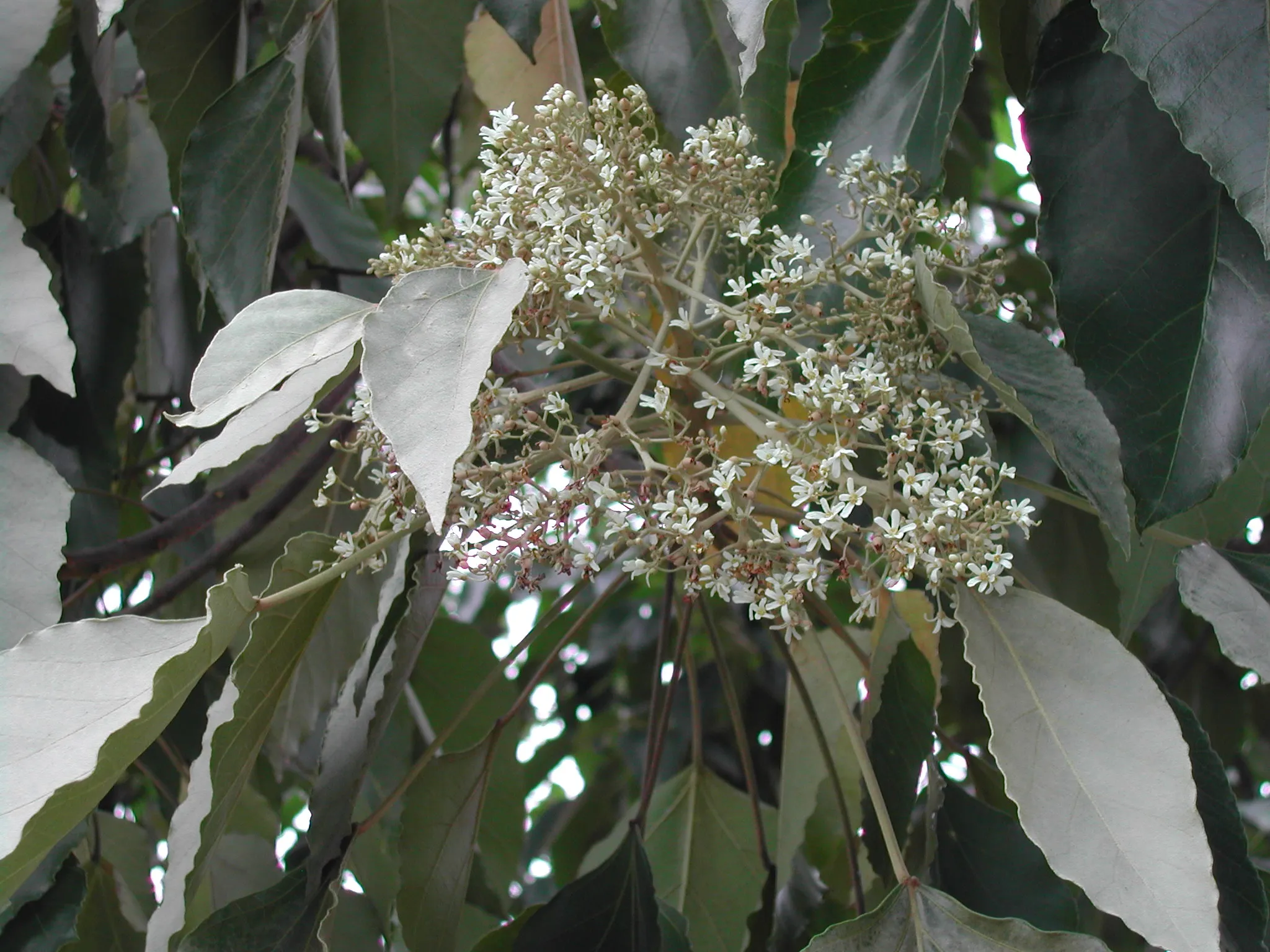
Travelers across the islands can find kukui trees in:
Many resorts and botanical gardens also feature kukui due to its beauty and cultural significance.
The Hawaiʻi state tree is the kukui nut tree, designated in 1959 for its cultural, historical, and environmental importance.
It was selected because Native Hawaiians used it for light, medicine, food preparation, fishing tools, and spiritual practices—making it one of the most significant plants in Hawaiian culture.
Kukui symbolizes knowledge, protection, enlightenment, and peace, tied to the god Lono and the glow of its naturally burning nuts.
Raw kukui nuts are toxic, but roasted kukui (inamona) is safe and traditionally used to season Hawaiian dishes like poke.
You can see kukui trees in valleys, rainforests, botanical gardens, and scenic areas across Maui, Oʻahu, Kauaʻi, and the Big Island.
If you would like to read and learn more about interesting things in Hawaii! Check out our blog page here on our website!
or