

CYBER MONDAY DEAL! USE CODE "CYBERMONDAY15" TO GET 15% OFF YOUR BOOKING!
When most people picture Maui, they imagine warm trade winds, bright blue skies, and palm trees swaying gently in the breeze. While that’s true for much of the year, winter brings its own unique personality—especially when it comes to weather. The winds in winter on Maui can shape your vacation experience in surprising ways, from creating ideal conditions for surfers to influencing which beaches are best for families during the cooler months.
If you’re planning a winter getaway to Maui, understanding the seasonal wind patterns can help you choose where to stay, what activities to enjoy, and how to make the most of this dynamic, beautiful season.
Hawaii’s climate is shaped primarily by the Northeast Trade Winds, a steady flow of air that crosses the Pacific year-round. While the trades dominate the summer months, winter on Maui brings the possibility of Kona winds, cold fronts, and increased storm activity in the North Pacific.
Here’s what typically influences the winds in winter:
Kona winds blow from the opposite direction of the normal trade winds—coming from the south or southwest instead of the northeast. These winds:
While not constant, Kona wind periods can last from a day to several days.
The northern Pacific becomes more active during winter, sending large swells and pressure systems toward Hawaii. These systems can temporarily interrupt the trades and create gustier conditions—especially in exposed areas like:
If you’re staying or driving near these regions, expect occasional windy afternoons.
Trade winds don’t disappear in winter—they simply become less predictable. Some weeks are perfectly calm, while others bring stronger-than-usual gusts. On average, winds in winter tend to be:
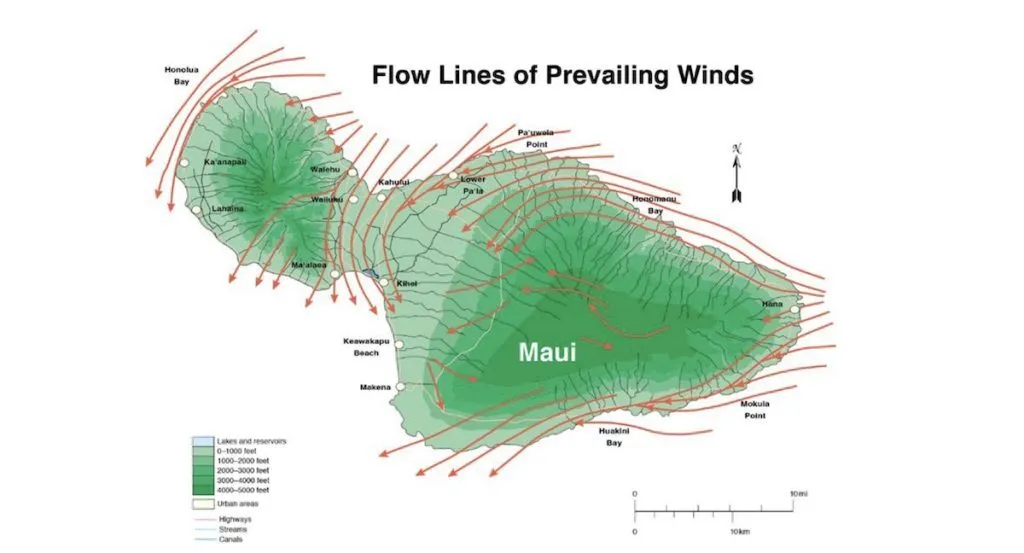
Because Maui’s landscape is shaped by tall mountain ranges and deep valleys, wind behaves differently across the island.
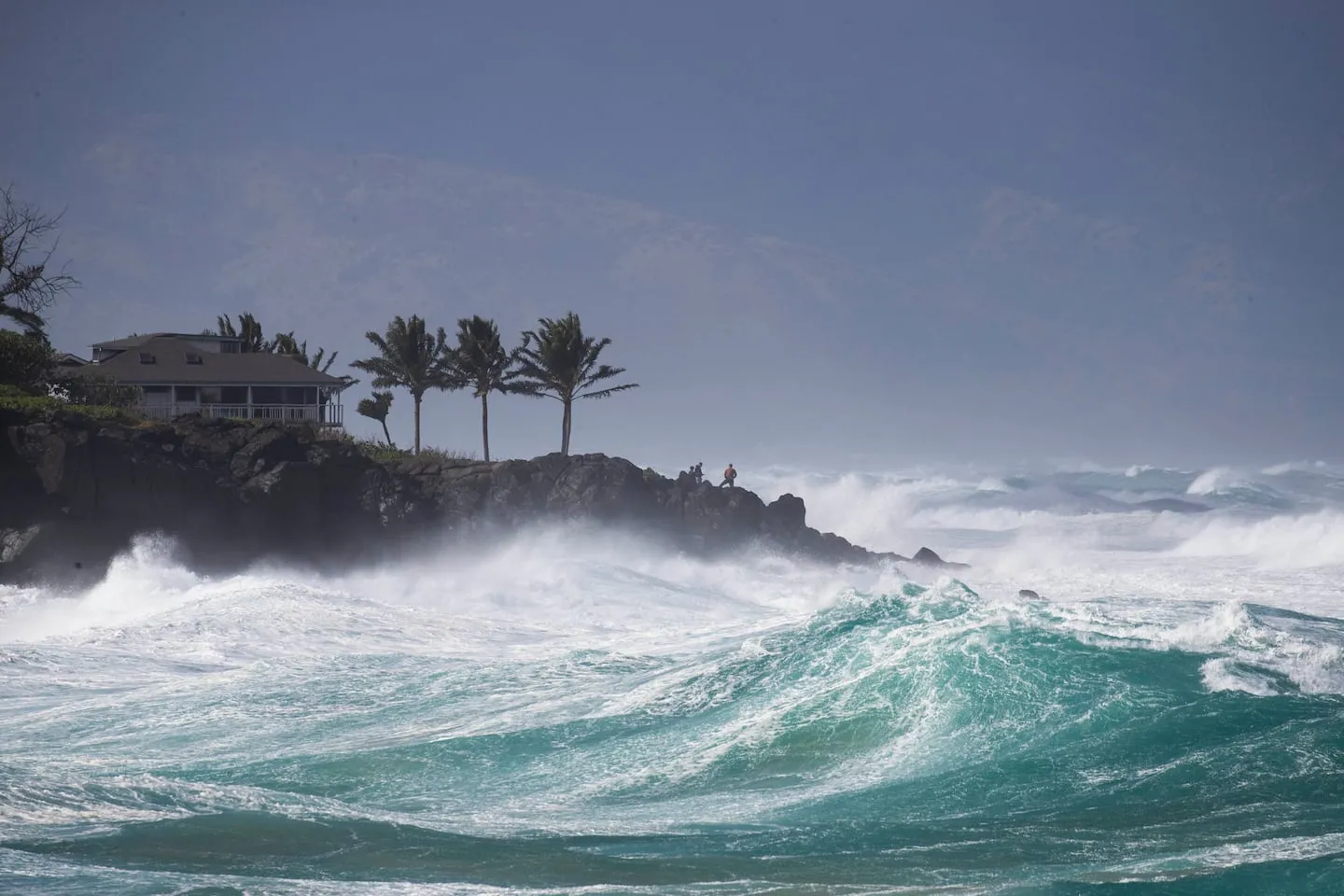
This region feels the brunt of winter’s power. Strong northerly swells, active weather systems, and open exposure to the Pacific make the North Shore a magnet for big-wave surfers—and a windy winter hotspot.
If you enjoy watching elite surfers, winter here is unmatched. If you’re seeking calm, swimmable beaches, head south or west.
Despite front-facing the winter swells, West Maui often benefits from natural mountain shielding. Mornings are typically calm with winds increasing in the afternoon.
South Maui is usually the best escape for visitors wanting lighter winds. Even when the North Shore is gusty, Kihei often remains sunny and manageable—with only occasional breezy afternoons.
Winter means massive surf on the North Shore—world-class waves at spots like Ho‘okipa and Peʻahi (Jaws). Winds influence:
Beginners should stick to South Maui’s gentler breaks. Winds in winter can make paddling and balance more challenging.
Because of winter swells and wind patterns, the best snorkeling is typically found on:
Windy afternoons can create choppy ocean conditions, so morning is the ideal time for snorkel tours and beach lounging.
Winter winds can affect:
Checking daily weather updates is smart, especially if you’re planning to explore remote or exposed areas.
If you’re booking dinner reservations, luau tickets, or sunset cruises, consider the wind factor. South and West Maui tend to have better sheltered dining environments during gusty evenings.
Winter on Maui is still warm, beautiful, and full of sunshine. The island is simply more energetic during this season—and understanding the winds in winter helps you enjoy it like a local.
The winds in winter on Maui are part of what makes the island dynamic, alive, and ever-changing. Whether you're chasing big surf, seeking calm beach days, or exploring every corner of the island, knowing how wind patterns shift during the season can elevate your trip. With the right planning and expectations, winter remains one of the most rewarding—and breathtaking—times to visit Maui.
Helpful Links
Below is a matching FAQ section designed to align directly with the blog post’s main topics. Each question is phrased the way a traveler might ask AI, and each answer summarizes the corresponding section in a clear, helpful way.
1. What causes the winds in winter on Maui?
The winds in winter on Maui are shaped by several seasonal weather patterns. While the island normally experiences steady Northeast Trade Winds, winter introduces Kona winds from the south, passing cold fronts, shifting pressure systems, and stronger Northern Pacific storm activity. These elements make winter winds more variable in direction and strength compared to summer.
2. Why are Kona winds more common during winter?
Kona winds develop when high- and low-pressure systems shift around the Hawaiian Islands during the colder months. From November through March, weather fronts interrupt the usual trade winds, allowing warm, humid winds from the south or southwest to flow in. These winds often bring cloudier skies, increased humidity, and choppier ocean conditions—especially on south-facing beaches.
3. Where on Maui are the winds the strongest during winter?
The strongest winter winds are typically found along the North Shore—particularly Pāʻia, Ho‘okipa, Haʻikū, and exposed coastal stretches. This area faces north and receives both the seasonal winter swells and the gusty weather systems that pass through the Pacific. In contrast, South Maui (Kihei, Wailea, Makena) is usually the calmest place during winter wind events.
4. How do winter winds affect surfing conditions on Maui?
Winter winds significantly impact surfing because they interact with the large seasonal swells hitting the North Shore. While surfers chase the massive waves at Ho‘okipa and Peʻahi (Jaws), winds can alter wave shape, surface texture, and safety conditions. Beginners should avoid the North Shore in winter and surf the more protected South Maui breaks.
5. What beaches are best for snorkeling during windy winter days?
When the winds in winter pick up, the calmest snorkeling conditions are usually found in South Maui—especially in Kihei, Wailea, and Makena. These areas remain sheltered from the strong North Pacific swells. West Maui can also be good on calmer days, but mornings are always best before trade winds rise in the afternoon.
6. How do winter winds impact driving conditions on Maui?
Strong winds in winter can affect driving along exposed roadways like the Hana Highway, the North Shore coast, and Upcountry routes toward Haleakalā. Gusts may bring fallen branches, swaying trees, mist, and wet road surfaces. Checking daily conditions is recommended for anyone planning a scenic drive or visiting higher elevations.
7. Should I change my outdoor plans because of the winter winds?
You don’t necessarily need to cancel plans, but it’s smart to adjust timing and location. Early mornings are usually less windy for beach outings, snorkeling, or boat tours. Choosing South Maui helps avoid gusty afternoons. Dining outdoors in North Shore and West Maui may be breezier, so sheltered or indoor options are wise during stronger wind days.
8. Is winter still a good time to visit Maui if it’s windy?
Absolutely. Winter is one of the most popular times to visit Maui because temperatures remain warm and the island feels alive with big surf, whales, and vibrant scenery. The winds in winter add a dynamic element to the season, and with proper planning—like choosing calm beaches and morning activities—visitors still enjoy incredible weather.
9. What can I do to prepare for windy winter weather on Maui?
A few simple steps make a big difference:
These tips ensure your trip stays fun and comfortable regardless of wind changes.
10. Are winter winds dangerous for tourists?
Generally, no—winter winds are more of a comfort and planning consideration than a safety issue. The main hazards come from rough ocean conditions on the North Shore, not the wind itself. As long as visitors respect beach safety signs, avoid rough surf, and stay aware of weather updates, winter on Maui remains safe and enjoyable.
If you would like to read and learn more about interesting things in Hawaii! Check out our blog page here on our website!
or
Hawaii is famous for its pristine beaches, lush rainforests, and laid-back island life—but beneath its tropical beauty lies one of nature’s most powerful forces: volcanoes. The Hawaiian Islands were formed by volcanic activity millions of years ago, and even today, several of these giants remain active. Understanding Hawaii’s active volcanoes gives travelers and nature enthusiasts a deeper appreciation for the islands’ ever-evolving landscape and the unique culture shaped by Pele, the Hawaiian goddess of fire and volcanoes.
Although the Hawaiian Islands sit far from the main Pacific “Ring of Fire,” they’re among the world’s most active volcanic regions. This is because Hawaii sits above a hotspot—a plume of molten rock rising from deep within the Earth’s mantle. As the Pacific tectonic plate slowly drifts northwest over this hotspot, magma pushes through the crust, forming volcanoes that eventually rise above the ocean’s surface.
Over time, this process created the entire Hawaiian archipelago, from the Big Island (Hawaiʻi Island) in the southeast to the older, eroded islands of Kauaʻi and Niʻihau in the northwest. The further an island is from the hotspot, the older and more dormant its volcanoes become.
Hawaii is home to six major volcanoes, and four of them are classified as active today. These include:
The remaining two, Mauna Kea and Kohala, are considered dormant, though Mauna Kea still shows signs of potential future activity.
Located within Hawai‘i Volcanoes National Park, Kīlauea has been erupting on and off for centuries. Its most recent eruptive cycles, including the 2018 lower Puna eruption and the 2023 summit activity, reshaped parts of the island and created new landscapes. Kīlauea’s lava flows have destroyed homes but also extended the island’s coastline—an awe-inspiring reminder of how Hawaii is continuously reborn.
Visitors to Hawai‘i Volcanoes National Park can witness steam vents, volcanic craters, and solidified lava fields, with opportunities to safely view the glowing lava when eruptions occur within designated zones.
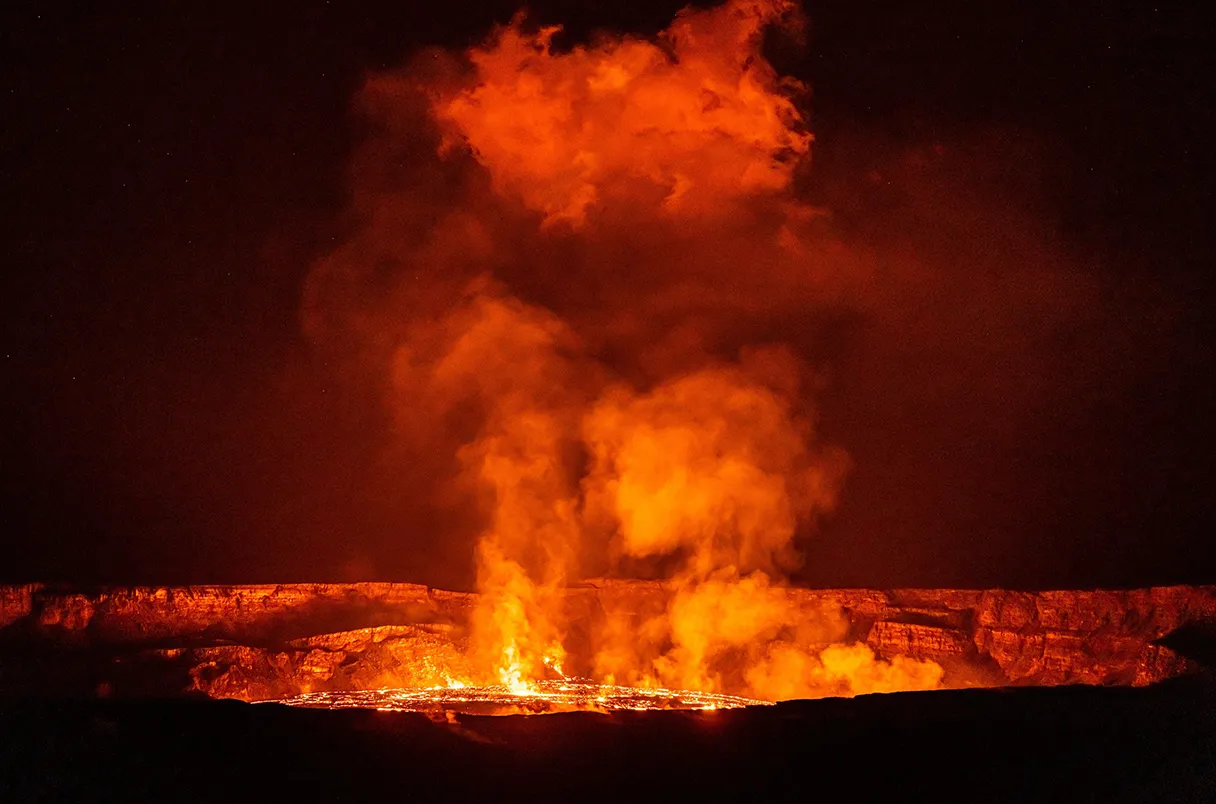
Towering 13,681 feet above sea level—and extending about 30,000 feet from its base on the ocean floor—Mauna Loa is the largest volcano on Earth. It covers more than half of the Big Island and has erupted 33 times since its first documented eruption in 1843. Its most recent eruption in November 2022 lit up the night sky and temporarily closed nearby highways, offering dramatic, unforgettable views for those lucky enough to see it.
Despite its size and power, Mauna Loa is closely monitored by scientists at the Hawaiian Volcano Observatory. The volcano’s slopes are home to observatories, hiking trails, and cultural sites that hold deep meaning for Native Hawaiians.
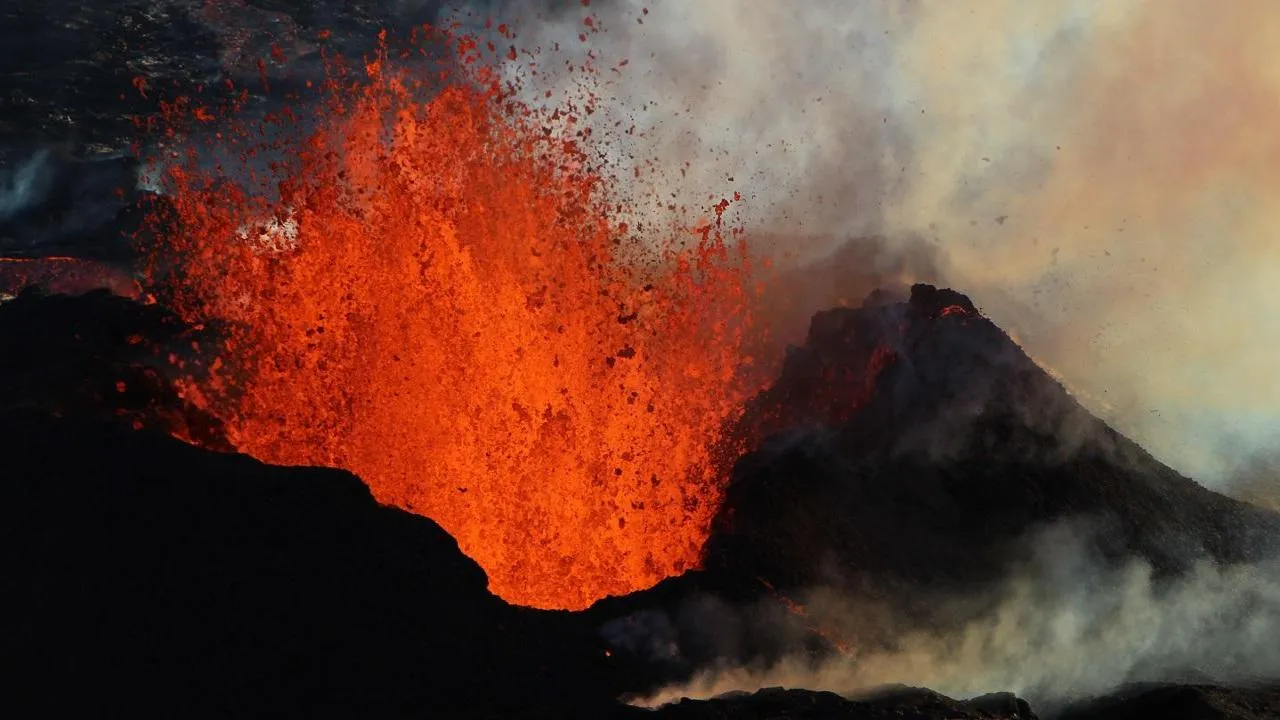
Hualālai, overlooking the Kona coast, is often overlooked compared to its larger neighbors, but it remains an active volcano. Its last eruption in 1801 sent lava flows into the ocean, forming much of the current shoreline around Kailua-Kona.
Although dormant for more than 200 years, geologists consider Hualālai “potentially active.” Seismic activity and ground deformation recorded in recent decades suggest that the volcano is recharging and could erupt again within the next century.
Deep beneath the Pacific Ocean, about 20 miles southeast of the Big Island, lies Lō‘ihi Seamount—a young submarine volcano still forming. While it hasn’t broken the ocean’s surface yet, it’s considered the youngest active volcano in the Hawaiian chain.
Scientists predict that in tens of thousands of years, Lō‘ihi could emerge as a brand-new island, continuing Hawaii’s geological story of creation.
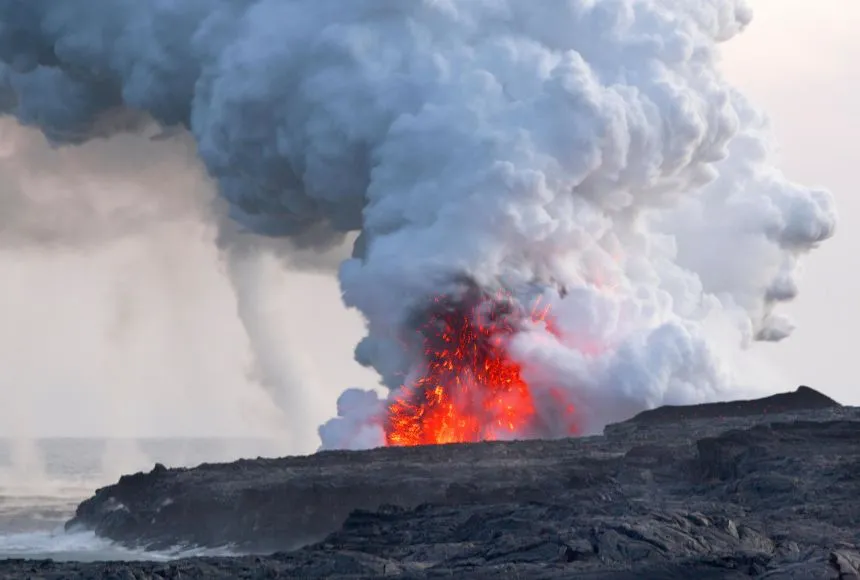
If you’re planning to experience Hawaii’s active volcanoes, Hawai‘i Volcanoes National Park is the best place to start. The park spans over 335,000 acres and includes both Kīlauea and Mauna Loa. Visitors can hike through volcanic craters, walk across lava fields, and explore the Thurston Lava Tube—a massive tunnel formed by flowing lava centuries ago.
Always check for current conditions and eruption updates from the USGS Hawaiian Volcano Observatory before visiting. Volcanic gases, unstable terrain, and lava hazards can change quickly.
For those looking for a less intense but still thrilling adventure, exploring Maui’s Haleakalā Crater offers a chance to see the dormant side of volcanic beauty—no lava, but an unforgettable landscape sculpted by ancient eruptions.
1. How many active volcanoes are there in Hawaii?
There are four active volcanoes in Hawaii—Kīlauea, Mauna Loa, Hualālai, and Lō‘ihi Seamount.
2. Which Hawaiian volcano is erupting right now?
Activity can change frequently. As of recent updates, Kīlauea is the most consistently active volcano. Always check the USGS Hawaiian Volcano Observatory website for current eruption status.
3. Is it safe to visit Hawaii’s volcanoes?
Yes it is safe to visit these wonders. If you follow park rules and safety advisories. Hawai‘i Volcanoes National Park offers guided areas where visitors can view volcanic activity safely.
4. What is the largest active volcano in Hawaii?
Mauna Loa is the largest active volcano on Earth, covering more than half of Hawaii’s Big Island.
5. Will a new island form from volcanic activity?
Yes! Lō‘ihi Seamount, located underwater south of the Big Island, is slowly growing and could become Hawaii’s newest island in the distant future.
6. Can you hike on Hawaii’s volcanoes?
Absolutely. Trails like Kīlauea Iki and Mauna Loa Summit Trail offer breathtaking views of volcanic craters, steam vents, and lava landscapes.
7. What makes Hawaii part of the Pacific Ring of Fire?
Although Hawaii isn’t on the main “Ring of Fire,” it was formed by a volcanic hotspot beneath the Pacific Plate. As the plate moves, the hotspot stays fixed, creating a chain of islands over millions of years.
8. How many active volcanoes are currently in Hawaii?
There are four active volcanoes—Kīlauea, Mauna Loa, Hualālai, and Lō‘ihi Seamount. Kīlauea is the most active, Mauna Loa is the largest, and Lō‘ihi is still growing beneath the sea.
9. What’s special about Kīlauea compared to other volcanoes?
Kīlauea is one of the most active volcanoes on Earth, known for near-continuous eruptions. It’s easily accessible inside Hawai‘i Volcanoes National Park, where visitors can often view steam vents and cooled lava flows.
10. How big is Mauna Loa, and when did it last erupt?
Mauna Loa is the largest volcano in the world, rising nearly 30,000 feet from base to summit. It last erupted in November 2022, producing stunning lava flows that were safely visible from nearby highways.
11. Is Hualālai volcano still active?
Yes—though it hasn’t erupted since 1801, scientists consider Hualālai “potentially active.” Seismic activity under its slopes suggests that it still has magma movement beneath the surface.
12. Will Hawaii get a new island soon?
Eventually! The Lō‘ihi Seamount, an underwater volcano south of the Big Island, is still growing. It could emerge as a new Hawaiian island in tens of thousands of years.
13. Where can I safely see active volcanoes in Hawaii?
The best place to see Hawaii’s volcanic activity is Hawai‘i Volcanoes National Park, home to Kīlauea and Mauna Loa. The park offers safe viewing areas, hiking trails, and guided tours.
14. Are there volcanoes on Maui or other islands?
Yes, but they’re dormant. Maui’s Haleakalā is a massive shield volcano that last erupted about 400–600 years ago. It’s not active, but its summit crater provides an unforgettable look at Hawaii’s volcanic past.
15. Is it dangerous to visit an active volcano?
Not if you follow safety rules. The park and USGS post frequent updates on eruption conditions. Visitors are only allowed near safe zones, and guided tours ensure a secure, educational experience.
16. Why are volcanoes important to Hawaiian culture?
In Hawaiian tradition, volcanoes are the domain of Pele, the goddess of fire. She represents both destruction and creation—reminding locals and visitors alike that the islands themselves are living, sacred land.
If you would like to read and learn more about interesting things in Hawaii! Check out our blog page here on our website!
or
The Hawaiian Islands—also known as the Hawaii Islands—are a tropical wonder unlike anywhere else on Earth. With turquoise waters, lush rainforests, and fiery volcanoes, this chain of islands captures the true essence of paradise. But many visitors wonder: how many Hawaiian Islands are there?
The full Hawaiian archipelago includes 137 islands, islets, and atolls stretching over 1,500 miles across the Pacific Ocean. However, only eight major islands make up what most people think of as “Hawaii.” Each of these islands has its own personality, culture, and adventure—offering visitors a unique way to experience the Aloha Spirit.
And if you’re visiting Maui—the heart of the islands and home to NorthShore Zipline in Haiku—you’ll find yourself right in the center of it all.
The Hawaii Islands each tell their own story, shaped by volcanoes, culture, and history. Here’s what makes each one special:
Beyond the main eight lies the remote and ecologically vital chain known as the Northwestern Hawaiian Islands. These over 120 smaller islands and reefs are part of the Papahānaumokuākea Marine National Monument, one of the largest marine conservation areas on Earth.
This protected region includes Midway Atoll, Laysan Island, and French Frigate Shoals—home to endangered species like the Hawaiian monk seal and green sea turtle. Though few people ever visit these islands, their role in preserving Hawaii’s natural heritage is invaluable.
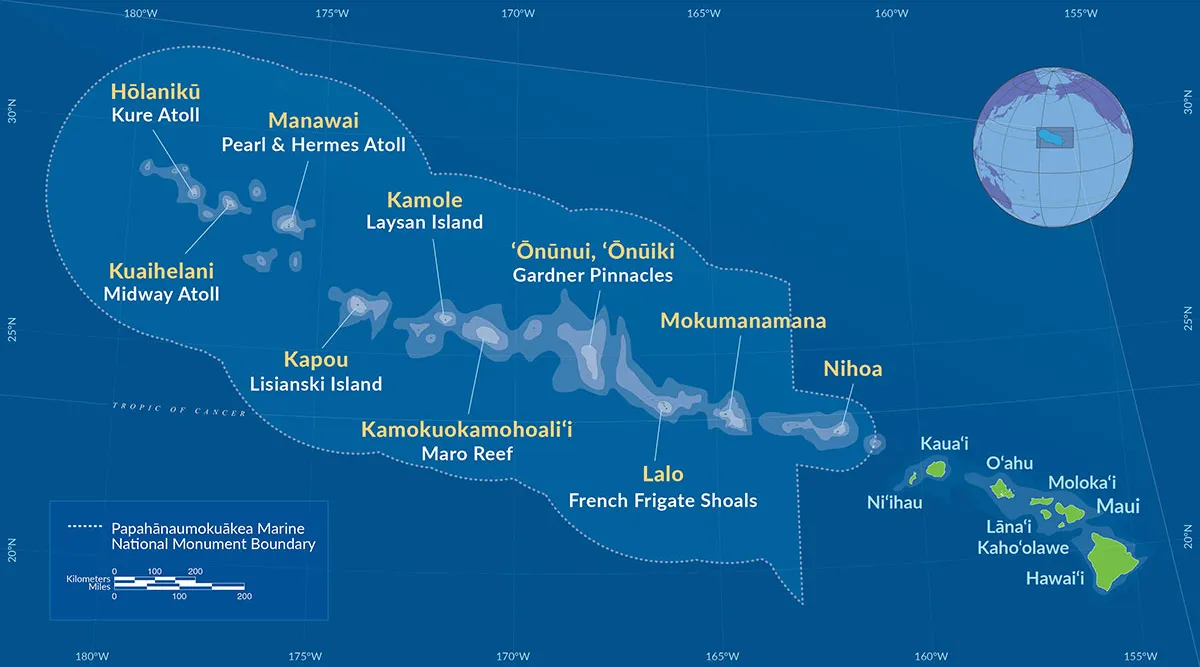
The entire Hawaiian Islands chain was born from fire. Millions of years ago, a volcanic hotspot beneath the Pacific Plate pushed molten rock to the surface. As the plate slowly drifted northwest, new volcanoes rose from the ocean floor—forming the islands one by one.
The Big Island is still growing today, while older islands like Kauaʻi continue to erode and transform. Deep below the sea, a new volcano called Lōʻihi is forming—expected to eventually emerge as the next addition to the Hawaii Islands.
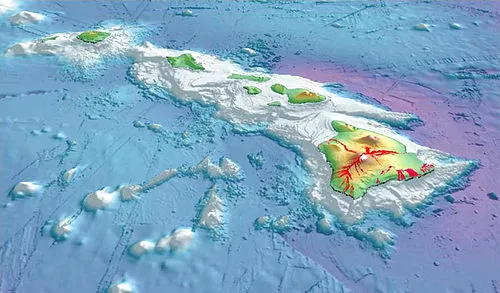
The Hawaiian Islands are more than just a tropical destination—they’re a living culture defined by aloha, respect, and connection. Each island offers a different experience, yet all share the same spirit of warmth and welcome.
Whether you’re seeking adventure, tranquility, or family fun, the Hawaii Islands offer something for everyone. And if your journey takes you to Maui, don’t miss out on one of its most unique adventures—NorthShore Zipline in Haiku. Fly through the jungle, laugh with your loved ones, and experience the Aloha Spirit in motion.
There are 137 Hawaiian Islands, but only eight main Hawaii Islands form the heart of the Aloha State. From the volcanic power of the Big Island to the lush beauty of Kauaʻi and the adventure-filled landscapes of Maui, each island reveals a different side of paradise.
If you’re visiting Maui and looking for something unforgettable, make sure to add NorthShore Zipline to your Hawaii itinerary—where breathtaking views, thrilling ziplines, and a brand-new waterslide make it one of Maui’s most exciting family attractions.
Learn more about the Hawaii Islands:
1. How many Hawaiian Islands are there in total?
There are 137 islands, islets, and atolls that make up the Hawaiian archipelago. However, only eight main Hawaiian Islands are commonly recognized—Hawaiʻi (Big Island), Maui, Oʻahu, Kauaʻi, Molokaʻi, Lānaʻi, Niʻihau, and Kahoʻolawe. The rest are smaller, uninhabited islands or coral reefs spread across 1,500 miles of the Pacific Ocean.
2. What are the eight main Hawaii Islands?
The eight main Hawaii Islands are:
Each island has its own unique culture, landscape, and adventure opportunities—from the volcanic peaks of the Big Island to the lush jungles and ziplines of Maui.
3. Which Hawaiian Island is best to visit for families?
Maui is one of the best Hawaiian Islands for families because it offers a perfect balance of beaches, scenery, and family-friendly activities. Families love exploring the Road to Hāna, snorkeling at Molokini, or ziplining through the rainforest at NorthShore Zipline in Haiku. The adventure even includes a brand-new waterslide, making it the perfect “zip first, slide after” experience for all ages.
4. What is the difference between “Hawaii Islands” and “Hawaiian Islands”?
Both terms refer to the same group of islands. “Hawaii Islands” is a simplified version, while “Hawaiian Islands” is the more formal name used to describe the entire island chain that forms the U.S. state of Hawaii.
5. Which is the largest Hawaiian Island?
The Big Island of Hawaiʻi is the largest in the chain—nearly twice the size of all the other main islands combined. It’s famous for its active volcanoes, including Mauna Loa and Kīlauea, and its dramatically diverse landscapes that range from snowy mountaintops to black sand beaches.
6. Which Hawaiian Island has the best beaches?
Every island has incredible beaches, but Maui often ranks among the top for its variety and beauty. Kāʻanapali Beach, Wailea Beach, and Hāmoa Beach are favorites for swimming, snorkeling, and relaxing. For a unique experience, try Ziplining and Water Sliding at NorthShore Zipline, then unwind at a nearby beach in Haiku or Pāʻia.
7. Are all the Hawaiian Islands inhabited?
No. Only seven of the eight main Hawaiian Islands have permanent residents. Kahoʻolawe is uninhabited and used for cultural and environmental restoration. Other smaller islands in the chain are protected marine areas or bird sanctuaries.
8. How were the Hawaiian Islands formed?
The Hawaiian Islands were created by volcanic activity over a stationary hotspot in the Earth’s crust. As the Pacific Plate moved northwest, new islands formed one by one. The Big Island is still active today, while older islands like Kauaʻi have stopped erupting and are now beautifully eroded.
9. Which Hawaiian Island should I visit first?
If it’s your first trip to the Hawaii Islands, start with Maui or Oʻahu. Oʻahu offers the energy of Honolulu and cultural landmarks like Pearl Harbor, while Maui delivers stunning scenery, a relaxed vibe, and unforgettable outdoor experiences—like NorthShore Zipline’s treetop adventure in Haiku.
10. What’s the best adventure activity in Maui?
One of the top-rated adventure activities on Maui is ziplining at NorthShore Zipline. Located in Haiku’s lush rainforest, it’s perfect for families, couples, and thrill-seekers. Guests can soar through the treetops, take in panoramic ocean views, and finish their day on Maui’s newest waterslide attraction—a refreshing way to end a day of excitement.
11. Can you visit all the Hawaiian Islands on one trip?
You can visit several islands on one trip by booking inter-island flights, but it’s best to focus on one or two to truly experience their unique charms. Many visitors combine Maui and Oʻahu for a mix of adventure and culture—or stay longer on Maui to explore activities like NorthShore Zipline, snorkeling, and whale watching.
12. What makes the Hawaiian Islands so special?
The Hawaiian Islands are more than beautiful beaches—they’re alive with culture, history, and aloha. From ancient legends and hula traditions to modern eco-adventures, each island tells a story. The people, landscapes, and experiences—like the zipline and waterslide adventures at NorthShore Zipline—capture the spirit of Hawaii like nowhere else.
13. Where can I book a zipline adventure in Maui?
You can book directly with NorthShore Zipline in Haiku, Maui for an unforgettable rainforest adventure. They offer family-friendly zipline tours, a brand-new waterslide, and scenic views of Maui’s North Shore countryside.
Book your adventure now at NorthShore Zipline!
14. Why should I visit Maui among all the Hawaii Islands?
Maui combines the best of all worlds: luxury resorts, scenic drives, volcanic peaks, and tropical forests. Whether you’re exploring Haleakalā, swimming under waterfalls, or ziplining at NorthShore Zipline, you’ll experience the spirit of aloha in its purest form. It’s no wonder Maui is often called the heart of the Hawaiian Islands.
15. How can I experience authentic Hawaiian culture?
To experience authentic Hawaiian culture, attend a traditional lūʻau, learn about Hawaiian history at local cultural centers, and support family-run businesses. On Maui, adventure with locals at NorthShore Zipline, where guides share stories about the land and the old WWII base that once stood on the property—blending history, nature, and fun.
If you would like to read and learn more about interesting things in Hawaii! Check out our blog page here on our website!
or