

WE HAVE REOPENED! Our team has worked hard to repair, inspect, and prepare our course following Hurricane Lala.
We're ready to safely welcome you back !
BOOKINGS ARE OPEN!
Mahalo for your patience and support! 💛
If you’re planning a winter trip to Hawaii, there’s a good chance whale watching is high on your Maui bucket list. And for good reason—Maui is one of the best places in the world to see humpback whales during their seasonal migration. But when it comes to the best way to experience it, travelers often face the same question:
The truth is, both options can be incredible—but they offer totally different experiences depending on your budget, comfort level, timing, and what kind of whale encounter you’re hoping for. In this guide, we’ll break down the pros and cons of Maui whale watching tours vs shore watching, and help you decide which is better for your trip.
Every year, thousands of humpback whales migrate from Alaska to Hawaii’s warm, protected waters to breed and give birth. Maui—especially the waters between West Maui, Lanai, and Molokai—is considered a prime viewing zone because it’s relatively shallow and sheltered.
That’s why whale watching on Maui can be productive both from a boat and from land. In some places, you can literally spot whales from the beach without even trying.
Option 1: Maui Whale Watching Tours (Boat Trips)
Booking a boat tour is the classic “tourist experience” for whale watching—cruising Maui’s coastline with a guide while searching for humpbacks up close.
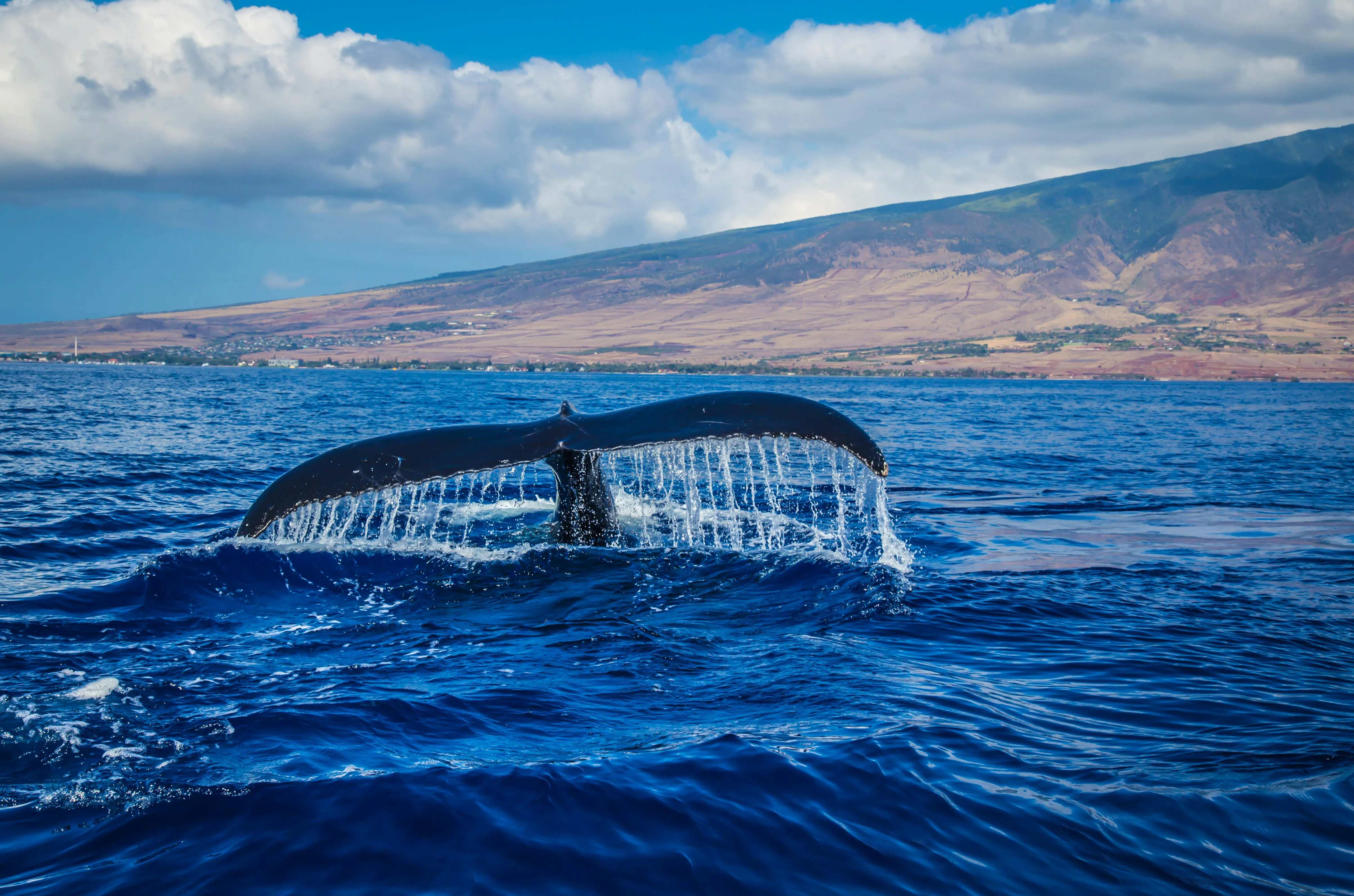
✅ Pros of Whale Watching Tours
1. You get much closer views
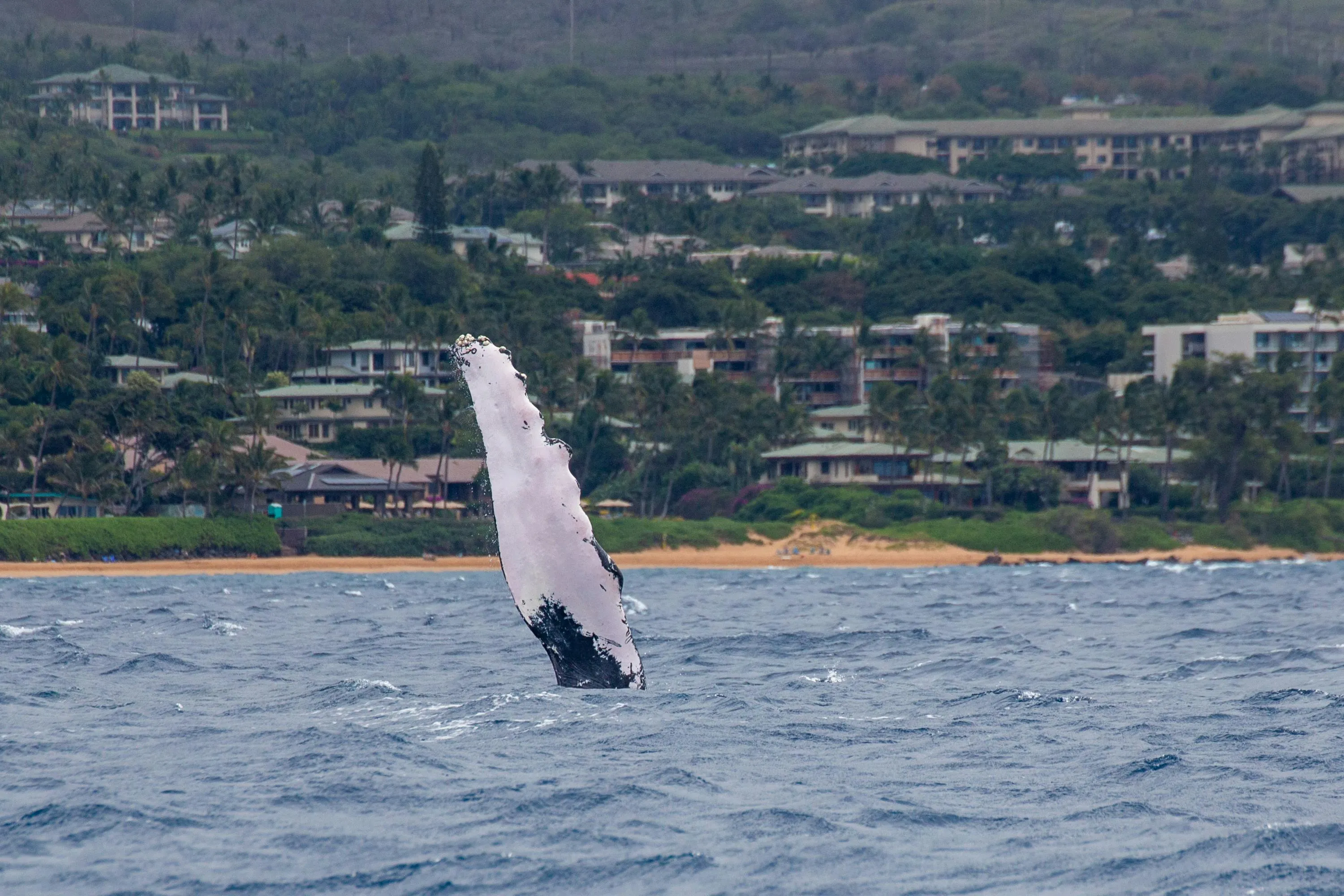
Tours bring you into the whales’ habitat (at a legal distance), meaning you’re more likely to see details like tail flukes, pectoral fins, and surface behavior.
2. Better chances of action
On a boat, you’ll often encounter whales breaching, tail slapping, spy-hopping, and engaging in social behaviors that may be harder to notice from shore.
3. Naturalist guides add value
Most whale watching tours include commentary from marine naturalists or experienced captains. You’ll learn how to identify behaviors, interpret whale movement patterns, and understand migration facts.
4. Some tours include hydrophones
Many boats use underwater microphones so you can actually hear the whales singing. For many travelers, this is a once-in-a-lifetime highlight of whale watching.
❌ Cons of Whale Watching Tours
1. It costs more
Tours range widely in price depending on the boat type and tour length. If you’re traveling as a family or group, the cost adds up quickly.
2. Motion sickness is real
Even on calm days, ocean movement can affect some people. If you get seasick easily, whale watching by boat may not be the most comfortable option.
3. Tour conditions depend on weather
Rough seas and windy conditions can lead to cancellations—or a bumpier ride than expected.
4. Not every tour sees whales up close
Whales are wild animals. Some tours deliver epic sightings, while others may involve more searching and distant views.
Option 2: Shore Watching (Watching Whales from Land)
Shore-based whale watching is exactly what it sounds like—spotting whales from the beach, cliffs, or scenic overlooks. The bonus? It can be completely free.
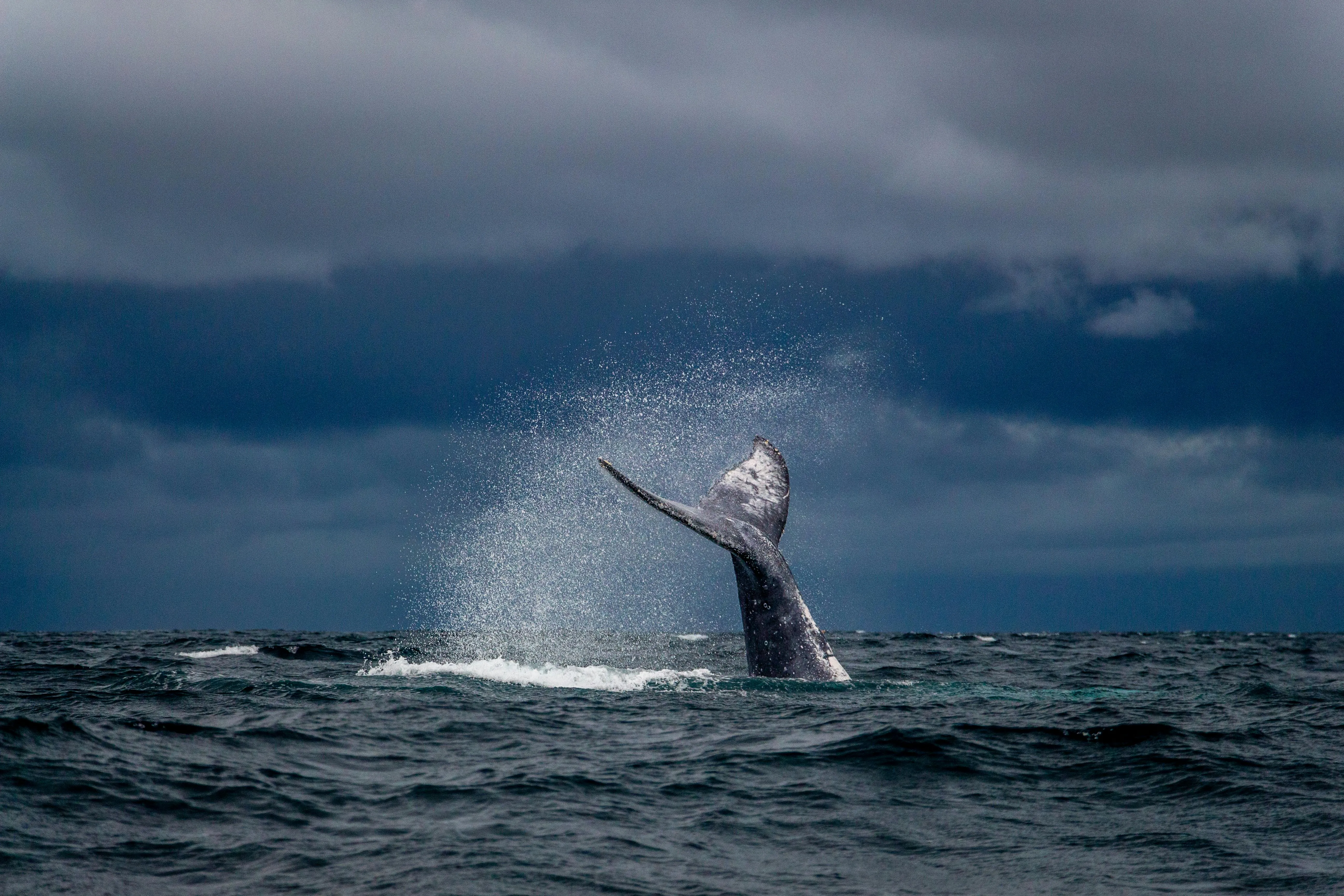
✅ Pros of Shore Whale Watching
1. It’s free (or extremely low cost)
All you really need is your eyes—though binoculars make it much better. You can enjoy whale watching without paying for a tour.
2. No motion sickness
You stay on solid ground the entire time. If the ocean makes you feel queasy, shore watching is the easiest solution.
3. Flexible timing
You can whale watch for 10 minutes or 2 hours. No check-in times, no schedules, no crowds.
4. It pairs perfectly with beach days
One of the best parts about shore whale watching is how effortless it feels. You can swim, relax, take photos, and still catch whale activity offshore.
❌ Cons of Shore Whale Watching
1. Whales may appear farther away
Even on the best days, whales might be small on the horizon. You’ll often be watching splashes and blows rather than close-up details.
2. Less dramatic viewing without optics
Without binoculars or a zoom lens, you may miss a lot of the “wow factor” of whale watching.
3. Harder to understand what you’re seeing
From shore, it’s easy to confuse a wave splash with a breach—or not realize you’re watching a competition pod. You don’t get the built-in education that tours provide.
The better option depends on what kind of traveler you are and what you want out of the experience.
Choose a Whale Watching Tour if:
Choose Shore Watching if:
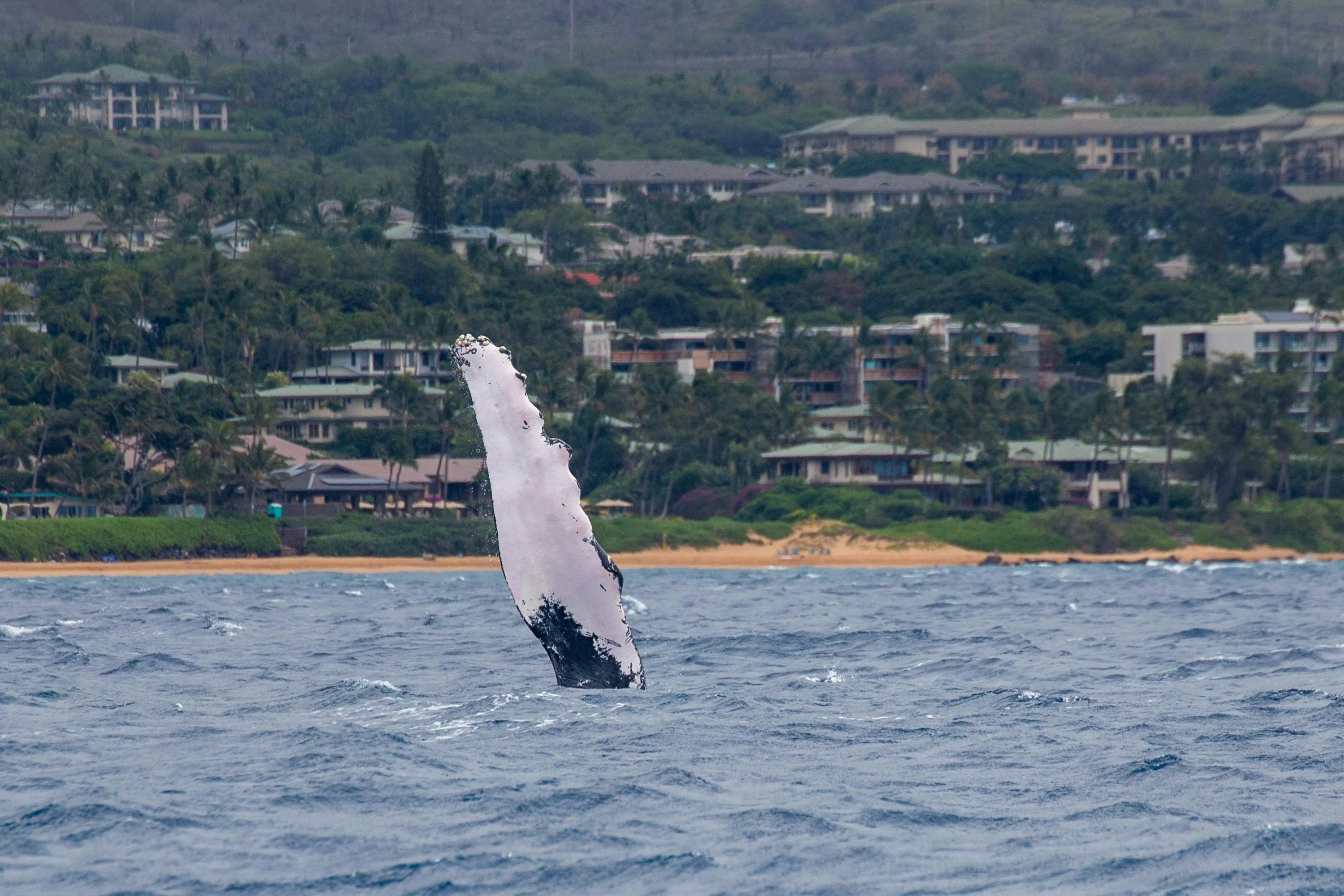
If you can fit it into your schedule, the best approach is:
✅ Book one whale watching tour early in your trip
✅ Shore watch throughout the rest of your stay
That way, you’ll get the up-close excitement from the boat, and the peaceful daily enjoyment of spotting whales from land.
It’s also smart because whale sightings vary day to day—doing both increases your overall chances of unforgettable whale watching moments.
Whale watching season typically runs from December through April, with peak sightings often in January and February.
Both are great. Boat tours offer closer encounters, while shore watching is free, flexible, and relaxing.
Yes! Maui is one of the best places in Hawaii for shore-based whale watching, especially along the west and south coasts.
Most tours do not guarantee sightings, but many offer a “return trip free” or discounted rebooking policy if whales aren’t seen.
Yes, most whale watching tours are family-friendly, but it’s important to choose a reputable operator and consider ocean conditions.
Bring sunscreen, sunglasses, water, a light jacket, and motion sickness medicine if needed. A camera or phone with zoom is a bonus.
Morning tends to have calmer ocean conditions and clearer visibility, making whale watching easier from both boat and shore.
You can sometimes hear whales on tours that use hydrophones. From shore, you generally won’t hear them without specialized equipment.
If you would like to read and learn more about interesting things in Hawaii! Check out our blog page here on our website!
or
Image Credits:
A stunning view of a whale tail gracefully emerging from the sea with a mountainous backdrop. - Photo by Francesco Ungaro, via Pexels, modified
Majestic whale tail splashing in vibrant blue ocean near Hawaii's scenic shoreline. - Photo by Daniel Ross, via Pexels, modified
Captivating image of a humpback whale's tail creating a splash against a dramatic sky. - Photo by Silvana Palacios, via Pexels, modified
A humpback whale fin breaks the ocean surface near a coastal town. - Photo by Leif Blessing, via Pexels, modified
If you’re visiting Maui during the winter months, there’s a good chance you’ll experience one of Hawaii’s most unforgettable natural events: humpback whales arriving in warm island waters. While many visitors think you need to book a boat tour to have a great experience, the truth is that Maui offers some of the best shoreline whale watching in the world. In fact, you can often spot whales from land—sometimes shockingly close—as they migrate, rest, and socialize in the channels around the island.
Whether you’re traveling with family, prefer a more budget-friendly experience, or simply love the idea of watching wildlife from the sand with your feet in the water, this guide will help you find the best beaches on Maui for whale watching without a boat.
Maui’s peak whale watching season typically runs from December through April, with the highest activity usually happening January through March. During these months, the waters between Maui, Lanaʻi, and Kahoʻolawe become a hotspot for humpbacks—and the island’s shoreline becomes your front-row seat.
Kāʻanapali Beach is one of Maui’s most iconic stretches of sand, and it’s also one of the most reliable places for whale watching from shore. The West Maui coastline faces the Auʻau Channel, which becomes a major highway for humpback whales in winter.
Why it’s great for whale watching:
Best viewing tips:
Walk toward the northern end (near Black Rock) or find an open stretch of sand and scan the horizon slowly. You’ll often see tail slaps and breaches here, especially in the morning.
Black Rock isn’t just a snorkeling and cliff-jumping spot—it’s also a powerful whale watching location because the elevated rock gives you a slightly higher vantage point than standing on flat sand.
Why it’s great for whale watching:
Best viewing tips:
Bring binoculars if you have them. Even without them, you can usually see the telltale white misty blow of a whale spout out in the channel.
Kapalua Bay is known for calm, clear water and a scenic, protected feel—but it’s also a surprisingly good place for shoreline whale watching. You may not always see whales as close as other areas, but the peaceful atmosphere makes it a beautiful place to watch.
Why it’s great for whale watching:
Best viewing tips:
If you don’t spot activity right away, stay patient. Whales can appear out of nowhere, especially mid-morning.
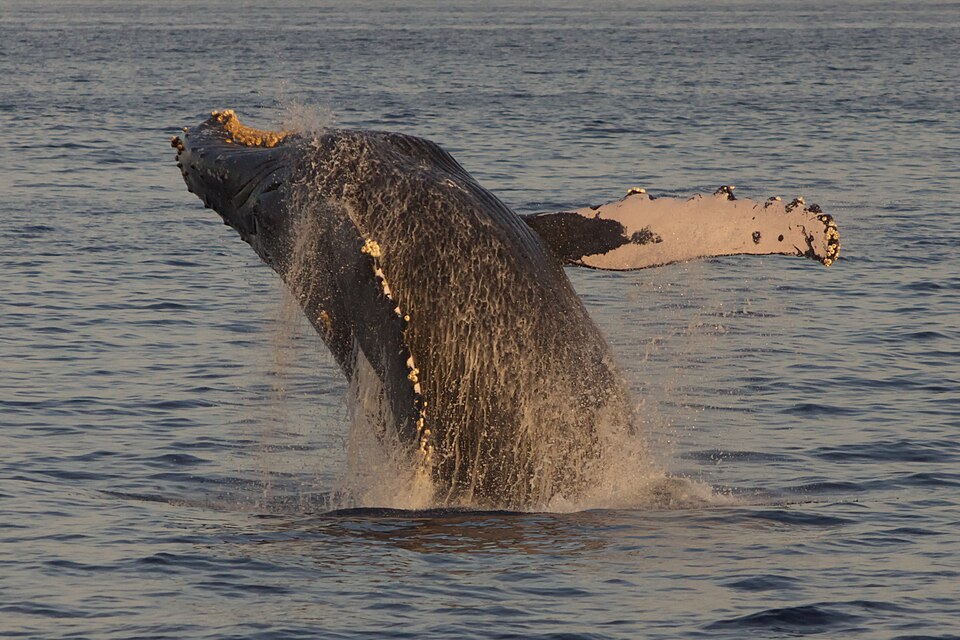
If you want a beach that feels open, dramatic, and less “touristy,” Fleming Beach is an excellent choice. The waves can be rough here, so it’s not always ideal for swimming—but it’s great for whale watching.
Why it’s great for whale watching:
Best viewing tips:
This is a great beach to bring a towel or beach chair and commit to a longer viewing session.
South Maui isn’t always the first place visitors think of for whale watching, but Wailea Beach can deliver excellent sightings in season. The combination of shoreline access, open water visibility, and nearby points makes it a strong option—especially if you’re staying in the Wailea area.
Why it’s great for whale watching:
Best viewing tips:
Look out toward the deeper water and keep scanning—whales often surface in cycles, so spotting the first blow is the key.
Makena Beach—often called Big Beach—offers one of the most expansive ocean views on Maui, making it ideal for shoreline whale watching. It feels wild and wide open, which helps you focus on the water.
Why it’s great for whale watching:
Best viewing tips:
The surf here can be powerful. Even if you don’t swim, it’s an incredible location to sit safely on the sand and watch the channel.
Just around the corner from Big Beach, Little Beach offers a more secluded setting. It’s not for everyone, but if you’re comfortable with the vibe and want a quieter whale watching experience, it can be rewarding.
Why it’s great for whale watching:
Best viewing tips:
Go early in the morning for the calmest conditions and best chance of spotting spouts.
To get the best land-based whale watching experience on Maui, try these simple strategies:
Morning is often the best time for whale watching because winds are lighter and the ocean surface is smoother, making whale spouts easier to spot.
The best months for whale watching on Maui are usually January through March, though sightings often begin in December and can continue into April.
Yes—Maui is one of the best places in the world for shoreline whale watching, especially from beaches on the west and south sides of the island.
Not required, but binoculars make whale watching much easier and more exciting, especially for spotting tail flukes and breaches farther out.
Look for spouts, dark shapes surfacing, tail slaps, and breaching. Spouts are usually the easiest clue to start with.
West Maui (Kāʻanapali, Kapalua) and parts of South Maui (Wailea, Makena) are popular shoreline whale watching areas.
If you would like to read and learn more about interesting things in Hawaii! Check out our blog page here on our website!
or
Image Credits:
A Humpback Whale Jumping From the Ocean - Photos by Leif Blessing, via Pexels
Humpback Whale Breaching off Maui – Photo by Jkrauska, via Wikimedia Commons (CC BY-SA 3.0)
Fin of a Humpback Whale Above the Water Surface - Photo by Leif Blessing, via Pexels
Maui is famous for its breathtaking coastline, warm ocean water, and laid-back island lifestyle—and for families, that means one thing: unforgettable beach days. But not all beaches are created equal when you’re traveling with kids. Some spots have calm water and lifeguards, while others are better left to experienced swimmers or older teens.
If you’re planning a family trip and want safe, fun, and easy-to-enjoy beaches on Maui, this guide covers the top family-friendly choices, what makes each one special, and simple tips to make your day smoother from start to finish.
Before we dive into the list, here are the features families should look for when choosing beaches:
Maui has plenty of options, especially on the west and south sides where many of the island’s more protected swimming areas are found.
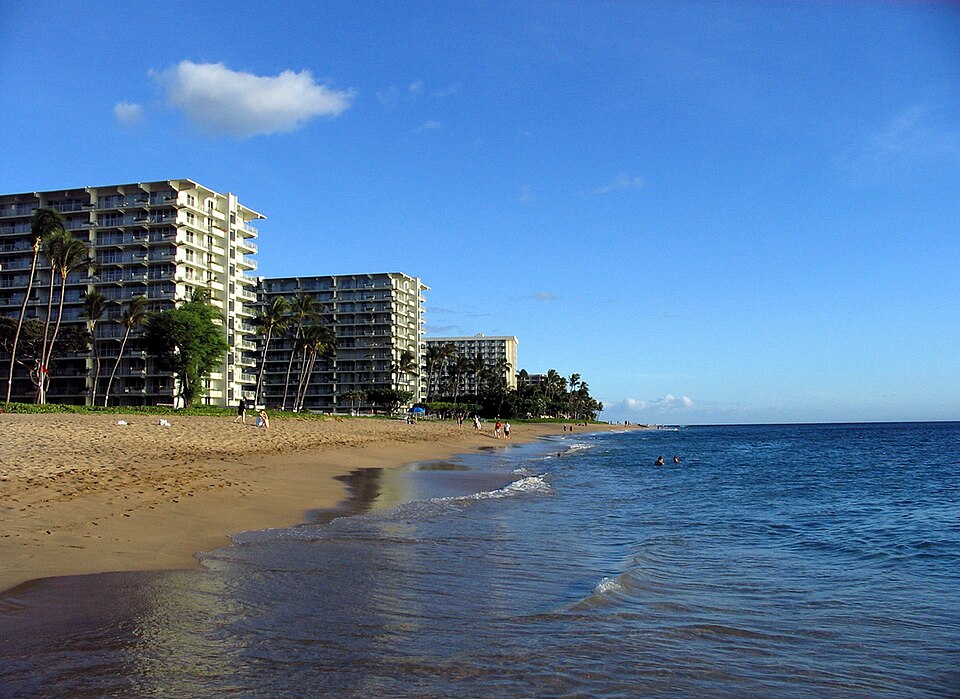
Kaʻanapali Beach is one of Maui’s most famous stretches of sand—and for good reason. It’s long, scenic, and full of family-friendly amenities. This is a great choice if you want a classic “Maui vacation” beach day with easy access to food, shade spots, and a comfortable atmosphere.
Why families love it:
Pro tip: Head toward the Black Rock area (Puʻu Kekaʻa) early in the morning for calmer water and potential turtle sightings.
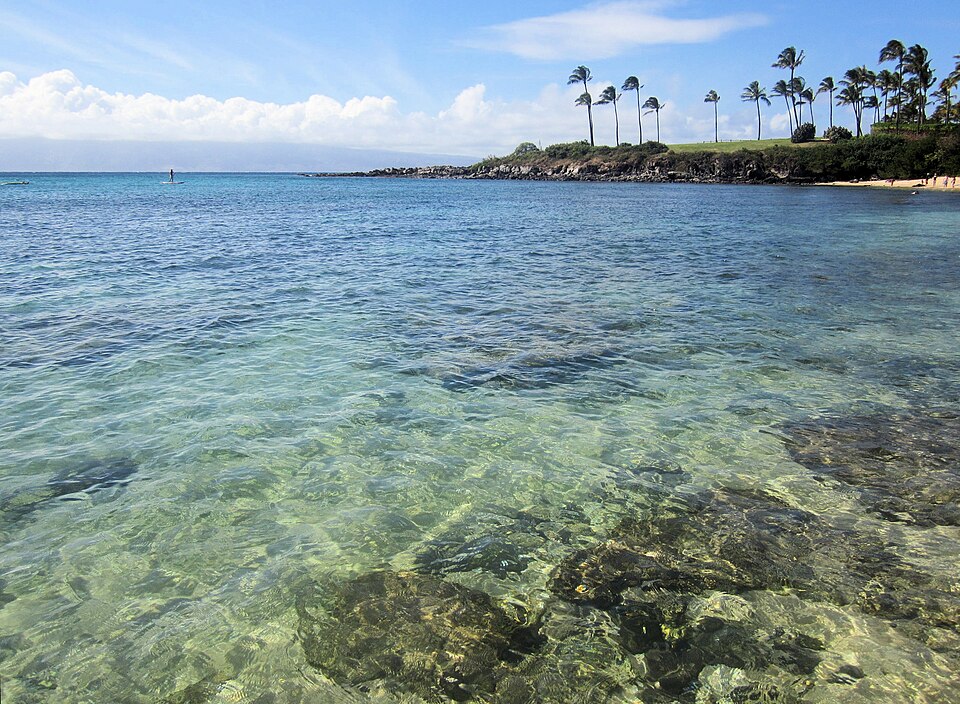
If you’re looking for one of the best protected snorkeling spots for families, Kapalua Bay is hard to beat. The curved bay shape helps block strong surf, creating clearer, calmer conditions—ideal for kids who want to explore the water without heavy waves.
Why families love it:
Pro tip: Bring snorkel gear and arrive early—this beach is popular and parking can fill quickly.
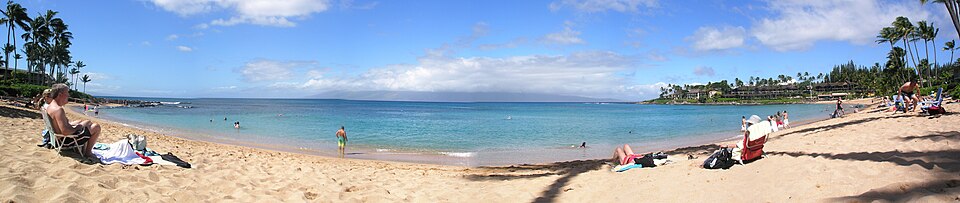
Napili Bay feels more relaxed and local than some of the bigger resort beaches. It has calm, swimmable water much of the year and a friendly vibe that makes it perfect for younger families.
Why families love it:
Pro tip: Pack a picnic and make this a slower, peaceful beach afternoon with less hustle.
Wailea Beach is a beautiful, clean beach with a smooth sandy entry and a well-maintained area surrounding it. It’s also close to resorts, paved walkways, and facilities—making it an easy and comfortable choice for families.
Why families love it:
Pro tip: This is a great beach for families who want comfort and convenience without sacrificing the “wow” factor.
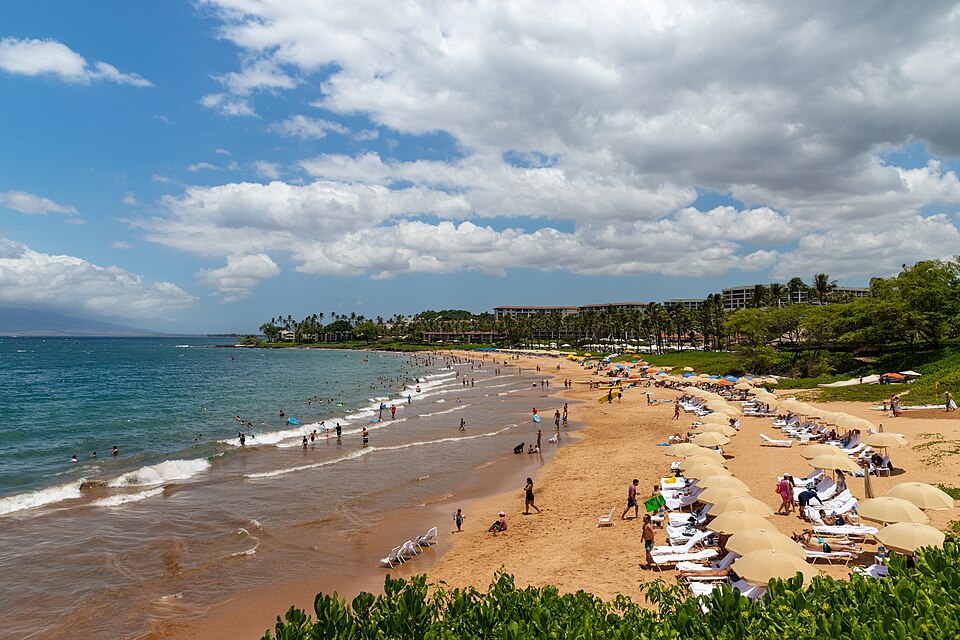
Ulua Beach is a smart pick if your family wants a mix of swimming, light snorkeling, and a calmer environment. It’s also known for having lifeguards and good access, which gives parents extra peace of mind.
Why families love it:
Pro tip: For younger kids, keep them close to shore and consider reef shoes—some areas have rocky patches.
The Kamaole Beach Parks (often called “Kam”) are some of the best overall family beaches on Maui. These parks are easy, reliable, and set up for a full beach day with restrooms, showers, grassy areas, and plenty of room to spread out.
Why families love it:
Pro tip: Kamaole III has more park space and is great for families who want a break from the sand without leaving the beach.
“Baby Beach” is known for having very shallow, calm water—perfect for toddlers and small kids when conditions are right. It’s often protected by reef areas that reduce wave energy, creating a natural pool-like feel.
Why families love it:
Important note: Always watch for changing tides and conditions, and be cautious of reef areas.
Pro tip: This is a “short and sweet” beach—perfect for a morning splash session before nap time.
A few quick tips can turn good beaches into great family memories:
Kapalua Bay, Kamaole Beach Parks, and Napili Bay are some of the most family-friendly beaches thanks to calmer water and easier access.
Baby Beach (when calm), Kamaole I, and Napili Bay are great toddler-friendly beaches with gentle entry and shallow areas.
Yes—many popular family beaches have lifeguards, especially beach parks like Kamaole and Ulua. Always look for posted signs and lifeguard towers.
The south and west sides often have calmer, more protected beaches, especially in the mornings. However, conditions can change any day.
Absolutely. Kapalua Bay and Ulua Beach are top snorkeling beaches for beginners, especially older kids who are comfortable in the water.
Avoid entering the ocean when waves are high, currents are strong, or warning signs are posted. Some beaches are better for experienced swimmers only.
Morning is usually best for family beaches—cooler weather, calmer water, and fewer crowds.
If you would like to read and learn more about interesting things in Hawaii! Check out our blog page here on our website!
or
Image Credits:
Photo by Zetong Li, via Unsplash
Kāʻanapali Beach, Maui – Photo by Joe Parks, via Wikimedia Commons (CC BY 2.0)
Kapalua Bay, Maui – Photo by Hakilon, via Wikimedia Commons (CC BY-SA 3.0)
Napili Bay, Maui – Photo by Cmholm, via Wikimedia Commons (CC BY-SA 3.0)
Wailea Beach, Maui – Photo by dronepicr, via Wikimedia Commons (CC BY 2.0)
If you’ve ever landed on Maui expecting one predictable beach-day forecast, you’re not alone. But Maui isn’t a one-weather island—it’s a living map of shifting skies, sun pockets, misty ridges, and dry plains that can change dramatically in under an hour. What makes Maui so fascinating is how many climates it holds at once. One side can be glowing under a bright blue sky while another is wrapped in cool rain and fog.
These microclimates are part of what makes Maui feel magical—and they also shape everything from your packing list to the best time to hike, surf, snorkel, or explore upcountry.
So why does Maui have so many different climates? Let’s break it down, region by region, so you know exactly what to expect (and how to enjoy it).
Maui’s climate diversity comes from a few major factors working together:
Together, these forces create a patchwork of climates ranging from tropical rainforest to high-altitude desert.
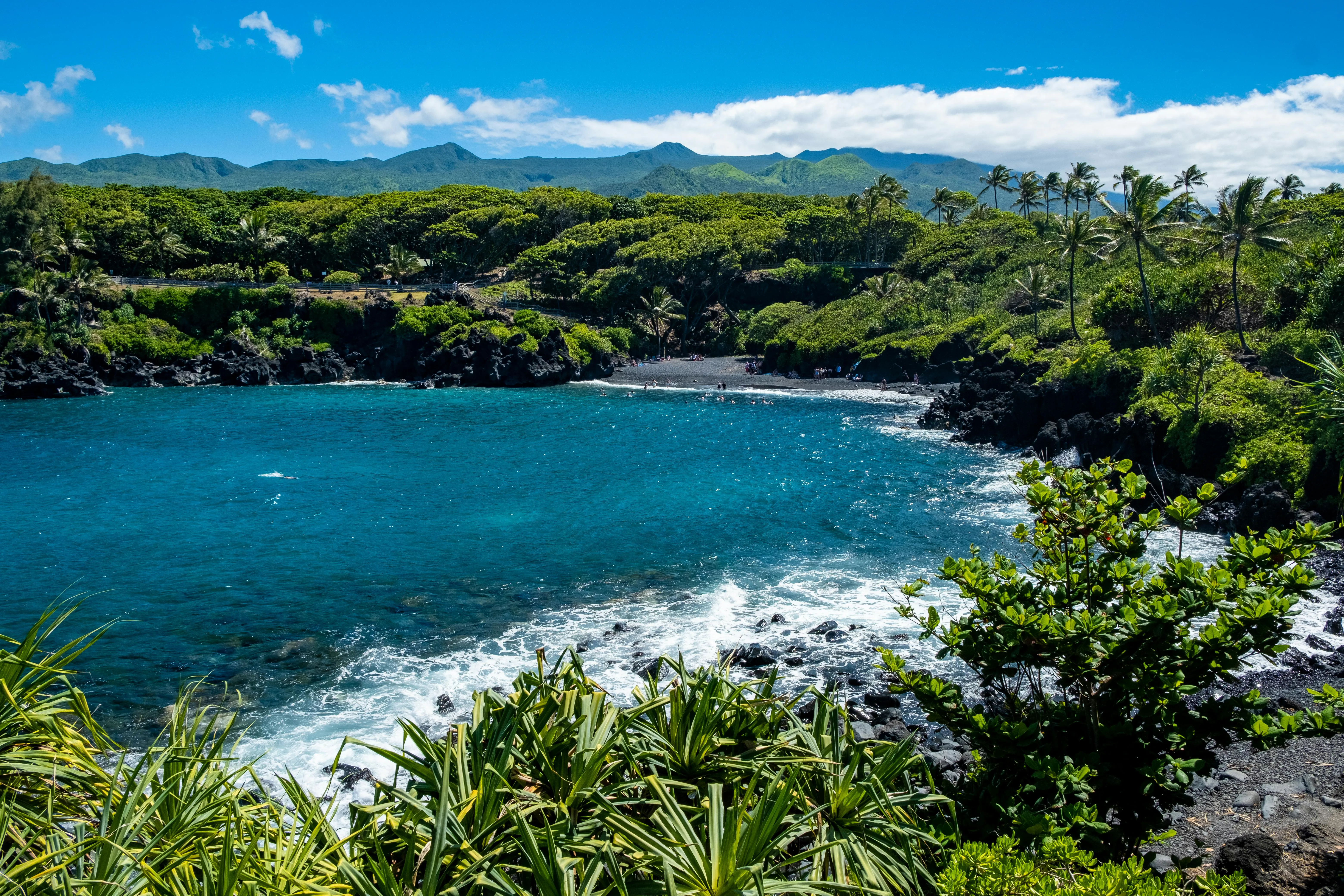
Key areas: Hāna, Keʻanae Peninsula, parts of East Maui
Typical feel: Humid, rainy, deeply tropical
If you picture Maui as a place filled with waterfalls, jungle roads, and misty cliffs—this is where that vision comes to life. The windward side receives more frequent rainfall thanks to trade winds carrying moisture into the mountains.
This climate makes for:
Pro tip: Bring a light rain jacket and shoes that can handle mud if you plan on hiking. The lush climates here can turn trails slick quickly.
Key areas: Kīhei, Wailea, Mākena
Typical feel: Warm, dry, and consistently sunny
South Maui is famous for being one of the most reliable places to find sun on the island. Thanks to the rain shadow effect, this region tends to stay drier with fewer clouds, making it a favorite for travelers who want classic beach weather.
These climates are ideal for:
Pro tip: Even when it’s hot, wind can pick up in the afternoon. Sunscreen and a light cover-up go a long way.
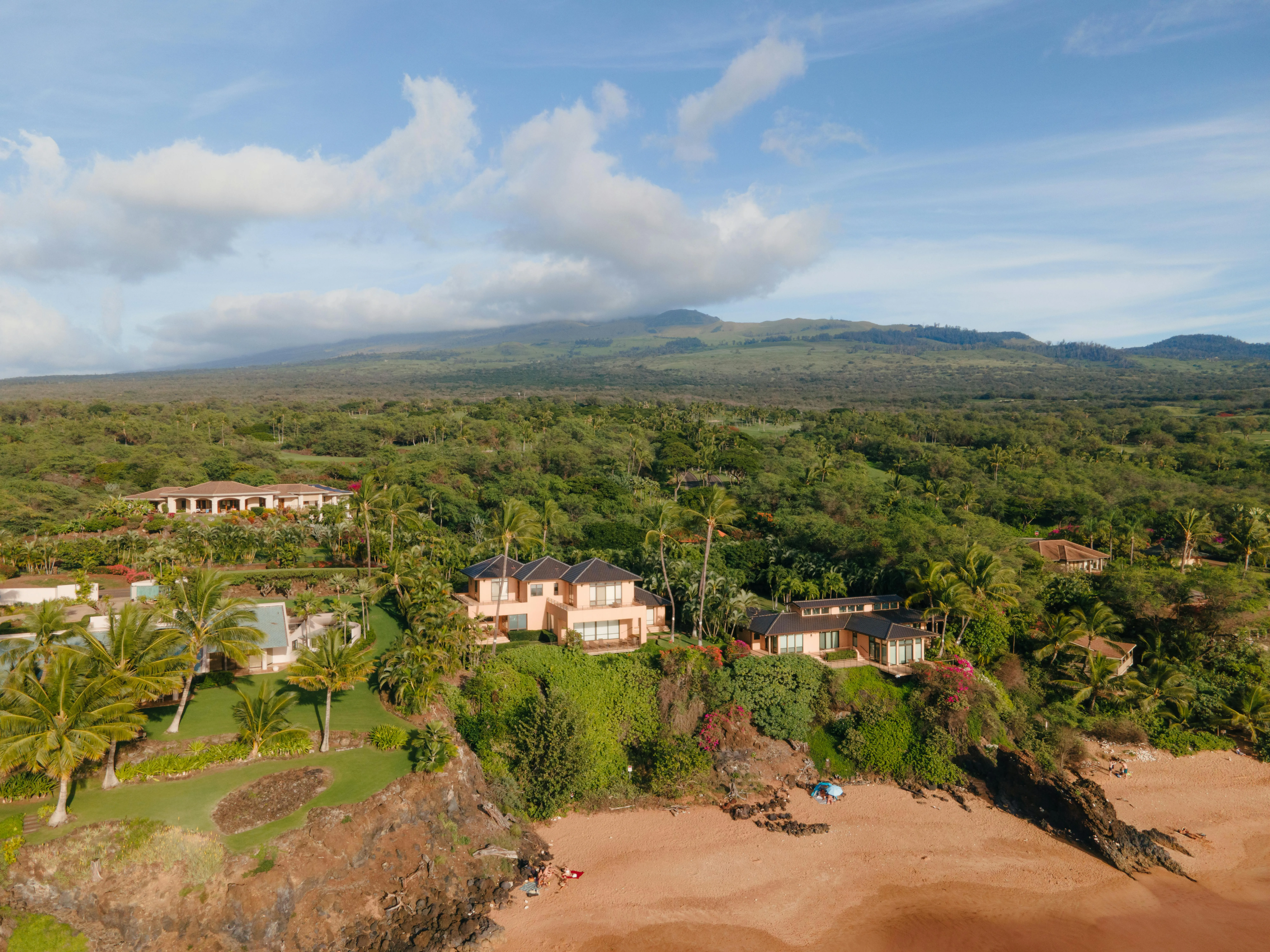
Key areas: Kā‘anapali, Lahaina, Kapalua, Nā Pali? (not Maui)
Typical feel: Mostly sunny coastline with wetter upland pockets
West Maui’s coastal resorts often enjoy warm and dry weather, but the West Maui Mountains bring localized rainfall—especially in higher elevations and valley areas. You can drive a short distance and see a clear shift in conditions.
This creates climates that support:
Pro tip: If it’s cloudy in one part of West Maui, it’s worth driving 10–15 minutes. You may find sunshine almost instantly.
Key areas: Kahului, Wailuku
Typical feel: Windy, warm, and sometimes overcast
Central Maui sits in a natural “wind tunnel” between Haleakalā and the West Maui Mountains. This makes the area noticeably breezier than many coastal resort regions.
These climates often feel:
This is also why you’ll see kiteboarding and wind sports thrive here—wind is a defining part of the climate.
Pro tip: If you’re doing anything involving flying hats, loose beach towels, or umbrellas—secure them!
Key areas: Makawao, Kula, Ulupalakua
Typical feel: Cooler, drier, and more seasonal
Upcountry Maui offers a totally different experience from the beach. The elevation brings cooler temperatures, crisp evenings, and more noticeable seasonal shifts. This is where you’ll find farms, lavender fields, paniolo (Hawaiian cowboy) culture, and sweeping views down toward the coastline.
Upcountry climates support:
Pro tip: Bring a hoodie or light jacket if you’re heading up in the evening. The temperature drop surprises a lot of visitors.
Key area: Haleakalā National Park (Summit District)
Typical feel: Cold, windy, thin air, sudden weather changes
This is Maui’s most extreme climate zone. At over 10,000 feet, the summit can feel more like a desert mountain landscape than a tropical island. Sunrise trips are famous here, but they’re also famously cold.
Expect:
Pro tip: Dress like you’re going to a winter lookout, not a beach day. Layers are everything.

Understanding Maui climates helps you:
It’s also a big reason Maui feels like multiple vacations in one—beach mornings, forest afternoons, upcountry sunsets, and summit stargazing can all happen in a single trip.
Maui’s climates change due to major elevation differences, trade winds, and mountain rain shadows that create wet and dry zones close together.
It depends on what you want. South Maui is often sunny and dry, while windward Maui is wetter and lush. West Maui tends to have a mix of both.
Not always, but it’s common. The climates along the Road to Hāna are tropical and humid, and passing showers happen often.
Haleakalā Summit is usually the coldest climate zone on Maui due to its high elevation and strong winds.
Yes—especially if you visit upcountry or Haleakalā. Even in warm beach climates, evenings can feel cooler with wind.
South Maui (Kīhei/Wailea) and parts of Lahaina are among the driest areas because they sit in a rain shadow.
Absolutely. Clouds and showers can move fast, and driving across the island can feel like switching seasons.
Pack versatile layers: light rain jacket, reef-safe sunscreen, breathable clothes, good walking shoes, and one warm layer for higher elevations.
If you would like to read and learn more about interesting things in Hawaii! Check out our blog page here on our website!
or
Image Credits:
Aerial View of Tropical Beach in Maui, Hawaii - Photo by Michal Vaško, via Pexels
Forest in Bay on Sea Shore - Photo by Kelsey, via Pexels
Buildings by a Beach - Photo by Griffin Wooldridge, via Pexels
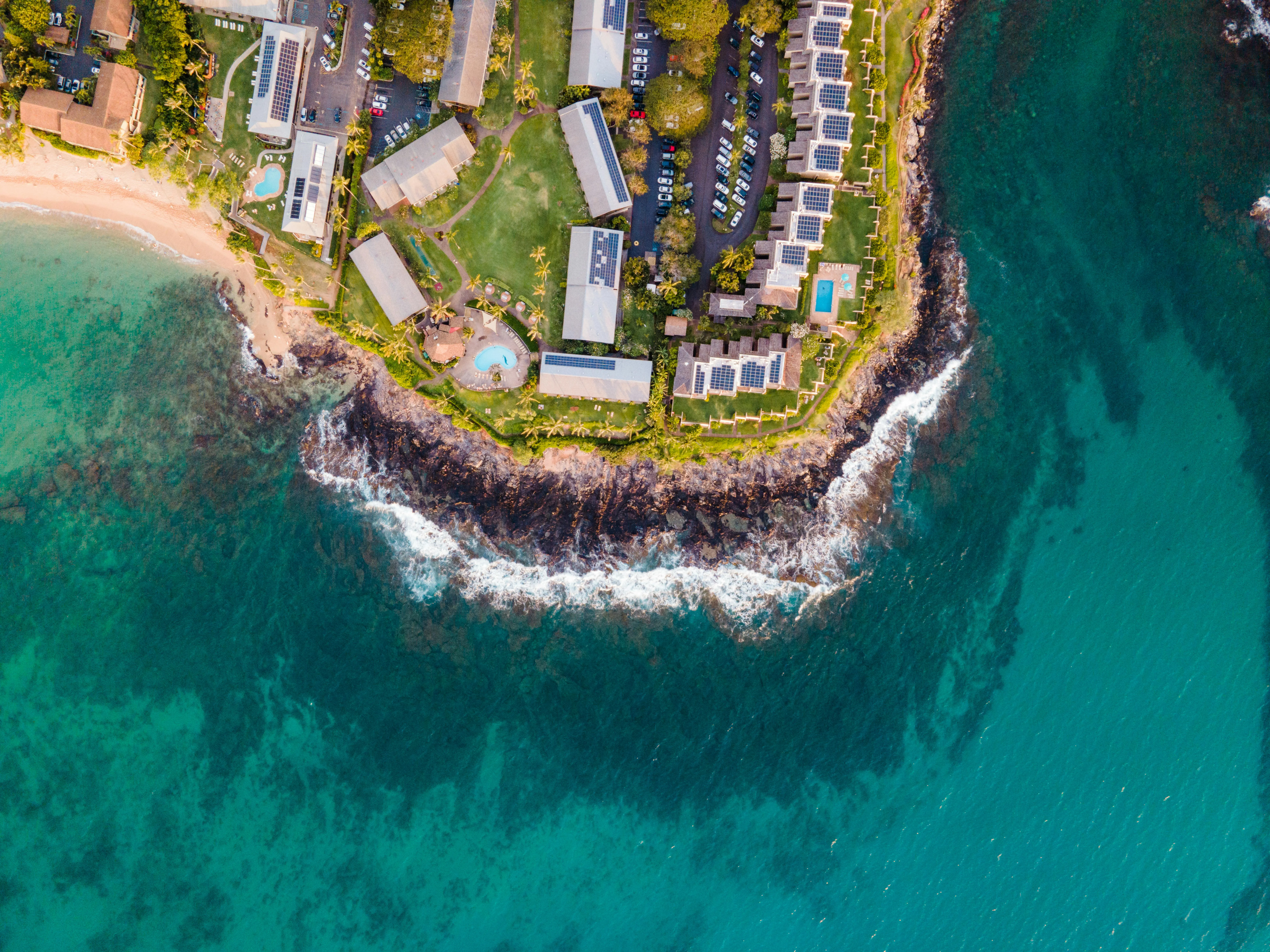
Birds Eye View of Buildings and Rocks on Sea Shore - Photo by Griffin Wooldridge, via Pexels
Scenic View of Mountains - Photo by Edoardo Colombo, via Pexels
Few natural spectacles on Earth compare to the legendary wave - Jaws when it comes alive. Towering walls of water, thunderous impacts, and some of the world’s most elite big-wave surfers converging in one place — this is Peʻahi, Maui’s most legendary surf break. When conditions align, Jaws transform from a quiet stretch of coastline into a front-row seat to raw ocean power.
Right now, as winter swells light up the North Pacific, interest in Jaws spikes worldwide. Whether you’re on Maui, planning a visit, or watching from afar, knowing how and where to watch Jaws while it’s breaking makes all the difference.
Jaws is the nickname for Peʻahi, a deep-water reef break on Maui’s North Shore. Unlike beach breaks that crumble near shore, Jaws rises abruptly over a submerged lava reef, causing incoming swells to jack up into massive, perfectly shaped waves. When winter storms send long-period swells toward Hawaii, Jaws can produce faces exceeding 60 feet.
This wave is not paddled casually. It is a proving ground for big-wave surfing legends and modern watermen who rely on jet skis, safety teams, and years of experience to survive its power.
Jaws gained international fame in the 1990s when tow-in surfing allowed riders to access waves previously considered impossible. Since then, names like Laird Hamilton, Kai Lenny, and Makua Rothman have helped cement Jaws as one of the most extreme surf locations on the planet.
What sets Jaws apart is its combination of height, speed, and violence. These waves break with explosive force, often creating dramatic wipeouts that draw photographers, drone pilots, and spectators from around the globe.
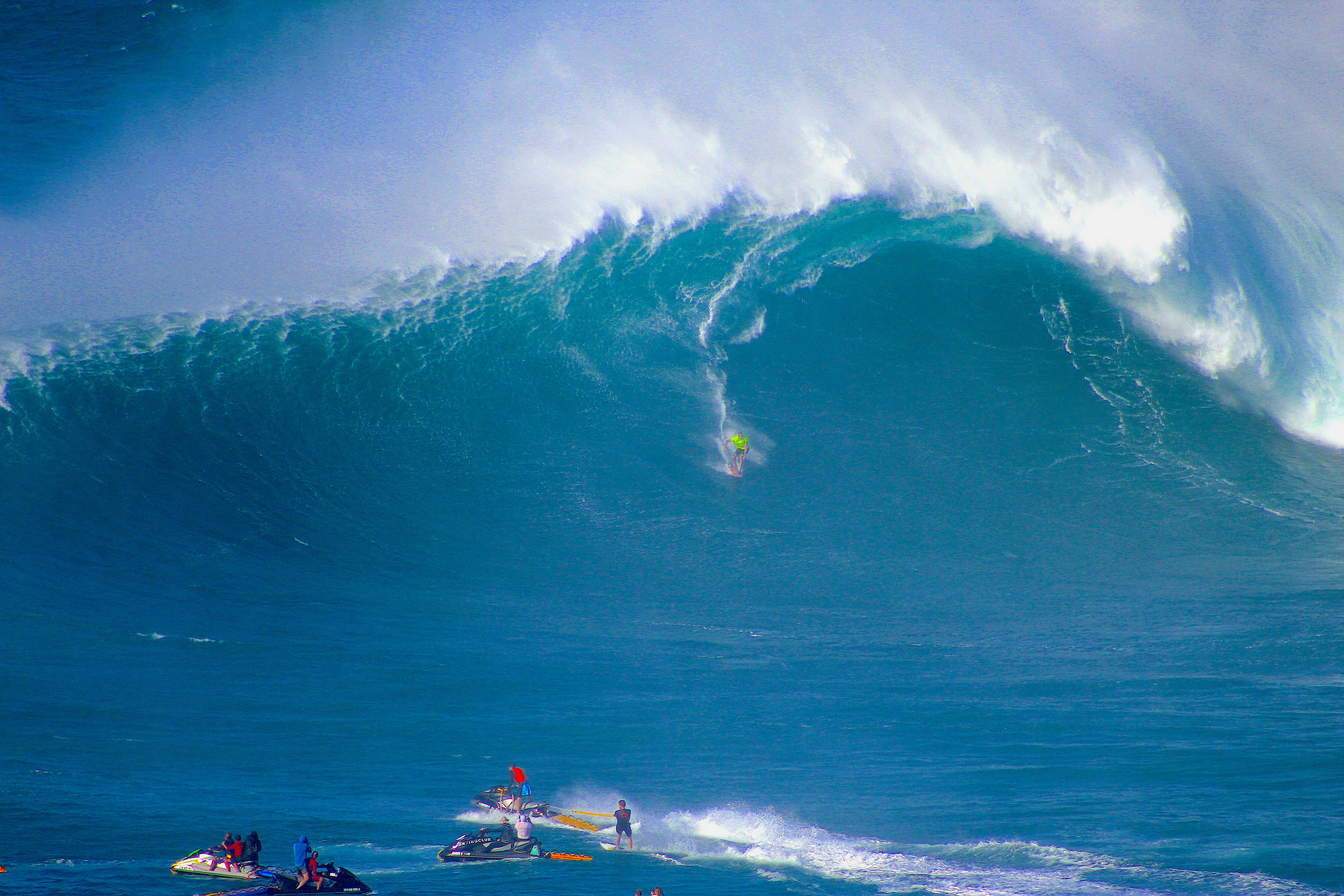
If Jaws is going off today, you don’t need to be on Maui to witness it.
1. Live Surf Cams
Several surf cam networks provide real-time footage of Peʻahi when conditions allow. These cameras are the fastest way to confirm whether Jaws is breaking and how large the swell really is.
2. Livestreams & Surf Media
During major swell events, surf media outlets and independent crews often broadcast live sessions from Jaws. These streams may include commentary, multiple angles, and slow-motion replays of the biggest waves.
3. Social Media & YouTube
Platforms like Instagram, YouTube, and Facebook light up when Jaws turns on. Search terms such as:
Many clips are uploaded within minutes of being filmed, offering near-live coverage from the cliffs and water.
4. Surf Forecast Tools
Before tuning in, check wave forecasts for swell height, swell period, and wind direction. Jaws performs best with strong north or northwest swells and light winds. Knowing this helps you anticipate when Jaws will peak.
If you’re on Maui while Jaws is breaking, watching from the cliffs above Peʻahi is unforgettable.
Safety matters: The terrain is steep, windy, and undeveloped. Stay well back from cliff edges and respect posted warnings.
Jaws is a winter phenomenon. The prime season runs from November through March, when powerful North Pacific storms generate the long-period swells needed to activate the reef. The biggest days often arrive with little notice, making real-time monitoring essential.
Jaws is a legendary big-wave surf break at Peʻahi on Maui’s North Shore, known for producing some of the largest rideable waves in the world.
You can watch Jaws via live surf cams, surf media livestreams, or real-time videos shared on social media platforms like YouTube and Instagram.
Jaws is largest during winter months when strong north or northwest swells reach Maui, typically between November and March.
No. Jaws is reserved for elite big-wave surfers with extensive training, safety teams, and specialized equipment.
Yes, if you stay in designated viewing areas, keep a safe distance from cliffs, and respect the natural hazards of the location.
If you would like to read and learn more about interesting things in Hawaii! Check out our blog page here on our website!
or
Image Credits:
Photo by Delfi de la Rua , via Wikimedia Commons (CC BY-SA 3.0), modified
Surfer Riding a Big Wave - Photo by Peggy Johnson Philip Waikoloa, via Pexels
Hawaiʻi might be famous for sunshine and palm trees, but every winter the islands experience a dramatic shift in ocean energy. Powerful winter storms in the North Pacific send massive swells thousands of miles toward the Hawaiian Islands, transforming normally calm coastlines into world-class wave arenas. These winter storms are the driving force behind legendary surf breaks like Peʻahi (Jaws) on Maui, where waves can exceed 60 feet during peak conditions.
Right now, winter storms are actively lighting up Hawaiʻi’s north shores, and conditions can change by the hour. If you’re wondering how these storms work—and more importantly, how to safely watch Jaws go off in real time—this guide breaks it all down.
Hawaiʻi’s big-wave season runs roughly from November through March, when intense low-pressure systems form near Alaska and the Aleutian Islands. These winter storms generate powerful winds over vast stretches of open ocean, known as “fetch.” The longer and stronger the fetch, the more energy is transferred into the water.
As these swells travel south across the Pacific, they organize into long-period waves. By the time they reach Hawaiʻi, they carry enormous power. When these swells collide with the islands’ underwater topography—especially steep reefs like Peʻahi—the energy is forced upward, producing towering, fast-breaking waves that are unmatched anywhere else in the world.
Jaws is particularly sensitive to winter storms because of its unique bathymetry. A deep-water channel funnels swell energy directly into a shallow reef, causing waves to jack up suddenly and violently. This is why Jaws only breaks during significant winter storm events and remains relatively calm the rest of the year.
Unlike beach breaks, Jaws is not a casual surf spot. It only comes alive when winter storms push wave heights into the extreme category. On these days, professional big-wave surfers and tow-in teams from around the world converge on Maui’s north shore.
What makes Jaws special isn’t just size—it’s raw power. The waves move faster, break harder, and demand absolute precision. For spectators, this creates a once-in-a-lifetime viewing experience, especially when winter storms stack multiple large swells back-to-back.
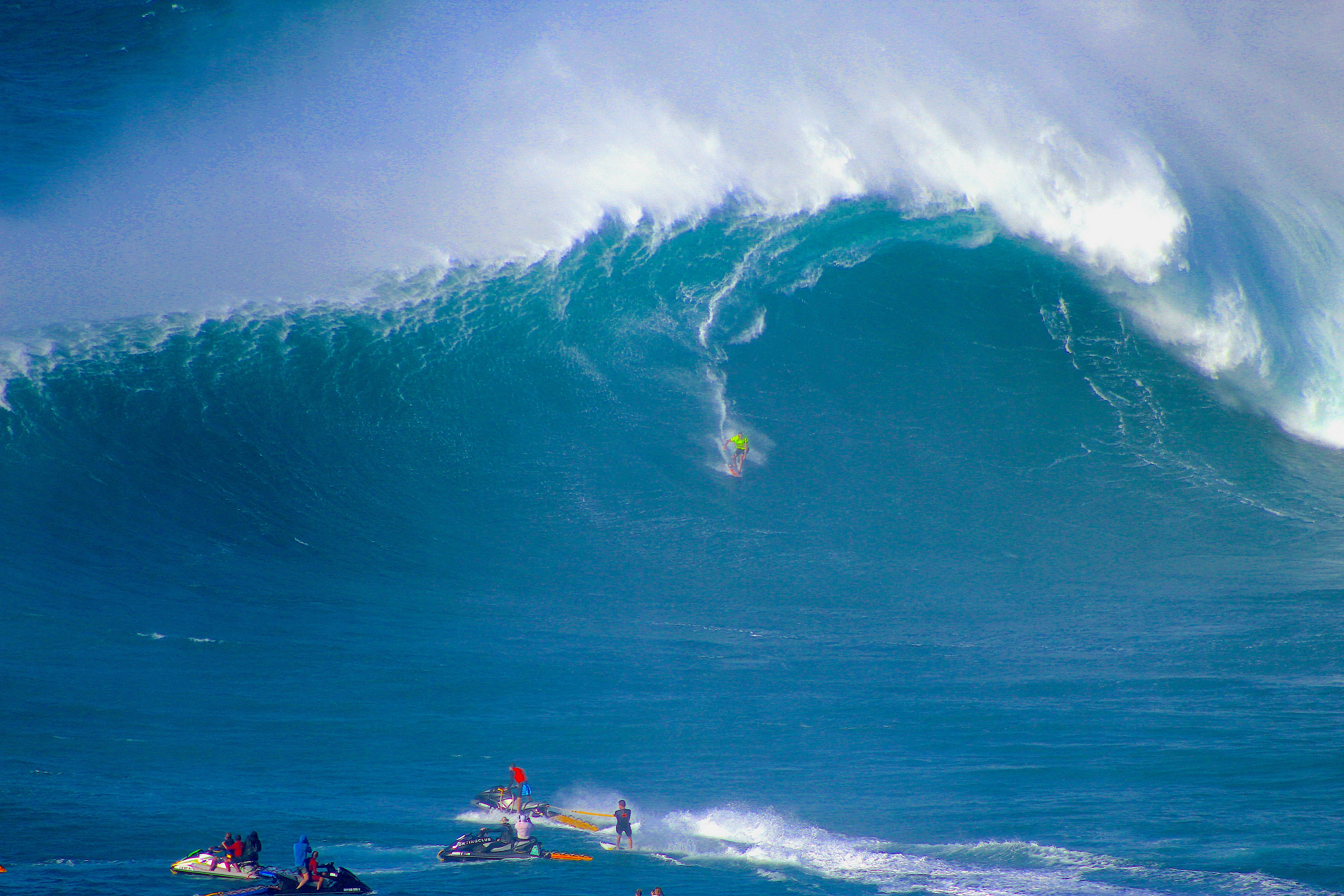
If winter storms are currently impacting Hawaiʻi, timing and location are everything. Here’s how to catch the action safely and responsibly.
1. Head to the Cliffs Above Peʻahi
The most popular and safest viewing area is from the cliffs overlooking Peʻahi. These elevated vantage points allow you to see the entire break without being anywhere near the danger zone. Always stay well back from cliff edges, as winter storms bring strong winds and unstable ground.
2. Arrive Early
When winter storms hit, word spreads fast. Parking and access become limited, especially on Maui’s narrow north-shore roads. Arriving early increases your chances of finding legal parking and a clear view.
3. Watch the Wind
Clean conditions matter. Winter storms generate the swell, but lighter local winds create the best viewing. Offshore or light winds allow the waves to stand up cleanly, making each set more dramatic.
4. Never Attempt Ocean Access
This cannot be overstated: winter storm conditions at Jaws are extremely dangerous. Do not attempt to hike down to the water, swim, or paddle out. Even experienced surfers treat these conditions with extreme caution.
Winter storms don’t just affect surfers—they impact roads, cliffs, and coastlines. High surf advisories, road closures, and emergency warnings are common during major swell events. Always respect posted signs and local guidance.
Additionally, remember that Jaws is located near residential areas. Be respectful of private property, park legally, and pack out anything you bring with you. Watching winter storms in Hawaiʻi should be awe-inspiring, not disruptive.
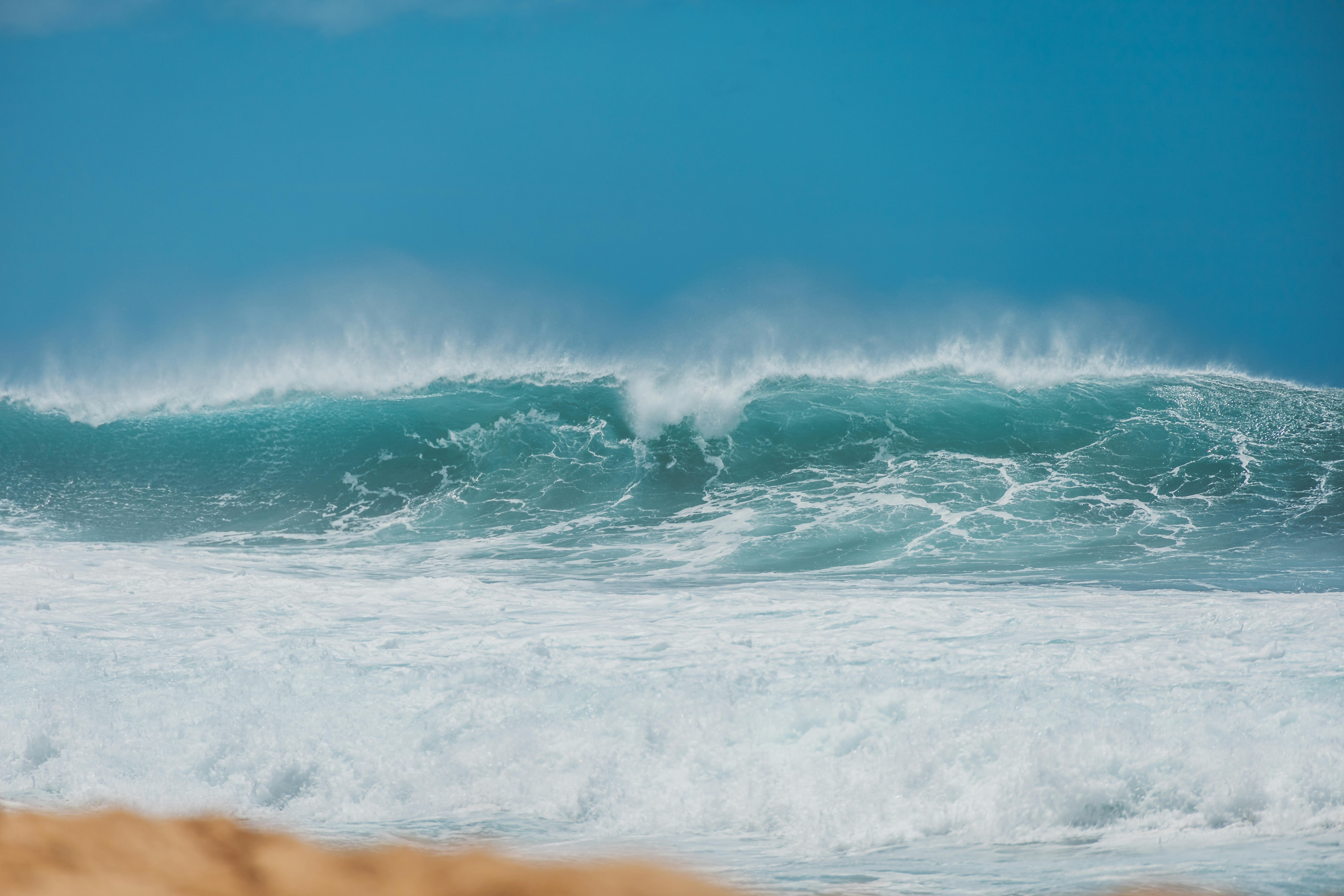
Beyond big waves, winter storms play a critical role in Hawaiʻi’s natural systems. They help replenish beaches, shape reefs, and redistribute sand along coastlines. While they can be destructive in the short term, winter storms are part of the long-term balance of the islands’ environment.
For visitors, witnessing the power of winter storms offers a deeper appreciation of Hawaiʻi’s dynamic nature—one that goes far beyond the postcard image.
Winter storms are powerful low-pressure systems in the North Pacific that generate large ocean swells, heavy winds, and high surf across the Hawaiian Islands.
Winter storms typically affect Hawaiʻi between November and March, with peak surf activity occurring in December and January.
Winter storms produce strong winds over long distances, creating large swells that travel to Hawaiʻi. When these swells hit reefs like Peʻahi, they rapidly rise into massive waves.
Yes, if you stay in designated viewing areas on the cliffs and follow safety guidelines. It is never safe to enter the water or approach the break during winter storm conditions.
Absolutely. Winter storms also create massive waves on the north shores of Oʻahu, Kauaʻi, and other islands, though Jaws is among the largest and most dramatic.
If you would like to read and learn more about interesting things in Hawaii! Check out our blog page here on our website!
or
Image Credits:
People Surfing on Big Ocean Waves - Photo by MARCO DE ASSIS, via Pexels
Surfer Riding a Big Wave - Photo by Peggy Johnson Philip Waikoloa, via Pexels
Ocean Waves Crashing on Shore - Photo by Jess Loiterton, via Pexels
Hawaiʻi is unlike anywhere else in the world. While many destinations are known for beaches, scenery, or weather, Hawaiʻi stands apart because of its deeply layered culture. The islands are a living example of how diverse traditions can coexist, evolve, and blend into a shared identity. From Native Hawaiian roots to influences brought by immigrants from across the globe, Hawaiʻi’s culture is a powerful fusion shaped by history, resilience, and community.
Understanding Hawaiian culture means looking beyond surface-level experiences and appreciating how language, food, customs, and values have merged over generations. This cultural mixture is not accidental—it is the result of centuries of migration, labor, and shared life on isolated islands in the Pacific.
At the heart of Hawaiʻi’s cultural identity is Native Hawaiian culture. Long before Western contact, Native Hawaiians developed a sophisticated society rooted in spirituality, land stewardship, and community responsibility. Concepts such as aloha, ʻohana (family), and kuleana (responsibility) are more than words—they are guiding principles that continue to influence modern Hawaiian culture.
Hula, oli (chants), traditional navigation, and respect for the ʻāina (land) remain essential elements. Even as new cultures arrived, Native Hawaiian values became the foundation upon which Hawaiʻi’s multicultural society was built.
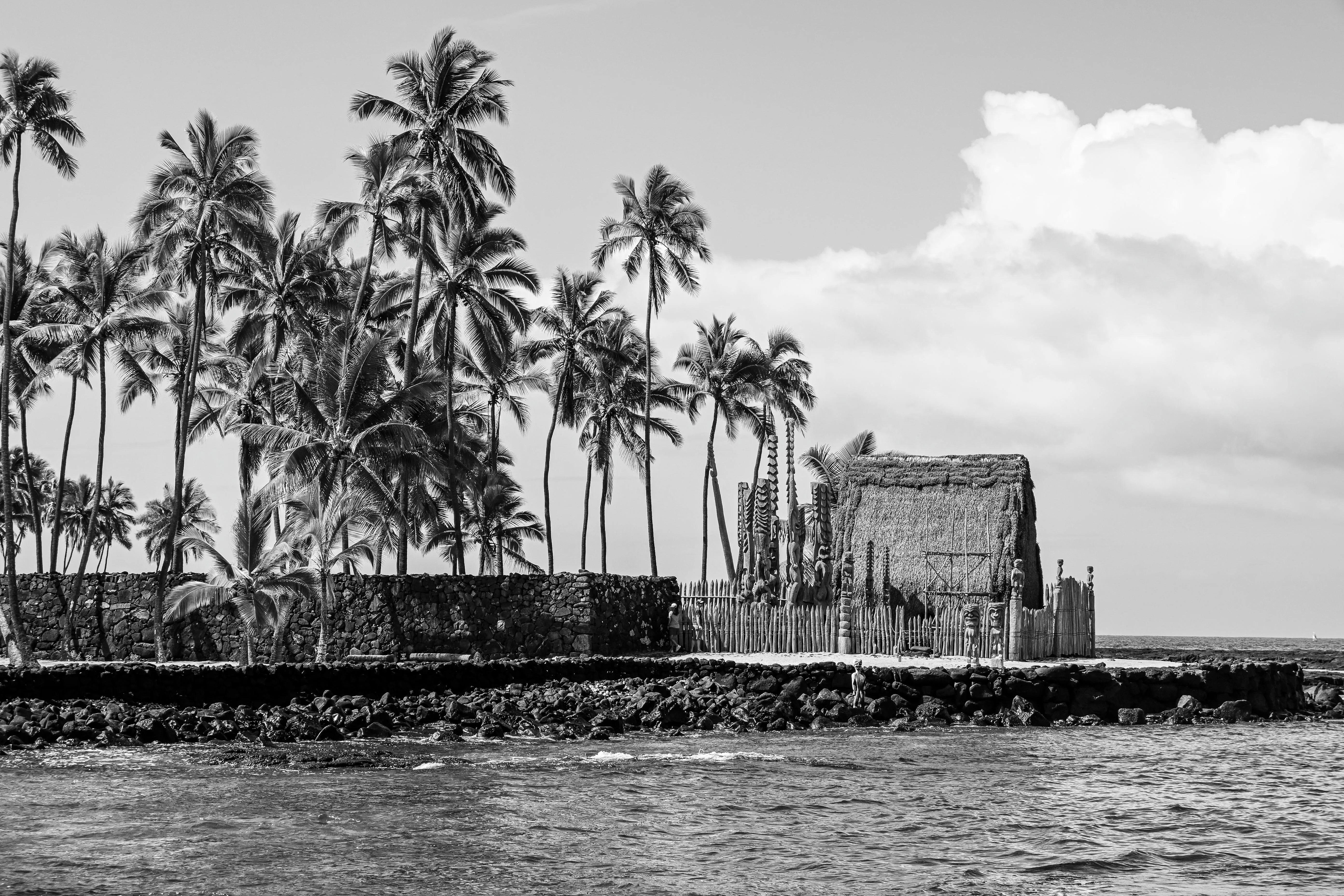
The major expansion of Hawaiʻi’s culture occurred during the plantation era of the 19th and early 20th centuries. Sugar and pineapple plantations brought laborers from China, Japan, Okinawa, the Philippines, Korea, Portugal, Puerto Rico, and other regions. Each group arrived with its own language, religion, food traditions, and social customs.
Rather than remaining isolated, these communities lived and worked alongside one another. Over time, their cultures blended organically. Children attended the same schools, families shared meals, and traditions influenced one another. This environment created a uniquely Hawaiian multicultural identity rather than separate ethnic enclaves.
One of the most visible expressions of Hawaiʻi’s mixed culture is its food. Local cuisine reflects generations of cultural blending. Dishes such as plate lunches, saimin, poke, and loco moco combine ingredients and techniques from multiple traditions.
Food in Hawaiʻi is more than nourishment—it is how culture is shared. Family gatherings, celebrations, and even casual social interactions often revolve around meals. Each dish tells a story of migration, adaptation, and unity, making cuisine one of the strongest symbols of Hawaiian culture.
Language plays a major role in cultural fusion. Hawaiian, English, and Hawaiʻi Creole English (commonly called Pidgin) coexist throughout the islands. Pidgin developed as a practical way for plantation workers from different backgrounds to communicate, but it eventually became a cultural identifier of its own.
Today, Pidgin represents shared local identity and cultural pride. It reflects how language evolves when cultures meet and adapt to one another, further reinforcing Hawaiʻi’s collective culture.
Cultural festivals in Hawaiʻi showcase the islands’ blended heritage. Events celebrating Japanese, Filipino, Chinese, Hawaiian, Portuguese, and Pacific Islander traditions are attended by people from all backgrounds. These festivals are not exclusive—they are communal.
This openness is a defining feature of Hawaiian culture. While each tradition is respected individually, they are also embraced collectively. The result is a shared identity that honors diversity without losing unity.
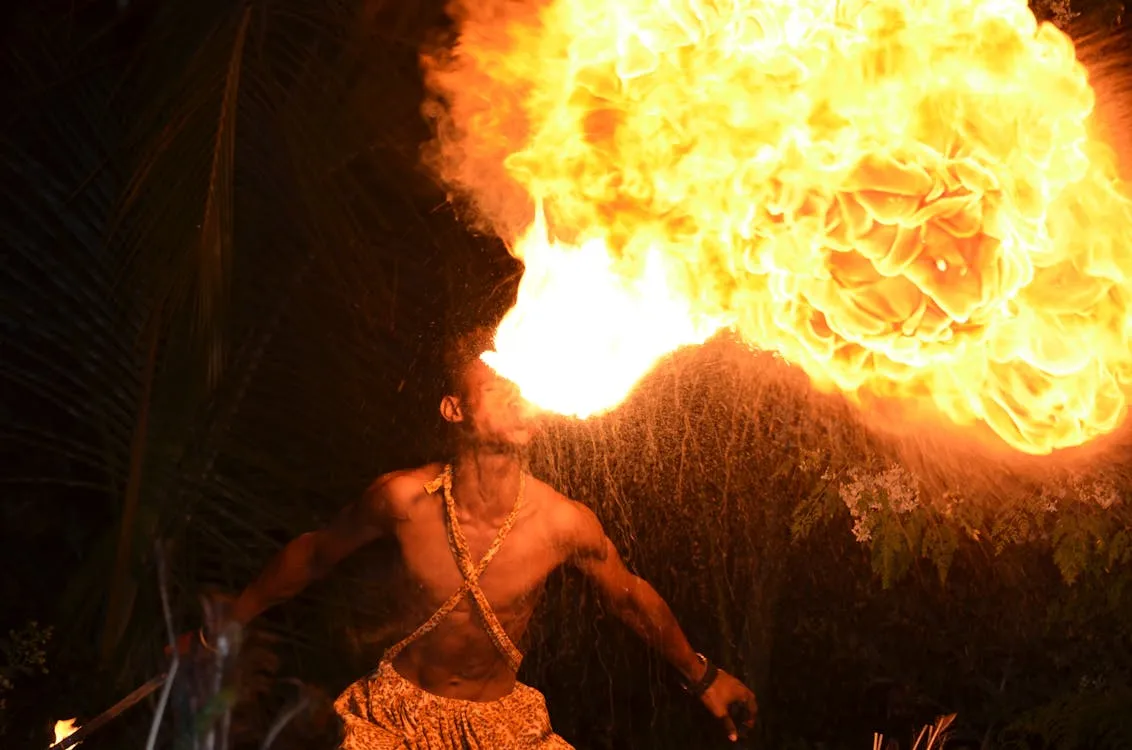
Today, Hawaiʻi’s culture continues to evolve. Contemporary music, art, fashion, and storytelling reflect both ancestral roots and modern influences. While globalization has introduced new challenges, many residents actively work to preserve cultural practices while allowing room for growth.
Education, community programs, and cultural revitalization efforts help ensure that future generations understand both where Hawaiʻi came from and where it is going. Culture here is not frozen in time—it is lived daily.
Hawaiʻi’s cultural mixture offers an important lesson to the world. It demonstrates that diversity does not weaken identity—it strengthens it. Respect, shared experience, and community values have allowed Hawaiʻi’s culture to flourish in a way that feels authentic and inclusive.
For visitors and residents alike, understanding this cultural depth leads to deeper appreciation and more meaningful connections with the islands.
Hawaiian culture is unique because it blends Native Hawaiian traditions with influences from Asia, Europe, and the Americas, creating a shared local identity rooted in respect and community.
Hawaiʻi’s diversity developed through immigration during the plantation era, when workers from many countries lived and worked together, blending traditions over generations.
Yes, Native Hawaiian culture remains alive through language revitalization, hula, traditional navigation, music, and cultural education.
Food is a major cultural connector in Hawaiʻi, representing shared history, family traditions, and the blending of global influences.
Language reflects history and identity. Hawaiian, English, and Pidgin all play roles in expressing Hawaiʻi’s multicultural culture.
Visitors can learn about local history, support cultural events, respect the land, and approach traditions with humility and openness.
If you would like to read and learn more about interesting things in Hawaii! Check out our blog page here on our website!
or
Image Credits:
Photo by A n v e s h, via Unsplash (License)
Scenic Black and White Hawaiian Coastal View - Photo by Earl Betts, via Pexels
Shirtless Man Blowing Fire - Photo by Keval Desai, via Pexels
The 4th Marines hold a unique and storied place in United States military history. Known for their resilience, adaptability, and repeated reactivations throughout major conflicts, the regiment’s legacy extends across the Pacific, including Hawaiʻi. While the 4th Marines are most famously associated with combat operations in China, World War II, and later conflicts, their historical ties to Hawaiʻi—and areas such as Haʻikū—reflect the islands’ strategic importance in U.S. military planning and training.
Understanding the role of the 4th Marines in Hawaiʻi requires a look at both the regiment’s broader history and the military infrastructure that developed across the islands during the 20th century.
Here is our link to our museum that we own:
The 4th Marines were originally activated in 1911 and quickly became a key element of the United States’ growing Pacific defense strategy. As part of the United States Marine Corps, the regiment was deployed multiple times throughout Asia and the Pacific, including significant service in China before World War II.
During World War II, the regiment earned the nickname “China Marines” and played critical roles in some of the Pacific Theater’s most intense campaigns. Over the decades, the 4th Marines have been activated, deactivated, and reorganized multiple times—each reactivation tied to periods of heightened global tension.
Hawaiʻi has long served as the central hub for U.S. military operations in the Pacific. Following the attack on Pearl Harbor in 1941, the islands became even more vital for training, command, and logistics.
Marine units stationed in Hawaiʻi benefited from:
Facilities such as Camp H. M. Smith became command centers, while training areas across Oʻahu, Maui, and other islands supported rotational deployments and readiness exercises.
Haʻikū—found both on Maui and Oʻahu—has historically been associated with rugged terrain, valleys, and remote landscapes well-suited for military training. While there is no large, permanent Marine Corps base currently operating in Haʻikū itself, the surrounding regions were historically used for:
During periods when the 4th Marines were active in Hawaiʻi, these types of environments were critical for preparing Marines for Pacific island combat. Training across the Hawaiian Islands ensured units could operate effectively in conditions similar to those encountered throughout Micronesia and Southeast Asia.
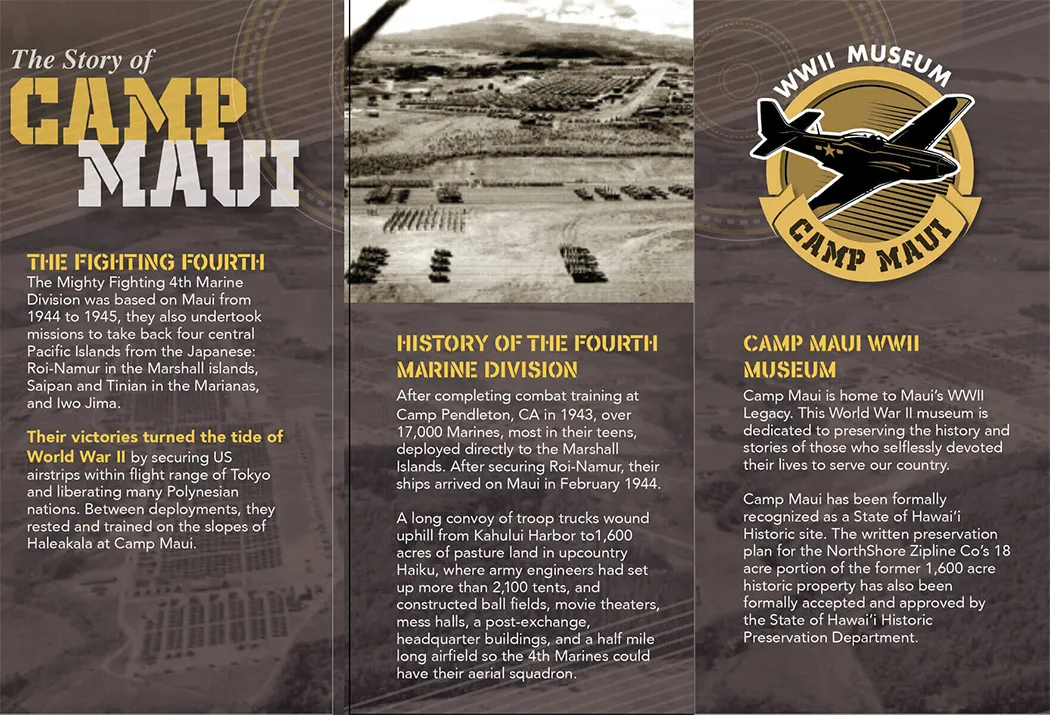
Although the 4th Marines were not permanently headquartered in Haʻikū, their presence in Hawaiʻi reflects the broader Marine Corps operational footprint across the islands. Marines assigned to regimental or battalion-level commands in Hawaiʻi often trained in multiple locations, rotating through different environments to build adaptability.
Hawaiʻi also served as a staging and reorganization point for Marine units transitioning between deployments. For the 4th Marines, time spent in the islands contributed to unit cohesion, combat readiness, and operational planning during critical moments in history.
Today, the legacy of the 4th Marines in Hawaiʻi is preserved through:
The Marine Corps’ long-standing relationship with Hawaiʻi continues to influence local communities, land use discussions, and historical preservation efforts. Even in places like Haʻikū, where permanent installations are limited, the military’s historical footprint remains part of the region’s story.
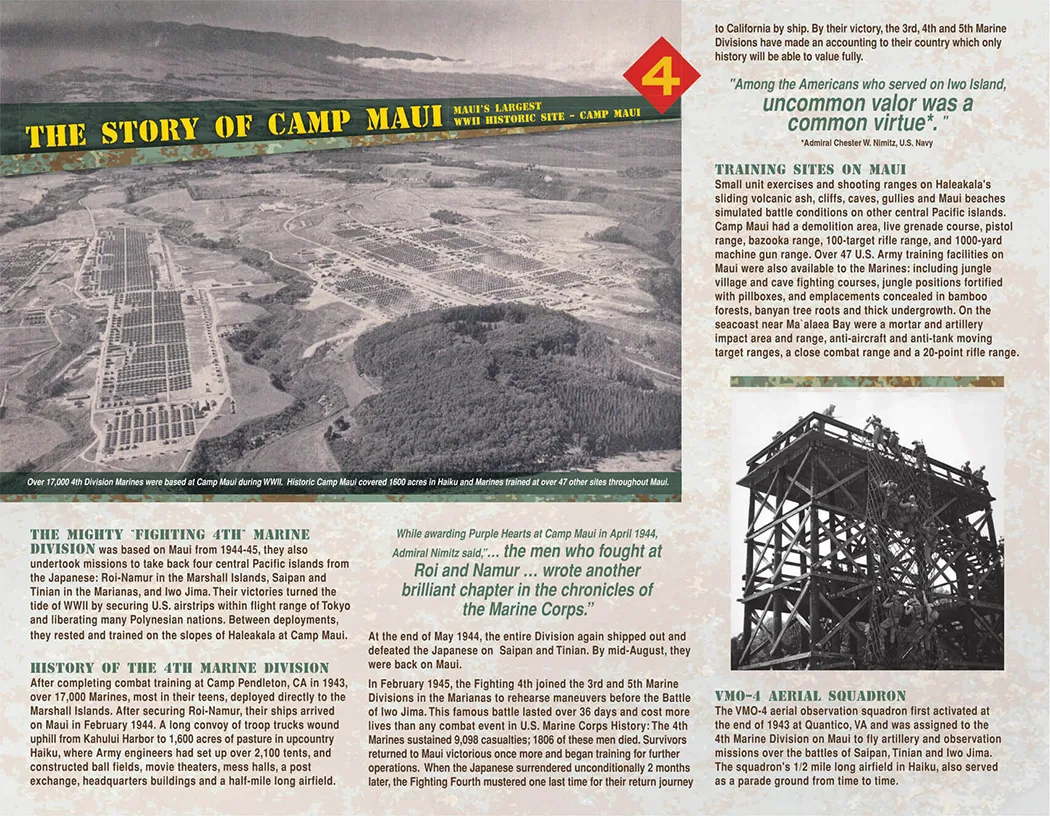
The 4th Marines are best known for their service in China, World War II Pacific campaigns, and their unique history of multiple activations and deactivations.
No. The 4th Marines were not permanently stationed in Haʻikū, but Marines trained in and around rugged areas of Hawaiʻi, including regions like Haʻikū, as part of broader Pacific readiness efforts.
Hawaiʻi served as a critical training, command, and staging area for Marine units operating throughout the Pacific, including those associated with the 4th Marines.
The 4th Marines have been reactivated multiple times in history. Their current status depends on Marine Corps organizational needs and restructuring decisions.
Yes. Locations such as Pearl Harbor, military museums, and memorials across Oʻahu highlight the Marine Corps’ Pacific legacy.
If you would like to read and learn more about interesting things in Hawaii! Check out our blog page here on our website!
or
Image Credits:
Hero:
U.S. Marine Corps. Public domain. Courtesy of Wikimedia Commons.
Hawaiʻi is home to some of the most unique wildlife on Earth, and among its most fascinating native birds is the pueo, also known as the Hawaiian short-eared owl. Revered in Hawaiian culture and admired for its adaptability, the pueo stands apart from other owls worldwide. While short-eared owls are found across many continents, the pueo is a distinct, endemic subspecies found only in Hawaiʻi, making it a powerful symbol of the islands’ natural and cultural heritage.
Understanding the pueo offers insight not only into Hawaiʻi’s ecosystems but also into the deep relationship between native wildlife and Hawaiian traditions.
The pueo (Asio flammeus sandwichensis) is Hawaiʻi’s native short-eared owl. Unlike many owl species that are strictly nocturnal, the pueo is often active during the day, especially at dawn and dusk. This behavior makes it one of the most commonly spotted native owls in the islands, particularly in open landscapes such as grasslands, agricultural fields, and coastal plains.
Physically, the pueo has mottled brown and tan feathers that provide excellent camouflage. Its bright yellow eyes and low, buoyant flight pattern make it unmistakable once you know what to look for. Compared to mainland short-eared owls, the pueo tends to be slightly smaller and shows adaptations specific to Hawaiʻi’s environment.
Although short-eared owls exist in many parts of the world, the pueo is genetically and geographically distinct. Scientists believe the ancestors of today’s pueo arrived in Hawaiʻi thousands of years ago, likely carried by strong winds from North America or Asia. Over time, isolation and natural selection led to the development of a unique subspecies found nowhere else on Earth.
This isolation is what defines the pueo as endemic. It evolved in Hawaiʻi’s ecosystems, adapted to its prey, landscapes, and climate, and became an integral part of the islands’ natural balance. Like many Hawaiian species, the pueo has no natural mammalian predators, which historically allowed it to thrive in open habitats.
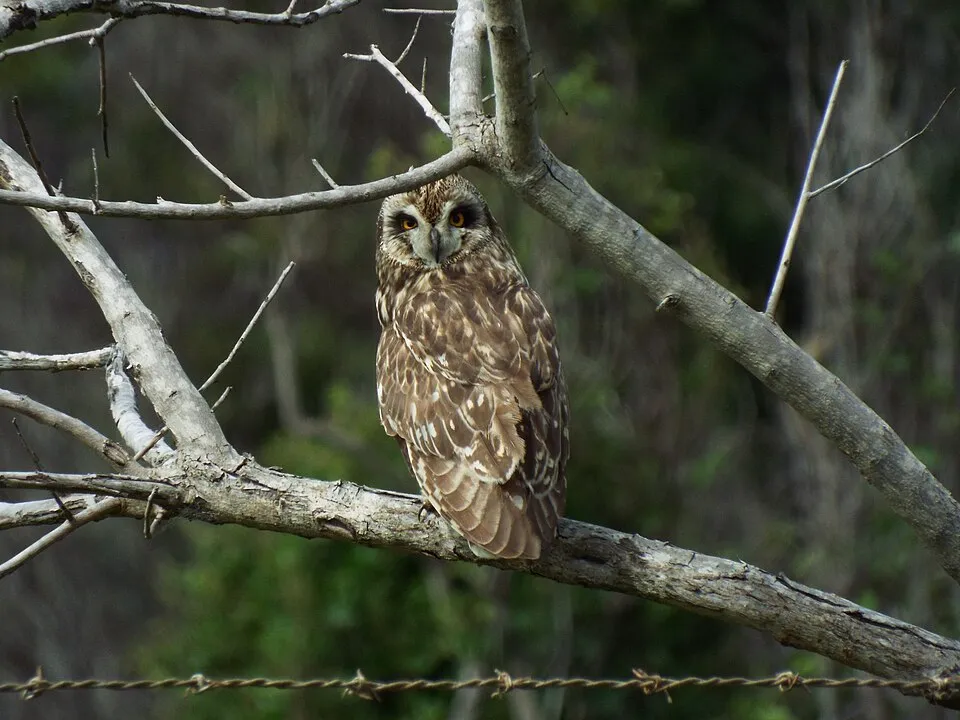
Beyond biology, the pueo holds deep meaning in Hawaiian culture. In traditional Hawaiian belief systems, the pueo is often regarded as an ‘aumākua, or ancestral guardian spirit. Families who consider the pueo their ‘aumākua believe it offers protection and guidance, sometimes appearing in moments of danger or uncertainty.
Stories passed down through generations describe the pueo warning travelers of impending harm or watching over children. Because of this cultural reverence, harming a pueo was traditionally forbidden. Even today, many locals treat sightings of a pueo with respect and reflection rather than mere curiosity.
Organizations such as Office of Hawaiian Affairs have helped preserve and share knowledge about the cultural importance of native species like the pueo.
The pueo prefers open areas with low vegetation where it can hunt efficiently. Common habitats include:
Unlike tree-nesting owls, the pueo nests on the ground, creating shallow scrapes hidden by grasses. This behavior makes eggs and chicks particularly vulnerable to predators such as cats, dogs, and mongooses—species introduced to Hawaiʻi by humans.
The pueo primarily feeds on rodents and insects, playing an important role in controlling pest populations. Its hunting style involves flying low over the ground and using keen hearing and eyesight to detect movement.
Although the pueo is still seen across several Hawaiian islands, its population faces ongoing threats. Habitat loss due to development, vehicle collisions, introduced predators, and pesticide use all pose serious risks.
Ground nesting makes the pueo especially susceptible to human activity. Roads built through open fields increase the likelihood of vehicle strikes, while urban expansion reduces suitable hunting and nesting areas. Conservation groups and state agencies continue to monitor populations and promote awareness to protect remaining habitats.
The pueo’s story mirrors that of many native Hawaiian species—resilient, yet vulnerable without careful stewardship.
The pueo is more than a bird; it is a living connection between Hawaiʻi’s past and present. Ecologically, it helps maintain balance by controlling small animal populations. Culturally, it represents protection, ancestry, and respect for the natural world. Environmentally, its survival reflects the health of Hawaiʻi’s remaining open landscapes.
Protecting the pueo means protecting Hawaiʻi itself.
The pueo is the Hawaiian short-eared owl, an endemic subspecies found only in Hawaiʻi.
Yes. While short-eared owls exist elsewhere, the pueo evolved in Hawaiʻi and is considered endemic.
The pueo is not currently listed as endangered, but it faces significant threats and is considered a species of concern.
Pueo are commonly seen in open areas such as grasslands, pastures, and agricultural fields on islands like Maui, Hawaiʻi Island, and Oʻahu.
The pueo is often regarded as an ‘aumākua, or family guardian spirit, symbolizing protection and guidance.
Yes. Unlike many owls, the pueo is frequently active during daylight hours, especially at sunrise and sunset.
If you would like to read and learn more about interesting things in Hawaii! Check out our blog page here on our website!
or
Image Credits:
Pueo or Short-eared Owl Hakalau - Photo by Bettina Arrigoni, via Wikimedia Commons, licensed under (CC BY 2.0)
Hawaiian Owl (Pueo), Maui – Photo by Forest and Kim Starr, via Wikimedia Commons (CC BY 3.0), modified
The Hawaiian hawk—known in Hawaiian as the ʻIo—is one of Hawaiʻi’s most iconic birds of prey and a powerful symbol of royalty, protection, and spiritual guidance. Found only in Hawaiʻi, primarily on the Big Island, this remarkable raptor is an irreplaceable part of the islands’ natural heritage. Its story blends ecology, culture, resilience, and the ongoing need for conservation.
Though once widespread across multiple islands, today the Hawaiian hawk persists mainly on Hawaiʻi Island. Its limited range and cultural significance make it one of the most unique birds in the world—and a living reminder of the deep connection between Native Hawaiian traditions and the islands’ native wildlife.
In this blog, we explore the origins, behaviors, cultural role, and importance of preserving this extraordinary endemic species.
The Hawaiian hawk (Buteo solitarius) is endemic to Hawaiʻi, meaning it evolved here and exists naturally nowhere else on the planet. Scientists believe the ancestors of the Hawaiian hawk arrived thousands of years ago and gradually adapted to the islands’ forests, climate, and prey.
These adaptations led to the development of traits that distinguish the Hawaiian hawk from continental hawks, including:
This ecological specialization is part of what makes Hawaiian wildlife so impressive—and so vulnerable. When a species evolves in isolation, it often becomes deeply dependent on the landscapes and ecosystems of its home. For the Hawaiian hawk, that home is primarily the forests of Hawaiʻi Island.
The Hawaiian hawk may not be large compared to mainland raptors, but it carries a powerful presence. Adults typically measure around 18 to 20 inches long with a wingspan of approximately 40 inches. The species displays two distinct color phases:
One of the most distinctive behaviors of the Hawaiian hawk is its piercing, high-pitched call, often described as sounding like “eee-oh,” which likely inspired the name ʻIo.
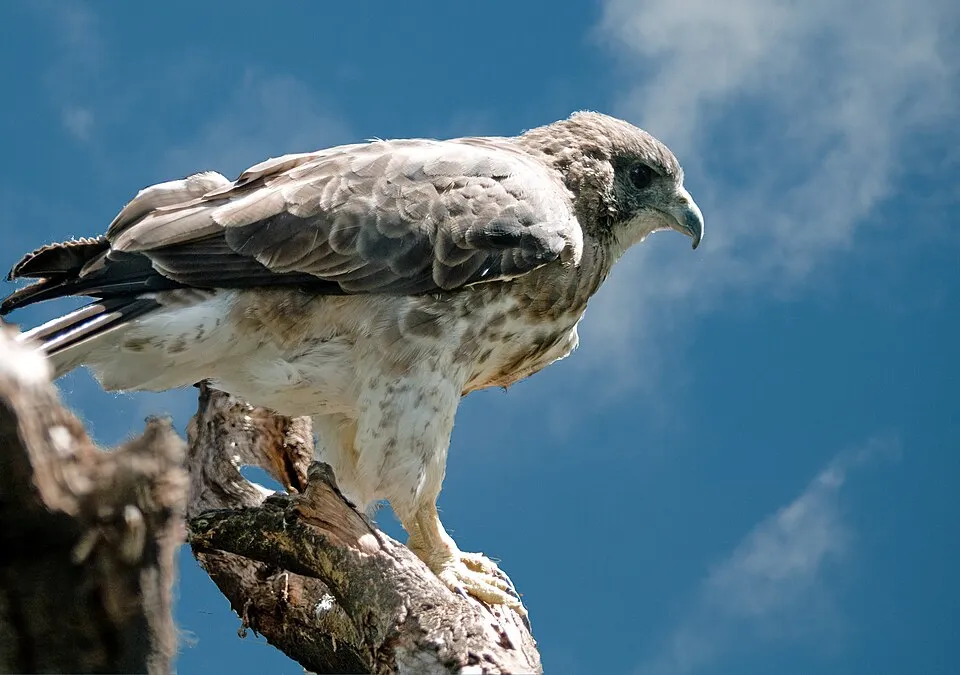
Unlike many specialized hawks, the Hawaiian hawk is an opportunistic predator. Over centuries, it adapted to hunt native birds, insects, and larger invertebrates. After the introduction of non-native animals like rats and mongoose, the hawk expanded its diet—an adaptability that likely helped keep the species alive despite major environmental changes.
Breeding season runs from March through September, when pairs become highly territorial. They build nests high in native trees, where a single chick is raised each year. Known for their dedicated parental care, both male and female hawks share responsibilities in feeding and protecting their young.
In Native Hawaiian culture, the ʻIo is a bird of aliʻi (royalty) and is associated with:
For many Native Hawaiians, seeing a Hawaiian hawk soaring overhead is considered a sign of blessing or guidance. The bird appears in chants, legends, and place names, further solidifying its role in Hawaiian identity.
Its cultural significance also played a role in shaping conservation efforts, as community groups and cultural practitioners have advocated strongly for protecting the species and its habitat.

Though the Hawaiian hawk was removed from the U.S. Endangered Species List in 2020, conservationists continue to monitor it closely. Its limited range makes it particularly vulnerable to:
Ongoing conservation initiatives include reforestation, habitat protection, and long-term population monitoring. Maintaining the species’ stability is essential not only for ecological balance but also for preserving its cultural significance.
The Hawaiian hawk is more than a rare island raptor—it is a symbol of Hawaiʻi’s natural resilience and cultural richness. As one of the few remaining native birds of prey, its continued survival is vital to:
Protecting the Hawaiian hawk means protecting a piece of Hawaiʻi’s identity.
The Hawaiian hawk, or ʻIo, is an endemic bird of prey found only in Hawaiʻi, known for its distinct call, two color phases, and powerful cultural significance.
The species evolved in complete isolation over thousands of years, adapting uniquely to Hawaiʻi’s forests, climate, and prey, resulting in a raptor found nowhere else in the world.
The Hawaiian hawk is seen almost exclusively on Hawaiʻi Island, especially in forested areas, open fields, and high-elevation regions.
The species was delisted in 2020, but because it lives on only one island, it remains vulnerable and is continually monitored by conservation organizations.
It represents royalty, protection, spiritual guidance, and the god Kū, making it one of the most culturally significant birds in Hawaiʻi.
They are opportunistic hunters, feeding on birds, insects, rodents, and occasionally carrion.
The species plays a crucial ecological role, represents native Hawaiian heritage, and embodies the unique biodiversity of the islands.
If you would like to read and learn more about interesting things in Hawaii! Check out our blog page here on our website!
or
Image Credits:
Hawaiian Hawk (‘io) – Photo by Melissa McMasters, via Wikimedia Commons, licensed under (CC BY 2.0)
Hawaiian Hawk (‘Io) – Photo by Kanalu Chock, via Wikimedia Commons (CC BY-SA 2.0), modified
Hawaiian Hawk (‘Io) – Photo by Mkullen, via Wikimedia Commons (CC BY-SA 3.0), modified