

WE HAVE REOPENED! Our team has worked hard to repair, inspect, and prepare our course following Hurricane Lala.
We're ready to safely welcome you back !
BOOKINGS ARE OPEN!
Mahalo for your patience and support! 💛
Maui, known as the Valley Isle, is famous for its lush rainforests, volcanic landscapes, waterfalls, and sweeping coastal views. While the island is often celebrated for its pristine beaches, Maui’s hiking trails offer an entirely different perspective—one that connects visitors with its diverse ecosystems, cultural sites, and natural wonders. Whether you’re seeking a gentle stroll through bamboo forests or a challenging trek along volcanic craters, Maui has a trail for every adventurer.
Hiking on Maui allows you to experience the island beyond the well-traveled resorts and beaches. From tropical rainforests on the windward side to the dramatic volcanic summit of Haleakalā, the island offers a variety of environments in a relatively small area. Many of these hikes also have deep cultural significance, leading you to heiau (ancient temples), battlefields, or traditional gathering sites. For nature lovers, Maui is also home to unique native plants and birds that can only be seen in Hawaiʻi.
Located in Haleakalā National Park’s Kīpahulu District near Hāna, the Pipiwai Trail is one of Maui’s most iconic hikes. This 4-mile round trip trail takes you through lush rainforest, towering banyan trees, and an enchanting bamboo forest that feels otherworldly. The trail culminates at Waimoku Falls, a 400-foot waterfall cascading down a sheer lava rock wall. Along the way, hikers encounter small streams, native plants, and birds. It’s a moderately challenging hike, but the rewards are some of the most breathtaking sights on the island.
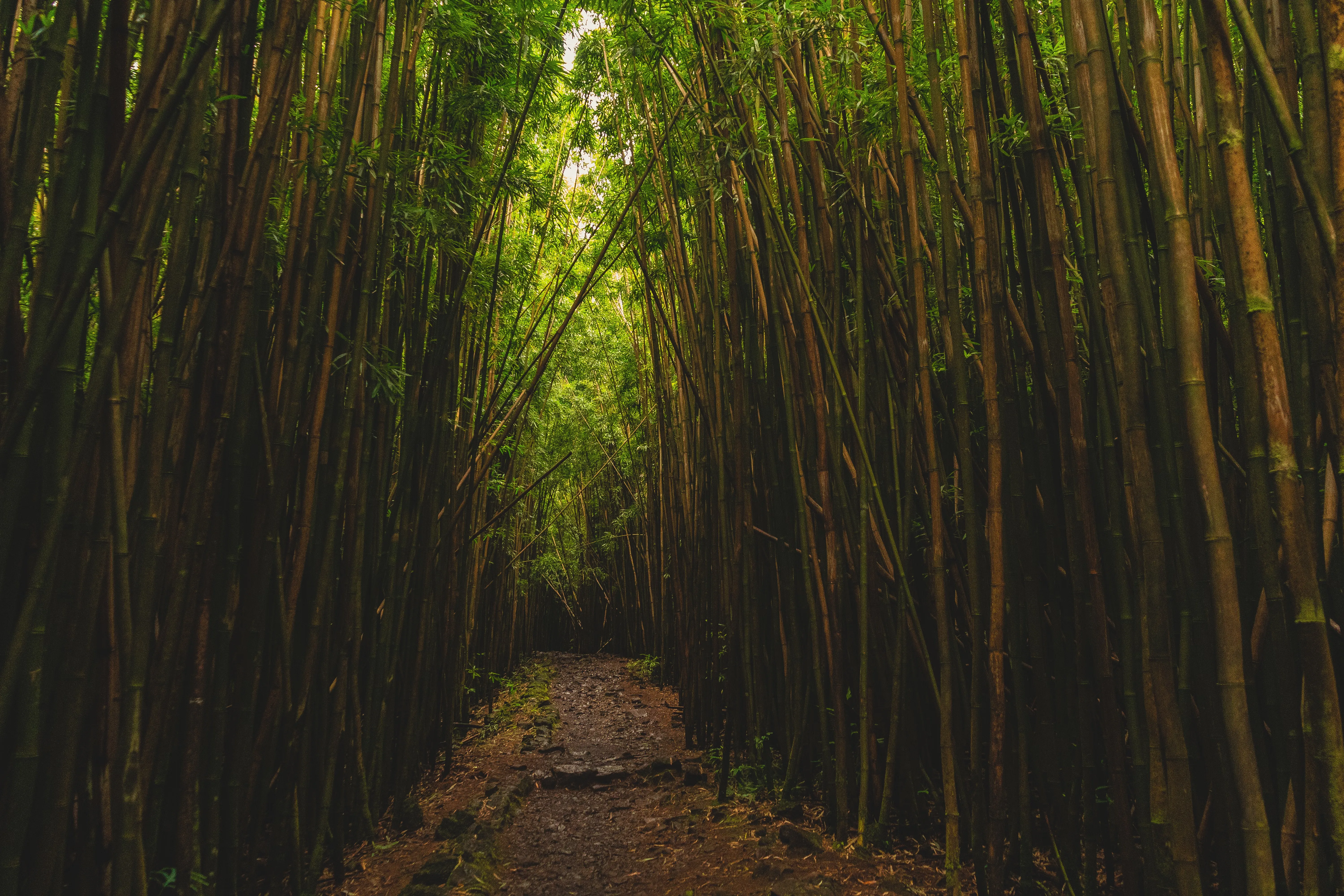
Nestled in Central Maui, ʻĪao Valley is both a natural wonder and a cultural treasure. The short hike here—just under a mile round trip—takes you to a viewpoint of the ʻĪao Needle, a 1,200-foot green-clad rock pinnacle. This valley was the site of the Battle of Kepaniwai in 1790, a pivotal moment in Hawaiian history. The trails are easy and suitable for families, offering scenic rainforest paths, streams, and cultural interpretation signs.
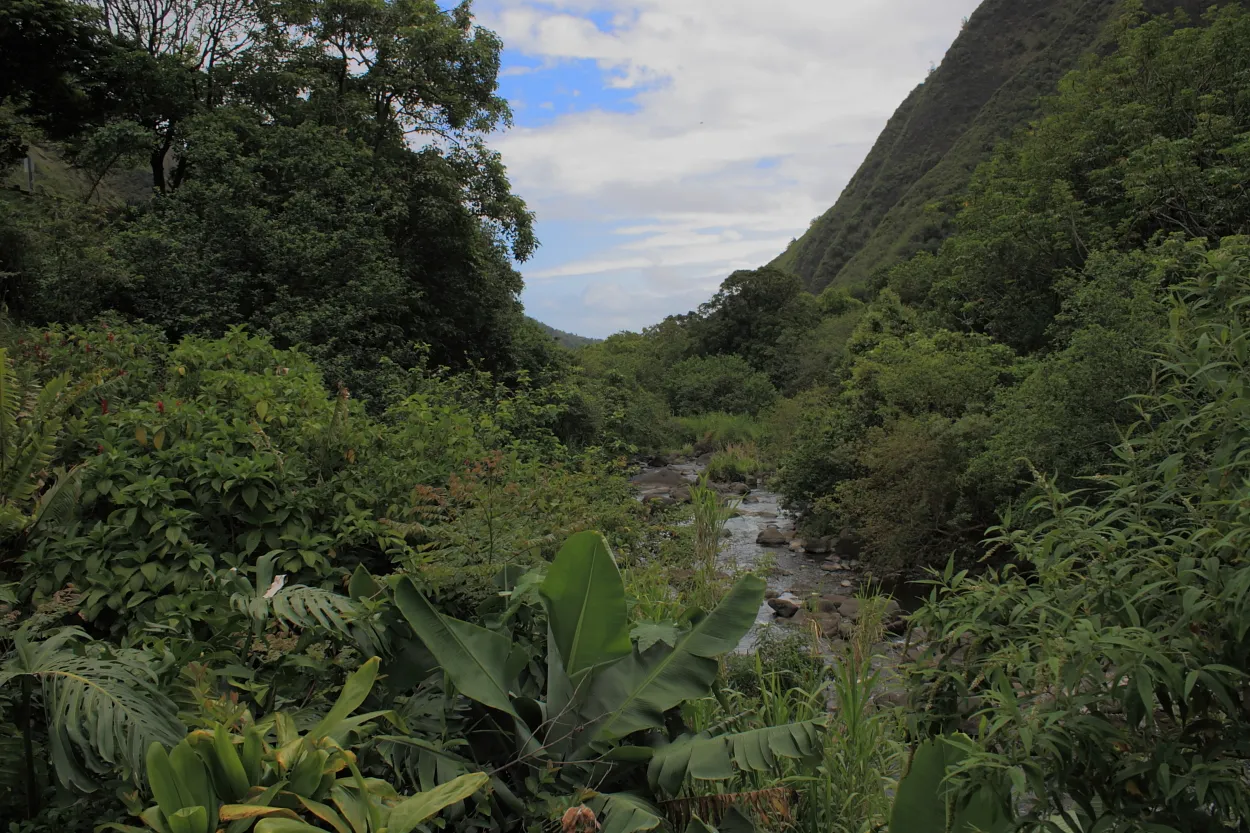
For a more strenuous adventure, the Sliding Sands Trail (Keoneheʻeheʻe Trail) is a must. Beginning at over 10,000 feet at the Haleakalā Visitor Center, the trail descends into the crater, offering views of cinder cones, volcanic rock formations, and a landscape that feels like walking on another planet (Pele's Paintbox). While the full trail is over 11 miles one-way, many visitors choose to hike just a portion for the experience. Due to the elevation, hikers should be prepared for cooler temperatures and thinner air.
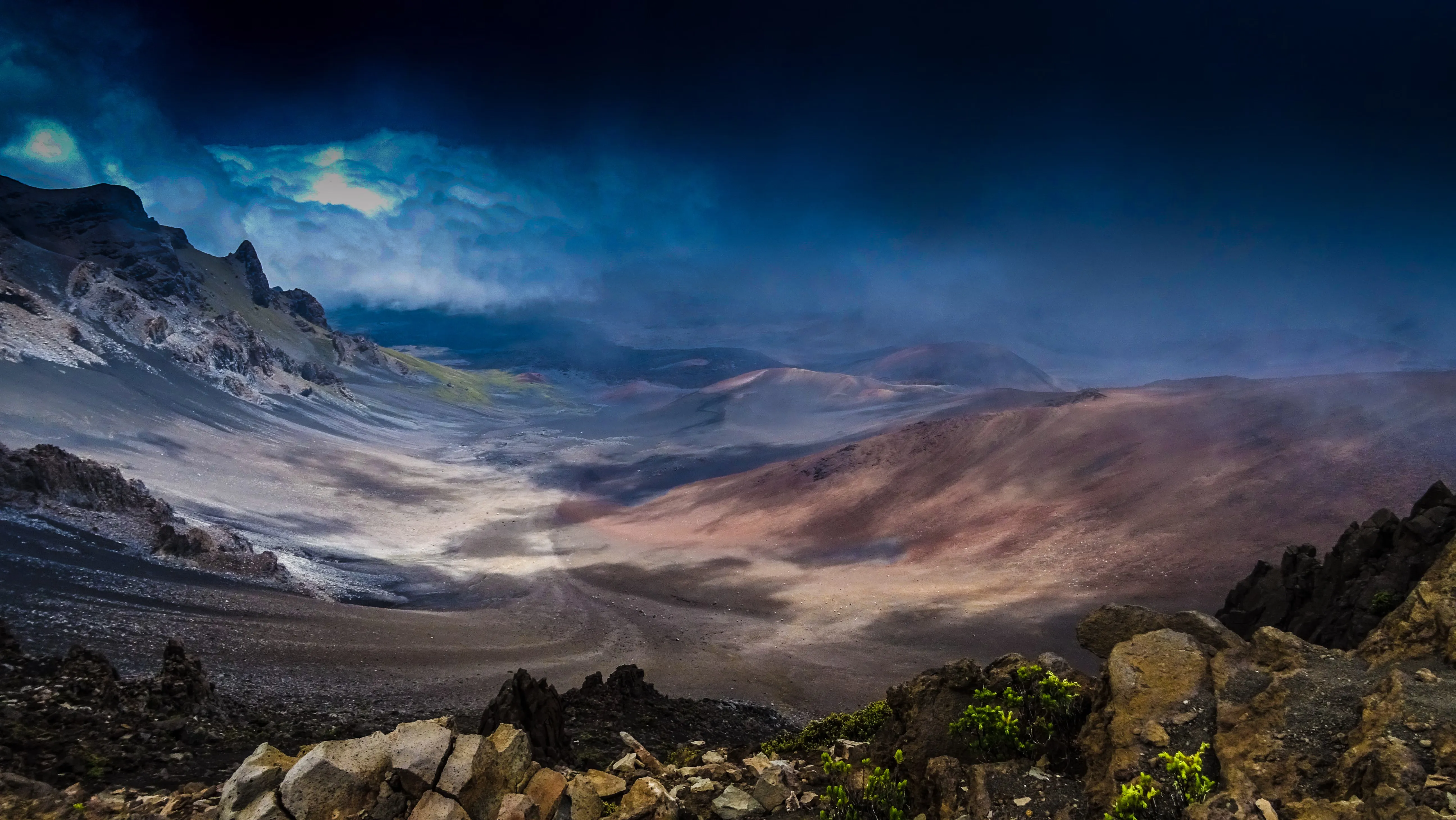
On Maui’s northwest side, the Waiheʻe Ridge Trail offers some of the most dramatic ridge hiking on the island. This 4-mile round trip hike climbs steadily through guava and eucalyptus forests before opening up to panoramic views of the valley, coastline, and West Maui Mountains. On clear days, hikers can see all the way to Molokaʻi. The trail can be muddy, but the views are well worth the effort.
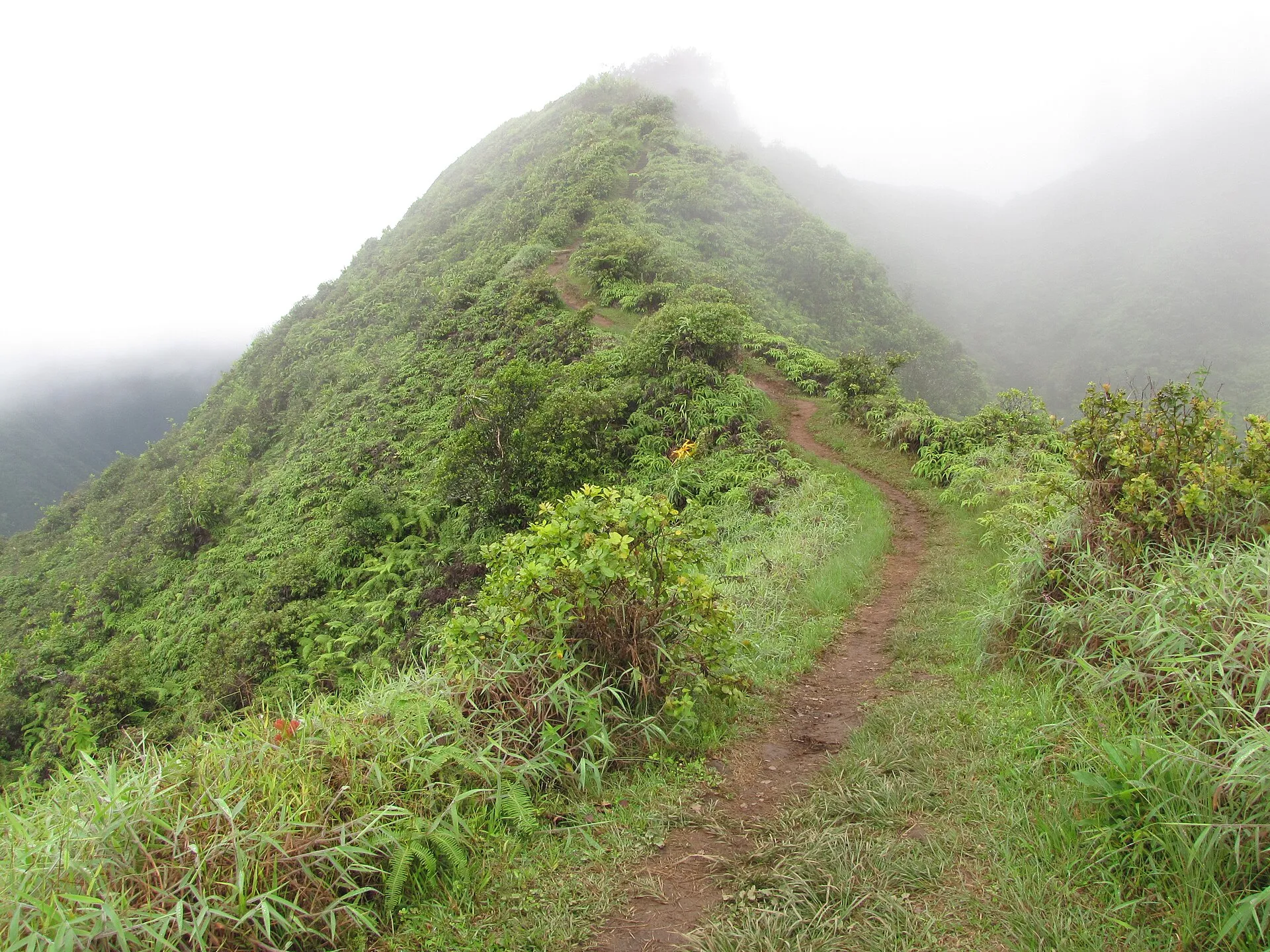
Perfect for beginners or families, the Twin Falls hike is a relatively short and easy trek on Maui’s famous Road to Hāna. The trail takes you through lush rainforest to a series of waterfalls and pools where you can cool off with a swim. The land is privately owned but open to the public, and local vendors often sell fresh fruit and smoothies at the trailhead. It’s a gentle introduction to Maui’s rainforest beauty.
Also part of the Kīpahulu District, this short hike branches from the Pipiwai Trail and offers a stunning view of Makahiku Falls. At just half a mile, it’s accessible for most visitors and is a great option if you don’t have time for the full Pipiwai hike.
Hiking on Maui isn’t just about exercise or sightseeing—it’s about connecting with the land and understanding its stories. Every trail has layers of meaning, from geological wonders shaped by lava to valleys where Hawaiian chiefs once ruled. By hiking with respect, you can experience Maui in a way that honors both its natural beauty and cultural heritage.
Maui’s trails offer something for everyone, from casual walkers to seasoned adventurers. Whether you want to wander through bamboo forests, gaze into volcanic craters, or stand at the foot of a towering waterfall, Maui delivers unforgettable hiking experiences. Beyond the views and the photos, hiking here is about forging a deeper connection with the island’s living landscape. So lace up your boots, carry aloha in your heart, and set out to explore the trails of Maui—the Valley Isle.
Maui is one of the best Hawaiian Islands for hiking because of its incredible ecological variety. In just a short drive, you can go from lush rainforests to volcanic craters, towering waterfalls, bamboo forests, and sweeping coastal ridges. These Maui hiking trails offer far more than beaches—they connect you with cultural sites, ancient Hawaiian history, and landscapes filled with native plants and birds. Whether you’re looking for easy walks or full-day treks, Maui has hikes for every skill level.
Hiking on Maui lets you explore parts of the island that many visitors never see. Instead of staying near resort areas, Maui’s trails take you deep into rainforests, up volcanic slopes, through historic valleys, and into places with cultural significance such as heiau (temples) and ancient gathering sites. This gives you a more authentic, nature-driven experience of the Valley Isle.
Maui’s top hikes include iconic trails like Pipiwai Trail in Hāna, the ʻĪao Valley State Monument hike, the Sliding Sands Trail in Haleakalā Crater, Waiheʻe Ridge Trail on the northwest side, the beginner-friendly Twin Falls trail, and the short Makahiku Falls Overlook hike. These trails offer everything from rainforest scenery to volcanic landscapes and breathtaking waterfall views.
The Pipiwai Trail is famous because it packs multiple world-class sights into one moderately challenging hike. Along the 4-mile round-trip trail, hikers pass banyan trees, cross streams, walk through a magical bamboo forest, and end at the towering 400-foot Waimoku Falls. Located in the Kīpahulu District of Haleakalā National Park, this trail showcases some of the best rainforest scenery on Maui.
Yes—ʻĪao Valley State Monument is one of the most accessible hikes on Maui. The short, paved trail is under a mile round-trip and leads to a viewpoint of the iconic ʻĪao Needle. The area is rich with Hawaiian history, including the site of the 1790 Battle of Kepaniwai. Families love it for the easy trails, rainforest views, and interpretive cultural signs.
The Sliding Sands Trail (Keoneheʻehe‘e Trail) is one of the most dramatic hikes in Hawaii. Starting at over 10,000 feet, the trail descends into Haleakalā Crater, revealing volcanic cinder cones, colorful ash fields, and a landscape often called “Pele’s Paintbox.” The full hike is long—over 11 miles one way—but many visitors hike just a portion. Expect high elevation, cooler temperatures, and a Mars-like environment.
Absolutely. Waiheʻe Ridge Trail offers some of the most stunning panoramic views on Maui, including sweeping vistas of the West Maui Mountains, deep valleys, and the northern coastline. The trail is about 4 miles round-trip and can be steep or muddy in places, but the rewarding views make it one of the island’s most beloved ridge hikes.
Yes—Twin Falls in Haʻikū is ideal for beginners, families, and anyone driving the famous Road to Hāna. The walk is short, mostly flat, and leads to waterfalls and freshwater pools perfect for cooling off. The trail sits on private land but is open to the public, and local vendors often sell fresh fruit and smoothies at the entrance.
The Makahiku Falls Overlook is an easy half-mile trail located near the start of the Pipiwai Trail. It offers a beautiful viewpoint overlooking a tall, thin waterfall flowing through the lush Kīpahulu District. It’s perfect for hikers who want a scenic, short walk without committing to the full Pipiwai hike.
For a safe and enjoyable hiking experience on Maui:
Maui’s trails often pass through sacred Hawaiian sites, fragile ecosystems, and areas filled with native plants and wildlife. Staying on marked trails, packing out trash, and following posted guidelines help protect these landscapes from erosion, overuse, and cultural disturbance. Hiking with aloha ensures Maui stays beautiful for future visitors and residents.
Hiking on Maui is more than just sightseeing—it’s a chance to understand the island’s deeper stories. Many trails pass through ancient cultural sites, battlefields, or valleys connected to Hawaiian legends. Whether you’re walking through a bamboo forest, exploring a volcanic crater, or standing at the base of a waterfall, you’re experiencing the living landscape of Maui in a meaningful, respectful way.
Yes! Maui offers hikes for every type of traveler:
No matter your experience, there’s a Maui trail that matches your pace and interests.
If you would like to read and learn more about interesting things in Hawaii! Check out our blog page here on our website!
or
Image Credits:
Hero:
"Woman hiking in Haleakalā National Park, enjoying scenic volcanic landscape in Maui, Hawaii." by James Wheeler, via Pexels
"Lush bamboo forest on the Pipiwai Trail, featuring a serene wooden boardwalk in Hana, Hawaii" by Satty Singh, via Pexels
Viriditas, via Wikimedia Commons. Licensed under Creative Commons Attribution-ShareAlike 3.0 Unported (CC BY-SA 3.0).
"A breathtaking view of Haleakalā Crater in Maui, Hawaii, taken at dusk with dramatic clouds and rocky terrain." by Edoardo Colombo, via Pexels
Forest & Kim Starr, via Wikimedia Commons. Licensed under Creative Commons Attribution 3.0 United States (CC BY 3.0 US). optimized
The Hawaiian Islands are not only breathtaking landscapes of volcanic peaks, lush rainforests, and endless coastlines; they are also lands alive with stories, chants, and legends passed down for generations. These mo‘olelo (traditional stories) are woven deeply into the fabric of Hawaiian identity, explaining natural phenomena, teaching cultural values, and honoring the sacred relationship between people and the land.
One of the most celebrated figures in Hawaiian mythology is the demigod Māui. Known across Polynesia in many forms, Māui is remembered as a trickster, a hero, and a benefactor of humanity. In Hawaii, his legends are especially tied to the island of Maui, which bears his name. To explore the island without learning the stories of this demigod would be to miss an essential part of its soul.
Māui is not unique to Hawaii—his stories are found throughout Polynesia, from Tahiti to Samoa to Aotearoa (New Zealand). Yet, while the details shift with each culture, he consistently embodies the traits of intelligence, resourcefulness, and mischief. He is often seen as a kupua, a supernatural being with both divine and human qualities, who uses cleverness and courage to challenge nature itself.
In Hawaii, Māui is not considered one of the four primary gods (akua)—Kāne, Kū, Lono, and Kanaloa—but rather a heroic demigod whose actions brought great benefits to humankind. His tales are told not just as entertainment, but as teaching stories filled with lessons about perseverance, balance, and respect for the forces of the natural world.
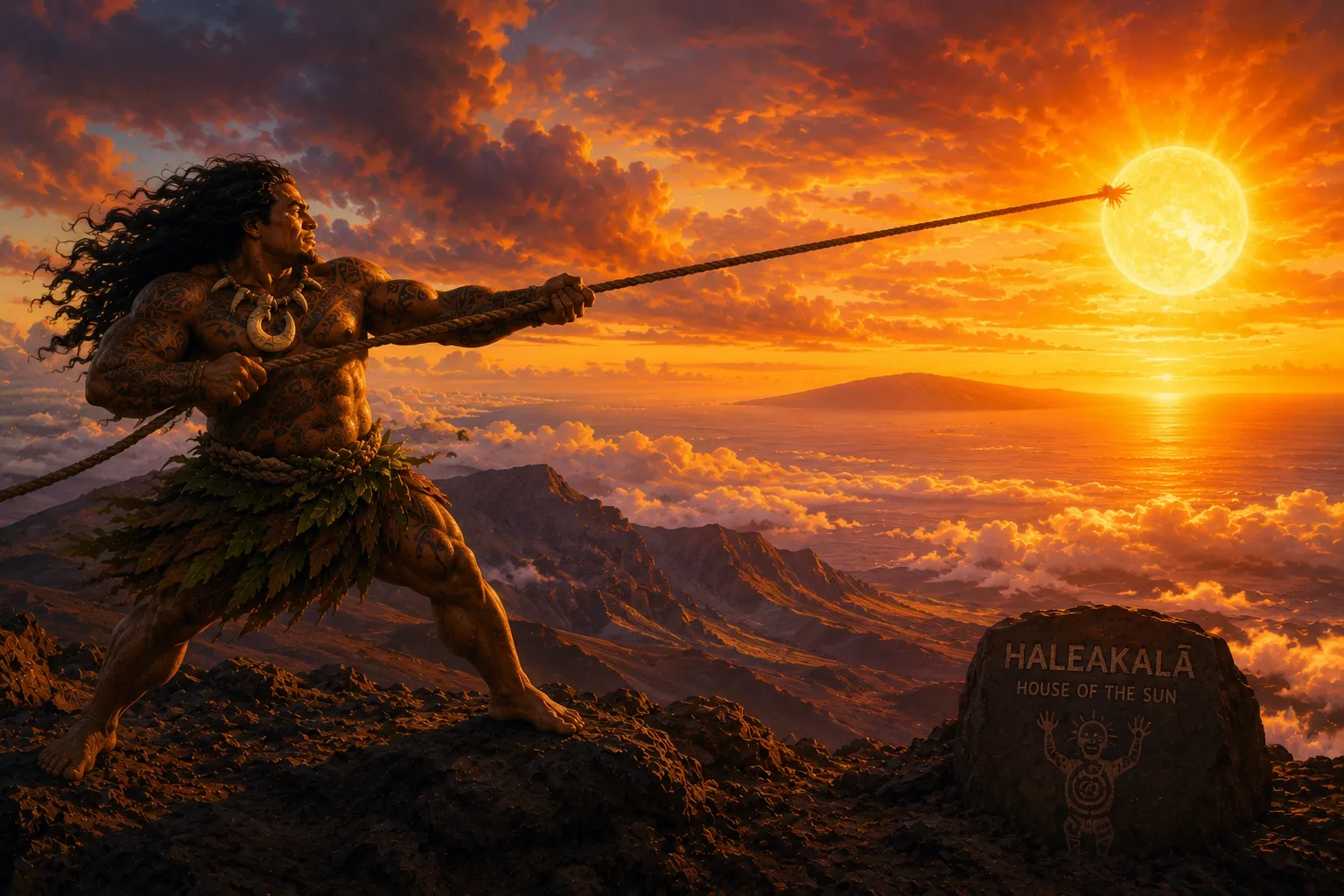
Perhaps the most famous Hawaiian legend of Māui tells of his battle with the sun. In ancient times, the sun raced across the sky, leaving days too short for people to grow crops, dry their kapa (bark cloth), or prepare food. Māui, determined to help his mother and his people, climbed to the summit of Haleakalā, the massive volcano that dominates the island of Maui.
There, he lay in wait until dawn, crafting ropes from coconut fiber and lashing them with his great strength. When the sun appeared, Māui snared its rays and refused to release them until the sun agreed to slow its journey. The sun relented, granting longer days and blessing humanity with time to live and thrive. Today, visitors to Haleakalā National Park watch the sunrise and recall this powerful story, a reminder of Māui’s triumph and the island’s spiritual depth.
Another story tells of Māui’s magical fishhook, called Manaiakalani. With it, Māui pulled great land masses from the depths of the ocean. In some traditions, it is said that he fished up islands themselves. In Hawaiian legend, this reflects the volcanic creation of new lands rising from beneath the Pacific, linking myth with the geologic truth of the islands’ origins.
Māui’s ingenuity was not limited to the sun and sea. In one tale, he captured the powerful winds that made sailing dangerous. By taming these forces, he allowed Polynesian navigators to voyage more safely across vast stretches of the Pacific Ocean, ensuring survival and expansion. This legend resonates with Hawaii’s deep voyaging traditions and the revival of navigation by stars, currents, and winds in modern times through groups such as the Polynesian Voyaging Society.
Māui’s feats are more than just fantastical tales. They symbolize humanity’s relationship with the natural world and highlight values central to Hawaiian culture:
In this way, Māui reflects the Hawaiian concept of pono—living in balance and righteousness with the world around you.
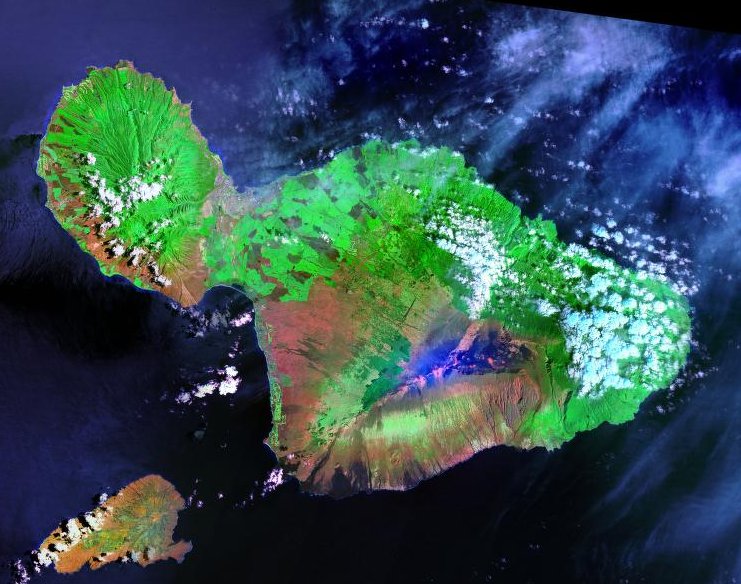
The island of Maui itself is said to be named after the demigod. In the kumulipo (Creation Chant) it is told that Māui’s father, 'Akalana, named the island in his honor. Others suggest that the island’s very shape, dominated by Haleakalā’s vast shield volcano, recalls the legends of Māui’s great deeds.
For Hawaiians, this connection is more than symbolic. The island and the demigod are spiritually tied, reminding residents and visitors that Maui is not only a place of natural beauty but also a sacred landscape shaped by story and tradition.
Though centuries have passed, Māui’s stories remain alive. They are shared through oli (chants), hula (dance), and mo‘olelo (oral traditions), connecting each new generation to the wisdom of the past. Cultural practitioners continue to honor these legends as living knowledge, not relics of history.
For visitors, learning about Māui is a way to deepen their experience of the island. Watching the sunrise at Haleakalā, paddling in the ocean, or simply walking the land becomes more meaningful when one understands that these places are alive with history, myth, and spirit.
Māui, the demigod of the Hawaiian island of Maui, embodies the enduring spirit of ingenuity, courage, and connection to nature. His legends—snaring the sun, fishing up islands, and taming the winds—are not only stories of heroism but also reflections of the Hawaiian worldview: that humanity must live in balance with the powerful forces that shape our world.
The island of Maui, bearing his name, is both a geographical wonder and a cultural treasure. To explore it is to step into a landscape where myth and reality blend, where every sunrise recalls an ancient victory, and where the legacy of Māui continues to inspire those who walk upon his island.
Māui is a heroic demigod celebrated across the Hawaiian Islands for his cleverness, bravery, and contributions to humanity. Although not one of the four major Hawaiian gods, Māui appears in countless mo‘olelo (traditional stories) as a kupua—someone with both divine and human qualities. His feats often help people, such as slowing the sun, controlling the winds, and raising land from the ocean. These Hawaiian legends highlight values of resourcefulness, respect for nature, and the importance of living in balance.
The island of Maui is said to be named after the demigod. Some stories say Māui’s mother, Hina, gave the island his name; others say the island’s shape and rugged volcanic features reflect his legendary deeds. For many Hawaiians, this connection is more than symbolic—the island and the hero share spiritual importance. Visiting Maui while learning about Māui deepens your understanding of the land, culture, and history woven into the island.
No—Māui is a prominent figure throughout Polynesia. His legends appear in places such as Tahiti, Samoa, Tonga, and Aotearoa (New Zealand). While each region tells different versions of his stories, Māui consistently appears as a clever, mischievous, and heroic figure. In Hawaii specifically, the tales emphasize his ability to help humanity and teach lessons about perseverance and harmony with nature.
One of the most famous Hawaiian legends tells how Māui slowed the sun to give people longer days. According to the story, days were once too short for cooking, fishing, and kapa-making, so Māui climbed to the summit of Haleakalā with strong ropes made from coconut fiber. When the sun rose, he snared its rays and refused to release them until the sun agreed to move more slowly. Today, watching sunrise at Haleakalā National Park is a powerful reminder of this legendary feat.
Māui’s fishhook, Manaiakalani, is central to one of his most famous exploits. Hawaiian legends say Māui used the fishhook to pull land from the depths of the ocean. In some Polynesian traditions, he fished up islands themselves. This myth beautifully mirrors Hawaii’s real volcanic origins—new land rising from the sea—blending science with storytelling and cultural meaning.
In this lesser-known story, Māui captures and tames powerful winds that once made ocean voyaging difficult and dangerous. By controlling these winds, he allowed ancient Polynesian navigators to travel more safely across vast distances. This legend highlights Hawaii’s deep ocean-voyaging heritage and emphasizes how Māui symbolizes guidance, navigation, and human connection to natural forces.
The stories of Māui illustrate several core Hawaiian values:
These lessons continue to guide Hawaiian cultural practices and storytelling today.
Hawaiian mo‘olelo are more than myths—they are cultural maps, teaching tools, and historical records that explain natural phenomena, honor ancestors, and preserve knowledge. These stories connect Hawaiians to their land, values, and identity. Learning these legends helps visitors appreciate the islands not just as destinations, but as living cultural landscapes filled with meaning and history.
Māui’s stories are kept alive through oli (chants), hula (dance), and oral storytelling traditions. Cultural practitioners, educators, and families continue to share these legends as living knowledge. When visitors explore places like Haleakalā, paddle along the coast, or walk the land, they are stepping into spaces shaped by both volcanic history and the stories of Māui that still echo across the island.
Absolutely. Learning about Māui before or during your trip adds depth to every experience—sunrise at Haleakalā becomes a connection to an ancient legend, island landscapes become reminders of volcanic creation stories, and even the ocean winds feel tied to ancestral navigation. Understanding the demigod’s role in Hawaiian culture enriches your visit and helps you appreciate Maui as a sacred, storied island.
If you would like to read and learn more about interesting things in Hawaii! Check out our blog page here on our website!
or
Image Credits:
NASA Landsat satellite image of Maui (public domain), via Wikimedia Commons.
Maui, often called “The Valley Isle,” is a breathtaking Hawaiian island known for its diverse landscapes—from volcanic craters to lush rainforests and golden beaches. One of the most magical experiences in Maui is witnessing the sunrise and sunset. Whether you’re an early riser ready to climb a volcano in the dark or a beach lover catching the last rays of the day, timing your visit to align with these golden hours can make your trip truly unforgettable.
Here’s your guide to the best times for sunrise and sunset in Maui, and what to do before, during, and after these moments of island beauty.
Sunrise times in Maui vary slightly throughout the year, generally falling between 5:45 AM and 7:00 AM. The earliest sunrises happen around June, while the latest occur in December and January.
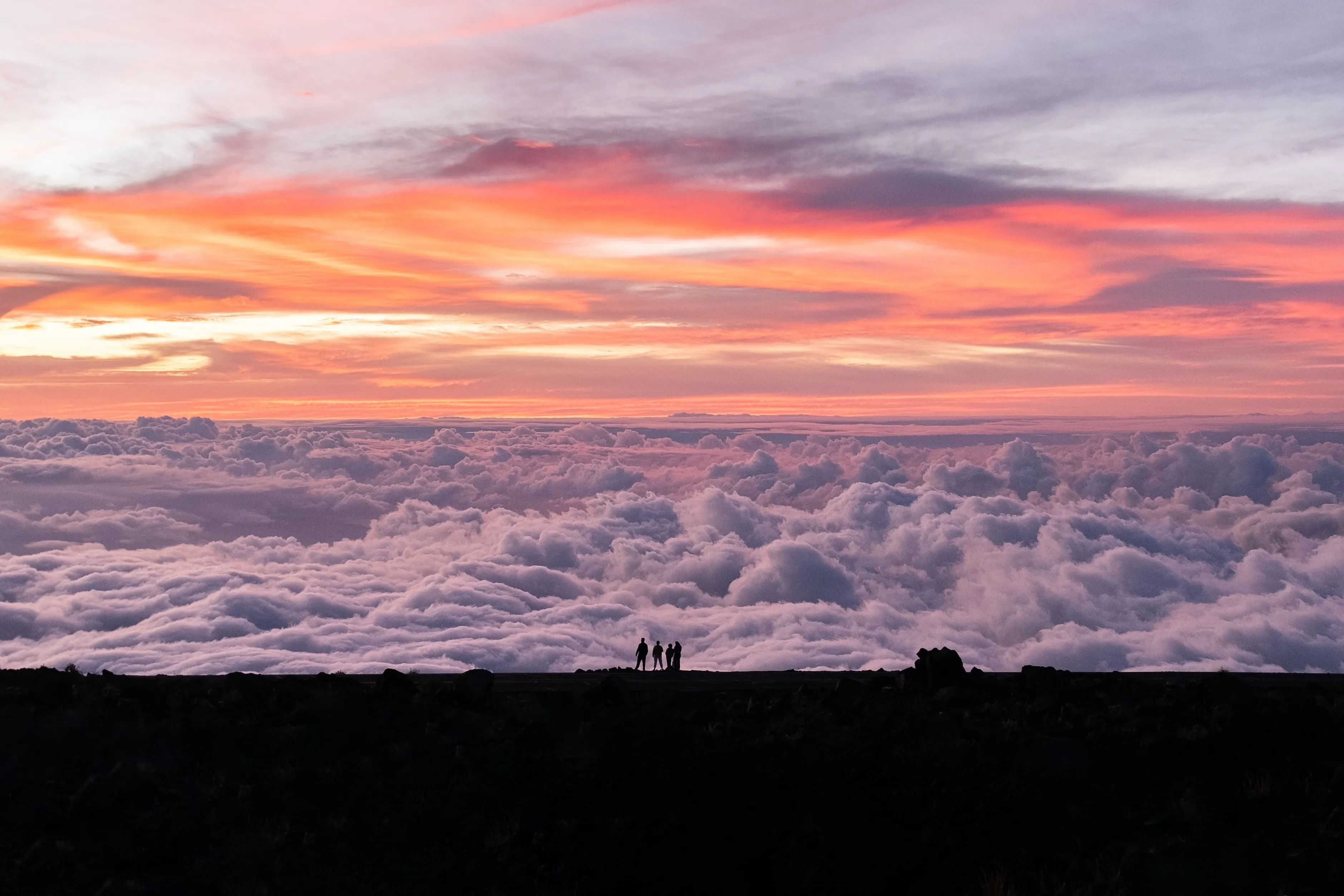
By far the most iconic place to experience sunrise in Maui is Haleakalā Crater, located at over 10,000 feet above sea level. Watching the first light spill across the volcanic summit is a spiritual experience for many. The crater can be extremely cold before dawn, so dress warmly.
Here is an informational blog post on Haleakalā Crater we did:
https://nszipline.com/blog/haleakala-national-park/
Reservations Required: You must make a sunrise reservation through the National Park Service in advance due to high demand.
What to Do After:
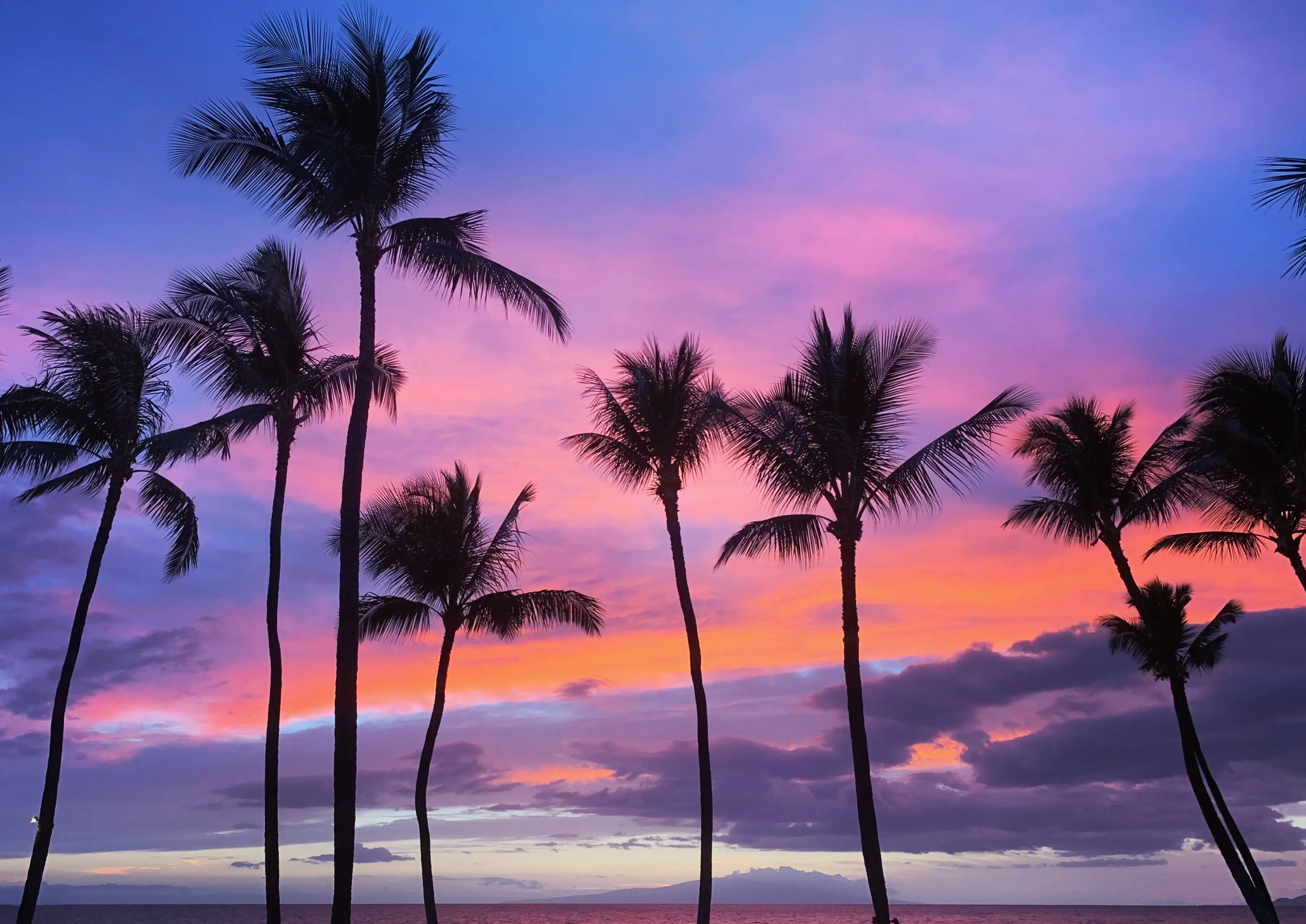
Sunsets in Maui occur between 5:45 PM and 7:10 PM, depending on the season. Like sunrise, the timing shifts with the seasons—earlier in winter, later in summer.
Sunrise is best for:
Sunset is ideal for:
| Month | Sunrise | Sunset |
| January | 7:00 AM | 6:00 PM |
| April | 6:20 AM | 6:40 PM |
| July | 5:50 AM | 7:10 PM |
| October | 6:15 AM | 6:00 PM |
| December | 6:50 AM | 5:50 PM |
From mountaintop marvels to beachside beauty, Maui’s sunrises and sunsets are a must-see for any traveler. Planning your trip around these golden hours unlocks some of the most awe-inspiring sights and serene moments the island has to offer. Whether you're sipping coffee on a crater or clinking glasses by the sea, you’ll be soaking in the aloha spirit, one ray of light at a time.
Yes—sunrise times in Maui shift slightly with the seasons, generally falling between 5:45 AM and 7:00 AM. The earliest sunrises occur around June, while the latest appear in December and January. Planning around these seasonal changes can help you catch the perfect golden-hour moment.
The most iconic sunrise spot on Maui is Haleakalā National Park, perched more than 10,000 feet above sea level. Watching the sun rise above the volcanic summit is a once-in-a-lifetime experience—many describe it as spiritual. Be sure to dress warmly; temperatures can be near freezing before dawn.
Yes! Due to high visitor demand, the National Park Service requires sunrise reservations for Haleakalā. You must book your spot in advance on the NPS website. Without a reservation, you will not be allowed to enter the summit area during sunrise hours.
After sunrise, popular choices include:
These Upcountry spots offer warmer temperatures and beautiful views to complete your morning adventure.
Sunset in Maui typically occurs between 5:45 PM and 7:10 PM, depending on the season. Winter sunsets happen earlier, while summer sunsets occur closer to 7 PM. No matter the month, Maui’s west- and south-facing coastlines offer gorgeous evening views.
Top sunset locations include:
Each area offers something unique for couples, families, photographers, and explorers.
Great sunset activities include:
Sunset is the perfect time for relaxation, dining, and scenic strolls.
Both are amazing—but it depends on your style:
Choose sunrise if:
Choose sunset if:
Many travelers plan to experience both during their Maui stay.
To capture Maui’s golden hours beautifully:
Lighting changes quickly, so keep your camera ready!
Important tips include:
With thoughtful preparation, your sunrise or sunset experience will be smooth, safe, and unforgettable.
If you would like to read and learn more about interesting things in Hawaii! Check out our blog page here on our website!
or
Image Credits:
Hero:
"Vibrant sunset behind palm trees on a tropical beach in Kihei, Hawaii. Perfect for travel and nature visuals." by Shaylon Elmore, via Pexels
"Captivating sunset scene with hikers silhouetted against clouds in Haiku-Pauwela, Hawaii." by Math, via Pexels
In the misty uplands of Waimea, through the rolling pastures of Molokaʻi, and across the sprawling ranches of upcountry Maui, a powerful legacy lives on—that of the paniolo, Hawaii’s cowboys. While many recognize them for their rugged horsemanship and contributions to island ranching, few understand the depth of their impact on Hawaiian identity. Beyond wrangling cattle and riding horseback, the paniolo were instrumental in preserving Hawaiian language and culture during one of the most turbulent eras in the islands' history.
The story begins in the early 19th century. After British explorer George Vancouver gifted cattle to King Kamehameha I in the 1790s, those animals multiplied unchecked, becoming a growing threat to farmland and forests. To manage the explosive cattle population, Kamehameha III (Kauikeaouli) invited experienced Mexican vaqueros—Spanish-speaking cowboys from California—to the Hawaiian Islands in the 1830s.
These vaqueros brought with them expertise in ranching, roping, saddle-making, and horsemanship. Hawaiian men were quick learners, absorbing these new skills and adapting them to their own environment. Over time, the Hawaiian term paniolo, believed to derive from “Español,” came to represent this new breed of cowboy—one who blended Hawaiian tradition with Mexican technique.
But the influence of these vaqueros ran deeper than the physical skills they taught. They shared a way of life grounded in respect for the land, strong family ties, music, and storytelling—values that mirrored those in traditional Hawaiian society. The result was not just a new profession, but a new cultural identity: the paniolo, proud stewards of the land (kuleana) and protectors of Hawaiian spirit.
While the paniolo helped birth a thriving ranching economy, their most profound contribution may have come decades later, when Hawaiian identity faced near erasure.
Following the illegal overthrow of the Hawaiian Kingdom in 1893 and the subsequent annexation by the United States in 1898, sweeping changes were forced upon the islands. In 1896, Hawaiian was banned as a language of instruction in schools. Speaking the language in public was discouraged or outright punished sometimes, punishable by death. English-only policies became a tool of cultural suppression, designed to assimilate Native Hawaiians into Western norms.
In cities and towns, this pressure took its toll. Hawaiian children were discouraged from speaking their mother tongue, and generations began to grow up without fluency in their native language. But in the countryside—on the remote ranches of Hawaiʻi Island, Molokaʻi, and Maui—the story was different.
The paniolo lived far from government centers and urban control. On the ranches, Hawaiian remained the language of daily life. Cowboys spoke Hawaiian in the fields, at home, in song, and in prayer. Oral traditions, chants (oli), and ancestral knowledge were passed from parent to child without interruption. These ranchlands became cultural sanctuaries, where Hawaiian identity endured in spite of official efforts to silence it.
The paniolo didn’t set out to be activists or revolutionaries—they simply lived according to the values of their ancestors. In doing so, they kept the language alive when it was outlawed. They kept aloha ʻāina—love of the land—at the core of their daily lives. They upheld ʻohana—family—and the importance of story and song. And perhaps most powerfully, they maintained a sense of pride in being Hawaiian, even when the dominant culture tried to erase it.
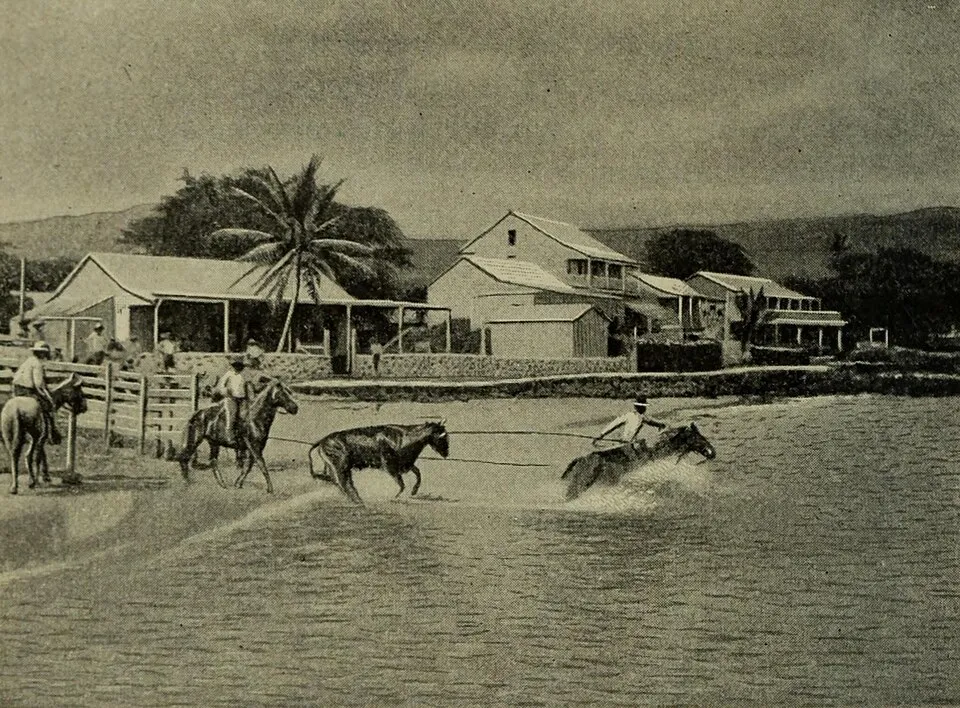
The legacy of the paniolo endures today not just through ranching, but through rodeo culture, which remains vibrant in rural Hawaiʻi. These events—held annually in towns like Makawao, Waimea, and Kaunakakai—are more than just competitions. They are celebrations of identity, where Hawaiian language is spoken freely, and traditions are proudly displayed.
Slack-key guitar and mele paniolo (cowboy songs) echo through the air, telling stories of hardship, humor, and heritage. Rodeos serve as modern spaces where Hawaiian values and community thrive—further testament to the paniolo’s role in cultural preservation.
If you are interested in booking tickets or more information on the Makawao Rodeo here are links to booking, etc.
Bookings: oskiericeeeventcenter.com
Information: https://bossfrog.com/makawao-rodeo/general/
When the Hawaiian Renaissance began in the 1970s—a movement aimed at restoring language, culture, and sovereignty—it found that the roots had never been fully lost. In part, that was thanks to the paniolo. The oral language, still spoken fluently by many elder cowboys, became a lifeline for linguists and educators rebuilding curriculum for Hawaiian language immersion schools. The values embedded in paniolo life—self-reliance, stewardship, and storytelling—matched perfectly with the goals of the movement.
Today, many Hawaiian immersion programs and cultural centers recognize the contribution of paniolo families in preserving the language. Elders who once roped cattle are now seen as cultural heroes—unintentional but vital defenders of Hawaiian heritage during a time of crisis.
The story of the paniolo is not just about cattle or cowboy hats. It’s about resilience. It’s about a group of people who, through quiet strength and cultural pride, preserved a language and identity that others tried to erase. The legacy of the Mexican vaqueros lives on through them, but the spirit of the paniolo is deeply, undeniably Hawaiian.
So next time you hear a cowboy song in Hawaiian, see a young rider at a rodeo, or visit the open pastures of upcountry Maui, remember: you're witnessing the continuation of a legacy that refused to be silenced.
The paniolo are Hawaiian cowboys whose legacy dates back to the early 19th century. Beyond managing cattle and ranchlands, they played a major role in preserving Hawaiian language and culture during times of political upheaval. Their traditions, values, and everyday use of Hawaiian kept the language alive when it was suppressed in schools and public spaces.
The paniolo story began when Mexican vaqueros were brought to Hawaiʻi in the 1830s to help control the growing cattle population gifted to King Kamehameha I. These vaqueros taught Hawaiians horsemanship, roping, ranching, and saddle-making. Hawaiians mastered these skills quickly and adapted them to local environments, creating a unique cowboy culture now known as the paniolo tradition.
Many historians believe the word paniolo comes from the Hawaiian pronunciation of “Español,” reflecting the Mexican and Spanish-speaking origins of the first vaqueros who trained Hawaiian cowboys. Over time, paniolo became a proud Hawaiian term representing a cowboy lifestyle grounded in both Mexican technique and Hawaiian values.
During the late 1800s and early 1900s, after the illegal overthrow of the Hawaiian Kingdom, laws and public pressure suppressed the Hawaiian language—especially in cities and schools. But on remote ranches across Maui, Molokaʻi, and the Big Island, the paniolo continued speaking Hawaiian daily, passing it down through families. Ranchlands became safe havens where the language—and cultural practices—survived despite official bans.
Rodeos in places like Makawao, Waimea, and Kaunakakai became community hubs where paniolo showcased their roping skills, horsemanship, and cultural pride. Rodeo grounds remain spaces where Hawaiian language, slack-key guitar, cowboy songs (mele paniolo), and local traditions thrive. These events help keep the paniolo spirit alive and visible today.
A popular event is the Makawao Rodeo:
Bookings – https://oskiericeeeventcenter.com
Info – https://bossfrog.com/makawao-rodeo/general/
The paniolo blended Mexican musical traditions with Hawaiian rhythms, creating mele paniolo, or cowboy songs—an important part of Hawaiian music history. These songs share stories of ranch life, love, hardship, and humor. Paniolo families also passed down oral traditions, chants (oli), and prayers that became cultural lifelines during the Hawaiian Renaissance and modern language revival.
The Mexican vaqueros brought more than ranching skills—they introduced:
These values aligned with Hawaiian principles like aloha ʻāina (love of the land) and kuleana (responsibility), helping blend both cultures into the paniolo identity.
You can experience true paniolo heritage at:
These places offer rodeos, museums, horseback riding, historical tours, and authentic cultural experiences.
When the Hawaiian Renaissance sought to revive Hawaiian language and culture, the paniolo became crucial knowledge keepers. Elder cowboys—many of whom still spoke fluent Hawaiian—helped linguists, educators, and immersion schools rebuild the language that had been nearly lost. Their stories, chants, and values influenced Hawaiian cultural restoration.
Paniolo culture has its own distinct identity shaped by:
The paniolo are not just cowboys—they are cultural stewards who combine ranching with deep Hawaiian values and history.
The paniolo symbolize resilience, cultural pride, and survival. They kept Hawaiian identity alive during a time of suppression, helped preserve the language, and contributed to today’s cultural revival. Their legacy continues through rodeos, ranching families, schools, and Hawaiian storytelling traditions. They remain an essential—and beloved—part of Hawaii’s history.
If you would like to read and learn more about interesting things in Hawaii! Check out our blog page here on our website!
or
Image Credits:
Blog Photos:
Paniolo in Water, Hawaiʻi — Image courtesy of the Paniolo Preservation Society via Hawaiʻi Volcanoes National Park. Public domain. Source: Wikimedia Commons.
Loading Cattle at Kailua, Hawaiʻi — Photographer unknown, before 1908. Public domain. Source: Wikimedia Commons.
Perched over 10,000 feet above sea level, Haleakalā Crater in Maui offers one of the most extraordinary stargazing experiences on Earth. This dormant volcano, located within Haleakalā National Park, is renowned for its pristine night skies, minimal light pollution, and breathtaking celestial views. Whether you're an amateur astronomer, a seasoned stargazer, or simply seeking a unique adventure, Haleakalā's summit provides an unforgettable encounter with the cosmos.
Haleakalā's summit stands at 10,023 feet, placing it above a significant portion of Earth's atmosphere. This elevation, combined with the area's dry air and isolation from urban light sources, creates optimal conditions for observing stars, planets, and deep-sky objects. The name "Haleakalā" means "House of the Sun" in Hawaiian, and according to local legend, the demigod Māui lassoed the sun from this very summit to slow its journey across the sky.
The crater itself is an erosional valley nearly 7 miles across, 2 miles wide, and 2,600 feet deep. Its unique geological features and high elevation contribute to the area's exceptional visibility, making it a prime location for both amateur and professional astronomers.
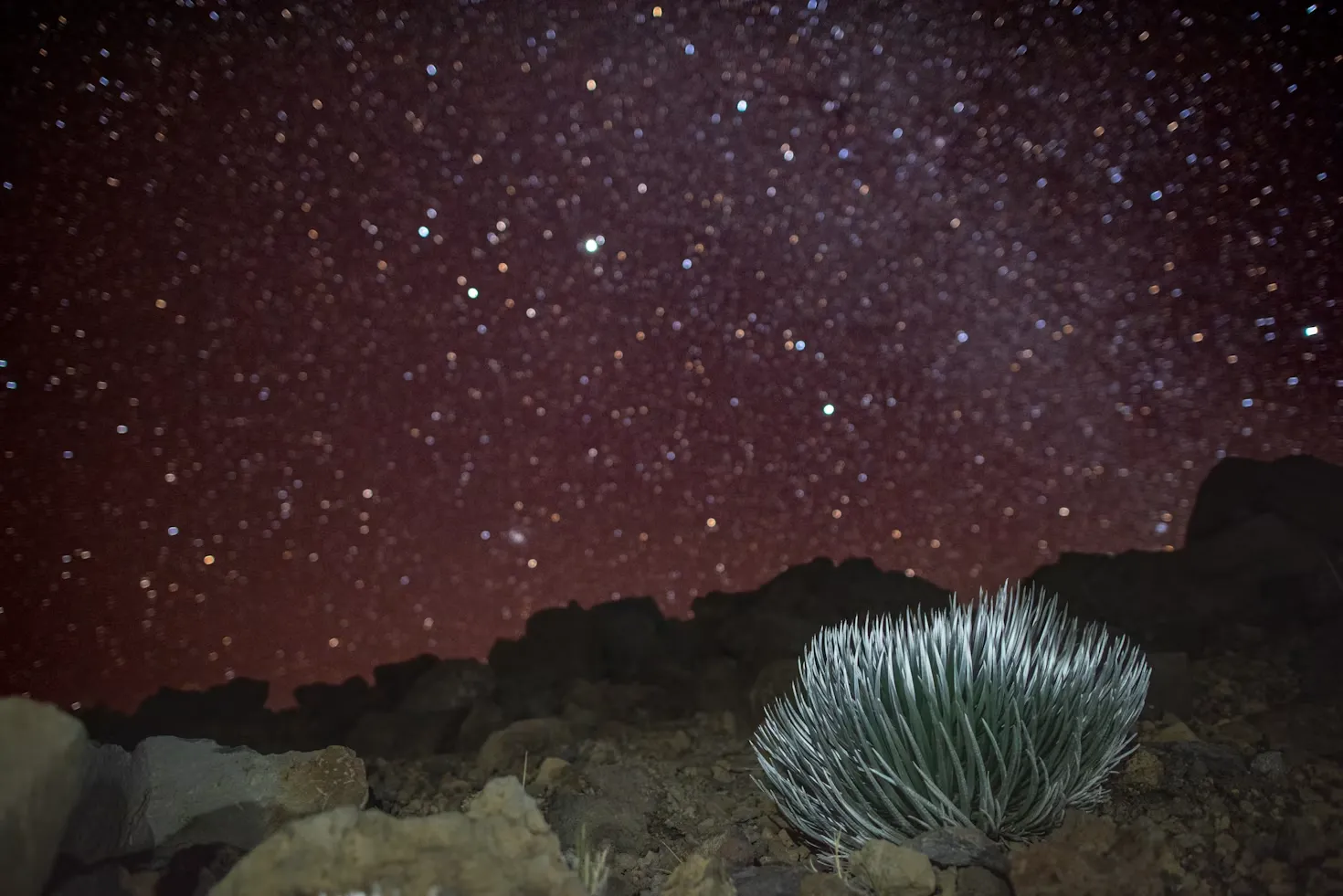
For those who prefer a self-guided experience, Haleakalā National Park welcomes visitors to stargaze from the summit. The park's high elevation and remote location offer some of the darkest skies in the United States. However, it's essential to come prepared: temperatures can drop into the 40s or lower, even during summer months. Dress in layers, including a windproof outer layer, and consider bringing gloves, a hat, and a blanket for added warmth.
A red flashlight is recommended to preserve night vision, and a reclining chair can enhance comfort during extended viewing sessions. Remember to allow your eyes at least 30 minutes to adjust to the darkness for optimal stargazing.
Please note that overnight stays within the park are only permitted in designated campgrounds, such as Hosmer Grove Campground in the summit district. Sleeping in vehicles outside of these areas is prohibited. Here is a direct link to book at Hosmer Grove if you plan to view the cosmos.
https://www.recreation.gov/camping/campgrounds/10068557
Here is a video about the sunset and stargazing atop the world!
For a more structured experience, several tour operators offer guided stargazing adventures on Haleakalā. These tours often include transportation, expert commentary, and high-powered telescopes for an in-depth exploration of the night sky.
Maui Stargazing provides an extensive tour of Haleakalā National Park, featuring a scenic sunset picnic followed by a science-based telescope adventure. Guests can observe visible planets and deep-sky objects of the Milky Way, including nebulae and star clusters, through a 12-inch aperture Dobsonian telescope. The tour includes winter jackets, fleece hats, gloves, and insulated snow pants to ensure comfort during the chilly evening hours.
https://www.mauistargazing.com/
Maui All Stars offers a sunset and stargazing tour that allows guests to observe the moon, stars, and galaxies using a large GPS telescope and laser pointer. The experience is hosted by an expert guide and includes convenient pick-up locations around the island.
https://www.hawaiiactivities.com/en/hawaii/maui/a/176011
Plan Ahead: Check the weather forecast before your trip, as conditions can change rapidly. Also, familiarize yourself with the park's regulations and obtain any necessary permits or reservations in advance.
Haleakalā holds deep spiritual significance for Native Hawaiians, who consider the summit a sacred place used for religious ceremonies and connecting with ancestors. Visitors are encouraged to approach the area with respect and mindfulness, honoring its cultural importance. Recent proposals to construct new telescopes on the summit have faced opposition from the local community, highlighting the need to balance scientific exploration with cultural preservation.
Stargazing at Haleakalā Crater is more than just a visual delight; it's a profound experience that connects you with the universe and the rich cultural tapestry of Hawaii. Whether you choose a guided tour or a self-directed adventure, the summit offers an unparalleled opportunity to witness the wonders of the night sky in a setting of natural and spiritual grandeur.
Haleakalā is considered one of the top stargazing locations in the world because of its 10,023-foot elevation, extremely low light pollution, and dry, clear air. Sitting above much of Earth’s atmosphere allows you to see stars, planets, and even the Milky Way with incredible clarity. Its remote location and geological features make Haleakalā a true stargazer’s paradise in Maui.
You do not need a reservation to stargaze at night, but you do need a reservation if you plan to enter for sunrise viewing (3:00 AM – 7:00 AM). For overnight stays, only designated campgrounds like Hosmer Grove are allowed, and these require booking through Recreation.gov.
Camping link (Hosmer Grove):
https://www.recreation.gov/camping/campgrounds/10068557
Even in summer, temperatures at the summit can drop into the 40s or lower, and winds often make it feel even colder. For safe and comfortable Haleakalā stargazing, visitors should bring layers, a winter jacket, gloves, a hat, and warm footwear. Guided tours typically provide outerwear.
You can absolutely stargaze on your own at Haleakalā—many visitors do. A self-guided experience offers quiet, peaceful views under some of the darkest skies in Hawaii.
However, guided tours provide:
Recommended tours:
Maui Stargazing – https://www.mauistargazing.com/
Maui All Stars – https://www.hawaiiactivities.com/en/hawaii/maui/a/176011
Both options are excellent depending on your comfort level and interest.
For the best experience, pack:
Allow your eyes 30 minutes to fully adjust to the dark for optimal viewing.
The best stargazing conditions occur during summer and winter, when skies tend to be clearest. Plan to arrive before sunset, watch golden hour at the summit, then stay as the sky transitions to starlight. Dark sky hours peak between 8 PM and midnight.
For planning tips:
https://www.prideofmaui.com/blog/maui/complete-guide-to-visiting-haleakala/
Yes. Haleakalā is deeply sacred in Hawaiian culture, known as the “House of the Sun.” It’s tied to the legend of Māui lassoing the sun, and Native Hawaiian communities continue to use the summit for ceremonies and spiritual connection. Visitors are encouraged to explore respectfully and understand the cultural importance of the area.
More on current cultural concerns:
https://apnews.com/article/hawaii-maui-haleakala-space-force-telescope-703add0ead6bf705707d32f177e30cfb
Yes! Under clear skies, Haleakalā offers unobstructed views of:
Guided tours use large telescopes to show deep-sky objects in extraordinary detail.
Yes—safety is essential:
Always review National Park guidelines before your visit.
Haleakalā offers one of the rarest night-sky environments on the planet. Unlike beach activities or coastal tours, stargazing at Haleakalā:
It’s a highlight for many Maui visitors and an experience that feels both cosmic and spiritual.
If you would like to read and learn more about interesting things in Hawaii! Check out our blog page here on our website!
or
Image Credits:
Hero:
"Haleakala Crater, United States" by Farid Askerov, via Unsplash
"Silversword: a plant that only grows on this volcano" by Sam Goodgame, via Unsplash
Language is more than a means of communication—it is a reflection of culture, history, and identity. Nowhere is this more evident than in Hawaii, where a unique form of English-based creole known as "Pidgin" has evolved over the past century. Officially referred to as Hawai‘i Creole English, Pidgin is a rich, dynamic language that encapsulates the multicultural heritage of the islands. Its development is deeply tied to Hawaii's complex social, economic, and cultural history, particularly during the plantation era. Today, while sometimes misunderstood, Pidgin remains a vital and expressive part of local identity.
The roots of Pidgin in Hawaii can be traced back to the mid-19th century, during a period of significant immigration and economic transformation. Following the decline of the whaling industry, Hawaii shifted toward an agricultural economy dominated by sugarcane and pineapple plantations. These plantations required a large labor force, which led to an influx of workers from China, Japan, Portugal, Korea, the Philippines, Puerto Rico, and other parts of the world.
These immigrant groups, each speaking their own languages, had to find ways to communicate with one another and with English-speaking plantation owners. This necessity gave birth to a rudimentary contact language—an early form of Pidgin—that incorporated vocabulary primarily from English, with grammatical influences from Hawaiian, Japanese, Portuguese, Cantonese, and other languages. At this stage, the language was not yet fully developed or standardized; it functioned mainly as a tool for basic communication.
Over time, as immigrant families settled and generations were born and raised in Hawaii, Pidgin evolved from a simple trade language into a fully developed creole. By the early 20th century, children growing up in multilingual communities began acquiring Pidgin as their first language. This generational shift marked the transformation from a pidgin (a simplified language used for specific purposes) into a creole (a native language with its own stable grammar and vocabulary). For example, instead of saying "He is going to the store," a Pidgin speaker might say, "He stay going store.", another example is many here in Hawaii will say "close the light", instead of "Turn off the light.
Here is a short video talking about the origins of pidgin in Hawaii:
Here is a website that features some of the most common pidgin terms used in Hawaii:
For many in Hawaii, Pidgin is more than a way of speaking—it is an expression of local identity and solidarity. It reflects shared history, values, and a sense of place. It often carries nuances and cultural references that are difficult to translate into standard English. As such, Pidgin is commonly used in informal settings, storytelling, comedy, local literature, and even political discourse to connect authentically with local audiences.
Pidgin is a linguistic treasure that tells the story of Hawaii’s multicultural roots and the resilience of its people. Born out of necessity, shaped by diversity, and sustained by community, it continues to thrive as a powerful marker of identity and cultural pride. As public understanding and appreciation grow, Pidgin stands as a testament to Hawaii’s rich linguistic tapestry—one that deserves both recognition and respect.
Explore the history, language, and cultural importance of Hawai‘i Creole English through these curated resources:
Yes—Hawaii Pidgin is a real, fully developed language, officially called Hawaiʻi Creole English. It began as a communication tool on sugar and pineapple plantations and eventually evolved into a creole spoken natively by many local residents. While rooted in English vocabulary, Pidgin has its own grammar, pronunciation, rhythm, and rules, making it a legitimate language, not “broken English.”
Pidgin emerged in the mid-1800s during the plantation era, when immigrant workers from Japan, China, Portugal, the Philippines, Korea, Puerto Rico, and other regions needed a common way to communicate. They blended English words with Hawaiian, Portuguese, Japanese, Cantonese, and other linguistic influences—creating the earliest form of Pidgin. This language helped bridge the communication gap between workers, overseers, and landowners.
Over time, children born into multilingual plantation communities began learning Pidgin as their first language. Once a generation grows up speaking a pidgin as its native tongue, it transitions into a creole—a stable, rule-based language. By the early 20th century, Hawaii’s Pidgin had become Hawaiʻi Creole English, with consistent grammar and a unique sound system.
Some popular Pidgin terms include:
Visitors can explore more Pidgin words here:
https://hawaii.com/50-hawaii-pidgin-words-and-terms-visitors-need-to-know/
And hear pronunciations here:
https://www.youtube.com/watch?v=3l23vMgg-x0
Pidgin carries the history of plantation life, multicultural cooperation, and local values. It reflects the humor, resilience, and shared experiences of generations who lived and worked together across Hawaii’s islands. Speaking Pidgin often signals local pride, cultural grounding, and an authentic connection to community. For many locals, it's a symbol of belonging.
Absolutely. Pidgin remains widely spoken in everyday conversation—especially among local families, younger generations, and multicultural communities. While English is used in schools and formal settings, Pidgin thrives in homes, workplaces, surf spots, local shops, comedy, music, and storytelling. It continues to evolve with modern slang and influences.
Because Pidgin uses many English-based words, outsiders sometimes mistake it for “slang” or “incorrect grammar.” In reality, Pidgin follows consistent grammatical rules—they’re just different from Standard American English. Linguists classify Pidgin as one of the world’s most robust English-based creoles, shaped by Hawaii’s unique cultural landscape.
To learn more about its origins, here’s a quick video:
https://youtube.com/shorts/wNW-7Gq-Lyc?si=1wcbgyn21IWB4zR1
Yes! Even learning a few phrases can show locals that you appreciate Hawaii’s cultural uniqueness. While visitors shouldn’t imitate Pidgin in a mocking or exaggerated way, understanding the basics helps you feel more connected and respectful. It also enhances your travel experience—Pidgin is a doorway into Hawaii’s multicultural history and sense of community.
While Pidgin is not typically a formal medium of instruction, it is studied academically in linguistics, cultural studies, and Hawaiian history courses. Some educators incorporate Pidgin literature, poetry, and storytelling to engage students. Pidgin has even appeared in official materials, local news stories, and public service announcements.
Pidgin is a living reminder of Hawaii’s diverse plantation roots, where immigrants from around the world worked side by side. It symbolizes unity, resilience, and the ability of diverse cultures to blend into something entirely new. Today, Pidgin continues to preserve humor, identity, music, pride, and aloha spirit in a way no other language can.
Pidgin isn’t just something people speak—it’s something they feel.
If you would like to read and learn more about interesting things in Hawaii! Check out our blog page here on our website!
or
Image Credits:
Hero:
Japanese plantation workers on a sisal plantation in Hawaiʻi, photographed circa 1910–1915. Public domain image courtesy of the Library of Congress.
California Historical Society Collection, USC Libraries Special Collections. Public Domain, via Wikimedia Commons.
In Hawai‘i, few traditions are as iconic and meaningful as the lei. These handcrafted garlands—made from flowers, leaves, shells, seeds, or feathers—embody the essence of aloha, representing love, friendship, celebration, and respect. Worn with pride and given with intention, they are far more than decorations; they are powerful cultural expressions with deep historical roots.
The practice of making and wearing floral lei's was introduced to Hawai‘i by Polynesian voyagers who settled the islands centuries ago. Along with agricultural knowledge and spiritual beliefs, they brought customs that would evolve into uniquely Hawaiian practices. Adornments made from native materials—maile vines, fragrant blossoms, polished seeds, and more—became an integral part of everyday life and ceremonial occasions.
In ancient Hawai‘i, these garlands marked significant moments and conveyed social status or spiritual reverence. Chiefs (ali‘i) wore intricate designs crafted from rare or sacred elements to display their rank and power. The creation process, known as haku, was a blend of artistry and reverence, often performed with chants and care, reinforcing a deep connection to the land and the gods.
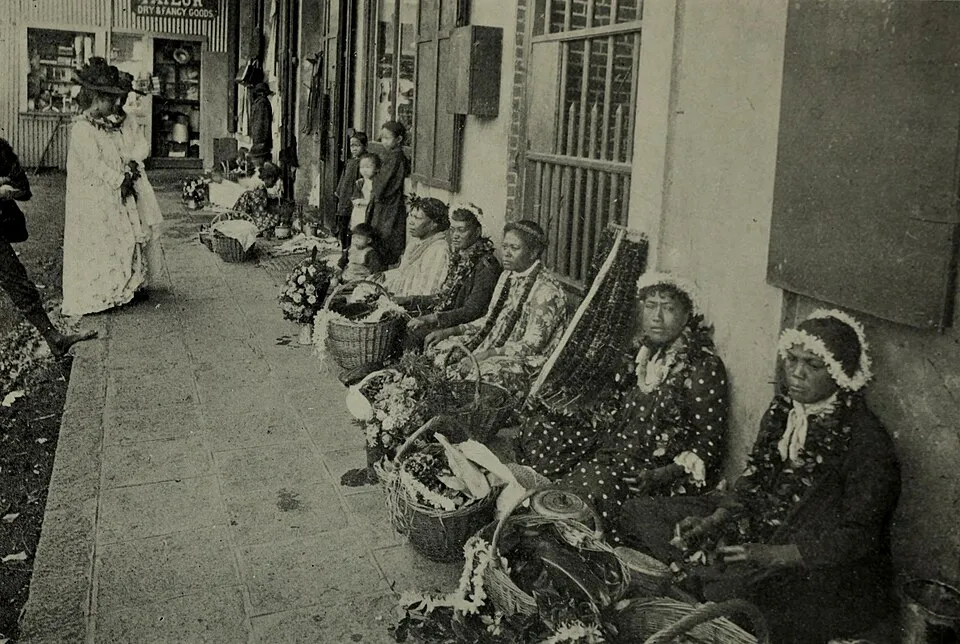
At the heart of this tradition lies the Hawaiian value of aloha, a word rich with meaning—love, compassion, kindness, and mutual respect. Presenting a lei to someone is not simply a gift; it is a gesture of connection, gratitude, and affection. It speaks without words, offering a bond between giver and receiver.
Different materials hold specific meanings. Maile vines, used in weddings and important ceremonies, symbolize peace and honor. Pikake (jasmine) is linked to romance and elegance, while orchids and plumeria are favorites for festive occasions due to their vibrant colors and scents. Kukui nuts, shiny and dark, are associated with enlightenment, protection, and peace.
In Hawaiian etiquette, such offerings should be accepted graciously. Refusing or removing one in the presence of the giver can be seen as disrespectful, as each is given with heartfelt intention.
To honor the tradition and its cultural importance, Hawai‘i celebrates Lei Day each year on May 1st. Established in 1927, this holiday pays tribute to the craftsmanship, symbolism, and enduring relevance of these floral expressions. Across the islands, schools and communities host parades, hula performances, musical events, and lei-making competitions.
Each island has a flower and color associated with it. For instance, O‘ahu is represented by the golden ‘ilima, while Maui is symbolized by the pink lokelani rose. These distinctions highlight both the diversity and unity of Hawaiian identity, proudly displayed during Lei Day festivities.
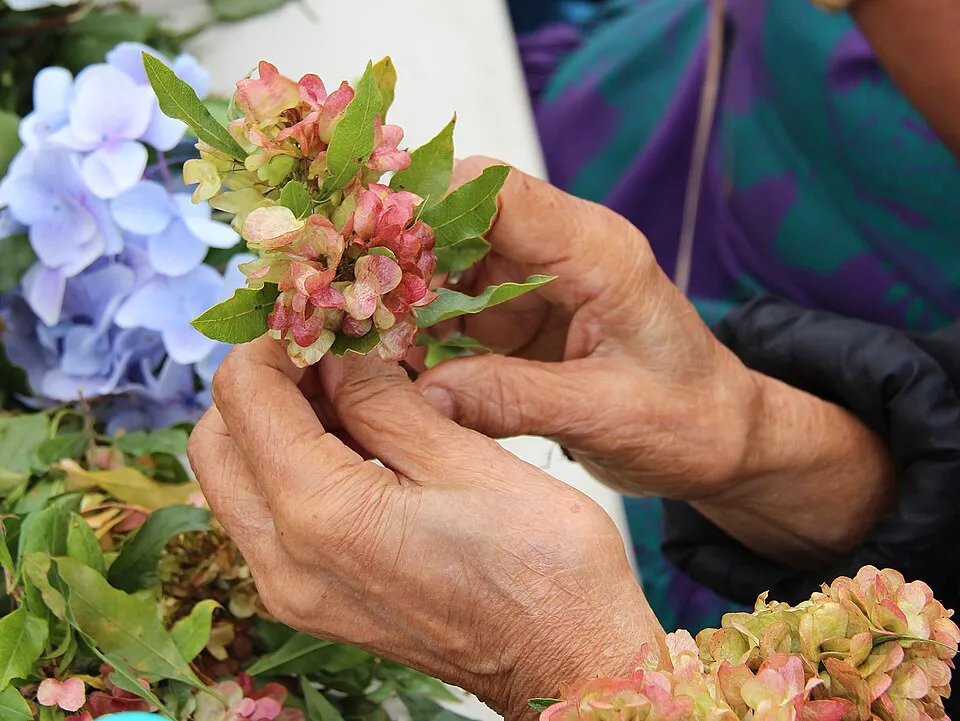
This link will give more history and significance on Lei day in Hawaii:
Traditional lei-making involves several distinct techniques:
Creating one is often a meditative process. Many artisans gather materials mindfully, offering thanks or chanting in acknowledgment of nature’s gifts. The final product is more than a beautiful adornment—it is a reflection of thoughtfulness, respect, and artistry.
The Haku Lei: A Braided Symbol of Hawaiian Tradition
The Haku lei is one of the most cherished and visually striking forms of lei in Hawaiian culture. Unlike the typical stringed garland, this version is carefully braided or woven using fresh flowers, greenery, and sometimes ferns, into a flexible base—often worn around the head like a crown.
Rooted in ancient tradition, the Haku style has long been associated with celebration, honor, and connection to nature. Whether worn for weddings, hula performances, graduations, or festivals, it carries a deep sense of pride and reverence. Each one is handmade with intention, often combining blooms and foliage with symbolic meanings to reflect the occasion or individual being honored.
More than a beautiful adornment, the Haku lei embodies the Hawaiian values of aloha (love), pono (righteousness), and kuleana (responsibility). In both traditional and modern ceremonies, it remains a vibrant expression of heritage and artistry.
Today, these garlands continue to hold a central place in Hawaiian life. They’re shared at graduations, birthdays, weddings, farewells, and other milestones. Whether used to welcome a guest, honor an achievement, or commemorate a loved one, each creation carries a message—a tangible expression of aloha.
Though materials and designs may evolve, the core meaning endures. Each garland tells a story of connection and culture, linking generations and celebrating the beauty of human relationships. In every gift, every flower, and every thread, the soul of Hawai‘i is alive and flourishing.
Explore the history, cultural significance, and craftsmanship behind Hawai‘i’s iconic lei:
A Hawaiian lei represents aloha, meaning love, respect, compassion, and connection. These beautifully handcrafted garlands symbolize everything from celebration to honor, depending on the occasion. Whether made of flowers, leaves, shells, or seeds, each lei carries intention and meaning, making it far more than a decorative accessory — it's a heartfelt gesture deeply rooted in Hawaiian tradition.
Lei-making was brought to Hawai‘i by Polynesian voyagers who arrived with a rich culture of adornment, spirituality, and craftsmanship. Over time, Hawaiians developed their own styles using native plants like maile, ‘ilima, ti leaf, and lehua blossoms. These garlands were worn in daily life, ceremonies, and by aliʻi (chiefs), who often adorned themselves with rare or sacred materials.
Giving a lei symbolizes affection, gratitude, aloha, and honor. Accepting one graciously is seen as a sign of respect. Removing a lei in front of the giver is considered impolite. Each material also carries its own symbolism — for example:
Lei Day is Hawai‘i’s official celebration of the lei tradition, held every May 1st. Established in 1927, Lei Day honors Hawaiian craftsmanship, cultural history, and island identity. Festivities include lei contests, hula performances, music, and parades across all islands. Each island even has its own symbolic flower and color.
More info:
https://www.leiday.org/the-history-of-lei-day/
Hawaiian lei-making features several beautiful techniques:
Each technique reflects skill, creativity, and respect for the land. Many artisans chant or give thanks while gathering materials.
Lei-making demonstration video:
https://www.youtube.com/watch?v=p7TNhDoMCpI
A Haku lei is a braided lei worn on the head, often created using a woven base of ti leaves, ferns, flowers, or native plants. Haku lei are commonly worn for weddings, hula performances, graduations, and ceremonies. They symbolize honor, celebration, and connection to nature — and are considered one of the most treasured forms of lei.
Learn more from this video:
https://www.youtube.com/watch?v=VphXovPs95g
Lei are appropriate for nearly any special occasion in Hawaii, including:
They are also often given spontaneously as a show of aloha. Anytime you want to express love, gratitude, or respect, a lei is a perfect gesture.
Yes — Hawaiian lei etiquette is rooted in respect:
Many Hawaiian plants hold sacred or symbolic meaning. For example:
These meanings add depth to the lei’s purpose and reinforce Hawaiian values like aloha, kuleana (responsibility), and pono (righteousness).
Lei remain vital because they connect Hawaiians to their history, ancestors, and values. Even as designs evolve, the cultural meaning of giving and receiving a lei remains unchanged: it’s an expression of aloha that honors relationships and moments that matter. Whether worn at a celebration or given as a warm welcome, the lei continues to symbolize the heart and soul of Hawai‘i.
If you would like to read and learn more about interesting things in Hawaii! Check out our blog page here on our website!
or
Image Credits:
Hero:
Historic Photographs of Old Hawaiʻi (1820s to 1940s). Public Domain, via Wikimedia Commons.
Native Hawaiian women selling lei in Hawaiʻi, photographed circa 1894. Public domain image courtesy of Wikimedia Commons.
National Park Service / Jay Robinson. Public Domain, via Wikimedia Commons.
The Hawaiian Islands, a captivating archipelago located in the central Pacific Ocean, are among the most iconic travel destinations in the world. With their lush tropical landscapes, volcanic peaks, pristine beaches, and rich cultural heritage, the islands offer a unique blend of natural beauty and human history that continues to enchant visitors and locals alike.
Hawaii is the 50th state of the United States and consists of 137 islands, though the primary focus lies on the eight major islands: Hawaiʻi (often referred to as the Big Island), Maui, Oʻahu, Kauaʻi, Molokaʻi, Lānaʻi, Niʻihau, and Kahoʻolawe. These islands were formed by volcanic activity over millions of years, as the Pacific tectonic plate slowly moved over a geological hotspot. The result is a chain of islands that vary widely in size, landscape, and ecosystem.
Each island possesses its own distinct character. The Big Island, for instance, is known for its active volcanoes, including Kīlauea and Mauna Loa, as well as diverse climates ranging from tropical rainforests to arid deserts. Maui offers lush valleys, dramatic coastal cliffs, and the iconic Haleakalā Crater. Oʻahu, home to the state capital Honolulu and the famous Waikīkī Beach, is a cultural and economic hub. Kauaʻi, often referred to as the "Garden Isle," is renowned for its stunning natural beauty, including the Nā Pali Coast and Waimea Canyon.
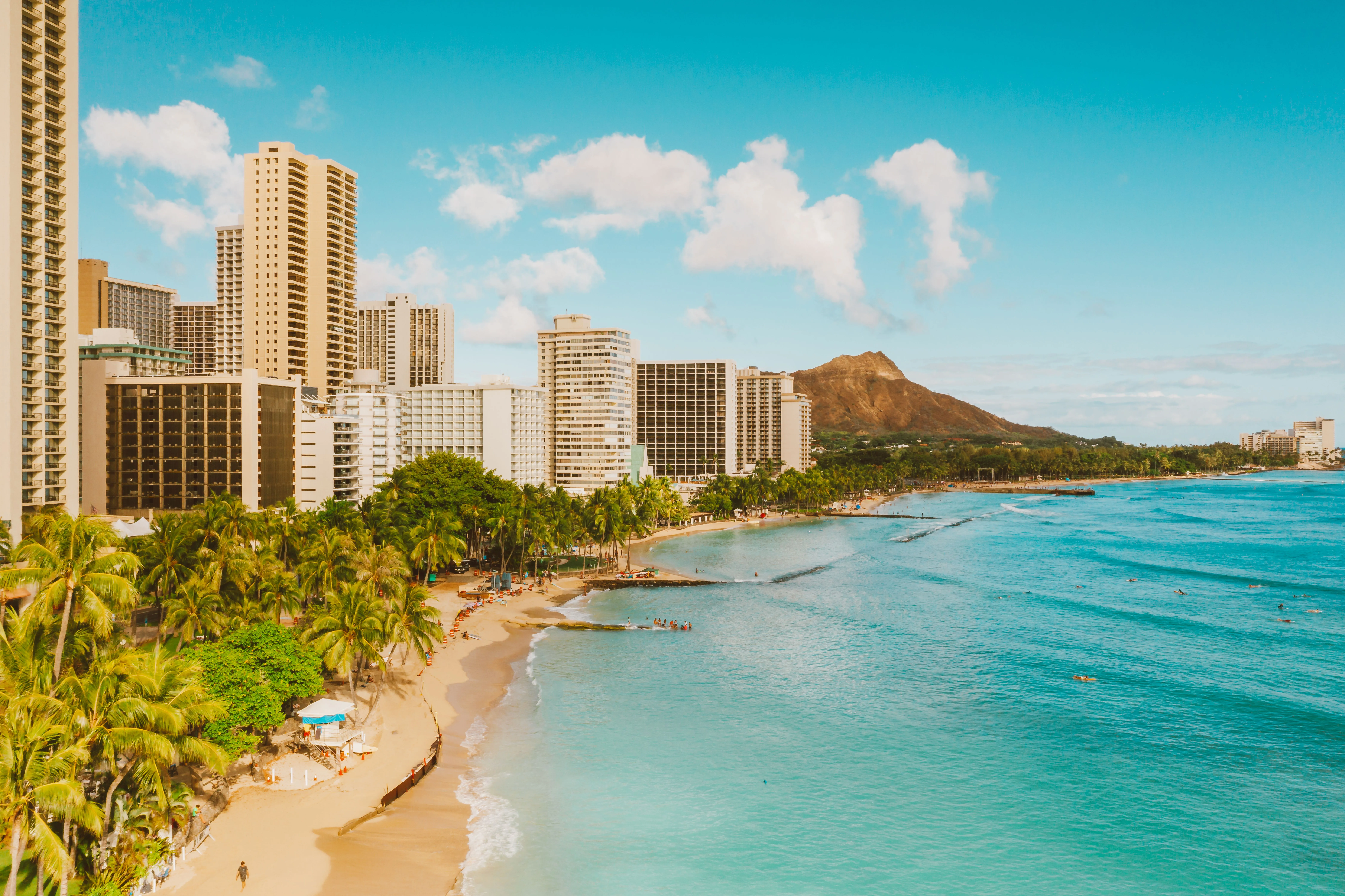
Home to the capital city, Honolulu, Oʻahu is the most populated and visited island in Hawaii. Known as “The Gathering Place,” Oʻahu blends urban sophistication with tropical beauty. Visitors can explore iconic Waikīkī Beach, surf the legendary North Shore waves, hike up Diamond Head Crater, or dive into history at Pearl Harbor. The island is also rich in nightlife, dining, shopping, and cultural experiences, making it an ideal destination for first-time visitors.
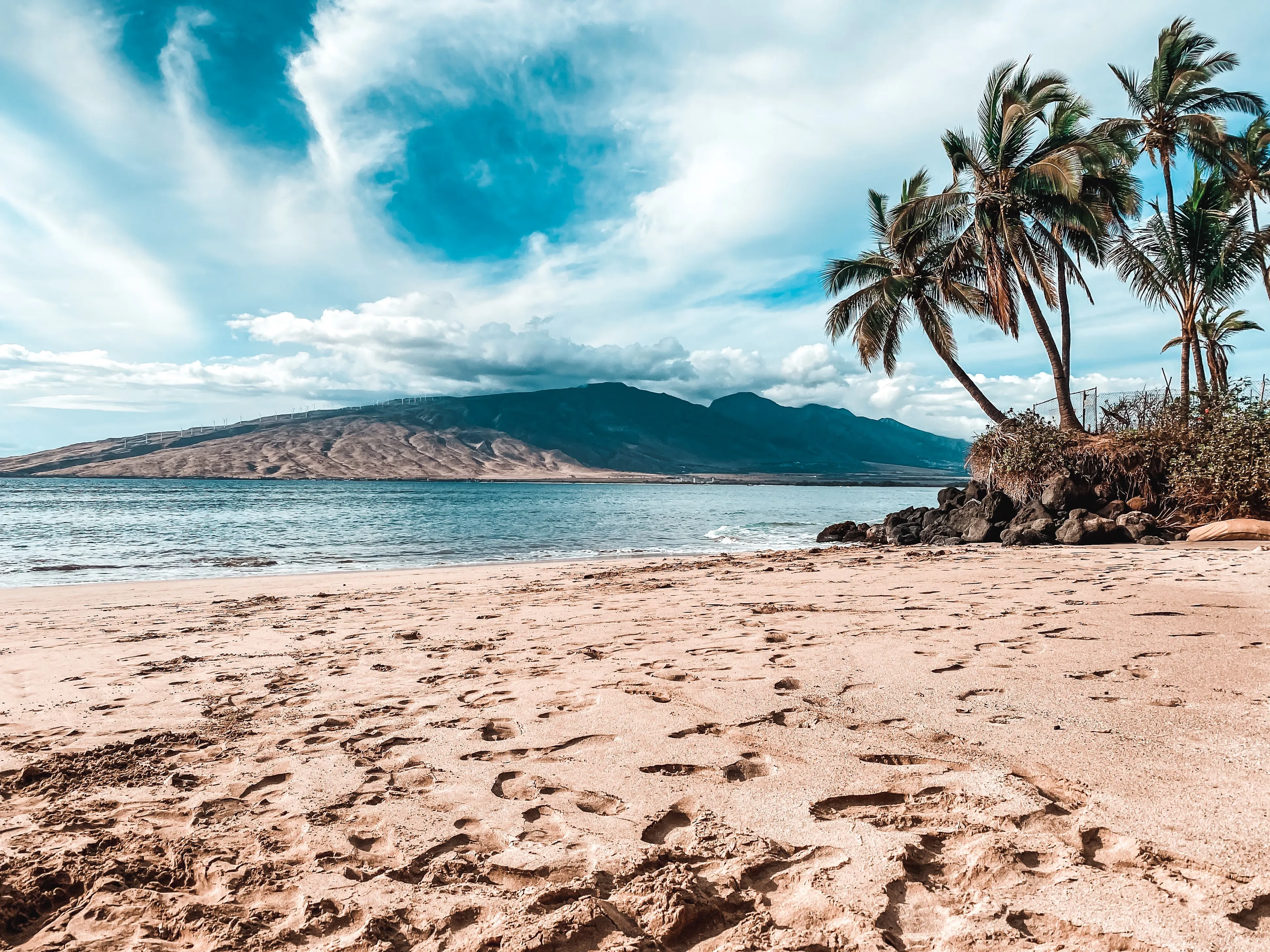
Maui is renowned for its lush landscapes, luxury resorts, and the scenic Road to Hāna. It’s the second-largest Hawaiian island and offers a perfect balance of adventure and relaxation. Nature lovers flock to Haleakalā National Park to witness the sunrise from the summit of the dormant volcano, while beachgoers enjoy the golden sands of Kāʻanapali and Wailea. During the winter months, Maui is also one of the best spots in the world for whale watching.
Here are many informational blogs of Maui we have posted:
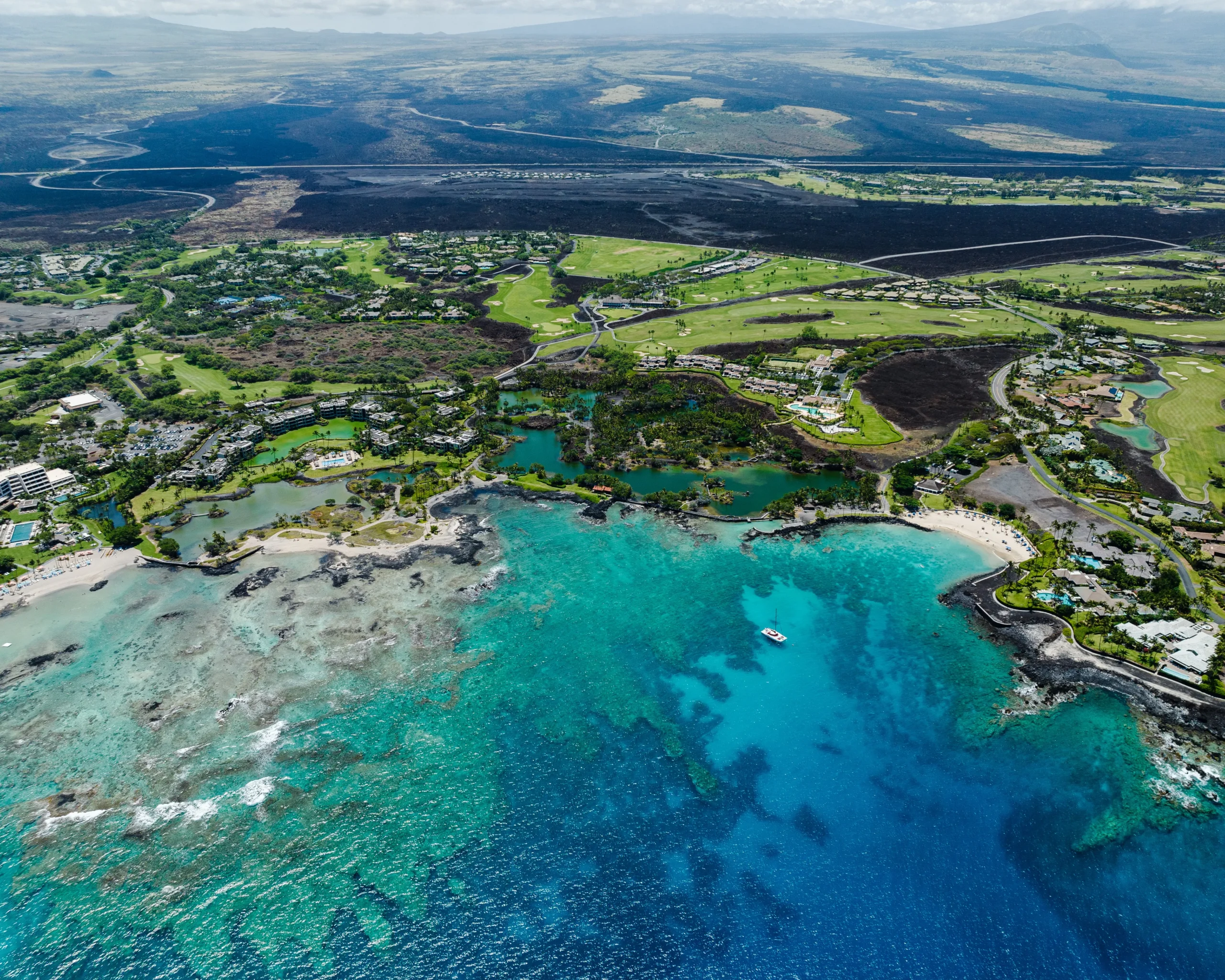
The Big Island lives up to its name — it’s larger than all the other islands combined. It boasts a diverse range of climates and terrains, from snow-capped mountains to black sand beaches and active lava flows. Hawaiʻi Volcanoes National Park is the crown jewel, where visitors can see Kīlauea and Mauna Loa, two of the world’s most active volcanoes. The Big Island is also a hub for astronomy, coffee farming (especially Kona coffee), and marine life encounters like manta ray night dives.

Kauaʻi is the oldest and most lush of the main islands, often dubbed “The Garden Isle” for its emerald valleys, waterfalls, and dense rainforests. It’s a paradise for hikers and nature lovers, offering jaw-dropping trails through the Nā Pali Coast and Waimea Canyon, also known as the “Grand Canyon of the Pacific.” With a more laid-back vibe, Kauaʻi is ideal for those looking to escape the crowds and reconnect with nature.
Once the world’s largest pineapple plantation, Lānaʻi today is a quiet, luxurious retreat. It’s one of the least populated islands and offers a tranquil atmosphere with upscale resorts, rugged landscapes, and off-the-beaten-path adventures. Visitors can explore Keahiakawelo (Garden of the Gods), go horseback riding, or snorkel in Hulopoʻe Bay. It’s a perfect getaway for privacy and pampering.
Molokaʻi is a place where Hawaiian traditions and community values remain deeply rooted. Known as “The Friendly Isle,” it offers a glimpse into what Hawaii might have looked like decades ago. There are no major resorts or high-rise buildings — just unspoiled beauty and genuine aloha spirit. Highlights include Kalaupapa National Historical Park, Halawa Valley, and the tallest sea cliffs in the world.
Privately owned and off-limits to most tourists, Niʻihau is often referred to as “The Forbidden Isle.” With a small population of Native Hawaiians, the island has preserved traditional Hawaiian culture and language. Access is typically limited to invited guests or through helicopter tours. Its isolation makes it a place of cultural significance and mystery.
Uninhabited and largely inaccessible, Kahoʻolawe has a complex history. Once used as a military training ground, it is now the focus of ongoing restoration efforts. Considered sacred by Native Hawaiians, it is not open to casual tourism, but serves as a symbol of cultural renewal and ecological healing.
Beyond its natural allure, Hawaii holds a deeply rooted cultural legacy that traces back to Polynesian voyagers who first settled the islands around 1,500 years ago. These early settlers brought with them advanced knowledge of star navigation, agriculture, and societal organization, laying the foundation for a thriving indigenous culture.
The Hawaiian language, hula dance, traditional chants ('oli), and spiritual beliefs remain vital aspects of Hawaiian identity. While these traditions were once suppressed following Western colonization and the eventual annexation of Hawaii by the United States in 1898, there has been a powerful cultural renaissance in recent decades. Native Hawaiian communities have been working tirelessly to revitalize language and customs, advocating for greater recognition and sovereignty.
Visitors to Hawaii have the opportunity to engage with this living culture through authentic experiences such as attending a traditional lūʻau, visiting heiau (ancient temples), or exploring museums and cultural centers like the Bishop Museum in Honolulu or the Lyman Museum on the Big Island.
Hawaii is also one of the most ecologically diverse regions in the world. Due to its isolation and varied topography, it is home to a high number of endemic species — plants and animals found nowhere else on Earth. From the colorful Hawaiian honeycreepers to the endangered Hawaiian monk seal, the islands’ biodiversity is both fascinating and fragile.
However, this ecological uniqueness comes with challenges. Invasive species, climate change, and urban development have placed significant pressure on Hawaii’s native ecosystems. Conservation efforts are critical, and many organizations are actively involved in habitat restoration, native species protection, and sustainable tourism initiatives. Visitors can contribute by respecting local wildlife guidelines, participating in eco-tours, and supporting conservation-focused businesses.
Central to Hawaiian culture is the concept of aloha, a word often used to say hello or goodbye, but which carries a much deeper meaning. Aloha represents love, compassion, respect, and a sense of connection between people and the natural world. This spirit of aloha is palpable across the islands and influences everything from interpersonal interactions to community values.
Embracing the spirit of aloha means more than enjoying a vacation in paradise — it encourages a respectful and mindful approach to travel, recognizing the importance of preserving Hawaii’s environment and honoring its indigenous heritage.
The Hawaiian Islands are far more than a postcard-perfect getaway. They are a living tapestry of geology, biodiversity, and cultural history that continues to evolve. Whether you're hiking through volcanic craters, swimming in coral reefs, or learning the stories of ancient Hawaiian chiefs, the islands offer countless opportunities for discovery and connection.
As tourism continues to shape the islands’ future, a commitment to responsible travel and cultural respect is essential. By engaging with the land and its people with intention and humility, visitors can ensure that the magic of Hawaii endures for generations to come.
Explore the geography, culture, ecology, and history of Hawai‘i through these trusted, informative resources:
Hawaii is made up of 137 islands, but most travelers focus on the eight major Hawaiian Islands: Hawai‘i (Big Island), Maui, O‘ahu, Kaua‘i, Moloka‘i, Lāna‘i, Ni‘ihau, and Kaho‘olawe. Each island has its own personality — from the volcanic drama of the Big Island to the lush cliffs of Kaua‘i. Understanding the main islands helps you choose the best destinations for your travel style.
The Hawaiian Islands were formed over millions of years by a volcanic hotspot beneath the Pacific Plate, creating everything from black sand beaches to snow-capped summits. This gives Hawaii incredible landscape diversity — rainforests, deserts, coral reefs, volcanoes, and towering sea cliffs — all within one archipelago. No other place on Earth offers this combination of geology and beauty.
Most first-time visitors choose O‘ahu, known as “The Gathering Place.” It has Waikīkī Beach, Pearl Harbor, Diamond Head, world-class restaurants, museums, and the famous North Shore surf scene. With a perfect mix of city life and Hawaiian culture, O‘ahu is ideal if you want convenience and variety.
Maui is loved for its blend of luxury resorts, unforgettable nature, and laid-back charm. Travelers visit for the Road to Hāna, sunrise at Haleakalā National Park, whale watching, and iconic beaches like Kāʻanapali and Wailea. Maui strikes a balance between adventure and relaxation, making it ideal for couples, families, and nature lovers.
More Maui blogs: https://nszipline.com/blog/
The Big Island earns its nickname because it's the largest island and home to Hawaii’s most dramatic natural experiences — including active volcanoes, flowing lava (depending on eruption conditions), black and green sand beaches, manta ray night dives, and snow on Mauna Kea. Hawai‘i Volcanoes National Park is a must-see for anyone interested in geology or Hawaiian mythology.
Kaua‘i is the oldest and greenest of the major Hawaiian Islands. Its lush valleys, towering waterfalls, and world-famous landscapes — like the Nā Pali Coast and Waimea Canyon — make it a top choice for hikers, photographers, and travelers seeking tranquility. Kaua‘i offers fewer crowds and a slower pace compared to O‘ahu or Maui.
These four islands offer a deeper look into Hawaii’s cultural and historical richness:
These islands show the diverse stories that make up the Hawaiian archipelago.
Hawaii’s cultural heritage runs deep. Visitors can experience authentic Hawaiian culture through:
Hawaiian culture is living, evolving, and proudly shared — but always with respect.
Hawaii is one of the most ecologically diverse and endangered places on Earth. Because of its isolation, over 90% of native species exist nowhere else. From rare honeycreeper birds to Hawaiian monk seals and vibrant coral reefs, Hawaii’s wildlife is precious but vulnerable. Visitors can help by using reef-safe sunscreen, respecting signage, and supporting conservation-focused tours.
The Spirit of Aloha is much more than a greeting — it embodies love, respect, compassion, and harmony between people and the land. Practicing aloha means traveling mindfully: respecting cultural sites, giving others kindness, supporting local businesses, and leaving nature better than you found it. Visitors who embrace aloha gain a deeper and more meaningful connection to the Hawaiian Islands.
With millions of visitors each year, responsible tourism protects Hawaii’s fragile ecosystems, cultural sites, and communities. Simple actions — staying on marked trails, reducing waste, learning cultural etiquette, and supporting local conservation efforts — ensure the Hawaiian Islands stay beautiful and thriving for future generations.
If you would like to read and learn more about interesting things in Hawaii! Check out our blog page here on our website!
or
Image Credits:
Hero:
The Hawaiian Islands as seen from the International Space Station on January 18, 2014. Public domain image courtesy of NASA.
"Beautiful view of Waikiki Beach with Diamond Head in the background, perfect travel destination." by Jess Loiterton, via Pexels
"Idyllic tropical beach with palm trees, footprints in the sand, and a distant mountain view." by Katie Cerami, via Pexels
"Explore the stunning turquoise waters and tropical landscape of Waimea Bay, Hawaii, from above." by Josh Withers, via Pexels
"Breathtaking view of turquoise ocean water and rugged cliffs under bright summer sky." by Jess Loiterton, via Pexels
Sitting along the emerald hills of Maui’s lush north shore lies Haiku, a charming upcountry village that offers a refreshing alternative to the island’s busy beach resorts. Known for its misty jungles, rolling pastures, and laid-back vibe, Haiku is a hidden gem that draws in adventurers, artists, and travelers seeking authentic connection — to nature, culture, and themselves.
Whether you’re planning a full stay in Haiku or a quick detour off the Road to Hana, this peaceful community has much to offer. Here's how to make the most of your time in Haiku, Maui.
Kick off your adventure with a visit to Twin Falls, one of the most accessible and rewarding waterfall hikes on the island. Located just past mile marker 2 on the Road to Hana, this easy-to-moderate trail weaves through bamboo forests, guava trees, and muddy jungle paths to reach a series of waterfalls and swimming holes.
Pack water shoes and a towel — and don’t be afraid to get wet! Local vendors near the trailhead often sell fresh coconuts and smoothies, perfect for a post-hike refresh.
At the heart of the village is the Haiku Marketplace, a community hub filled with local food, art, and character. Set in the historic Haiku Cannery building, the marketplace includes health-conscious eateries, a kombucha bar, artisan boutiques, a surf shop, and a well-stocked general store.
Try a locally sourced poke bowl, sip on small-batch kombucha, or grab a handmade gift to remember your trip. The vibe is casual, friendly, and authentically Maui.
No visit to Haiku is complete without a meal at Colleen’s at the Cannery, a beloved local staple located in the historic Haiku Cannery building. This laid-back café and bar serves up hearty breakfasts, fresh island-inspired lunches, and cozy dinners — all with a focus on quality ingredients and welcoming service.
Whether you’re fueling up before a waterfall hike or winding down after a day on the Road to Hana, Colleen’s offers something for everyone. Locals rave about the banana macadamia nut pancakes, wood-fired pizzas, and daily fish specials. The open-air seating, rustic charm, and local artwork make it a perfect spot to soak in the upcountry vibe.
Bonus: The espresso bar and cocktail menu are just as good as the food.
Haiku’s lush landscape is best explored with the help of local guides who know the trails and hidden gems. Eco-adventure tours offer a chance to hike off the beaten path, explore secret waterfalls, swing into jungle pools, and learn about native Hawaiian flora and history.
Whether you’re a family with kids or a solo explorer, these tours provide safe, insightful access to Haiku’s wild beauty — often with fresh fruit picked right from the trail.
For adrenaline with a view, NorthShore Zipline in Haiku delivers an unforgettable experience. Set on a historic World War II base in the lush upcountry jungle, this family-friendly zipline tour features seven lines, sky bridges, and soaring platforms with panoramic views of Maui’s north shore.
It’s the perfect mix of adventure and natural beauty — with expert guides, a safe and fun environment, and just enough thrill to keep your heart racing. Great for first-timers and seasoned zipliners alike, NorthShore Zipline is a must-do for anyone looking to add excitement to their Haiku itinerary.

Check out tour availabilities here!
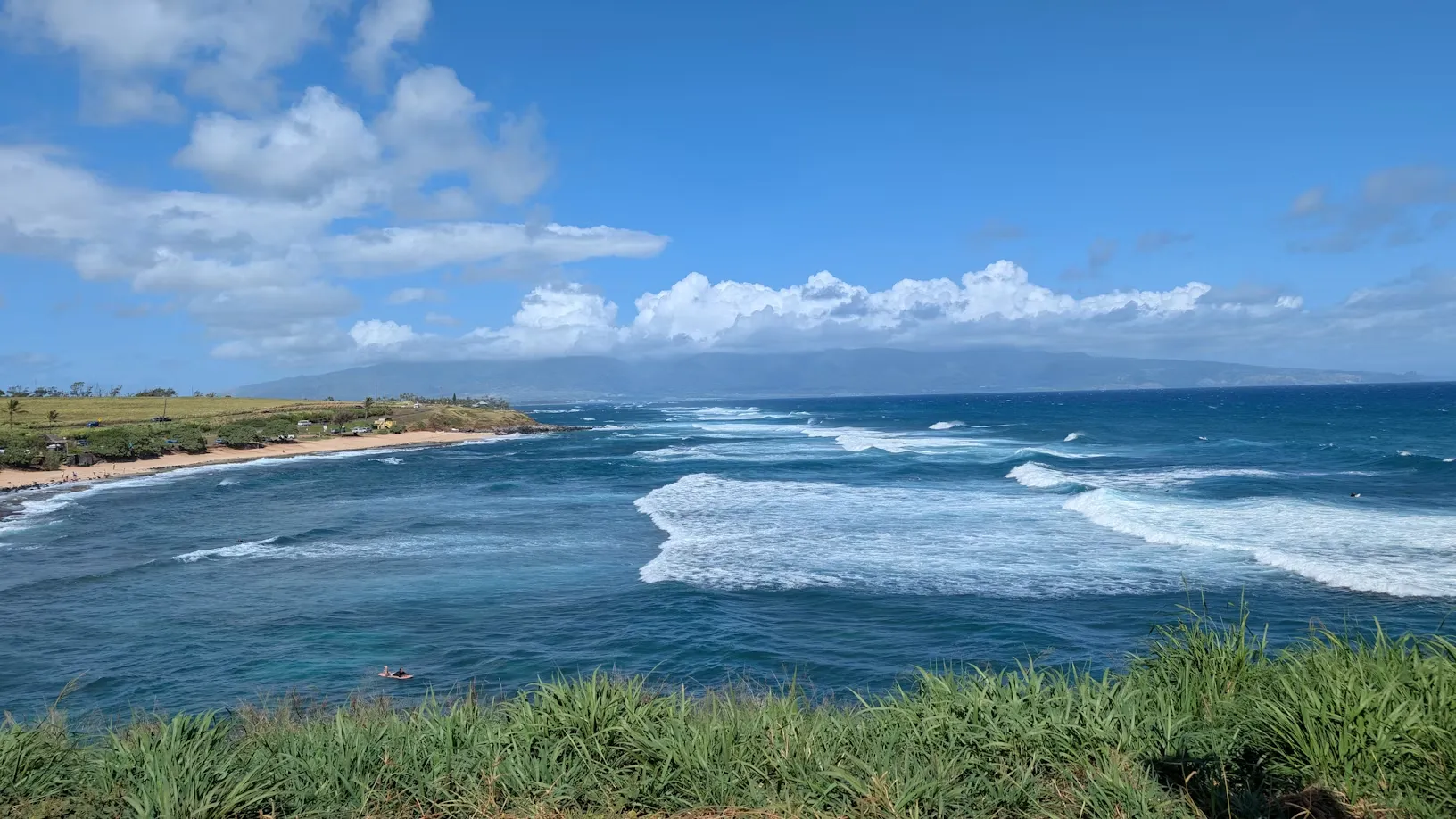
Though technically just outside Haiku in nearby Paia, Ho’okipa Beach Park is an essential stop. Known as a global windsurfing mecca, it also offers jaw-dropping views of the coastline and excellent sea turtle spotting — especially in the late afternoon.
Bring a camera and take a walk down to the beach where you’re likely to see dozens of honu (Hawaiian green sea turtles) basking on the sand.
Haiku is home to a vibrant community of yogis, healers, and wellness seekers. It’s not uncommon to find yourself attending a sunrise yoga session overlooking a jungle valley, or joining a sound healing circle beneath the stars.
Many local retreat centers and eco-lodges offer single-day experiences or longer stays focused on mindfulness, nature connection, and self-care. Whether you're looking to deepen your practice or simply unwind, Haiku is a sanctuary for the soul.
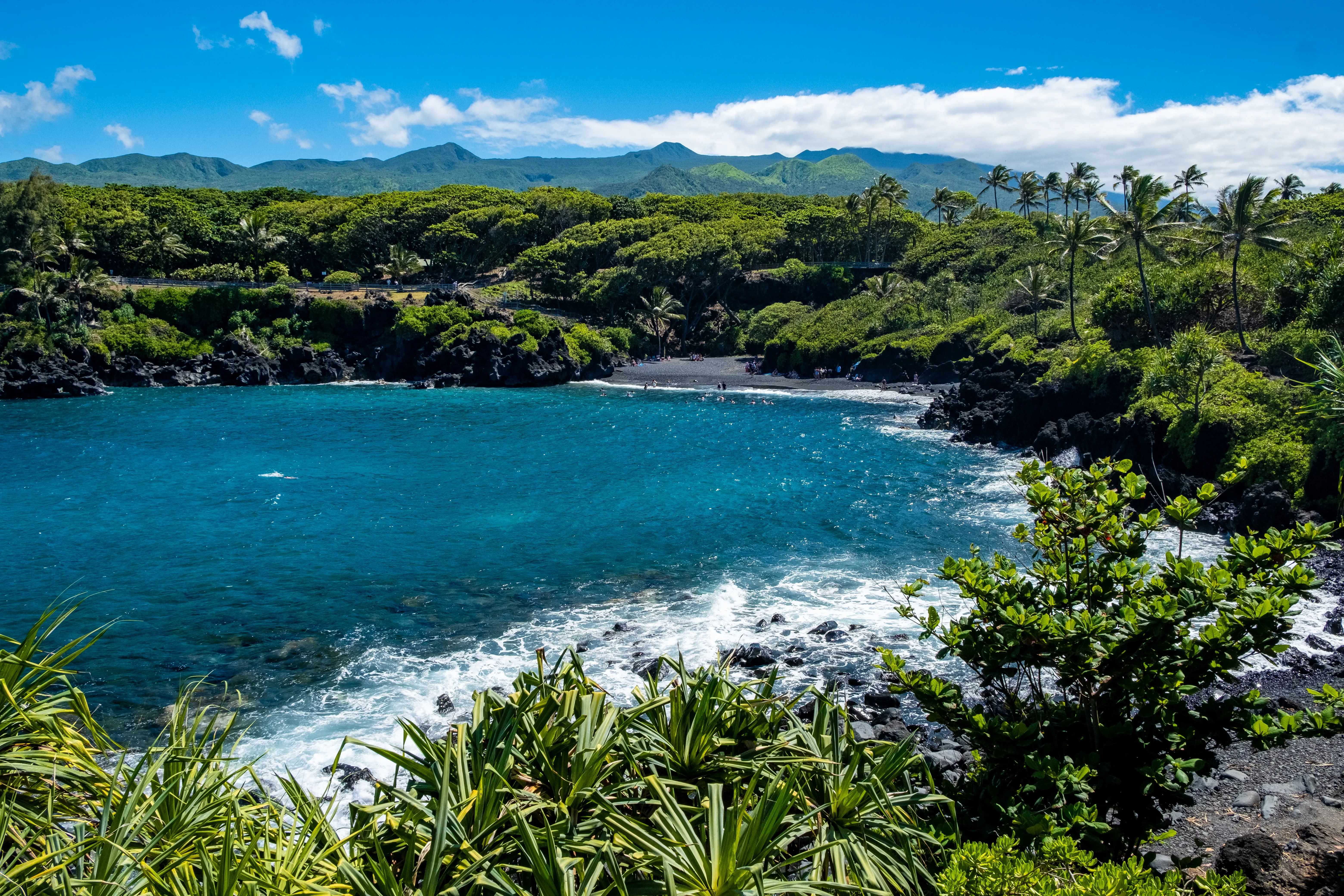
Haiku serves as a perfect starting point for the legendary Road to Hana — one of the world’s most scenic drives. If you’re short on time or not ready to brave the full route, just exploring the early portion from Haiku offers lush vistas, waterfalls, botanical gardens, and coastal lookouts.
Be sure to drive carefully — the roads are narrow and winding, but the rewards are immense. Starting early from Haiku gives you a head start on the crowds.
Haiku may be small, but it packs a flavorful punch. From Thai food trucks to vegan cafés and fresh fruit stands, there’s no shortage of delicious options. Try local specialties like taro chips, lilikoi (passion fruit) treats, or fresh-baked banana bread.
For an unforgettable evening, check out Nuka, a beloved Japanese restaurant known for sushi made with locally caught fish and seasonal island ingredients. Reservations recommended — this spot is a favorite among locals and visitors alike.
Haiku is more than a place — it’s a feeling. A slow-paced, rain-kissed, quietly magical corner of Maui where life flows with the rhythms of the land. Here, you’ll trade crowded beaches for bamboo trails, loud nightlife for waterfall serenades, and screen time for starlit skies.
If you’re craving a deeper, more grounded connection to Hawaii — one rooted in nature, culture, and community — Haiku awaits with open arms and endless green horizons.
Travel Tips:
If you would like to read and learn more about interesting things in Hawaii! Check out our blog page here on our website!
Haiku is known for its lush rainforests, laid-back upcountry vibes, bamboo jungles, waterfalls, and artistic community. Located on Maui’s north shore, Haiku offers a peaceful escape from the crowded beach resorts and is a popular hub for travelers exploring the Road to Hana, Twin Falls, and NorthShore Zipline. It’s the perfect destination if you’re seeking authentic, nature-connected experiences in Maui.
Absolutely — Twin Falls Maui is one of the best waterfall hikes near Haiku and a favorite stop at the start of the Road to Hana. The trail is easy to moderate and leads to multiple waterfalls, jungle pools, and bamboo forests. It’s great for families, beginners, and anyone wanting a quick but beautiful hike.
Pro tip: Wear water shoes, expect mud, and grab a fresh coconut or smoothie from the local stands at the trailhead.
The Haiku Marketplace is the heart of the village and one of the best places to eat and shop on the north shore. You’ll find:
If you want an authentic taste of Haiku’s food, creativity, and community, this is the place to go.
Two must-visit Haiku restaurants are:
✔ Colleen’s at the Cannery
A beloved local café with hearty breakfasts, wood-fired pizza, espresso drinks, and island-inspired entrées. Perfect before or after waterfall hikes.
✔ Nuka Sushi Maui
A north shore favorite known for its fresh local fish, creative rolls, and cozy Japanese ambiance.
Both offer the laid-back, neighborhood feel Haiku is famous for.
Yes! Haiku is one of the best places on Maui for jungle eco tours, offering guided waterfall hikes, rope swings, jungle pools, and educational experiences about native plants and Hawaiian culture. These tours often include access to hidden spots you wouldn’t find on your own, making them ideal for families, couples, or adventure seekers.
Definitely — NorthShore Zipline in Haiku is one of the top family-friendly adventures on Maui. Located on a historic WWII base, the tour features:
Guests love pairing a Haiku zipline day with Twin Falls or the early Road to Hana stops.
Check availability here: https://nszipline.com/
Yes — Ho‘okipa Beach Park is just minutes from Haiku and is a must-see stop for:
It’s one of the top beaches near Haiku and a favorite for both locals and visitors.
Haiku is one of Maui’s best hidden sanctuaries for yoga retreats, meditation sessions, sound healing, and eco-lodges. Many retreat centers sit on jungle ridges with ocean views, offering peaceful environments for relaxation, mindfulness, and self-care. It’s perfect for travelers wanting a restorative, nature-centered Maui experience.
Yes — Haiku is one of the best starting points for the Road to Hana. Beginning your journey here means you avoid the early crowds and can easily visit:
Haiku has a diverse and delicious food scene. Must-try items include:
Haiku is ideal for travelers who want peace, greenery, and a more authentic side of Maui. Stay here if you love:
It’s perfect for those looking to escape the busy resort areas and connect with Maui’s natural heart.
Haiku is a place where travelers are welcomed — especially those who travel with care and aloha.
or
Image Credits:
Hero:
Hana, Hawaii by A n v e s h, via Unsplash
Ho'okipa by Elvis Gomez, via Unsplash
"Explore the lush green landscapes and blue waters of Hana Bay, with its unique black sand beach and tropical flora." by Kelsey, via Pexels
Sitting on the windward side of Maui, Haiku is a hidden gem that captures the heart of every nature enthusiast with its verdant beauty and tranquil atmosphere. While Maui is often celebrated for its sandy beaches and crystal-clear waters, Haiku offers a different kind of wonder—its lush rainforest, where exotic plants thrive under the island’s abundant rainfall and rich volcanic soil. For botanists, horticulturists, and casual plant lovers alike, Haiku is a paradise where the vibrant plant life tells a story of resilience, biodiversity, and tropical enchantment.
Haiku lies in the region known as Maui’s North Shore, a microclimate characterized by frequent rain showers, warm temperatures, and mist-covered hills. This perfect combination has created the ideal environment for a thriving rainforest ecosystem. The region is home to both native Hawaiian plants and a variety of introduced tropical species that now flourish in the fertile soil.
One of the most iconic plants in Haiku's rainforests is the ʻŌhiʻa lehua (Metrosideros polymorpha), a native Hawaiian tree with distinctive red, orange, or yellow pom-pom-like blossoms. This tree is vital to the local ecosystem, providing food for native birds such as the ʻapapane and ʻiʻiwi. In Haiku’s cooler upland areas, the ʻōhiʻa often dominates the canopy, its twisted branches cloaked in mosses and epiphytic ferns.
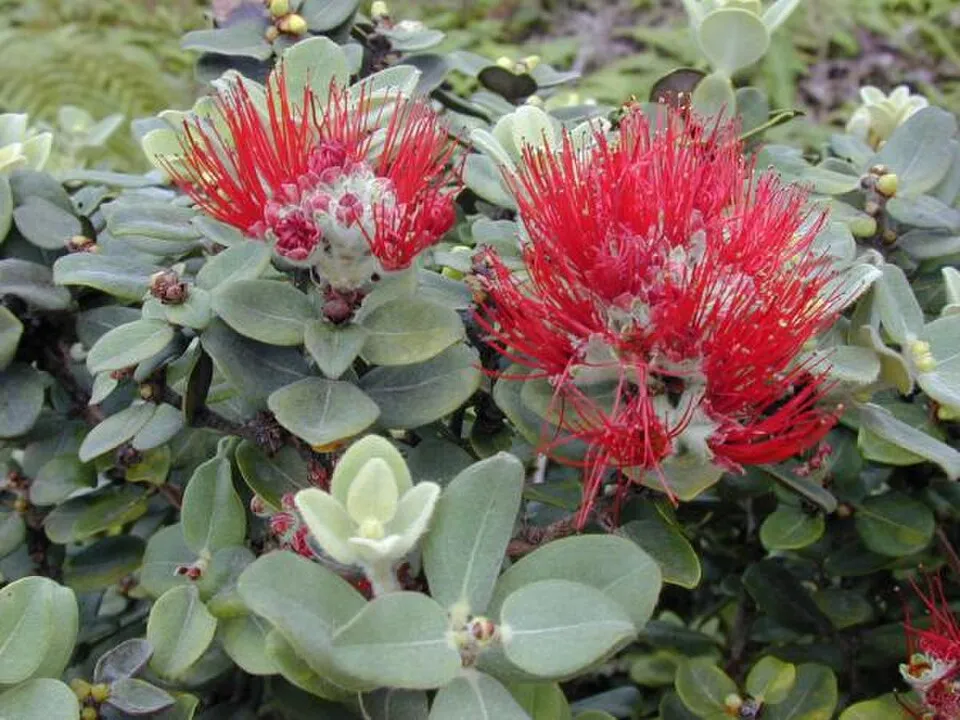
Another standout is the towering tree fern (Cibotium spp.), known in Hawaiian as hāpuʻu. These ancient plants unfurl their fronds in graceful spirals, creating a sense of prehistoric wonder as they arch over muddy trails and shaded gulches. The hāpuʻu is often accompanied by native understory plants like paʻiniu (Astelia spp.), a spiky, silver-green plant with tufts of fragrant flowers that attract native insects.
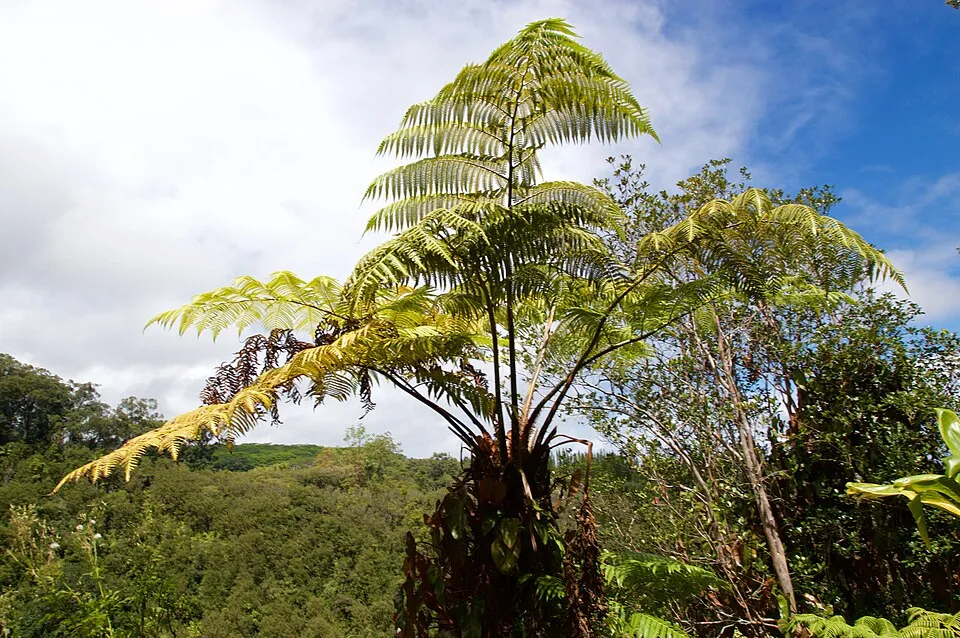
The hala tree (Pandanus tectorius) is a distinctive and culturally important plant found across Maui’s coasts and rainforests. Recognized by its spiky leaves, pineapple-like fruit, and stilt-like roots, the hala plays a vital role in stabilizing soil and supporting coastal ecosystems. In Hawaiian culture, the hala was invaluable—its leaves were woven into mats and baskets, roots used for tools, and fruit for dyes and emergency food. Today, it remains a symbol of resilience and tradition, linking Maui’s natural beauty with its rich cultural heritage.
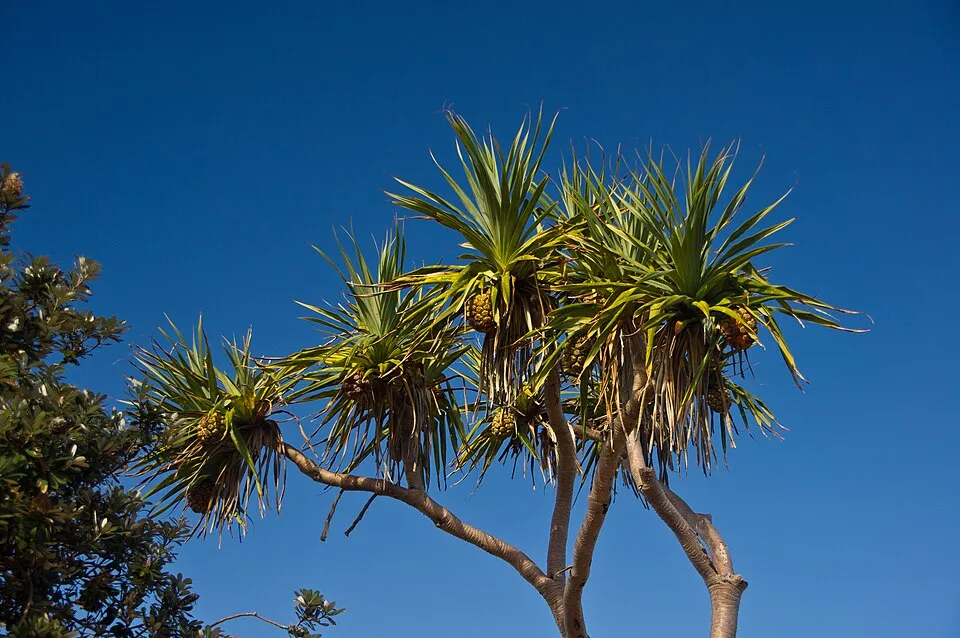
The ti leaf plant (Cordyline fruticosa), known locally as lāʻī, is one of Maui’s most revered and widely used plants. With its glossy green or reddish leaves, the ti plant is not only visually striking but deeply embedded in Hawaiian culture, spirituality, and daily life.Traditionally, ti leaves were used for everything from wrapping food and weaving lei to creating hula skirts and protective amulets. Believed to offer spiritual protection, they are still planted around homes and temples to ward off negative energy. In ceremonies and celebrations, ti leaves symbolize blessing, purification, and good luck.
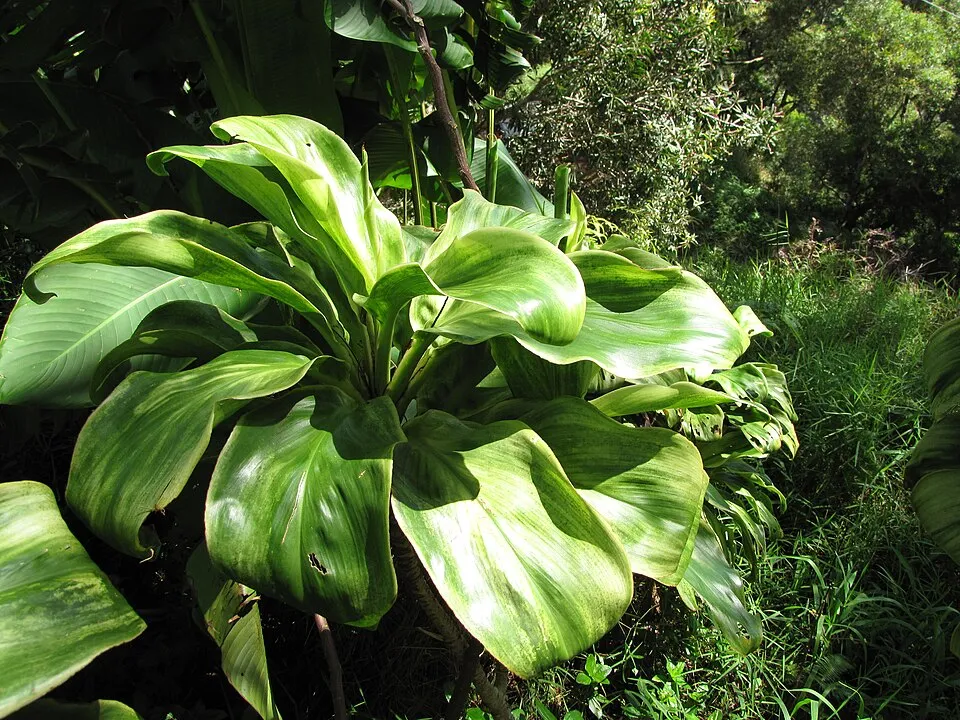
Tropical fruit trees and ornamental plants abound in Haiku as well. You’ll find sprawling avocado trees, vibrant hibiscus blooms, heliconias with their lobster-claw-shaped flowers, and the show-stopping bird of paradise (Strelitzia reginae), which resembles a tropical bird mid-flight. These plants are a testament to the rich cultural history of Hawaii, reflecting centuries of agricultural and ornamental introductions by Polynesian voyagers and later settlers.
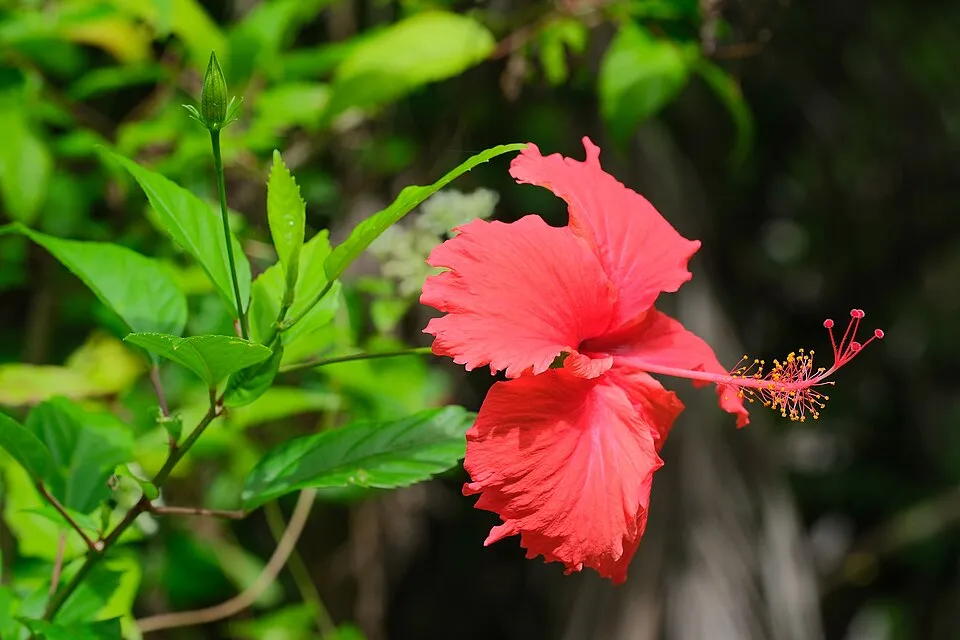
The ʻawapuhi plant (Zingiber zerumbet), commonly known as shampoo ginger, is a cherished botanical treasure in Maui’s lush rainforests. Known for its vibrant green stalks and striking red pinecone-like flower heads, ʻawapuhi is both beautiful and functional, thriving in the island’s humid, tropical environments.Used for centuries by Native Hawaiians, the fragrant juice from ʻawapuhi’s mature flower cones served as a natural shampoo and skin conditioner—hence its nickname. Beyond personal care, ʻawapuhi has been valued in traditional medicine for its soothing, anti-inflammatory properties and as a treatment for digestive and respiratory ailments.
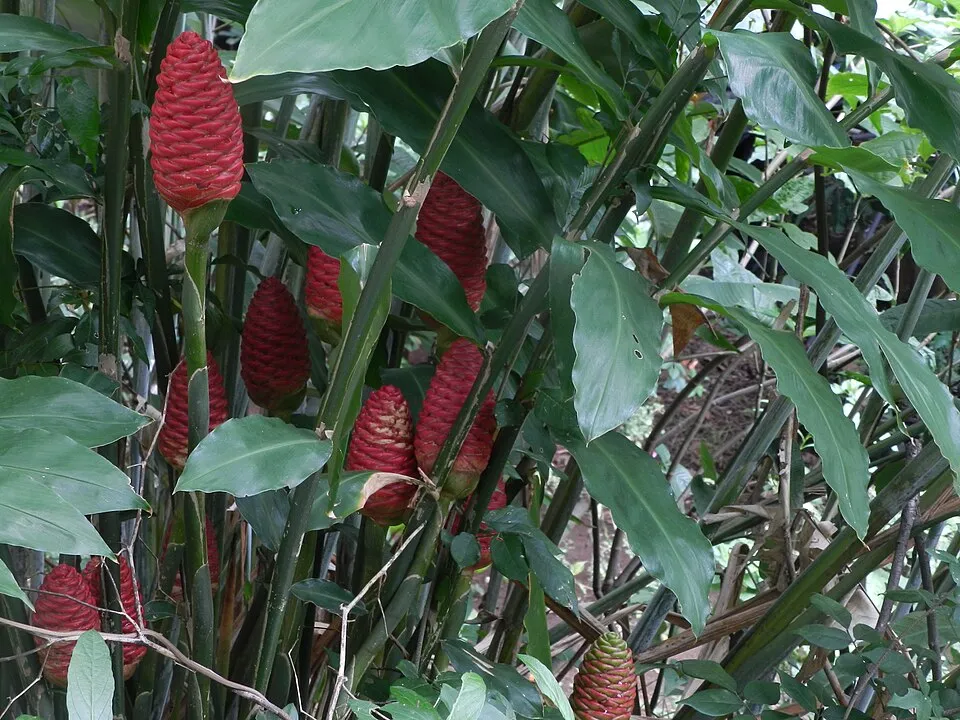
Haiku’s rainforests are also rich with non-native, yet spectacularly lush tropical plants introduced from Asia, Africa, and South America. Bamboo groves are common in the area, especially around old plantations and homesteads. While bamboo is not native to Hawaii, its rapid growth and striking appearance make it a defining feature of Haiku's landscape. The towering stalks and rustling leaves create a mesmerizing experience for those hiking through its dense thickets.
Perhaps the most enchanting aspect of Haiku’s plant life is how it integrates with the region’s laid-back lifestyle and strong connection to the land. Local residents cultivate lush gardens and food forests, blending native and exotic species into sustainable ecosystems. From taro patches to tropical spice trees like allspice and cinnamon, the flora in Haiku reflects a harmonious balance between human habitation and nature.
For visitors, walking through Haiku's rainforest trails is more than a visual treat—it’s an immersion in a living, breathing world of color, texture, and fragrance. Whether you're exploring the jungle paths of Twin Falls or simply enjoying the view from a rainforest retreat, the plant life of Haiku speaks to the island’s incredible natural wealth and the deep respect its people have for the environment.
In an age where biodiversity is increasingly threatened, Haiku stands as a vibrant reminder of what is possible when nature is allowed to flourish. The rainforest plants of this Maui enclave continue to inspire awe, nurturing not only the land but the spirit of those who walk beneath their leafy canopy.
If you would like to read and learn more about interesting things in Hawaii! Check out our blog page here on our website!
Haiku sits on Maui’s windward north shore, where consistent rainfall, warm temperatures, and rich volcanic soil create one of the island’s healthiest rainforest ecosystems. Unlike Maui’s dry south and west sides, Haiku receives frequent showers and cloud cover, allowing native and tropical plants to thrive year-round. This climate makes Haiku a paradise for plant lovers, gardeners, and nature enthusiasts seeking a true jungle experience.
Haiku is home to a diverse mix of native Hawaiian plants and introduced tropical species, giving the rainforest its vibrant and exotic character. Common plants include:
Visitors often describe walking through Haiku’s rainforest as stepping into a real-life botanical garden.
The ʻŌhiʻa lehua is one of Hawaii’s most culturally and ecologically important trees. Found prominently in Haiku’s cooler, upland forests, it:
Its bright blossoms are stunning to see in person, and Haiku offers one of the best environments to observe these native trees flourishing in their natural habitat.
Yes — the enormous ferns you see, known as hāpuʻu (Cibotium spp.), are native Hawaiian tree ferns. Their spiral fronds and giant arching canopies give Haiku’s trails a prehistoric atmosphere. They thrive in moist, shaded gulches, often accompanied by native understory plants like paʻiniu, making them a signature feature of Haiku’s rainforest ecosystem.
The hala tree (Pandanus tectorius) is both ecologically essential and culturally cherished. In Hawaiian tradition, hala leaves were woven into mats, baskets, and sails, while roots and fruit were used for dyes, tools, and food in emergencies. You’ll see hala trees throughout Haiku’s lowland and coastal rainforest areas, where they help stabilize soil and support wildlife — a symbol of resilience woven into Maui’s history.
The ti plant (lāʻī) is widely grown in Haiku because it carries deep cultural significance. Hawaiians believe ti leaves offer protection, blessing, and good fortune, which is why they’re planted around homes, temples, and gardens. Their glossy green or reddish leaves are also used in lei-making, cooking, hula attire, and ceremonial traditions. In Haiku’s moist climate, ti plants thrive effortlessly.
Haiku’s climate is perfect for visually stunning and fragrant tropical plants such as:
These colorful, showy species add to the lush tapestry of Haiku’s landscape and are commonly seen on hikes, trails, and private gardens.
ʻAwapuhi, or shampoo ginger, is beloved for its natural, fragrant gel stored inside its bright red flower cones. Native Hawaiians used ʻawapuhi as:
It grows abundantly in Haiku’s warm, moist conditions and is easily recognized by its pinecone-shaped flower heads that release a sweet, soothing liquid when gently squeezed.
No — bamboo is not native to Hawaii, but it has become a striking feature of Haiku’s rainforest. Introduced generations ago, bamboo thrives in Haiku’s rainfall and spreads quickly, forming tall, atmospheric groves. Many hikers love exploring these rustling, cathedral-like spaces, especially on trails leading toward waterfalls or former plantation roads.
Haiku offers one of the most immersive botanical environments on the island thanks to:
From food forests to fern tunnels to tropical flower gardens, Haiku is a dream destination for botanists, horticulturists, hikers, photographers, and nature explorers.
Some favorite spots for seeing Haiku’s plant life include:
Whether you wander independently or join a guided tour, Haiku’s plant life creates a vibrant, unforgettable experience.
Haiku has a rare combination of moisture, elevation, sunshine, and volcanic soil that supports incredible biodiversity. Native species like ʻōhiʻa and hāpuʻu thrive alongside introduced tropical plants, creating a layered, textured rainforest unlike any other on Maui. This coexistence illustrates what’s possible when nature is allowed to flourish — and why Haiku remains one of Hawaii’s most biologically rich communities.
or
Image Credits:
Hero:
Photo: Forest & Kim Starr, via Wikimedia Commons. Licensed under Creative Commons Attribution 3.0 United States (CC BY 3.0 US).
ʻŌhiʻa lehua (Metrosideros polymorpha), one of Hawaiʻi's most iconic native flowering trees. Public domain image courtesy of Wikimedia Commons.
Photo: Bill Abbott, via Wikimedia Commons. Licensed under Creative Commons Attribution-ShareAlike 2.0 Generic (CC BY-SA 2.0).
Photo: John Robert McPherson, via Wikimedia Commons. Licensed under Creative Commons Attribution-ShareAlike 4.0 International (CC BY-SA 4.0).
Photo: Forest & Kim Starr, via Wikimedia Commons. Licensed under Creative Commons Attribution 3.0 United States (CC BY 3.0 US).
Photo: Pseudopanax, Public Domain, via Wikimedia Commons.
Photo: SergioTorresC, via Wikimedia Commons. Licensed under Creative Commons Attribution-ShareAlike 4.0 International (CC BY-SA 4.0).