

WE HAVE REOPENED! Our team has worked hard to repair, inspect, and prepare our course following Hurricane Lala.
We're ready to safely welcome you back !
BOOKINGS ARE OPEN!
Mahalo for your patience and support! 💛
If you’re searching for the top attractions in Maui, Hawaii, start with Haleakalā National Park, the Road to Hāna, Waiʻānapanapa State Park, ʻĪao Valley, Maui’s North Shore, Kāʻanapali Beach, Molokini, and Upcountry Maui. Together, these destinations showcase the island’s volcanic landscapes, rainforests, waterfalls, beaches, Hawaiian culture, marine life, and outdoor adventures.
Maui is known as the Valley Isle, and one of the island’s greatest attractions is its variety. In a single vacation, travelers can watch the sun rise above the clouds at more than 10,000 feet, drive through a tropical rainforest, snorkel above a volcanic crater, walk along a black-sand beach, and explore the cooler slopes of Upcountry Maui.
Here are some of the best attractions and places to visit in Maui when planning your trip.
Rising to 10,023 feet above sea level, Haleakalā is one of Maui’s most recognizable natural landmarks. The Summit District of Haleakalā National Park offers a landscape dramatically different from Maui’s beaches: volcanic cinder cones, sweeping crater views, high-elevation trails, and viewpoints that can sit above the clouds.
Sunrise is the famous experience, but it requires advance planning. The National Park Service currently requires a separate sunrise reservation for vehicles entering the Summit District between 3:00 a.m. and 7:00 a.m. Reservations are available through Recreation.gov up to 60 days in advance, with another portion released two days before the visit.
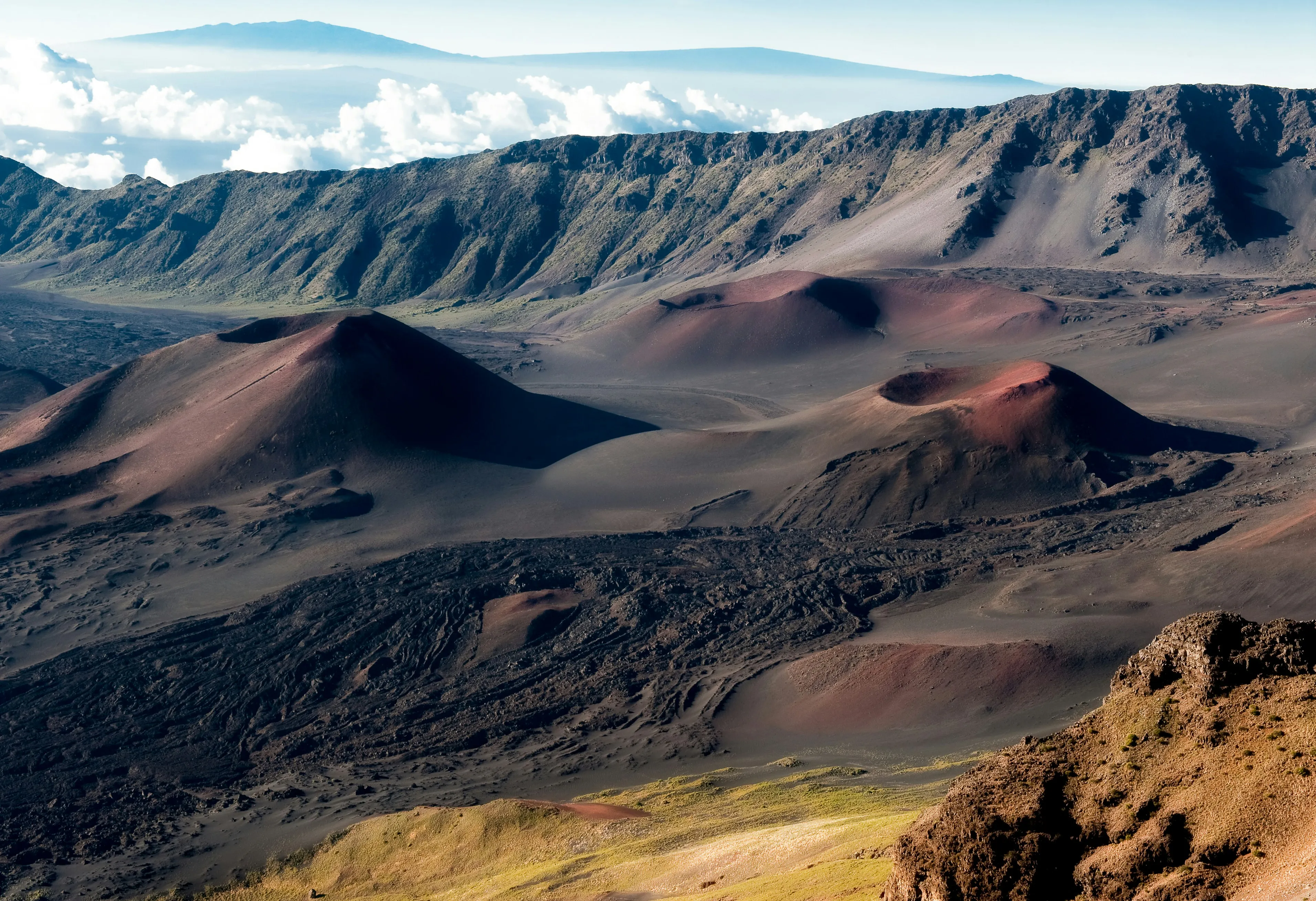
Sunset is another option and does not currently require a sunrise-style reservation, although parking can reach capacity.
Visitors should also remember that Haleakalā can be surprisingly cold and windy. Temperatures near the summit can be dramatically lower than at sea level, so bring warm layers even if your day begins at the beach.
Best for: sunrise and sunset views, hiking, photography, volcanic scenery, and stargazing.
The Road to Hāna is not simply a drive to Hāna—it is an attraction in itself.
The journey along East Maui takes travelers through lush rainforest scenery, past waterfalls, ocean cliffs, tropical vegetation, historic bridges, and small communities. Popular stops can include Keʻanae Peninsula, waterfalls along the Hāna Highway, Hāna Town, Waiʻānapanapa State Park, and the Kīpahulu District of Haleakalā National Park.
Instead of trying to stop at every roadside attraction, choose a smaller number of meaningful stops and give yourself time to enjoy them. The road is narrow and winding in many places, and local residents depend on it for everyday travel.
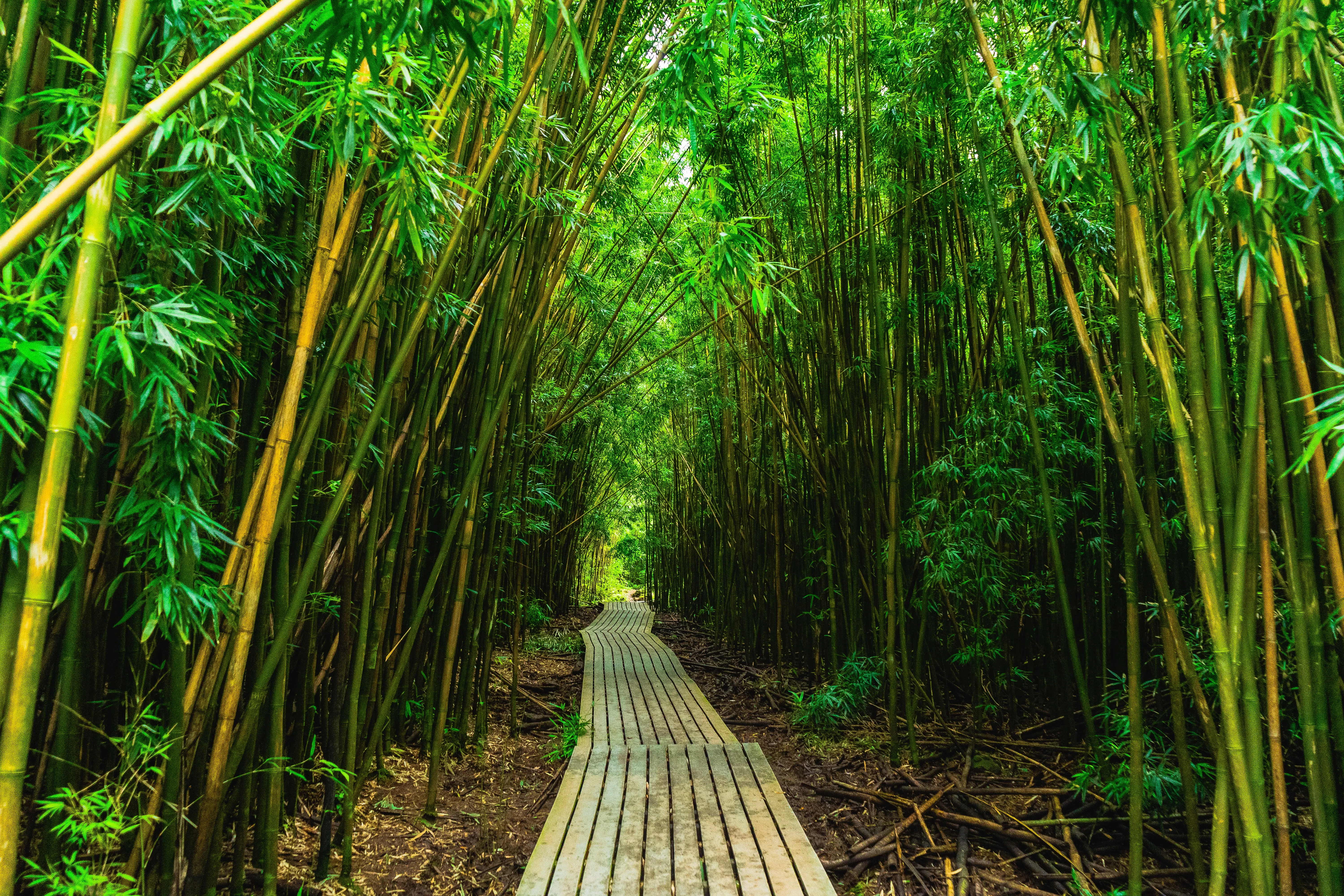
If you plan to visit Waiʻānapanapa State Park, do not treat it as an unplanned roadside stop. Out-of-state visitors currently need advance parking and entry reservations, which can be booked up to 30 days ahead. Hawaiʻi residents with valid state identification are exempt from the reservation and fee requirement.
Best for: waterfalls, rainforest scenery, scenic driving, photography, and exploring East Maui.
Located near Hāna, Waiʻānapanapa State Park is famous for its dramatic volcanic coastline and black-sand beach.
The contrast between dark volcanic rock, blue Pacific water, and thick green vegetation makes this one of the most distinctive landscapes on Maui. Beyond the beach itself, the coastal setting is a major part of the experience.
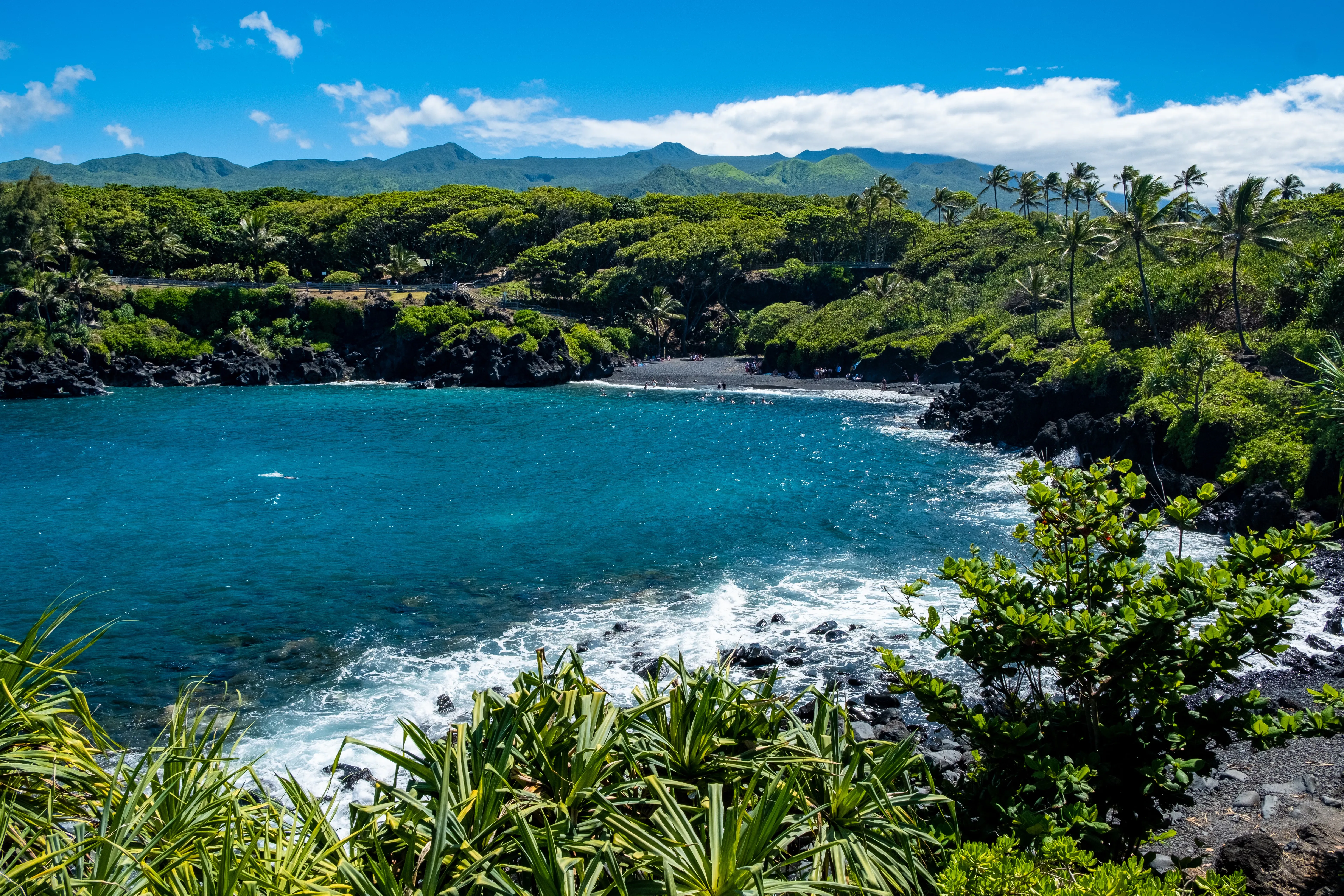
Because entry is controlled through timed reservations for nonresidents, travelers should coordinate their reservation with the rest of their Road to Hāna itinerary rather than assuming they can simply arrive whenever they reach Hāna.
Best for: black-sand scenery, coastal views, photography, and Road to Hāna itineraries.
For a completely different side of Maui, head into the lush mountains of Central Maui at ʻĪao Valley State Monument.
The valley is surrounded by steep, green ridges shaped by water and erosion over countless years. Its best-known landmark is Kukaʻemoku, commonly called the ʻĪao Needle.
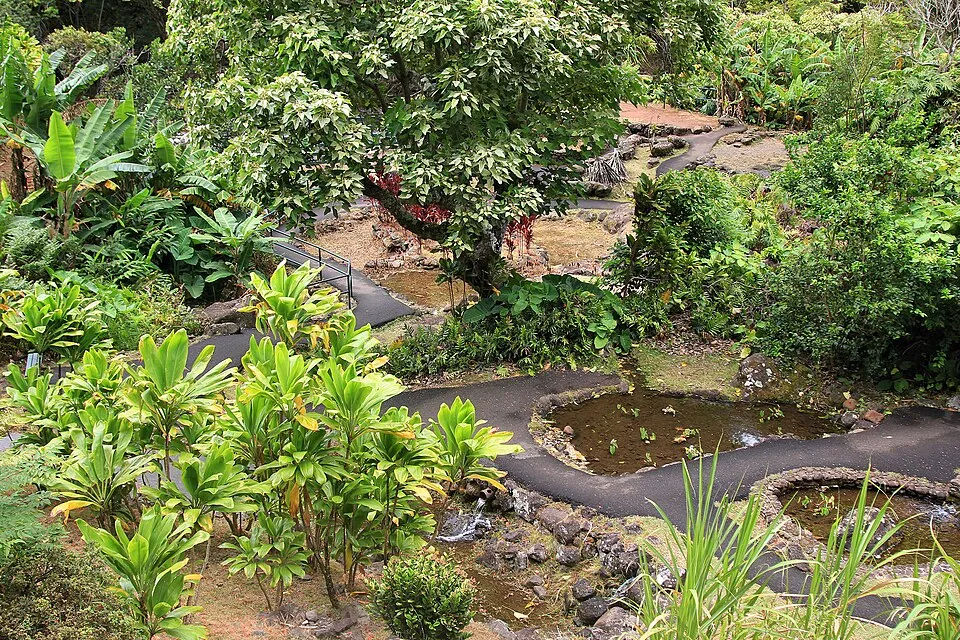
ʻĪao Valley is also culturally and historically significant. The valley was the site of the Battle of Kepaniwai in 1790, an important event during Kamehameha I’s campaign to unite the Hawaiian Islands.
Non-Hawaiʻi residents currently need advance reservations to enter ʻĪao Valley State Monument. Hawaiʻi residents with valid state identification are exempt, although parking is not guaranteed when the lot reaches capacity.
Best for: Hawaiian history, mountain scenery, short walks, families, and photography.
Maui’s North Shore offers a noticeably different atmosphere from the resort areas of Wailea and Kāʻanapali.
Pāʻia is a convenient starting point for exploring the region, while Hoʻokipa Beach Park is internationally known for ocean sports and powerful winter surf. Continue toward Haʻikū and the landscape becomes increasingly lush, with tropical vegetation, agricultural land, and outdoor adventures.
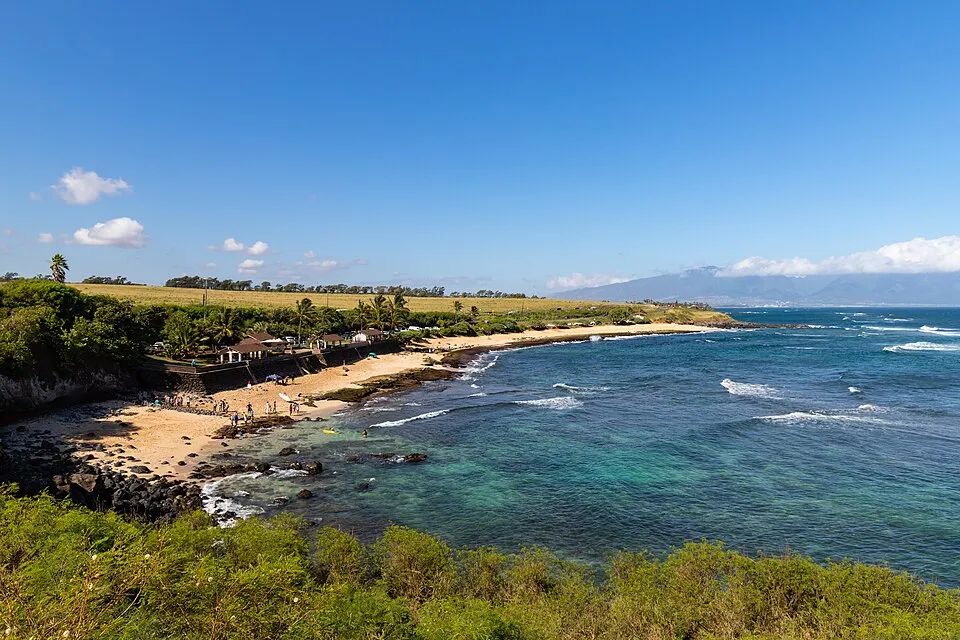
For travelers looking to add something more active to their Maui itinerary, NorthShore Zipline in Haʻikū offers a way to experience Maui from above the forest while exploring a historic property on the North Shore.
The North Shore also fits naturally into a day that includes Pāʻia, Hoʻokipa, Haʻikū, or the beginning of the Road to Hāna.
Best for: outdoor adventure, surfing scenery, scenic drives, local communities, and exploring beyond Maui’s resort districts.
A few miles off Maui’s southwestern coast, Molokini is one of the island’s most recognizable snorkeling and diving destinations.
The crescent-shaped islet is the exposed southern rim of an extinct volcanic crater. Its protected inner cove contains reef habitat and a variety of marine life, while the deeper back wall drops to more than 200 feet in places. Molokini is protected as a Marine Life Conservation District, and landing on the islet itself is prohibited because it is also a seabird sanctuary.
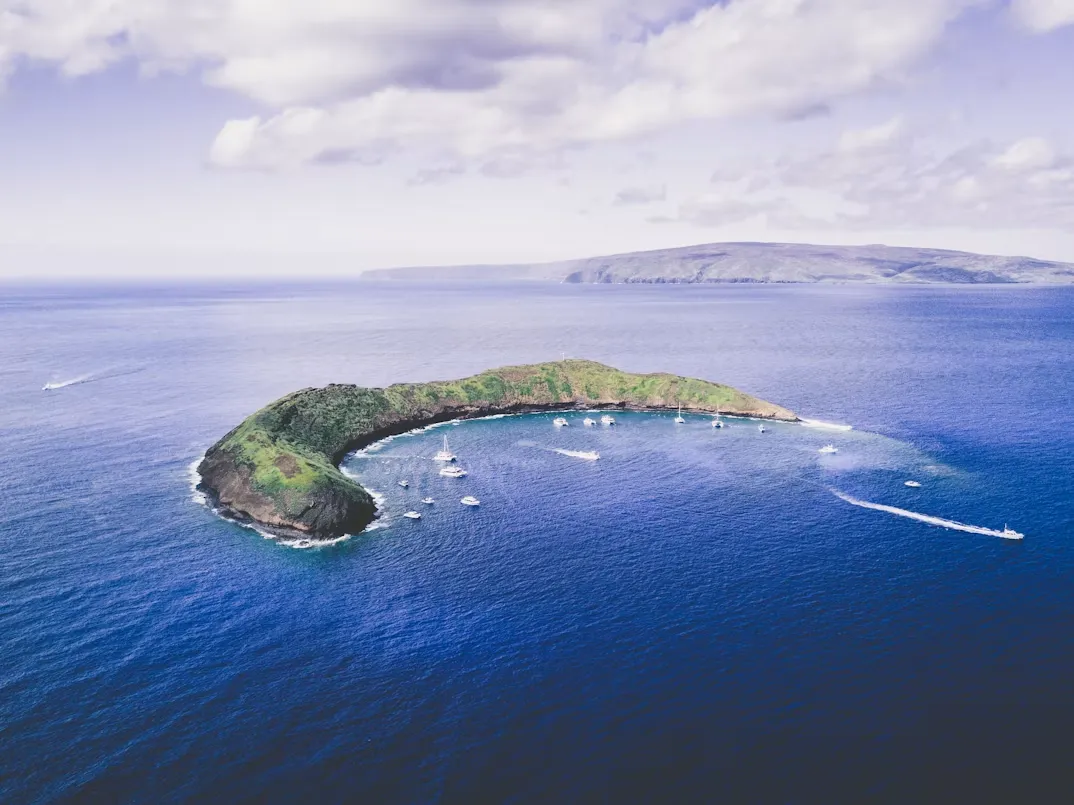
Because Molokini is offshore, visitors reach it by boat. Conditions often favor morning excursions because winds and currents can strengthen later in the day.
Best for: snorkeling, scuba diving, boat excursions, marine life, and underwater photography.
Travelers looking for the classic Maui combination of sand, swimming, resorts, restaurants, and sunsets will find it along Kāʻanapali Beach.
This stretch of West Maui is particularly convenient for travelers who want beach time without spending an entire day driving around the island. Snorkeling, swimming, sunset walks, and ocean excursions can all be incorporated into a relaxed day.
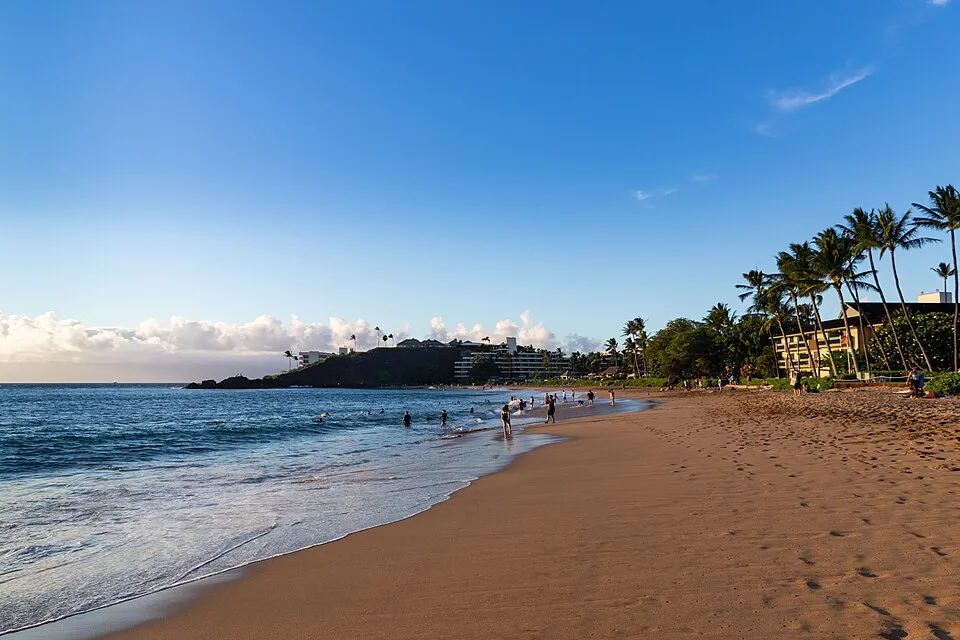
Farther north, the Kapalua area offers additional beaches, coastal scenery, and trails, making West Maui worth exploring beyond the major resort properties.
Best for: beaches, swimming, sunsets, resort stays, and relaxing days near the ocean.
Maui is much more than its coastline.
Upcountry Maui, on the slopes of Haleakalā, includes communities such as Makawao and Kula. Higher elevation creates cooler temperatures and a landscape filled with farms, ranch country, forests, gardens, and expansive views toward Maui’s central valley and coastline.
Makawao is known for its paniolo—or Hawaiian cowboy—history, while Kula provides a scenic transition between Central Maui and Haleakalā.
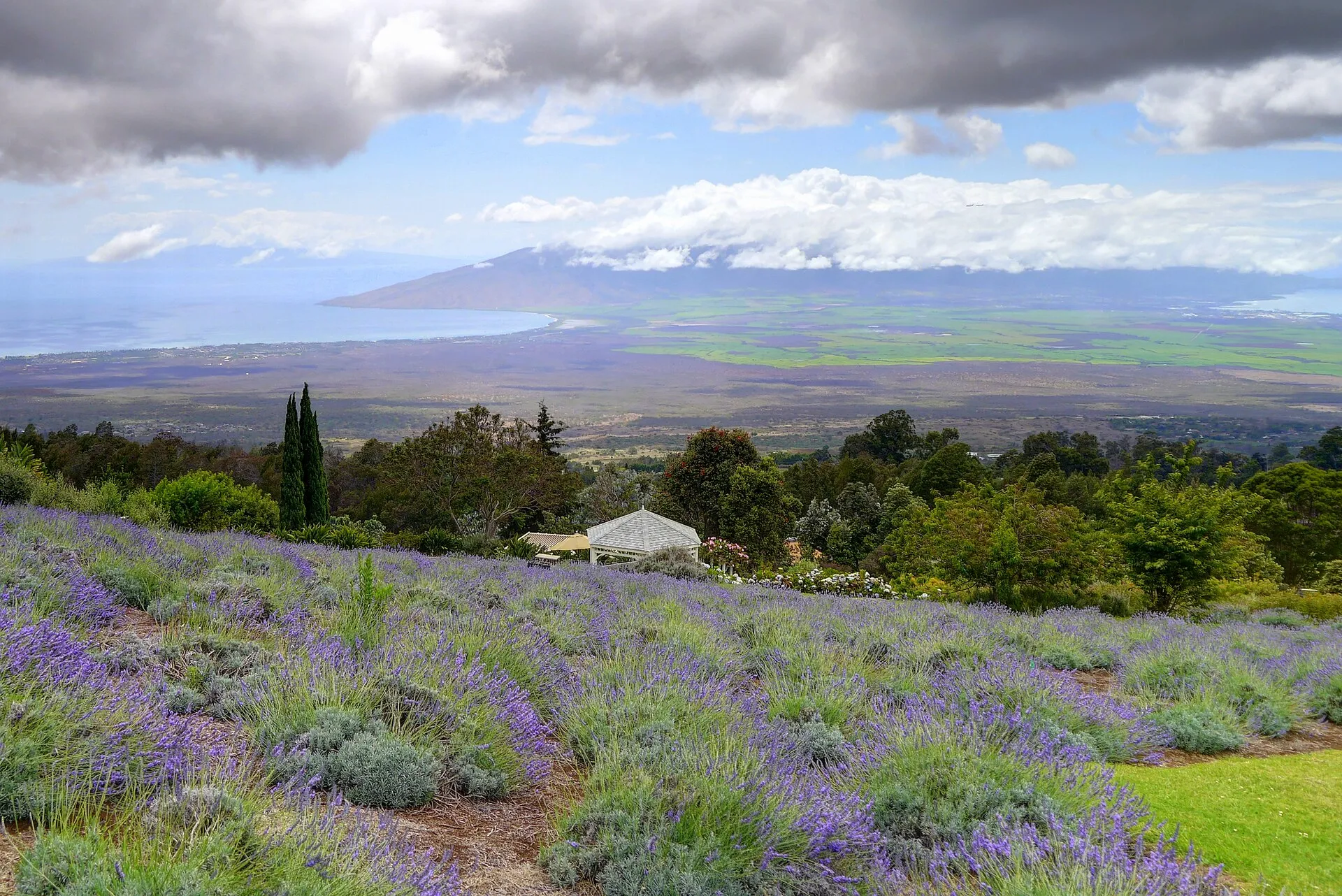
Upcountry is especially easy to combine with a Haleakalā visit, turning the journey to or from the summit into a larger day of exploring rather than simply driving up the mountain and back.
Best for: scenic drives, local history, farms, cooler weather, food stops, and exploring a less beach-focused side of Maui.
If you visit Maui during winter, the ocean itself becomes one of the island’s greatest attractions.
Thousands of North Pacific humpback whales migrate to Hawaiian waters during winter and spring to breed, give birth, and nurse their calves. NOAA says humpbacks are generally seen in Hawaiʻi from November through April, with peak season typically occurring from January through March.
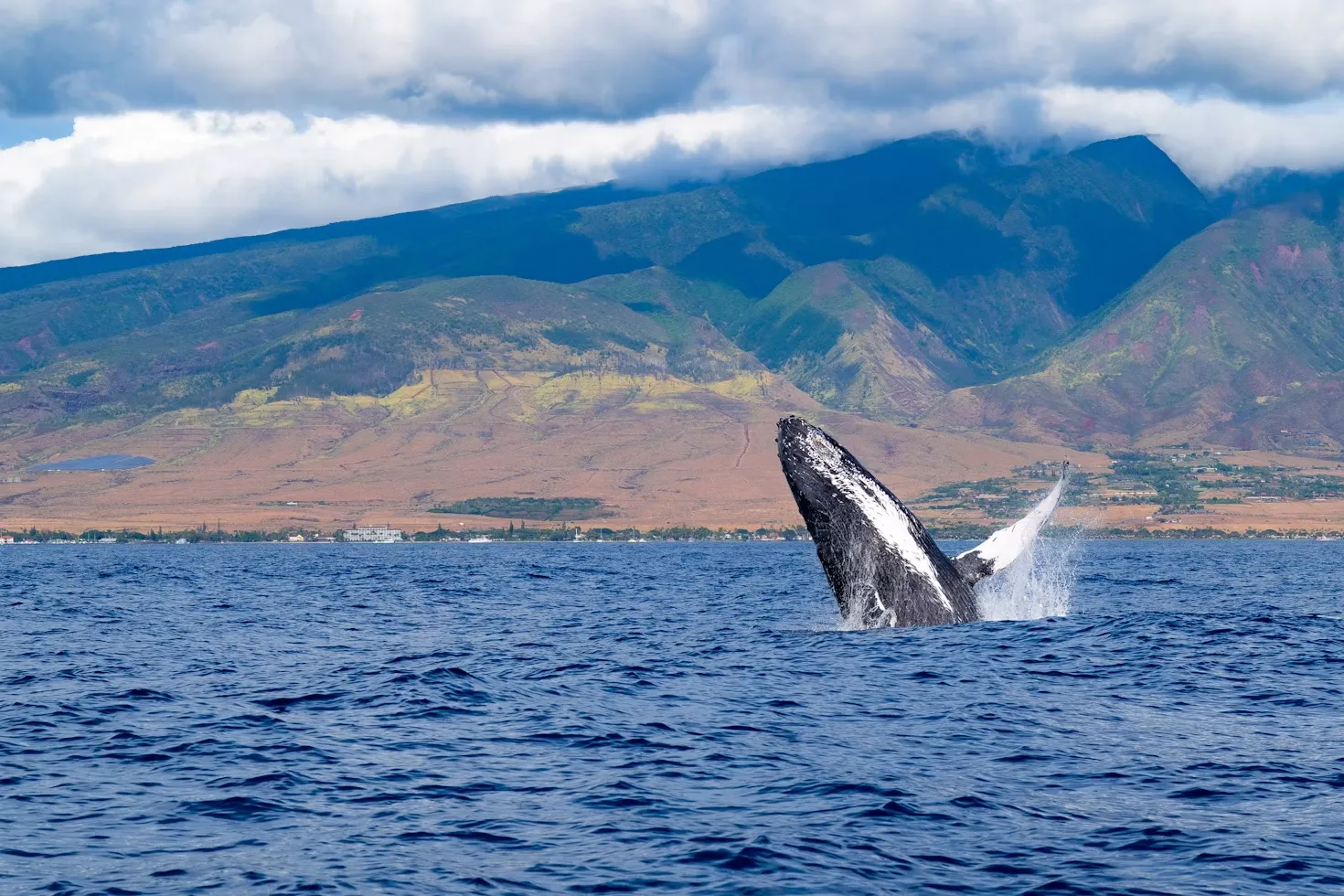
Whales can sometimes be spotted from shore, but authorized whale-watching excursions provide opportunities to observe them from the water while learning about their behavior and conservation.
Best for: winter visitors, families, wildlife enthusiasts, photography, and boat excursions.
The best Maui itinerary usually combines different regions rather than trying to visit every famous attraction in one or two days.
For example, dedicate one day to Haleakalā and Upcountry Maui, another to the Road to Hāna and Waiʻānapanapa, and another to West or South Maui beaches and snorkeling. A separate North Shore day can combine Pāʻia, Hoʻokipa, Haʻikū, and an outdoor activity such as ziplining.
This approach reduces unnecessary driving while allowing more time to actually experience each area.
Some of the top attractions in Maui include Haleakalā National Park, the Road to Hāna, Waiʻānapanapa State Park, ʻĪao Valley, Molokini, Kāʻanapali Beach, Maui’s North Shore, and Upcountry Maui. The best choices depend on whether you prefer beaches, hiking, snorkeling, Hawaiian history, scenic drives, or outdoor adventure.
For a first Maui vacation, consider experiencing at least one major volcanic landscape such as Haleakalā, one scenic coastal or rainforest area such as the Road to Hāna, and one beach or ocean activity. Exploring Upcountry or the North Shore can also provide a different perspective beyond Maui’s resort areas.
Popular family activities include ʻĪao Valley, Maui beaches, scenic North Shore stops, Haleakalā, beginner-friendly snorkeling when ocean conditions are safe, and age-appropriate outdoor adventures such as ziplining.
Some attractions do require advance reservations. Haleakalā sunrise requires a reservation for entry between 3:00 a.m. and 7:00 a.m., while non-Hawaiʻi residents need reservations for Waiʻānapanapa State Park and ʻĪao Valley State Monument. Requirements can change, so always check the official website before visiting.
Yes. For most visitors, the Road to Hāna should be treated as a full-day experience because the attraction is the journey itself. Waterfalls, coastal viewpoints, rainforest scenery, Hāna, and Waiʻānapanapa can easily fill an entire day.
Maui offers many attractions that can be enjoyed without purchasing a tour, including beaches, scenic viewpoints, Pāʻia, Makawao, portions of the North Shore, and coastal drives. Parking or entrance fees may still apply at certain parks and managed areas.
Maui offers hiking, ziplining, snorkeling, scuba diving, whale watching, scenic drives, waterfall sightseeing, and exploring volcanic landscapes. Haleakalā, the North Shore, Upcountry, and East Maui are especially good areas for travelers looking for outdoor activities away from the resort beaches.
Humpback whales are generally present in Hawaiian waters from November through April, with January through March typically considered the peak period for sightings.
Technically it may be possible to cover portions of both, but it is generally better to schedule them on separate days. Both experiences involve substantial driving and deserve enough time to enjoy safely without rushing.
There is no single area that contains all of Maui’s major attractions. West and South Maui are convenient for beaches and ocean activities, Central Maui provides access to ʻĪao Valley, Upcountry leads toward Haleakalā, and the North Shore and East Maui provide rainforest scenery, outdoor adventures, and access to the Road to Hāna. A well-planned Maui vacation usually explores several of these regions.
If you would like to read and learn more about interesting things in Hawaii! Check out our blog page here on our website!
or
Image Credits:
Blog Photos:
"Green trees on seashore during daytime" by William Zhang, via Unsplash
"brown and red sand" by Jeff King, via Unsplash
"Boardwalk between trees" by Satty Singh, via Pexels
"Forest in bay on sea shore" by Kelsey, via Pexels
ʻĪao Valley State Park Nature Trail, Maui — Photo by Larry D. Moore. Licensed under the Creative Commons Attribution 4.0 International (CC BY 4.0). Source: Wikimedia Commons.
Hoʻokipa Beach, Maui — Photo by dronepicr. Licensed under the Creative Commons Attribution 2.0 Generic (CC BY 2.0). Optimized for web. Source: Wikimedia Commons.
"body of water under white cloudy sky during daytime" by Farid Askerov, via Unsplash
Black Rock Beach, Kāʻanapali, Maui — Photo by dronepicr. Licensed under the Creative Commons Attribution 2.0 Generic (CC BY 2.0). Optimized for web. Source: Wikimedia Commons.
Kula Lavender Farm, Maui — Photo by John Morgan. Licensed under the Creative Commons Attribution 2.0 Generic (CC BY 2.0). Optimized for web. Source: Wikimedia Commons.
"a whale jumping out of the water" by Steve Wrzeszczynski, via Unsplash
Staying at Hololani Resort puts you in one of West Maui’s most scenic coastal communities. Located in Kahana, between Kāʻanapali and Kapalua, the resort offers a convenient starting point for exploring beautiful beaches, snorkeling destinations, oceanfront walking trails, and some of Maui’s most memorable natural attractions.
Whether you are planning a relaxing beach vacation, a family getaway, or an adventurous week exploring the island, there are plenty of things to do near Hololani Resort without spending your entire vacation driving.
This guide highlights the best attractions near Hololani Resort, including nearby beaches, scenic coastal destinations, family-friendly activities, and worthwhile day trips beyond West Maui.
One of the most convenient attractions for guests staying at Hololani Resort is the Kahana shoreline itself.
Kahana is known for its relaxed atmosphere, oceanfront accommodations, and views across the channel toward Molokaʻi. Unlike the busier resort areas farther south, this stretch of coastline offers a quieter setting for enjoying Maui’s natural beauty.
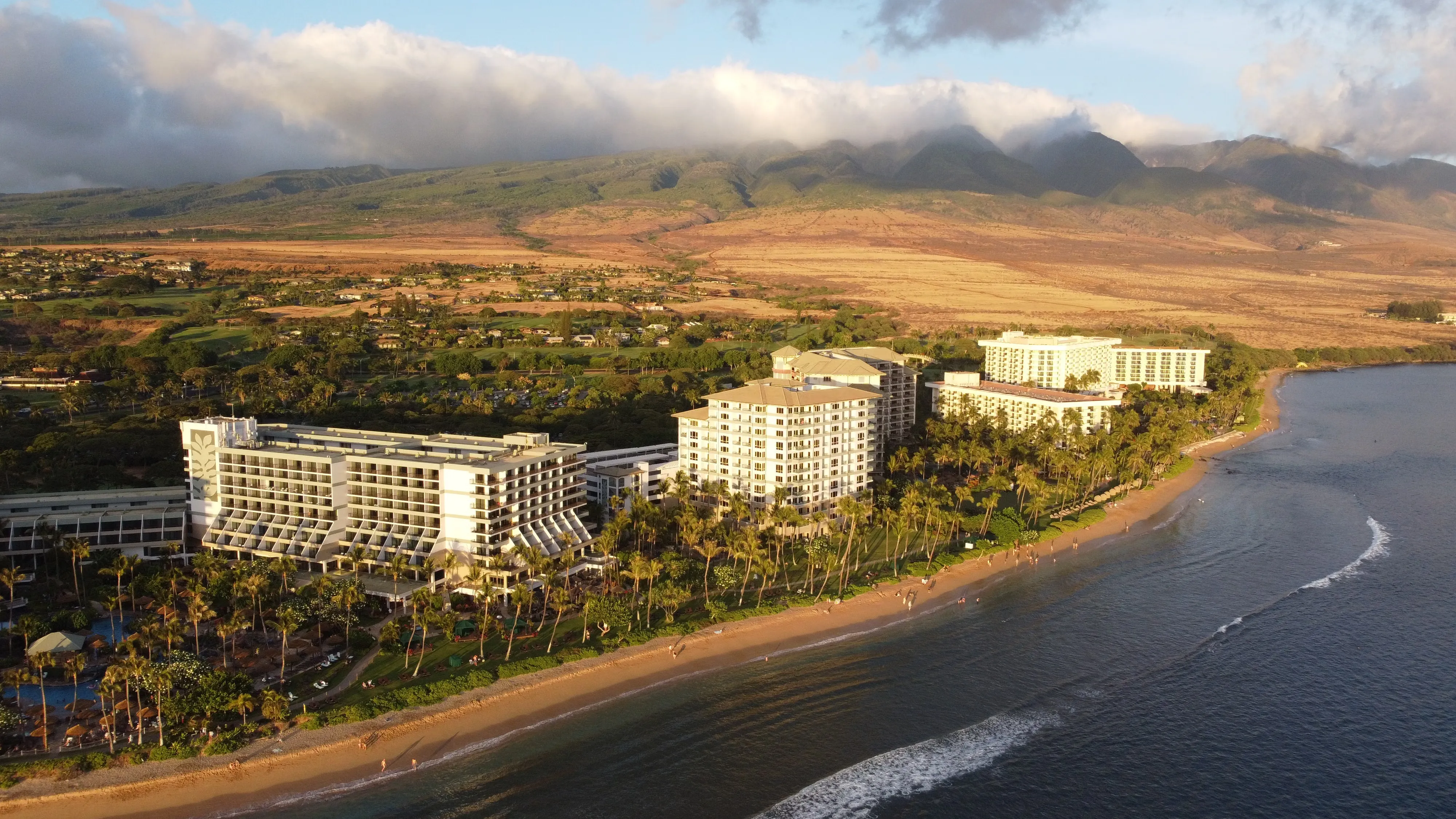
Depending on seasonal erosion, tides, and ocean conditions, the amount of accessible sand along Kahana Beach can vary. Some sections also have rocky or reef-covered entries, so visitors should not assume every part of the shoreline is suitable for swimming.
For a simple afternoon, enjoy the ocean views, explore accessible stretches of shoreline, and return to the resort for sunset. During Maui’s winter whale-watching season, you may even spot humpback whales offshore.
Best for: Sunset photography, coastal scenery, and a relaxing afternoon close to your accommodation.
Just north of Kahana, Nāpili Bay is a beautiful crescent-shaped beach surrounded by low-rise accommodations and tropical greenery.
The bay is particularly appealing to travelers looking for a classic Maui beach experience. When the ocean is calm, its clear water and rocky edges create opportunities for swimming and snorkeling.
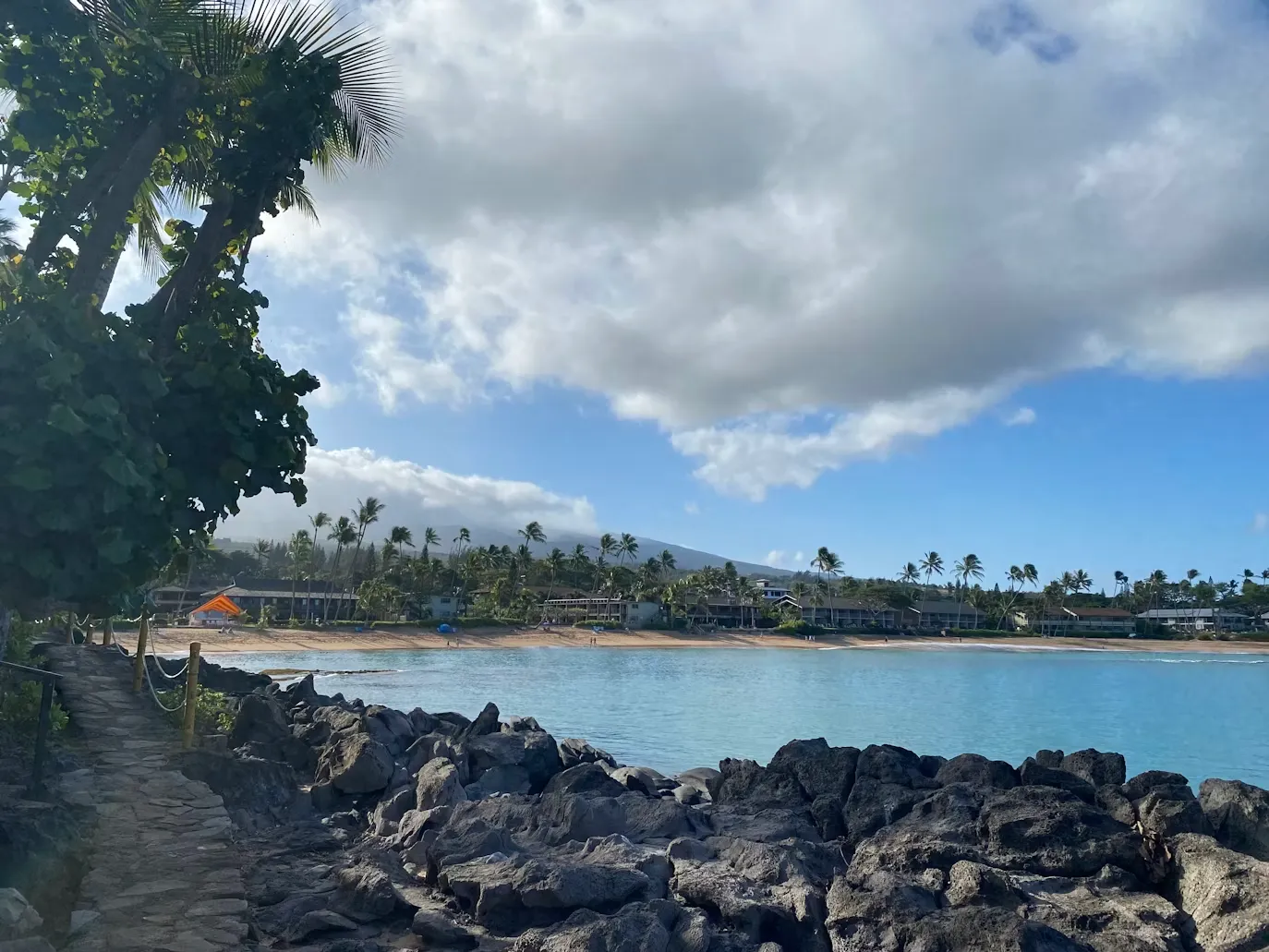
Visitors may encounter tropical reef fish and Hawaiian green sea turtles, although wildlife sightings are never guaranteed. Families can also enjoy the sandy shoreline, provided conditions are appropriate for swimming.
Arriving earlier in the morning is a practical way to enjoy the beach before the afternoon trade winds strengthen. Parking can be limited, so consider planning your visit before the busiest part of the day.
Best for: Beach relaxation, swimming, snorkeling, and families.
A short drive farther north brings visitors to Kapalua Bay, one of the most recognizable coastal destinations in West Maui.
The bay’s curved shoreline and surrounding rocky points create a picturesque setting for a morning by the ocean. In favorable conditions, visitors can snorkel near the rocky edges, observe reef fish, and enjoy the surrounding tropical scenery.
Kapalua Bay is also a convenient starting point for exploring the nearby coastal walking trail. This makes it possible to combine snorkeling, beach relaxation, and a scenic walk into a single outing.
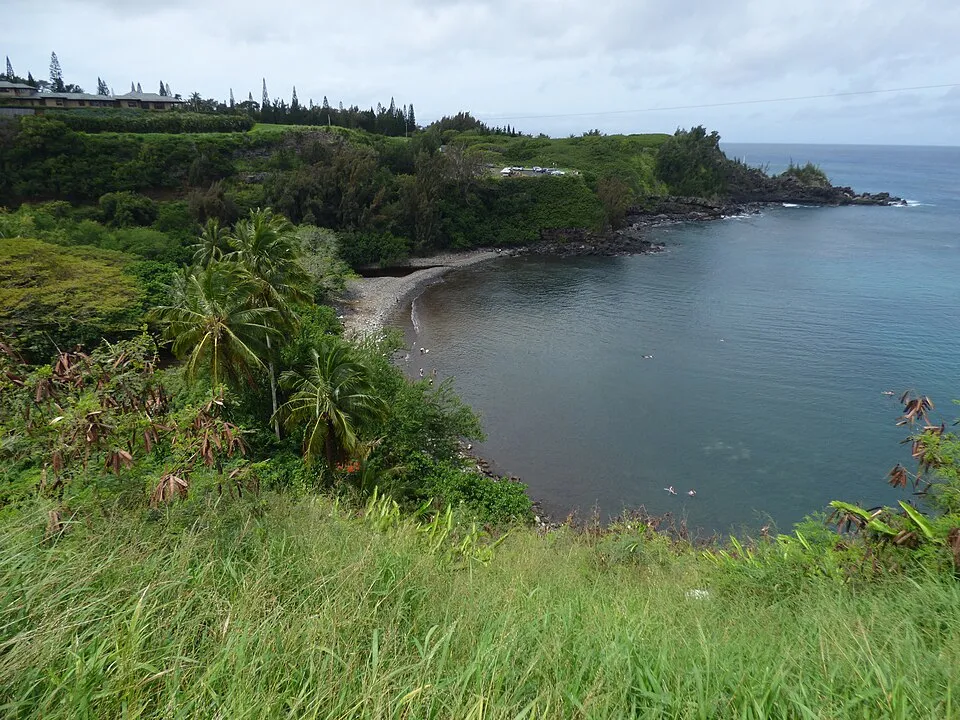
Although the bay is often sheltered, ocean conditions can change. Always evaluate the water before entering, especially when traveling with children or inexperienced swimmers.
Best for: Snorkeling, scenic photography, and combining beach time with coastal exploration.
For travelers who prefer exploring on foot, the Kapalua Coastal Trail provides a memorable introduction to Maui’s rugged northwestern coastline.
The trail runs from Kapalua Bay toward D.T. Fleming Beach Park, passing scenic oceanfront viewpoints, Oneloa Bay, and stretches of volcanic coastline.
Along the way, visitors can experience a combination of maintained walking paths, coastal vegetation, rocky landscapes, and panoramic views across the Pacific.
The route is approximately 1.76 miles one way, making it suitable for a leisurely morning walk. However, portions of the trail include uneven surfaces, so comfortable footwear is recommended.
Visitors should remain on designated paths, respect protected areas, and avoid approaching exposed rocks when waves are breaking nearby.
Best for: Scenic walking, photography, coastal exploration, and seasonal whale watching.
Located north of Kapalua, Honolua Bay offers a different experience from Maui’s sandy resort beaches.
The bay is surrounded by lush vegetation and protected within the Honolua-Mokulēʻia Marine Life Conservation District. Its underwater environment includes coral formations and habitats for a variety of marine species.
Visitors typically access the shoreline by walking through a forested area from the highway. Unlike developed beach parks, Honolua Bay does not have the same level of visitor facilities as Maui’s resort beaches.
During calm conditions, experienced snorkelers may find excellent opportunities to observe marine life. However, the shoreline is rocky, and sediment near the stream outlet can reduce underwater visibility.
Winter swells can make entering the water dangerous. Even when snorkeling is not advisable, the surrounding landscape makes Honolua Bay a worthwhile scenic stop.
Best for: Nature photography, coastal scenery, and snorkeling when conditions are safe.
Travelers looking for a spacious beach with convenient amenities can visit D.T. Fleming Beach Park in Kapalua.
The park features a broad sandy shoreline, shaded areas, picnic facilities, restrooms, and outdoor showers. It is also a convenient access point for the Kapalua Coastal Trail.
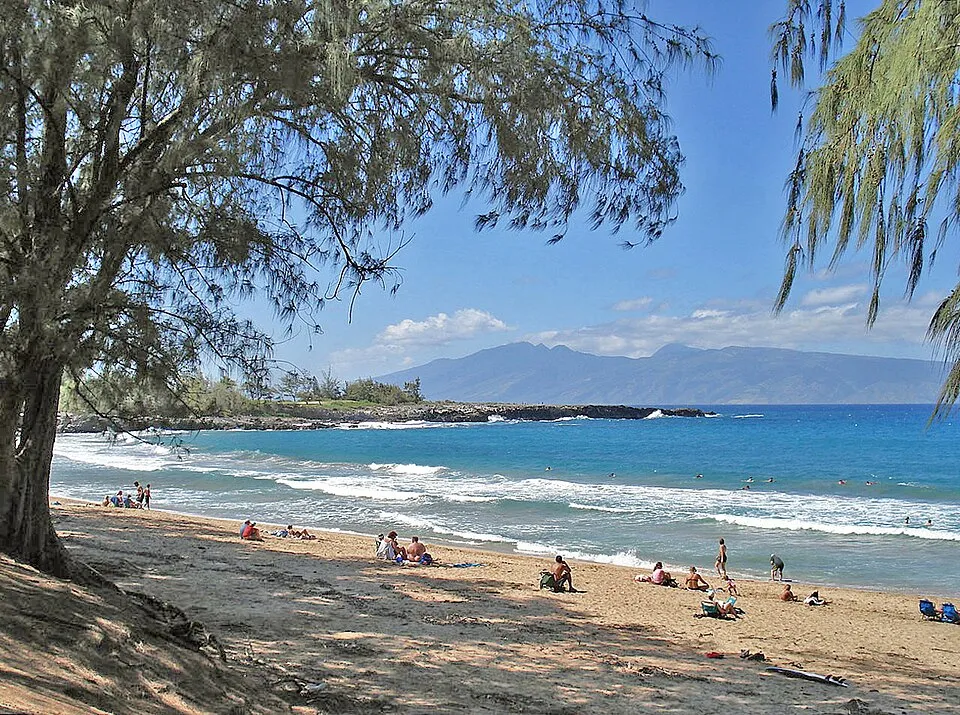
Unlike some smaller coves, D.T. Fleming Beach is exposed to ocean swells and can experience powerful shorebreak and currents. Visitors should pay attention to lifeguard instructions and posted warnings.
For families, the park’s facilities make it a convenient location for a picnic or afternoon enjoying the coastal scenery, even when swimming conditions are unsuitable.
Best for: Picnics, beach walks, and family outings.
South of Kahana, Kāʻanapali offers a livelier atmosphere with a long sandy beach, oceanfront resorts, restaurants, and shopping.
One of the area’s most recognizable landmarks is Puʻu Kekaʻa, commonly known as Black Rock. This volcanic promontory marks the northern end of Kāʻanapali Beach and is an important place in Hawaiian cultural history.
Visitors can explore the beachfront walking path, enjoy ocean views, or visit nearby Whalers Village for shopping and dining.
Snorkeling is popular around Black Rock when conditions are favorable, but the area can experience strong currents and heavy visitor activity.
For travelers staying at Hololani Resort, Kāʻanapali provides an enjoyable contrast to the quieter atmosphere of Kahana.
Best for: Shopping, dining, beachfront walks, and ocean activities.
For a family-friendly attraction beyond West Maui, consider visiting Maui Ocean Center in Māʻalaea.
This aquarium introduces visitors to Hawaiʻi’s marine ecosystems through exhibits featuring tropical fish, sharks, coral habitats, and other ocean life.
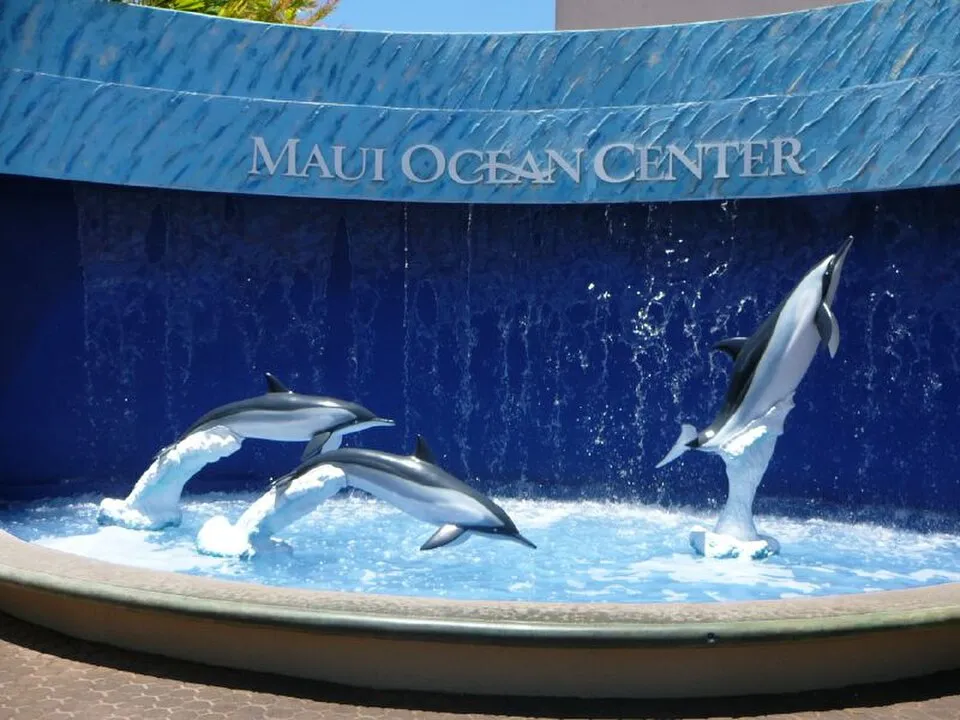
Its underwater viewing tunnel offers an opportunity to observe marine animals from a different perspective, while educational exhibits explain the importance of protecting Hawaiʻi’s surrounding waters.
The aquarium also features an immersive humpback whale experience, providing visitors with another way to learn about these remarkable marine mammals.
Plan approximately two to three hours for your visit and check current operating hours and admission information before traveling.
Best for: Families, marine-life education, and rainy-day activities.
While the beaches and coastal trails near Hololani Resort provide plenty of opportunities for relaxation, visitors who want to experience another side of Maui can plan a day trip to the island’s North Shore.
The drive toward Haʻikū introduces travelers to a different landscape, with tropical vegetation, agricultural scenery, and a more rural atmosphere than West Maui’s resort communities.
For an outdoor adventure, consider visiting NorthShore Zipline, where guests can experience Maui’s landscape from above the forest.

Ziplining provides an opportunity to enjoy the island’s natural surroundings while adding an exciting activity to a vacation itinerary. It can also be combined with exploring nearby North Shore communities and Upcountry Maui.
Because Haʻikū is on the opposite side of the island from Kahana, this is best planned as a separate half-day or full-day outing rather than a quick stop between nearby beaches.
Learn more about the experience at NorthShore Zipline.
Best for: Outdoor adventure, couples, families, and visitors exploring beyond West Maui.
The advantage of staying in Kahana is the ability to explore several beautiful destinations without traveling far from your accommodation.
For a relaxed morning, visit Nāpili Bay or Kapalua Bay before enjoying lunch in the surrounding area. Spend the afternoon walking a section of the Kapalua Coastal Trail or relaxing along the shoreline.
On another day, travel south toward Kāʻanapali for shopping, dining, and beach activities.
Visitors interested in exploring more of Maui can reserve a separate day for attractions such as Maui Ocean Center, the North Shore, or Upcountry.
Remember that travel times can vary with traffic, weather, and road conditions. Ocean activities should always be planned around current surf conditions rather than a fixed itinerary.
Some of the most popular attractions near Hololani Resort include Nāpili Bay, Kapalua Bay, the Kapalua Coastal Trail, Honolua Bay, D.T. Fleming Beach Park, and Kāʻanapali Beach. These destinations offer opportunities for snorkeling, swimming, coastal walking, sightseeing, dining, and relaxing by the ocean.
Yes. Hololani Resort is located in Kahana, just south of the Kapalua resort area. Visitors can easily combine a morning at Kapalua Bay with a walk along the Kapalua Coastal Trail.
Nāpili Bay, Kapalua Bay, and Honolua Bay are popular snorkeling destinations near Kahana. Kapalua and Nāpili offer sandy beach settings, while Honolua Bay is known for its protected marine environment. Snorkeling conditions vary with surf, currents, visibility, and weather.
Yes. Families can enjoy beach outings at Nāpili Bay, explore the Kapalua Coastal Trail, visit Kāʻanapali, or plan a trip to Maui Ocean Center. Families seeking an outdoor adventure can also consider ziplining on Maui’s North Shore, subject to the activity operator’s participation requirements.
Humpback whales visit Hawaiian waters during the winter breeding season, generally from November through April, with peak activity typically occurring during the heart of winter. During whale season, visitors may spot whales offshore from Kahana or from coastal viewpoints around Kapalua.
Visitors can enjoy Kahana’s coastline, explore nearby beaches, watch the sunset, and visit restaurants in the surrounding Kahana and Nāpili communities. A short drive also provides access to Kapalua’s beaches, coastal walking trails, and additional dining options.
Hololani Resort’s location in Kahana makes it especially convenient for exploring West Maui, including Nāpili, Kapalua, and Kāʻanapali. Visitors planning trips to Haleakalā, Hāna, Upcountry, or the North Shore should allow substantially more travel time.
If beach conditions are unfavorable, visitors can explore shopping and dining in Kāʻanapali or plan a visit to Maui Ocean Center. Maui also has numerous microclimates, so rain in Kahana does not necessarily mean conditions will be the same elsewhere on the island.
If you would like to read and learn more about interesting things in Hawaii! Check out our blog page here on our website!
or
Image Credits:
Blog Photos:
"A stunning aerial view of a tropical beach in Hawaii, capturing palm trees and azure waters." by Jess Loiterton, via Pexels
"Aerial view of modern resorts on the Maui island in Hawaii" by Jashith G, via Pexels
"a rocky beach with a body of water and trees in the background" by Rebecca Janosky, via Unsplash
View Toward Kapalua at Honolua/Lipoa Point, Maui — Photo by Forest & Kim Starr. Licensed under the Creative Commons Attribution 3.0 United States (CC BY 3.0 US). Source: Wikimedia Commons.
D. T. Fleming Beach Park, Kapalua, Maui — Photo by KasugaHuang. Licensed under the Creative Commons Attribution-ShareAlike 3.0 Unported (CC BY-SA 3.0). Source: Wikimedia Commons.
Black Rock Beach, Kāʻanapali, Maui — Photo by dronepicr. Licensed under the Creative Commons Attribution 2.0 Generic (CC BY 2.0). Optimized for web. Source: Wikimedia Commons.
Maui Ocean Center, Maui — Photo by Michelle from Antelope, California. Licensed under the Creative Commons Attribution 2.0 Generic (CC BY 2.0). Source: Wikimedia Commons.
If you have one week in Hawaiʻi and want to experience two islands, Kauaʻi and Maui make an incredible combination. Kauai delivers dramatic sea cliffs, lush valleys, waterfalls, hiking trails, and the famous Nāpali Coast, while Maui offers everything from Haleakalā and the Road to Hāna to Upcountry farms, beaches, snorkeling, and adventurous activities such as ziplining.
Seven days is a relatively short amount of time for two Hawaiian islands, so the key is avoiding an itinerary that tries to do everything. A good 7-day Kauaʻi and Maui itinerary gives each island roughly three days, with one day serving as the transition between them.
Here is a practical way to experience the highlights of both islands without spending the entire vacation in the car.
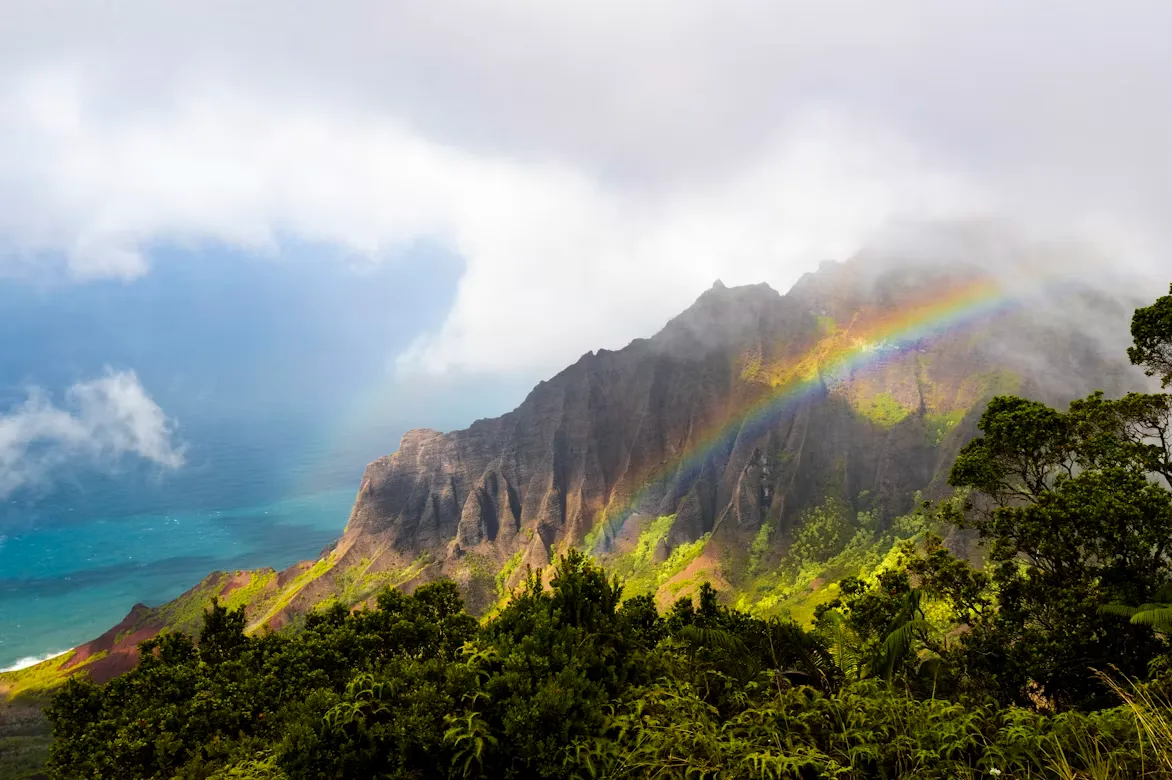
Fly into Līhuʻe Airport (LIH) and pick up a rental car. Rather than planning a major excursion immediately after your flight, use your first day to settle in and explore at a relaxed pace.
Depending on where you are staying, consider visiting Poʻipū and the South Shore or exploring the Kapaʻa and Wailua area on Kauai's eastern side.
Wailua is particularly convenient for a first day because visitors can see places such as Wailua Falls and explore the Wailua River area without committing to an all-day drive.
Use the evening to enjoy dinner, watch the sunset, and prepare for a much bigger second day.
Dedicate your second day to Kauai's spectacular west side.
Waimea Canyon stretches roughly 14 miles and reaches depths of more than 3,000 feet, creating one of the most dramatic landscapes in Hawaiʻi. Continue uphill into neighboring Kōkeʻe State Park, where trails and overlooks provide views into Kauai's mountainous interior and toward the Nāpali Coast.
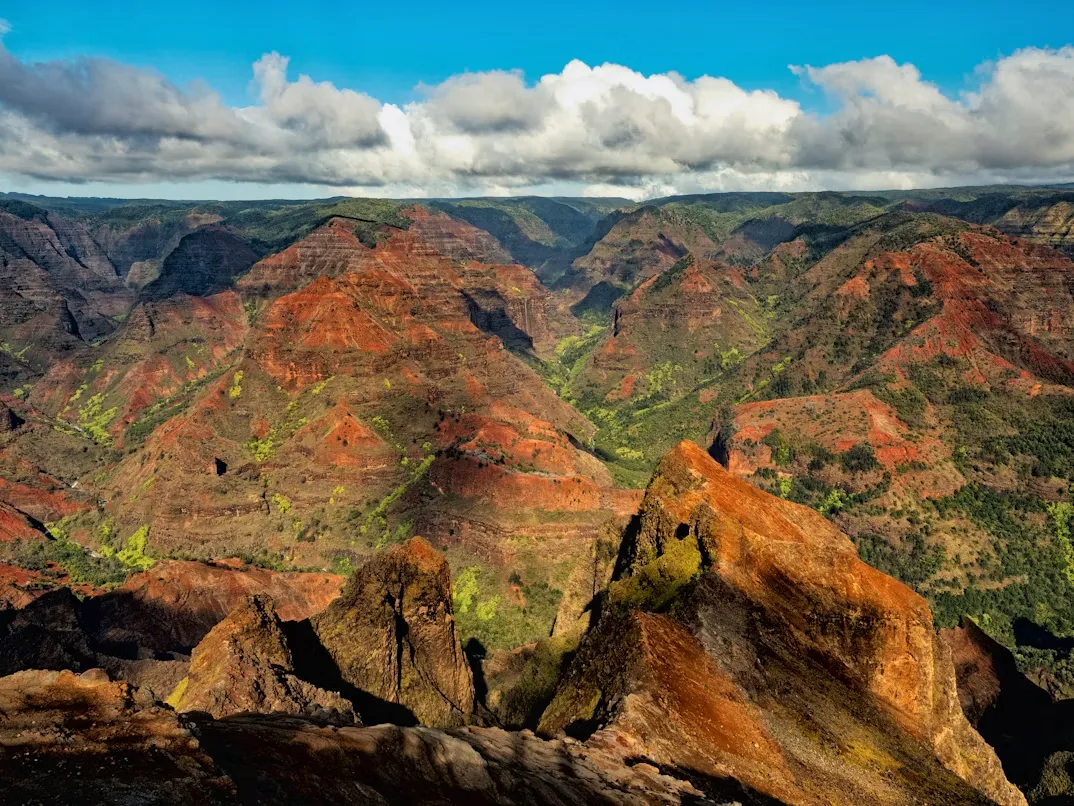
Rather than rushing from viewpoint to viewpoint, give yourself several hours for overlooks, short walks, weather changes, and photography.
Clouds can move into the mountains quickly, so an earlier start often gives you more flexibility.
Spend your third day discovering Kauai's North Shore.
Hanalei is a natural stopping point before continuing toward Hāʻena and the end of Kūhiō Highway. Visitors interested in hiking can explore the beginning of the Kalalau Trail toward Hanakāpīʻai, while travelers looking for a more relaxed day can enjoy the scenery around Hanalei and the North Shore.
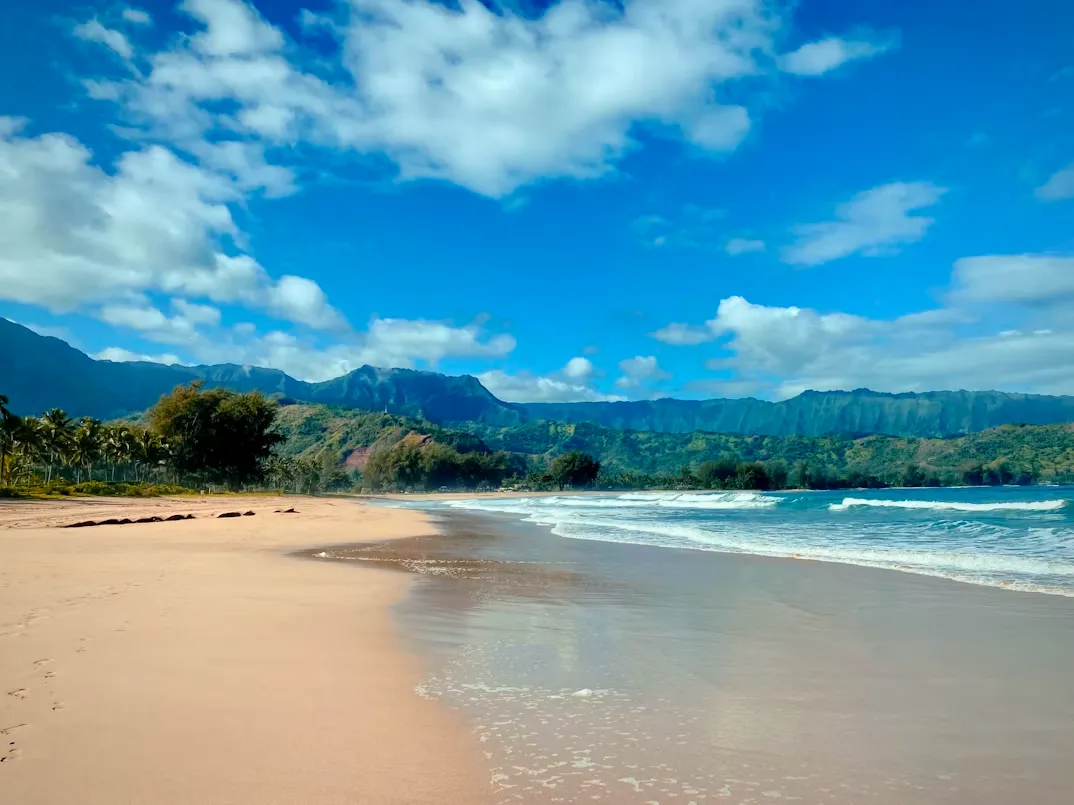
Advance planning is important here. Hāʻena State Park has daily visitor limits, and advance reservations are required for non-Hawaiʻi residents. Parking, entry, and shuttle options can sell out, so this should be one of the first reservations you investigate when planning the trip.
Another option is experiencing the Nāpali Coast by authorized boat tour when conditions allow. Ocean conditions vary considerably by season, so build some flexibility into your plans.
Use Day 4 as your transition day.
Fly from Līhuʻe (LIH) to Kahului Airport (OGG) on Maui. Because interisland travel involves returning a rental car, airport time, the flight, baggage claim, and picking up another vehicle, avoid scheduling an ambitious excursion immediately after landing.
Instead, explore Maui at an easier pace.
If you arrive early enough, consider heading toward Upcountry Maui, where towns such as Makawao offer a completely different atmosphere from Maui's resort areas. Another option is simply checking into your accommodations and spending the afternoon at a nearby beach.
Start Day 5 at Haleakalā National Park, home to Maui's 10,023-foot summit.
Travelers hoping to watch sunrise need to plan ahead. A reservation is required for each vehicle entering the Summit District between 3:00 a.m. and 7:00 a.m. Sunrise reservations are separate from the park entrance fee.
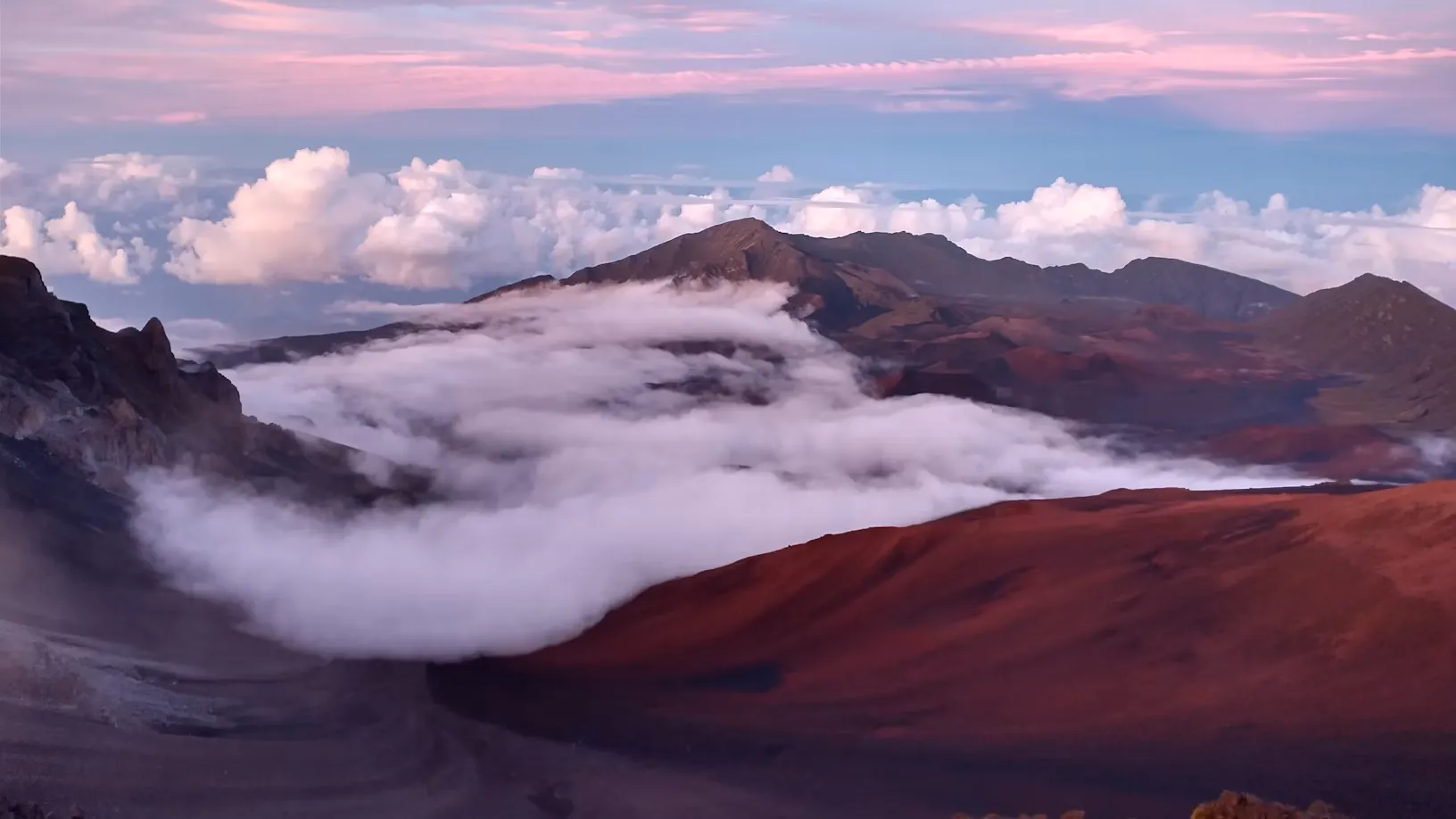
Don't get a sunrise reservation? Haleakalā is still worth visiting later in the morning or during the day, when no sunrise reservation is required.
After descending from Haleakalā, explore Upcountry Maui. Depending on your interests and available time, your afternoon could include Makawao, Kula, local farms, botanical gardens, or scenic stops overlooking Central Maui.
This is also a great opportunity to experience Maui beyond its beaches.
After several days of driving and sightseeing, make Day 6 more adventurous.
Begin around Pāʻia and Maui's North Shore, an area known for lush landscapes, historic plantation-era communities, surf culture, and easy access to Upcountry and Hāna Highway.
Then head into Haʻikū for a zipline adventure at NorthShore Zipline. Located on Maui's North Shore on the historic grounds of Camp Maui, the course offers a completely different perspective of the island from the beaches and highways.

Ziplining fits especially well into a Kauai-and-Maui itinerary because it adds an active experience without requiring another full day of driving.
Afterward, explore more of the North Shore or head back toward your accommodations for an easy evening.
For your final full day, choose between one more major adventure and a slower ending to the trip.
The Road to Hāna passes through rainforest scenery, waterfalls, coastal viewpoints, and small East Maui communities. However, it deserves an early start and should not be treated as a race to Hāna and back.
If you visit Waiʻānapanapa State Park, remember that advance reservations are required for out-of-state visitors.
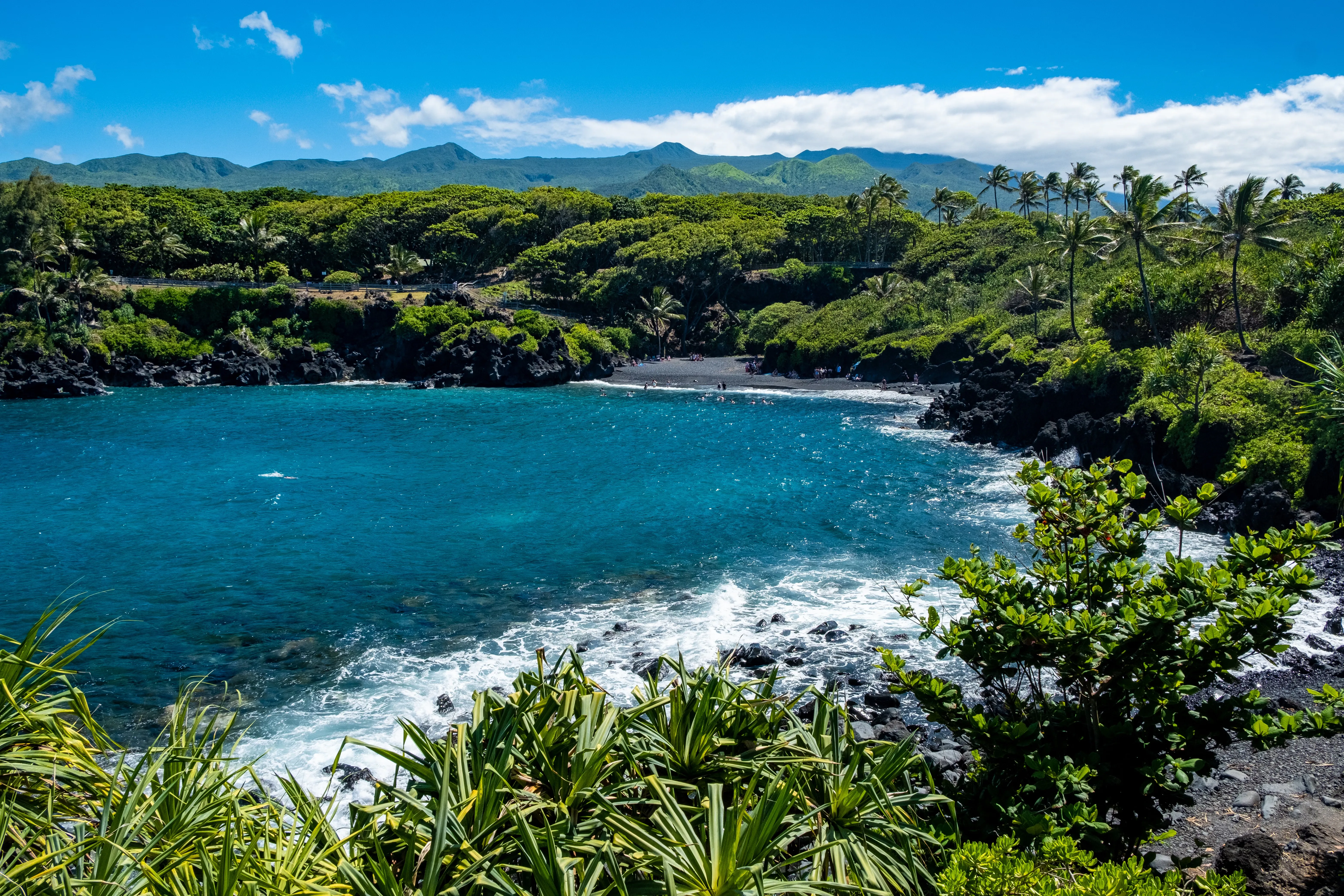
If another long driving day doesn't sound appealing, use Day 7 to enjoy Maui's beaches instead. Depending on where you're staying, you could explore the South Maui coastline, snorkel, take a whale-watching trip during whale season, or simply enjoy your final day without a strict schedule.
For a seven-day trip, sometimes leaving the final day flexible makes the entire vacation more enjoyable.
Yes, seven days is enough to visit Kauai and Maui, particularly for travelers who want a taste of two different Hawaiian islands rather than an exhaustive tour of either one.
A practical schedule is:
Days 1–3: Kauai
Day 4: Kauaʻi-to-Maui travel day
Days 5–7: Maui
Travelers who prefer slower vacations may be happier spending the entire week on one island. But for first-time visitors who specifically want to combine Kauai's rugged scenery with Maui's variety of beaches, mountains, rainforest, Upcountry landscapes, and activities, this itinerary offers a strong balance.
Always check current weather, road conditions, ocean conditions, park closures, and reservation requirements before setting out. Hawaiʻi's natural environment can change quickly, and some of the islands' most popular destinations have limited access.
Yes. Three days on Kauai, one interisland travel day, and three days on Maui provides enough time to experience major highlights on both islands without changing hotels every night.
Either direction works, but starting on Kauai and finishing on Maui creates a nice progression from Kauai's nature-focused sightseeing to Maui's broader mix of outdoor adventures, beaches, Upcountry attractions, restaurants, and resort areas.
For a seven-day trip, approximately three days per island works well. With 10 to 14 days, travelers can slow the pace considerably and explore each island more thoroughly.
Travelers should plan to fly between Kauai and Maui rather than take a passenger ferry. When building your itinerary, allow time for rental-car returns, airport check-in, baggage, the flight, and another rental-car pickup.
For an itinerary involving places such as Waimea Canyon, Kōkeʻe, Haleakalā, Upcountry Maui, and the Road to Hāna, renting a vehicle on each island generally provides the most flexibility.
Some popular destinations do require advance reservations. Hāʻena State Park on Kauai requires reservations for nonresidents, while Maui visitors need reservations for Haleakalā sunrise and for entry to Waiʻānapanapa State Park. Requirements can change, so always check official websites before traveling.
On Kauai, prioritize the Nāpali Coast, Waimea Canyon, Kōkeʻe, and the North Shore. On Maui, consider Haleakalā, Upcountry, the North Shore, a zipline or other outdoor adventure, and either the Road to Hāna or a dedicated beach and ocean day.
That depends on your travel style. Kauai is especially appealing for hiking, dramatic scenery, and a quieter nature-focused vacation, while Maui offers a wider variety of landscapes, beaches, activities, towns, and sightseeing options. With only seven days, an approximately even split lets travelers experience what makes each island distinct.
If you would like to read and learn more about interesting things in Hawaii! Check out our blog page here on our website!
or
Image Credits:
Blog Photos:
"Green coastline with mountains and reef" by Karsten Winegeart, via Unsplash
"Kauai Coloring Book" by Jake Houglum, via Unsplash
"Aerial photography of rock formations" by Sean Bernstein, via Unsplash
"Blue Ocean" by Jason Weingardt, via Unsplash
"A view of a mountain range" by Michael Waddel, via Unsplash
"Forest in bay on sea shorea" by Kelsey, via Pexels
Planning a Maui vacation with the entire family? One of the best things about the Valley Isle is that a memorable family day does not have to mean choosing between activities for kids and activities for adults. Maui offers plenty of experiences that parents, children, teens, and even grandparents can enjoy together.
From soaring through the trees on a zipline to discovering Hawaiian marine life, exploring a volcanic landscape, walking through a lush valley, and spending an afternoon at the beach, there are family fun activities in Maui for nearly every age and travel style.
The key is creating an itinerary with variety. Instead of spending every day at the beach, mix adventure, nature, Hawaiian culture, wildlife, and downtime. Here are some of the best ways to experience Maui as a family.
For families looking for something more adventurous than another beach day, ziplining is an exciting way to experience a completely different side of Maui.
Located in Haʻikū, NorthShore Zipline offers a seven-line zipline adventure through a landscape of haiku scenery, eucalyptus trees, open fields, and tropical vegetation.
The approximately two-hour experience is designed for both first-time and experienced zipliners. Children ages five and older can participate as long as they weigh at least 40 pounds, while the maximum participant weight is 270 pounds. Children 16 and younger must be accompanied by an adult.

That makes ziplining particularly useful for families searching for an activity where parents and children can actually participate together instead of watching from the sidelines.
NorthShore Zipline also requires only about a 5-10 minutes of easy hiking between the lines. Family members who do not want to zip can walk part of the course for free and watch from designated viewing areas.
The property adds another interesting element to the experience: it sits on land once used as part of Camp Maui, a World War II Marine training base. Families can combine outdoor adventure with a glimpse into an often-overlooked chapter of Maui's history.
If you need a break from the sun—or Maui happens to deliver one of its rainy days—Maui Ocean Center in Māʻalaea is one of the island's most reliable family activities.
The aquarium focuses on Hawaiʻi's marine environment, giving children an opportunity to see animals they may otherwise never encounter closely while swimming or snorkeling.
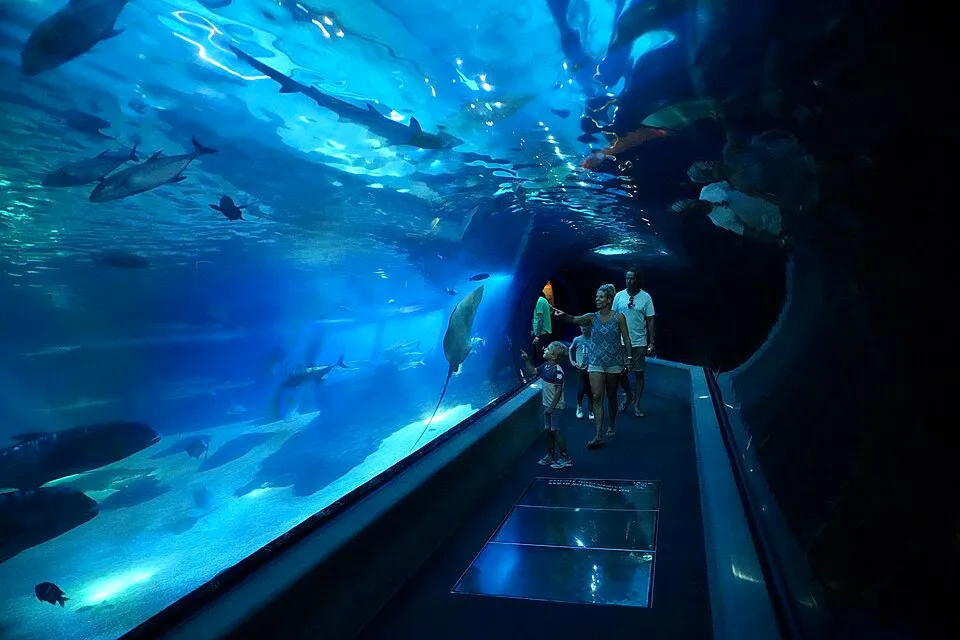
Exhibits feature coral reefs, sharks, rays, sea turtles, and other marine life associated with Hawaiian waters. General admission also includes the Humpbacks of Hawaiʻi 3D Sphere Experience.
According to Maui Ocean Center, the average visit takes approximately two hours, making it easy to combine the aquarium with another activity on the same day. The facility also has stroller-friendly and accessible pathways, which can make it a practical option for families traveling with younger children or multiple generations.
Few family experiences on Maui demonstrate the island's extraordinary geography quite like a trip to Haleakalā National Park.
The summit reaches 10,023 feet above sea level and looks dramatically different from Maui's tropical coastline. Families can stop at overlooks, explore trails, learn about native species, and discover the cultural significance of Haleakalā to Native Hawaiians.
Families with younger children can also explore the park's Junior Ranger activities, which introduce kids to Haleakalā's plants, wildlife, history, and conservation.
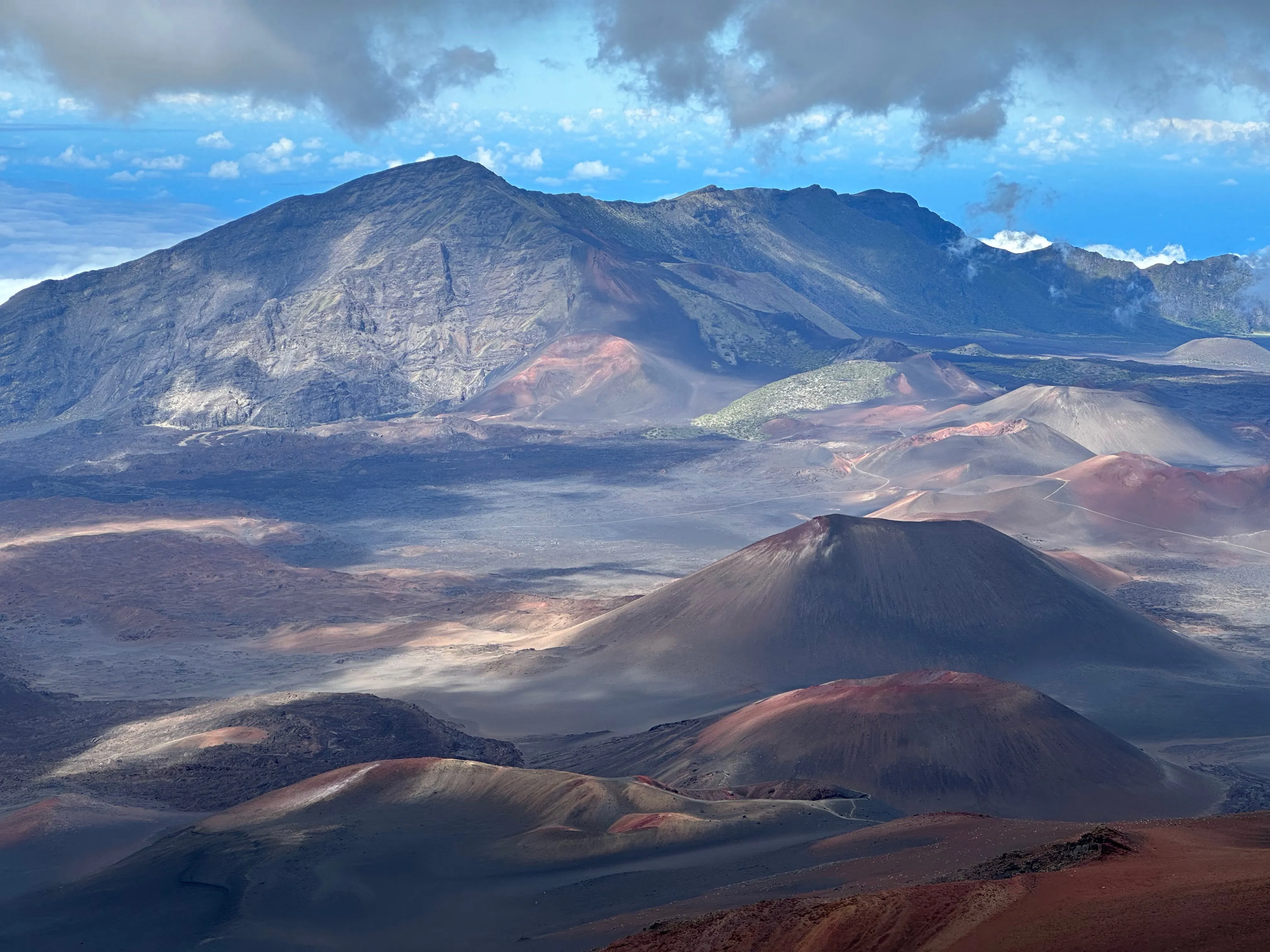
Sunrise is famous, but it requires considerably more planning. A reservation is required for vehicles entering the Summit District between 3:00 a.m. and 7:00 a.m. Reservations are separate from the park entrance fee and are released through Recreation.gov up to 60 days in advance, with another portion released two days in advance.
Families who would rather avoid waking everyone before dawn can visit later in the day. A sunrise reservation is not required after 7:00 a.m.
Whatever time you visit, bring layers. Conditions at the summit can be dramatically colder, wetter, and windier than conditions near Maui's beaches.
Families don't necessarily need to tackle a long hike to experience Maui's mountains and rainforest.
ʻĪao Valley State Monument near Wailuku offers a relatively short outing surrounded by the lush West Maui Mountains. A typical visit lasts approximately 30 to 60 minutes, making it especially convenient for families who want to experience Maui's natural scenery without committing most of the day to hiking.
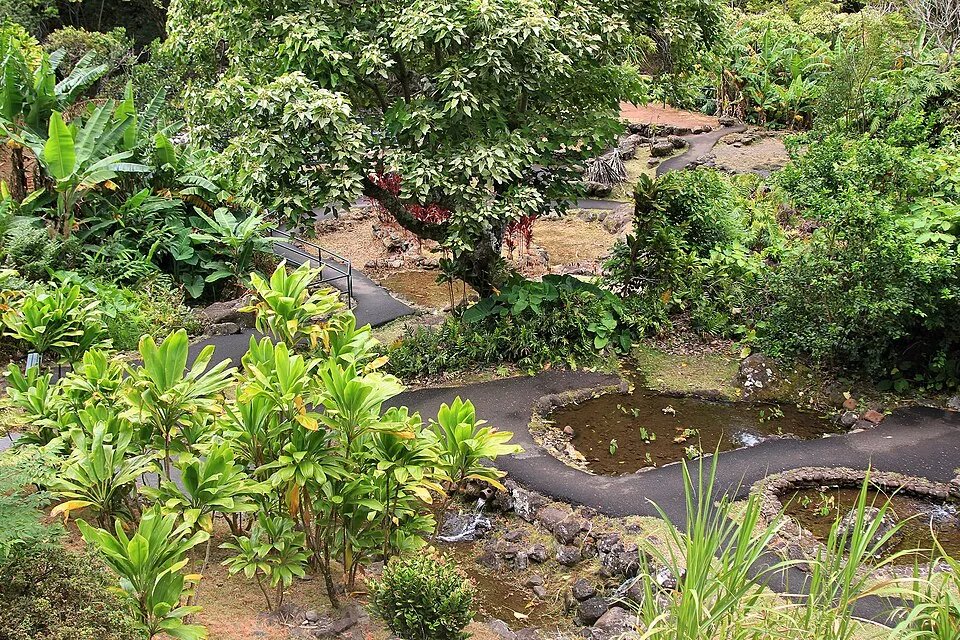
The valley is also historically and culturally significant, so it should be approached as more than simply a scenic photo stop.
Non-Hawaiʻi residents currently need advance reservations for entry, and parking reservations are also available through the official Hawaiʻi State Parks reservation system. Reservations can be made up to 30 days in advance. Hawaiʻi residents with valid state identification do not need an advance reservation or entry ticket, although parking availability is not guaranteed.
A Maui family vacation wouldn't be complete without time at the ocean.
The important thing to remember is that "family-friendly beach" does not mean the ocean will always be calm. Maui's surf, wind, currents, and shorebreak can change with weather and season.
For families with children, choosing beaches with lifeguards can add another layer of safety. Maui County operates lifeguard towers at locations including Kamaʻole I, II, and III in South Maui, H.A. Baldwin Beach Park and Hoʻokipa Beach Park on the North Shore, Kanahā Beach Park, D.T. Fleming Beach Park, and Hanakaʻōʻō Beach Park.
Before entering the ocean, look at the conditions in front of you and follow posted warnings and lifeguard instructions. A beach that was calm yesterday may behave very differently today.
Beach time can also be one of the easiest ways to keep a Maui vacation affordable. Pack lunch, bring plenty of water, find a shady place to relax, build sandcastles, walk the shoreline, and let the kids enjoy a less structured afternoon between scheduled adventures.
The Road to Hāna can be an incredible family experience, but families should think of the drive itself as the attraction rather than racing to reach Hāna.
The route is known for rainforest scenery, waterfalls, coastal views, historic bridges, and small communities. With children, a slower itinerary usually makes more sense than trying to stop at every attraction.
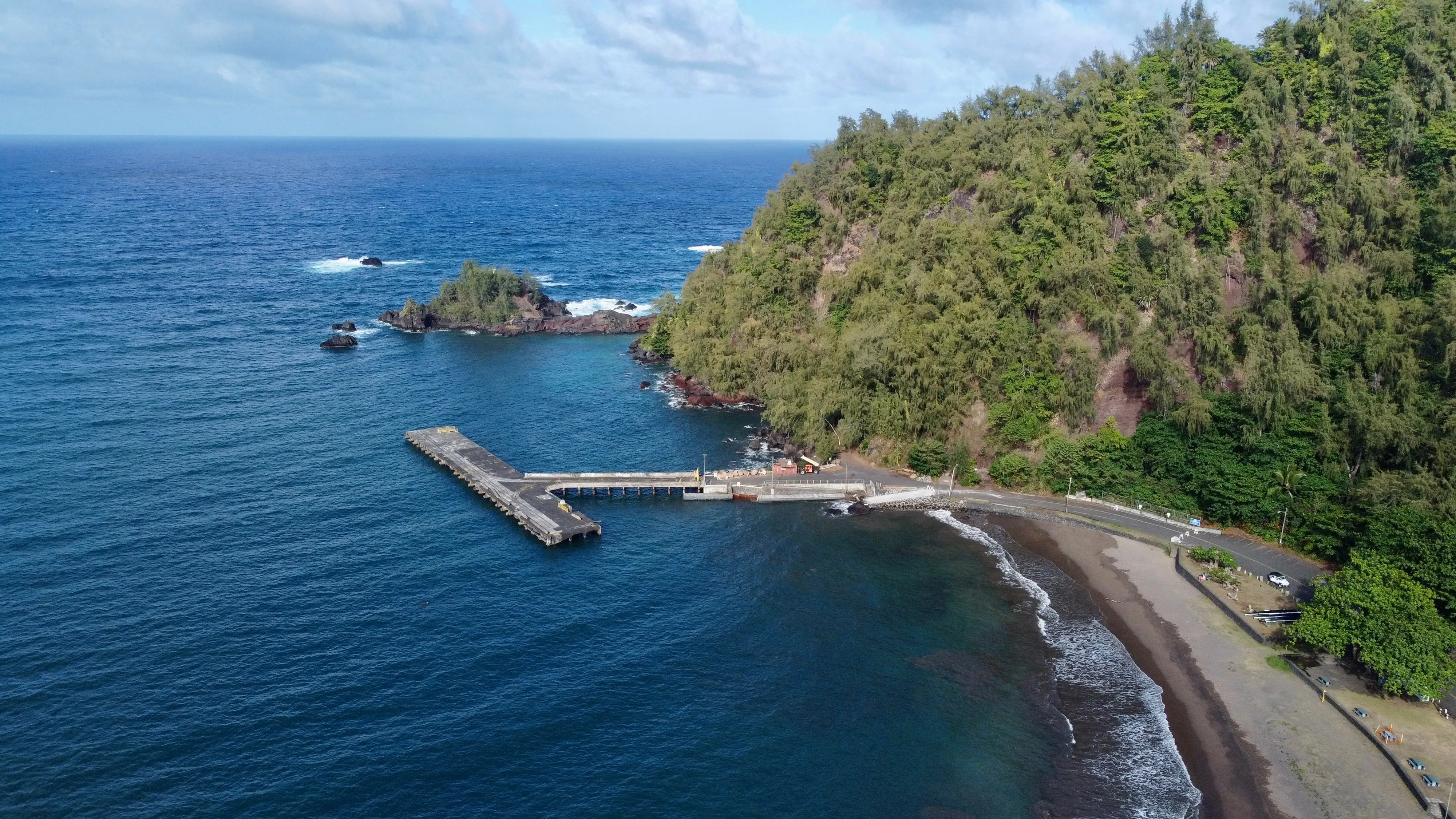
Choose a few planned stops, bring snacks and water, and allow extra time.
Most importantly, respect private property, posted signs, parking restrictions, and local communities along the route. Not every waterfall, trail, or roadside location seen on social media is legally or safely accessible.
For families who don't want to spend an entire day in the car, exploring the North Shore and stopping around Pāʻia, Hoʻokipa, and Haʻikū can provide a taste of Maui's greener side without completing the full drive to Hāna.
Seeing a Hawaiian green sea turtle, or honu, is often one of the moments children remember most from a Maui vacation.
Turtles can sometimes be seen around Maui's shoreline, including areas along the North Shore. If you encounter one resting on land or swimming nearby, give it plenty of space.
Wildlife viewing is far more meaningful when children learn that seeing an animal does not mean they need to touch, chase, feed, or surround it.
It can turn a simple beach stop into an opportunity to teach younger travelers about conservation and responsible tourism in Hawaiʻi.
Some of the best family memories on Maui happen between the major attractions.
Stop at a local farmers market. Try fruit your kids have never tasted. Walk through a small Upcountry town. Watch the sunset together. Look for rainbows after an afternoon shower. Spend an hour exploring instead of rushing to the next reservation.
Maui works especially well for families when the itinerary leaves room for spontaneity.
A great family vacation might include a morning zipline adventure in Haʻikū, an afternoon at the beach, another day exploring Haleakalā, and a rainy-day visit to Maui Ocean Center.
You don't have to see everything.
Choose experiences your family can enjoy together, leave room to slow down, and Maui will provide plenty of moments worth remembering.
NorthShore Zipline – Family Zipline Adventure
NorthShore Zipline – Things to Do on Maui
Maui Ocean Center
Haleakalā National Park
Haleakalā Sunrise Information
ʻĪao Valley State Monument Reservations
Maui County Ocean Safety
Popular family activities in Maui include ziplining, visiting Maui Ocean Center, exploring Haleakalā National Park, visiting ʻĪao Valley, spending time at family-friendly beaches, wildlife watching, and exploring Maui's North Shore and Road to Hāna. The best activity depends on the ages and interests of your children.
Families can go ziplining, visit an aquarium, explore Haleakalā National Park, take short nature walks, visit ʻĪao Valley, explore Upcountry Maui, visit farmers markets, look for Hawaiian wildlife, and take a scenic drive along the North Shore.
Yes, although minimum requirements vary by company. NorthShore Zipline in Haʻikū allows children ages five and older who weigh at least 40 pounds to participate. Children 16 and younger must be accompanied by an adult.
Maui Ocean Center is one of the most popular rainy-day family attractions. Families can also explore different parts of the island where weather conditions may be better, visit local shops and restaurants, or participate in scheduled activities that continue safely during light rain. Weather varies considerably across Maui, so rain in one area does not necessarily mean rain everywhere.
Yes. Families can visit overlooks, explore trails and learn about Haleakalā's native species, geology, history, and Native Hawaiian cultural significance. The National Park Service also offers Junior Ranger activities for children. Families should bring warm clothing because summit conditions can be much colder than coastal Maui.
A special reservation is required to enter the Haleakalā Summit District between 3:00 a.m. and 7:00 a.m. for sunrise. Visitors entering after 7:00 a.m. do not need the sunrise reservation, although normal park entrance fees still apply.
Visitors who are not Hawaiʻi residents need reservations to enter ʻĪao Valley State Monument. Hawaiʻi residents with valid state identification do not need reservations or entry tickets, although parking is subject to availability.
Beach days, public parks, scenic drives, sunset watching, walking through towns, wildlife viewing from a respectful distance, and exploring some scenic viewpoints are among the easiest ways for families to enjoy Maui without booking an expensive tour every day.
Family activities are spread throughout Maui. South and West Maui have many beaches and resort-area activities, Central Maui provides convenient access to ʻĪao Valley and Maui Ocean Center, while the North Shore and Upcountry offer ziplining, scenic drives, small towns, farms, and access toward Haleakalā and the Road to Hāna.
Families looking beyond traditional beach activities can zipline through Haʻikū, explore Haleakalā's volcanic summit, learn about Hawaiian marine ecosystems at Maui Ocean Center, visit ʻĪao Valley, explore Upcountry Maui, or combine a North Shore adventure with stops in Pāʻia and Hoʻokipa.
For most families, one major scheduled activity per day plus a flexible beach, sightseeing, or dining stop creates a more comfortable itinerary. Maui involves more driving than many first-time visitors expect, and leaving extra time makes it easier to enjoy the island without rushing from one reservation to another.
Yes. Maui offers a broad mix of activities ranging from scenic overlooks, beaches and aquariums to hiking, snorkeling and ziplining. Families can choose activities based on mobility, age and comfort level while still spending much of the vacation together.
If you would like to read and learn more about interesting things in Hawaii! Check out our blog page here on our website!
or
Image Credits:
Blog Photos:
"scenic beach view in kihei, hawaii" by Harry Xie, via Pexels
Maui Ocean Center’s 53-Foot Acrylic Tunnel — Photo by Richard N Horne. Licensed under the Creative Commons Attribution-ShareAlike 4.0 International (CC BY-SA 4.0). Source: Wikimedia Commons.
"Majestic Haleakala Volcano landscape in Hawaii" by Rushi Patel, via Pexels
ʻĪao Valley State Park Nature Trail, Maui — Photo by Larry D. Moore. Licensed under the Creative Commons Attribution 4.0 International (CC BY 4.0). Source: Wikimedia Commons.
If you're searching for the top attractions in Maui, Hawaii, start with Haleakalā National Park, the Road to Hāna, Waiʻānapanapa State Park, ʻĪao Valley, Kāʻanapali Beach, Molokini, Upcountry Maui, and Maui's scenic North Shore. Together, these destinations showcase what makes Maui extraordinary: volcanic landscapes, tropical rainforests, waterfalls, beaches, Hawaiian history, marine life, and outdoor adventure.
Maui is often called the Valley Isle, and one of the best things about visiting is how dramatically the scenery can change within a relatively short distance. You can begin your morning above the clouds on Haleakalā, explore green Upcountry landscapes in the afternoon, and finish the day beside the Pacific Ocean.
Whether you're planning your first Maui vacation or looking for new places to explore, here are some of the best attractions and things to do in Maui, Hawaii.
Best for: Sunrise, sunset, hiking, volcanic landscapes and stargazing
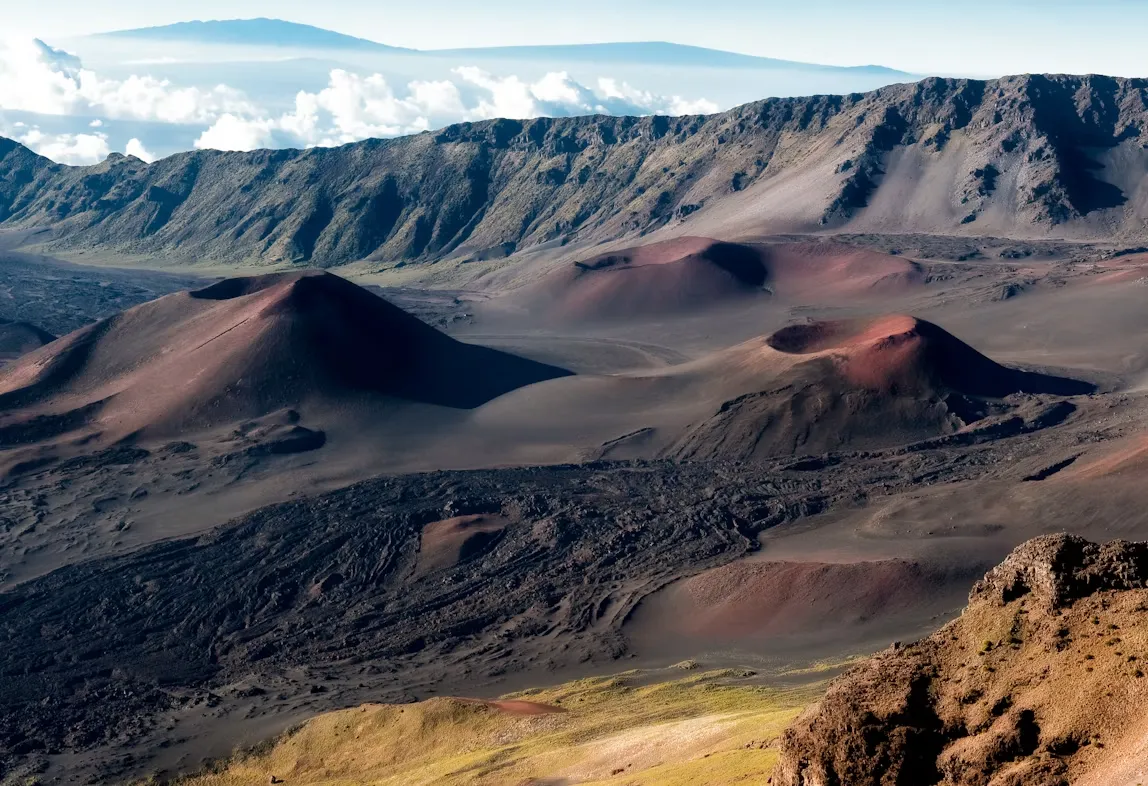
One of the most famous attractions in Maui is Haleakalā National Park, which protects landscapes stretching from Maui's volcanic summit region to the coast at Kīpahulu.
The summit of Haleakalā reaches 10,023 feet above sea level, creating an environment completely different from Maui's tropical beaches. Visitors can experience enormous volcanic landscapes, hiking trails, native plants and animals, scenic overlooks and spectacular views of the night sky.
Sunrise from Haleakalā is particularly famous. Visitors entering the Summit District between 3:00 a.m. and 7:00 a.m. for sunrise need an advance reservation, in addition to paying the park entrance fee. Reservations can be made online up to 60 days in advance, with another portion released two days ahead.
Sunset and daytime visits are excellent alternatives for travelers who don't want to wake up before dawn.
Helpful link: Haleakalā National Park — National Park Service
Best for: Waterfalls, rainforest scenery, coastal views and road trips
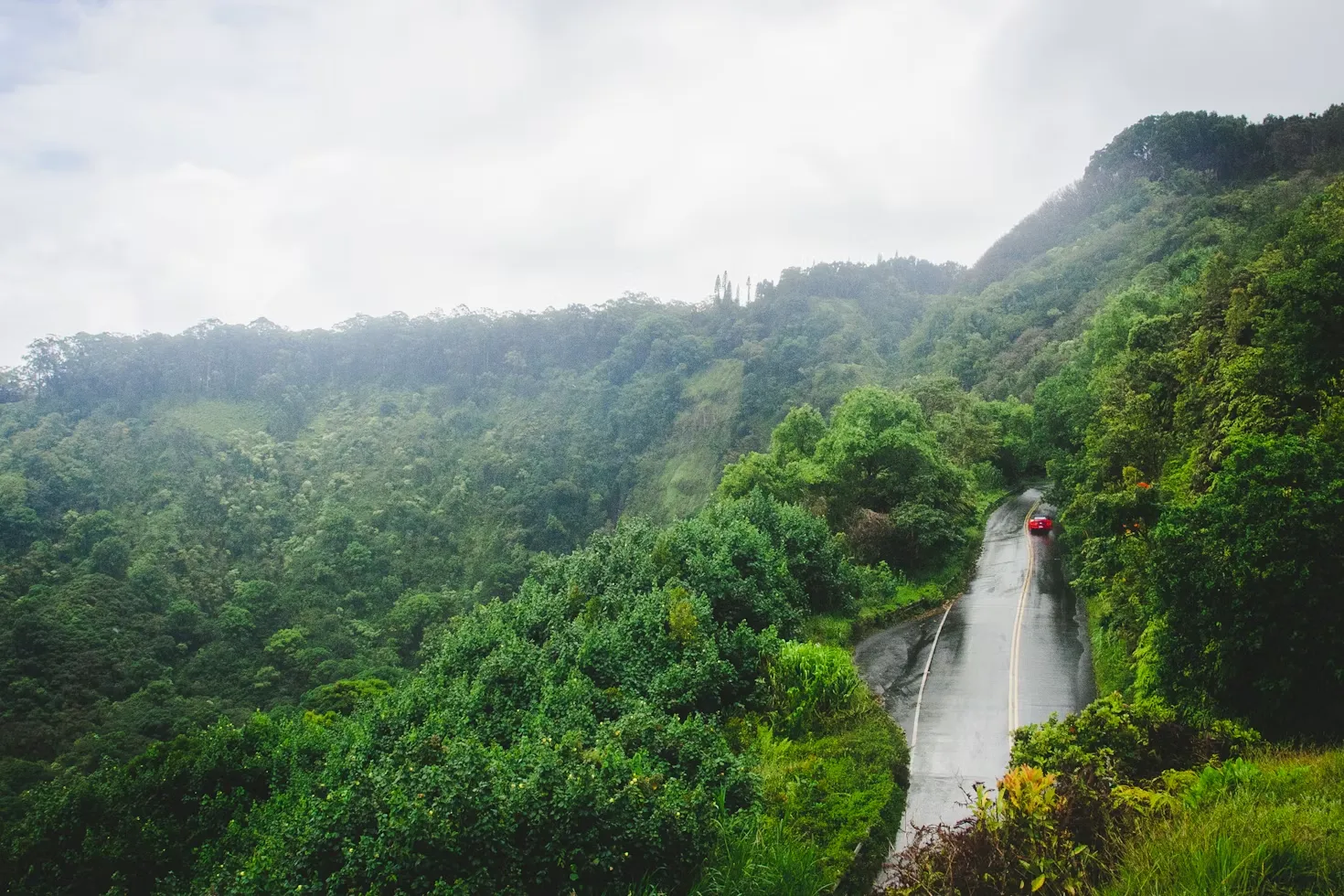
The Road to Hāna is not simply a drive to Hāna—it is one of Maui's most iconic sightseeing experiences.
Hāna Highway winds through the lush eastern side of Maui, where travelers encounter dense tropical vegetation, waterfalls, dramatic ocean views, bridges and small communities along the route.
The key to enjoying the Road to Hāna is allowing enough time for the journey. Rather than attempting to stop everywhere, choose several destinations that interest you and enjoy them without rushing.
Visitors should also remember that Hāna Highway is an important road for local residents. Respect private property, don't block driveways or roadways, follow parking restrictions and never enter areas marked as closed or private.
Best for: Black-sand scenery and volcanic coastline
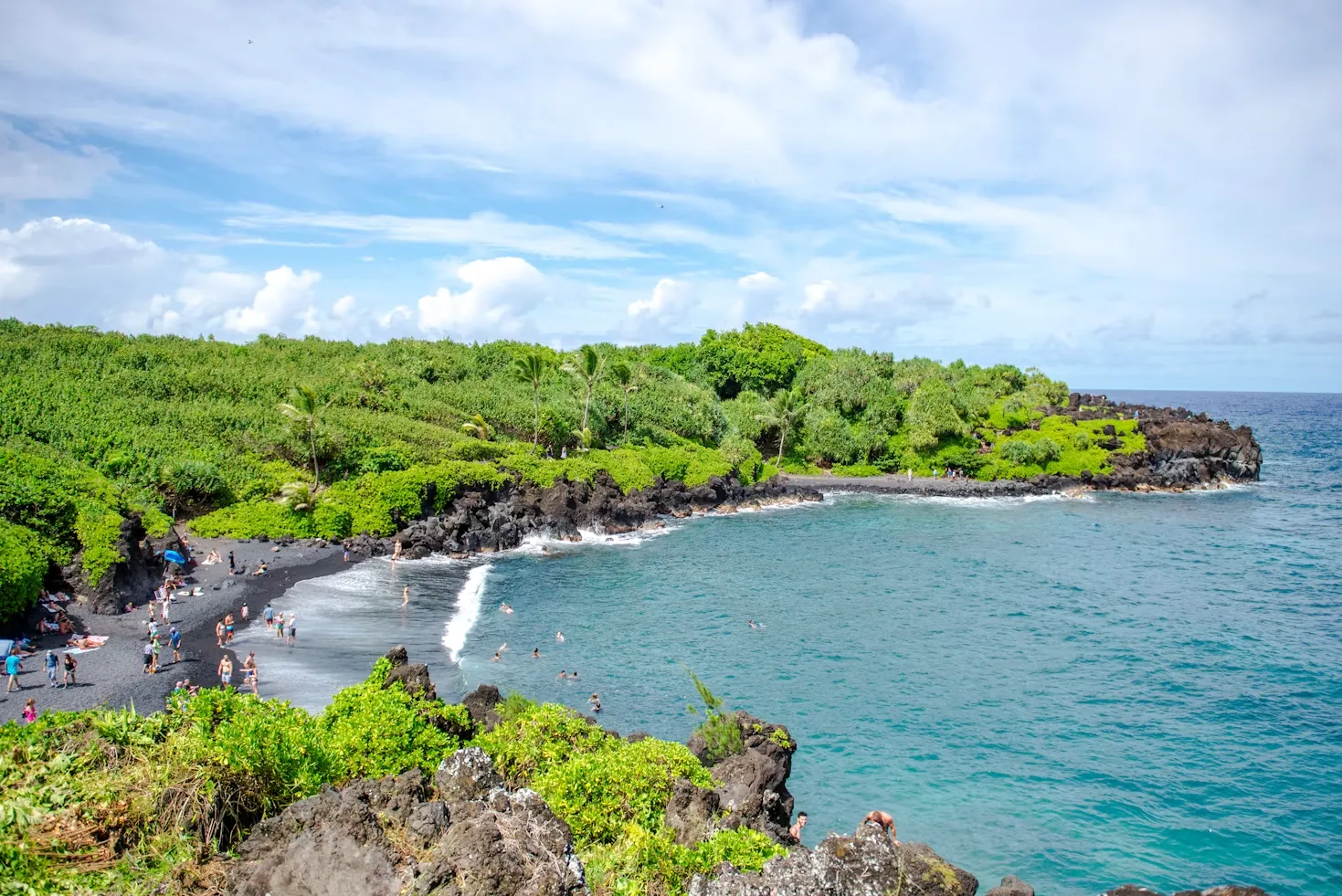
Located near Hāna, Waiʻānapanapa State Park is famous for its striking black-sand beach and rugged volcanic coastline.
The combination of dark lava rock, bright green vegetation and blue Pacific water makes Waiʻānapanapa one of the most recognizable natural attractions on Maui.
This is also an attraction travelers should plan in advance. The official Hawaiʻi State Parks reservation system states that reservations can be made up to 30 days ahead and may sell out during popular periods.
If you're building a Road to Hāna itinerary, reserve your Waiʻānapanapa time before planning the rest of the day's stops.
Helpful link: Waiʻānapanapa State Park Reservations
Best for: Maui history, mountain scenery and short walks
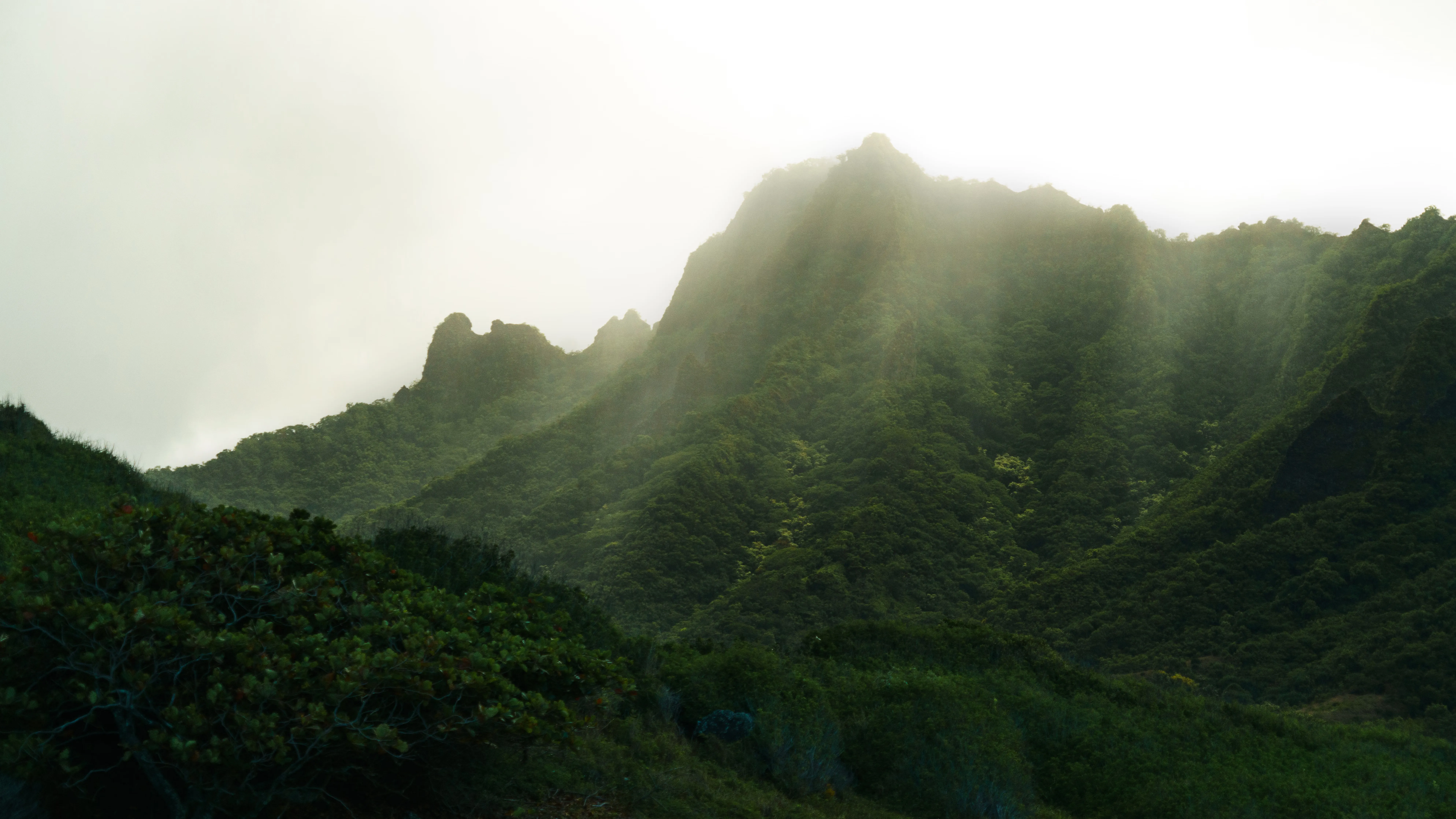
For lush scenery without spending an entire day on the Road to Hāna, consider visiting ʻĪao Valley in Central Maui.
The valley is surrounded by the steep, green ridges of the West Maui Mountains and is home to Kūkaʻemoku, commonly called the ʻĪao Needle.
Beyond its natural beauty, ʻĪao Valley is an important place in Hawaiian history. The valley was the location of the Battle of Kepaniwai in 1790 during Kamehameha I's campaign to unite the Hawaiian Islands.
Because access and reservation requirements can change, check Hawaiʻi State Parks before visiting.
Helpful link: ʻĪao Valley State Monument — Hawaiʻi State Parks
Best for: Beach days, swimming, sunsets and West Maui vacations
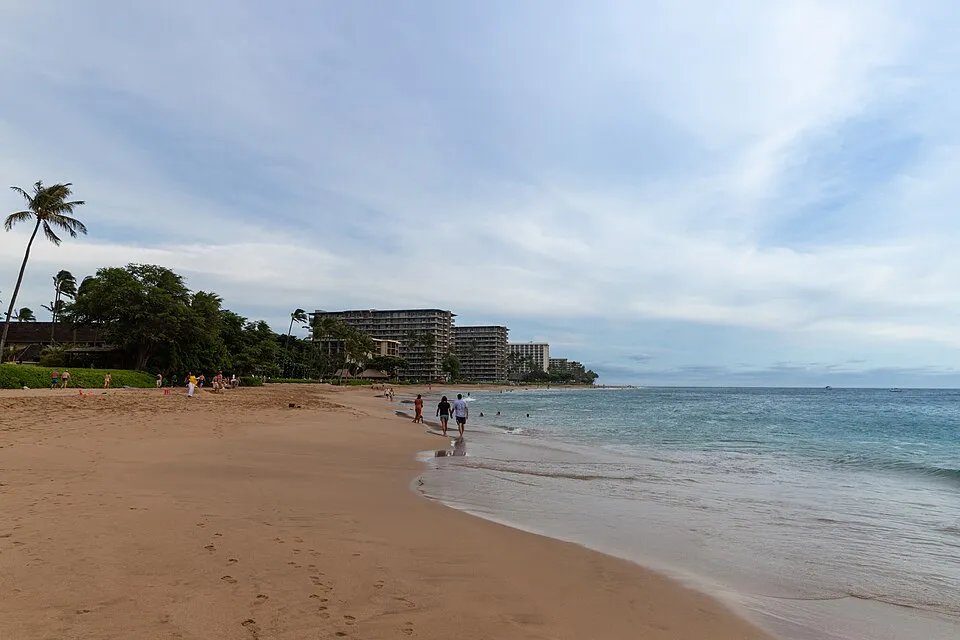
Travelers looking for the classic Maui beach experience will likely encounter Kāʻanapali Beach.
Located in West Maui, Kāʻanapali combines a beautiful stretch of coastline with nearby resorts, restaurants, shopping and activities. It can be an easy place to spend several hours—or an entire day—enjoying the ocean.
The official Hawaiʻi tourism site highlights Kāʻanapali among Maui's well-known beach destinations, alongside beaches such as Mākena, Kapalua, Hāmoa and Hoʻokipa.
Always evaluate current ocean conditions before swimming or snorkeling, even when the water appears calm.
Best for: Snorkeling, scuba diving and marine-life experiences
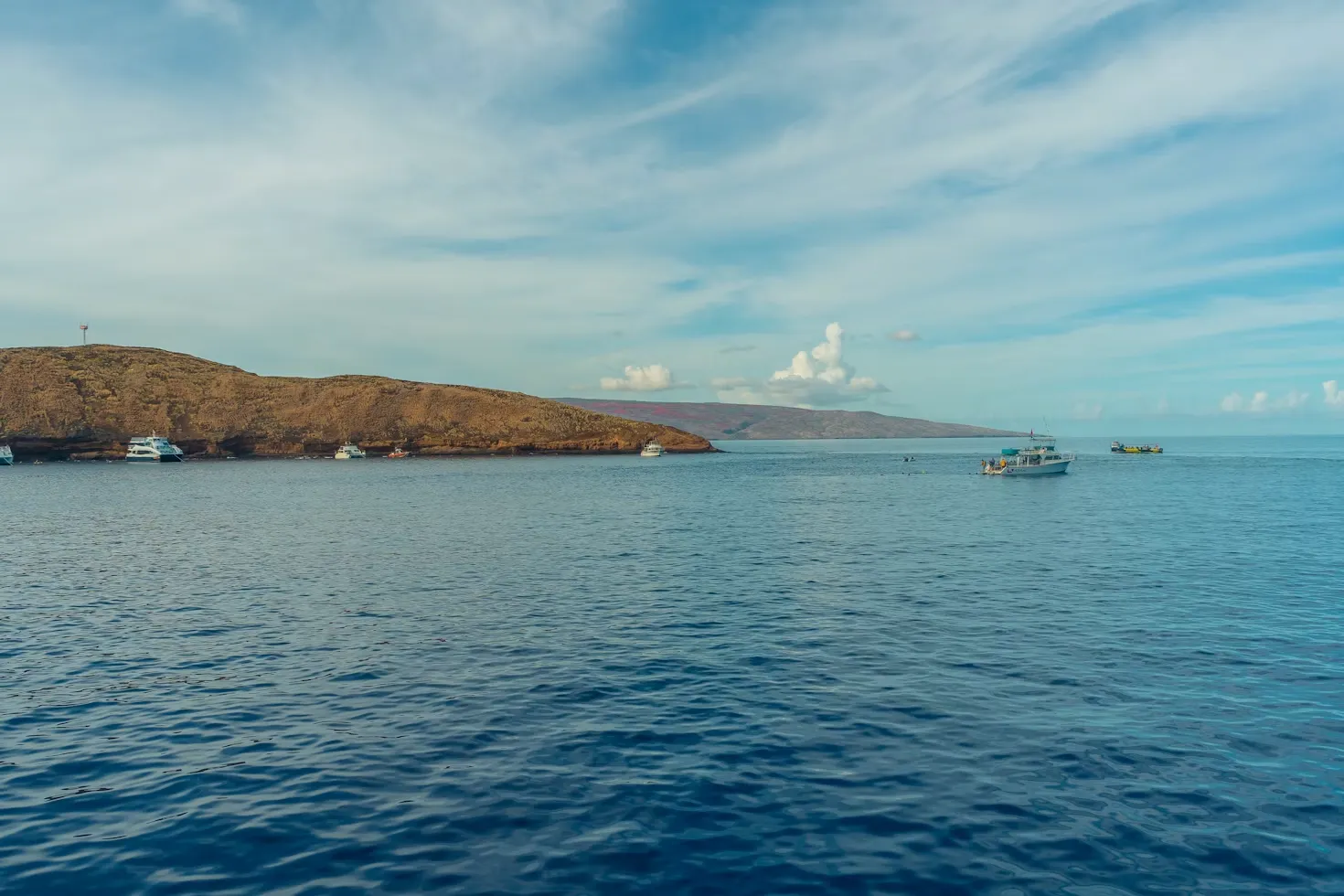
Visible offshore from South Maui, Molokini is a crescent-shaped volcanic formation and one of Maui's best-known snorkeling and diving destinations.
Most visitors experience Molokini through boat tours departing from areas such as Māʻalaea or South Maui. The attraction is particularly appealing to travelers who want to experience Maui from the water rather than spending their entire vacation sightseeing by car.
Conditions vary, so the quality of a snorkeling trip can depend on weather, wind and ocean conditions.
Best for: Scenic drives, local agriculture and a quieter side of Maui
Not every top Maui attraction is located along the coastline.
Upcountry Maui, on the slopes of Haleakalā, offers a completely different perspective of the island. Areas such as Makawao and Kula are known for cooler temperatures, ranching and agricultural history, farms and sweeping views toward Maui's coastline.
Upcountry can pair especially well with a Haleakalā visit. Instead of immediately driving back toward the resorts, travelers can spend part of the day exploring another side of Maui.
Best for: Scenic coastline, surfing culture and outdoor adventure
Maui's North Shore is another area worth including on a Maui itinerary.
Hoʻokipa Beach Park is one of the area's most recognizable coastal stops and is well known for its connection to surfing and windsurfing. The North Shore is also a gateway to lush landscapes around Haʻikū and the beginning of the journey toward East Maui.
Travelers looking beyond traditional beach days can also find outdoor adventures throughout this part of the island, making the North Shore a useful addition to an itinerary that already includes Haleakalā, Hāna and West or South Maui.
Best for: Hiking, rainforest and East Maui scenery
On the remote eastern side of Haleakalā National Park is the Kīpahulu District, another outstanding Maui attraction.
This portion of the park feels completely different from the volcanic summit. Visitors can explore coastal scenery and hiking trails surrounded by lush vegetation.
One important planning note: the National Park Service currently states that the Pools of ʻOheʻo are not accessible for swimming, although they can be viewed from the Kūloa Point Trail.
Travelers should check current park conditions before making the long journey to Kīpahulu.
Helpful link: Haleakalā National Park Current Conditions
Best for: Families, relaxation, snorkeling and sunsets
Some of Maui's greatest attractions don't require an elaborate itinerary.
The island is home to famous beaches including Kāʻanapali Beach, Kapalua Beach, Mākena Beach, Hāmoa Beach and Hoʻokipa Beach.
Different parts of Maui offer different coastal experiences. South Maui is popular for sunny beach days and snorkeling, West Maui offers beaches alongside resort areas, the North Shore is famous for waves and ocean sports, and East Maui features rugged tropical coastline.
Instead of trying to visit every famous beach, choose a few near the areas you're already exploring.
For most first-time visitors, five to seven days in Maui provides a good starting point.
With approximately a week, you could dedicate separate days to:
Travelers staying longer can explore at a slower pace and spend more time enjoying individual areas rather than constantly driving between attractions.
Maui rewards travelers who leave room in their schedules.
The top attractions in Maui, Hawaii reveal just how diverse one island can be.
Haleakalā rises more than 10,000 feet above sea level. East Maui is filled with rainforest and dramatic coastline. Central Maui provides access to the historic landscapes of ʻĪao Valley. West and South Maui offer world-famous beaches, while the North Shore and Upcountry introduce travelers to another side of the Valley Isle.
The best Maui vacation doesn't have to involve checking every attraction off a list. Choose experiences that fit your interests, leave time between activities and explore different regions of the island.
From Haleakalā and the Road to Hāna to Maui beaches, snorkeling, hiking and North Shore adventures, there are countless ways to experience the island—and plenty of reasons to return.
Some of the top attractions in Maui include Haleakalā National Park, the Road to Hāna, Waiʻānapanapa State Park, ʻĪao Valley, Kāʻanapali Beach, Molokini, Upcountry Maui, the North Shore and the Kīpahulu District of Haleakalā National Park.
First-time visitors should consider Haleakalā, the Road to Hāna, ʻĪao Valley, at least one famous Maui beach and an ocean activity such as snorkeling. Together, these experiences provide a good introduction to Maui's volcanic landscapes, rainforest, coastline, marine environment and history.
Haleakalā National Park and the Road to Hāna are arguably Maui's two most recognizable attractions. Haleakalā is famous for its summit and sunrise, while the Road to Hāna is known for rainforest scenery, waterfalls and coastal views.
Haleakalā sunrise requires an advance vehicle reservation for entry between 3:00 a.m. and 7:00 a.m. Waiʻānapanapa State Park also uses an advance reservation system for visitors. Always check official websites because requirements can change.
Maui has many beaches, scenic drives, coastal viewpoints and public parks that can be visited without purchasing a tour. Some locations may still charge for parking, entrance or reservations.
Families often enjoy Maui's beaches, ʻĪao Valley, scenic Road to Hāna stops, Haleakalā overlooks and easy outdoor activities. The best choices depend on children's ages, swimming ability and comfort with longer drives.
Yes. Haleakalā offers one of the most unusual landscapes in Hawaiʻi, with volcanic terrain, hiking, native ecosystems, sunrise and sunset viewing, and excellent stargazing opportunities. The National Park Service highlights hiking, sunrise, Kīpahulu and stargazing among the park's major activities.
For visitors interested in waterfalls, rainforest, coastal scenery and exploring East Maui, the Road to Hāna can be one of the highlights of a Maui vacation. Plan a full day and focus on the journey rather than trying to stop at every attraction.
You can see several major Maui attractions in three days, but it will be a busy itinerary. A possible three-day trip could include Haleakalā and Upcountry on one day, the Road to Hāna on another, and beaches or an ocean activity on the third.
For a first Maui vacation, try to experience at least one volcanic landscape, one rainforest or mountain area, one great beach and one ocean activity. Haleakalā, the Road to Hāna, ʻĪao Valley and Maui's coastline provide an excellent combination.
Outdoor activities can be found across the island, but North Shore and Upcountry Maui are excellent areas for travelers looking to combine sightseeing with adventure. Visitors can explore beaches, tropical landscapes, scenic drives, hiking and other outdoor experiences while staying within reach of some of Maui's best-known destinations.
If you would like to read and learn more about interesting things in Hawaii! Check out our blog page here on our website!
or
Image Credits:
Blog Photos:
Tropical Coastline and Black Sand Beach — Photo by Tim Gouw. Licensed under the Pexels License. Source: Pexels
Haleakalā, Maui — Photo by Jeff King. Licensed under the Unsplash License. Source: Unsplash
Road to Hana, Maui — Photo by Claudio Schwarz. Licensed under the Unsplash License. Source: Unsplash
Honokalani Black Sand Beach, Hāna, Maui — Photo by William Zhang. Licensed under the Unsplash License. Source: Unsplash
Lush Green Mountains of Hawaiʻi — Photo by Daniel Torobekov. Licensed under the Pexels License. Source: Pexels
Kāʻanapali Beach, Maui — Photo by dronepicr. Licensed under the Creative Commons Attribution 2.0 Generic (CC BY 2.0). Source: Wikimedia Commons.
Molokini, Maui — Photo by Satty Singh. Licensed under the Unsplash License. Source: Unsplash
| Maui Farmers Market | Area | Best For |
| Upcountry Farmers Market | Upcountry | Produce, local foods, Maui-made products |
| Maui Farmers Market | Kīhei | Tropical fruit and South Maui visitors |
| Nāpili Farmers Market | West Maui | Produce and local products |
| Maui Swap Meet | Kahului | Food, produce, crafts and souvenirs |
| Kō Mahiʻai Mākeke | South Maui | Local vendors and community market |
When travelers think about things to do on Maui, beaches, waterfalls, snorkeling, and Haleakalā often come to mind first. But one of the best ways to experience a different side of the island is much simpler: spend a morning exploring a Maui farmers market.
Maui’s volcanic soil, tropical climate, and diverse elevations allow farmers to grow an impressive variety of fruits, vegetables, flowers, herbs, coffee, and other crops. A farmers market gives visitors an opportunity to taste those flavors while meeting local growers, discovering Maui-made products, and supporting small businesses.
Even better, visiting a farmers market can easily become part of a larger day of exploring. Whether you are staying in South Maui, West Maui, Central Maui, or heading into Upcountry, there are markets and nearby activities that can turn a quick shopping trip into an unforgettable Maui experience.
A Maui farmers market is much more than a place to buy groceries. Markets offer a glimpse into the island’s agricultural community and provide an opportunity to discover foods you may not normally encounter at home.
Depending on the season and market, you might find papayas, apple bananas, pineapples, avocados, coconuts, lilikoi (passion fruit), breadfruit, leafy greens, Maui onions, tropical flowers, locally roasted coffee, honey, baked goods, jams, sauces, and prepared foods.
Many markets also feature local artisans selling jewelry, artwork, clothing, crafts, and other Maui-made products.
The Hawaiʻi Tourism Authority highlights farmers markets as part of Maui's farm-to-table experience, particularly in Upcountry, where farms thrive along the slopes of Haleakalā.
One of Maui's best-known markets is the Upcountry Farmer's Market at Kulamalu Town Center.
The market is held on Saturday mornings at 55 Kiopaa Street and features more than 100 local vendors. Visitors can browse fresh fruits and vegetables, tropical flowers, baked goods, fresh fish, artisan products, and locally sourced foods.
Upcountry is an especially good area for combining Maui farmers markets and things to do because there is so much to explore nearby.
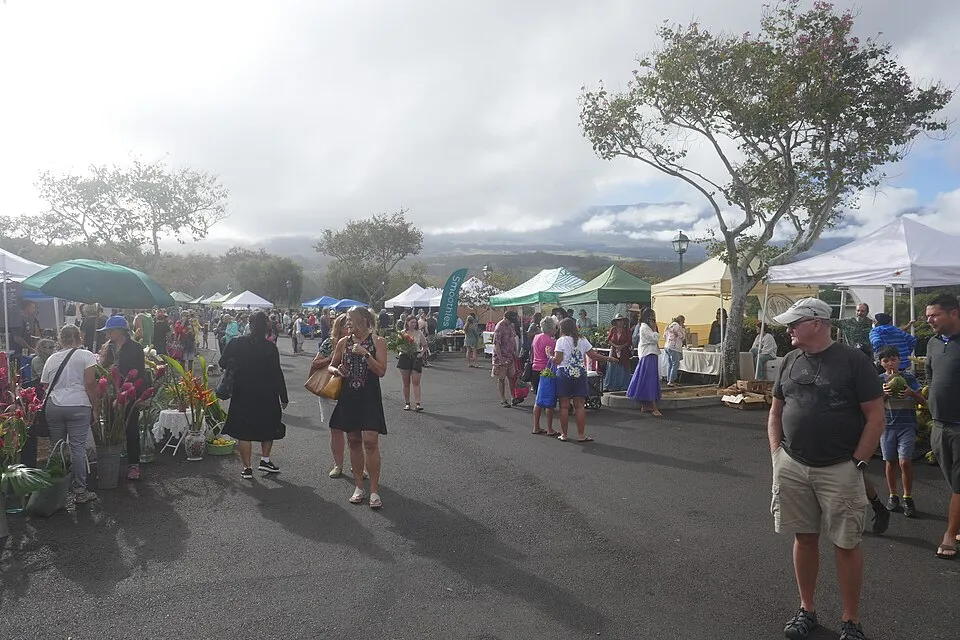
After visiting the market, take some time to explore Makawao. The historic Upcountry town is closely connected to Maui's paniolo, or Hawaiian cowboy, heritage and is home to galleries, boutiques, eateries, and local businesses.
Continue farther into Kula and you can experience rolling agricultural landscapes and expansive views across Maui. Upcountry is also home to farm tours and locally produced food and beverages, making it an excellent destination for travelers interested in Maui beyond its beaches.
Travelers staying around Kīhei and Wailea don't necessarily have to drive Upcountry to find local produce.
Maui Farmers Market in Kīhei is a convenient option for finding tropical fruit, vegetables, and local food products. Because of its South Kīhei Road location, it can easily be combined with a beach day.
Pick up fresh fruit in the morning and then spend the afternoon exploring Kīhei's coastline. Kamaʻole Beach Parks, for example, provide convenient places to enjoy Maui's sunshine and ocean scenery.
Another Saturday option is Kō Mahi’ai Mākeke Farmers Market, a smaller neighborhood-style market featuring a mixture of produce, prepared foods, local crafts, and Maui-made goods.
Travelers staying in West Maui can also incorporate a farmers market into their itinerary.
Nāpili Farmers Market offers a combination of local produce and artisan products in Nāpili. From there, visitors can continue exploring the coastline around Nāpili, Kapalua, and Kāʻanapali.
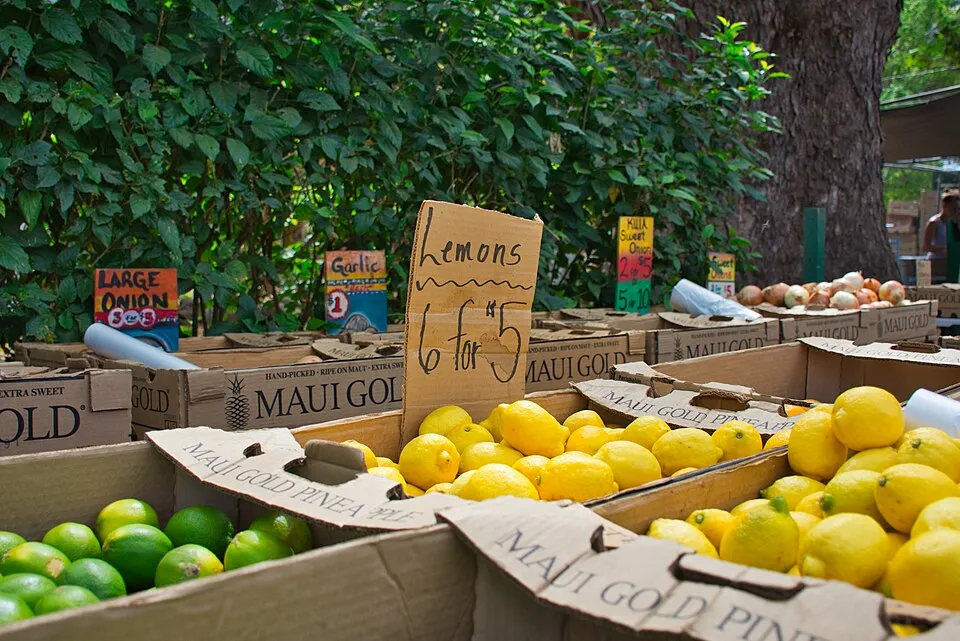
A farmers market morning followed by a beach afternoon is one of the easiest ways to balance local culture with Maui's famous coastal scenery.
The Oluwalu Fruit Stand is also a great stop on the way or from Lahaina. It was a popular area for both tourist and locals. Providing both fruits and local snacks and also a little store. You are also able to book the butterfly garden there as well.
For visitors who enjoy browsing for souvenirs as much as fresh produce, the Maui Swap Meet is another popular Saturday option.
Rather than functioning strictly as a traditional produce market, the Maui Swap Meet combines local foods, produce, crafts, clothing, gifts, and souvenirs. It's a convenient stop for travelers staying in Central Maui or anyone passing through Kahului on a Saturday morning.
Afterward, consider heading toward Wailuku and ʻĪao Valley or traveling toward Maui's North Shore.
One of the easiest ways to build a full itinerary around a Maui farmers market is to dedicate a day to Upcountry and North Shore Maui.
Start early at the Upcountry Farmers Market, enjoy breakfast or a snack from a local vendor, and then explore the surrounding countryside.
From there, you could wander through Makawao, visit a local farm, stop at a scenic overlook, or continue toward Maui's North Shore. For travelers looking for something more adventurous, Maui's land activities include hiking, horseback riding, biking, rappelling, and ziplining.
Later in the day, head toward Pāʻia and the North Shore to browse shops, grab something to eat, or enjoy the coastal scenery.
It's a great combination: farmers market in the morning, Maui adventure during the day, and beach or sunset in the afternoon.
If visiting a farmers market sparks your interest in Maui agriculture, consider visiting one of the island's farms or farm stands as well.
Kula Country Farms is an Upcountry farm known for its produce, panoramic views, and seasonal experiences. Depending on the time of year, visitors may encounter special events such as its pumpkin patch or strawberry activities.
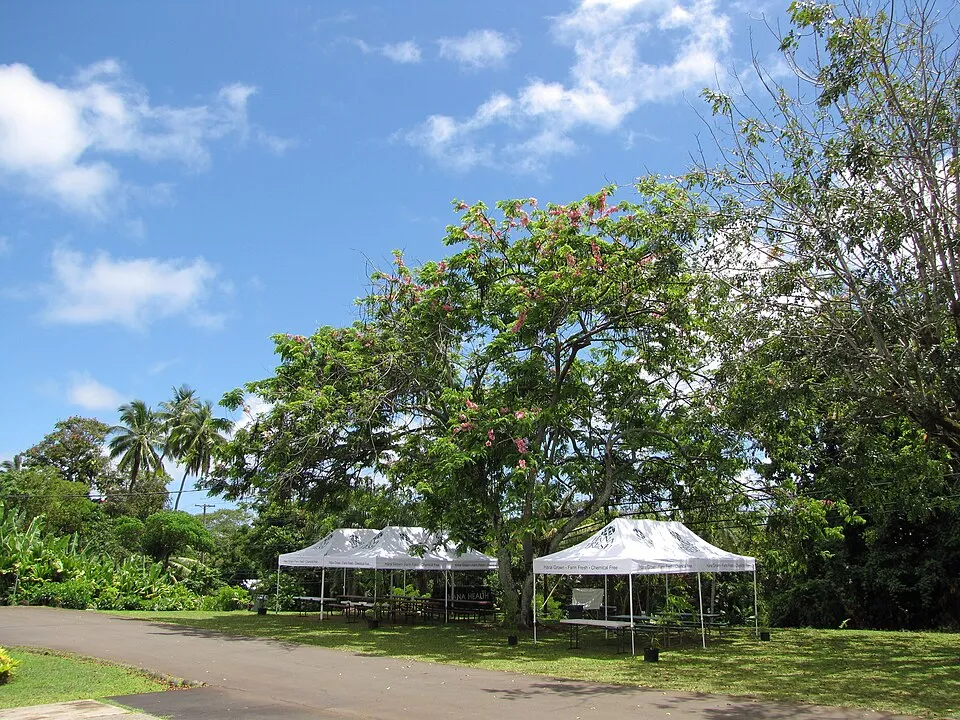
You can also explore Maui Bees Farm in Kula for another perspective on Maui agriculture.
Farm experiences can help visitors better understand how Maui's elevation, volcanic soil, climate, and agricultural traditions contribute to the food grown across the island.
Farmers markets tend to be most enjoyable when you arrive earlier in the day. Popular produce and prepared foods can sell out, especially at busy weekend markets.
Bring a reusable shopping bag and consider carrying some cash, although payment options vary by vendor. If you're staying somewhere with a kitchen, farmers markets can also be an excellent place to pick up ingredients for breakfast, snacks, or dinner.
Most importantly, remember that farmers markets are working community spaces. Talk with vendors, ask what was grown locally, try something unfamiliar, and learn about the people producing the food.
Market schedules and vendor participation can change, so verify current hours before making a special trip.
The Upcountry Farmers Market is one of Maui's most popular choices, especially for travelers interested in local produce and Maui-grown products. Its Upcountry location also makes it easy to combine the market with Makawao, Kula, farm experiences, and other attractions.
Depending on the market and season, visitors may find tropical fruit, vegetables, flowers, coffee, honey, baked goods, prepared foods, jams, sauces, seafood, crafts, artwork, and other locally made products.
Activities depend on which market you visit. An Upcountry market can be combined with Makawao, Kula, farm tours, Haleakalā-area sightseeing, or North Shore adventures. South Maui markets pair easily with Kīhei and Wailea beaches, while West Maui markets can be combined with Nāpili, Kapalua, or Kāʻanapali.
Yes. Farmers markets offer visitors an opportunity to support local growers and businesses while experiencing Maui's food and agricultural culture. They're also an easy activity to add to a morning before heading to the beach or another attraction.
Look for seasonal Maui-grown fruit and foods you may not commonly find at home. Papaya, apple bananas, lilikoi, coconut, avocado, breadfruit, local honey, baked goods, and locally roasted coffee are all worth watching for.
Maui has farmers markets operating on different days of the week. Saturday is particularly popular, with markets such as the Upcountry Farmers Market and Maui Swap Meet operating in the morning. Other markets operate during the week in Kīhei, Upcountry, West Maui, and Hāna.
Yes, particularly if you choose an Upcountry farmers market. Upcountry communities sit along the slopes of Haleakalā, making it possible to build an itinerary that includes a market, Kula or Makawao, and Haleakalā. Keep driving times and park requirements in mind when planning your day.
Maui offers plenty beyond its coastline. Visitors can explore farmers markets and farms, hike, zipline, tour Upcountry, discover Makawao's paniolo heritage, drive the Road to Hāna, visit ʻĪao Valley, explore Haleakalā, and experience locally owned shops and restaurants.
Absolutely. A morning farmers market can be an easy, relaxed family activity where kids can see tropical fruits, try local foods, browse handmade products, and learn a little about how food is grown on Maui. Pairing the market with a farm visit, beach stop, or other outdoor activity can create a full family-friendly Maui day.
Choose a market based on where you're staying, visit early, and plan nearby attractions afterward. For example, start at an Upcountry farmers market, explore Makawao and Kula, add an outdoor adventure or farm experience, and finish your day along Maui's North Shore. This keeps driving manageable while giving you a taste of several different sides of the island.
If you would like to read and learn more about interesting things in Hawaii! Check out our blog page here on our website!
or
Image Credits:
Blog Photos:
Kīpahulu Fruit Stand, Maui — Photo by Yurivict. Public domain. Source: Wikimedia Commons.
Upcountry Farmers’ Market, Maui — Photo by Phil Venditti. Licensed under the Creative Commons Attribution 2.0 Generic (CC BY 2.0). Source: Wikimedia Commons.
Farmers Market at Hāna Hospital, Maui — Photo by Forest & Kim Starr. Licensed under the Creative Commons Attribution 3.0 United States (CC BY 3.0 US). Source: Wikimedia Commons.
Olowalu Fruit Stand, Maui — Photo by Kirt Edblom. Licensed under the Creative Commons Attribution-ShareAlike 2.0 Generic (CC BY-SA 2.0). Source: Wikimedia Commons.
If you are dreaming of trading freezing temperatures, snow-covered roads, and heavy winter coats for warm beaches and tropical sunshine, Hawaii in the winter can be an incredible escape. But just how warm is Hawaii during the winter months?
The good news is that Hawaii in the winter temperature range remains pleasantly warm compared with most of the continental United States. At sea level, Hawaii's average daytime winter temperature is around 78°F (25.6°C), with nighttime temperatures generally about 10 degrees cooler.
Winter does bring some changes, however. Cooler evenings, increased rainfall, larger ocean swells, and significant differences between sunny coastal areas and higher elevations can all affect what visitors experience. Understanding Hawaii's winter weather can make it much easier to decide what to pack, where to stay, and which activities to plan.
Hawaii generally recognizes two primary seasons: summer (kau), from May through October, and winter (hoʻoilo), from November through April. Unlike destinations with four dramatically different seasons, Hawaii experiences relatively small temperature changes throughout the year.
According to Hawaii's official tourism website, average daytime temperatures at sea level are approximately 78°F during winter, compared with about 85°F during summer. Nighttime temperatures are typically around 10°F cooler.
For travelers visiting in December, January, or February, that generally means plenty of weather suitable for beaches, hiking, sightseeing, snorkeling, and other outdoor activities.
January and February are among the cooler months. Typical daytime highs across popular coastal destinations are often in the upper 70s to low 80s, while nighttime temperatures can fall into the 60s.
For perspective, Honolulu averages around 81°F for the daytime high and 67°F for the nighttime low in both January and February.
Along the coast, "cold" is relative.
A morning temperature in the upper 60s might feel chilly to a Hawaii resident, but visitors arriving from snowy climates may find it extremely comfortable. During the afternoon, sunshine can quickly make temperatures in the upper 70s or low 80s feel much warmer.
Elevation is where things change dramatically.
Hawaii contains numerous microclimates because of its mountains, trade winds, and volcanic geography. Visitors can encounter warm beaches, tropical rainforests, dry landscapes, and genuinely cold alpine conditions during the same vacation.
This is particularly important on Maui and Hawaii Island. Visiting the summit of Haleakalā on Maui or high-elevation areas around Mauna Kea on Hawaii Island is nothing like spending the afternoon on the beach.
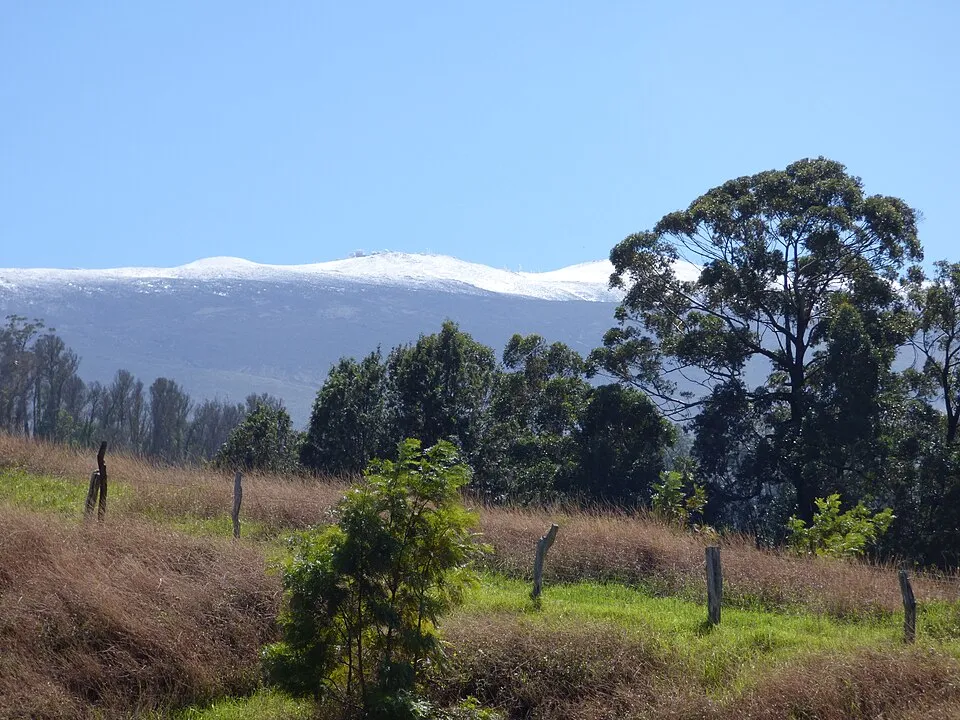
Temperatures at high elevations can become extremely cold, especially overnight and around sunrise. Winter snow can even occur on Hawaii's highest volcanic summits.
So, while you probably won't need a winter jacket for Waikiki or Wailea, warm layers can be essential for high-elevation adventures.
Yes. Winter is generally considered Hawaii's wetter season.
However, that does not mean visitors should expect nonstop rain throughout their vacation. The National Weather Service notes that winter weather can become more unsettled as storm systems and cold fronts reach the islands. At the same time, normal trade-wind conditions still occur frequently, bringing sunshine mixed with relatively brief showers.
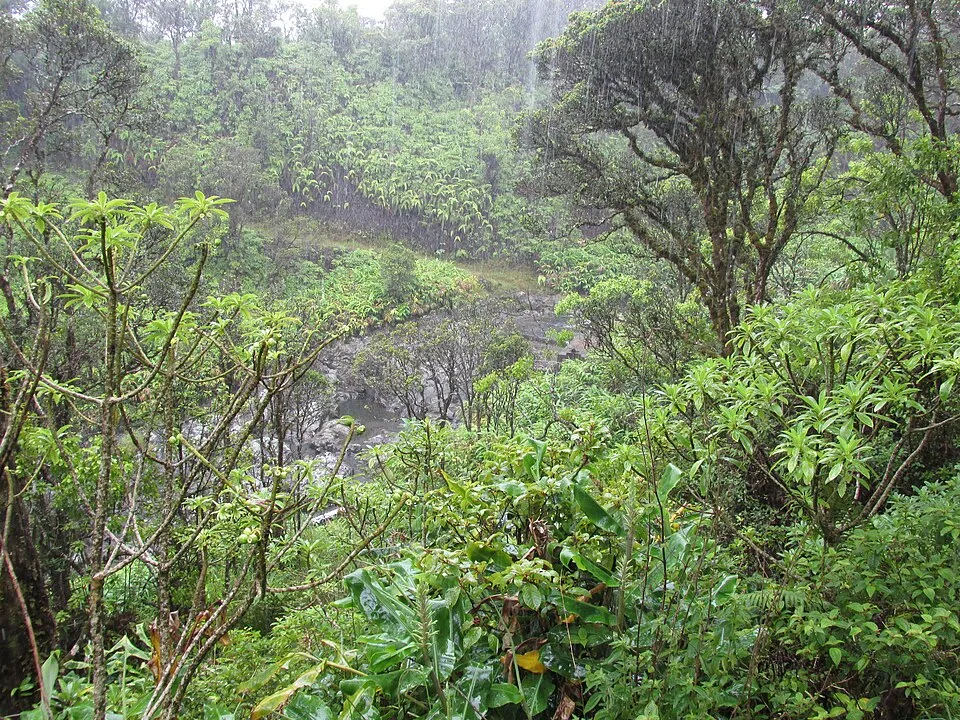
Where you stay also makes a major difference.
Hawaii's mountains create significant differences between windward and leeward areas. Windward areas generally receive more clouds and rainfall, while many leeward resort areas tend to be sunnier and drier.
For example, on Maui, conditions around Kapalua or Hāna can be very different from those around Kīhei and Wailea on the same day.
That variety is part of Hawaii's tropical climate. A rainy morning doesn't necessarily mean an entire day of activities needs to be canceled.
The Pacific Ocean surrounding Hawaii plays a major role in keeping the islands' temperatures relatively stable.
According to the National Weather Service, sea surface temperatures around Hawaii generally reach their annual low of approximately 73°F to 74°F in late February and March, compared with around 80°F near their early-fall peak.
For many visitors, the ocean is still comfortable enough for swimming, snorkeling, surfing, and other water activities during winter.
Ocean conditions, however, deserve just as much attention as ocean temperature.
Winter produces some of Hawaii's largest surf, particularly along exposed north-facing shores. Hawaii's official tourism website describes winter as the heart of the islands' surf season, with large and consistent swells attracting experienced surfers.
Always check local ocean conditions and posted warnings before entering the water.
Temperature is only one reason travelers choose Hawaii during winter.
December through the winter months combines warm tropical weather with several seasonal experiences that aren't available year-round. Most notably, winter falls within Hawaii's humpback whale season, making it an especially exciting time for visitors interested in whale watching.
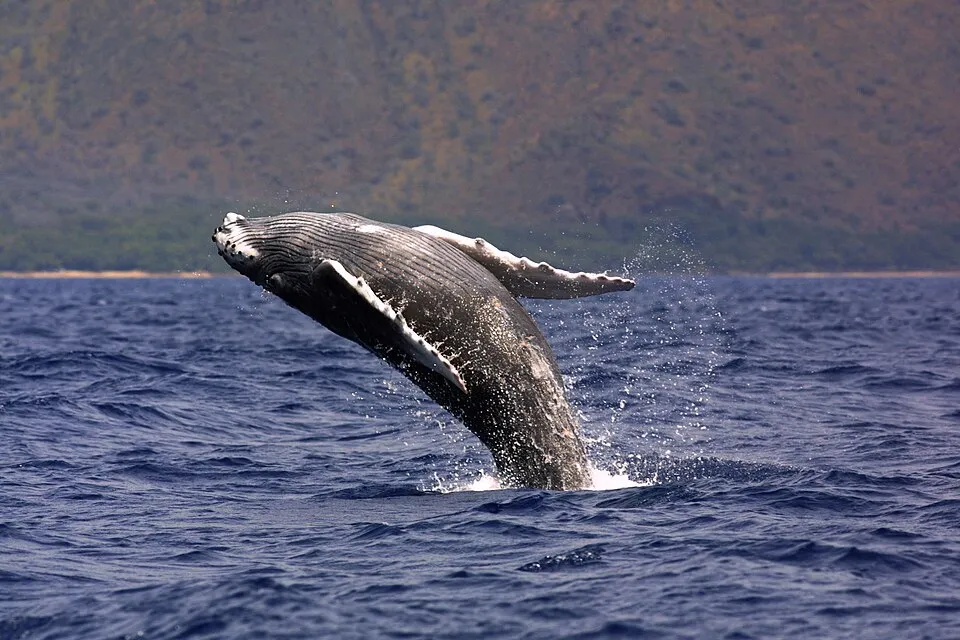
Winter is also an excellent season for hiking, sightseeing, scenic drives, ziplining, cultural experiences, and exploring Hawaii's diverse landscapes without the hottest temperatures of the year.
Surfers have another reason to visit: winter brings powerful swells to Hawaii's famous north-facing surf breaks.
The trade-off is that winter—particularly the holiday period—is a popular travel season. Travelers may encounter higher demand for airfare, accommodations, rental cars, and popular activities.
Packing for a Hawaii winter vacation usually doesn't require an entirely different wardrobe from a summer trip.
Shorts, T-shirts, swimsuits, sandals, sun protection, and lightweight clothing will still be useful for most days. However, adding a light sweater, sweatshirt, or rain jacket is a smart idea for cooler mornings, evenings, rainy weather, and higher elevations.
If you're planning a Haleakalā sunrise or another high-elevation excursion, bring genuinely warm layers rather than relying solely on beach clothing.
It is also smart to pack based on your planned activities instead of looking only at Hawaii's average temperature. A traveler spending a week at a beachfront resort will have very different clothing needs from someone planning rainforest hikes and summit adventures.
For many travelers, absolutely.
Hawaii's winter temperatures provide an appealing balance: warm enough to enjoy the beach and ocean but generally cooler than the hottest months of the year. There may be more rain, particularly in windward areas, but sunny weather remains common.
The combination of roughly upper-70s to low-80s coastal daytime temperatures, warm ocean water, whale season, dramatic winter surf, lush scenery, and outdoor activities makes winter one of Hawaii's most distinctive seasons.
If your idea of winter involves escaping freezing temperatures without giving up outdoor adventures, Hawaii is difficult to beat.
For current forecasts and additional trip-planning information, these resources can help:
At sea level, Hawaii's average daytime winter temperature is approximately 78°F (25.6°C). Nighttime temperatures are generally about 10°F cooler.
Coastal areas generally remain warm during December, with daytime temperatures commonly reaching the upper 70s or low 80s. For example, Honolulu's normal December high is around 82°F.
Yes. Many visitors swim, snorkel, surf, and participate in other ocean activities throughout winter. Sea surface temperatures around Hawaii reach their coolest levels around 73°F to 74°F in late February and March.
February and March tend to be Hawaii's coolest period because the surrounding Pacific Ocean takes time to cool after summer.
Snow is possible at the highest elevations, particularly on Hawaii Island's tallest volcanic summits. Coastal resort areas do not experience snowy winter conditions.
Winter is Hawaii's wetter season, but rain varies considerably by island, elevation, and whether you are staying on the windward or leeward side. Rain does not necessarily last all day, and sunny periods are common even during winter.
All three can be excellent months. December offers holiday travel and warm weather, while January and February generally bring slightly cooler temperatures and remain excellent months for seasonal activities such as whale watching.
Light summer clothing is appropriate for most coastal areas during the day. Bring a light jacket or sweatshirt for evenings, rain protection for changing weather, and significantly warmer clothing if visiting high-elevation locations such as Haleakalā.
Yes. Maui's coastal resort areas remain pleasantly warm throughout winter. Conditions vary considerably around the island, however, because elevation and geography create distinct microclimates.
It depends on your priorities. Winter offers slightly cooler temperatures, whale watching, powerful surf, and lush landscapes, while summer typically brings warmer temperatures and generally more consistent dry-season conditions.
If you would like to read and learn more about interesting things in Hawaii! Check out our blog page here on our website!
or
Image Credits:
Blog Photos:
Mauna Kea Snow as Seen from Hilo — Photo by International Gemini Observatory/NOIRLab/NSF/AURA/K. Puʻuohau-Pummill. Licensed under the Creative Commons Attribution 4.0 International (CC BY 4.0). Source: Wikimedia Commons.
Snow on Haleakalā, Maui — Photo by Forest & Kim Starr. Licensed under the Creative Commons Attribution 3.0 Unported (CC BY 3.0). Source: Wikimedia Commons.
Waikamoi Stream and Rain, Haʻikū Uka, Maui — Photo by Forest & Kim Starr. Licensed under the Creative Commons Attribution 3.0 United States (CC BY 3.0 US). Source: Wikimedia Commons.
Breaching Humpback Whale, Hawaiian Islands Humpback Whale National Marine Sanctuary — Photo by NOAA / National Marine Sanctuaries. Public domain. Source: Wikimedia Commons.
Planning a family vacation to Maui means finding activities that everyone—from young children to grandparents—can enjoy together. Fortunately, Maui is filled with adventures that combine beautiful scenery, Hawaiian culture, wildlife, and outdoor fun. Whether your family wants to relax on the beach, explore lush rainforests, discover marine life, or experience thrilling adventures, the Valley Isle offers something for every age and interest.
If you're asking which Maui activities are family-friendly, this guide highlights some of the island's best experiences to help you build an unforgettable itinerary.
One of the most memorable family adventures on Maui is a guided zipline tour.
NorthShore Zipline, located in Haʻikū on Maui's North Shore, offers an exciting experience that combines adventure with education. Families soar through towering eucalyptus forests while learning about Maui's natural environment, Hawaiian history, and conservation efforts from knowledgeable guides.
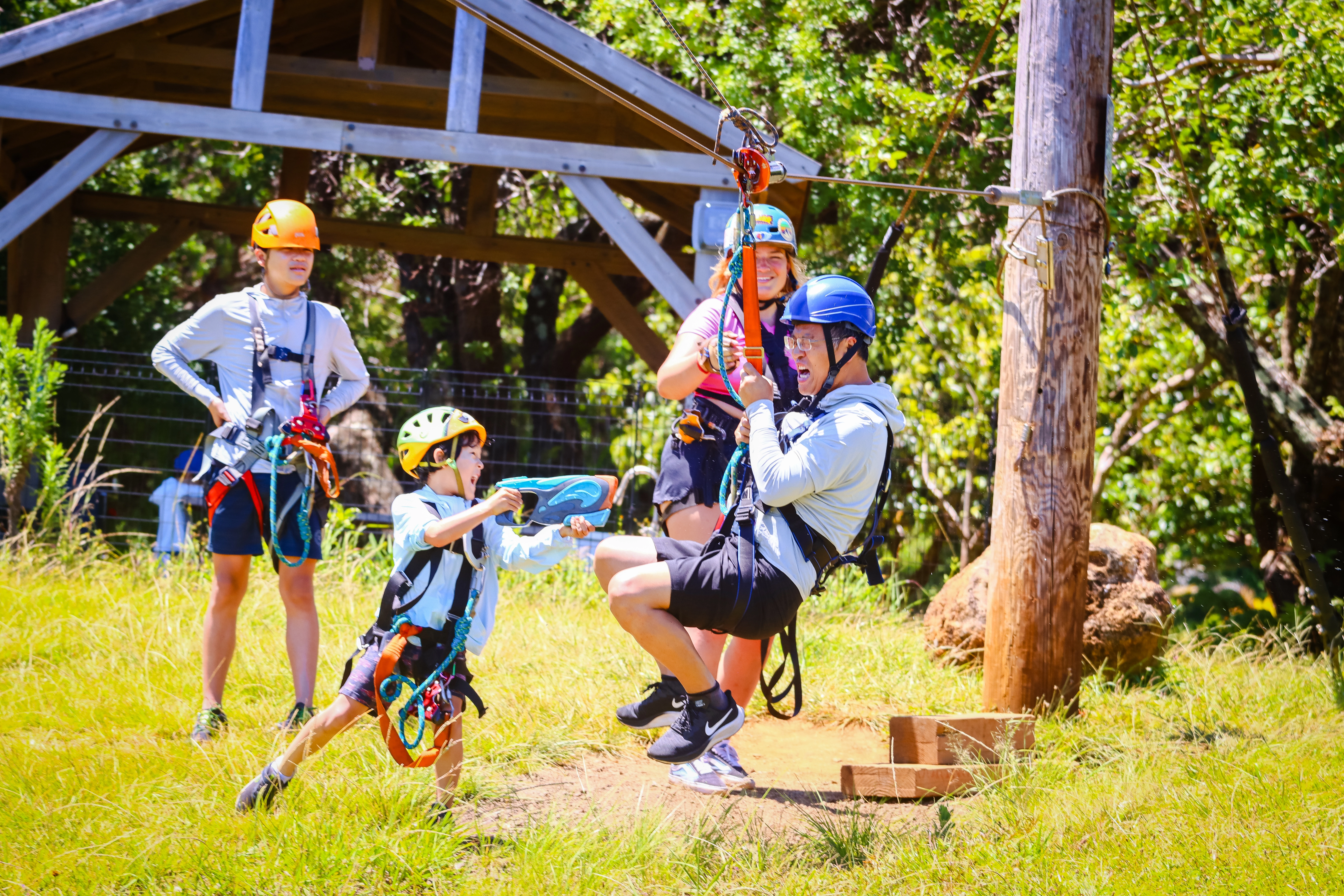
Many families choose ziplining because it offers:
Be sure to check age, height, and weight requirements before booking to ensure everyone in your group qualifies.
No family vacation is complete without beach time.
Some of Maui's most family-friendly beaches include:
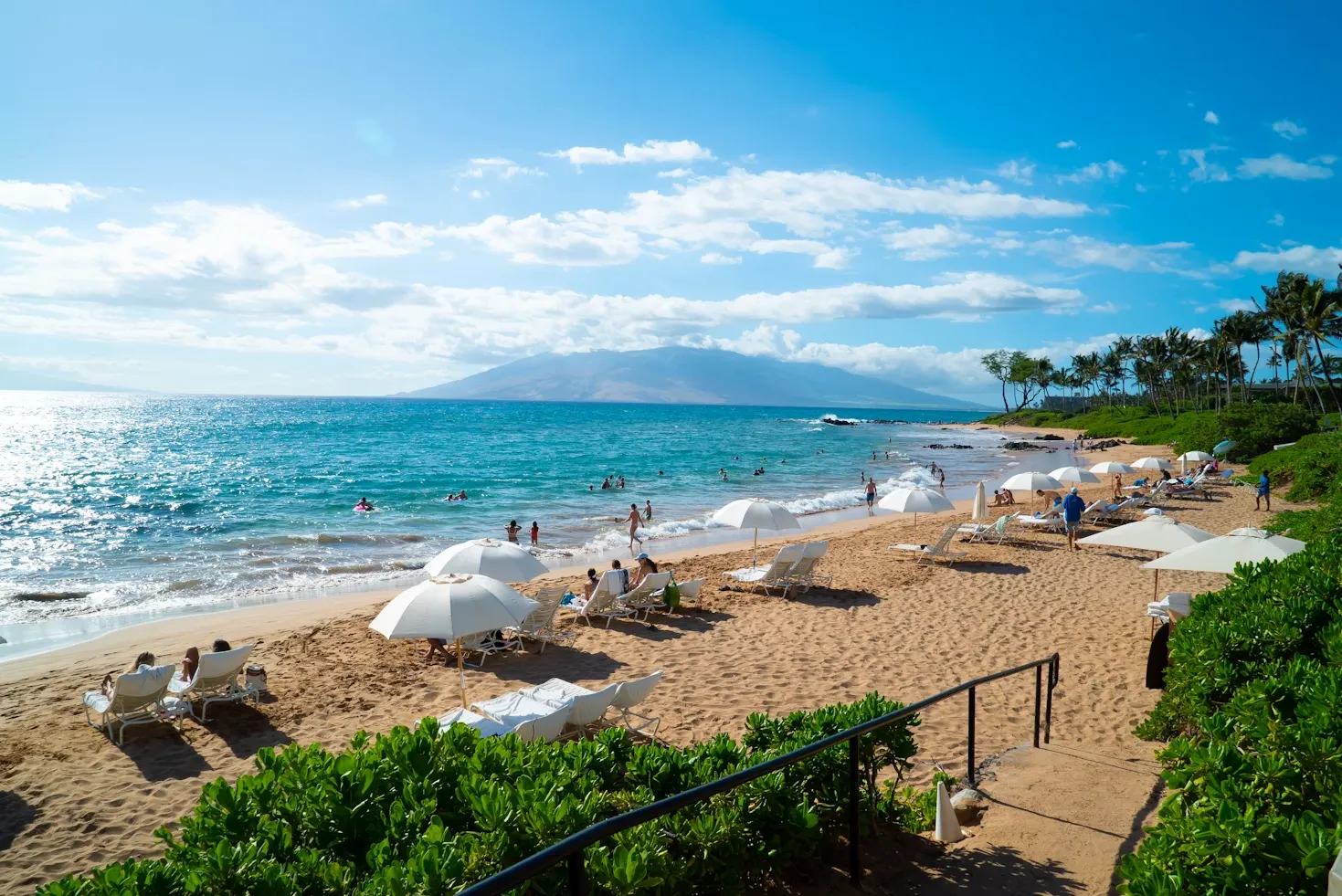
Known for calm, shallow water protected by an offshore reef, Baby Beach is a favorite for families with younger children.
Gentle waves and excellent snorkeling make Napili Bay perfect for both swimming and relaxing.
Located in Kīhei, these beaches feature lifeguards, grassy picnic areas, restrooms, and calm swimming conditions during favorable weather.
Always check ocean conditions before entering the water, as surf can change quickly.
Haleakalā offers families a chance to experience one of Maui's most remarkable natural wonders.
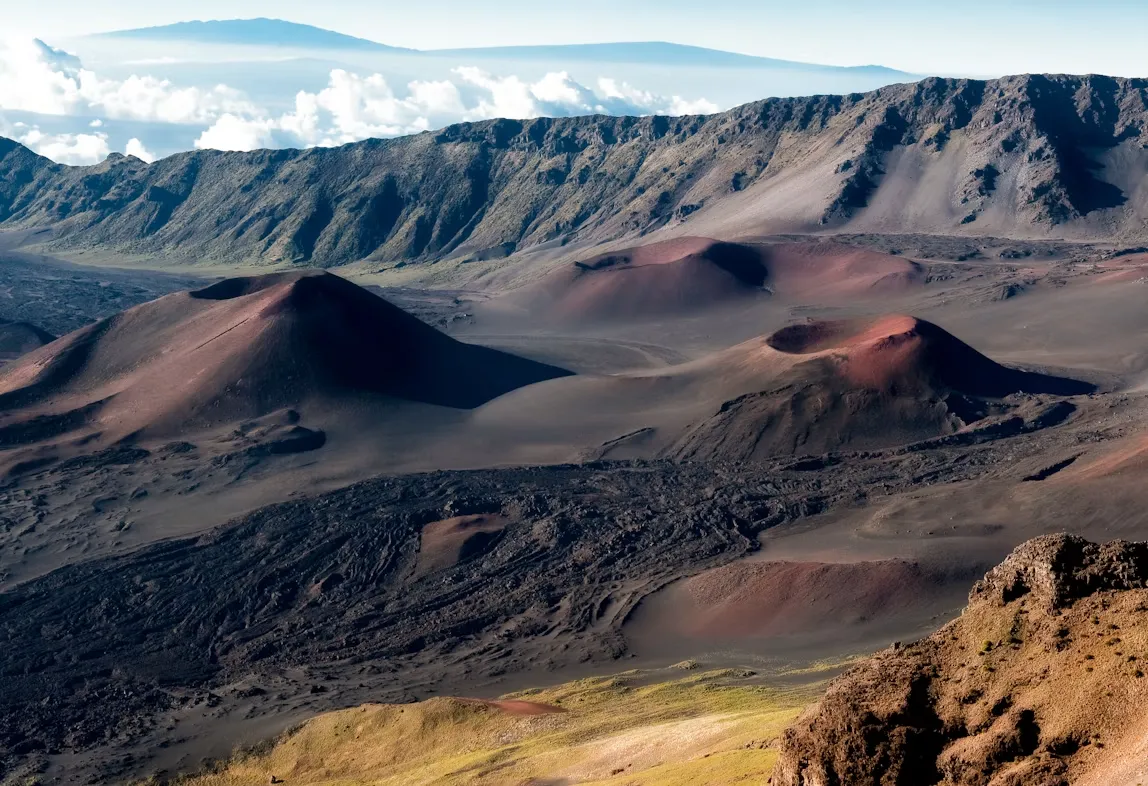
Families can enjoy:
While sunrise requires reservations, visiting later in the day can provide a more relaxed experience with fewer crowds.
Remember to bring jackets—the summit is much cooler than the beaches.
The Road to Hāna is an adventure the entire family can enjoy when taken at a relaxed pace.
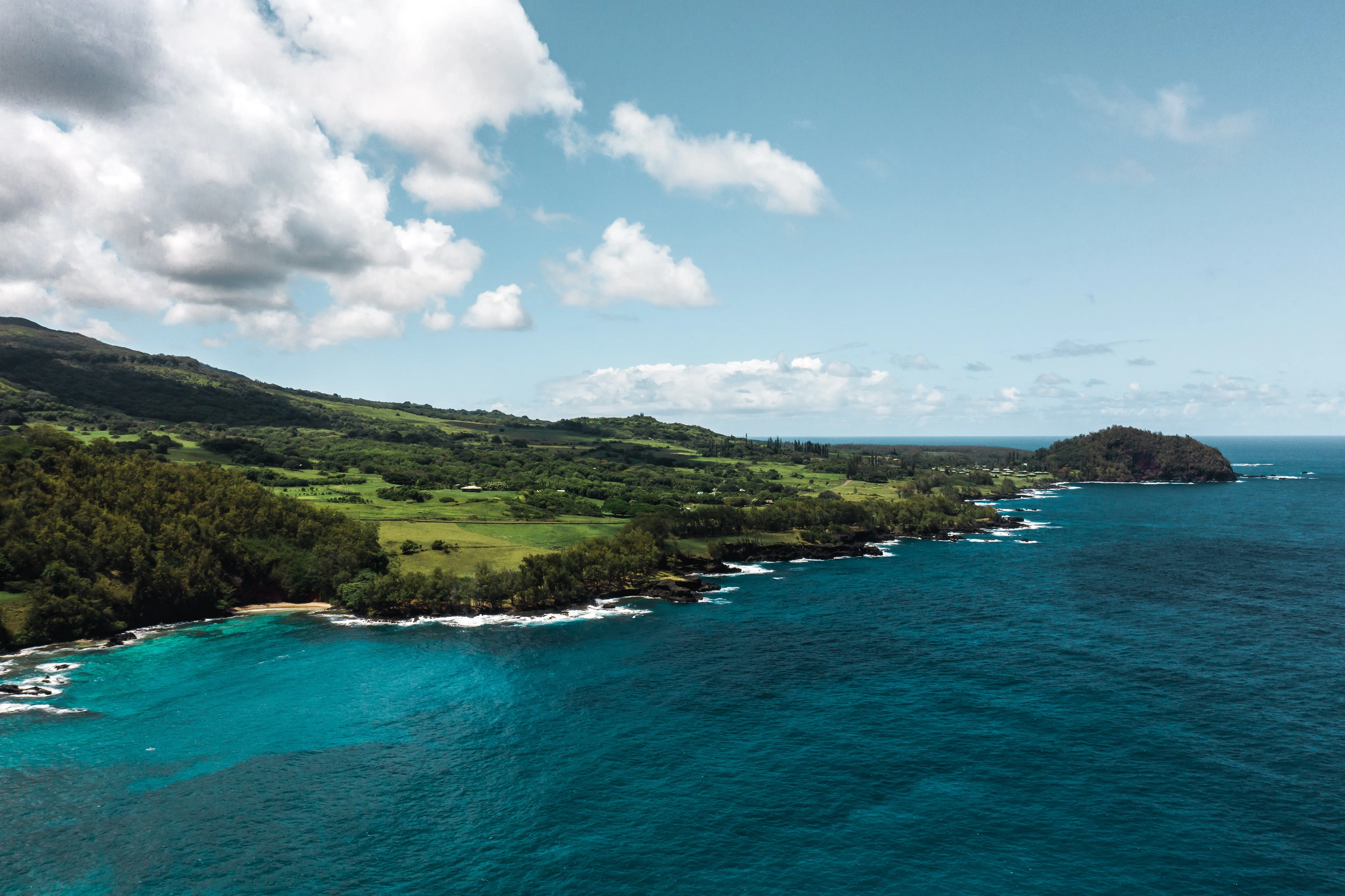
Popular family-friendly stops include:
Rather than rushing to reach Hāna, plan plenty of stops to let children stretch, explore, and enjoy the scenery.
Packing snacks, water, and entertainment for younger travelers makes the drive even more enjoyable.
Snorkeling allows families to discover Maui's incredible underwater world.
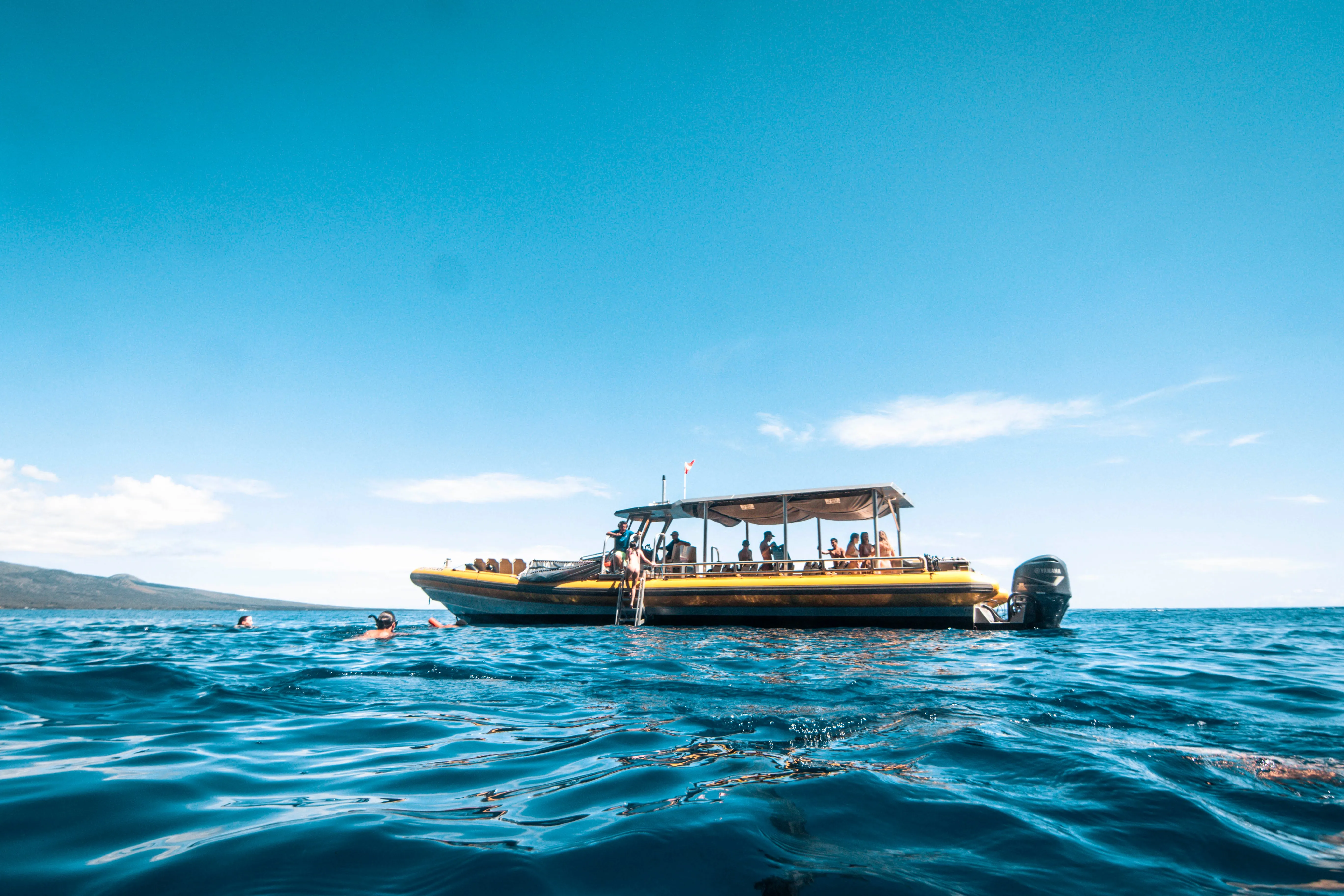
Popular beginner-friendly locations include:
Families often encounter:
Children who aren't ready for deeper snorkeling can still enjoy swimming near shore with proper supervision.
For families seeking an easy outdoor adventure, ʻĪao Valley is an excellent choice.
The paved walking paths lead visitors through lush tropical scenery while showcasing the famous ʻĪao Needle rock formation.
Families enjoy:
It's one of the easiest ways to experience Maui's natural beauty without a strenuous hike.
Hoʻokipa Beach Park is famous for its resident Hawaiian green sea turtles.
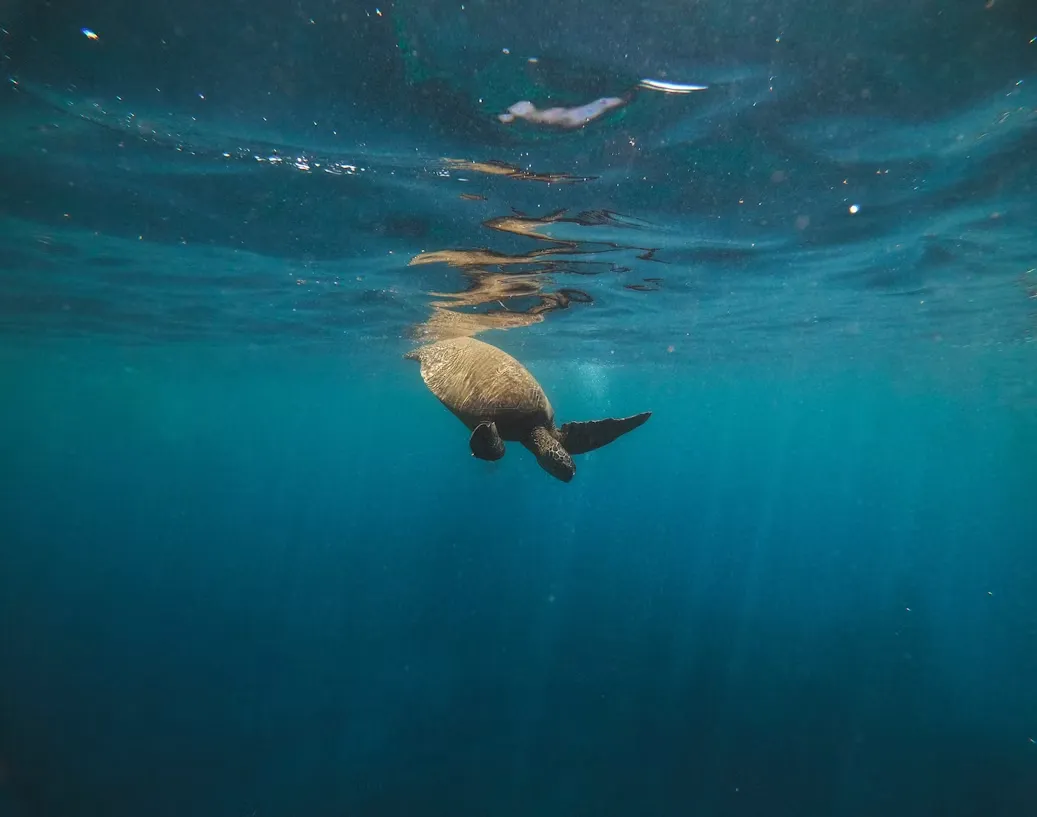
Late afternoons often bring dozens of turtles onto the beach to rest.
Children especially enjoy spotting:
Always observe wildlife from a respectful distance, as sea turtles are protected by federal law.
Many surf schools offer family-friendly lessons designed for beginners.
Professional instructors teach:
Private family lessons allow everyone to learn together while creating unforgettable vacation memories.
If your family wants a break from the sun, the Maui Ocean Center provides an outstanding educational experience.
Highlights include:
It's an excellent activity regardless of the weather.
Between December and April, humpback whales migrate to Maui's warm waters.
Family-friendly whale watching cruises often feature:
Seeing these magnificent animals in the wild is often the highlight of a Maui vacation.
Every family has different interests and energy levels. These tips can help everyone enjoy the trip:
Keeping your schedule balanced helps ensure everyone has a fun and relaxing vacation.
One of Maui's greatest strengths is its incredible variety of experiences. Families can spend one day exploring waterfalls, another snorkeling with tropical fish, another soaring through rainforest canopies, and another simply relaxing on a calm beach.
Whether your family enjoys adventure, wildlife, Hawaiian culture, or simply spending quality time outdoors, Maui offers activities suitable for nearly every age group and interest.
If you're researching which Maui activities are family-friendly, you'll quickly discover that the island is one of Hawaiʻi's best destinations for creating lifelong memories together.
Families with young children often enjoy Baby Beach, Maui Ocean Center, ʻĪao Valley State Monument, calm snorkeling beaches, scenic drives, and turtle watching at Hoʻokipa Beach.
Yes. Many zipline operators, including NorthShore Zipline, welcome families with children who meet the required age, height, and weight guidelines. Always review tour requirements before booking.
Some of the best outdoor activities include ziplining, beach days, snorkeling, Haleakalā National Park, the Road to Hāna, whale watching (seasonal), paddleboarding, and short nature walks.
Yes. Families can enjoy many beaches, scenic overlooks, turtle viewing areas, public parks, and several hiking trails with little or no admission cost.
Good rainy-day options include the Maui Ocean Center, scenic drives, local museums, shopping, and certain outdoor tours that continue safely in light rain depending on weather conditions.
Baby Beach, Napili Bay, Kamaʻole Beach Parks, and Kapalua Bay are among the most popular choices due to their generally calmer waters and family-friendly amenities.
Popular tours such as ziplining, snorkeling excursions, whale watching cruises, and sunrise reservations at Haleakalā should ideally be booked several weeks before your vacation, especially during peak travel seasons.
Bring reef-safe sunscreen, hats, reusable water bottles, snacks, swimsuits, towels, lightweight hiking shoes, sunglasses, and a light jacket for cooler areas like Haleakalā or Upcountry Maui.
If you would like to read and learn more about interesting things in Hawaii! Check out our blog page here on our website!
or
Image Credits:
Blog Photos:
"a beach filled with lots of white umbrellas next to the ocean" by Kenneth Oh, via Unsplash
"brown and red sand" by Jeff King, via Unsplash
"an aerial shot of a beautiful coast" by Katie Cerami, via Pexels
"people swimming close to motorboat out at sea" by Jake Houglum, via Pexels
"a sea turtle swimming in the ocean" by Núria Palat Pañella, via Unsplash
Planning a family vacation to West Maui? If you're searching for family-friendly activities in Lahaina and nearby Maui attractions, you'll find plenty of memorable experiences for every age. From calm beaches and wildlife encounters to scenic adventures and cultural attractions, Lahaina and the surrounding West Maui region offer something for toddlers, teens, parents, and grandparents alike.
Although Lahaina continues its long-term recovery following the 2023 wildfires, many nearby attractions, beaches, restaurants, and activity providers are welcoming visitors once again. Visiting respectfully while supporting local businesses helps contribute to the community's continued rebuilding.
One of the best places for families with younger children is Baby Beach (Puʻunoa Beach). Protected by an offshore reef, the water here remains calm and shallow, making it ideal for toddlers and young swimmers.
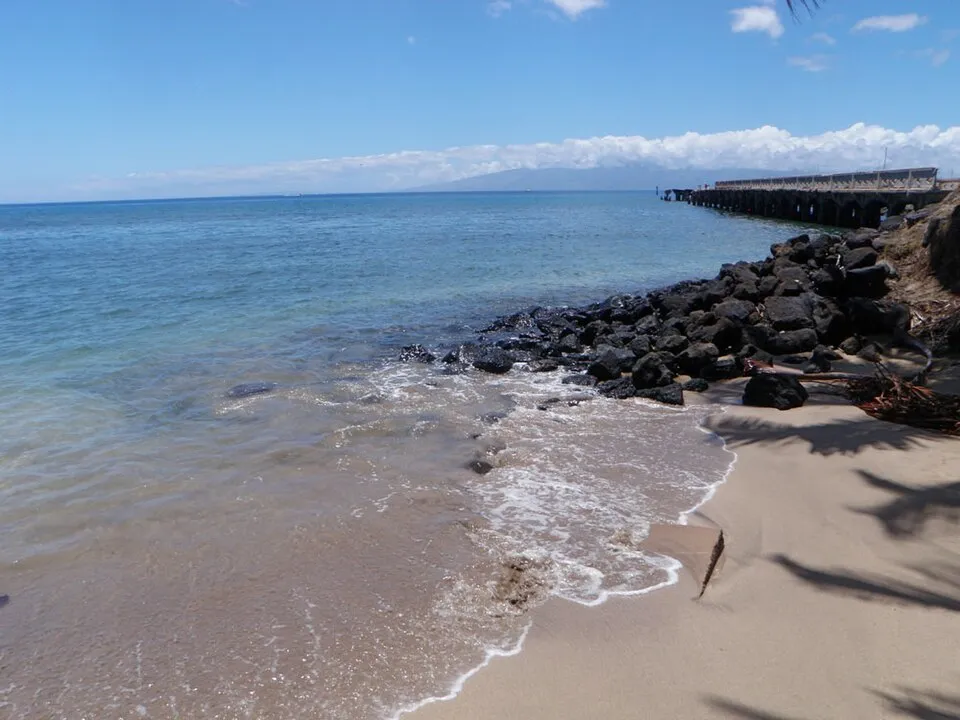
Parents appreciate:
Remember to bring reef-safe sunscreen, drinking water, and shade since natural shade can be limited during midday.
Just north of Lahaina, Kaʻanapali Beach consistently ranks among Maui's most family-friendly destinations.
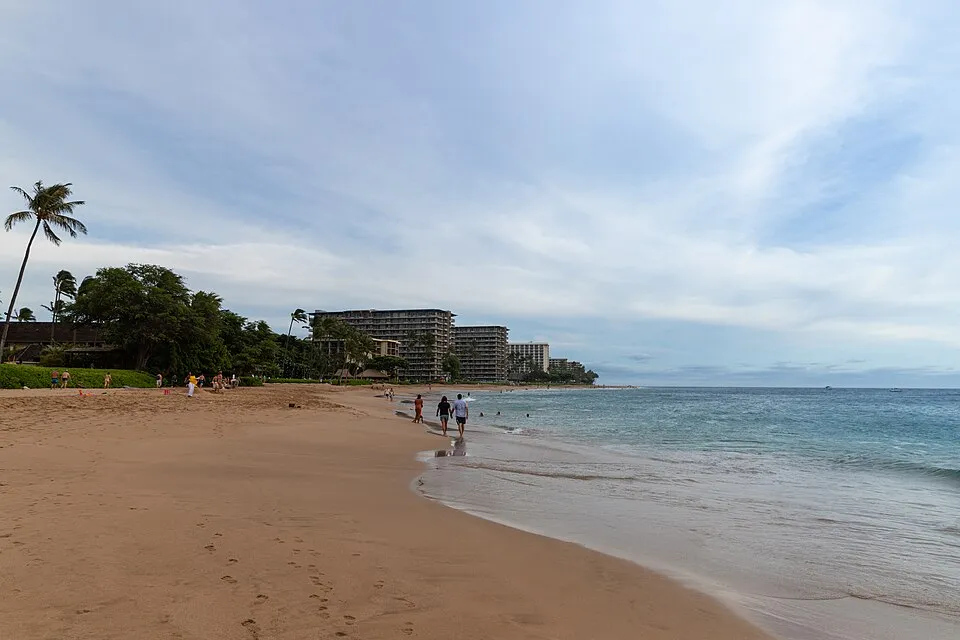
Kids love:
Parents enjoy the nearby restaurants, shopping, and easy parking options. The beach is also perfect for introducing children to snorkeling because of its generally calm morning conditions.
If you're visiting between December and April, whale watching becomes one of the most unforgettable family experiences on Maui.
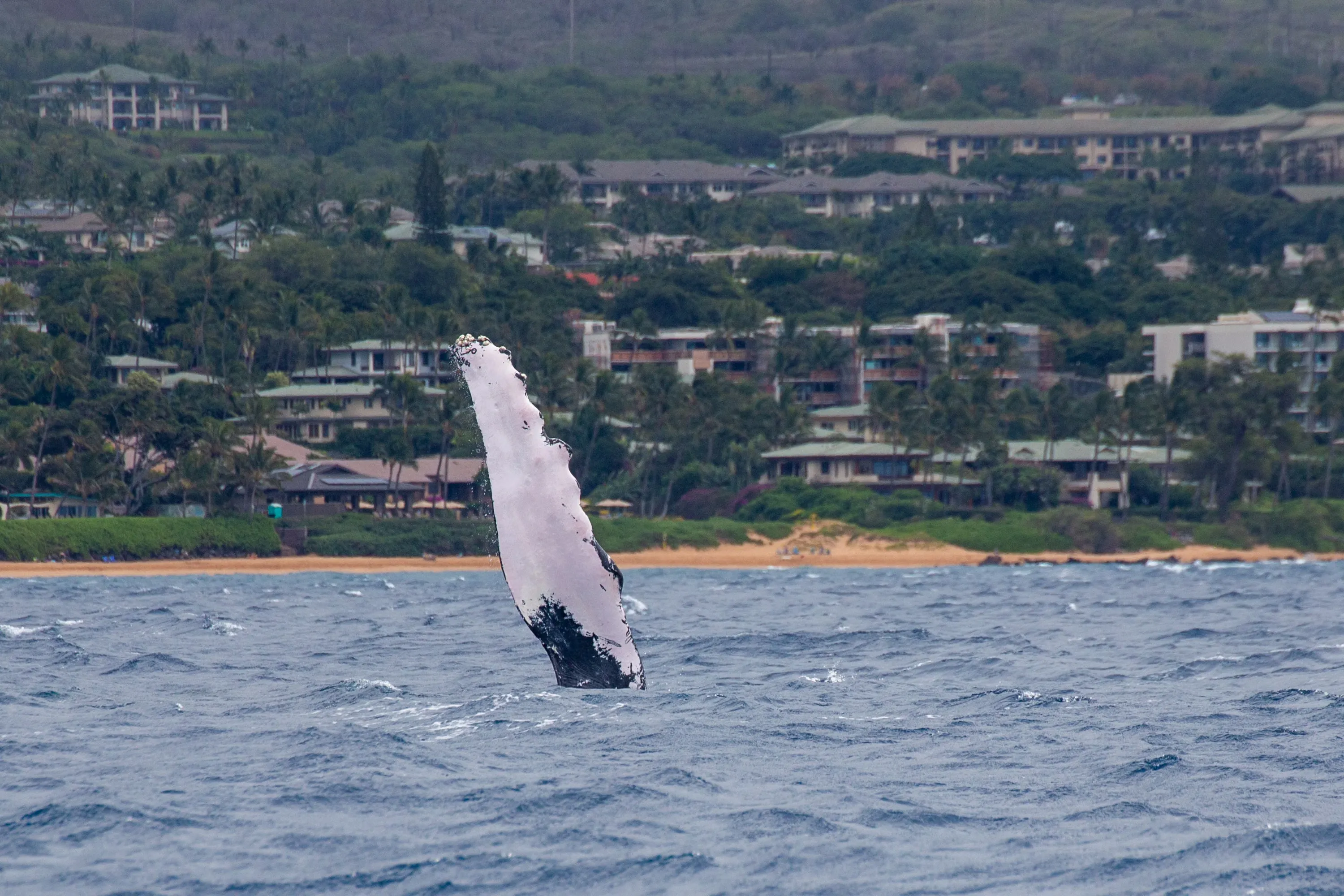
Every winter, thousands of North Pacific humpback whales migrate to Hawaiian waters.
Children often enjoy spotting:
Many West Maui boat tours provide kid-friendly narration that teaches families about whale behavior and marine conservation.
West Maui offers excellent beginner snorkeling locations.
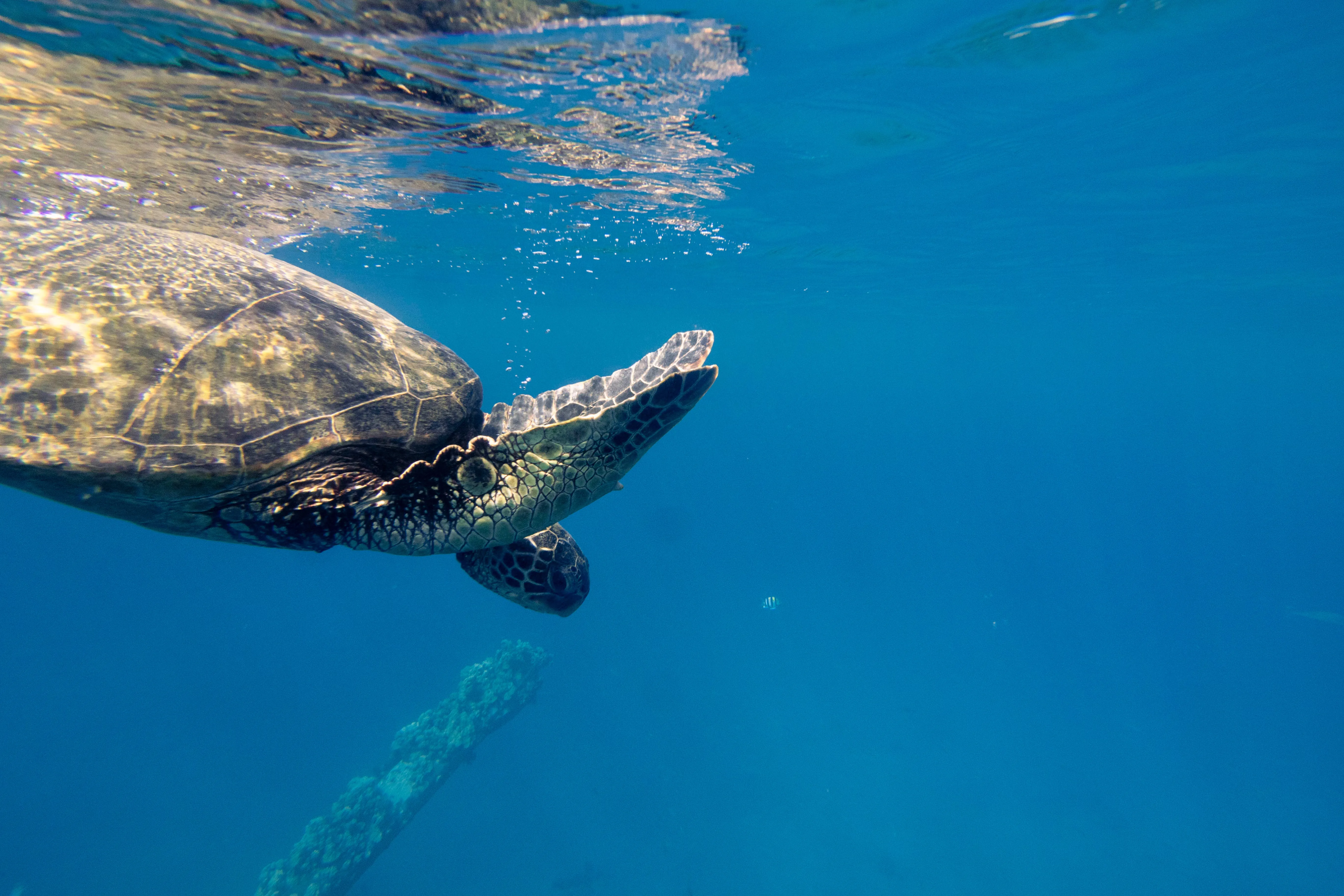
Popular family options include:
You'll commonly see:
Morning hours usually provide the calmest water conditions for children.
Always check ocean conditions before entering the water.
Families with adventurous kids often enjoy adding a zipline experience to their Maui itinerary.
Many Maui ziplines offer courses designed for first-time riders with professionally trained guides, scenic rainforest views, and educational information about native Hawaiian plants and wildlife.
For children who meet minimum age and weight requirements, ziplining often becomes one of the highlights of their vacation while giving parents incredible panoramic views of Maui.
Located in nearby Māʻalaea Harbor, the Maui Ocean Center is one of Hawaii's premier family attractions.
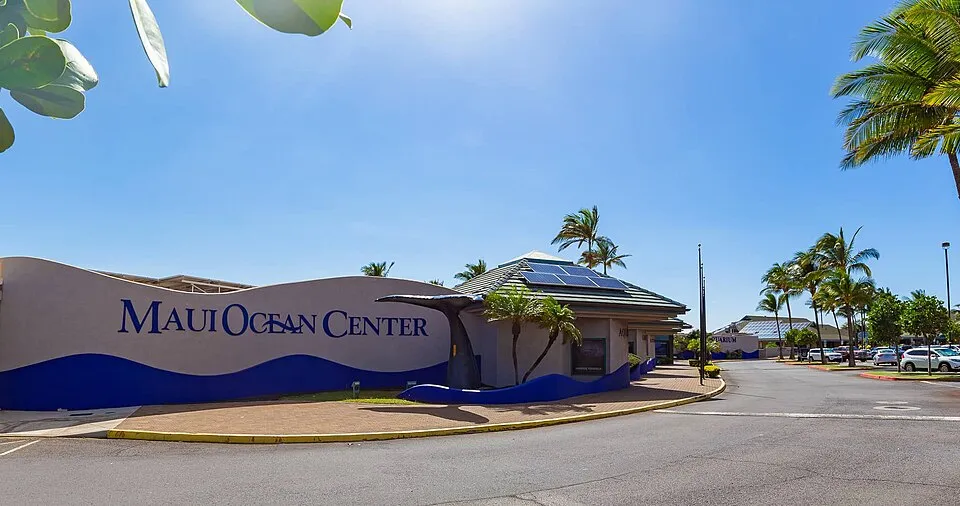
Children can explore:
Interactive educational displays help younger visitors understand ocean conservation while remaining entertaining for adults.
This is also an excellent rainy-day activity.
Families who enjoy scenic drives can explore portions of the beautiful West Maui coastline.
Along the way you'll discover:
Unlike longer island drives, families can customize their route depending on children's ages and attention spans.
A Hawaiian lūʻau introduces children to Hawaiian culture through:
Many family-friendly lūʻaus offer early evening performances that work well with younger children's schedules.
Families looking for slower-paced afternoons can visit community parks throughout West Maui.
These parks often feature:
They're excellent places for children to burn energy between larger activities.
Lahaina remains a place of deep cultural importance and ongoing recovery.
Families can help by:
Many local residents continue encouraging respectful tourism because it directly supports Maui families and businesses rebuilding after the wildfire.
A balanced family day near Lahaina might look like this:
This itinerary keeps driving minimal while providing a mix of relaxation, education, adventure, and Hawaiian culture.
Popular choices include Baby Beach, Kaʻanapali Beach, whale watching (winter), snorkeling, the Banyan Tree, Maui Ocean Center, ziplining, and traditional Hawaiian lūʻaus.
Yes. While portions of historic Lahaina remain under reconstruction, many surrounding beaches, restaurants, parks, and family attractions are open and welcoming respectful visitors.
Absolutely. Beaches, scenic drives, public parks, walking along Kaʻanapali Beach, and visiting the Banyan Tree area are excellent low-cost or free activities.
Baby Beach (Puʻunoa Beach) is often considered the top choice because of its calm, shallow water protected by an offshore reef.
Maui Ocean Center, Kaʻanapali Beach, Kapalua Bay, Haleakalā National Park, seasonal whale watching tours, and family-friendly zipline adventures are all excellent additions to a West Maui vacation.
Many beginner-friendly beaches offer calm morning conditions suitable for children, but families should always check ocean conditions, supervise young swimmers, and use properly fitted snorkeling equipment.
Visitors should remain respectful of recovery efforts, avoid restricted areas, support local businesses whenever possible, and understand that rebuilding continues while much of West Maui remains open for tourism.
If you would like to read and learn more about interesting things in Hawaii! Check out our blog page here on our website!
or
Image Credits:
Hero:
"view of a tropical beach with palm trees" by Yuanpang Wa, via Pexels
Other Photos in Blog:
Puʻunoa Beach, Lahaina, Maui — Photo by 808caver. Licensed under the Creative Commons Attribution-ShareAlike 4.0 International (CC BY-SA 4.0). Source: Wikimedia Commons.
Kāʻanapali Beach, Hawaiʻi — Photo by dronepicr. Licensed under the Creative Commons Attribution 2.0 Generic (CC BY 2.0). Source: Wikimedia Commons.
"fin of a humpback whale above the water surface" by Leif Blessing, via Pexels
"photo of a sea turtle with a shell" by Jake Houglum, via Pexels
Maui Ocean Center — Photo by Westend2011. Licensed under the Creative Commons Attribution-ShareAlike 4.0 International (CC BY-SA 4.0). Source: Wikimedia Commons.
Maui is famous for its stunning beaches, waterfalls, volcanic landscapes, and unforgettable adventures. But not every attraction is suited for every traveler. Families with young children often look for activities that are easy to access, educational, and entertaining, while adventurous visitors may prefer scenic hikes that lead to hidden waterfalls or panoramic viewpoints.
If you're planning a vacation and wondering which Maui attractions are best for families or kids, and which require more hiking, this guide will help you choose experiences that match your group's energy level.
The Maui Ocean Center in Maʻalaea is one of the island's top family-friendly attractions. Children can get an up-close look at Hawaiian reef fish, sea turtles, rays, and sharks while learning about Maui's unique marine ecosystem.
Highlights include:
It's an excellent choice for rainy days or families with toddlers who aren't ready for long outdoor adventures.
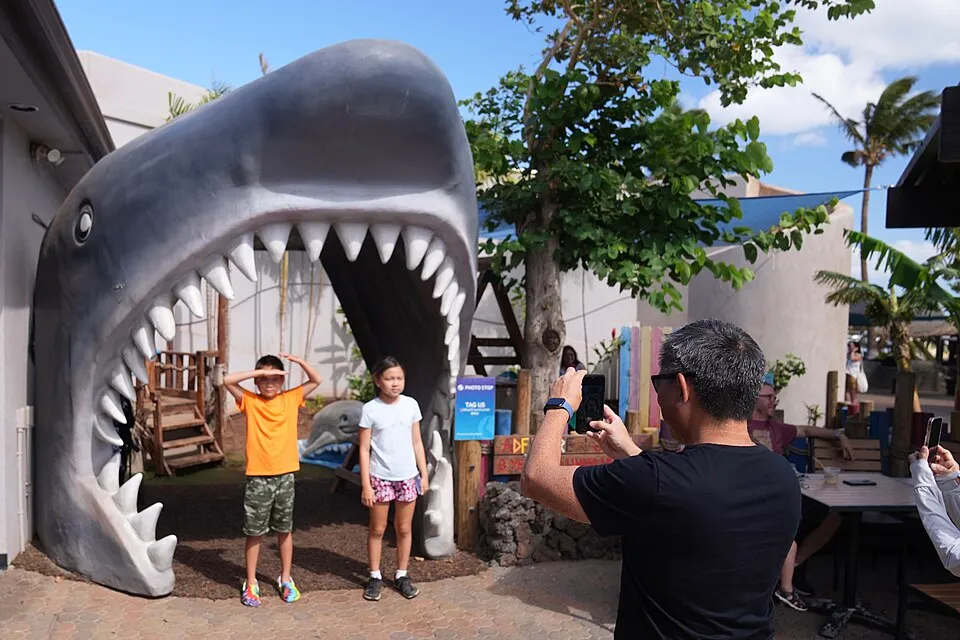
Website: https://mauioceancenter.com/
Many people assume ziplining is only for thrill seekers, but NorthShore Zipline is specifically designed to be family-friendly.
Located in Haʻikū, this experience combines adventure with education as guides share Maui history, native plants, and local wildlife throughout the tour.
Why families enjoy it:

Rather than spending hours hiking through muddy trails, families can enjoy incredible views while moving comfortably from platform to platform.
Website: https://nszipline.com/
ʻĪao Valley offers one of Maui's easiest scenic experiences.
Visitors can enjoy:
Because the walk is relatively short, it's a favorite stop for families with young children or grandparents traveling together.
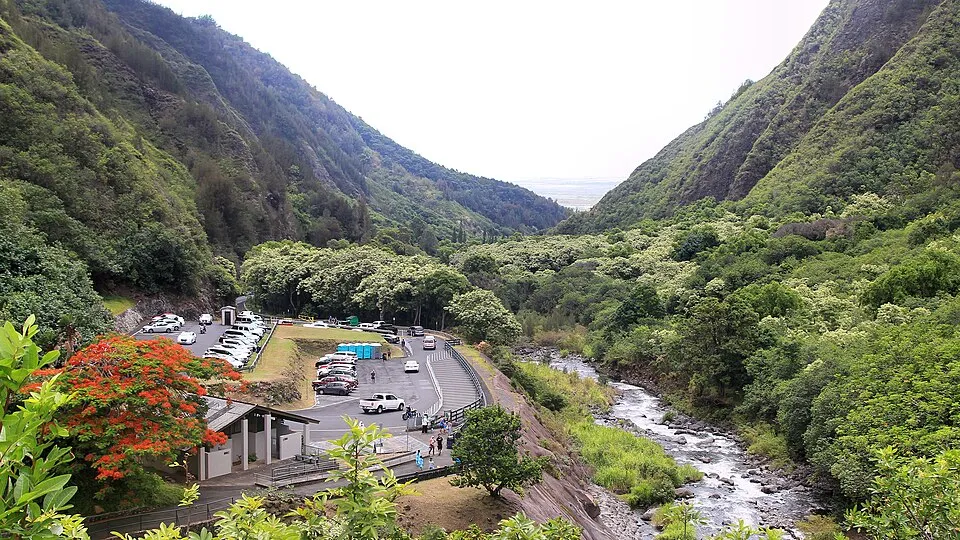
Website: https://dlnr.hawaii.gov/dsp/parks/maui/iao-valley-state-monument/
No family vacation is complete without beach time.
Kāʻanapali Beach features:
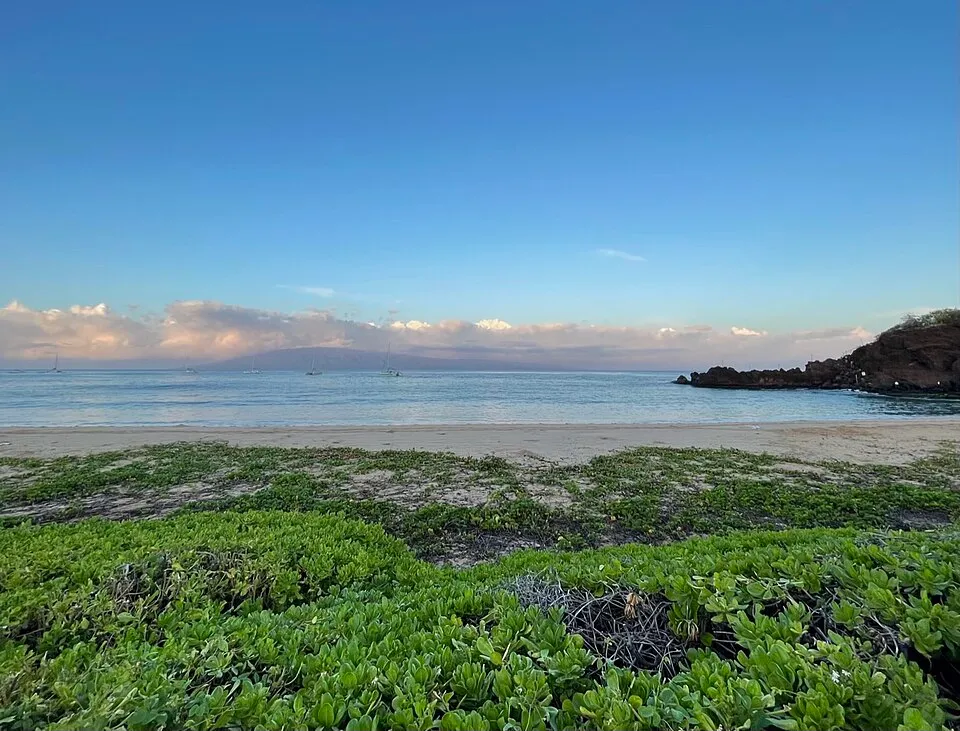
Older kids can even watch the nightly cliff-diving ceremony at Black Rock.
This attraction offers a relaxing afternoon where kids can explore tropical gardens and learn about Hawaiian agriculture.
Families love:
It requires very little walking and works well for multiple generations.
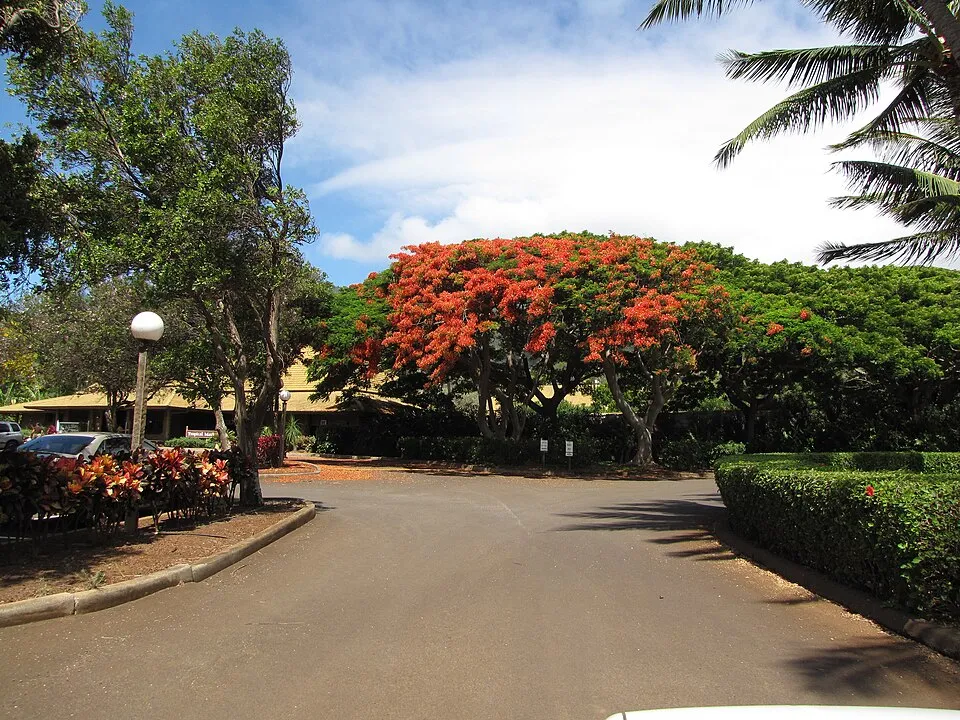
Website: https://mauitropicalplantation.com/
Some of Maui's most spectacular scenery comes with a little extra effort. These destinations are better suited for travelers who enjoy walking, climbing, or uneven terrain.
One of Maui's most famous hikes, Waiheʻe Ridge rewards hikers with incredible panoramic views of valleys, waterfalls, and lush rainforest.
Expect:
This trail is generally not recommended for very young children.
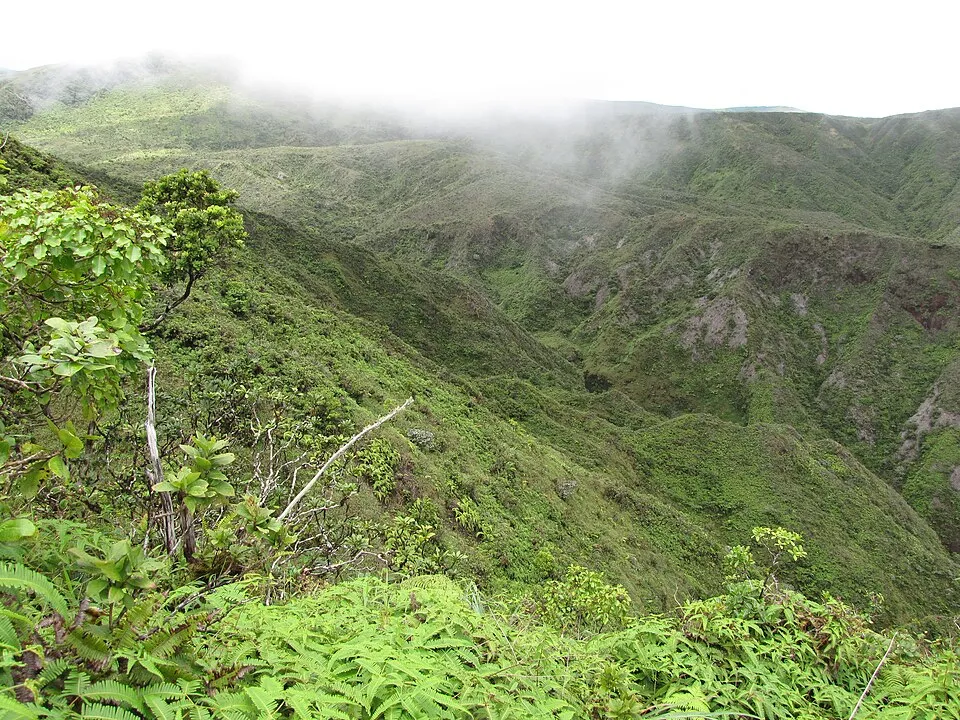
Located inside Haleakalā National Park near Hāna, the Pipiwai Trail leads visitors through one of Maui's most beautiful forests.
Highlights include:
The hike is around four miles round trip and includes elevation gain.
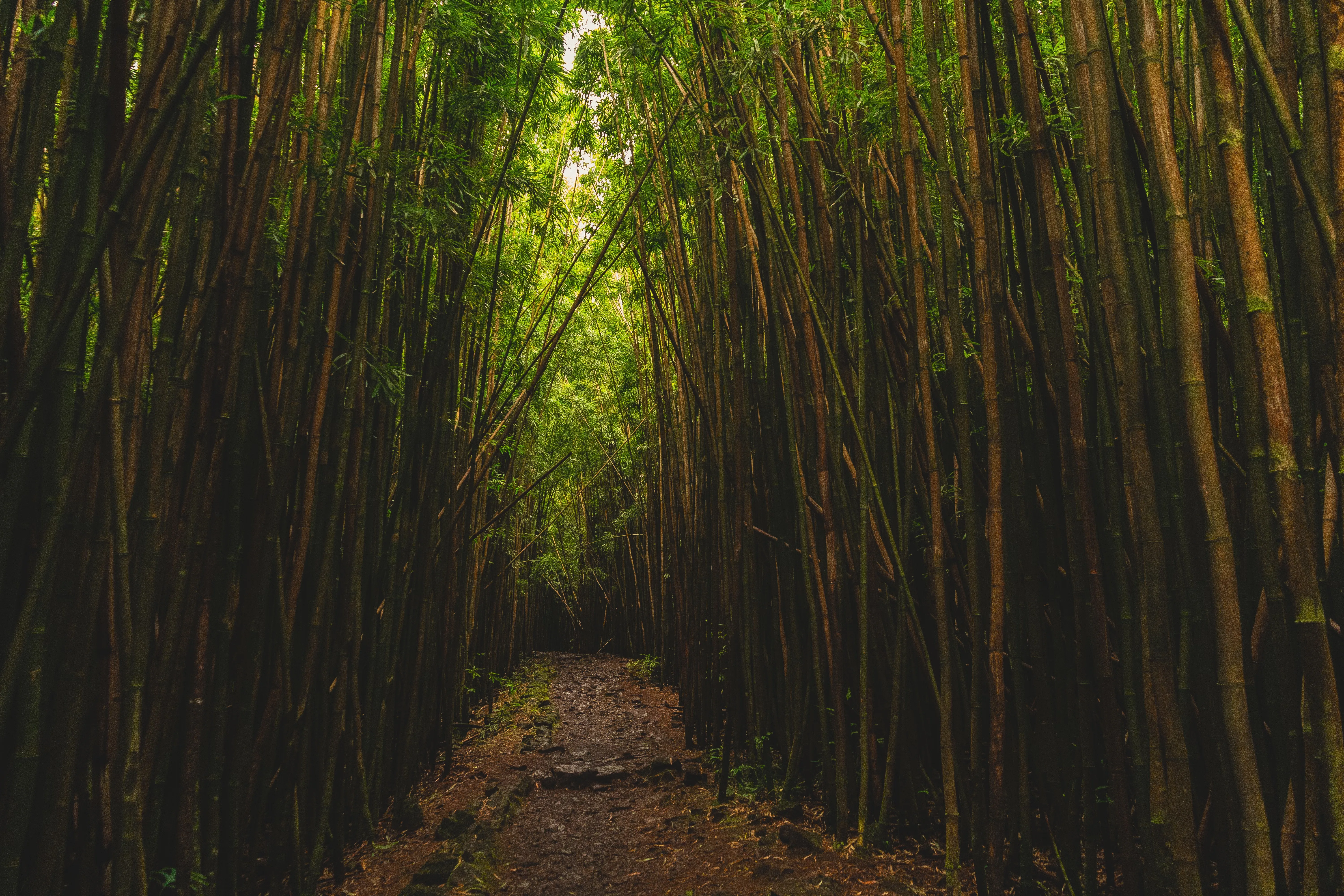
For adventurous travelers, Haleakalā's crater provides one of Hawaii's most unique hiking experiences.
The trail features:
However, the high elevation and steep return climb make it unsuitable for many families with younger children.
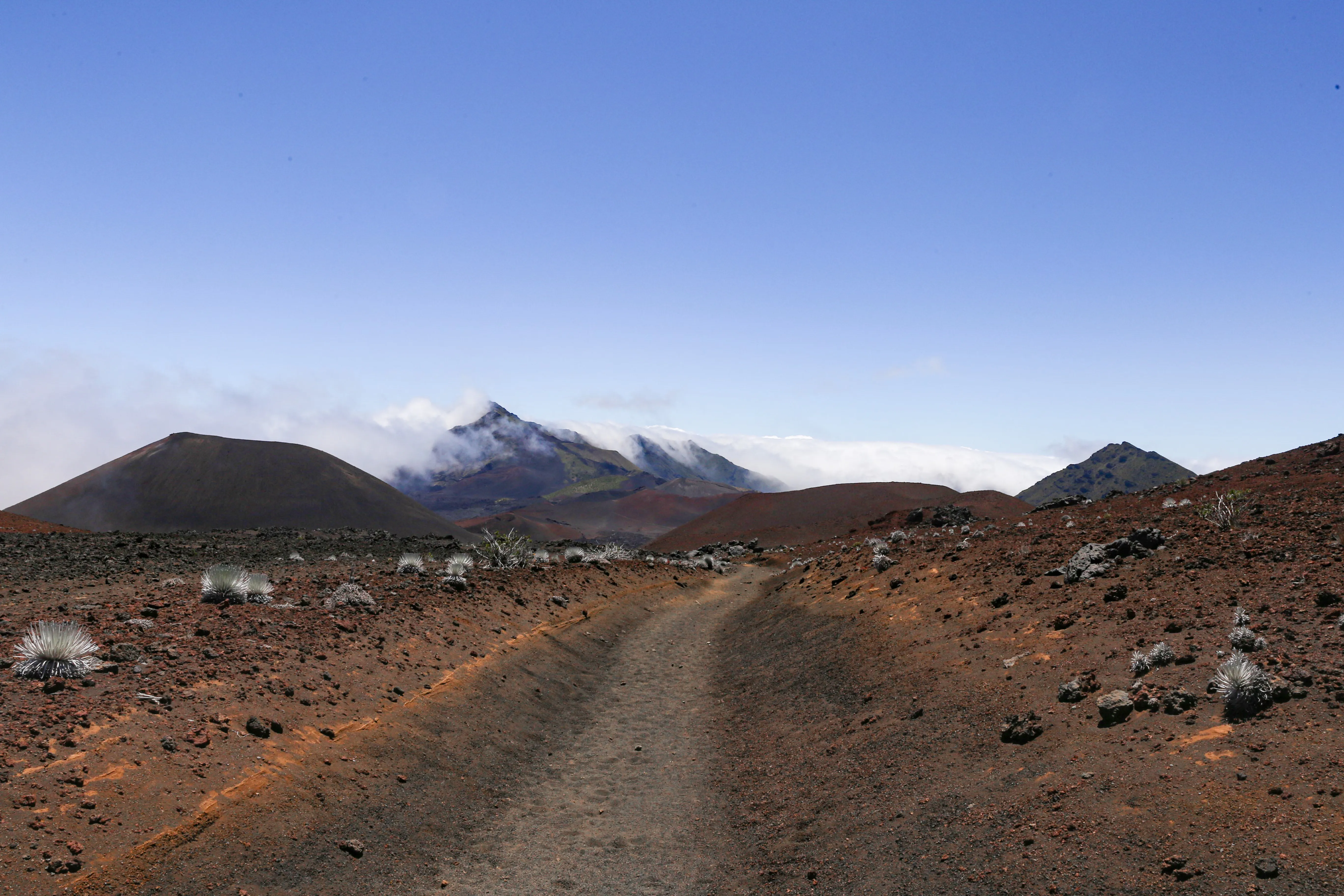
Twin Falls is often considered one of the easier waterfall hikes on Maui.
Visitors can enjoy:
Although relatively easy, the trail can become slippery after rain, so proper footwear is recommended.
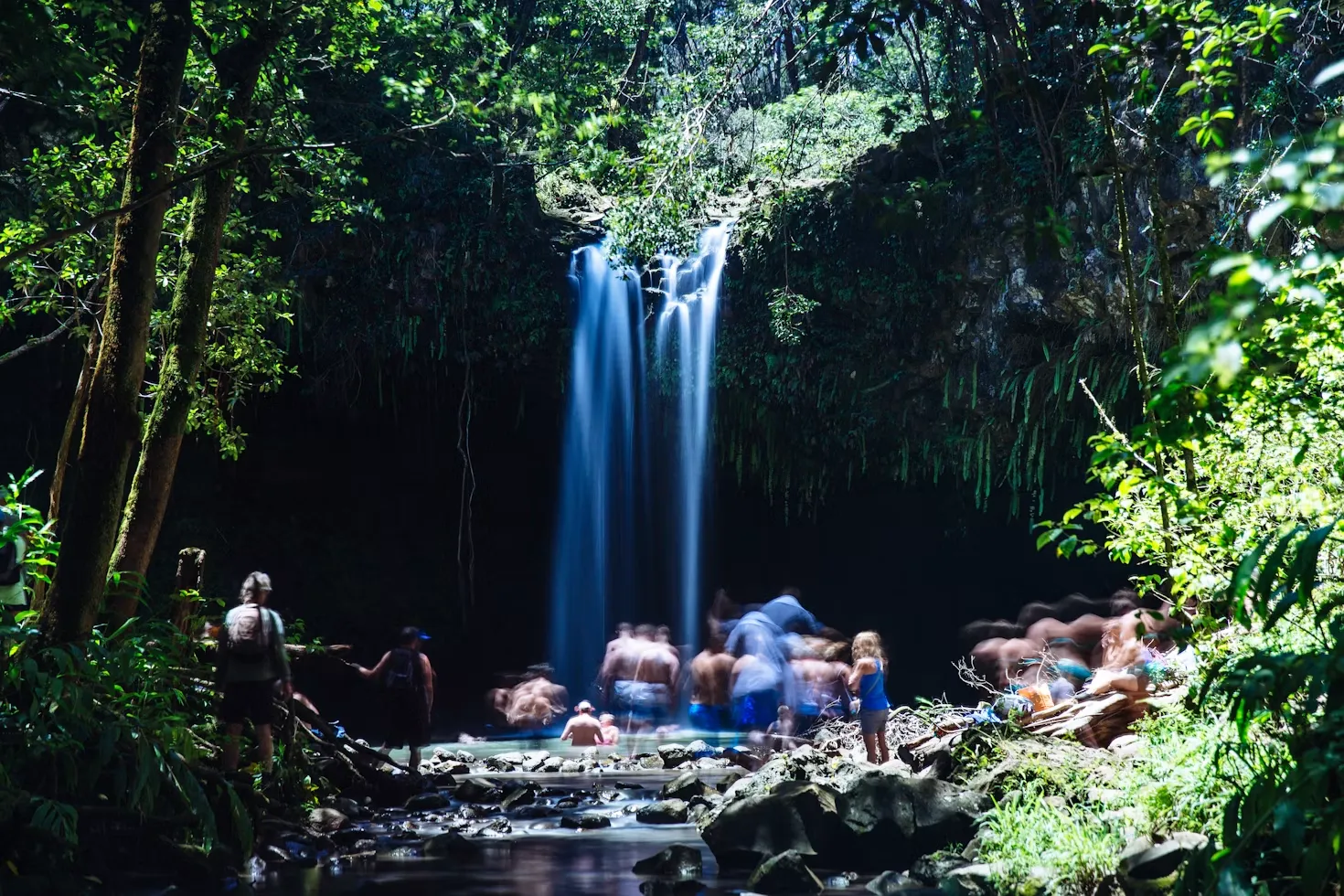
Some Maui attractions provide beautiful scenery without requiring a strenuous hike.
These include:
These locations allow visitors to experience Maui's natural beauty while avoiding long or difficult hikes.
When planning your Maui itinerary, consider:
Families with toddlers often enjoy beaches, ocean centers, botanical gardens, and scenic drives, while older children and teenagers may appreciate adventures like ziplining or moderate hiking trails.
Mixing easier attractions with one or two active adventures usually creates the most enjoyable vacation for everyone.
The Maui Ocean Center, ʻĪao Valley, Maui Tropical Plantation, and Kāʻanapali Beach are excellent options because they require minimal walking and offer plenty of engaging activities.
Yes. NorthShore Zipline is designed to be family-friendly and combines adventure, scenic rainforest views, and educational experiences with professional guides.
Some of the easiest attractions include Maui Ocean Center, Haleakalā Summit overlooks, ʻĪao Valley, Maui Tropical Plantation, Hō'okipa Beach Park, and many of Maui's beaches.
Waiheʻe Ridge Trail, Pipiwai Trail, and portions of the Sliding Sands Trail offer rewarding scenery for hikers comfortable with elevation changes and longer distances.
Yes. Twin Falls provides relatively short walking trails to several waterfalls, although paths may become muddy after rain.
Indoor attractions like the Maui Ocean Center are excellent rainy-day choices. Families also enjoy local museums, shopping areas, and guided experiences that continue in light rain.
Yes. Families can drive to the summit overlooks and enjoy spectacular views without completing long hikes. Be sure to bring warm clothing because temperatures are much cooler at the summit.
If your family enjoys adventure but wants to avoid long, strenuous hikes, ziplining offers an exciting alternative with incredible scenery and minimal walking between platforms. Hiking is ideal for those specifically looking to explore Maui's trails and waterfalls.
If you would like to read and learn more about interesting things in Hawaii! Check out our blog page here on our website!
or
Image Credits:
Hero:
"top view of beach and turquoise sea in tropics" by Jess Loiterton, via Pexels
Other Photos in Blog:
Maui Ocean Center Shark Photo Stop — Photo by Richard N Horne. Licensed under the Creative Commons Attribution-ShareAlike 4.0 International (CC BY-SA 4.0). Source: Wikimedia Commons.
ʻĪao Valley State Park Entrance (2021) — Photo by Larry D. Moore. Licensed under the Creative Commons Attribution 4.0 International (CC BY 4.0). Source: Wikimedia Commons.
Kāʻanapali Beach, Maui — Photo by John P. Salvatore. Licensed under the Creative Commons Attribution-ShareAlike 4.0 International (CC BY-SA 4.0). Source: Wikimedia Commons.
Royal Poinciana (Delonix regia) at Maui Tropical Plantation, Waikapū, Maui — Photo by Forest & Kim Starr. Licensed under the Creative Commons Attribution 3.0 United States (CC BY 3.0 US). Source: Wikimedia Commons.
Waiheʻe Ridge Trail Habitat, Maui — Photo by Forest & Kim Starr. Licensed under the Creative Commons Attribution 3.0 United States (CC BY 3.0 US). Source: Wikimedia Commons.
"Pathway between bamboo trees" by Satty Singh, via Pexels
"Haleakala National Park volcanic landscape" by Daniel Erlandson, via Pexels
"People near waterfalls during daytime" by Rina Miele, via Unsplash