

WE HAVE REOPENED! Our team has worked hard to repair, inspect, and prepare our course following Hurricane Lala.
We're ready to safely welcome you back !
BOOKINGS ARE OPEN!
Mahalo for your patience and support! 💛
When people search for the Hawaii state tree, they often expect a plant with deep cultural importance, ecological value, and centuries of Hawaiian heritage woven into its roots. The kukui nut tree, also known as the candlenut tree (Aleurites moluccanus), is exactly that—an iconic symbol of light, knowledge, resilience, and aloha. From its shimmering silvery leaves to its practical uses in Hawaiian society, the kukui embodies the essence of the islands.
Designated as the official state tree of Hawaiʻi in 1959, the kukui nut tree is far more than a botanical highlight. It stands as a reminder of ancestral wisdom, environmental harmony, and the innovative spirit of Native Hawaiians who found meaningful uses for every part of this versatile plant.
The kukui tree holds a unique cultural meaning in Hawaiian tradition. Its nuts contain an oily kernel that burns brightly, which is where the tree gets its English nickname, “candlenut tree.” Ancient Hawaiians strung the nuts together and burned them as candles or torches—each nut providing several minutes of clean-burning light. This practical use evolved into deeper symbolism: kukui became a representation of illumination, guidance, and inner wisdom.
In Hawaiian culture, kukui was also associated with Lono, the god of peace, rain, agriculture, and fertility. The tree’s glowing nuts and luminous presence further tied it to spiritual insight and protection, making kukui a plant of both physical and metaphysical importance.
When Hawaiʻi became a U.S. state in 1959, lawmakers selected a symbol that represented the heart of Hawaiian identity. Because kukui had long been cherished for its cultural legacy and practical everyday uses, it was the natural choice. Its selection elevated the tree from a cultural icon to a statewide emblem representing unity, resilience, and heritage.
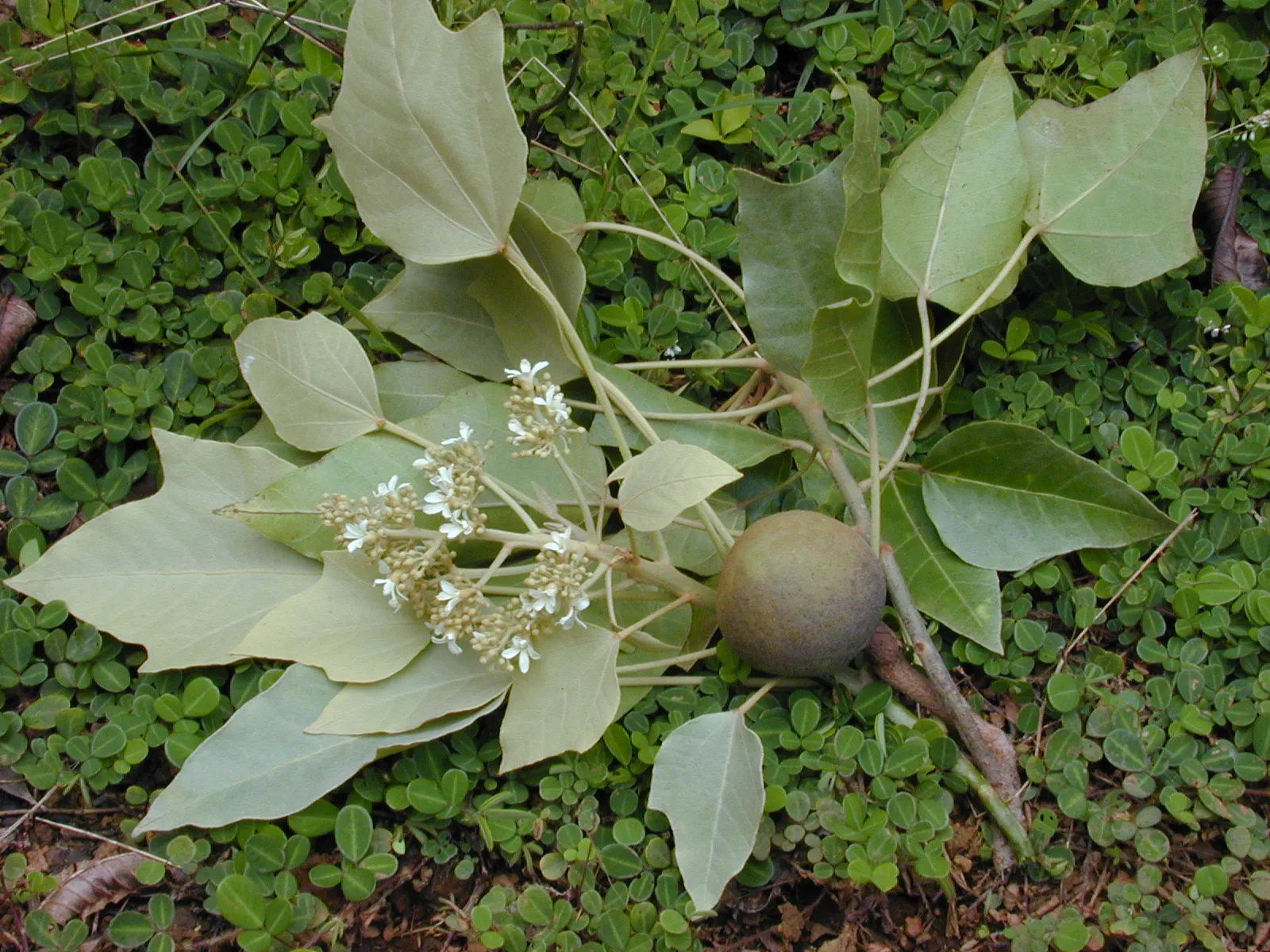
Today, kukui trees can be seen throughout the Hawaiian Islands, thriving in lush valleys, forests, and even planted decoratively in neighborhoods and resorts. Their pale, silvery-green leaves catch the sunlight beautifully, making them one of the most visually distinctive trees in the Hawaiian landscape.
One of the reasons kukui became the Hawaii state tree is the wide range of practical uses it provided to Native Hawaiians. This tree was—and still is—a vital resource.
Kukui nuts burn cleanly and brightly. Traditionally:
While raw kukui nuts are not eaten due to toxicity, roasted nuts (known as inamona) are used to:
In modern Hawaiian cuisine, inamona remains a cherished traditional ingredient.
The kukui tree played an important role in laʻau lapaʻau, Hawaiian herbal medicine:
Its healing properties are still valued today and appear in many Hawaiian skincare products.
Different parts of the kukui tree served countless everyday uses:
Beyond culture and history, the kukui tree is ecologically valuable. Its large leaves create dense shade, helping stabilize soil and prevent erosion on steep Hawaiian hillsides. The tree’s hardiness allows it to thrive even in rugged environments, protecting watersheds and supporting native ecosystems.
This environmental role reinforces kukui’s status as the Hawaii state tree, representing sustainability and harmony between people and nature.
Travelers across the islands can find kukui trees in:
Many resorts and botanical gardens also feature kukui due to its beauty and cultural significance.
The Hawaiʻi state tree is the kukui nut tree, designated in 1959 for its cultural, historical, and environmental importance.
It was selected because Native Hawaiians used it for light, medicine, food preparation, fishing tools, and spiritual practices—making it one of the most significant plants in Hawaiian culture.
Kukui symbolizes knowledge, protection, enlightenment, and peace, tied to the god Lono and the glow of its naturally burning nuts.
Raw kukui nuts are toxic, but roasted kukui (inamona) is safe and traditionally used to season Hawaiian dishes like poke.
You can see kukui trees in valleys, rainforests, botanical gardens, and scenic areas across Maui, Oʻahu, Kauaʻi, and the Big Island.
If you would like to read and learn more about interesting things in Hawaii! Check out our blog page here on our website!
or
Image Credits:
Kukui Tree (Candlenut Tree), Hawaiʻi – Photo by Jayson Nutt, via Wikimedia Commons (CC0)
Kukui (Candlenut Tree) – Photo by Forest and Kim Starr, via Wikimedia Commons (CC BY 3.0)
Every spring, Maui transforms into a dreamlike landscape of violet clouds—thanks to one of the island’s most beloved seasonal displays: the blooming of the jacaranda tree, often referred to by travelers as the purple flower tree. With its striking lavender-purple blossoms and wide, fern-like canopy, the jacaranda has become one of Maui’s most photographed trees, a natural spectacle that draws visitors back year after year.
If you’ve ever planned a trip to Maui in late spring, chances are you’ve seen photos of roads dusted in purple petals, upcountry hillsides shimmering with color, and iconic towns painted in nature’s watercolor. The jacaranda isn’t native to Hawaiʻi, yet it has become an unforgettable part of the island’s identity—especially in the Upcountry regions where the trees thrive.
In this guide, you’ll learn when and where to see this magical purple flower tree, why it blooms so vibrantly on Maui, and how to include jacaranda viewing in your travel plans.
The jacaranda tree (Jacaranda mimosifolia) originated in South America, particularly Argentina, Bolivia, and Brazil. Its journey to Hawaiʻi began in the early 20th century, when botanists and landscape experts began introducing colorful flowering trees to the islands. Maui’s cool Upcountry climate—unusual for Hawaiʻi—proved to be the perfect home.
Over the decades, as ranchers, farmers, and residents planted the trees around homes, streets, and open fields, they spread throughout communities like Makawao, Kula, Ulupalakua, and Pukalani. Today, Upcountry’s jacaranda bloom is a celebrated seasonal event, cherished by locals and a must-see for visitors.
Jacaranda trees flourish in warm climates with mild winters, well-drained soil, and full sunlight. While coastal areas of Maui stay too warm and humid for the strongest blooms, the elevated slopes of Haleakalā offer the perfect combination of:
These conditions trigger the dramatic, predictable bloom that sweeps through Upcountry every spring.
Thanks to the island’s microclimates, Maui’s jacaranda season is especially vibrant—often brighter and longer-lasting than in other tropical regions.
The jacaranda bloom typically peaks from late April through early June, though exact timing can shift year to year based on rainfall and temperature.
If you’re planning a spring visit to Maui, aim for May to guarantee the best viewing.
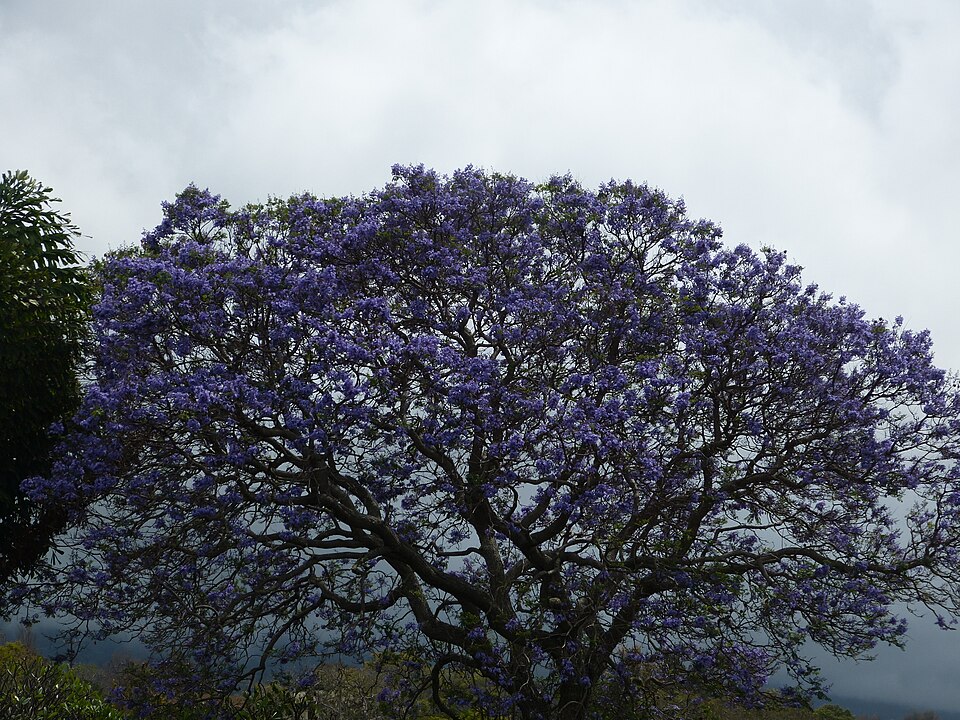
While individual jacaranda trees can be found across the island, the most impressive clusters are in Upcountry Maui. These rural communities offer rolling landscapes, quiet roads, and sweeping views of the ocean—all framed by bursts of purple canopy.
Known for its cool climate and farms, Kula is considered the jacaranda capital of Maui. The trees line the roads and pastures, creating some of the most iconic photo spots.
This cowboy town (paniolo culture runs deep here) bursts with jacaranda during peak season. Streets become tunnel-like paths of purple bloom, especially beautiful in the early morning light.
Meaning “hole in the heavens,” Pukalani offers dramatic valley and ocean views enhanced by the lavender crown of jacaranda flowers.
With wide pastures and open spaces, this area showcases the jacaranda against the backdrop of Haleakalā’s slopes.
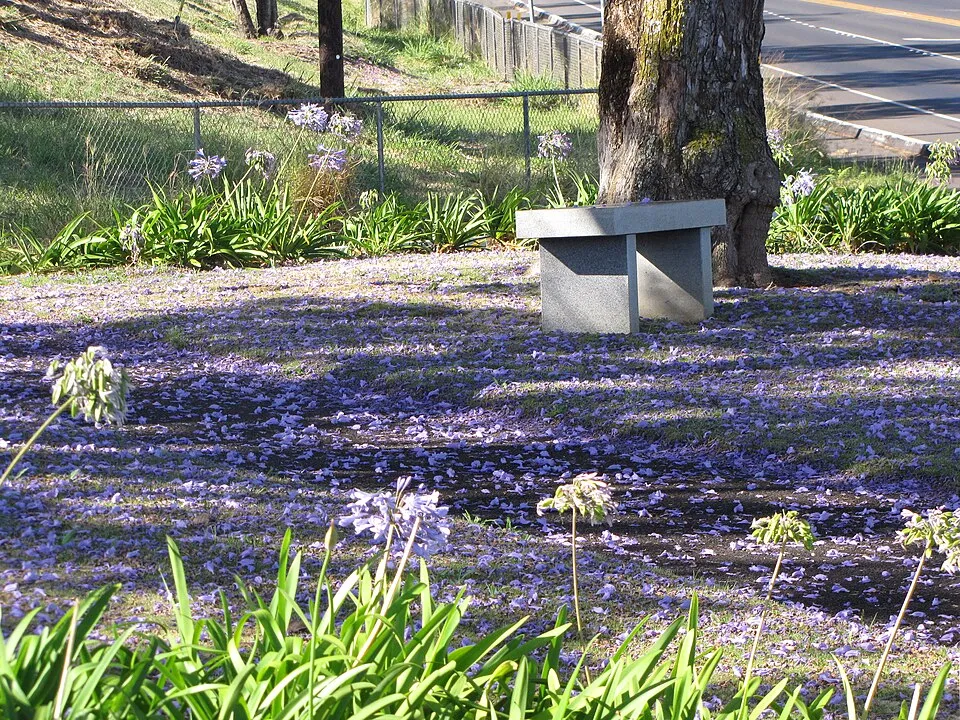
The jacaranda tree is a photographer’s dream, but timing and angles matter. Use these tips for the best results:
While Maui is full of colorful and exotic flora—plumeria, hibiscus, orchids—the jacaranda stands apart. It’s not just the vivid color but the scale: enormous, mature trees with expansive purple crowns. The bloom feels fleeting and rare, creating a sense of seasonal magic that visitors remember long after their trip.
For many, experiencing the jacaranda bloom becomes a core memory of Maui.
Helpful Links
That’s the jacaranda tree, known for its vibrant lavender-purple blossoms that bloom primarily in Upcountry Maui.
May is the peak month, offering the fullest, brightest bloom of the season.
Head to Makawao, Kula, Pukalani, and Ulupalakua—these Upcountry regions offer the highest density of jacaranda.
No. They originated in South America but have been thriving on Maui for over a century.
They bloom seasonally, usually from late April to early June.
Because the cooler temperatures, sunshine, and volcanic soil on the slopes of Haleakalā create ideal conditions.
Yes—visit early morning or explore less-traveled Upcountry backroads where traffic is minimal.
While not native, it has become a beloved seasonal symbol and a cherished part of Upcountry’s landscape.
If you would like to read and learn more about interesting things in Hawaii! Check out our blog page here on our website!
or
Image Credits:
Jacaranda Trees (Pukalani, Maui) – Photo by Forest and Kim Starr, via Wikimedia Commons (CC BY 3.0)
Jacaranda Tree (Upcountry Maui) – Photo by Carole Grogloth, via Wikimedia Commons (CC BY 3.0)
Jacaranda Blossoms, Upcountry Maui – Photo by Forest and Kim Starr, via Wikimedia Commons (CC BY 3.0), modified
When most people picture Maui, they imagine warm trade winds, bright blue skies, and palm trees swaying gently in the breeze. While that’s true for much of the year, winter brings its own unique personality—especially when it comes to weather. The winds in winter on Maui can shape your vacation experience in surprising ways, from creating ideal conditions for surfers to influencing which beaches are best for families during the cooler months.
If you’re planning a winter getaway to Maui, understanding the seasonal wind patterns can help you choose where to stay, what activities to enjoy, and how to make the most of this dynamic, beautiful season.
Hawaii’s climate is shaped primarily by the Northeast Trade Winds, a steady flow of air that crosses the Pacific year-round. While the trades dominate the summer months, winter on Maui brings the possibility of Kona winds, cold fronts, and increased storm activity in the North Pacific.
Here’s what typically influences the winds in winter:
Kona winds blow from the opposite direction of the normal trade winds—coming from the south or southwest instead of the northeast. These winds:
While not constant, Kona wind periods can last from a day to several days.
The northern Pacific becomes more active during winter, sending large swells and pressure systems toward Hawaii. These systems can temporarily interrupt the trades and create gustier conditions—especially in exposed areas like:
If you’re staying or driving near these regions, expect occasional windy afternoons.
Trade winds don’t disappear in winter—they simply become less predictable. Some weeks are perfectly calm, while others bring stronger-than-usual gusts. On average, winds in winter tend to be:
Because Maui’s landscape is shaped by tall mountain ranges and deep valleys, wind behaves differently across the island.
This region feels the brunt of winter’s power. Strong northerly swells, active weather systems, and open exposure to the Pacific make the North Shore a magnet for big-wave surfers—and a windy winter hotspot.
If you enjoy watching elite surfers, winter here is unmatched. If you’re seeking calm, swimmable beaches, head south or west.
Despite front-facing the winter swells, West Maui often benefits from natural mountain shielding. Mornings are typically calm with winds increasing in the afternoon.
South Maui is usually the best escape for visitors wanting lighter winds. Even when the North Shore is gusty, Kihei often remains sunny and manageable—with only occasional breezy afternoons.
Winter means massive surf on the North Shore—world-class waves at spots like Ho‘okipa and Peʻahi (Jaws). Winds influence:
Beginners should stick to South Maui’s gentler breaks. Winds in winter can make paddling and balance more challenging.
Because of winter swells and wind patterns, the best snorkeling is typically found on:
Windy afternoons can create choppy ocean conditions, so morning is the ideal time for snorkel tours and beach lounging.
Winter winds can affect:
Checking daily weather updates is smart, especially if you’re planning to explore remote or exposed areas.
If you’re booking dinner reservations, luau tickets, or sunset cruises, consider the wind factor. South and West Maui tend to have better sheltered dining environments during gusty evenings.
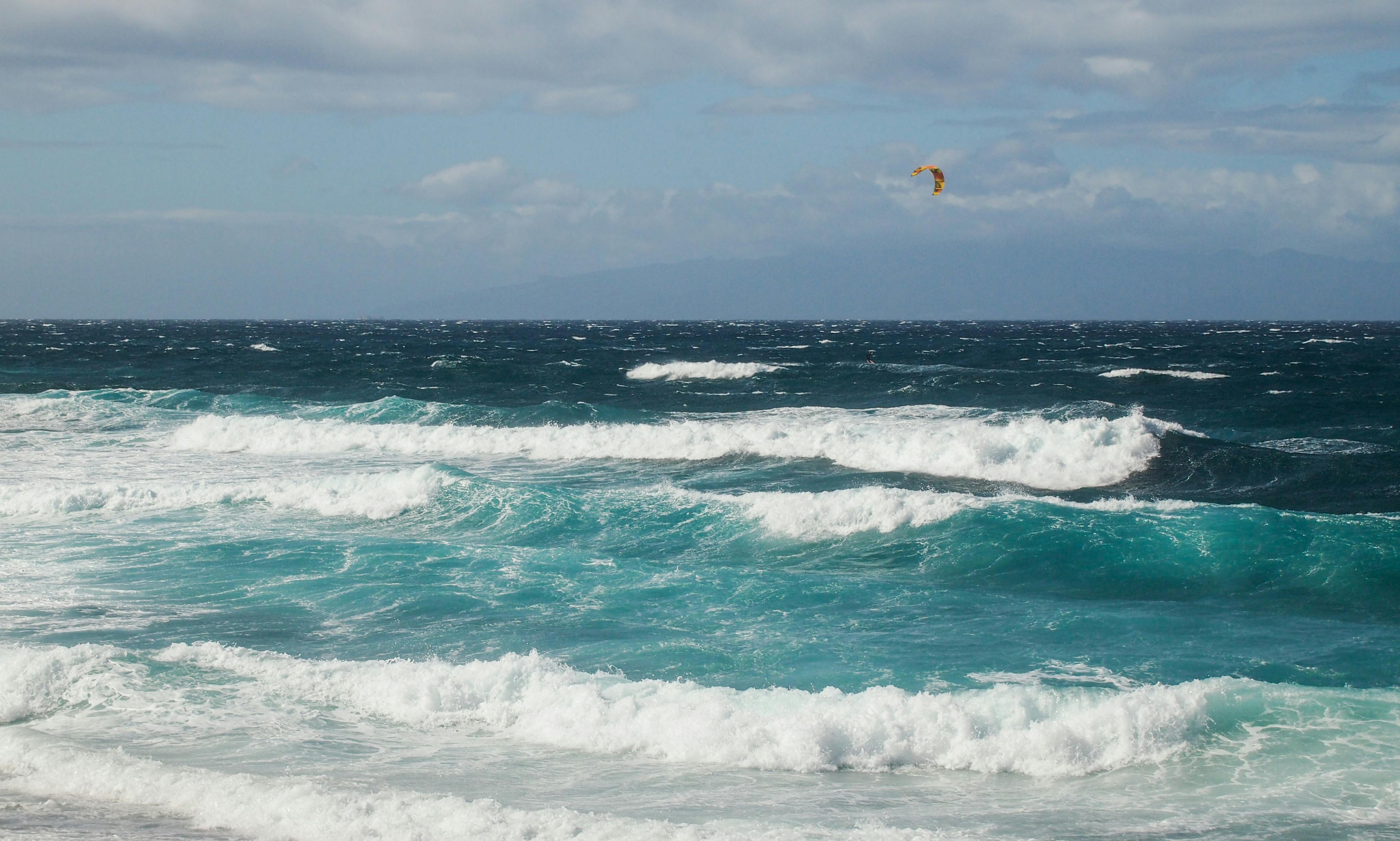
Winter on Maui is still warm, beautiful, and full of sunshine. The island is simply more energetic during this season—and understanding the winds in winter helps you enjoy it like a local.
The winds in winter on Maui are part of what makes the island dynamic, alive, and ever-changing. Whether you're chasing big surf, seeking calm beach days, or exploring every corner of the island, knowing how wind patterns shift during the season can elevate your trip. With the right planning and expectations, winter remains one of the most rewarding—and breathtaking—times to visit Maui.
Helpful Links
Below is a matching FAQ section designed to align directly with the blog post’s main topics. Each question is phrased the way a traveler might ask AI, and each answer summarizes the corresponding section in a clear, helpful way.
The winds in winter on Maui are shaped by several seasonal weather patterns. While the island normally experiences steady Northeast Trade Winds, winter introduces Kona winds from the south, passing cold fronts, shifting pressure systems, and stronger Northern Pacific storm activity. These elements make winter winds more variable in direction and strength compared to summer.
Kona winds develop when high- and low-pressure systems shift around the Hawaiian Islands during the colder months. From November through March, weather fronts interrupt the usual trade winds, allowing warm, humid winds from the south or southwest to flow in. These winds often bring cloudier skies, increased humidity, and choppier ocean conditions—especially on south-facing beaches.
The strongest winter winds are typically found along the North Shore—particularly Pāʻia, Ho‘okipa, Haʻikū, and exposed coastal stretches. This area faces north and receives both the seasonal winter swells and the gusty weather systems that pass through the Pacific. In contrast, South Maui (Kihei, Wailea, Makena) is usually the calmest place during winter wind events.
Winter winds significantly impact surfing because they interact with the large seasonal swells hitting the North Shore. While surfers chase the massive waves at Ho‘okipa and Peʻahi (Jaws), winds can alter wave shape, surface texture, and safety conditions. Beginners should avoid the North Shore in winter and surf the more protected South Maui breaks.
When the winds in winter pick up, the calmest snorkeling conditions are usually found in South Maui—especially in Kihei, Wailea, and Makena. These areas remain sheltered from the strong North Pacific swells. West Maui can also be good on calmer days, but mornings are always best before trade winds rise in the afternoon.
Strong winds in winter can affect driving along exposed roadways like the Hana Highway, the North Shore coast, and Upcountry routes toward Haleakalā. Gusts may bring fallen branches, swaying trees, mist, and wet road surfaces. Checking daily conditions is recommended for anyone planning a scenic drive or visiting higher elevations.
You don’t necessarily need to cancel plans, but it’s smart to adjust timing and location. Early mornings are usually less windy for beach outings, snorkeling, or boat tours. Choosing South Maui helps avoid gusty afternoons. Dining outdoors in North Shore and West Maui may be breezier, so sheltered or indoor options are wise during stronger wind days.
Absolutely. Winter is one of the most popular times to visit Maui because temperatures remain warm and the island feels alive with big surf, whales, and vibrant scenery. The winds in winter add a dynamic element to the season, and with proper planning—like choosing calm beaches and morning activities—visitors still enjoy incredible weather.
A few simple steps make a big difference:
These tips ensure your trip stays fun and comfortable regardless of wind changes.
Generally, no—winter winds are more of a comfort and planning consideration than a safety issue. The main hazards come from rough ocean conditions on the North Shore, not the wind itself. As long as visitors respect beach safety signs, avoid rough surf, and stay aware of weather updates, winter on Maui remains safe and enjoyable.
If you would like to read and learn more about interesting things in Hawaii! Check out our blog page here on our website!
or
Image Credits:
Palm Trees During a Hurricane - Photo by Guilherme Christmann, via Pexels, modified
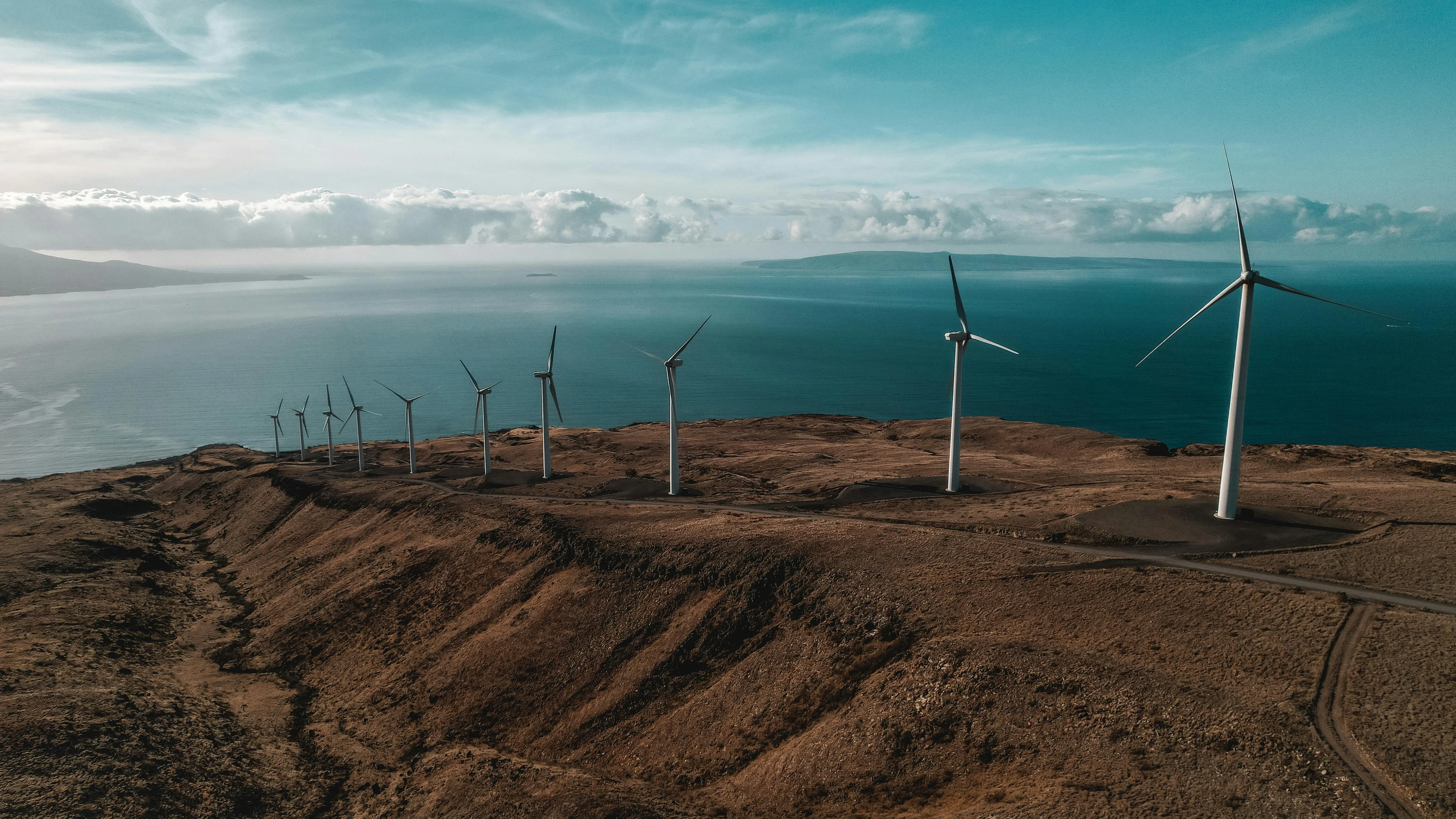
Drone Shot of Windmills Near Body of Water - Photo by Katie Cerami, via Pexels, modified
Dynamic Ocean Waves with Kite Surfer in Distance - Photo by photographisa.ro, via Pexels
Planning a family getaway to Maui? Excellent choice. The Valley Isle is one of Hawaiʻi’s most family-friendly destinations, offering everything from calm beaches and scenic drives to thrilling adventures like ziplining and snorkeling. But to make the most of your time and budget, timing truly matters.
Below, we’ll explore the best seasons for family fun — considering weather, ocean conditions, whale season, costs, and school breaks — to help you decide when your family should experience the magic of Maui.
Best months: April–May and September–October
If you’re looking for the perfect balance of great weather, fewer crowds, and better prices, aim for spring or early fall. During these shoulder seasons, Maui enjoys warm sunshine, calm ocean waters, and lighter visitor traffic compared to summer and winter holidays.
Resorts often offer family-friendly packages during these months, and popular areas like Lahaina, Kāʻanapali, and Wailea feel less crowded and more relaxed. It’s an ideal time for families with young children who appreciate easier parking, shorter lines, and open space to explore. The island atmosphere is mellow, yet everything you love about Maui — beaches, waterfalls, and adventure tours — is fully open and welcoming.
Maui’s weather is consistent and comfortable year-round, with average temperatures between the mid-70s and high-80s. Instead of hot versus cold seasons, the island alternates between a dry season (May–October) and a wet season (November–April).
Families looking for dependable sunshine, snorkeling, and calm ocean play will enjoy the drier months best. Beaches along the south and west coasts — like Wailea, Kīhei, and Kāʻanapali — are perfect for swimming and beginner snorkeling during this time.
In winter, larger swells hit the north shore beaches, creating exciting surf-watching opportunities but rougher water for little swimmers. Spring through early fall offers the best balance of safety and fun for ocean-loving families.
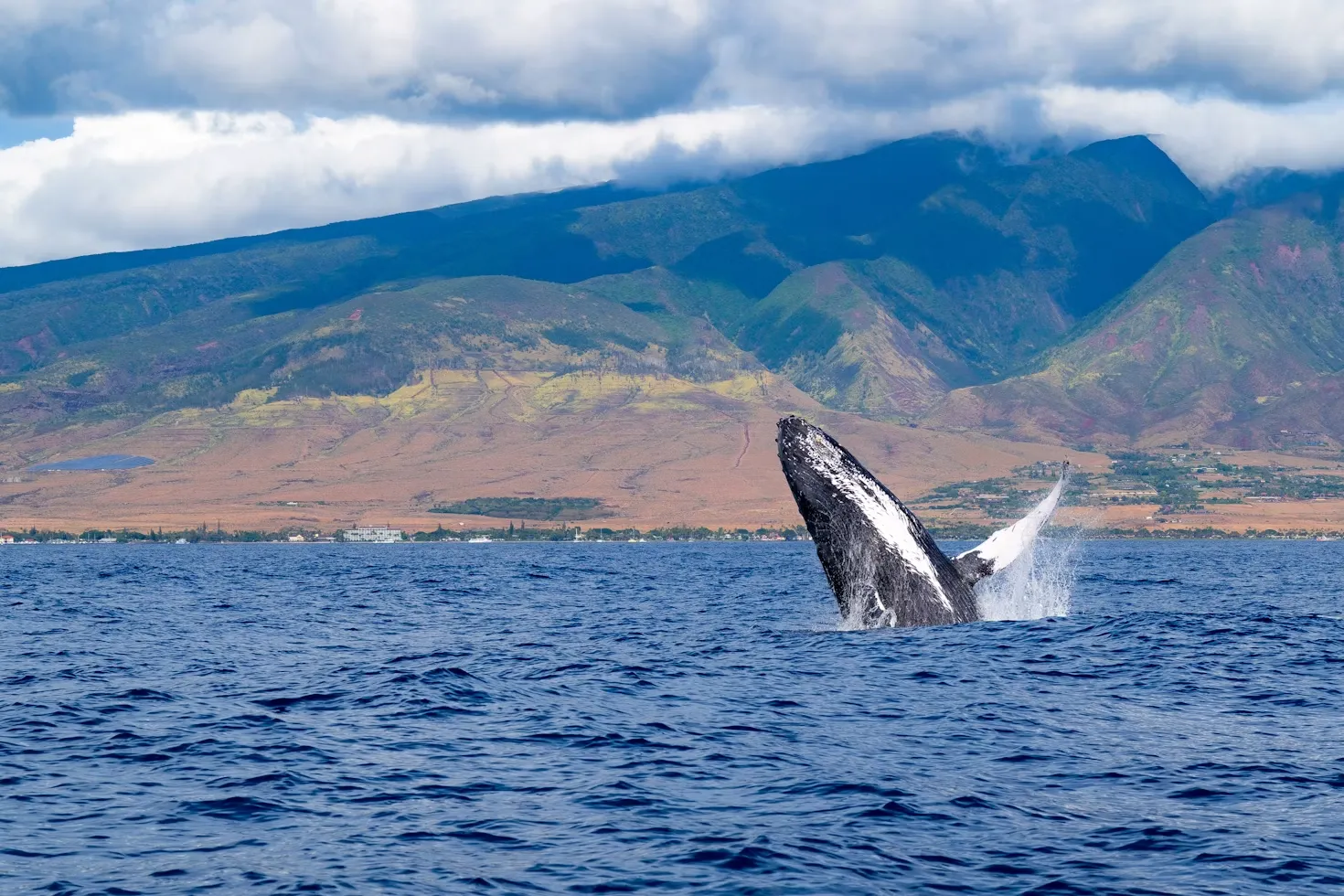
If your family dreams of seeing humpback whales, plan your visit between December and April, with the peak viewing months being January through March. During this time, thousands of whales migrate from Alaska to Maui’s warm waters to give birth and raise their calves.
Families can often spot whales right from the shore in places like Lahaina, Kīhei, and Māʻalaea Bay. For an even more memorable experience, consider a guided whale-watching tour — many offer kid-friendly amenities, educational commentary, and guaranteed sightings. It’s an unforgettable natural spectacle that both kids and adults will remember for a lifetime.
Best months: June–August
Summer is Maui’s busiest season for families, and for good reason. School is out, the weather is flawless, and every activity is in full swing. From snorkeling and ziplining to surf lessons and luau shows, summer offers endless excitement for visitors of all ages.
While this season does bring higher prices and larger crowds, it also delivers predictable sunshine and ideal ocean conditions. Families who plan ahead can still find great deals and make the most of long, sunny days. If possible, travel in early June or late August for a slightly quieter experience while still enjoying summer’s best weather.
Maui’s most popular attractions are worth the effort but often require advance planning — especially important when you’re coordinating a family schedule.
Booking early ensures smooth sailing for your trip and prevents disappointment once you’re on island time.
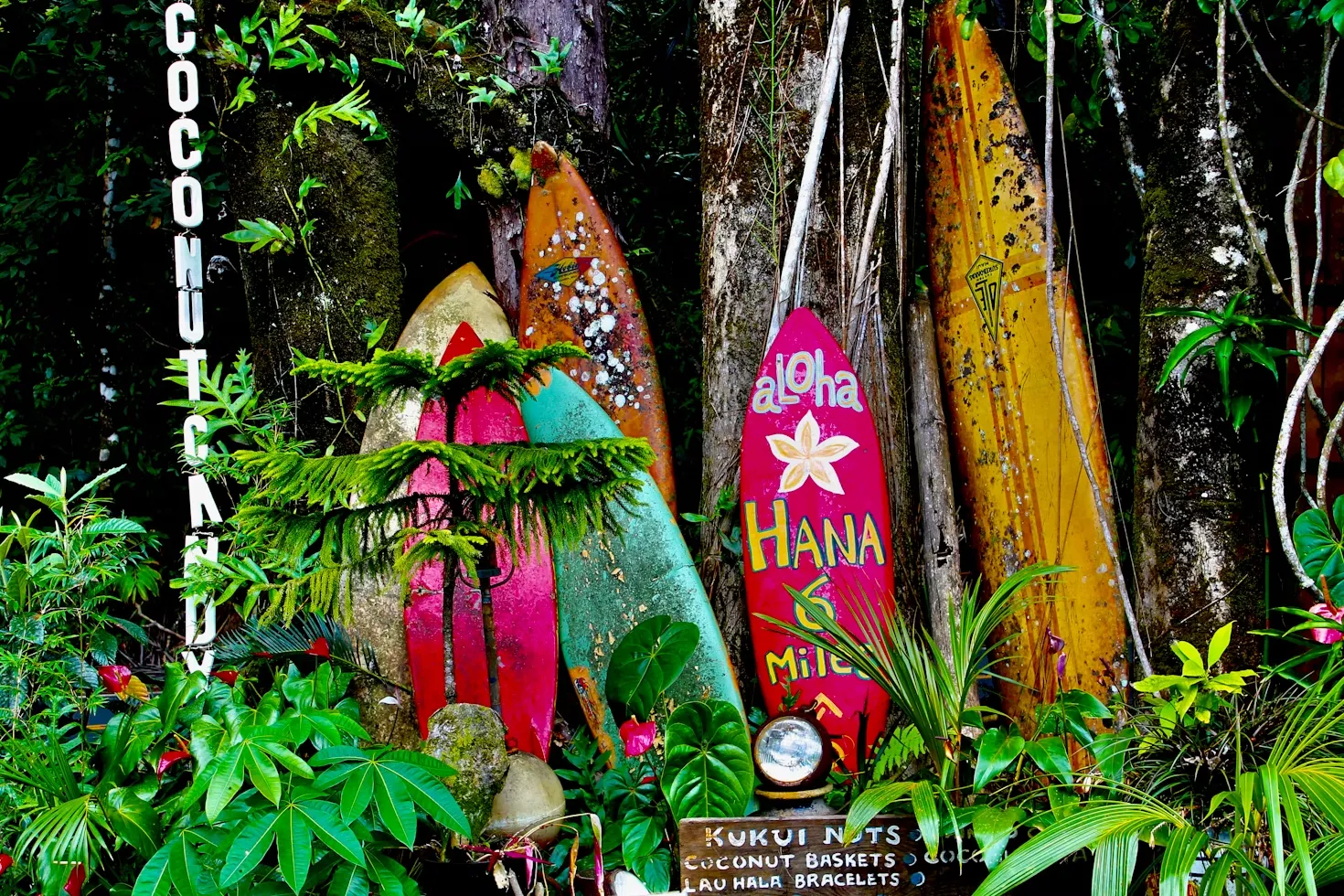
Maui’s welcoming spirit — known as aloha — is part of what makes visiting the island so special. However, travelers are encouraged to visit with respect and sensitivity, especially as parts of West Maui continue to recover from the 2023 wildfires.
Before your trip, check official updates for any access changes, stay mindful of community spaces, and support local businesses whenever possible. Families who travel with aloha help sustain Maui’s beauty and culture for future generations.
No matter when you visit, Maui offers families an incredible mix of adventure, culture, and relaxation. From golden beaches and colorful reefs to volcano views and unforgettable sunsets, every season holds something special.
Whether you’re ziplining through the rainforest, spotting whales with your kids, or simply enjoying shave ice after a beach day, Maui invites families to slow down, connect, and create memories that will last a lifetime.
Spring (April–May) and fall (September–October) are Maui’s “golden seasons” for families. You’ll find beautiful weather, fewer crowds, and better rates on accommodations and activities. These shoulder months are perfect for families seeking a relaxed, spacious island experience while still enjoying all of Maui’s favorite adventures.
Maui enjoys warm, pleasant weather year-round, with temperatures in the mid-70s to high-80s. The dry season (May–October) offers ideal beach and snorkeling conditions, while the wet season (November–April) can bring larger waves to the north shore. For calm ocean play and family-friendly snorkeling, stick to the south and west beaches during the dry months.
Humpback whale season runs from December through April, peaking between January and March. Families can often spot whales right from shore in Lahaina, Kīhei, and Māʻalaea Bay—or join a whale-watching tour for close-up views and kid-friendly educational experiences.
Absolutely! June through August is Maui’s most popular season for family travel. The weather is picture-perfect, and all island activities are in full swing—from ziplines to luaus. Just keep in mind that summer brings higher prices and more visitors, so book early and consider early June or late August for a slightly quieter trip.
Maui’s most sought-after experiences fill up fast. Be sure to book Haleakalā Sunrise vehicle reservations and Waiʻānapanapa State Park entry (the famous black sand beach) ahead of time. Early planning ensures your family won’t miss these once-in-a-lifetime sights.
Traveling with aloha means showing kindness, mindfulness, and gratitude. Stay aware of local updates—especially regarding areas affected by the 2023 wildfires—respect community spaces, and support local businesses. Your family’s respectful travel helps preserve the island’s beauty and spirit for generations to come.
Balance busy adventure days with downtime, stay sun-safe, and dress in layers for higher elevations like Haleakalā. Flexibility is key—weather changes quickly, and surprises often turn into some of the best memories. Every season in Maui holds something special for families ready to explore with open hearts.
If you would like to read and learn more about interesting things in Hawaii! Check out our blog page here on our website!
or
Hero:
"Kauai Coloring Book" by Jake Houglum, via Unsplash
Image Credits:
"Caught this humpback mom breaching off the coast of West Maui" by Steve Wrzeszczynski, via Unsplash
"Surfboards on the Road to Hana" by Don Stouder, via Unsplash
When many people think of Hawaii, they picture golden beaches, palm-trees, tropical surf and sun-drenched rainforests. But perched high above the tropical zone are some of the most surprising sights in the islands: snow-capped volcanoes. On Hawaii’s tallest peaks, the combination of elevation, cold air and storms can turn what seems like a perpetual summer paradise into a snow-covered landscape. In this post I’ll explore the volcanoes in Hawaii that actually get snow, how and when it happens, and what it means for visitors and the environment.
Towering 13,803 feet above sea level, Mauna Kea is not only the tallest volcano in Hawaiʻi — it’s the tallest mountain in the Pacific. Its name literally means “white mountain” in Hawaiian, a nod to the snow that graces its summit several times each winter.
Snow on Mauna Kea usually appears between December and February, when cold air from passing winter storms meets the moist atmosphere over the Big Island. At this elevation, temperatures regularly drop below freezing, turning rain into snow and transforming the volcanic slopes into a dazzling winter landscape.
When conditions are right, the contrast is stunning — a white-capped mountain rising above the palm trees and lava fields below. Even though the snow might only last a few days before melting, it’s a breathtaking reminder of the island’s extreme elevation changes.
The Mauna Kea Access Road often closes during heavy snowfall due to icy conditions, so anyone hoping to visit should always check local updates before attempting the drive. And if you make it to the top, dress warmly — temperatures can easily dip below freezing, even while it’s 80°F on the beaches below.
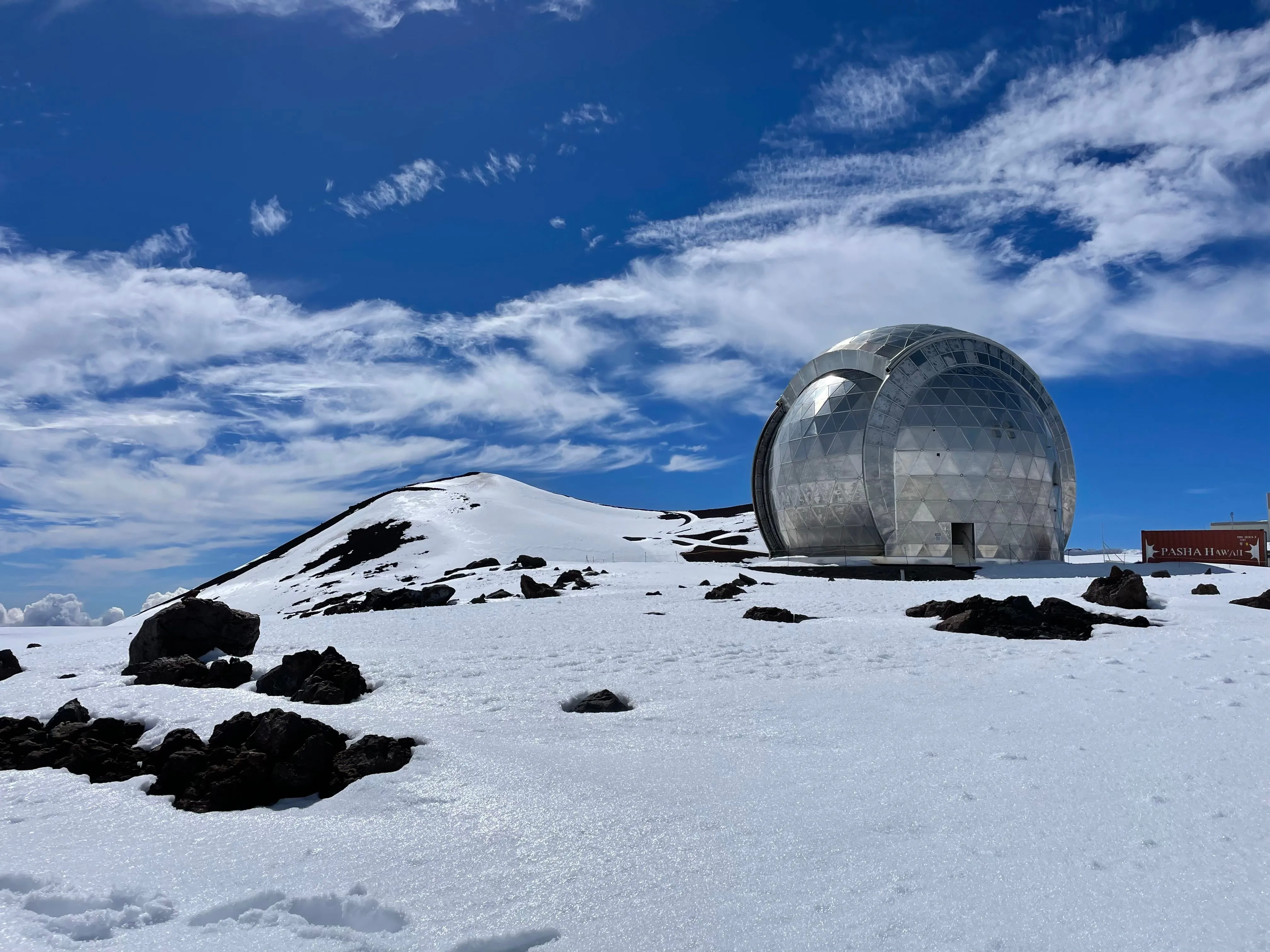
Just south of Mauna Kea sits Mauna Loa, the largest volcano on Earth by volume. Standing at 13,679 feet, its massive shield shape dominates more than half of the Big Island. Like its neighbor, Mauna Loa also receives occasional snowfall, particularly during strong winter storms that sweep across the Pacific.
The snow usually blankets the upper slopes for a short time, creating a surreal view of white streaks running across the dark volcanic rock. It doesn’t last long — the sun at this elevation is intense — but for a day or two, Hawaiʻi’s largest volcano looks like a snow-covered mountain straight out of a postcard.
Mauna Loa’s immense size and gradual slopes make it less accessible to casual visitors than Mauna Kea, but those who catch a glimpse of it under snow often describe it as one of the most awe-inspiring sights in the islands. Seeing snow on an active volcano that erupted as recently as 2022 feels like watching fire and ice coexist in perfect harmony.
On Maui, the massive Haleakalā volcano rises more than 10,000 feet into the sky and forms much of the island’s eastern half. While it’s best known for its breathtaking sunrises / sunsets, dreamy stargazing and vast crater views, Haleakalā occasionally receives its own dusting of snow.
Snowfall here is much rarer and usually lighter than on the Big Island’s peaks, but when it happens, the scene is unforgettable — a white cap crowning the island’s tallest summit, visible all the way from the beaches of Kihei or Wailea.
When a cold winter storm passes through the islands, freezing temperatures can drop low enough to create a thin layer of snow or ice near the summit. On rare occasions, even lower elevations on Maui, such as Polipoli State Park, have experienced snow — a remarkable event considering Hawaiʻi’s tropical latitude.
If you’re visiting Maui in winter, keep your eyes on the summit of Haleakalā after a big storm. You might just spot one of nature’s most unexpected Hawaiian wonders.
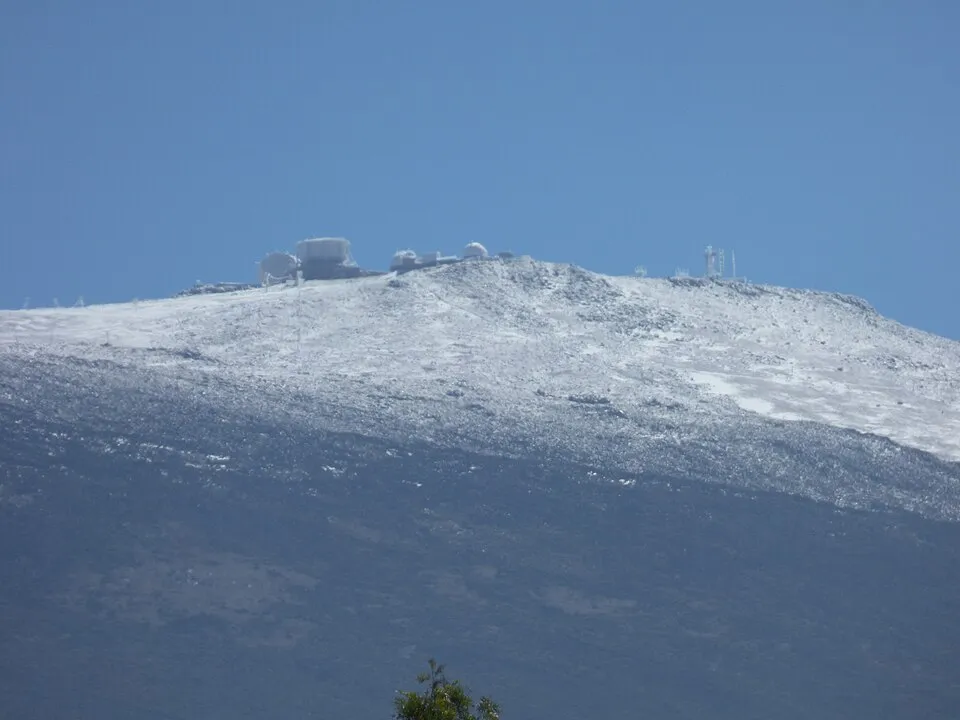
It all comes down to altitude and atmosphere. Hawaiʻi’s tallest volcanoes rise well above 10,000 feet, reaching the cold, thin air of the upper troposphere. Even though the islands sit near the equator, the temperature at those heights can easily fall below freezing.
When moist air from Pacific storms climbs up the slopes of these volcanoes, it cools rapidly — and under the right conditions, the moisture turns into snow rather than rain. This process is most common in winter, when Kona storms bring cooler air and heavy precipitation to the islands.
As a result, Hawaiʻi can have both tropical beaches and snow-capped peaks — sometimes on the same day.
Don’t base your entire trip on snow there unless you’re flexible.
Snowfall on Hawaiʻi’s volcanoes is one of those delightful paradoxes that reminds us just how varied Earth’s climates can be. The same islands that host surfers and sun-seekers also host peaks that look like they belong in the Rockies or Alps—blanketed in white after high-altitude storms. Whether you go to Mauna Kea or Mauna Loa on the Big Island, or you’re visiting Maui and glance up at Haleakalā on a crisp morning, seeing snow in Hawaiʻi is a memorable experience.
It underscores how elevation and geography can override the usual “tropical island” expectation. For both adventurers and those seeking nature’s surprises, these volcano summits provide a rare glimpse into a colder world, right next to palm-fringed beaches.
How rare is snow in Hawaii? (Newsweek) – https://www.newsweek.com/how-rare-hawaii-snow-records-1976758 (Newsweek)
Yes — it really snows in Hawaii! Even though most visitors imagine warm beaches and palm trees, Hawaii’s tallest volcanoes rise above 10,000–13,000 feet, high into the freezing upper atmosphere. When winter storms pass over the islands, rain can turn into snow at these elevations, creating incredible snow-capped peaks above the tropical landscape.
The two volcanoes that regularly get snow are Mauna Kea (13,803 ft) and Mauna Loa (13,679 ft) on the Big Island. These massive mountains reach cold, thin air where winter storms can blanket their upper slopes in white several times each year. Snow typically appears between December and February, but it can occur anytime during winter storm season.
Mauna Kea is the tallest mountain in the Pacific and rises nearly 14,000 feet above sea level. At that height, temperatures regularly fall below freezing, especially during passing winter storms. When moist air cools rapidly over the summit, it transforms into snow. This is why the mountain’s name in Hawaiian — Mauna Kea, or “white mountain” — reflects its snowy summit.
Yes, although Mauna Loa gets snow less frequently. It’s still extremely tall and can receive snow during powerful winter storms. The snow usually blankets its upper slopes for a short time, creating white streaks across the dark volcanic rock. Because the mountain is so massive and broad, the snow melts quickly under the intense sun — but when it happens, it’s an unforgettable sight.
Yes — but only rarely. At 10,023 feet, Haleakalā on Maui is tall enough for occasional dustings of snow or ice during cold winter storms. These events are uncommon but spectacular, especially when a thin layer of white caps the summit and can be seen from Kihei, Wailea, or even central Maui. Sometimes even lower elevations like Polipoli State Park have seen snow, which is extremely rare in the tropics.
It’s all about elevation and atmospheric conditions. Hawaii’s tallest volcanoes reach high into cold upper air, where temperatures can sink below freezing even though the islands sit near the equator. When Pacific moisture rises up their slopes and cools rapidly, it turns into snow instead of rain. Winter storms — especially Kona storms — bring the freezing air needed for snowfall.
Your best chance is during late fall through early spring, especially December to February when winter storms are most active. Snow doesn’t happen every week, but when storms line up correctly, both Mauna Kea and Mauna Loa can become snow-capped for a few days.
It depends on the conditions. The Mauna Kea Access Road often closes during or after snow due to ice, strong winds, or limited visibility. Always check official road updates before driving. Even when the road is open, prepare for freezing temperatures, strong winds, and rapidly changing weather — very different from the beaches below.
Visitors should dress for full winter conditions. At 13,000+ feet, it can be below freezing, extremely windy, and icy. Bring:
Even if it’s 80°F at sea level, it can feel like the Rockies or the Alps at the summit.
Absolutely — but with realistic expectations. Snow doesn’t happen daily, and it may melt quickly. However, when it does appear, the contrast of snow on volcanic slopes above palm trees and beaches is one of the most unique sights in the world. Visitors often describe it as surreal and unforgettable.
Snow on Haleakalā is much rarer than on Mauna Kea or Mauna Loa. Even when it does snow, it’s typically a very thin layer that melts quickly. Your chances improve after strong winter storms, but it’s not guaranteed — so it’s best to treat any Haleakalā snowfall as a lucky bonus rather than a planned event.
Yes. Especially on Mauna Kea, the summit holds deep cultural significance for Native Hawaiians and is also home to fragile ecosystems. Always respect restricted areas, stay on designated paths, avoid disturbing observatory zones, and follow all posted guidelines. Snow or no snow, the summit is a sacred place deserving of respect.
Without a doubt. Few places on Earth offer such dramatic contrasts: snow-capped volcanoes rising above tropical coastlines, palm trees, and volcanic plains. Photographers cherish these rare moments, especially right after a storm when snow is fresh and sunlight hits the peaks.
Not necessarily. Snowfall is unpredictable and weather-dependent. If you’re flexible and visiting in winter, you might get lucky — especially on the Big Island. But it’s better to treat snow as a surprise bonus rather than the main goal of your trip. Hawaii has far more reliable experiences to plan around, like beaches, hiking, stargazing, and culture.
If you would like to read and learn more about interesting things in Hawaii! Check out our blog page here on our website!
or
Hero:
"Snow Covered Hill" by Vanessa Fortier, via Unsplash
Image Credits:
"Geodesic observatory on snowy landscape with clear blue sky and clouds in winter." by Petra Nesti, via Pexels
"View of snow and Science City on Haleakalā from Hawea Point, Olinda, Maui" by Forest & Kim Starr via Wikimedia Commons (CC BY 3.0).
Maui doesn’t have a standalone waterpark, but several top resorts have seriously fun pool complexes with slides that range from toddler-friendly to “send it!” And if you want an adventurous twist off the resort strip, there’s a unique jungle waterslide experience upcountry that visitors rave about.
If you’re seeking an adventure-packed day on Maui, combining a zipline tour with a waterslide is about as good as it gets. At NorthShore Zipline in Ha‘ikū (upcountry, on Maui’s lush North Shore), we’ve added a waterslide to complement our signature zipline experience, creating a complete package of adrenaline and refreshing fun.
Book your unforgettable NorthShore Zipline Adventure today and experience Maui’s most exciting zipline — complete with our new waterslide!
👉 Book Now at NorthShore Zipline
Here’s what you can expect:
When people talk about the best waterslides on Maui, Grand Wailea is the name that comes up first. The Wailea Canyon Activity Pool is essentially a mini waterpark woven through tropical landscaping—multiple interconnected pools, a lazy-river vibe in spots, and several slides for different comfort levels. Little ones can splash in shallower areas while teens (and fun-loving adults) chase the bigger, faster chutes. Expect crowd energy and an all-day scene; cabanas book out early. If a full resort-day anchored by slides is your goal, this is your top pick on the south side.
Best for: Families who want a destination pool day with variety and scale.
Good to know: Bring reef-safe sunscreen and plan shade breaks; Wailea skies are wonderfully sunny most of the year.
On the west side, the Westin’s multi-pool complex wraps around lush gardens with waterfalls and slide features that feel adventurous but approachable. It’s less sprawling than Grand Wailea but still delivers a legitimate “wow, we’re in Hawaiʻi” pool day. The slide here runs fast enough to delight bigger kids while remaining friendly for first-timers.
Best for: Families who want the slide fun and quick beach access—Kā‘anapali Beach is steps away.
Pro tip: Time your pool session around sunset; few places beat Kā‘anapali’s golden hour.
Hyatt’s lagoon-style pools and rockwork create natural lines for swooping down a classic lava-tube-style slide. It’s a crowd-pleaser—smooth, quick, and photogenic—with convenient food-and-drink options close by. If you’re balancing pool time with penguin feedings (yes, really) and beachfront walks, this property makes it easy.
Best for: Slide lovers who want a polished resort day without leaving the Kā‘anapali strip.
Set at the famous Puʻu Keka‘a (Black Rock), Sheraton’s lagoon pool and shorter slide are ideal for younger kids and relaxed riders. The headline here is the location: you can alternate pool laps and ocean dips, then grab a spot to watch the iconic cliff-dive ceremony at sunset.
Best for: Families with mixed ages and anyone who values direct beach access as much as slide time.
A favorite for multi-generational trips, the Ocean Club’s slide features are fun without being intimidating, and the pool deck is built for hang-time: plenty of loungers, lawns for toddlers to toddle, and easy access to snacks. You’ll find mellow lines and happy kids.
Best for: Younger families and groups who want laid-back slide sessions throughout the day.
Fairmont’s bright, airy vibe extends to its pool deck, where a curving slide tucks into palm-framed rockwork. It’s not the island’s biggest, but it’s stylish, smooth, and repeat-worthy—especially for school-age riders who’ll happily loop it between shave ice runs and the beach path.
Best for: Style-seekers and families who want Wailea polish with an easygoing slide.
1) Age & comfort level. If you’ve got daredevils and cautious swimmers in the same crew, Grand Wailea’s range is tough to beat. For universally friendly slides, Hyatt, Westin, and Marriott Ocean Club are great.
2) Beach vs. pool priorities. If your plan is “slide in the morning, ocean by lunchtime,” Kā‘anapali properties (Hyatt, Westin, Sheraton, Marriott) make transitions effortless. Wailea’s beaches are gorgeous too—just expect a full-featured resort day at Grand Wailea or Fairmont.
3) Crowd tolerance. Big complexes draw big energy. For a more intimate splash with a side of adventure, consider the Haʻikū jungle waterslide experience paired with ziplining—memorable and less hectic.
4) Weather & logistics. South Maui (Wailea) is often sunnier and a touch drier, while West Maui (Kā‘anapali/Kaʻanapali) wins for long beach strolls, shopping, and sunset dining close to your pool day.
Maui doesn’t have a full-scale standalone waterpark, but several top resorts offer impressive pool complexes with waterslides ranging from toddler-friendly to thrilling. You’ll find some of the best slides at Grand Wailea, Westin Maui, Hyatt Regency Maui, Marriott’s Maui Ocean Club, Sheraton Maui, and Fairmont Kea Lani. For a more adventurous, non-resort option, NorthShore Zipline in Haʻikū offers Maui’s only jungle-style waterslide—paired with a world-class zipline tour.
The NorthShore Zipline waterslide is located in Haʻikū on Maui’s lush North Shore, inside a beautiful upcountry rainforest setting. After you complete seven thrilling ziplines, cross suspension bridges, and soar above the tree canopy, the waterslide offers the perfect cool-down finale. It’s a unique adventure combo you won’t find at any resort.
👉 Book your NorthShore Zipline experience anytime for a full day of zip + slide fun.
Yes! The NorthShore waterslide was designed to complement their already family-friendly zipline course. Kids as young as five years old (minimum 40 lbs) can participate. That means if they’re old enough to zip, they’re old enough to slide. It’s an awesome all-ages activity, especially for families looking for something beyond the typical resort experience.
Resort slides are fun, but the NorthShore Zipline waterslide offers a totally different vibe. Instead of sitting poolside, you’re sliding through a real jungle setting on historic land that once served as Camp Maui, a WWII base. Between the museum exhibits, adrenaline-filled ziplines, and refreshing waterslide drop, it’s truly an “experience within an experience” — adventurous, cultural, and unforgettable.
If you’re looking for the most extensive water playground on Maui, the Grand Wailea ranks #1. Its massive Wailea Canyon Activity Pool is basically a mini waterpark: multiple pools, water features, lazy-river energy, and several slides for all ages. It’s ideal for an all-day pool adventure with lots of variety and activity.
For the perfect slide + beach combo, head to Kā‘anapali. Resorts like the Westin Maui, Hyatt Regency Maui, Sheraton Maui, and Marriott Ocean Club all offer great waterslides just steps from one of Maui’s most beautiful beaches. These properties let you switch seamlessly between pool fun and ocean time.
The Sheraton Maui at Black Rock and Marriott’s Maui Ocean Club offer some of the best mellow, kid-friendly slides on the island. These are perfect for younger families who want easygoing thrills without overwhelming speed or steep drops. Their pools also include toddler-friendly splash zones and plenty of loungers for parents.
For riders who want something faster without being extreme, the best choices are:
For the ultimate adrenaline-plus-slide day, though, NorthShore Zipline is the top pick.
Consider these four factors:
The waterslide is an add-on experience included as part of the NorthShore Zipline adventure. After completing your zip tour, riders transition smoothly into the waterslide finale. Plan to stay for the duration of your zipline experience—typically a few hours—with the waterslide serving as your last, refreshing highlight.
For a fun and safe waterslide day, keep these in mind:
If you would like to read and learn more about interesting things in Hawaii! Check out our blog page here on our website!
or
