

WE HAVE REOPENED! Our team has worked hard to repair, inspect, and prepare our course following Hurricane Lala.
We're ready to safely welcome you back !
BOOKINGS ARE OPEN!
Mahalo for your patience and support! 💛
If you’re searching for the top attractions in Maui, Hawaii, start with Haleakalā National Park, the Road to Hāna, Waiʻānapanapa State Park, ʻĪao Valley, Maui’s North Shore, Kāʻanapali Beach, Molokini, and Upcountry Maui. Together, these destinations showcase the island’s volcanic landscapes, rainforests, waterfalls, beaches, Hawaiian culture, marine life, and outdoor adventures.
Maui is known as the Valley Isle, and one of the island’s greatest attractions is its variety. In a single vacation, travelers can watch the sun rise above the clouds at more than 10,000 feet, drive through a tropical rainforest, snorkel above a volcanic crater, walk along a black-sand beach, and explore the cooler slopes of Upcountry Maui.
Here are some of the best attractions and places to visit in Maui when planning your trip.
Rising to 10,023 feet above sea level, Haleakalā is one of Maui’s most recognizable natural landmarks. The Summit District of Haleakalā National Park offers a landscape dramatically different from Maui’s beaches: volcanic cinder cones, sweeping crater views, high-elevation trails, and viewpoints that can sit above the clouds.
Sunrise is the famous experience, but it requires advance planning. The National Park Service currently requires a separate sunrise reservation for vehicles entering the Summit District between 3:00 a.m. and 7:00 a.m. Reservations are available through Recreation.gov up to 60 days in advance, with another portion released two days before the visit.
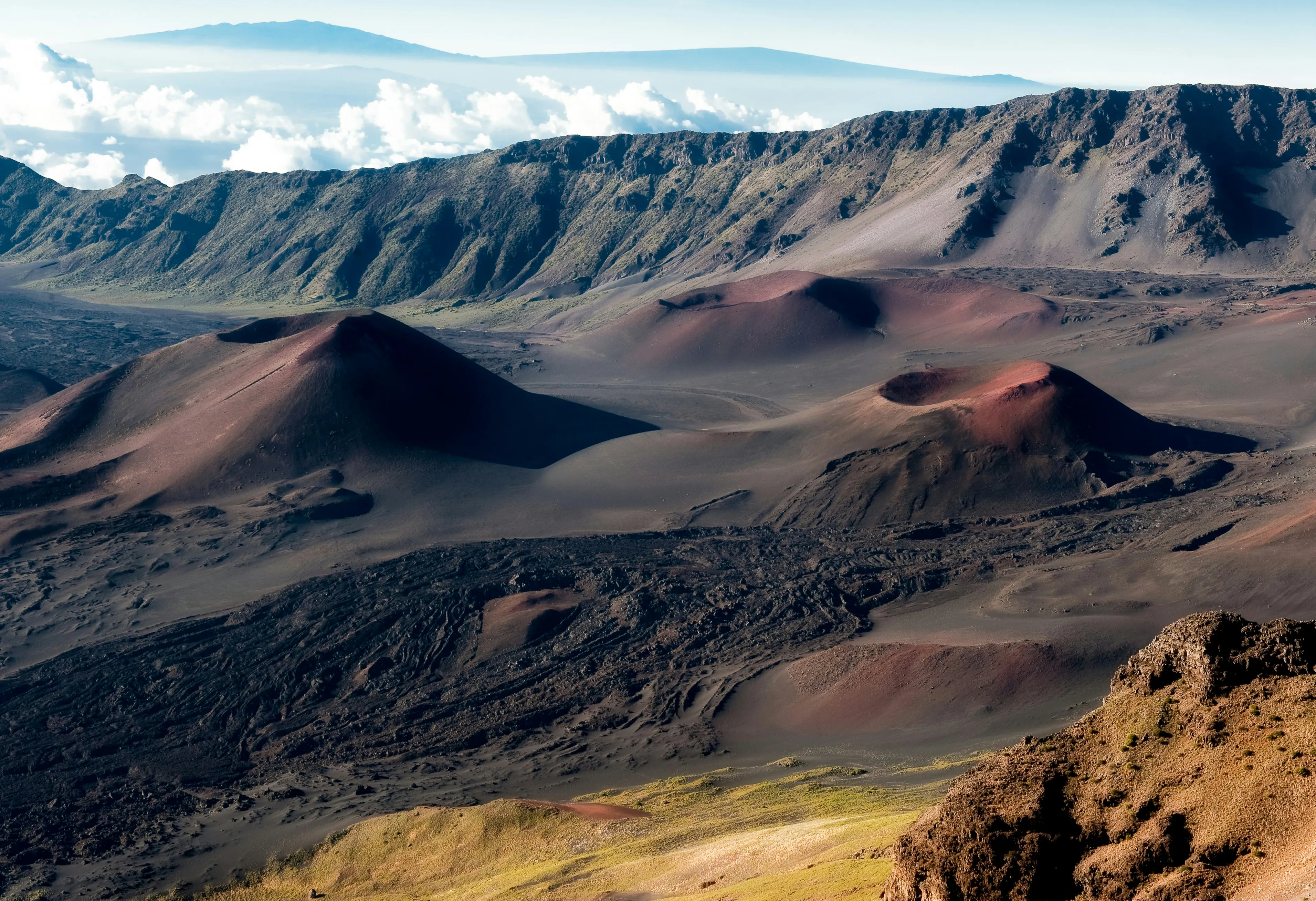
Sunset is another option and does not currently require a sunrise-style reservation, although parking can reach capacity.
Visitors should also remember that Haleakalā can be surprisingly cold and windy. Temperatures near the summit can be dramatically lower than at sea level, so bring warm layers even if your day begins at the beach.
Best for: sunrise and sunset views, hiking, photography, volcanic scenery, and stargazing.
The Road to Hāna is not simply a drive to Hāna—it is an attraction in itself.
The journey along East Maui takes travelers through lush rainforest scenery, past waterfalls, ocean cliffs, tropical vegetation, historic bridges, and small communities. Popular stops can include Keʻanae Peninsula, waterfalls along the Hāna Highway, Hāna Town, Waiʻānapanapa State Park, and the Kīpahulu District of Haleakalā National Park.
Instead of trying to stop at every roadside attraction, choose a smaller number of meaningful stops and give yourself time to enjoy them. The road is narrow and winding in many places, and local residents depend on it for everyday travel.
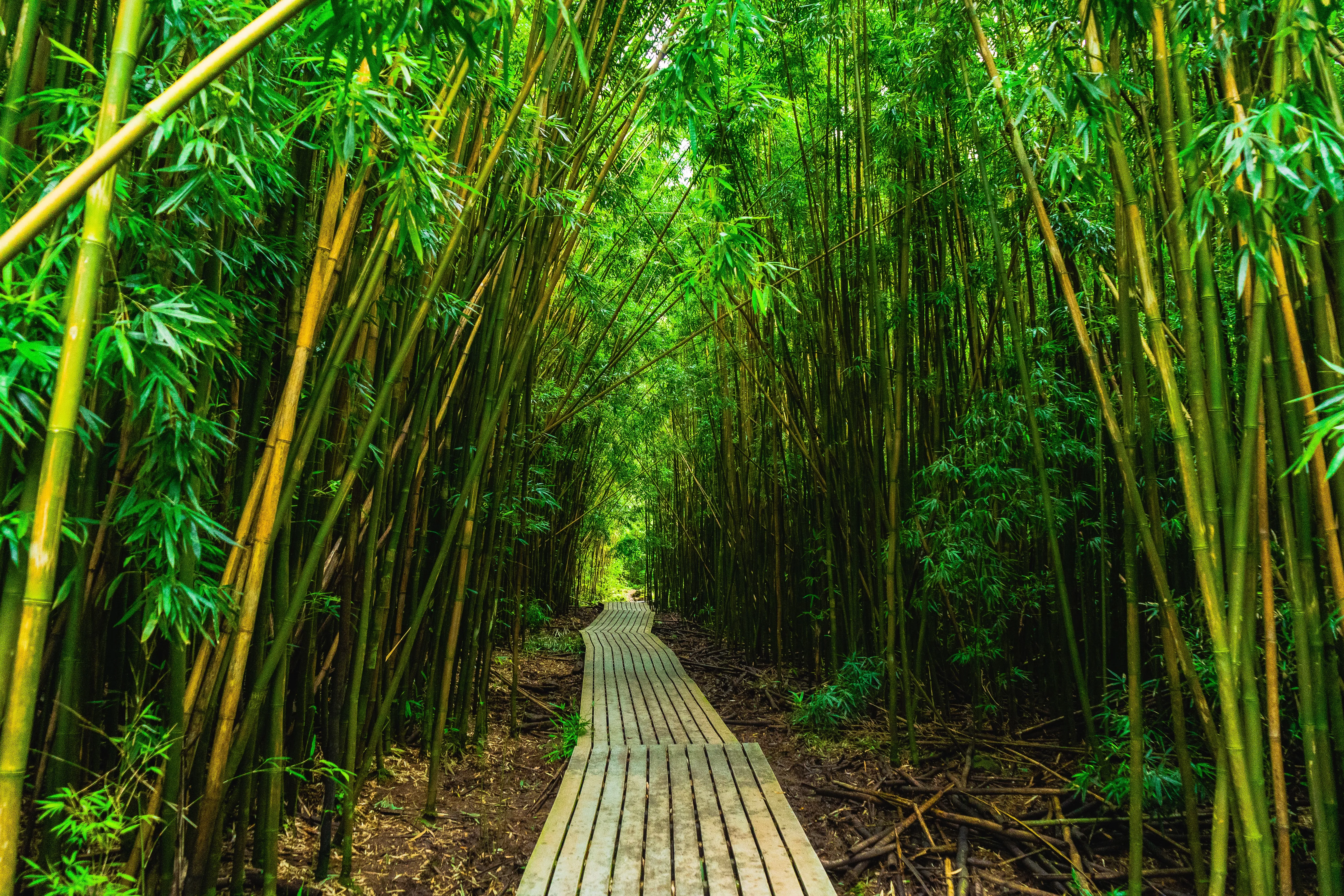
If you plan to visit Waiʻānapanapa State Park, do not treat it as an unplanned roadside stop. Out-of-state visitors currently need advance parking and entry reservations, which can be booked up to 30 days ahead. Hawaiʻi residents with valid state identification are exempt from the reservation and fee requirement.
Best for: waterfalls, rainforest scenery, scenic driving, photography, and exploring East Maui.
Located near Hāna, Waiʻānapanapa State Park is famous for its dramatic volcanic coastline and black-sand beach.
The contrast between dark volcanic rock, blue Pacific water, and thick green vegetation makes this one of the most distinctive landscapes on Maui. Beyond the beach itself, the coastal setting is a major part of the experience.
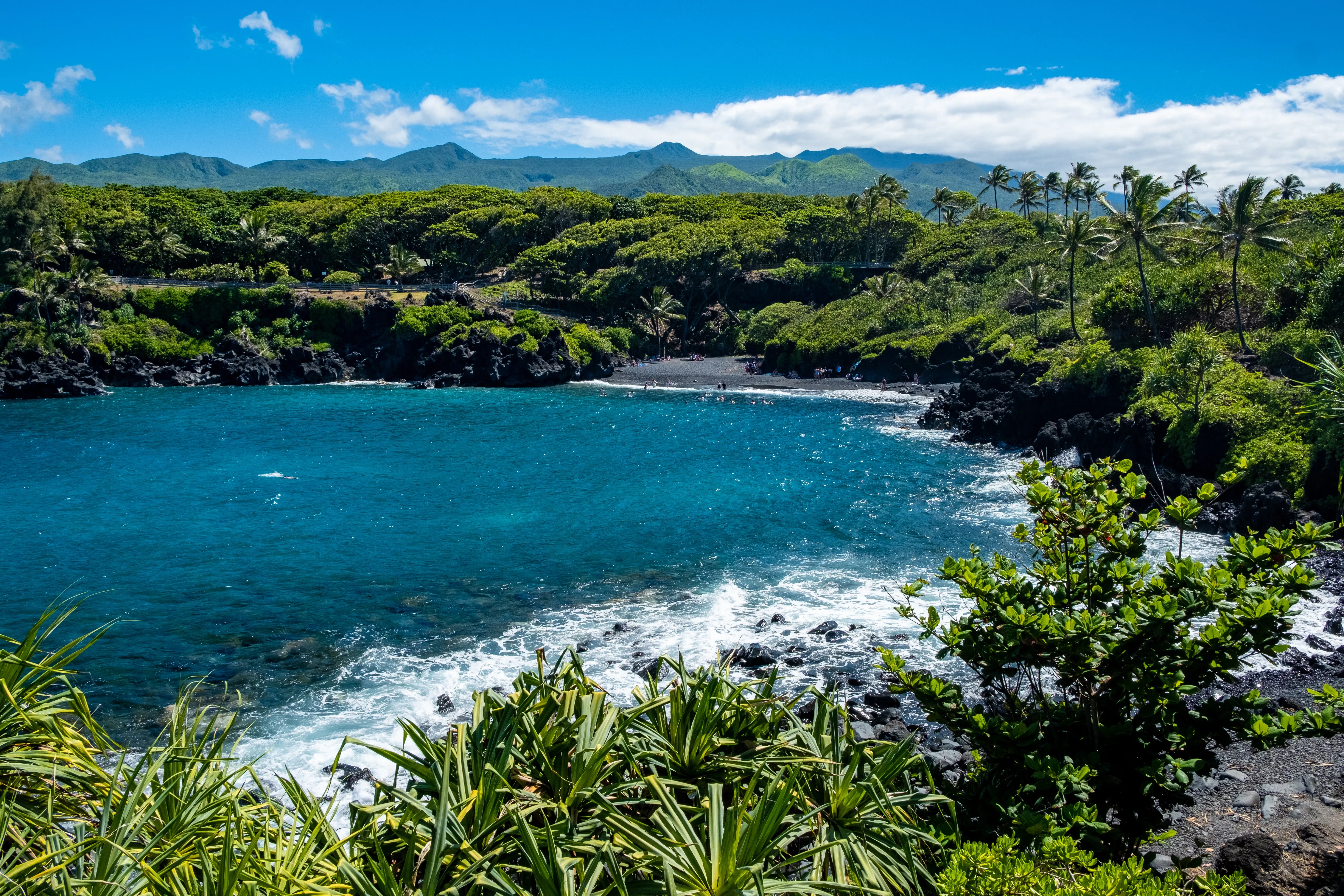
Because entry is controlled through timed reservations for nonresidents, travelers should coordinate their reservation with the rest of their Road to Hāna itinerary rather than assuming they can simply arrive whenever they reach Hāna.
Best for: black-sand scenery, coastal views, photography, and Road to Hāna itineraries.
For a completely different side of Maui, head into the lush mountains of Central Maui at ʻĪao Valley State Monument.
The valley is surrounded by steep, green ridges shaped by water and erosion over countless years. Its best-known landmark is Kukaʻemoku, commonly called the ʻĪao Needle.
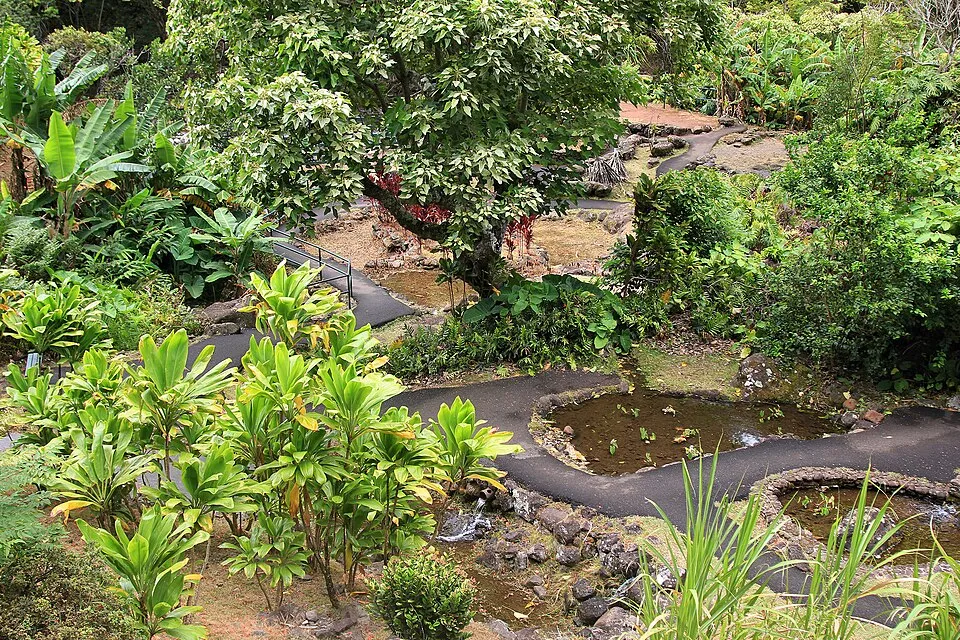
ʻĪao Valley is also culturally and historically significant. The valley was the site of the Battle of Kepaniwai in 1790, an important event during Kamehameha I’s campaign to unite the Hawaiian Islands.
Non-Hawaiʻi residents currently need advance reservations to enter ʻĪao Valley State Monument. Hawaiʻi residents with valid state identification are exempt, although parking is not guaranteed when the lot reaches capacity.
Best for: Hawaiian history, mountain scenery, short walks, families, and photography.
Maui’s North Shore offers a noticeably different atmosphere from the resort areas of Wailea and Kāʻanapali.
Pāʻia is a convenient starting point for exploring the region, while Hoʻokipa Beach Park is internationally known for ocean sports and powerful winter surf. Continue toward Haʻikū and the landscape becomes increasingly lush, with tropical vegetation, agricultural land, and outdoor adventures.
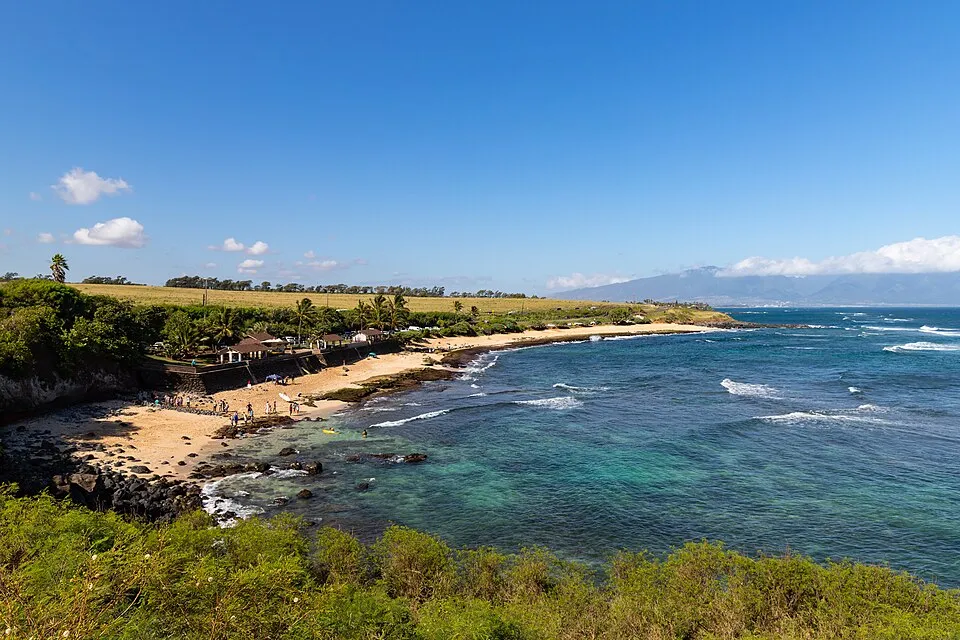
For travelers looking to add something more active to their Maui itinerary, NorthShore Zipline in Haʻikū offers a way to experience Maui from above the forest while exploring a historic property on the North Shore.
The North Shore also fits naturally into a day that includes Pāʻia, Hoʻokipa, Haʻikū, or the beginning of the Road to Hāna.
Best for: outdoor adventure, surfing scenery, scenic drives, local communities, and exploring beyond Maui’s resort districts.
A few miles off Maui’s southwestern coast, Molokini is one of the island’s most recognizable snorkeling and diving destinations.
The crescent-shaped islet is the exposed southern rim of an extinct volcanic crater. Its protected inner cove contains reef habitat and a variety of marine life, while the deeper back wall drops to more than 200 feet in places. Molokini is protected as a Marine Life Conservation District, and landing on the islet itself is prohibited because it is also a seabird sanctuary.
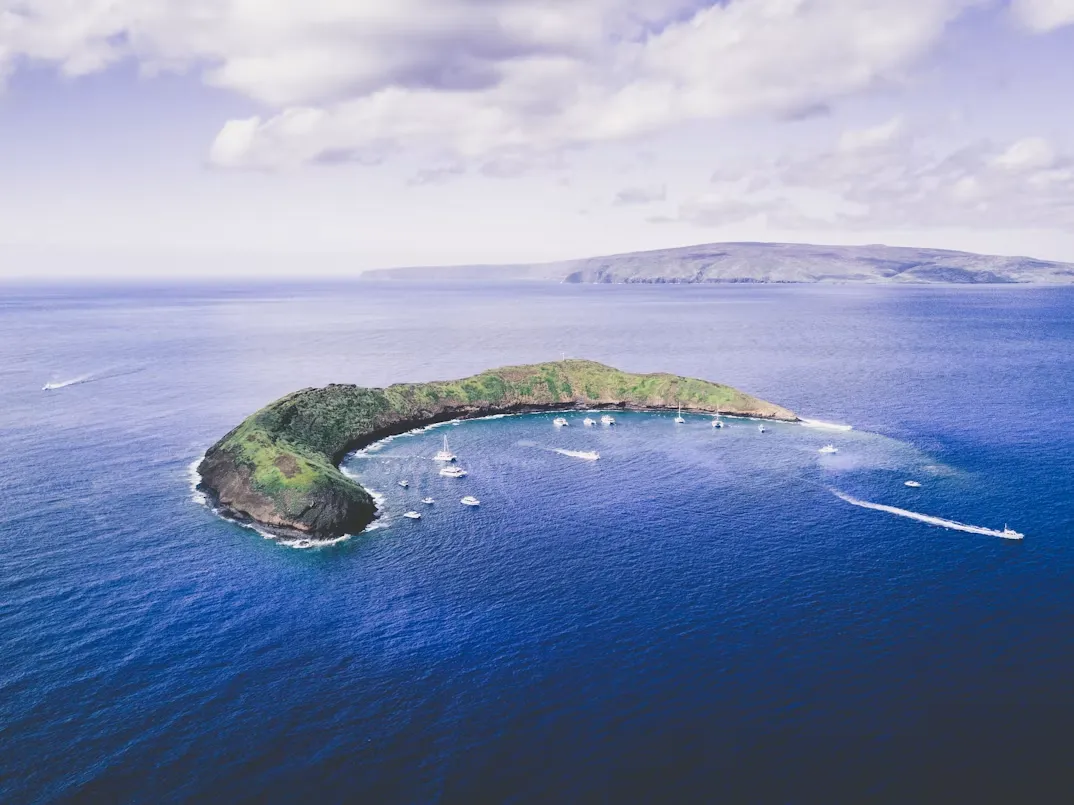
Because Molokini is offshore, visitors reach it by boat. Conditions often favor morning excursions because winds and currents can strengthen later in the day.
Best for: snorkeling, scuba diving, boat excursions, marine life, and underwater photography.
Travelers looking for the classic Maui combination of sand, swimming, resorts, restaurants, and sunsets will find it along Kāʻanapali Beach.
This stretch of West Maui is particularly convenient for travelers who want beach time without spending an entire day driving around the island. Snorkeling, swimming, sunset walks, and ocean excursions can all be incorporated into a relaxed day.
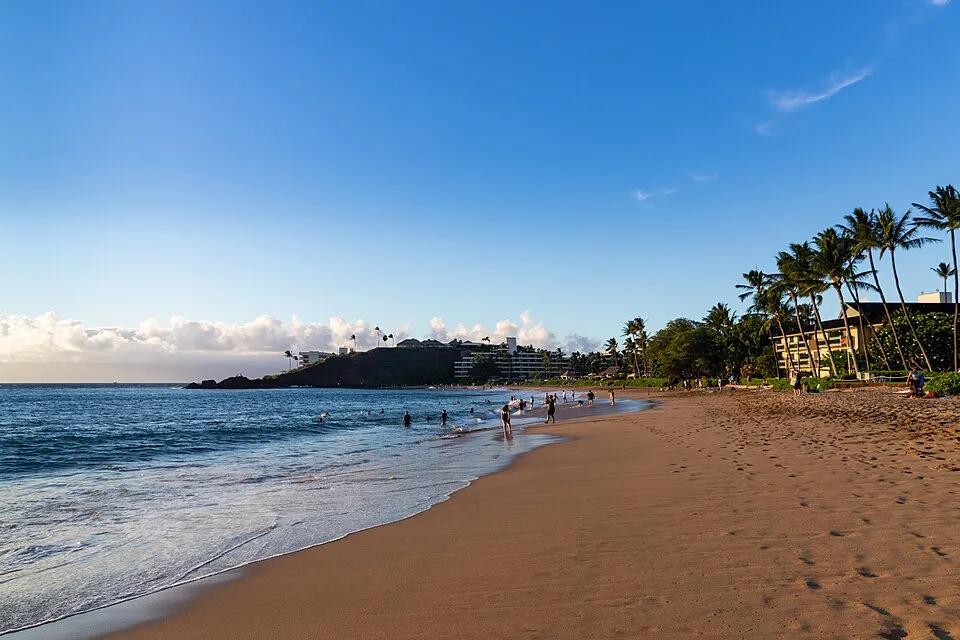
Farther north, the Kapalua area offers additional beaches, coastal scenery, and trails, making West Maui worth exploring beyond the major resort properties.
Best for: beaches, swimming, sunsets, resort stays, and relaxing days near the ocean.
Maui is much more than its coastline.
Upcountry Maui, on the slopes of Haleakalā, includes communities such as Makawao and Kula. Higher elevation creates cooler temperatures and a landscape filled with farms, ranch country, forests, gardens, and expansive views toward Maui’s central valley and coastline.
Makawao is known for its paniolo—or Hawaiian cowboy—history, while Kula provides a scenic transition between Central Maui and Haleakalā.
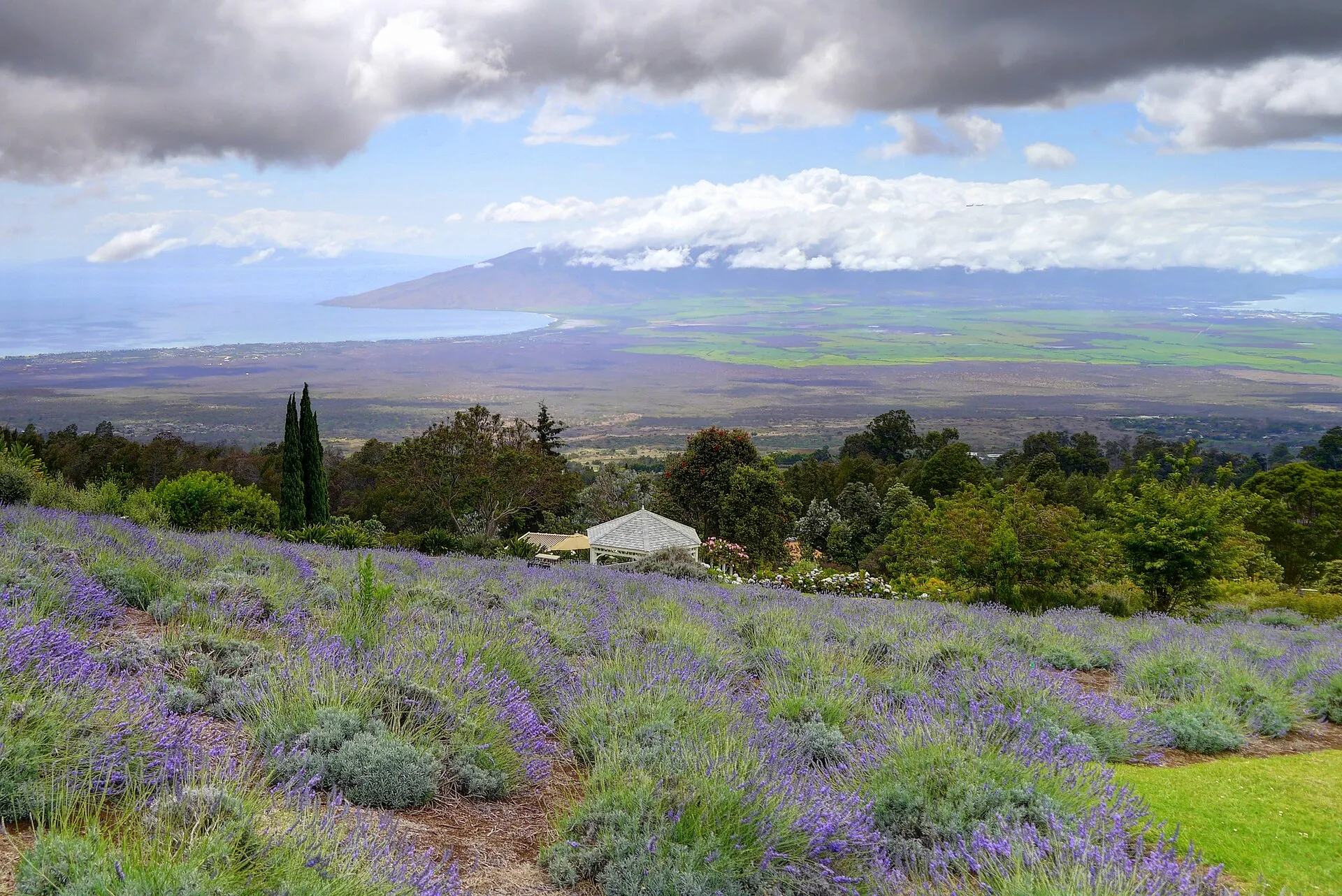
Upcountry is especially easy to combine with a Haleakalā visit, turning the journey to or from the summit into a larger day of exploring rather than simply driving up the mountain and back.
Best for: scenic drives, local history, farms, cooler weather, food stops, and exploring a less beach-focused side of Maui.
If you visit Maui during winter, the ocean itself becomes one of the island’s greatest attractions.
Thousands of North Pacific humpback whales migrate to Hawaiian waters during winter and spring to breed, give birth, and nurse their calves. NOAA says humpbacks are generally seen in Hawaiʻi from November through April, with peak season typically occurring from January through March.
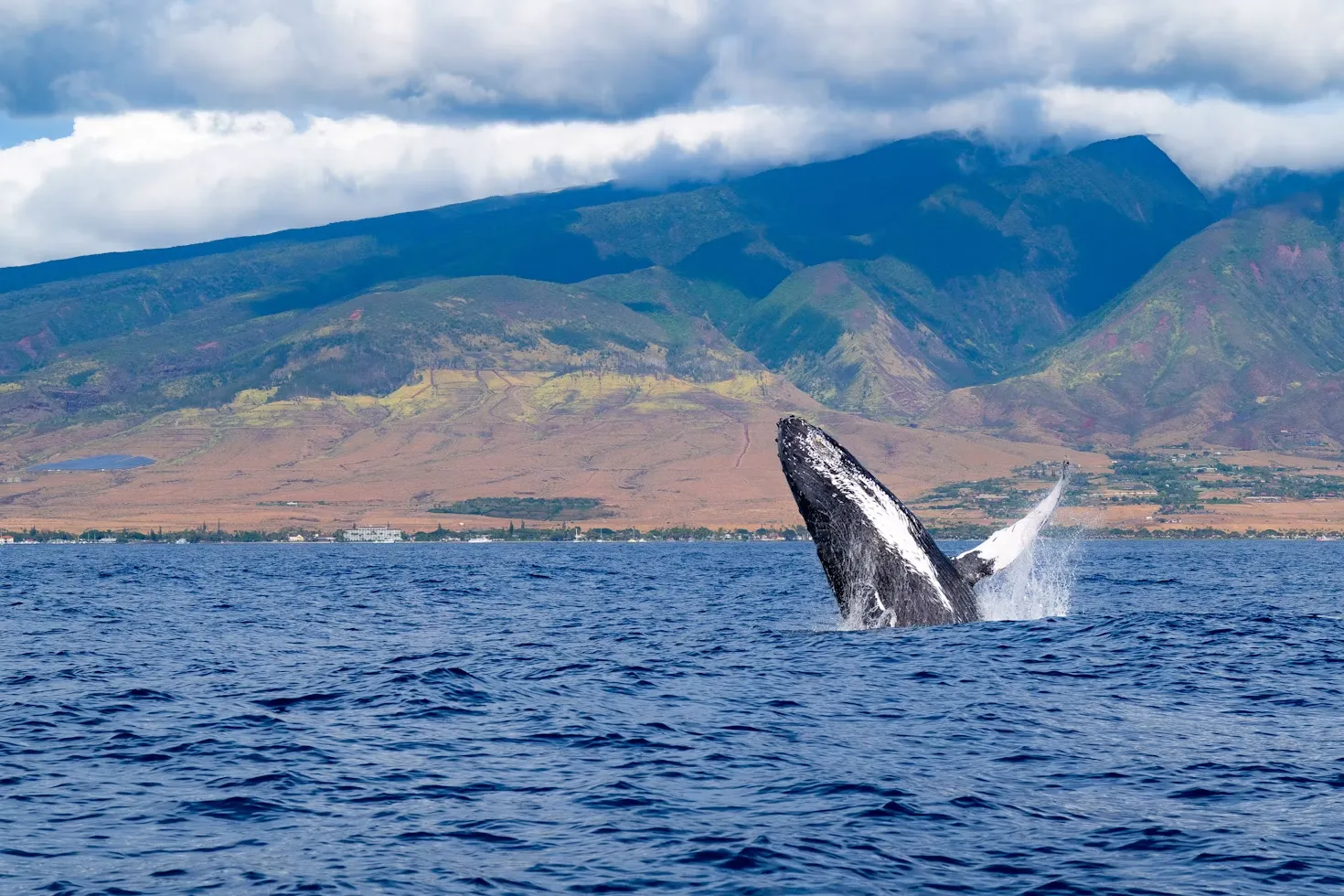
Whales can sometimes be spotted from shore, but authorized whale-watching excursions provide opportunities to observe them from the water while learning about their behavior and conservation.
Best for: winter visitors, families, wildlife enthusiasts, photography, and boat excursions.
The best Maui itinerary usually combines different regions rather than trying to visit every famous attraction in one or two days.
For example, dedicate one day to Haleakalā and Upcountry Maui, another to the Road to Hāna and Waiʻānapanapa, and another to West or South Maui beaches and snorkeling. A separate North Shore day can combine Pāʻia, Hoʻokipa, Haʻikū, and an outdoor activity such as ziplining.
This approach reduces unnecessary driving while allowing more time to actually experience each area.
Some of the top attractions in Maui include Haleakalā National Park, the Road to Hāna, Waiʻānapanapa State Park, ʻĪao Valley, Molokini, Kāʻanapali Beach, Maui’s North Shore, and Upcountry Maui. The best choices depend on whether you prefer beaches, hiking, snorkeling, Hawaiian history, scenic drives, or outdoor adventure.
For a first Maui vacation, consider experiencing at least one major volcanic landscape such as Haleakalā, one scenic coastal or rainforest area such as the Road to Hāna, and one beach or ocean activity. Exploring Upcountry or the North Shore can also provide a different perspective beyond Maui’s resort areas.
Popular family activities include ʻĪao Valley, Maui beaches, scenic North Shore stops, Haleakalā, beginner-friendly snorkeling when ocean conditions are safe, and age-appropriate outdoor adventures such as ziplining.
Some attractions do require advance reservations. Haleakalā sunrise requires a reservation for entry between 3:00 a.m. and 7:00 a.m., while non-Hawaiʻi residents need reservations for Waiʻānapanapa State Park and ʻĪao Valley State Monument. Requirements can change, so always check the official website before visiting.
Yes. For most visitors, the Road to Hāna should be treated as a full-day experience because the attraction is the journey itself. Waterfalls, coastal viewpoints, rainforest scenery, Hāna, and Waiʻānapanapa can easily fill an entire day.
Maui offers many attractions that can be enjoyed without purchasing a tour, including beaches, scenic viewpoints, Pāʻia, Makawao, portions of the North Shore, and coastal drives. Parking or entrance fees may still apply at certain parks and managed areas.
Maui offers hiking, ziplining, snorkeling, scuba diving, whale watching, scenic drives, waterfall sightseeing, and exploring volcanic landscapes. Haleakalā, the North Shore, Upcountry, and East Maui are especially good areas for travelers looking for outdoor activities away from the resort beaches.
Humpback whales are generally present in Hawaiian waters from November through April, with January through March typically considered the peak period for sightings.
Technically it may be possible to cover portions of both, but it is generally better to schedule them on separate days. Both experiences involve substantial driving and deserve enough time to enjoy safely without rushing.
There is no single area that contains all of Maui’s major attractions. West and South Maui are convenient for beaches and ocean activities, Central Maui provides access to ʻĪao Valley, Upcountry leads toward Haleakalā, and the North Shore and East Maui provide rainforest scenery, outdoor adventures, and access to the Road to Hāna. A well-planned Maui vacation usually explores several of these regions.
If you would like to read and learn more about interesting things in Hawaii! Check out our blog page here on our website!
or
Image Credits:
Blog Photos:
"Green trees on seashore during daytime" by William Zhang, via Unsplash
"brown and red sand" by Jeff King, via Unsplash
"Boardwalk between trees" by Satty Singh, via Pexels
"Forest in bay on sea shore" by Kelsey, via Pexels
ʻĪao Valley State Park Nature Trail, Maui — Photo by Larry D. Moore. Licensed under the Creative Commons Attribution 4.0 International (CC BY 4.0). Source: Wikimedia Commons.
Hoʻokipa Beach, Maui — Photo by dronepicr. Licensed under the Creative Commons Attribution 2.0 Generic (CC BY 2.0). Optimized for web. Source: Wikimedia Commons.
"body of water under white cloudy sky during daytime" by Farid Askerov, via Unsplash
Black Rock Beach, Kāʻanapali, Maui — Photo by dronepicr. Licensed under the Creative Commons Attribution 2.0 Generic (CC BY 2.0). Optimized for web. Source: Wikimedia Commons.
Kula Lavender Farm, Maui — Photo by John Morgan. Licensed under the Creative Commons Attribution 2.0 Generic (CC BY 2.0). Optimized for web. Source: Wikimedia Commons.
"a whale jumping out of the water" by Steve Wrzeszczynski, via Unsplash
Planning a Maui vacation with the entire family? One of the best things about the Valley Isle is that a memorable family day does not have to mean choosing between activities for kids and activities for adults. Maui offers plenty of experiences that parents, children, teens, and even grandparents can enjoy together.
From soaring through the trees on a zipline to discovering Hawaiian marine life, exploring a volcanic landscape, walking through a lush valley, and spending an afternoon at the beach, there are family fun activities in Maui for nearly every age and travel style.
The key is creating an itinerary with variety. Instead of spending every day at the beach, mix adventure, nature, Hawaiian culture, wildlife, and downtime. Here are some of the best ways to experience Maui as a family.
For families looking for something more adventurous than another beach day, ziplining is an exciting way to experience a completely different side of Maui.
Located in Haʻikū, NorthShore Zipline offers a seven-line zipline adventure through a landscape of haiku scenery, eucalyptus trees, open fields, and tropical vegetation.
The approximately two-hour experience is designed for both first-time and experienced zipliners. Children ages five and older can participate as long as they weigh at least 40 pounds, while the maximum participant weight is 270 pounds. Children 16 and younger must be accompanied by an adult.

That makes ziplining particularly useful for families searching for an activity where parents and children can actually participate together instead of watching from the sidelines.
NorthShore Zipline also requires only about a 5-10 minutes of easy hiking between the lines. Family members who do not want to zip can walk part of the course for free and watch from designated viewing areas.
The property adds another interesting element to the experience: it sits on land once used as part of Camp Maui, a World War II Marine training base. Families can combine outdoor adventure with a glimpse into an often-overlooked chapter of Maui's history.
If you need a break from the sun—or Maui happens to deliver one of its rainy days—Maui Ocean Center in Māʻalaea is one of the island's most reliable family activities.
The aquarium focuses on Hawaiʻi's marine environment, giving children an opportunity to see animals they may otherwise never encounter closely while swimming or snorkeling.
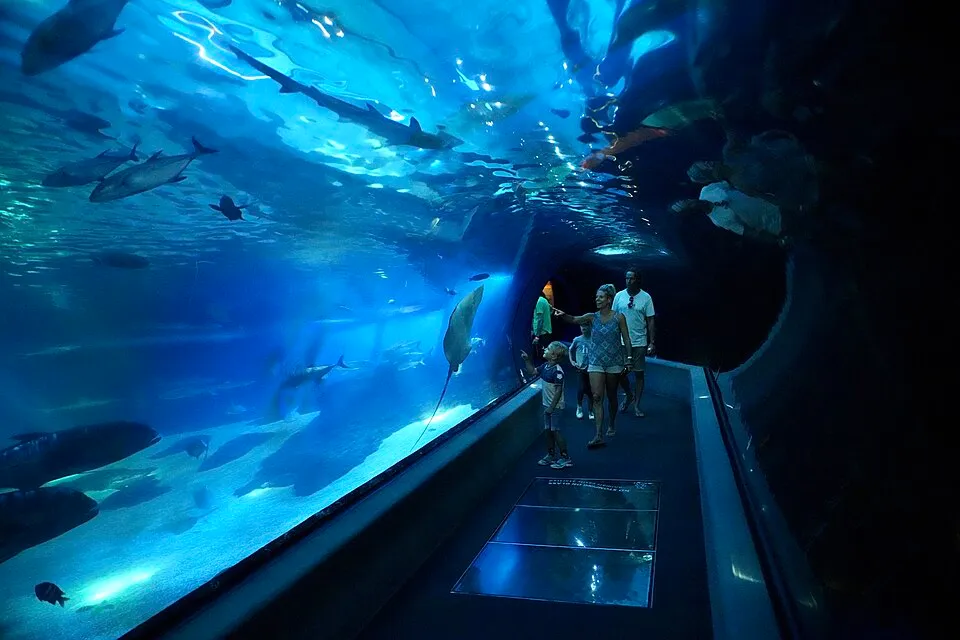
Exhibits feature coral reefs, sharks, rays, sea turtles, and other marine life associated with Hawaiian waters. General admission also includes the Humpbacks of Hawaiʻi 3D Sphere Experience.
According to Maui Ocean Center, the average visit takes approximately two hours, making it easy to combine the aquarium with another activity on the same day. The facility also has stroller-friendly and accessible pathways, which can make it a practical option for families traveling with younger children or multiple generations.
Few family experiences on Maui demonstrate the island's extraordinary geography quite like a trip to Haleakalā National Park.
The summit reaches 10,023 feet above sea level and looks dramatically different from Maui's tropical coastline. Families can stop at overlooks, explore trails, learn about native species, and discover the cultural significance of Haleakalā to Native Hawaiians.
Families with younger children can also explore the park's Junior Ranger activities, which introduce kids to Haleakalā's plants, wildlife, history, and conservation.
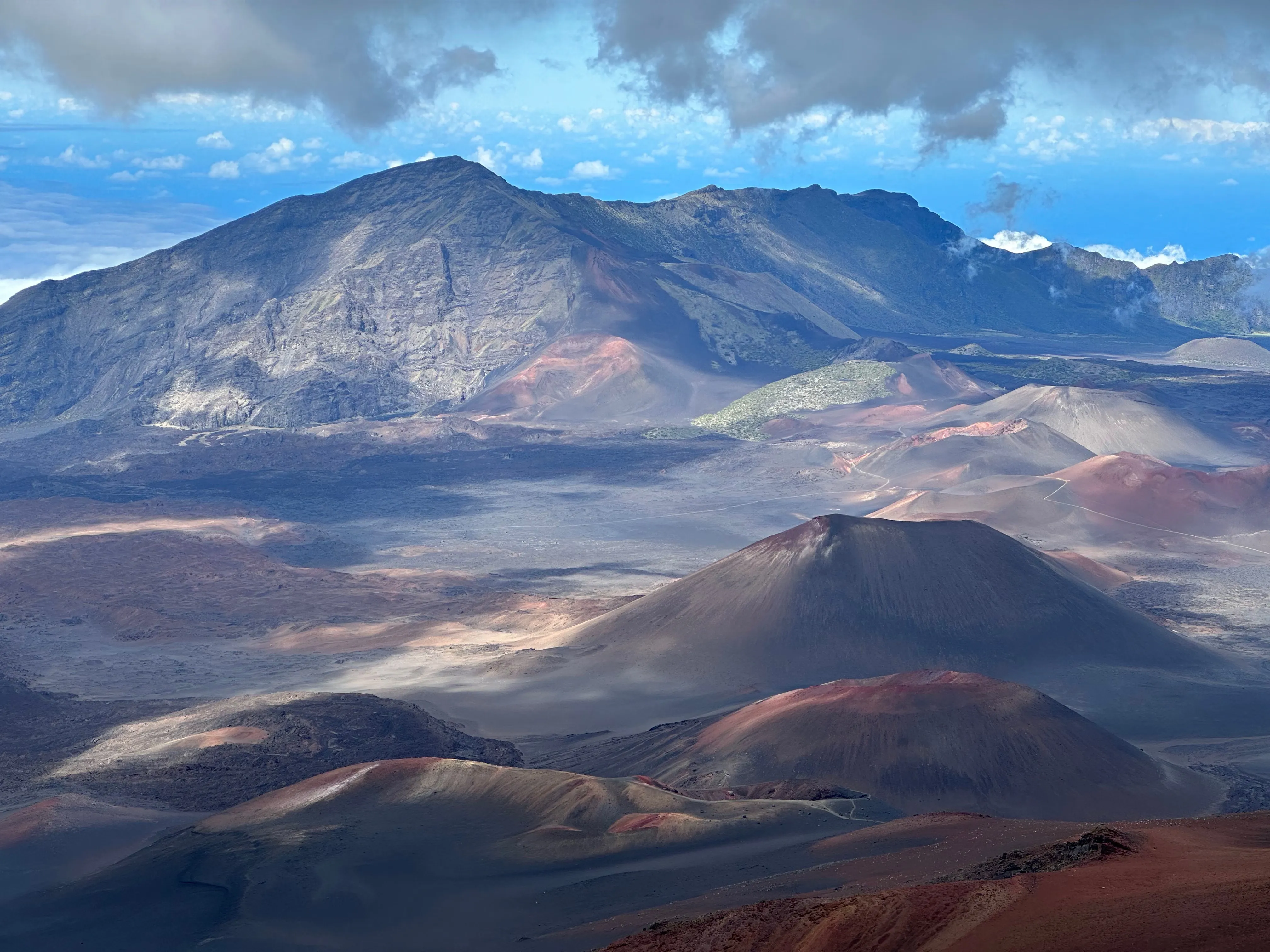
Sunrise is famous, but it requires considerably more planning. A reservation is required for vehicles entering the Summit District between 3:00 a.m. and 7:00 a.m. Reservations are separate from the park entrance fee and are released through Recreation.gov up to 60 days in advance, with another portion released two days in advance.
Families who would rather avoid waking everyone before dawn can visit later in the day. A sunrise reservation is not required after 7:00 a.m.
Whatever time you visit, bring layers. Conditions at the summit can be dramatically colder, wetter, and windier than conditions near Maui's beaches.
Families don't necessarily need to tackle a long hike to experience Maui's mountains and rainforest.
ʻĪao Valley State Monument near Wailuku offers a relatively short outing surrounded by the lush West Maui Mountains. A typical visit lasts approximately 30 to 60 minutes, making it especially convenient for families who want to experience Maui's natural scenery without committing most of the day to hiking.
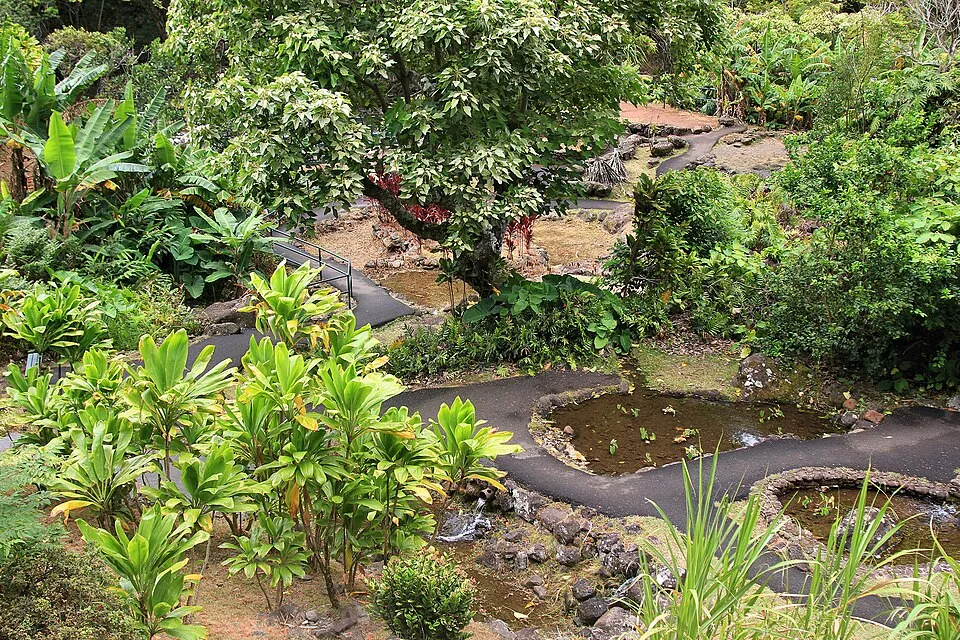
The valley is also historically and culturally significant, so it should be approached as more than simply a scenic photo stop.
Non-Hawaiʻi residents currently need advance reservations for entry, and parking reservations are also available through the official Hawaiʻi State Parks reservation system. Reservations can be made up to 30 days in advance. Hawaiʻi residents with valid state identification do not need an advance reservation or entry ticket, although parking availability is not guaranteed.
A Maui family vacation wouldn't be complete without time at the ocean.
The important thing to remember is that "family-friendly beach" does not mean the ocean will always be calm. Maui's surf, wind, currents, and shorebreak can change with weather and season.
For families with children, choosing beaches with lifeguards can add another layer of safety. Maui County operates lifeguard towers at locations including Kamaʻole I, II, and III in South Maui, H.A. Baldwin Beach Park and Hoʻokipa Beach Park on the North Shore, Kanahā Beach Park, D.T. Fleming Beach Park, and Hanakaʻōʻō Beach Park.
Before entering the ocean, look at the conditions in front of you and follow posted warnings and lifeguard instructions. A beach that was calm yesterday may behave very differently today.
Beach time can also be one of the easiest ways to keep a Maui vacation affordable. Pack lunch, bring plenty of water, find a shady place to relax, build sandcastles, walk the shoreline, and let the kids enjoy a less structured afternoon between scheduled adventures.
The Road to Hāna can be an incredible family experience, but families should think of the drive itself as the attraction rather than racing to reach Hāna.
The route is known for rainforest scenery, waterfalls, coastal views, historic bridges, and small communities. With children, a slower itinerary usually makes more sense than trying to stop at every attraction.
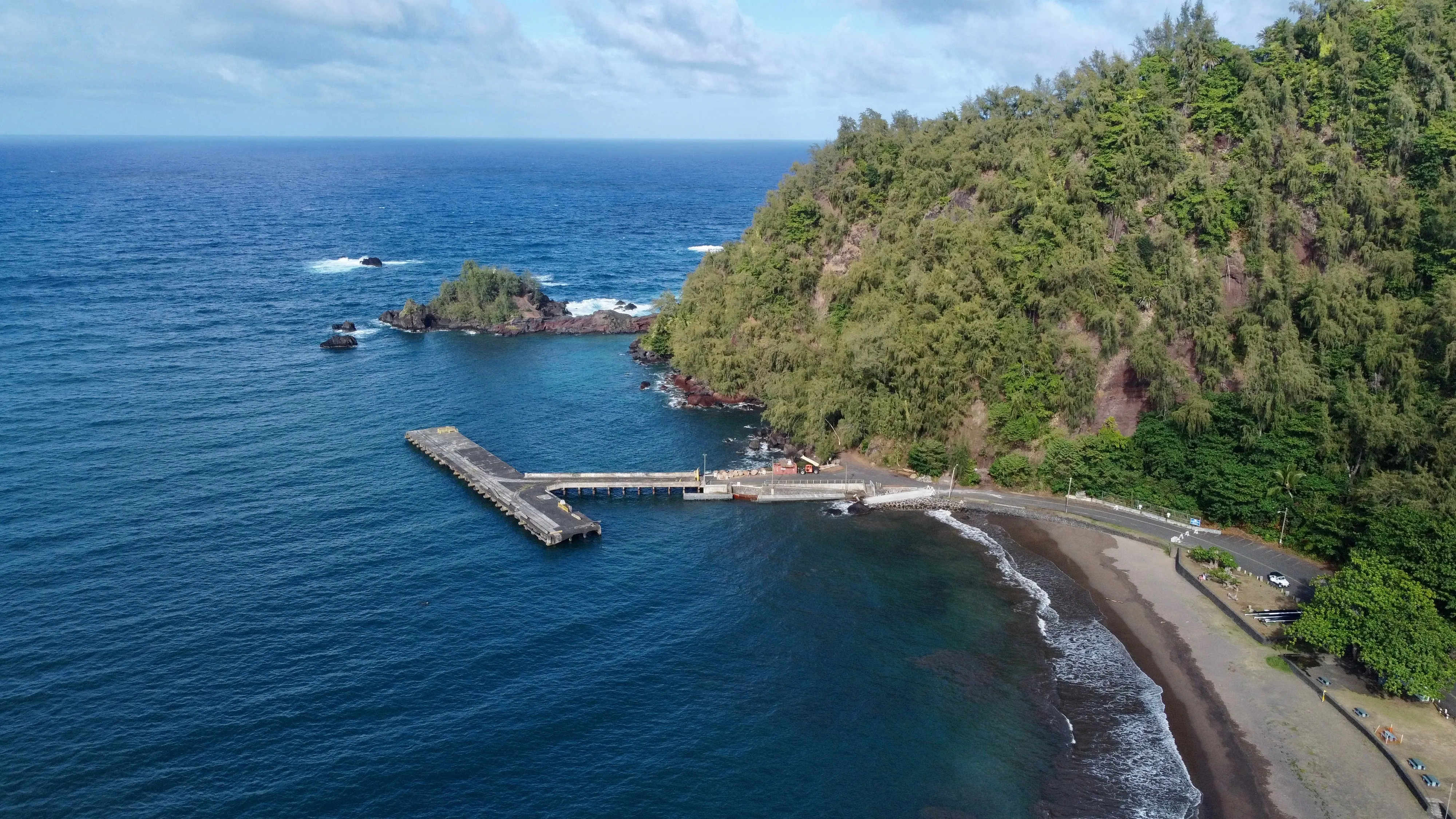
Choose a few planned stops, bring snacks and water, and allow extra time.
Most importantly, respect private property, posted signs, parking restrictions, and local communities along the route. Not every waterfall, trail, or roadside location seen on social media is legally or safely accessible.
For families who don't want to spend an entire day in the car, exploring the North Shore and stopping around Pāʻia, Hoʻokipa, and Haʻikū can provide a taste of Maui's greener side without completing the full drive to Hāna.
Seeing a Hawaiian green sea turtle, or honu, is often one of the moments children remember most from a Maui vacation.
Turtles can sometimes be seen around Maui's shoreline, including areas along the North Shore. If you encounter one resting on land or swimming nearby, give it plenty of space.
Wildlife viewing is far more meaningful when children learn that seeing an animal does not mean they need to touch, chase, feed, or surround it.
It can turn a simple beach stop into an opportunity to teach younger travelers about conservation and responsible tourism in Hawaiʻi.
Some of the best family memories on Maui happen between the major attractions.
Stop at a local farmers market. Try fruit your kids have never tasted. Walk through a small Upcountry town. Watch the sunset together. Look for rainbows after an afternoon shower. Spend an hour exploring instead of rushing to the next reservation.
Maui works especially well for families when the itinerary leaves room for spontaneity.
A great family vacation might include a morning zipline adventure in Haʻikū, an afternoon at the beach, another day exploring Haleakalā, and a rainy-day visit to Maui Ocean Center.
You don't have to see everything.
Choose experiences your family can enjoy together, leave room to slow down, and Maui will provide plenty of moments worth remembering.
NorthShore Zipline – Family Zipline Adventure
NorthShore Zipline – Things to Do on Maui
Maui Ocean Center
Haleakalā National Park
Haleakalā Sunrise Information
ʻĪao Valley State Monument Reservations
Maui County Ocean Safety
Popular family activities in Maui include ziplining, visiting Maui Ocean Center, exploring Haleakalā National Park, visiting ʻĪao Valley, spending time at family-friendly beaches, wildlife watching, and exploring Maui's North Shore and Road to Hāna. The best activity depends on the ages and interests of your children.
Families can go ziplining, visit an aquarium, explore Haleakalā National Park, take short nature walks, visit ʻĪao Valley, explore Upcountry Maui, visit farmers markets, look for Hawaiian wildlife, and take a scenic drive along the North Shore.
Yes, although minimum requirements vary by company. NorthShore Zipline in Haʻikū allows children ages five and older who weigh at least 40 pounds to participate. Children 16 and younger must be accompanied by an adult.
Maui Ocean Center is one of the most popular rainy-day family attractions. Families can also explore different parts of the island where weather conditions may be better, visit local shops and restaurants, or participate in scheduled activities that continue safely during light rain. Weather varies considerably across Maui, so rain in one area does not necessarily mean rain everywhere.
Yes. Families can visit overlooks, explore trails and learn about Haleakalā's native species, geology, history, and Native Hawaiian cultural significance. The National Park Service also offers Junior Ranger activities for children. Families should bring warm clothing because summit conditions can be much colder than coastal Maui.
A special reservation is required to enter the Haleakalā Summit District between 3:00 a.m. and 7:00 a.m. for sunrise. Visitors entering after 7:00 a.m. do not need the sunrise reservation, although normal park entrance fees still apply.
Visitors who are not Hawaiʻi residents need reservations to enter ʻĪao Valley State Monument. Hawaiʻi residents with valid state identification do not need reservations or entry tickets, although parking is subject to availability.
Beach days, public parks, scenic drives, sunset watching, walking through towns, wildlife viewing from a respectful distance, and exploring some scenic viewpoints are among the easiest ways for families to enjoy Maui without booking an expensive tour every day.
Family activities are spread throughout Maui. South and West Maui have many beaches and resort-area activities, Central Maui provides convenient access to ʻĪao Valley and Maui Ocean Center, while the North Shore and Upcountry offer ziplining, scenic drives, small towns, farms, and access toward Haleakalā and the Road to Hāna.
Families looking beyond traditional beach activities can zipline through Haʻikū, explore Haleakalā's volcanic summit, learn about Hawaiian marine ecosystems at Maui Ocean Center, visit ʻĪao Valley, explore Upcountry Maui, or combine a North Shore adventure with stops in Pāʻia and Hoʻokipa.
For most families, one major scheduled activity per day plus a flexible beach, sightseeing, or dining stop creates a more comfortable itinerary. Maui involves more driving than many first-time visitors expect, and leaving extra time makes it easier to enjoy the island without rushing from one reservation to another.
Yes. Maui offers a broad mix of activities ranging from scenic overlooks, beaches and aquariums to hiking, snorkeling and ziplining. Families can choose activities based on mobility, age and comfort level while still spending much of the vacation together.
If you would like to read and learn more about interesting things in Hawaii! Check out our blog page here on our website!
or
Image Credits:
Blog Photos:
"scenic beach view in kihei, hawaii" by Harry Xie, via Pexels
Maui Ocean Center’s 53-Foot Acrylic Tunnel — Photo by Richard N Horne. Licensed under the Creative Commons Attribution-ShareAlike 4.0 International (CC BY-SA 4.0). Source: Wikimedia Commons.
"Majestic Haleakala Volcano landscape in Hawaii" by Rushi Patel, via Pexels
ʻĪao Valley State Park Nature Trail, Maui — Photo by Larry D. Moore. Licensed under the Creative Commons Attribution 4.0 International (CC BY 4.0). Source: Wikimedia Commons.
If you're searching for the top attractions in Maui, Hawaii, start with Haleakalā National Park, the Road to Hāna, Waiʻānapanapa State Park, ʻĪao Valley, Kāʻanapali Beach, Molokini, Upcountry Maui, and Maui's scenic North Shore. Together, these destinations showcase what makes Maui extraordinary: volcanic landscapes, tropical rainforests, waterfalls, beaches, Hawaiian history, marine life, and outdoor adventure.
Maui is often called the Valley Isle, and one of the best things about visiting is how dramatically the scenery can change within a relatively short distance. You can begin your morning above the clouds on Haleakalā, explore green Upcountry landscapes in the afternoon, and finish the day beside the Pacific Ocean.
Whether you're planning your first Maui vacation or looking for new places to explore, here are some of the best attractions and things to do in Maui, Hawaii.
Best for: Sunrise, sunset, hiking, volcanic landscapes and stargazing
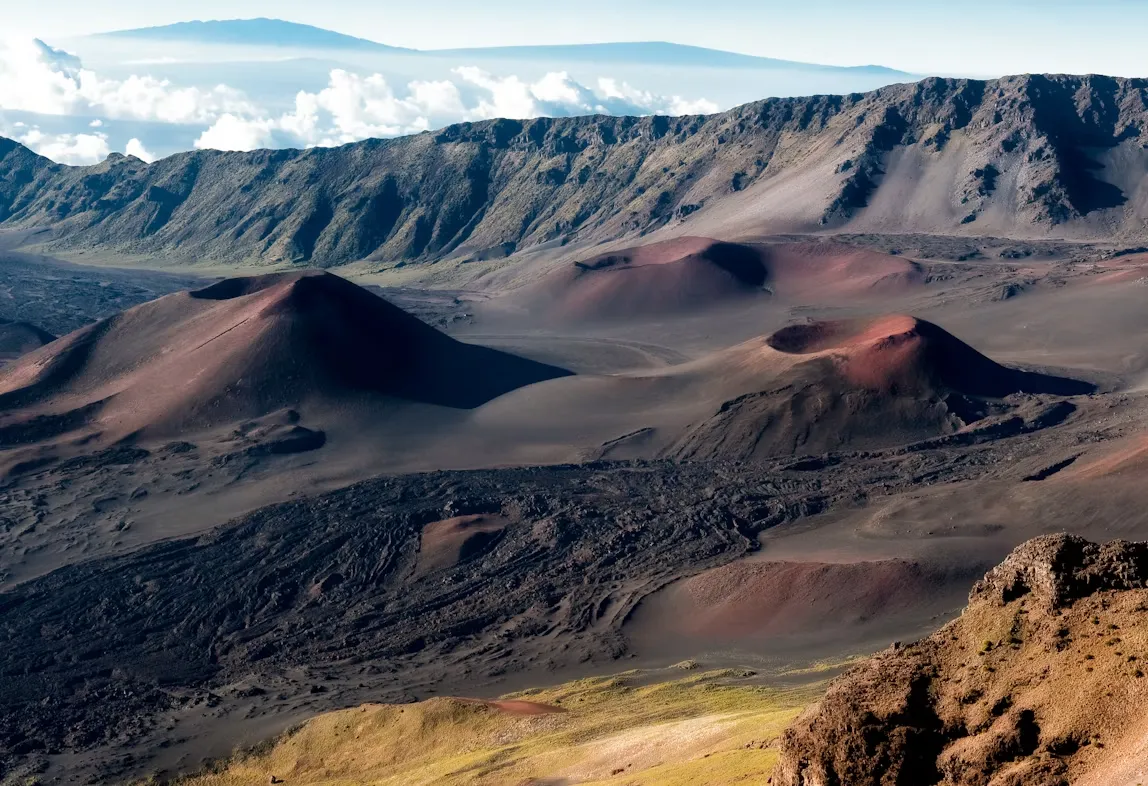
One of the most famous attractions in Maui is Haleakalā National Park, which protects landscapes stretching from Maui's volcanic summit region to the coast at Kīpahulu.
The summit of Haleakalā reaches 10,023 feet above sea level, creating an environment completely different from Maui's tropical beaches. Visitors can experience enormous volcanic landscapes, hiking trails, native plants and animals, scenic overlooks and spectacular views of the night sky.
Sunrise from Haleakalā is particularly famous. Visitors entering the Summit District between 3:00 a.m. and 7:00 a.m. for sunrise need an advance reservation, in addition to paying the park entrance fee. Reservations can be made online up to 60 days in advance, with another portion released two days ahead.
Sunset and daytime visits are excellent alternatives for travelers who don't want to wake up before dawn.
Helpful link: Haleakalā National Park — National Park Service
Best for: Waterfalls, rainforest scenery, coastal views and road trips
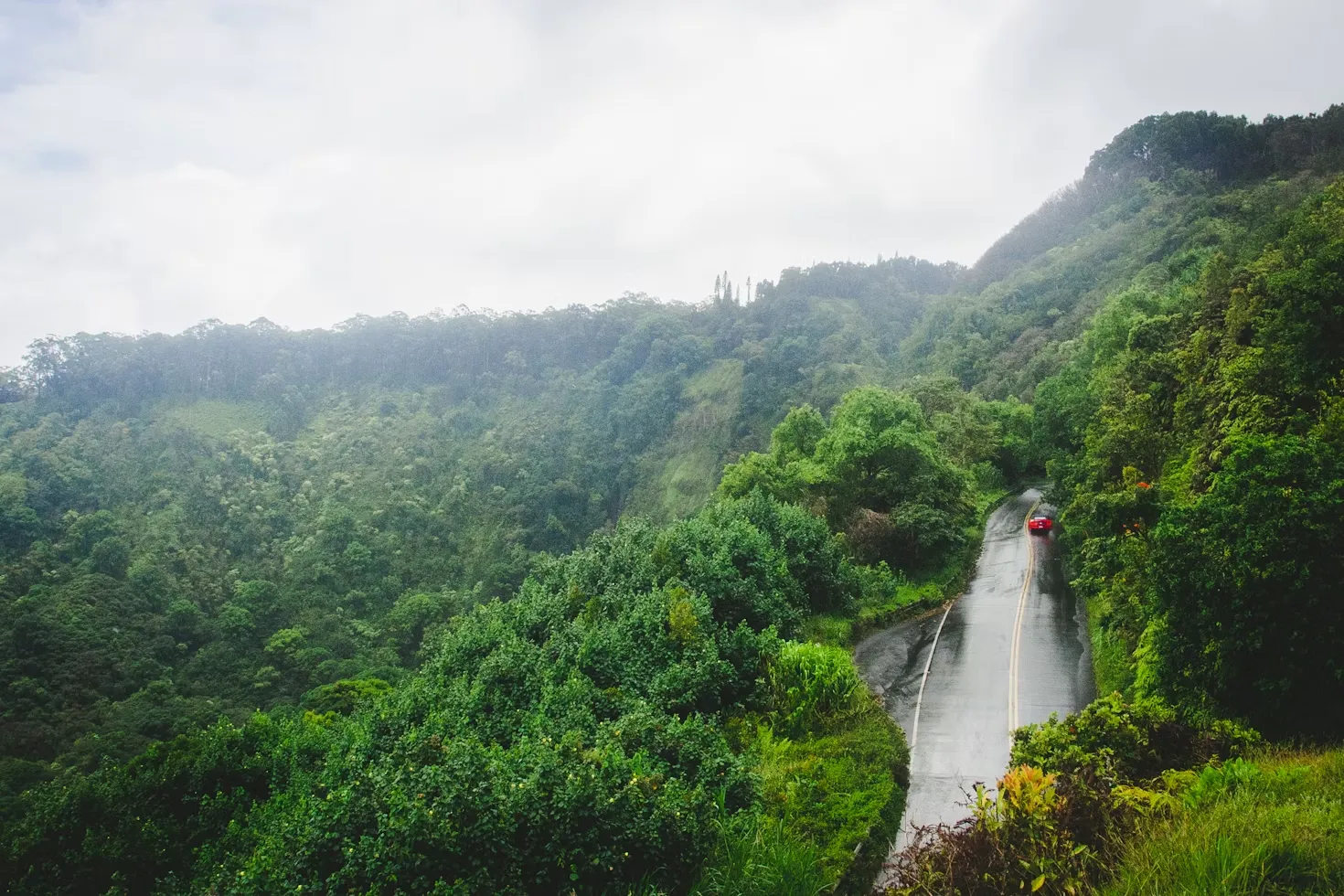
The Road to Hāna is not simply a drive to Hāna—it is one of Maui's most iconic sightseeing experiences.
Hāna Highway winds through the lush eastern side of Maui, where travelers encounter dense tropical vegetation, waterfalls, dramatic ocean views, bridges and small communities along the route.
The key to enjoying the Road to Hāna is allowing enough time for the journey. Rather than attempting to stop everywhere, choose several destinations that interest you and enjoy them without rushing.
Visitors should also remember that Hāna Highway is an important road for local residents. Respect private property, don't block driveways or roadways, follow parking restrictions and never enter areas marked as closed or private.
Best for: Black-sand scenery and volcanic coastline
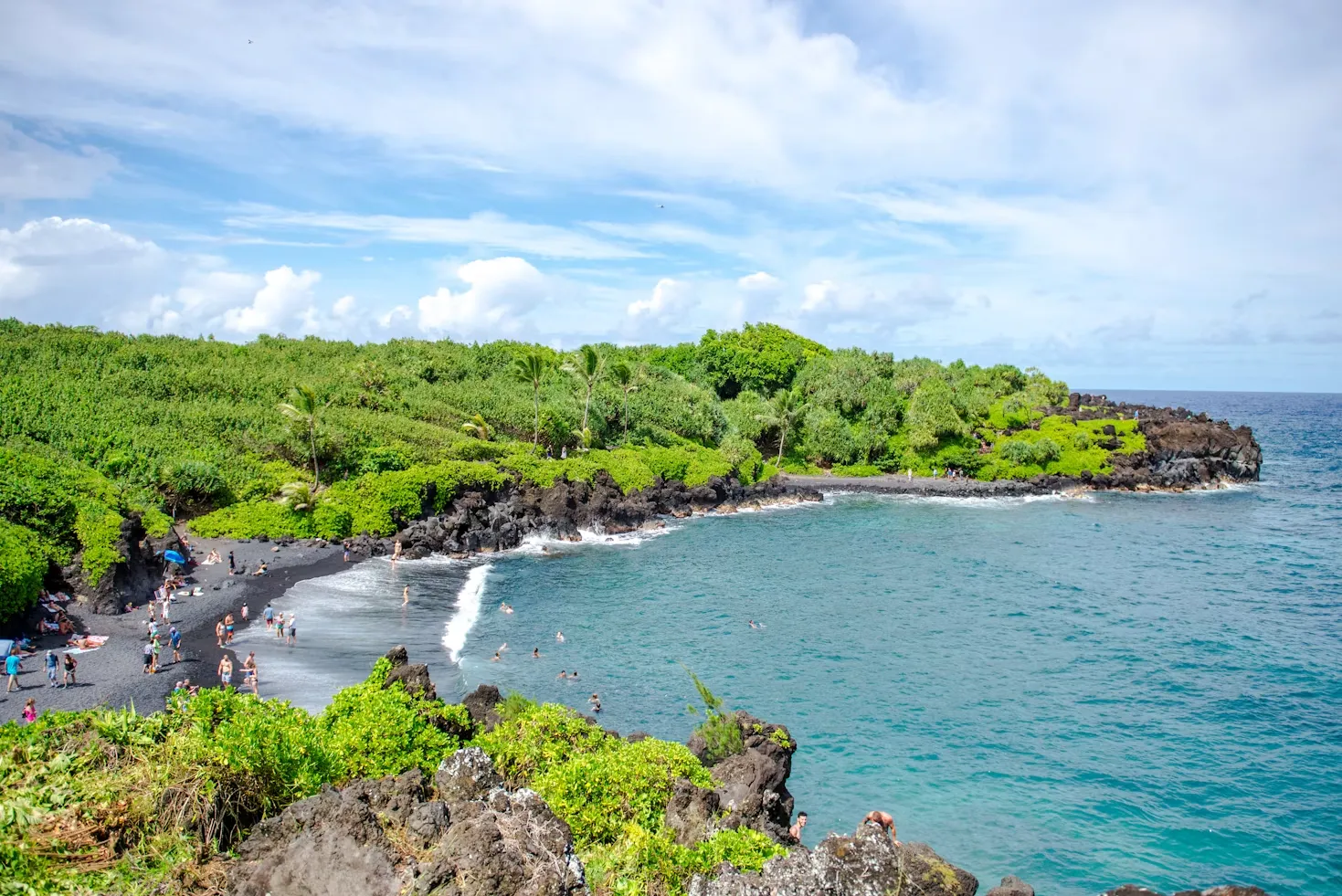
Located near Hāna, Waiʻānapanapa State Park is famous for its striking black-sand beach and rugged volcanic coastline.
The combination of dark lava rock, bright green vegetation and blue Pacific water makes Waiʻānapanapa one of the most recognizable natural attractions on Maui.
This is also an attraction travelers should plan in advance. The official Hawaiʻi State Parks reservation system states that reservations can be made up to 30 days ahead and may sell out during popular periods.
If you're building a Road to Hāna itinerary, reserve your Waiʻānapanapa time before planning the rest of the day's stops.
Helpful link: Waiʻānapanapa State Park Reservations
Best for: Maui history, mountain scenery and short walks
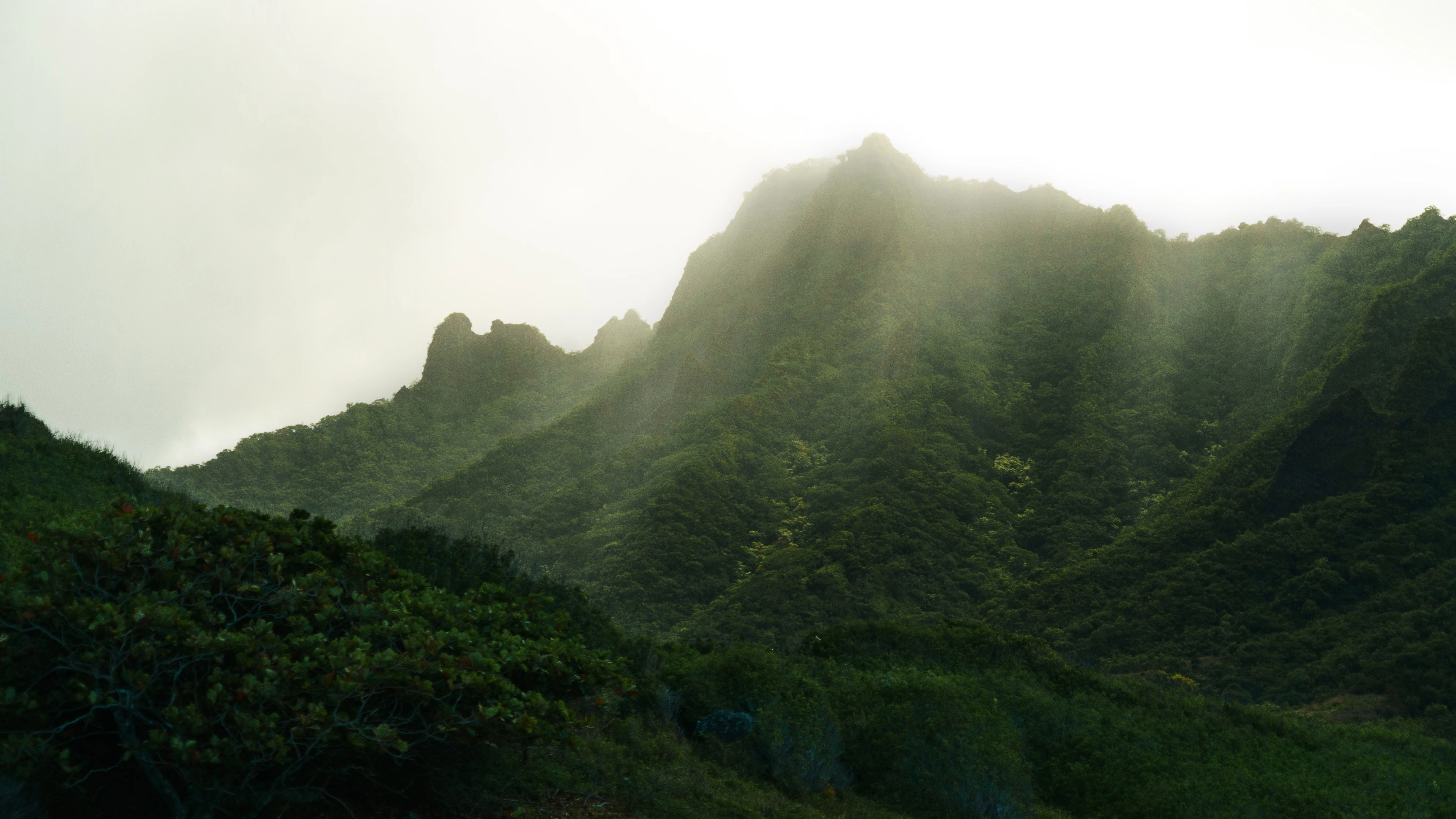
For lush scenery without spending an entire day on the Road to Hāna, consider visiting ʻĪao Valley in Central Maui.
The valley is surrounded by the steep, green ridges of the West Maui Mountains and is home to Kūkaʻemoku, commonly called the ʻĪao Needle.
Beyond its natural beauty, ʻĪao Valley is an important place in Hawaiian history. The valley was the location of the Battle of Kepaniwai in 1790 during Kamehameha I's campaign to unite the Hawaiian Islands.
Because access and reservation requirements can change, check Hawaiʻi State Parks before visiting.
Helpful link: ʻĪao Valley State Monument — Hawaiʻi State Parks
Best for: Beach days, swimming, sunsets and West Maui vacations
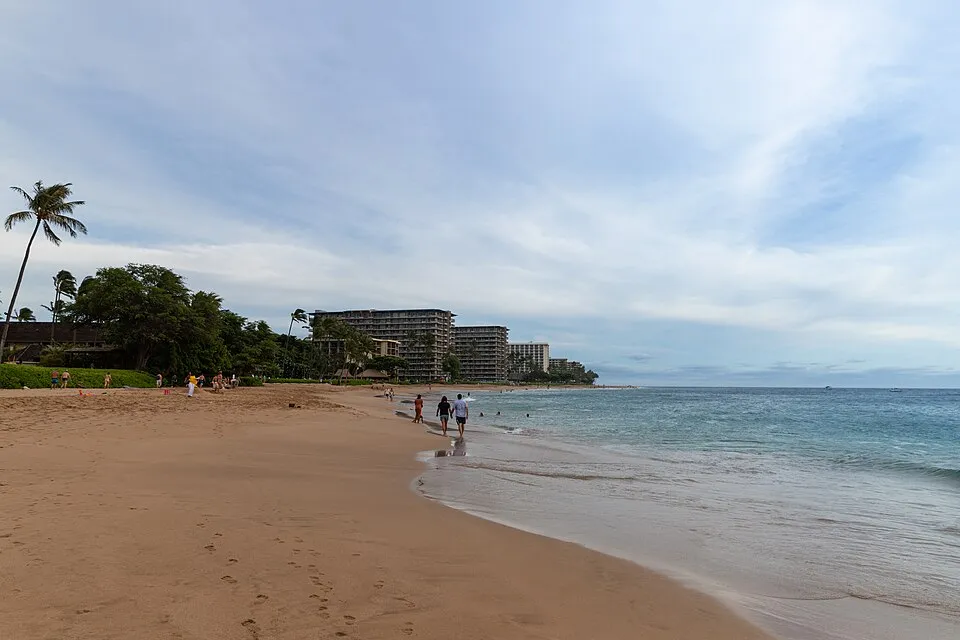
Travelers looking for the classic Maui beach experience will likely encounter Kāʻanapali Beach.
Located in West Maui, Kāʻanapali combines a beautiful stretch of coastline with nearby resorts, restaurants, shopping and activities. It can be an easy place to spend several hours—or an entire day—enjoying the ocean.
The official Hawaiʻi tourism site highlights Kāʻanapali among Maui's well-known beach destinations, alongside beaches such as Mākena, Kapalua, Hāmoa and Hoʻokipa.
Always evaluate current ocean conditions before swimming or snorkeling, even when the water appears calm.
Best for: Snorkeling, scuba diving and marine-life experiences
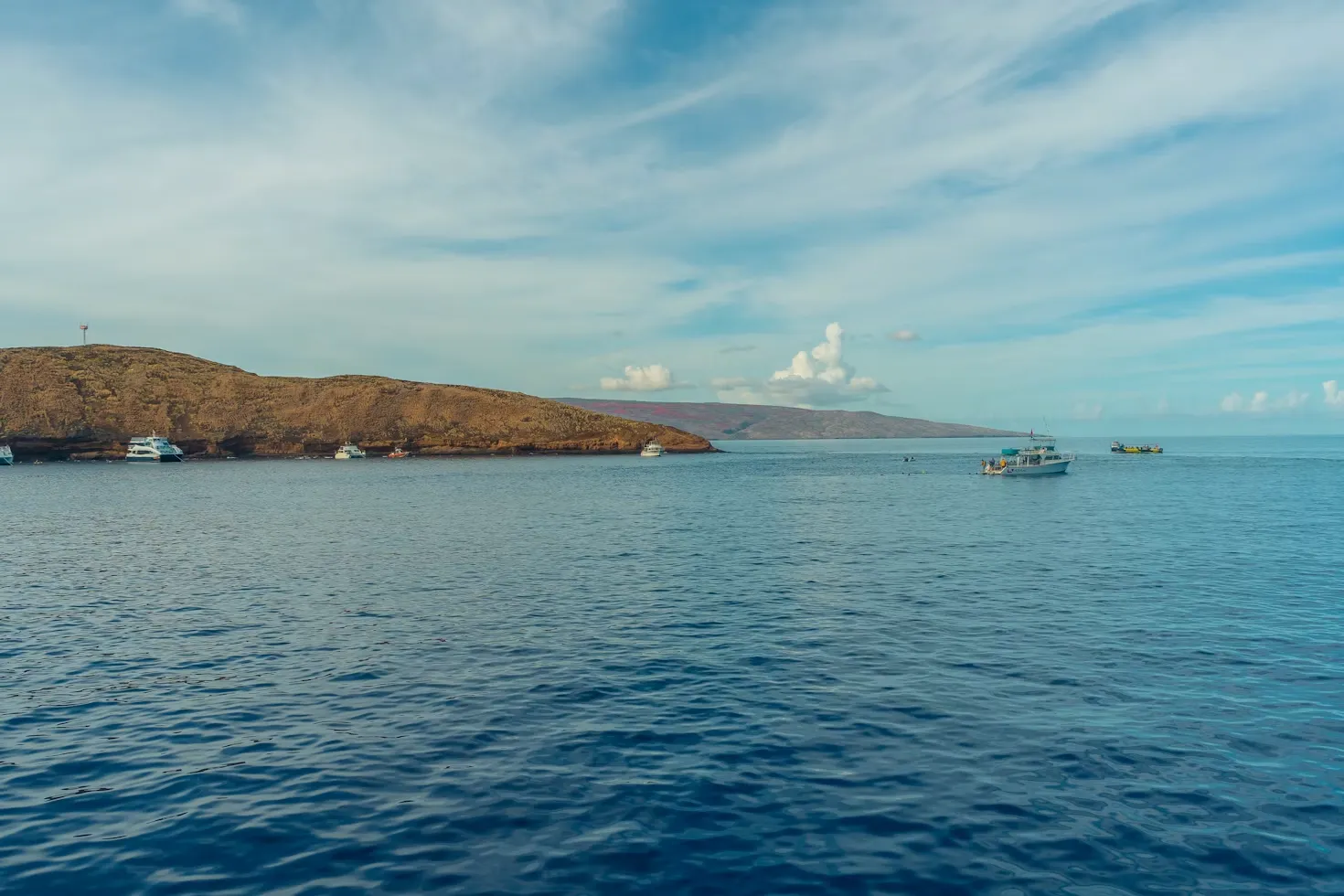
Visible offshore from South Maui, Molokini is a crescent-shaped volcanic formation and one of Maui's best-known snorkeling and diving destinations.
Most visitors experience Molokini through boat tours departing from areas such as Māʻalaea or South Maui. The attraction is particularly appealing to travelers who want to experience Maui from the water rather than spending their entire vacation sightseeing by car.
Conditions vary, so the quality of a snorkeling trip can depend on weather, wind and ocean conditions.
Best for: Scenic drives, local agriculture and a quieter side of Maui
Not every top Maui attraction is located along the coastline.
Upcountry Maui, on the slopes of Haleakalā, offers a completely different perspective of the island. Areas such as Makawao and Kula are known for cooler temperatures, ranching and agricultural history, farms and sweeping views toward Maui's coastline.
Upcountry can pair especially well with a Haleakalā visit. Instead of immediately driving back toward the resorts, travelers can spend part of the day exploring another side of Maui.
Best for: Scenic coastline, surfing culture and outdoor adventure
Maui's North Shore is another area worth including on a Maui itinerary.
Hoʻokipa Beach Park is one of the area's most recognizable coastal stops and is well known for its connection to surfing and windsurfing. The North Shore is also a gateway to lush landscapes around Haʻikū and the beginning of the journey toward East Maui.
Travelers looking beyond traditional beach days can also find outdoor adventures throughout this part of the island, making the North Shore a useful addition to an itinerary that already includes Haleakalā, Hāna and West or South Maui.
Best for: Hiking, rainforest and East Maui scenery
On the remote eastern side of Haleakalā National Park is the Kīpahulu District, another outstanding Maui attraction.
This portion of the park feels completely different from the volcanic summit. Visitors can explore coastal scenery and hiking trails surrounded by lush vegetation.
One important planning note: the National Park Service currently states that the Pools of ʻOheʻo are not accessible for swimming, although they can be viewed from the Kūloa Point Trail.
Travelers should check current park conditions before making the long journey to Kīpahulu.
Helpful link: Haleakalā National Park Current Conditions
Best for: Families, relaxation, snorkeling and sunsets
Some of Maui's greatest attractions don't require an elaborate itinerary.
The island is home to famous beaches including Kāʻanapali Beach, Kapalua Beach, Mākena Beach, Hāmoa Beach and Hoʻokipa Beach.
Different parts of Maui offer different coastal experiences. South Maui is popular for sunny beach days and snorkeling, West Maui offers beaches alongside resort areas, the North Shore is famous for waves and ocean sports, and East Maui features rugged tropical coastline.
Instead of trying to visit every famous beach, choose a few near the areas you're already exploring.
For most first-time visitors, five to seven days in Maui provides a good starting point.
With approximately a week, you could dedicate separate days to:
Travelers staying longer can explore at a slower pace and spend more time enjoying individual areas rather than constantly driving between attractions.
Maui rewards travelers who leave room in their schedules.
The top attractions in Maui, Hawaii reveal just how diverse one island can be.
Haleakalā rises more than 10,000 feet above sea level. East Maui is filled with rainforest and dramatic coastline. Central Maui provides access to the historic landscapes of ʻĪao Valley. West and South Maui offer world-famous beaches, while the North Shore and Upcountry introduce travelers to another side of the Valley Isle.
The best Maui vacation doesn't have to involve checking every attraction off a list. Choose experiences that fit your interests, leave time between activities and explore different regions of the island.
From Haleakalā and the Road to Hāna to Maui beaches, snorkeling, hiking and North Shore adventures, there are countless ways to experience the island—and plenty of reasons to return.
Some of the top attractions in Maui include Haleakalā National Park, the Road to Hāna, Waiʻānapanapa State Park, ʻĪao Valley, Kāʻanapali Beach, Molokini, Upcountry Maui, the North Shore and the Kīpahulu District of Haleakalā National Park.
First-time visitors should consider Haleakalā, the Road to Hāna, ʻĪao Valley, at least one famous Maui beach and an ocean activity such as snorkeling. Together, these experiences provide a good introduction to Maui's volcanic landscapes, rainforest, coastline, marine environment and history.
Haleakalā National Park and the Road to Hāna are arguably Maui's two most recognizable attractions. Haleakalā is famous for its summit and sunrise, while the Road to Hāna is known for rainforest scenery, waterfalls and coastal views.
Haleakalā sunrise requires an advance vehicle reservation for entry between 3:00 a.m. and 7:00 a.m. Waiʻānapanapa State Park also uses an advance reservation system for visitors. Always check official websites because requirements can change.
Maui has many beaches, scenic drives, coastal viewpoints and public parks that can be visited without purchasing a tour. Some locations may still charge for parking, entrance or reservations.
Families often enjoy Maui's beaches, ʻĪao Valley, scenic Road to Hāna stops, Haleakalā overlooks and easy outdoor activities. The best choices depend on children's ages, swimming ability and comfort with longer drives.
Yes. Haleakalā offers one of the most unusual landscapes in Hawaiʻi, with volcanic terrain, hiking, native ecosystems, sunrise and sunset viewing, and excellent stargazing opportunities. The National Park Service highlights hiking, sunrise, Kīpahulu and stargazing among the park's major activities.
For visitors interested in waterfalls, rainforest, coastal scenery and exploring East Maui, the Road to Hāna can be one of the highlights of a Maui vacation. Plan a full day and focus on the journey rather than trying to stop at every attraction.
You can see several major Maui attractions in three days, but it will be a busy itinerary. A possible three-day trip could include Haleakalā and Upcountry on one day, the Road to Hāna on another, and beaches or an ocean activity on the third.
For a first Maui vacation, try to experience at least one volcanic landscape, one rainforest or mountain area, one great beach and one ocean activity. Haleakalā, the Road to Hāna, ʻĪao Valley and Maui's coastline provide an excellent combination.
Outdoor activities can be found across the island, but North Shore and Upcountry Maui are excellent areas for travelers looking to combine sightseeing with adventure. Visitors can explore beaches, tropical landscapes, scenic drives, hiking and other outdoor experiences while staying within reach of some of Maui's best-known destinations.
If you would like to read and learn more about interesting things in Hawaii! Check out our blog page here on our website!
or
Image Credits:
Blog Photos:
Tropical Coastline and Black Sand Beach — Photo by Tim Gouw. Licensed under the Pexels License. Source: Pexels
Haleakalā, Maui — Photo by Jeff King. Licensed under the Unsplash License. Source: Unsplash
Road to Hana, Maui — Photo by Claudio Schwarz. Licensed under the Unsplash License. Source: Unsplash
Honokalani Black Sand Beach, Hāna, Maui — Photo by William Zhang. Licensed under the Unsplash License. Source: Unsplash
Lush Green Mountains of Hawaiʻi — Photo by Daniel Torobekov. Licensed under the Pexels License. Source: Pexels
Kāʻanapali Beach, Maui — Photo by dronepicr. Licensed under the Creative Commons Attribution 2.0 Generic (CC BY 2.0). Source: Wikimedia Commons.
Molokini, Maui — Photo by Satty Singh. Licensed under the Unsplash License. Source: Unsplash