

CYBER MONDAY DEAL! USE CODE "CYBERMONDAY15" TO GET 15% OFF YOUR BOOKING!
Located along the world-famous Kāʻanapali Beach, Whalers Village Maui is one of the island’s most popular destinations for shopping, dining, and cultural experiences. This oceanfront complex combines high-end retail, local boutiques, restaurants with stunning sunset views, and activities that highlight Hawaiian traditions. Whether you’re exploring the west side of Maui for the day or staying at one of Kāʻanapali’s resorts, Whalers Village Kāʻanapali is a must-visit stop.
Kāʻanapali Beach is often ranked among the most beautiful beaches in the world, stretching for three miles of soft white sand and crystal-clear water. Sitting at its center, Whalers Village offers an unbeatable location—just steps from the ocean. Visitors can easily pair a beach day with shopping, dining, or cultural activities. Many who stay in Kāʻanapali’s beachfront resorts find themselves walking to Whalers Village daily, thanks to its convenient setting and lively atmosphere.
When people think of Maui shopping, Whalers Village is usually at the top of the list. The open-air layout and palm tree–lined walkways create a relaxing island vibe while offering a variety of stores. From luxury brands to local Hawaiian shops, Whalers Village features something for everyone.
Some shopping highlights include:
This mix makes Whalers Village Maui an excellent spot to pick up both everyday items and special keepsakes.
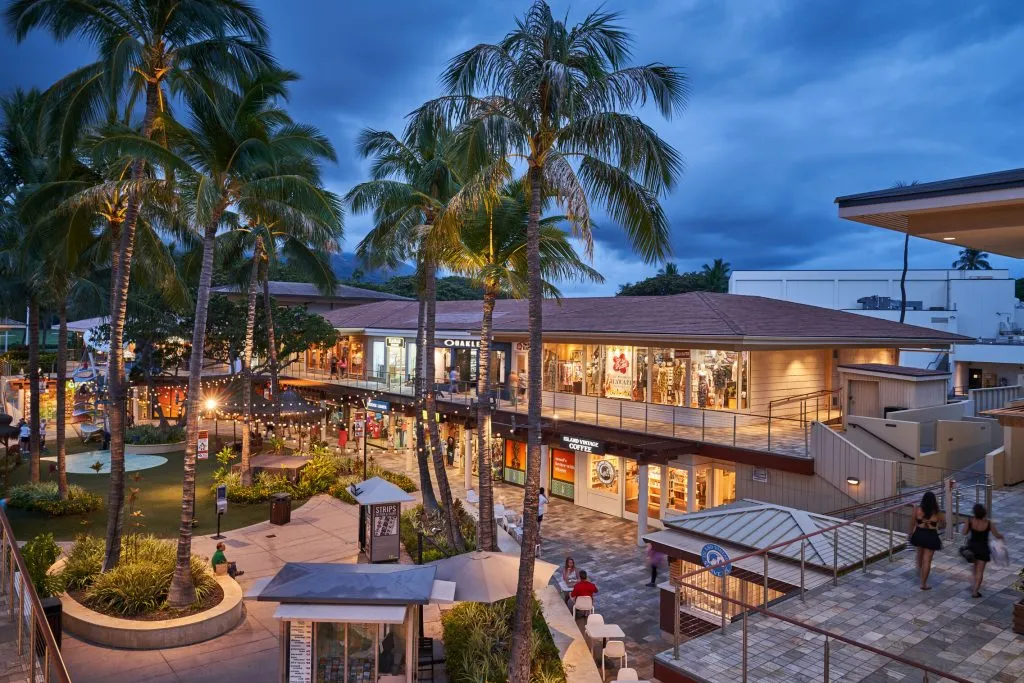
Food is a major draw at Whalers Village restaurants, where menus range from quick bites to fine dining experiences. Many eateries overlook the ocean, offering some of the best dining views in Maui.
Top spots include:
Dining here isn’t just about the food—it’s about enjoying the Kāʻanapali lifestyle, where sunset views, live Hawaiian music, and tiki torches create a one-of-a-kind atmosphere.
Whalers Village isn’t just about shopping and dining. It also celebrates Hawaiian culture and the area’s whaling history. Lahaina, just minutes away, was once a bustling whaling town in the 1800s, and the village honors that past.
Visitors can experience:
These touches make Whalers Village one of the most unique Maui attractions, blending leisure with learning.
Beyond the shops and restaurants, Whalers Village offers easy access to the best things to do in Kāʻanapali. Visitors can book snorkeling tours, sunset cruises, or surf lessons nearby. The famous Black Rock at the north end of Kāʻanapali Beach is just a short walk away, where cliff diving ceremonies happen at sunset.
For those looking to slow down, the beachfront boardwalk offers a relaxing place to stroll, with views of the Pacific and neighboring islands like Lānaʻi and Molokaʻi.
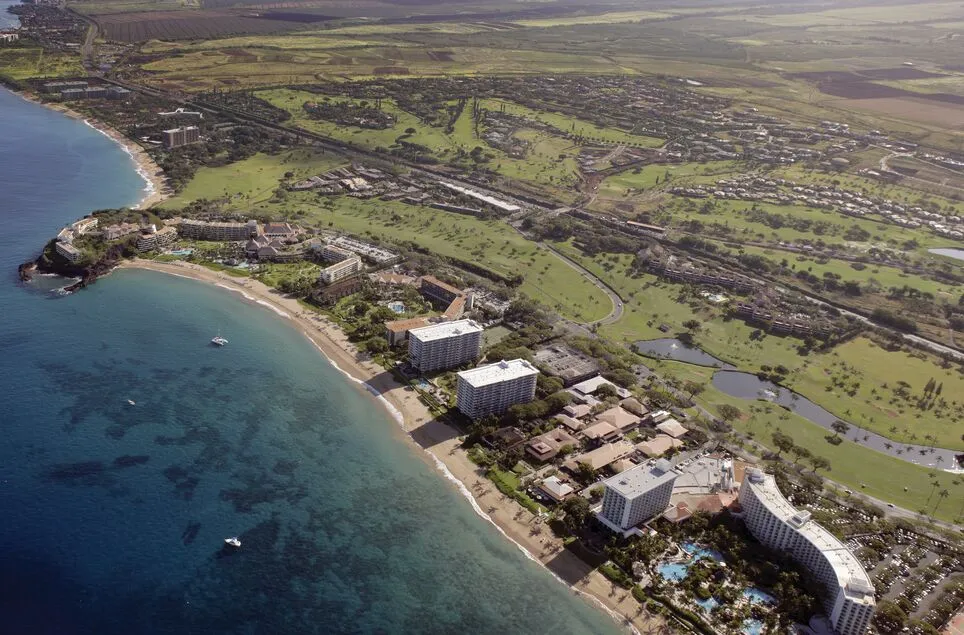
What makes Whalers Village special is its ability to blend luxury, culture, and convenience in a single beachfront destination. It’s a place where travelers can shop for unique Hawaiian souvenirs, enjoy world-class meals, and connect with local traditions—all while being steps away from the ocean.
Whether you’re visiting for an afternoon or making it a central part of your Maui vacation, Whalers Village Kāʻanapali provides a little bit of everything that makes the island so unforgettable.
From high-end boutiques and local shops to oceanfront dining and cultural activities, Whalers Village Maui is more than a shopping center—it’s a community gathering place and one of the top attractions in Kāʻanapali. For visitors seeking the best blend of shopping, dining, and authentic Hawaiian experiences, Whalers Village is the perfect destination.
1. What is Whalers Village Maui, and why is it so popular?
Whalers Village is an oceanfront shopping, dining, and cultural center located right on Kāʻanapali Beach, one of the most famous beaches in the world. Visitors love it because it blends luxury shopping, local boutiques, top-tier restaurants, and Hawaiian cultural experiences—all just steps from the sand. Whether you're staying in Kāʻanapali or just exploring West Maui, it’s a must-visit destination.
2. Where exactly is Whalers Village located on Kāʻanapali Beach?
Whalers Village sits right in the center of Kāʻanapali Beach, which stretches for three miles along Maui’s west side. Its central location makes it extremely convenient for travelers staying at nearby beachfront resorts like the Westin, Sheraton, or Hyatt. Guests can easily walk from the beach to the shops or restaurants, making it a natural part of any Kāʻanapali itinerary.
3. What kinds of shops are at Whalers Village Maui?
Whalers Village offers a mix of high-end brands, surf shops, local boutiques, and essentials. Popular stores include Louis Vuitton, Lululemon, Honolua Surf Co., Maui Divers Jewelry, and Whalers General Store. You’ll find everything from luxury fashion to handcrafted Hawaiian items, making it one of Maui’s best places to shop for both everyday needs and unique souvenirs.
4. Is Whalers Village a good place to buy Hawaiian souvenirs or local products?
Yes! In addition to national brands, Whalers Village features local Hawaiian boutiques that sell island-made jewelry, aloha wear, artwork, and handcrafted gifts. Visitors often find one-of-a-kind pieces from local artisans, making it a great spot for meaningful souvenirs.
5. What are the best restaurants at Whalers Village, and do they have ocean views?
Many Whalers Village restaurants sit right on the ocean, offering gorgeous sunset views. Top dining spots include:
6. Are there cultural activities at Whalers Village or is it just for shopping?
Whalers Village offers free cultural experiences and family-friendly events. Visitors can enjoy lei-making classes, hula lessons, live Hawaiian music, and historical exhibits about Maui’s 1800s whaling era. These cultural touches make the village more than a shopping center—they make it an educational and meaningful stop.
7. What family-friendly activities can kids enjoy at Whalers Village?
Families with kids will find plenty to do, including keiki (children’s) activities, outdoor movie nights, interactive cultural demonstrations, and easy access to the beach. The open-air layout also makes it an easy place to explore with strollers or young children.
8. What are the best things to do near Whalers Village Kāʻanapali?
The area around Whalers Village is packed with activities. Guests can book snorkeling tours, surf lessons, or sunset cruises just steps away. The famous Black Rock—known for its snorkeling and nightly cliff diving ceremony—is just a short walk north along Kāʻanapali Beach. There’s also a scenic oceanfront boardwalk perfect for morning jogs or sunset strolls.
9. Is Whalers Village a good spot for dining at sunset?
Absolutely. Restaurants like Leilani’s, Hula Grill, and Monkeypod Kitchen offer some of the best sunset dining views on Maui. With the ocean just feet away, live music in the background, and tiki torches lighting the evening, it’s one of the most memorable dining atmospheres on the island.
10. Is Whalers Village worth visiting if I’m not staying in Kāʻanapali?
Yes! Even if you’re staying elsewhere on Maui, Whalers Village is a great stop for a day of beach lounging, shopping, dining, or strolling the boardwalk. Many travelers pair it with a beach day at Kāʻanapali or a sunset dinner. Its combination of convenience, ocean views, and variety makes it well worth the visit.
11. Why is Whalers Village considered one of Maui’s top attractions?
Whalers Village stands out because it blends luxury, local culture, oceanfront dining, and easy beach access all in one place. You can shop for high-end fashion, grab a fresh acai bowl, learn to make a lei, attend a cultural demo, watch the sunset from a beachfront table, and walk straight back to the beach—all without driving anywhere. It captures everything people love about Kāʻanapali in one destination.
12. What makes Whalers Village different from other shopping areas on Maui?
Unlike indoor malls or stand-alone shopping centers, Whalers Village offers:
If you would like to read and learn more about interesting things in Hawaii! Check out our blog page here on our website!
or
On the western shores of Maui, nestled against the world-famous Kaʻanapali Beach, lies Black Rock Beach, one of the island’s most unique coastal gems. Known locally as Puʻu Kekaʻa, this dramatic lava point is more than just a picturesque spot—it’s a place where Hawaiian culture, natural beauty, and outdoor adventure come together. For travelers seeking both relaxation and excitement, Black Rock Beach offers an unforgettable experience that combines history, snorkeling, cliff diving, and breathtaking sunsets.
Black Rock Beach is located at the northern end of Kaʻanapali Beach, one of Maui’s most visited and celebrated shorelines. Stretching for about three miles, Kaʻanapali Beach is known for its soft golden sand, turquoise waters, and views that sweep across the Pailolo Channel toward Molokaʻi and Lānaʻi. At its northernmost point, the volcanic lava formation known as Black Rock juts dramatically into the ocean, creating a striking contrast against the sandy expanse of the beach.
This natural barrier not only adds beauty to the landscape but also shapes the underwater environment. The lava rock formation provides shelter for an abundance of marine life, making the area around Black Rock one of the best snorkeling destinations on Maui.
Beyond its scenic appeal, Black Rock holds deep cultural importance in Hawaiian tradition. According to Hawaiian legends, Puʻu Kekaʻa is believed to be a leina, or a jumping-off point, where spirits would leap into the afterlife to join their ancestors. Because of this sacred history, the site remains a revered place that blends spirituality with natural wonder.
To honor this heritage, the Sheraton Maui Resort, located adjacent to Black Rock, continues a long-standing tradition of a nightly cliff diving ceremony. At sunset, a torchbearer lights the tiki torches along the cliff, climbs to the top, and dives gracefully into the ocean—symbolizing the legendary feats of Maui’s ancient chiefs. This ceremony connects visitors to the island’s rich cultural past while offering a breathtaking spectacle.
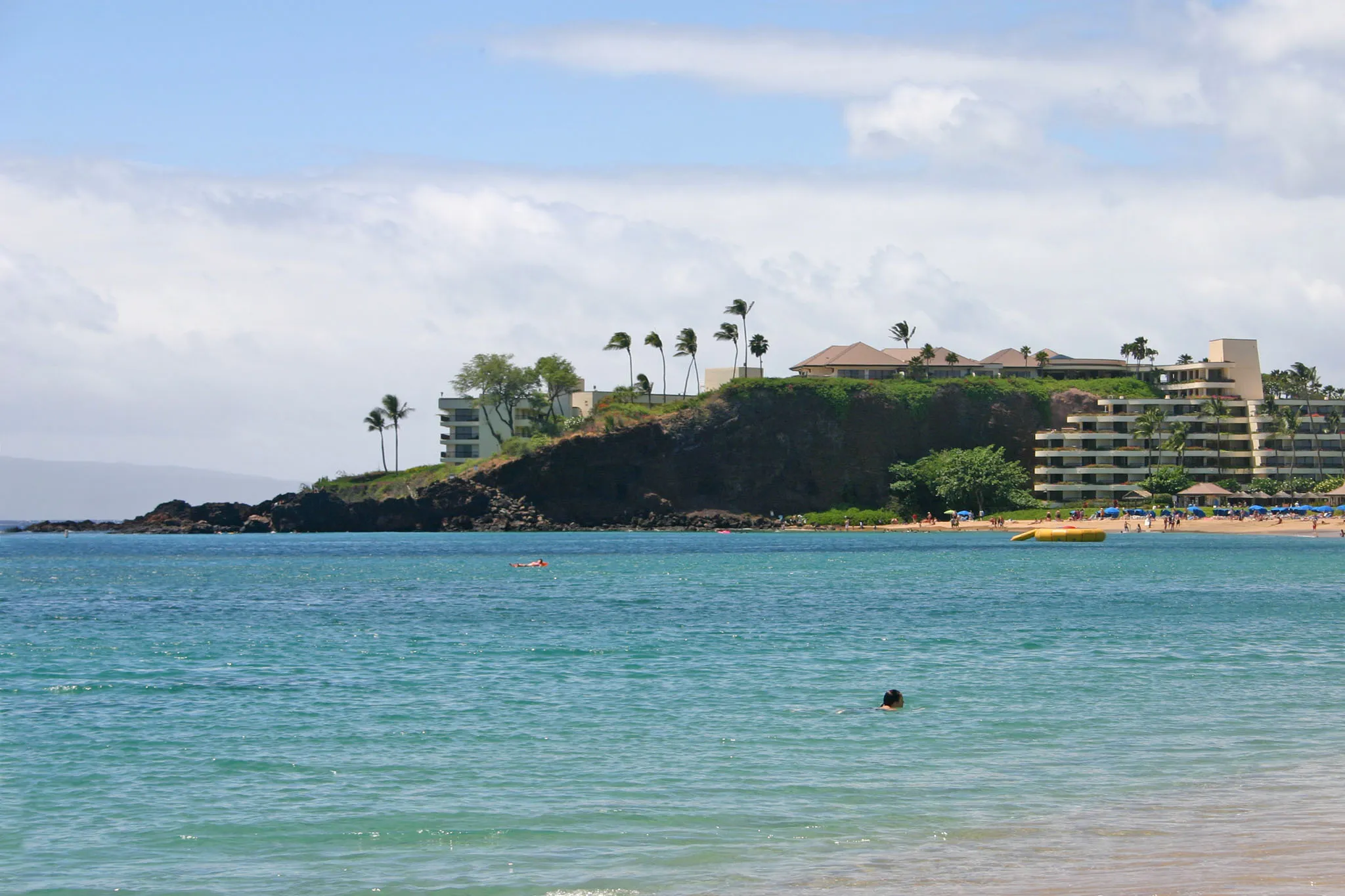
One of the biggest draws of Black Rock Beach is snorkeling. The waters around the lava point are teeming with tropical fish, sea turtles (honu), and vibrant coral. Beginners and experienced snorkelers alike will find plenty to enjoy, as the area is accessible directly from the shore and offers relatively calm conditions, especially in the mornings.
Some of the marine life commonly spotted here includes:
Because Black Rock provides a natural barrier, visibility is often excellent, making it ideal for underwater photography and close encounters with Maui’s marine biodiversity.
For those seeking adrenaline, cliff diving off Black Rock has become one of the most iconic activities in Kaʻanapali. While the jump itself is about 20 to 30 feet, the thrill of leaping into the clear waters below against the backdrop of a Hawaiian sunset is unforgettable. Many visitors gather in the evening to watch brave locals and visitors alike take the plunge.
It’s worth noting that safety should always come first—conditions can change quickly, and the ocean demands respect. Anyone considering a dive should ensure calm waters and proper physical ability before attempting it.
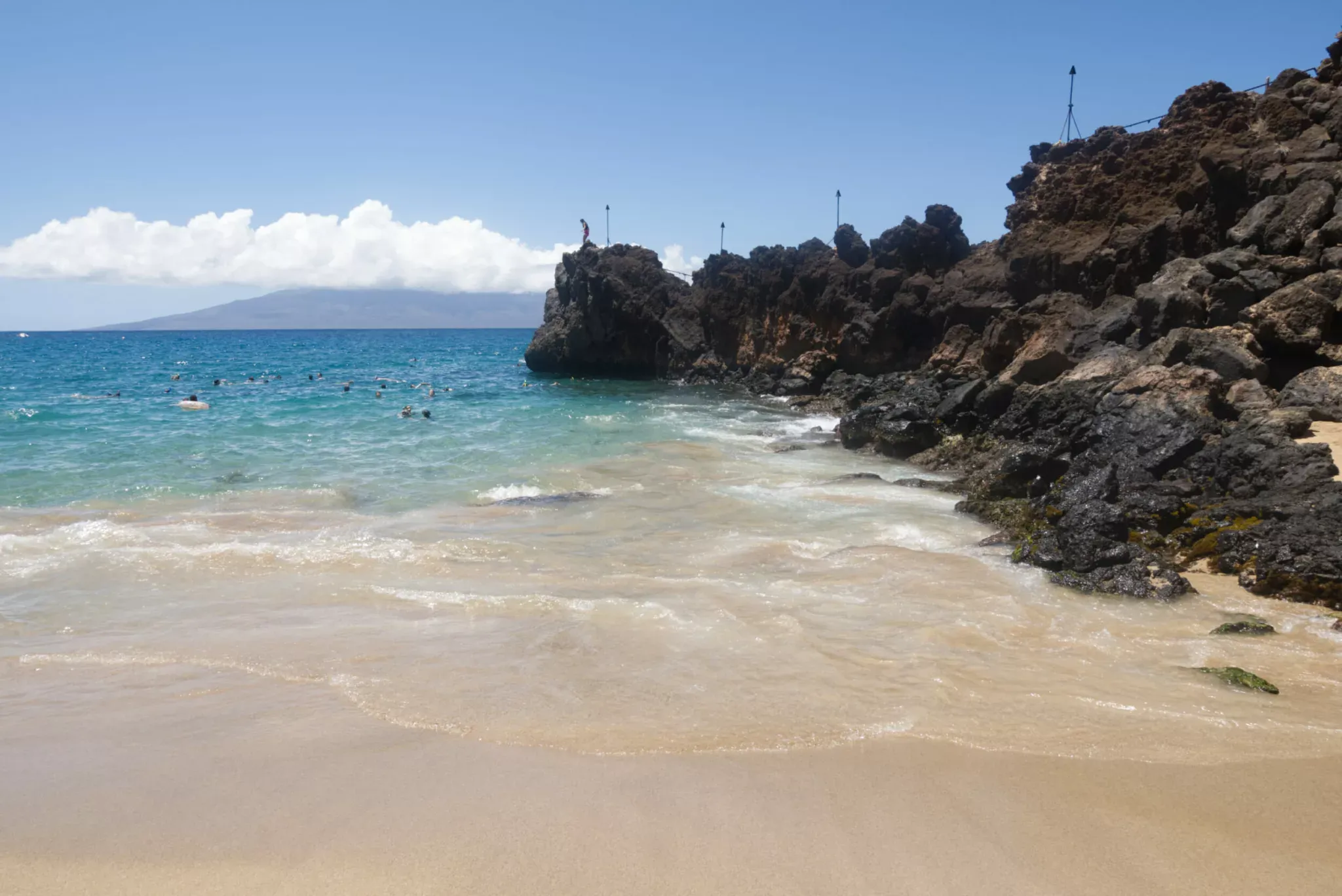
Black Rock Beach is also one of the best spots on Maui to watch the sunset. As the sun sinks into the Pacific, the cliffs and ocean reflect brilliant shades of orange, pink, and purple. From the vantage point of Black Rock, you may also catch a glimpse of the neighboring islands silhouetted against the evening sky. During the winter months, it’s not uncommon to see humpback whales breaching offshore, adding even more magic to the scene.
Black Rock Beach is easily accessible, located at the northern end of Kaʻanapali Beach and near many resorts, shops, and restaurants. Public beach access and parking are available, though spots can fill quickly during peak times. Visitors should plan ahead and consider arriving early to secure parking and enjoy the calmer morning waters for snorkeling.
Because Black Rock Beach is connected to the resort area, amenities such as restrooms, dining options, and rentals for snorkeling gear are nearby. This makes it a convenient destination for families, couples, and solo travelers alike.
Black Rock Beach in Kaʻanapali, Maui, offers much more than a stunning shoreline. It’s a place where Hawaiian culture is alive, where adventure meets tranquility, and where visitors can experience the best of Maui’s natural beauty. Whether you come for snorkeling, cliff diving, or simply to soak in a legendary sunset, Black Rock Beach promises an experience you’ll never forget.
1. What makes Black Rock Beach in Maui so special?
Black Rock Beach—also known as Puʻu Kekaʻa—is unique because it blends stunning natural beauty, rich Hawaiian cultural history, incredible snorkeling, and cliff diving into one unforgettable experience. Located on the northern end of famed Kaʻanapali Beach, it’s a place where adventure, relaxation, and tradition meet. Visitors can explore marine life, enjoy sunsets, and take in one of Maui’s most iconic oceanfront ceremonies.
2. Where exactly is Black Rock Beach located?
Black Rock Beach sits at the northern end of Kaʻanapali Beach, one of Maui’s best-known shorelines. The dramatic lava formation juts into the Pacific Ocean, creating a natural point that divides the beach and also protects the reef below. It’s easily accessible from Kaʻanapali’s resorts, boardwalk, and public beach access areas.
3. What is the natural setting like at Black Rock Beach?
Black Rock Beach is famous for its golden sand, turquoise waters, and striking black lava point. The views extend across the Pailolo Channel toward the islands of Molokaʻi and Lānaʻi. The lava rock formation not only creates a beautiful backdrop but also helps shelter marine life, making the waters especially clear and rich with sea creatures.
4. What is the cultural significance of Black Rock (Puʻu Kekaʻa)?
In Hawaiian tradition, Puʻu Kekaʻa is believed to be a leina, or spiritual “jumping-off point,” where souls would leap into the afterlife. This makes it a sacred and deeply respected place. To honor this heritage, the Sheraton Maui continues the historic nightly cliff diving ceremony, featuring torches, storytelling, and a symbolic dive at sunset. This ceremony reflects the feats of ancient Hawaiian chiefs and connects visitors to the island’s cultural past.
5. Is Black Rock Beach a good place for snorkeling?
Yes—Black Rock is one of Maui’s top snorkeling spots. The lava formation provides shelter for many species of marine life, and visibility is often excellent, especially in the mornings. Snorkelers commonly see tropical fish like butterflyfish, parrotfish, and Moorish idols, as well as Hawaiian green sea turtles (honu). The area is easy to access directly from the shore, making it great for both beginners and experienced snorkelers.
6. Can you go cliff diving at Black Rock?
Cliff diving is one of the most iconic activities at Black Rock. The jump is usually 20–30 feet depending on tide levels. Many visitors try it, especially during calm ocean conditions. However, safety should always come first—check the water conditions, avoid rough surf, and only jump if you’re confident and capable. Many people prefer to watch the brave divers rather than jump themselves.
7. What is the sunset like at Black Rock Beach?
Black Rock is one of Maui’s best sunset spots. As the sun dips into the ocean, the sky glows with shades of pink, orange, and purple. The silhouette of Molokaʻi and Lānaʻi adds to the beauty, and during winter months, you may even see humpback whales breaching offshore. The nightly cliff diving ceremony at sunset also makes the moment even more memorable.
8. Is Black Rock Beach easy to access, and are there facilities nearby?
Yes. Black Rock Beach is located right next to major Kaʻanapali resorts, so amenities like restrooms, dining options, and snorkel rentals are close by. Public beach access and limited parking are available, but parking fills up quickly—arriving early is recommended. The boardwalk makes it easy to walk from nearby hotels and shops.
9. When is the best time to visit Black Rock Beach for snorkeling or swimming?
Morning is typically the safest and calmest time for ocean activities. Winds and surf conditions tend to increase later in the day. Arriving early also helps with parking and ensures clearer visibility underwater. Always check the current ocean conditions, as the waters around Black Rock can change quickly.
10. Are there safety tips I should know before snorkeling or cliff diving at Black Rock?
Yes—ocean safety is essential:
11. What else can you do near Black Rock Beach?
Visitors can enjoy walking the Kaʻanapali Beach boardwalk, book snorkeling or whale-watching tours, dine at nearby restaurants, or relax on the wide expanse of Kaʻanapali Beach. The area is lively, walkable, and full of both cultural and adventure opportunities, making it perfect for families, couples, and solo travelers.
12. Why is Black Rock Beach considered a must-visit spot on Maui?
Black Rock Beach stands out because it blends natural beauty, Hawaiian culture, ocean adventure, and iconic sunsets in one unforgettable location. Whether you're snorkeling with turtles, watching a traditional cliff diving ceremony, or simply soaking in the view, it offers an authentic Maui experience you won’t find anywhere else.
If you would like to read and learn more about interesting things in Hawaii! Check out our blog page here on our website!
or
For many adventure seekers, nothing quite compares to the rush of gliding high above treetops, rivers, and mountains on a zipline. The activity, once primarily used as a means of transport in remote regions, has now become a worldwide attraction for those craving adrenaline, scenic beauty, and unique outdoor experiences. Today, ziplines are no longer just about speed and height—they’re about immersing yourself in nature, conquering fears, and creating lasting memories.
Though ziplining may seem like a modern adventure activity, its origins go back centuries. Villagers in remote areas of the Himalayas, China, and South America used early versions of ziplines as a practical way to transport goods, supplies, and even people across rivers and valleys where bridges were unavailable.
In Costa Rica during the 1970s, biologists popularized the concept of ziplines as a way to study rainforests without disturbing the fragile ecosystem. It wasn’t long before tourism companies recognized the thrill and beauty of this experience, transforming ziplining into the recreational activity we know today.
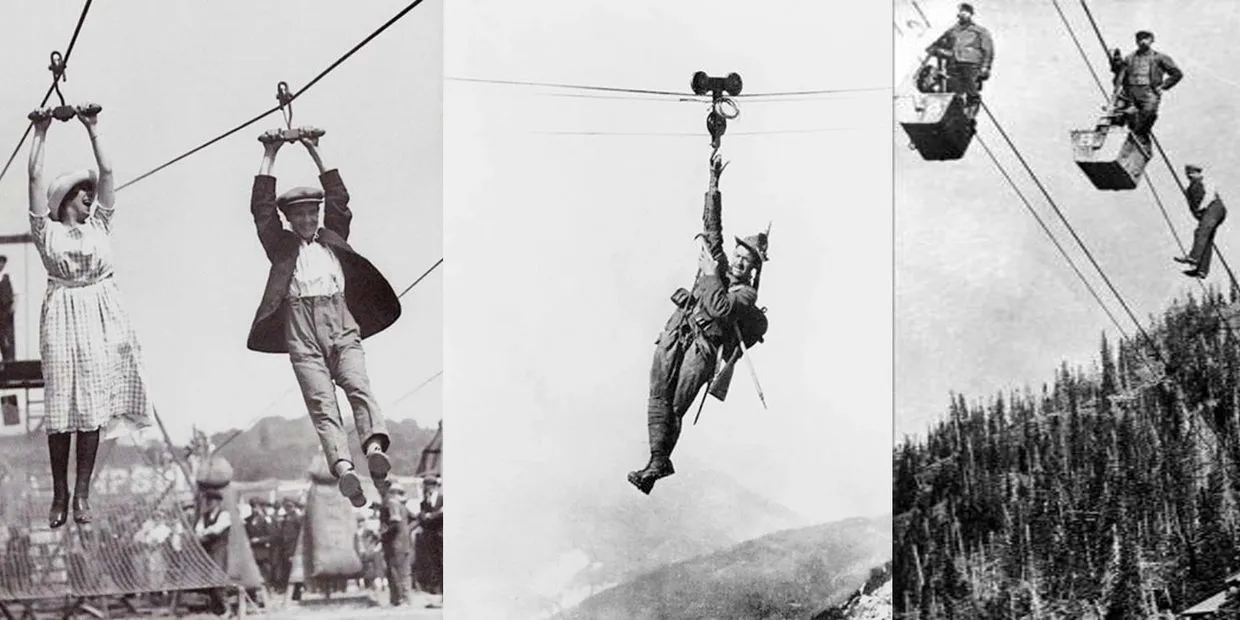
The core attraction of a zipline is simple: the exhilarating sensation of soaring through the air. Riders are strapped into a secure harness, clipped to a sturdy cable, and propelled by gravity as they glide from one platform to another. The speed, height, and exposure to open air create an adrenaline rush unlike any other.
Ziplines are often located in some of the most beautiful natural landscapes around the world. From tropical rainforests and mountain ridges to coastal cliffs and canyons, zipline tours allow riders to experience scenery from a bird’s-eye perspective. What might take hours to hike can be appreciated in moments while flying through the sky.
Unlike many extreme sports, a zipline does not require years of training or advanced fitness levels. Most tours are accessible to beginners, and professional guides provide safety briefings to ensure comfort and confidence. This makes ziplines a family-friendly adventure that appeals to kids, adults, and even seniors looking to step outside their comfort zones.
Corporate groups and schools often book zipline excursions as team-building activities. Facing a challenge together encourages trust, cooperation, and bonding. On a personal level, completing a ride helps individuals build confidence and overcome fears, particularly if they are afraid of heights.
One of the most common questions people ask before riding a zipline is whether it’s safe. The good news is that modern ziplines are built with strict safety standards and equipment designed to handle high tension and weight loads. Harnesses, helmets, and dual-line systems are common features. Operators are trained to inspect cables and platforms regularly, ensuring every ride meets professional safety requirements.
Before each ride, participants typically receive a briefing on proper techniques—how to hold the straps, where to keep their hands, and how to brake if necessary. Safety is always the top priority, allowing riders to focus on enjoying the adventure.
Not all ziplines are the same, and the variations add to the excitement:
If you’re planning your first zipline adventure, here are a few tips to make the most of it:
At its heart, ziplining is about more than the thrill of speed. It’s a way to connect with nature, to conquer personal challenges, and to share a unique experience with friends and family. The blend of excitement, safety, and accessibility has made ziplines one of the fastest-growing outdoor adventure activities worldwide.
Whether you’re gliding over a rainforest in Costa Rica, soaring above valleys in Hawaii, or trying an urban zipline in the city, the experience will leave you with a new perspective—both literally and figuratively.
1. What exactly is ziplining, and why do people love it so much?
Ziplining is an adventure activity where you glide through the air on a secure cable, usually while harnessed in. People love it because it combines adrenaline, incredible scenery, and the thrill of flying. It’s one of the few outdoor adventures that allows beginners to instantly experience the sensation of soaring over treetops, valleys, rivers, and mountains.
2. Where did ziplining come from originally?
Ziplining actually has ancient roots. Early versions were used in places like the Himalayas, China, and South America as a practical way to transport goods or people across rivers and deep valleys. In the 1970s, biologists in Costa Rica began using ziplines to study rainforests from above. That idea evolved into the recreational zipline tours we know today.
3. Why is ziplining such a popular adventure activity now?
People are drawn to ziplining because it offers:
4. Do I need to be super fit or experienced to ride a zipline?
No! Most ziplines are designed for beginners and families, and guides provide all safety instructions you need. As long as you meet the weight requirements and can climb a few stairs or platforms, you can enjoy the experience. Kids, adults, and even seniors can participate safely.
5. Is ziplining safe? How do operators ensure rider safety?
Ziplining is very safe when operated correctly. Modern ziplines follow strict engineering and safety standards. Safety measures typically include:
6. What types of ziplines are there around the world?
There are several kinds of zipline experiences, each offering its own thrill:
7. What are some of the most famous zipline destinations in the world?
Top zipline hotspots include:
8. What should I wear when ziplining for the first time?
Wear clothes you can move in—activewear is best. Avoid skirts, dresses, or loose accessories that can get tangled. Closed-toe shoes (like sneakers or hiking shoes) are essential for safe takeoffs and landings. Tie back long hair and leave dangling jewelry at home.
9. What should I expect during the safety briefing before a zipline tour?
Guides will walk you through:
10. Is ziplining a good activity for families or group outings?
Definitely. Ziplining is one of the best family-friendly adventures because it blends teamwork, encouragement, and shared excitement. Many corporate groups and school programs use ziplining as a team-building activity because it promotes trust and confidence.
11. How scary is ziplining if I’m afraid of heights?
It’s normal to feel nervous at first, but most people find that once they take off, the fear fades into excitement. Ziplining can actually help people overcome height-related fears because you're securely harnessed and supported the entire time. Guides are trained to help you feel safe and comfortable.
12. Why do people say ziplining is more than just a ride?
Ziplining offers a deeper experience beyond the thrill:
13. What tips should first-time zipliners know before going?
Here’s what helps most beginners:
If you would like to read and learn more about interesting things in Hawaii! Check out our blog page here on our website!
or
Snuggled along the northwestern coast of Maui, Kapalua is a breathtaking resort area that seamlessly blends natural beauty, cultural heritage, and modern luxury. Known for its pristine beaches, world-class golf courses, and lush landscapes, Kapalua offers visitors a chance to experience the very best of the Valley Isle in one stunning location. Whether you’re looking for relaxation, adventure, or a taste of Hawaiian history, Kapalua stands out as one of the most treasured destinations in Hawai‘i.
The word Kapalua translates to "two borders" or “arms embracing the sea,” a fitting name for this region where bays, lava rock peninsulas, and turquoise waters meet in harmony. Historically, the land was used for agriculture, particularly for growing pineapples, as part of the legacy of the Baldwin family and the Maui Land & Pineapple Company. Today, Kapalua maintains its ties to the past while embracing a new role as one of Maui’s premier resort areas.
Despite the development of luxury accommodations and championship golf courses, Kapalua’s commitment to environmental stewardship has helped preserve much of its natural beauty. Walking through the area, visitors can still feel the sense of connection between land and sea that has defined Maui for centuries.
Kapalua is home to some of Maui’s most famous beaches, each offering its own unique charm.
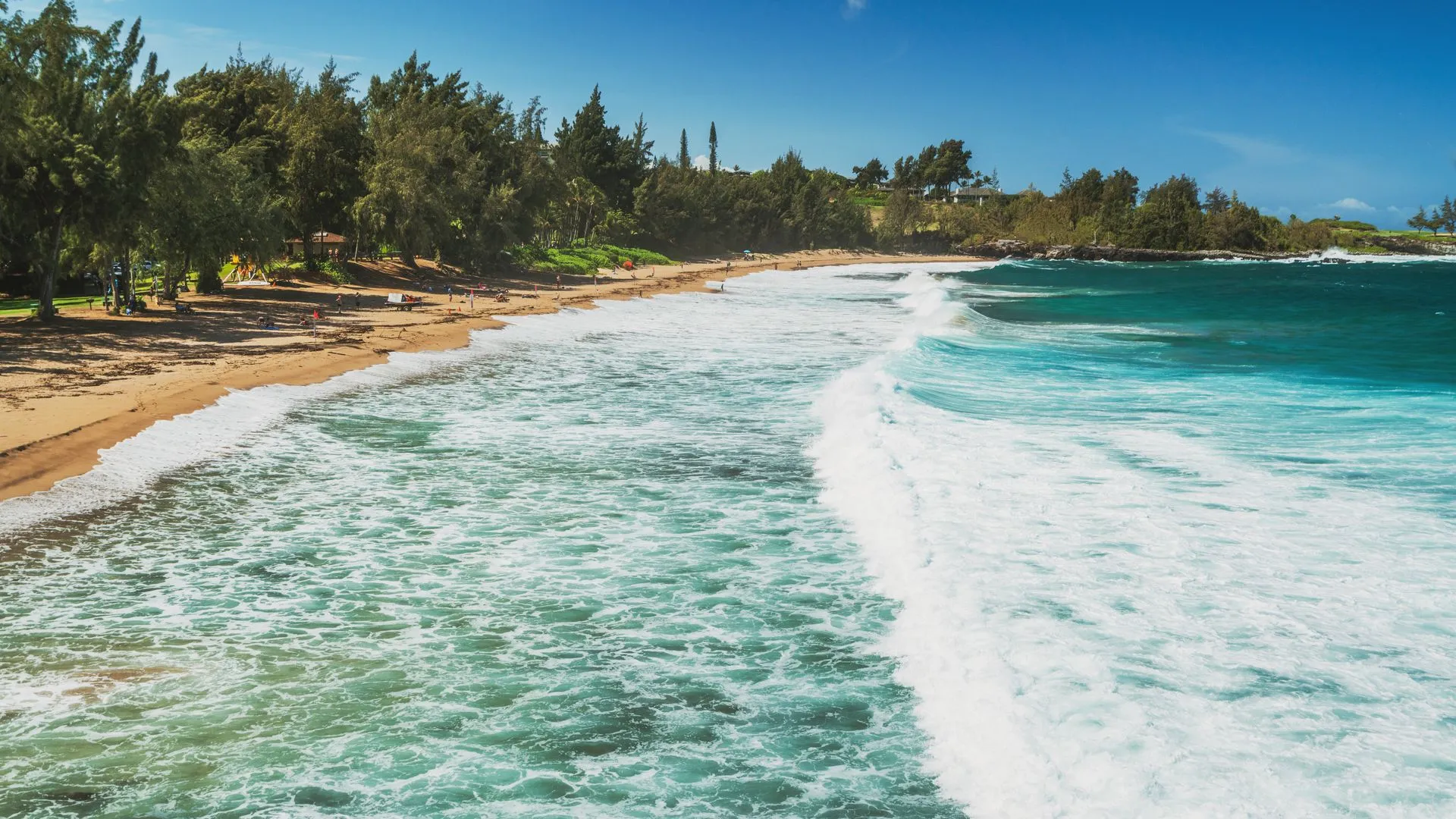
These beaches showcase Kapalua’s balance between adventure and relaxation, offering something for every type of traveler.
For golf enthusiasts, Kapalua is nothing short of legendary. The Plantation Course at Kapalua is home to the PGA TOUR’s Sentry Tournament of Champions, held each January. This event draws the world’s best golfers to compete against the backdrop of sweeping ocean views and the West Maui Mountains.
Designed by renowned architects Ben Crenshaw and Bill Coore, the Plantation Course is celebrated for its challenging design, rolling terrain, and panoramic vistas. Meanwhile, the Bay Course provides a slightly more forgiving but equally scenic experience, winding along the coastline with holes that hug the cliffs above the Pacific.
Even non-golfers can appreciate the beauty of these courses, which are integrated into the landscape in a way that enhances the natural surroundings.
Kapalua is not only a destination for beaches and golf but also a paradise for nature lovers. The Kapalua Coastal Trail stretches along the shoreline, offering a scenic walk through lava fields, beaches, and oceanfront cliffs. This easy-to-moderate trail is perfect for spotting whales during winter months or simply enjoying the changing landscapes of Maui’s coastline.
For those looking for a deeper immersion in nature, the Maunalei Arboretum Trail takes hikers into the upland forests above Kapalua. Once part of the pineapple plantation, this area has been restored with native Hawaiian plants, offering a glimpse of Maui’s ecological heritage.
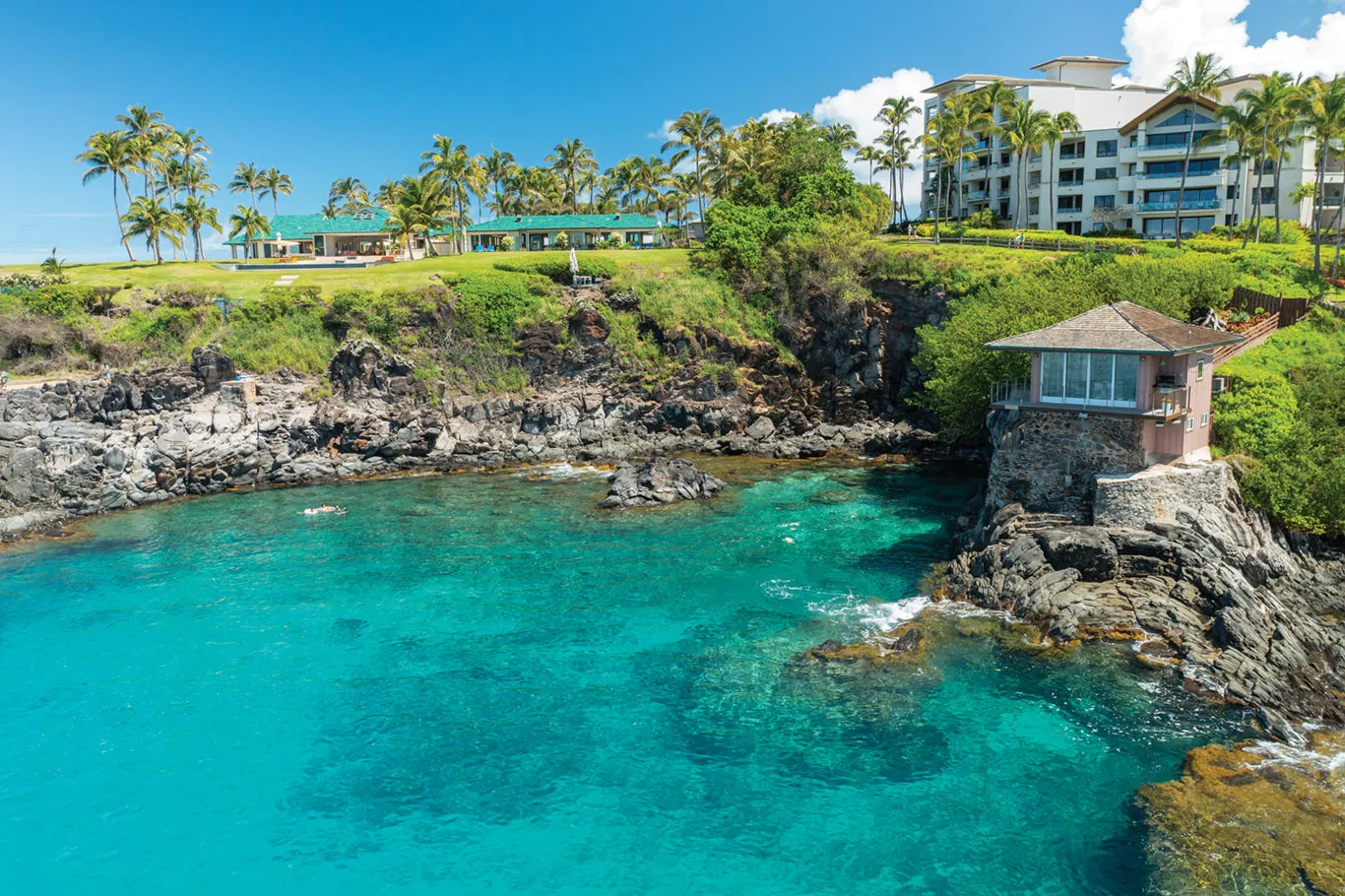
Kapalua is synonymous with luxury. The Ritz-Carlton Maui, Kapalua and the Montage Kapalua Bay provide world-class accommodations that blend comfort with island-inspired elegance. These resorts feature spa experiences rooted in Hawaiian traditions, infinity pools overlooking the Pacific, and access to Kapalua’s finest amenities.
Dining in Kapalua is equally remarkable. Merriman’s Kapalua offers farm-to-table cuisine with an oceanfront setting that’s perfect for sunset dinners, while Sansei Seafood Restaurant & Sushi Bar is beloved for its creative Japanese-inspired dishes. Many of the restaurants in the area highlight locally sourced ingredients, ensuring that each meal reflects the flavors of Hawai‘i.
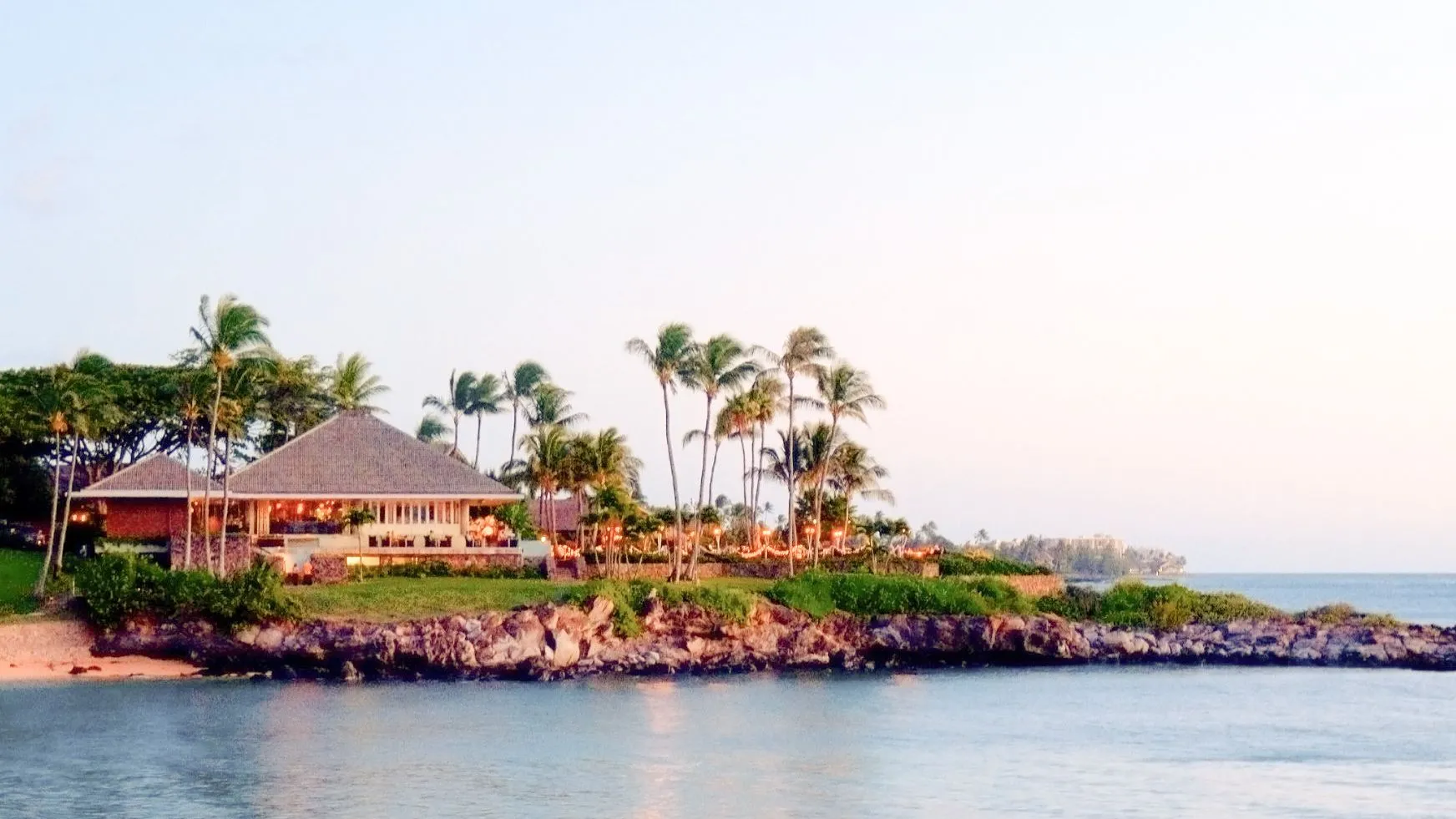
Beyond luxury and leisure, Kapalua is also a place that values cultural and environmental preservation. The annual Celebration of the Arts Festival, hosted at the Ritz-Carlton Maui, brings together Hawaiian artisans, musicians, and cultural practitioners to share their crafts and traditions. This event allows visitors to experience authentic Hawaiian culture in a meaningful way.
Additionally, conservation efforts such as the protection of marine life at Kapalua Bay and the preservation of native habitats along the trails reflect the community’s commitment to sustainability. These initiatives ensure that Kapalua remains not only a destination for today’s travelers but also for generations to come.
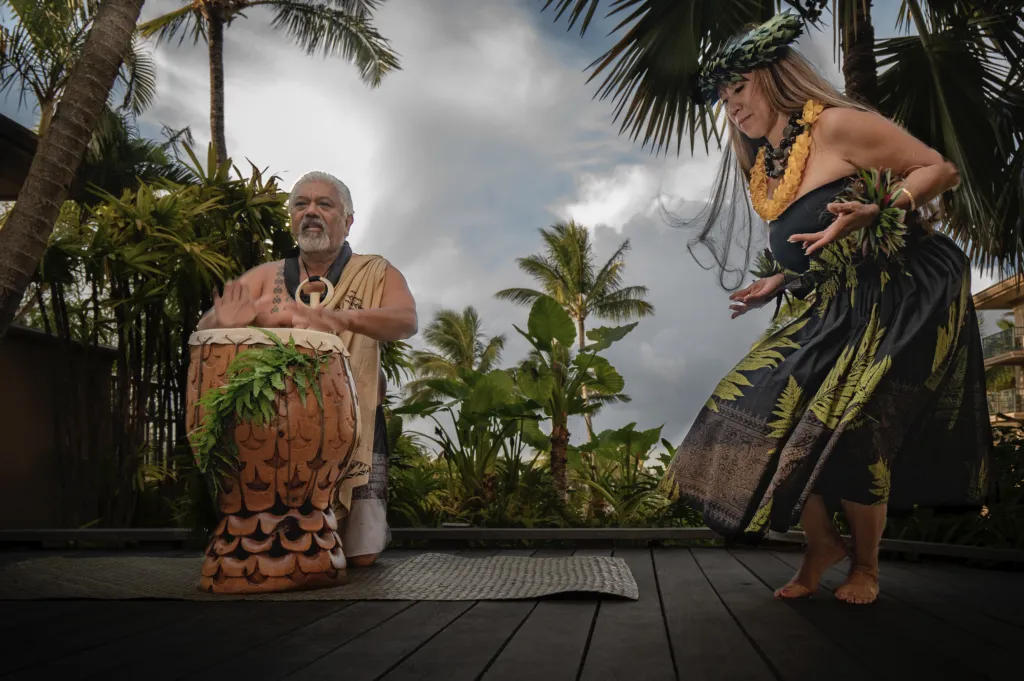
Whether you’re an adventurer, a golfer, a foodie, or someone simply looking to unwind in paradise, Kapalua offers a complete Hawaiian experience. Its combination of natural beauty, luxury amenities, cultural depth, and recreational opportunities make it one of the most remarkable places on Maui.
From sunrise strolls along the coastline to world-class golf in the afternoon and fine dining at sunset, Kapalua provides unforgettable moments at every turn. It’s more than just a destination—it’s an embrace of the sea, the land, and the spirit of aloha.
1. What makes Kapalua one of the best places to visit in Maui?
Kapalua is loved for its luxury resorts, world-class beaches, scenic trails, championship golf courses, and rich cultural history. Located on Maui’s northwestern coast, it blends natural beauty with modern comfort. Whether you’re looking for adventure, relaxation, or a sophisticated Hawaiian getaway, Kapalua offers a little bit of everything that makes Maui special.
2. What does the name “Kapalua” mean, and why is its history important?
“Kapalua” means “two borders” or “arms embracing the sea,” a fitting description for its stunning coastlines and sheltered bays. Historically, this region was part of the Baldwin family’s agricultural lands and was heavily tied to Maui’s pineapple plantation era. Today, Kapalua honors that past while evolving into one of Hawai‘i’s premier resort destinations—carefully balancing development with environmental stewardship.
3. Which beaches in Kapalua are the best for swimming and snorkeling?
Kapalua is home to some of Maui’s top beaches:
4. Is Kapalua Bay really one of the best beaches in the world?
Yes! Kapalua Bay has been ranked multiple times as one of the world’s best beaches, thanks to its crystal-clear water, crescent-shaped shoreline, and excellent snorkeling conditions. The protected bay creates a calm, tranquil setting that appeals to families, snorkelers, and anyone who wants a classic Hawaiian beach experience.
5. Why is Kapalua so famous for golf?
Kapalua is legendary in the golf world because it’s home to the Plantation Course, host of the PGA TOUR’s Sentry Tournament of Champions every January. Designed by Bill Coore and Ben Crenshaw, the course features incredible elevation changes and panoramic ocean views. The Bay Course offers a more forgiving but equally scenic golf experience, with holes that run right along the coastline. Even non-golfers love the views.
6. Are there good hiking or walking trails in Kapalua?
Absolutely. Kapalua is one of the most scenic areas on Maui for hiking. Popular trails include:
7. What luxury resorts can I stay at in Kapalua?
Kapalua is home to two of Maui’s top luxury resorts:
8. What are the best restaurants in Kapalua?
Kapalua has a great food scene, featuring farm-to-table dining and Pacific Rim cuisine. Favorites include:
9. Does Kapalua offer cultural experiences or events?
Yes. Kapalua honors Hawaiian culture through events like the Celebration of the Arts Festival, hosted at the Ritz-Carlton. Hawaiian artisans, musicians, and cultural practitioners share traditions through workshops, performances, and ceremonies. Conservation efforts, native habitat restoration, and marine protection at Kapalua Bay also reflect the area’s cultural and environmental responsibility.
10. What makes Kapalua different from other resort areas on Maui like Wailea or Kaʻanapali?
Kapalua stands out because it offers a quieter, more refined, and nature-focused experience. While Wailea is known for luxury and Kaʻanapali for its lively beach scene, Kapalua blends serenity with world-class amenities. Its protected bays, award-winning golf courses, dramatic scenery, and cultural depth make it ideal for travelers wanting a more laid-back yet upscale Maui vacation.
11. Is Kapalua a good place to see whales in the winter?
Absolutely. Kapalua offers fantastic whale-watching opportunities from December through April. Humpback whales migrate through the nearby channels, and it’s common to see them breaching from the beaches, coastal trails, and even the golf courses.
12. Why should I add Kapalua to my Maui itinerary?
Kapalua offers a complete Hawaiian experience:
Whether you want relaxation, adventure, luxury, or authentic cultural experiences, Kapalua delivers it all with an unmatched sense of aloha.
If you would like to read and learn more about interesting things in Hawaii! Check out our blog page here on our website!
or
When people think of Hawaii, they often imagine swaying palms, white sand beaches, and volcanic landscapes. But another breathtaking sight that visitors and locals alike admire is the Hawaii skyline. Unlike the towering skyscraper silhouettes of New York or Los Angeles, Hawaii’s skyline tells a unique story—one where natural beauty, history, and urban development coexist in harmony. From the vibrant cityscape of Honolulu to the dramatic mountain ranges that serve as a backdrop, the skyline of Hawaii is one of the most distinctive in the world.
The most recognized skyline in the Hawaiian Islands belongs to Honolulu, the capital city located on Oʻahu. Honolulu is the economic and cultural hub of Hawaii, home to high-rise hotels, luxury condominiums, and office buildings that stretch skyward against a turquoise ocean backdrop.
Waikīkī, perhaps the most famous neighborhood of Honolulu, features a dense cluster of hotels and resorts. From the beach, the skyline looks like a vertical cityscape perched right on the edge of the Pacific Ocean. At sunset, the sight is particularly enchanting as golden light reflects off the glass windows of tall buildings, creating a warm glow.
What makes Honolulu’s skyline unique is its harmony with the surrounding natural features. The looming presence of Diamond Head Crater to the east provides a natural frame that contrasts with the manmade structures. Few cities in the world boast such a dramatic juxtaposition of volcanic landscapes with urban design.
Unlike other metropolitan skylines, Hawaii’s city silhouettes are rarely uninterrupted lines of steel and glass. Instead, they are deeply influenced by the islands’ volcanic origins. The Koʻolau Mountain Range rises sharply behind Honolulu, creating a dramatic green wall that defines the horizon. On Maui, the slopes of Haleakalā tower above towns and resorts, reminding viewers that nature remains the dominant force shaping the skyline.
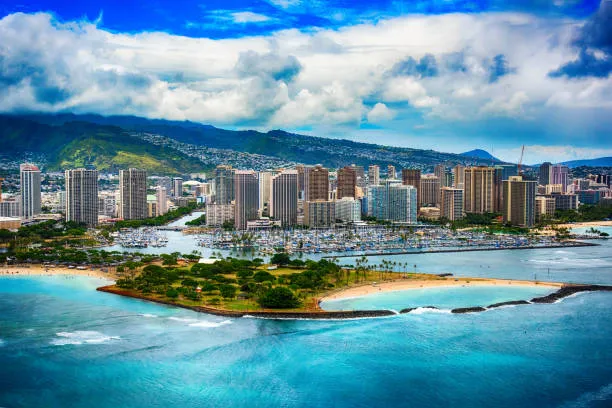
This connection to the natural environment ensures that Hawaii’s skylines always maintain a sense of balance. Development is visible, but it never overshadows the mountains, cliffs, and craters that define the islands. Even when high-rises are built, strict zoning laws help prevent overdevelopment in certain areas, allowing the natural skyline to remain a focal point.
While Honolulu stands out as the most urbanized skyline in Hawaii, each island offers its own unique horizon worth admiring:
Hawaii’s skyline changes dramatically with the light.
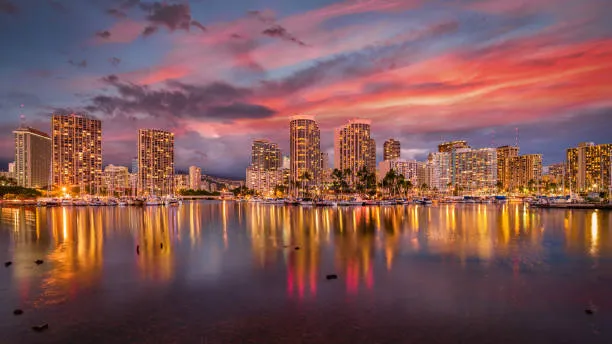
Hawaii’s skyline is more than just a visual landmark—it’s also a reflection of the islands’ values. Hawaiian culture emphasizes respect for the land, known as mālama ʻāina, which influences how cities are designed and built. For example, many high-rises incorporate open-air designs and green spaces to connect urban living with the natural world.
In recent years, sustainable architecture has become a growing focus. New developments in Honolulu and other areas are prioritizing energy efficiency, solar integration, and eco-friendly materials. This approach ensures that while the skyline grows, it does so in a way that aligns with Hawaii’s commitment to protecting its environment.
The Hawaii skyline is a unique blend of manmade structures and natural wonders. While Honolulu offers the most recognizable cityscape, the skylines across the islands highlight volcanic peaks, lush mountain ranges, and dramatic coastlines that make Hawaii unlike anywhere else. Whether admired at dawn, dusk, or under a canopy of stars, the skyline here tells the story of a place where urban life and natural beauty coexist in harmony.
For visitors, the Hawaii skyline is more than just a backdrop—it’s a reminder of the islands’ delicate balance between progress and preservation, culture and modernity, earth and sky.
1. What makes the Hawaii skyline different from other city skylines in the world?
The Hawaii skyline is unique because it blends modern high-rises with dramatic natural landmarks like volcanic craters, lush mountains, and ocean views. Unlike cities dominated by steel and glass, Hawaii’s skyline showcases harmony between urban development and the islands’ incredible natural scenery. It’s a place where skyscrapers sit next to coral-blue waters and are framed by towering mountains.
2. Which island has the most famous and recognizable skyline in Hawaii?
The most iconic skyline belongs to Honolulu on Oʻahu. Known for its high-rise hotels, luxury condos, and the bustling Waikīkī district, Honolulu features the most urban skyline in the islands. What makes it stand out is its backdrop: Diamond Head Crater and the towering Koʻolau Mountains, creating one of the most scenic city-meets-nature skylines on Earth.
3. What does the skyline of Waikīkī look like?
The Waikīkī skyline is a dense cluster of beachfront hotels and resorts rising above the Pacific Ocean. Seen from the sand, it looks like a vertical city perched on the shoreline. At sunset, the buildings glow gold as the light reflects off the windows, creating one of the most photographed views in Hawaii.
4. How do Hawaii’s mountains influence the skyline?
Hawaii’s skyline is shaped heavily by its volcanic mountain ranges, which act as a dramatic natural backdrop.
5. What do the skylines on the different Hawaiian Islands look like?
Each island has its own distinct skyline:
6. When is the best time of day to admire the Hawaii skyline?
The Hawaii skyline changes beautifully throughout the day:
7. Why does Honolulu have more skyscrapers than the other Hawaiian islands?
Honolulu is the economic, cultural, and residential hub of Hawaii, making it the only island with a major urban center. Zoning laws and sustainability efforts keep development concentrated to preserve natural landscapes. Other islands limit building heights to ensure mountain views and protect the natural skyline.
8. How do volcanic landscapes contribute to the Hawaii skyline?
Volcanic formations like Diamond Head, Haleakalā, Mauna Kea, Mauna Loa, and the Koʻolau Range create iconic silhouettes that make Hawaii instantly recognizable. These natural structures are millions of years old and provide dramatic contrast to the modern architecture below, giving Hawaii’s skylines a sense of timeless beauty.
9. Are there sustainable or eco-friendly features in Hawaii’s skyline?
Yes. Hawaii is committed to mālama ʻāina—caring for the land. Many new buildings incorporate sustainable design, including solar power, open-air layouts, green spaces, and energy-efficient materials. This approach allows Hawaii to modernize without compromising environmental values.
10. Can you see the Hawaii skyline from the beach?
Absolutely. Some of the best views of the Honolulu and Waikīkī skyline are seen right from the beach. You can admire high-rises framed by calm ocean waves, with Diamond Head anchoring the scene. Maui and Kauaʻi also offer stunning skyline views dominated by mountains instead of buildings.
11. Is the Hawaii skyline good for photography?
Yes—Hawaii’s skyline is a dream for photographers. The blend of urban silhouettes, ocean reflections, volcanic backdrops, and colorful skies makes it one of the most photogenic skylines in the world. Sunrise and sunset are especially breathtaking.
12. What makes the Hawaii skyline meaningful beyond its beauty?
The skyline reflects Hawaii’s values: a balance between progress and preservation, culture and nature. It tells the story of islands shaped by volcanic forces, enriched by Hawaiian heritage, and guided by sustainable planning. Whether viewed at dawn, dusk, or from the ocean, the skyline symbolizes Hawaii’s harmony between city life and natural wonder.
If you would like to read and learn more about interesting things in Hawaii! Check out our blog page here on our website!
or
When people think of Hawai‘i, they often picture swaying palm trees, turquoise waters, and fragrant flowers. But nestled among the islands’ unique natural wonders is a remarkable bird that holds deep cultural and ecological significance—the Nēnē, or Hawaiian goose (Branta sandvicensis). As Hawai‘i’s official state bird, the Nēnē symbolizes resilience, adaptation, and the importance of conservation in preserving the islands’ natural heritage.
The Nēnē is endemic to Hawai‘i, meaning it is found nowhere else on Earth. Believed to have evolved from the Canada goose thousands of years ago, these birds adapted to the islands’ volcanic landscapes, grasslands, and shrublands. Over time, they developed distinct features that set them apart from their ancestors.
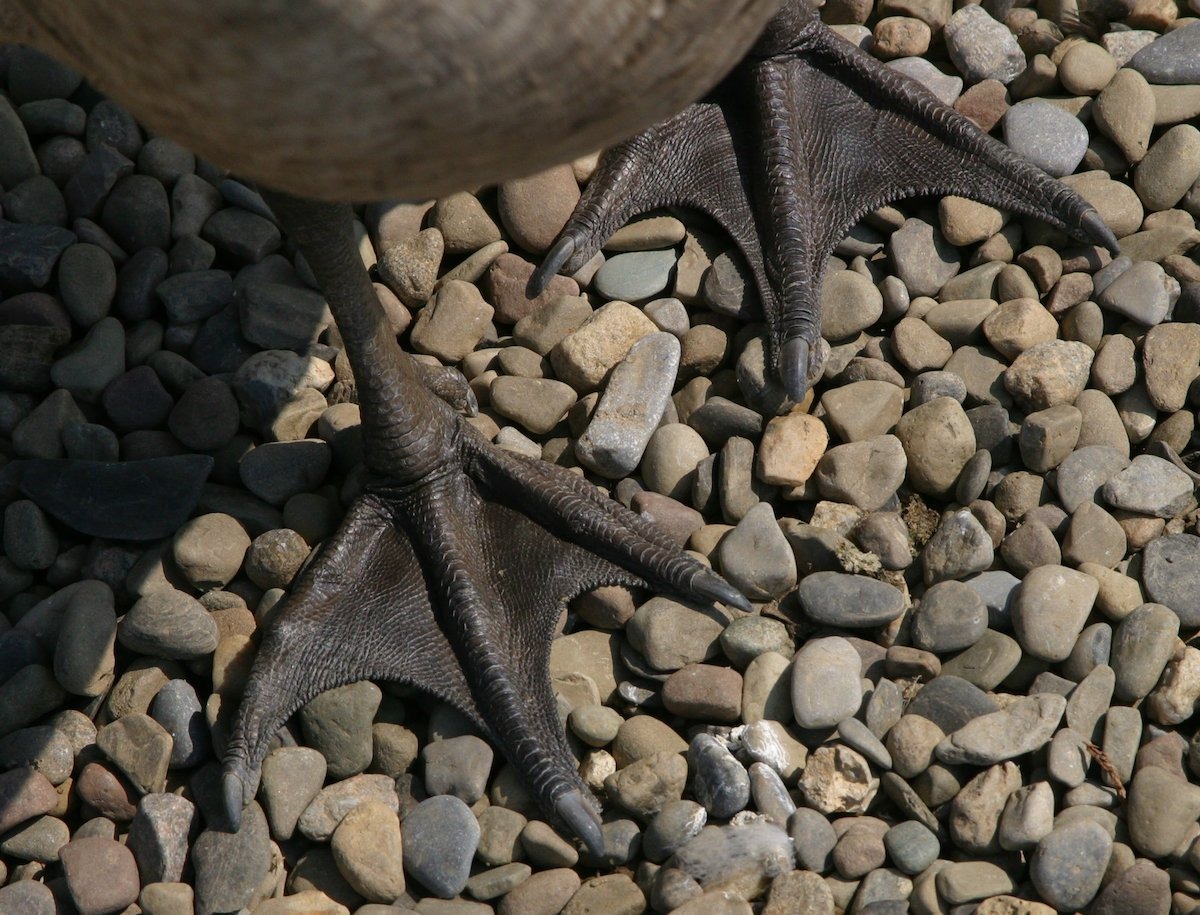
One of the most fascinating adaptations is their feet. Unlike most geese, the Nēnē has partially webbed feet, which allow it to walk on rugged lava rock, climb slopes, and navigate dry grasslands. This adaptation reflects their transition from a primarily aquatic environment to a more terrestrial lifestyle in Hawai‘i’s unique terrain.
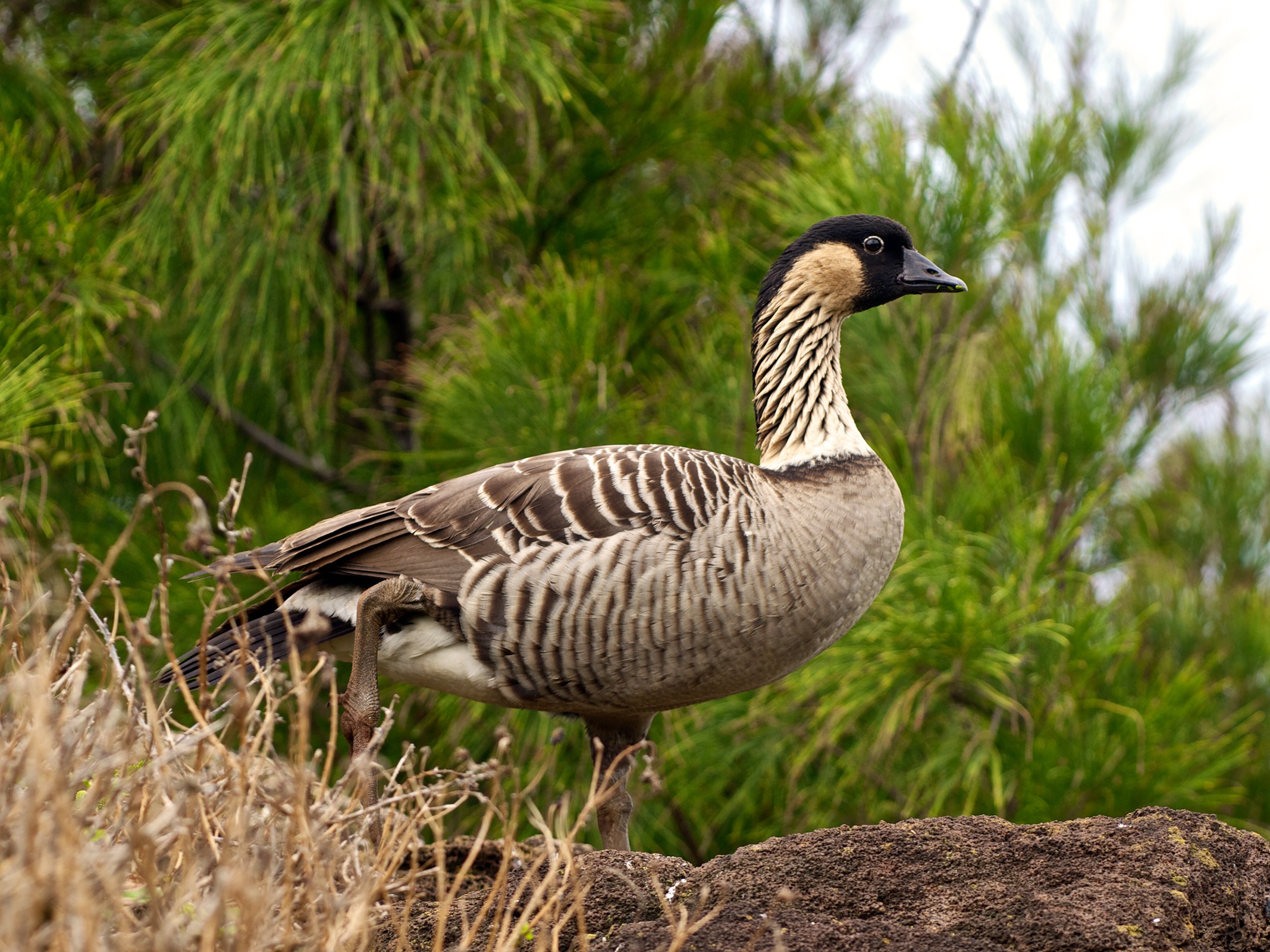
The Nēnē is a medium-sized goose, about 25 inches long with a wingspan of roughly three feet. It is easily recognized by its black face and crown, buff-colored cheeks, and strong barred patterns across its neck, which look almost like a necklace of grooves. The plumage blends beautifully into the volcanic landscapes of the islands, offering them natural camouflage.
Unlike other geese that are known for their loud honking, the Nēnē has a softer, more melodic call. These birds are primarily herbivores, feeding on native shrubs, grasses, and berries, particularly the fruit of the ‘ōhelo berry plant, which also holds significance in Hawaiian culture.
Nēnē are monogamous, and pairs often form strong, lifelong bonds. During the nesting season, which usually spans from October to March, females lay three to five eggs in ground nests hidden among vegetation. The goslings are able to walk and feed themselves within days of hatching, though they remain under the care and protection of their parents.
Despite its symbolic and ecological importance, the Nēnē came dangerously close to extinction in the 20th century. By the 1950s, fewer than 30 birds remained in the wild. Habitat destruction, hunting, and the introduction of predators such as mongoose, rats, and feral cats had decimated populations across the islands.
Recognizing the crisis, conservationists launched ambitious recovery programs. Captive breeding efforts, spearheaded in part by conservationists in Hawai‘i and abroad, played a pivotal role in saving the Nēnē. Birds raised in captivity were carefully reintroduced into protected areas across the islands, including national parks, wildlife refuges, and conservation lands.
Today, the Nēnē population has rebounded to over 3,000 individuals, with stable populations on Hawai‘i Island, Maui, Kaua‘i, and even reintroduction efforts on O‘ahu. While the bird is still listed as “threatened” under the Endangered Species Act, its recovery is often celebrated as one of the greatest conservation success stories in Hawai‘i.
For Native Hawaiians, the Nēnē has long held a place of cultural reverence. It is seen not only as a symbol of the islands but also as a living connection to the land (‘āina). Some traditions suggest the bird embodies qualities of endurance and adaptability—traits mirrored in the Hawaiian people themselves.
The bird’s name, “Nēnē,” is said to reflect its soft, gentle call. In Hawaiian culture, the naming of animals often connects to their spirit and behavior, highlighting a deep respect for the natural world.
When the Nēnē was officially designated the state bird of Hawai‘i in 1957, it became a powerful emblem of pride and identity. Its survival story is now tied not only to conservation biology but also to cultural renewal and education, reminding residents and visitors alike of the need to protect Hawai‘i’s fragile ecosystems.
If you’re visiting Hawai‘i and would like to see the Nēnē in its natural habitat, you’re in luck. National parks and reserves offer safe havens where these birds thrive. Some of the best places to encounter them include:
When observing these birds, it’s important to keep a respectful distance. Feeding Nēnē is strictly prohibited, as it can disrupt their natural diet and behavior. Responsible wildlife viewing ensures their continued survival and helps protect the delicate balance of Hawai‘i’s ecosystems.
The Nēnē’s story is more than just a tale of a bird brought back from the brink of extinction. It is a reminder of the interconnectedness of culture, conservation, and community. By saving the Nēnē, Hawai‘i has also safeguarded the integrity of its landscapes and preserved a vital link between people and place.
As Hawai‘i continues to face environmental challenges such as climate change, habitat loss, and invasive species, the survival of the Nēnē serves as both a beacon of hope and a call to action. Protecting this bird means protecting Hawai‘i itself.
1. What is the Nēnē, and why is it considered Hawaii’s state bird?
The Nēnē, or Hawaiian goose (Branta sandvicensis), is the official state bird of Hawai‘i. It’s beloved for its cultural importance, resilience, and unique adaptations to the islands. Found nowhere else in the world, the Nēnē symbolizes Hawaii’s commitment to protecting its native wildlife and preserving its natural heritage.
2. Is the Nēnē found anywhere outside of Hawaii?
No. The Nēnē is endemic to Hawai‘i, meaning it exists only in the Hawaiian Islands. It evolved from the Canada goose thousands of years ago and adapted to Hawaii’s volcanic landscapes, grasslands, and shrublands. Its story is a powerful reminder of how isolated island ecosystems create one-of-a-kind species.
3. What makes the Nēnē different from other geese?
The Nēnē has several unique characteristics:
4. What does the Nēnē look like and how does it behave?
Nēnē are medium-sized geese with black heads, buff-colored cheeks, and distinctive striped neck feathers. They blend seamlessly into volcanic landscapes. They’re also:
5. How close did the Nēnē come to extinction?
In the 1950s, the Nēnē population dropped to fewer than 30 birds, putting the species on the brink of extinction. Habitat loss, hunting, and invasive predators such as mongoose and feral cats nearly wiped them out.
Thanks to dedicated captive breeding programs and reintroduction efforts, population numbers now exceed 3,000 birds—one of Hawaii’s greatest conservation success stories.
6. Why is the Nēnē important in Hawaiian culture?
The Nēnē holds deep cultural significance for Native Hawaiians. Its name comes from its gentle vocalizations, and the bird is often associated with adaptability, endurance, and a strong connection to the ʻāina (land). When Hawai‘i designated the Nēnē as its state bird in 1957, it became a symbol of pride, identity, and the importance of caring for the land and its wildlife.
7. Where can I see the Nēnē in Hawaii today?
If you’re visiting Hawai‘i, you can spot Nēnē in several protected natural areas:
8. Why is it important not to feed Nēnē?
Feeding Nēnē may seem kind, but it harms them. Human food disrupts their natural diet, increases dependency, and can cause dangerous behavior near roads or humans. Feeding wildlife also violates federal and state regulations. The best way to help Nēnē is by viewing them responsibly and supporting conservation efforts.
9. How did conservationists help save the Nēnē?
Conservationists used a combination of:
10. Why does the Nēnē matter to Hawaii’s ecosystem?
As a native herbivore, the Nēnē plays a role in seed dispersal, vegetation control, and maintaining healthy grassland ecosystems. Its survival supports the overall balance of Hawaii’s fragile natural environment. Saving the Nēnē also helps preserve countless native plant species and habitats that depend on responsible stewardship.
11. What does the recovery of the Nēnē teach us about conservation?
The Nēnē’s comeback shows that community support, scientific research, and cultural awareness can make a real difference in restoring endangered species. It also highlights the importance of protecting Hawaii’s ecosystems from modern threats like invasive species and climate change.
12. Is the Nēnē friendly or safe to approach?
Nēnē are gentle birds but should never be approached or touched. They are protected by law, and human interaction can stress them or disrupt their behavior. Observe from a respectful distance, use your camera’s zoom, and allow them to go about their natural activities undisturbed.
If you would like to read and learn more about interesting things in Hawaii! Check out our blog page here on our website!
or
Kaua’i, often called the “Garden Isle,” is one of Hawaii’s most enchanting destinations. Known for its lush landscapes, dramatic cliffs, and pristine beaches, Kaua’i offers a unique blend of adventure, relaxation, and cultural experiences. Whether you’re a nature enthusiast, beach lover, or cultural explorer, here’s a curated guide to the top things to do in Kaua’i.
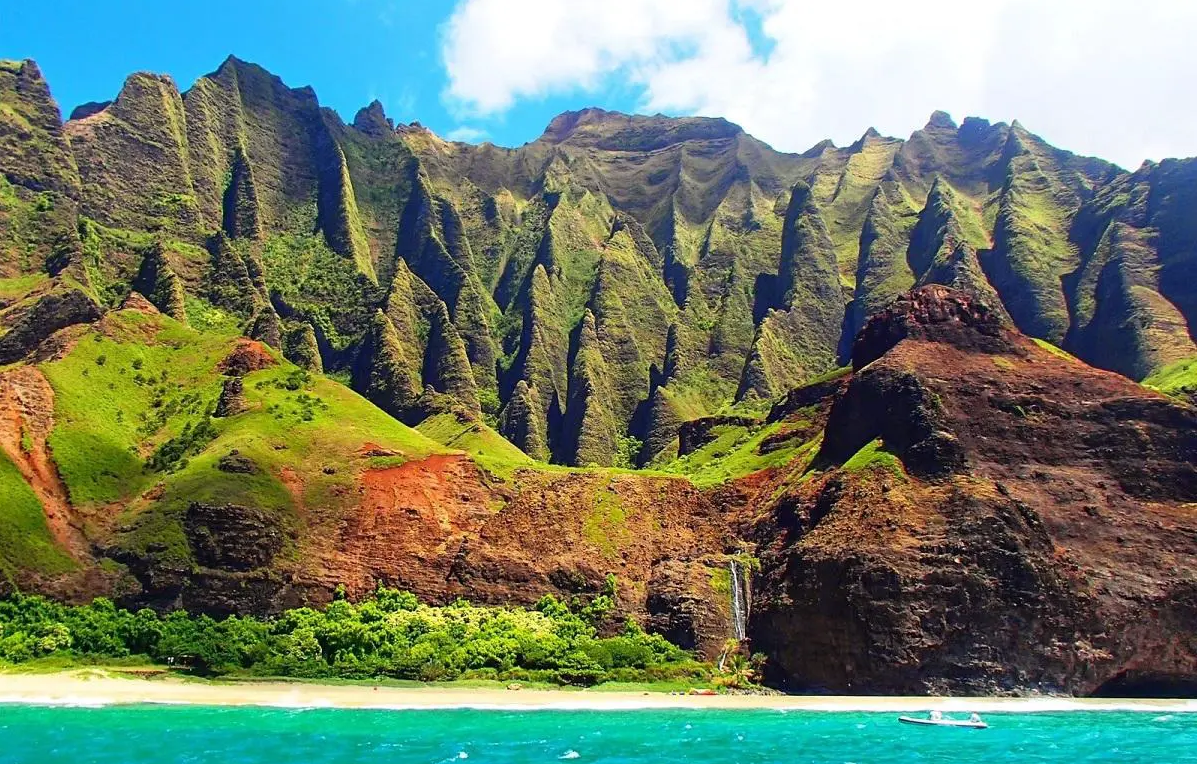
The Nā Pali Coast is a breathtaking stretch of rugged cliffs rising above the Pacific Ocean. Known for its emerald valleys and cascading waterfalls, it’s best experienced by boat, kayak, or helicopter. This coast is one of the most recognizable and most beautiful coasts in the world!
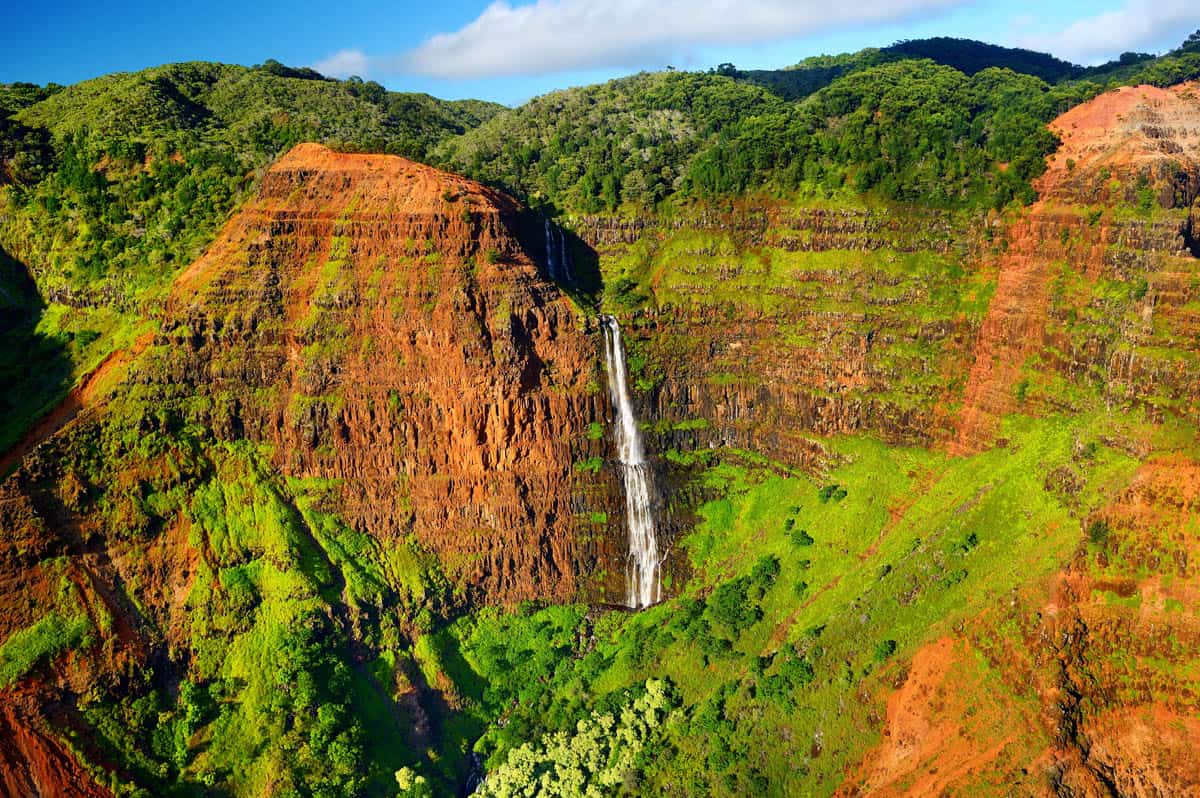
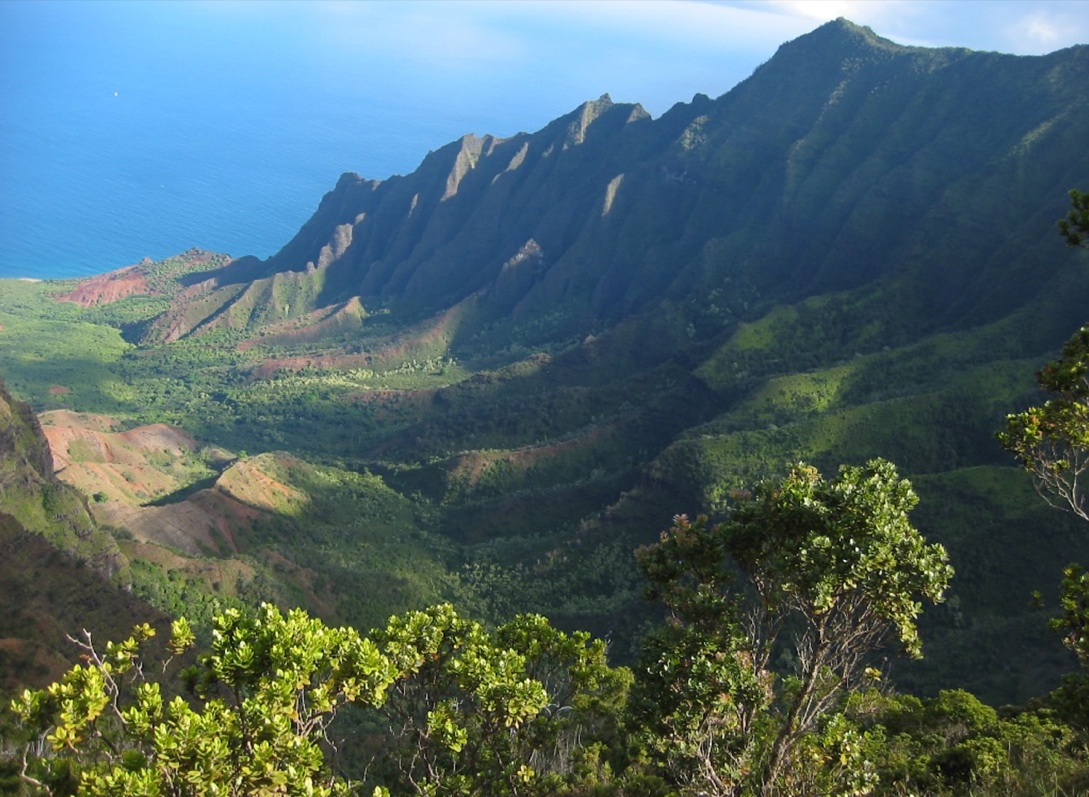
Often called the “Grand Canyon of the Pacific,” Waimea Canyon boasts dramatic red and green hues, deep valleys, and panoramic lookouts. This canyon is 10 miles long, its widest point reaching about a mile, and with a staggering depth of 3500 feet. The Hawaiian term "Waimea" translates to reddish water, with the bottom of the gorge featuring these red waters.
For hikers, trails like the Canyon Trail to Waipo'o Falls offer a chance to experience the canyon’s beauty up close. Plan your visit with Hawaii State Parks.
https://gostateparks.hawaii.gov/
With its crescent-shaped beach and backdrop of verdant mountains, Hanalei Bay is one of Kaua’i’s most iconic locations. Located on the Northshore of Kaua'i and gives the best vibes of Kauai's laid back energy, This bay was built in the late 19th century as a sugar and rice transportation hub. This is a very popular spot amongst locals and visitors alike, used for fishing, picnics, or even watching the beautiful golden sunset over the pacific horizon. Making this and excellent place to swim, surf, or even sunbathe in the summer time.
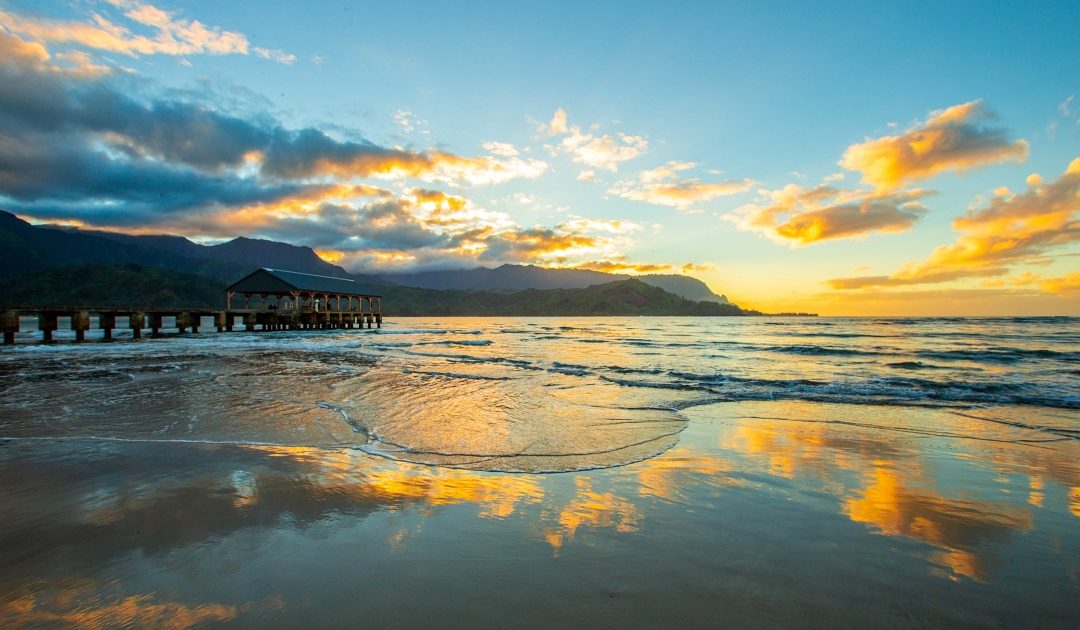
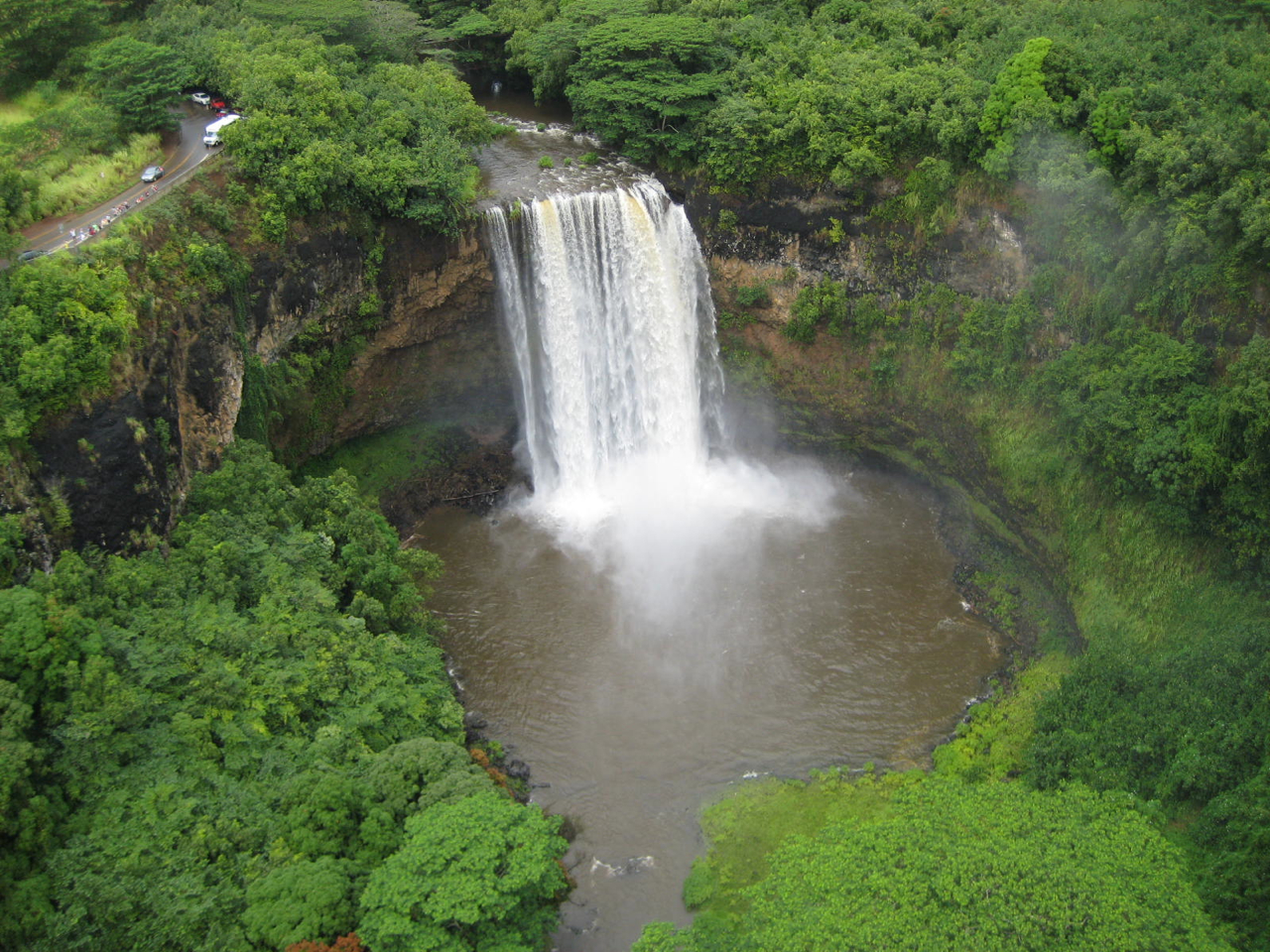
Located just north of Līhuʻe, Wailua Falls is an easily accessible double waterfall plunging over 80 feet. Found at the south end of Wailua river, Wailua Falls can be scene from the roadside, with a very easy hike down. The surrounding scenery makes these falls looks even bigger than it is!
Adjacent to Waimea Canyon, Koke’e State Park offers cooler temperatures, native forests, and stunning views of the Napali Coast. Koke'e State Park is spread over 4,300 acres, covered with lush fauna, and beautiful hiking trails. For those interested in the history of the area, the Koke'e Natural History Museum is amazing for any information regarding the area.
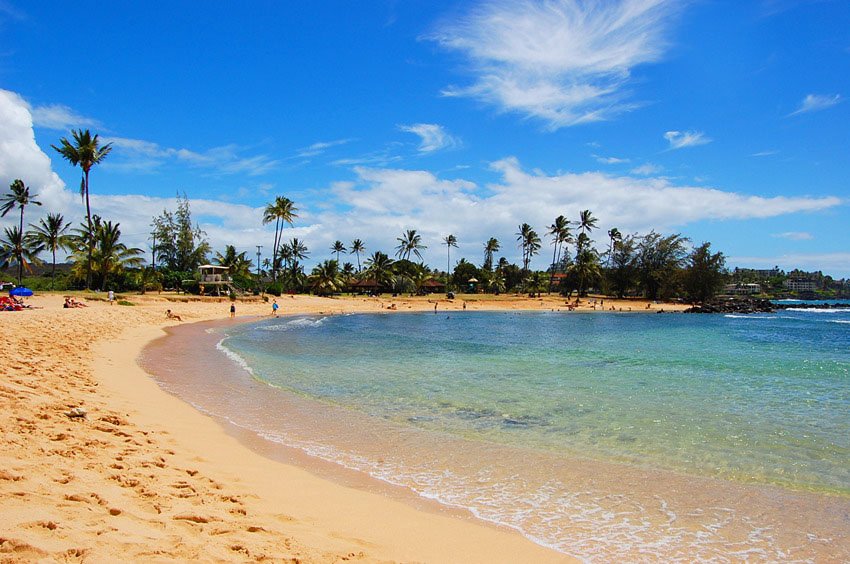
On the sunny south shore of Kaua’i, Poʻipū Beach is renowned for its golden sands and family-friendly waters. This mesmerizing beach offers picturesque clear waters, amazing sunbathing, and you may get lucky and be visited by a Hawaiian Monk Seal. This beach park is perfect for many families looking to enjoy a day of leisure, offering life guards, showers, and easy wading waters.
Nearby resorts, like Koa Kea Hotel & Resort, offer luxurious amenities.
For an invigorating hike with panoramic views of the island’s east side, tackle the Sleeping Giant Trail.This moderate trail winds through forests to a rocky summit, offering expansive views of Wailua and beyond. Get details on AllTrails. The Nounou Mountains resembles a sleeping giant that is lying on his back. Hawaiian stories tell of a giant who fell asleep after eating a large meal.
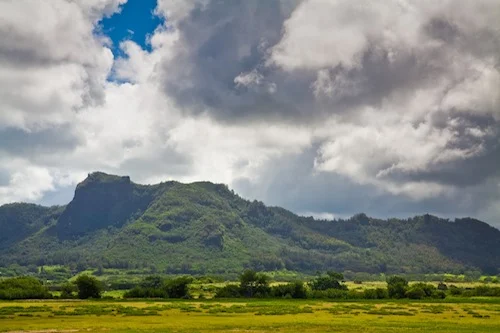
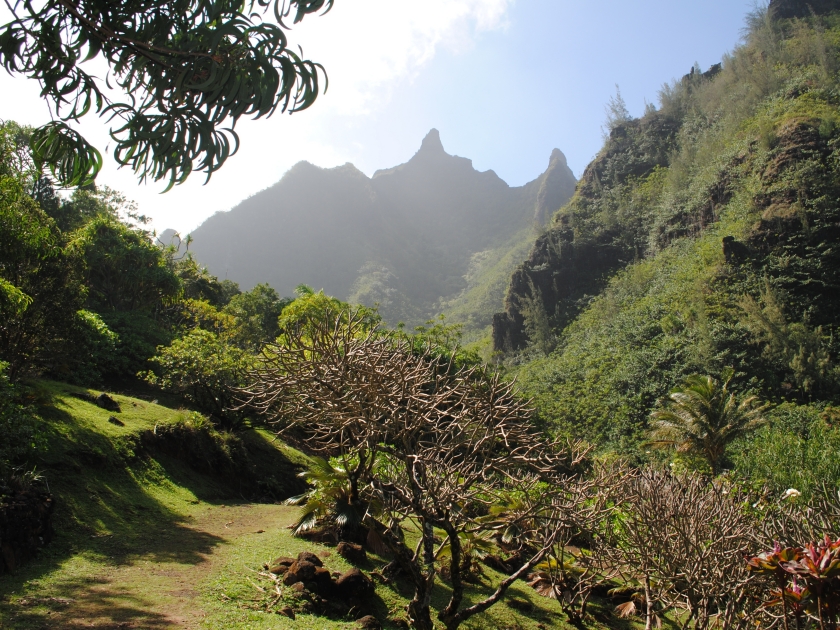
Immerse yourself in Kaua’i’s natural and cultural history at Limahuli Garden, part of the National Tropical Botanical Garden.Explore native plants, ancient terraces, and learn about traditional Hawaiian land use. Visit Limahuli Garden for hours and tour options.
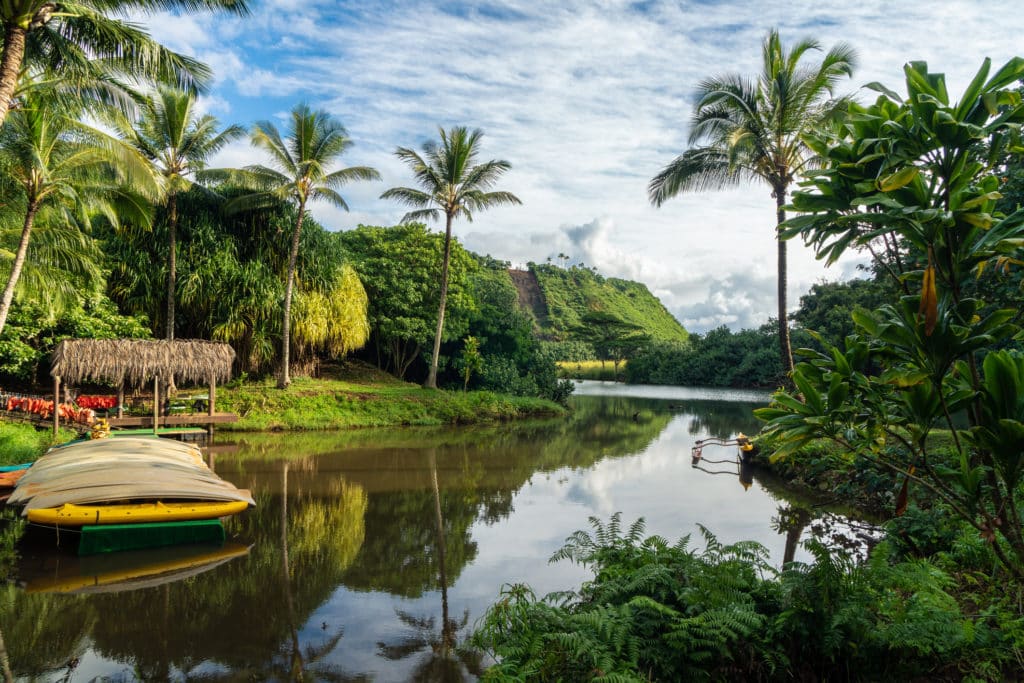
The Wailua River is Kaua’i’s only navigable river and offers a tranquil experience surrounded by lush landscapes. A very popular attraction that is known for its scenic beauty, and one of the only navigable rivers in Hawaii.
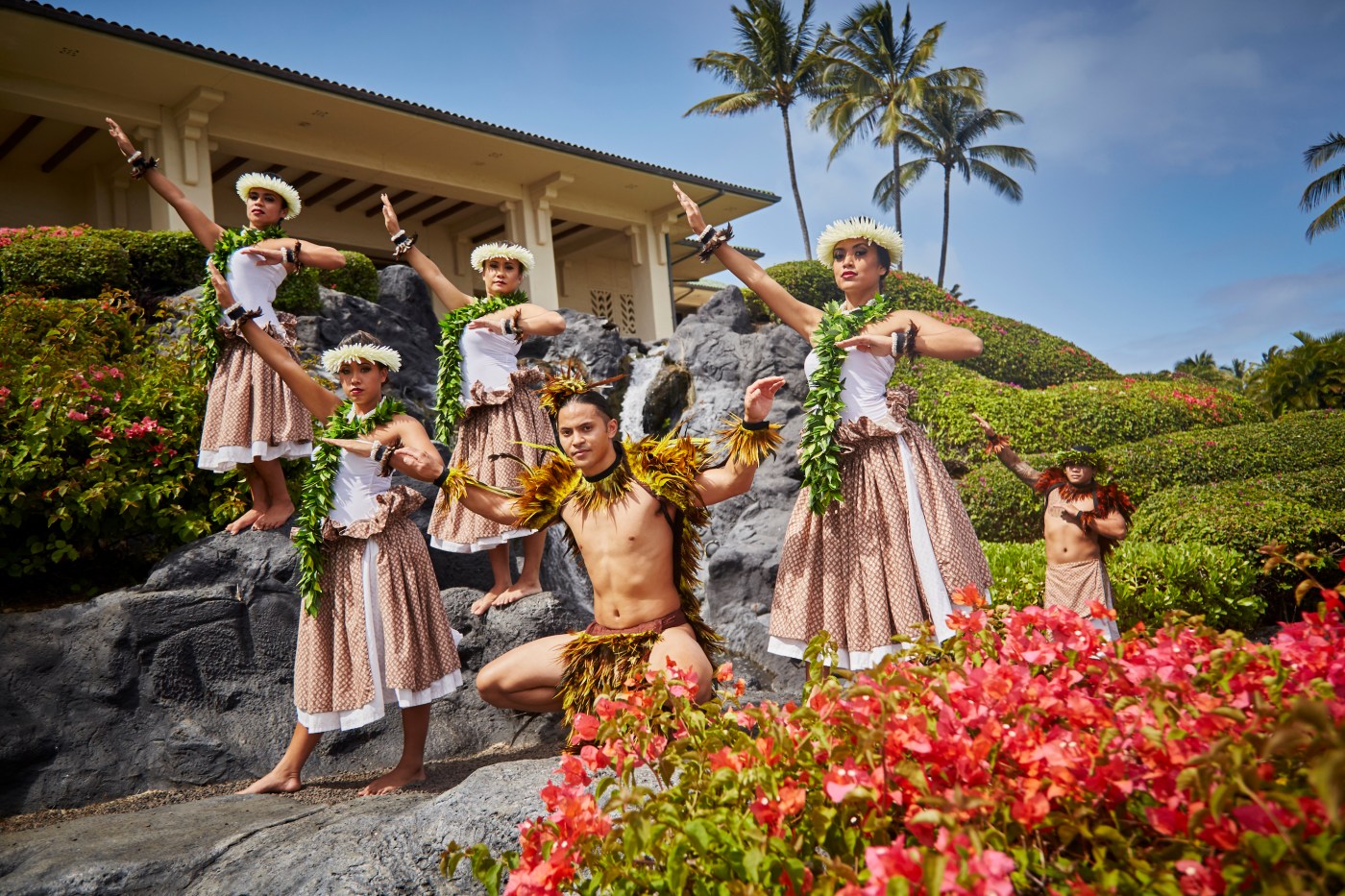
Experience the rich culture of Kaua’i with a traditional Hawaiian luau. Enjoy Polynesian dancing, music, and a feast of local dishes.Popular choices include Smith’s Tropical Paradise Luau (Smith’s Kauai), Luau Kalamaku (Luau Kalamaku), and the Grand Hyatt Kauai Luau (Hyatt Luau).
Kaua’i’s blend of natural wonders, cultural heritage, and island charm make it a must-visit destination in Hawaii. Whether you’re chasing waterfalls, relaxing on pristine beaches, or exploring lush gardens, the Garden Isle promises unforgettable experiences for every traveler.
As you plan your Kaua’i adventure, consider booking tours and activities in advance, especially during peak seasons. From dramatic landscapes to warm hospitality, Kaua’i is sure to leave a lasting impression.
1. Why is Kauaʻi called the “Garden Isle”?
Kauaʻi is known as the Garden Isle because of its lush rainforests, dramatic mountain ranges, fertile valleys, and pristine natural landscapes. It’s the oldest of the main Hawaiian Islands, giving vegetation more time to flourish. Visitors will find waterfalls, tropical plants, emerald cliffs, and dense greenery almost everywhere, making it one of the most scenic places in all of Hawaiʻi.
2. What is the best way to experience the Nā Pali Coast?
The Nā Pali Coast is best explored by boat, helicopter, or hiking.
This coastline is widely considered one of the most beautiful in the world.
3. What makes Waimea Canyon a must-see on Kauaʻi?
Often called the “Grand Canyon of the Pacific,” Waimea Canyon features vast red-and-green cliffs, deep valleys, and dramatic ridgelines. Visitors can:
It’s one of Kauaʻi’s top natural attractions and is easily accessible from the southwest side.
4. Is Hanalei Bay really one of the best beaches on Kauaʻi?
Yes—Hanalei Bay is one of Kauaʻi’s most iconic beaches. Its crescent-shaped shoreline, calm summer waters, and postcard-perfect mountain backdrop make it great for:
The nearby town of Hanalei offers shops, art galleries, and local dining, giving the whole area a laid-back North Shore charm.
5. Are the Wailua Falls worth visiting?
Absolutely. Wailua Falls is a stunning double waterfall just minutes from Līhuʻe. It plunges over 80 feet and can be viewed right from the roadside, making it one of Kauaʻi’s most accessible attractions. Many visitors also combine a visit with kayaking or hiking along the Wailua River, the only navigable river in Hawaiʻi.
6. What can I expect at Kokeʻe State Park?
Kokeʻe State Park features cool mountain air, native forests, wildlife, and hiking trails overlooking the Napali Coast and Waimea Canyon. Popular activities include:
It’s a great spot for travelers who want nature without the crowds.
7. Is Poʻipū Beach really good for families?
Yes—Poʻipū Beach Park is one of the best family-friendly beaches on Kauaʻi. It offers:
With golden sand and clear blue water, it’s ideal for a relaxing beach day.
8. How difficult is the Sleeping Giant (Nounou Mountain) hike?
The Sleeping Giant Trail is considered moderate, with some steep and rocky sections. The reward is worth it—panoramic views of Kauaʻi’s east side, lush forests, and ocean horizons. The trail is popular among locals and visiting hikers looking for a half-day adventure with excellent scenery.
9. What is special about Limahuli Garden and Preserve?
Limahuli Garden, part of the National Tropical Botanical Garden, showcases:
It’s one of the best places to learn about Kauaʻi’s ecological and cultural heritage while strolling through a peaceful, beautifully preserved landscape.
10. Is the Wailua River good for kayaking and paddleboarding?
Yes—the Wailua River is a top spot for kayaking, paddleboarding, and guided nature tours. Visitors often paddle to Secret Falls, explore ancient Hawaiian sites, or enjoy scenic rainforests and waterfalls. It’s one of the most relaxing and beautiful water activities on the island.
11. What are the best luaus to attend on Kauaʻi?
Popular luaus on Kauaʻi include:
Luaus are a fantastic way to experience Hawaiian culture, dance, music, and cuisine.
12. Do I need to book Kauaʻi tours and activities in advance?
Yes—Kauaʻi is a popular island, and many activities (boat tours, luaus, helicopters, guided hikes) sell out quickly, especially in peak travel seasons. Booking in advance ensures you get the experiences you want without last-minute stress.
13. What makes Kauaʻi different from the other Hawaiian Islands?
Kauaʻi stands out for its:
It’s the perfect island for travelers seeking nature, adventure, and a peaceful escape from busier tourist hubs.
If you would like to read and learn more about interesting things in Hawaii! Check out our blog page here on our website!
or