

🔥Black Friday Deal! Save 10% on Maui’s Best Zipline Adventure🔥
Use Code " BLACKFRIDAY10 "
The Hawaiian monk seal is one of the rarest marine mammals on Earth—and one of Hawai‘i’s most treasured natural wonders. As one of the only seal species found in tropical waters, the Hawaiian monk seal holds a unique place in the islands’ ecological and cultural heritage. Today, this endangered species is a symbol of both resilience and the importance of protecting Hawai‘i’s native wildlife.
With fewer than 1,600 individuals remaining, the Hawaiian monk seal is an extraordinary example of how a species can evolve, survive, and adapt in the isolated environment of the Hawaiian archipelago. Its story is deeply intertwined with the islands themselves, and understanding this remarkable creature offers a glimpse into Hawai‘i’s fragile and irreplaceable natural world.
When a species is endemic, it means it exists naturally in only one geographic location—and for the Hawaiian monk seal, that location is the Hawaiian Islands. Scientists believe monk seals have lived in Hawai‘i for millions of years, evolving in isolation much like the islands’ famed honeycreeper birds and silversword plants.
Unlike other seal species that inhabit colder climates, the Hawaiian monk seal adapted to survive in warm, tropical waters. These adaptations include:
Their evolutionary journey is a testament to the power of isolation and the ecological uniqueness of Hawai‘i.
While the largest populations live in the remote Northwestern Hawaiian Islands, monk seals are increasingly seen around the main Hawaiian Islands—including O‘ahu, Maui, Kaua‘i, and the Big Island.
On Maui, monk seals are occasionally spotted resting on beaches or foraging near reefs. Some favored areas include:
Visitors may see them hauled out on the sand, often sleeping for hours as they digest food or restore energy. Because these animals are easily stressed, protective zones are often placed around resting seals to keep them safe.
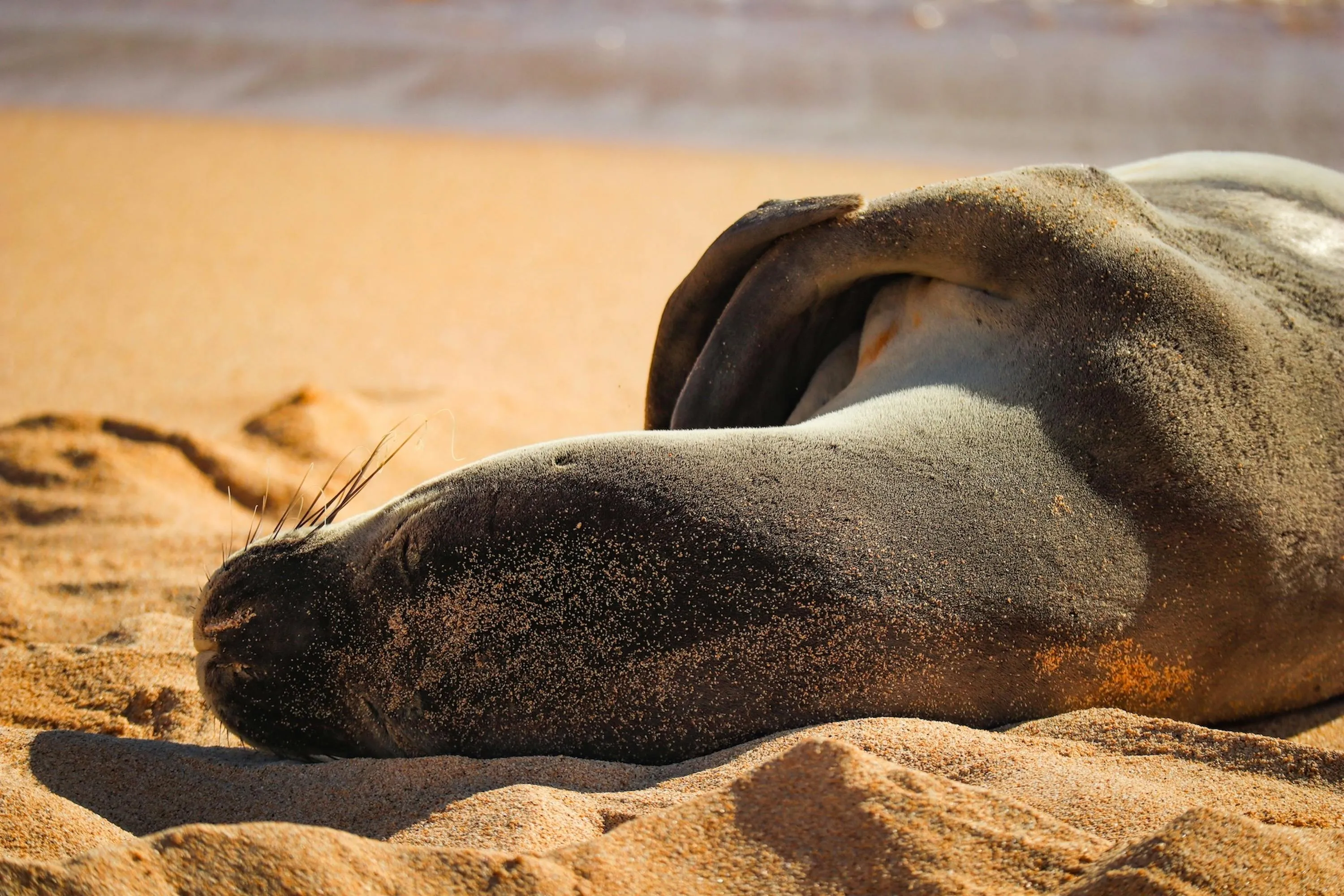
The Hawaiian monk seal is critically endangered due to several threats:
1. Human Disturbance
Approaching a monk seal too closely can cause stress, interrupt sleep, or separate mothers from pups. Local volunteers and conservation groups work daily to ensure seals have safe resting space.
2. Entanglement and Marine Debris
Fishing lines, nets, and plastic can injure or drown seals, especially juveniles.
3. Habitat Loss and Climate Change
Rising sea levels and more frequent storms erode Hawaiian beaches—important resting and pupping areas.
4. Predation
Galapagos sharks often target monk seal pups, especially in the Northwestern Hawaiian Islands.
Despite these challenges, ongoing conservation programs are making an impact. NOAA’s Hawaiian Monk Seal Research Program, along with local organizations, actively monitors populations, removes debris, rescues injured seals, and educates the public. In recent years, the population has shown signs of gradual recovery thanks to these efforts.
In Hawaiian culture, all life is connected through genealogy and stewardship. Native Hawaiian traditions view monk seals—known as ʻīlio-holo-i-ka-uaua, meaning “dog that runs in rough water”—as part of the islands’ natural family. Ancient Hawaiians respected the seal as a fellow inhabitant of the ocean world, and today many cultural practitioners advocate for its protection as a living symbol of Hawai‘i’s natural heritage.
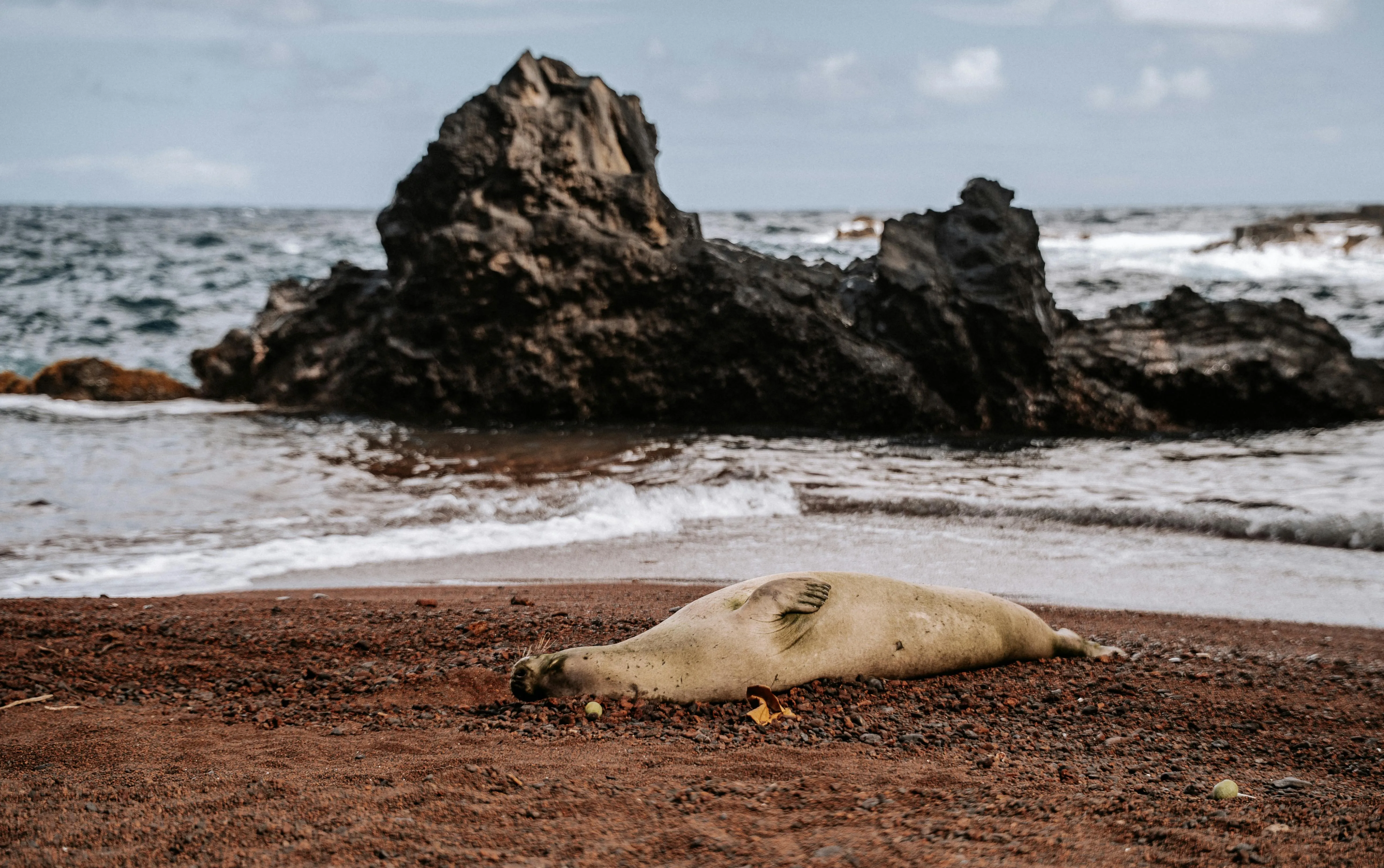
Every traveler to Hawai‘i can play a role in protecting this rare species. Here’s how:
A respectful distance ensures seals can rest, breed, and survive without unnecessary stress.
Because it evolved and lives naturally only in the Hawaiian Islands. No other place on Earth is home to this species, making it one of Hawai‘i’s rarest native animals.
There are roughly 1,500–1,600 individuals remaining. Thanks to conservation programs, the population has begun to stabilize.
Seals are most common in the Northwestern Hawaiian Islands, but visitors to Maui, O‘ahu, and Kaua‘i frequently spot them resting on beaches or swimming nearshore.
They are generally calm and avoid humans, but they are powerful wild animals. Keeping a safe distance protects both you and the seal.
They haul out to rest, digest food, warm up, and sometimes give birth. This behavior is normal and essential to their survival.
Keep distance, respect marked zones, avoid feeding wildlife, keep beaches clean, and report sightings to conservation groups.
If you would like to read and learn more about interesting things in Hawaii! Check out our blog page here on our website!
or
Image Credits:
Photo of Sea Lion on Sand - Sebastian Coman Travel, via Pexels
Hawaiian Monk Seal Resting on Poipu Beach - Pascal, via Pexels
Hawaiian Monk Seal Resting on Volcanic Beach - Photo by Tamara G.P, via Pexels
High on the slopes of Haleakalā—Maui’s massive dormant volcano—lies one of the rarest plants on Earth: the Haleakalā Silversword. This striking, otherworldly species grows naturally nowhere else in the world. Its shimmering silver leaves, dramatic spherical bloom, and survival in one of the harshest environments in Hawai‘i make it a botanical marvel and a treasured symbol of the islands’ natural heritage.
For travelers fascinated by Hawaiian ecology, rare plants, or the unique high-altitude landscapes of Haleakalā National Park, learning about the Haleakalā Silversword provides a deeper appreciation of Maui’s biodiversity and the importance of conservation.
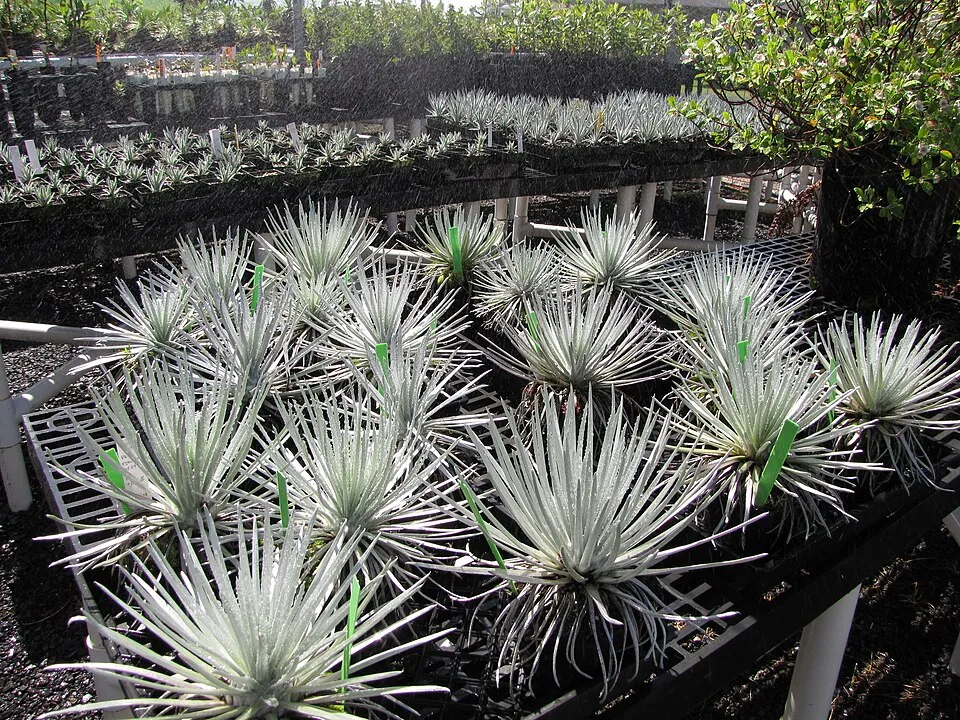
The Haleakalā Silversword (Argyroxiphium sandwicense subsp. macrocephalum) is a federally protected, extremely rare plant found exclusively on the summit region of Haleakalā. Its most recognizable features include:
The silver hairs serve a critical purpose: they reflect sunlight, reduce moisture loss, and protect the plant from freezing temperatures at night. At 9,000–10,000 feet above sea level, the summit of Haleakalā experiences intense UV exposure, dramatic winds, and temperature swings that can drop below freezing. Few plants survive here—but the Silversword has evolved to thrive.
When we say the Haleakalā Silversword is endemic, it means:
This extreme geographic isolation makes it a true scientific and cultural treasure. The Silversword’s closest relatives include the Mauna Kea Silversword and various Dubautia species, all part of the “silversword alliance”—a remarkable example of adaptive radiation similar to Darwin’s finches.
But unlike many Hawaiian plants that occur across several islands, the Haleakalā Silversword is highly localized. Its entire natural population lives within a narrow zone inside Haleakalā National Park, making it incredibly vulnerable to:
Thanks to conservation efforts, its numbers have increased dramatically from near-extinction, but it remains a threatened species.
One of the most fascinating facts about the Haleakalā Silversword is that it blooms only once in its lifetime, usually between 30 and 90 years of age.
When ready, it sends up a tall flower stalk, covered in hundreds of purplish-maroon blossoms. After releasing seeds, the plant dies—completing an incredible life cycle adapted to the extreme alpine desert.
Visitors who witness a Silversword bloom often describe it as a once-in-a-lifetime experience. Still, blooming is unpredictable, and the majority of Silverswords you will see at the summit are younger, spherical rosettes close to the ground.
By the 1920s, the species was nearly wiped out due to:
Restoration efforts began in the mid-1900s and expanded significantly after Haleakalā became a national park. Park rangers fenced off habitats, eradicated grazing animals, and launched propagation programs. Today, the population is recovering, but climate change remains a major threat. Warmer temperatures at the summit directly impact pollination success and seedling survival.
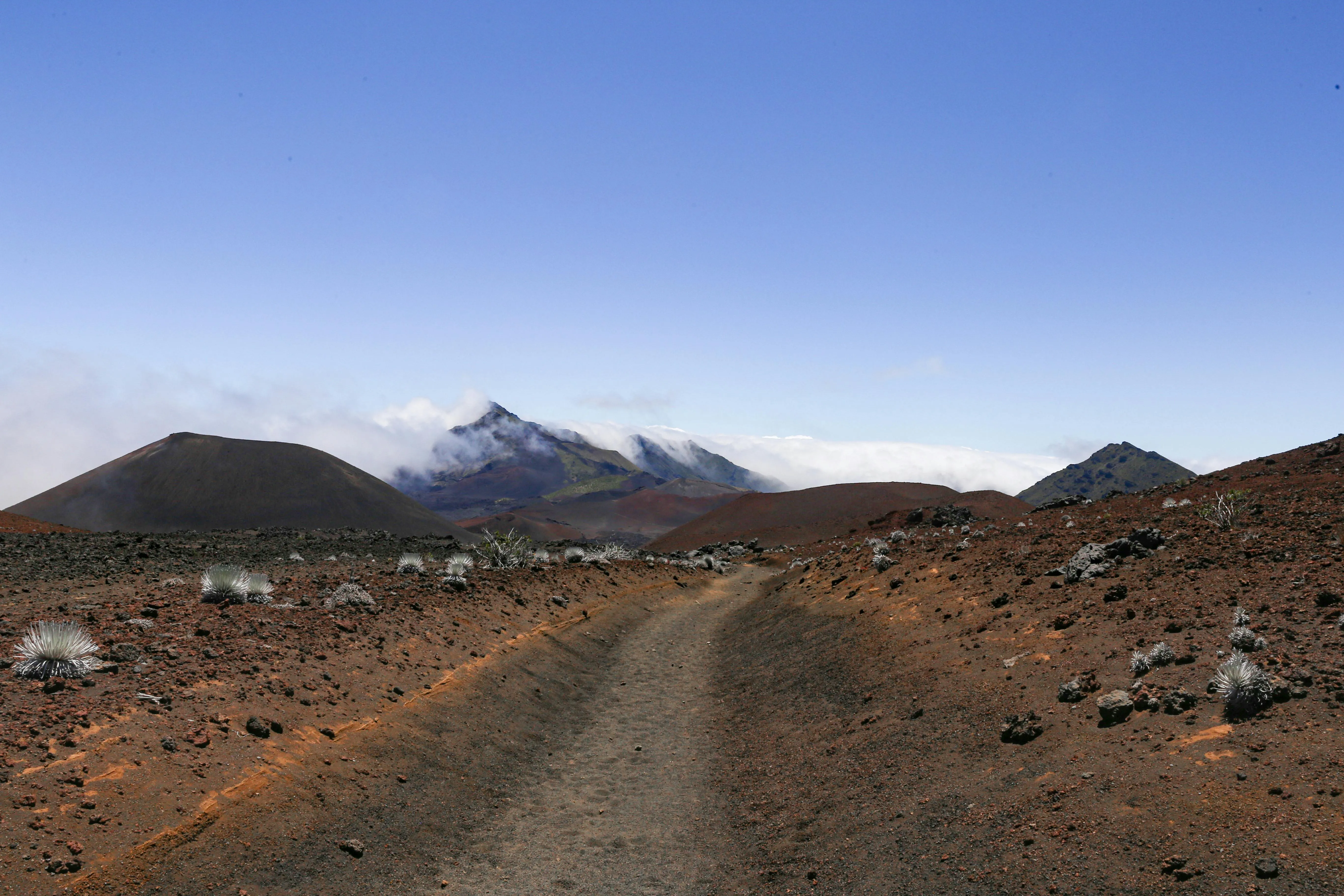
You can find the Haleakalā Silversword in the upper regions of Haleakalā National Park, primarily:
When visiting, remember:
Even a single footstep off the trail can damage fragile soil crusts that the Silversword depends on.
Because it grows naturally only on the summit of one volcano—Haleakalā—it has an extremely limited range. Habitat loss, invasive species, and climate changes contribute to its rarity.
It means the plant exists only in one specific geographic location. The Haleakalā Silversword evolved on Haleakalā and occurs nowhere else on Earth.
Most plants live between 30 and 90 years before blooming once and then dying. The bloom is part of a natural life cycle.
Blooming is unpredictable and varies each year. You may or may not see one in bloom—it’s considered extremely lucky to witness.
It is classified as Threatened under the Endangered Species Act. Conservation efforts have improved its population, but climate change remains a serious concern.
Inside Haleakalā National Park, especially near the summit and along the Sliding Sands Trail. Always stay on designated paths.
Touching the leaves damages the protective silver hairs. Even minor harm can expose the plant to dehydration and temperature stress.
Not naturally. It requires the unique cold, dry, high-altitude conditions of Haleakalā to survive.
If you would like to read and learn more about interesting things in Hawaii! Check out our blog page here on our website!
or
Image Credits:
Haleakalā Silversword (‘Āhinahina) – Photo by Forest and Kim Starr, via Wikimedia Commons (CC BY 3.0)
Haleakalā Silversword (ʻĀhinahina), Maui – Photo by Forest and Kim Starr, via Wikimedia Commons (CC BY 3.0), modified
Haleakalā National Park Volcanic Landscape - Photo by Daniel Erlandson, via Pexels
Every winter, thousands of humpback whales make their epic journey from Alaska to the warm, protected waters of Hawaiʻi. Of all the islands, Maui consistently offers the most reliable and exciting whale-watching experience anywhere in the state. Calm channels, shallow waters, and ideal viewing conditions make it the best place in Hawaiʻi to see breaching whales, mothers with calves, and large competing groups of males. If you're planning a visit and want to experience these incredible animals up close, this FAQ guide covers everything travelers frequently ask about Hawaii whale watching.
The official whale season in Hawaiʻi begins in November and continues through April, with the greatest concentration of whales occurring between January and March. During these peak months, whales are highly active as they mate, give birth, and nurse their calves. Visitors during this period can expect daily sightings from both land and sea, with countless opportunities to witness breaching, tail slapping, and other spectacular behaviors.
Although whales are present throughout the archipelago, Maui stands out as the premier destination. The island’s west and south shores border the sheltered Auʻau Channel, an area known for calm seas and optimal breeding conditions. This natural environment draws a significant portion of the entire North Pacific humpback population, giving Maui unmatched visibility and encounter rates.
While the season is productive overall, whale activity on Maui typically peaks in February, when the waters are filled with mothers nursing calves, competitive male groups, and frequent surface behavior. Late January through early March consistently provides the most dramatic displays, making this the best window for travelers seeking high-energy encounters.
Yes, especially on Maui. The island’s coastline offers numerous vantage points where whales often swim surprisingly close to shore. Locations such as Kāʻanapali, Kihei, Wailea, and various pull-offs along Honoapiʻilani Highway provide excellent visual access. On calm days, you may spot multiple pods within minutes just by scanning the horizon.
Tours on Maui range from large catamarans to small, fast rafts, each providing a unique experience. Catamarans offer comfort, stability, and ample viewing areas, making them popular with families. Rafts provide a closer-to-the-water vantage point and a more adventurous feel. Sailing vessels provide a peaceful, quiet environment perfect for hearing whale blows and observing surface activity. Choosing the best tour depends on your comfort level, group size, and preference for adventure or relaxation.
Generally, morning conditions are calmer and clearer, offering smooth seas and excellent visibility. However, whales are active around the clock, so midday and afternoon tours can also be rewarding. Weather and ocean conditions have more impact on the viewing experience than the whales’ behavior, which remains consistent throughout the day.
Maui offers exceptional shoreline viewing areas such as Papawai Point, the Kapalua Coastal Trail, the Wailea Beach Path, and the scenic overlooks along the Lahaina-to-Olowalu coastline. These spots are elevated or strategically positioned, giving you a broad view of the ocean where whales frequently travel and rest.
Humpback whales are not aggressive, but their massive size means they must be approached cautiously. Federal regulations protect both whales and humans by requiring boats, swimmers, and drones to maintain safe distances. Following these guidelines ensures peaceful and safe wildlife encounters without disturbing the animals’ natural behavior.
U.S. federal law requires that all vessels remain at least 100 yards away from humpback whales and 300 yards from mothers with young calves. These distances are strictly enforced to protect vulnerable animals. If a whale voluntarily approaches a vessel, known as a “mugging,” the boat must keep engines neutral until the whale moves on.
Humpback whales migrate more than 3,000 miles from Alaska to Hawaiʻi each year to breed, give birth, and raise their calves. Hawaiʻi’s warm, clear waters provide a safe environment free from major predators such as orcas. Interestingly, the whales do not feed in Hawaiʻi; all feeding occurs in Alaska. Their time here is spent resting, nurturing calves, and preparing for the journey back north.
Yes, it is possible to hear whale songs underwater even if the whales are far away. Their vocalizations travel long distances, especially in calm conditions. Hearing whale songs does not require you to be near them, and swimmers should never attempt to approach whales intentionally, as it is both unsafe and illegal.
All islands offer opportunities, but Maui consistently delivers the highest number of sightings due to its protected channels and shallow waters. Big Island has deep drop-offs close to shore that provide unique whale-watching perspectives, while Kauaʻi offers scenic tours along dramatic cliffs. Oʻahu has reliable viewing along the southeastern coastline near Makapuʻu. However, Maui remains unmatched for density and frequency of interactions.
Yes, whales often travel very close to shore in Lahaina, Kihei, Wailea, and Mākena. Mothers with calves frequently rest and nurse in these sheltered waters. It’s not uncommon to see breaches just a few hundred yards offshore during peak season.
For the strongest combination of weather and whale activity, plan your visit between late January and early March. This period consistently provides high sighting rates, calm conditions, and the most dramatic surface behaviors.
Yes. Many Maui operators offer family-friendly tours with shaded seating, safe boarding, bathrooms, and naturalist guides who explain whale behavior in engaging, kid-friendly ways. Morning tours tend to be the smoothest and most comfortable for young children.
In winter, sightings from the ferry are extremely common. The route passes directly through whale territory, giving passengers a strong chance of seeing spouts, breaches, and tail slaps even without booking a dedicated tour.
The first whales often arrive as early as late October. Numbers steadily rise through December, peak in January–March, and taper off by early May. Tours typically operate from November through April to match the bulk of whale activity.
“Whale soup” is a local nickname given to days when the waters around Maui are filled with so many whales that it becomes difficult to look anywhere without seeing activity. This phenomenon occurs most often in the Auʻau Channel, where calm, warm waters attract a high density of humpbacks.
Yes, depending on the type of boat and sea conditions. Larger, stable catamarans are generally the best option for pregnant guests, seniors, and those with mobility concerns. It’s always best to check with the tour operator ahead of time to ensure the vessel can comfortably accommodate your needs.
Yes. Maui often experiences near-shore breaches, particularly around Kihei, Wailea, and Lahaina. Calm winter mornings frequently bring whales surprisingly close to beachgoers, creating memorable moments even without stepping onto a boat.
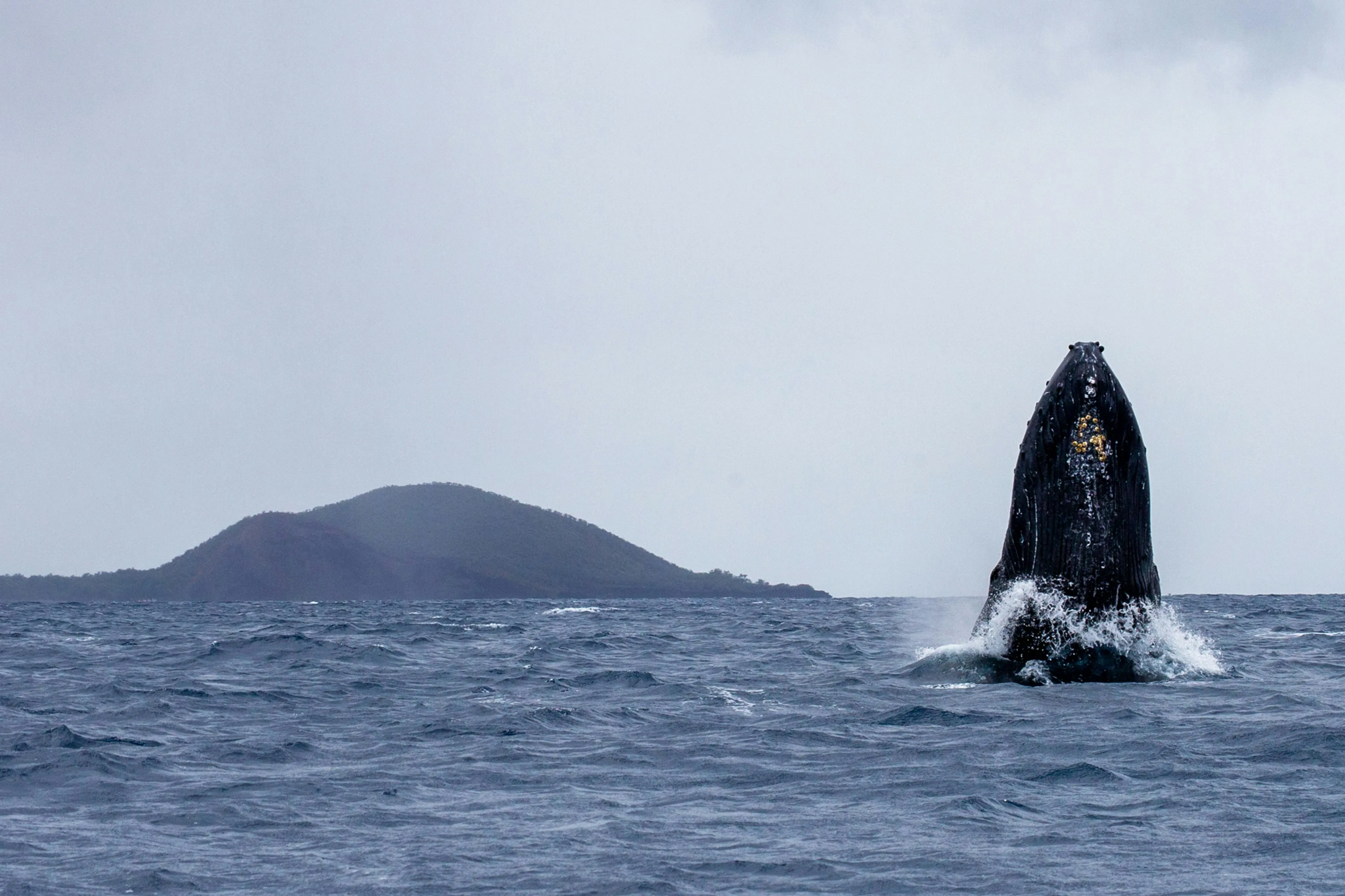
Drone operators must maintain a minimum distance of 1,000 feet from whales, according to federal regulations. Flying closer than this is prohibited and subject to significant fines. These rules protect both marine life and visitors while maintaining safe airspace.
It is illegal to attempt to swim with or approach humpback whales in the water. Swimmers and snorkelers must keep a respectful distance at all times. If whales approach unintentionally, the safest action is to remain still and let them pass naturally.
Maui’s west and south shores border a uniquely sheltered body of water known as the Auʻau Channel. Its warm, shallow, and calm conditions provide exceptional protection for mothers and calves, and it is one of the most important breeding grounds for humpbacks in the entire North Pacific.
Yes, especially from elevated cliff areas. While the eastern coastline is not as densely populated with whales as West and South Maui, travelers on clear days often spot spouts and breaches from scenic pull-offs along the route.
Very much so. The Kāʻanapali and Aliʻi Kahekili beachwalks offer excellent shoreline viewing, particularly during calm weather. Many visitors witness breaching whales while enjoying a casual walk along the path.
Light wind and smooth seas make for the best viewing conditions. Calm oceans allow you to spot subtle movements such as blows or fin slaps from farther away. Overcast or sunny skies both work well; the primary factor is ocean surface texture rather than sky conditions.
A small number of whales may arrive in October, but sightings increase dramatically in late December. By January, the majority of migrating whales have reached the Hawaiian Islands.
Yes. After spending the winter months nursing and growing in Hawaiʻi, calves travel north with their mothers to Alaska. This migration helps them acclimate to colder waters and prepares them for feeding in nutrient-rich northern seas.
Here are some useful and reputable resources for whale watching, wildlife protection, and Maui travel:
If you would like to read and learn more about interesting things in Hawaii! Check out our blog page here on our website!
or
Image Credits:
Whale on Sea Near Mountains - Photo by Mathew DeVries, via Pexels
A Humpback Whale Jumping From the Ocean - Photo by Leif Blessing, via Pexels
When most people imagine Hawaiʻi’s wildlife, deer are not the first animals that come to mind. Tropical birds? Yes. Green sea turtles? Absolutely. But deer? Surprisingly, Hawaiʻi is home to one of the most unique deer populations in the Pacific—and their impact on the islands, particularly Maui, has become a major topic of conversation among residents, visitors, conservationists, and hunters alike.
In this blog, we break down how deer arrived in Hawaiʻi, how they’ve adapted to island life, why the population has skyrocketed, and what this means for the future of the islands’ ecosystems. Here’s everything you need to know.
Unlike many species in Hawaiʻi, deer are not native to the islands. The herds seen today—mostly axis deer (also called chital)—were introduced in the 1860s as a gift from the King of India to King Kamehameha V. A few deer were released on Molokaʻi first, and over several decades, populations expanded to Maui, Lanaʻi, and, more recently, the Big Island through illegal transport.
Axis deer were chosen because of their beauty, gentle nature, and potential to support island hunting traditions. At the time, no one realized how quickly they could multiply—or how dramatically they would reshape local landscapes.
Axis deer are naturally suited for warm climates, making Hawaiʻi an ideal environment. They breed year-round, with females capable of giving birth every eight months. With no natural predators, stable weather, and plentiful food sources, populations have grown exponentially.
A few key factors explain their rapid expansion:
1. Ideal Weather Conditions
Hawaiʻi’s mild year-round temperatures support continuous breeding cycles and plentiful food availability.
2. No Natural Predators
On the mainland, deer populations are kept in check by predators like mountain lions and wolves. In Hawaiʻi, nothing naturally keeps their numbers down.
3. Diverse Food Sources
From native shrubs to agricultural crops and residential landscaping, deer have adapted to grazing on a wide variety of vegetation.
Today, Maui alone is estimated to have over 60,000 axis deer, a number that continues to rise.
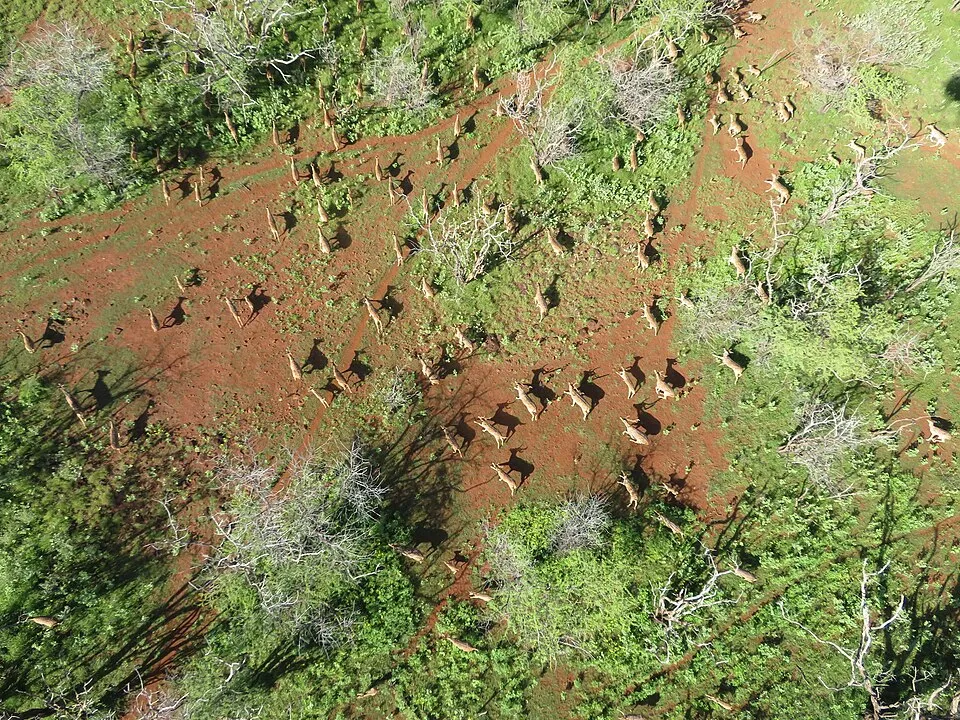
Deer may be beautiful to see from a distance, but their presence poses major challenges for Hawaiʻi’s fragile ecosystems.
Damage to Native Vegetation
Axis deer eat aggressively, stripping landscapes of native plants and preventing regrowth. This can lead to soil erosion and habitat loss for native species.
Agricultural Losses
Many local farms struggle with deer eating crops like sweet potato, taro, papaya, and even cattle feed. Damage costs millions each year.
Increased Road Hazards
With populations spreading into residential areas, deer-related vehicle accidents have become increasingly common.
Water Resource Strain
Large herds compete with livestock and native wildlife for limited water sources—particularly during droughts.
Communities across Hawaiʻi are working together to manage the deer population in sustainable, humane ways.
Conservation and Eradication Programs
Various state and county-led programs focus on population control, fencing, habitat protection, and targeted management zones.
Regulated Hunting
Hunting is one of the primary tools used to control deer numbers. Many local hunters provide meat for families and communities, reducing waste while helping manage the population.
Road Safety Measures
Fencing, signage, and community awareness campaigns have been implemented in areas with high deer activity
Local ranchers, conservation groups, and government agencies continue to collaborate on long-term solutions.
While deer are not considered a tourist attraction, visitors may spot them—especially at dawn and dusk.
Some common sighting areas include:
Visitors are encouraged to keep a respectful distance and avoid feeding wildlife.
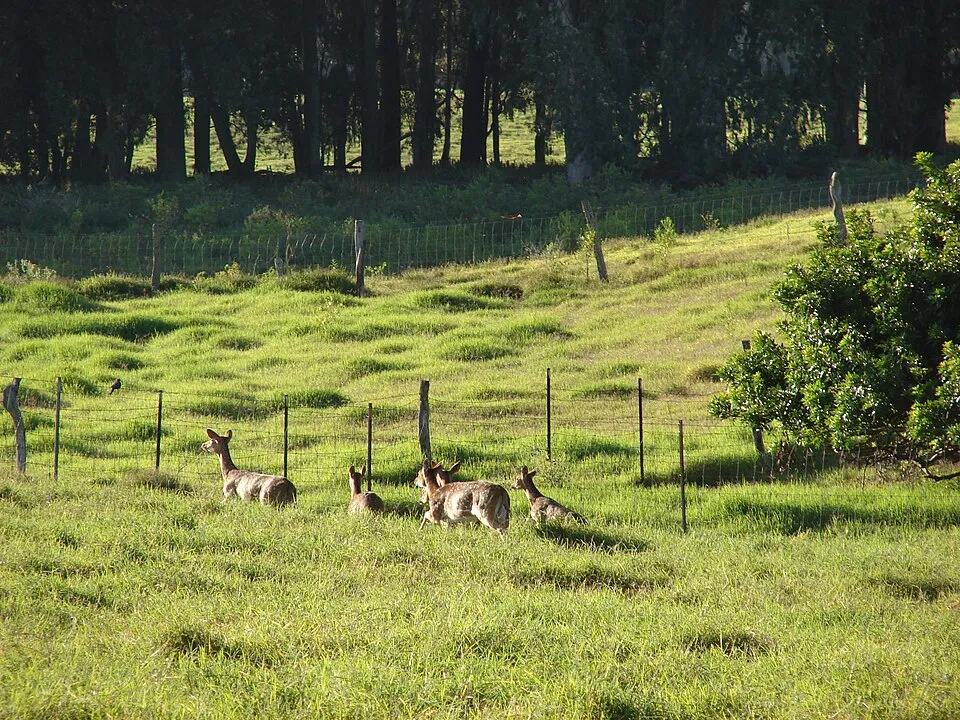
Axis deer are now firmly established in Hawaiʻi, and their future depends on effective long-term population management. With coordinated efforts, Hawaiʻi aims to balance ecological preservation with cultural, community, and agricultural needs. The deer population will remain part of the islands’ landscape, but sustainable control is essential to protect Hawaiʻi’s native ecosystems for generations to come.
No. Deer are not native to the islands. Axis deer were introduced in the 1860s as a royal gift, and their populations have grown significantly since then.
The climate is ideal, they have no natural predators, and they reproduce year-round—leading to rapid population growth.
They are most commonly seen on Maui, Lānaʻi, and Molokaʻi, often in rural or upcountry areas.
Yes. Deer cause major damage to native plants, farms, forests, and water resources, and they contribute to erosion and road hazards.
Yes. Regulated hunting helps manage populations and is an important conservation strategy.
Absolutely. Deer often cross roads unexpectedly, especially at night, leading to accidents in rural areas.
The primary species is the axis deer, known for its spotted coat and graceful build.
If you would like to read and learn more about interesting things in Hawaii! Check out our blog page here on our website!
or
Image Credits:
Axis Deer in Makawao, Maui – Photo by Forest and Kim Starr, via Wikimedia Commons (CC BY 3.0)
Axis Deer Herd, Kihei, Maui – Photo by Forest and Kim Starr, via Wikimedia Commons (CC BY 3.0), modified
Axis Deer in Makawao, Maui – Photo by Forest and Kim Starr, via Wikimedia Commons (CC BY 3.0), modified
If you've visited the Hawaiian Islands—especially Kauaʻi, Oʻahu, or Maui—there’s a good chance you've seen them strutting across parking lots, crowing at 4 a.m., or boldly wandering through beach parks: wild chickens in Hawaii. These colorful, charismatic birds have become an iconic part of island life, leaving visitors wondering how they got here and why they’re seemingly everywhere.
The story of chickens in Hawaii isn’t just quirky—it’s deeply rooted in history, ecology, culture, and even natural disasters.
The first chickens in Hawaii didn’t arrive by accident—they were brought here over 1,000 years ago by the original Polynesian settlers. These early voyagers carried red junglefowl, known locally as moa, for food, eggs, feathers, and cultural practices.
These ancient birds were smaller, more vibrant, and more agile than the modern domesticated chicken. In many areas—especially Kauaʻi—today’s wild chickens are believed to be a genetic blend of these ancient junglefowl and escaped domestic chickens.
This mix explains why Hawaii’s chickens are often:
While chickens have existed in Hawaii for centuries, their dramatic population boom is far more recent.
Two major storms played a huge role:
Hurricane Iwa (1982)
Hurricane Iniki (1992)
These back-to-back hurricanes devastated parts of Kauaʻi and Oʻahu, destroying thousands of chicken coops. Domesticated birds escaped into the wild, interbred with ancient junglefowl, and reproduced rapidly in the tropical climate.
Without many natural predators—and with consistent warm weather—the chicken populations exploded and never went back down.
Chickens thrive in Hawaii for several reasons:
🌴 Warm, tropical climate
No harsh winters mean year-round breeding and foraging.
🪵 Abundant food sources
Chickens feast on:
🐈 Few natural predators
On some islands—especially Kauaʻi—there are no mongoose, which means chickens can roam freely without the threat of this common predator found elsewhere in Hawaii.
With no competition and plenty of resources, the birds reproduce quickly and consistently.
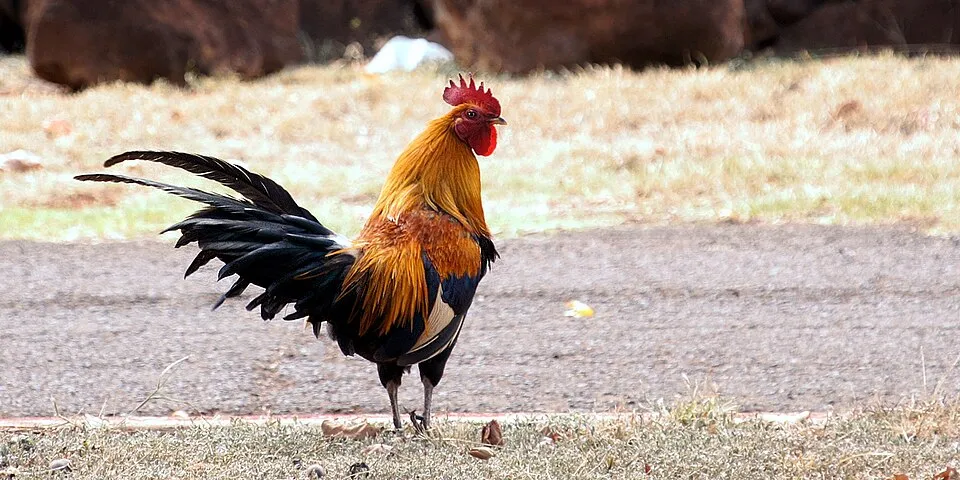
While not technically native, chickens in Hawaii have become a memorable cultural symbol. Many locals view them as harmless, humorous, and even lucky. Their frequent crowing has become part of the daily soundtrack of island life.
In Hawaiian culture:
Though today’s chickens are often seen running through parking lots or dancing around picnic tables, they remain part of Hawaii’s living cultural landscape.
Many visitors are surprised to learn that on some islands—especially Kauaʻi—wild chickens are protected under state law because they are considered descendants of ancient junglefowl.
This means:
However, rules vary island-to-island, and the state continues to explore humane management solutions in areas where overpopulation becomes a challenge.
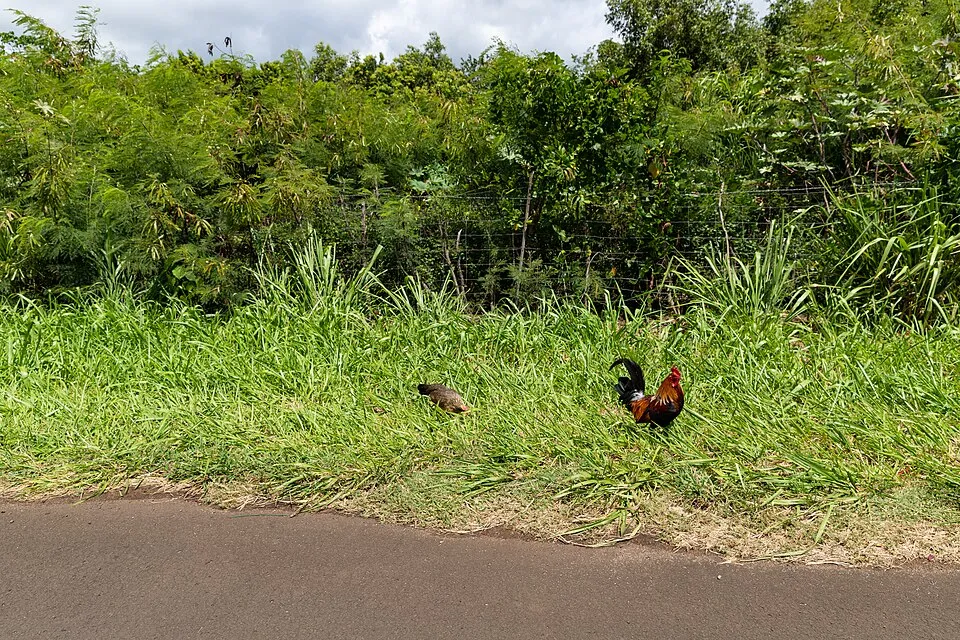
The chickens in Hawaii have adapted well to human presence. Over time, they’ve learned that:
Their boldness is simply a learned behavior from decades of coexisting with humans.
While charming, the vast number of chickens can cause issues:
Some local governments attempt population control, but due to the birds’ protected status and rapid breeding, long-term solutions are complex.
The abundance of chickens in Hawaii is the result of ancient Polynesian migration, powerful hurricanes, ideal island conditions, and cultural coexistence. Whether you find them adorable or noisy, these wild birds have firmly rooted themselves into Hawaii’s identity—strutting across the islands as feathered ambassadors of history, resilience, and tropical charm.
Because ancient Polynesians brought junglefowl to the islands, and later hurricanes released domestic chickens into the wild. With warm weather and few predators, the population multiplied rapidly.
Not exactly—but many are descendants of the ancient moa brought by Polynesians, mixed with modern domestic chickens.
Kauaʻi doesn’t have mongoose, a major chicken predator found on most other Hawaiian islands, allowing populations to flourish.
Some populations—especially on Kauaʻi—are protected because of their genetic ties to ancient junglefowl.
Some visitors enjoy them, while others find them noisy. They may approach picnics or outdoor dining areas, but they are generally harmless.
Feeding them is discouraged because it increases dependency on humans and can contribute to overpopulation.
Beaches, parks, parking lots, hiking trails, and roadside areas across Kauaʻi, Maui, and Oʻahu.
If you would like to read and learn more about interesting things in Hawaii! Check out our blog page here on our website!
or
Image Credits:
Feral Chicken (Kauaʻi, Hawaiʻi) – Photo by Richard N Horne, via Wikimedia Commons (CC BY-SA 4.0)
Feral Chicken (Rooster), Kauaʻi – Photo by Ivtovor, via Wikimedia Commons (CC BY-SA 4.0), modified
Wild Chickens, Kauaʻi, Hawaiʻi – Photo by dronepicr, via Wikimedia Commons (CC BY 2.0), modified
When people search for the Hawaii state tree, they often expect a plant with deep cultural importance, ecological value, and centuries of Hawaiian heritage woven into its roots. The kukui nut tree, also known as the candlenut tree (Aleurites moluccanus), is exactly that—an iconic symbol of light, knowledge, resilience, and aloha. From its shimmering silvery leaves to its practical uses in Hawaiian society, the kukui embodies the essence of the islands.
Designated as the official state tree of Hawaiʻi in 1959, the kukui nut tree is far more than a botanical highlight. It stands as a reminder of ancestral wisdom, environmental harmony, and the innovative spirit of Native Hawaiians who found meaningful uses for every part of this versatile plant.
The kukui tree holds a unique cultural meaning in Hawaiian tradition. Its nuts contain an oily kernel that burns brightly, which is where the tree gets its English nickname, “candlenut tree.” Ancient Hawaiians strung the nuts together and burned them as candles or torches—each nut providing several minutes of clean-burning light. This practical use evolved into deeper symbolism: kukui became a representation of illumination, guidance, and inner wisdom.
In Hawaiian culture, kukui was also associated with Lono, the god of peace, rain, agriculture, and fertility. The tree’s glowing nuts and luminous presence further tied it to spiritual insight and protection, making kukui a plant of both physical and metaphysical importance.
When Hawaiʻi became a U.S. state in 1959, lawmakers selected a symbol that represented the heart of Hawaiian identity. Because kukui had long been cherished for its cultural legacy and practical everyday uses, it was the natural choice. Its selection elevated the tree from a cultural icon to a statewide emblem representing unity, resilience, and heritage.
Today, kukui trees can be seen throughout the Hawaiian Islands, thriving in lush valleys, forests, and even planted decoratively in neighborhoods and resorts. Their pale, silvery-green leaves catch the sunlight beautifully, making them one of the most visually distinctive trees in the Hawaiian landscape.
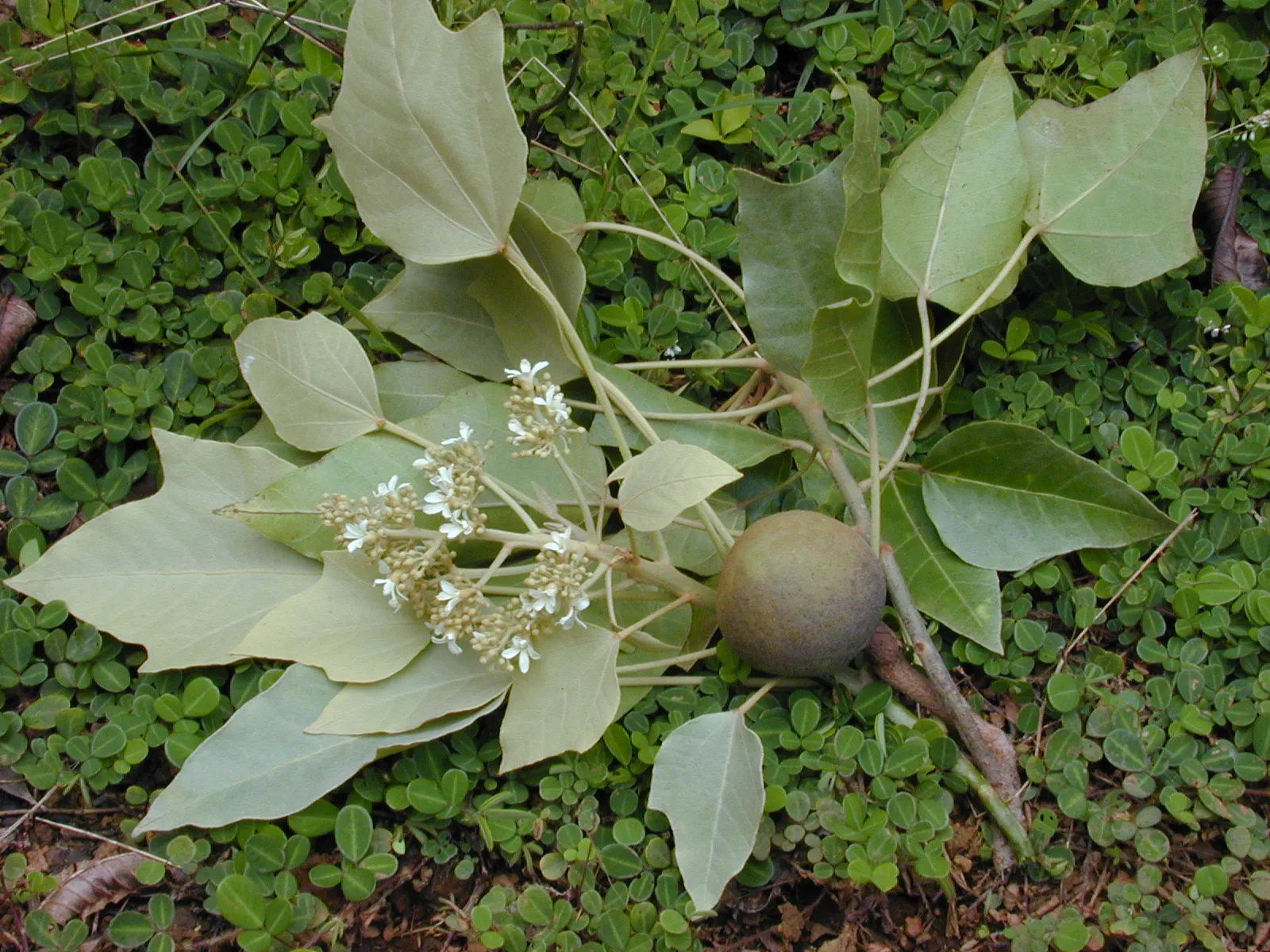
One of the reasons kukui became the Hawaii state tree is the wide range of practical uses it provided to Native Hawaiians. This tree was—and still is—a vital resource.
Kukui nuts burn cleanly and brightly. Traditionally:
While raw kukui nuts are not eaten due to toxicity, roasted nuts (known as inamona) are used to:
In modern Hawaiian cuisine, inamona remains a cherished traditional ingredient.
The kukui tree played an important role in laʻau lapaʻau, Hawaiian herbal medicine:
Its healing properties are still valued today and appear in many Hawaiian skincare products.
Different parts of the kukui tree served countless everyday uses:
Beyond culture and history, the kukui tree is ecologically valuable. Its large leaves create dense shade, helping stabilize soil and prevent erosion on steep Hawaiian hillsides. The tree’s hardiness allows it to thrive even in rugged environments, protecting watersheds and supporting native ecosystems.
This environmental role reinforces kukui’s status as the Hawaii state tree, representing sustainability and harmony between people and nature.
Travelers across the islands can find kukui trees in:
Many resorts and botanical gardens also feature kukui due to its beauty and cultural significance.
The Hawaiʻi state tree is the kukui nut tree, designated in 1959 for its cultural, historical, and environmental importance.
It was selected because Native Hawaiians used it for light, medicine, food preparation, fishing tools, and spiritual practices—making it one of the most significant plants in Hawaiian culture.
Kukui symbolizes knowledge, protection, enlightenment, and peace, tied to the god Lono and the glow of its naturally burning nuts.
Raw kukui nuts are toxic, but roasted kukui (inamona) is safe and traditionally used to season Hawaiian dishes like poke.
You can see kukui trees in valleys, rainforests, botanical gardens, and scenic areas across Maui, Oʻahu, Kauaʻi, and the Big Island.
If you would like to read and learn more about interesting things in Hawaii! Check out our blog page here on our website!
or
Image Credits:
Kukui Tree (Candlenut Tree), Hawaiʻi – Photo by Jayson Nutt, via Wikimedia Commons (CC0)
Kukui (Candlenut Tree) – Photo by Forest and Kim Starr, via Wikimedia Commons (CC BY 3.0)
Every spring, Maui transforms into a dreamlike landscape of violet clouds—thanks to one of the island’s most beloved seasonal displays: the blooming of the jacaranda tree, often referred to by travelers as the purple flower tree. With its striking lavender-purple blossoms and wide, fern-like canopy, the jacaranda has become one of Maui’s most photographed trees, a natural spectacle that draws visitors back year after year.
If you’ve ever planned a trip to Maui in late spring, chances are you’ve seen photos of roads dusted in purple petals, upcountry hillsides shimmering with color, and iconic towns painted in nature’s watercolor. The jacaranda isn’t native to Hawaiʻi, yet it has become an unforgettable part of the island’s identity—especially in the Upcountry regions where the trees thrive.
In this guide, you’ll learn when and where to see this magical purple flower tree, why it blooms so vibrantly on Maui, and how to include jacaranda viewing in your travel plans.
The jacaranda tree (Jacaranda mimosifolia) originated in South America, particularly Argentina, Bolivia, and Brazil. Its journey to Hawaiʻi began in the early 20th century, when botanists and landscape experts began introducing colorful flowering trees to the islands. Maui’s cool Upcountry climate—unusual for Hawaiʻi—proved to be the perfect home.
Over the decades, as ranchers, farmers, and residents planted the trees around homes, streets, and open fields, they spread throughout communities like Makawao, Kula, Ulupalakua, and Pukalani. Today, Upcountry’s jacaranda bloom is a celebrated seasonal event, cherished by locals and a must-see for visitors.
Jacaranda trees flourish in warm climates with mild winters, well-drained soil, and full sunlight. While coastal areas of Maui stay too warm and humid for the strongest blooms, the elevated slopes of Haleakalā offer the perfect combination of:
These conditions trigger the dramatic, predictable bloom that sweeps through Upcountry every spring.
Thanks to the island’s microclimates, Maui’s jacaranda season is especially vibrant—often brighter and longer-lasting than in other tropical regions.
The jacaranda bloom typically peaks from late April through early June, though exact timing can shift year to year based on rainfall and temperature.
If you’re planning a spring visit to Maui, aim for May to guarantee the best viewing.
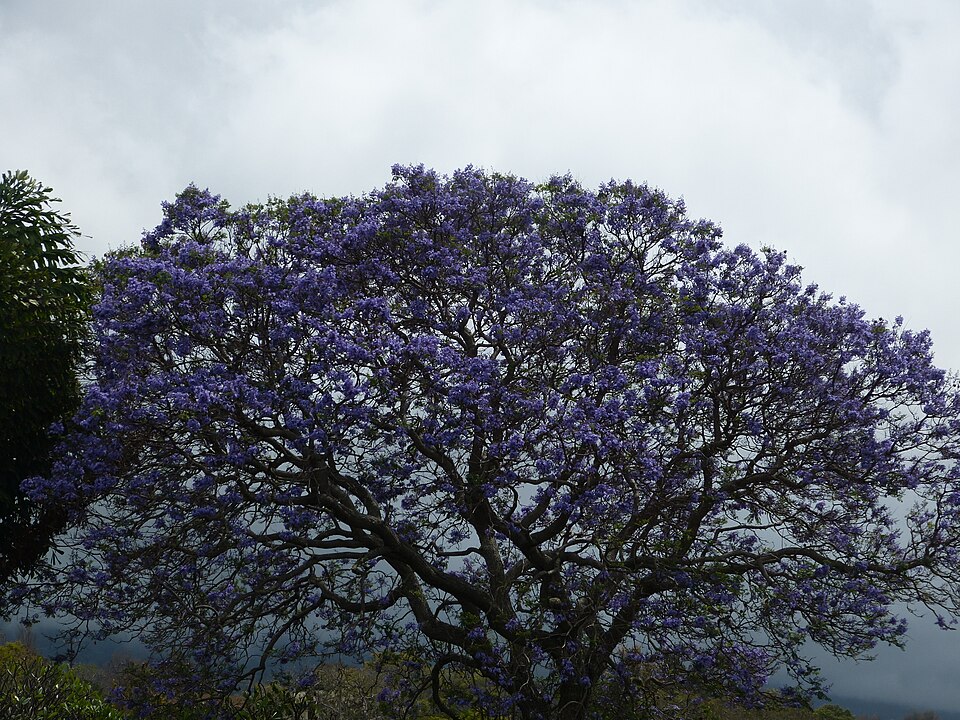
While individual jacaranda trees can be found across the island, the most impressive clusters are in Upcountry Maui. These rural communities offer rolling landscapes, quiet roads, and sweeping views of the ocean—all framed by bursts of purple canopy.
Known for its cool climate and farms, Kula is considered the jacaranda capital of Maui. The trees line the roads and pastures, creating some of the most iconic photo spots.
This cowboy town (paniolo culture runs deep here) bursts with jacaranda during peak season. Streets become tunnel-like paths of purple bloom, especially beautiful in the early morning light.
Meaning “hole in the heavens,” Pukalani offers dramatic valley and ocean views enhanced by the lavender crown of jacaranda flowers.
With wide pastures and open spaces, this area showcases the jacaranda against the backdrop of Haleakalā’s slopes.
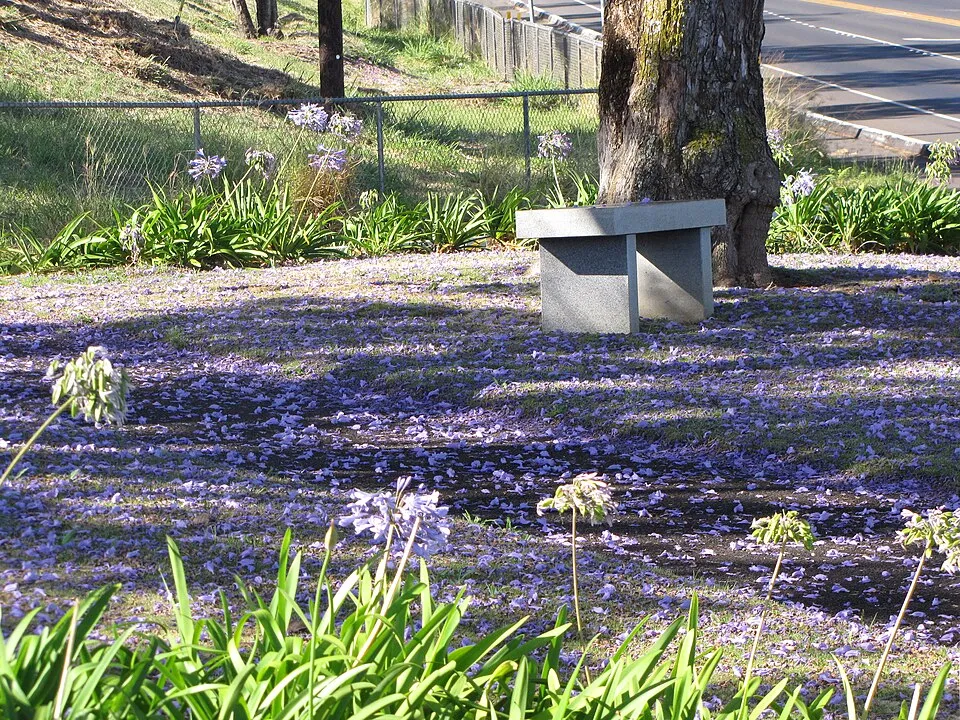
The jacaranda tree is a photographer’s dream, but timing and angles matter. Use these tips for the best results:
While Maui is full of colorful and exotic flora—plumeria, hibiscus, orchids—the jacaranda stands apart. It’s not just the vivid color but the scale: enormous, mature trees with expansive purple crowns. The bloom feels fleeting and rare, creating a sense of seasonal magic that visitors remember long after their trip.
For many, experiencing the jacaranda bloom becomes a core memory of Maui.
Helpful Links
That’s the jacaranda tree, known for its vibrant lavender-purple blossoms that bloom primarily in Upcountry Maui.
May is the peak month, offering the fullest, brightest bloom of the season.
Head to Makawao, Kula, Pukalani, and Ulupalakua—these Upcountry regions offer the highest density of jacaranda.
No. They originated in South America but have been thriving on Maui for over a century.
They bloom seasonally, usually from late April to early June.
Because the cooler temperatures, sunshine, and volcanic soil on the slopes of Haleakalā create ideal conditions.
Yes—visit early morning or explore less-traveled Upcountry backroads where traffic is minimal.
While not native, it has become a beloved seasonal symbol and a cherished part of Upcountry’s landscape.
If you would like to read and learn more about interesting things in Hawaii! Check out our blog page here on our website!
or
Image Credits:
Jacaranda Trees (Pukalani, Maui) – Photo by Forest and Kim Starr, via Wikimedia Commons (CC BY 3.0)
Jacaranda Tree (Upcountry Maui) – Photo by Carole Grogloth, via Wikimedia Commons (CC BY 3.0)
Jacaranda Blossoms, Upcountry Maui – Photo by Forest and Kim Starr, via Wikimedia Commons (CC BY 3.0), modified
The Hawaiian Islands—also known as the Hawaii Islands—are a tropical wonder unlike anywhere else on Earth. With turquoise waters, lush rainforests, and fiery volcanoes, this chain of islands captures the true essence of paradise. But many visitors wonder: how many Hawaiian Islands are there?
The full Hawaiian archipelago includes 137 islands, islets, and atolls stretching over 1,500 miles across the Pacific Ocean. However, only eight major islands make up what most people think of as “Hawaii.” Each of these islands has its own personality, culture, and adventure—offering visitors a unique way to experience the Aloha Spirit.
And if you’re visiting Maui—the heart of the islands and home to NorthShore Zipline in Haiku—you’ll find yourself right in the center of it all.
The Hawaii Islands each tell their own story, shaped by volcanoes, culture, and history. Here’s what makes each one special:
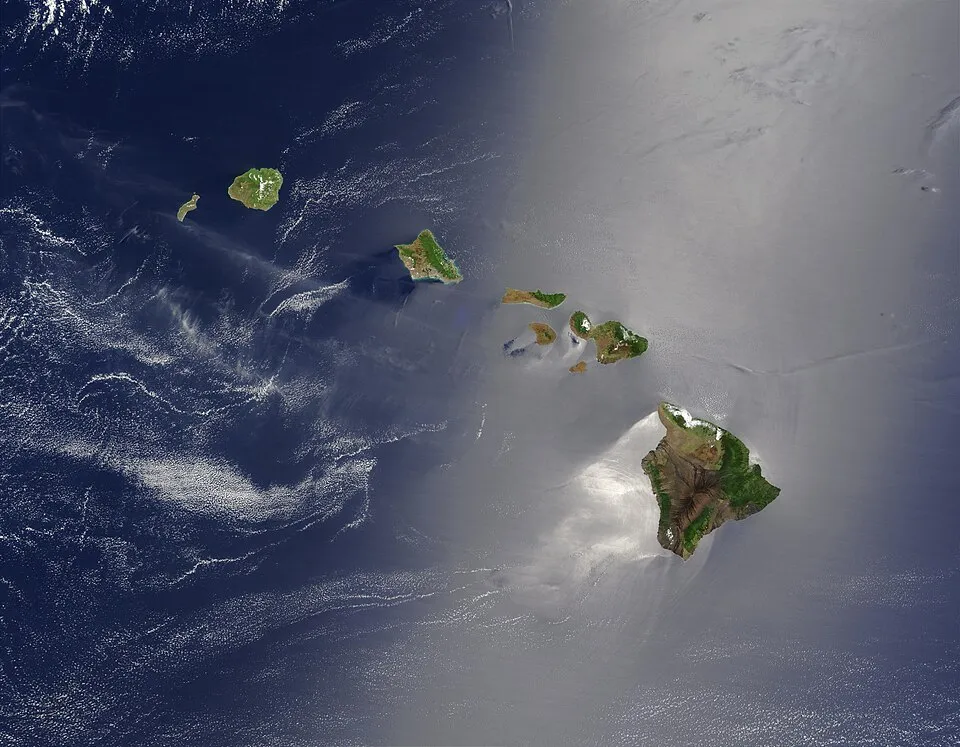
Beyond the main eight lies the remote and ecologically vital chain known as the Northwestern Hawaiian Islands. These over 120 smaller islands and reefs are part of the Papahānaumokuākea Marine National Monument, one of the largest marine conservation areas on Earth.
This protected region includes Midway Atoll, Laysan Island, and French Frigate Shoals—home to endangered species like the Hawaiian monk seal and green sea turtle. Though few people ever visit these islands, their role in preserving Hawaii’s natural heritage is invaluable.
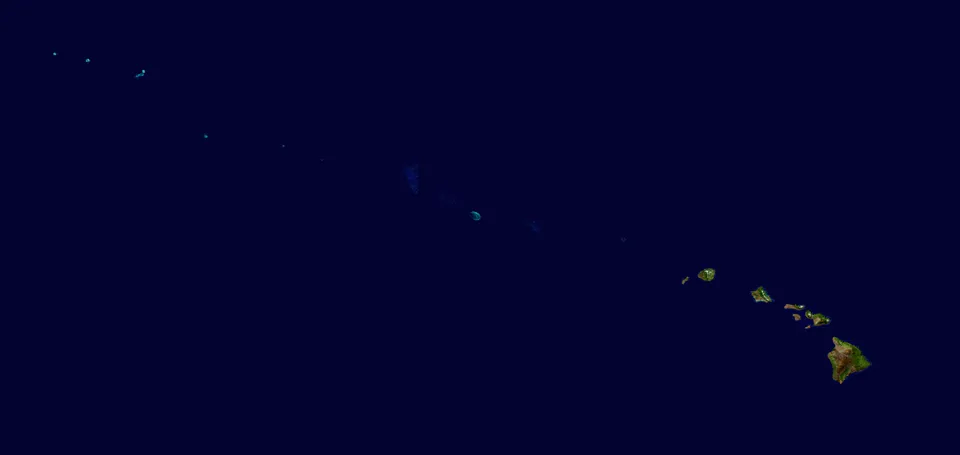
The entire Hawaiian Islands chain was born from fire. Millions of years ago, a volcanic hotspot beneath the Pacific Plate pushed molten rock to the surface. As the plate slowly drifted northwest, new volcanoes rose from the ocean floor—forming the islands one by one.
The Big Island is still growing today, while older islands like Kauaʻi continue to erode and transform. Deep below the sea, a new volcano called Lōʻihi is forming—expected to eventually emerge as the next addition to the Hawaii Islands.
The Hawaiian Islands are more than just a tropical destination—they’re a living culture defined by aloha, respect, and connection. Each island offers a different experience, yet all share the same spirit of warmth and welcome.
Whether you’re seeking adventure, tranquility, or family fun, the Hawaii Islands offer something for everyone. And if your journey takes you to Maui, don’t miss out on one of its most unique adventures—NorthShore Zipline in Haiku. Fly through the jungle, laugh with your loved ones, and experience the Aloha Spirit in motion.
There are 137 Hawaiian Islands, but only eight main Hawaii Islands form the heart of the Aloha State. From the volcanic power of the Big Island to the lush beauty of Kauaʻi and the adventure-filled landscapes of Maui, each island reveals a different side of paradise.
If you’re visiting Maui and looking for something unforgettable, make sure to add NorthShore Zipline to your Hawaii itinerary—where breathtaking views, thrilling ziplines, and a brand-new waterslide make it one of Maui’s most exciting family attractions.
Learn more about the Hawaii Islands:
There are 137 islands, islets, and atolls that make up the Hawaiian archipelago. However, only eight main Hawaiian Islands are commonly recognized—Hawaiʻi (Big Island), Maui, Oʻahu, Kauaʻi, Molokaʻi, Lānaʻi, Niʻihau, and Kahoʻolawe. The rest are smaller, uninhabited islands or coral reefs spread across 1,500 miles of the Pacific Ocean.
The eight main Hawaii Islands are:
Each island has its own unique culture, landscape, and adventure opportunities—from the volcanic peaks of the Big Island to the lush jungles and ziplines of Maui.
Maui is one of the best Hawaiian Islands for families because it offers a perfect balance of beaches, scenery, and family-friendly activities. Families love exploring the Road to Hāna, snorkeling at Molokini, or ziplining through the rainforest at NorthShore Zipline in Haiku. The adventure even includes a brand-new waterslide, making it the perfect “zip first, slide after” experience for all ages.
Both terms refer to the same group of islands. “Hawaii Islands” is a simplified version, while “Hawaiian Islands” is the more formal name used to describe the entire island chain that forms the U.S. state of Hawaii.
The Big Island of Hawaiʻi is the largest in the chain—nearly twice the size of all the other main islands combined. It’s famous for its active volcanoes, including Mauna Loa and Kīlauea, and its dramatically diverse landscapes that range from snowy mountaintops to black sand beaches.
Every island has incredible beaches, but Maui often ranks among the top for its variety and beauty. Kāʻanapali Beach, Wailea Beach, and Hāmoa Beach are favorites for swimming, snorkeling, and relaxing. For a unique experience, try Ziplining and Water Sliding at NorthShore Zipline, then unwind at a nearby beach in Haiku or Pāʻia.
No. Only seven of the eight main Hawaiian Islands have permanent residents. Kahoʻolawe is uninhabited and used for cultural and environmental restoration. Other smaller islands in the chain are protected marine areas or bird sanctuaries.
The Hawaiian Islands were created by volcanic activity over a stationary hotspot in the Earth’s crust. As the Pacific Plate moved northwest, new islands formed one by one. The Big Island is still active today, while older islands like Kauaʻi have stopped erupting and are now beautifully eroded.
If it’s your first trip to the Hawaii Islands, start with Maui or Oʻahu. Oʻahu offers the energy of Honolulu and cultural landmarks like Pearl Harbor, while Maui delivers stunning scenery, a relaxed vibe, and unforgettable outdoor experiences—like NorthShore Zipline’s treetop adventure in Haiku.
One of the top-rated adventure activities on Maui is ziplining at NorthShore Zipline. Located in Haiku’s lush rainforest, it’s perfect for families, couples, and thrill-seekers. Guests can soar through the treetops, take in panoramic ocean views, and finish their day on Maui’s newest waterslide attraction—a refreshing way to end a day of excitement.
You can visit several islands on one trip by booking inter-island flights, but it’s best to focus on one or two to truly experience their unique charms. Many visitors combine Maui and Oʻahu for a mix of adventure and culture—or stay longer on Maui to explore activities like NorthShore Zipline, snorkeling, and whale watching.
The Hawaiian Islands are more than beautiful beaches—they’re alive with culture, history, and aloha. From ancient legends and hula traditions to modern eco-adventures, each island tells a story. The people, landscapes, and experiences—like the zipline and waterslide adventures at NorthShore Zipline—capture the spirit of Hawaii like nowhere else.
You can book directly with NorthShore Zipline in Haiku, Maui for an unforgettable rainforest adventure. They offer family-friendly zipline tours, a brand-new waterslide, and scenic views of Maui’s North Shore countryside.
Book your adventure now at NorthShore Zipline!
Maui combines the best of all worlds: luxury resorts, scenic drives, volcanic peaks, and tropical forests. Whether you’re exploring Haleakalā, swimming under waterfalls, or ziplining at NorthShore Zipline, you’ll experience the spirit of aloha in its purest form. It’s no wonder Maui is often called the heart of the Hawaiian Islands.
To experience authentic Hawaiian culture, attend a traditional lūʻau, learn about Hawaiian history at local cultural centers, and support family-run businesses. On Maui, adventure with locals at NorthShore Zipline, where guides share stories about the land and the old WWII base that once stood on the property—blending history, nature, and fun.
If you would like to read and learn more about interesting things in Hawaii! Check out our blog page here on our website!
or
Hero:
Hawaiian Islands as seen from the International Space Station. Courtesy of NASA (Public Domain).
Image Credits:
Satellite view of the Hawaiian archipelago courtesy of Jacques Descloitres/NASA Earth Observatory (Public Domain).
Satellite composition of the Hawaiian island chain. Courtesy of NASA/Goddard Space Flight Center (Public Domain).
Planning a family getaway to Maui? Excellent choice. The Valley Isle is one of Hawaiʻi’s most family-friendly destinations, offering everything from calm beaches and scenic drives to thrilling adventures like ziplining and snorkeling. But to make the most of your time and budget, timing truly matters.
Below, we’ll explore the best seasons for family fun — considering weather, ocean conditions, whale season, costs, and school breaks — to help you decide when your family should experience the magic of Maui.
Best months: April–May and September–October
If you’re looking for the perfect balance of great weather, fewer crowds, and better prices, aim for spring or early fall. During these shoulder seasons, Maui enjoys warm sunshine, calm ocean waters, and lighter visitor traffic compared to summer and winter holidays.
Resorts often offer family-friendly packages during these months, and popular areas like Lahaina, Kāʻanapali, and Wailea feel less crowded and more relaxed. It’s an ideal time for families with young children who appreciate easier parking, shorter lines, and open space to explore. The island atmosphere is mellow, yet everything you love about Maui — beaches, waterfalls, and adventure tours — is fully open and welcoming.
Maui’s weather is consistent and comfortable year-round, with average temperatures between the mid-70s and high-80s. Instead of hot versus cold seasons, the island alternates between a dry season (May–October) and a wet season (November–April).
Families looking for dependable sunshine, snorkeling, and calm ocean play will enjoy the drier months best. Beaches along the south and west coasts — like Wailea, Kīhei, and Kāʻanapali — are perfect for swimming and beginner snorkeling during this time.
In winter, larger swells hit the north shore beaches, creating exciting surf-watching opportunities but rougher water for little swimmers. Spring through early fall offers the best balance of safety and fun for ocean-loving families.
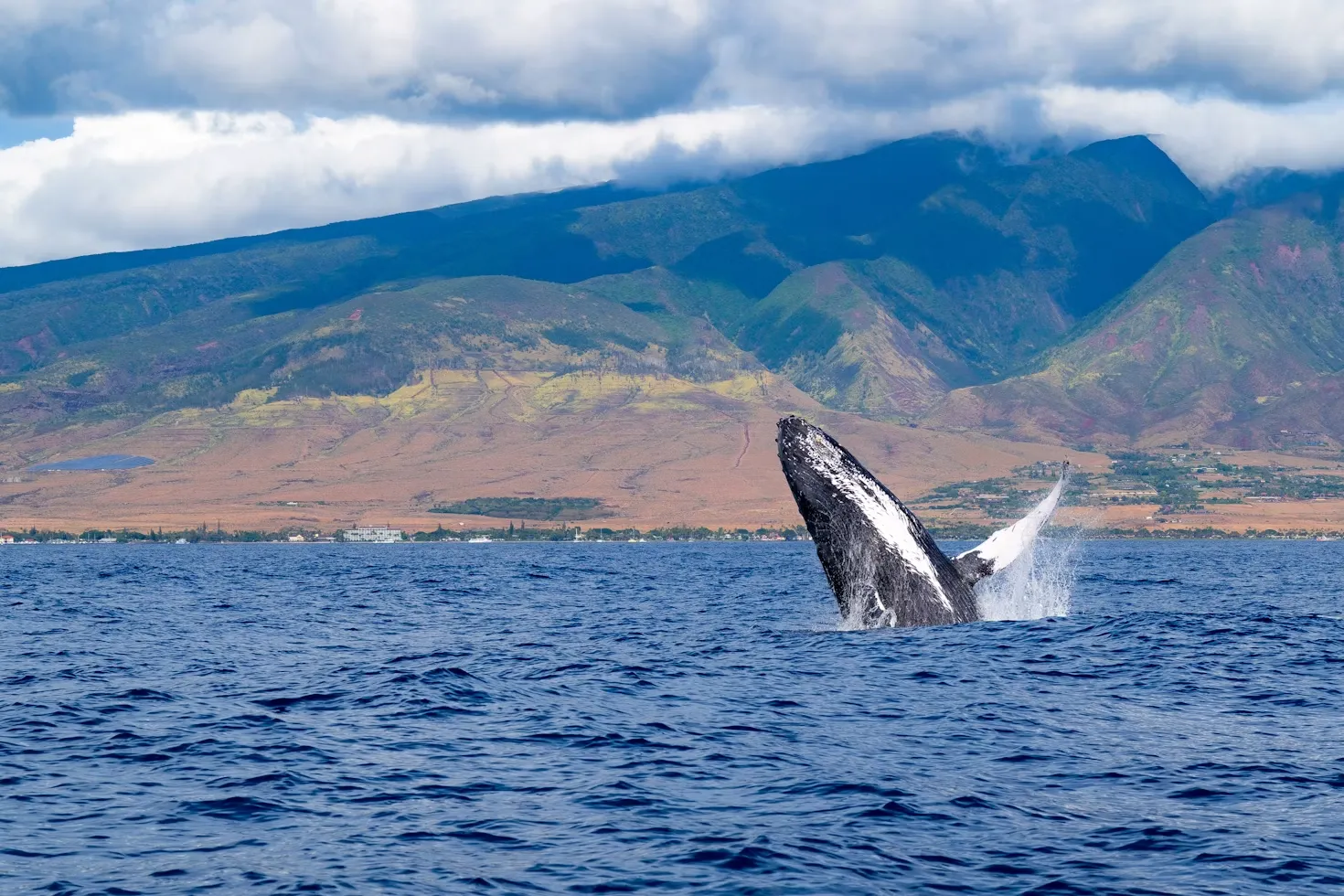
If your family dreams of seeing humpback whales, plan your visit between December and April, with the peak viewing months being January through March. During this time, thousands of whales migrate from Alaska to Maui’s warm waters to give birth and raise their calves.
Families can often spot whales right from the shore in places like Lahaina, Kīhei, and Māʻalaea Bay. For an even more memorable experience, consider a guided whale-watching tour — many offer kid-friendly amenities, educational commentary, and guaranteed sightings. It’s an unforgettable natural spectacle that both kids and adults will remember for a lifetime.
Best months: June–August
Summer is Maui’s busiest season for families, and for good reason. School is out, the weather is flawless, and every activity is in full swing. From snorkeling and ziplining to surf lessons and luau shows, summer offers endless excitement for visitors of all ages.
While this season does bring higher prices and larger crowds, it also delivers predictable sunshine and ideal ocean conditions. Families who plan ahead can still find great deals and make the most of long, sunny days. If possible, travel in early June or late August for a slightly quieter experience while still enjoying summer’s best weather.
Maui’s most popular attractions are worth the effort but often require advance planning — especially important when you’re coordinating a family schedule.
Booking early ensures smooth sailing for your trip and prevents disappointment once you’re on island time.
Maui’s welcoming spirit — known as aloha — is part of what makes visiting the island so special. However, travelers are encouraged to visit with respect and sensitivity, especially as parts of West Maui continue to recover from the 2023 wildfires.
Before your trip, check official updates for any access changes, stay mindful of community spaces, and support local businesses whenever possible. Families who travel with aloha help sustain Maui’s beauty and culture for future generations.
No matter when you visit, Maui offers families an incredible mix of adventure, culture, and relaxation. From golden beaches and colorful reefs to volcano views and unforgettable sunsets, every season holds something special.
Whether you’re ziplining through the rainforest, spotting whales with your kids, or simply enjoying shave ice after a beach day, Maui invites families to slow down, connect, and create memories that will last a lifetime.
Spring (April–May) and fall (September–October) are Maui’s “golden seasons” for families. You’ll find beautiful weather, fewer crowds, and better rates on accommodations and activities. These shoulder months are perfect for families seeking a relaxed, spacious island experience while still enjoying all of Maui’s favorite adventures.
Maui enjoys warm, pleasant weather year-round, with temperatures in the mid-70s to high-80s. The dry season (May–October) offers ideal beach and snorkeling conditions, while the wet season (November–April) can bring larger waves to the north shore. For calm ocean play and family-friendly snorkeling, stick to the south and west beaches during the dry months.
Humpback whale season runs from December through April, peaking between January and March. Families can often spot whales right from shore in Lahaina, Kīhei, and Māʻalaea Bay—or join a whale-watching tour for close-up views and kid-friendly educational experiences.
Absolutely! June through August is Maui’s most popular season for family travel. The weather is picture-perfect, and all island activities are in full swing—from ziplines to luaus. Just keep in mind that summer brings higher prices and more visitors, so book early and consider early June or late August for a slightly quieter trip.
Maui’s most sought-after experiences fill up fast. Be sure to book Haleakalā Sunrise vehicle reservations and Waiʻānapanapa State Park entry (the famous black sand beach) ahead of time. Early planning ensures your family won’t miss these once-in-a-lifetime sights.
Traveling with aloha means showing kindness, mindfulness, and gratitude. Stay aware of local updates—especially regarding areas affected by the 2023 wildfires—respect community spaces, and support local businesses. Your family’s respectful travel helps preserve the island’s beauty and spirit for generations to come.
Balance busy adventure days with downtime, stay sun-safe, and dress in layers for higher elevations like Haleakalā. Flexibility is key—weather changes quickly, and surprises often turn into some of the best memories. Every season in Maui holds something special for families ready to explore with open hearts.
If you would like to read and learn more about interesting things in Hawaii! Check out our blog page here on our website!
or
Hero:
"Kauai Coloring Book" by Jake Houglum, via Unsplash
Image Credits:
"Caught this humpback mom breaching off the coast of West Maui" by Steve Wrzeszczynski, via Unsplash
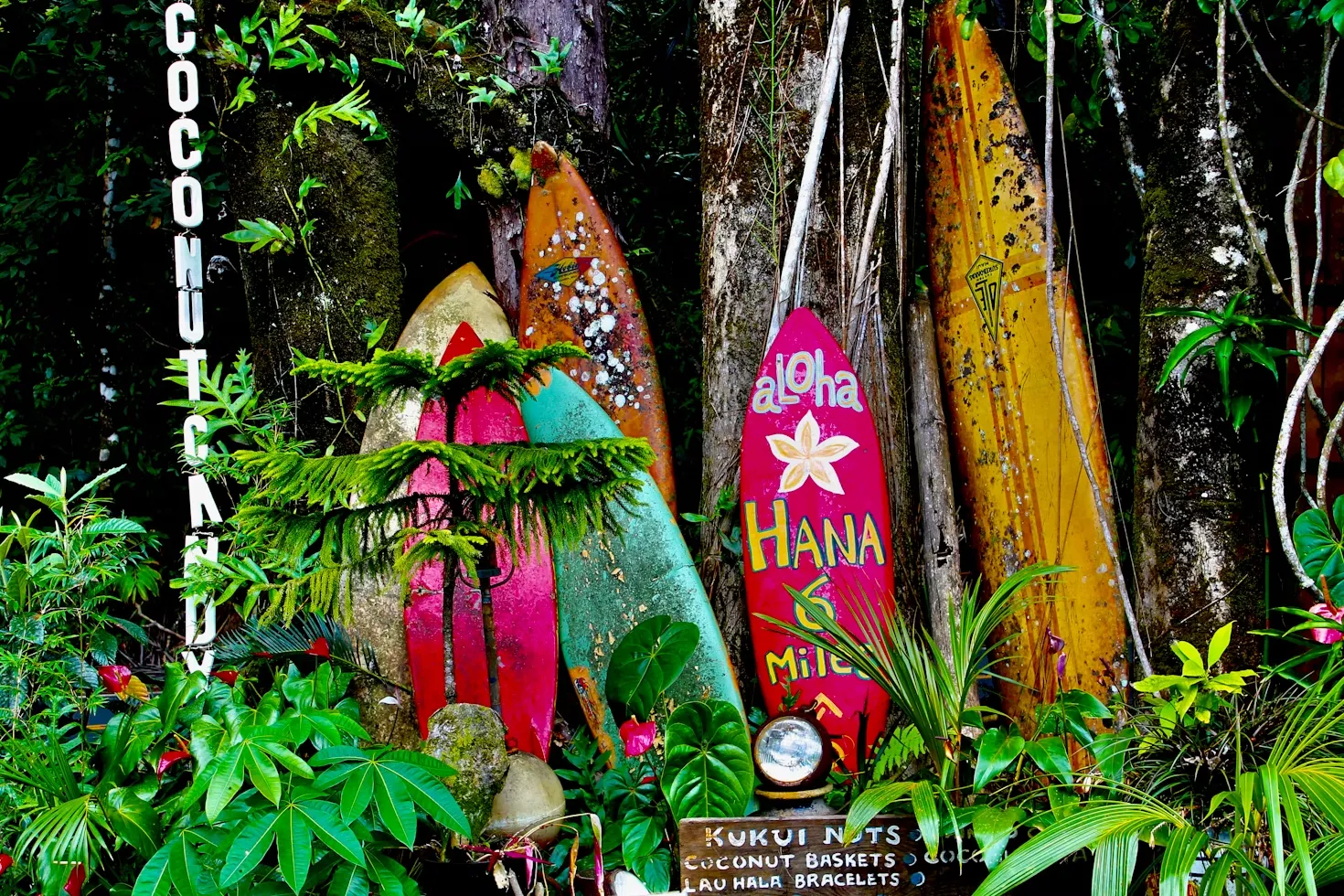
"Surfboards on the Road to Hana" by Don Stouder, via Unsplash
When many people think of Hawaii, they picture golden beaches, palm-trees, tropical surf and sun-drenched rainforests. But perched high above the tropical zone are some of the most surprising sights in the islands: snow-capped volcanoes. On Hawaii’s tallest peaks, the combination of elevation, cold air and storms can turn what seems like a perpetual summer paradise into a snow-covered landscape. In this post I’ll explore the volcanoes in Hawaii that actually get snow, how and when it happens, and what it means for visitors and the environment.
Towering 13,803 feet above sea level, Mauna Kea is not only the tallest volcano in Hawaiʻi — it’s the tallest mountain in the Pacific. Its name literally means “white mountain” in Hawaiian, a nod to the snow that graces its summit several times each winter.
Snow on Mauna Kea usually appears between December and February, when cold air from passing winter storms meets the moist atmosphere over the Big Island. At this elevation, temperatures regularly drop below freezing, turning rain into snow and transforming the volcanic slopes into a dazzling winter landscape.
When conditions are right, the contrast is stunning — a white-capped mountain rising above the palm trees and lava fields below. Even though the snow might only last a few days before melting, it’s a breathtaking reminder of the island’s extreme elevation changes.
The Mauna Kea Access Road often closes during heavy snowfall due to icy conditions, so anyone hoping to visit should always check local updates before attempting the drive. And if you make it to the top, dress warmly — temperatures can easily dip below freezing, even while it’s 80°F on the beaches below.
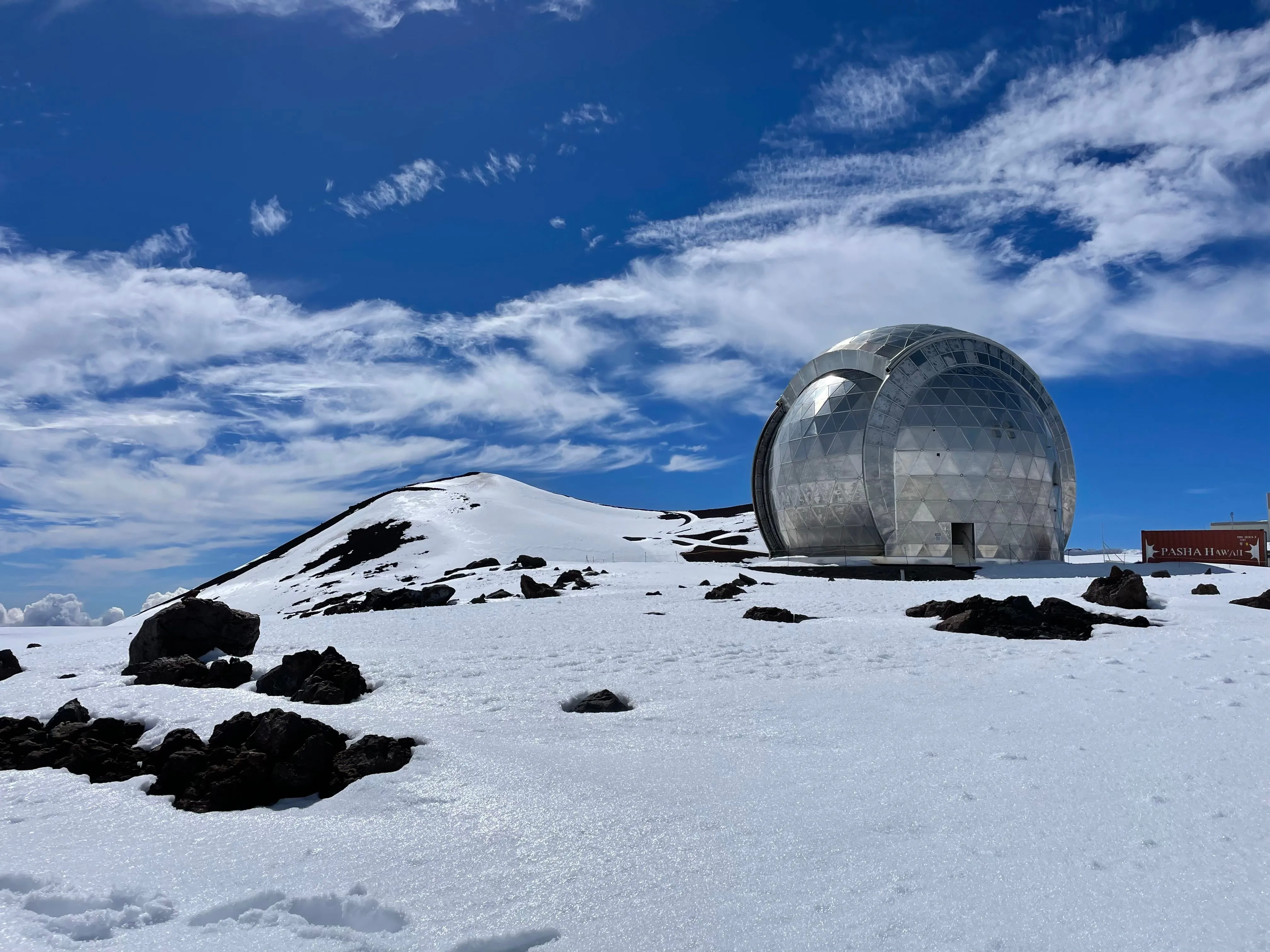
Just south of Mauna Kea sits Mauna Loa, the largest volcano on Earth by volume. Standing at 13,679 feet, its massive shield shape dominates more than half of the Big Island. Like its neighbor, Mauna Loa also receives occasional snowfall, particularly during strong winter storms that sweep across the Pacific.
The snow usually blankets the upper slopes for a short time, creating a surreal view of white streaks running across the dark volcanic rock. It doesn’t last long — the sun at this elevation is intense — but for a day or two, Hawaiʻi’s largest volcano looks like a snow-covered mountain straight out of a postcard.
Mauna Loa’s immense size and gradual slopes make it less accessible to casual visitors than Mauna Kea, but those who catch a glimpse of it under snow often describe it as one of the most awe-inspiring sights in the islands. Seeing snow on an active volcano that erupted as recently as 2022 feels like watching fire and ice coexist in perfect harmony.
On Maui, the massive Haleakalā volcano rises more than 10,000 feet into the sky and forms much of the island’s eastern half. While it’s best known for its breathtaking sunrises / sunsets, dreamy stargazing and vast crater views, Haleakalā occasionally receives its own dusting of snow.
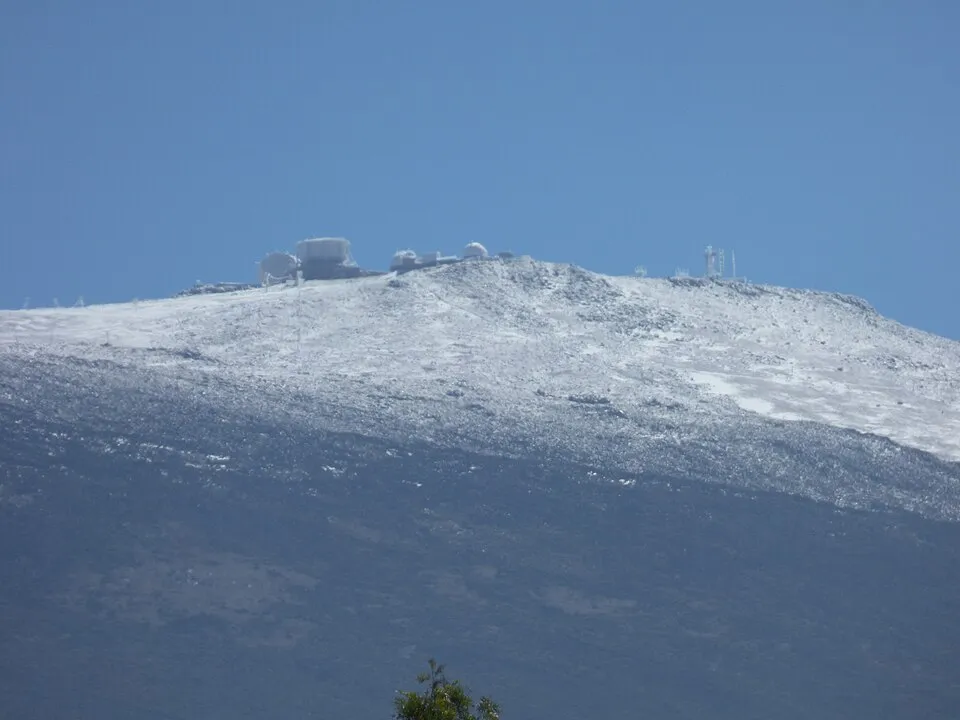
Snowfall here is much rarer and usually lighter than on the Big Island’s peaks, but when it happens, the scene is unforgettable — a white cap crowning the island’s tallest summit, visible all the way from the beaches of Kihei or Wailea.
When a cold winter storm passes through the islands, freezing temperatures can drop low enough to create a thin layer of snow or ice near the summit. On rare occasions, even lower elevations on Maui, such as Polipoli State Park, have experienced snow — a remarkable event considering Hawaiʻi’s tropical latitude.
If you’re visiting Maui in winter, keep your eyes on the summit of Haleakalā after a big storm. You might just spot one of nature’s most unexpected Hawaiian wonders.
It all comes down to altitude and atmosphere. Hawaiʻi’s tallest volcanoes rise well above 10,000 feet, reaching the cold, thin air of the upper troposphere. Even though the islands sit near the equator, the temperature at those heights can easily fall below freezing.
When moist air from Pacific storms climbs up the slopes of these volcanoes, it cools rapidly — and under the right conditions, the moisture turns into snow rather than rain. This process is most common in winter, when Kona storms bring cooler air and heavy precipitation to the islands.
As a result, Hawaiʻi can have both tropical beaches and snow-capped peaks — sometimes on the same day.
Don’t base your entire trip on snow there unless you’re flexible.
Snowfall on Hawaiʻi’s volcanoes is one of those delightful paradoxes that reminds us just how varied Earth’s climates can be. The same islands that host surfers and sun-seekers also host peaks that look like they belong in the Rockies or Alps—blanketed in white after high-altitude storms. Whether you go to Mauna Kea or Mauna Loa on the Big Island, or you’re visiting Maui and glance up at Haleakalā on a crisp morning, seeing snow in Hawaiʻi is a memorable experience.
It underscores how elevation and geography can override the usual “tropical island” expectation. For both adventurers and those seeking nature’s surprises, these volcano summits provide a rare glimpse into a colder world, right next to palm-fringed beaches.
How rare is snow in Hawaii? (Newsweek) – https://www.newsweek.com/how-rare-hawaii-snow-records-1976758 (Newsweek)
Yes — it really snows in Hawaii! Even though most visitors imagine warm beaches and palm trees, Hawaii’s tallest volcanoes rise above 10,000–13,000 feet, high into the freezing upper atmosphere. When winter storms pass over the islands, rain can turn into snow at these elevations, creating incredible snow-capped peaks above the tropical landscape.
The two volcanoes that regularly get snow are Mauna Kea (13,803 ft) and Mauna Loa (13,679 ft) on the Big Island. These massive mountains reach cold, thin air where winter storms can blanket their upper slopes in white several times each year. Snow typically appears between December and February, but it can occur anytime during winter storm season.
Mauna Kea is the tallest mountain in the Pacific and rises nearly 14,000 feet above sea level. At that height, temperatures regularly fall below freezing, especially during passing winter storms. When moist air cools rapidly over the summit, it transforms into snow. This is why the mountain’s name in Hawaiian — Mauna Kea, or “white mountain” — reflects its snowy summit.
Yes, although Mauna Loa gets snow less frequently. It’s still extremely tall and can receive snow during powerful winter storms. The snow usually blankets its upper slopes for a short time, creating white streaks across the dark volcanic rock. Because the mountain is so massive and broad, the snow melts quickly under the intense sun — but when it happens, it’s an unforgettable sight.
Yes — but only rarely. At 10,023 feet, Haleakalā on Maui is tall enough for occasional dustings of snow or ice during cold winter storms. These events are uncommon but spectacular, especially when a thin layer of white caps the summit and can be seen from Kihei, Wailea, or even central Maui. Sometimes even lower elevations like Polipoli State Park have seen snow, which is extremely rare in the tropics.
It’s all about elevation and atmospheric conditions. Hawaii’s tallest volcanoes reach high into cold upper air, where temperatures can sink below freezing even though the islands sit near the equator. When Pacific moisture rises up their slopes and cools rapidly, it turns into snow instead of rain. Winter storms — especially Kona storms — bring the freezing air needed for snowfall.
Your best chance is during late fall through early spring, especially December to February when winter storms are most active. Snow doesn’t happen every week, but when storms line up correctly, both Mauna Kea and Mauna Loa can become snow-capped for a few days.
It depends on the conditions. The Mauna Kea Access Road often closes during or after snow due to ice, strong winds, or limited visibility. Always check official road updates before driving. Even when the road is open, prepare for freezing temperatures, strong winds, and rapidly changing weather — very different from the beaches below.
Visitors should dress for full winter conditions. At 13,000+ feet, it can be below freezing, extremely windy, and icy. Bring:
Even if it’s 80°F at sea level, it can feel like the Rockies or the Alps at the summit.
Absolutely — but with realistic expectations. Snow doesn’t happen daily, and it may melt quickly. However, when it does appear, the contrast of snow on volcanic slopes above palm trees and beaches is one of the most unique sights in the world. Visitors often describe it as surreal and unforgettable.
Snow on Haleakalā is much rarer than on Mauna Kea or Mauna Loa. Even when it does snow, it’s typically a very thin layer that melts quickly. Your chances improve after strong winter storms, but it’s not guaranteed — so it’s best to treat any Haleakalā snowfall as a lucky bonus rather than a planned event.
Yes. Especially on Mauna Kea, the summit holds deep cultural significance for Native Hawaiians and is also home to fragile ecosystems. Always respect restricted areas, stay on designated paths, avoid disturbing observatory zones, and follow all posted guidelines. Snow or no snow, the summit is a sacred place deserving of respect.
Without a doubt. Few places on Earth offer such dramatic contrasts: snow-capped volcanoes rising above tropical coastlines, palm trees, and volcanic plains. Photographers cherish these rare moments, especially right after a storm when snow is fresh and sunlight hits the peaks.
Not necessarily. Snowfall is unpredictable and weather-dependent. If you’re flexible and visiting in winter, you might get lucky — especially on the Big Island. But it’s better to treat snow as a surprise bonus rather than the main goal of your trip. Hawaii has far more reliable experiences to plan around, like beaches, hiking, stargazing, and culture.
If you would like to read and learn more about interesting things in Hawaii! Check out our blog page here on our website!
or
Hero:
"Snow Covered Hill" by Vanessa Fortier, via Unsplash
Image Credits:
"Geodesic observatory on snowy landscape with clear blue sky and clouds in winter." by Petra Nesti, via Pexels
"View of snow and Science City on Haleakalā from Hawea Point, Olinda, Maui" by Forest & Kim Starr via Wikimedia Commons (CC BY 3.0).

