

WE HAVE REOPENED! Our team has worked hard to repair, inspect, and prepare our course following Hurricane Lala.
We're ready to safely welcome you back !
BOOKINGS ARE OPEN!
Mahalo for your patience and support! 💛
There are few places on Earth where sunrise feels as sacred, surreal, and powerful as it does atop Haleakalā, the “House of the Sun.” Towering 10,023 feet above sea level, this dormant volcano dominates the eastern half of Maui and offers one of the most breathtaking sunrise experiences in the world. For many travelers, watching the Sunrise on Haleakalā’s is not just a highlight of their trip—it’s a spiritual moment, a connection to the island’s natural beauty and deep Hawaiian heritage.
In Hawaiian, Haleakalā translates to “House of the Sun.” According to Hawaiian legend, the demigod Māui climbed to the summit of this great volcano to capture the sun. The story tells that the sun moved too quickly across the sky, making the days too short. To help his mother, who needed more daylight to dry her kapa (cloth made from bark), Māui lassoed the sun’s rays and made it promise to slow its journey across the sky. The legend gives Haleakalā its name and its enduring connection to the rising sun.
When you stand at the summit as the first golden light spills over the horizon, it’s easy to feel the power of this ancient tale. The moment feels suspended between myth and reality—a perfect balance of cultural reverence and natural wonder.
Reaching Haleakalā’s summit requires a bit of planning and preparation, but the effort is well worth it. The entrance to Haleakalā National Park is about a 1.5- to 2-hour drive from most resort areas in West or South Maui, depending on traffic and weather. Most visitors begin their journey in the early hours—around 2:30 or 3:00 a.m.—to arrive at the summit in time for sunrise, which generally occurs between 5:30 and 6:30 a.m. depending on the season.
The drive itself is part of the adventure. Winding mountain roads climb steadily upward through eucalyptus forests and pastures, eventually emerging into a lunar-like landscape as you approach the upper slopes. Temperatures drop dramatically as you ascend—sometimes dipping below freezing before dawn—so warm clothing, jackets, and blankets are essential.
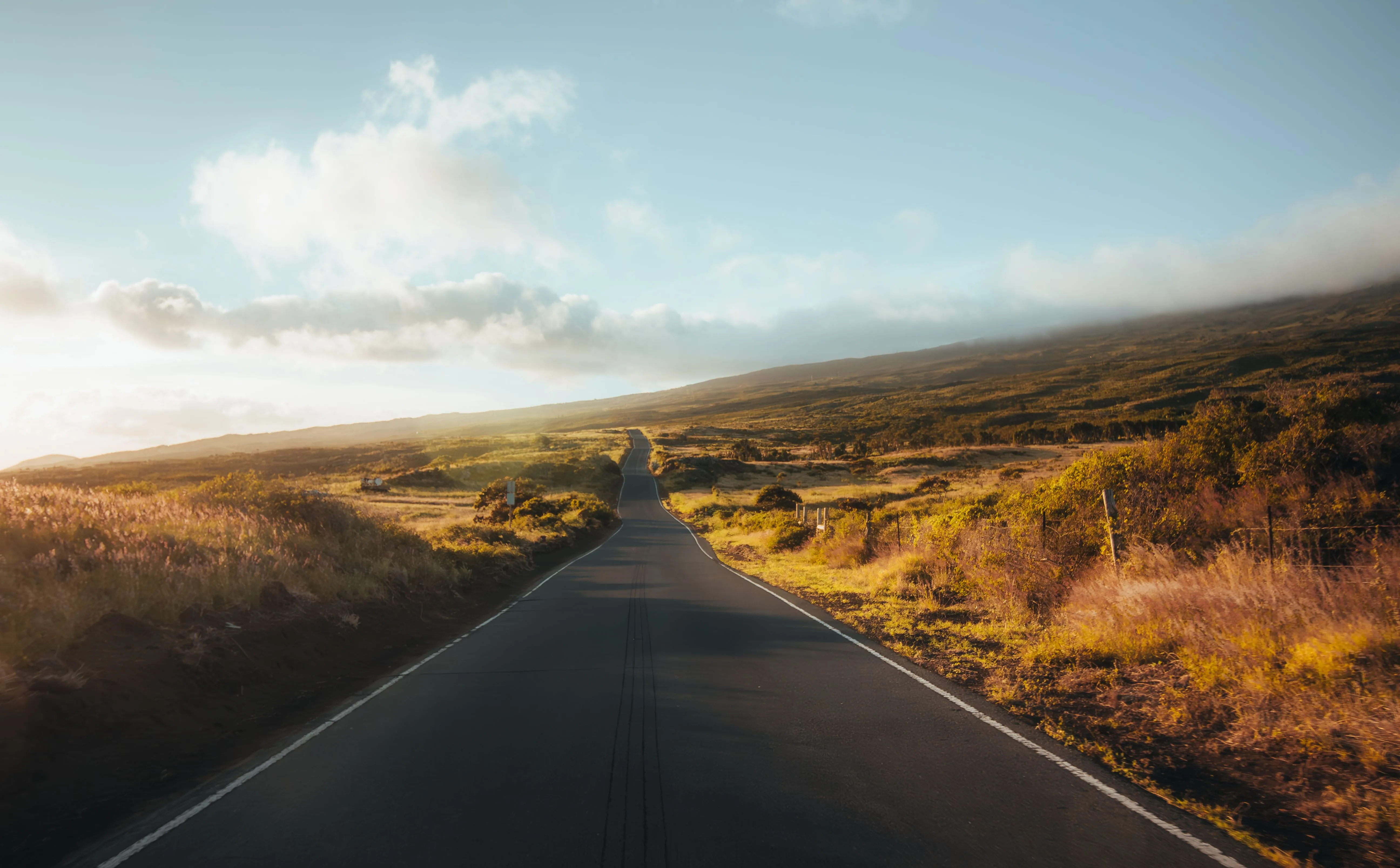
Because of the popularity of this iconic experience, the National Park Service requires a sunrise reservation for visitors entering the summit area between 3:00 a.m. and 7:00 a.m. Reservations are available online through the Haleakalā National Park website and often sell out weeks in advance. The $1.50 per vehicle reservation fee is in addition to the regular park entrance fee, which can be paid upon arrival or with a national park pass.
If you aren’t able to secure a reservation, you can still visit later in the day for daytime hiking or return for the Haleakalā sunset, which offers equally stunning views and doesn’t require a special permit.
Standing above the clouds at more than 10,000 feet, visitors often find themselves surrounded by an ocean of mist as stars sparkle overhead. As the horizon begins to lighten, a deep hush falls over the crowd. Then, slowly, the first rays of sunlight pierce the horizon, casting fiery hues of gold, pink, and orange across the crater and the clouds below.
In that moment, everything feels still—only the sound of the wind and the soft murmur of awe from fellow travelers. The sight is often described as transcendent, evoking a sense of gratitude and connection to something greater than oneself.
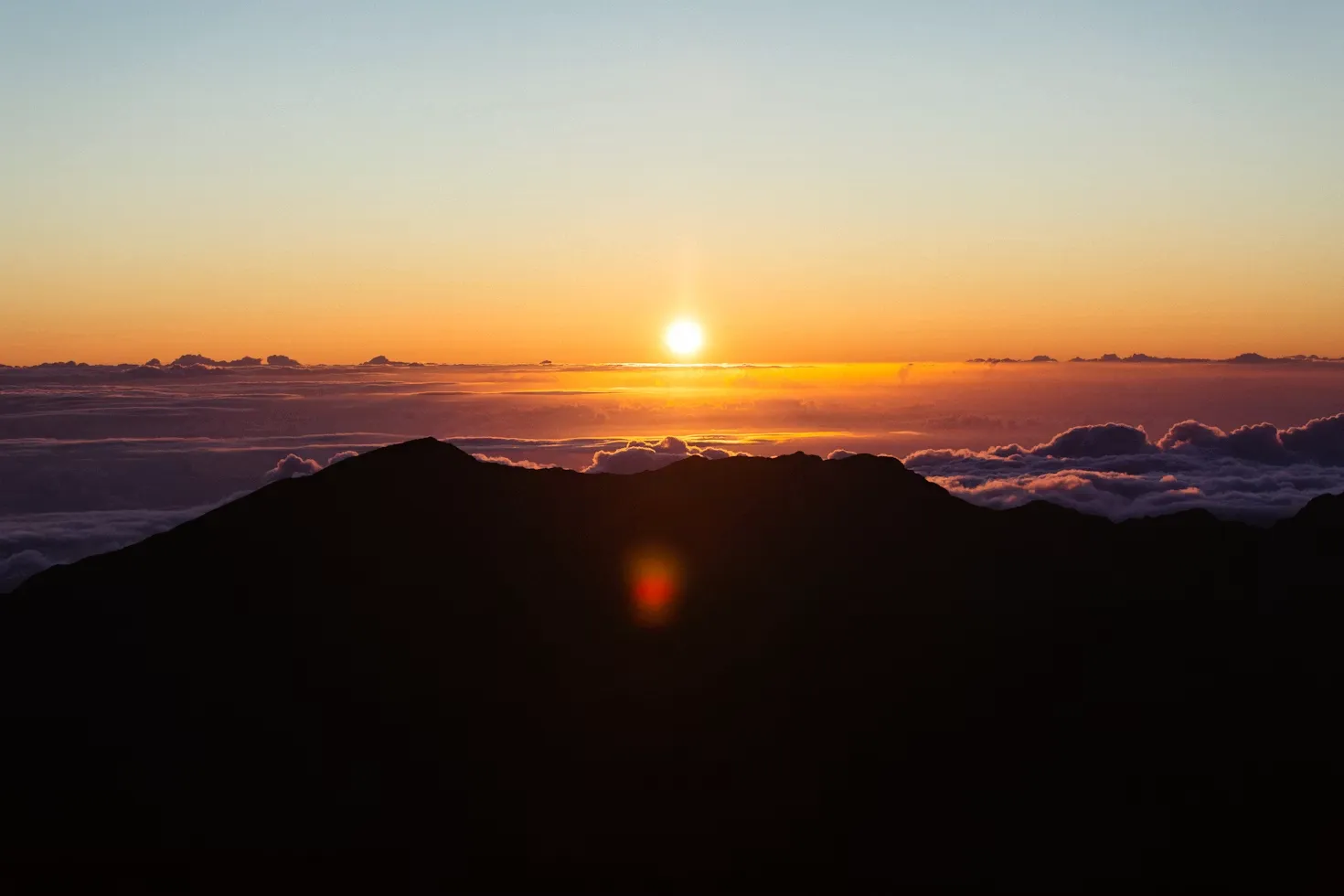
It’s no wonder that Native Hawaiians have long regarded Haleakalā as a sacred place. For centuries, it has been a site for ceremony, reflection, and renewal.
Because conditions at the summit are unique, proper preparation can make the experience far more enjoyable:
After sunrise, many visitors choose to explore the park’s incredible landscapes. The Sliding Sands Trail (Keonehe‘ehe‘e Trail) descends into the crater, offering surreal views of red cinder cones, lava flows, and native plants like the rare ʻāhinahina (silversword). The contrast between the barren volcanic terrain and the lush valleys below showcases the island’s remarkable ecological diversity.
Another option is to drive down to the Kīpahulu District, located near Hāna on Maui’s east side. This coastal section of the park features waterfalls, pools, and rainforests—a lush counterpart to the stark summit above.
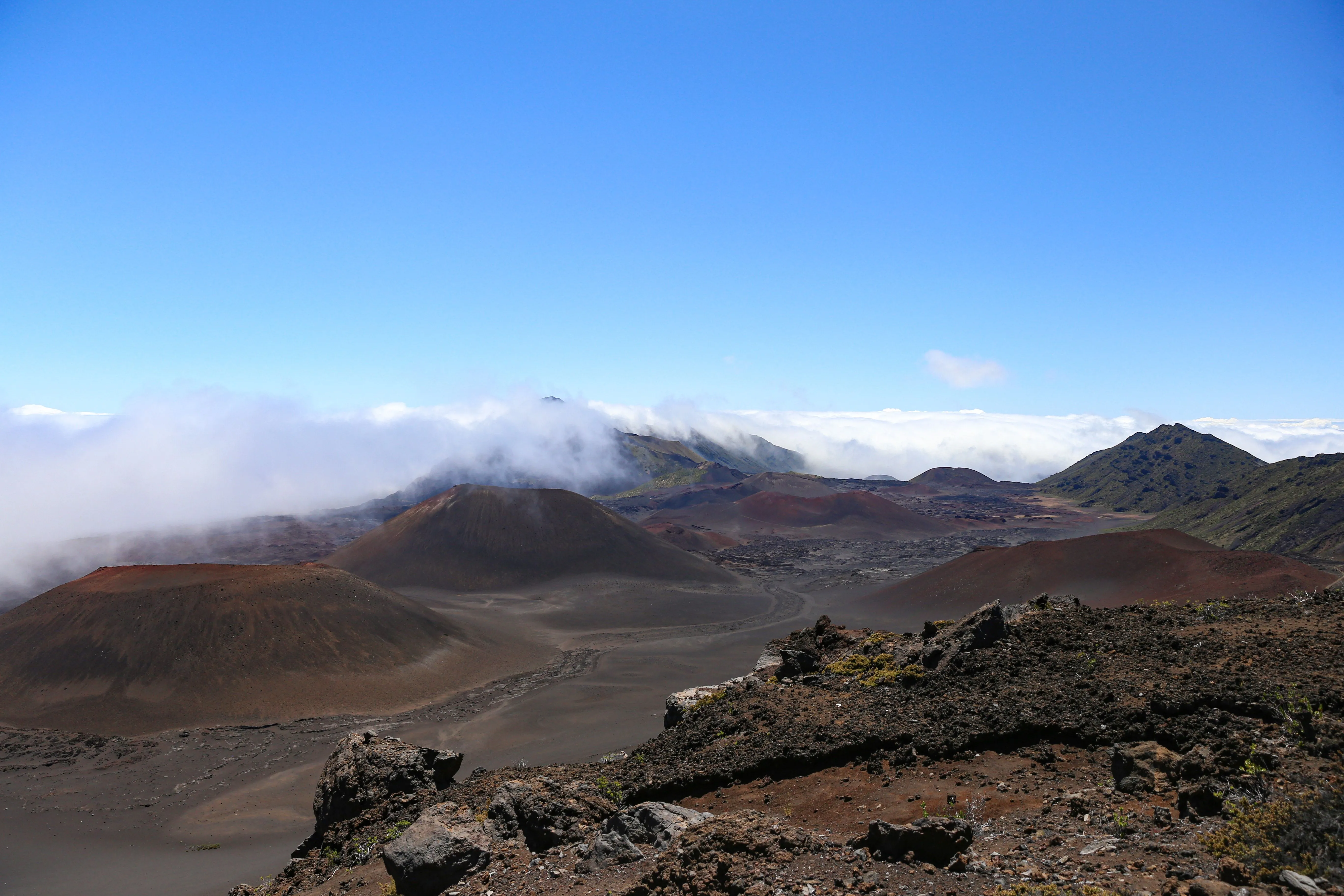
Witnessing the sunrise from Haleakalā is more than a sightseeing event—it’s an emotional and almost spiritual journey. The mountain’s immense silence, the crisp air, and the slow birth of daylight all combine to create a once-in-a-lifetime memory.
Whether you come for photography, adventure, or quiet reflection, the experience connects you to the heart of Maui—to the spirit of Aloha ʻĀina, the love and respect for the land.
Sunrise on Haleakalā is often described as sacred and surreal because you’re standing above the clouds at over 10,000 feet, watching the first light spill across a massive volcanic crater. The colors, stillness, and scale of the moment feel almost spiritual. For many visitors, it becomes the highlight of their Maui trip, offering a rare connection to Hawaiian culture and natural beauty.
“Haleakalā” translates to “House of the Sun.” According to Hawaiian legend, the demigod Māui climbed the mountain to lasso the sun, slowing its journey across the sky so his mother would have more daylight. This story ties the summit directly to the rising sun, giving the sunrise experience deep cultural significance. When you watch the dawn unfold, it's easy to feel the power of this legend.
Reaching the summit requires a 1.5–2 hour drive from most resort areas. Because sunrise happens between 5:30–6:30 a.m., most people leave their hotel around 2:30–3:00 a.m. The drive is part of the adventure—winding roads, steep climbs, and dramatic temperature drops as you ascend into a lunar-like landscape. Warm clothing is essential, as temperatures often dip below freezing before dawn.
Yes. The National Park Service requires a sunrise reservation for any vehicle entering the summit from 3:00 a.m. to 7:00 a.m. Reservations must be made in advance online and often sell out weeks ahead. The cost is $1.50 per vehicle, separate from the standard park entrance fee. If you don’t get a sunrise reservation, you can still enjoy daytime visits or return for sunset—no permit required.
It begins in complete darkness under a star-filled sky. As the horizon brightens, the clouds below look like an ocean of mist. Then the sun rises, casting fiery shades of gold, orange, and pink across the crater. The moment is silent, powerful, and emotional—many describe it as a once-in-a-lifetime experience that feels bigger than a typical sightseeing activity.
It can be very cold—temperatures often drop into the 30s or even below freezing before sunrise. Strong winds can make it feel even colder. Bring:
Along with warm clothing, bring:
Yes—because sunset at Haleakalā is just as stunning and does not require a special permit. You’ll still enjoy breathtaking colors across the crater, and the crowds are typically smaller. You can also explore the summit area during the day, hike trails, or return at night for stargazing.
Many visitors choose to explore:
The descent can be steep with sharp turns, but it’s manageable if you drive slowly and stay alert. After sunrise, visibility improves, making it easier than the early-morning climb. Just be sure to pull over safely for photos instead of stopping in the road.
For Native Hawaiians, Haleakalā is tied to cultural stories, ceremonies, and deep spiritual meaning. The summit is a place for reflection, renewal, and honoring the land. Visitors are encouraged to move respectfully—keeping noise low, staying on trails, and leaving no trace.
Almost everyone who experiences it says yes. The combination of natural beauty, cultural meaning, and the feeling of standing above the clouds makes it unforgettable. Whether you’re a photographer, nature lover, or spiritual seeker, the sunrise often becomes one of the most meaningful moments of the entire Maui trip.
If you would like to read and learn more about interesting things in Hawaii! Check out our blog page here on our website!
or
Image Credits:
Hero:
Breathtaking sunrise view over Haleakalā Crater, showcasing stunning volcanic landscapes above the clouds by James Wheeler, via Pexels. optimized
A beautiful road stretching through the Hawaiian landscape at sunrise, showing vibrant colors and dramatic scenery by Florian Süß, via Pexels, optimized
Haleakalā photo: Photo by Rina Miele, via Unsplash. optimized
Stunning landscape of Haleakalā's volcanic crater under a clear blue sky in Hawaii by Daniel Erlandson, via Pexels. optimized
Located along the world-famous Kāʻanapali Beach, Whalers Village Maui is one of the island’s most popular destinations for shopping, dining, and cultural experiences. This oceanfront complex combines high-end retail, local boutiques, restaurants with stunning sunset views, and activities that highlight Hawaiian traditions. Whether you’re exploring the west side of Maui for the day or staying at one of Kāʻanapali’s resorts, Whalers Village Kāʻanapali is a must-visit stop.
Kāʻanapali Beach is often ranked among the most beautiful beaches in the world, stretching for three miles of soft white sand and crystal-clear water. Sitting at its center, Whalers Village offers an unbeatable location—just steps from the ocean. Visitors can easily pair a beach day with shopping, dining, or cultural activities. Many who stay in Kāʻanapali’s beachfront resorts find themselves walking to Whalers Village daily, thanks to its convenient setting and lively atmosphere.
When people think of Maui shopping, Whalers Village is usually at the top of the list. The open-air layout and palm tree–lined walkways create a relaxing island vibe while offering a variety of stores. From luxury brands to local Hawaiian shops, Whalers Village features something for everyone.
Some shopping highlights include:
This mix makes Whalers Village Maui an excellent spot to pick up both everyday items and special keepsakes.
Food is a major draw at Whalers Village restaurants, where menus range from quick bites to fine dining experiences. Many eateries overlook the ocean, offering some of the best dining views in Maui.
Top spots include:
Dining here isn’t just about the food—it’s about enjoying the Kāʻanapali lifestyle, where sunset views, live Hawaiian music, and tiki torches create a one-of-a-kind atmosphere.
Whalers Village isn’t just about shopping and dining. It also celebrates Hawaiian culture and the area’s whaling history. Lahaina, just minutes away, was once a bustling whaling town in the 1800s, and the village honors that past.
Visitors can experience:
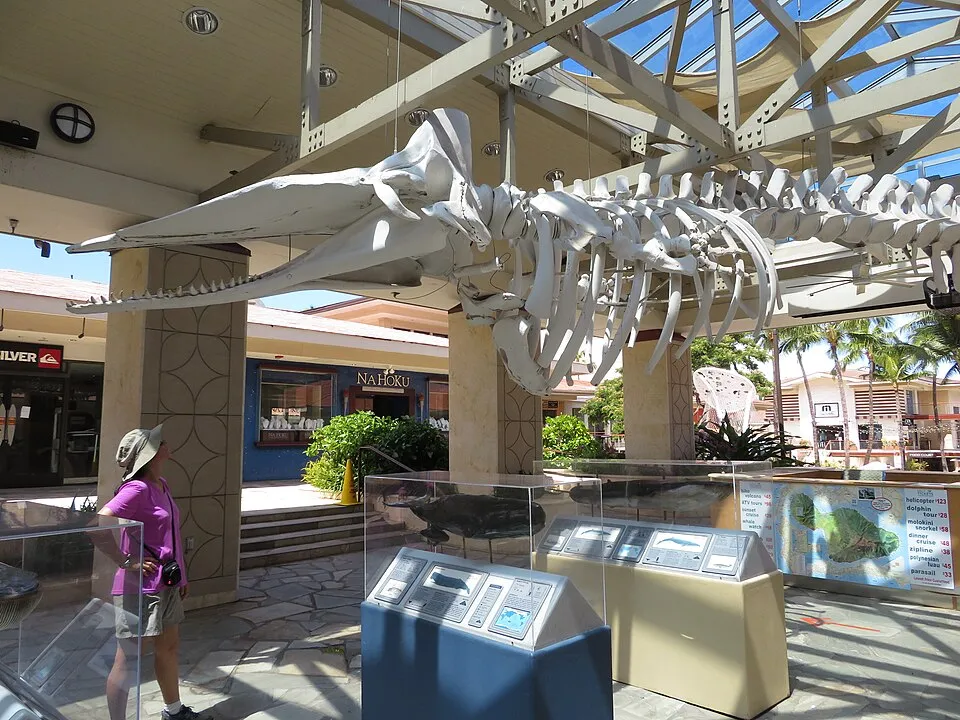
These touches make Whalers Village one of the most unique Maui attractions, blending leisure with learning.
Beyond the shops and restaurants, Whalers Village offers easy access to the best things to do in Kāʻanapali. Visitors can book snorkeling tours, sunset cruises, or surf lessons nearby. The famous Black Rock at the north end of Kāʻanapali Beach is just a short walk away, where cliff diving ceremonies happen at sunset.
For those looking to slow down, the beachfront boardwalk offers a relaxing place to stroll, with views of the Pacific and neighboring islands like Lānaʻi and Molokaʻi.
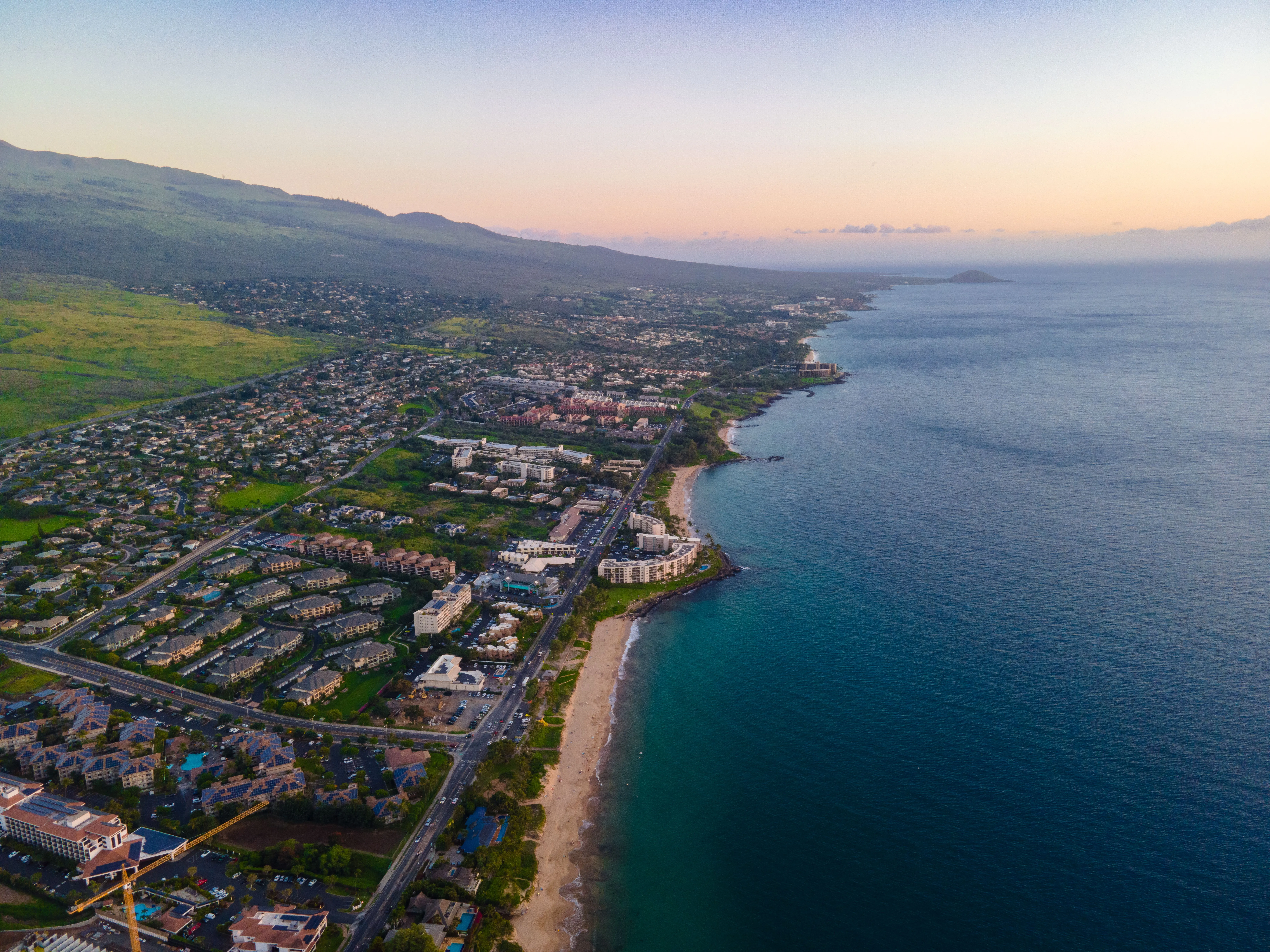
What makes Whalers Village special is its ability to blend luxury, culture, and convenience in a single beachfront destination. It’s a place where travelers can shop for unique Hawaiian souvenirs, enjoy world-class meals, and connect with local traditions—all while being steps away from the ocean.
Whether you’re visiting for an afternoon or making it a central part of your Maui vacation, Whalers Village Kāʻanapali provides a little bit of everything that makes the island so unforgettable.
From high-end boutiques and local shops to oceanfront dining and cultural activities, Whalers Village Maui is more than a shopping center—it’s a community gathering place and one of the top attractions in Kāʻanapali. For visitors seeking the best blend of shopping, dining, and authentic Hawaiian experiences, Whalers Village is the perfect destination.
Whalers Village is an oceanfront shopping, dining, and cultural center located right on Kāʻanapali Beach, one of the most famous beaches in the world. Visitors love it because it blends luxury shopping, local boutiques, top-tier restaurants, and Hawaiian cultural experiences—all just steps from the sand. Whether you're staying in Kāʻanapali or just exploring West Maui, it’s a must-visit destination.
Whalers Village sits right in the center of Kāʻanapali Beach, which stretches for three miles along Maui’s west side. Its central location makes it extremely convenient for travelers staying at nearby beachfront resorts like the Westin, Sheraton, or Hyatt. Guests can easily walk from the beach to the shops or restaurants, making it a natural part of any Kāʻanapali itinerary.
Whalers Village offers a mix of high-end brands, surf shops, local boutiques, and essentials. Popular stores include Louis Vuitton, Lululemon, Honolua Surf Co., Maui Divers Jewelry, and Whalers General Store. You’ll find everything from luxury fashion to handcrafted Hawaiian items, making it one of Maui’s best places to shop for both everyday needs and unique souvenirs.
Yes! In addition to national brands, Whalers Village features local Hawaiian boutiques that sell island-made jewelry, aloha wear, artwork, and handcrafted gifts. Visitors often find one-of-a-kind pieces from local artisans, making it a great spot for meaningful souvenirs.
Many Whalers Village restaurants sit right on the ocean, offering gorgeous sunset views. Top dining spots include:
Whalers Village offers free cultural experiences and family-friendly events. Visitors can enjoy lei-making classes, hula lessons, live Hawaiian music, and historical exhibits about Maui’s 1800s whaling era. These cultural touches make the village more than a shopping center—they make it an educational and meaningful stop.
Families with kids will find plenty to do, including keiki (children’s) activities, outdoor movie nights, interactive cultural demonstrations, and easy access to the beach. The open-air layout also makes it an easy place to explore with strollers or young children.
The area around Whalers Village is packed with activities. Guests can book snorkeling tours, surf lessons, or sunset cruises just steps away. The famous Black Rock—known for its snorkeling and nightly cliff diving ceremony—is just a short walk north along Kāʻanapali Beach. There’s also a scenic oceanfront boardwalk perfect for morning jogs or sunset strolls.
Absolutely. Restaurants like Leilani’s, Hula Grill, and Monkeypod Kitchen offer some of the best sunset dining views on Maui. With the ocean just feet away, live music in the background, and tiki torches lighting the evening, it’s one of the most memorable dining atmospheres on the island.
Yes! Even if you’re staying elsewhere on Maui, Whalers Village is a great stop for a day of beach lounging, shopping, dining, or strolling the boardwalk. Many travelers pair it with a beach day at Kāʻanapali or a sunset dinner. Its combination of convenience, ocean views, and variety makes it well worth the visit.
Whalers Village stands out because it blends luxury, local culture, oceanfront dining, and easy beach access all in one place. You can shop for high-end fashion, grab a fresh acai bowl, learn to make a lei, attend a cultural demo, watch the sunset from a beachfront table, and walk straight back to the beach—all without driving anywhere. It captures everything people love about Kāʻanapali in one destination.
Unlike indoor malls or stand-alone shopping centers, Whalers Village offers:
If you would like to read and learn more about interesting things in Hawaii! Check out our blog page here on our website!
or
Image Credits:
Hero:
"Whalers Village" by Gaylon Yancy via Wikimedia Commons, licensed under Creative Commons Attribution 2.0 (CC BY 2.0).
"Whalers Village whale bones with Kim – Kaanapali Beach Walk, Maui" by Forest & Kim Starr via Wikimedia Commons (CC BY 2.0).
A breathtaking aerial view of Kihei, Hawaii, showcasing the coastline and vibrant community during a serene sunrise by Griffin Wooldridge, via Pexels
On the western shores of Maui, nestled against the world-famous Kaʻanapali Beach, lies Black Rock Beach, one of the island’s most unique coastal gems. Known locally as Puʻu Kekaʻa, this dramatic lava point is more than just a picturesque spot—it’s a place where Hawaiian culture, natural beauty, and outdoor adventure come together. For travelers seeking both relaxation and excitement, Black Rock Beach offers an unforgettable experience that combines history, snorkeling, cliff diving, and breathtaking sunsets.
Black Rock Beach is located at the northern end of Kaʻanapali Beach, one of Maui’s most visited and celebrated shorelines. Stretching for about three miles, Kaʻanapali Beach is known for its soft golden sand, turquoise waters, and views that sweep across the Pailolo Channel toward Molokaʻi and Lānaʻi. At its northernmost point, the volcanic lava formation known as Black Rock juts dramatically into the ocean, creating a striking contrast against the sandy expanse of the beach.
This natural barrier not only adds beauty to the landscape but also shapes the underwater environment. The lava rock formation provides shelter for an abundance of marine life, making the area around Black Rock one of the best snorkeling destinations on Maui.
Beyond its scenic appeal, Black Rock holds deep cultural importance in Hawaiian tradition. According to Hawaiian legends, Puʻu Kekaʻa is believed to be a leina, or a jumping-off point, where spirits would leap into the afterlife to join their ancestors. Because of this sacred history, the site remains a revered place that blends spirituality with natural wonder.
To honor this heritage, the Sheraton Maui Resort, located adjacent to Black Rock, continues a long-standing tradition of a nightly cliff diving ceremony. At sunset, a torchbearer lights the tiki torches along the cliff, climbs to the top, and dives gracefully into the ocean—symbolizing the legendary feats of Maui’s ancient chiefs. This ceremony connects visitors to the island’s rich cultural past while offering a breathtaking spectacle.
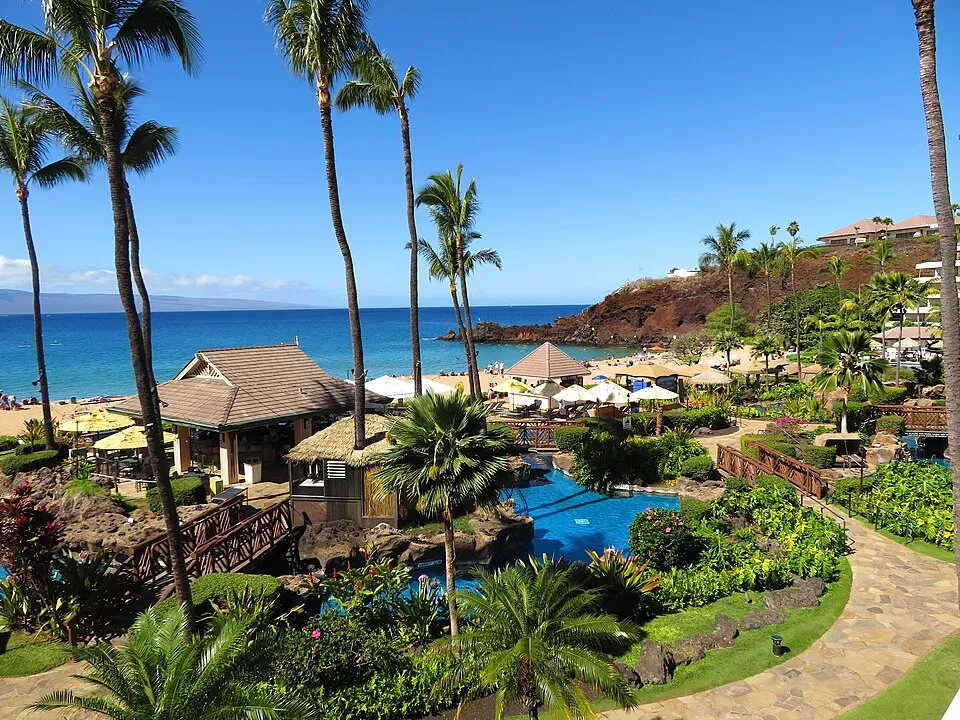
One of the biggest draws of Black Rock Beach is snorkeling. The waters around the lava point are teeming with tropical fish, sea turtles (honu), and vibrant coral. Beginners and experienced snorkelers alike will find plenty to enjoy, as the area is accessible directly from the shore and offers relatively calm conditions, especially in the mornings.
Some of the marine life commonly spotted here includes:
Because Black Rock provides a natural barrier, visibility is often excellent, making it ideal for underwater photography and close encounters with Maui’s marine biodiversity.
For those seeking adrenaline, cliff diving off Black Rock has become one of the most iconic activities in Kaʻanapali. While the jump itself is about 20 to 30 feet, the thrill of leaping into the clear waters below against the backdrop of a Hawaiian sunset is unforgettable. Many visitors gather in the evening to watch brave locals and visitors alike take the plunge.
It’s worth noting that safety should always come first—conditions can change quickly, and the ocean demands respect. Anyone considering a dive should ensure calm waters and proper physical ability before attempting it.
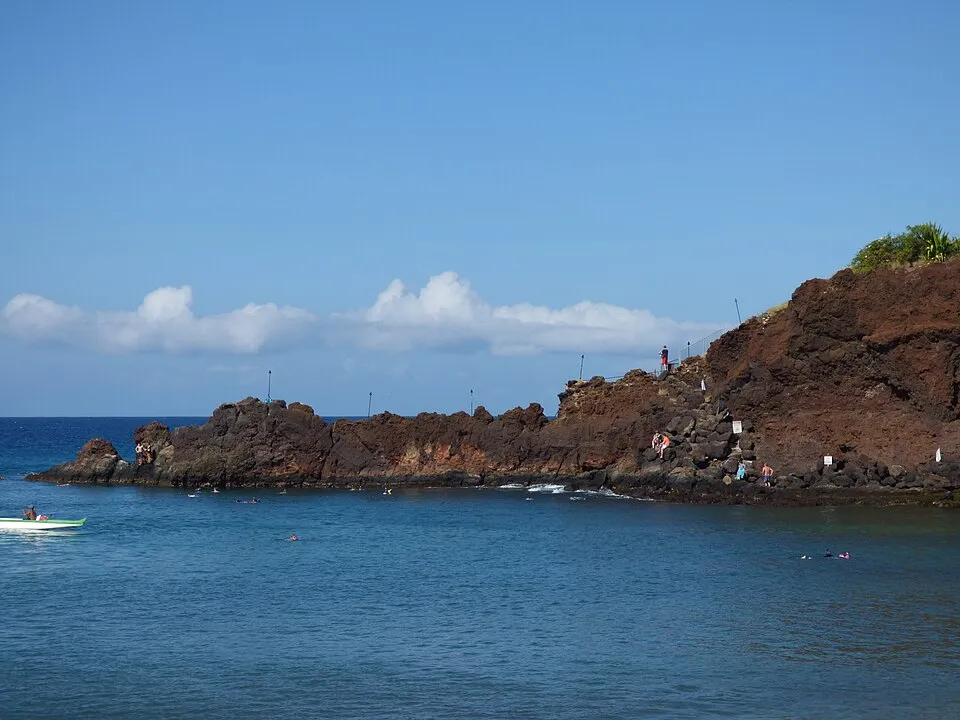
Black Rock Beach is also one of the best spots on Maui to watch the sunset. As the sun sinks into the Pacific, the cliffs and ocean reflect brilliant shades of orange, pink, and purple. From the vantage point of Black Rock, you may also catch a glimpse of the neighboring islands silhouetted against the evening sky. During the winter months, it’s not uncommon to see humpback whales breaching offshore, adding even more magic to the scene.
Black Rock Beach is easily accessible, located at the northern end of Kaʻanapali Beach and near many resorts, shops, and restaurants. Public beach access and parking are available, though spots can fill quickly during peak times. Visitors should plan ahead and consider arriving early to secure parking and enjoy the calmer morning waters for snorkeling.
Because Black Rock Beach is connected to the resort area, amenities such as restrooms, dining options, and rentals for snorkeling gear are nearby. This makes it a convenient destination for families, couples, and solo travelers alike.
Black Rock Beach in Kaʻanapali, Maui, offers much more than a stunning shoreline. It’s a place where Hawaiian culture is alive, where adventure meets tranquility, and where visitors can experience the best of Maui’s natural beauty. Whether you come for snorkeling, cliff diving, or simply to soak in a legendary sunset, Black Rock Beach promises an experience you’ll never forget.
Black Rock Beach—also known as Puʻu Kekaʻa—is unique because it blends stunning natural beauty, rich Hawaiian cultural history, incredible snorkeling, and cliff diving into one unforgettable experience. Located on the northern end of famed Kaʻanapali Beach, it’s a place where adventure, relaxation, and tradition meet. Visitors can explore marine life, enjoy sunsets, and take in one of Maui’s most iconic oceanfront ceremonies.
Black Rock Beach sits at the northern end of Kaʻanapali Beach, one of Maui’s best-known shorelines. The dramatic lava formation juts into the Pacific Ocean, creating a natural point that divides the beach and also protects the reef below. It’s easily accessible from Kaʻanapali’s resorts, boardwalk, and public beach access areas.
Black Rock Beach is famous for its golden sand, turquoise waters, and striking black lava point. The views extend across the Pailolo Channel toward the islands of Molokaʻi and Lānaʻi. The lava rock formation not only creates a beautiful backdrop but also helps shelter marine life, making the waters especially clear and rich with sea creatures.
In Hawaiian tradition, Puʻu Kekaʻa is believed to be a leina, or spiritual “jumping-off point,” where souls would leap into the afterlife. This makes it a sacred and deeply respected place. To honor this heritage, the Sheraton Maui continues the historic nightly cliff diving ceremony, featuring torches, storytelling, and a symbolic dive at sunset. This ceremony reflects the feats of ancient Hawaiian chiefs and connects visitors to the island’s cultural past.
Yes—Black Rock is one of Maui’s top snorkeling spots. The lava formation provides shelter for many species of marine life, and visibility is often excellent, especially in the mornings. Snorkelers commonly see tropical fish like butterflyfish, parrotfish, and Moorish idols, as well as Hawaiian green sea turtles (honu). The area is easy to access directly from the shore, making it great for both beginners and experienced snorkelers.
Cliff diving is one of the most iconic activities at Black Rock. The jump is usually 20–30 feet depending on tide levels. Many visitors try it, especially during calm ocean conditions. However, safety should always come first—check the water conditions, avoid rough surf, and only jump if you’re confident and capable. Many people prefer to watch the brave divers rather than jump themselves.
Black Rock is one of Maui’s best sunset spots. As the sun dips into the ocean, the sky glows with shades of pink, orange, and purple. The silhouette of Molokaʻi and Lānaʻi adds to the beauty, and during winter months, you may even see humpback whales breaching offshore. The nightly cliff diving ceremony at sunset also makes the moment even more memorable.
Yes. Black Rock Beach is located right next to major Kaʻanapali resorts, so amenities like restrooms, dining options, and snorkel rentals are close by. Public beach access and limited parking are available, but parking fills up quickly—arriving early is recommended. The boardwalk makes it easy to walk from nearby hotels and shops.
Morning is typically the safest and calmest time for ocean activities. Winds and surf conditions tend to increase later in the day. Arriving early also helps with parking and ensures clearer visibility underwater. Always check the current ocean conditions, as the waters around Black Rock can change quickly.
Yes—ocean safety is essential:
Visitors can enjoy walking the Kaʻanapali Beach boardwalk, book snorkeling or whale-watching tours, dine at nearby restaurants, or relax on the wide expanse of Kaʻanapali Beach. The area is lively, walkable, and full of both cultural and adventure opportunities, making it perfect for families, couples, and solo travelers.
Black Rock Beach stands out because it blends natural beauty, Hawaiian culture, ocean adventure, and iconic sunsets in one unforgettable location. Whether you're snorkeling with turtles, watching a traditional cliff diving ceremony, or simply soaking in the view, it offers an authentic Maui experience you won’t find anywhere else.
If you would like to read and learn more about interesting things in Hawaii! Check out our blog page here on our website!
or
Image Credits:
Hero:
"View of Black Rock at Kaʻanapali Beach Walk, Maui" by Forest & Kim Starr via Wikimedia Commons, licensed under CC BY 3.0 US. optimized
"View of resort and Black Rock at Kaʻanapali Beach Walk, Maui" by Forest & Kim Starr via Wikimedia Commons, licensed under CC BY 2.0. optimized
"View of snorkelers at Black Rock at Kaʻanapali Beach Walk, Maui" by Forest & Kim Starr via Wikimedia Commons (CC BY 3.0 US).
Snuggled along the northwestern coast of Maui, Kapalua is a breathtaking resort area that seamlessly blends natural beauty, cultural heritage, and modern luxury. Known for its pristine beaches, world-class golf courses, and lush landscapes, Kapalua offers visitors a chance to experience the very best of the Valley Isle in one stunning location. Whether you’re looking for relaxation, adventure, or a taste of Hawaiian history, Kapalua stands out as one of the most treasured destinations in Hawai‘i.
The word Kapalua translates to "two borders" or “arms embracing the sea,” a fitting name for this region where bays, lava rock peninsulas, and turquoise waters meet in harmony. Historically, the land was used for agriculture, particularly for growing pineapples, as part of the legacy of the Baldwin family and the Maui Land & Pineapple Company. Today, Kapalua maintains its ties to the past while embracing a new role as one of Maui’s premier resort areas.
Despite the development of luxury accommodations and championship golf courses, Kapalua’s commitment to environmental stewardship has helped preserve much of its natural beauty. Walking through the area, visitors can still feel the sense of connection between land and sea that has defined Maui for centuries.
Kapalua is home to some of Maui’s most famous beaches, each offering its own unique charm.
These beaches showcase Kapalua’s balance between adventure and relaxation, offering something for every type of traveler.
For golf enthusiasts, Kapalua is nothing short of legendary. The Plantation Course at Kapalua is home to the PGA TOUR’s Sentry Tournament of Champions, held each January. This event draws the world’s best golfers to compete against the backdrop of sweeping ocean views and the West Maui Mountains.
Designed by renowned architects Ben Crenshaw and Bill Coore, the Plantation Course is celebrated for its challenging design, rolling terrain, and panoramic vistas. Meanwhile, the Bay Course provides a slightly more forgiving but equally scenic experience, winding along the coastline with holes that hug the cliffs above the Pacific.
Even non-golfers can appreciate the beauty of these courses, which are integrated into the landscape in a way that enhances the natural surroundings.
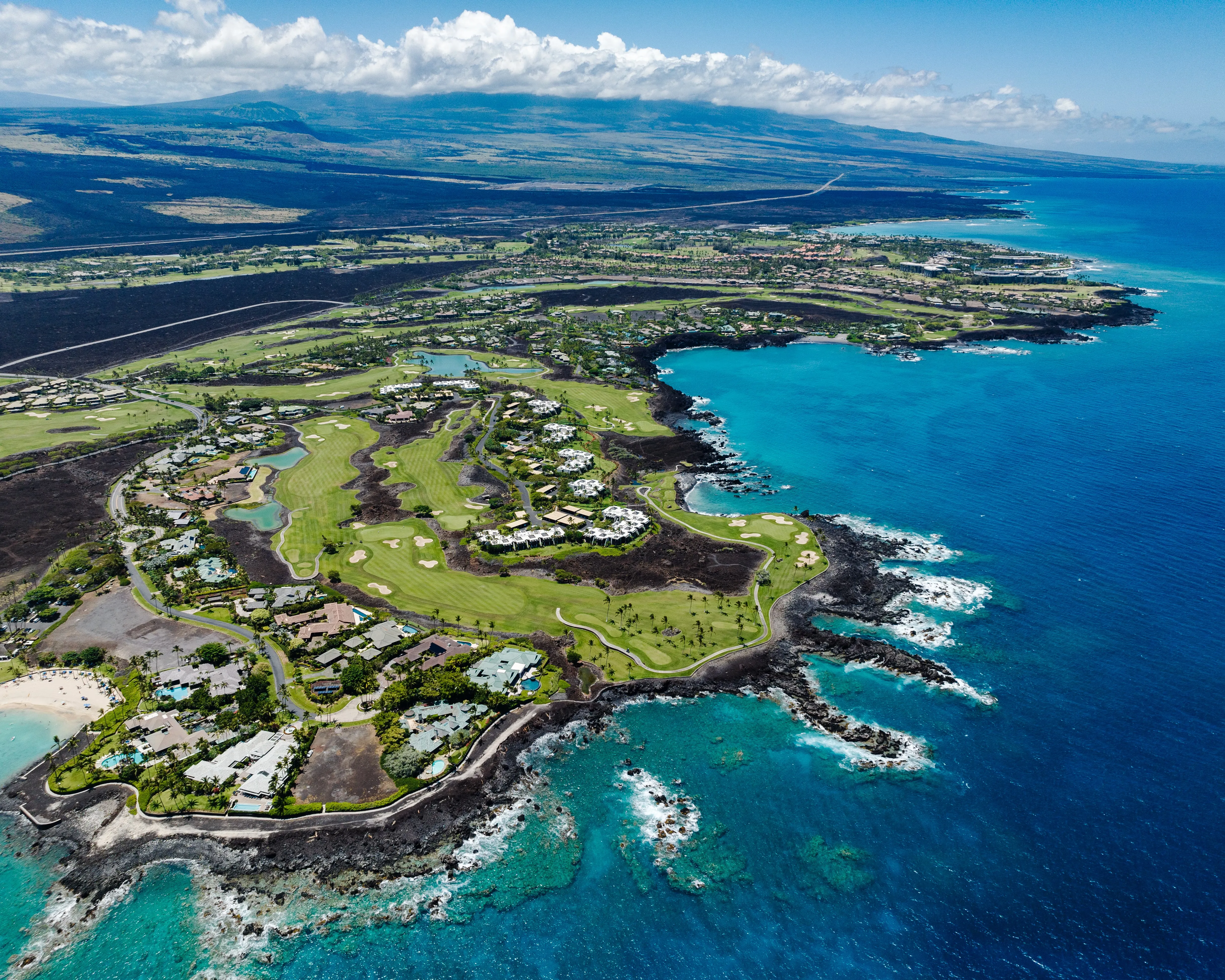
Kapalua is not only a destination for beaches and golf but also a paradise for nature lovers. The Kapalua Coastal Trail stretches along the shoreline, offering a scenic walk through lava fields, beaches, and oceanfront cliffs. This easy-to-moderate trail is perfect for spotting whales during winter months or simply enjoying the changing landscapes of Maui’s coastline.
For those looking for a deeper immersion in nature, the Maunalei Arboretum Trail takes hikers into the upland forests above Kapalua. Once part of the pineapple plantation, this area has been restored with native Hawaiian plants, offering a glimpse of Maui’s ecological heritage.
Kapalua is synonymous with luxury. The Ritz-Carlton Maui, Kapalua and the Montage Kapalua Bay provide world-class accommodations that blend comfort with island-inspired elegance. These resorts feature spa experiences rooted in Hawaiian traditions, infinity pools overlooking the Pacific, and access to Kapalua’s finest amenities.
Dining in Kapalua is equally remarkable. Merriman’s Kapalua offers farm-to-table cuisine with an oceanfront setting that’s perfect for sunset dinners, while Sansei Seafood Restaurant & Sushi Bar is beloved for its creative Japanese-inspired dishes. Many of the restaurants in the area highlight locally sourced ingredients, ensuring that each meal reflects the flavors of Hawai‘i.
Beyond luxury and leisure, Kapalua is also a place that values cultural and environmental preservation. The annual Celebration of the Arts Festival, hosted at the Ritz-Carlton Maui, brings together Hawaiian artisans, musicians, and cultural practitioners to share their crafts and traditions. This event allows visitors to experience authentic Hawaiian culture in a meaningful way.
Additionally, conservation efforts such as the protection of marine life at Kapalua Bay and the preservation of native habitats along the trails reflect the community’s commitment to sustainability. These initiatives ensure that Kapalua remains not only a destination for today’s travelers but also for generations to come.
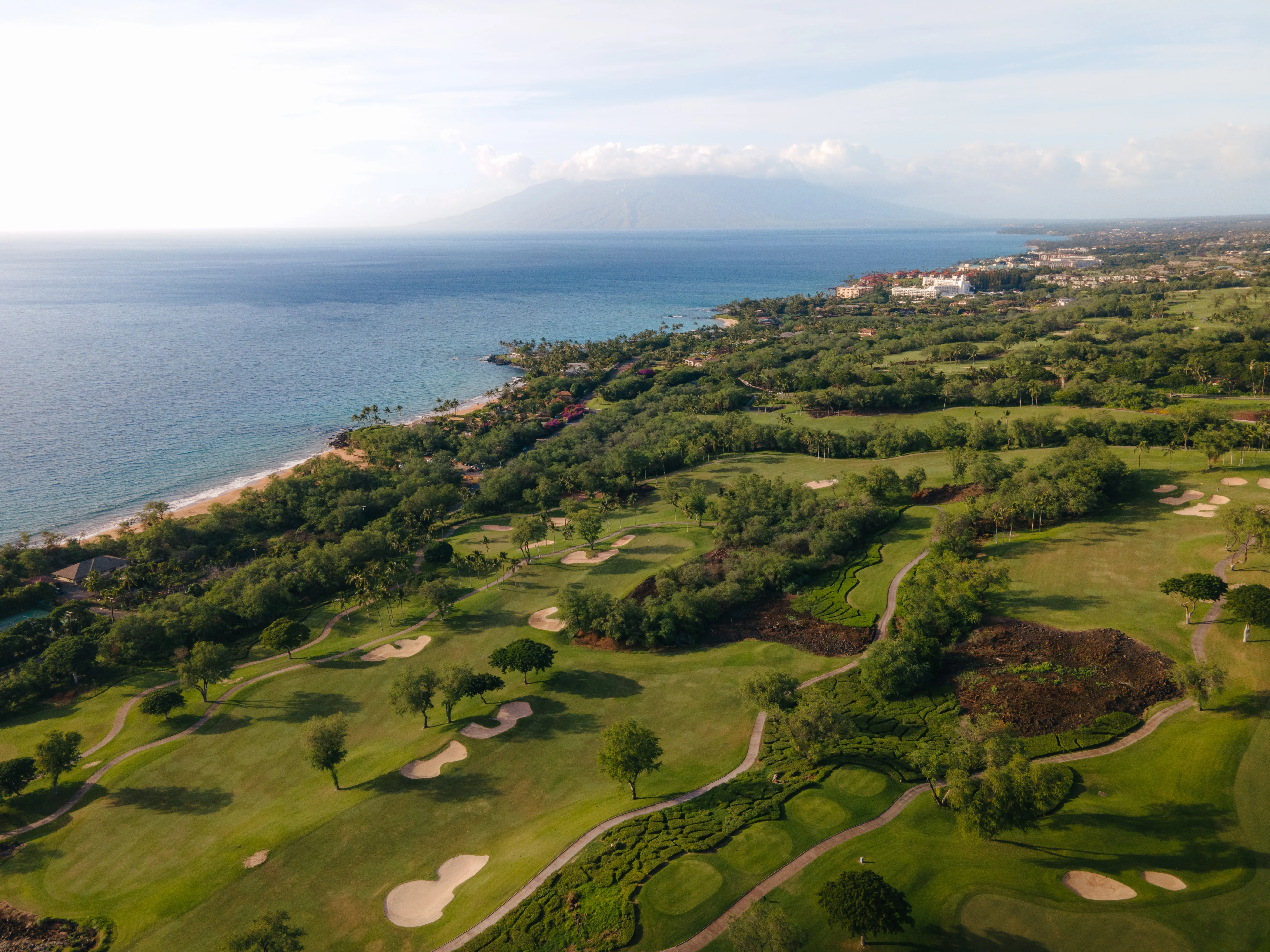
Whether you’re an adventurer, a golfer, a foodie, or someone simply looking to unwind in paradise, Kapalua offers a complete Hawaiian experience. Its combination of natural beauty, luxury amenities, cultural depth, and recreational opportunities make it one of the most remarkable places on Maui.
From sunrise strolls along the coastline to world-class golf in the afternoon and fine dining at sunset, Kapalua provides unforgettable moments at every turn. It’s more than just a destination—it’s an embrace of the sea, the land, and the spirit of aloha.
Kapalua is loved for its luxury resorts, world-class beaches, scenic trails, championship golf courses, and rich cultural history. Located on Maui’s northwestern coast, it blends natural beauty with modern comfort. Whether you’re looking for adventure, relaxation, or a sophisticated Hawaiian getaway, Kapalua offers a little bit of everything that makes Maui special.
“Kapalua” means “two borders” or “arms embracing the sea,” a fitting description for its stunning coastlines and sheltered bays. Historically, this region was part of the Baldwin family’s agricultural lands and was heavily tied to Maui’s pineapple plantation era. Today, Kapalua honors that past while evolving into one of Hawai‘i’s premier resort destinations—carefully balancing development with environmental stewardship.
Kapalua is home to some of Maui’s top beaches:
Yes! Kapalua Bay has been ranked multiple times as one of the world’s best beaches, thanks to its crystal-clear water, crescent-shaped shoreline, and excellent snorkeling conditions. The protected bay creates a calm, tranquil setting that appeals to families, snorkelers, and anyone who wants a classic Hawaiian beach experience.
Kapalua is legendary in the golf world because it’s home to the Plantation Course, host of the PGA TOUR’s Sentry Tournament of Champions every January. Designed by Bill Coore and Ben Crenshaw, the course features incredible elevation changes and panoramic ocean views. The Bay Course offers a more forgiving but equally scenic golf experience, with holes that run right along the coastline. Even non-golfers love the views.
Absolutely. Kapalua is one of the most scenic areas on Maui for hiking. Popular trails include:
Kapalua is home to two of Maui’s top luxury resorts:
Kapalua has a great food scene, featuring farm-to-table dining and Pacific Rim cuisine. Favorites include:
Yes. Kapalua honors Hawaiian culture through events like the Celebration of the Arts Festival, hosted at the Ritz-Carlton. Hawaiian artisans, musicians, and cultural practitioners share traditions through workshops, performances, and ceremonies. Conservation efforts, native habitat restoration, and marine protection at Kapalua Bay also reflect the area’s cultural and environmental responsibility.
Kapalua stands out because it offers a quieter, more refined, and nature-focused experience. While Wailea is known for luxury and Kaʻanapali for its lively beach scene, Kapalua blends serenity with world-class amenities. Its protected bays, award-winning golf courses, dramatic scenery, and cultural depth make it ideal for travelers wanting a more laid-back yet upscale Maui vacation.
Absolutely. Kapalua offers fantastic whale-watching opportunities from December through April. Humpback whales migrate through the nearby channels, and it’s common to see them breaching from the beaches, coastal trails, and even the golf courses.
Kapalua offers a complete Hawaiian experience:
Whether you want relaxation, adventure, luxury, or authentic cultural experiences, Kapalua delivers it all with an unmatched sense of aloha.
If you would like to read and learn more about interesting things in Hawaii! Check out our blog page here on our website!
or
Image Credits:
Hero:
"Catamaran in Maui" by John Bell via Unsplash
"Stunning aerial view capturing Waimea's coastline and scenic landscape in Hawaii." by Josh Withers, via Pexels
"A breathtaking aerial view of a lush golf course by the scenic coastline in Wailea-Makena, Hawaii." by Griffin Wooldridge, via Pexels
When people think of Hawaii, they often imagine swaying palms, white sand beaches, and volcanic landscapes. But another breathtaking sight that visitors and locals alike admire is the Hawaii skyline. Unlike the towering skyscraper silhouettes of New York or Los Angeles, Hawaii’s skyline tells a unique story—one where natural beauty, history, and urban development coexist in harmony. From the vibrant cityscape of Honolulu to the dramatic mountain ranges that serve as a backdrop, the skyline of Hawaii is one of the most distinctive in the world.
The most recognized skyline in the Hawaiian Islands belongs to Honolulu, the capital city located on Oʻahu. Honolulu is the economic and cultural hub of Hawaii, home to high-rise hotels, luxury condominiums, and office buildings that stretch skyward against a turquoise ocean backdrop.
Waikīkī, perhaps the most famous neighborhood of Honolulu, features a dense cluster of hotels and resorts. From the beach, the skyline looks like a vertical cityscape perched right on the edge of the Pacific Ocean. At sunset, the sight is particularly enchanting as golden light reflects off the glass windows of tall buildings, creating a warm glow.
What makes Honolulu’s skyline unique is its harmony with the surrounding natural features. The looming presence of Diamond Head Crater to the east provides a natural frame that contrasts with the manmade structures. Few cities in the world boast such a dramatic juxtaposition of volcanic landscapes with urban design.
Unlike other metropolitan skylines, Hawaii’s city silhouettes are rarely uninterrupted lines of steel and glass. Instead, they are deeply influenced by the islands’ volcanic origins. The Koʻolau Mountain Range rises sharply behind Honolulu, creating a dramatic green wall that defines the horizon. On Maui, the slopes of Haleakalā tower above towns and resorts, reminding viewers that nature remains the dominant force shaping the skyline.
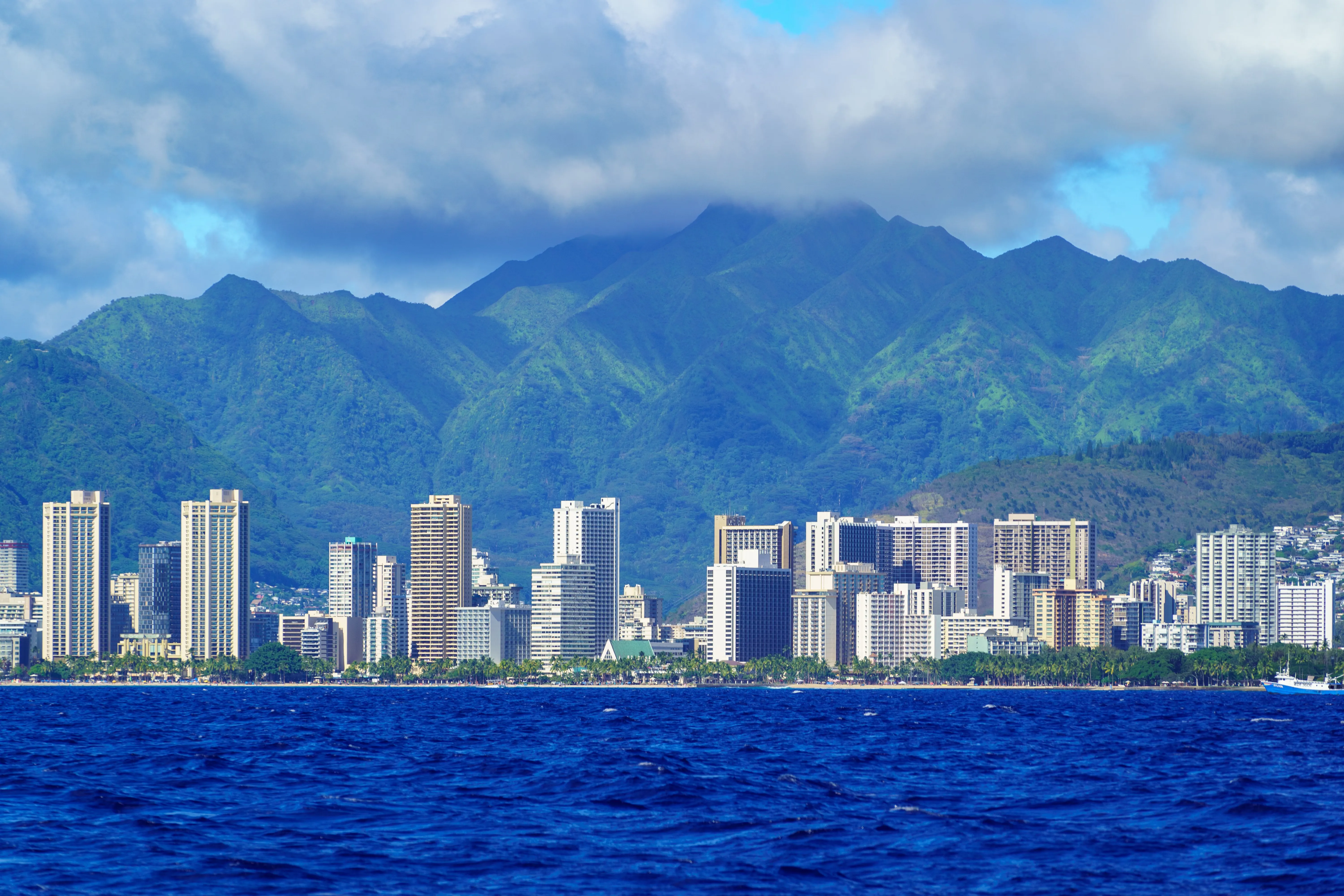
This connection to the natural environment ensures that Hawaii’s skylines always maintain a sense of balance. Development is visible, but it never overshadows the mountains, cliffs, and craters that define the islands. Even when high-rises are built, strict zoning laws help prevent overdevelopment in certain areas, allowing the natural skyline to remain a focal point.
While Honolulu stands out as the most urbanized skyline in Hawaii, each island offers its own unique horizon worth admiring:
Hawaii’s skyline changes dramatically with the light.
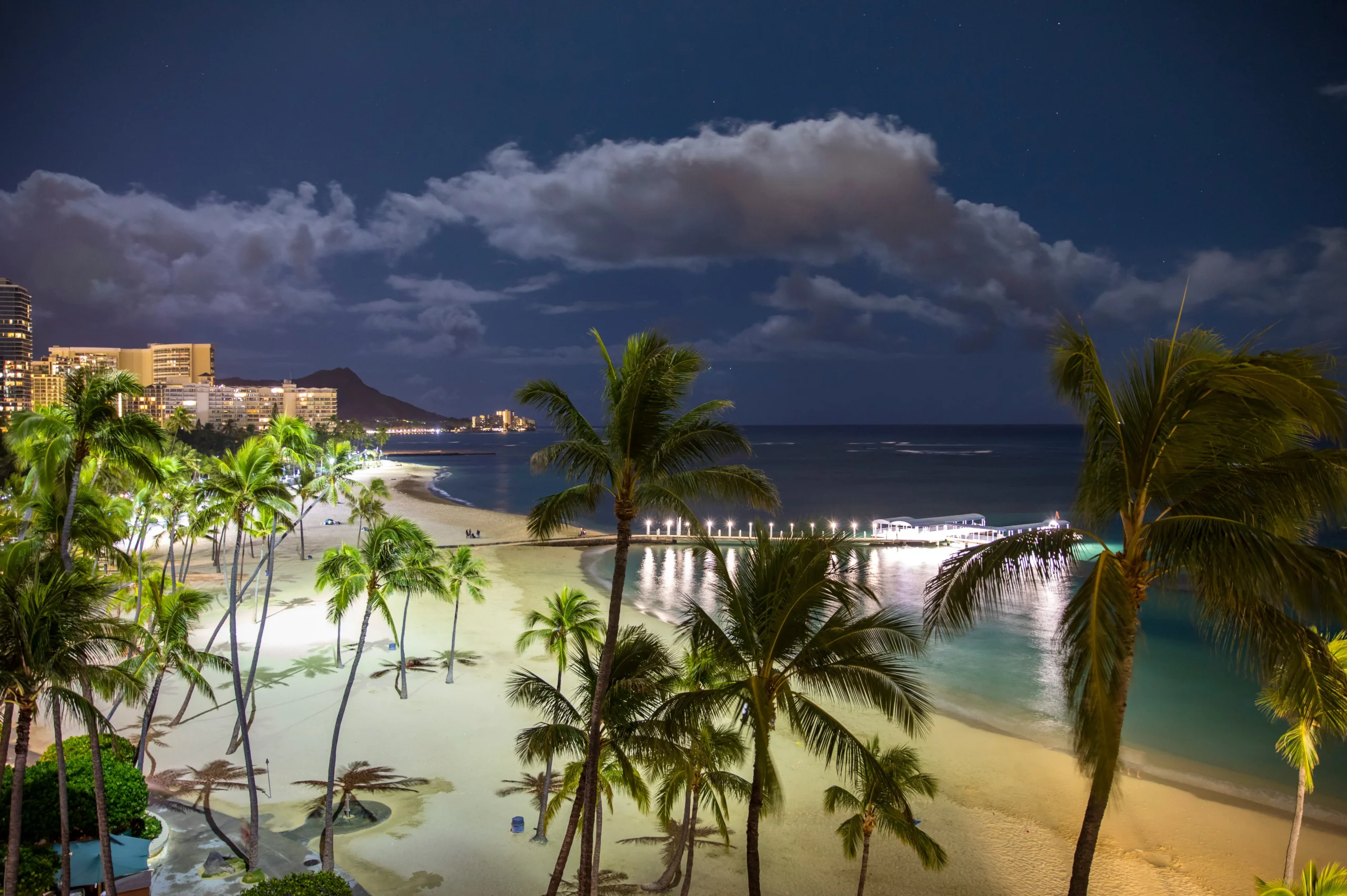
Hawaii’s skyline is more than just a visual landmark—it’s also a reflection of the islands’ values. Hawaiian culture emphasizes respect for the land, known as mālama ʻāina, which influences how cities are designed and built. For example, many high-rises incorporate open-air designs and green spaces to connect urban living with the natural world.
In recent years, sustainable architecture has become a growing focus. New developments in Honolulu and other areas are prioritizing energy efficiency, solar integration, and eco-friendly materials. This approach ensures that while the skyline grows, it does so in a way that aligns with Hawaii’s commitment to protecting its environment.
The Hawaii skyline is a unique blend of manmade structures and natural wonders. While Honolulu offers the most recognizable cityscape, the skylines across the islands highlight volcanic peaks, lush mountain ranges, and dramatic coastlines that make Hawaii unlike anywhere else. Whether admired at dawn, dusk, or under a canopy of stars, the skyline here tells the story of a place where urban life and natural beauty coexist in harmony.
For visitors, the Hawaii skyline is more than just a backdrop—it’s a reminder of the islands’ delicate balance between progress and preservation, culture and modernity, earth and sky.
The Hawaii skyline is unique because it blends modern high-rises with dramatic natural landmarks like volcanic craters, lush mountains, and ocean views. Unlike cities dominated by steel and glass, Hawaii’s skyline showcases harmony between urban development and the islands’ incredible natural scenery. It’s a place where skyscrapers sit next to coral-blue waters and are framed by towering mountains.
The most iconic skyline belongs to Honolulu on Oʻahu. Known for its high-rise hotels, luxury condos, and the bustling Waikīkī district, Honolulu features the most urban skyline in the islands. What makes it stand out is its backdrop: Diamond Head Crater and the towering Koʻolau Mountains, creating one of the most scenic city-meets-nature skylines on Earth.
The Waikīkī skyline is a dense cluster of beachfront hotels and resorts rising above the Pacific Ocean. Seen from the sand, it looks like a vertical city perched on the shoreline. At sunset, the buildings glow gold as the light reflects off the windows, creating one of the most photographed views in Hawaii.
Hawaii’s skyline is shaped heavily by its volcanic mountain ranges, which act as a dramatic natural backdrop.
Each island has its own distinct skyline:
The Hawaii skyline changes beautifully throughout the day:
Honolulu is the economic, cultural, and residential hub of Hawaii, making it the only island with a major urban center. Zoning laws and sustainability efforts keep development concentrated to preserve natural landscapes. Other islands limit building heights to ensure mountain views and protect the natural skyline.
Volcanic formations like Diamond Head, Haleakalā, Mauna Kea, Mauna Loa, and the Koʻolau Range create iconic silhouettes that make Hawaii instantly recognizable. These natural structures are millions of years old and provide dramatic contrast to the modern architecture below, giving Hawaii’s skylines a sense of timeless beauty.
Yes. Hawaii is committed to mālama ʻāina—caring for the land. Many new buildings incorporate sustainable design, including solar power, open-air layouts, green spaces, and energy-efficient materials. This approach allows Hawaii to modernize without compromising environmental values.
Absolutely. Some of the best views of the Honolulu and Waikīkī skyline are seen right from the beach. You can admire high-rises framed by calm ocean waves, with Diamond Head anchoring the scene. Maui and Kauaʻi also offer stunning skyline views dominated by mountains instead of buildings.
Yes—Hawaii’s skyline is a dream for photographers. The blend of urban silhouettes, ocean reflections, volcanic backdrops, and colorful skies makes it one of the most photogenic skylines in the world. Sunrise and sunset are especially breathtaking.
The skyline reflects Hawaii’s values: a balance between progress and preservation, culture and nature. It tells the story of islands shaped by volcanic forces, enriched by Hawaiian heritage, and guided by sustainable planning. Whether viewed at dawn, dusk, or from the ocean, the skyline symbolizes Hawaii’s harmony between city life and natural wonder.
If you would like to read and learn more about interesting things in Hawaii! Check out our blog page here on our website!
or
Image Credits:
Hero:
"Breathtaking view of Honolulu skyline with ocean from Diamond Head Crater." by Stephen Leonardi, via Pexels
"Stunning aerial view of Honolulu's skyline with lush mountains and ocean in foreground." by Cyrill, via Pexels
"Stunning night view of Waikiki Beach with palm trees, pier, and city lights under a starry sky." by Stephen Leonardi, via Pexels
When people think of Hawai‘i, they often picture swaying palm trees, turquoise waters, and fragrant flowers. But nestled among the islands’ unique natural wonders is a remarkable bird that holds deep cultural and ecological significance—the Nēnē, or Hawaiian goose (Branta sandvicensis). As Hawai‘i’s official state bird, the Nēnē symbolizes resilience, adaptation, and the importance of conservation in preserving the islands’ natural heritage.
The Nēnē is endemic to Hawai‘i, meaning it is found nowhere else on Earth. Believed to have evolved from the Canada goose thousands of years ago, these birds adapted to the islands’ volcanic landscapes, grasslands, and shrublands. Over time, they developed distinct features that set them apart from their ancestors.
One of the most fascinating adaptations is their feet. Unlike most geese, the Nēnē has partially webbed feet, which allow it to walk on rugged lava rock, climb slopes, and navigate dry grasslands. This adaptation reflects their transition from a primarily aquatic environment to a more terrestrial lifestyle in Hawai‘i’s unique terrain.
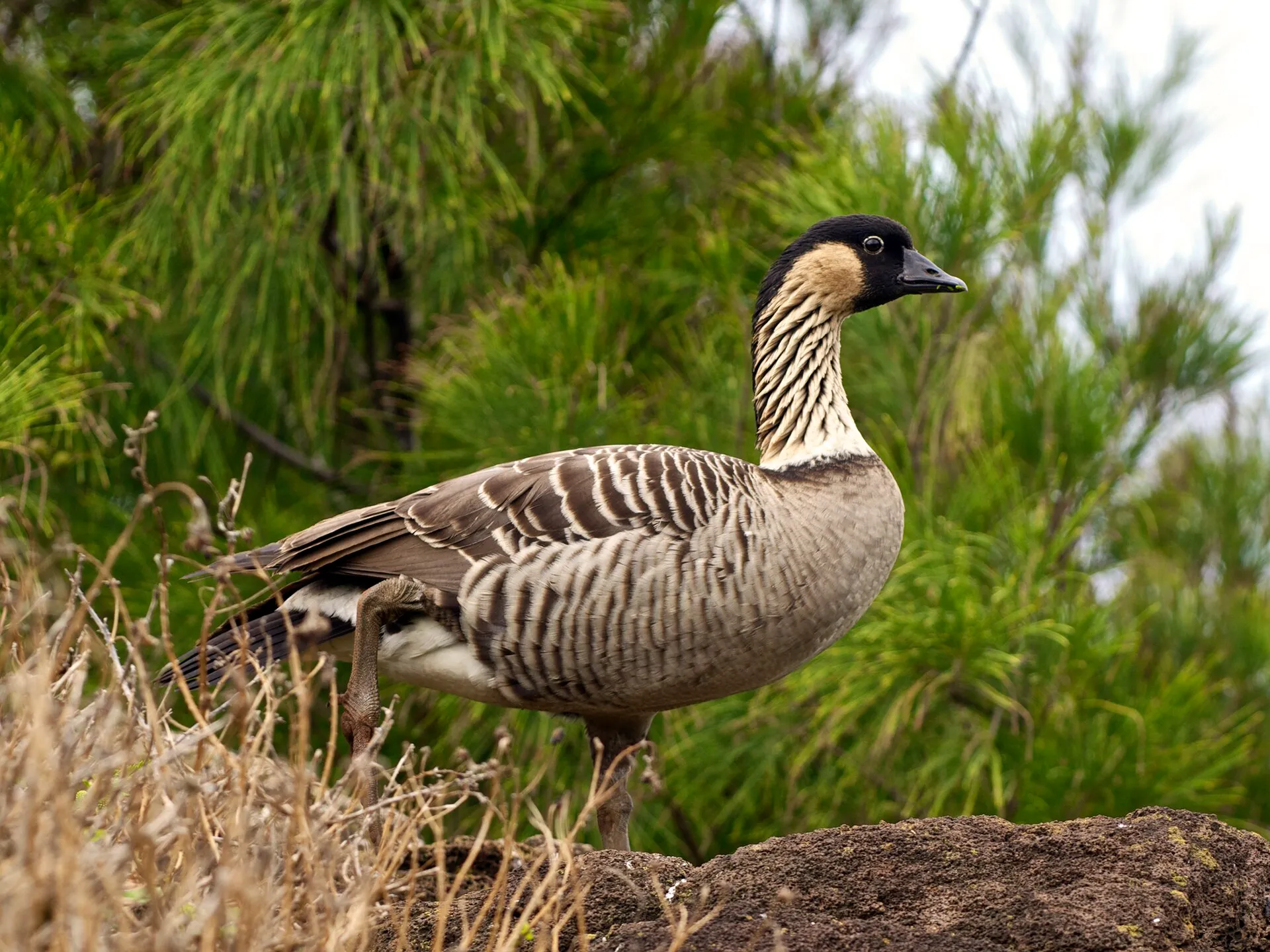
The Nēnē is a medium-sized goose, about 25 inches long with a wingspan of roughly three feet. It is easily recognized by its black face and crown, buff-colored cheeks, and strong barred patterns across its neck, which look almost like a necklace of grooves. The plumage blends beautifully into the volcanic landscapes of the islands, offering them natural camouflage.
Unlike other geese that are known for their loud honking, the Nēnē has a softer, more melodic call. These birds are primarily herbivores, feeding on native shrubs, grasses, and berries, particularly the fruit of the ‘ōhelo berry plant, which also holds significance in Hawaiian culture.
Nēnē are monogamous, and pairs often form strong, lifelong bonds. During the nesting season, which usually spans from October to March, females lay three to five eggs in ground nests hidden among vegetation. The goslings are able to walk and feed themselves within days of hatching, though they remain under the care and protection of their parents.

Despite its symbolic and ecological importance, the Nēnē came dangerously close to extinction in the 20th century. By the 1950s, fewer than 30 birds remained in the wild. Habitat destruction, hunting, and the introduction of predators such as mongoose, rats, and feral cats had decimated populations across the islands.
Recognizing the crisis, conservationists launched ambitious recovery programs. Captive breeding efforts, spearheaded in part by conservationists in Hawai‘i and abroad, played a pivotal role in saving the Nēnē. Birds raised in captivity were carefully reintroduced into protected areas across the islands, including national parks, wildlife refuges, and conservation lands.
Today, the Nēnē population has rebounded to over 3,000 individuals, with stable populations on Hawai‘i Island, Maui, Kaua‘i, and even reintroduction efforts on O‘ahu. While the bird is still listed as “threatened” under the Endangered Species Act, its recovery is often celebrated as one of the greatest conservation success stories in Hawai‘i.
For Native Hawaiians, the Nēnē has long held a place of cultural reverence. It is seen not only as a symbol of the islands but also as a living connection to the land (‘āina). Some traditions suggest the bird embodies qualities of endurance and adaptability—traits mirrored in the Hawaiian people themselves.
The bird’s name, “Nēnē,” is said to reflect its soft, gentle call. In Hawaiian culture, the naming of animals often connects to their spirit and behavior, highlighting a deep respect for the natural world.
When the Nēnē was officially designated the state bird of Hawai‘i in 1957, it became a powerful emblem of pride and identity. Its survival story is now tied not only to conservation biology but also to cultural renewal and education, reminding residents and visitors alike of the need to protect Hawai‘i’s fragile ecosystems.
If you’re visiting Hawai‘i and would like to see the Nēnē in its natural habitat, you’re in luck. National parks and reserves offer safe havens where these birds thrive. Some of the best places to encounter them include:
When observing these birds, it’s important to keep a respectful distance. Feeding Nēnē is strictly prohibited, as it can disrupt their natural diet and behavior. Responsible wildlife viewing ensures their continued survival and helps protect the delicate balance of Hawai‘i’s ecosystems.
The Nēnē’s story is more than just a tale of a bird brought back from the brink of extinction. It is a reminder of the interconnectedness of culture, conservation, and community. By saving the Nēnē, Hawai‘i has also safeguarded the integrity of its landscapes and preserved a vital link between people and place.
As Hawai‘i continues to face environmental challenges such as climate change, habitat loss, and invasive species, the survival of the Nēnē serves as both a beacon of hope and a call to action. Protecting this bird means protecting Hawai‘i itself.
The Nēnē, or Hawaiian goose (Branta sandvicensis), is the official state bird of Hawai‘i. It’s beloved for its cultural importance, resilience, and unique adaptations to the islands. Found nowhere else in the world, the Nēnē symbolizes Hawaii’s commitment to protecting its native wildlife and preserving its natural heritage.
No. The Nēnē is endemic to Hawai‘i, meaning it exists only in the Hawaiian Islands. It evolved from the Canada goose thousands of years ago and adapted to Hawaii’s volcanic landscapes, grasslands, and shrublands. Its story is a powerful reminder of how isolated island ecosystems create one-of-a-kind species.
The Nēnē has several unique characteristics:
Nēnē are medium-sized geese with black heads, buff-colored cheeks, and distinctive striped neck feathers. They blend seamlessly into volcanic landscapes. They’re also:
In the 1950s, the Nēnē population dropped to fewer than 30 birds, putting the species on the brink of extinction. Habitat loss, hunting, and invasive predators such as mongoose and feral cats nearly wiped them out.
Thanks to dedicated captive breeding programs and reintroduction efforts, population numbers now exceed 3,000 birds—one of Hawaii’s greatest conservation success stories.
The Nēnē holds deep cultural significance for Native Hawaiians. Its name comes from its gentle vocalizations, and the bird is often associated with adaptability, endurance, and a strong connection to the ʻāina (land). When Hawai‘i designated the Nēnē as its state bird in 1957, it became a symbol of pride, identity, and the importance of caring for the land and its wildlife.
If you’re visiting Hawai‘i, you can spot Nēnē in several protected natural areas:
Feeding Nēnē may seem kind, but it harms them. Human food disrupts their natural diet, increases dependency, and can cause dangerous behavior near roads or humans. Feeding wildlife also violates federal and state regulations. The best way to help Nēnē is by viewing them responsibly and supporting conservation efforts.
Conservationists used a combination of:
As a native herbivore, the Nēnē plays a role in seed dispersal, vegetation control, and maintaining healthy grassland ecosystems. Its survival supports the overall balance of Hawaii’s fragile natural environment. Saving the Nēnē also helps preserve countless native plant species and habitats that depend on responsible stewardship.
The Nēnē’s comeback shows that community support, scientific research, and cultural awareness can make a real difference in restoring endangered species. It also highlights the importance of protecting Hawaii’s ecosystems from modern threats like invasive species and climate change.
Nēnē are gentle birds but should never be approached or touched. They are protected by law, and human interaction can stress them or disrupt their behavior. Observe from a respectful distance, use your camera’s zoom, and allow them to go about their natural activities undisturbed.
If you would like to read and learn more about interesting things in Hawaii! Check out our blog page here on our website!
or
Image Credits:
Hero:
Nēnē (Hawaiian Goose) – Photo by William Crochot via Wikimedia Commons. Licensed under Creative Commons Attribution-ShareAlike 4.0 (CC BY-SA 4.0).
"Hawaiian Goose (Nēnē)" by Jörg Hempel, via Wikimedia Commons, licensed under CC BY-SA 3.0 DE.
Nasser Halaweh, via Wikimedia Commons. Licensed under CC BY-SA 4.0.
Sitting in the heart of the lush Iao Valley, on the island of Maui, stands one of Hawaii’s most iconic natural landmarks: the Iao Needle. Rising 1,200 feet from the valley floor, this green-mantled pinnacle is more than just a geological marvel—it is a place of history, legend, and cultural significance. Visitors from around the world journey to this serene valley to marvel at its beauty, hike its trails, and connect with the stories of old Hawaii that echo through the landscape.
The Iao Needle, also known in Hawaiian as Kuka‘emoku, is a towering basalt formation created from millennia of erosion and volcanic activity. Unlike the vast shield volcanoes and dramatic cliffs found elsewhere on the islands, the needle’s shape is unique—an emerald spire that juts dramatically from the valley, draped in tropical vegetation and often shrouded by clouds drifting through the West Maui Mountains.
The surrounding valley is part of the West Maui Forest Reserve, an area filled with dense rainforest, waterfalls, and streams. Frequent rain nourishes this fertile region, making it one of the greenest and most vibrant places on Maui. The Iao Stream meanders through the valley, carving a path that has sustained native flora, fauna, and Hawaiian communities for centuries.
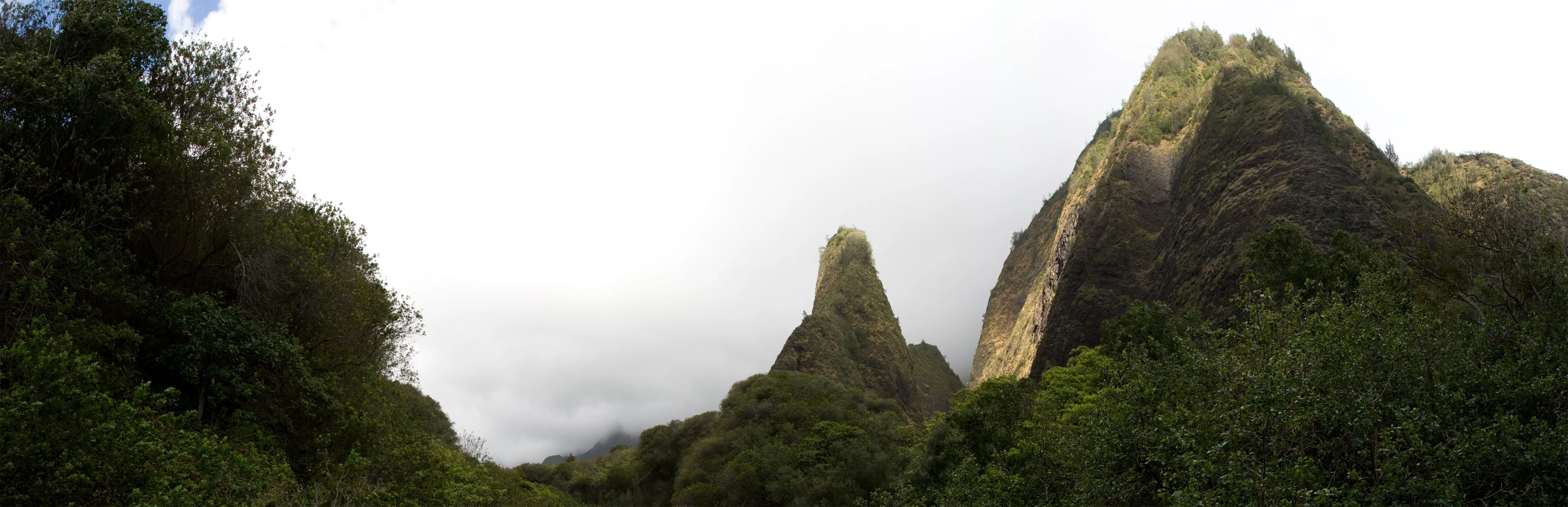
Beyond its natural beauty, the Iao Needle holds deep cultural and historical significance. The valley was once considered sacred, serving as a burial site for Maui’s chiefs, or ali‘i. Because of this, it is regarded as a place of reverence and respect. Visitors are encouraged to tread thoughtfully, keeping in mind the generations of Hawaiian heritage connected to the land.
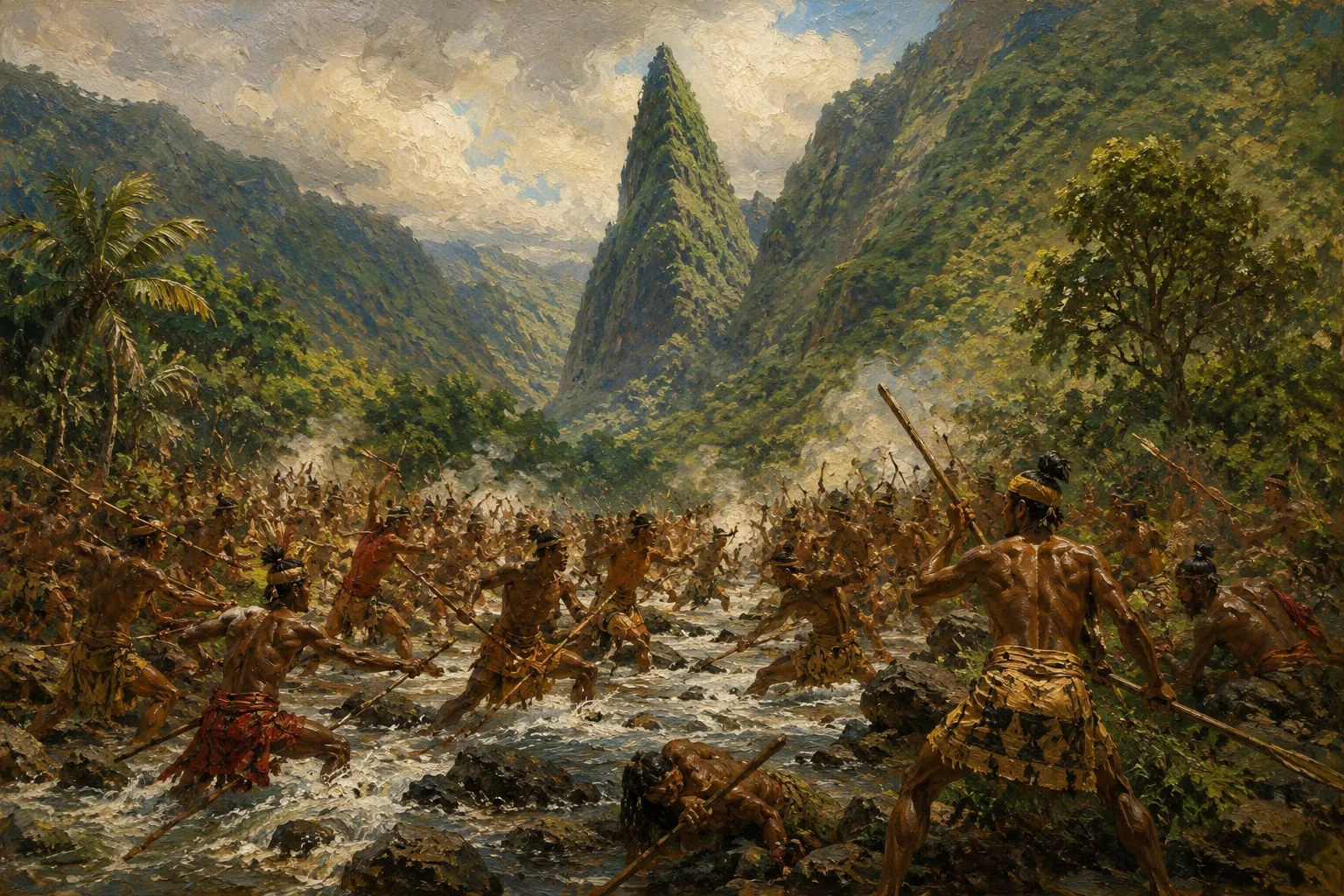
One of the most famous events tied to Iao Valley is the Battle of Kepaniwai in 1790. This fierce conflict took place during King Kamehameha I’s campaign to unify the Hawaiian Islands under his rule. The battle was fought between Kamehameha’s forces and Maui’s warriors, led by King Kalanikūpule. The fighting was intense and devastating—so much so that the battle’s name, Kepaniwai, means “the damming of the waters,” as the Iao Stream was said to have been clogged with the fallen.
Though the battle ended in a tragic loss for Maui, it marked a pivotal moment in Hawaiian history. The Iao Needle, rising high above the valley, is said to have served as a lookout point during the fighting. Today, the valley is a place of peace, but the echoes of its past remain a reminder of Hawaii’s struggles and resilience.
For travelers to Maui, the Iao Needle is one of the island’s most accessible and rewarding cultural landmarks. Located just a short drive from Wailuku, the Iao Valley State Monument offers visitors a chance to immerse themselves in nature and history in less than an hour’s journey from most resort areas.
The park features a paved, well-maintained trail that leads to a lookout point with sweeping views of the needle and valley. The walk is relatively easy, making it a family-friendly excursion suitable for visitors of all ages. Along the way, interpretive signs provide insight into the area’s cultural and natural history, enriching the experience.
In addition to the main lookout, the park offers pathways along the Iao Stream and through lush gardens showcasing native Hawaiian plants. The air is cool and fresh, often perfumed by tropical flowers, and the constant presence of mist and flowing water creates a tranquil atmosphere. For those who want to go beyond the state monument, nearby hiking trails in the West Maui Mountains offer more challenging adventures.
Like many treasured places in Hawaii, Iao Valley and the Iao Needle require care and respect from both residents and visitors. The site has undergone temporary closures in recent years to allow for restoration and to protect the land from erosion and overuse. Efforts by local organizations and the Hawai‘i State Parks system ensure that the valley remains a living classroom for cultural education and environmental stewardship.
Visitors are reminded to follow all posted guidelines, stay on designated trails, and avoid disturbing the natural and cultural resources. By treating the land with aloha and reverence, we help ensure that the Iao Needle continues to inspire future generations.
The allure of the Iao Needle lies not only in its dramatic appearance but also in the way it symbolizes the connection between Hawaii’s natural beauty and cultural heritage. It is a place where geology, ecology, history, and legend converge. Standing at the lookout, gazing at the spire rising from the valley floor, one cannot help but feel a sense of awe—a reminder of how the Hawaiian Islands were shaped not only by volcanic forces but also by the lives and struggles of the people who called them home.
For visitors to Maui, a journey to the Iao Needle is more than just a photo opportunity. It is an invitation to step into the heart of Hawaii, to listen to the whispers of history in the wind, and to experience a place that has stood as a silent witness to centuries of change.
Hawai‘i State Parks – Iao Valley State Monument
Battle of Kepaniwai Historical Overview
Native Hawaiian Plant Restoration Efforts
The Iao Needle is a 1,200-foot tall basalt pinnacle rising out of the lush Iao Valley on Maui. Covered in dense tropical vegetation and surrounded by misty mountains, it’s one of Hawaii’s most famous natural landmarks. Its unique, narrow shape was formed through thousands of years of erosion, making it unlike any other geological feature on the islands.
The Iao Needle stands out because of its dramatic appearance and lush green setting. While much of Hawaii is known for volcanoes and cliffs, the needle’s steep, narrow spire is visually striking and instantly recognizable. The surrounding Iao Valley is one of the greenest locations on Maui, fed by constant rainfall, waterfalls, and the flowing Iao Stream. Its untouched beauty makes it a must-see stop for nature lovers.
Iao Valley is deeply sacred in Hawaiian culture. For centuries, it served as a burial ground for Maui’s chiefs (ali‘i), making it a site of reverence. The valley was also the location of the historic 1790 Battle of Kepaniwai, where King Kamehameha I fought to unify the Hawaiian Islands. The Iao Needle is believed to have served as a lookout during the battle. Today, it remains a place where visitors are encouraged to walk with respect and aloha.
The Battle of Kepaniwai was a pivotal conflict in Hawaiian history. King Kamehameha I brought his forces to Maui in 1790, clashing with Maui’s warriors led by King Kalanikūpule. The battle was intense—its name, “Kepaniwai,” means “the damming of the waters,” referencing how the Iao Stream was reportedly blocked by the fallen. The Iao Needle, towering above the battlefield, is said to have served as a strategic vantage point during the fighting.
Visiting the Iao Needle is simple and convenient. Located just minutes from Wailuku and less than an hour from most resort towns, the Iao Valley State Monument features paved walkways, interpretive signs, and a main lookout offering incredible views of the valley and its iconic spire. The walk is easy and family-friendly, making it suitable for all ages and fitness levels.
Yes—while the main lookout trail is paved and easy, the area offers several paths and walkways that explore the gardens and Iao Stream. The state monument itself is gentle and accessible, while additional trails in the nearby West Maui Mountains offer more challenging adventures for experienced hikers. Expect lush greenery, cool breezes, and the calming sound of flowing water.
Iao Valley is a sacred and environmentally sensitive site. In recent years, it has experienced temporary closures for restoration, erosion control, and cultural preservation. Visitors should stay on marked trails, follow posted guidelines, avoid disturbing wildlife and plants, and treat the area with aloha. Respecting the valley ensures it remains pristine for future generations.
The Iao Needle inspires awe because it represents the perfect blend of Hawaii’s natural beauty and cultural depth. Standing before it, visitors see not just a towering green peak—but a symbol of Hawaii’s geological story, ecological wonder, and rich historical past. Its quiet presence in the valley invites reflection, making it far more than a simple sightseeing stop.
Absolutely. The Iao Needle is one of Maui’s most iconic and accessible cultural landmarks. Whether you’re interested in Hawaii’s history, love stunning landscapes, or want a peaceful outdoor escape, the valley offers a meaningful experience for all types of travelers. It’s a quick visit with a big payoff—and ideal for families, photographers, and anyone seeking a deeper connection to Maui’s heritage.
If you would like to read and learn more about interesting things in Hawaii! Check out our blog page here on our website!
or
Image Credits:
Hero:
Mark Fickett, via Wikimedia Commons. Licensed under Creative Commons Attribution 3.0 Unported (CC BY 3.0).
drazz, via Wikimedia Commons. Licensed under Creative Commons Attribution-ShareAlike 2.0 Generic (CC BY-SA 2.0).
Maui, known as the Valley Isle, is famous for its lush rainforests, volcanic landscapes, waterfalls, and sweeping coastal views. While the island is often celebrated for its pristine beaches, Maui’s hiking trails offer an entirely different perspective—one that connects visitors with its diverse ecosystems, cultural sites, and natural wonders. Whether you’re seeking a gentle stroll through bamboo forests or a challenging trek along volcanic craters, Maui has a trail for every adventurer.
Hiking on Maui allows you to experience the island beyond the well-traveled resorts and beaches. From tropical rainforests on the windward side to the dramatic volcanic summit of Haleakalā, the island offers a variety of environments in a relatively small area. Many of these hikes also have deep cultural significance, leading you to heiau (ancient temples), battlefields, or traditional gathering sites. For nature lovers, Maui is also home to unique native plants and birds that can only be seen in Hawaiʻi.
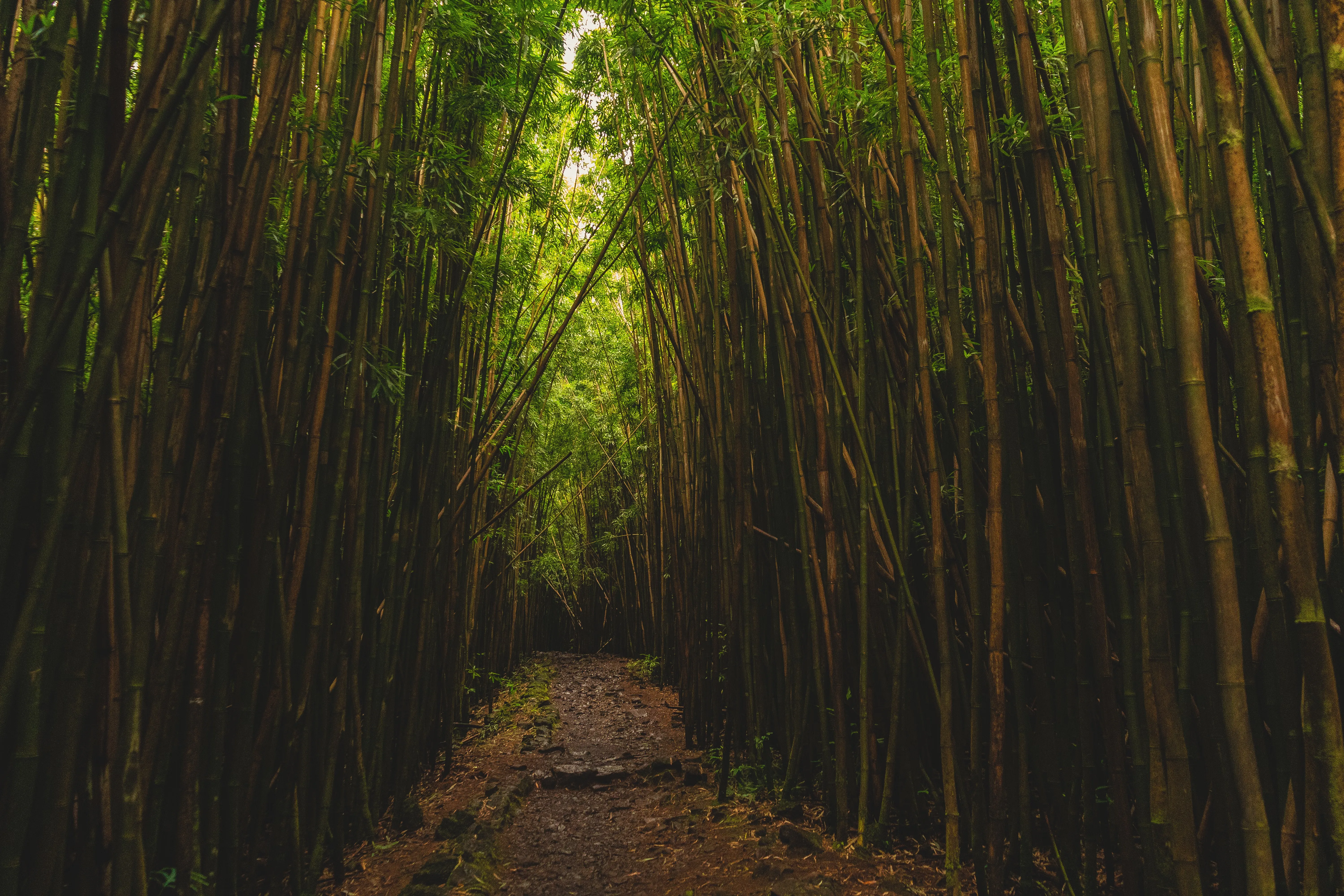
Located in Haleakalā National Park’s Kīpahulu District near Hāna, the Pipiwai Trail is one of Maui’s most iconic hikes. This 4-mile round trip trail takes you through lush rainforest, towering banyan trees, and an enchanting bamboo forest that feels otherworldly. The trail culminates at Waimoku Falls, a 400-foot waterfall cascading down a sheer lava rock wall. Along the way, hikers encounter small streams, native plants, and birds. It’s a moderately challenging hike, but the rewards are some of the most breathtaking sights on the island.
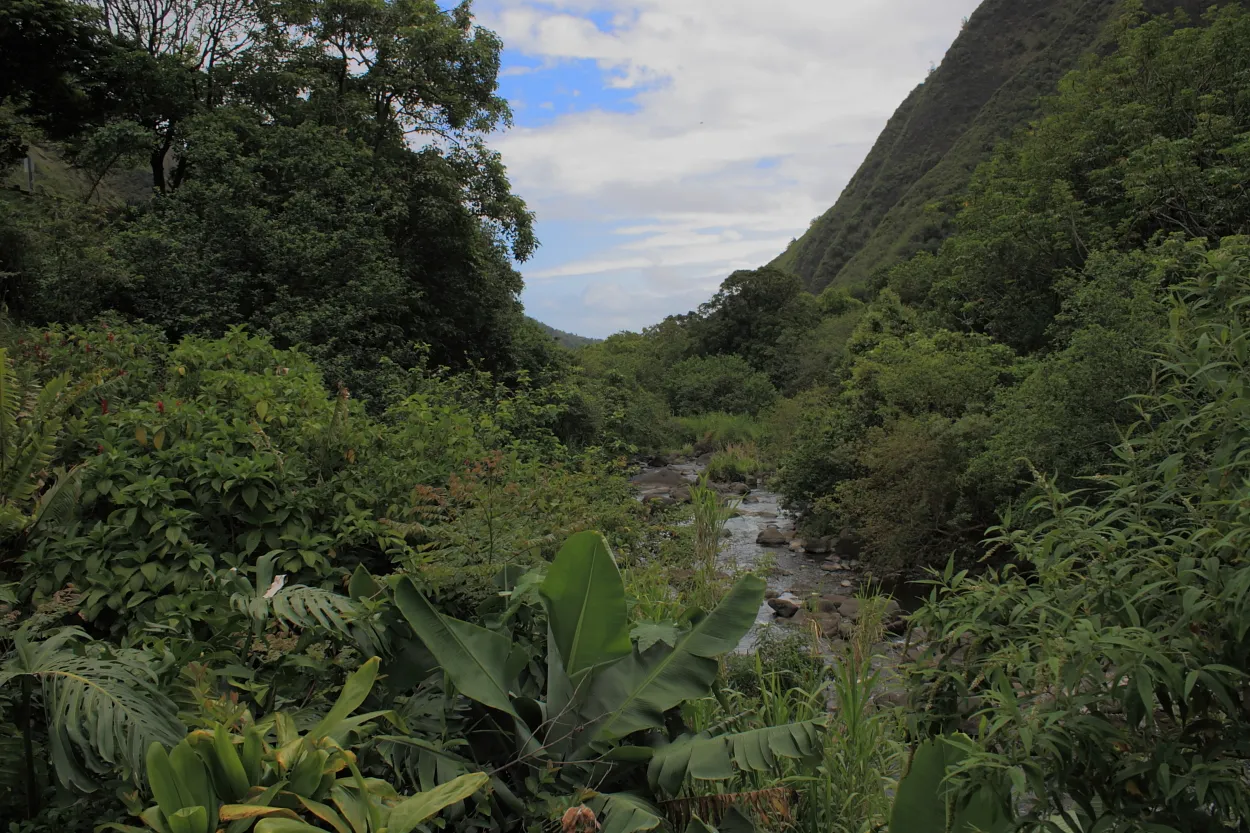
Nestled in Central Maui, ʻĪao Valley is both a natural wonder and a cultural treasure. The short hike here—just under a mile round trip—takes you to a viewpoint of the ʻĪao Needle, a 1,200-foot green-clad rock pinnacle. This valley was the site of the Battle of Kepaniwai in 1790, a pivotal moment in Hawaiian history. The trails are easy and suitable for families, offering scenic rainforest paths, streams, and cultural interpretation signs.
For a more strenuous adventure, the Sliding Sands Trail (Keoneheʻeheʻe Trail) is a must. Beginning at over 10,000 feet at the Haleakalā Visitor Center, the trail descends into the crater, offering views of cinder cones, volcanic rock formations, and a landscape that feels like walking on another planet (Pele's Paintbox). While the full trail is over 11 miles one-way, many visitors choose to hike just a portion for the experience. Due to the elevation, hikers should be prepared for cooler temperatures and thinner air.
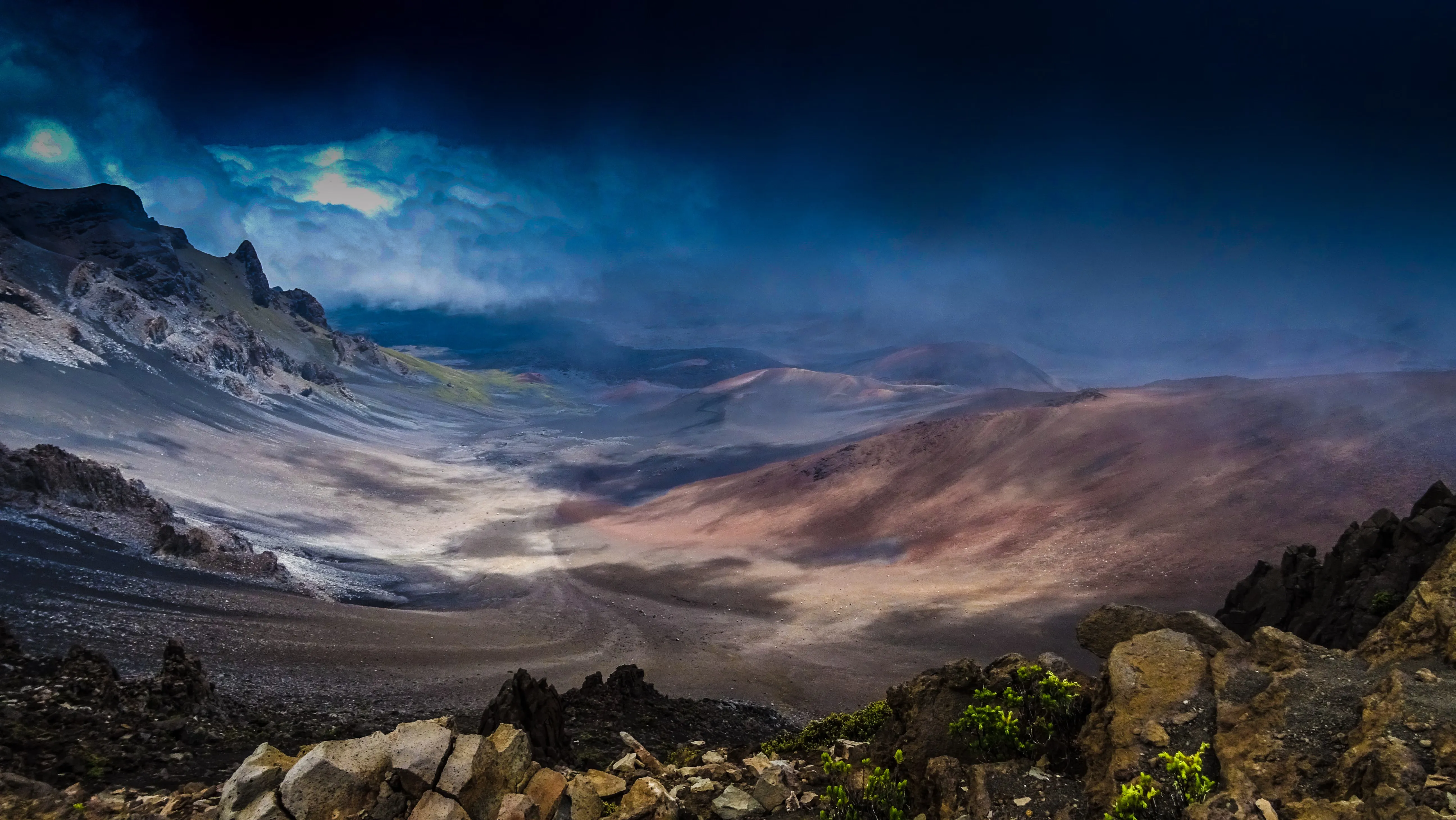
On Maui’s northwest side, the Waiheʻe Ridge Trail offers some of the most dramatic ridge hiking on the island. This 4-mile round trip hike climbs steadily through guava and eucalyptus forests before opening up to panoramic views of the valley, coastline, and West Maui Mountains. On clear days, hikers can see all the way to Molokaʻi. The trail can be muddy, but the views are well worth the effort.
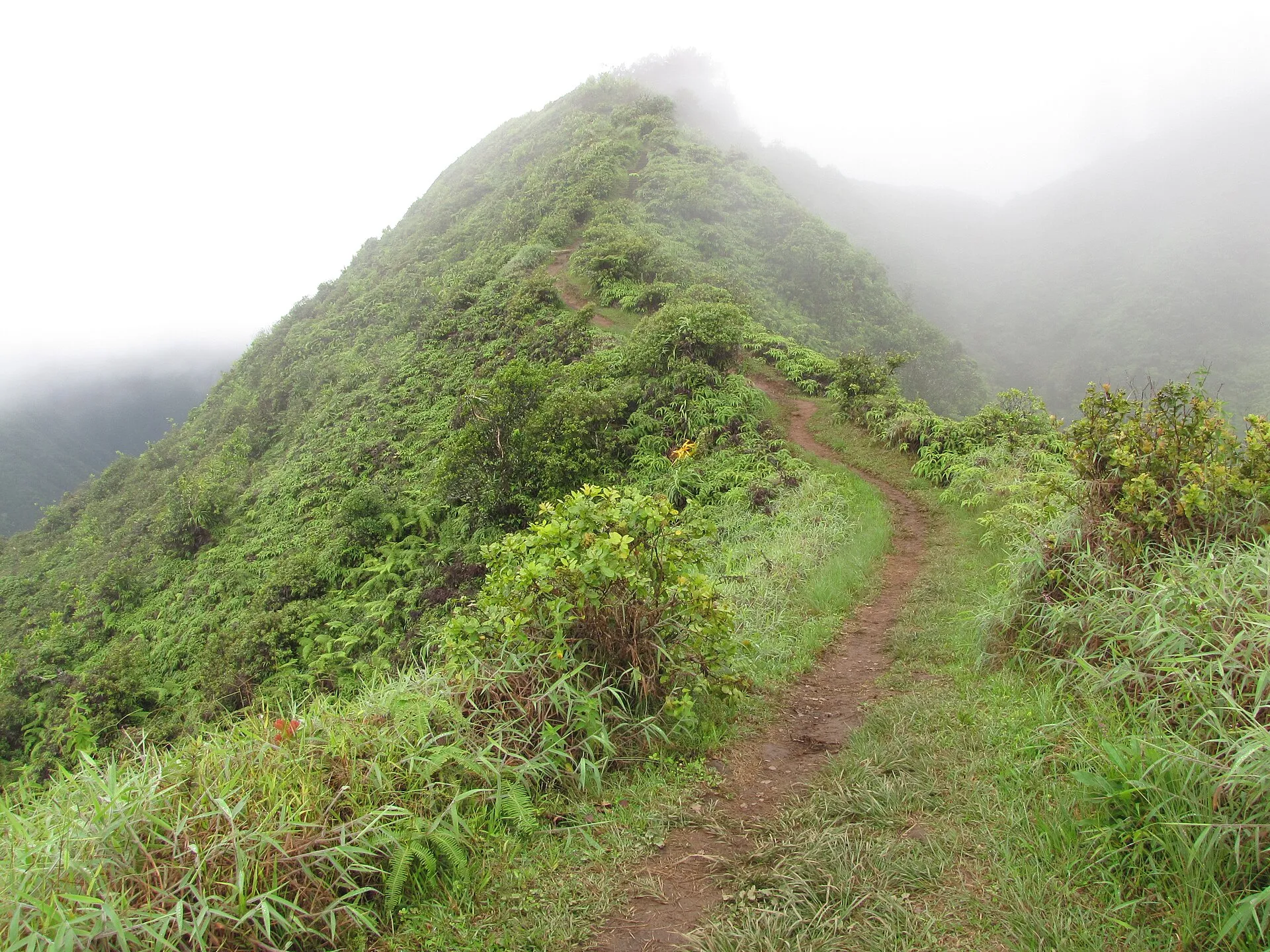
Perfect for beginners or families, the Twin Falls hike is a relatively short and easy trek on Maui’s famous Road to Hāna. The trail takes you through lush rainforest to a series of waterfalls and pools where you can cool off with a swim. The land is privately owned but open to the public, and local vendors often sell fresh fruit and smoothies at the trailhead. It’s a gentle introduction to Maui’s rainforest beauty.
Also part of the Kīpahulu District, this short hike branches from the Pipiwai Trail and offers a stunning view of Makahiku Falls. At just half a mile, it’s accessible for most visitors and is a great option if you don’t have time for the full Pipiwai hike.
Hiking on Maui isn’t just about exercise or sightseeing—it’s about connecting with the land and understanding its stories. Every trail has layers of meaning, from geological wonders shaped by lava to valleys where Hawaiian chiefs once ruled. By hiking with respect, you can experience Maui in a way that honors both its natural beauty and cultural heritage.
Maui’s trails offer something for everyone, from casual walkers to seasoned adventurers. Whether you want to wander through bamboo forests, gaze into volcanic craters, or stand at the foot of a towering waterfall, Maui delivers unforgettable hiking experiences. Beyond the views and the photos, hiking here is about forging a deeper connection with the island’s living landscape. So lace up your boots, carry aloha in your heart, and set out to explore the trails of Maui—the Valley Isle.
Maui is one of the best Hawaiian Islands for hiking because of its incredible ecological variety. In just a short drive, you can go from lush rainforests to volcanic craters, towering waterfalls, bamboo forests, and sweeping coastal ridges. These Maui hiking trails offer far more than beaches—they connect you with cultural sites, ancient Hawaiian history, and landscapes filled with native plants and birds. Whether you’re looking for easy walks or full-day treks, Maui has hikes for every skill level.
Hiking on Maui lets you explore parts of the island that many visitors never see. Instead of staying near resort areas, Maui’s trails take you deep into rainforests, up volcanic slopes, through historic valleys, and into places with cultural significance such as heiau (temples) and ancient gathering sites. This gives you a more authentic, nature-driven experience of the Valley Isle.
Maui’s top hikes include iconic trails like Pipiwai Trail in Hāna, the ʻĪao Valley State Monument hike, the Sliding Sands Trail in Haleakalā Crater, Waiheʻe Ridge Trail on the northwest side, the beginner-friendly Twin Falls trail, and the short Makahiku Falls Overlook hike. These trails offer everything from rainforest scenery to volcanic landscapes and breathtaking waterfall views.
The Pipiwai Trail is famous because it packs multiple world-class sights into one moderately challenging hike. Along the 4-mile round-trip trail, hikers pass banyan trees, cross streams, walk through a magical bamboo forest, and end at the towering 400-foot Waimoku Falls. Located in the Kīpahulu District of Haleakalā National Park, this trail showcases some of the best rainforest scenery on Maui.
Yes—ʻĪao Valley State Monument is one of the most accessible hikes on Maui. The short, paved trail is under a mile round-trip and leads to a viewpoint of the iconic ʻĪao Needle. The area is rich with Hawaiian history, including the site of the 1790 Battle of Kepaniwai. Families love it for the easy trails, rainforest views, and interpretive cultural signs.
The Sliding Sands Trail (Keoneheʻehe‘e Trail) is one of the most dramatic hikes in Hawaii. Starting at over 10,000 feet, the trail descends into Haleakalā Crater, revealing volcanic cinder cones, colorful ash fields, and a landscape often called “Pele’s Paintbox.” The full hike is long—over 11 miles one way—but many visitors hike just a portion. Expect high elevation, cooler temperatures, and a Mars-like environment.
Absolutely. Waiheʻe Ridge Trail offers some of the most stunning panoramic views on Maui, including sweeping vistas of the West Maui Mountains, deep valleys, and the northern coastline. The trail is about 4 miles round-trip and can be steep or muddy in places, but the rewarding views make it one of the island’s most beloved ridge hikes.
Yes—Twin Falls in Haʻikū is ideal for beginners, families, and anyone driving the famous Road to Hāna. The walk is short, mostly flat, and leads to waterfalls and freshwater pools perfect for cooling off. The trail sits on private land but is open to the public, and local vendors often sell fresh fruit and smoothies at the entrance.
The Makahiku Falls Overlook is an easy half-mile trail located near the start of the Pipiwai Trail. It offers a beautiful viewpoint overlooking a tall, thin waterfall flowing through the lush Kīpahulu District. It’s perfect for hikers who want a scenic, short walk without committing to the full Pipiwai hike.
For a safe and enjoyable hiking experience on Maui:
Maui’s trails often pass through sacred Hawaiian sites, fragile ecosystems, and areas filled with native plants and wildlife. Staying on marked trails, packing out trash, and following posted guidelines help protect these landscapes from erosion, overuse, and cultural disturbance. Hiking with aloha ensures Maui stays beautiful for future visitors and residents.
Hiking on Maui is more than just sightseeing—it’s a chance to understand the island’s deeper stories. Many trails pass through ancient cultural sites, battlefields, or valleys connected to Hawaiian legends. Whether you’re walking through a bamboo forest, exploring a volcanic crater, or standing at the base of a waterfall, you’re experiencing the living landscape of Maui in a meaningful, respectful way.
Yes! Maui offers hikes for every type of traveler:
No matter your experience, there’s a Maui trail that matches your pace and interests.
If you would like to read and learn more about interesting things in Hawaii! Check out our blog page here on our website!
or
Image Credits:
Hero:
"Woman hiking in Haleakalā National Park, enjoying scenic volcanic landscape in Maui, Hawaii." by James Wheeler, via Pexels
"Lush bamboo forest on the Pipiwai Trail, featuring a serene wooden boardwalk in Hana, Hawaii" by Satty Singh, via Pexels
Viriditas, via Wikimedia Commons. Licensed under Creative Commons Attribution-ShareAlike 3.0 Unported (CC BY-SA 3.0).
"A breathtaking view of Haleakalā Crater in Maui, Hawaii, taken at dusk with dramatic clouds and rocky terrain." by Edoardo Colombo, via Pexels
Forest & Kim Starr, via Wikimedia Commons. Licensed under Creative Commons Attribution 3.0 United States (CC BY 3.0 US). optimized
Maui, often called “The Valley Isle,” is a breathtaking Hawaiian island known for its diverse landscapes—from volcanic craters to lush rainforests and golden beaches. One of the most magical experiences in Maui is witnessing the sunrise and sunset. Whether you’re an early riser ready to climb a volcano in the dark or a beach lover catching the last rays of the day, timing your visit to align with these golden hours can make your trip truly unforgettable.
Here’s your guide to the best times for sunrise and sunset in Maui, and what to do before, during, and after these moments of island beauty.
Sunrise times in Maui vary slightly throughout the year, generally falling between 5:45 AM and 7:00 AM. The earliest sunrises happen around June, while the latest occur in December and January.
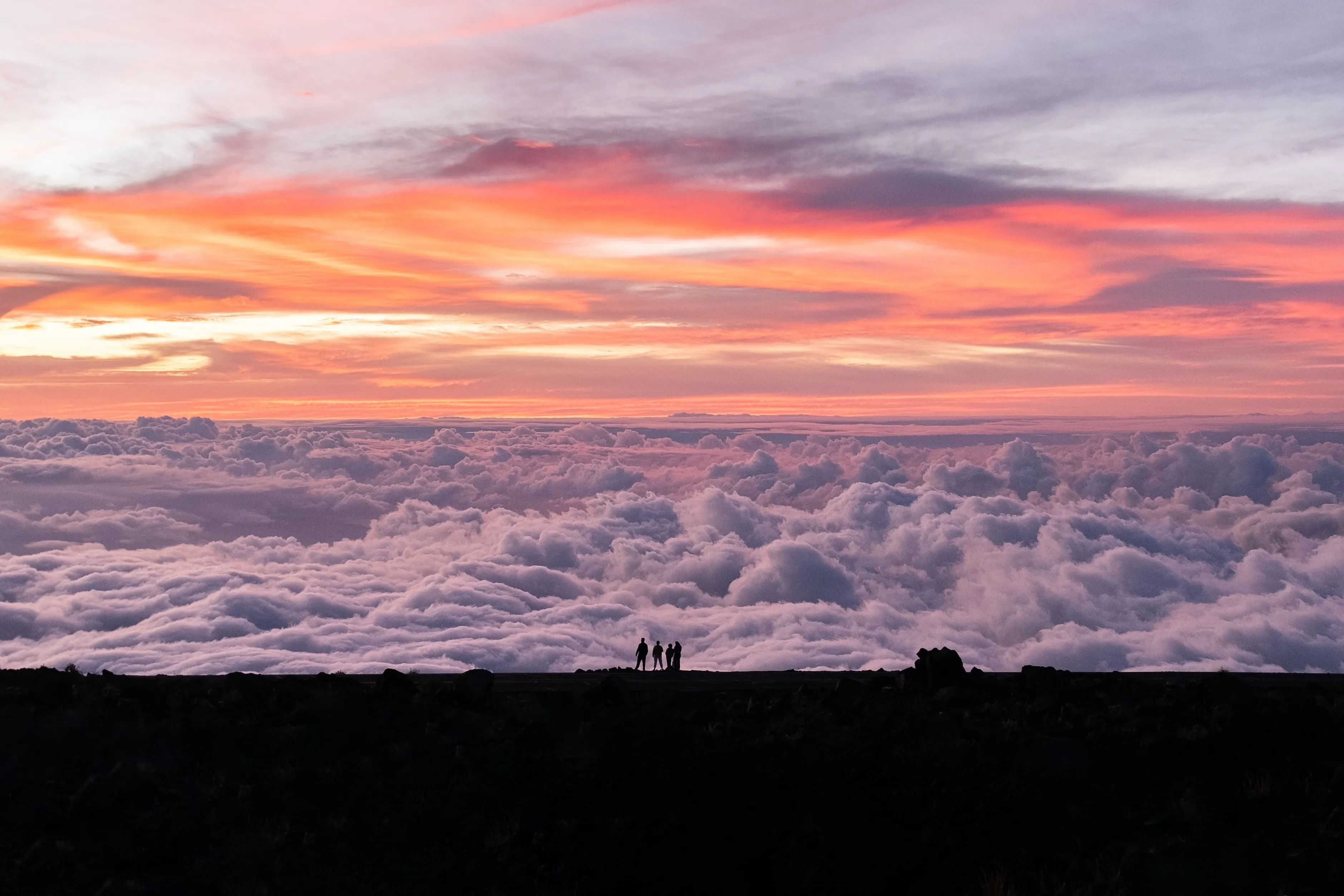
By far the most iconic place to experience sunrise in Maui is Haleakalā Crater, located at over 10,000 feet above sea level. Watching the first light spill across the volcanic summit is a spiritual experience for many. The crater can be extremely cold before dawn, so dress warmly.
Here is an informational blog post on Haleakalā Crater we did:
https://nszipline.com/blog/haleakala-national-park/
Reservations Required: You must make a sunrise reservation through the National Park Service in advance due to high demand.
What to Do After:
Sunsets in Maui occur between 5:45 PM and 7:10 PM, depending on the season. Like sunrise, the timing shifts with the seasons—earlier in winter, later in summer.
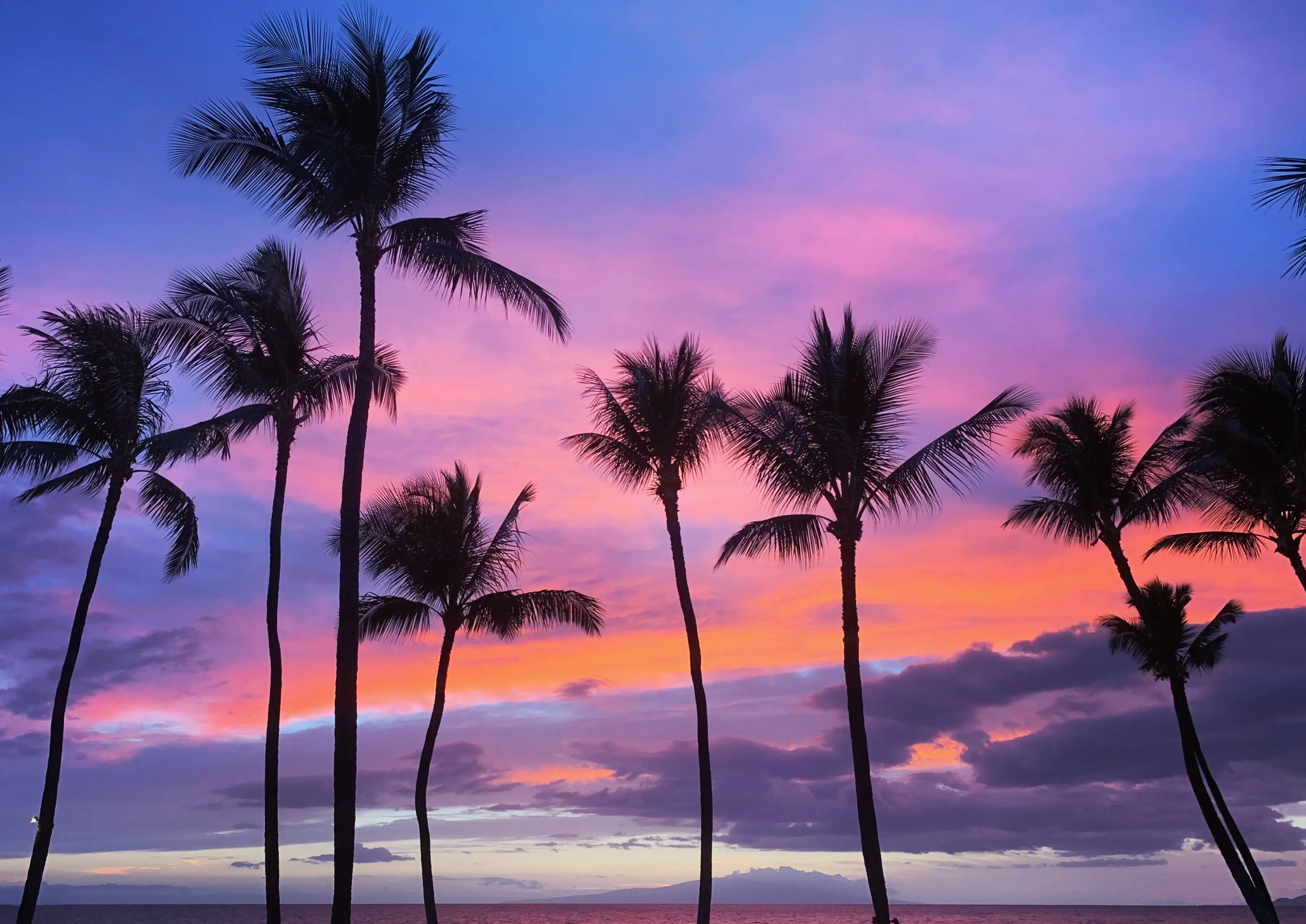
Sunrise is best for:
Sunset is ideal for:
| Month | Sunrise | Sunset |
| January | 7:00 AM | 6:00 PM |
| April | 6:20 AM | 6:40 PM |
| July | 5:50 AM | 7:10 PM |
| October | 6:15 AM | 6:00 PM |
| December | 6:50 AM | 5:50 PM |
From mountaintop marvels to beachside beauty, Maui’s sunrises and sunsets are a must-see for any traveler. Planning your trip around these golden hours unlocks some of the most awe-inspiring sights and serene moments the island has to offer. Whether you're sipping coffee on a crater or clinking glasses by the sea, you’ll be soaking in the aloha spirit, one ray of light at a time.
Yes—sunrise times in Maui shift slightly with the seasons, generally falling between 5:45 AM and 7:00 AM. The earliest sunrises occur around June, while the latest appear in December and January. Planning around these seasonal changes can help you catch the perfect golden-hour moment.
The most iconic sunrise spot on Maui is Haleakalā National Park, perched more than 10,000 feet above sea level. Watching the sun rise above the volcanic summit is a once-in-a-lifetime experience—many describe it as spiritual. Be sure to dress warmly; temperatures can be near freezing before dawn.
Yes! Due to high visitor demand, the National Park Service requires sunrise reservations for Haleakalā. You must book your spot in advance on the NPS website. Without a reservation, you will not be allowed to enter the summit area during sunrise hours.
After sunrise, popular choices include:
These Upcountry spots offer warmer temperatures and beautiful views to complete your morning adventure.
Sunset in Maui typically occurs between 5:45 PM and 7:10 PM, depending on the season. Winter sunsets happen earlier, while summer sunsets occur closer to 7 PM. No matter the month, Maui’s west- and south-facing coastlines offer gorgeous evening views.
Top sunset locations include:
Each area offers something unique for couples, families, photographers, and explorers.
Great sunset activities include:
Sunset is the perfect time for relaxation, dining, and scenic strolls.
Both are amazing—but it depends on your style:
Choose sunrise if:
Choose sunset if:
Many travelers plan to experience both during their Maui stay.
To capture Maui’s golden hours beautifully:
Lighting changes quickly, so keep your camera ready!
Important tips include:
With thoughtful preparation, your sunrise or sunset experience will be smooth, safe, and unforgettable.
If you would like to read and learn more about interesting things in Hawaii! Check out our blog page here on our website!
or
Image Credits:
Hero:
"Vibrant sunset behind palm trees on a tropical beach in Kihei, Hawaii. Perfect for travel and nature visuals." by Shaylon Elmore, via Pexels
"Captivating sunset scene with hikers silhouetted against clouds in Haiku-Pauwela, Hawaii." by Math, via Pexels
In the misty uplands of Waimea, through the rolling pastures of Molokaʻi, and across the sprawling ranches of upcountry Maui, a powerful legacy lives on—that of the paniolo, Hawaii’s cowboys. While many recognize them for their rugged horsemanship and contributions to island ranching, few understand the depth of their impact on Hawaiian identity. Beyond wrangling cattle and riding horseback, the paniolo were instrumental in preserving Hawaiian language and culture during one of the most turbulent eras in the islands' history.
The story begins in the early 19th century. After British explorer George Vancouver gifted cattle to King Kamehameha I in the 1790s, those animals multiplied unchecked, becoming a growing threat to farmland and forests. To manage the explosive cattle population, Kamehameha III (Kauikeaouli) invited experienced Mexican vaqueros—Spanish-speaking cowboys from California—to the Hawaiian Islands in the 1830s.
These vaqueros brought with them expertise in ranching, roping, saddle-making, and horsemanship. Hawaiian men were quick learners, absorbing these new skills and adapting them to their own environment. Over time, the Hawaiian term paniolo, believed to derive from “Español,” came to represent this new breed of cowboy—one who blended Hawaiian tradition with Mexican technique.
But the influence of these vaqueros ran deeper than the physical skills they taught. They shared a way of life grounded in respect for the land, strong family ties, music, and storytelling—values that mirrored those in traditional Hawaiian society. The result was not just a new profession, but a new cultural identity: the paniolo, proud stewards of the land (kuleana) and protectors of Hawaiian spirit.
While the paniolo helped birth a thriving ranching economy, their most profound contribution may have come decades later, when Hawaiian identity faced near erasure.
Following the illegal overthrow of the Hawaiian Kingdom in 1893 and the subsequent annexation by the United States in 1898, sweeping changes were forced upon the islands. In 1896, Hawaiian was banned as a language of instruction in schools. Speaking the language in public was discouraged or outright punished sometimes, punishable by death. English-only policies became a tool of cultural suppression, designed to assimilate Native Hawaiians into Western norms.
In cities and towns, this pressure took its toll. Hawaiian children were discouraged from speaking their mother tongue, and generations began to grow up without fluency in their native language. But in the countryside—on the remote ranches of Hawaiʻi Island, Molokaʻi, and Maui—the story was different.
The paniolo lived far from government centers and urban control. On the ranches, Hawaiian remained the language of daily life. Cowboys spoke Hawaiian in the fields, at home, in song, and in prayer. Oral traditions, chants (oli), and ancestral knowledge were passed from parent to child without interruption. These ranchlands became cultural sanctuaries, where Hawaiian identity endured in spite of official efforts to silence it.
The paniolo didn’t set out to be activists or revolutionaries—they simply lived according to the values of their ancestors. In doing so, they kept the language alive when it was outlawed. They kept aloha ʻāina—love of the land—at the core of their daily lives. They upheld ʻohana—family—and the importance of story and song. And perhaps most powerfully, they maintained a sense of pride in being Hawaiian, even when the dominant culture tried to erase it.
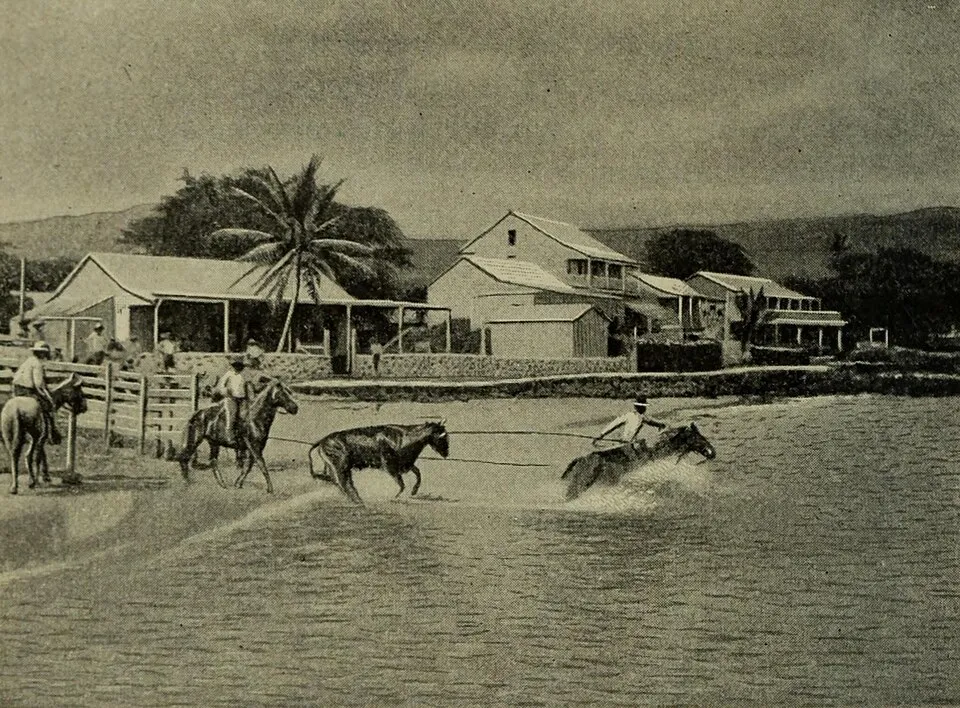
The legacy of the paniolo endures today not just through ranching, but through rodeo culture, which remains vibrant in rural Hawaiʻi. These events—held annually in towns like Makawao, Waimea, and Kaunakakai—are more than just competitions. They are celebrations of identity, where Hawaiian language is spoken freely, and traditions are proudly displayed.
Slack-key guitar and mele paniolo (cowboy songs) echo through the air, telling stories of hardship, humor, and heritage. Rodeos serve as modern spaces where Hawaiian values and community thrive—further testament to the paniolo’s role in cultural preservation.
If you are interested in booking tickets or more information on the Makawao Rodeo here are links to booking, etc.
Bookings: oskiericeeeventcenter.com
Information: https://bossfrog.com/makawao-rodeo/general/
When the Hawaiian Renaissance began in the 1970s—a movement aimed at restoring language, culture, and sovereignty—it found that the roots had never been fully lost. In part, that was thanks to the paniolo. The oral language, still spoken fluently by many elder cowboys, became a lifeline for linguists and educators rebuilding curriculum for Hawaiian language immersion schools. The values embedded in paniolo life—self-reliance, stewardship, and storytelling—matched perfectly with the goals of the movement.
Today, many Hawaiian immersion programs and cultural centers recognize the contribution of paniolo families in preserving the language. Elders who once roped cattle are now seen as cultural heroes—unintentional but vital defenders of Hawaiian heritage during a time of crisis.
The story of the paniolo is not just about cattle or cowboy hats. It’s about resilience. It’s about a group of people who, through quiet strength and cultural pride, preserved a language and identity that others tried to erase. The legacy of the Mexican vaqueros lives on through them, but the spirit of the paniolo is deeply, undeniably Hawaiian.
So next time you hear a cowboy song in Hawaiian, see a young rider at a rodeo, or visit the open pastures of upcountry Maui, remember: you're witnessing the continuation of a legacy that refused to be silenced.
The paniolo are Hawaiian cowboys whose legacy dates back to the early 19th century. Beyond managing cattle and ranchlands, they played a major role in preserving Hawaiian language and culture during times of political upheaval. Their traditions, values, and everyday use of Hawaiian kept the language alive when it was suppressed in schools and public spaces.
The paniolo story began when Mexican vaqueros were brought to Hawaiʻi in the 1830s to help control the growing cattle population gifted to King Kamehameha I. These vaqueros taught Hawaiians horsemanship, roping, ranching, and saddle-making. Hawaiians mastered these skills quickly and adapted them to local environments, creating a unique cowboy culture now known as the paniolo tradition.
Many historians believe the word paniolo comes from the Hawaiian pronunciation of “Español,” reflecting the Mexican and Spanish-speaking origins of the first vaqueros who trained Hawaiian cowboys. Over time, paniolo became a proud Hawaiian term representing a cowboy lifestyle grounded in both Mexican technique and Hawaiian values.
During the late 1800s and early 1900s, after the illegal overthrow of the Hawaiian Kingdom, laws and public pressure suppressed the Hawaiian language—especially in cities and schools. But on remote ranches across Maui, Molokaʻi, and the Big Island, the paniolo continued speaking Hawaiian daily, passing it down through families. Ranchlands became safe havens where the language—and cultural practices—survived despite official bans.
Rodeos in places like Makawao, Waimea, and Kaunakakai became community hubs where paniolo showcased their roping skills, horsemanship, and cultural pride. Rodeo grounds remain spaces where Hawaiian language, slack-key guitar, cowboy songs (mele paniolo), and local traditions thrive. These events help keep the paniolo spirit alive and visible today.
A popular event is the Makawao Rodeo:
Bookings – https://oskiericeeeventcenter.com
Info – https://bossfrog.com/makawao-rodeo/general/
The paniolo blended Mexican musical traditions with Hawaiian rhythms, creating mele paniolo, or cowboy songs—an important part of Hawaiian music history. These songs share stories of ranch life, love, hardship, and humor. Paniolo families also passed down oral traditions, chants (oli), and prayers that became cultural lifelines during the Hawaiian Renaissance and modern language revival.
The Mexican vaqueros brought more than ranching skills—they introduced:
These values aligned with Hawaiian principles like aloha ʻāina (love of the land) and kuleana (responsibility), helping blend both cultures into the paniolo identity.
You can experience true paniolo heritage at:
These places offer rodeos, museums, horseback riding, historical tours, and authentic cultural experiences.
When the Hawaiian Renaissance sought to revive Hawaiian language and culture, the paniolo became crucial knowledge keepers. Elder cowboys—many of whom still spoke fluent Hawaiian—helped linguists, educators, and immersion schools rebuild the language that had been nearly lost. Their stories, chants, and values influenced Hawaiian cultural restoration.
Paniolo culture has its own distinct identity shaped by:
The paniolo are not just cowboys—they are cultural stewards who combine ranching with deep Hawaiian values and history.
The paniolo symbolize resilience, cultural pride, and survival. They kept Hawaiian identity alive during a time of suppression, helped preserve the language, and contributed to today’s cultural revival. Their legacy continues through rodeos, ranching families, schools, and Hawaiian storytelling traditions. They remain an essential—and beloved—part of Hawaii’s history.
If you would like to read and learn more about interesting things in Hawaii! Check out our blog page here on our website!
or
Image Credits:
Blog Photos:
Paniolo in Water, Hawaiʻi — Image courtesy of the Paniolo Preservation Society via Hawaiʻi Volcanoes National Park. Public domain. Source: Wikimedia Commons.
Loading Cattle at Kailua, Hawaiʻi — Photographer unknown, before 1908. Public domain. Source: Wikimedia Commons.
.jpg)