

WE HAVE REOPENED! Our team has worked hard to repair, inspect, and prepare our course following Hurricane Lala.
We're ready to safely welcome you back !
BOOKINGS ARE OPEN!
Mahalo for your patience and support! 💛
Haleakalā National Park, located on the island of Maui in Hawai‘i, is a destination of unparalleled beauty and ecological significance. With its dramatic landscapes, vibrant ecosystems, and cultural importance, the park offers an unforgettable experience for visitors. Whether you are an adventurer seeking thrilling hikes, a nature enthusiast captivated by diverse wildlife, or a curious traveler intrigued by local history, Haleakalā National Park has something for everyone.
At the heart of the park lies the massive Haleakalā Crater, a volcanic basin spanning over seven miles in width and descending nearly 2,600 feet. The crater’s otherworldly terrain, featuring cinder cones and lava flows, feels like stepping onto another planet. This stark yet stunning landscape is complemented by the lush Kipahulu District, located on the park’s eastern side, where cascading waterfalls, bamboo forests, and tropical vegetation thrive.
One of the park’s most renowned experiences is witnessing sunrise or sunset from the summit of Haleakalā. At an elevation of 10,023 feet, the summit provides a breathtaking vantage point above the clouds, where hues of gold, orange, and pink paint the sky. It’s no wonder this spot is considered sacred by Native Hawaiians, who view Haleakalā as the “house of the sun.”
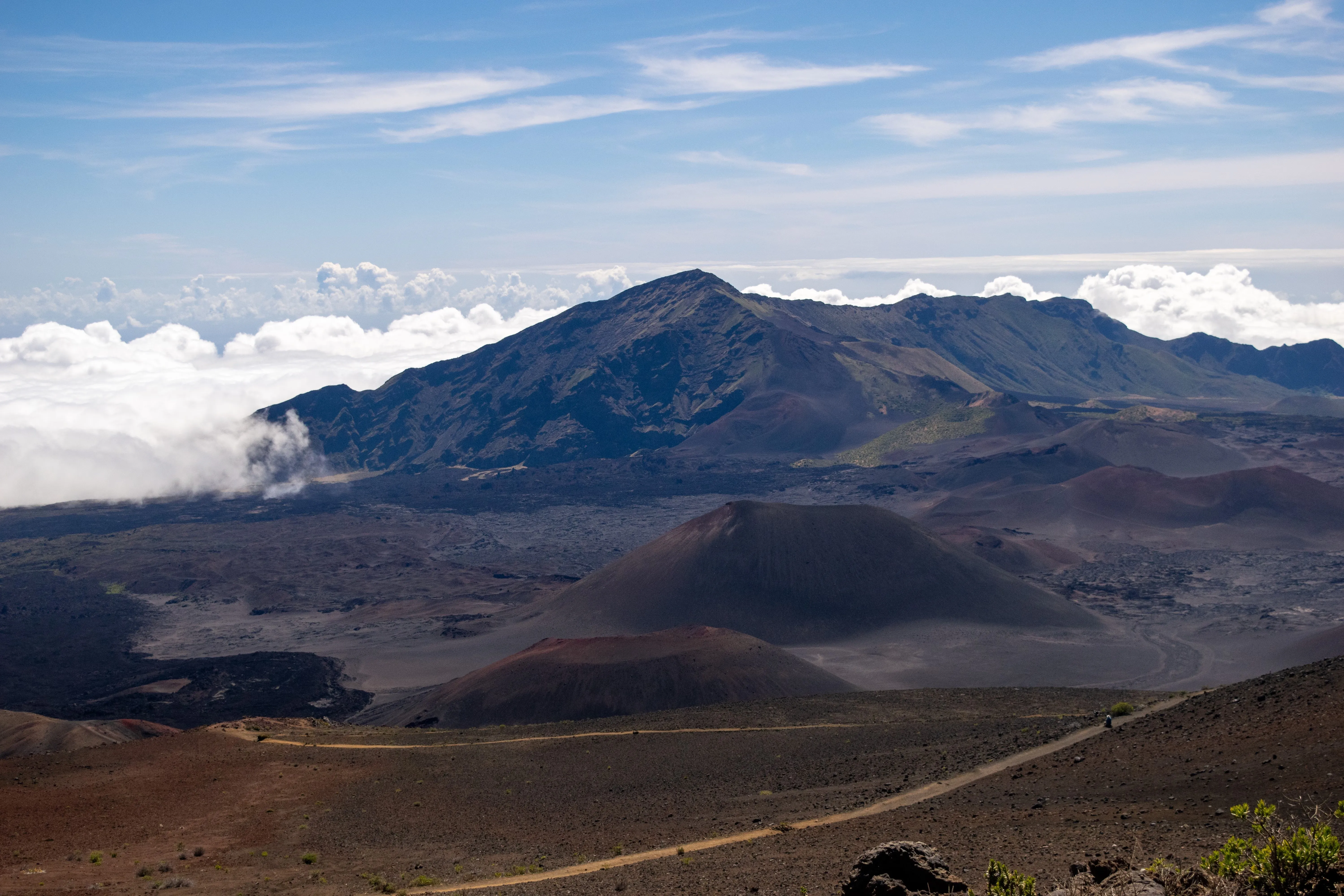
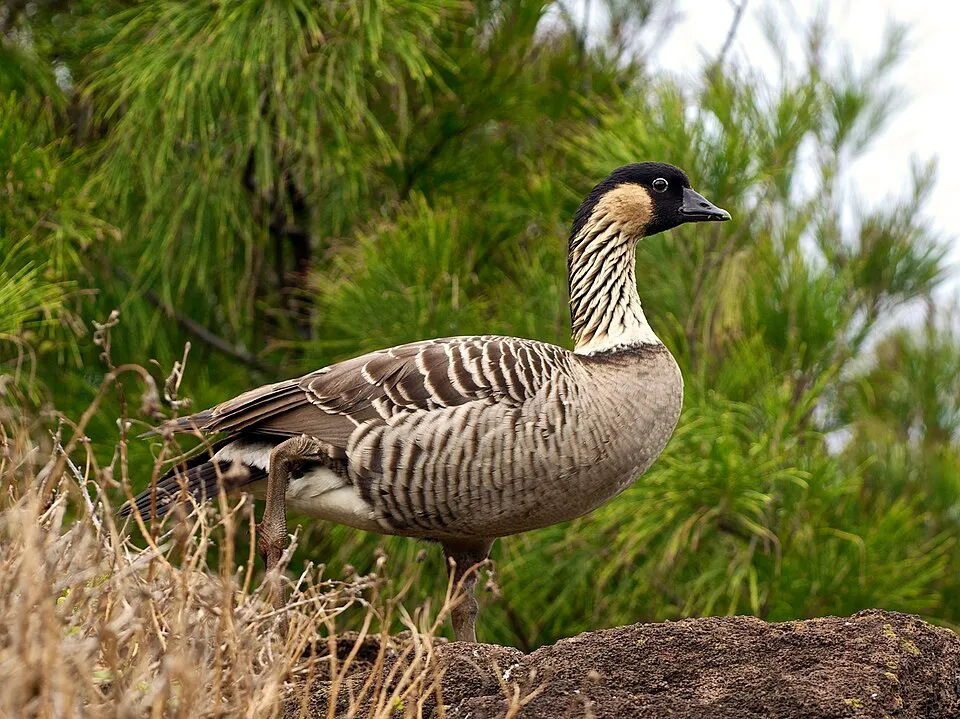
Haleakalā National Park is home to a remarkable range of ecosystems, from subalpine shrublands to tropical rainforests. This diversity supports an array of unique wildlife, including many species found nowhere else in the world. One notable resident is the nēnē, or Hawaiian goose, which is the state bird of Hawai‘i. Visitors may also encounter rare plants like the silversword (‘āhinahina), which thrives in the harsh conditions of the crater and blooms only once in its lifetime.
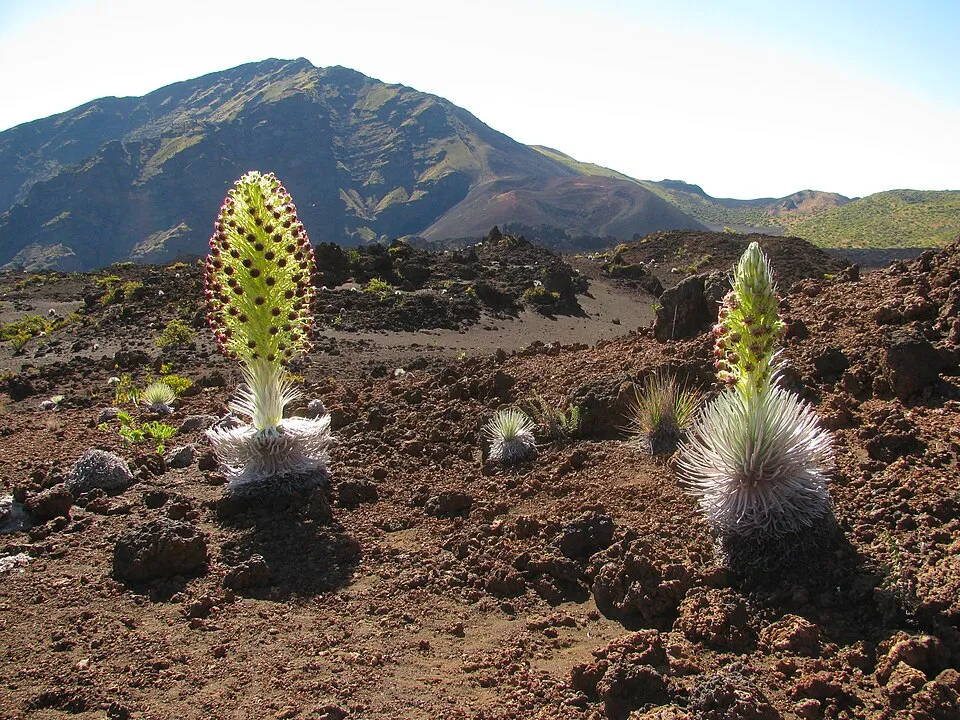
The Haleakalā silversword (Argyroxiphium sandwicense subsp. macrocephalum) is a rare plant found only on Maui’s Haleakalā volcano. Its silvery leaves reflect sunlight, conserving water in the harsh alpine climate. After decades of growth, it blooms once in a stunning floral display before completing its life cycle.
Once endangered due to habitat loss, conservation efforts have helped restore its population. Visitors to Haleakalā National Park can witness this botanical wonder—a symbol of Hawaii’s fragile and resilient ecosystems.
The park’s biodiversity is a testament to the efforts of conservationists who work tirelessly to protect these fragile ecosystems. As you explore, it’s essential to follow Leave No Trace principles to preserve this natural wonder for future generations.
Haleakalā National Park offers a variety of activities to suit different interests and skill levels. Popular options include:
To make the most of your trip to Haleakalā National Park, consider the following tips:
Book your Reservation now for Haleakala National Park
Yes. Haleakalā National Park is one of Maui's most extraordinary natural attractions. Visitors can experience volcanic landscapes, high-elevation views, native Hawaiian plants and wildlife, hiking trails, sunrise and sunset viewing, and the dramatically different coastal environment of the Kīpahulu District.
A general reservation is not required for most visits to Haleakalā National Park. However, a vehicle reservation is required to enter the Summit District between 3:00 a.m. and 7:00 a.m. for sunrise. Sunrise reservations are separate from the park entrance fee.
Haleakalā sunrise reservations are made through Recreation.gov. Reservations are released up to 60 days in advance, with an additional portion released two days before the visit. Sunrise reservations can sell out quickly, so planning ahead is recommended.
Yes. A sunrise reservation is only required for vehicles entering the Summit District between 3:00 a.m. and 7:00 a.m. Visitors can explore Haleakalā later in the day without a sunrise reservation, although normal park entrance requirements still apply.
Both offer incredible experiences. Sunrise is famous for watching the first light appear above the clouds, while sunset provides dramatic colors without requiring the special sunrise vehicle reservation. Which is better depends on your itinerary, weather conditions, and whether you want to wake up extremely early.
The summit of Haleakalā reaches 10,023 feet above sea level. The dramatic elevation allows visitors to travel from Maui's tropical environment to a cool, high-altitude volcanic landscape within a relatively short drive.
Yes. Temperatures at the summit can be surprisingly cold compared with Maui's beaches, particularly before sunrise and after sunset. Wind can make it feel even colder. Visitors should bring warm layers, including a jacket, even when temperatures near sea level are warm.
Dress in layers. Long pants, closed-toe shoes, a sweatshirt or fleece, and a warm jacket are useful for summit visits. Visitors planning to hike should wear appropriate footwear and bring sun protection and plenty of water.
Plan for at least several hours if you are visiting the Summit District. Visitors who want to stop at overlooks, hike, photograph the landscape, and explore the visitor areas may easily spend half a day or longer in the park.
Yes. Visitors can drive through the Summit District to parking areas near the 10,023-foot summit. The road climbs thousands of feet from Central and Upcountry Maui and includes numerous curves and significant elevation changes, so allow plenty of time for the drive.
Haleakalā's high elevation and location above much of Maui's atmospheric moisture can create excellent opportunities for viewing the night sky when conditions are clear. Visitors staying after sunset should prepare for darkness, cold temperatures, and the drive back down the mountain.
Yes. Haleakalā National Park has numerous hiking opportunities ranging from short walks to strenuous wilderness routes. Popular Summit District trails allow visitors to experience the park's volcanic landscape up close, while the Kīpahulu District offers a completely different tropical environment.
The best trail depends on your experience and available time. Sliding Sands Trail, also known as Keoneheʻeheʻe Trail, is one of the best-known hikes in the Summit District and descends into Haleakalā's dramatic wilderness landscape. Because of the elevation and strenuous return climb, hikers should carefully plan their route and ability level.
Yes. Restrooms are available at several developed areas within the park. However, services become limited as you explore more remote areas, so visitors should review park maps and facilities before beginning longer hikes.
Yes. Families do not have to complete a difficult hike to enjoy Haleakalā. Scenic overlooks and short walks provide opportunities to experience the park's volcanic landscape. Parents should prepare children for cold temperatures, high elevation, and changing weather conditions.
Yes. The ʻāhinahina, or Haleakalā silversword, is an extraordinary plant found naturally only on Haleakalā. Visitors may see these plants within the high-elevation environment, but they should never touch, pick, or disturb them.
Yes. Haleakalā National Park consists of the Summit District and the Kīpahulu District. The Summit District contains the famous high-elevation volcanic landscape, while Kīpahulu is located near the coast in East Maui and features lush vegetation, streams, waterfalls, and hiking opportunities. The two districts are not directly connected by road within the park.
Although technically possible depending on your itinerary, trying to fully experience both in one day can involve a tremendous amount of driving. Most visitors will have a more enjoyable experience by dedicating separate time to Haleakalā and the Road to Hāna.
Haleakalā protects numerous native and endemic Hawaiian species. Visitors may encounter native birds such as the nēnē, Hawaiʻi's state bird, as well as unique plants and other wildlife adapted to the park's dramatically different environments.
There is much more to Haleakalā than sunrise. Visitors can hike through volcanic landscapes, stop at scenic overlooks, search for native plants and birds, watch sunset, experience the night sky, visit the Kīpahulu District, and learn about the mountain's natural and cultural significance.
Yes, but conditions at Haleakalā can change rapidly. Clouds may move in and out of the summit area throughout the day, sometimes dramatically changing visibility within a short period. Check current park conditions before making the drive and be prepared for changing weather.
Haleakalā is a sacred landscape with deep significance in Native Hawaiian culture, traditions, and moʻolelo. The mountain is connected to generations of Hawaiian history and traditional practices. Visitors should approach the landscape respectfully and avoid disturbing cultural practices or culturally significant places.
If you would like to read and learn more about interesting things in Hawaii! Check out our blog page here on our website!
or
Image Credits:
Hero:
"cluster of rough mountains near shoreline" by James Wheeler, via Pexels
"Brown mountains under the white clouds and blue sky" by Aidan McCants, via Pexels
Photo: Jörg Hempel, via Wikimedia Commons. Licensed under Creative Commons Attribution-ShareAlike 3.0 Germany (CC BY-SA 3.0 DE).
Photo: Forest & Kim Starr, via Wikimedia Commons. Licensed under Creative Commons Attribution 3.0 United States (CC BY 3.0 US).
In the lush embrace of the West Maui Mountains or better known as Mauna Kahalawai, ʻĪao Valley is one of Hawaii’s most breathtaking and historically significant locations. With its emerald-green peaks, misty waterfalls, and deep cultural roots, this valley is more than just a scenic destination—it’s a place where history and nature intertwine. However, beneath its serene beauty lies a dramatic and bloody past, etched in Hawaiian history as the site of one of the most pivotal battles ever fought in the islands.
ʻĪao Valley is a deeply spiritual and sacred place for Native Hawaiians. The valley is home to the iconic ʻĪao Needle, a 1,200-foot-tall basalt pinnacle covered in lush vegetation. The name "ʻĪao" in Hawaiian means "supreme cloud", as the ʻĪao needle is often covered in a layer of clouds. The Needle is the tip of a long, winding ridge shaped by streams and waterfalls that gradually eroded the softer rock around it. Īao Valley, enclosed by the towering walls of Puʻu Kukui Crater, is a remnant of the central crater of Mauna Kahalawai, the ancient West Maui volcano. This natural monument, once used as a lookout by Hawaiian warriors, stands as a silent guardian over the valley.
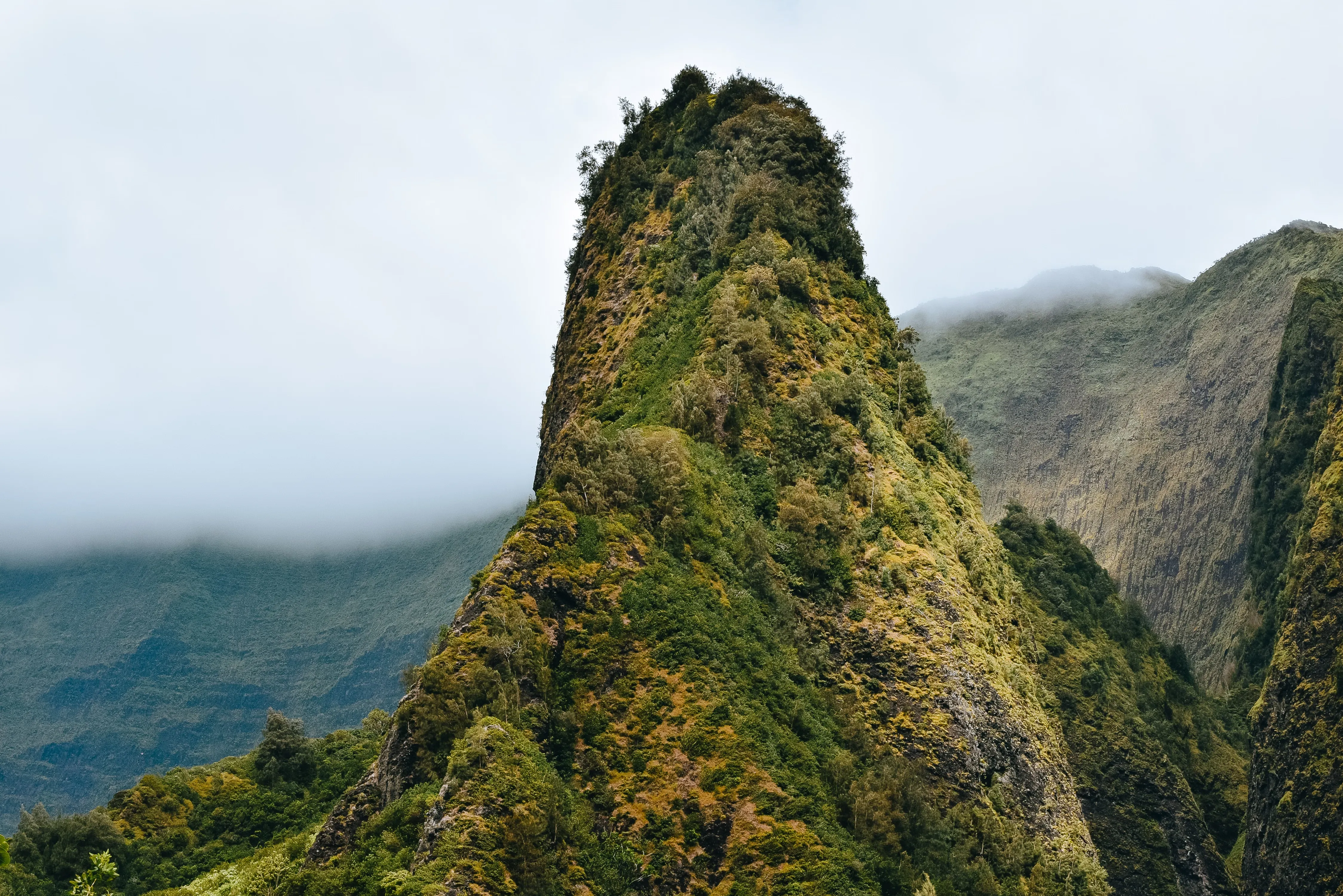
The area receives frequent rainfall, making it one of the wettest places in Hawaii. Its streams and waterfalls nourish the surrounding flora, creating a verdant paradise that has long been revered by locals and visitors alike.
The ʻĪao Stream, which winds through the valley, can quickly transform into a powerful torrent during storms, leading to flash floods, landslides, and significant erosion. In 2016, a major flood event destroyed sections of the state park, washing away roads, trails, and parts of the parking lot. Restoration efforts have since reinforced riverbanks and infrastructure, but the valley remains highly vulnerable.
*Visitors are urged to check weather conditions before exploring and respect any closures. While ʻĪao’s beauty is undeniable, its ever-changing landscape is a powerful reminder of nature’s force in shaping Maui’s terrain.*
Today, the ʻĪao Valley State Monument offers well-maintained trails and viewpoints, allowing travelers to appreciate the valley’s majesty while reflecting on its storied past. Upon visiting and walking in ʻĪao valley, there are signs posted throughout the area teaching you Hawaiian prayers, and Hawaiian sayings enhancing the atmosphere of the area.
Despite its beautiful and lush appearance today, ʻĪao Valley was the site of one of the bloodiest conflicts in Hawaiian history—the Battle of Kepaniwai, fought in 1790. This battle was a turning point in King Kamehameha I’s relentless campaign to unite the Hawaiian Islands. At the time, Maui was ruled by King Kahekili, a formidable leader who had successfully resisted Kamehameha’s advances. However, in 1790, while Kahekili was away on Oʻahu, Kamehameha saw an opportunity to strike.Kamehameha’s forces, armed with Western firearms acquired from European traders, landed on Maui and advanced toward ʻĪao Valley, where they faced Maui’s warriors led by Kahekili’s son, Kalanikūpule. The battle was fierce and unforgiving, with Kamehameha’s superior firepower ultimately overwhelming Maui’s defenders.
*NOT AN ACTUAL REFERENCE OF THE BATTLE*
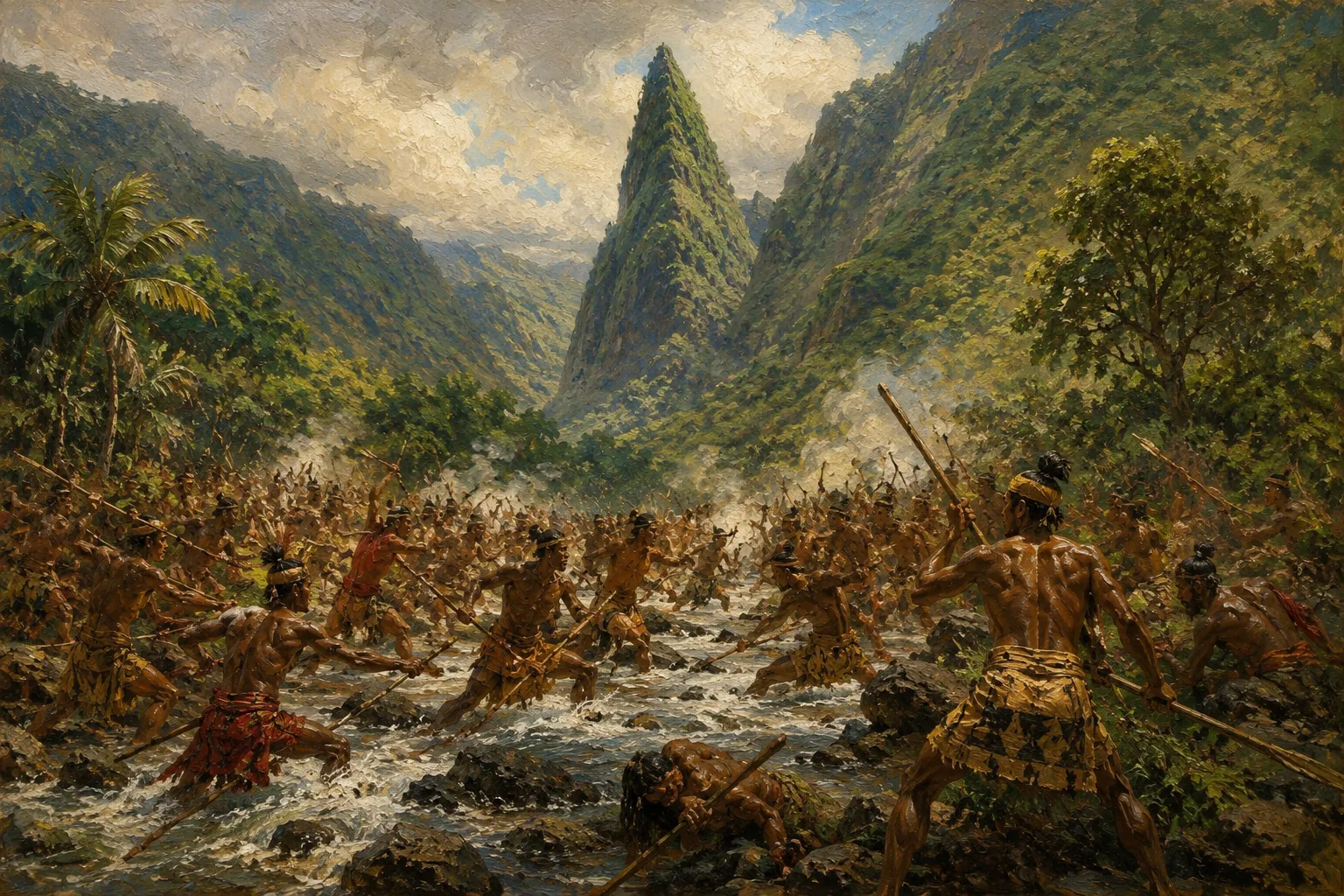
The slaughter was so intense that it is said the waters of ʻĪao Stream were choked with the bodies of fallen warriors, giving rise to the battle’s haunting name—Kepaniwai, meaning “the damming of the waters.” The river quite literally ran red with blood, marking one of the most devastating defeats in Maui’s history.
Although Kamehameha emerged victorious, he was unable to fully secure Maui at that time, as Kahekili later returned and reclaimed control. However, this battle foreshadowed Kamehameha’s eventual conquest of all the Hawaiian Islands, culminating in the unification of the kingdom in 1810.
Today, ʻĪao Valley stands as a place of reflection and reverence. Visitors who walk its trails are not only stepping into a natural wonderland but also onto a battlefield where warriors fought for their land and legacy. Hawaiian cultural practitioners continue to honor the spirits of those who perished here, ensuring that the valley’s history is never forgotten.
If you plan to visit ʻĪao Valley, take the time to appreciate both its breathtaking scenery and its profound historical significance. The ʻĪao Valley State Monument is easily accessible from Wailuku and offers a short but rewarding hike to vantage points where you can admire the towering peaks and lush landscapes.
While exploring, remember that this land is sacred. Respect the valley by staying on designated paths, avoiding the disturbance of cultural sites, and embracing the deep spiritual energy that continues to flow through its misty air.
ʻĪao Valley is a testament to both the resilience of nature and the enduring power of Hawaiian history. Whether you visit to learn, to reflect, or simply to take in its awe-inspiring beauty, this sacred valley will leave an indelible mark on your soul.
If you would like to set a reservation for Iao Valley, this is the only website you are able to set a date and time for your adventure: https://gostateparks.hawaii.gov/iao-valley
ʻĪao Valley is famous for its dramatic rainforest scenery, the iconic Kukaʻemoku or ʻĪao Needle, and its importance in Hawaiian history. The valley was also the site of the Battle of Kepaniwai in 1790, a major battle during Kamehameha I's campaign to unite the Hawaiian Islands.
The Battle of Kepaniwai took place in ʻĪao Valley in 1790 between the forces of Kamehameha I and the Maui army led by Kahekili II's son, Kalanikūpule. Kamehameha's forces ultimately prevailed in the fierce battle, strengthening his campaign to bring the Hawaiian Islands under unified rule.
The name Kepaniwai is commonly translated as "the damming of the waters." Accounts of the battle describe fighting so intense that the bodies of fallen warriors obstructed ʻĪao Stream, giving rise to the name and making the battle one of the most remembered conflicts in Hawaiian history.
"River of Blood" is a dramatic description associated with stories of the Battle of Kepaniwai rather than the official name of ʻĪao Stream or ʻĪao Valley. Historical accounts describe an exceptionally violent battle in which large numbers of warriors were killed along the stream.
The battle was fought between the invading forces of Kamehameha I and Maui forces commanded by Kalanikūpule, the son of Maui's ruler Kahekili II. Kamehameha's army included warriors from Hawaiʻi Island as he continued his campaign to expand his rule.
Kamehameha's forces defeated the Maui army at the Battle of Kepaniwai in 1790, giving him an important military victory. However, the political unification of the Hawaiian Islands was a longer process, and the Battle of Kepaniwai was one major event within that larger history.
ʻĪao Valley holds deep cultural and spiritual significance in Hawaiian history. In addition to being the location of the Battle of Kepaniwai, the valley was associated with Hawaiian chiefs and was valued for its abundant water, fertile environment, and protected location within the West Maui Mountains.
The famous ʻĪao Needle is traditionally known as Kukaʻemoku. It is an erosional feature covered in vegetation that rises approximately 1,200 feet from the valley floor. Visitors can view it from the paved ʻĪao Needle Lookout Trail.
No. Visitors do not hike to the top of Kukaʻemoku. Instead, the official ʻĪao Needle Lookout Trail provides a scenic viewpoint of the formation and surrounding valley.
The official ʻĪao Needle Lookout Trail and Ethnobotanical Loop is approximately 0.6 miles. It is a paved walk with about 200 feet of elevation gain and provides views of Kukaʻemoku along with opportunities to learn about plants associated with Hawaiian culture.
The official trail is considered an easy walk rather than a strenuous backcountry hike. The paved route is relatively short, although it does include stairs and elevation changes. Wet weather can also make surfaces slippery.
Out-of-state visitors currently need advance reservations to enter ʻĪao Valley State Monument. Reservations include specific entry periods and should be made before arriving. Hawaiʻi residents with a valid Hawaiʻi driver's license or state ID do not need to pay the standard entry or parking fees.
Current nonresident fees are $5 per person for entry and $10 per vehicle for parking. Children age three and under are admitted free. Hawaiʻi residents with valid state identification receive free entry and parking. Always check the official Hawaiʻi State Parks website for current pricing before visiting.
ʻĪao Valley State Monument is currently open daily from 7:00 a.m. to 6:00 p.m. Hours and access can change because of maintenance, weather, flooding, or other conditions, so visitors should check current park notices before traveling to the valley.
Many visitors can comfortably explore the main lookout and botanical areas in approximately one to two hours. Travelers interested in photography, Hawaiian history, plants, and spending more time enjoying the scenery may want to stay longer.
Yes. ʻĪao Valley offers a combination of natural beauty, Hawaiian history, cultural significance, and an accessible walking trail. It is especially appealing to travelers who want to experience something beyond Maui's beaches.
Yes. The relatively short paved trail makes ʻĪao Valley one of Maui's more approachable natural attractions for families. Parents should still supervise children around stairs, streams, wet surfaces, and steep terrain.
ʻĪao Valley is located within the lush West Maui Mountains and receives considerable rainfall. Passing showers, clouds, and wet conditions are common and contribute to the valley's dense tropical vegetation. Visitors should be prepared for changing weather.
Visitors should follow all current State Parks signs, closures, and instructions regarding stream access. Heavy rainfall in the West Maui Mountains can cause stream levels to change quickly, so never enter streams during unsafe or restricted conditions.
Comfortable walking shoes and lightweight clothing are good choices. Because the valley is frequently wet, visitors may also want to bring a light rain jacket. Shoes with good traction can be useful when pathways are damp.
ʻĪao Valley State Monument is located in Central Maui near Wailuku, within the West Maui Mountains. Its location makes it relatively easy to combine with other attractions around Wailuku and Central Maui.
Visitors can explore Wailuku, learn more about Maui's history and culture, visit local restaurants and shops, or continue toward other areas of the island. ʻĪao Valley can also be combined with additional Maui outdoor activities for a full day of exploring.
If you would like to read and learn more about interesting things in Hawaii! Check out our blog page here on our website!
or
Image Credits:
Hero:
"Mountains and lush greenery overlook a small waterfall" by RJB Studios, via Unsplash
"A breathtaking view of a green mountain peak surrounded by fog, exuding serenity." by Tim Gouw, via Pexels
Tucked away along the rugged coastline of Hana, Waianapanapa State Park or one of the many iconic black sand beach is a jewel of Maui that captivates visitors with its dramatic landscapes, intriguing geology, and deep cultural history. The name "Wai'anapanapa" in Hawaiian means "glistening fresh water," which highlights the fresh water pools around the beach and their importance for sustaining life in that area. From its mesmerizing black sand beach to its storied past, this state park offers an immersive experience for nature lovers and history enthusiasts alike.
At the heart of Waianapanapa State Park is its renowned black sand beach known as "Pa’iloa Beach"—a stunning natural phenomenon formed by centuries of volcanic activity. As molten lava from ancient eruptions met the Pacific Ocean, rapid cooling produced fine, basaltic grains that now create the beach’s distinctive dark hue. This unique interplay between fire and water not only gives the beach its striking appearance but also serves as a living reminder of Maui’s dynamic geological past. With destruction comes beauty!
Waianapanapa State Park is steeped in local lore and cultural heritage. For native Hawaiians, the area has long been considered sacred, a place where natural beauty and spiritual traditions converge. Historical accounts suggest that the park was once a hub for early Polynesian settlers who valued its natural resources and revered its mystical landscapes. Over the years, the beach and its surroundings have witnessed countless stories—from ancient rituals to the modern-day pursuit of conservation and environmental stewardship.
Visitors to Waianapanapa are invited to respect the site’s cultural legacy by engaging with local customs and learning about the legends that have been passed down through generations. This connection to the past adds a profound dimension to the visual splendor of the park, transforming a simple beach visit into an enriching cultural journey
Beyond the dramatic shoreline lies a landscape that is as diverse as it is breathtaking. Waianapanapa State Park encompasses rugged lava tubes, hidden freshwater caves, and lush coastal trails that wind through native vegetation. These natural features offer a serene escape for hikers and explorers, inviting visitors to delve into Maui’s ecological diversity. Whether you’re tracing the contours of ancient lava formations or enjoying a quiet moment by the ocean, the park’s myriad offerings promise an intimate encounter with nature.
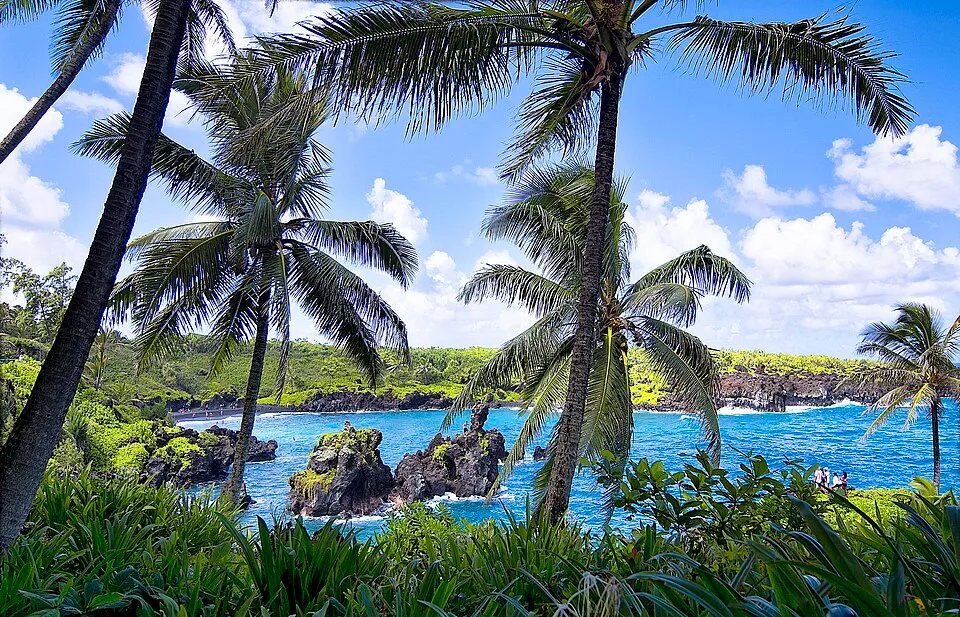
Waianapanapa State Park stands as a testament to the natural artistry and rich history of Maui. Its famed black sand beach is more than just a striking visual spectacle—it is a narrative of volcanic wonder, cultural reverence, and the timeless beauty of Hawaii’s landscapes. Whether you’re drawn by the allure of its geology, the depth of its historical roots, or the call of its serene natural environment, a visit to Waianapanapa offers a truly transformative experience.
Embark on your journey to this captivating corner of Hana, and discover the stories that have shaped one of Maui’s most cherished natural treasures. If you would like to set a reservation for Waianapanapa State Park, this is the only website you are able to set a date and time for your adventure: https://gostateparks.hawaii.gov/waianapanapa
Maui’s famous black sand beach is located at Waiʻānapanapa State Park near Hāna on the island’s eastern coastline. The park is a popular stop along the Road to Hāna and is known for its small black sand beach, volcanic coastline, sea stacks, native hala forest, hiking trails, and other natural features.
The best-known black sand beach on Maui is commonly called Waiʻānapanapa Black Sand Beach and is located within Waiʻānapanapa State Park. The beach itself is also known as Paʻiloa Beach.
The black shoreline at Waiʻānapanapa is the result of Maui’s volcanic geology. Volcanic material has been broken down over time by waves and natural erosion, creating the distinctive dark shoreline that contrasts dramatically with the blue Pacific Ocean and surrounding green vegetation.
Yes. Waiʻānapanapa is one of the most distinctive stops along the Road to Hāna. Beyond its famous black sand beach, visitors can experience a rugged volcanic coastline, sea stacks, native vegetation, coastal hiking, a natural stone arch, blowholes, and impressive ocean views.
Yes, if you are a non-Hawaiʻi resident. Advance reservations are currently required for nonresident visitors entering Waiʻānapanapa State Park. Both entry and parking should be reserved before arriving if you are driving into the park. Hawaiʻi residents with valid state identification do not require the same visitor reservation.
Nonresident visitors should not arrive without a reservation. Waiʻānapanapa State Park does not offer same-day reservations at the entrance, and visitors without the required advance reservation may be turned away.
Waiʻānapanapa parking and entry reservations are currently released up to 30 days in advance. Because popular time slots can sell out, visitors planning their Road to Hāna itinerary should consider making their reservation as soon as their desired date becomes available.
Current nonresident fees are $5 per person for entry and $10 per non-commercial vehicle for parking. Children age three and younger are admitted free. Hawaiʻi residents with a valid Hawaiʻi driver's license or state ID receive free entry and parking. Always check the official State Parks website for current fees before your visit.
Waiʻānapanapa State Park is currently open daily from 7:00 a.m. to 6:00 p.m. Reservation times and park access are controlled, so visitors should arrive during their assigned reservation period.
Visitors may enter the water when conditions allow, but Waiʻānapanapa has a rugged, exposed coastline where ocean conditions can change. Waves, currents, and surf can make swimming hazardous. Always evaluate current conditions and follow posted warnings before entering the ocean.
Families can enjoy Waiʻānapanapa, especially for sightseeing, photography, picnicking, and exploring the park. However, parents should closely supervise children around the ocean, cliffs, rocks, blowholes, trails, and other natural features.
Many visitors spend approximately one to two hours exploring Waiʻānapanapa, although travelers interested in hiking, photography, picnicking, or exploring more of the coastline may want additional time. Your reservation window should also be considered when planning the rest of your Road to Hāna itinerary.
Yes. Waiʻānapanapa State Park is located near Hāna and is one of the most popular stops associated with the Road to Hāna. Because reservations are required for nonresidents, it is one of the Road to Hāna stops that should be planned in advance rather than visited spontaneously.
Waiʻānapanapa State Park is located only a few miles from Hāna town. Its location makes it easy to incorporate into a day exploring Hāna and the surrounding East Maui coastline.
Yes. Waiʻānapanapa is very close to Hāna and is commonly included as part of a Road to Hāna itinerary. Visitors should build their day around their Waiʻānapanapa reservation time and allow plenty of time for the winding Hāna Highway.
Wear comfortable clothing and sturdy footwear suitable for rocks, trails, and uneven terrain. Bring sun protection, drinking water, and rain protection because East Maui weather can change quickly. Water shoes can also be useful if you plan to approach the shoreline.
Visitors should leave sand, rocks, plants, and other natural materials where they find them. Removing natural resources can damage the environment and diminish these special places for future visitors. A photograph makes a much better souvenir.
Yes. Waiʻānapanapa offers coastal hiking opportunities, including portions of the historic Ke Ala Loa O Maui/Piʻilani Trail. The landscape provides a chance to see Maui’s rugged volcanic coastline beyond the famous black sand beach.
Yes, camping is available by permit and advance reservation. Waiʻānapanapa also has cabins, making it possible to experience this part of East Maui beyond a short Road to Hāna stop. Camping and cabin reservations are separate from ordinary day-use entry.
Maui has other areas with dark volcanic sand and rocky volcanic coastline, particularly around East and South Maui. However, Waiʻānapanapa is the island’s most famous and easily recognized black sand beach and is the one most visitors mean when searching for “Maui black sand beach.”
Waiʻānapanapa offers much more than its famous shoreline. The park includes a wild volcanic coastline, native hala forest, sea stacks, blowholes, a natural stone arch, hiking opportunities, cultural sites, and scenic ocean views.
Waiʻānapanapa is commonly translated in reference to “glistening” or “sparkling waters.” The name reflects the area's strong connection to water and the striking natural landscape surrounding the park.
Because Waiʻānapanapa is located near Hāna, visitors can combine it with other East Maui experiences such as exploring Hāna town, scenic viewpoints, waterfalls, tropical landscapes, coastal areas, and other stops along the Road to Hāna.
If you would like to read and learn more about interesting things in Hawaii! Check out our blog page here on our website!
or
Image Credits:
Hero:
"Forest in bay on sea shore" by Kelsey, via Pexels
Photo: Dana Hutchinson, via Wikimedia Commons. Licensed under Creative Commons Attribution 3.0 (CC BY 3.0).
Every winter, the warm waters of Maui, Hawaii, become the stage for one of nature’s most extraordinary performances—the annual migration of humpback whales. Known as “Koholā” in Hawaiian, These gentle giants travel thousands of miles from the cold, nutrient-rich waters of Alaska to the Hawaiian Islands, where they breed, give birth, and nurture their young in the calm, protected waters surrounding Maui.
Humpback whales (Megaptera novaeangliae) embark on one of the longest migrations of any mammal, covering nearly 3,000 miles each way. It is estimated that around 12,000 whales migrate towards Hawaii. Their journey is driven by the need for safe, warm waters that provide an ideal environment for calving and mating. While they fast during their time in Hawaii, relying on stored energy reserves, these whales engage in remarkable behaviors that captivate onlookers, from breaching and tail slapping to spy-hopping and singing their hauntingly beautiful songs.
Humpback whales migrate seasonally, following a predictable pattern driven by survival and reproduction. During the summer months, they thrive in Alaska’s frigid waters, feasting on krill, herring, and other small fish. However, as winter approaches, food becomes scarce, and their biological instincts drive them toward the warmer, predator-free waters of Hawaii.
Maui’s shallow and relatively calm waters provide the perfect sanctuary for birthing and nursing calves. Unlike Alaska, where orcas (killer whales) pose a significant threat to young humpbacks, Hawaii offers a safer environment for the next generation to grow and strengthen before making the long journey back north.
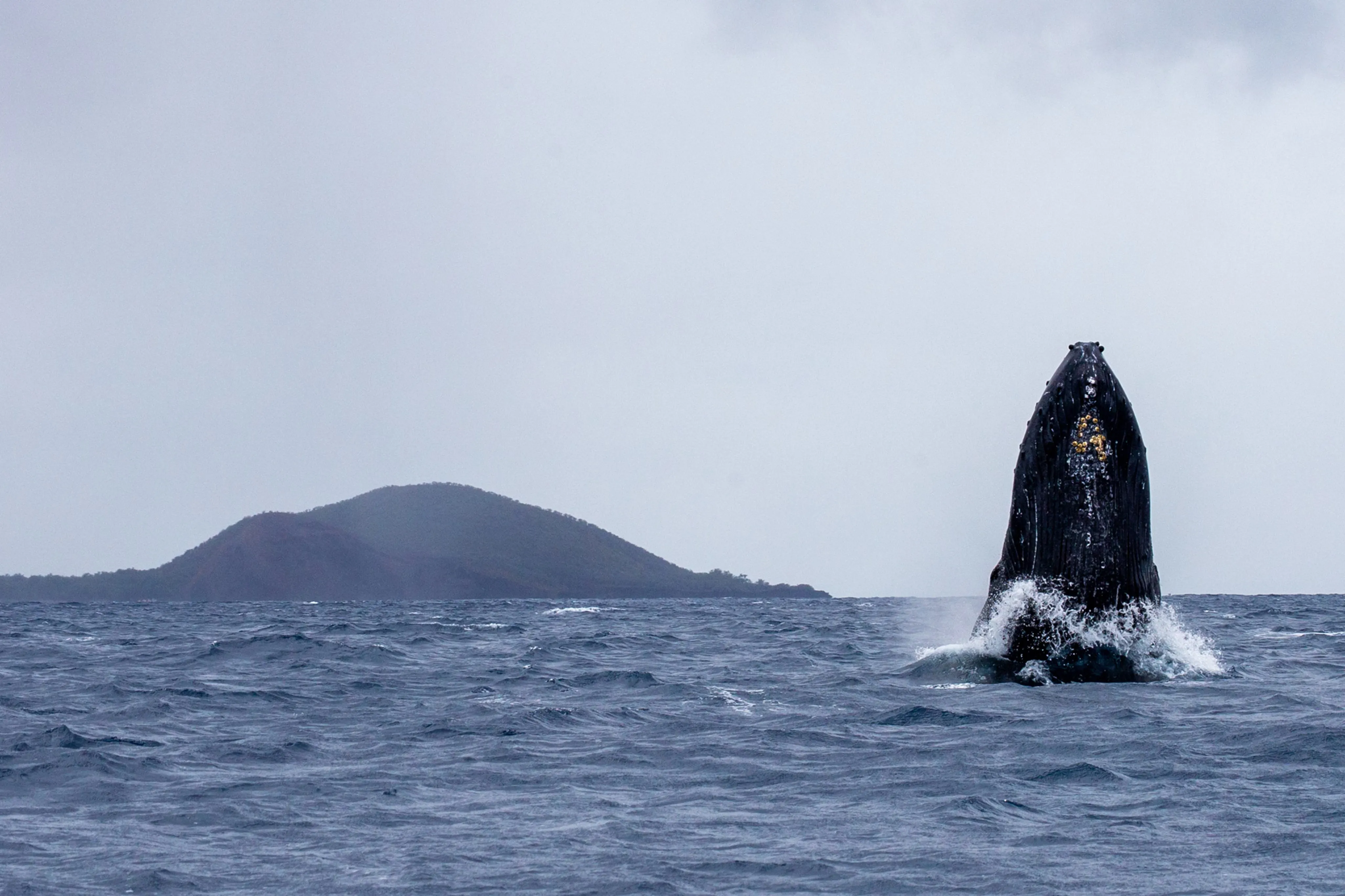
From December through April, visitors and locals alike can witness these incredible marine mammals from both land and sea. Boat tours offer an up-close experience, allowing passengers to see whales breach just yards away, while coastal viewpoints like McGregor Point and Lahaina’s waterfront provide breathtaking opportunities to spot spouts and flukes from shore. Even for those who are fortunate enough to have a room / or place that is facing toward the ocean, they are able to watch these whales with ease. Underwater hydrophones sometimes capture the eerie, melodic songs of male humpbacks, adding another dimension to the experience.
Breaching – Whales propel themselves out of the water in spectacular leaps.
Spyhopping – A curious behavior where a whale lifts its head above the water to observe its surroundings.
Tail Slaps and Fin Waves – Used for communication and play.
Mother-Calf Bonding – A heartwarming sight as newborn calves learn essential survival skills.
For those eager to experience the magic of humpback whales up close, there are several ways to do so responsibly:
Whale-Watching Tours – Numerous eco-friendly tour operators in Maui offer boat excursions, guided by marine biologists who provide insights into whale behavior and conservation.
Kayaking & Paddleboarding – For a quieter and more intimate experience, paddling out into the waters offers a unique perspective on these marine mammals.
Shore-Based Viewing – Some of the best whale-watching spots from land include Makena Beach, Lahaina Pali Trail, and Maalaea Bay.
Despite their awe-inspiring presence, humpback whales face numerous threats, including entanglement in fishing gear, ship strikes, and climate change. The Hawaiian Islands Humpback Whale National Marine Sanctuary, established to protect these marine mammals, plays a crucial role in research, conservation, and public education. Responsible whale-watching practices, such as maintaining a safe distance and minimizing noise pollution, are essential to ensuring the well-being of these creatures for generations to come.
While humpback whale populations have rebounded since the days of commercial whaling, they still face threats from climate change, ship strikes, and ocean pollution. Organizations such as NOAA and the Pacific Whale Foundation work tirelessly to protect these magnificent creatures through research, education, and policy advocacy.
As visitors, we play a crucial role in responsible whale watching by maintaining safe distances, avoiding high-speed boating in whale zones, and supporting conservation efforts.
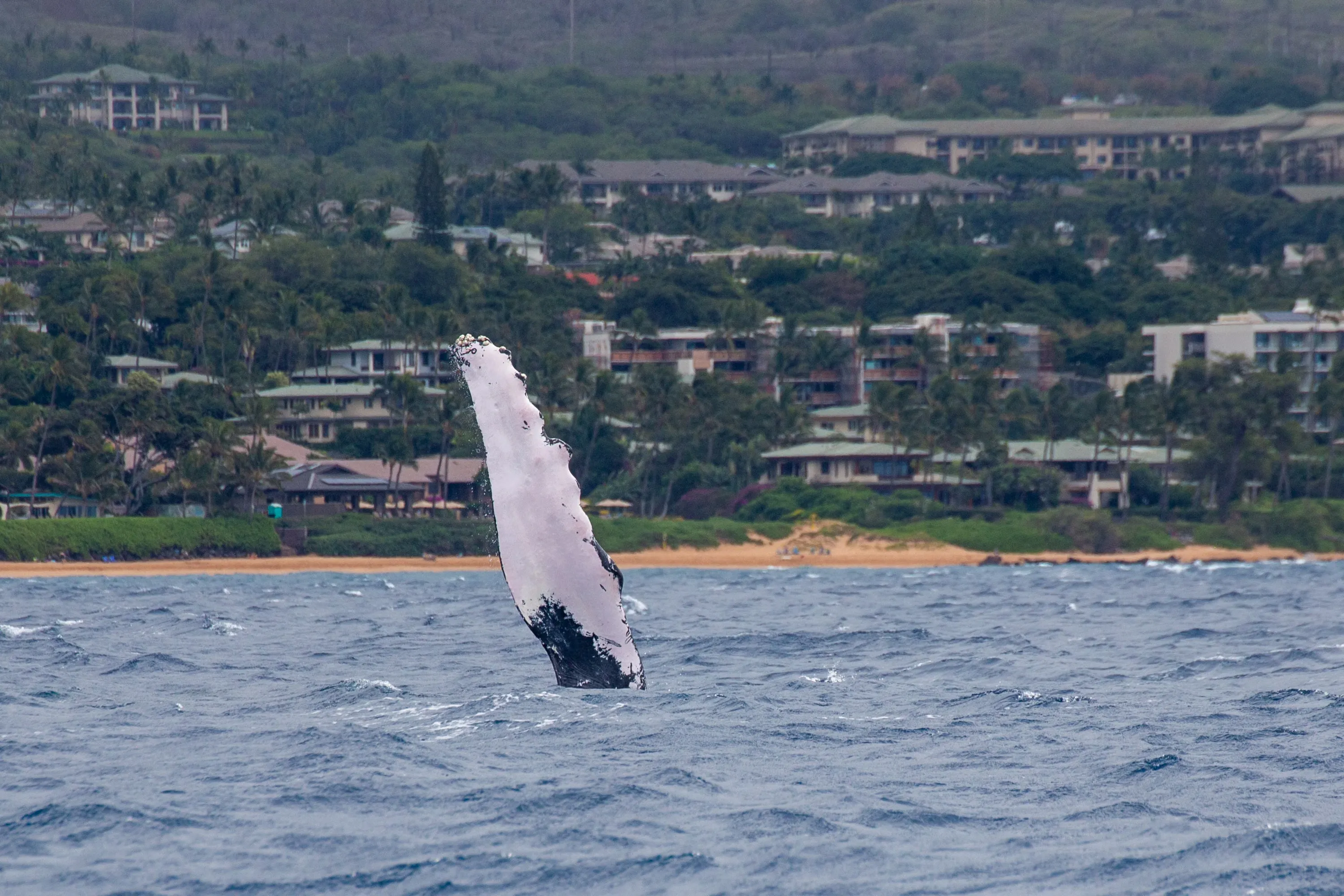
Maui’s humpback whale season is more than just a tourist attraction; it is a profound reminder of nature’s resilience and beauty. Whether you're watching from the shore or embarking on a guided tour, witnessing these ocean giants in their natural habitat is an unforgettable experience—one that leaves visitors with a deeper appreciation for the wonders of the marine world.
Plan your visit during peak season, respect marine life guidelines, and prepare to be mesmerized by one of the most remarkable migrations on the planet.
Humpback whales are generally present in Hawaiian waters from November through May, with the greatest abundance typically occurring from January through March. The exact arrival and departure of individual whales varies each year because they are wild, migratory animals.
January through March is generally the best period for seeing humpback whales around Maui. These months fall within the usual peak in humpback abundance in Hawaiian waters and provide excellent opportunities for watching whales from both shore and permitted whale-watching vessels.
Humpback whales migrate to the warm waters around Hawaiʻi primarily to mate, give birth, and care for their calves. They spend much of the warmer part of the year feeding in productive northern waters before traveling thousands of miles to their winter breeding grounds.
Many of the humpback whales that visit Hawaiʻi migrate from feeding grounds in the North Pacific, including waters around Alaska. Their seasonal migration between northern feeding areas and Hawaiian breeding grounds can cover thousands of miles.
The relatively warm, shallow waters surrounding Maui Nui provide important winter habitat for humpback whales. Mothers with calves, competing males, and other whales can all be found around the islands during peak season.
Yes. During peak whale season, humpback whales can often be seen from Maui's shoreline. Look for blows, breaches, tail flukes, and splashes offshore. Binoculars can make land-based whale watching even better.
West and South Maui provide many opportunities for shoreline whale watching during peak season. Elevated coastal viewpoints and beaches with unobstructed views of the ocean can be particularly useful. Whale sightings are never guaranteed, so patience and binoculars are helpful.
No. It is entirely possible to see humpback whales from land during peak season. However, a responsible whale-watching tour can provide a different perspective and often includes guides who can explain whale behavior, biology, migration, and conservation.
Federal regulations prohibit approaching a humpback whale within 100 yards in Hawaiian waters. This rule applies to boats, kayaks, paddleboards, swimmers, drones, and other means of approach. If a whale approaches you, do not pursue or intentionally move closer to it.
Adult humpback whales can grow roughly 40 to 50 feet long and weigh tens of thousands of pounds. Despite their enormous size, humpbacks are highly acrobatic and are famous for behaviors such as breaching completely or partially out of the water.
Breaching occurs when a whale propels much of its body out of the water before crashing back onto the surface. Scientists believe breaching may serve several purposes, potentially including communication, social interaction, or removing parasites. The exact reason can depend on the situation.
Humpbacks display several dramatic surface behaviors, including tail slapping and pectoral fin slapping. These behaviors may play roles in communication, social interactions, courtship, competition, or other activities.
Yes. Male humpback whales produce complex songs during the breeding season. Whales within a population generally sing variations of the same evolving song, creating one of the most fascinating forms of animal communication found in the ocean.
During whale season, humpback songs may sometimes be heard underwater. Some whale-watching experiences use hydrophones that allow passengers to listen to underwater whale vocalizations without approaching the animals.
Humpback whales use Hawaiian waters for breeding, calving, and nursing. Mothers with young calves are therefore a common and particularly special sight during Maui's winter whale season.
Humpback calves are already enormous at birth, measuring roughly 10 to 15 feet long. They grow quickly while nursing on their mother's extremely rich milk before eventually making the long migration toward northern feeding grounds.
Humpback whales generally do very little feeding while spending the winter around Hawaiʻi. Instead, they rely heavily on stored energy reserves accumulated while feeding in colder northern waters, where prey is much more abundant.
Humpback whales feed primarily on small schooling fish and krill in their feeding grounds. They are baleen whales, meaning they do not have teeth. Instead, plates of baleen help them filter prey from large mouthfuls of seawater.
Humpback whales were once severely depleted by commercial whaling. Their populations have recovered significantly following international protections, although they continue to face threats including entanglement in fishing gear, vessel strikes, ocean pollution, habitat changes, and other human impacts.
Do not attempt to free an entangled whale yourself or enter the water near the animal. Entangled whales can be extremely dangerous, and specialized responders are trained to handle these situations. Report an injured or entangled marine mammal to NOAA's statewide Marine Wildlife Hotline at 1-888-256-9840.
No. The 100-yard humpback whale approach restriction applies to drones as well as boats, swimmers, kayaks, paddleboards, and other means of approach. Aircraft are also subject to additional minimum-distance requirements.
Humpback whales are known as koholā in Hawaiian. Whales have longstanding cultural significance in Hawaiʻi and appear within Hawaiian traditions, genealogy, stories, and relationships with the natural world.
The Hawaiian Islands Humpback Whale National Marine Sanctuary protects important humpback whale habitat around the Hawaiian Islands. The sanctuary also supports scientific research, education, conservation, responsible recreation, and public understanding of Hawaiʻi's marine environment.
Winter visitors can combine whale watching with Maui's many other outdoor experiences, including beaches, snorkeling when conditions allow, hiking, Haleakalā National Park, the Road to Hāna, Upcountry Maui, and ziplining. Whale season can be an especially exciting time to explore the island because whales may appear offshore throughout your trip.
If you would like to read and learn more about interesting things in Hawaii! Check out our blog page here on our website!
or
Image Credits:
Hero:
"Tail of a humpback whale" by Silvana Palacios, via Pexels
"A humpback whale jumping from the ocean" by Leaf Blessings, via Pexels
"Fin of a humpback whale above the water surface" by Leif Blessing, via Pexels
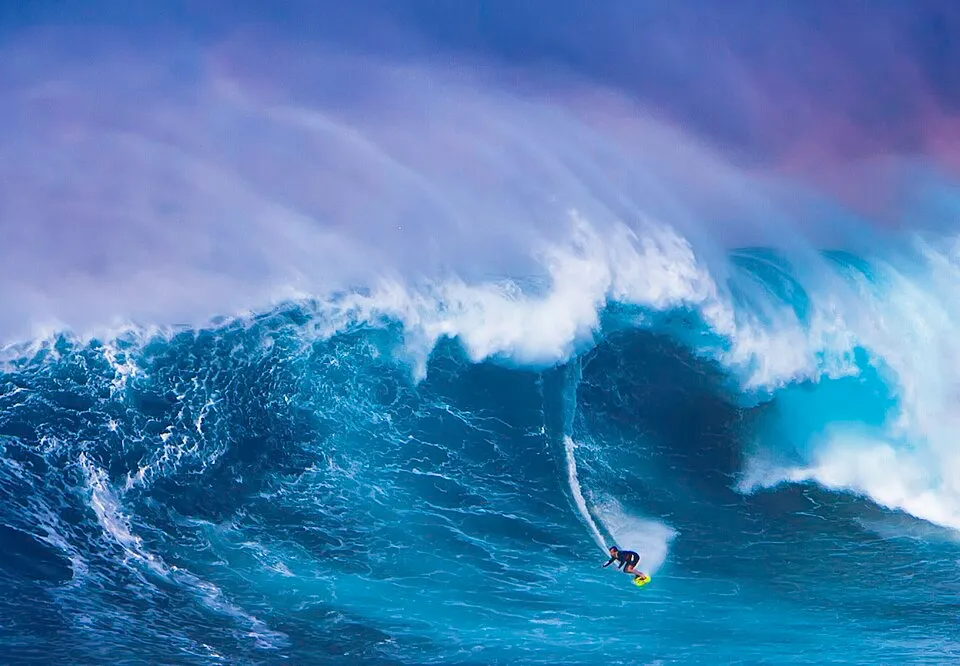
The legendary northshore break called Pe’ahi, or known for its more notorious name Jaws, is Maui’s most iconic and powerful surf break, renowned for its incredibly massive waves and exhilarating conditions. Consistently recognized at the prestigious Big Wave Awards, Jaws has earned the title of the most winning break more times than any other location. Jaws or Pe’ahi can be located in the beginning of the iconic Road to Hana. During the winter time and when the waves are firing, elite surfers from all around the globe are just given a few days notice to head out and converge on this legendary spot, while spectators gather in awe to witness the spectacle of natures raw power.
While the name “Jaws” is the most widely recognized name for this iconic surf break, locals knew it as the name “Pe’ahi” which has gained popularity in recent years, particularly with surfers seeking to honor and connect with the local Hawaiian Culture. “Pe’ahi” refers to the much larger ahupua’a (land division) in the area. Hawaiian Kupuna Leslie Kuloloio shares that the traditional Hawaiian name for this spot is “Ke Kai ‘o Waitakulu”, which translates into “The Teary Eye”. This particular name reflects on the deep cultural significance of the location, offering a richer perspective on the surf breaks history and meaning.
Around the early 1990s, surfers would then make some of their first attempts to ride Jaws during Maui’s winter swells. Winter is around the time where the pacific will deliver its most intense waves and powerful swells. During this time it was nearly impossible to ride or paddling into these waves as the widely known “tow-in surfing” method wasnt utilized yet; however, the popularization of this “tow-in technique”, allowed surfers the chance to face waves of this magnitude which was never before seen. David Kalama, Laird Hamilton, and Darick Doener would become pioneering figures in this evolution into big wave surfing, and were known for famously riding some of the first monster waves at Jaws. This would then help to solidify the legendary status and world-wide appeal of big-wave surfing.
By the late 1990s and early 2000s, Peʻahi (Jaws) had firmly cemented its status as the epicenter of big-wave surfing. Known for its towering heights, remarkable speed, and glassy barrels, Jaws presented a new level of challenge for surfers. Its steep, barreling waves broke with such precision and power that it quickly distinguished itself from other famous big-wave spots like Waimea Bay on Oahu or Mavericks in California. Unlike these other locations, where waves can be more unpredictable, Jaws' consistent, powerful breaks pushed the limits of what was possible in the sport, drawing surfers eager to test their skill and bravery on one of the most extreme waves on Earth.
Historically, one of the key factors that enabled surfers to tackle Jaws' massive waves was the introduction of tow-in surfing. This technique involves surfers being towed into the wave by a Jet Ski, allowing them to reach the necessary speed and angle to catch waves that would otherwise be impossible to paddle into. In the early days of big-wave surfing at Jaws, tow-in was essential for safely navigating the giant swells. Without this method, many of the waves at Peʻahi would have been out of reach for even the most experienced surfers.
However, in recent years, the evolution of surfboard technology and techniques has led to a shift in how surfers approach Jaws. A new generation of athletes is now attempting to paddle into these colossal waves on their own, eschewing the tow-in method in favor of relying on their raw skill and strength. This shift is a testament to the growing capabilities of modern surfboards, which are designed to handle the massive forces of waves like those at Jaws. Lighter, more maneuverable boards, along with improved wetsuits and safety gear, have enabled surfers to take on this once tow-in-exclusive break using traditional paddle techniques.
This shift not only speaks to the rapid advancements in surf technology but also reflects a broader evolution in the culture of big-wave surfing. As surfers push the boundaries of what’s possible at Peʻahi, Jaws remains a proving ground where both technology and technique continue to evolve, and where the spirit of adventure and challenge is always front and center. The continued progress at Jaws serves as a reminder that big-wave surfing, much like the waves themselves, is constantly in motion—always changing, always challenging, and always inspiring those who are brave enough to take it on.
In 2016, the World Surf League introduced the Peʻahi Challenge, a major big-wave competition that cemented Jaws as the ultimate proving ground for surfers. The event brought together the world’s top surfers to face Peʻahi’s massive waves in a competitive setting, showcasing the raw power and precision required to ride one of the most challenging surf breaks on Earth. Not only did the competition elevate Jaws’ iconic status, but it also highlighted the exceptional skill and bravery needed to conquer its towering barrels.
Despite its allure, Jaws remains an extremely dangerous wave, known for its colossal wipeouts and broken boards. Surfers must exercise precision and mental fortitude to navigate its powerful swells, making it a high-risk endeavor even for seasoned professionals. Over the years, advancements in safety gear—such as enhanced vests, helmets, and the use of tow-in jet skis—have made it possible for surfers to take on these massive waves with more protection. Still, Jaws continues to push the limits of big-wave surfing, testing both the physical and psychological resilience of those who dare to ride its waters.
Peʻahi (Jaws) is not only a world-renowned surf destination, but it also holds profound cultural and environmental significance. Located on Maui’s rugged north shore, Jaws is deeply intertwined with Hawaiian traditions, where the ocean, or Kai, is revered. For many surfers, riding the waves at Jaws is a spiritual connection to the sea—honoring both its immense power and the respect it commands within Hawaiian culture.
However, as Jaws attracts more attention from surfers and tourists, environmental concerns have risen. The popularity of the spot brings with it the need for sustainable practices to protect the coastal ecosystems. Preserving the marine life and natural beauty of the area is crucial, as increased traffic threatens to disrupt the delicate balance of this pristine environment.
The history of Jaws is also integral to the evolution of big-wave surfing. Once a near-mythical break, it has become an iconic symbol in extreme sports. Technological advancements, such as tow-in surfing, jet skis, and improved safety gear, have made it possible to ride waves of unprecedented size and power. Yet, Jaws remains a place that challenges even the most experienced surfers, testing both their physical and mental limits.
As a natural wonder and a test of human endurance, Jaws continues to inspire surfers from around the globe. Its awe-inspiring waves not only push the boundaries of big-wave surfing but also serve as a reminder of the importance of respecting and protecting the ocean that makes such feats possible. Whether admired from the shore or conquered by the bravest athletes, Jaws stands as a testament to the spirit of adventure and the enduring bond between surfers and the sea.
Jaws is the nickname commonly used for Peʻahi, Maui’s legendary big-wave surf break on the island’s North Shore. During powerful winter swells, Peʻahi can produce enormous, fast-moving waves that attract some of the world’s most accomplished big-wave surfers.
Jaws is located at Peʻahi along Maui’s rugged North Shore, east of Hoʻokipa and near Haʻikū. The surf break lies offshore below coastal bluffs and is associated with the beginning portion of the Hāna Highway region.
The nickname “Jaws” became associated with the surf break because of how dramatically conditions can change when a major swell arrives. What may appear relatively quiet can transform into an extremely powerful big-wave environment.
Jaws refers to the famous big-wave surf break at Peʻahi. Peʻahi is the Hawaiian place name associated with the surrounding area, while “Jaws” became the internationally recognized nickname for the surf break.
During major North Pacific swells, Jaws can produce exceptionally large waves with faces reaching several stories high. Wave size varies considerably depending on swell height, period, direction, wind, and other ocean conditions.
Peʻahi is a deep-water reef break that responds to powerful North Pacific swells. When large, long-period swell energy reaches the underwater reef, the changing water depth forces that energy upward, creating the enormous waves that have made Jaws famous.
Winter is the primary big-wave season at Jaws. Powerful North Pacific storms can send large north and northwest swells toward Maui, particularly from roughly November through March. However, Jaws does not produce enormous waves every day during winter.
No. Jaws requires a significant swell with the right direction and other favorable conditions. On many days, Peʻahi looks completely different from the massive waves shown in famous photographs and surfing videos.
Surfers and spectators monitor surf forecasts, swell height, swell period, swell direction, wind, and offshore buoy information. Major Jaws events can sometimes be anticipated several days ahead as powerful North Pacific storms develop.
No. Jaws is an extreme big-wave surf break appropriate only for highly experienced big-wave surfers with specialized training, equipment, and safety support. Even professional surfers treat Peʻahi with tremendous caution because of its wave size, speed, reef, and powerful currents.
Peʻahi has been associated with many influential big-wave surfers. Early tow-in pioneers such as Laird Hamilton, Darrick Doerner, Buzzy Kerbox, and Dave Kalama helped establish the break’s reputation, while later generations of elite surfers continued pushing the limits of what could be ridden there.
Tow-in surfing uses a personal watercraft to pull a surfer into a large wave at higher speed than the surfer could typically achieve by paddling. The technique became closely associated with Jaws because it allowed surfers to catch waves once considered too large or fast to enter using traditional paddling methods.
Jaws played an enormously important role in the development and popularization of modern tow-in surfing. During the 1990s, a group of Maui watermen experimented with personal watercraft, foot straps, specialized boards, and other techniques that allowed them to tackle increasingly large waves at Peʻahi.
Yes, tow-in surfing remains part of big-wave surfing at Peʻahi, particularly under extreme conditions. However, advances in surfboards, training, safety equipment, and big-wave technique have also allowed elite surfers to paddle into waves at Jaws that were once considered impossible to catch without assistance.
Jaws helped redefine what surfers believed was possible on extremely large waves. The experimentation that occurred at Peʻahi contributed to advances in tow-in surfing, surfboard design, water safety, rescue techniques, and eventually modern paddle-in big-wave surfing.
Peʻahi is famous for combining enormous size with remarkable speed and wave shape. Its ability to produce huge, powerful waves with rideable faces and barrels has helped establish it as one of the most recognizable big-wave surfing locations in the world.
Jaws is widely regarded as one of the world’s premier big-wave surf breaks. Other famous giant-wave locations include Nazaré in Portugal, Mavericks in California, and Waimea Bay on Oʻahu, but Peʻahi remains particularly famous for the combination of size, speed, shape, and surfability of its waves.
When Jaws is breaking, spectators sometimes watch the action from the elevated bluffs around Peʻahi. However, the surrounding terrain is rugged and undeveloped, and access conditions can be difficult. Visitors should respect private property, posted restrictions, road conditions, and cliff hazards.
Watching from land can still involve hazards. The Peʻahi coastline includes steep cliffs, rough terrain, exposure to sun and wind, and potentially difficult road conditions. Spectators should stay well away from cliff edges and obey all signs, barriers, and access restrictions.
Jaws should not be treated as a recreational swimming area, especially when a significant swell is present. The break is known for extremely powerful waves and currents. Visitors looking to swim should choose an appropriate beach and check current ocean conditions.
Big-wave surfers at Peʻahi can reach very high speeds because of the steep faces and tremendous energy of the waves. Exact speeds vary depending on wave size, the surfer’s line, equipment, and conditions.
Big-wave surfers use specialized equipment designed for speed, stability, and control. Paddle-in surfers may use long big-wave boards commonly called “guns,” while tow-in surfing has historically used smaller specialized boards equipped with foot straps.
Big-wave surfers may use specialized inflatable safety vests to help them return toward the surface following a severe wipeout. These systems are only one component of a much larger safety approach that can include helmets, personal watercraft, rescue teams, extensive training, and communication between surfers.
Peʻahi is located along Maui’s North Shore near the early portion of the Hāna Highway corridor. However, Jaws is not a developed Road to Hāna attraction with a conventional parking lot, visitor center, or easily accessible roadside viewpoint.
If a major swell arrives during your trip, seeing Jaws can be an extraordinary experience. Peʻahi showcases the raw power of Maui’s winter surf and the abilities of elite big-wave surfers. However, because the wave requires specific conditions, visitors should never assume Jaws will be breaking simply because they are visiting during winter.
Maui’s North Shore contains several internationally known surf locations. Hoʻokipa Beach is famous for surfing and windsurfing, while farther west, Honolua Bay can produce excellent surf during winter swells. Together, these locations have helped establish Maui as an important destination in global surfing culture.
Visitors exploring Maui’s North Shore can experience Pāʻia, Hoʻokipa, Haʻikū, local restaurants, beaches, scenic drives, waterfalls, and outdoor adventures. The area is also home to NorthShore Zipline in Haʻikū, making it easy to combine North Shore sightseeing with another Maui adventure.
If you would like to read and learn more about interesting things in Hawaii! Check out our blog page here on our website!
or
Image Credits:
Hero:
Photo: Margaret Hallahan, via Wikimedia Commons. Licensed under Creative Commons Attribution-ShareAlike 4.0 International (CC BY-SA 4.0).
The Road to Hana is one of Maui’s most iconic journeys. It offers an unforgettable adventure through lush jungles, thick rainforests, and deep-rooted cultural history. Spanning around 600 curves and more than 59 bridges, this breathtaking journey brings you through Maui's rugged coastline, past lush rainforests, and many stunning waterfalls. As you go through this picturesque paradise, expect panoramic views that seamlessly blend the beauty of the sparkling blue ocean and the vibrant green rainforests.
Before setting out on your adventure, keeping a few things in mind is important.
Start the Journey Early
One of the best ways to experience the Road to Hana without the hassle of bumper-to-bumper traffic is to start your journey early in the morning. The road tends to get crowded throughout the morning, with visitors flocking to experience Hana’s beauty. By getting an early start, you'll enjoy fewer cars on the road, allowing you more freedom to stop and take in the sights at your own pace.
Explore the Backside of Hana
Another way to explore this iconic route is by driving around the backside of Hana. Starting from Upper Kula, you'll discover a different perspective of the island with unique landscapes, hidden beaches, and secluded hiking trails. This route provides a distinct contrast to the more popular Road to Hana, offering an unforgettable journey through Maui’s untouched beauty.
Along the way, there are several unforgettable stops where you can immerse yourself in Maui's natural beauty. Whether you’re drawn to scenic hikes, dreamy waterfalls, or local culinary delights, here are some top recommendations:
If you're a surf enthusiast, Jaws is an unmissable stop on your journey. This legendary surf spot, accessible only by four-wheel-drive vehicles, is famous for its colossal waves, which can reach up to 60 to about 85 feet in the winter months (December to February). This notorious wave is known as “the 2nd largest wave in the world.” Jaws only breaks for a few days during the winter season, giving many world-class surfers just a few days to try and catch this monster. Pe'ahi, when it is going off, offers a thrilling spectacle for those fortunate enough to witness it.
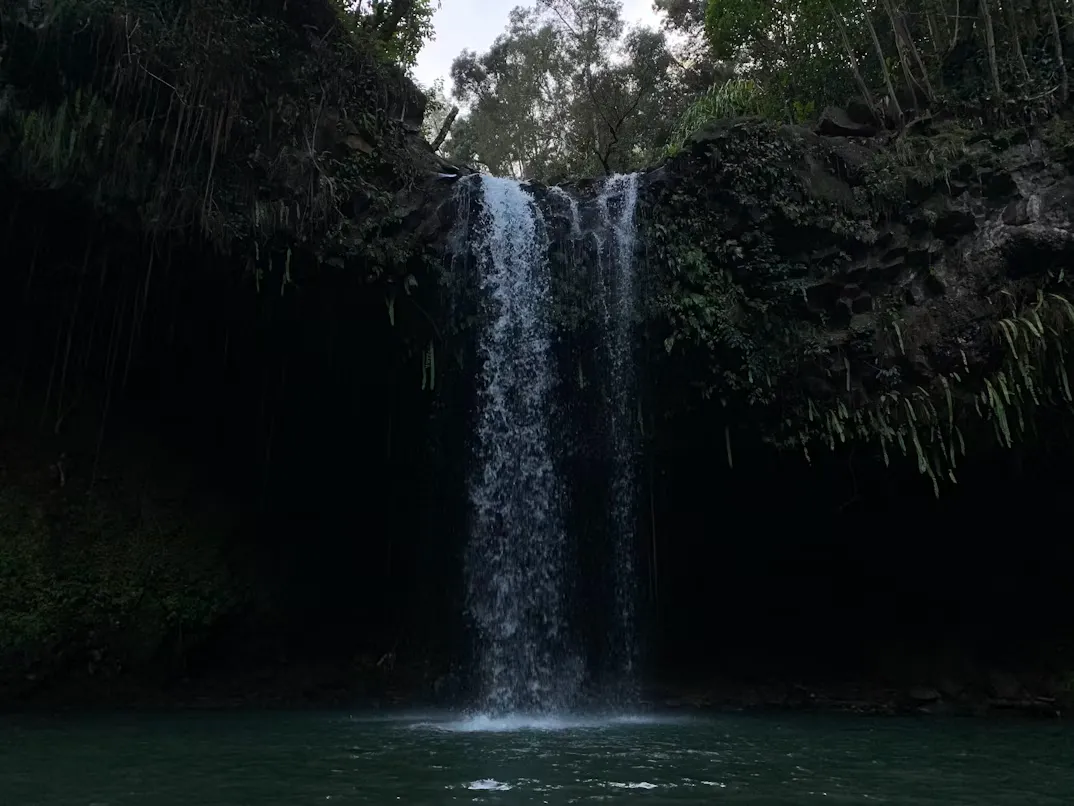
At the start of your adventure to Hana, you will likely come across many cars turning into an area known as Twin Falls. If you are looking for a quiet place to relax, take in the rainforest plants, and enjoy beautiful hikes to waterfalls, then Twin Falls should be on your list. While the name suggests two waterfalls, you’ll actually find four to five cascading falls, all reachable by easy, scenic hikes. This family-friendly destination offers perfect photo opportunities and the chance to cool off in the crystal-clear pools beneath the falls. After your hike, make sure to stop by the local farm stand for fresh tropical fruit, refreshing juices, and some of the best banana bread on the island.
For a quieter, less trafficked escape, head to the Waikamoi Ridge Trail. This trail is located just past mile marker 9 on your journey, between Twin Falls and Ke'anae. Visitors often overlook this peaceful trail, which offers stunning views of lush rainforest plants and surrounding landscapes. The hike is very short, just under a mile, but be very cautious, as after some rain it can become very slippery. Always proceed with caution. For those who love to adventure and take the road less traveled, this spot is perfect for those who love to listen to the many sounds of the Hana rain forest.
The Garden of Eden Arboretum offers an experience like no other. You can't miss it as you pass it on the road to Hana. This destination can be found between mile markers 10 and 11 and is a must-visit for those who appreciate the beauty, landscape, and history of an area. This Garden was established in 1991 by Maui’s first ISA-certified arborist, showcasing Maui's diverse rainforest plants, rich ecosystem, and exotic birds such as the peacock. Famous for the picturesque bamboo alleys and the largest collection of Ti leaf plants in Hawaii. This area is also known for the world-renowned Jurassic Park, as the opening scene was filmed in this ridge. In addition to its botanical wonders, the garden provides panoramic views of the ocean, rainforest, and the stunning Puohokamoa Falls.
If you are ever in need of a quick break, Kaumahina State Wayside Park offers a chance to stretch your legs, use the restroom, and take in some incredible views of Maui's coast. This stop offers a short walk up the ridge to bask in the view of the area and is also guarded by guard rails for safety. While the facilities may not be pristine, it’s a welcoming stop during your journey, and if you prefer a cleaner stop, the Ke‘anae Peninsula is a little further down the road.
Aunty Sandy's Banana Bread is an iconic stop on the Road to Hana. Since 1983, Aunty Sandy Hueu has been baking her famous banana bread in Keʻanae, and in 2003, her daughter Tammy joined the family business to open a food stand that has since become a must-visit spot. Featured in magazines and on Gordon Ramsay’s Uncharted series, Aunty Sandy's stand continues to serve up fresh, delicious banana bread that has earned a loyal following.
The Ke‘anae Valley Overlook has one of the most picturesque views on the island. From here, you can see the valley’s fertile taro patches, still cultivated by local farmers. Ke‘anae has long been known for its taro cultivation, with much of the land still dedicated to this ancient practice. The overlook also provides insight into the area’s tragic history, including the devastation caused by the 1946 tsunami, which wiped out much of the village. Today, the Ke‘anae Congregational Church, the only structure left standing, remains as a poignant reminder of the resilience of the community.
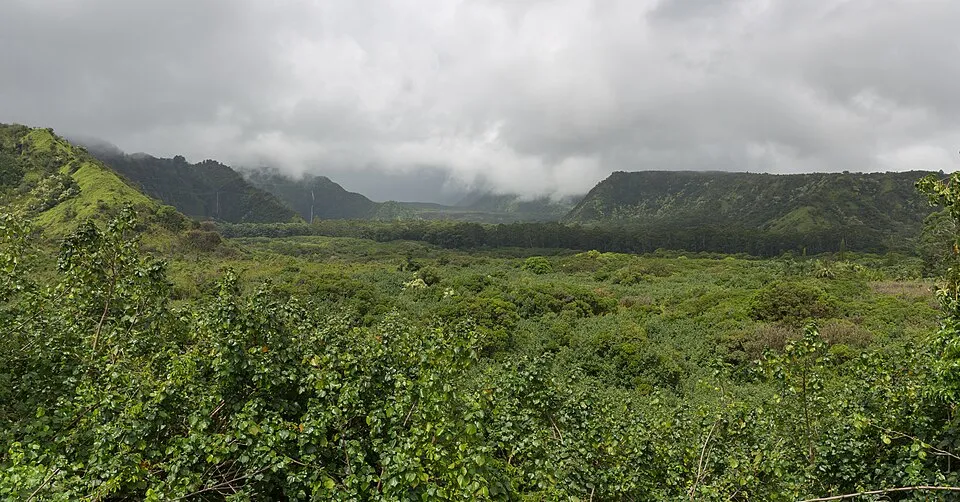
About halfway to Hana, you will come across a general store and it is the perfect place to The Halfway to Hana Food Stand offers a variety of snacks, including banana bread, shaved ice, burgers, and sandwiches. It’s a great place to stop, especially if you're short on time or traveling with children, and serves as the perfect halfway point for your journey. A great place to take a breath from the many curves.
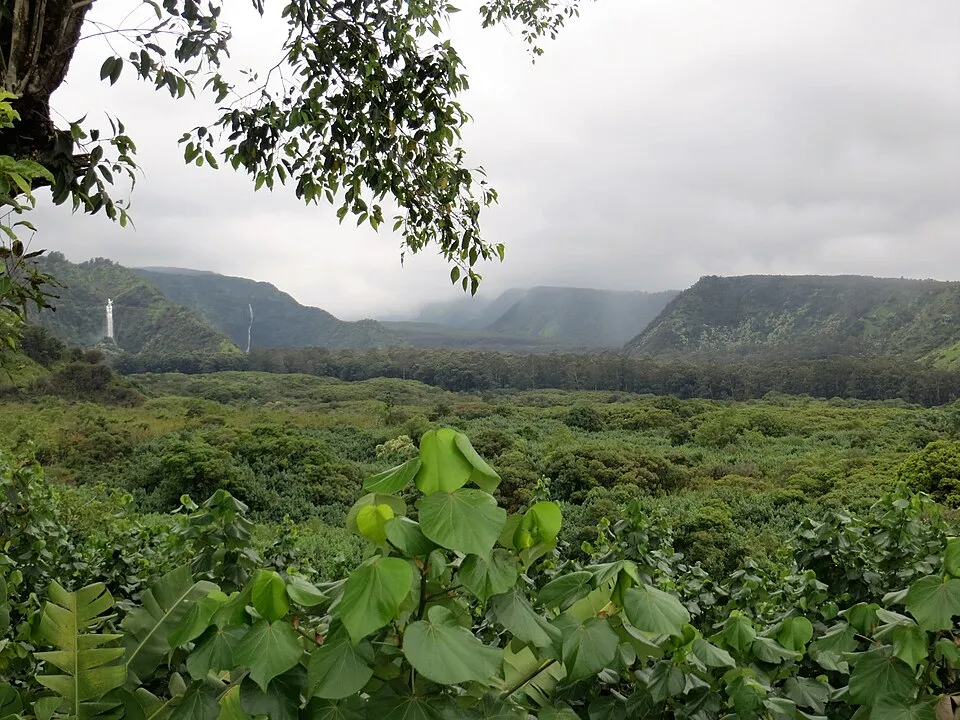
For a stunning view of the island, stop at Wailua Valley State Wayside Park. From this scenic overlook, you’ll have panoramic views of Wailua Town, the Coral Miracle Church, and Maui’s rolling hills, the towering peaks of Hale'akalā, and many cascading waterfalls. The beauty of this location perfectly encapsulates the untouched wilderness of the island.
The legendary Waianapanapa State Park known as the iconic black sand beach in Hana is a coastal masterpiece. Offering stunning views of the ocean, sea caves, and vibrant rainforest plants this rugged coastline invites adventurers to explore the beauty of the Pacific. The sound of the waves crashing and wind blowing echoes throughout the many sea caves in this geological landscape, offering a very interesting sensory experience. Explore the many hiking trails along this coast and immerse yourself in the beauty of scenic points, lush tropical foliage, and the many cultural sites. Waianapanapa and its captivating black sand offers an experience through the contrasting landscapes of Maui’s breathtaking northshore.
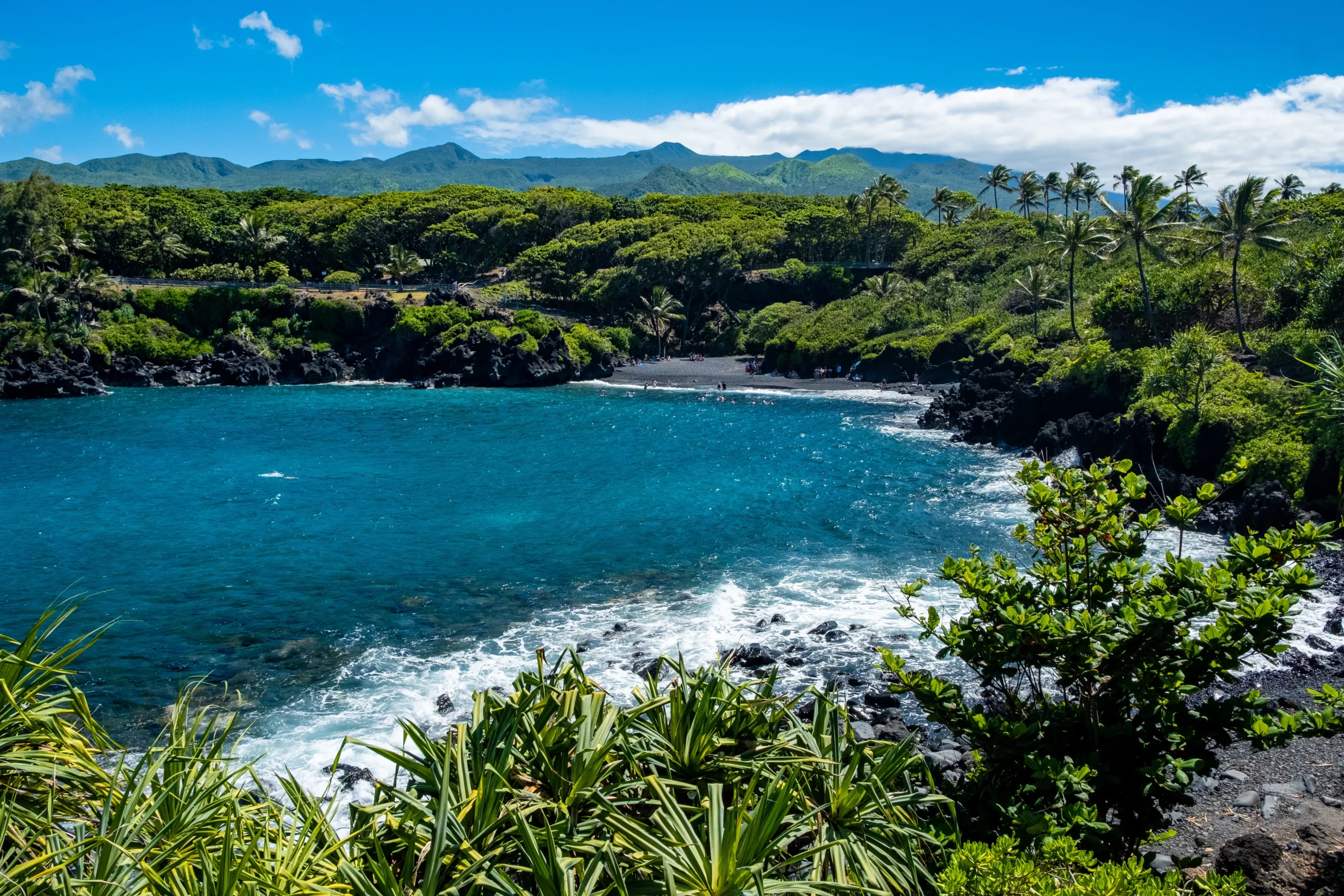
The Road to Hana isn’t just a scenic drive—it’s a journey through the heart of Maui’s history. Originally created to connect remote areas, the road has evolved into a world-renowned route that offers not only stunning views but also a deeper connection to the island’s cultural heritage. From ancient footpaths to a vital transportation route, the Road to Hana serves as a testament to Maui’s past and its enduring connection to nature. Whether you're drawn to the landscapes, the culture, or the history, this is a journey that promises unforgettable memories.
If you are looking for an easy-going and amazing guide for the Road to Hana or anywhere else, the Shaka Guide app is a must! They have audio tours that are interactive in a way that will allow you to drive and learn! Check them out here:
Shaka Guide: Road to Hana Itinerary
Whether you're an adventurer, nature lover, or history buff, the Road to Hana is an experience you won't soon forget. Plan your journey carefully, respect the land and its people, and enjoy every moment of this unique and unforgettable route.
The Road to Hāna is one of Maui’s most famous scenic drives, following Hāna Highway through the lush North Shore and East Maui. The journey is known for tropical rainforest, waterfalls, one-lane bridges, coastal views, beaches, roadside stands, and numerous opportunities to stop and explore.
Yes. For travelers who enjoy nature, scenic drives, waterfalls, hiking, and exploring beyond Maui’s resort areas, the Road to Hāna can be one of the highlights of a Maui vacation. The journey itself is a major part of the experience rather than simply reaching Hāna town.
Most visitors should plan an entire day for the Road to Hāna. Driving time depends heavily on where you begin, traffic, weather, and how many stops you make. Starting early gives you more time to explore without feeling rushed.
Yes. Many visitors complete the Road to Hāna as a full-day trip. However, trying to visit every waterfall, beach, trail, and viewpoint in one day is unrealistic. Choosing several priority stops usually creates a more enjoyable experience.
Popular Road to Hāna stops include Twin Falls, the Keʻanae Peninsula, Puaʻa Kaʻa State Wayside, Waiʻānapanapa State Park, Hāna town, and the Kīpahulu District of Haleakalā National Park. Which stops are best depends on your interests and how much time you have.
You do not need a reservation simply to drive the Road to Hāna. However, certain attractions along the route have their own reservation or entrance requirements. Most notably, non-Hawaiʻi residents need advance reservations to visit Waiʻānapanapa State Park.
Yes. Nonresident visitors need advance reservations for Waiʻānapanapa State Park, home to Maui’s famous black sand beach. Reservations include designated entry periods, and visitors should book before beginning their Road to Hāna trip.
Waiʻānapanapa reservations can currently be made up to 30 days in advance. Popular periods can sell out, so travelers should reserve their preferred time as soon as their date becomes available.
Starting early in the morning is generally best. An early departure gives you more daylight for waterfalls, hiking, beaches, and sightseeing and reduces the pressure to rush through stops later in the day.
Most visitors consider Pāʻia and the beginning of Hāna Highway along Maui’s North Shore the gateway to the Road to Hāna. From there, the route continues east through areas such as Hoʻokipa, Haʻikū, Keʻanae, and eventually Hāna.
The Road to Hāna is famous for having more than 600 curves along with dozens of bridges. The winding road is one reason the drive takes considerably longer than the mileage alone might suggest.
The drive requires attention and patience because of its many curves, narrow sections, bridges, changing weather, and local traffic. Drivers who are comfortable with winding roads can generally manage the journey by driving cautiously and following traffic laws.
That depends on the driver. Some visitors find the narrow roads, curves, bridges, and occasional steep drop-offs intimidating, while others find the drive manageable. Drive slowly, remain alert, and never feel pressured to travel faster than conditions safely allow.
Both are good options. Driving yourself provides more flexibility over where and how long you stop. A guided tour allows everyone in your group to enjoy the scenery without having to navigate the winding road and may also provide additional information about East Maui’s history, environment, and culture.
A four-wheel-drive vehicle is not normally necessary for the traditional paved route to Hāna. Travelers should check current road conditions and their rental-car agreement before attempting alternate routes or driving beyond the areas typically included in a standard Road to Hāna trip.
Some maps show a route continuing beyond Kīpahulu and around Maui’s southeastern side, but conditions and access can vary. Sections beyond the traditional Road to Hāna route may be narrow, rough, remote, closed, or prohibited by certain rental-car agreements. Check current official road information and your rental agreement rather than assuming the full loop is available.
Light rain is common in East Maui, but heavier rainfall can create hazardous driving conditions, reduced visibility, falling debris, flooding, and rapidly rising streams. Check the weather before leaving, respect closures and warning signs, and never cross flooded roads or streams.
Some areas along the route may allow swimming when conditions are appropriate, but not every waterfall or pool is safe or legally accessible. Flash flooding, falling rocks, currents, slippery terrain, and private property can create serious hazards. Follow posted signs and never enter restricted areas.
Bring plenty of drinking water, snacks, comfortable shoes, sun protection, rain protection, towels, insect repellent, and a change of clothes if you plan on swimming. Downloading maps or directions before leaving can also be helpful because cellular service may be limited in portions of East Maui.
Yes, restrooms are available at certain parks and developed stops along the route, but they are not available everywhere. Take advantage of facilities when you encounter them rather than assuming another restroom will be immediately available.
Yes. Travelers can find local fruit stands, food trucks, cafés, and other places to eat along portions of the route and in Hāna. Hours can vary, so carrying water and snacks is still a good idea.
It can be a fantastic family experience, particularly for children who enjoy waterfalls, forests, beaches, and exploring outdoors. However, the long winding drive can cause motion sickness, and parents should carefully supervise children around streams, waterfalls, cliffs, and roadways.
There is no single day that guarantees fewer crowds or perfect conditions. Weather, holidays, visitor volume, and local traffic can all affect the experience. Starting early and avoiding an overly ambitious itinerary can be more important than choosing a specific weekday.
Yes, but careful planning is important. Waiʻānapanapa requires a scheduled reservation for nonresident visitors, while the Pīpīwai Trail is farther beyond Hāna in the Kīpahulu District of Haleakalā National Park. Completing both along with numerous roadside stops can make for a very long day.
The famous bamboo forest commonly associated with the Road to Hāna is located along the Pīpīwai Trail in the Kīpahulu District of Haleakalā National Park, beyond Hāna town. The bamboo forest begins approximately one mile into the trail.
They offer completely different experiences. The Road to Hāna showcases Maui’s tropical rainforest, waterfalls, coastline, and East Maui communities, while the Haleakalā Summit District features a high-elevation volcanic landscape. If your itinerary allows, experiencing both provides a much broader look at Maui’s extraordinary geography.
Staying overnight can be a great option for travelers who want to explore East Maui at a slower pace. It provides more time for Hāna, Waiʻānapanapa, Kīpahulu, hiking, and other stops without trying to fit everything into one long driving day.
Avoid trespassing on private property, blocking roads or driveways, parking illegally, ignoring closures, leaving trash behind, and entering unsafe streams or waterfalls. Visitors should also allow local traffic to pass when it is safe to pull over and remember that Hāna Highway is an essential roadway for East Maui residents, not simply a tourist attraction.
Before heading deep into East Maui, visitors can explore Pāʻia, Hoʻokipa, Haʻikū, local restaurants, beaches, and other North Shore attractions. NorthShore Zipline is also located in Haʻikū for travelers looking to add a rainforest adventure to their Maui itinerary.
If you would like to read and learn more about interesting things in Hawaii! Check out our blog page here on our website!
or
Image Credits:
Hero:
.
Photo: Margaret Hallahan, via Wikimedia Commons. Licensed under Creative Commons Attribution-ShareAlike 4.0 International (CC BY-SA 4.0).
"waterfalls in the middle of the forest" by Tuva Hoyer, via Unsplash
Photo: Ekrem Canli, via Wikimedia Commons. Licensed under Creative Commons Attribution-ShareAlike 4.0 International (CC BY-SA 4.0)
"Forest in bay on sea shore" by Kelsey, via PexelsPhoto: Boydsk2000, via Wikimedia Commons. Licensed under Creative Commons Attribution-ShareAlike 4.0 International (CC BY-SA 4.0)
Maui's Upcountry is a hidden gem known for its rolling hills, stunning views, cooler air, and the distinctive paniolo (cowboy) lifestyle. As you venture through charming towns like Makawao, Kula, and Ulupalakua, you'll experience a more laid-back, island-time vibe that invites you to take a deep breath and soak in the fresh air and breathtaking views. This guide will help you navigate your next adventure as you make your way up the mountain, exploring the rich history, unique attractions, and natural beauty that make Upcountry Maui truly special.
Nestled in the lush hills of Maui, Makawao is a charming town steeped in rich history and culture. This area has long served as a vital resource for Hawaiians, with native forests providing materials like koa and ʻōhiʻa for canoes and homes, while its fertile soil supported traditional crops such as ‘uala (sweet potato) and kalo (taro). Established in the mid-19th century, Makawao has welcomed diverse communities, from Hawaiians and Chinese to Portuguese and Japanese immigrants. Today, the town beautifully blends its storied past with a vibrant present, showcasing local art, unique shops, and a strong sense of community.
Visitors can explore Baldwin Avenue, lined with historic buildings, or embark on a self-guided walking tour offered by the Makawao History Museum. Whether you’re drawn to its artistic flair, the warmth of its residents, or the breathtaking landscapes, Makawao promises an enriching experience for every traveler.
For a fantastic hiking experience, head to the Makawao Forest Reserve, which spans over 2,000 acres of beautiful woodlands at around 3,000 feet elevation. This area features a unique microclimate and diverse terrain, ideal for hiking without intense heat. Be sure to check a map for trails that suit your interests—some are great for biking, while others are best for foot traffic. The entrance is easy to find, with ample parking available. Keep an eye out for native forest birds like the ‘amakihi, ʻapapane, and ‘alauahio, along with rare species like the ‘i‘iwi.
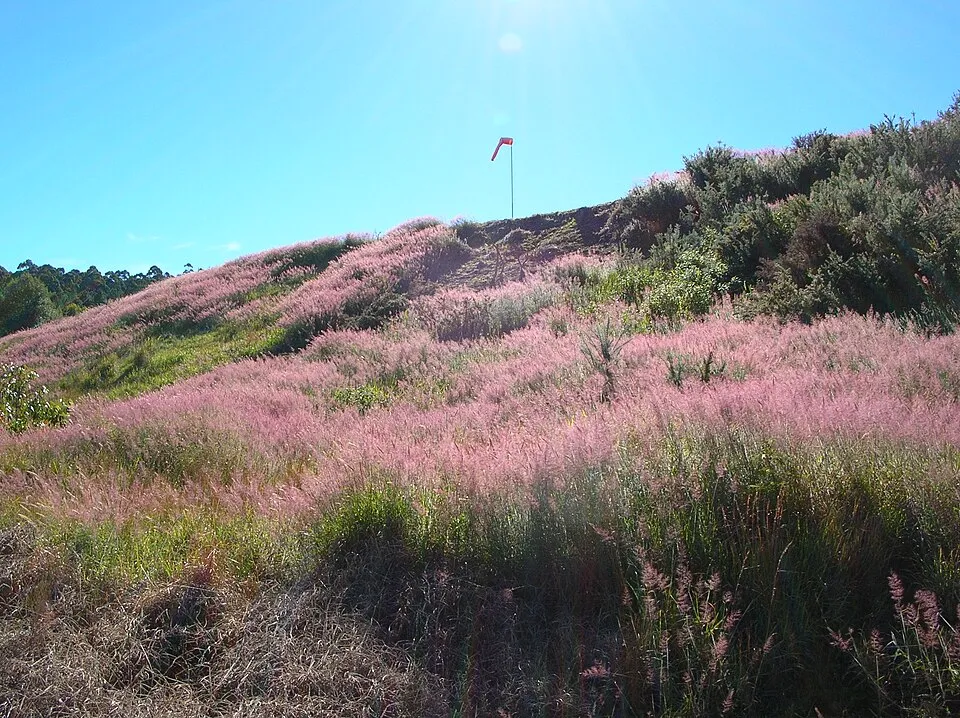
Kula's roots run deep, dating back to ancient Hawaiian times when its fertile soil and cooler climate made it perfect for agriculture. Today, it remains an important agricultural center on Maui, with numerous family-owned farms thriving in the area. The region was historically abundant with resources like kukui trees for oil, wauke trees for kapa cloth, and pili grass for thatching homes. Here are some highlights worth exploring:
Situated at about 4,000 feet, this farm features around 55,000 lavender plants across 20 varieties, with nine blooming year-round. It also showcases olive trees, hydrangeas, protea, and succulents, making it the first and only Lavender Lifestyle experience on Maui.
Nestled on the slopes of Haleakalā, this 8-acre garden features vibrant plants, stunning rock formations, a waterfall, koi pond, aviary, and a carved tiki exhibit. Kids will love the Jackson Chameleon exhibit, and don’t miss the gift shop and scenic deck!
Set on 80 acres, this distillery offers tours of their sugarcane fields and the chance to enjoy a drink with a view at the bar, complete with live music daily starting at 4:30 PM.
Maui’s largest commercial dairy farm invites you to experience cheese-making and goat interactions. Taste award-winning goat cheeses and chocolate truffles, all made with quality and aloha.
A perfect spot to catch breathtaking sunsets with panoramic views of the island.
Covering 34,000 acres, this park features diverse ecosystems, from summit landscapes to lush rainforests. It's home to rare Hawaiian species and rich cultural sites, making it ideal for hiking and exploration. Plus, its clear skies make it one of the best stargazing locations on the island.
Renowned for its stunning dining views, it's an ideal stop for a meal while watching the sunset or en route to the mountain.
Visit the farm stand just off Kula Highway for some of the island's best locally grown strawberries and fresh produce, all set against beautiful scenery.
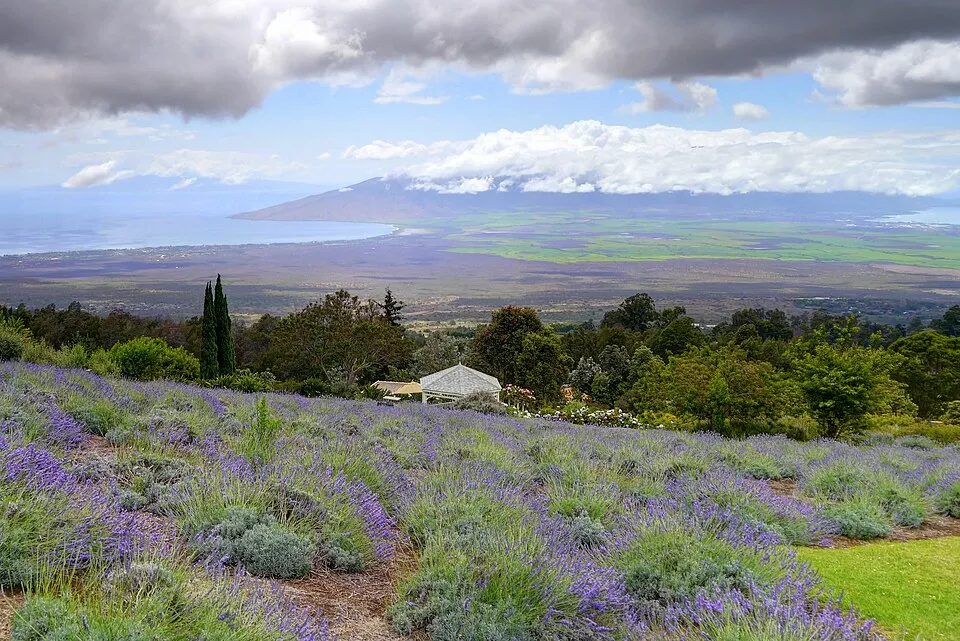
Located on the southwestern slopes of Haleakalā, Ulupalakua derives its name from an ancient Maui chief who had breadfruit transported from Kipahulu, calling the area "breadfruit ripened on the back." This region’s rich history includes an agricultural past, producing crops like corn and sugarcane, and it now thrives as a working ranch. The scenic drive to Ulupalakua offers stunning views of ranch lands, the Central Valley, and distant islands.
Embark on this journey through Maui’s Upcountry and discover the rich history, breathtaking landscapes, and vibrant culture that make this region so special.
Upcountry Maui generally refers to the communities and rural areas located on the higher elevations and slopes of Haleakalā. Makawao, Kula, and ʻUlupalakua are some of the best-known Upcountry areas, offering a very different environment from Maui’s coastal resort communities.
Upcountry is located on the slopes of Haleakalā in the central and southeastern portion of Maui. The region sits above Maui’s coastal areas and includes communities such as Makawao, Kula, and ʻUlupalakua.
Yes. Upcountry is especially worthwhile for travelers interested in local agriculture, Hawaiian history, paniolo culture, farms, gardens, mountain scenery, and a quieter side of Maui away from the major resort areas.
Upcountry Maui is known for its farms, ranches, paniolo heritage, cooler climate, locally grown produce, botanical gardens, small towns, and panoramic views. The region also provides access to Haleakalā National Park.
Popular Upcountry activities include exploring historic Makawao, visiting local farms and gardens, browsing farmers markets, enjoying scenic drives through Kula, learning about paniolo culture, visiting ʻUlupalakua, and continuing higher up Haleakalā to the national park.
Makawao and Kula are two of the most popular places to explore. Travelers with additional time can continue south toward ʻUlupalakua for ranch scenery, local agriculture, and another look at Maui’s rural landscape.
Makawao is particularly famous for its paniolo, or Hawaiian cowboy, heritage. Today, the historic town also has an arts community, local shops, galleries, restaurants, and bakeries while retaining connections to Maui’s ranching and plantation history.
Kula is an agricultural community located on the slopes of Haleakalā. Its elevation and fertile volcanic soils support farms growing vegetables, flowers, fruit, and other crops. The area is also known for its sweeping views across Central Maui.
ʻUlupalakua is a rural ranching and agricultural area on the southwestern slopes of Haleakalā. Visitors travel there for scenic drives, historic ranch landscapes, MauiWine, and views extending across Maui and toward neighboring islands when conditions are clear.
“Upcountry” describes Maui’s higher-elevation communities on the slopes of Haleakalā. As you travel uphill from Central Maui and the North Shore, the landscape transitions into cooler agricultural and ranching areas that feel considerably different from the coast.
Generally, yes. Because much of Upcountry sits at higher elevations, temperatures can be noticeably cooler than Maui’s coastal resort areas, particularly in the morning and evening. Temperatures continue dropping as you travel higher toward Haleakalā's summit.
Light layers are useful because temperatures can change with elevation, cloud cover, and time of day. Comfortable walking shoes are also recommended if you plan to explore farms, gardens, trails, or historic towns. Bring significantly warmer clothing if your itinerary continues to Haleakalā's summit.
A half day is enough to experience a few Upcountry highlights, but a full day provides more time to explore Makawao, Kula, local farms, scenic overlooks, and ʻUlupalakua without rushing.
Absolutely. A full Upcountry itinerary could include breakfast in Makawao, a farm or garden in Kula, scenic stops along the slopes of Haleakalā, lunch using locally grown ingredients, and an afternoon drive toward ʻUlupalakua.
Yes. Makawao is one of the best-known Upcountry Maui communities and is particularly associated with the island’s paniolo heritage, arts scene, and agricultural history.
Haleakalā rises directly above the Upcountry communities, and visiting its Summit District is commonly combined with an Upcountry trip. The summit itself reaches 10,023 feet and has a dramatically different environment from the farms and towns farther down the mountain.
Yes. Combining Upcountry with Haleakalā can make an excellent day trip because Makawao and Kula are located along the general route toward the Summit District. Travelers should allow additional time for driving, elevation changes, and exploring the national park.
There is no general reservation required to explore Upcountry Maui. However, individual farms, tours, attractions, and restaurants may require or recommend reservations. Haleakalā also requires a separate reservation for vehicles entering the Summit District between 3:00 a.m. and 7:00 a.m. for sunrise.
Yes. Agriculture remains an important part of Upcountry Maui, and visitors can find farms and agricultural attractions throughout the region. Experiences may include locally grown produce, flowers, dairy products, farm tours, farmers markets, and other Maui-made products.
Upcountry’s volcanic soils, elevation, and varied microclimates have supported agriculture for generations. Native Hawaiians cultivated crops in the region long before modern commercial agriculture, and farming continues to play an important role in Upcountry communities today.
Paniolo are Hawaiian cowboys. Hawaiʻi developed its own ranching tradition during the 19th century after experienced vaqueros from California were brought to the islands to teach Hawaiians cattle-handling and riding techniques. Makawao became strongly associated with Maui’s paniolo culture.
Yes. Hawaiʻi has a long ranching tradition, and paniolo culture remains an important part of Maui’s history and identity. Upcountry communities such as Makawao are particularly well known for preserving connections to that heritage.
Yes. Families can enjoy farms, gardens, small towns, easy scenic stops, local food, and educational agricultural experiences. Families continuing to Haleakalā should prepare for colder temperatures and significant elevation changes.
It can be, although conditions vary significantly throughout the region because of elevation and Maui’s microclimates. Clouds and showers are common in some Upcountry areas, while other areas may remain relatively dry. Checking the weather before heading out is helpful.
Kula and the roads climbing Haleakalā offer expansive views across Central Maui and toward the West Maui Mountains. Higher elevations can provide views of the Pacific and neighboring islands when skies are clear.
Yes. Makawao and Kula have restaurants, cafés, bakeries, markets, and other places to eat. Upcountry dining is also a great opportunity to look for dishes featuring Maui-grown produce and ingredients from local farms.
You can visit portions of both regions in one day, but trying to thoroughly explore Upcountry and complete the full Road to Hāna can create an extremely long itinerary. Travelers generally have a better experience dedicating separate days to each area.
Upcountry has visitor attractions, but much of the region consists of working farms, ranches, residential communities, and small towns. It generally feels very different from Maui’s major resort districts and gives visitors an opportunity to experience another side of everyday island life.
Elevation is one of the biggest differences. Upcountry’s cooler air, farms, ranchlands, forests, and mountain views contrast sharply with Maui’s tropical coastlines. Its strong agricultural and paniolo heritage also gives the region a distinct cultural character.
For a first visit, consider exploring historic Makawao, driving through Kula, visiting a local farm or garden, enjoying the mountain views, and learning about Maui’s paniolo and agricultural history. If you have enough time, continue toward ʻUlupalakua or make the climb to Haleakalā National Park.
If you would like to read and learn more about interesting things in Hawaii! Check out our blog page here on our website!
or
Image Credits:
Hero:
Photo: Angelstreetorchids, via Wikimedia Commons. Licensed under Creative Commons Attribution-ShareAlike 3.0 (CC BY-SA 3.0).
Photo: Forest & Kim Starr, via Wikimedia Commons. Licensed under Creative Commons Attribution 2.0 Generic (CC BY 2.0).
Photo: John Morgan, via Wikimedia Commons. Licensed under Creative Commons Attribution 2.0 Generic (CC BY 2.0).
The intrigue of the volcano is like a magnet, pulling you to explore it and fully appreciate its beauty and mystery. Visitors flock to see the volcanoes in Hawaii, yet the interesting geological fact is that the islands themselves were created from them! The eight main Hawaiian islands are made from fifteen volcanoes that first erupted on the Pacific Ocean floor and emerged above sea level. Every visit to an island is a volcano trip in itself, yet the allure of the famous Maui Volcano—Haleakalā is the most exciting one to discover.
Haleakalā is the most recognized Maui volcano and the most famous of the volcanoes in Hawaii. Named the "House of the Sun" in the native Hawaiian language, Haleakalā is an active volcano because it has erupted at least once in the last 400-600 years, making it the only active volcano on Maui. Its majesty is undeniable, with a height of 10,023 feet above sea level, making it the pinnacle and most significant landmark on Maui. Prepare to be captivated by the otherworldly sight of the Haleakalā Crater, an expansive lunar-like desert filled with cinder cones and hardened lava. It is a sight you'll carry in your memory long after your visit!
Embarking on an expedition through Haleakalā National Park, which surrounds this renowned Maui volcano, unveils a thriving ecosystem rich with exclusive species. The park is home to the silver-hued silversword plant, celebrated for its durability and longevity. Unique bird species, such as the Hawaiian goose or Nēnē, can be found navigating the volcanic landscape, while rare Hawaiian petrels decorate the sky. This park is a sanctuary of biodiversity, its volcanic terrain serving as a unique habitat for these distinct species. Here, you can immerse yourself in the extraordinary world of Haleakalā, the volcano on Maui, with a captivating blend of geology and biodiversity.
A few miles off the southern coast of Maui, you'll find Molokini, an intriguing crescent-shaped volcanic crater mostly submerged beneath the sparkling Pacific Ocean. Despite being the smallest of the volcanoes on Maui, it presents an unparalleled experience. Its clear, tranquil waters make Molokini a sought-after destination for divers and snorkeling enthusiasts. The underwater world of this volcano reveals an abundance of marine biodiversity, boasting a variety of colorful reef fish and thriving coral formations. Exploring Molokini provides a unique opportunity to delve into an underwater volcanic environment that is unique to the island.
Understanding the Role of Volcanoes in Hawaiian Culture
The significance of Hawaii's volcanoes extends beyond their geological presence; they carry profound cultural implications. It is the dwelling place of nā akua (the gods), where kahuna (priests) conduct ceremonies. In Hawaiian mythology, the deity Pele, the volcano goddess, is believed to have lived in Haleakalā and other active volcanic sites. During your visit to these remarkable places, you can experience a deep spiritual connection and learn about the rituals and beliefs of this sacred location to current and ancient Hawaiian culture.
The volcanic activity has had a significant influence on Maui's terrain. Black sand beaches, a unique product of ground lava rock, cover the coastlines, while the volcanic soils, enriched by frequent rainfall, offer ideal conditions for lush tropical forests to thrive. The fertile soils are also a haven for agriculture, contributing to the island's abundant fruits and vegetables. The influence of Maui's volcanoes is evident in the island's scenic beauty and ecological variety. From the towering heights of Haleakalā to the black sand beaches, the legacy of volcanoes on Maui has shaped and enriched every corner of the island, making it a paradise of geographical wonders. Visiting these majestic structures offers an intimate understanding of how volcanoes have sculpted Maui's unique landscape.
It's essential to adhere to marked boundaries within volcanic regions to safeguard both your well-being and the fragile ecosystems and endangered species. Wear sturdy footwear to navigate the rough terrains, and hydrate frequently. Given the altitude changes, layered clothing is beneficial as temperatures fluctuate dramatically. Apply sunscreen regularly and wear a hat to manage the Hawaiian sun comfortably. Always respect and preserve the environment, ensuring the continued beauty of these incredible volcanic landscapes for future generations.
If you would like to read and learn more about interesting things in Hawaii! Check out our blog page here on our website!
or
As the day comes to an end, the sky transforms into a canvas of vibrant colors, creating a mesmerizing sight that will leave you in awe. If you're planning a trip to Maui, make sure to add sunset viewing to your itinerary. To help you out, we've compiled a list of the best places to watch the sunset while on Maui. Get ready to witness a magnificent sunset that will take your breath away.
As the sun begins to set over the horizon, the Breathtaking Ka'anapali Beach Sunset on the western coast of Maui is a sight that should not be missed. With its golden hues reflecting off the calm waters, this is truly a moment of pure beauty. Sunset on Maui provides the perfect backdrop for a romantic evening or a peaceful stroll along the beach. If you visit during winter, you'll discover the sunsets are extra special at this time of year. Check out the mesmerizing display of nature's artwork.
The Serene Kapalua Bay Sunset is a must-see for any sunset enthusiast. As the sun sinks below the horizon, the sky is painted with vibrant pink, orange, and purple hues, creating a truly magical scene. The calm waters of Kapalua Bay and the tide pools reflect the stunning colors, and the rocky sections at both ends of the bay will enhance your sunset photos too! Take advantage of experiencing the best sunset Maui has to offer. Check the sunset time on Maui today; you'll be mesmerized by the serenity of Kapalua Bay at dusk.
Catching the Sunset from the Haleakala volcano is an experience like no other. This is one of our favorite places to watch the sunset on Maui because the expansive views create a surreal atmosphere as the sun dips below the horizon. The vibrant colors of the sky mix with the rugged landscape, making for a truly mesmerizing sight. Be sure to check the sunset time on Maui and plan your visit accordingly to witness one of the best sunsets Maui has to offer.
When it comes to breathtaking sunsets, the Enchanting Lahaina Pali Trail Sunset on Maui is in a league of its own. It's a view that requires some effort. First, you must hike for at least 15-20 minutes on the Ukumehame Trailhead, which leads to the viewpoint. You can still get excellent views from the Trailhead without walking all the way to the viewpoint to see the sky transform into a canvas of vibrant colors, creating a truly magical sight. Check out the sunset on Maui today, and don't miss out on this unforgettable experience.
With its unique angle and a half-mile stretch of stunning white sand, Keawakapu Beach is one of Kihei's ideal spots for a breathtaking Maui sunset. However, its name, Forbidden Cove, may suggest a certain level of danger. Strong winds and frequent storms can cause significant erosion of the sand, making it essential for visitors to exercise caution. Nevertheless, the unpredictable weather also means that the beach is relatively quiet, allowing for a serene and peaceful sunset experience and some dramatic photos with clouds.
Tucked away on the stunning island of Maui lies a must-visit destination for sunset lovers: Makena Cove Secret Beach. While it's not so secret, it takes a little effort to get there as it's only visible once you walk down a path, go around a rockwall, and then walk to the beach. Here, your sunset views are complemented by clear turquoise waters, lava rocks, and palm trees. It's the perfect spot to enjoy a magical Maui sunset.
Capture the magic of a Maui sunset with these helpful photography tips.
Maui is home to some of the most spectacular views in the world and one of the best ways to experience them is ziplining through the island. Zip above paradise on a Maui zipline adventure and maybe you'll catch the sunset from the sky.
Aloha, fellow foodies and adventure seekers! If you're planning a trip to Hawaii, don't miss out on the magic of Maui. With its stunning beaches, lush rainforests, and vibrant culture, Maui is a paradise for those looking to immerse themselves in nature and delicious local flavors. In this blog post, we'll be your guide to some of the must-see and must-do activities on this breathtaking island, including some hidden gems and mouthwatering food truck stops. So, grab your sunscreen and appetite; we've got things to do in Maui!
While Maui is known for its beautiful beaches, it's also famous for its delectable food truck scene. Don't skip the Honoapiilani Food Truck Park in Kaanapali, or the Maui food trucks near Costco (home of Thai Mee Up, winner of Best Food Truck on Maui and Best Food Truck Dinner in 2023), and Oao Sushi Go (a 2023 finalist for the Best Food Truck on Maui award). These spots are a food lover's paradise!

The Road to Hana is an adventure you won't forget. A winding, scenic drive that takes you through lush rainforests, waterfalls, and dramatic cliffs. Consider hiring a local guide, like @RentaMauiBoy, to get the inside scoop on hidden gems along the way.
For an adrenaline rush and breathtaking views of the island, zip over Maui's jungle at Northshore Zipline Co. With 7 lines it's an exhilarating experience that will make your heart race and your spirits soar. Located at Historic Camp Maui, a WWII military training base and home to the Fighting 4th Marine Division, don't miss their onsite museum.


Hang out on the shore and watch kite and wind surfing at the spot with some of the biggest waves and strongest winds. Known as the Mecca of surfing, Ho'okipa Beach Park is worth visiting. As you walk along the shore, you'll spot plenty of sea turtles in the water and relaxing on the sand.

Credit: dronepicr | Hookipa Beach Maui Hawaii
Explore Maui's history with an extensive 2,000 piece artifact collection, archives, photo collection, and memorial gardens. You will come away with a deeper sense of Maui's cultural roots.

Park west of town and then stroll the main street to do some window shopping or dive in fully to explore boutiques, surf shops and all sorts of tasty treats!

From milling their own rice to making their own nukazuke, NUKA has a true passion for delicious food. They source their sushi from local fishermen to create simple yet tasty Japanese dishes.

Enjoy local food and treat yourself to an ice cream sundae in the historic town of Makawao. Ohana Island Grindz is a local business deeply connected to their local community and vendors.

Start your day with a cup of locally roasted coffee at Akamai Coffee. It's a cozy spot that offers a taste of Maui's coffee culture while you plan your day's adventures.
Get up close and personal with marine life at the Maui Ocean Center. It's a perfect destination for the whole family to explore and learn about the diverse underwater world of the Pacific.

For a taste of the island's craft beer scene, head to Pukalani town! They offer a variety of locally brewed beers, and it's a great place to relax and unwind after a day of exploring.

Remember, the beauty of Maui isn't just in the places you go; it's in the experiences you have and the memories you create. So, take your time, savor the local flavors, soak in the beauty, and embrace the Aloha spirit that makes this island truly special. Maui is calling, so pack your bags and get ready for the adventure of a lifetime!