

🔥Black Friday Deal! Save 10% on Maui’s Best Zipline Adventure🔥
Use Code " BLACKFRIDAY10 "
Planning a Maui vacation with the entire family? One of the best things about the Valley Isle is that a memorable family day does not have to mean choosing between activities for kids and activities for adults. Maui offers plenty of experiences that parents, children, teens, and even grandparents can enjoy together.
From soaring through the trees on a zipline to discovering Hawaiian marine life, exploring a volcanic landscape, walking through a lush valley, and spending an afternoon at the beach, there are family fun activities in Maui for nearly every age and travel style.
The key is creating an itinerary with variety. Instead of spending every day at the beach, mix adventure, nature, Hawaiian culture, wildlife, and downtime. Here are some of the best ways to experience Maui as a family.
For families looking for something more adventurous than another beach day, ziplining is an exciting way to experience a completely different side of Maui.
Located in Haʻikū, NorthShore Zipline offers a seven-line zipline adventure through a landscape of haiku scenery, eucalyptus trees, open fields, and tropical vegetation.
The approximately two-hour experience is designed for both first-time and experienced zipliners. Children ages five and older can participate as long as they weigh at least 40 pounds, while the maximum participant weight is 270 pounds. Children 16 and younger must be accompanied by an adult.
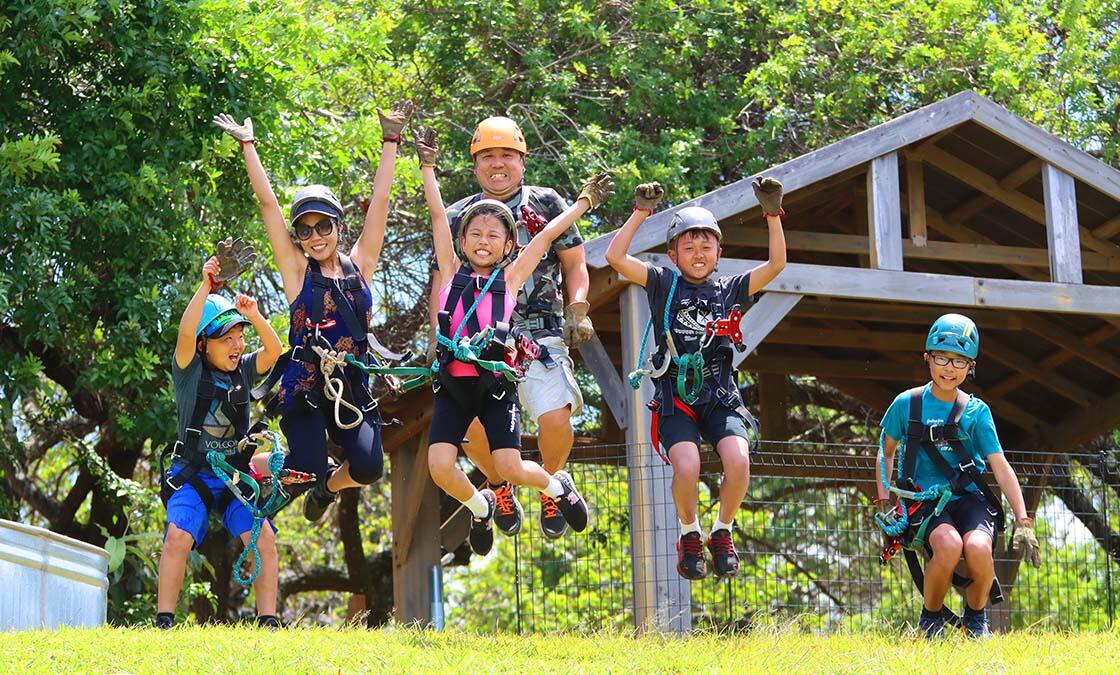
That makes ziplining particularly useful for families searching for an activity where parents and children can actually participate together instead of watching from the sidelines.
NorthShore Zipline also requires only about a 5-10 minutes of easy hiking between the lines. Family members who do not want to zip can walk part of the course for free and watch from designated viewing areas.
The property adds another interesting element to the experience: it sits on land once used as part of Camp Maui, a World War II Marine training base. Families can combine outdoor adventure with a glimpse into an often-overlooked chapter of Maui's history.
If you need a break from the sun—or Maui happens to deliver one of its rainy days—Maui Ocean Center in Māʻalaea is one of the island's most reliable family activities.
The aquarium focuses on Hawaiʻi's marine environment, giving children an opportunity to see animals they may otherwise never encounter closely while swimming or snorkeling.
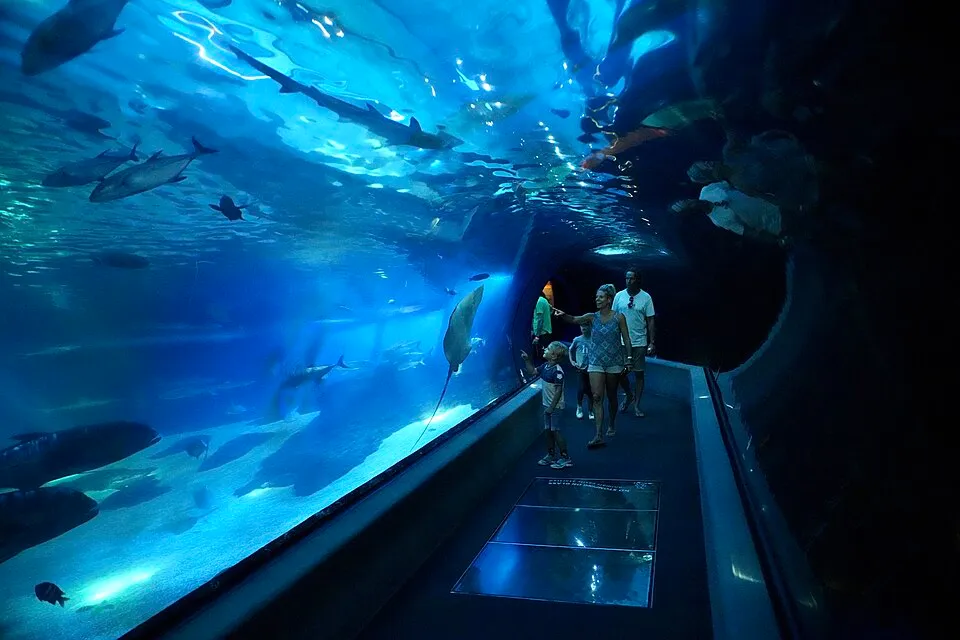
Exhibits feature coral reefs, sharks, rays, sea turtles, and other marine life associated with Hawaiian waters. General admission also includes the Humpbacks of Hawaiʻi 3D Sphere Experience.
According to Maui Ocean Center, the average visit takes approximately two hours, making it easy to combine the aquarium with another activity on the same day. The facility also has stroller-friendly and accessible pathways, which can make it a practical option for families traveling with younger children or multiple generations.
Few family experiences on Maui demonstrate the island's extraordinary geography quite like a trip to Haleakalā National Park.
The summit reaches 10,023 feet above sea level and looks dramatically different from Maui's tropical coastline. Families can stop at overlooks, explore trails, learn about native species, and discover the cultural significance of Haleakalā to Native Hawaiians.
Families with younger children can also explore the park's Junior Ranger activities, which introduce kids to Haleakalā's plants, wildlife, history, and conservation.
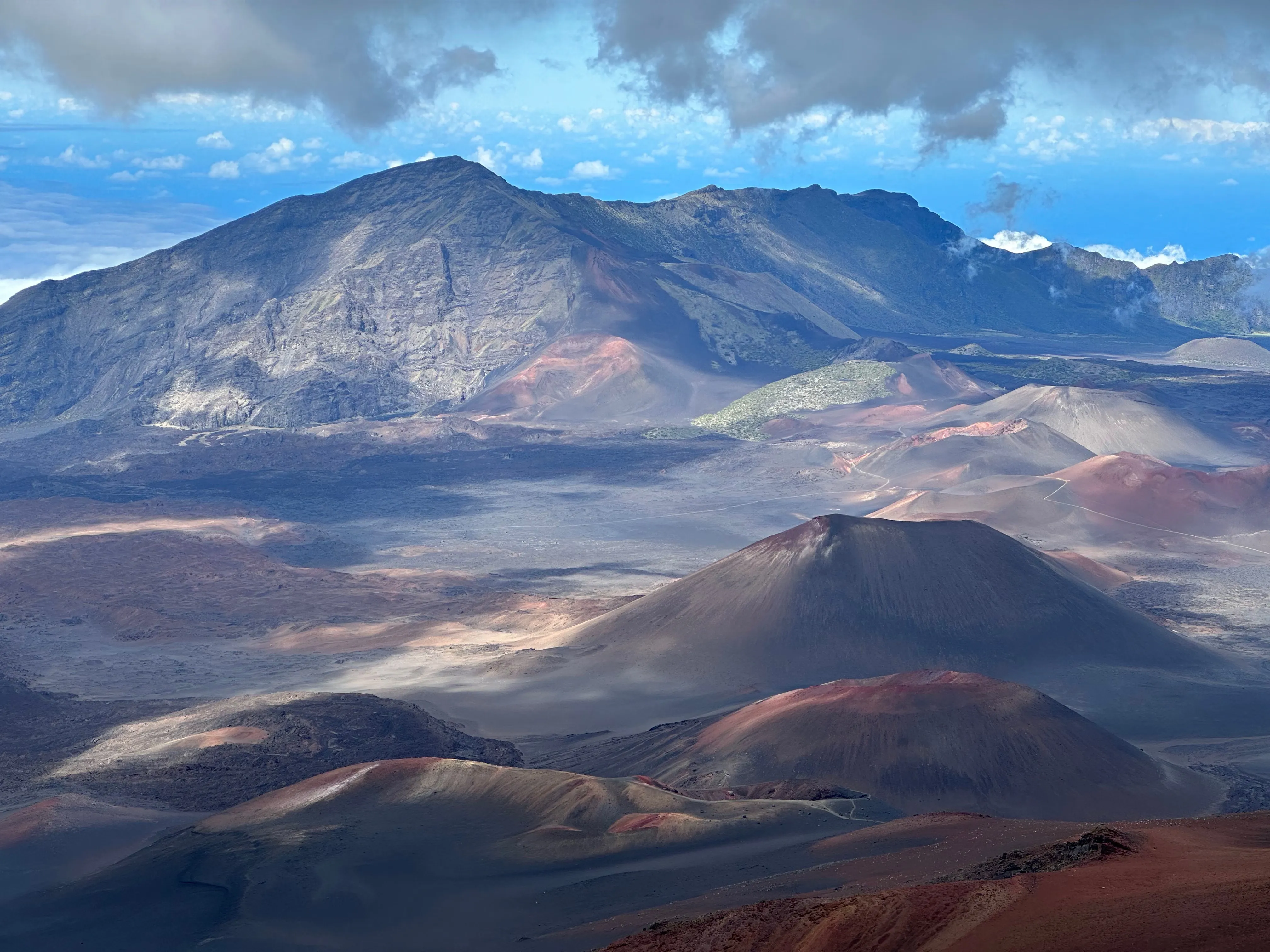
Sunrise is famous, but it requires considerably more planning. A reservation is required for vehicles entering the Summit District between 3:00 a.m. and 7:00 a.m. Reservations are separate from the park entrance fee and are released through Recreation.gov up to 60 days in advance, with another portion released two days in advance.
Families who would rather avoid waking everyone before dawn can visit later in the day. A sunrise reservation is not required after 7:00 a.m.
Whatever time you visit, bring layers. Conditions at the summit can be dramatically colder, wetter, and windier than conditions near Maui's beaches.
Families don't necessarily need to tackle a long hike to experience Maui's mountains and rainforest.
ʻĪao Valley State Monument near Wailuku offers a relatively short outing surrounded by the lush West Maui Mountains. A typical visit lasts approximately 30 to 60 minutes, making it especially convenient for families who want to experience Maui's natural scenery without committing most of the day to hiking.
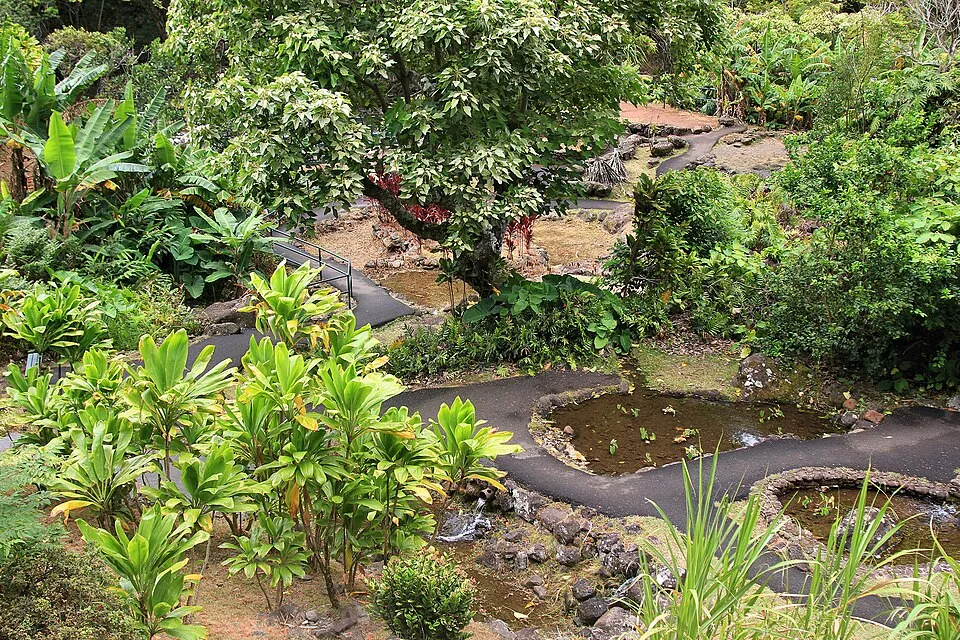
The valley is also historically and culturally significant, so it should be approached as more than simply a scenic photo stop.
Non-Hawaiʻi residents currently need advance reservations for entry, and parking reservations are also available through the official Hawaiʻi State Parks reservation system. Reservations can be made up to 30 days in advance. Hawaiʻi residents with valid state identification do not need an advance reservation or entry ticket, although parking availability is not guaranteed.
A Maui family vacation wouldn't be complete without time at the ocean.
The important thing to remember is that "family-friendly beach" does not mean the ocean will always be calm. Maui's surf, wind, currents, and shorebreak can change with weather and season.
For families with children, choosing beaches with lifeguards can add another layer of safety. Maui County operates lifeguard towers at locations including Kamaʻole I, II, and III in South Maui, H.A. Baldwin Beach Park and Hoʻokipa Beach Park on the North Shore, Kanahā Beach Park, D.T. Fleming Beach Park, and Hanakaʻōʻō Beach Park.
Before entering the ocean, look at the conditions in front of you and follow posted warnings and lifeguard instructions. A beach that was calm yesterday may behave very differently today.
Beach time can also be one of the easiest ways to keep a Maui vacation affordable. Pack lunch, bring plenty of water, find a shady place to relax, build sandcastles, walk the shoreline, and let the kids enjoy a less structured afternoon between scheduled adventures.
The Road to Hāna can be an incredible family experience, but families should think of the drive itself as the attraction rather than racing to reach Hāna.
The route is known for rainforest scenery, waterfalls, coastal views, historic bridges, and small communities. With children, a slower itinerary usually makes more sense than trying to stop at every attraction.
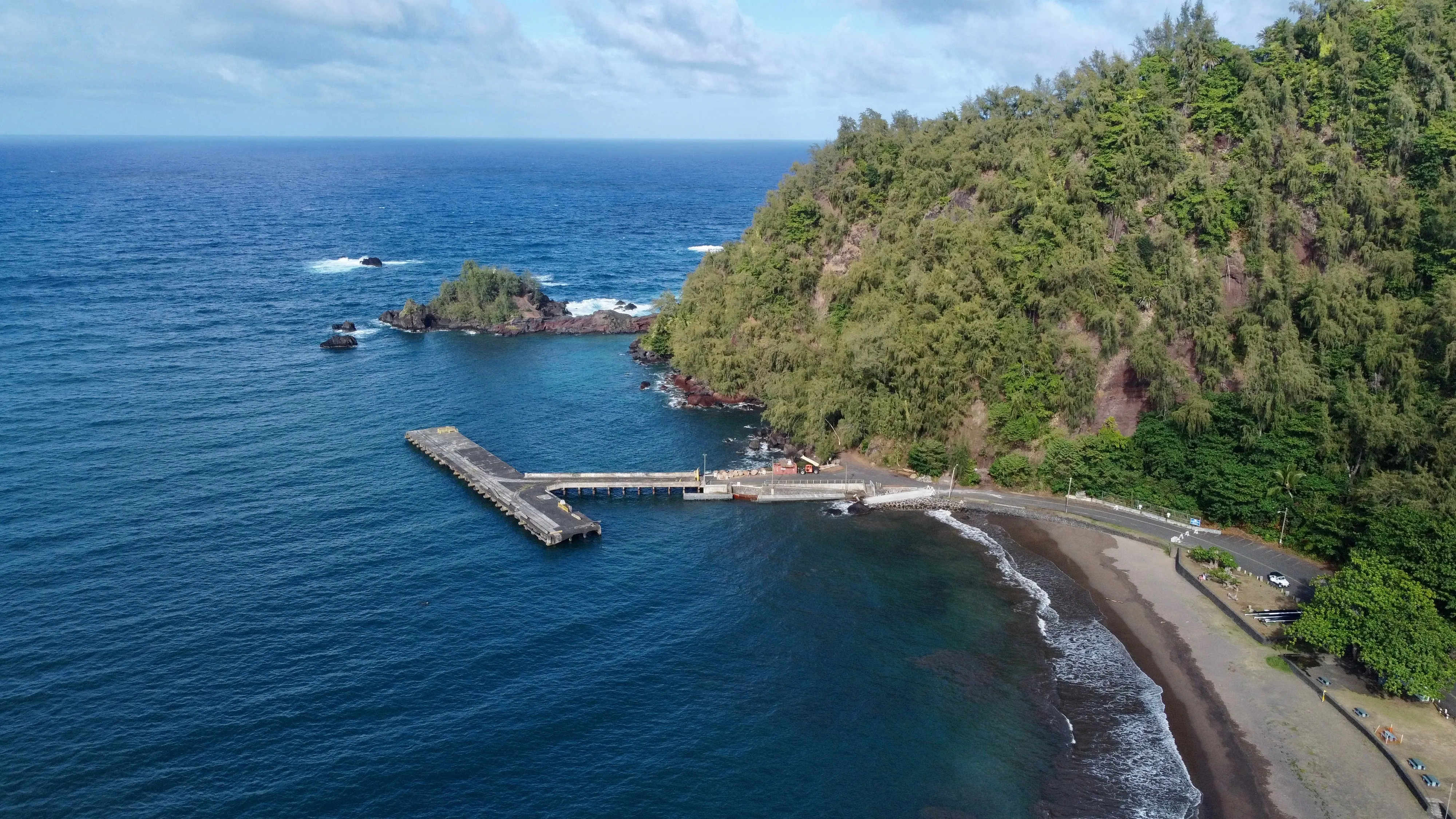
Choose a few planned stops, bring snacks and water, and allow extra time.
Most importantly, respect private property, posted signs, parking restrictions, and local communities along the route. Not every waterfall, trail, or roadside location seen on social media is legally or safely accessible.
For families who don't want to spend an entire day in the car, exploring the North Shore and stopping around Pāʻia, Hoʻokipa, and Haʻikū can provide a taste of Maui's greener side without completing the full drive to Hāna.
Seeing a Hawaiian green sea turtle, or honu, is often one of the moments children remember most from a Maui vacation.
Turtles can sometimes be seen around Maui's shoreline, including areas along the North Shore. If you encounter one resting on land or swimming nearby, give it plenty of space.
Wildlife viewing is far more meaningful when children learn that seeing an animal does not mean they need to touch, chase, feed, or surround it.
It can turn a simple beach stop into an opportunity to teach younger travelers about conservation and responsible tourism in Hawaiʻi.
Some of the best family memories on Maui happen between the major attractions.
Stop at a local farmers market. Try fruit your kids have never tasted. Walk through a small Upcountry town. Watch the sunset together. Look for rainbows after an afternoon shower. Spend an hour exploring instead of rushing to the next reservation.
Maui works especially well for families when the itinerary leaves room for spontaneity.
A great family vacation might include a morning zipline adventure in Haʻikū, an afternoon at the beach, another day exploring Haleakalā, and a rainy-day visit to Maui Ocean Center.
You don't have to see everything.
Choose experiences your family can enjoy together, leave room to slow down, and Maui will provide plenty of moments worth remembering.
NorthShore Zipline – Family Zipline Adventure
NorthShore Zipline – Things to Do on Maui
Maui Ocean Center
Haleakalā National Park
Haleakalā Sunrise Information
ʻĪao Valley State Monument Reservations
Maui County Ocean Safety
Popular family activities in Maui include ziplining, visiting Maui Ocean Center, exploring Haleakalā National Park, visiting ʻĪao Valley, spending time at family-friendly beaches, wildlife watching, and exploring Maui's North Shore and Road to Hāna. The best activity depends on the ages and interests of your children.
Families can go ziplining, visit an aquarium, explore Haleakalā National Park, take short nature walks, visit ʻĪao Valley, explore Upcountry Maui, visit farmers markets, look for Hawaiian wildlife, and take a scenic drive along the North Shore.
Yes, although minimum requirements vary by company. NorthShore Zipline in Haʻikū allows children ages five and older who weigh at least 40 pounds to participate. Children 16 and younger must be accompanied by an adult.
Maui Ocean Center is one of the most popular rainy-day family attractions. Families can also explore different parts of the island where weather conditions may be better, visit local shops and restaurants, or participate in scheduled activities that continue safely during light rain. Weather varies considerably across Maui, so rain in one area does not necessarily mean rain everywhere.
Yes. Families can visit overlooks, explore trails and learn about Haleakalā's native species, geology, history, and Native Hawaiian cultural significance. The National Park Service also offers Junior Ranger activities for children. Families should bring warm clothing because summit conditions can be much colder than coastal Maui.
A special reservation is required to enter the Haleakalā Summit District between 3:00 a.m. and 7:00 a.m. for sunrise. Visitors entering after 7:00 a.m. do not need the sunrise reservation, although normal park entrance fees still apply.
Visitors who are not Hawaiʻi residents need reservations to enter ʻĪao Valley State Monument. Hawaiʻi residents with valid state identification do not need reservations or entry tickets, although parking is subject to availability.
Beach days, public parks, scenic drives, sunset watching, walking through towns, wildlife viewing from a respectful distance, and exploring some scenic viewpoints are among the easiest ways for families to enjoy Maui without booking an expensive tour every day.
Family activities are spread throughout Maui. South and West Maui have many beaches and resort-area activities, Central Maui provides convenient access to ʻĪao Valley and Maui Ocean Center, while the North Shore and Upcountry offer ziplining, scenic drives, small towns, farms, and access toward Haleakalā and the Road to Hāna.
Families looking beyond traditional beach activities can zipline through Haʻikū, explore Haleakalā's volcanic summit, learn about Hawaiian marine ecosystems at Maui Ocean Center, visit ʻĪao Valley, explore Upcountry Maui, or combine a North Shore adventure with stops in Pāʻia and Hoʻokipa.
For most families, one major scheduled activity per day plus a flexible beach, sightseeing, or dining stop creates a more comfortable itinerary. Maui involves more driving than many first-time visitors expect, and leaving extra time makes it easier to enjoy the island without rushing from one reservation to another.
Yes. Maui offers a broad mix of activities ranging from scenic overlooks, beaches and aquariums to hiking, snorkeling and ziplining. Families can choose activities based on mobility, age and comfort level while still spending much of the vacation together.
If you would like to read and learn more about interesting things in Hawaii! Check out our blog page here on our website!
or
Image Credits:
Blog Photos:
"scenic beach view in kihei, hawaii" by Harry Xie, via Pexels
Maui Ocean Center’s 53-Foot Acrylic Tunnel — Photo by Richard N Horne. Licensed under the Creative Commons Attribution-ShareAlike 4.0 International (CC BY-SA 4.0). Source: Wikimedia Commons.
"Majestic Haleakala Volcano landscape in Hawaii" by Rushi Patel, via Pexels
ʻĪao Valley State Park Nature Trail, Maui — Photo by Larry D. Moore. Licensed under the Creative Commons Attribution 4.0 International (CC BY 4.0). Source: Wikimedia Commons.
Hawaii is famous for its pristine beaches, lush rainforests, and laid-back island life—but beneath its tropical beauty lies one of nature’s most powerful forces: volcanoes. The Hawaiian Islands were formed by volcanic activity millions of years ago, and even today, several of these giants remain active. Understanding Hawaii’s active volcanoes gives travelers and nature enthusiasts a deeper appreciation for the islands’ ever-evolving landscape and the unique culture shaped by Pele, the Hawaiian goddess of fire and volcanoes.
Although the Hawaiian Islands sit far from the main Pacific “Ring of Fire,” they’re among the world’s most active volcanic regions. This is because Hawaii sits above a hotspot—a plume of molten rock rising from deep within the Earth’s mantle. As the Pacific tectonic plate slowly drifts northwest over this hotspot, magma pushes through the crust, forming volcanoes that eventually rise above the ocean’s surface.
Over time, this process created the entire Hawaiian archipelago, from the Big Island (Hawaiʻi Island) in the southeast to the older, eroded islands of Kauaʻi and Niʻihau in the northwest. The further an island is from the hotspot, the older and more dormant its volcanoes become.
Hawaii is home to six major volcanoes, and four of them are classified as active today. These include:
The remaining two, Mauna Kea and Kohala, are considered dormant, though Mauna Kea still shows signs of potential future activity.
Located within Hawai‘i Volcanoes National Park, Kīlauea has been erupting on and off for centuries. Its most recent eruptive cycles, including the 2018 lower Puna eruption and the 2023 summit activity, reshaped parts of the island and created new landscapes. Kīlauea’s lava flows have destroyed homes but also extended the island’s coastline—an awe-inspiring reminder of how Hawaii is continuously reborn.
Visitors to Hawai‘i Volcanoes National Park can witness steam vents, volcanic craters, and solidified lava fields, with opportunities to safely view the glowing lava when eruptions occur within designated zones.
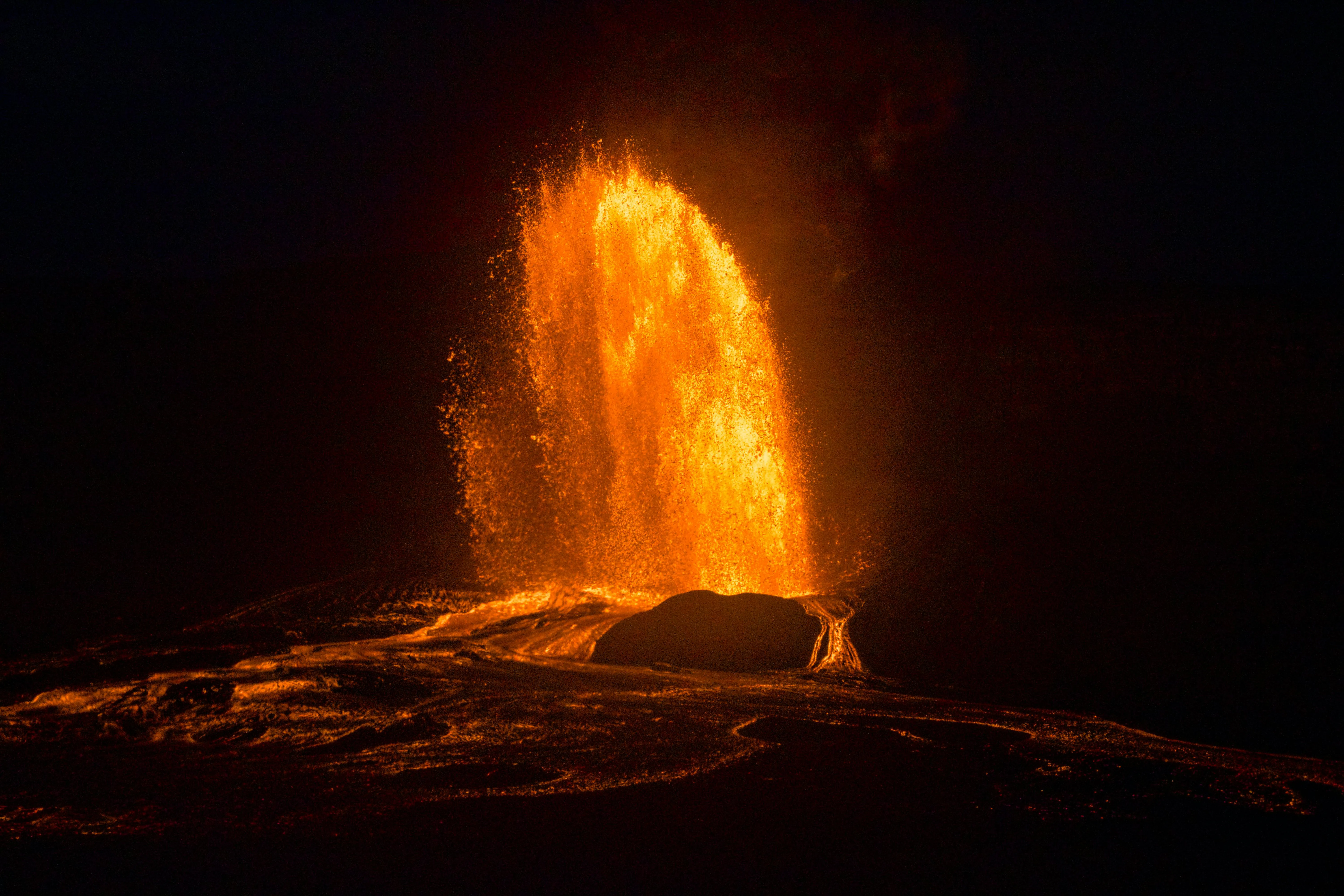
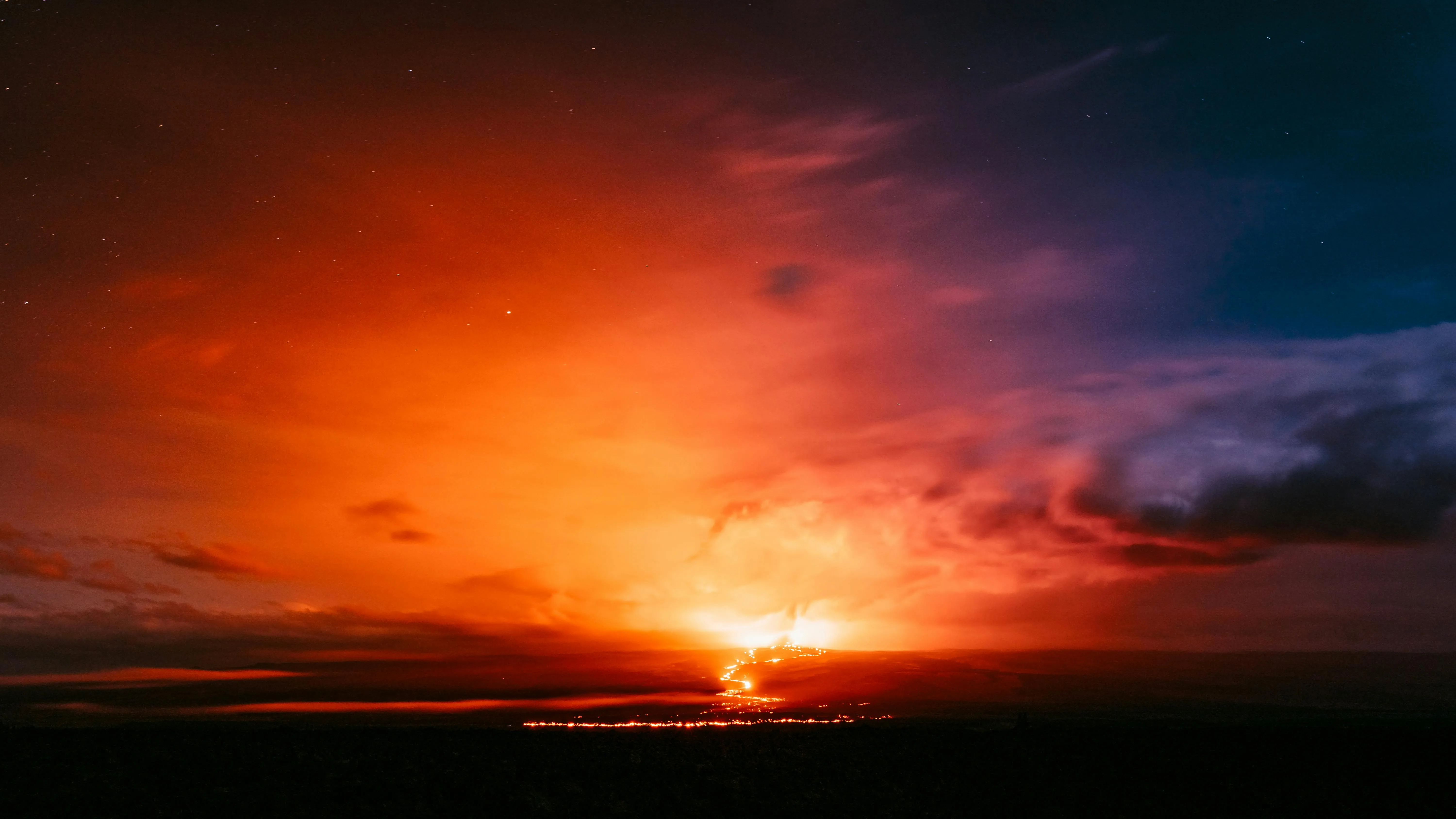
Towering 13,681 feet above sea level—and extending about 30,000 feet from its base on the ocean floor—Mauna Loa is the largest volcano on Earth. It covers more than half of the Big Island and has erupted 33 times since its first documented eruption in 1843. Its most recent eruption in November 2022 lit up the night sky and temporarily closed nearby highways, offering dramatic, unforgettable views for those lucky enough to see it.
Despite its size and power, Mauna Loa is closely monitored by scientists at the Hawaiian Volcano Observatory. The volcano’s slopes are home to observatories, hiking trails, and cultural sites that hold deep meaning for Native Hawaiians.
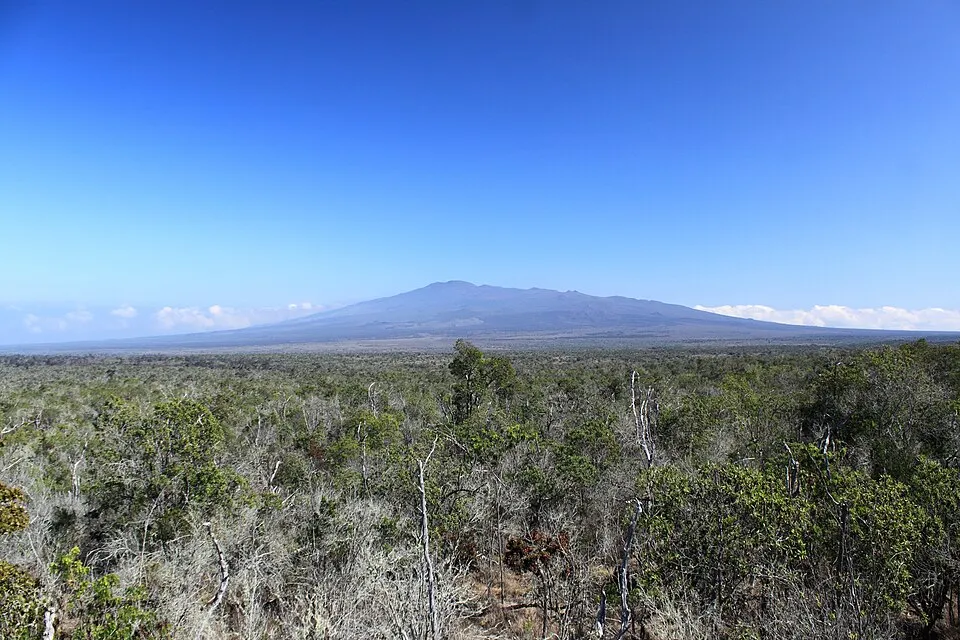
Hualālai, overlooking the Kona coast, is often overlooked compared to its larger neighbors, but it remains an active volcano. Its last eruption in 1801 sent lava flows into the ocean, forming much of the current shoreline around Kailua-Kona.
Although dormant for more than 200 years, geologists consider Hualālai “potentially active.” Seismic activity and ground deformation recorded in recent decades suggest that the volcano is recharging and could erupt again within the next century.
Deep beneath the Pacific Ocean, about 20 miles southeast of the Big Island, lies Lō‘ihi Seamount—a young submarine volcano still forming. While it hasn’t broken the ocean’s surface yet, it’s considered the youngest active volcano in the Hawaiian chain.
Scientists predict that in tens of thousands of years, Lō‘ihi could emerge as a brand-new island, continuing Hawaii’s geological story of creation.
If you’re planning to experience Hawaii’s active volcanoes, Hawai‘i Volcanoes National Park is the best place to start. The park spans over 335,000 acres and includes both Kīlauea and Mauna Loa. Visitors can hike through volcanic craters, walk across lava fields, and explore the Thurston Lava Tube—a massive tunnel formed by flowing lava centuries ago.
Always check for current conditions and eruption updates from the USGS Hawaiian Volcano Observatory before visiting. Volcanic gases, unstable terrain, and lava hazards can change quickly.
For those looking for a less intense but still thrilling adventure, exploring Maui’s Haleakalā Crater offers a chance to see the dormant side of volcanic beauty—no lava, but an unforgettable landscape sculpted by ancient eruptions.
There are four active volcanoes in Hawaii—Kīlauea, Mauna Loa, Hualālai, and Lō‘ihi Seamount.
Activity can change frequently. As of recent updates, Kīlauea is the most consistently active volcano. Always check the USGS Hawaiian Volcano Observatory website for current eruption status.
Yes it is safe to visit these wonders. If you follow park rules and safety advisories. Hawai‘i Volcanoes National Park offers guided areas where visitors can view volcanic activity safely.
Mauna Loa is the largest active volcano on Earth, covering more than half of Hawaii’s Big Island.
Yes! Lō‘ihi Seamount, located underwater south of the Big Island, is slowly growing and could become Hawaii’s newest island in the distant future.
Absolutely. Trails like Kīlauea Iki and Mauna Loa Summit Trail offer breathtaking views of volcanic craters, steam vents, and lava landscapes.
Although Hawaii isn’t on the main “Ring of Fire,” it was formed by a volcanic hotspot beneath the Pacific Plate. As the plate moves, the hotspot stays fixed, creating a chain of islands over millions of years.
There are four active volcanoes—Kīlauea, Mauna Loa, Hualālai, and Lō‘ihi Seamount. Kīlauea is the most active, Mauna Loa is the largest, and Lō‘ihi is still growing beneath the sea.
Kīlauea is one of the most active volcanoes on Earth, known for near-continuous eruptions. It’s easily accessible inside Hawai‘i Volcanoes National Park, where visitors can often view steam vents and cooled lava flows.
Mauna Loa is the largest volcano in the world, rising nearly 30,000 feet from base to summit. It last erupted in November 2022, producing stunning lava flows that were safely visible from nearby highways.
Yes—though it hasn’t erupted since 1801, scientists consider Hualālai “potentially active.” Seismic activity under its slopes suggests that it still has magma movement beneath the surface.
Eventually! The Lō‘ihi Seamount, an underwater volcano south of the Big Island, is still growing. It could emerge as a new Hawaiian island in tens of thousands of years.
The best place to see Hawaii’s volcanic activity is Hawai‘i Volcanoes National Park, home to Kīlauea and Mauna Loa. The park offers safe viewing areas, hiking trails, and guided tours.
Yes, but they’re dormant. Maui’s Haleakalā is a massive shield volcano that last erupted about 400–600 years ago. It’s not active, but its summit crater provides an unforgettable look at Hawaii’s volcanic past.
Not if you follow safety rules. The park and USGS post frequent updates on eruption conditions. Visitors are only allowed near safe zones, and guided tours ensure a secure, educational experience.
In Hawaiian tradition, volcanoes are the domain of Pele, the goddess of fire. She represents both destruction and creation—reminding locals and visitors alike that the islands themselves are living, sacred land.
If you would like to read and learn more about interesting things in Hawaii! Check out our blog page here on our website!
or
Image Credits:
Explosive Eruption at Hawaii Volcanoes National Park - Photo by James Lee, via Pexels
Fiery Volcanic Eruption in Hawaii - Photo by James Lee, via Pexels, modified
Yellow Sky after Mauna Loa Eruption on Hawaii - Photo by Dane Amacher, via Pexels, modified
Hualālai Volcano, Hawaiʻi – Photo by Karl Magnacca, via Wikimedia Commons (CC BY-SA 4.0), modified