
Table of Contents
Maui's Upcountry is a hidden gem known for its rolling hills, stunning views, cooler air, and the distinctive paniolo (cowboy) lifestyle. As you venture through charming towns like Makawao, Kula, and Ulupalakua, you'll experience a more laid-back, island-time vibe that invites you to take a deep breath and soak in the fresh air and breathtaking views. This guide will help you navigate your next adventure as you make your way up the mountain, exploring the rich history, unique attractions, and natural beauty that make Upcountry Maui truly special.
Discovering Makawao: A Glimpse into its History
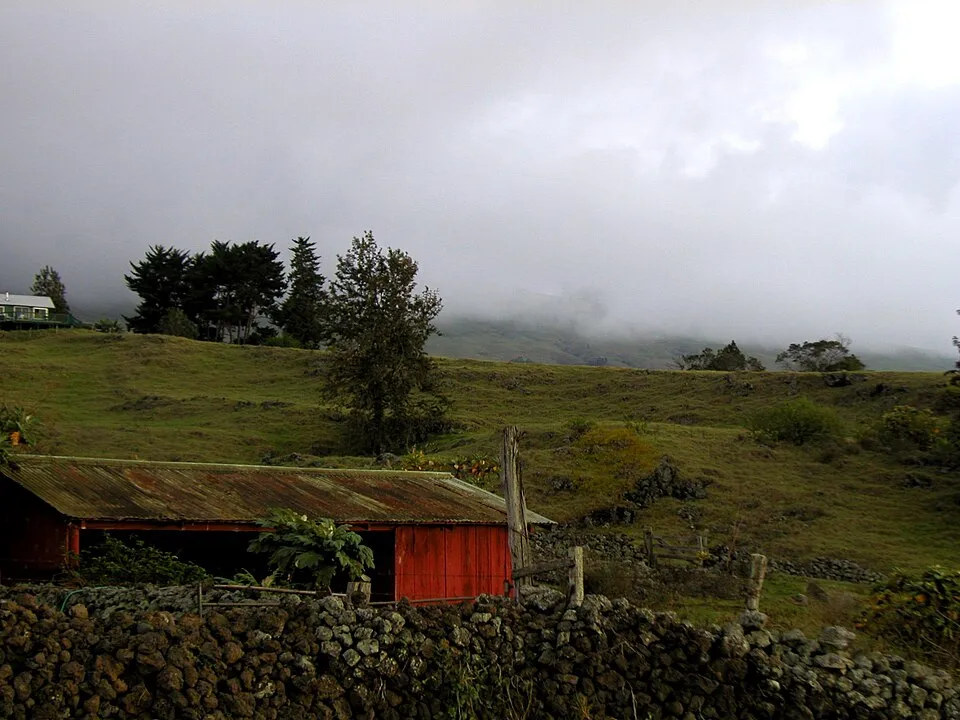
Nestled in the lush hills of Maui, Makawao is a charming town steeped in rich history and culture. This area has long served as a vital resource for Hawaiians, with native forests providing materials like koa and ʻōhiʻa for canoes and homes, while its fertile soil supported traditional crops such as ‘uala (sweet potato) and kalo (taro). Established in the mid-19th century, Makawao has welcomed diverse communities, from Hawaiians and Chinese to Portuguese and Japanese immigrants. Today, the town beautifully blends its storied past with a vibrant present, showcasing local art, unique shops, and a strong sense of community.
Visitors can explore Baldwin Avenue, lined with historic buildings, or embark on a self-guided walking tour offered by the Makawao History Museum. Whether you’re drawn to its artistic flair, the warmth of its residents, or the breathtaking landscapes, Makawao promises an enriching experience for every traveler.
Makawao Forest Reserve
For a fantastic hiking experience, head to the Makawao Forest Reserve, which spans over 2,000 acres of beautiful woodlands at around 3,000 feet elevation. This area features a unique microclimate and diverse terrain, ideal for hiking without intense heat. Be sure to check a map for trails that suit your interests—some are great for biking, while others are best for foot traffic. The entrance is easy to find, with ample parking available. Keep an eye out for native forest birds like the ‘amakihi, ʻapapane, and ‘alauahio, along with rare species like the ‘i‘iwi.
Kula: A Historic Agricultural Hub
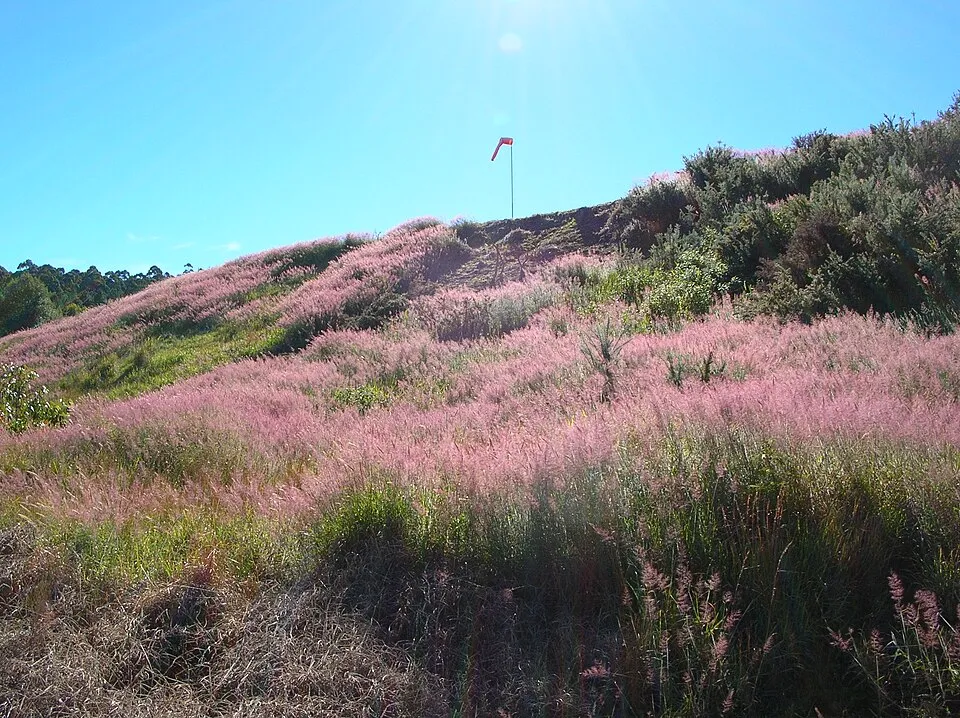
Kula's roots run deep, dating back to ancient Hawaiian times when its fertile soil and cooler climate made it perfect for agriculture. Today, it remains an important agricultural center on Maui, with numerous family-owned farms thriving in the area. The region was historically abundant with resources like kukui trees for oil, wauke trees for kapa cloth, and pili grass for thatching homes. Here are some highlights worth exploring:
Lavender Farm:
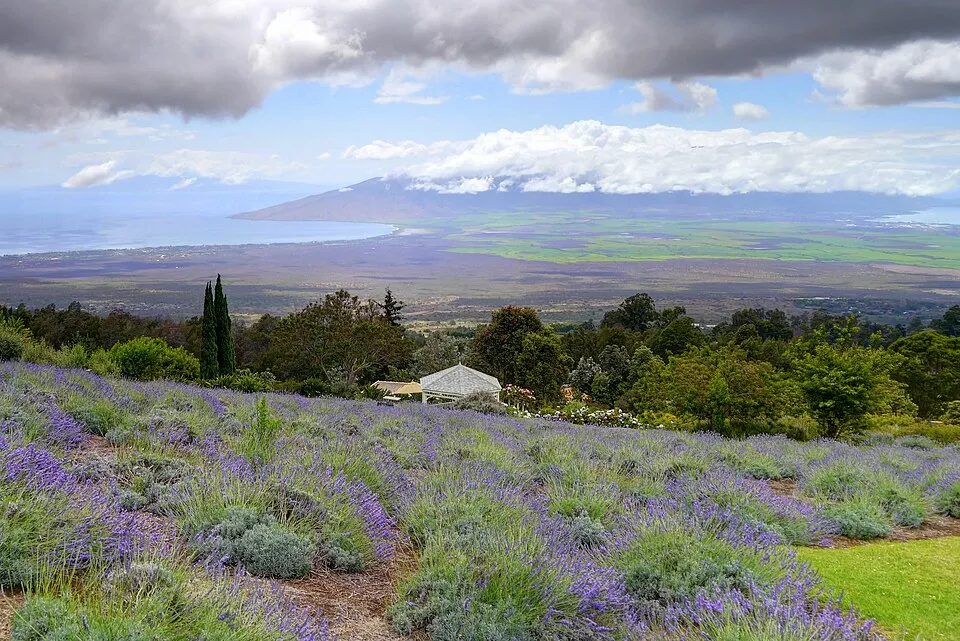
Situated at about 4,000 feet, this farm features around 55,000 lavender plants across 20 varieties, with nine blooming year-round. It also showcases olive trees, hydrangeas, protea, and succulents, making it the first and only Lavender Lifestyle experience on Maui.
Kula Botanical Garden:
Nestled on the slopes of Haleakalā, this 8-acre garden features vibrant plants, stunning rock formations, a waterfall, koi pond, aviary, and a carved tiki exhibit. Kids will love the Jackson Chameleon exhibit, and don’t miss the gift shop and scenic deck!
Ocean Vodka:
Set on 80 acres, this distillery offers tours of their sugarcane fields and the chance to enjoy a drink with a view at the bar, complete with live music daily starting at 4:30 PM.
Surfing Goat Dairy Farm:
Maui’s largest commercial dairy farm invites you to experience cheese-making and goat interactions. Taste award-winning goat cheeses and chocolate truffles, all made with quality and aloha.
Rice Park:
A perfect spot to catch breathtaking sunsets with panoramic views of the island.
Haleakalā National Park:
Covering 34,000 acres, this park features diverse ecosystems, from summit landscapes to lush rainforests. It's home to rare Hawaiian species and rich cultural sites, making it ideal for hiking and exploration. Plus, its clear skies make it one of the best stargazing locations on the island.
Kula Lodge:
Renowned for its stunning dining views, it's an ideal stop for a meal while watching the sunset or en route to the mountain.
Kula Country Farms:
Visit the farm stand just off Kula Highway for some of the island's best locally grown strawberries and fresh produce, all set against beautiful scenery.
Ulupalakua: A Historic and Scenic Destination
Located on the southwestern slopes of Haleakalā, Ulupalakua derives its name from an ancient Maui chief who had breadfruit transported from Kipahulu, calling the area "breadfruit ripened on the back." This region’s rich history includes an agricultural past, producing crops like corn and sugarcane, and it now thrives as a working ranch. The scenic drive to Ulupalakua offers stunning views of ranch lands, the Central Valley, and distant islands.
Things to Do in Ulupalakua:
- Horseback Riding: Explore the beautiful landscapes on horseback.
- Sport Clay Shooting: Enjoy a thrilling shooting experience.
- Wine Tasting: Visit the historic Kalakaua Cottage at Tedeschi Vineyard for wine tastings and tours.
- Dining: Savor ranch-fresh meals at the Ulupalakua Ranch Store and Grill, featuring Angus beef and elk burgers.
- Picnic: Relax on the lawn at the winery among the flowers and century-old trees.
Embark on this journey through Maui’s Upcountry and discover the rich history, breathtaking landscapes, and vibrant culture that make this region so special.
Helpful Links
- Upcountry Maui – GoHawaii — Official visitor guide to Makawao, Kula, Haleakalā, farms, paniolo culture, and Upcountry Maui.
- Haleakalā National Park — Official information for visiting Haleakalā, including current conditions, hiking, entrance fees, and summit planning.
- Makawao History Museum — Learn about Makawao’s paniolo, plantation, agricultural, and community history.
- NorthShore Zipline Maui Blog — Explore more guides to Upcountry, Maui history, local farms, Haleakalā, the North Shore, and outdoor adventures.
Frequently Asked Questions About Upcountry Maui
What is considered Upcountry Maui?
Upcountry Maui generally refers to the communities and rural areas located on the higher elevations and slopes of Haleakalā. Makawao, Kula, and ʻUlupalakua are some of the best-known Upcountry areas, offering a very different environment from Maui’s coastal resort communities.
Where is Upcountry Maui?
Upcountry is located on the slopes of Haleakalā in the central and southeastern portion of Maui. The region sits above Maui’s coastal areas and includes communities such as Makawao, Kula, and ʻUlupalakua.
Is Upcountry Maui worth visiting?
Yes. Upcountry is especially worthwhile for travelers interested in local agriculture, Hawaiian history, paniolo culture, farms, gardens, mountain scenery, and a quieter side of Maui away from the major resort areas.
What is Upcountry Maui known for?
Upcountry Maui is known for its farms, ranches, paniolo heritage, cooler climate, locally grown produce, botanical gardens, small towns, and panoramic views. The region also provides access to Haleakalā National Park.
What are the best things to do in Upcountry Maui?
Popular Upcountry activities include exploring historic Makawao, visiting local farms and gardens, browsing farmers markets, enjoying scenic drives through Kula, learning about paniolo culture, visiting ʻUlupalakua, and continuing higher up Haleakalā to the national park.
What towns should I visit in Upcountry Maui?
Makawao and Kula are two of the most popular places to explore. Travelers with additional time can continue south toward ʻUlupalakua for ranch scenery, local agriculture, and another look at Maui’s rural landscape.
What is Makawao, Maui known for?
Makawao is particularly famous for its paniolo, or Hawaiian cowboy, heritage. Today, the historic town also has an arts community, local shops, galleries, restaurants, and bakeries while retaining connections to Maui’s ranching and plantation history.
What is Kula, Maui known for?
Kula is an agricultural community located on the slopes of Haleakalā. Its elevation and fertile volcanic soils support farms growing vegetables, flowers, fruit, and other crops. The area is also known for its sweeping views across Central Maui.
What is ʻUlupalakua known for?
ʻUlupalakua is a rural ranching and agricultural area on the southwestern slopes of Haleakalā. Visitors travel there for scenic drives, historic ranch landscapes, MauiWine, and views extending across Maui and toward neighboring islands when conditions are clear.
What does “Upcountry” mean in Maui?
“Upcountry” describes Maui’s higher-elevation communities on the slopes of Haleakalā. As you travel uphill from Central Maui and the North Shore, the landscape transitions into cooler agricultural and ranching areas that feel considerably different from the coast.
Is Upcountry Maui colder than the beach?
Generally, yes. Because much of Upcountry sits at higher elevations, temperatures can be noticeably cooler than Maui’s coastal resort areas, particularly in the morning and evening. Temperatures continue dropping as you travel higher toward Haleakalā's summit.
What should I wear in Upcountry Maui?
Light layers are useful because temperatures can change with elevation, cloud cover, and time of day. Comfortable walking shoes are also recommended if you plan to explore farms, gardens, trails, or historic towns. Bring significantly warmer clothing if your itinerary continues to Haleakalā's summit.
How much time do you need to explore Upcountry Maui?
A half day is enough to experience a few Upcountry highlights, but a full day provides more time to explore Makawao, Kula, local farms, scenic overlooks, and ʻUlupalakua without rushing.
Can you spend a full day in Upcountry Maui?
Absolutely. A full Upcountry itinerary could include breakfast in Makawao, a farm or garden in Kula, scenic stops along the slopes of Haleakalā, lunch using locally grown ingredients, and an afternoon drive toward ʻUlupalakua.
Is Makawao considered Upcountry Maui?
Yes. Makawao is one of the best-known Upcountry Maui communities and is particularly associated with the island’s paniolo heritage, arts scene, and agricultural history.
Is Haleakalā part of Upcountry Maui?
Haleakalā rises directly above the Upcountry communities, and visiting its Summit District is commonly combined with an Upcountry trip. The summit itself reaches 10,023 feet and has a dramatically different environment from the farms and towns farther down the mountain.
Can you visit Upcountry Maui and Haleakalā on the same day?
Yes. Combining Upcountry with Haleakalā can make an excellent day trip because Makawao and Kula are located along the general route toward the Summit District. Travelers should allow additional time for driving, elevation changes, and exploring the national park.
Do you need reservations to visit Upcountry Maui?
There is no general reservation required to explore Upcountry Maui. However, individual farms, tours, attractions, and restaurants may require or recommend reservations. Haleakalā also requires a separate reservation for vehicles entering the Summit District between 3:00 a.m. and 7:00 a.m. for sunrise.
Are there farms you can visit in Upcountry Maui?
Yes. Agriculture remains an important part of Upcountry Maui, and visitors can find farms and agricultural attractions throughout the region. Experiences may include locally grown produce, flowers, dairy products, farm tours, farmers markets, and other Maui-made products.
Why is farming important in Upcountry Maui?
Upcountry’s volcanic soils, elevation, and varied microclimates have supported agriculture for generations. Native Hawaiians cultivated crops in the region long before modern commercial agriculture, and farming continues to play an important role in Upcountry communities today.
What is paniolo culture in Maui?
Paniolo are Hawaiian cowboys. Hawaiʻi developed its own ranching tradition during the 19th century after experienced vaqueros from California were brought to the islands to teach Hawaiians cattle-handling and riding techniques. Makawao became strongly associated with Maui’s paniolo culture.
Are there Hawaiian cowboys on Maui?
Yes. Hawaiʻi has a long ranching tradition, and paniolo culture remains an important part of Maui’s history and identity. Upcountry communities such as Makawao are particularly well known for preserving connections to that heritage.
Is Upcountry Maui good for families?
Yes. Families can enjoy farms, gardens, small towns, easy scenic stops, local food, and educational agricultural experiences. Families continuing to Haleakalā should prepare for colder temperatures and significant elevation changes.
Is Upcountry Maui good on a rainy day?
It can be, although conditions vary significantly throughout the region because of elevation and Maui’s microclimates. Clouds and showers are common in some Upcountry areas, while other areas may remain relatively dry. Checking the weather before heading out is helpful.
Where are the best views in Upcountry Maui?
Kula and the roads climbing Haleakalā offer expansive views across Central Maui and toward the West Maui Mountains. Higher elevations can provide views of the Pacific and neighboring islands when skies are clear.
Are there good places to eat in Upcountry Maui?
Yes. Makawao and Kula have restaurants, cafés, bakeries, markets, and other places to eat. Upcountry dining is also a great opportunity to look for dishes featuring Maui-grown produce and ingredients from local farms.
Can I combine Upcountry Maui with the Road to Hāna?
You can visit portions of both regions in one day, but trying to thoroughly explore Upcountry and complete the full Road to Hāna can create an extremely long itinerary. Travelers generally have a better experience dedicating separate days to each area.
Is Upcountry Maui touristy?
Upcountry has visitor attractions, but much of the region consists of working farms, ranches, residential communities, and small towns. It generally feels very different from Maui’s major resort districts and gives visitors an opportunity to experience another side of everyday island life.
How is Upcountry Maui different from the rest of the island?
Elevation is one of the biggest differences. Upcountry’s cooler air, farms, ranchlands, forests, and mountain views contrast sharply with Maui’s tropical coastlines. Its strong agricultural and paniolo heritage also gives the region a distinct cultural character.
What should I not miss in Upcountry Maui?
For a first visit, consider exploring historic Makawao, driving through Kula, visiting a local farm or garden, enjoying the mountain views, and learning about Maui’s paniolo and agricultural history. If you have enough time, continue toward ʻUlupalakua or make the climb to Haleakalā National Park.
If you would like to read and learn more about interesting things in Hawaii! Check out our blog page here on our website!
or
Image Credits:
Hero:
Photo: Angelstreetorchids, via Wikimedia Commons. Licensed under Creative Commons Attribution-ShareAlike 3.0 (CC BY-SA 3.0).
Photo: Forest & Kim Starr, via Wikimedia Commons. Licensed under Creative Commons Attribution 2.0 Generic (CC BY 2.0).
Photo: John Morgan, via Wikimedia Commons. Licensed under Creative Commons Attribution 2.0 Generic (CC BY 2.0).