
Table of Contents
Nestled along the famed Road to Hana on the eastern side of Maui, the Pipiwai Trail offers one of the most captivating hiking experiences in Hawaii. Known for its diverse scenery—including lush rainforest, a towering bamboo forest, and the awe-inspiring Waimoku Falls—this trail attracts nature lovers, adventure seekers, and photographers alike. Whether you’re seeking a serene walk through a tropical paradise or a rewarding trek to one of Maui’s most spectacular waterfalls, the Pipiwai Trail offers an unforgettable journey into the heart of Hawaiian wilderness.
🌴 Trail Overview
- Location: Haleakalā National Park, Kipahulu District (near Hana, Maui)
- Distance: 4 miles round trip (out and back)
- Elevation gain: ~800 feet
- Difficulty: Moderate
- Duration: 2-3 hours (depending on pace and stops for photos)
- Entrance Fee: $30 per vehicle (valid for 3 days, including the Haleakalā summit area)
- Hours: 9 a.m. – 5 p.m. (Kipahulu entrance)
The Pipiwai Trail is part of Haleakalā National Park, which encompasses the Kipahulu region along the coast and the summit area of the Haleakalā volcano. While the road to reach the trailhead is winding and narrow, the journey itself is part of the adventure, offering stunning coastal views, waterfalls, and lush scenery.
🌿 What to Expect on the Pipiwai Trail
🌺 1. A Lush Rainforest Welcome
The adventure begins immediately upon stepping onto the trail, where you are greeted by the soothing sounds of rustling leaves and chirping birds. The first section of the trail winds through a tropical rainforest, with a canopy of towering trees offering intermittent shade. You’ll pass by vibrant guava trees, wild ginger, and ferns that thrive in the humid environment.
As you ascend, you’ll cross wooden footbridges over gently flowing streams, adding to the tranquil ambiance. The trail’s terrain alternates between packed dirt, wooden boardwalks, and rocky patches, making proper footwear essential.
🌳 2. The Enchanting Bamboo Forest
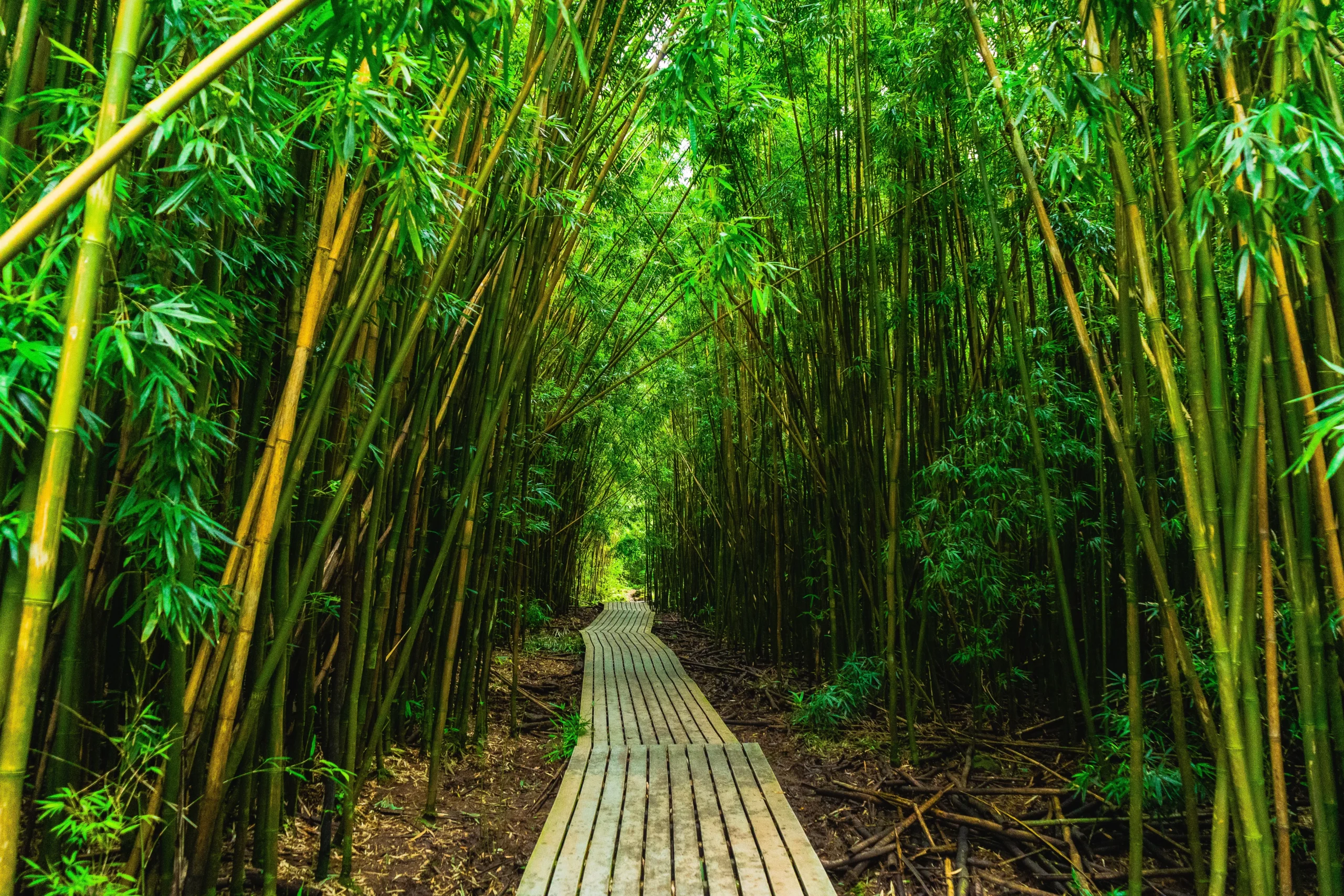
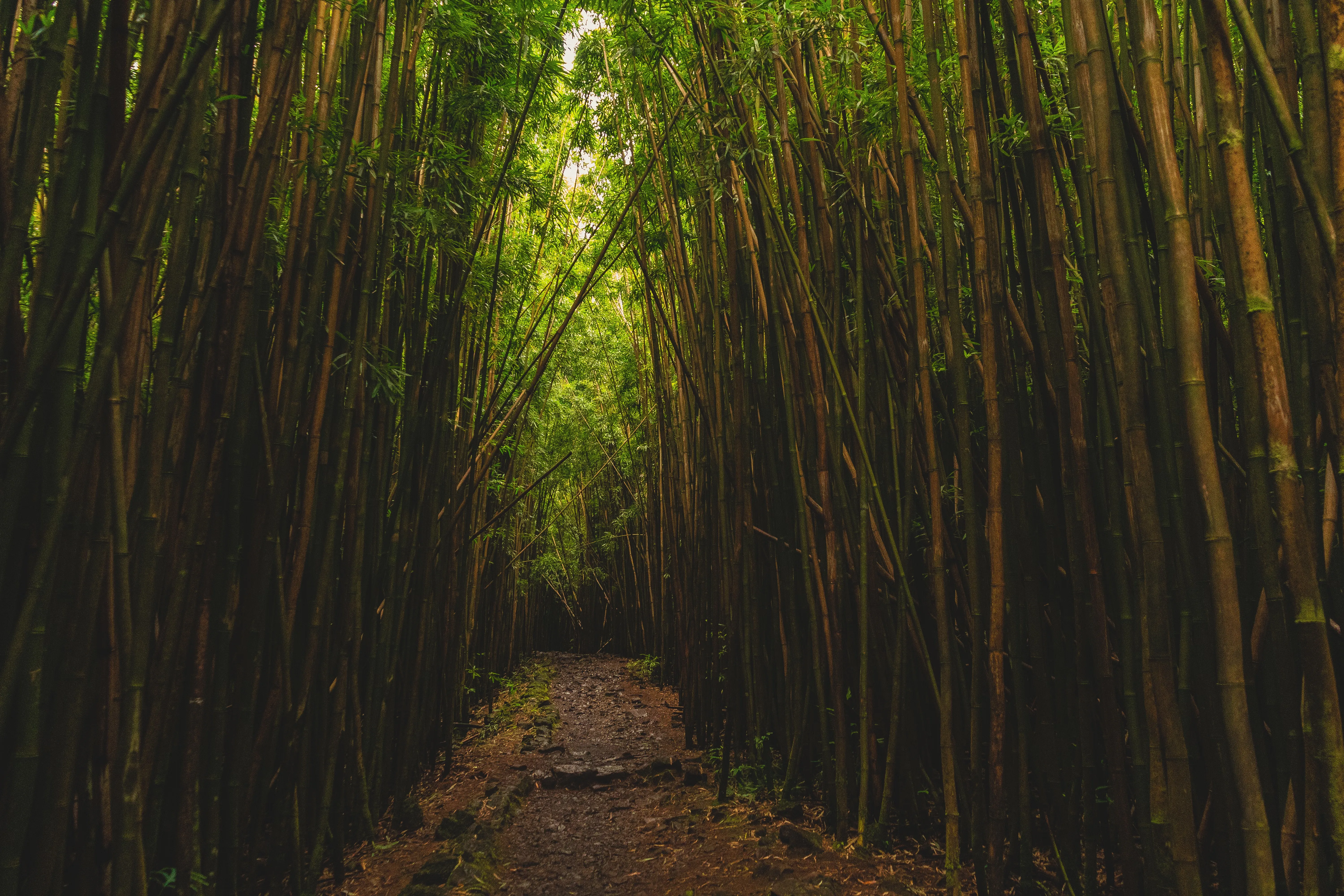
One of the most breathtaking highlights of the hike is the famous bamboo forest. About a mile into the trail, you’ll transition from the dense rainforest into an entirely different ecosystem. Towering bamboo stalks, some reaching over 60 feet high, form a striking tunnel-like corridor. The soft, filtered light creates an ethereal glow, especially during the morning hours.
As the wind passes through the grove, the bamboo stalks clatter gently, creating a calming, almost melodic sound. To protect the fragile forest floor, the park service has installed an elevated boardwalk that makes this section easy to navigate, even after rain. This stretch of the hike offers some of the most picturesque photo opportunities, with long, symmetrical lines of bamboo creating a magical atmosphere.
🌊 3. Makahiku Falls Overlook
Roughly half a mile in, you’ll reach an overlook offering a spectacular view of Makahiku Falls, a 200-foot cascade that plunges into a hidden pool below. Though smaller than the final waterfall on the trail, Makahiku Falls is still a stunning sight. On sunny days, you may spot rainbows shimmering in the mist at the base of the falls.
This overlook provides a perfect spot to rest, hydrate, and snap some photos. However, resist the urge to venture off the trail—climbing closer to the falls or attempting to reach the pool below is dangerous and strictly prohibited.
🌿 4. Waimoku Falls – The Grand Finale
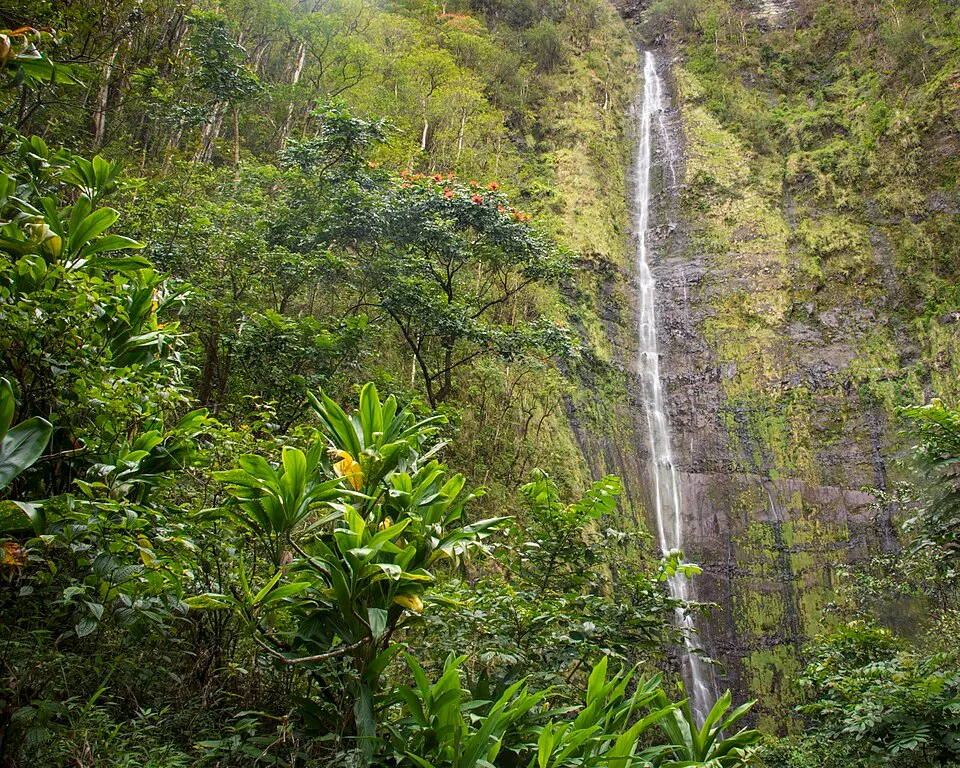
The climax of the Pipiwai Trail is the awe-inspiring Waimoku Falls, which towers 400 feet over the lush rainforest below. The sight of this majestic waterfall cascading down a sheer lava rock wall is nothing short of breathtaking. The spray from the falls creates a refreshing mist, and the entire scene feels like something out of a dream.
The area around the falls is filled with large boulders and thick vegetation, creating a natural amphitheater. While it may be tempting to approach the waterfall or wade into the pool below, it is strongly discouraged due to the risk of falling rocks, which can be fatal. Instead, enjoy the view from a safe distance and take in the grandeur of one of Maui’s most iconic natural wonders.
🌦️ Best Time to Hike
The Pipiwai Trail is open year-round, but the best time to visit is during the dry season (April to October) when the weather is more predictable and the trail conditions are drier. During the wet season (November to March), the trail can become muddy and slippery, and flash floods are more common, making stream crossings dangerous.
For the most enjoyable experience:
- Hike early in the morning: This helps you avoid the midday heat and the larger crowds that arrive later.
- Weekdays are quieter: Visiting on a weekday offers a more peaceful and less congested hike.
🥾 Tips for a Safe and Enjoyable Hike
- Wear sturdy footwear: The trail can be muddy and rocky, so hiking shoes with good traction are recommended.
- Bring plenty of water: Maui’s humidity can be deceiving, and staying hydrated is essential.
- Use insect repellent: The rainforest sections are home to plenty of mosquitoes.
- Respect nature: Stay on the designated trail to avoid damaging the delicate ecosystem.
- Prepare for changing weather: The area can experience sudden rain showers, so bring a lightweight rain jacket.
📸 Photography Highlights
The Pipiwai Trail is a dream for photographers, offering diverse and stunning scenery at every turn. Some of the best photo opportunities include:
- The bamboo forest, where the symmetry and towering stalks create a mesmerizing backdrop.
- The Makahiku Falls overlook, with the waterfall framed by dense foliage.
- The Waimoku Falls, best captured with a wide-angle lens to showcase its full grandeur.
- The boardwalk sections, which create perfect leading lines for dynamic compositions.
For the best lighting, aim to start your hike early in the morning or later in the afternoon, when the sun casts a golden glow through the bamboo forest.
🌿 Why the Pipiwai Trail Is Worth It
While the Road to Hana offers plenty of scenic stops and short trails, the Pipiwai Trail is a standout experience that showcases the true beauty of Maui’s tropical landscape. From the serene rainforest paths to the awe-inspiring waterfalls, every section of this trail is a testament to Hawaii’s natural splendor.
Whether you’re chasing waterfalls, marveling at the enchanting bamboo forest, or simply enjoying the peaceful sounds of nature, the Pipiwai Trail offers a soul-stirring adventure that will leave you with lasting memories.
Frequently Asked Questions
1. Where is the Pipiwai Trail located on Maui?
The Pipiwai Trail is located in Haleakalā National Park’s Kipahulu District, near Hana on Maui’s eastern side. It’s accessed along the Road to Hana, about a 10-minute drive past Oheo Gulch (Seven Sacred Pools). This area is known for lush rainforest, waterfalls, and dramatic coastal scenery, making it one of Maui’s most beautiful hiking destinations.
2. How long does it take to hike the Pipiwai Trail?
Most hikers complete the Pipiwai Trail in 2–3 hours, depending on pace and how often you stop for photos. The trail is 4 miles round trip, with about 800 feet of elevation gain. Plan extra time if you want to fully enjoy the rainforest, bamboo forest, and waterfalls along the way.
3. What makes the Pipiwai Trail one of Maui’s best hikes?
The Pipiwai Trail is beloved because it combines multiple ecosystems in one hike:
- A lush tropical rainforest
- An enchanting, towering bamboo forest
- Two major waterfalls, including the 400-foot Waimoku Falls
Few hikes in Hawaii offer this much variety, making it a bucket-list experience for nature lovers and adventure seekers.
4. What can I expect to see on the first part of the Pipiwai Trail?
The trail begins with a dense rainforest, where you’ll walk through guava groves, ginger plants, ferns, and moss-covered trees. Wooden footbridges cross flowing streams, and the atmosphere feels serene and tropical. Expect muddy sections, tree roots, and occasional slippery rocks — all part of the authentic rainforest experience.
5. Is the bamboo forest on the Pipiwai Trail worth visiting?
Absolutely — the bamboo forest is one of the most iconic sections of the entire trail. The towering bamboo creates a tunnel-like canopy that glows beautifully in the morning or late afternoon light. The gentle clatter of bamboo stalks in the breeze adds to the magical, Zen-like experience. Because of its popularity, it’s also one of the most photographed spots on Maui.
6. How difficult is the Pipiwai Trail?
The hike is considered moderate, meaning it’s manageable for most visitors with decent fitness levels. You’ll encounter uneven terrain, occasional mud, and some elevation gain, but the boardwalks and maintained trail sections make it accessible. Families with older kids often enjoy this hike just as much as seasoned hikers.
7. Can I see Makahiku Falls from the trail?
Yes! About half a mile in, you’ll reach the Makahiku Falls overlook, which offers stunning views of this 200-foot cascading waterfall. It’s a perfect early stop for photos and a quick rest. Visitors should remain at designated viewpoints — attempting to access the pool or cliff areas is both dangerous and illegal.
8. How impressive is Waimoku Falls at the end of the hike?
Waimoku Falls is the grand finale — a breathtaking 400-foot waterfall, one of Maui’s most dramatic natural wonders. The sheer lava wall, lush greenery, and misty spray make this waterfall feel otherworldly. Visitors must stay a safe distance from the base, as falling rocks can be extremely dangerous. Even from afar, it’s a jaw-dropping and unforgettable sight.
9. What is the best time of year to hike the Pipiwai Trail?
The trail is open year-round, but the best time to hike is during Maui’s dry season (April–October). During wetter months, the rainforest becomes muddier, the boardwalks slick, and stream crossings more hazardous. Regardless of season, starting early in the morning helps you avoid heat, crowds, and afternoon rain showers.
10. What should I bring for the Pipiwai Trail hike?
For a safe and enjoyable experience, pack:
- Hiking shoes with traction (not flip-flops)
- Plenty of water
- Insect repellent
- A light rain jacket for sudden showers
- Snacks for energy
- A camera or phone — the photo opportunities are incredible
Because the terrain varies, good footwear and hydration make a big difference.
11. Are there any safety concerns on the Pipiwai Trail?
Yes — like all rainforest hikes in Maui, safety is essential. Be mindful of:
- Slippery rocks and mud
- Flash floods, especially after heavy rain
- Falling rocks near waterfalls
- Staying on designated trails to protect the ecosystem
Haleakalā National Park does an excellent job maintaining the trail, but hikers should always use caution and check weather conditions before visiting.
12. Do I need to pay to access the Pipiwai Trail?
Yes — entrance to Haleakalā National Park is $30 per vehicle, valid for 3 days. This pass includes access to both the Kipahulu District (Pipiwai Trail) and the Haleakalā Summit. If you’re planning to visit both areas during your trip, this pass provides excellent value.
13. Is the Pipiwai Trail good for photography?
It’s one of the best photography hikes in Hawaii. Photographers love:
- The soft, moody light in the bamboo forest
- The dramatic drop of Makahiku Falls
- The towering majesty of Waimoku Falls
- The winding boardwalks perfect for leading-line shots
For the best lighting, start your hike early in the morning or during the golden late afternoon hours.
14. Is the Pipiwai Trail better than other Road to Hana hikes?
Many visitors consider the Pipiwai Trail the crown jewel of Road to Hana hikes. While there are countless scenic stops along the drive, this trail offers the most immersive combination of rainforest, waterfalls, bamboo forest, and cultural significance. If you only do one major hike on the Road to Hana, make it Pipiwai.
15. Is the Pipiwai Trail worth the long drive to Hana?
Yes — for most hikers, the Pipiwai Trail is one of their top experiences on Maui. The diversity of scenery, the peaceful bamboo forest, and the towering Waimoku Falls make the journey completely worthwhile. It’s one of those rare hikes that feels like a full adventure from start to finish.
If you would like to read and learn more about interesting things in Hawaii! Check out our blog page here on our website!
or
Image Credits:
Hero:
"Lush bamboo forest on the Pipiwai Trail, featuring a serene wooden boardwalk in Hana, Hawaii." by Satty Singh, via Pexels
"Discover a tranquil bamboo forest along the Pipiwai Trail in Maui, Hawaii." by Satty Singh, via Pexels
Photo: Thomas, via Wikimedia Commons. Licensed under Creative Commons Attribution-ShareAlike 2.0 Generic (CC BY-SA 2.0).