
Table of Contents
Haleakalā National Park, located on the island of Maui in Hawai‘i, is a destination of unparalleled beauty and ecological significance. With its dramatic landscapes, vibrant ecosystems, and cultural importance, the park offers an unforgettable experience for visitors. Whether you are an adventurer seeking thrilling hikes, a nature enthusiast captivated by diverse wildlife, or a curious traveler intrigued by local history, Haleakalā National Park has something for everyone.
A Glimpse into Haleakalā’s Splendor
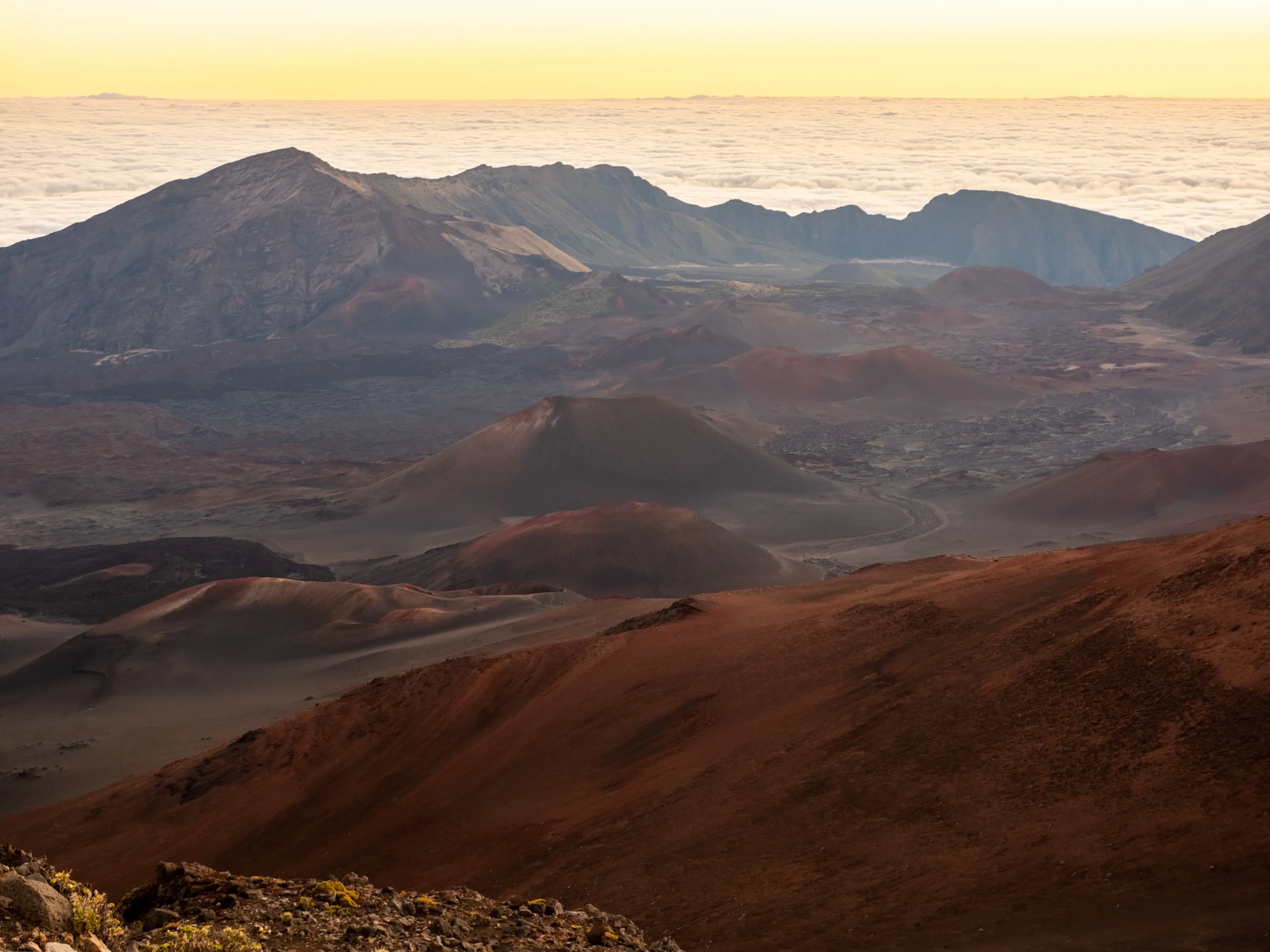
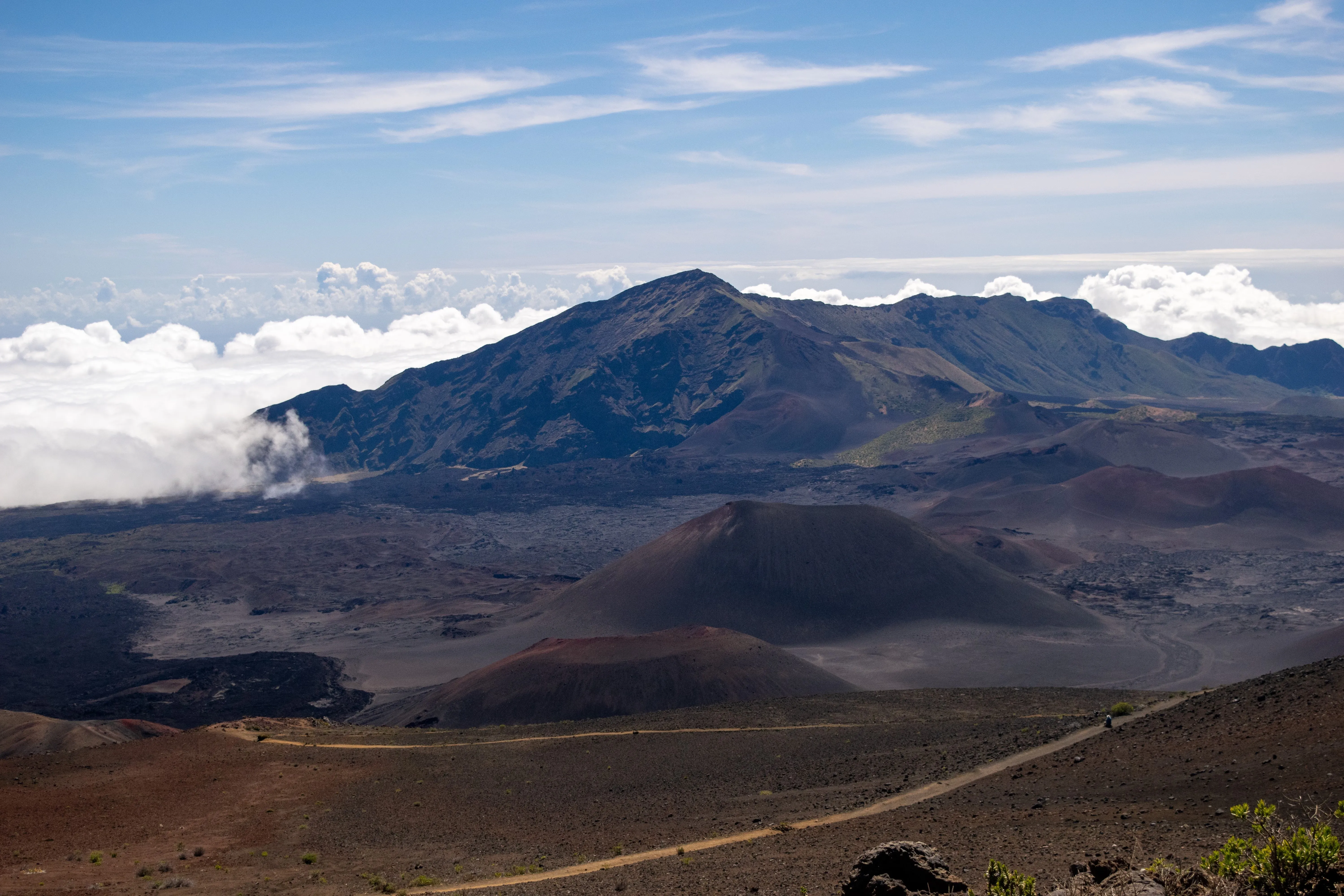
At the heart of the park lies the massive Haleakalā Crater, a volcanic basin spanning over seven miles in width and descending nearly 2,600 feet. The crater’s otherworldly terrain, featuring cinder cones and lava flows, feels like stepping onto another planet. This stark yet stunning landscape is complemented by the lush Kipahulu District, located on the park’s eastern side, where cascading waterfalls, bamboo forests, and tropical vegetation thrive.
One of the park’s most renowned experiences is witnessing sunrise or sunset from the summit of Haleakalā. At an elevation of 10,023 feet, the summit provides a breathtaking vantage point above the clouds, where hues of gold, orange, and pink paint the sky. It’s no wonder this spot is considered sacred by Native Hawaiians, who view Haleakalā as the “house of the sun.”
Diverse Ecosystems and Wildlife
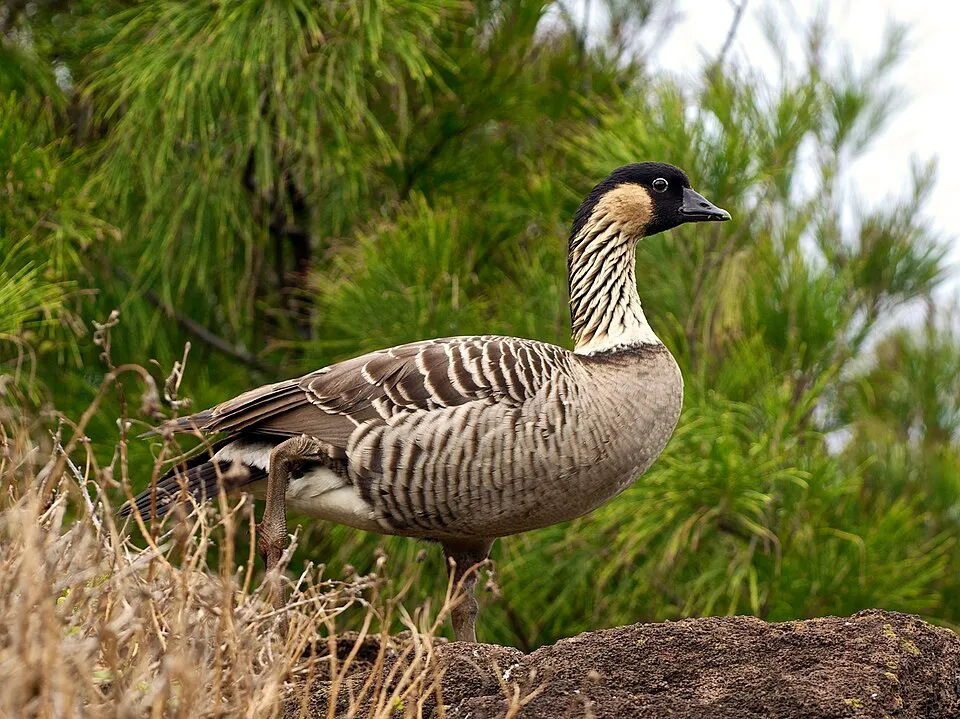
Haleakalā National Park is home to a remarkable range of ecosystems, from subalpine shrublands to tropical rainforests. This diversity supports an array of unique wildlife, including many species found nowhere else in the world. One notable resident is the nēnē, or Hawaiian goose, which is the state bird of Hawai‘i. Visitors may also encounter rare plants like the silversword (‘āhinahina), which thrives in the harsh conditions of the crater and blooms only once in its lifetime.
Haleakalā Silverword: Rare Jewel on Maui
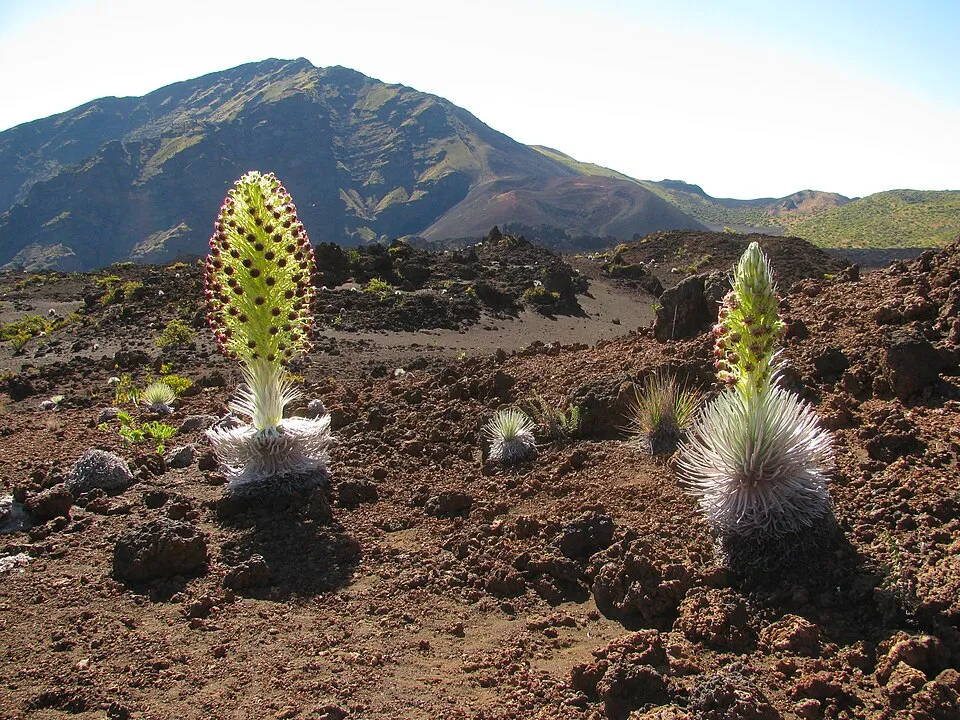
The Haleakalā silversword (Argyroxiphium sandwicense subsp. macrocephalum) is a rare plant found only on Maui’s Haleakalā volcano. Its silvery leaves reflect sunlight, conserving water in the harsh alpine climate. After decades of growth, it blooms once in a stunning floral display before completing its life cycle.
Once endangered due to habitat loss, conservation efforts have helped restore its population. Visitors to Haleakalā National Park can witness this botanical wonder—a symbol of Hawaii’s fragile and resilient ecosystems.
The park’s biodiversity is a testament to the efforts of conservationists who work tirelessly to protect these fragile ecosystems. As you explore, it’s essential to follow Leave No Trace principles to preserve this natural wonder for future generations.
Adventure Awaits: Activities in the Park
Haleakalā National Park offers a variety of activities to suit different interests and skill levels. Popular options include:
- Hiking: The park features a network of trails ranging from easy walks to challenging treks. The Sliding Sands Trail takes you deep into the crater, offering close-up views of its unique geological features.
- Stargazing: Thanks to its high elevation and minimal light pollution, Haleakalā is one of the best places in the world to stargaze. On clear nights, the Milky Way and countless constellations illuminate the sky.
- Cultural Exploration: Learn about the cultural significance of Haleakalā to Native Hawaiians through interpretive programs and exhibits at the visitor centers.
Planning Your Visit
To make the most of your trip to Haleakalā National Park, consider the following tips:
- Reserve Early: Due to the popularity of sunrise viewing, reservations are required for entry during early morning hours. Plan ahead to secure your spot.
- Dress in Layers: Temperatures at the summit can be significantly cooler than at sea level, so bring warm clothing, even if it’s warm elsewhere on the island. Those wind chills will get you.
- Stay Hydrated: The high altitude and dry conditions can be dehydrating, so carry plenty of water.
- Respect Wildlife: Observe animals from a distance and avoid feeding them to protect their natural behaviors.
Book your Reservation now for Haleakala National Park
Helpful Links
- Haleakalā National Park – National Park Service — Official park information, conditions, hiking, camping, and visitor guidance.
- Haleakalā Sunrise Reservations — Reserve vehicle entry for visiting the summit during sunrise hours.
- Haleakalā Alerts & Current Conditions — Check closures, weather-related alerts, and current park conditions before visiting.
- Haleakalā Entrance Fees & Passes — Current entrance fees, passes, and reservation information.
- NorthShore Zipline Maui Blog — Explore more Maui travel guides, outdoor activities, history, wildlife, and things to do.
Frequently Asked Questions About Haleakalā National Park
Is Haleakalā National Park worth visiting?
Yes. Haleakalā National Park is one of Maui's most extraordinary natural attractions. Visitors can experience volcanic landscapes, high-elevation views, native Hawaiian plants and wildlife, hiking trails, sunrise and sunset viewing, and the dramatically different coastal environment of the Kīpahulu District.
Do you need a reservation to visit Haleakalā National Park?
A general reservation is not required for most visits to Haleakalā National Park. However, a vehicle reservation is required to enter the Summit District between 3:00 a.m. and 7:00 a.m. for sunrise. Sunrise reservations are separate from the park entrance fee.
How do I make a reservation for Haleakalā sunrise?
Haleakalā sunrise reservations are made through Recreation.gov. Reservations are released up to 60 days in advance, with an additional portion released two days before the visit. Sunrise reservations can sell out quickly, so planning ahead is recommended.
Can you visit Haleakalā without a sunrise reservation?
Yes. A sunrise reservation is only required for vehicles entering the Summit District between 3:00 a.m. and 7:00 a.m. Visitors can explore Haleakalā later in the day without a sunrise reservation, although normal park entrance requirements still apply.
Is sunrise or sunset better at Haleakalā?
Both offer incredible experiences. Sunrise is famous for watching the first light appear above the clouds, while sunset provides dramatic colors without requiring the special sunrise vehicle reservation. Which is better depends on your itinerary, weather conditions, and whether you want to wake up extremely early.
How high is the summit of Haleakalā?
The summit of Haleakalā reaches 10,023 feet above sea level. The dramatic elevation allows visitors to travel from Maui's tropical environment to a cool, high-altitude volcanic landscape within a relatively short drive.
Is it cold at the top of Haleakalā?
Yes. Temperatures at the summit can be surprisingly cold compared with Maui's beaches, particularly before sunrise and after sunset. Wind can make it feel even colder. Visitors should bring warm layers, including a jacket, even when temperatures near sea level are warm.
What should I wear to Haleakalā National Park?
Dress in layers. Long pants, closed-toe shoes, a sweatshirt or fleece, and a warm jacket are useful for summit visits. Visitors planning to hike should wear appropriate footwear and bring sun protection and plenty of water.
How long should you spend at Haleakalā National Park?
Plan for at least several hours if you are visiting the Summit District. Visitors who want to stop at overlooks, hike, photograph the landscape, and explore the visitor areas may easily spend half a day or longer in the park.
Can you drive all the way to the top of Haleakalā?
Yes. Visitors can drive through the Summit District to parking areas near the 10,023-foot summit. The road climbs thousands of feet from Central and Upcountry Maui and includes numerous curves and significant elevation changes, so allow plenty of time for the drive.
Can you see the stars from Haleakalā?
Haleakalā's high elevation and location above much of Maui's atmospheric moisture can create excellent opportunities for viewing the night sky when conditions are clear. Visitors staying after sunset should prepare for darkness, cold temperatures, and the drive back down the mountain.
Are there hiking trails at Haleakalā National Park?
Yes. Haleakalā National Park has numerous hiking opportunities ranging from short walks to strenuous wilderness routes. Popular Summit District trails allow visitors to experience the park's volcanic landscape up close, while the Kīpahulu District offers a completely different tropical environment.
What is the best hike at Haleakalā National Park?
The best trail depends on your experience and available time. Sliding Sands Trail, also known as Keoneheʻeheʻe Trail, is one of the best-known hikes in the Summit District and descends into Haleakalā's dramatic wilderness landscape. Because of the elevation and strenuous return climb, hikers should carefully plan their route and ability level.
Are there bathrooms at Haleakalā National Park?
Yes. Restrooms are available at several developed areas within the park. However, services become limited as you explore more remote areas, so visitors should review park maps and facilities before beginning longer hikes.
Is Haleakalā National Park good for families with kids?
Yes. Families do not have to complete a difficult hike to enjoy Haleakalā. Scenic overlooks and short walks provide opportunities to experience the park's volcanic landscape. Parents should prepare children for cold temperatures, high elevation, and changing weather conditions.
Can you see the Haleakalā silversword in the park?
Yes. The ʻāhinahina, or Haleakalā silversword, is an extraordinary plant found naturally only on Haleakalā. Visitors may see these plants within the high-elevation environment, but they should never touch, pick, or disturb them.
Are there two sections of Haleakalā National Park?
Yes. Haleakalā National Park consists of the Summit District and the Kīpahulu District. The Summit District contains the famous high-elevation volcanic landscape, while Kīpahulu is located near the coast in East Maui and features lush vegetation, streams, waterfalls, and hiking opportunities. The two districts are not directly connected by road within the park.
Can you visit Haleakalā and the Road to Hāna on the same day?
Although technically possible depending on your itinerary, trying to fully experience both in one day can involve a tremendous amount of driving. Most visitors will have a more enjoyable experience by dedicating separate time to Haleakalā and the Road to Hāna.
What wildlife can you see at Haleakalā National Park?
Haleakalā protects numerous native and endemic Hawaiian species. Visitors may encounter native birds such as the nēnē, Hawaiʻi's state bird, as well as unique plants and other wildlife adapted to the park's dramatically different environments.
What are the best things to do at Haleakalā National Park besides sunrise?
There is much more to Haleakalā than sunrise. Visitors can hike through volcanic landscapes, stop at scenic overlooks, search for native plants and birds, watch sunset, experience the night sky, visit the Kīpahulu District, and learn about the mountain's natural and cultural significance.
Can you visit Haleakalā National Park when it is cloudy?
Yes, but conditions at Haleakalā can change rapidly. Clouds may move in and out of the summit area throughout the day, sometimes dramatically changing visibility within a short period. Check current park conditions before making the drive and be prepared for changing weather.
Why is Haleakalā important to Hawaiian culture?
Haleakalā is a sacred landscape with deep significance in Native Hawaiian culture, traditions, and moʻolelo. The mountain is connected to generations of Hawaiian history and traditional practices. Visitors should approach the landscape respectfully and avoid disturbing cultural practices or culturally significant places.
If you would like to read and learn more about interesting things in Hawaii! Check out our blog page here on our website!
or
Image Credits:
Hero:
"cluster of rough mountains near shoreline" by James Wheeler, via Pexels
"Brown mountains under the white clouds and blue sky" by Aidan McCants, via Pexels
Photo: Jörg Hempel, via Wikimedia Commons. Licensed under Creative Commons Attribution-ShareAlike 3.0 Germany (CC BY-SA 3.0 DE).
Photo: Forest & Kim Starr, via Wikimedia Commons. Licensed under Creative Commons Attribution 3.0 United States (CC BY 3.0 US).