
Table of Contents
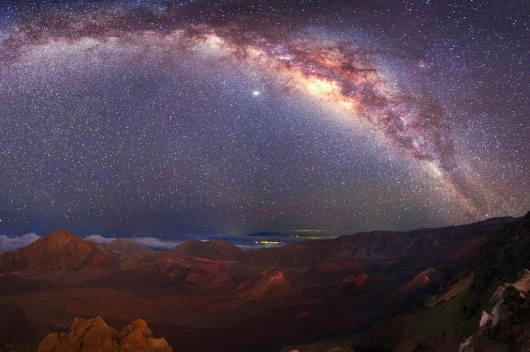
Perched over 10,000 feet above sea level, Haleakalā Crater in Maui offers one of the most extraordinary stargazing experiences on Earth. This dormant volcano, located within Haleakalā National Park, is renowned for its pristine night skies, minimal light pollution, and breathtaking celestial views. Whether you're an amateur astronomer, a seasoned stargazer, or simply seeking a unique adventure, Haleakalā's summit provides an unforgettable encounter with the cosmos.
Why Haleakalā Is a Stargazer’s Paradise
Haleakalā's summit stands at 10,023 feet, placing it above a significant portion of Earth's atmosphere. This elevation, combined with the area's dry air and isolation from urban light sources, creates optimal conditions for observing stars, planets, and deep-sky objects. The name "Haleakalā" means "House of the Sun" in Hawaiian, and according to local legend, the demigod Māui lassoed the sun from this very summit to slow its journey across the sky.
The crater itself is an erosional valley nearly 7 miles across, 2 miles wide, and 2,600 feet deep. Its unique geological features and high elevation contribute to the area's exceptional visibility, making it a prime location for both amateur and professional astronomers.
Stargazing on Your Own
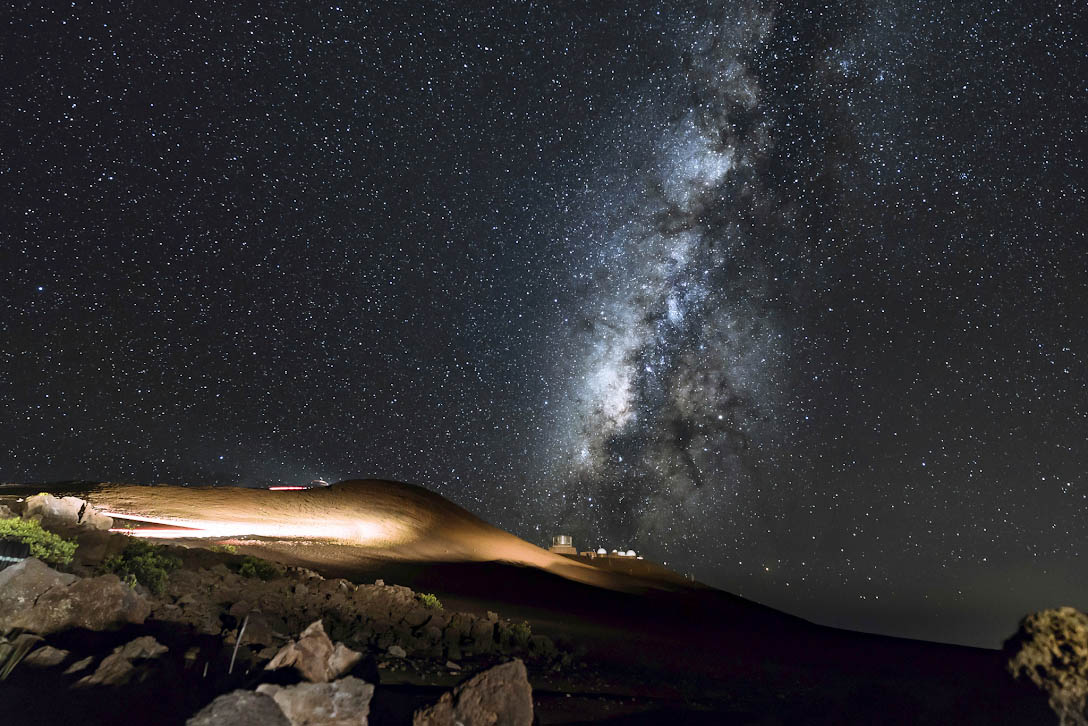
For those who prefer a self-guided experience, Haleakalā National Park welcomes visitors to stargaze from the summit. The park's high elevation and remote location offer some of the darkest skies in the United States. However, it's essential to come prepared: temperatures can drop into the 40s or lower, even during summer months. Dress in layers, including a windproof outer layer, and consider bringing gloves, a hat, and a blanket for added warmth.
A red flashlight is recommended to preserve night vision, and a reclining chair can enhance comfort during extended viewing sessions. Remember to allow your eyes at least 30 minutes to adjust to the darkness for optimal stargazing.
Please note that overnight stays within the park are only permitted in designated campgrounds, such as Hosmer Grove Campground in the summit district. Sleeping in vehicles outside of these areas is prohibited. Here is a direct link to book at Hosmer Grove if you plan to view the cosmos.
https://www.recreation.gov/camping/campgrounds/10068557
Here is a video about the sunset and stargazing atop the world!
Guided Stargazing Tours
For a more structured experience, several tour operators offer guided stargazing adventures on Haleakalā. These tours often include transportation, expert commentary, and high-powered telescopes for an in-depth exploration of the night sky.
Maui Stargazing provides an extensive tour of Haleakalā National Park, featuring a scenic sunset picnic followed by a science-based telescope adventure. Guests can observe visible planets and deep-sky objects of the Milky Way, including nebulae and star clusters, through a 12-inch aperture Dobsonian telescope. The tour includes winter jackets, fleece hats, gloves, and insulated snow pants to ensure comfort during the chilly evening hours.
https://www.mauistargazing.com/
Maui All Stars offers a sunset and stargazing tour that allows guests to observe the moon, stars, and galaxies using a large GPS telescope and laser pointer. The experience is hosted by an expert guide and includes convenient pick-up locations around the island.
https://www.hawaiiactivities.com/en/hawaii/maui/a/176011
Tips for a Stellar Experience
- Timing Is Key: The best stargazing conditions typically occur during the summer and winter months when skies are clearest. Aim to arrive at the summit well before sunset to secure a good viewing spot and witness the transition from daylight to a star-filled sky.
- Dress Appropriately: Temperatures at the summit can be significantly colder than at sea level. Wear layers, including a windproof jacket, and bring gloves, a hat, and warm footwear.
- Bring the Right Gear: A red flashlight will help preserve your night vision. Consider bringing binoculars or a telescope for enhanced viewing, and a reclining chair or blanket for comfort.
Plan Ahead: Check the weather forecast before your trip, as conditions can change rapidly. Also, familiarize yourself with the park's regulations and obtain any necessary permits or reservations in advance.
Respecting the Sacred Summit
Haleakalā holds deep spiritual significance for Native Hawaiians, who consider the summit a sacred place used for religious ceremonies and connecting with ancestors. Visitors are encouraged to approach the area with respect and mindfulness, honoring its cultural importance. Recent proposals to construct new telescopes on the summit have faced opposition from the local community, highlighting the need to balance scientific exploration with cultural preservation.
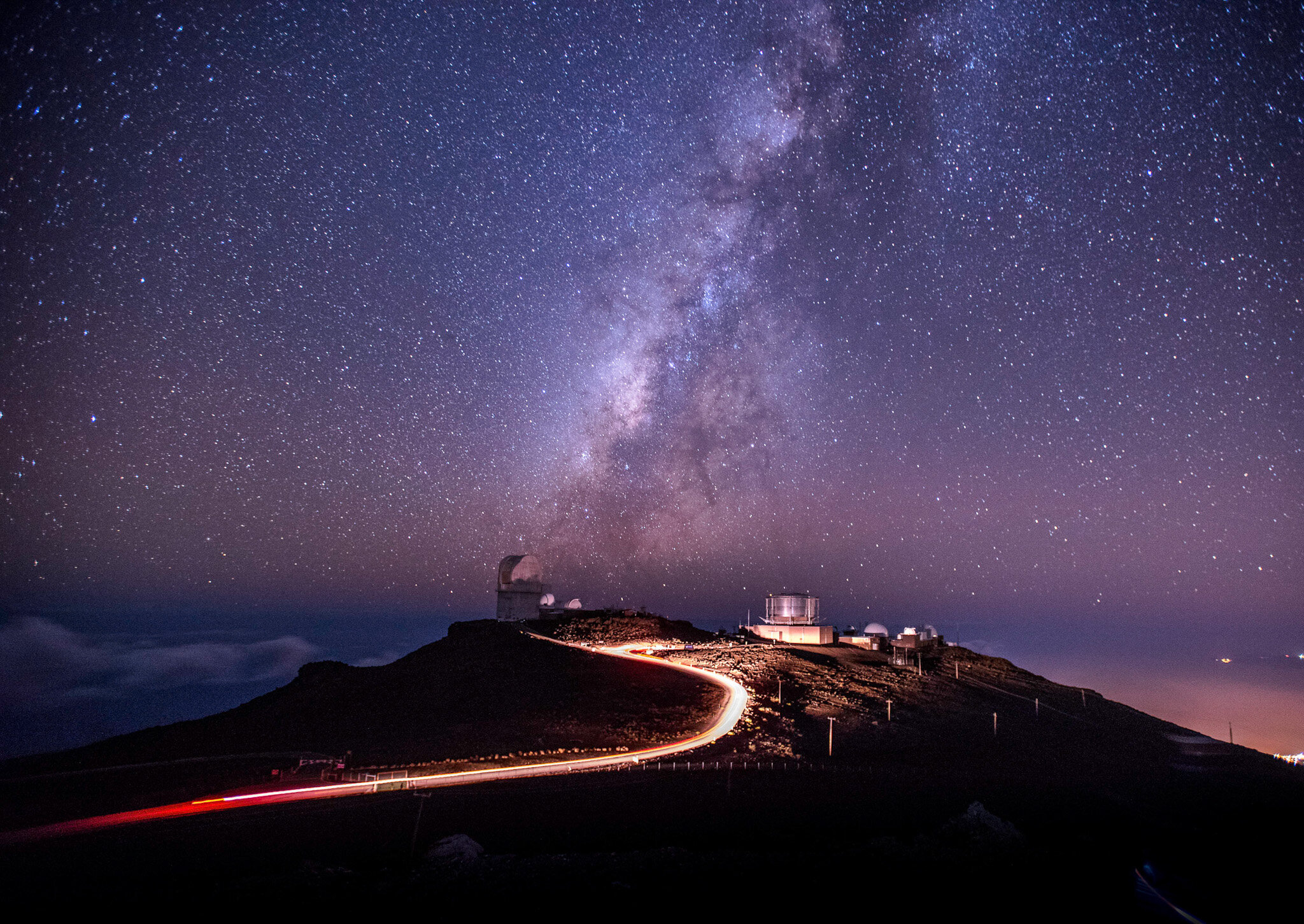
Stargazing at Haleakalā Crater is more than just a visual delight; it's a profound experience that connects you with the universe and the rich cultural tapestry of Hawaii. Whether you choose a guided tour or a self-directed adventure, the summit offers an unparalleled opportunity to witness the wonders of the night sky in a setting of natural and spiritual grandeur.
Frequently Asked Questions
1. Why is Haleakalā one of the best stargazing spots in Hawaii?
Haleakalā is considered one of the top stargazing locations in the world because of its 10,023-foot elevation, extremely low light pollution, and dry, clear air. Sitting above much of Earth’s atmosphere allows you to see stars, planets, and even the Milky Way with incredible clarity. Its remote location and geological features make Haleakalā a true stargazer’s paradise in Maui.
2. Do I need a reservation to stargaze at Haleakalā National Park?
You do not need a reservation to stargaze at night, but you do need a reservation if you plan to enter for sunrise viewing (3:00 AM – 7:00 AM). For overnight stays, only designated campgrounds like Hosmer Grove are allowed, and these require booking through Recreation.gov.
Camping link (Hosmer Grove):
https://www.recreation.gov/camping/campgrounds/10068557
3. How cold does it get at the Haleakalā summit during stargazing?
Even in summer, temperatures at the summit can drop into the 40s or lower, and winds often make it feel even colder. For safe and comfortable Haleakalā stargazing, visitors should bring layers, a winter jacket, gloves, a hat, and warm footwear. Guided tours typically provide outerwear.
4. Can I stargaze on my own, or do I need a tour?
You can absolutely stargaze on your own at Haleakalā—many visitors do. A self-guided experience offers quiet, peaceful views under some of the darkest skies in Hawaii.
However, guided tours provide:
- High-powered telescopes
- Expert guides
- Transportation
- Warm clothing
- Science-based explanations
Recommended tours:
Maui Stargazing – https://www.mauistargazing.com/
Maui All Stars – https://www.hawaiiactivities.com/en/hawaii/maui/a/176011
Both options are excellent depending on your comfort level and interest.
5. What gear should I bring for Haleakalā stargazing?
For the best experience, pack:
- Red flashlight (preserves night vision)
- Warm layers and windproof clothing
- Reclining chair or blanket
- Binoculars or a small telescope (optional but amazing)
- Snacks and water
Allow your eyes 30 minutes to fully adjust to the dark for optimal viewing.
6. What time is best for stargazing at Haleakalā?
The best stargazing conditions occur during summer and winter, when skies tend to be clearest. Plan to arrive before sunset, watch golden hour at the summit, then stay as the sky transitions to starlight. Dark sky hours peak between 8 PM and midnight.
For planning tips:
https://www.prideofmaui.com/blog/maui/complete-guide-to-visiting-haleakala/
7. Is Haleakalā Crater sacred to Native Hawaiians?
Yes. Haleakalā is deeply sacred in Hawaiian culture, known as the “House of the Sun.” It’s tied to the legend of Māui lassoing the sun, and Native Hawaiian communities continue to use the summit for ceremonies and spiritual connection. Visitors are encouraged to explore respectfully and understand the cultural importance of the area.
More on current cultural concerns:
https://apnews.com/article/hawaii-maui-haleakala-space-force-telescope-703add0ead6bf705707d32f177e30cfb
8. Can I see planets and the Milky Way from Haleakalā?
Yes! Under clear skies, Haleakalā offers unobstructed views of:
- The Milky Way galaxy
- Visible planets like Jupiter, Venus, and Saturn
- Star clusters
- Nebulae
- Shooting stars
Guided tours use large telescopes to show deep-sky objects in extraordinary detail.
9. Are there any safety tips for visiting Haleakalā at night?
Yes—safety is essential:
- Drive carefully: The summit road is dark, steep, and winding.
- Bring a full tank of gas: No services exist in the park.
- Wear warm clothing: Conditions can be extreme.
- Stay on marked paths: Do not wander off in the dark.
- Check weather forecasts: Clouds or storms can make stargazing impossible.
Always review National Park guidelines before your visit.
10. What makes Haleakalā stargazing unique compared to other Maui activities?
Haleakalā offers one of the rarest night-sky environments on the planet. Unlike beach activities or coastal tours, stargazing at Haleakalā:
- Connects you directly with the universe
- Offers world-class astronomical visibility
- Blends science, Hawaiian culture, and natural beauty
- Creates a once-in-a-lifetime memory under untouched night skies
It’s a highlight for many Maui visitors and an experience that feels both cosmic and spiritual.
If you would like to read and learn more about interesting things in Hawaii! Check out our blog page here on our website!
or