
Table of Contents
Nestled in the lush North eastern region of Maui, the Bamboo Forest near Hana is a natural wonder that captivates visitors with its serene beauty and magical atmosphere. This enchanting destination, part of the Pipiwai Trail in Haleakalā National Park’s Kipahulu District, offers a unique opportunity to immerse yourself in a tranquil world of towering bamboo stalks, cascading waterfalls, and vibrant jungle plants.
The Allure of the Bamboo Forest
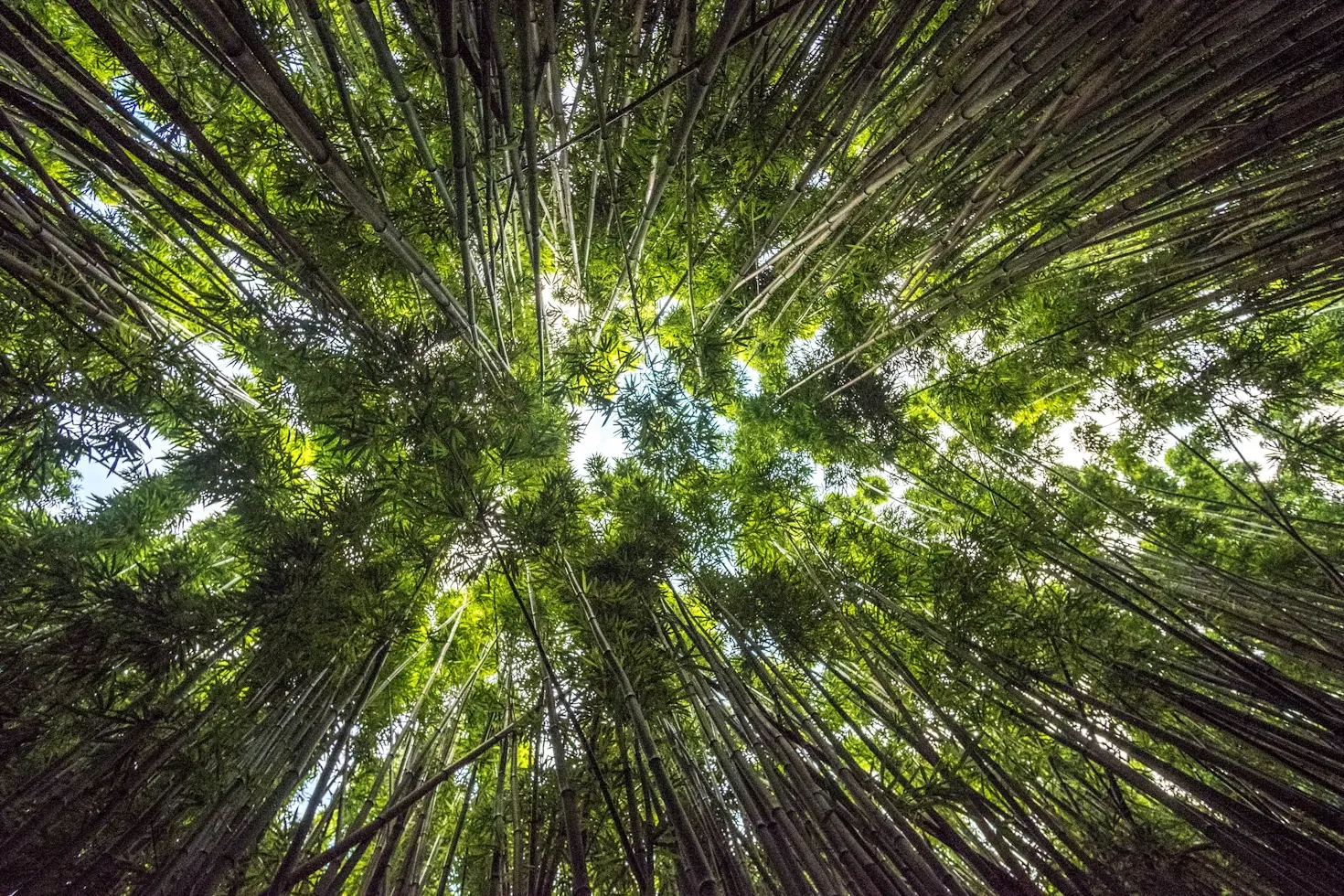
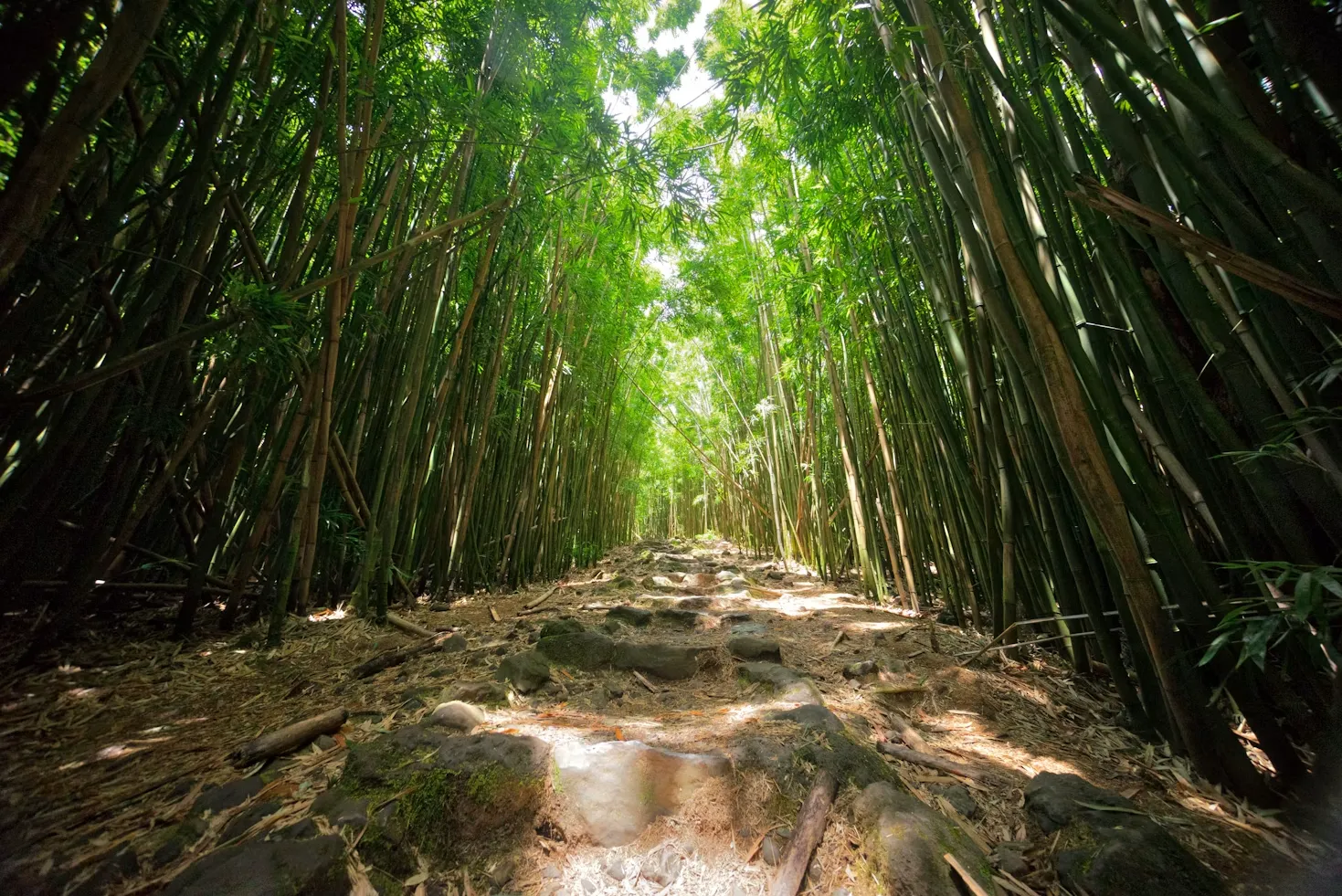
The Bamboo Forest is a highlight of the Pipiwai Trail, a 4-mile round-trip hike renowned for its stunning landscapes. As you venture along the trail, you’ll encounter dense groves of bamboo that stretch high into the sky, creating a canopy that filters sunlight and fills the air with a soft rustling sound as the stalks sway in the breeze. Walking through this forest feels like stepping into a dream—an otherworldly experience that soothes the soul and ignites a sense of wonder. Perfect photo opportunity for those who want to capture the essence of Hawaiian culture.
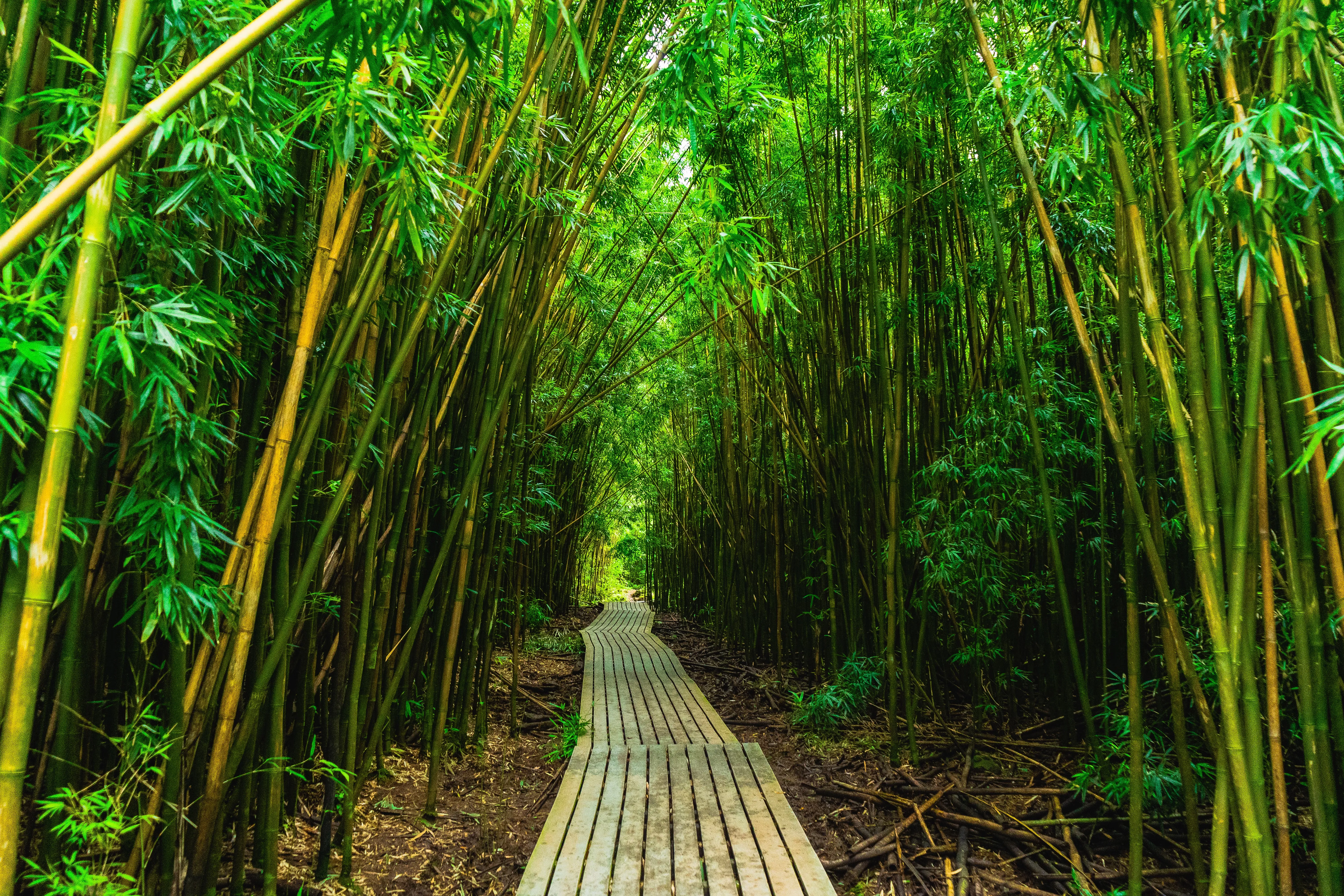
The trail also features boardwalk sections that wind through the bamboo, allowing for an easy and immersive journey. Along the way, interpretive signs provide insights into the forest’s ecology and its significance to the local ecosystem.
A Journey Through Natural Beauty
Beyond the bamboo groves, the Pipiwai Trail offers a feast for the senses. The hike begins with views of cascading waterfalls and vibrant tropical vegetation. One of the most iconic sights along the trail is Waimoku Falls, a 400-foot waterfall that marks the trail’s end. Standing at the base of this majestic cascade is a reward worth the effort of the hike.
Another notable feature is the Makahiku Falls overlook, a perfect spot to pause and take in the scenery. The trail is lined with a variety of native jungle plants, including ferns, guava trees, and wild ginger, which contribute to the area’s lush and verdant ambiance.
Tips for Visiting the Bamboo Forest
To ensure an enjoyable and memorable visit to the Bamboo Forest, keep the following tips in mind:
- Start Early: Arrive early to avoid crowds and fully appreciate the tranquility of the forest. Morning light also enhances the ethereal beauty of the bamboo.
- Wear Proper Footwear: The trail can be muddy and uneven in places, so sturdy hiking shoes are recommended.
- Bring Water and Snacks: Stay hydrated and energized, especially if you plan to hike the full Pipiwai Trail.
- Respect Nature the "'Āina": Stay on designated paths to protect the fragile ecosystem and avoid disturbing wildlife. Always keeping in mind to respect the land and area.
- Be Prepared for Rain: Hana’s rainforest climate means sudden rain showers are common, so pack a lightweight rain jacket.
Cultural and Ecological Significance
The Bamboo Forest and surrounding Kipahulu District hold deep cultural importance to Native Hawaiians. The area is part of Haleakalā National Park, which is managed with a focus on preserving its natural and cultural heritage. The forest serves as a reminder of the interconnectedness of Hawai‘i’s ecosystems and the need for sustainable stewardship.
Visitors are encouraged to learn about the cultural history of the area, including the traditional uses of bamboo by Native Hawaiians for building, crafting, and musical instruments. Interpretive programs and visitor center exhibits provide valuable insights into the rich heritage of this region.
A Magical Escape
The Bamboo Forest near Hana is more than just a destination; it’s an experience that lingers in your memory long after you’ve left. Whether you’re marveling at the towering bamboo, listening to the symphony of nature, or standing in awe of Waimoku Falls, this corner of Maui offers a connection to the island’s natural beauty and cultural richness.
As you explore the Bamboo Forest, take a moment to pause, breathe deeply, and let the tranquility of this magical place envelop you. It’s a reminder of the timeless beauty of Hawai‘i and the wonders that await those who venture off the beaten path.
Helpful Links
- Pīpīwai Trail – Haleakalā National Park — Official hiking information, trail conditions, and visitor guidance for the Kīpahulu District.
- Bamboo Forest – National Park Service — Official NPS guide to hiking to the famous bamboo forest along the Pīpīwai Trail.
- Haleakalā National Park — Current park alerts, entrance information, weather, safety guidance, and trip planning.
- NorthShore Zipline Maui Blog — Explore more Maui hiking, Road to Hāna, waterfall, outdoor adventure, and travel guides.
Frequently Asked Questions About Hāna’s Bamboo Forest
Where is the famous bamboo forest in Maui?
One of Maui’s most famous bamboo forests is located along the Pīpīwai Trail in the Kīpahulu District of Haleakalā National Park. The trailhead is reached from the Hāna Highway in East Maui, beyond Hāna town.
Is the bamboo forest on the Road to Hāna?
Yes. The Pīpīwai Trail and its bamboo forest are located in East Maui and are commonly included in a Road to Hāna itinerary. However, the Kīpahulu District is beyond Hāna town, so visitors should allow plenty of time for the drive and hike.
How do you get to the bamboo forest in Maui?
The bamboo forest is reached by hiking the Pīpīwai Trail from the Kīpahulu District of Haleakalā National Park. The trail begins near the Kīpahulu Visitor Center. The bamboo forest begins approximately one mile into the hike.
How long is the Pīpīwai Trail?
The full Pīpīwai Trail is approximately 4 miles round trip. Hikers who complete the entire route experience rainforest scenery, Makahiku Falls, the famous bamboo forest, and views of Waimoku Falls.
How far do you have to hike to reach the bamboo forest?
The bamboo forest begins approximately one mile from the Pīpīwai Trailhead. Visitors who only want to experience the bamboo portion of the trail do not necessarily have to complete the entire 4-mile round-trip hike.
How long does it take to hike the Pīpīwai Trail?
Many visitors should allow approximately two to four hours to complete the Pīpīwai Trail, depending on hiking pace, weather, trail conditions, and how much time they spend enjoying the scenery. Allow additional time if you plan to explore other areas of the Kīpahulu District.
Is the Pīpīwai Trail difficult?
The National Park Service describes the Pīpīwai Trail as moderately strenuous. Hikers should expect elevation changes, potentially muddy or slippery sections, roots, rocks, and humid rainforest conditions.
Do you need a reservation for the Pīpīwai Trail?
You do not currently need a special hiking reservation for the Pīpīwai Trail. However, the trail is inside Haleakalā National Park, so normal park entrance requirements and fees apply. Always check current National Park Service information before your visit.
Is the bamboo forest free to visit?
There is no separate admission charge specifically for the bamboo forest or Pīpīwai Trail, but they are located within Haleakalā National Park. Visitors are therefore subject to the park’s normal entrance fees.
Is the Pīpīwai Trail good for kids?
Older children who are comfortable hiking several miles may enjoy the Pīpīwai Trail, particularly the bamboo forest. However, the full trail can be moderately strenuous, muddy, wet, and uneven. Parents should consider their children’s hiking experience and current trail conditions before attempting the full route.
What waterfalls are on the Pīpīwai Trail?
Two of the trail’s most recognizable sights are Makahiku Falls and Waimoku Falls. Makahiku Falls can be viewed from an overlook roughly half a mile into the trail, while Waimoku Falls is located farther along the route beyond the bamboo forest.
How tall is Waimoku Falls?
Waimoku Falls drops approximately 400 feet down a dramatic cliff surrounded by lush East Maui vegetation. It is one of the major scenic highlights associated with the Pīpīwai Trail.
Can you walk through the bamboo forest in Maui?
Yes. The Pīpīwai Trail passes directly through a dense bamboo forest. Portions of the route include raised boardwalks that allow hikers to walk through the bamboo while helping protect the surrounding environment.
Why does the bamboo forest make knocking sounds?
When the wind moves through the forest, bamboo stalks can sway and knock against one another, producing distinctive creaking, clacking, and popping sounds. The soundscape is one of the features that makes walking through Maui’s bamboo forest such a memorable experience.
Is bamboo native to Hawaiʻi?
Polynesian voyagers brought ʻohe, or bamboo, to the Hawaiian Islands. It became an important material with numerous traditional uses, including musical instruments, carrying water, starting fires, and creating irrigation troughs. Other bamboo varieties were introduced to Hawaiʻi later.
What should I wear for the Pīpīwai Trail?
Wear sturdy, comfortable hiking shoes with good traction. East Maui is humid and receives frequent rainfall, so the trail can become muddy and slippery. Lightweight clothing, rain protection, sun protection, and moisture-wicking layers are useful.
What should I bring to Maui’s bamboo forest?
Bring plenty of drinking water, snacks, sun protection, insect repellent, rain protection, and appropriate hiking shoes. A camera or phone is also worthwhile because the bamboo forest and waterfalls provide excellent photography opportunities.
Does it rain at the Pīpīwai Trail?
Yes. The Kīpahulu District has a hot, humid, and rainy climate, and weather can change quickly. Rain contributes to the area's lush vegetation but can also create muddy and slippery trail conditions.
Can you hike the Pīpīwai Trail when it rains?
Light rain is common in East Maui, but hikers should always check current park conditions before starting. Heavy rainfall can increase hazards such as slippery trails, flash flooding, falling rocks, and rapidly changing stream conditions.
Can you swim at Waimoku Falls?
Visitors should remain on the designated trail and obey all National Park Service signs, barriers, and closures. Waterfalls and streams can be hazardous because of flash flooding, falling rocks, and rapidly changing conditions, so visitors should never assume that a waterfall pool is safe for swimming.
Can you visit the bamboo forest and Road to Hāna in one day?
Yes, but it requires careful planning. Because the Pīpīwai Trail is located beyond Hāna in the Kīpahulu District, completing the full hike adds several hours to an already long Road to Hāna day. Starting early and limiting the number of stops along the way can make the itinerary more manageable.
Is the Maui bamboo forest worth visiting?
Yes. For travelers who enjoy hiking and rainforest scenery, the Pīpīwai Trail bamboo forest is one of Maui’s most distinctive experiences. The combination of towering bamboo, waterfalls, tropical vegetation, and East Maui scenery makes the hike significantly different from Maui’s beaches and resort areas.
What else can you do near the Pīpīwai Trail?
The Kīpahulu District offers additional opportunities to experience Haleakalā National Park’s coastal landscape, cultural resources, and scenic viewpoints. Visitors can also incorporate the area into a larger Road to Hāna itinerary featuring Hāna town, Waiʻānapanapa State Park, waterfalls, coastal scenery, and other East Maui attractions.
If you would like to read and learn more about interesting things in Hawaii! Check out our blog page here on our website!
or
Image Credits:
Hero:
"Low angle photography of tree" by Mike L, via Unsplash
"Brown and green trees during daytime" by Brandon Green, via Unsplash
"Boardwalk between trees" by Satty Singh, via Pexels