
Table of Contents
If you are dreaming of trading freezing temperatures, snow-covered roads, and heavy winter coats for warm beaches and tropical sunshine, Hawaii in the winter can be an incredible escape. But just how warm is Hawaii during the winter months?
The good news is that Hawaii in the winter temperature range remains pleasantly warm compared with most of the continental United States. At sea level, Hawaii's average daytime winter temperature is around 78°F (25.6°C), with nighttime temperatures generally about 10 degrees cooler.
Winter does bring some changes, however. Cooler evenings, increased rainfall, larger ocean swells, and significant differences between sunny coastal areas and higher elevations can all affect what visitors experience. Understanding Hawaii's winter weather can make it much easier to decide what to pack, where to stay, and which activities to plan.
What Is the Temperature in Hawaii During Winter?
Hawaii generally recognizes two primary seasons: summer (kau), from May through October, and winter (hoʻoilo), from November through April. Unlike destinations with four dramatically different seasons, Hawaii experiences relatively small temperature changes throughout the year.
According to Hawaii's official tourism website, average daytime temperatures at sea level are approximately 78°F during winter, compared with about 85°F during summer. Nighttime temperatures are typically around 10°F cooler.
For travelers visiting in December, January, or February, that generally means plenty of weather suitable for beaches, hiking, sightseeing, snorkeling, and other outdoor activities.
January and February are among the cooler months. Typical daytime highs across popular coastal destinations are often in the upper 70s to low 80s, while nighttime temperatures can fall into the 60s.
For perspective, Honolulu averages around 81°F for the daytime high and 67°F for the nighttime low in both January and February.
Does Hawaii Get Cold in the Winter?
Along the coast, "cold" is relative.
A morning temperature in the upper 60s might feel chilly to a Hawaii resident, but visitors arriving from snowy climates may find it extremely comfortable. During the afternoon, sunshine can quickly make temperatures in the upper 70s or low 80s feel much warmer.
Elevation is where things change dramatically.
Hawaii contains numerous microclimates because of its mountains, trade winds, and volcanic geography. Visitors can encounter warm beaches, tropical rainforests, dry landscapes, and genuinely cold alpine conditions during the same vacation.
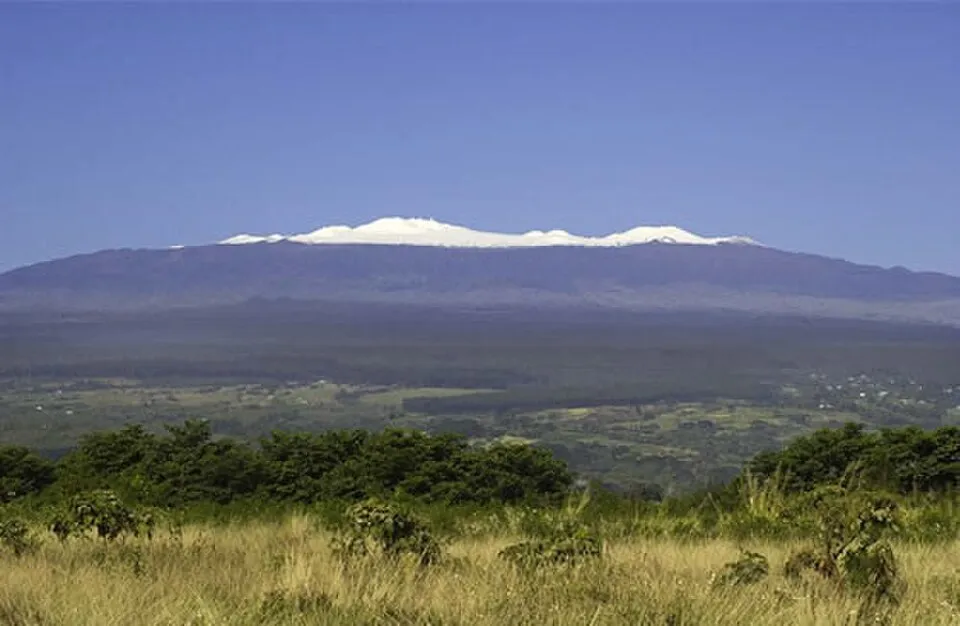
This is particularly important on Maui and Hawaii Island. Visiting the summit of Haleakalā on Maui or high-elevation areas around Mauna Kea on Hawaii Island is nothing like spending the afternoon on the beach.
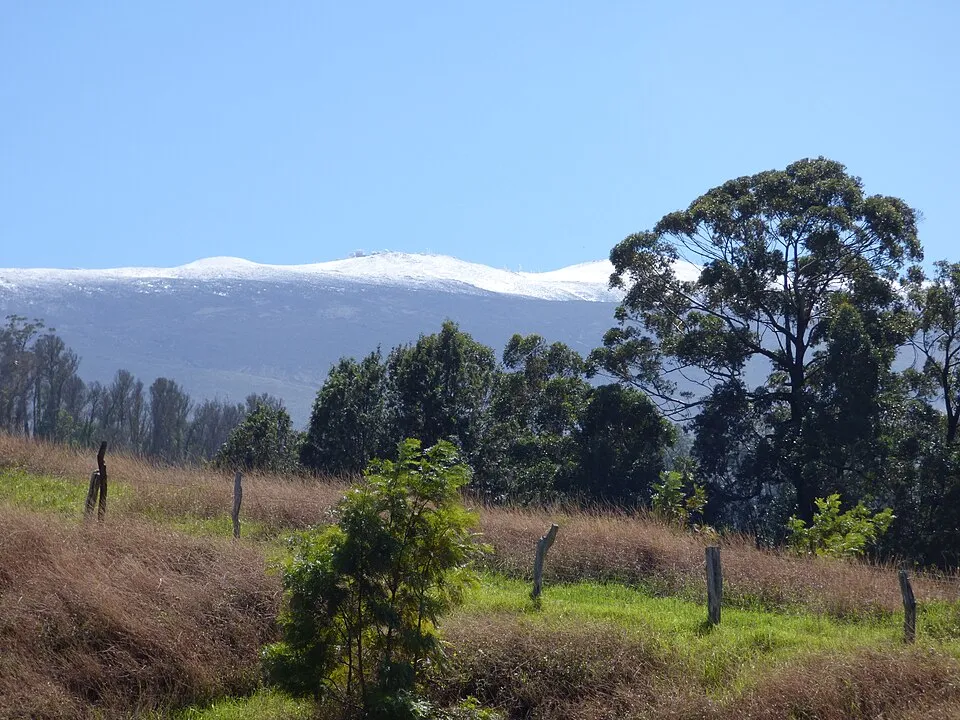
Temperatures at high elevations can become extremely cold, especially overnight and around sunrise. Winter snow can even occur on Hawaii's highest volcanic summits.
So, while you probably won't need a winter jacket for Waikiki or Wailea, warm layers can be essential for high-elevation adventures.
Is Winter the Rainy Season in Hawaii?
Yes. Winter is generally considered Hawaii's wetter season.
However, that does not mean visitors should expect nonstop rain throughout their vacation. The National Weather Service notes that winter weather can become more unsettled as storm systems and cold fronts reach the islands. At the same time, normal trade-wind conditions still occur frequently, bringing sunshine mixed with relatively brief showers.

Where you stay also makes a major difference.
Hawaii's mountains create significant differences between windward and leeward areas. Windward areas generally receive more clouds and rainfall, while many leeward resort areas tend to be sunnier and drier.
For example, on Maui, conditions around Kapalua or Hāna can be very different from those around Kīhei and Wailea on the same day.
That variety is part of Hawaii's tropical climate. A rainy morning doesn't necessarily mean an entire day of activities needs to be canceled.
What Is the Ocean Temperature in Hawaii During Winter?
The Pacific Ocean surrounding Hawaii plays a major role in keeping the islands' temperatures relatively stable.
According to the National Weather Service, sea surface temperatures around Hawaii generally reach their annual low of approximately 73°F to 74°F in late February and March, compared with around 80°F near their early-fall peak.
For many visitors, the ocean is still comfortable enough for swimming, snorkeling, surfing, and other water activities during winter.
Ocean conditions, however, deserve just as much attention as ocean temperature.
Winter produces some of Hawaii's largest surf, particularly along exposed north-facing shores. Hawaii's official tourism website describes winter as the heart of the islands' surf season, with large and consistent swells attracting experienced surfers.
Always check local ocean conditions and posted warnings before entering the water.
Why Winter Is a Popular Time to Visit Hawaii
Temperature is only one reason travelers choose Hawaii during winter.
December through the winter months combines warm tropical weather with several seasonal experiences that aren't available year-round. Most notably, winter falls within Hawaii's humpback whale season, making it an especially exciting time for visitors interested in whale watching.
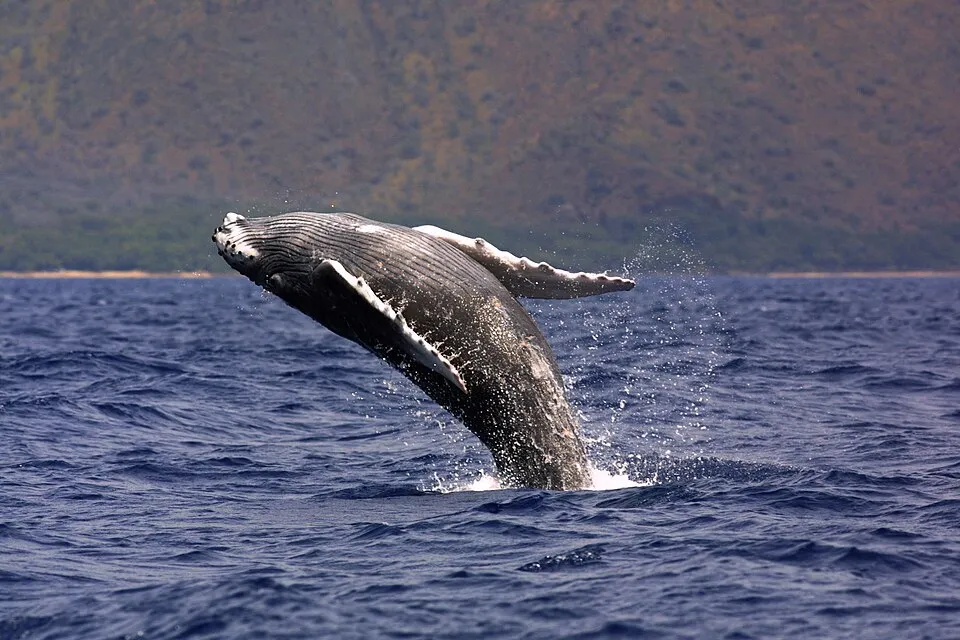
Winter is also an excellent season for hiking, sightseeing, scenic drives, ziplining, cultural experiences, and exploring Hawaii's diverse landscapes without the hottest temperatures of the year.
Surfers have another reason to visit: winter brings powerful swells to Hawaii's famous north-facing surf breaks.
The trade-off is that winter—particularly the holiday period—is a popular travel season. Travelers may encounter higher demand for airfare, accommodations, rental cars, and popular activities.
What Should You Pack for Hawaii in the Winter?
Packing for a Hawaii winter vacation usually doesn't require an entirely different wardrobe from a summer trip.
Shorts, T-shirts, swimsuits, sandals, sun protection, and lightweight clothing will still be useful for most days. However, adding a light sweater, sweatshirt, or rain jacket is a smart idea for cooler mornings, evenings, rainy weather, and higher elevations.
If you're planning a Haleakalā sunrise or another high-elevation excursion, bring genuinely warm layers rather than relying solely on beach clothing.
It is also smart to pack based on your planned activities instead of looking only at Hawaii's average temperature. A traveler spending a week at a beachfront resort will have very different clothing needs from someone planning rainforest hikes and summit adventures.
Is Winter a Good Time to Visit Hawaii?
For many travelers, absolutely.
Hawaii's winter temperatures provide an appealing balance: warm enough to enjoy the beach and ocean but generally cooler than the hottest months of the year. There may be more rain, particularly in windward areas, but sunny weather remains common.
The combination of roughly upper-70s to low-80s coastal daytime temperatures, warm ocean water, whale season, dramatic winter surf, lush scenery, and outdoor activities makes winter one of Hawaii's most distinctive seasons.
If your idea of winter involves escaping freezing temperatures without giving up outdoor adventures, Hawaii is difficult to beat.
Helpful Hawaii Winter Weather Links
For current forecasts and additional trip-planning information, these resources can help:
- National Weather Service Honolulu Forecast Office — Official forecasts, weather alerts, climate information, and ocean conditions for Hawaii.
- GoHawaii – Hawaii Weather Guide — Overview of Hawaii's seasons, temperatures, rainfall, and climate.
- GoHawaii – Hawaii in Winter — Official winter travel information covering weather and seasonal activities.
- NOAA Hawaii Rainfall Atlas — Explore how dramatically rainfall can vary across the Hawaiian Islands.
- National Weather Service – Climate of Hawaii — Detailed information about Hawaii's temperatures, ocean influence, trade winds, and climate.
Frequently Asked Questions About Hawaii in the Winter Temperature
What is the average temperature in Hawaii in the winter?
At sea level, Hawaii's average daytime winter temperature is approximately 78°F (25.6°C). Nighttime temperatures are generally about 10°F cooler.
How cold does Hawaii get in December?
Coastal areas generally remain warm during December, with daytime temperatures commonly reaching the upper 70s or low 80s. For example, Honolulu's normal December high is around 82°F.
Is Hawaii warm enough to swim in the winter?
Yes. Many visitors swim, snorkel, surf, and participate in other ocean activities throughout winter. Sea surface temperatures around Hawaii reach their coolest levels around 73°F to 74°F in late February and March.
What is the coldest month in Hawaii?
February and March tend to be Hawaii's coolest period because the surrounding Pacific Ocean takes time to cool after summer.
Does Hawaii get snow during the winter?
Snow is possible at the highest elevations, particularly on Hawaii Island's tallest volcanic summits. Coastal resort areas do not experience snowy winter conditions.
Is Hawaii rainy during the winter?
Winter is Hawaii's wetter season, but rain varies considerably by island, elevation, and whether you are staying on the windward or leeward side. Rain does not necessarily last all day, and sunny periods are common even during winter.
Is December, January, or February better for visiting Hawaii?
All three can be excellent months. December offers holiday travel and warm weather, while January and February generally bring slightly cooler temperatures and remain excellent months for seasonal activities such as whale watching.
What clothes should I wear in Hawaii during winter?
Light summer clothing is appropriate for most coastal areas during the day. Bring a light jacket or sweatshirt for evenings, rain protection for changing weather, and significantly warmer clothing if visiting high-elevation locations such as Haleakalā.
Is Maui warm in the winter?
Yes. Maui's coastal resort areas remain pleasantly warm throughout winter. Conditions vary considerably around the island, however, because elevation and geography create distinct microclimates.
Is it better to visit Hawaii in winter or summer?
It depends on your priorities. Winter offers slightly cooler temperatures, whale watching, powerful surf, and lush landscapes, while summer typically brings warmer temperatures and generally more consistent dry-season conditions.
If you would like to read and learn more about interesting things in Hawaii! Check out our blog page here on our website!
or
Image Credits:
Blog Photos:
Mauna Kea Snow as Seen from Hilo — Photo by International Gemini Observatory/NOIRLab/NSF/AURA/K. Puʻuohau-Pummill. Licensed under the Creative Commons Attribution 4.0 International (CC BY 4.0). Source: Wikimedia Commons.
Snow on Haleakalā, Maui — Photo by Forest & Kim Starr. Licensed under the Creative Commons Attribution 3.0 Unported (CC BY 3.0). Source: Wikimedia Commons.
Waikamoi Stream and Rain, Haʻikū Uka, Maui — Photo by Forest & Kim Starr. Licensed under the Creative Commons Attribution 3.0 United States (CC BY 3.0 US). Source: Wikimedia Commons.
Breaching Humpback Whale, Hawaiian Islands Humpback Whale National Marine Sanctuary — Photo by NOAA / National Marine Sanctuaries. Public domain. Source: Wikimedia Commons.