
Table of Contents
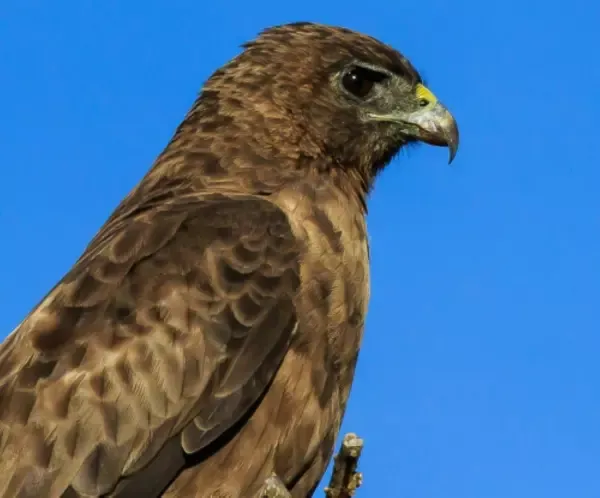
The Hawaiian hawk—known in Hawaiian as the ʻIo—is one of Hawaiʻi’s most iconic birds of prey and a powerful symbol of royalty, protection, and spiritual guidance. Found only in Hawaiʻi, primarily on the Big Island, this remarkable raptor is an irreplaceable part of the islands’ natural heritage. Its story blends ecology, culture, resilience, and the ongoing need for conservation.
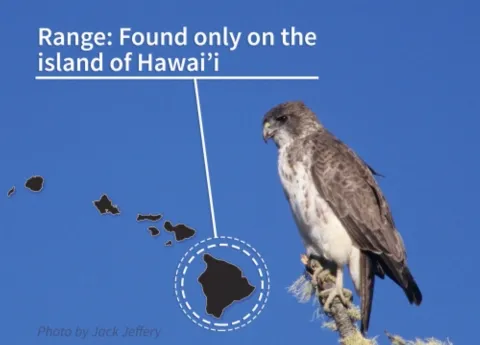
Though once widespread across multiple islands, today the Hawaiian hawk persists mainly on Hawaiʻi Island. Its limited range and cultural significance make it one of the most unique birds in the world—and a living reminder of the deep connection between Native Hawaiian traditions and the islands’ native wildlife.
In this blog, we explore the origins, behaviors, cultural role, and importance of preserving this extraordinary endemic species.
A Bird Found Nowhere Else on Earth
The Hawaiian hawk (Buteo solitarius) is endemic to Hawaiʻi, meaning it evolved here and exists naturally nowhere else on the planet. Scientists believe the ancestors of the Hawaiian hawk arrived thousands of years ago and gradually adapted to the islands’ forests, climate, and prey.
These adaptations led to the development of traits that distinguish the Hawaiian hawk from continental hawks, including:
- A robust body structure capable of maneuvering through dense forests
- Two color morphs—dark and light—both unique to the species
- A highly varied diet, from birds and insects to small mammals and carrion
This ecological specialization is part of what makes Hawaiian wildlife so impressive—and so vulnerable. When a species evolves in isolation, it often becomes deeply dependent on the landscapes and ecosystems of its home. For the Hawaiian hawk, that home is primarily the forests of Hawaiʻi Island.
Appearance and Behavior of the Hawaiian Hawk
The Hawaiian hawk may not be large compared to mainland raptors, but it carries a powerful presence. Adults typically measure around 18 to 20 inches long with a wingspan of approximately 40 inches. The species displays two distinct color phases:
- Dark morph: almost entirely brown
- Light morph: lighter belly with darker wings and back
One of the most distinctive behaviors of the Hawaiian hawk is its piercing, high-pitched call, often described as sounding like “eee-oh,” which likely inspired the name ʻIo.
Diet and Hunting Style
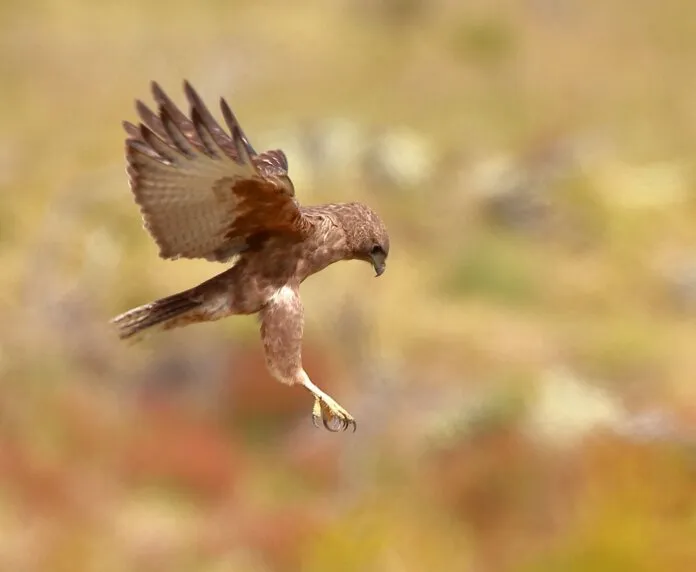
Unlike many specialized hawks, the Hawaiian hawk is an opportunistic predator. Over centuries, it adapted to hunt native birds, insects, and larger invertebrates. After the introduction of non-native animals like rats and mongoose, the hawk expanded its diet—an adaptability that likely helped keep the species alive despite major environmental changes.
Breeding and Nesting
Breeding season runs from March through September, when pairs become highly territorial. They build nests high in native trees, where a single chick is raised each year. Known for their dedicated parental care, both male and female hawks share responsibilities in feeding and protecting their young.
Cultural Importance of the Hawaiian Hawk
In Native Hawaiian culture, the ʻIo is a bird of aliʻi (royalty) and is associated with:
- Kū, the god of war and governance
- Ancestral guardianship, serving as a messenger between realms
- Strength, authority, and spiritual protection
For many Native Hawaiians, seeing a Hawaiian hawk soaring overhead is considered a sign of blessing or guidance. The bird appears in chants, legends, and place names, further solidifying its role in Hawaiian identity.
Its cultural significance also played a role in shaping conservation efforts, as community groups and cultural practitioners have advocated strongly for protecting the species and its habitat.
Threats and Conservation Efforts
Though the Hawaiian hawk was removed from the U.S. Endangered Species List in 2020, conservationists continue to monitor it closely. Its limited range makes it particularly vulnerable to:
- Habitat loss, especially the clearing of native forests
- Invasive species, which compete for food resources or prey on chicks
- Environmental changes, such as extreme weather or climate shifts
Ongoing conservation initiatives include reforestation, habitat protection, and long-term population monitoring. Maintaining the species’ stability is essential not only for ecological balance but also for preserving its cultural significance.
Why Protecting the Hawaiian Hawk Matters
The Hawaiian hawk is more than a rare island raptor—it is a symbol of Hawaiʻi’s natural resilience and cultural richness. As one of the few remaining native birds of prey, its continued survival is vital to:
- Maintaining healthy ecosystems
- Preserving Hawaiian cultural traditions
- Ensuring future generations experience Hawaiʻi’s native wildlife
Protecting the Hawaiian hawk means protecting a piece of Hawaiʻi’s identity.
Helpful Links
- Hawaiian Hawk Overview – U.S. Fish & Wildlife Service:
https://www.fws.gov/species/hawaiian-hawk-buteo-solitarius - Hawaiʻi Forest & Trail – Native Birds of Hawaiʻi:
https://www.hawaii-forest.com - DLNR Hawaiʻi – Native Species Conservation:
https://dlnr.hawaii.gov
Frequently Asked Questions About the Hawaiian Hawk
1. What is the Hawaiian hawk?
The Hawaiian hawk, or ʻIo, is an endemic bird of prey found only in Hawaiʻi, known for its distinct call, two color phases, and powerful cultural significance.
2. Why is the Hawaiian hawk endemic to Hawaiʻi?
The species evolved in complete isolation over thousands of years, adapting uniquely to Hawaiʻi’s forests, climate, and prey, resulting in a raptor found nowhere else in the world.
3. Where can you see the Hawaiian hawk?
The Hawaiian hawk is seen almost exclusively on Hawaiʻi Island, especially in forested areas, open fields, and high-elevation regions.
4. Is the Hawaiian hawk endangered?
The species was delisted in 2020, but because it lives on only one island, it remains vulnerable and is continually monitored by conservation organizations.
5. What does the Hawaiian hawk symbolize in Hawaiian culture?
It represents royalty, protection, spiritual guidance, and the god Kū, making it one of the most culturally significant birds in Hawaiʻi.
6. What do Hawaiian hawks eat?
They are opportunistic hunters, feeding on birds, insects, rodents, and occasionally carrion.
7. Why is protecting the Hawaiian hawk important?
The species plays a crucial ecological role, represents native Hawaiian heritage, and embodies the unique biodiversity of the islands.
If you would like to read and learn more about interesting things in Hawaii! Check out our blog page here on our website!
or