
Table of Contents
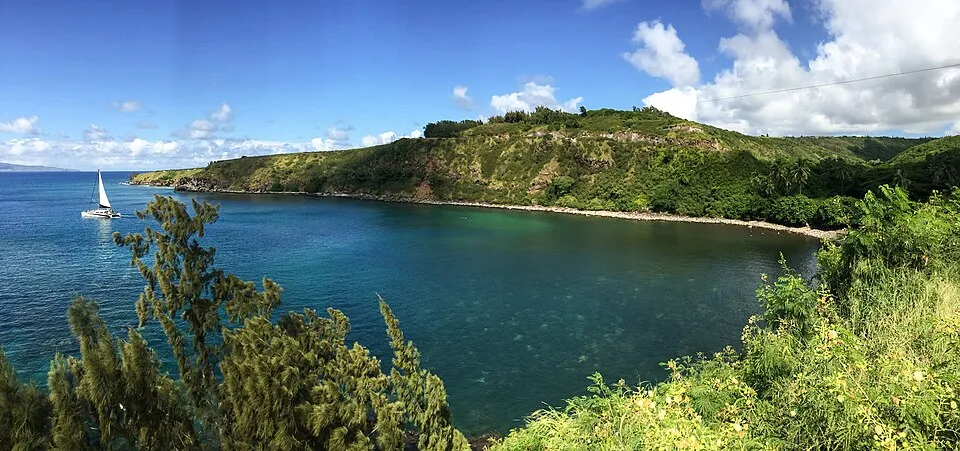
Tucked along Maui’s beautiful northwestern coastline, Honolua Bay is one of the island’s most recognizable destinations for snorkeling, marine life, surfing, and natural scenery. Surrounded by lush vegetation and rocky coastline, the bay feels noticeably different from the long sandy beaches found elsewhere in West Maui.
Honolua Bay is especially famous for what lies beneath the surface. Protected waters, coral reef habitat, and diverse marine life make the area an incredible place to experience Maui’s underwater environment when ocean conditions are favorable.
Whether you are planning to snorkel, photograph the scenery, watch experienced surfers during the winter, or simply explore another side of Maui, Honolua Bay deserves a place on your itinerary.
A Protected Marine Environment
Honolua Bay is part of the Honolua–Mokulēʻia Bay Marine Life Conservation District, a protected area along Maui’s northwestern coast. The conservation district encompasses approximately 45 acres and was established in 1978 to help protect marine resources.
Unlike an ordinary beach, activities that could damage or remove marine resources are highly restricted. Fishing, taking or injuring marine life, and removing or altering coral, sand, and other geological features are prohibited within the conservation district.
These protections help make Honolua Bay an important habitat for reef fish and other marine organisms while providing visitors with an opportunity to observe Maui’s underwater environment responsibly.
When visiting, remember that the reef is something to observe rather than touch. Never stand on coral, chase marine animals, remove natural objects, or leave trash behind.
Snorkeling at Honolua Bay
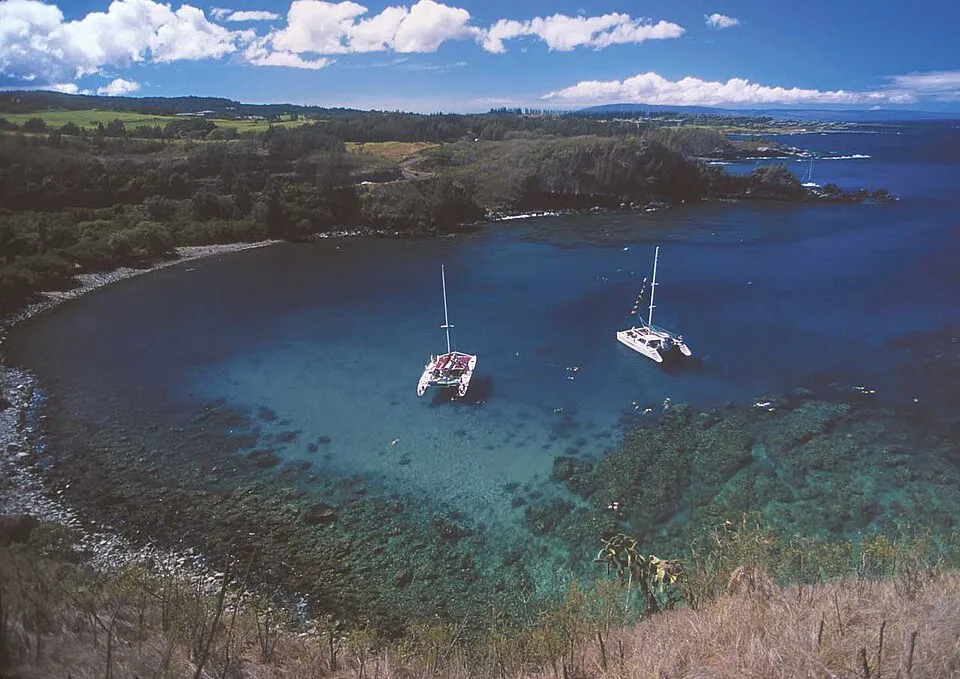
Snorkeling is one of the biggest reasons people visit Honolua Bay. Reef formations are found along both sides of the bay, while the center contains a sandy channel.
Visitors may encounter numerous species of colorful tropical reef fish while exploring the water. Hawaiian green sea turtles, or honu, may also be encountered around Maui’s reefs, although wildlife sightings are never guaranteed.
The shoreline itself is rocky, so Honolua Bay should not be confused with a traditional sandy swimming beach. Visitors interested primarily in laying out on the sand may prefer one of the nearby beaches around Kapalua or Nāpili.
Water conditions should always determine whether you snorkel. Rain and runoff can reduce visibility, particularly closer to shore, while larger ocean swells can make entering the water dangerous.
If the ocean looks rough or conditions are beyond your swimming ability, enjoy the bay from shore and save snorkeling for another day.
Honolua Bay During Winter
Honolua Bay changes dramatically when larger winter swells arrive.
Instead of calm snorkeling conditions, the bay can become a powerful surf location attracting highly experienced surfers. Watching the waves can be impressive in itself, but visitors should understand that conditions that are excellent for experienced surfers can be completely inappropriate for swimming or snorkeling.
Never enter the water simply because other people are doing so. Ocean conditions around Hawaiʻi can change quickly, and individual swimming abilities vary considerably.
During calmer periods, particularly outside major swell events, the character of Honolua Bay can be completely different.
The Walk Into Honolua Bay
Part of the Honolua Bay experience happens before you even reach the shoreline.
Visitors access the bay from Honoapiʻilani Highway and walk toward the water through a lush, shaded landscape. Large trees, tropical vegetation, vines, and the surrounding valley create a striking transition between the highway and the ocean.
The walk is relatively short, but appropriate footwear is still helpful, particularly when the ground is wet or muddy.
Once you reach the shoreline, expect rocks rather than a broad sandy beach. Water shoes can be useful for visitors planning to enter the water.
Parking at Honolua Bay
Honolua Bay is located along Honoapiʻilani Highway (Highway 30) on Maui’s northwestern coast, north of Kapalua.
Parking is available along the highway rather than in a large dedicated beach parking lot. Because space is limited, visitors should park carefully and pay attention to all posted parking restrictions and signs.
Do not block roadways, gates, driveways, or access points.
The relatively undeveloped nature of the area is part of Honolua Bay’s appeal, but it also means visitors should arrive prepared rather than expecting the amenities found at a developed beach park.
What to Bring to Honolua Bay
If you plan to spend a few hours at Honolua Bay, consider bringing:
- Snorkel equipment
- Water shoes or sturdy footwear
- Drinking water
- A towel
- Sun protection
- A waterproof bag
- A change of clothes
- A camera or waterproof action camera
Pack out everything you bring with you and help keep the shoreline and surrounding environment clean.
Respecting Honolua Bay
Honolua Bay is more than a beautiful Maui attraction. It is part of a protected marine ecosystem and an area with deep cultural and environmental importance.
One of the simplest ways visitors can help is by leaving the area exactly as they found it.
Give wildlife plenty of space. Never touch sea turtles or other marine animals. Avoid stepping on coral or disturbing the seafloor. Do not remove rocks, shells, coral, plants, or other natural materials.
Responsible visitation helps protect places like Honolua Bay for Maui residents, wildlife, and future generations.
Helpful Links for Visiting Honolua Bay
For official information about the protected marine area and current regulations, visit the Hawaiʻi Department of Land and Natural Resources Division of Aquatic Resources page for the Honolua–Mokulēʻia Bay Marine Life Conservation District.
Visitors planning additional adventures can also explore the NorthShore Zipline Maui Blog for guides covering Maui beaches, snorkeling destinations, outdoor activities, Upcountry Maui, the Road to Hāna, and other things to do around the island.
Frequently Asked Questions About Honolua Bay
Is Honolua Bay worth visiting?
Yes. Honolua Bay is worth visiting for travelers interested in snorkeling, marine life, surfing, photography, and Maui’s natural scenery. Its protected marine environment and lush surroundings provide a different experience from the island’s more developed sandy beaches.
Is Honolua Bay good for snorkeling?
Honolua Bay is one of Maui’s best-known snorkeling locations when ocean conditions are calm. Coral reef habitat is located along both sides of the bay and supports a variety of marine life. Snorkeling should only be attempted when conditions are appropriate for your experience and swimming ability.
What is the best time to snorkel at Honolua Bay?
There is no guaranteed time when Honolua Bay will be calm and clear. Ocean swell, wind, rain, and runoff can all affect visibility and safety. Check current conditions before entering the water and avoid snorkeling during large surf.
Is Honolua Bay safe for beginners?
It depends on the conditions. Calm days may provide suitable snorkeling for capable swimmers, while rough surf can make the bay inappropriate even for experienced snorkelers. Honolua Bay is a natural ocean environment, so visitors should never assume conditions are safe.
Is Honolua Bay a sandy beach?
No. Honolua Bay has a predominantly rocky shoreline rather than a wide sandy beach. Visitors looking primarily for swimming and relaxing on sand may prefer Kapalua Bay, Nāpili Bay, or other nearby West Maui beaches.
Can you see sea turtles at Honolua Bay?
Hawaiian green sea turtles, or honu, can be encountered around Maui’s reefs, including the Honolua area, but sightings are never guaranteed. Always observe marine wildlife from a respectful distance and never touch, chase, feed, or harass an animal.
What kind of fish can you see at Honolua Bay?
Honolua Bay’s protected reef ecosystem supports many species of tropical reef fish. Exactly what you see varies by location and conditions, which is part of what makes snorkeling the bay such a unique experience.
Can you fish at Honolua Bay?
Fishing and taking marine life are prohibited within the Honolua–Mokulēʻia Bay Marine Life Conservation District. Visitors should familiarize themselves with the official conservation district boundaries and regulations before participating in fishing or gathering activities in the surrounding area.
Is Honolua Bay good in the winter?
Honolua Bay is beautiful during winter, but larger seasonal swells can transform it into a powerful surf break. When high surf is present, snorkeling and swimming may be unsafe. Winter visitors can still enjoy the scenery and watch experienced surfers from a safe location.
Does Honolua Bay have parking?
Parking is available along Honoapiʻilani Highway near the access trails. There is not a large traditional beach parking lot, so parking can be limited. Follow all signs and avoid blocking roads, gates, or access points.
Are there bathrooms at Honolua Bay?
Visitors should not expect the facilities and amenities found at developed Maui beach parks. Plan ahead before visiting and bring the supplies you need for your time at the bay.
How long should you spend at Honolua Bay?
Many visitors can spend one to three hours at Honolua Bay depending on whether they are snorkeling, exploring the shoreline, taking photographs, or simply enjoying the scenery. Your visit may be shorter if ocean conditions are unsuitable for water activities.
Do you have to pay to visit Honolua Bay?
There is no general admission fee to access Honolua Bay from shore. Visitors should still follow all posted access, parking, conservation, and safety regulations.
How far is Honolua Bay from Kapalua?
Honolua Bay is just north of the Kapalua resort area along Honoapiʻilani Highway, making it easy to combine with other attractions and beaches around northwest Maui.
Is Honolua Bay part of a Marine Life Conservation District?
Yes. Honolua Bay and neighboring Mokulēʻia Bay are part of the Honolua–Mokulēʻia Bay Marine Life Conservation District. The protected area was established to conserve and replenish marine resources, and regulations restrict fishing and the removal or disturbance of marine life and geological features.
What should I bring to Honolua Bay?
Bring drinking water, sun protection, comfortable footwear, a towel, and snorkel equipment if you plan to enter the water. Water shoes can also be helpful because of the rocky shoreline. Visitors should pack out everything they bring into the area.
What beaches are near Honolua Bay?
Several popular northwest Maui beaches are nearby, including Mokulēʻia Bay, also commonly called Slaughterhouse Beach, Kapalua Bay, Oneloa Beach, and DT Fleming Beach Park. This makes Honolua Bay easy to include in a day exploring the Kapalua coastline.
What else can you do near Honolua Bay?
Visitors can explore Kapalua’s beaches and coastal scenery, snorkel when conditions allow, visit nearby restaurants and shops, or continue exploring other parts of Maui. Travelers looking for another outdoor adventure can also head toward Maui’s North Shore and Upcountry areas for hiking, sightseeing, waterfalls, and ziplining.
If you would like to read and learn more about interesting things in Hawaii! Check out our blog page here on our website!
or
Image Credits:
Hero:
Photo: Dronepicr, via Wikimedia Commons. Licensed under Creative Commons Attribution 3.0 (CC BY 3.0).
Photo: Curt Smith, via Wikimedia Commons. Licensed under Creative Commons Attribution 2.0 Generic (CC BY 2.0).