
Table of Contents
Every winter, the warm waters of Maui, Hawaii, become the stage for one of nature’s most extraordinary performances—the annual migration of humpback whales. Known as “Koholā” in Hawaiian, These gentle giants travel thousands of miles from the cold, nutrient-rich waters of Alaska to the Hawaiian Islands, where they breed, give birth, and nurture their young in the calm, protected waters surrounding Maui.
The Journey of a Lifetime
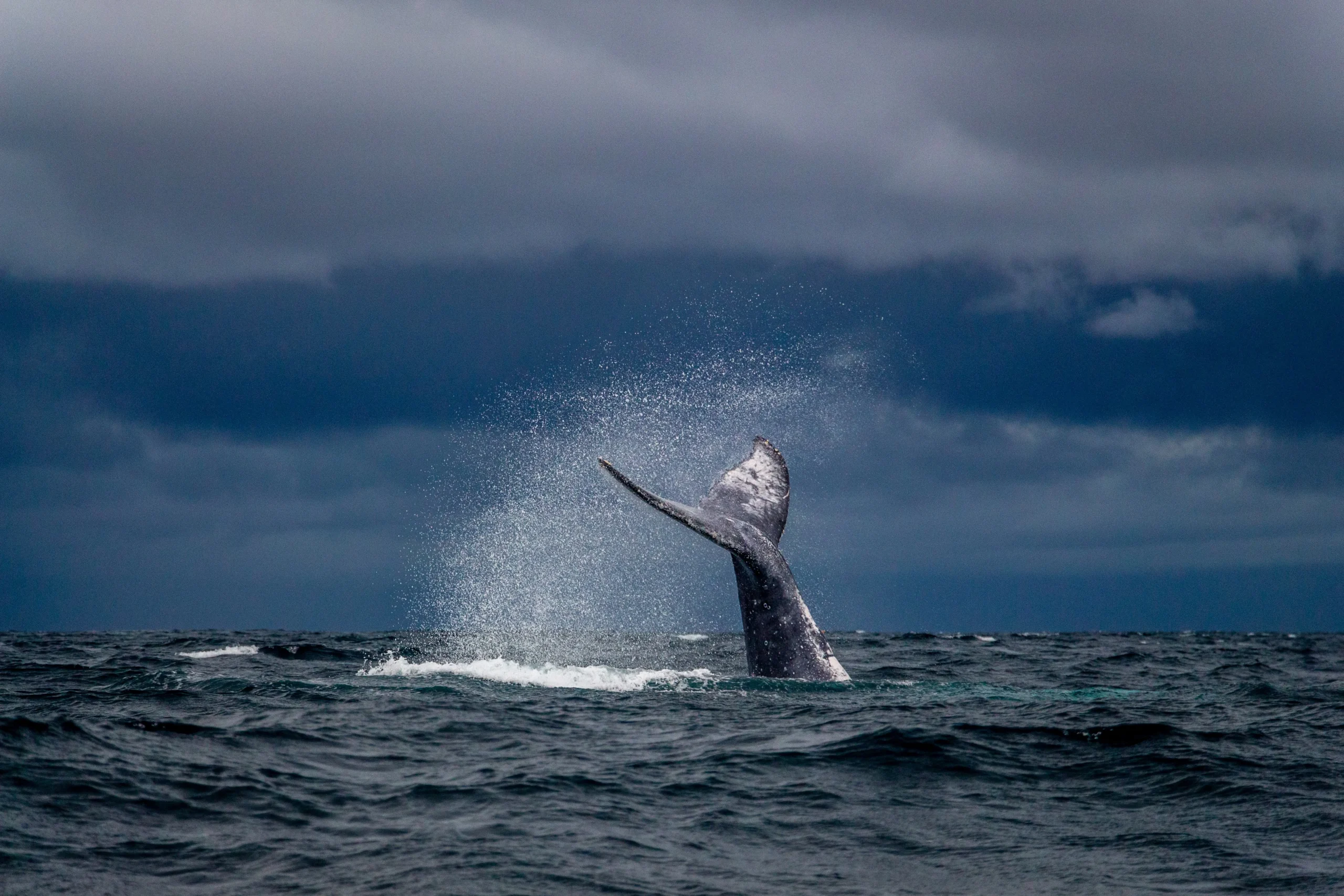
Humpback whales (Megaptera novaeangliae) embark on one of the longest migrations of any mammal, covering nearly 3,000 miles each way. It is estimated that around 12,000 whales migrate towards Hawaii. Their journey is driven by the need for safe, warm waters that provide an ideal environment for calving and mating. While they fast during their time in Hawaii, relying on stored energy reserves, these whales engage in remarkable behaviors that captivate onlookers, from breaching and tail slapping to spy-hopping and singing their hauntingly beautiful songs.
Why Maui?
Humpback whales migrate seasonally, following a predictable pattern driven by survival and reproduction. During the summer months, they thrive in Alaska’s frigid waters, feasting on krill, herring, and other small fish. However, as winter approaches, food becomes scarce, and their biological instincts drive them toward the warmer, predator-free waters of Hawaii.
Maui’s shallow and relatively calm waters provide the perfect sanctuary for birthing and nursing calves. Unlike Alaska, where orcas (killer whales) pose a significant threat to young humpbacks, Hawaii offers a safer environment for the next generation to grow and strengthen before making the long journey back north.
The Whale-Watching Experience
From December through April, visitors and locals alike can witness these incredible marine mammals from both land and sea. Boat tours offer an up-close experience, allowing passengers to see whales breach just yards away, while coastal viewpoints like McGregor Point and Lahaina’s waterfront provide breathtaking opportunities to spot spouts and flukes from shore. Even for those who are fortunate enough to have a room / or place that is facing toward the ocean, they are able to watch these whales with ease. Underwater hydrophones sometimes capture the eerie, melodic songs of male humpbacks, adding another dimension to the experience.
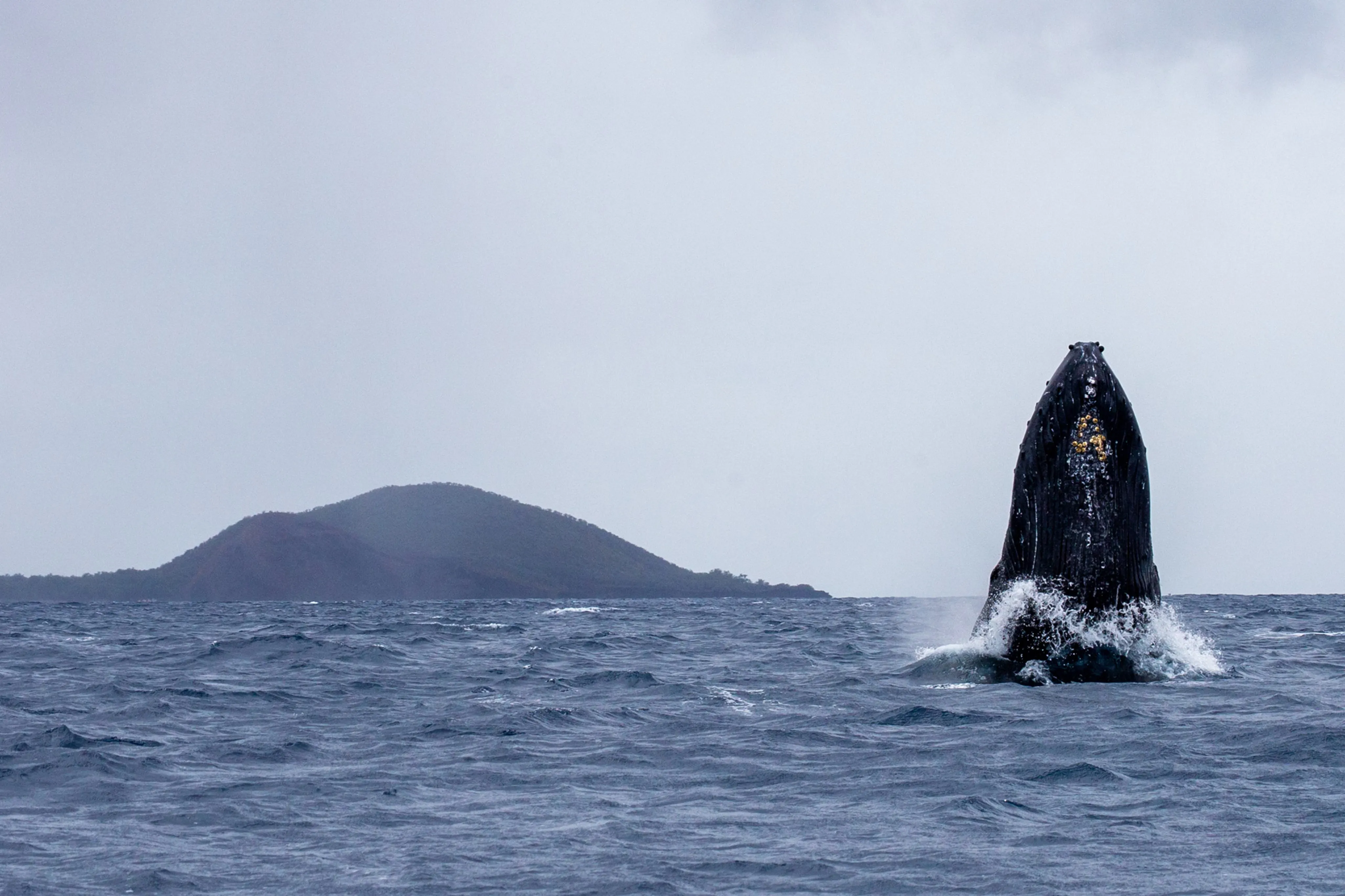
Breaching – Whales propel themselves out of the water in spectacular leaps.
Spyhopping – A curious behavior where a whale lifts its head above the water to observe its surroundings.
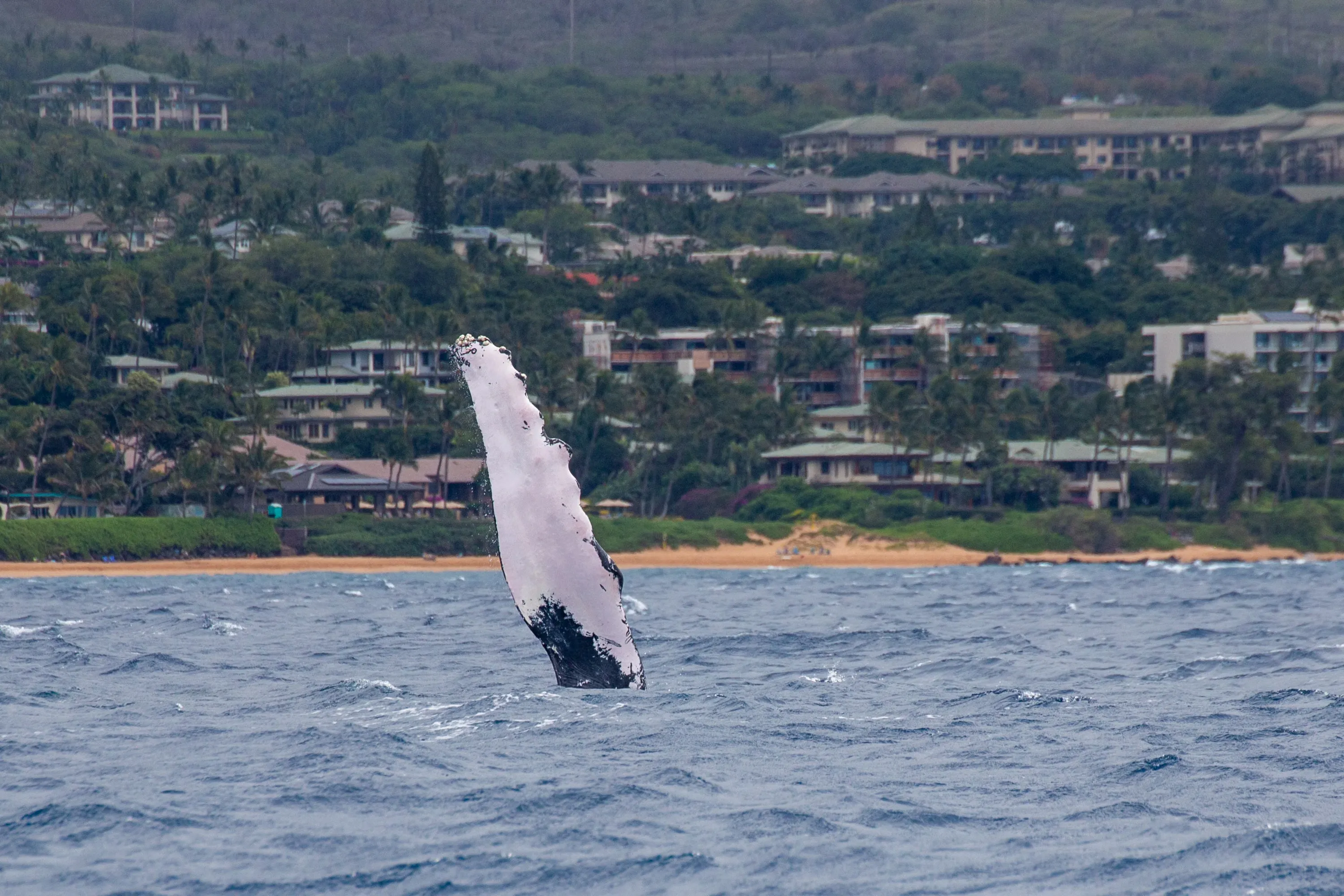
Tail Slaps and Fin Waves – Used for communication and play.
Mother-Calf Bonding – A heartwarming sight as newborn calves learn essential survival skills.
For those eager to experience the magic of humpback whales up close, there are several ways to do so responsibly:
Whale-Watching Tours – Numerous eco-friendly tour operators in Maui offer boat excursions, guided by marine biologists who provide insights into whale behavior and conservation.
Kayaking & Paddleboarding – For a quieter and more intimate experience, paddling out into the waters offers a unique perspective on these marine mammals.
Shore-Based Viewing – Some of the best whale-watching spots from land include Makena Beach, Lahaina Pali Trail, and Maalaea Bay.
Conservation and Protection Efforts
Despite their awe-inspiring presence, humpback whales face numerous threats, including entanglement in fishing gear, ship strikes, and climate change. The Hawaiian Islands Humpback Whale National Marine Sanctuary, established to protect these marine mammals, plays a crucial role in research, conservation, and public education. Responsible whale-watching practices, such as maintaining a safe distance and minimizing noise pollution, are essential to ensuring the well-being of these creatures for generations to come.
While humpback whale populations have rebounded since the days of commercial whaling, they still face threats from climate change, ship strikes, and ocean pollution. Organizations such as NOAA and the Pacific Whale Foundation work tirelessly to protect these magnificent creatures through research, education, and policy advocacy.
As visitors, we play a crucial role in responsible whale watching by maintaining safe distances, avoiding high-speed boating in whale zones, and supporting conservation efforts.
A Once-in-a-Lifetime Experience
Maui’s humpback whale season is more than just a tourist attraction; it is a profound reminder of nature’s resilience and beauty. Whether you're watching from the shore or embarking on a guided tour, witnessing these ocean giants in their natural habitat is an unforgettable experience—one that leaves visitors with a deeper appreciation for the wonders of the marine world.
Plan your visit during peak season, respect marine life guidelines, and prepare to be mesmerized by one of the most remarkable migrations on the planet.
Helpful Links
- Hawaiian Islands Humpback Whale National Marine Sanctuary — Official NOAA information about humpback whales, conservation, research, and Hawaiʻi's protected marine environment.
- NOAA Responsible Whale Watching Guidelines — Learn how to safely and respectfully observe humpback whales and other Hawaiian marine wildlife.
- NOAA Humpback Whale Regulations — Official rules regarding safe viewing distances and humpback whale protection in Hawaiʻi.
- NorthShore Zipline Maui Blog — Explore more guides to Maui wildlife, whale watching, outdoor adventures, beaches, and things to do.
Frequently Asked Questions About Humpback Whales in Maui
When is humpback whale season in Maui?
Humpback whales are generally present in Hawaiian waters from November through May, with the greatest abundance typically occurring from January through March. The exact arrival and departure of individual whales varies each year because they are wild, migratory animals.
What is the best month to see humpback whales in Maui?
January through March is generally the best period for seeing humpback whales around Maui. These months fall within the usual peak in humpback abundance in Hawaiian waters and provide excellent opportunities for watching whales from both shore and permitted whale-watching vessels.
Why do humpback whales come to Maui?
Humpback whales migrate to the warm waters around Hawaiʻi primarily to mate, give birth, and care for their calves. They spend much of the warmer part of the year feeding in productive northern waters before traveling thousands of miles to their winter breeding grounds.
Where do Maui's humpback whales come from?
Many of the humpback whales that visit Hawaiʻi migrate from feeding grounds in the North Pacific, including waters around Alaska. Their seasonal migration between northern feeding areas and Hawaiian breeding grounds can cover thousands of miles.
Why are there so many humpback whales around Maui?
The relatively warm, shallow waters surrounding Maui Nui provide important winter habitat for humpback whales. Mothers with calves, competing males, and other whales can all be found around the islands during peak season.
Can you see humpback whales from shore in Maui?
Yes. During peak whale season, humpback whales can often be seen from Maui's shoreline. Look for blows, breaches, tail flukes, and splashes offshore. Binoculars can make land-based whale watching even better.
Where is the best place to see whales from shore in Maui?
West and South Maui provide many opportunities for shoreline whale watching during peak season. Elevated coastal viewpoints and beaches with unobstructed views of the ocean can be particularly useful. Whale sightings are never guaranteed, so patience and binoculars are helpful.
Do you need to take a whale-watching tour to see whales in Maui?
No. It is entirely possible to see humpback whales from land during peak season. However, a responsible whale-watching tour can provide a different perspective and often includes guides who can explain whale behavior, biology, migration, and conservation.
How close can you get to a humpback whale in Hawaiʻi?
Federal regulations prohibit approaching a humpback whale within 100 yards in Hawaiian waters. This rule applies to boats, kayaks, paddleboards, swimmers, drones, and other means of approach. If a whale approaches you, do not pursue or intentionally move closer to it.
How big are humpback whales?
Adult humpback whales can grow roughly 40 to 50 feet long and weigh tens of thousands of pounds. Despite their enormous size, humpbacks are highly acrobatic and are famous for behaviors such as breaching completely or partially out of the water.
What does it mean when a humpback whale breaches?
Breaching occurs when a whale propels much of its body out of the water before crashing back onto the surface. Scientists believe breaching may serve several purposes, potentially including communication, social interaction, or removing parasites. The exact reason can depend on the situation.
Why do humpback whales slap their tails and fins?
Humpbacks display several dramatic surface behaviors, including tail slapping and pectoral fin slapping. These behaviors may play roles in communication, social interactions, courtship, competition, or other activities.
Do humpback whales sing in Maui?
Yes. Male humpback whales produce complex songs during the breeding season. Whales within a population generally sing variations of the same evolving song, creating one of the most fascinating forms of animal communication found in the ocean.
Can you hear humpback whales underwater in Maui?
During whale season, humpback songs may sometimes be heard underwater. Some whale-watching experiences use hydrophones that allow passengers to listen to underwater whale vocalizations without approaching the animals.
Do humpback whales give birth in Maui?
Humpback whales use Hawaiian waters for breeding, calving, and nursing. Mothers with young calves are therefore a common and particularly special sight during Maui's winter whale season.
How big is a humpback whale calf?
Humpback calves are already enormous at birth, measuring roughly 10 to 15 feet long. They grow quickly while nursing on their mother's extremely rich milk before eventually making the long migration toward northern feeding grounds.
Do humpback whales eat while they are in Maui?
Humpback whales generally do very little feeding while spending the winter around Hawaiʻi. Instead, they rely heavily on stored energy reserves accumulated while feeding in colder northern waters, where prey is much more abundant.
What do humpback whales eat?
Humpback whales feed primarily on small schooling fish and krill in their feeding grounds. They are baleen whales, meaning they do not have teeth. Instead, plates of baleen help them filter prey from large mouthfuls of seawater.
Are humpback whales endangered?
Humpback whales were once severely depleted by commercial whaling. Their populations have recovered significantly following international protections, although they continue to face threats including entanglement in fishing gear, vessel strikes, ocean pollution, habitat changes, and other human impacts.
What should you do if you see an entangled whale in Maui?
Do not attempt to free an entangled whale yourself or enter the water near the animal. Entangled whales can be extremely dangerous, and specialized responders are trained to handle these situations. Report an injured or entangled marine mammal to NOAA's statewide Marine Wildlife Hotline at 1-888-256-9840.
Can drones fly near humpback whales in Maui?
No. The 100-yard humpback whale approach restriction applies to drones as well as boats, swimmers, kayaks, paddleboards, and other means of approach. Aircraft are also subject to additional minimum-distance requirements.
What is the Hawaiian name for humpback whale?
Humpback whales are known as koholā in Hawaiian. Whales have longstanding cultural significance in Hawaiʻi and appear within Hawaiian traditions, genealogy, stories, and relationships with the natural world.
What is the Hawaiian Islands Humpback Whale National Marine Sanctuary?
The Hawaiian Islands Humpback Whale National Marine Sanctuary protects important humpback whale habitat around the Hawaiian Islands. The sanctuary also supports scientific research, education, conservation, responsible recreation, and public understanding of Hawaiʻi's marine environment.
What other things can you do in Maui during whale season?
Winter visitors can combine whale watching with Maui's many other outdoor experiences, including beaches, snorkeling when conditions allow, hiking, Haleakalā National Park, the Road to Hāna, Upcountry Maui, and ziplining. Whale season can be an especially exciting time to explore the island because whales may appear offshore throughout your trip.
If you would like to read and learn more about interesting things in Hawaii! Check out our blog page here on our website!
or
Image Credits:
Hero:
"Tail of a humpback whale" by Silvana Palacios, via Pexels
"A humpback whale jumping from the ocean" by Leaf Blessings, via Pexels
"Fin of a humpback whale above the water surface" by Leif Blessing, via Pexels