
Table of Contents
Few natural landmarks capture the imagination quite like kilauea. Located on Hawaiʻi Island, this iconic volcano is one of the most active volcanoes on Earth and has played a defining role in shaping the Hawaiian Islands—both physically and culturally. For centuries, kilauea has fascinated scientists, travelers, and Native Hawaiians alike, offering a rare opportunity to witness the raw power of our planet in action.
This article explores the science behind kilauea, the nature of its lava, its cultural significance, and why it continues to be one of the most closely watched volcanoes in the world.
What Makes Kilauea So Unique?
Kilauea is classified as a shield volcano, meaning it is built from repeated lava flows that spread outward in broad, gentle slopes. Unlike explosive stratovolcanoes, kilauea is known for its frequent, relatively fluid lava eruptions. These eruptions have occurred almost continuously over the past several decades, making kilauea one of the most active volcanoes on the planet.
Situated within Hawaiʻi Volcanoes National Park, kilauea offers scientists unparalleled access to an active volcanic system. Its summit caldera, lava lakes, rift zones, and underground magma plumbing provide valuable insight into how volcanoes behave globally.
Understanding Kilauea Lava
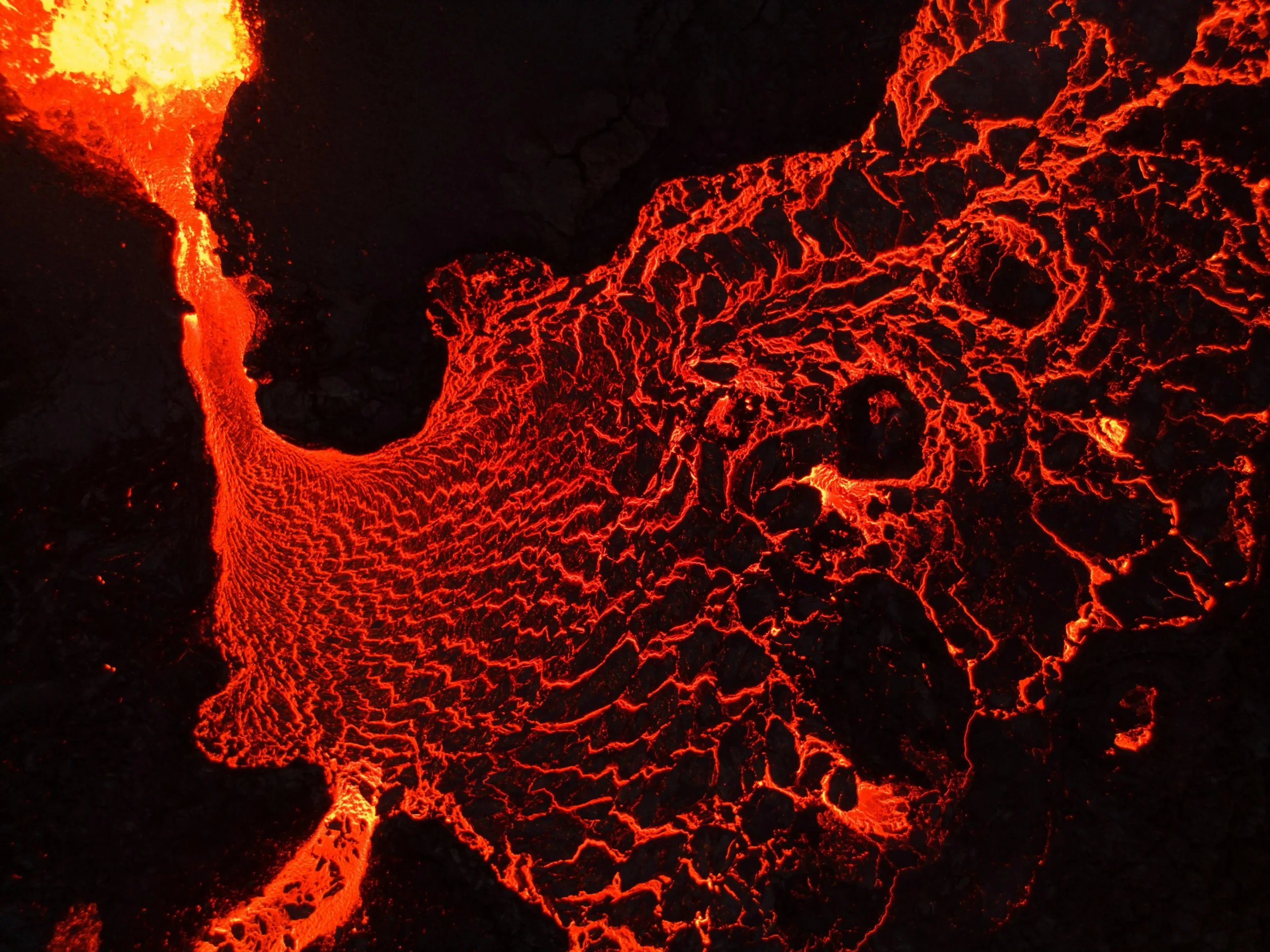
The lava produced by kilauea is primarily basaltic, meaning it has a low silica content. This makes it less viscous than other lava types, allowing it to flow smoothly and travel long distances. Kilauea lava often appears in two main forms:
- Pāhoehoe – smooth, ropy lava that flows slowly and forms intricate surface patterns
- ʻAʻā – rough, jagged lava that moves more aggressively and cools into sharp rock fragments
These lava flows have repeatedly reshaped Hawaiʻi Island, creating new land as they enter the ocean and altering entire landscapes over time. While visually stunning, kilauea lava is also incredibly destructive, capable of overtaking forests, roads, and communities when eruptions intensify.
Cultural Importance of Kilauea
For Native Hawaiians, kilauea is far more than a geological feature. It is considered the sacred home of Pele, the goddess of fire, lightning, and volcanoes. Eruptions are traditionally viewed not as disasters, but as expressions of Pele’s presence and power.
This deep cultural connection means that kilauea is respected as a living entity. Many residents and visitors approach the volcano with reverence, acknowledging that its lava flows represent both destruction and creation—an essential balance in Hawaiian cosmology.
Recent Eruptions and Ongoing Activity
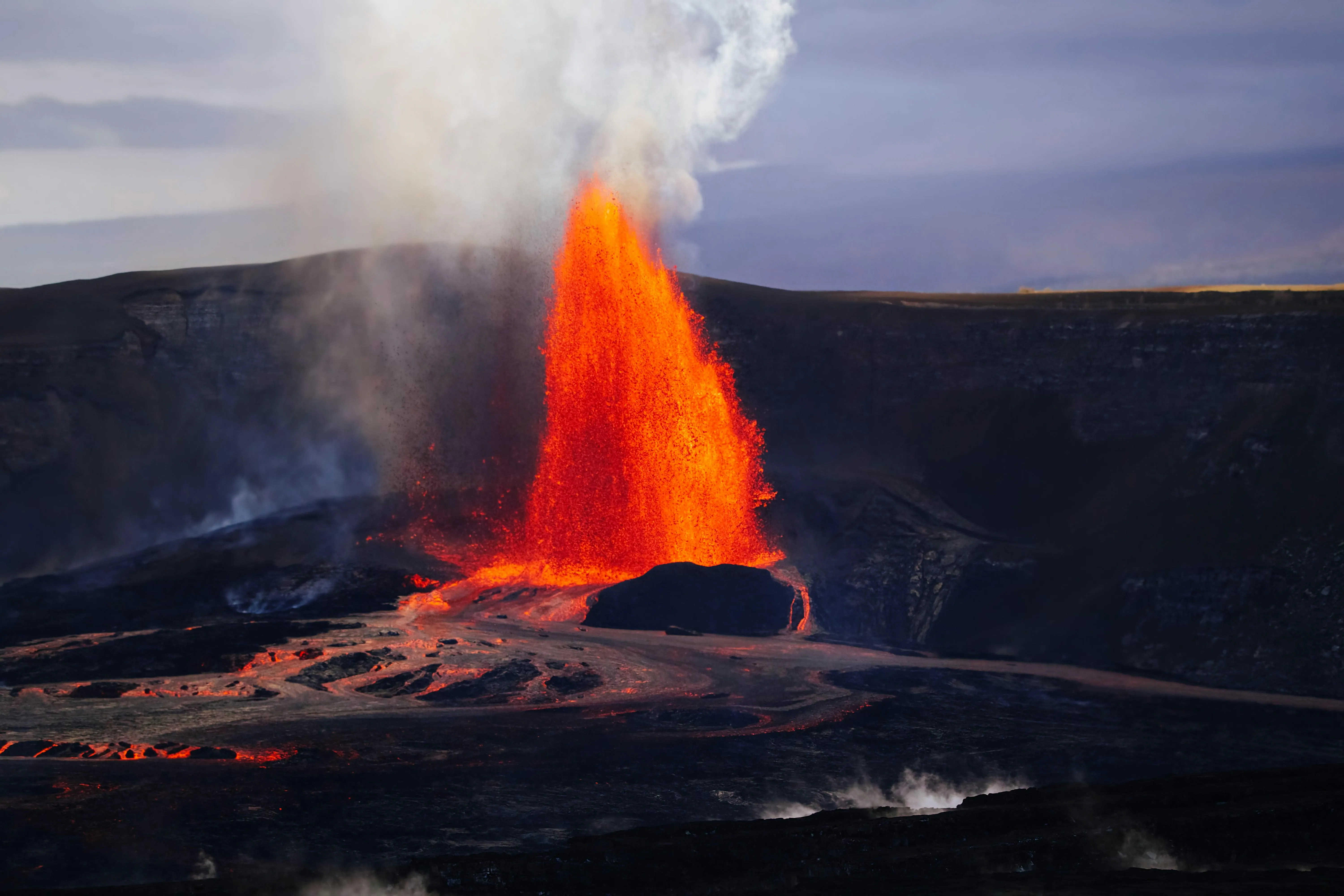
Kilauea’s eruptive behavior has remained dynamic in recent years, with summit lava lake activity and episodic eruptions drawing global attention. Scientists from U.S. Geological Survey continuously monitor kilauea using seismic instruments, gas sensors, satellite imagery, and webcams.
This monitoring allows for early warnings and helps protect nearby communities. Despite its frequent activity, kilauea is considered one of the safest volcanoes to study due to its predictable lava behavior and extensive monitoring infrastructure.
Visiting Kilauea Safely
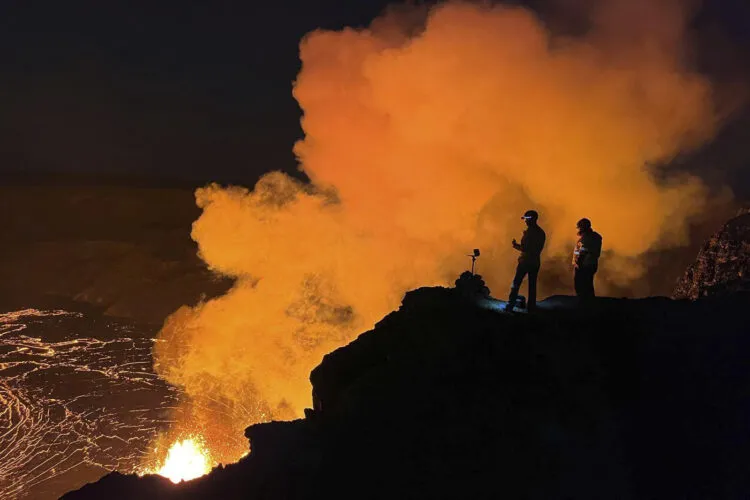
Visitors can experience kilauea up close through designated overlooks, trails, and viewing areas within Hawaiʻi Volcanoes National Park. When lava is visible, the glow from the summit crater can often be seen at night, offering a breathtaking and humbling experience.
Safety is paramount. Lava flows, volcanic gases, and unstable ground can be dangerous. Visitors should always follow park guidelines, respect closures, and stay informed about current conditions before exploring the area.
Why Kilauea Matters Globally
Kilauea is more than a local attraction—it plays a critical role in advancing volcanic science worldwide. Research conducted here helps scientists better understand eruption forecasting, lava flow behavior, and volcanic gas emissions. The knowledge gained from kilauea has applications for volcanic regions across the globe.
Kilauea remains one of Earth’s most powerful reminders of nature’s ability to create, destroy, and renew. Its lava flows tell an ongoing story—one that continues to shape Hawaiʻi and deepen our understanding of the planet we call home.
Helpful Links and Resources
- https://www.usgs.gov/volcanoes/kilauea
- https://www.nps.gov/havo
- https://www.soest.hawaii.edu/GG/HCV/kilauea.html
- https://www.hawaiitourismauthority.org
Frequently Asked Questions About Kilauea
Is kilauea currently erupting?
Kilauea frequently experiences periods of activity and dormancy. Checking official monitoring updates is the best way to get real-time information.
Why is kilauea considered one of the most active volcanoes?
Kilauea’s constant magma supply and location above a volcanic hotspot allow it to erupt more frequently than most volcanoes worldwide.
Can you see lava at kilauea?
During active phases, lava may be visible from designated viewpoints. Visibility depends on current eruption conditions and safety restrictions.
Is kilauea dangerous to visit?
When visited responsibly and following official guidance, kilauea can be explored safely. Hazards exist, so awareness is essential.
How does kilauea lava create new land?
When lava flows reach the ocean, they cool and harden, gradually forming new coastline and expanding the island.
If you would like to read and learn more about interesting things in Hawaii! Check out our blog page here on our website!
or