
Table of Contents
Sitting on the windward side of Maui, Haiku is a hidden gem that captures the heart of every nature enthusiast with its verdant beauty and tranquil atmosphere. While Maui is often celebrated for its sandy beaches and crystal-clear waters, Haiku offers a different kind of wonder—its lush rainforest, where exotic plants thrive under the island’s abundant rainfall and rich volcanic soil. For botanists, horticulturists, and casual plant lovers alike, Haiku is a paradise where the vibrant plant life tells a story of resilience, biodiversity, and tropical enchantment.
Haiku lies in the region known as Maui’s North Shore, a microclimate characterized by frequent rain showers, warm temperatures, and mist-covered hills. This perfect combination has created the ideal environment for a thriving rainforest ecosystem. The region is home to both native Hawaiian plants and a variety of introduced tropical species that now flourish in the fertile soil.
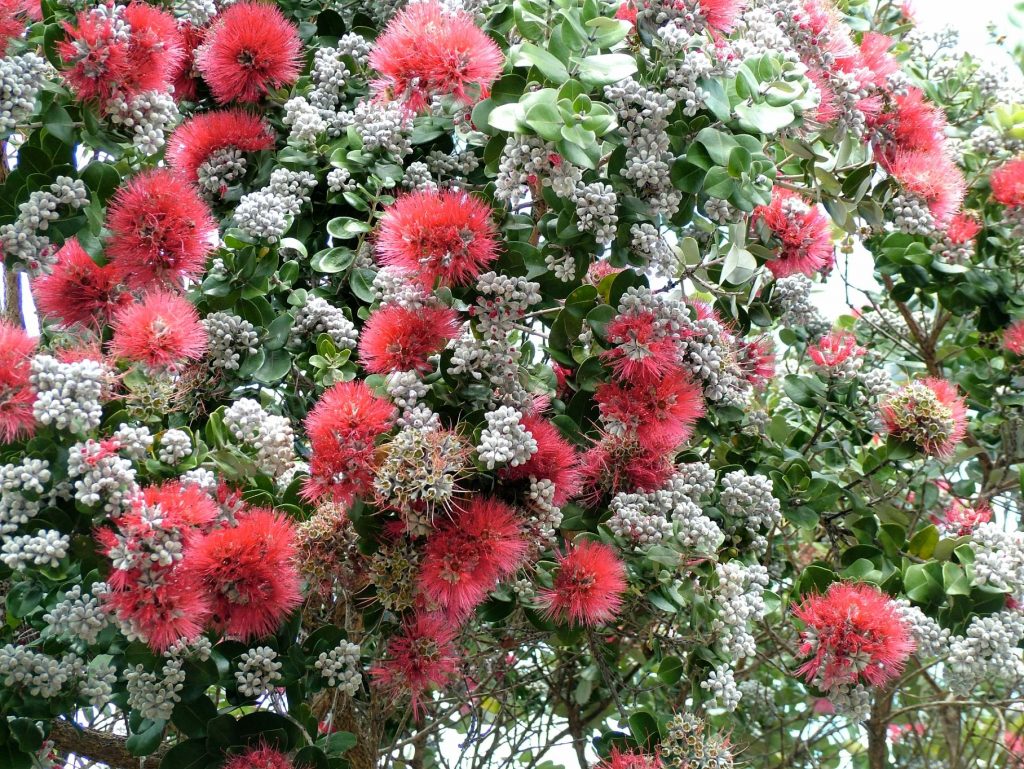
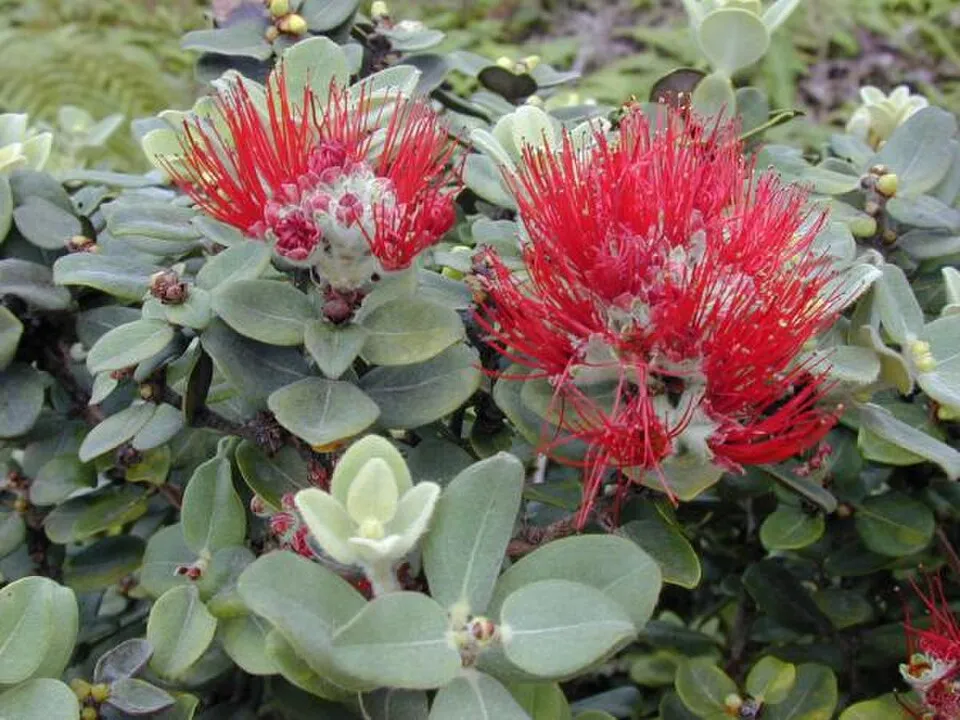
ʻŌhiʻa Lehua
One of the most iconic plants in Haiku's rainforests is the ʻŌhiʻa lehua (Metrosideros polymorpha), a native Hawaiian tree with distinctive red, orange, or yellow pom-pom-like blossoms. This tree is vital to the local ecosystem, providing food for native birds such as the ʻapapane and ʻiʻiwi. In Haiku’s cooler upland areas, the ʻōhiʻa often dominates the canopy, its twisted branches cloaked in mosses and epiphytic ferns.
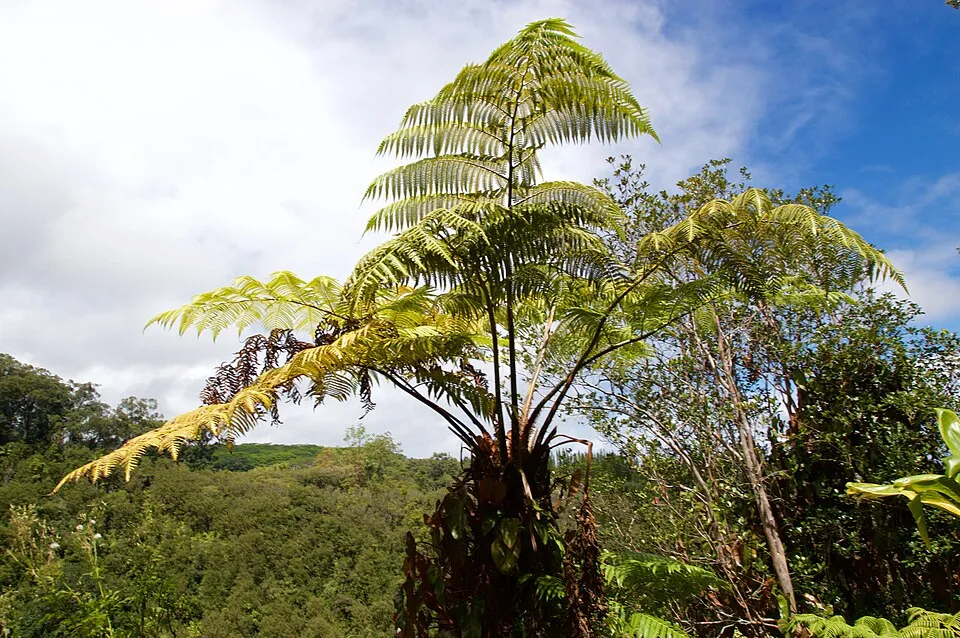
Hāpuʻu
Another standout is the towering tree fern (Cibotium spp.), known in Hawaiian as hāpuʻu. These ancient plants unfurl their fronds in graceful spirals, creating a sense of prehistoric wonder as they arch over muddy trails and shaded gulches. The hāpuʻu is often accompanied by native understory plants like paʻiniu (Astelia spp.), a spiky, silver-green plant with tufts of fragrant flowers that attract native insects.
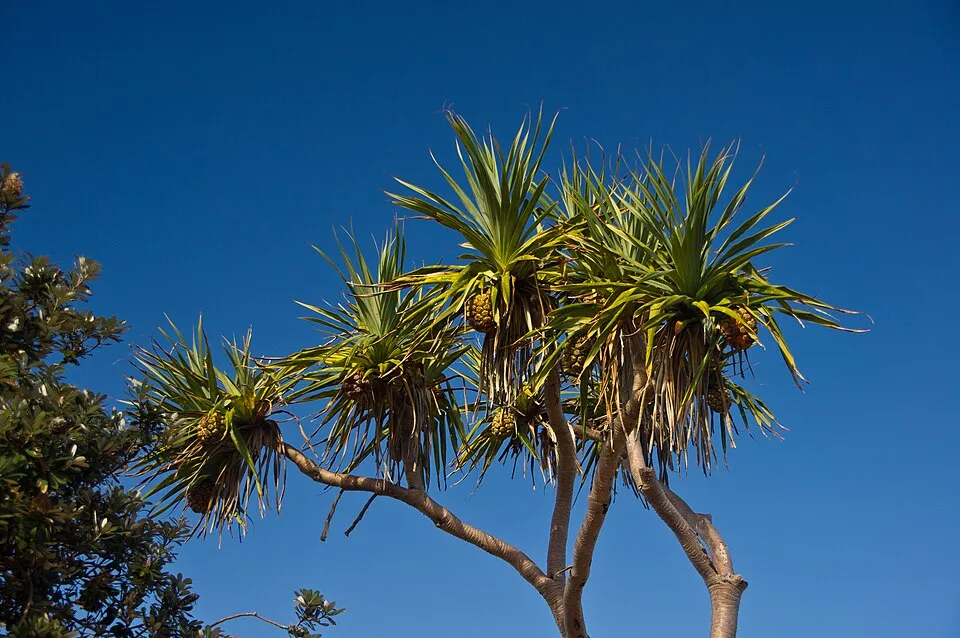
Hala Tree
The hala tree (Pandanus tectorius) is a distinctive and culturally important plant found across Maui’s coasts and rainforests. Recognized by its spiky leaves, pineapple-like fruit, and stilt-like roots, the hala plays a vital role in stabilizing soil and supporting coastal ecosystems. In Hawaiian culture, the hala was invaluable—its leaves were woven into mats and baskets, roots used for tools, and fruit for dyes and emergency food. Today, it remains a symbol of resilience and tradition, linking Maui’s natural beauty with its rich cultural heritage.
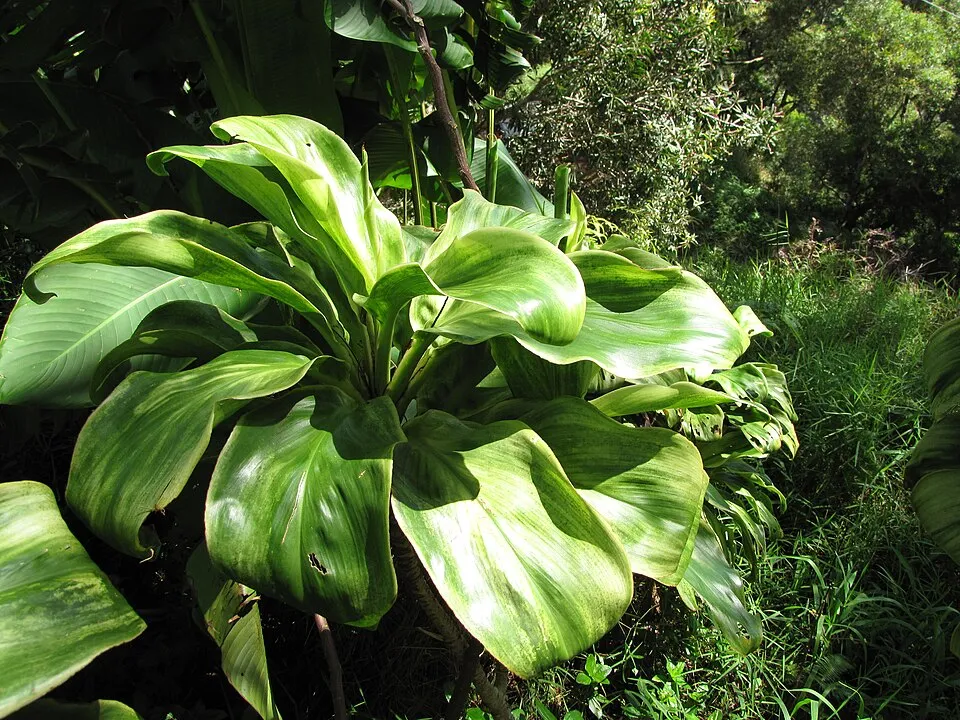
Ti Leaf
The ti leaf plant (Cordyline fruticosa), known locally as lāʻī, is one of Maui’s most revered and widely used plants. With its glossy green or reddish leaves, the ti plant is not only visually striking but deeply embedded in Hawaiian culture, spirituality, and daily life.Traditionally, ti leaves were used for everything from wrapping food and weaving lei to creating hula skirts and protective amulets. Believed to offer spiritual protection, they are still planted around homes and temples to ward off negative energy. In ceremonies and celebrations, ti leaves symbolize blessing, purification, and good luck.
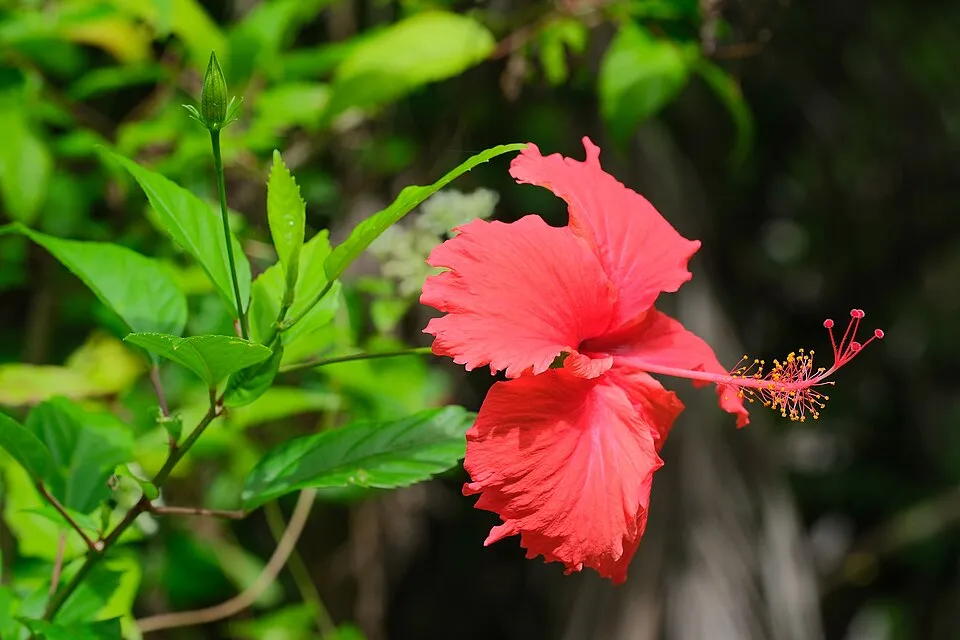
Hibiscus
Tropical fruit trees and ornamental plants abound in Haiku as well. You’ll find sprawling avocado trees, vibrant hibiscus blooms, heliconias with their lobster-claw-shaped flowers, and the show-stopping bird of paradise (Strelitzia reginae), which resembles a tropical bird mid-flight. These plants are a testament to the rich cultural history of Hawaii, reflecting centuries of agricultural and ornamental introductions by Polynesian voyagers and later settlers.
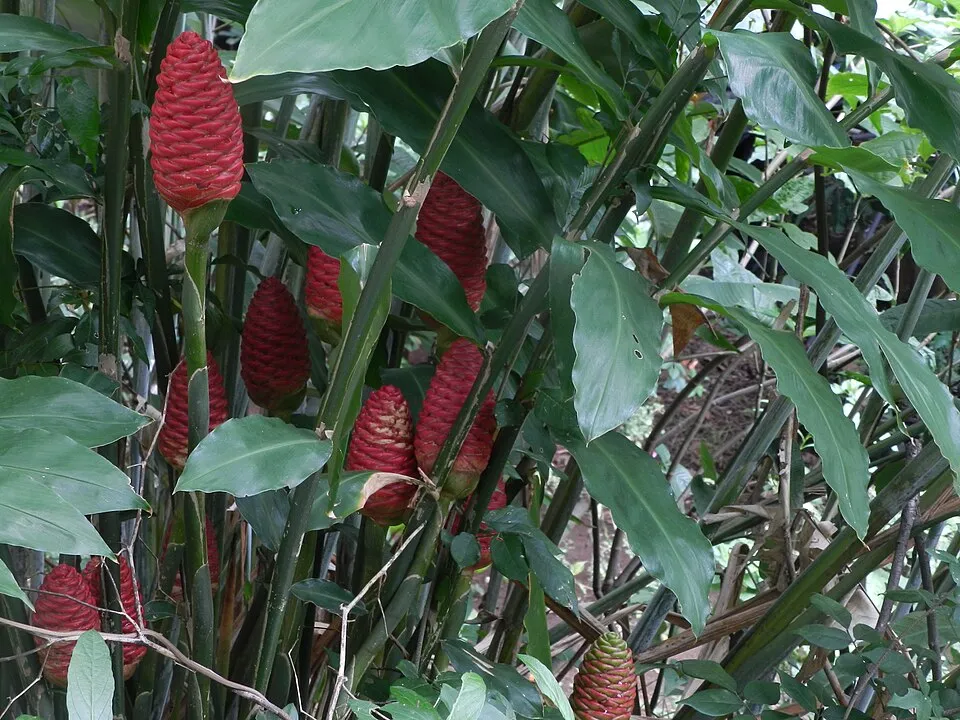
Ginger: 'Awapuhi
The ʻawapuhi plant (Zingiber zerumbet), commonly known as shampoo ginger, is a cherished botanical treasure in Maui’s lush rainforests. Known for its vibrant green stalks and striking red pinecone-like flower heads, ʻawapuhi is both beautiful and functional, thriving in the island’s humid, tropical environments.Used for centuries by Native Hawaiians, the fragrant juice from ʻawapuhi’s mature flower cones served as a natural shampoo and skin conditioner—hence its nickname. Beyond personal care, ʻawapuhi has been valued in traditional medicine for its soothing, anti-inflammatory properties and as a treatment for digestive and respiratory ailments.
Haiku’s rainforests are also rich with non-native, yet spectacularly lush tropical plants introduced from Asia, Africa, and South America. Bamboo groves are common in the area, especially around old plantations and homesteads. While bamboo is not native to Hawaii, its rapid growth and striking appearance make it a defining feature of Haiku's landscape. The towering stalks and rustling leaves create a mesmerizing experience for those hiking through its dense thickets.
Perhaps the most enchanting aspect of Haiku’s plant life is how it integrates with the region’s laid-back lifestyle and strong connection to the land. Local residents cultivate lush gardens and food forests, blending native and exotic species into sustainable ecosystems. From taro patches to tropical spice trees like allspice and cinnamon, the flora in Haiku reflects a harmonious balance between human habitation and nature.
For visitors, walking through Haiku's rainforest trails is more than a visual treat—it’s an immersion in a living, breathing world of color, texture, and fragrance. Whether you're exploring the jungle paths of Twin Falls or simply enjoying the view from a rainforest retreat, the plant life of Haiku speaks to the island’s incredible natural wealth and the deep respect its people have for the environment.
In an age where biodiversity is increasingly threatened, Haiku stands as a vibrant reminder of what is possible when nature is allowed to flourish. The rainforest plants of this Maui enclave continue to inspire awe, nurturing not only the land but the spirit of those who walk beneath their leafy canopy.
If you would like to read and learn more about interesting things in Hawaii! Check out our blog page here on our website!
Frequently Asked Questions
1. Why is Haiku, Maui so lush and green compared to other parts of the island?
Haiku sits on Maui’s windward north shore, where consistent rainfall, warm temperatures, and rich volcanic soil create one of the island’s healthiest rainforest ecosystems. Unlike Maui’s dry south and west sides, Haiku receives frequent showers and cloud cover, allowing native and tropical plants to thrive year-round. This climate makes Haiku a paradise for plant lovers, gardeners, and nature enthusiasts seeking a true jungle experience.
2. What kind of rainforest plants can I expect to see in Haiku, Maui?
Haiku is home to a diverse mix of native Hawaiian plants and introduced tropical species, giving the rainforest its vibrant and exotic character. Common plants include:
- ʻŌhiʻa lehua with its red, orange, or yellow pom-pom blossoms
- Hāpuʻu tree ferns, creating a prehistoric canopy
- Hala trees with pineapple-like fruit and stilt roots
- Ti leaf plants used in ceremonies and cultural practices
- Hibiscus and heliconia with bold tropical colors
- ʻAwapuhi (shampoo ginger), known for its fragrant, skin-softening gel
- Towering bamboo groves that sway and creak in the breeze
Visitors often describe walking through Haiku’s rainforest as stepping into a real-life botanical garden.
3. What is special about the ʻŌhiʻa lehua tree in Haiku?
The ʻŌhiʻa lehua is one of Hawaii’s most culturally and ecologically important trees. Found prominently in Haiku’s cooler, upland forests, it:
- Feeds native birds like the ʻapapane and ʻiʻiwi
- Stabilizes rainforest ecosystems
- Represents love and resilience in Hawaiian culture
Its bright blossoms are stunning to see in person, and Haiku offers one of the best environments to observe these native trees flourishing in their natural habitat.
4. Are the tall fern trees in Haiku native to Hawaii?
Yes — the enormous ferns you see, known as hāpuʻu (Cibotium spp.), are native Hawaiian tree ferns. Their spiral fronds and giant arching canopies give Haiku’s trails a prehistoric atmosphere. They thrive in moist, shaded gulches, often accompanied by native understory plants like paʻiniu, making them a signature feature of Haiku’s rainforest ecosystem.
5. What makes the hala tree important in Hawaiian culture?
The hala tree (Pandanus tectorius) is both ecologically essential and culturally cherished. In Hawaiian tradition, hala leaves were woven into mats, baskets, and sails, while roots and fruit were used for dyes, tools, and food in emergencies. You’ll see hala trees throughout Haiku’s lowland and coastal rainforest areas, where they help stabilize soil and support wildlife — a symbol of resilience woven into Maui’s history.
6. Why do I see so many ti leaf plants around homes in Haiku?
The ti plant (lāʻī) is widely grown in Haiku because it carries deep cultural significance. Hawaiians believe ti leaves offer protection, blessing, and good fortune, which is why they’re planted around homes, temples, and gardens. Their glossy green or reddish leaves are also used in lei-making, cooking, hula attire, and ceremonial traditions. In Haiku’s moist climate, ti plants thrive effortlessly.
7. What tropical flowers and fruit trees grow in Haiku’s rainforest?
Haiku’s climate is perfect for visually stunning and fragrant tropical plants such as:
- Hibiscus
- Heliconia (lobster-claw flowers)
- Bird of paradise
- Avocado and banana trees
- Passion fruit (lilikoi) vines
- Coconut and other Polynesian-introduced plants
These colorful, showy species add to the lush tapestry of Haiku’s landscape and are commonly seen on hikes, trails, and private gardens.
8. What is ʻawapuhi (shampoo ginger), and why is it popular in Haiku?
ʻAwapuhi, or shampoo ginger, is beloved for its natural, fragrant gel stored inside its bright red flower cones. Native Hawaiians used ʻawapuhi as:
- A shampoo and skin conditioner
- A natural cleanser
- A traditional medicinal plant
It grows abundantly in Haiku’s warm, moist conditions and is easily recognized by its pinecone-shaped flower heads that release a sweet, soothing liquid when gently squeezed.
9. Are bamboo forests native to Haiku, Maui?
No — bamboo is not native to Hawaii, but it has become a striking feature of Haiku’s rainforest. Introduced generations ago, bamboo thrives in Haiku’s rainfall and spreads quickly, forming tall, atmospheric groves. Many hikers love exploring these rustling, cathedral-like spaces, especially on trails leading toward waterfalls or former plantation roads.
10. What makes Haiku one of the best places for plant lovers on Maui?
Haiku offers one of the most immersive botanical environments on the island thanks to:
- Consistent rainfall
- Rich volcanic soil
- Large pockets of undisturbed rainforest
- A mix of native and exotic species
- Strong ties between residents and the land
From food forests to fern tunnels to tropical flower gardens, Haiku is a dream destination for botanists, horticulturists, hikers, photographers, and nature explorers.
11. Where can I experience Haiku’s rainforest plants up close?
Some favorite spots for seeing Haiku’s plant life include:
- Twin Falls (easy hiking + waterfalls + lush jungle)
- Local eco-tours and jungle hikes
- Rainforest retreats or farm stays
- Bamboo corridors on private trails
- North Shore gardens and family farms
Whether you wander independently or join a guided tour, Haiku’s plant life creates a vibrant, unforgettable experience.
12. Why is Haiku considered a paradise for biodiversity?
Haiku has a rare combination of moisture, elevation, sunshine, and volcanic soil that supports incredible biodiversity. Native species like ʻōhiʻa and hāpuʻu thrive alongside introduced tropical plants, creating a layered, textured rainforest unlike any other on Maui. This coexistence illustrates what’s possible when nature is allowed to flourish — and why Haiku remains one of Hawaii’s most biologically rich communities.
or
Image Credits:
Hero:
Photo: Forest & Kim Starr, via Wikimedia Commons. Licensed under Creative Commons Attribution 3.0 United States (CC BY 3.0 US).
ʻŌhiʻa lehua (Metrosideros polymorpha), one of Hawaiʻi's most iconic native flowering trees. Public domain image courtesy of Wikimedia Commons.
Photo: Bill Abbott, via Wikimedia Commons. Licensed under Creative Commons Attribution-ShareAlike 2.0 Generic (CC BY-SA 2.0).
Photo: John Robert McPherson, via Wikimedia Commons. Licensed under Creative Commons Attribution-ShareAlike 4.0 International (CC BY-SA 4.0).
Photo: Forest & Kim Starr, via Wikimedia Commons. Licensed under Creative Commons Attribution 3.0 United States (CC BY 3.0 US).
Photo: Pseudopanax, Public Domain, via Wikimedia Commons.
Photo: SergioTorresC, via Wikimedia Commons. Licensed under Creative Commons Attribution-ShareAlike 4.0 International (CC BY-SA 4.0).