
Table of Contents
If you're searching for the ultimate Maui snorkeler guide, you've come to the right place. Maui is consistently ranked among the world's best snorkeling destinations thanks to its crystal-clear water, thriving coral reefs, abundant marine life, and year-round warm temperatures. Whether you're visiting for the first time or returning for another Hawaiian adventure, snorkeling offers an unforgettable way to experience the island from a completely different perspective.
From colorful tropical fish and Hawaiian green sea turtles to vibrant coral gardens and occasional reef sharks or manta rays, every snorkeling trip is unique. Before heading into the water, however, it's important to understand where to snorkel, how to stay safe, and what other Maui adventures can complement your vacation.
Why Every Maui Snorkeler Loves the Island
Maui offers snorkeling opportunities for nearly every skill level. Calm, protected bays provide ideal conditions for beginners, while more experienced snorkelers can venture into deeper reefs and offshore marine sanctuaries.
Some of the biggest reasons visitors love snorkeling on Maui include:
- Excellent water clarity during calm mornings
- Warm ocean temperatures throughout the year
- Diverse marine ecosystems
- Frequent Hawaiian green sea turtle sightings
- Accessible beaches with nearby amenities
- Numerous guided snorkeling tours
Many visitors find that snorkeling becomes one of the highlights of their Hawaiian vacation because it allows them to connect directly with Maui's incredible marine environment.
Best Places for a Maui Snorkeler
Molokini Crater
One of Hawaii's most famous snorkeling destinations, Molokini Crater is a partially submerged volcanic crater located just offshore from South Maui. Protected waters and exceptional visibility often exceeding 100 feet make it one of the premier snorkeling experiences in the state.
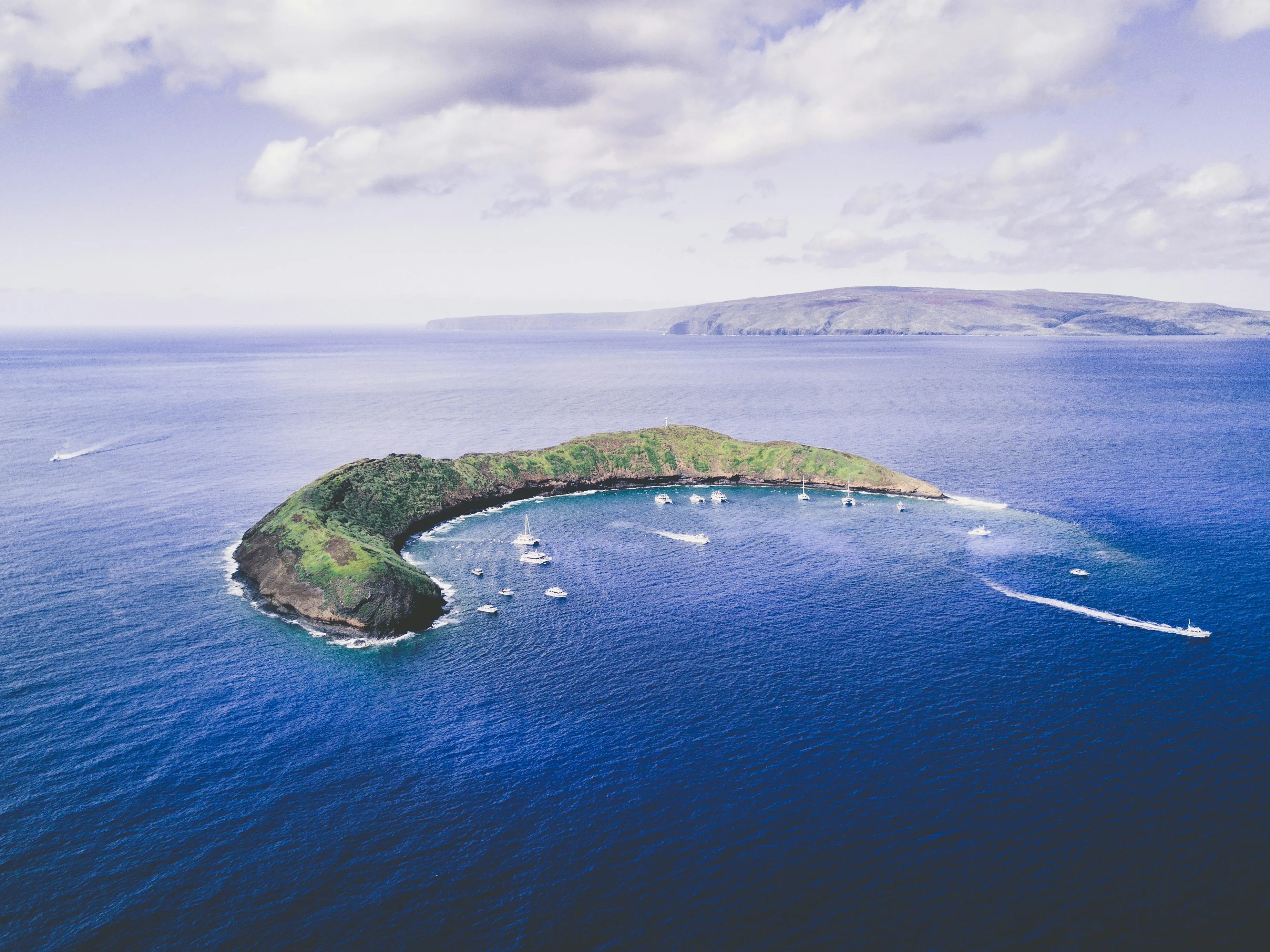
Marine life commonly seen includes:
- Butterflyfish
- Moorish idols
- Parrotfish
- Surgeonfish
- Octopus
- Moray eels
Most visitors reach Molokini by guided boat tour departing from Māʻalaea Harbor or Kīhei.
Honolua Bay
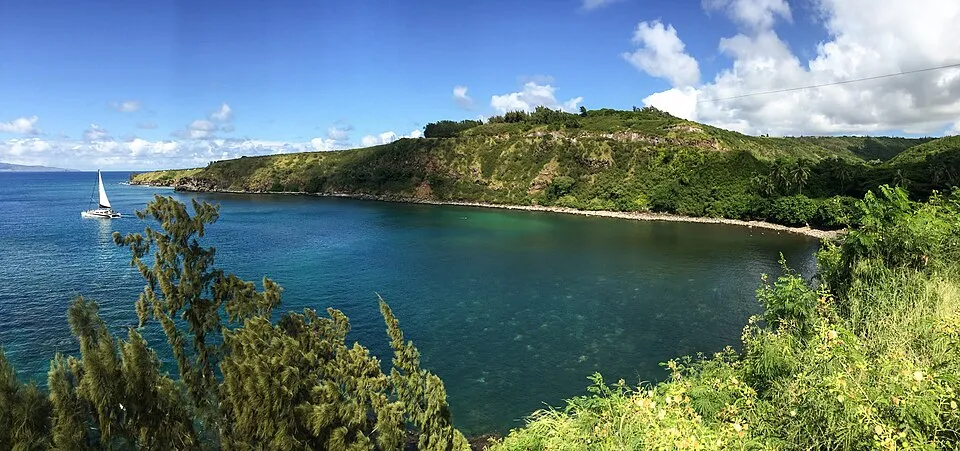
Located on Maui's northwest coast, Honolua Bay is known for its healthy coral reefs and incredible biodiversity. During calm summer months, visibility can be outstanding.
Because this area is a Marine Life Conservation District, fish populations remain especially abundant.
Kapalua Bay
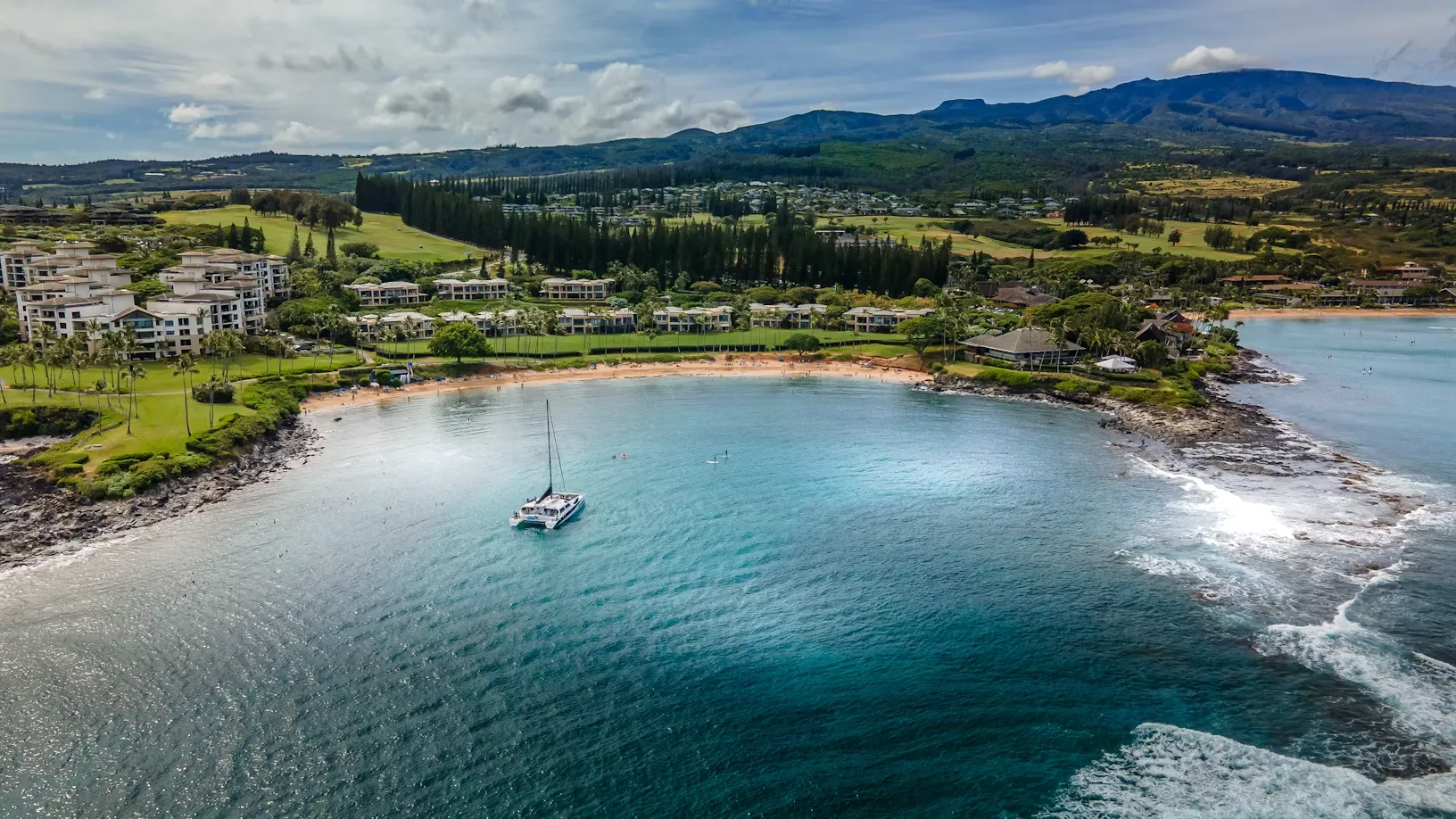
Perfect for beginner snorkelers and families, Kapalua Bay offers relatively calm water and easy beach access. It's an excellent location to see colorful reef fish close to shore.
Maluaka Beach (Turtle Town)
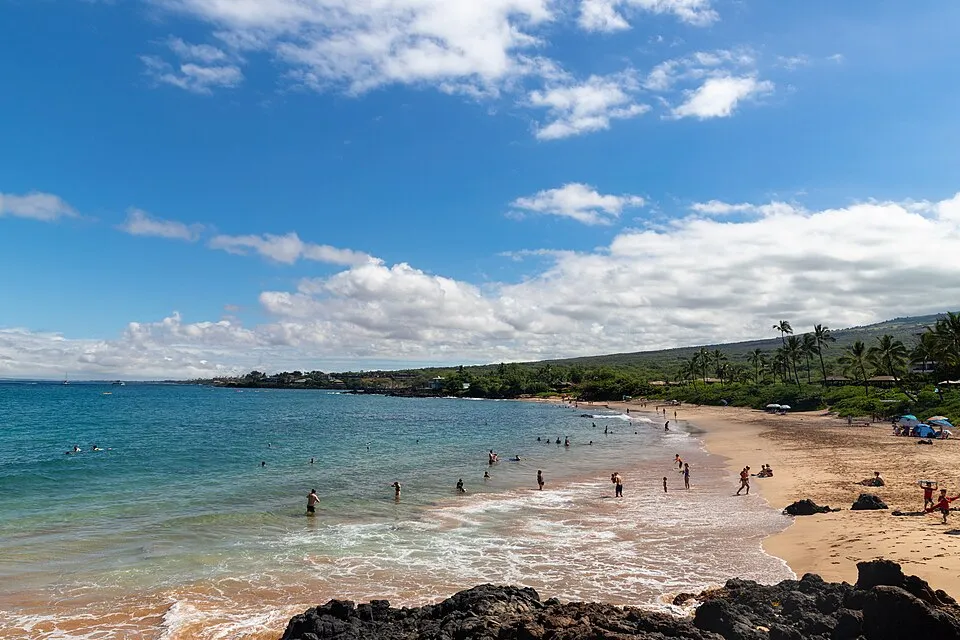
Often referred to as Turtle Town, this South Maui beach is one of the island's best places to observe Hawaiian green sea turtles responsibly in their natural habitat.
Remember to always maintain a respectful distance and never touch or chase marine wildlife.
Black Rock (Kāʻanapali)
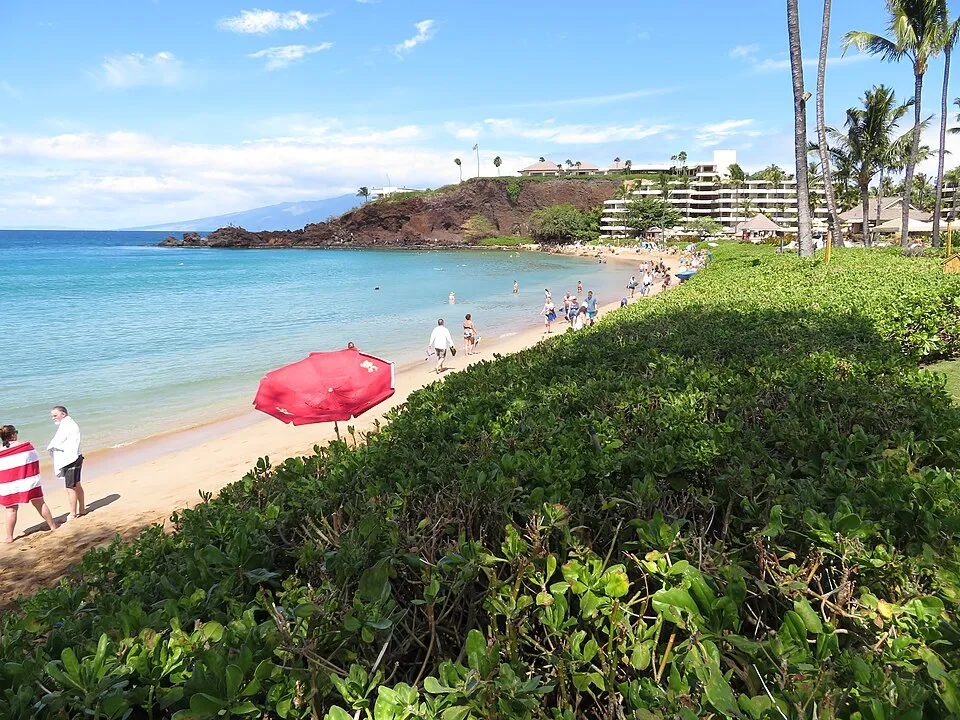
Black Rock combines beautiful snorkeling with one of Maui's most iconic beaches. The rocky lava formations attract many species of fish, making this a favorite for both locals and visitors.
What Marine Life Can a Maui Snorkeler Expect?
One of the most exciting aspects of snorkeling is never knowing exactly what you'll encounter.
Common sightings include:
- Hawaiian green sea turtles (Honu)
- Yellow tang
- Triggerfish (Humuhumunukunukuāpuaʻa)
- Butterflyfish
- Parrotfish
- Wrasses
- Goatfish
- Eels
- Octopus
- Spinner dolphins (occasionally from a distance)
- Humpback whales during winter months (typically observed from boats or shore)
Every season brings slightly different wildlife viewing opportunities, making each snorkeling experience unique.
Tips for First-Time Maui Snorkelers
If this is your first snorkeling adventure, following a few simple tips can greatly improve your experience.
Snorkel Early
Morning typically offers:
- Calmer water
- Better visibility
- Less wind
- Smaller crowds
Ocean conditions often become rougher during the afternoon.
Use Reef-Safe Sunscreen
Protecting Maui's coral reefs helps preserve the island's marine ecosystem for future generations. Choose mineral-based reef-safe sunscreen and avoid products containing harmful chemicals.
Never Touch Coral
Coral reefs are living animals that can be damaged by even slight contact. Standing on coral can permanently destroy decades of growth.
Stay Within Your Comfort Level
If conditions appear rough or you're uncomfortable swimming in open water, choose calmer beaches or consider joining a guided snorkeling excursion.
Ocean Safety Is Essential
The ocean deserves respect, even on calm days.
Before entering the water:
- Check current ocean conditions.
- Observe wave activity.
- Watch for warning signs or lifeguard advisories.
- Avoid snorkeling alone.
- Wear flotation if you're not a confident swimmer.
- Stay hydrated.
If conditions don't feel right, there will always be another opportunity.
What to Bring
A successful snorkeling trip starts with proper preparation.
Recommended items include:
- Mask and snorkel
- Fins
- Reef-safe sunscreen
- Rash guard
- Towel
- Dry bag
- Waterproof phone case
- Drinking water
- Snacks
- Sunglasses
- Hat
Rentals are widely available across Maui if you don't bring your own equipment.
Pair Your Snorkeling Adventure with Another Maui Experience
While snorkeling showcases Maui's incredible underwater world, the island offers plenty of adventures above sea level as well.
For visitors looking to experience Maui from a completely different perspective, consider adding a zipline adventure through the island's lush rainforest. Flying high above tropical valleys provides breathtaking panoramic views that perfectly complement a day spent exploring beneath the ocean's surface.
NorthShore Zipline in Haʻikū offers guided canopy tours featuring scenic forest landscapes, suspension bridges, and exciting dual-line ziplines. Many visitors enjoy combining both snorkeling and ziplining during their Maui vacation to experience two completely different sides of the island.
Best Time of Year for a Maui Snorkeler
Snorkeling is enjoyable throughout the year, although conditions vary.
Summer (May–September):
- Calmer ocean conditions
- Excellent visibility
- Ideal for west and north shore snorkeling
Winter (November–March):
- Humpback whale season
- Larger surf on some north-facing beaches
- Better snorkeling often found on south-facing beaches
Checking daily ocean forecasts before heading out is always recommended.
Respect Maui's Marine Environment
Every Maui snorkeler plays a role in protecting Hawaii's fragile ecosystems.
Remember to:
- Never touch turtles or marine mammals.
- Avoid standing on coral reefs.
- Pack out all trash.
- Follow posted regulations.
- Give wildlife plenty of space.
- Support environmentally responsible tour operators.
Responsible tourism helps ensure Maui remains a world-class snorkeling destination for generations to come.
Helpful Resources
- Maui Ocean Safety: https://oceansafety.hawaiicounty.gov/
- Hawaii Department of Land and Natural Resources: https://dlnr.hawaii.gov/
- NOAA Coral Reef Conservation Program: https://coralreef.noaa.gov/
- Hawaiʻi Tourism Authority: https://www.gohawaii.com/islands/maui
- NorthShore Zipline: https://nszipline.com/
Frequently Asked Questions About a Maui Snorkeler
Where is the best place for a Maui snorkeler?
Popular locations include Molokini Crater, Honolua Bay, Kapalua Bay, Turtle Town (Maluaka Beach), and Black Rock, each offering unique underwater experiences depending on ocean conditions.
What time should a Maui snorkeler go snorkeling?
Early morning is usually the best time because winds are lighter, the water is calmer, and visibility is often at its best.
Is snorkeling in Maui safe for beginners?
Yes. Many beaches offer calm conditions suitable for beginners, especially when ocean conditions are favorable. Beginners should consider wearing flotation devices and snorkeling with a partner or guide.
Can a Maui snorkeler see sea turtles?
Absolutely. Hawaiian green sea turtles are commonly seen at several snorkeling locations, particularly Turtle Town. Always observe them from a respectful distance.
Do I need to bring my own snorkeling gear?
No. Snorkeling equipment can be rented from numerous shops throughout Maui, and many guided tours include all necessary gear.
Is Molokini Crater worth visiting?
For many visitors, yes. Molokini offers exceptional visibility, healthy coral reefs, and abundant marine life, making it one of Hawaii's premier snorkeling destinations.
What should a Maui snorkeler wear?
Most visitors wear swimsuits with rash guards for sun protection. Reef-safe sunscreen, water shoes, and polarized sunglasses are also recommended.
Can I combine snorkeling with other Maui adventures?
Definitely. Many visitors pair snorkeling with whale watching (seasonally), hiking, scenic drives, or rainforest ziplining to experience multiple sides of Maui during their vacation.
If you would like to read and learn more about interesting things in Hawaii! Check out our blog page here on our website!
or
Image Credits:
Hero:
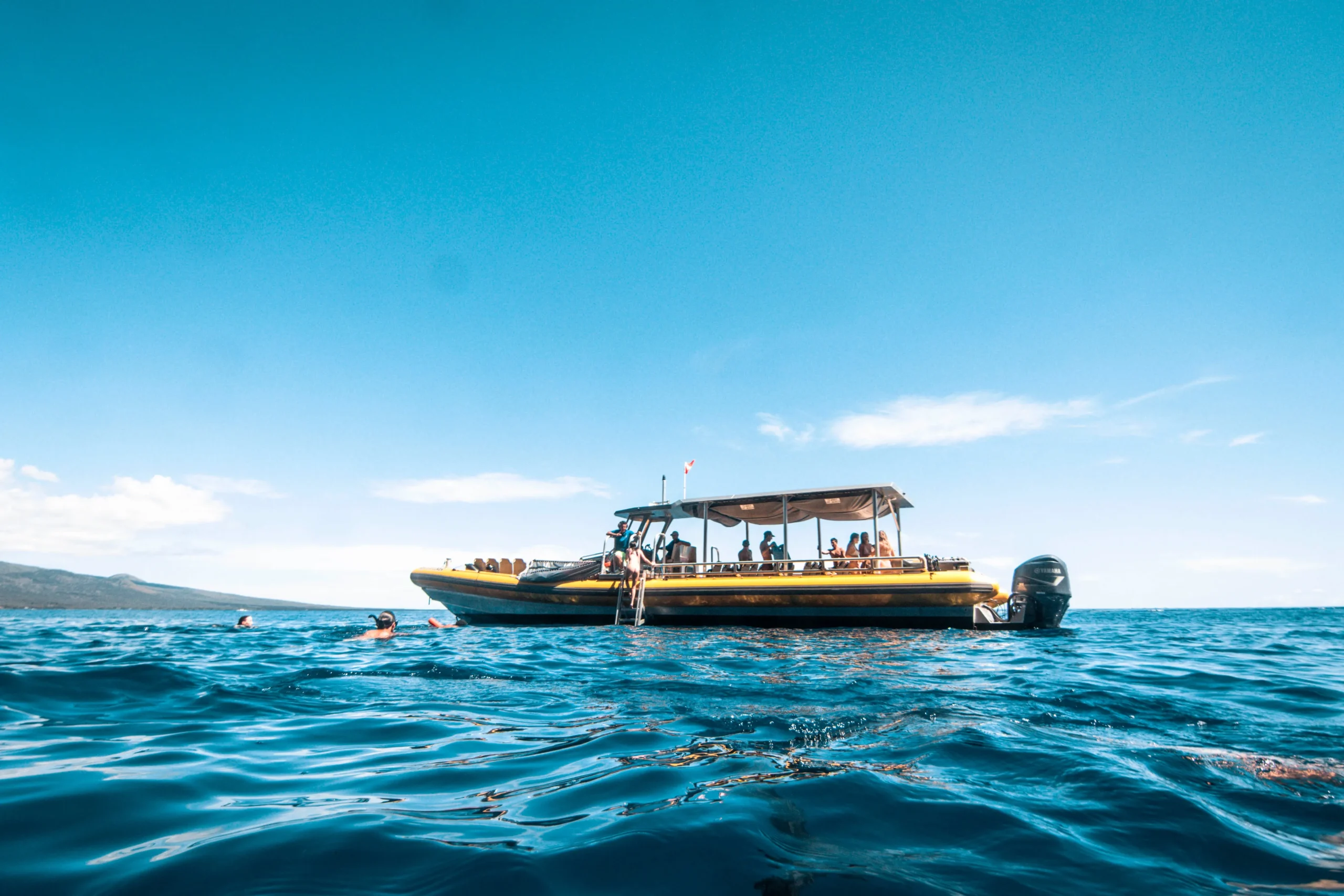
"people swimming close to motorboat out at sea" by Jake Houglum, via Pexels
Other Photos in Blog:
"body of water under a white cloudy sky during daytime" by Farid Askerov, via Unplash
Honolua Bay, Maui — Photo by Dronepicr. Licensed under the Creative Commons Attribution 3.0 Unported (CC BY 3.0). Source: Wikimedia Commons.
"white boat on body of water during daytime" by John Bell, via Unplash
Maluaka Beach, Maui, Hawaiʻi — Photo by dronepicr. Licensed under the Creative Commons Attribution 2.0 Generic (CC BY 2.0). Source: Wikimedia Commons.
Kāʻanapali Beach and Black Rock, Maui — Photo by Forest & Kim Starr. Licensed under the Creative Commons Attribution 2.0 Generic (CC BY 2.0). Source: Wikimedia Commons.