
Table of Contents
If you’re planning a winter trip to Hawaii, there’s a good chance whale watching is high on your Maui bucket list. And for good reason—Maui is one of the best places in the world to see humpback whales during their seasonal migration. But when it comes to the best way to experience it, travelers often face the same question:
Should you book a whale watching tour, or just watch from shore?
The truth is, both options can be incredible—but they offer totally different experiences depending on your budget, comfort level, timing, and what kind of whale encounter you’re hoping for. In this guide, we’ll break down the pros and cons of Maui whale watching tours vs shore watching, and help you decide which is better for your trip.
Whale Watching on Maui: Why It’s So Popular
Every year, thousands of humpback whales migrate from Alaska to Hawaii’s warm, protected waters to breed and give birth. Maui—especially the waters between West Maui, Lanai, and Molokai—is considered a prime viewing zone because it’s relatively shallow and sheltered.
That’s why whale watching on Maui can be productive both from a boat and from land. In some places, you can literally spot whales from the beach without even trying.
Option 1: Maui Whale Watching Tours (Boat Trips)
Booking a boat tour is the classic “tourist experience” for whale watching—cruising Maui’s coastline with a guide while searching for humpbacks up close.
✅ Pros of Whale Watching Tours
1. You get much closer views
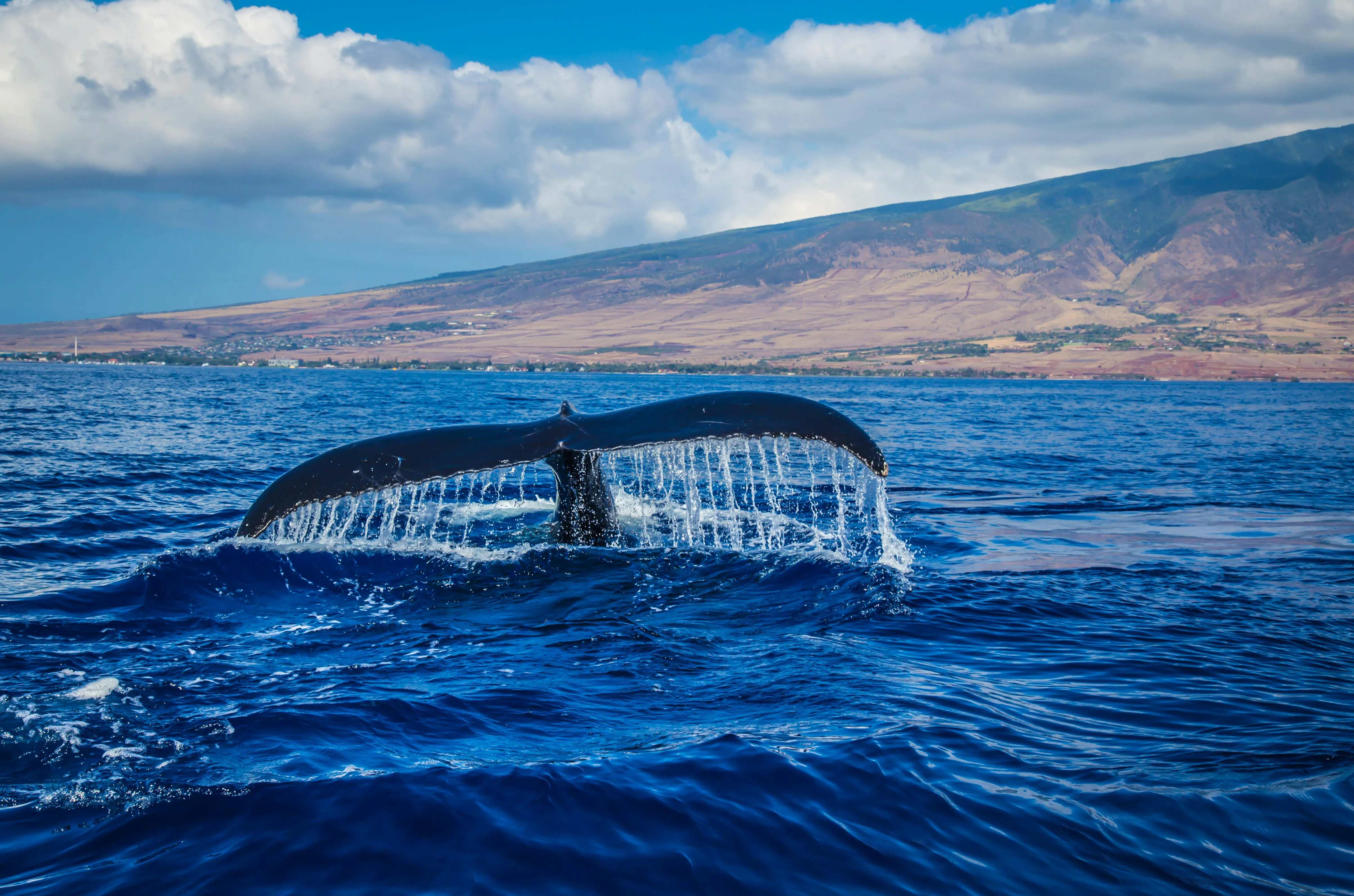
Tours bring you into the whales’ habitat (at a legal distance), meaning you’re more likely to see details like tail flukes, pectoral fins, and surface behavior.
2. Better chances of action
On a boat, you’ll often encounter whales breaching, tail slapping, spy-hopping, and engaging in social behaviors that may be harder to notice from shore.
3. Naturalist guides add value
Most whale watching tours include commentary from marine naturalists or experienced captains. You’ll learn how to identify behaviors, interpret whale movement patterns, and understand migration facts.
4. Some tours include hydrophones
Many boats use underwater microphones so you can actually hear the whales singing. For many travelers, this is a once-in-a-lifetime highlight of whale watching.
❌ Cons of Whale Watching Tours
1. It costs more
Tours range widely in price depending on the boat type and tour length. If you’re traveling as a family or group, the cost adds up quickly.
2. Motion sickness is real
Even on calm days, ocean movement can affect some people. If you get seasick easily, whale watching by boat may not be the most comfortable option.
3. Tour conditions depend on weather
Rough seas and windy conditions can lead to cancellations—or a bumpier ride than expected.
4. Not every tour sees whales up close
Whales are wild animals. Some tours deliver epic sightings, while others may involve more searching and distant views.
Option 2: Shore Watching (Watching Whales from Land)
Shore-based whale watching is exactly what it sounds like—spotting whales from the beach, cliffs, or scenic overlooks. The bonus? It can be completely free.
✅ Pros of Shore Whale Watching
1. It’s free (or extremely low cost)
All you really need is your eyes—though binoculars make it much better. You can enjoy whale watching without paying for a tour.
2. No motion sickness
You stay on solid ground the entire time. If the ocean makes you feel queasy, shore watching is the easiest solution.
3. Flexible timing
You can whale watch for 10 minutes or 2 hours. No check-in times, no schedules, no crowds.
4. It pairs perfectly with beach days
One of the best parts about shore whale watching is how effortless it feels. You can swim, relax, take photos, and still catch whale activity offshore.
❌ Cons of Shore Whale Watching
1. Whales may appear farther away
Even on the best days, whales might be small on the horizon. You’ll often be watching splashes and blows rather than close-up details.
2. Less dramatic viewing without optics
Without binoculars or a zoom lens, you may miss a lot of the “wow factor” of whale watching.
3. Harder to understand what you’re seeing
From shore, it’s easy to confuse a wave splash with a breach—or not realize you’re watching a competition pod. You don’t get the built-in education that tours provide.
So… Which is Better for Whale Watching on Maui?
The better option depends on what kind of traveler you are and what you want out of the experience.
Choose a Whale Watching Tour if:
- You want the closest possible encounters
- You want to hear whale songs using a hydrophone
- You prefer a guided experience
- You’re okay spending money for a “highlight of the trip” activity
- You want the best odds of seeing breaches and tail flukes
Choose Shore Watching if:
- You’re traveling on a budget
- You get seasick easily
- You want a relaxing, flexible activity you can do daily
- You love photography from scenic overlooks
- You enjoy quiet moments and slow travel
The Best Strategy: Do Both (If You Can)
If you can fit it into your schedule, the best approach is:
✅ Book one whale watching tour early in your trip
✅ Shore watch throughout the rest of your stay
That way, you’ll get the up-close excitement from the boat, and the peaceful daily enjoyment of spotting whales from land.
It’s also smart because whale sightings vary day to day—doing both increases your overall chances of unforgettable whale watching moments.
Quick Tips for Better Whale Watching (Boat or Shore)
- Go in the morning for calmer conditions and better visibility
- Bring binoculars if watching from land
- Look for whale blows (a puff of mist above the ocean)
- Be patient—whales surface in cycles
- Use a zoom lens or phone scope attachment for photos
- Respect wildlife rules and never approach whales yourself
Helpful Links (Maui Whale Watching Resources)
- Hawaiian Islands Humpback Whale National Marine Sanctuary
- NOAA Whale Watching Guidelines
- Maui Visitors Bureau – Things to Do
- Hawaii DLNR Ocean Wildlife Rules
Frequently Asked Questions (FAQ) About Whale Watching on Maui
When is whale watching season in Maui?
Whale watching season typically runs from December through April, with peak sightings often in January and February.
Is whale watching better from a boat or shore?
Both are great. Boat tours offer closer encounters, while shore watching is free, flexible, and relaxing.
Can you see whales from the beach on Maui?
Yes! Maui is one of the best places in Hawaii for shore-based whale watching, especially along the west and south coasts.
Do whale watching tours guarantee whale sightings?
Most tours do not guarantee sightings, but many offer a “return trip free” or discounted rebooking policy if whales aren’t seen.
Are whale watching tours safe for kids?
Yes, most whale watching tours are family-friendly, but it’s important to choose a reputable operator and consider ocean conditions.
What should I bring on a whale watching tour?
Bring sunscreen, sunglasses, water, a light jacket, and motion sickness medicine if needed. A camera or phone with zoom is a bonus.
What is the best time of day for whale watching?
Morning tends to have calmer ocean conditions and clearer visibility, making whale watching easier from both boat and shore.
Can you hear whales while whale watching?
You can sometimes hear whales on tours that use hydrophones. From shore, you generally won’t hear them without specialized equipment.
If you would like to read and learn more about interesting things in Hawaii! Check out our blog page here on our website!
or
Image Credits:
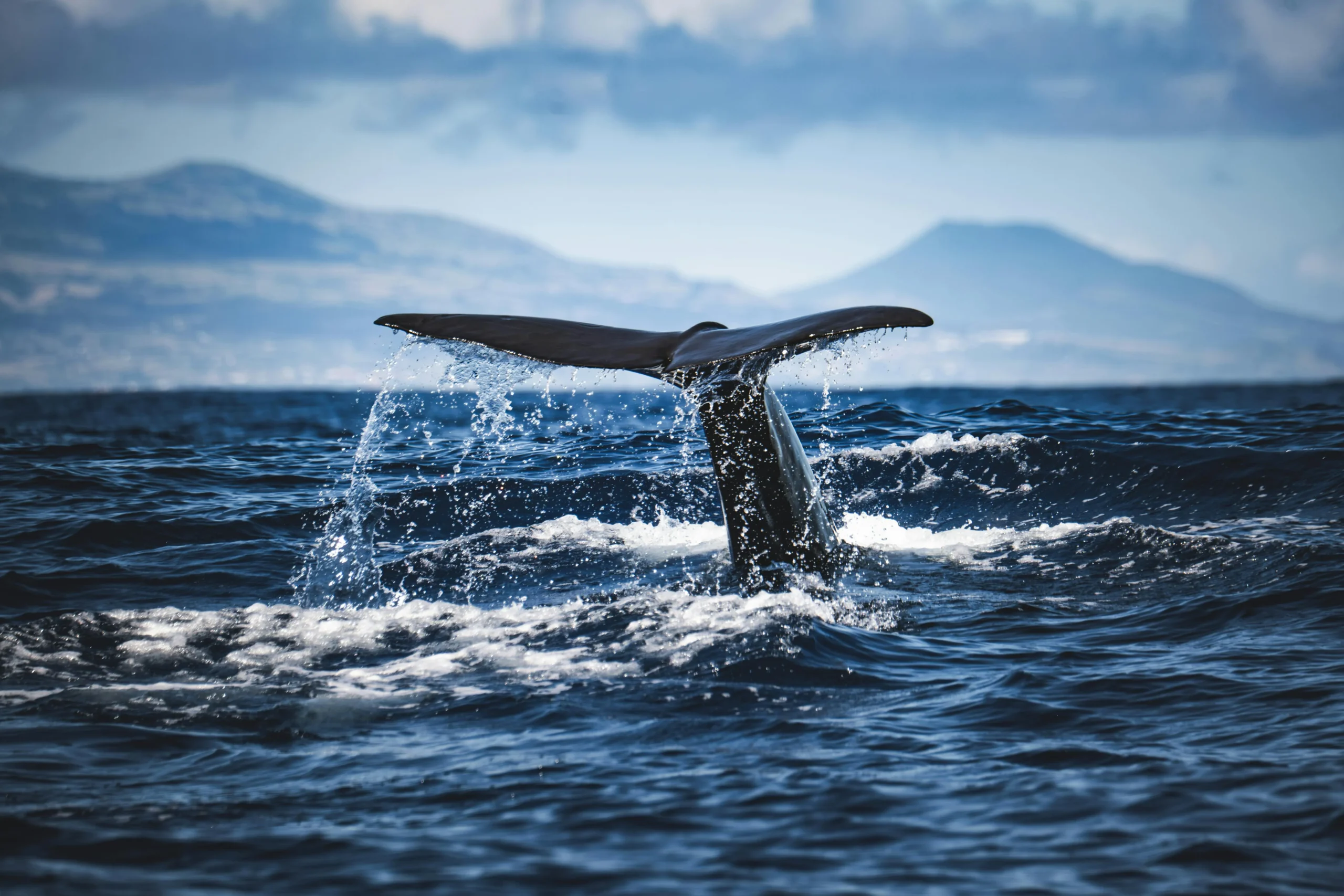
A stunning view of a whale tail gracefully emerging from the sea with a mountainous backdrop. - Photo by Francesco Ungaro, via Pexels, modified
Majestic whale tail splashing in vibrant blue ocean near Hawaii's scenic shoreline. - Photo by Daniel Ross, via Pexels, modified
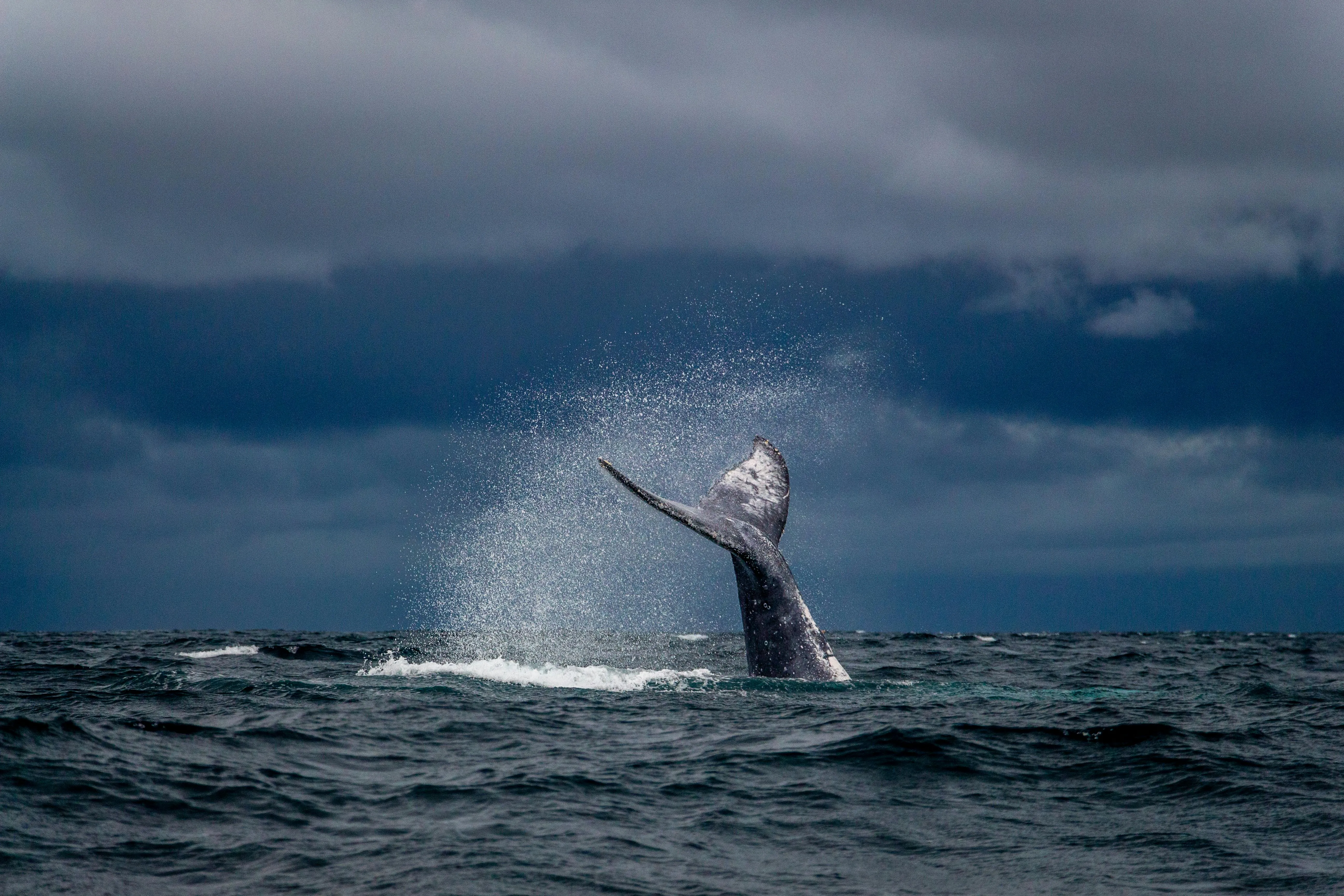
Captivating image of a humpback whale's tail creating a splash against a dramatic sky. - Photo by Silvana Palacios, via Pexels, modified
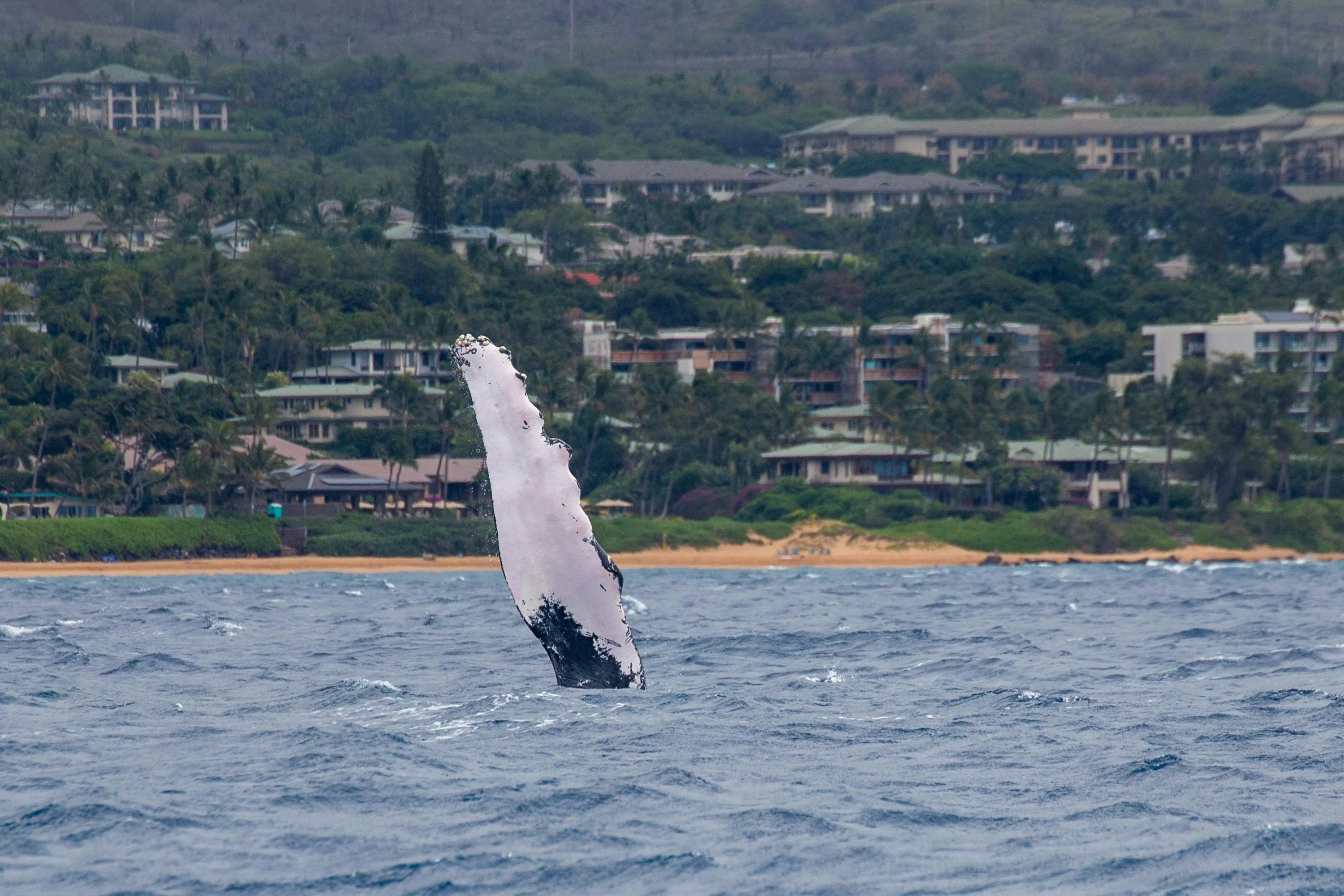
A humpback whale fin breaks the ocean surface near a coastal town. - Photo by Leif Blessing, via Pexels, modified