
Table of Contents
If you’ve ever landed on Maui expecting one predictable beach-day forecast, you’re not alone. But Maui isn’t a one-weather island—it’s a living map of shifting skies, sun pockets, misty ridges, and dry plains that can change dramatically in under an hour. What makes Maui so fascinating is how many climates it holds at once. One side can be glowing under a bright blue sky while another is wrapped in cool rain and fog.
These microclimates are part of what makes Maui feel magical—and they also shape everything from your packing list to the best time to hike, surf, snorkel, or explore upcountry.
So why does Maui have so many different climates? Let’s break it down, region by region, so you know exactly what to expect (and how to enjoy it).
Why Maui Has So Many Different “Climates”
Maui’s climate diversity comes from a few major factors working together:
- Two massive volcanoes: Haleakalā and the West Maui Mountains dominate airflow and rainfall patterns.
- Trade winds: Moist air typically comes from the northeast, bringing clouds and rain to windward areas.
- Elevation changes: Maui goes from sea level to over 10,000 feet, creating totally different temperatures and moisture levels.
- Rain shadow effect: Mountains block moisture, leaving some areas very dry while others stay lush and wet.
Together, these forces create a patchwork of climates ranging from tropical rainforest to high-altitude desert.
1. Windward Maui: Lush, Green, and Often Rainy
Key areas: Hāna, Keʻanae Peninsula, parts of East Maui
Typical feel: Humid, rainy, deeply tropical
If you picture Maui as a place filled with waterfalls, jungle roads, and misty cliffs—this is where that vision comes to life. The windward side receives more frequent rainfall thanks to trade winds carrying moisture into the mountains.
This climate makes for:
- Stunning roadside waterfalls
- Dramatic ocean cliffs and vibrant greenery
- More “passing showers” and wet roads, especially along the Road to Hāna
Pro tip: Bring a light rain jacket and shoes that can handle mud if you plan on hiking. The lush climates here can turn trails slick quickly.
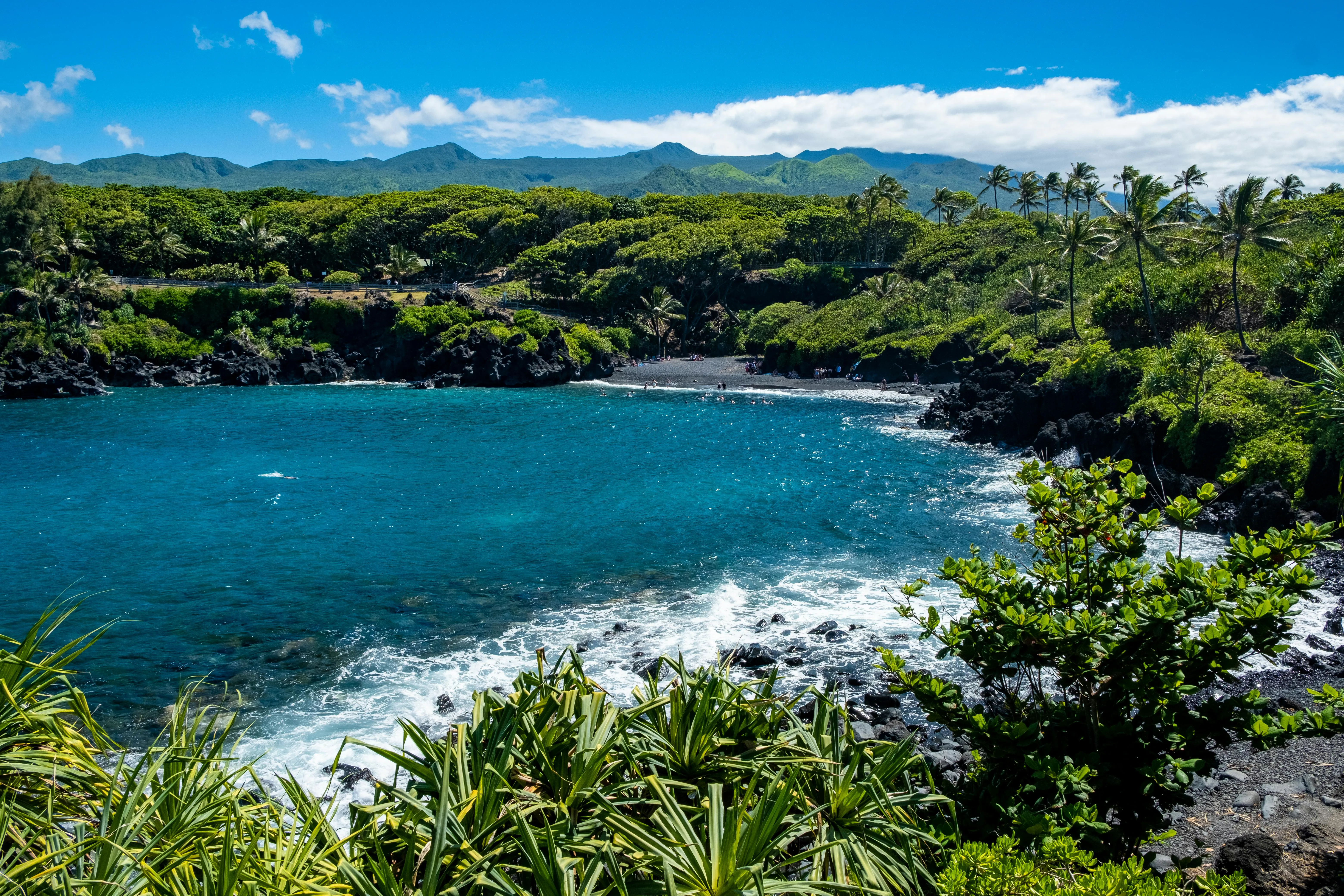
2. South Maui: Sunny, Dry, and Beach-Friendly
Key areas: Kīhei, Wailea, Mākena
Typical feel: Warm, dry, and consistently sunny
South Maui is famous for being one of the most reliable places to find sun on the island. Thanks to the rain shadow effect, this region tends to stay drier with fewer clouds, making it a favorite for travelers who want classic beach weather.
These climates are ideal for:
- Snorkeling and ocean activities
- Pool days and sunset dinners
- Morning walks along the coast with minimal wind
Pro tip: Even when it’s hot, wind can pick up in the afternoon. Sunscreen and a light cover-up go a long way.
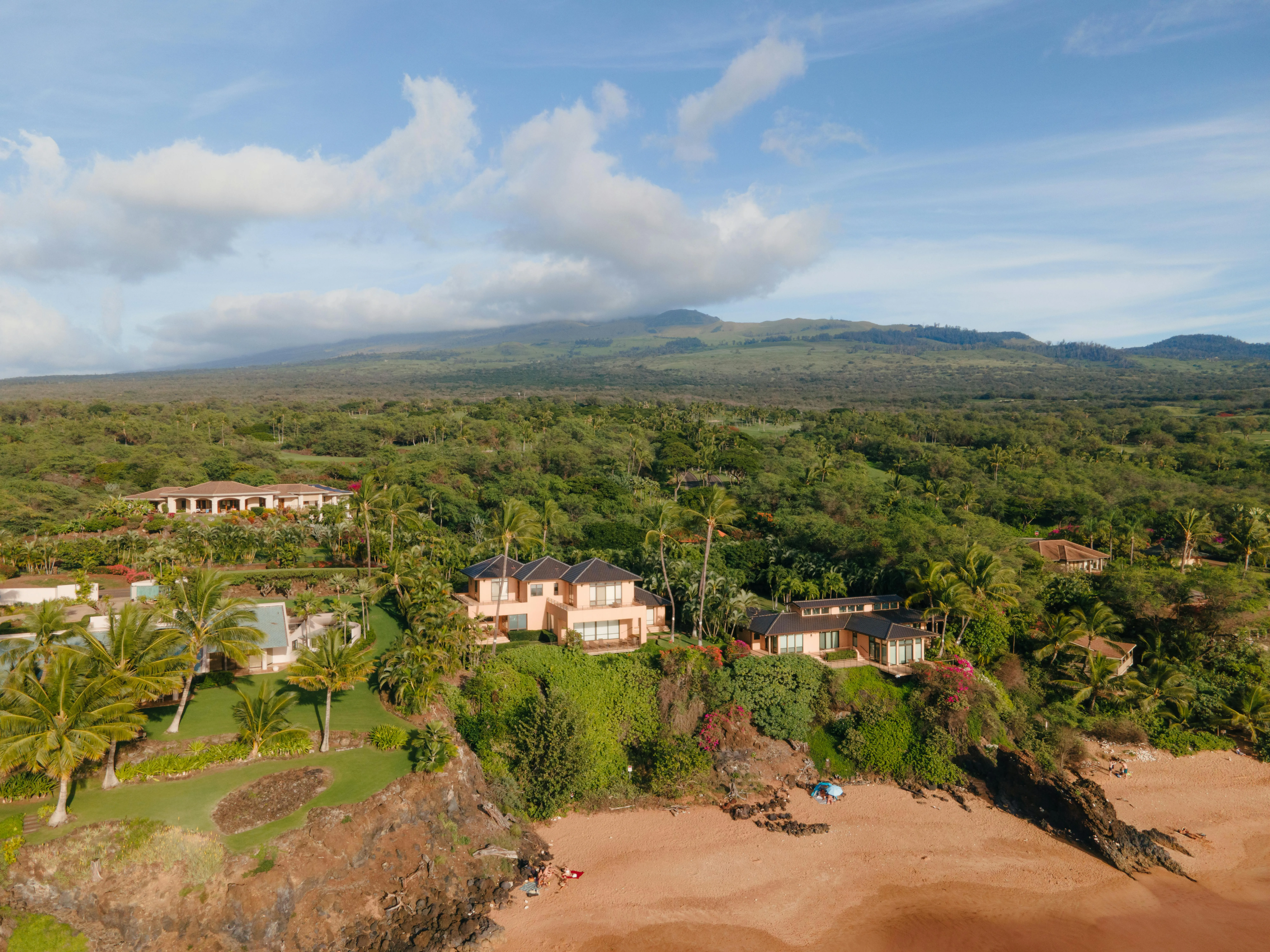
3. West Maui: Resort Sun + Mountain Rain in One Zone
Key areas: Kā‘anapali, Lahaina, Kapalua, Nā Pali? (not Maui)
Typical feel: Mostly sunny coastline with wetter upland pockets
West Maui’s coastal resorts often enjoy warm and dry weather, but the West Maui Mountains bring localized rainfall—especially in higher elevations and valley areas. You can drive a short distance and see a clear shift in conditions.
This creates climates that support:
- Coastal beach weather near Kā‘anapali and Lahaina
- Cooler, greener conditions near Kapalua and mountain-facing roads
- Occasional quick showers that pass through
Pro tip: If it’s cloudy in one part of West Maui, it’s worth driving 10–15 minutes. You may find sunshine almost instantly.
4. Central Maui: Breezy, Open, and Changeable
Key areas: Kahului, Wailuku
Typical feel: Windy, warm, and sometimes overcast
Central Maui sits in a natural “wind tunnel” between Haleakalā and the West Maui Mountains. This makes the area noticeably breezier than many coastal resort regions.
These climates often feel:
- Less humid than windward Maui
- Windier than South Maui
- Variable with sun breaks and cloud cover
This is also why you’ll see kiteboarding and wind sports thrive here—wind is a defining part of the climate.
Pro tip: If you’re doing anything involving flying hats, loose beach towels, or umbrellas—secure them!
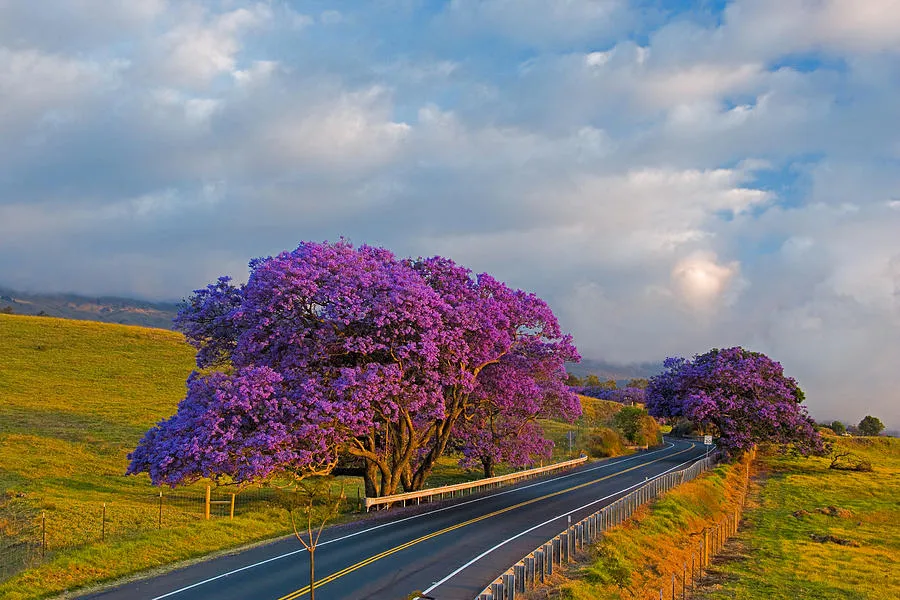
5. Upcountry Maui: Cool Nights, Fresh Air, and Mountain Views
Key areas: Makawao, Kula, Ulupalakua
Typical feel: Cooler, drier, and more seasonal
Upcountry Maui offers a totally different experience from the beach. The elevation brings cooler temperatures, crisp evenings, and more noticeable seasonal shifts. This is where you’ll find farms, lavender fields, paniolo (Hawaiian cowboy) culture, and sweeping views down toward the coastline.
Upcountry climates support:
- Agriculture (especially in Kula)
- Wine country vibes in Ulupalakua
- Cozy mornings with fog and sun breaks
Pro tip: Bring a hoodie or light jacket if you’re heading up in the evening. The temperature drop surprises a lot of visitors.
6. Haleakalā Summit: High-Altitude Cold and Otherworldly Weather
Key area: Haleakalā National Park (Summit District)
Typical feel: Cold, windy, thin air, sudden weather changes
This is Maui’s most extreme climate zone. At over 10,000 feet, the summit can feel more like a desert mountain landscape than a tropical island. Sunrise trips are famous here, but they’re also famously cold.
Expect:
- Temperatures that can feel near-freezing with wind chill
- Strong winds and rapid cloud movement
- Clear skies above the clouds (sometimes)
Pro tip: Dress like you’re going to a winter lookout, not a beach day. Layers are everything.

How Maui’s Microclimates Can Shape Your Trip
Understanding Maui climates helps you:
- Pack smarter (rain gear + beach gear + warm layers)
- Plan drives (wet roads on the Road to Hāna, windy central areas)
- Choose the right beaches and hikes for the day
- Avoid disappointment when one forecast doesn’t match the whole island
It’s also a big reason Maui feels like multiple vacations in one—beach mornings, forest afternoons, upcountry sunsets, and summit stargazing can all happen in a single trip.
Helpful Links (Maui Weather + Climate Planning)
- National Weather Service – Hawaii Forecasts
- Haleakalā National Park (Official Site)
- Maui Visitors Bureau – Official Travel Info
- Hawaii State Parks
- NOAA Climate Information
Frequently Asked Questions (FAQ) About Maui Climates
1) Why does Maui have so many different climates?
Maui’s climates change due to major elevation differences, trade winds, and mountain rain shadows that create wet and dry zones close together.
2) What side of Maui has the best weather?
It depends on what you want. South Maui is often sunny and dry, while windward Maui is wetter and lush. West Maui tends to have a mix of both.
3) Is the Road to Hāna always rainy?
Not always, but it’s common. The climates along the Road to Hāna are tropical and humid, and passing showers happen often.
4) What is the coldest place on Maui?
Haleakalā Summit is usually the coldest climate zone on Maui due to its high elevation and strong winds.
5) Do I need a jacket in Maui?
Yes—especially if you visit upcountry or Haleakalā. Even in warm beach climates, evenings can feel cooler with wind.
6) Where is the driest climate on Maui?
South Maui (Kīhei/Wailea) and parts of Lahaina are among the driest areas because they sit in a rain shadow.
7) Can Maui climates change quickly during the day?
Absolutely. Clouds and showers can move fast, and driving across the island can feel like switching seasons.
8) How should I pack for Maui climates?
Pack versatile layers: light rain jacket, reef-safe sunscreen, breathable clothes, good walking shoes, and one warm layer for higher elevations.
If you would like to read and learn more about interesting things in Hawaii! Check out our blog page here on our website!
or