
Table of Contents
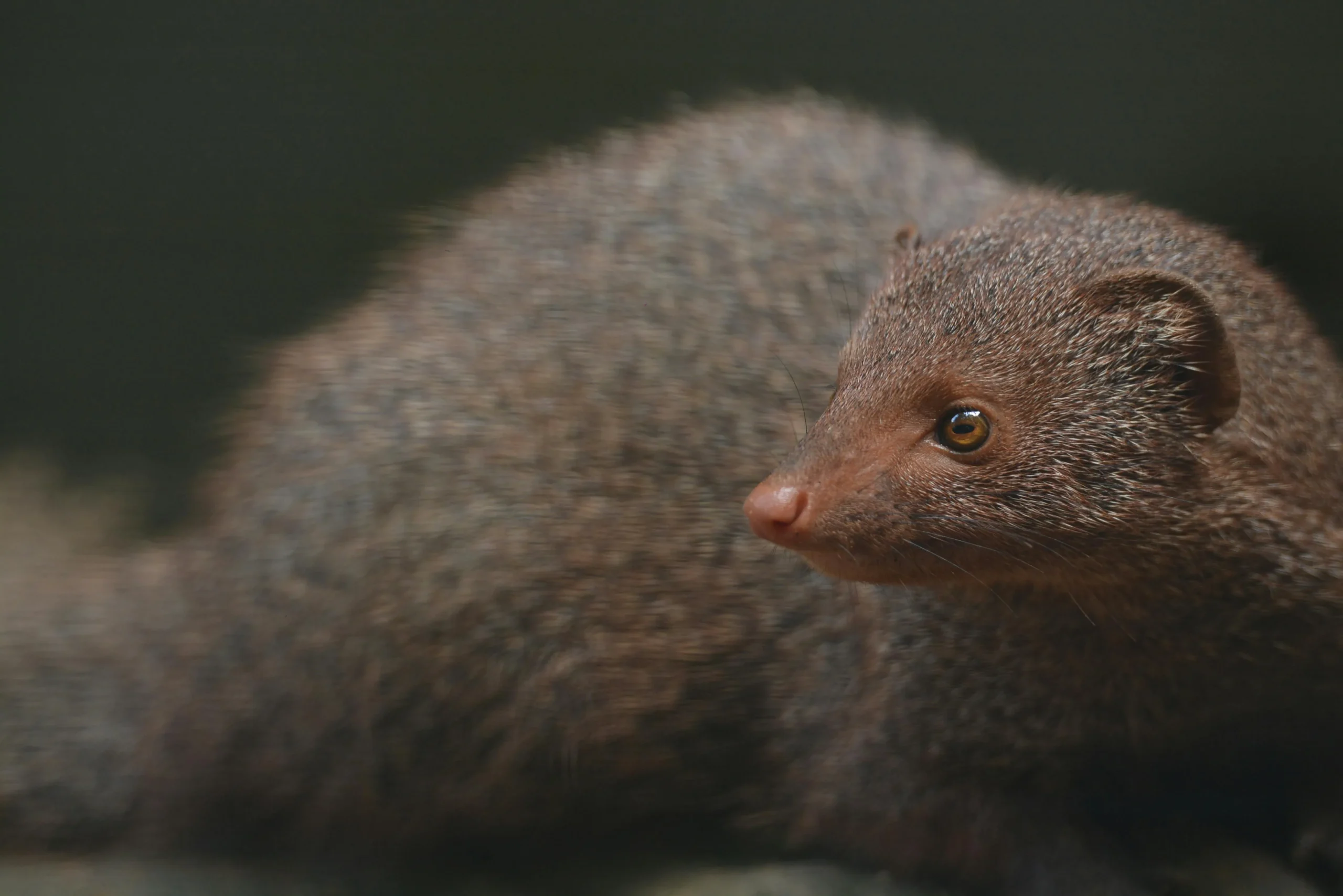
When visitors first arrive in Hawaiʻi, they expect to see tropical birds, sea turtles, and vibrant marine life—but many are surprised when they spot a quick, slender creature darting across the road. That animal is the mongoose, one of the most misunderstood and impactful invasive species in Hawaiʻi. Although they may look harmless at first glance, the story of the mongoose reveals a complex ecological history deeply tied to the islands’ delicate native wildlife.
Understanding the mongoose—why it was introduced, how it behaves, and what role it plays today—is essential for anyone who wants to learn more about Hawaiʻi’s environment and the challenges conservationists face.
A Brief History: Why the Mongoose Was Brought to Hawaiʻi
The mongoose (specifically the small Indian mongoose, Herpestes auropunctatus) was introduced to Hawaiʻi in the late 1800s. At the time, sugarcane plantations dominated the islands’ economy. Planters struggled with rats destroying crops, so they sought a biological solution: import mongooses, which were known to prey on rodents in other parts of the world.
In 1883, mongooses were shipped from Jamaica to Hawaiʻi and released on several islands to help control rat populations. However, this plan had one fatal flaw—rats are primarily nocturnal, while mongooses are diurnal. The two species were rarely active at the same time, so the mongoose did very little to reduce rat numbers.
Instead, they turned their attention to something else: native birds, eggs, small mammals, and reptiles.
The Mongoose as an Invasive Species
Once in the wild, mongooses reproduced quickly and spread across the islands. Today they are found on:
- Oʻahu
- Maui
- Hawaiʻi Island (Big Island)
- Molokaʻi
- Lānaʻi
They are not found on Kauaʻi, where strict prevention efforts continue because of the island’s rich bird populations.
Mongooses pose a significant threat to native Hawaiian wildlife because:
They Eat Ground-Nesting Birds
Many of Hawaiʻi’s most vulnerable species, including the Hawaiian goose (Nēnē), ʻuaʻu (Hawaiian petrel), and seabirds, lay eggs on or near the ground. Mongooses raid nests and drastically reduce breeding success.
They Prey on Endangered Species
Small mammals, reptiles, amphibians, and bird chicks are all within their diet.
They Carry Diseases
Mongooses can transmit rabies, leptospirosis, and other diseases—posing risks to pets and livestock (although Hawaiʻi is currently rabies-free).
They Outcompete Native Wildlife
As an invasive predator with no natural enemies in Hawaiʻi, mongooses destabilize local ecosystems.
Behavior, Diet, and Daily Life of the Mongoose
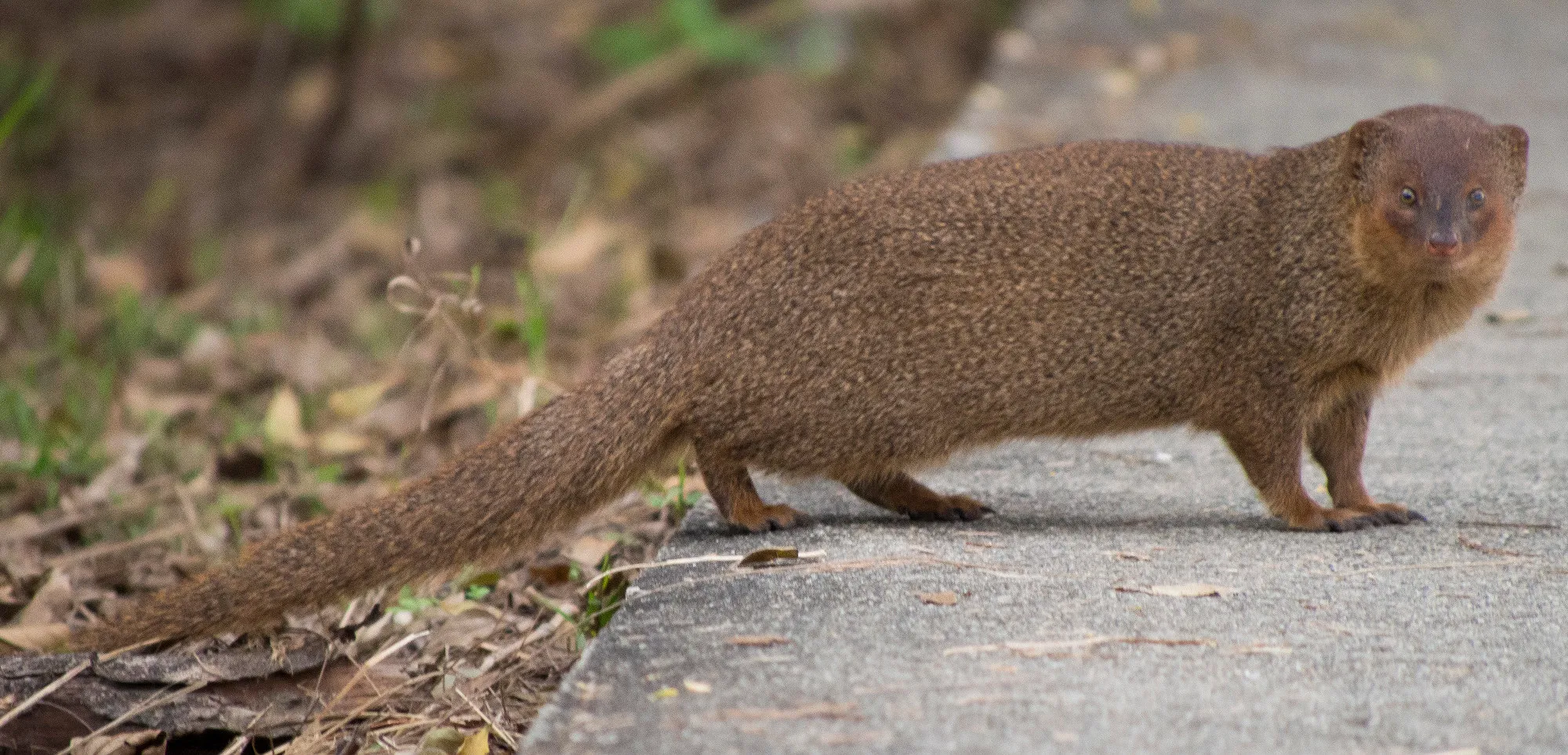
Despite their negative ecological impact, mongooses are fascinating creatures. Here’s a closer look at their behavior and lifestyle:
They Are Extremely Adaptable
Mongooses thrive in forests, fields, urban areas, and even beach parks. Their ability to live almost anywhere has helped them spread quickly.
They Are Opportunistic Predators
Their diet includes:
- Bird eggs
- Insects
- Small mammals
- Lizards
- Fruits and plants
- Carrion
They Reproduce Quickly
Female mongooses can have two to three litters per year, with up to four pups each time. This rapid reproduction makes population control challenging.
They Are Highly Social
Mongooses often live in family groups, which cooperate to defend territory and raise young.
Efforts to Control Mongoose Populations
Because mongooses threaten endangered species, various conservation agencies work to reduce their numbers, especially in sensitive wildlife areas.
Trapping Programs
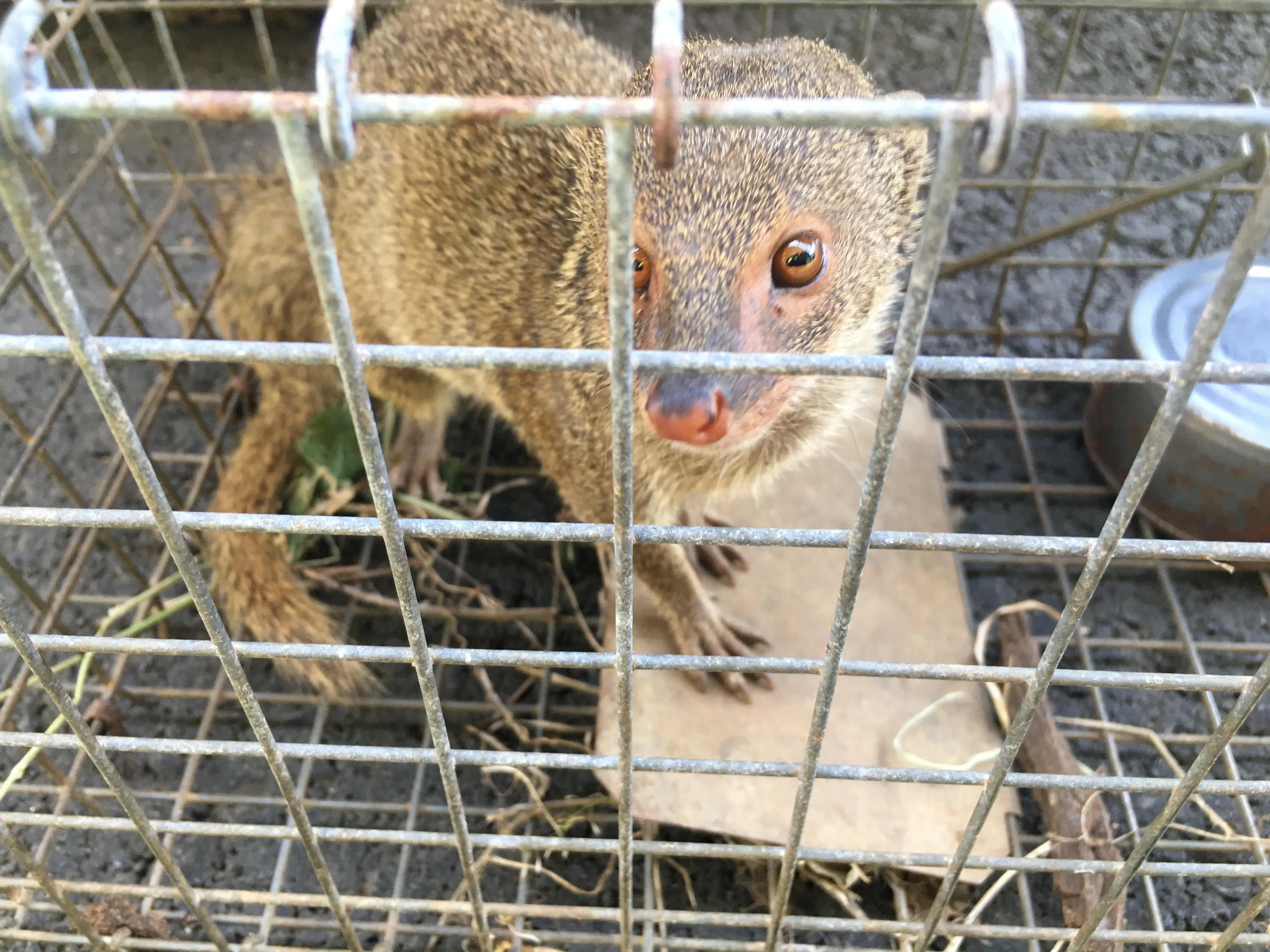
Live traps are placed in bird nesting zones and coastal regions to protect seabirds.
Predator Fencing
Tall, underground-lined fences block mongooses from entering protected areas where native species nest.
Public Education
Local communities and visitors are encouraged to avoid feeding wildlife, secure trash, and report mongoose sightings in protected zones.
Kauaʻi Prevention Efforts
Kauaʻi remains mongoose-free due to strict monitoring and rapid response programs. Even a single confirmed sighting triggers an immediate investigation.
Should Visitors Be Concerned?
For most visitors, mongooses pose no direct threat. They rarely interact with humans and generally avoid contact. However, it’s important not to feed or approach them, as doing so encourages unnatural behavior and can harm native wildlife.
If you spot a mongoose during your travels in Hawaiʻi, see it as a reminder of the islands’ unique ecosystem—and the ongoing effort to protect native species.
Helpful Links
- https://dlnr.hawaii.gov
- https://www.nps.gov
- https://hawaii.gov/invasive
- https://www.hawaiiwildlife.org
Frequently Asked Questions About the Mongoose
1. Why are there mongooses in Hawaiʻi?
Mongooses were introduced in the late 1800s to control rats on sugarcane plantations. Unfortunately, the plan failed, and they became a major invasive species.
2. Are mongooses dangerous to humans?
Mongooses are not typically aggressive toward people. They may carry diseases, so it’s best not to touch or feed them.
3. What do mongooses eat in Hawaiʻi?
They eat bird eggs, insects, small animals, fruits, and sometimes human food scraps—making them a threat to native wildlife.
4. What islands have mongooses?
You can find mongooses on Oʻahu, Maui, Molokaʻi, Lānaʻi, and the Big Island. Kauaʻi has successfully kept them out.
5. How do mongooses affect Hawaiʻi’s native birds?
Mongooses raid nests, eat eggs, and prey on chicks—putting already endangered species at even greater risk.
6. Can mongooses be removed from the islands?
Complete removal is unlikely due to how widespread they are, but targeted population control and predator fencing help protect sensitive areas.
If you would like to read and learn more about interesting things in Hawaii! Check out our blog page here on our website!
or