
Table of Contents
For travelers interested in Hawaiian history, culture, and traditions, planning a Maui trip around old Lahaina sights and a traditional luau can add an entirely different dimension to an island vacation. Lāhainā is more than a scenic town on Maui’s west coast—it was once the capital of the Hawaiian Kingdom and later became an important whaling and plantation-era community.
Today, visiting Lāhainā also requires awareness and respect. The August 2023 wildfire caused devastating losses throughout the community and destroyed or severely damaged many historic structures. As recovery and rebuilding continue, travelers should always follow current access restrictions, respect posted signs, avoid photographing fire-impacted areas, and support local businesses whenever possible.
With thoughtful planning, you can combine the history of old Lāhainā with West Maui scenery, Hawaiian cultural experiences, and an evening at a traditional lūʻau.
Start by Learning About Old Lahaina
Before exploring Lāhainā, it helps to understand why the area is so historically important.
Lāhainā served as the capital of the Hawaiian Kingdom during the early 19th century before the capital eventually moved to Honolulu. It later developed into a major Pacific whaling port, bringing sailors, missionaries, merchants, and immigrants from around the world to Maui.
These different periods created a remarkable concentration of Hawaiian, missionary, maritime, Chinese, Japanese, and plantation history.
Historically, one of the best ways to understand this story has been the Lāhainā Historic Trail, also known as Ala Moʻolelo O Lāhainā. The historic route encompasses dozens of culturally and historically important locations spread throughout Lāhainā.
However, visitors should not rely on older travel guides when deciding which locations they can currently visit. Many historic properties were lost or damaged in the 2023 wildfire, and restoration is an ongoing process.
Before your trip, check the latest information from the Lahaina Restoration Foundation and official Hawaiʻi tourism resources to determine what areas and experiences are currently accessible.
Understand the Historic Sights Before You Arrive
Even when a historic structure cannot currently be entered, learning about it can help you better understand Lāhainā.
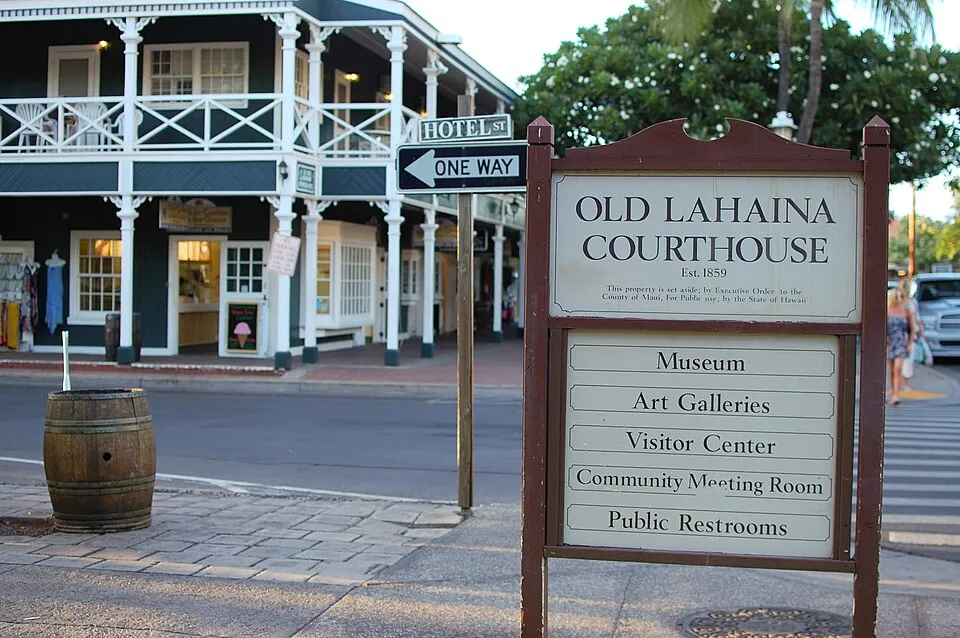
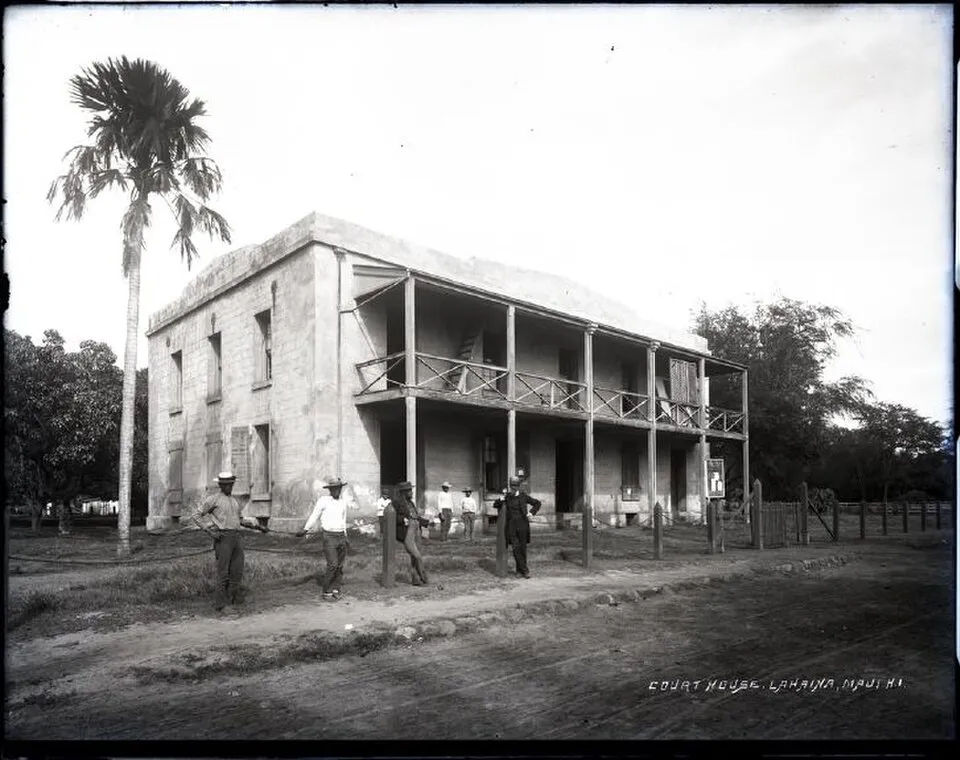
Important places historically associated with the town include the Baldwin Home, Wo Hing Museum, Old Lahaina Courthouse, Hale Paʻahao, Hale Aloha, Lahaina Harbor, and the famous Lāhainā Banyan Tree.
The Lahaina Restoration Foundation has preserved photographs, documents, artifacts, and historical information connected with many of these locations. After the wildfire, this documentation became even more important as the community works to preserve and eventually rebuild parts of Lāhainā's historic landscape.
Instead of treating Lāhainā as simply another sightseeing stop, spend some time learning the stories connected with these places. Doing so provides context for everything from the Hawaiian monarchy and missionary period to the whaling industry and Maui's plantation era.
Give Yourself Time to Support West Maui
A history-focused day does not need to involve rushing between attractions.
Consider spending the morning or early afternoon exploring accessible areas of West Maui and supporting locally owned restaurants, shops, galleries, and other businesses. Tourism remains an important part of Maui's economy, and responsible spending can directly benefit local families and communities.

If you encounter closed roads, private property, construction zones, memorial areas, or other restricted locations in Lāhainā, respect those boundaries. Travelers should also avoid treating neighborhoods or wildfire-damaged properties as sightseeing attractions.
The goal should be to learn about Lāhainā while respecting the fact that it is first and foremost a community and home.
Finish the Day With a Traditional Hawaiian Luau
One of the best ways to complement a day focused on Lāhainā history is with a traditional Hawaiian lūʻau.
The Old Lāhainā Lūʻau, located at 1251 Front Street, focuses specifically on Hawaiian culture, food, music, storytelling, and hula. Rather than presenting dances from throughout Polynesia, its entertainment is centered on Hawaiian traditions.
Guests can experience Hawaiian music and hula while enjoying foods associated with Hawaiʻi and the islands' multicultural culinary history. The oceanfront setting also makes the experience especially memorable around sunset.
One important distinction for travelers is that Old Lāhainā Lūʻau does not include a Samoan fire-knife performance. The company specifically focuses on Hawaiian traditions, while fire-knife dancing originates from Samoa. For visitors primarily interested in Hawaiian history and culture, that distinction can make the experience particularly relevant.
The lūʻau typically lasts around three hours, with starting times changing seasonally. Reservations are highly recommended, especially during busy Maui travel periods.
Consider Staying in West Maui
If Lāhainā history and a traditional lūʻau are major priorities for your trip, staying in West Maui can make your itinerary much easier.
Kāʻanapali, Nāpili, and Kapalua provide convenient bases for exploring the region while keeping you relatively close to Lāhainā. Staying nearby also means you will not have to make the longer drive back toward Kīhei or Wailea after an evening lūʻau.
A simple day could include breakfast in West Maui, a relaxed morning exploring the coastline, time devoted to learning about Lāhainā's history and supporting local businesses, followed by your lūʻau reservation around sunset.
Avoid packing too many activities into the same day. Lāhainā's history deserves time and attention, and a lūʻau is more enjoyable when it feels like the culmination of the day rather than another item squeezed into a crowded itinerary.
Add More Hawaiian History to Your Maui Trip
Lāhainā is only one chapter of Maui's history.
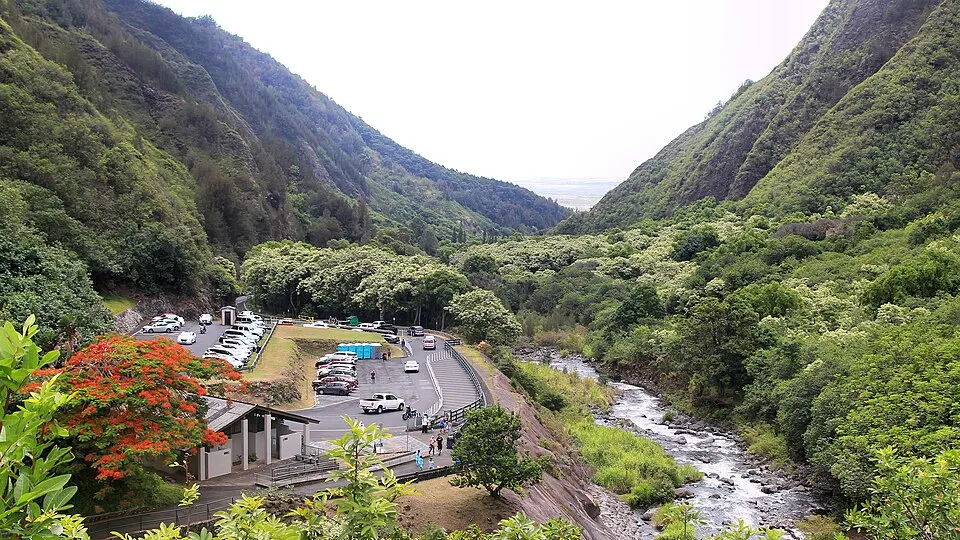
Travelers interested in Hawaiian culture can expand their itinerary to include other significant areas around the island. ʻĪao Valley has deep cultural importance and is associated with the Battle of Kepaniwai, while Upcountry Maui provides insight into ranching, agriculture, and the island's later history.
You can also explore Haleakalā, visit local museums and cultural programs, attend Hawaiian music events, and choose activities that introduce you to Maui's landscapes from a different perspective.

Building these experiences into your itinerary transforms a Maui vacation from simply seeing beautiful places into understanding more about the island you're visiting.
Planning a Meaningful Maui Vacation
The best Maui itineraries balance adventure, relaxation, history, and culture.
If you're planning your trip around old Lahaina sights and a traditional luau, begin by learning about Lāhainā before you arrive. Check current recovery information, determine which areas are accessible, support local businesses, and leave plenty of time for a cultural experience such as a traditional Hawaiian lūʻau.
Most importantly, remember that Lāhainā is a living community with an extraordinary history—and one that continues to recover and rebuild.
Approaching your visit with curiosity and respect can make your time on Maui far more meaningful.
Helpful Links for Planning Your Trip
- Lahaina Restoration Foundation – Learn about Lāhainā’s historic sites, preservation efforts, cultural history, and ongoing restoration work following the 2023 wildfire.
- Lāhainā Historic Trail – Explore the history behind Lāhainā’s important landmarks and learn more about the town’s role in Hawaiian history.
- GoHawaii – Lāhainā – Official Hawaiʻi tourism information for Lāhainā and West Maui, including guidance for visiting the area responsibly.
- GoHawaii – Maui – Plan the rest of your Maui vacation with information about regions, activities, culture, beaches, and travel tips.
- Old Lāhainā Lūʻau – Learn about the traditional Hawaiian lūʻau experience, including Hawaiian cuisine, hula, storytelling, seating options, and reservations.
- Old Lāhainā Lūʻau FAQ – Find answers about arrival times, parking, dietary accommodations, accessibility, reservations, and what to expect during the experience.
Frequently Asked Questions About Old Lahaina and Traditional Luaus
Can tourists visit old Lahaina sights right now?
Some areas of Lāhainā may be accessible, but many historic properties were destroyed or severely damaged during the August 2023 wildfire. Recovery conditions continue to change, so travelers should check current official information before visiting and obey all posted restrictions.
What historic sights was Lahaina known for?
Lāhainā has been associated with numerous important sites, including the Baldwin Home, Wo Hing Museum, Old Lahaina Courthouse, Hale Paʻahao, Hale Aloha, Lahaina Harbor, and the Lāhainā Banyan Tree. Many sites were affected by the 2023 wildfire, making it important to verify their current status before planning a visit.
Why is Lahaina historically important?
Lāhainā was once the capital of the Hawaiian Kingdom and later became an internationally important whaling port. Its history also reflects missionary activity, immigration, plantation life, and the development of modern Maui.
What is the best traditional luau near Lahaina?
Old Lāhainā Lūʻau is one of the best-known options for travelers specifically seeking a Hawaiian-focused cultural experience. Its show emphasizes Hawaiian music, hula, history, food, and storytelling.
Does Old Lahaina Luau have fire dancing?
No. Old Lāhainā Lūʻau focuses on Hawaiian cultural traditions and does not include the Samoan fire-knife dance. Fire-knife dancing is associated with Samoa rather than traditional Hawaiian culture.
How long should I spend exploring Lahaina before a luau?
Plan at least several hours in West Maui rather than rushing directly from one activity to another. This gives you time to explore accessible areas, learn about Lāhainā's history, eat locally, and arrive at your lūʻau comfortably before check-in.
Should I book a Maui luau in advance?
Yes. Popular Maui lūʻau experiences can sell out, especially during holidays and peak travel periods. Booking early is recommended once your Maui travel dates are confirmed.
Can I combine Lahaina sightseeing and a luau in one day?
Yes. They pair naturally because you can spend the earlier part of the day learning about Lāhainā and exploring West Maui before attending an evening lūʻau. Keeping the rest of the day relatively flexible will make the experience feel much less rushed.
How can I visit Lahaina respectfully after the wildfire?
Follow posted signs, stay out of restricted or residential areas, avoid photographing fire-damaged properties, support local businesses, and remember that recovery is ongoing. Checking current guidance shortly before your visit is one of the best ways to ensure you are traveling responsibly.
If you would like to read and learn more about interesting things in Hawaii! Check out our blog page here on our website!
or
Image Credits:
Blog Photos:
Old Lahaina Courthouse, Maui — Photo by Eric Chan. Licensed under the Creative Commons Attribution 2.0 Generic (CC BY 2.0). Source: Wikimedia Commons.
Court House, Lahaina, Maui — Photograph by Brother Bertram (Gabriel Bertram Bellinghausen), circa 1883–1905. Public domain. Source: Wikimedia Commons.
"Aerial view of modern resorts on the maui island in hawaii" by Jashith G, via Pexels
ʻĪao Valley State Park Entrance, Maui — Photo by Larry D. Moore. Licensed under the Creative Commons Attribution 4.0 International (CC BY 4.0). Source: Wikimedia Commons.
"A breathtaking view of Haleakalā Crater in Maui, Hawaii, taken at dusk with dramatic clouds and rocky terrain." by Edoardo Colombo, via Pexels