
Table of Contents
Hawaiʻi is home to some of the most unique wildlife on Earth, and among its most fascinating native birds is the pueo, also known as the Hawaiian short-eared owl. Revered in Hawaiian culture and admired for its adaptability, the pueo stands apart from other owls worldwide. While short-eared owls are found across many continents, the pueo is a distinct, endemic subspecies found only in Hawaiʻi, making it a powerful symbol of the islands’ natural and cultural heritage.
Understanding the pueo offers insight not only into Hawaiʻi’s ecosystems but also into the deep relationship between native wildlife and Hawaiian traditions.
What Is the Pueo?
The pueo (Asio flammeus sandwichensis) is Hawaiʻi’s native short-eared owl. Unlike many owl species that are strictly nocturnal, the pueo is often active during the day, especially at dawn and dusk. This behavior makes it one of the most commonly spotted native owls in the islands, particularly in open landscapes such as grasslands, agricultural fields, and coastal plains.
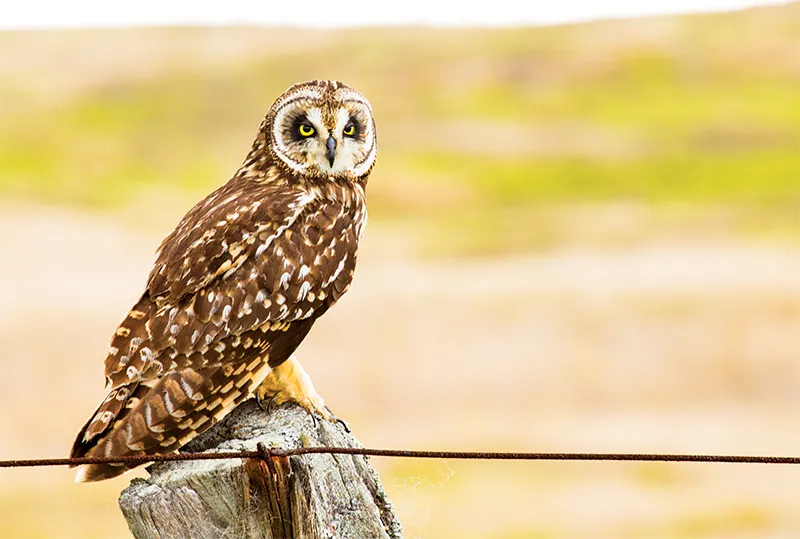
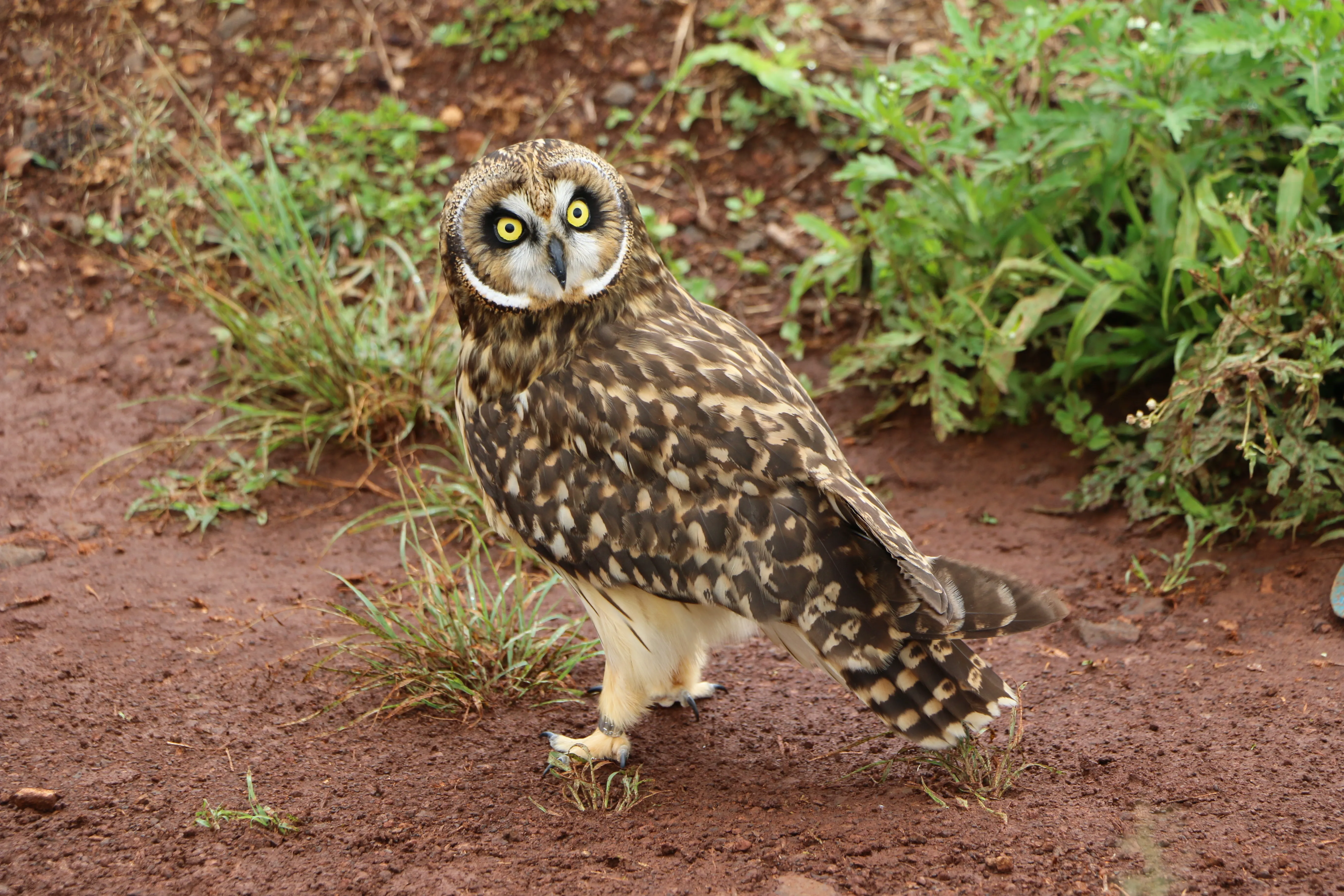
Physically, the pueo has mottled brown and tan feathers that provide excellent camouflage. Its bright yellow eyes and low, buoyant flight pattern make it unmistakable once you know what to look for. Compared to mainland short-eared owls, the pueo tends to be slightly smaller and shows adaptations specific to Hawaiʻi’s environment.
Why the Pueo Is Endemic to Hawaiʻi
Although short-eared owls exist in many parts of the world, the pueo is genetically and geographically distinct. Scientists believe the ancestors of today’s pueo arrived in Hawaiʻi thousands of years ago, likely carried by strong winds from North America or Asia. Over time, isolation and natural selection led to the development of a unique subspecies found nowhere else on Earth.
This isolation is what defines the pueo as endemic. It evolved in Hawaiʻi’s ecosystems, adapted to its prey, landscapes, and climate, and became an integral part of the islands’ natural balance. Like many Hawaiian species, the pueo has no natural mammalian predators, which historically allowed it to thrive in open habitats.
Cultural Significance of the Pueo
Beyond biology, the pueo holds deep meaning in Hawaiian culture. In traditional Hawaiian belief systems, the pueo is often regarded as an ‘aumākua, or ancestral guardian spirit. Families who consider the pueo their ‘aumākua believe it offers protection and guidance, sometimes appearing in moments of danger or uncertainty.
Stories passed down through generations describe the pueo warning travelers of impending harm or watching over children. Because of this cultural reverence, harming a pueo was traditionally forbidden. Even today, many locals treat sightings of a pueo with respect and reflection rather than mere curiosity.
Organizations such as Office of Hawaiian Affairs have helped preserve and share knowledge about the cultural importance of native species like the pueo.
Habitat and Behavior
The pueo prefers open areas with low vegetation where it can hunt efficiently. Common habitats include:
- Grasslands and pastures
- Dry shrublands
- Agricultural fields
- Coastal plains
- Occasionally, higher elevation slopes
Unlike tree-nesting owls, the pueo nests on the ground, creating shallow scrapes hidden by grasses. This behavior makes eggs and chicks particularly vulnerable to predators such as cats, dogs, and mongooses—species introduced to Hawaiʻi by humans.
The pueo primarily feeds on rodents and insects, playing an important role in controlling pest populations. Its hunting style involves flying low over the ground and using keen hearing and eyesight to detect movement.
Conservation Challenges Facing the Pueo
Although the pueo is still seen across several Hawaiian islands, its population faces ongoing threats. Habitat loss due to development, vehicle collisions, introduced predators, and pesticide use all pose serious risks.
Ground nesting makes the pueo especially susceptible to human activity. Roads built through open fields increase the likelihood of vehicle strikes, while urban expansion reduces suitable hunting and nesting areas. Conservation groups and state agencies continue to monitor populations and promote awareness to protect remaining habitats.
The pueo’s story mirrors that of many native Hawaiian species—resilient, yet vulnerable without careful stewardship.
Why the Pueo Matters
The pueo is more than a bird; it is a living connection between Hawaiʻi’s past and present. Ecologically, it helps maintain balance by controlling small animal populations. Culturally, it represents protection, ancestry, and respect for the natural world. Environmentally, its survival reflects the health of Hawaiʻi’s remaining open landscapes.
Protecting the pueo means protecting Hawaiʻi itself.
Helpful Resources About the Pueo
- Hawaiʻi Department of Land and Natural Resources – Native Wildlife
https://dlnr.hawaii.gov/wildlife/birds/pueo/ - Office of Hawaiian Affairs – Hawaiian Cultural Knowledge
https://www.oha.org - Audubon Society – Short-eared Owl Overview
https://www.audubon.org/field-guide/bird/short-eared-owl - University of Hawaiʻi Sea Grant – Native Species & Conservation
https://seagrant.soest.hawaii.edu - Hawaiʻi Audubon Society
https://hiaudubon.org
Frequently Asked Questions About the Pueo
What is a pueo?
The pueo is the Hawaiian short-eared owl, an endemic subspecies found only in Hawaiʻi.
Is the pueo native to Hawaiʻi?
Yes. While short-eared owls exist elsewhere, the pueo evolved in Hawaiʻi and is considered endemic.
Is the pueo endangered?
The pueo is not currently listed as endangered, but it faces significant threats and is considered a species of concern.
Where can you see a pueo in Hawaiʻi?
Pueo are commonly seen in open areas such as grasslands, pastures, and agricultural fields on islands like Maui, Hawaiʻi Island, and Oʻahu.
Why is the pueo important in Hawaiian culture?
The pueo is often regarded as an ‘aumākua, or family guardian spirit, symbolizing protection and guidance.
Are pueo active during the day?
Yes. Unlike many owls, the pueo is frequently active during daylight hours, especially at sunrise and sunset.
If you would like to read and learn more about interesting things in Hawaii! Check out our blog page here on our website!
or