
Table of Contents
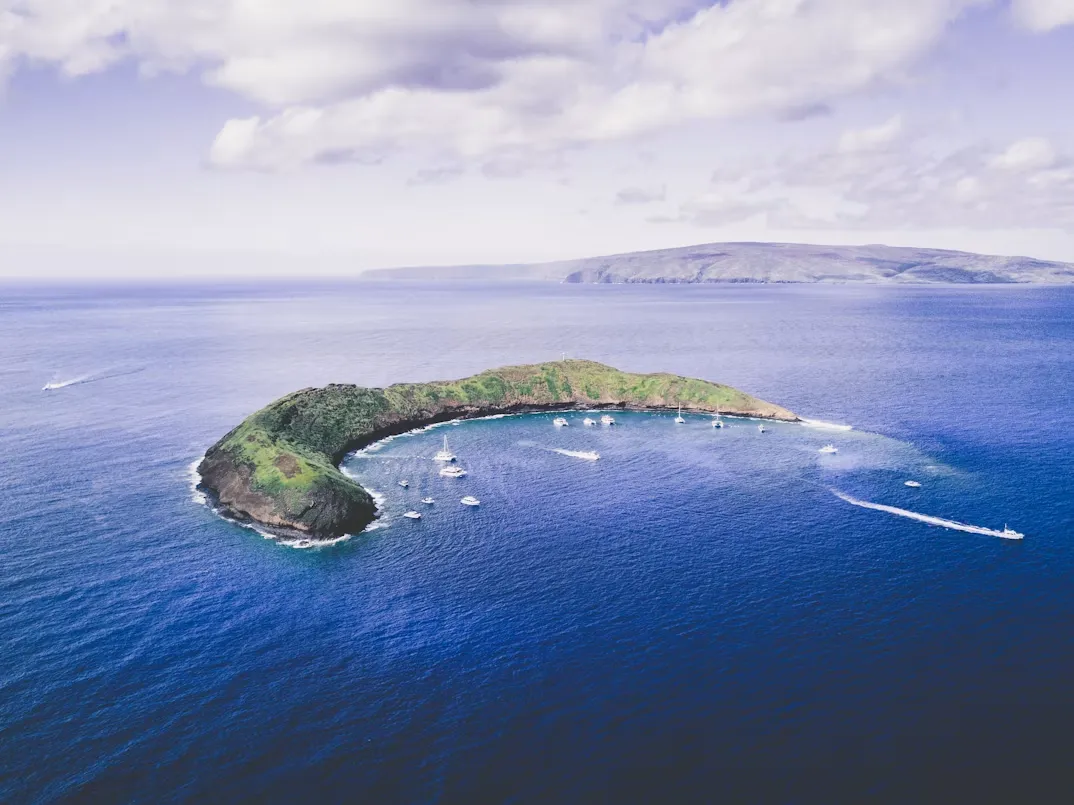
Maui, the second-largest island in Hawaii, is known for its pristine beaches, lush rainforests, and vibrant culture. But just a few miles off its southern coast lies one of its most breathtaking natural wonders: Molokini Crater. This crescent-shaped, partially submerged volcanic caldera is a world-renowned snorkeling and diving destination, drawing visitors with its crystal-clear waters, vibrant marine life, and unique geological formations.
🌊 Why Snorkel at Molokini Crater?
Molokini stands out from other snorkeling spots for several reasons:
- Exceptional Water Clarity: With visibility reaching up to 150 feet, Molokini offers some of the clearest snorkeling conditions in Hawaii.
- Abundant Marine Life: The crater is home to over 250 species of fish, many of which are found only in Hawaiian waters. You may also spot moray eels, manta rays, sea turtles, and even the occasional reef shark.
- Protected Marine Sanctuary: As a designated Marine Life Conservation District and Seabird Sanctuary, Molokini’s waters are teeming with healthy coral reefs and thriving aquatic ecosystems.
🐠 What to Expect on a Snorkeling Tour
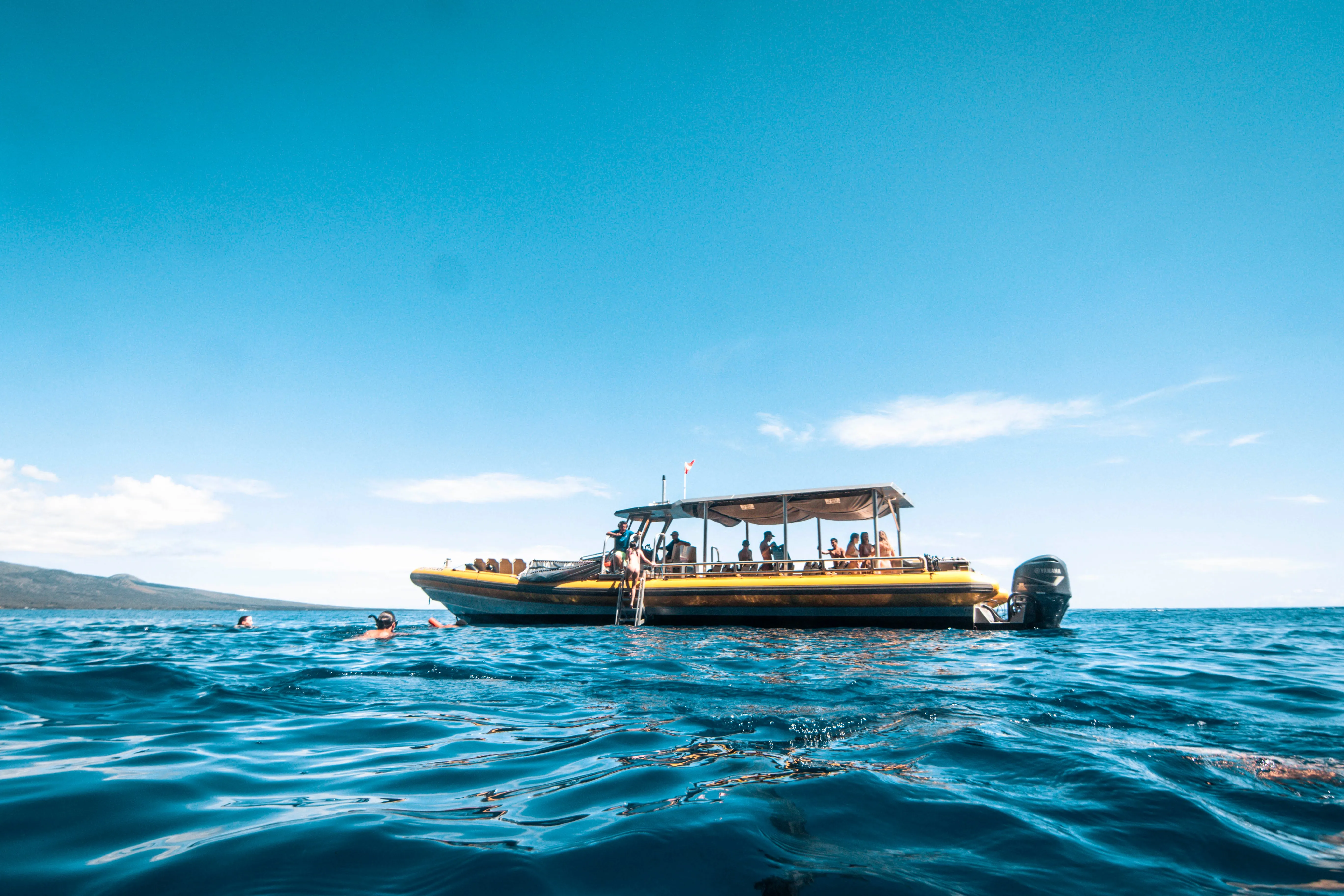
Most snorkeling tours to Molokini Crater depart from Maalaea Harbor or Kihei Boat Ramp. The boat ride takes approximately 20-45 minutes, depending on weather conditions. Tour operators typically provide:
- Snorkeling gear (mask, fins, and snorkel)
- Flotation devices for added safety
- Breakfast or snacks and refreshments
- Guided instruction for beginners
Many tours make a second stop at Turtle Town, a nearby reef where Hawaiian green sea turtles are frequently spotted.
🌿 Marine Life You Might Encounter
While snorkeling in Molokini’s pristine waters, you’ll have the chance to encounter a dazzling array of marine life, including:
- Raccoon butterflyfish: With their distinct black and white striped face mask, these colorful fish are common in the crater’s reefs.
- Yellow tang: Bright yellow and easy to spot, these tropical fish swim in schools around the coral heads.
- Hawaiian sergeant: Recognizable by their black vertical stripes, these fish are often seen near the surface.
- Humpback whales (seasonal): From December to April, you may be lucky enough to spot humpback whales breaching in the distance during your boat ride.
🌞 Tips for an Unforgettable Snorkeling Experience
- Book a morning tour: The waters are typically calmer in the morning, offering better visibility and a smoother boat ride.
- Bring reef-safe sunscreen: To protect Molokini’s delicate ecosystem, use only mineral-based sunscreens that are safe for coral reefs.
- Use an underwater camera: The vibrant coral and diverse fish make for incredible photo opportunities.
- Respect the wildlife: Maintain a safe distance from sea turtles and other marine animals. It’s both a safety measure and a legal requirement in Hawaii.
🌺 How to Choose the Right Tour
When selecting a snorkeling tour, consider:
- Group size: Smaller tours offer a more personalized experience, while larger boats may have more amenities.
- Eco-friendly operators: Choose companies that prioritize sustainable practices, such as using fuel-efficient boats and providing reef-safe sunscreen.
- Amenities and services: Look for tours that offer shaded areas, ample seating, and high-quality snorkeling equipment.
Snorkeling at Molokini Crater is a must-do experience for anyone visiting Maui. Whether you’re a first-time snorkeler or an experienced underwater explorer, the crater’s serene waters and thriving marine life make for an unforgettable adventure. With its remarkable visibility, vibrant reefs, and peaceful ambiance, Molokini offers a rare glimpse into Hawaii’s mesmerizing underwater world.
👉 Pro Tip: For the best experience, consider booking your tour in advance, as Molokini excursions are popular and often sell out quickly.
Here is a great link to consider the many different tour options that awaits you! :
Viator Book HERE!
Frequently Asked Questions
1. What makes Molokini Crater one of the best snorkeling spots in Maui?
Molokini Crater is famous for its unmatched water clarity, often reaching 150 feet visibility, allowing snorkelers to see vibrant coral and marine life with incredible detail. As a protected Marine Life Conservation District, its ecosystem is pristine, making Molokini snorkeling one of the top-rated underwater experiences in Hawaii.
2. How clear is the water at Molokini Crater?
Molokini’s waters are some of the clearest in all of Hawaii. Visibility often ranges from 100–150 feet, thanks to the crater’s bowl-like shape, minimal sediment, and offshore location. This makes it ideal for observing fish, coral formations, and underwater lava structures.
3. What marine life can I expect to see while snorkeling at Molokini?
Molokini is home to over 250 species of fish, many found nowhere else on Earth. Common sightings include:
- Yellow tang
- Raccoon butterflyfish
- Hawaiian sergeant
- Moorish idol
- Rainbow wrasse
Depending on the season, you may also spot humpback whales, Hawaiian green sea turtles, moray eels, and occasionally reef sharks. Every trip offers something unique.
4. Where do Molokini snorkeling tours depart from?
Most tours leave from either:
- Maalaea Harbor (central access, larger tour boats)
- Kihei Boat Ramp (closer launch, shorter boat rides)
The boat ride is typically 20–45 minutes, depending on ocean conditions.
5. What’s included in a typical Molokini Crater snorkeling tour?
Tour operators usually provide:
- Snorkeling gear (mask, snorkel, fins)
- Flotation devices
- Breakfast, snacks, or beverages
- Beginner-friendly guidance
- Optional wetsuit tops
- A second stop at Turtle Town, known for sea turtle encounters
Some premium tours may also include reef-safe sunscreen, photography services, or high-end snorkel equipment.
6. What is Turtle Town, and why do tours stop there?
Turtle Town is a reef area near Makena known for frequent sightings of Hawaiian green sea turtles. Its calm waters and lava-formed coral reefs make it an ideal second stop after Molokini. Snorkelers often enjoy up-close (but respectful!) turtle viewing in this peaceful area.
7. When is the best time of day to snorkel at Molokini Crater?
The morning is the best time to snorkel Molokini. Early tours offer:
- Much calmer waters
- Better visibility
- Less wind
- Smoother boat rides
Afternoon winds in Maui can make ocean conditions choppier, so morning departures are strongly recommended.
8. Is Molokini Crater snorkeling safe for beginners?
Yes — Molokini is a great location for beginners. The crater’s sheltered inner curve helps reduce waves, and most operators provide flotation devices, lifeguard-level guides, and detailed instructions. The incredible visibility also makes first-time snorkeling less intimidating.
9. Do I need to bring my own snorkeling gear?
You can, but it’s not required. Most Molokini tour companies provide:
- High-quality snorkel masks
- Fins
- Sanitized snorkels
- Optional prescription masks
If you prefer using your own mouthpiece or full-face mask, feel free to bring it.
10. Will I see whales during a Molokini snorkel tour?
From December through April, Maui becomes a major breeding ground for humpback whales. While you won’t snorkel with whales, you may see them:
- Breaching
- Tail-slapping
- Spouting near the boat
Whale season adds an unforgettable bonus to your Molokini adventure.
11. What should I bring for a Molokini snorkeling trip?
To enjoy your snorkel experience, pack:
- Reef-safe sunscreen (Hawaii requires it)
- A towel
- Sunglasses
- A waterproof camera or GoPro
- Motion sickness medication (optional but recommended for sensitive travelers)
- A light jacket for windy conditions
Everything else is typically provided by the tour company.
12. How do I choose the best Molokini snorkeling tour?
When comparing tours, consider:
- Group size: Smaller boats offer a more personal experience.
- Amenities: Shade, seating, food, and equipment quality.
- Eco-friendly practices: Fuel-efficient vessels, no single-use plastics, reef-safe sunscreen.
- Departure point: Kihei departures are faster; Maalaea offers larger, steadier boats.
Reading recent reviews also helps you select a reputable operator.
13. Is Molokini Crater good for scuba diving too?
Absolutely. Molokini is one of Maui’s top dive locations. Certified divers can explore deeper drop-offs, vertical walls, and more diverse marine life. The backside of Molokini offers dramatic 300-foot walls and excellent visibility.
14. Is Molokini Crater worth visiting?
Yes — Molokini Crater is considered one of the best snorkeling destinations in Hawaii and often ranks among the top spots in the world. The clarity, marine biodiversity, dramatic volcanic formations, and peaceful ambiance make it a bucket-list experience for anyone visiting Maui.
If you would like to read and learn more about interesting things in Hawaii! Check out our blog page here on our website!
or
Image Credits:
Hero:
"Molokini Crater, Maui, United States" by Farid Askerov, via Unsplash
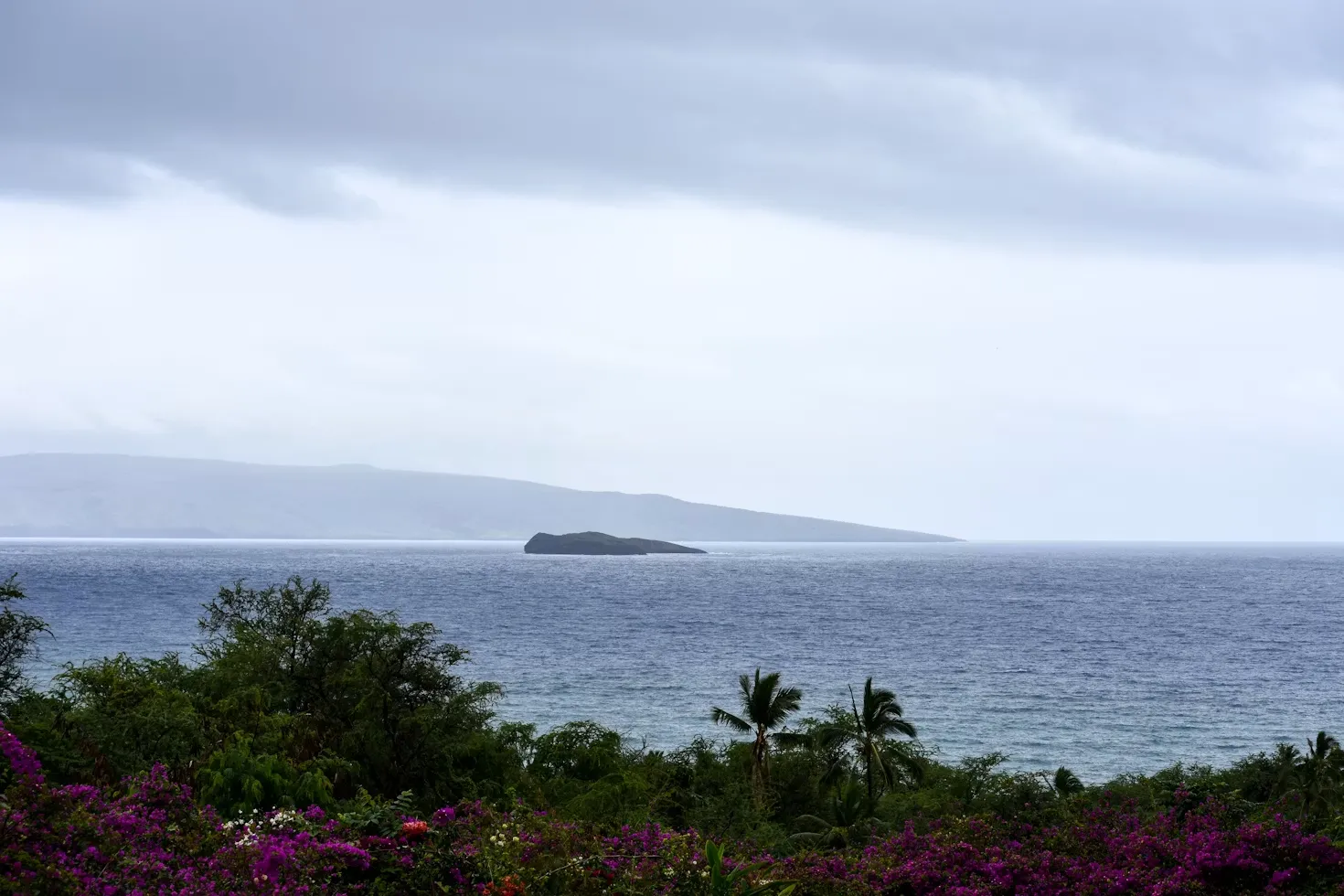
"A body of water and a small island in the distance" by Luke Scarpino, via Unsplash
"A yellow motorboat with people enjoying a calm day on the ocean near Maui, Hawaii." by Jake Houglum, via Pexels