
Table of Contents
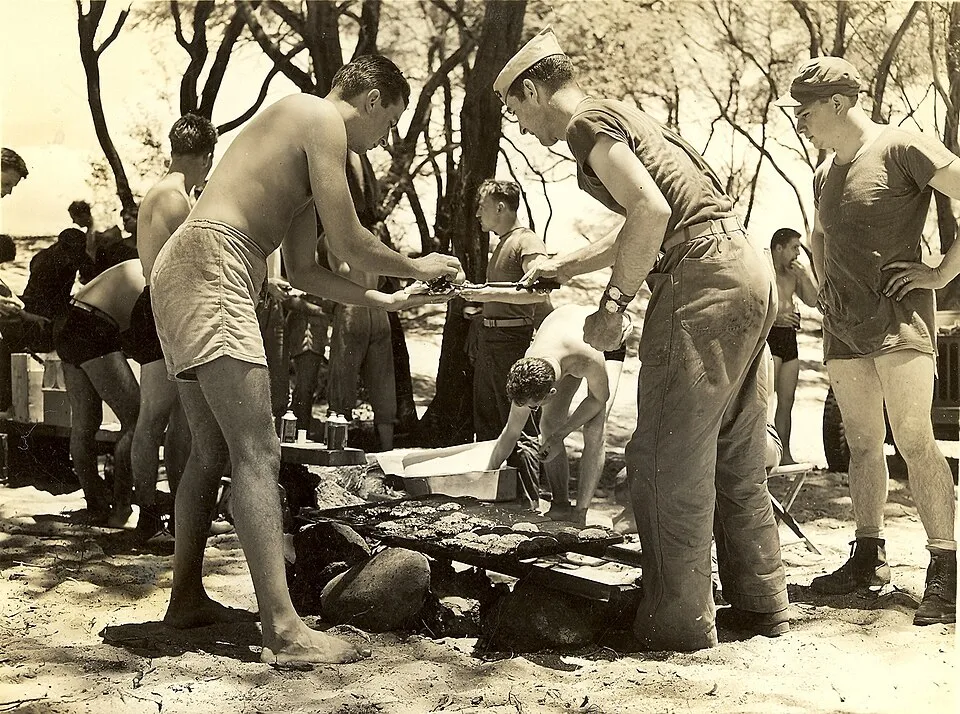
The 4th Marines hold a unique and storied place in United States military history. Known for their resilience, adaptability, and repeated reactivations throughout major conflicts, the regiment’s legacy extends across the Pacific, including Hawaiʻi. While the 4th Marines are most famously associated with combat operations in China, World War II, and later conflicts, their historical ties to Hawaiʻi—and areas such as Haʻikū—reflect the islands’ strategic importance in U.S. military planning and training.
Understanding the role of the 4th Marines in Hawaiʻi requires a look at both the regiment’s broader history and the military infrastructure that developed across the islands during the 20th century.
Here is our link to our museum that we own:
A Brief History of the 4th Marines
The 4th Marines were originally activated in 1911 and quickly became a key element of the United States’ growing Pacific defense strategy. As part of the United States Marine Corps, the regiment was deployed multiple times throughout Asia and the Pacific, including significant service in China before World War II.
During World War II, the regiment earned the nickname “China Marines” and played critical roles in some of the Pacific Theater’s most intense campaigns. Over the decades, the 4th Marines have been activated, deactivated, and reorganized multiple times—each reactivation tied to periods of heightened global tension.
Hawaiʻi’s Strategic Role in Marine Corps History
Hawaiʻi has long served as the central hub for U.S. military operations in the Pacific. Following the attack on Pearl Harbor in 1941, the islands became even more vital for training, command, and logistics.
Marine units stationed in Hawaiʻi benefited from:
- Diverse terrain for jungle and amphibious training
- Proximity to Asia and the Pacific Rim
- Established naval and air infrastructure
Facilities such as Camp H. M. Smith became command centers, while training areas across Oʻahu, Maui, and other islands supported rotational deployments and readiness exercises.
Haʻikū and Military Training in Hawaiʻi
Haʻikū—found both on Maui and Oʻahu—has historically been associated with rugged terrain, valleys, and remote landscapes well-suited for military training. While there is no large, permanent Marine Corps base currently operating in Haʻikū itself, the surrounding regions were historically used for:
- Field maneuvers and reconnaissance training
- Jungle warfare preparation
- Temporary encampments during large-scale exercises
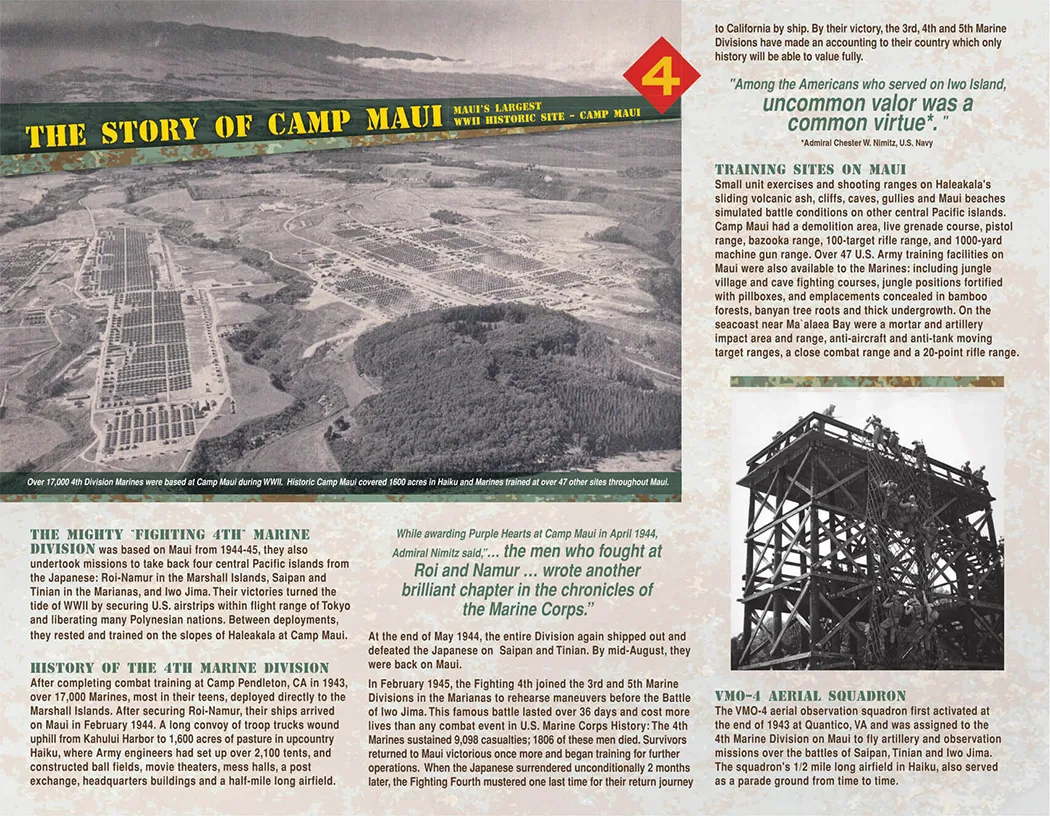
During periods when the 4th Marines were active in Hawaiʻi, these types of environments were critical for preparing Marines for Pacific island combat. Training across the Hawaiian Islands ensured units could operate effectively in conditions similar to those encountered throughout Micronesia and Southeast Asia.
The 4th Marines’ Connection to Hawaiʻi
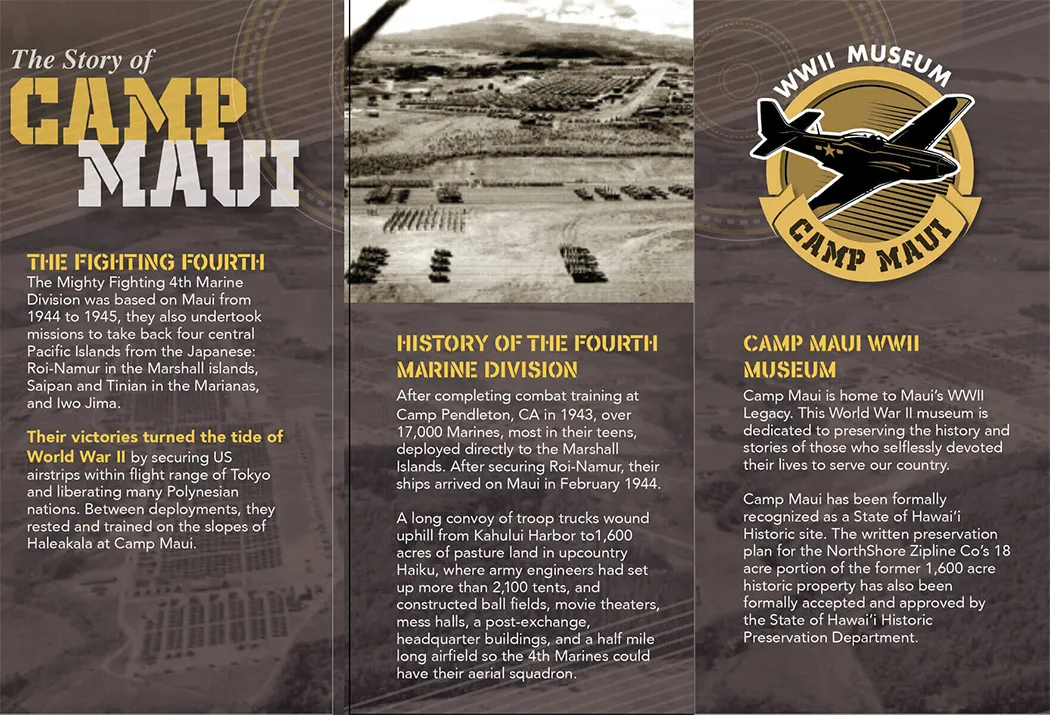
Although the 4th Marines were not permanently headquartered in Haʻikū, their presence in Hawaiʻi reflects the broader Marine Corps operational footprint across the islands. Marines assigned to regimental or battalion-level commands in Hawaiʻi often trained in multiple locations, rotating through different environments to build adaptability.
Hawaiʻi also served as a staging and reorganization point for Marine units transitioning between deployments. For the 4th Marines, time spent in the islands contributed to unit cohesion, combat readiness, and operational planning during critical moments in history.
Lasting Impact and Cultural Legacy
Today, the legacy of the 4th Marines in Hawaiʻi is preserved through:
- Military memorials and historical records
- Veteran organizations and reunions
- Educational programs highlighting Pacific military history
The Marine Corps’ long-standing relationship with Hawaiʻi continues to influence local communities, land use discussions, and historical preservation efforts. Even in places like Haʻikū, where permanent installations are limited, the military’s historical footprint remains part of the region’s story.
Helpful Resources and Further Reading
- https://www.marines.mil
- https://www.nationalww2museum.org
- https://www.pearlharborhistoricsites.org
- https://www.history.navy.mil
- https://www.nps.gov/valr
Frequently Asked Questions About the 4th Marines
What are the 4th Marines known for?
The 4th Marines are best known for their service in China, World War II Pacific campaigns, and their unique history of multiple activations and deactivations.
Were the 4th Marines permanently based in Haʻikū, Hawaiʻi?
No. The 4th Marines were not permanently stationed in Haʻikū, but Marines trained in and around rugged areas of Hawaiʻi, including regions like Haʻikū, as part of broader Pacific readiness efforts.
Why is Hawaiʻi important to the 4th Marines’ history?
Hawaiʻi served as a critical training, command, and staging area for Marine units operating throughout the Pacific, including those associated with the 4th Marines.
Are the 4th Marines still active today?
The 4th Marines have been reactivated multiple times in history. Their current status depends on Marine Corps organizational needs and restructuring decisions.
Can visitors see historical Marine Corps sites in Hawaiʻi?
Yes. Locations such as Pearl Harbor, military museums, and memorials across Oʻahu highlight the Marine Corps’ Pacific legacy.
If you would like to read and learn more about interesting things in Hawaii! Check out our blog page here on our website!
or
Image Credits:
Hero:
U.S. Marine Corps. Public domain. Courtesy of Wikimedia Commons.