
Table of Contents
When people think of Hawai‘i, the word Aloha often comes to mind. Tourists hear it upon arrival and departure, see it printed on souvenirs, and may even adopt it as a casual greeting. But to those who live in Hawai‘i or understand Hawaiian culture, Aloha is much more than a word—it is a way of life, a profound philosophy, and a spiritual connection to others and to the land.
In its most basic usage, Aloha means both "hello" and "goodbye," but this simple translation does not capture the essence of the word. Rooted in Native Hawaiian values, Aloha expresses love, compassion, mercy, respect, and unity. It is a sacred word that reflects the deep cultural and spiritual beliefs of the Hawaiian people.
The Linguistic Roots of Aloha
The word Aloha is composed of two parts: "Alo" meaning presence, front, or face, and "ha" meaning breath of life. When said in its full context, Aloha can be interpreted as “the presence of divine breath” or “to share the breath of life.” In ancient Hawai‘i, the traditional greeting involved touching foreheads and exchanging a breath (honi), symbolizing this shared life force. Saying Aloha isn't just a polite phrase; it's an acknowledgment of the sacred life energy that flows through and connects all beings.
Aloha as a Way of Life
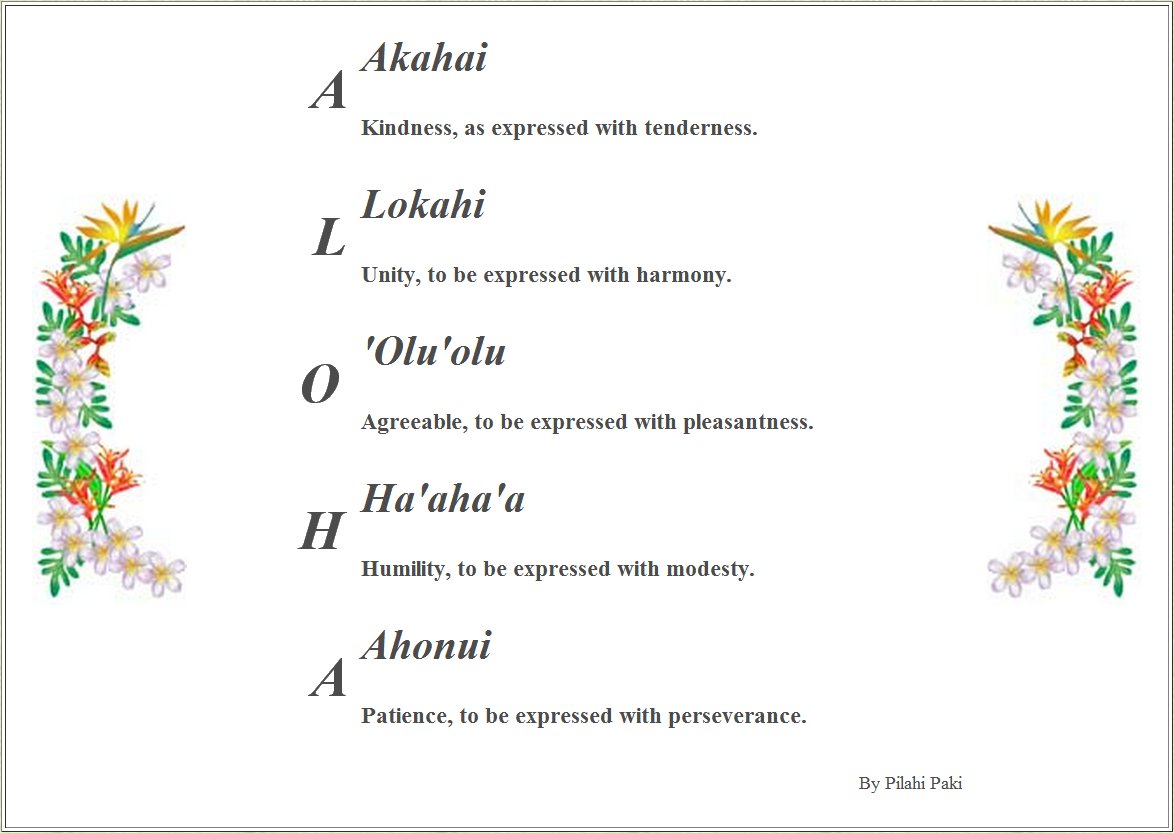
Native Hawaiian scholar and cultural practitioners have long emphasized that Aloha is a guiding principle. It is an ethical code of conduct built on mutual respect and care for one another. The Aloha Spirit—a term frequently used in Hawai‘i—is about living in harmony with yourself, with others, and with nature. It encourages kindness, patience, and understanding, even in difficult situations.
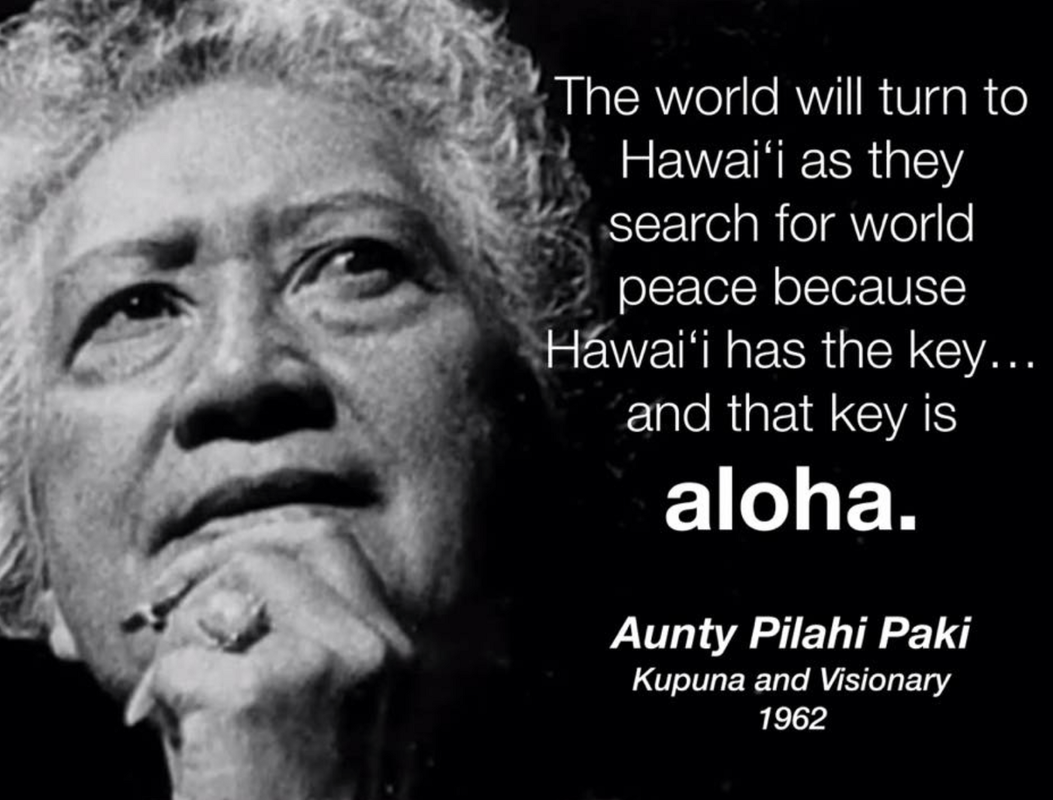
The Hawaiian Renaissance of the 1970s helped revive many traditional values, including the philosophy of Aloha. Today, many Hawaiian elders (kupuna) and educators pass this teaching on, emphasizing that living with Aloha is an ongoing practice of humility (ha‘aha‘a), harmony (lokahi), and compassion (aloha kekahi i kekahi—love one another).
Aloha in State Law
Interestingly, Hawai‘i is the only U.S. state with a law explicitly recognizing a cultural value. In Section 5-7.5 of the Hawai‘i Revised Statutes, the Aloha Spirit is formally recognized as a guiding principle for public officials. This law encourages government leaders and citizens alike to treat one another with care, respect, and love, using Aloha as a basis for decision-making and daily interaction.
Here’s an excerpt from the statute:
“Aloha is more than a word of greeting or farewell or a salutation. Aloha means mutual regard and affection and extends warmth in caring with no obligation in return.”
This demonstrates just how deeply rooted the concept of Aloha is in the social fabric of the islands.
Aloha and the Environment
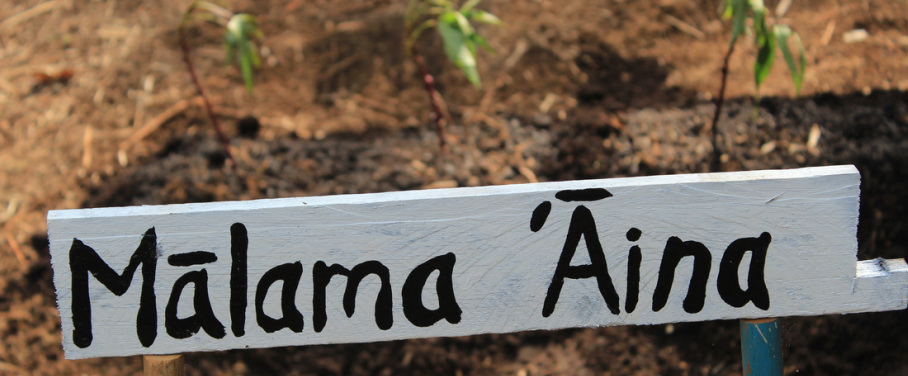
Another important dimension of Aloha is its relationship with nature, especially the land—ʻāina. In Hawaiian belief, the land is not a resource to be exploited, but a family member to be cared for and respected. The phrase Aloha ʻĀina means “love of the land,” and it encapsulates a deep sense of responsibility and stewardship for Hawai‘i’s natural environment.
Many Hawaiian activists and cultural practitioners use Aloha ʻĀina to express their commitment to protecting sacred spaces, preserving ecosystems, and fighting for the sovereignty of the land. Whether it's resisting overdevelopment, advocating for clean water, or restoring native plants, these efforts are grounded in the spiritual and cultural imperative of Aloha.
Living with Aloha Today
To live with Aloha means practicing it daily—not only with friends and family, but also with strangers, coworkers, and even adversaries. It is being mindful of how one’s actions affect others, choosing empathy over judgment, and approaching life with gratitude.
Simple acts like:
- Greeting someone with sincerity
- Letting someone merge in traffic
- Picking up trash on a hike
- Saying mahalo (thank you) genuinely
…are all ways of embodying Aloha.
And it’s not limited to those who live in Hawai‘i. The principles of Aloha can be practiced by anyone, anywhere. In a world often driven by division and competition, Aloha offers a powerful reminder of our shared humanity.
Aloha is not just a word; it's a worldview. It calls us to be present, to act with compassion, and to live in alignment with nature and each other. Whether you're visiting Hawai‘i for the first time or have lived there your whole life, understanding the deeper meaning of Aloha can enrich your experience and connection to this special place.
Let’s not just say Aloha—let’s live it.
Learn More About Aloha:
- What Is the Aloha Spirit? – Hawaii Guide
- State Law Recognizing the Aloha Spirit – HRS §5-7.5
- Aloha ʻĀina – Office of Hawaiian Affairs
- The Meaning of Aloha – GoHawaii.com
If you enjoyed learning about Aloha, consider exploring other core Hawaiian values like ʻohana (family), pono (righteousness), and malama (to care for). Each of these values interweaves with Aloha to create the spiritual and cultural richness that makes Hawai‘i truly unique.
Frequently Asked Questions
1. What does the word Aloha actually mean in Hawaiian?
Aloha is often translated as “hello” and “goodbye,” but its true meaning goes much deeper. In Hawaiian culture, Aloha represents love, compassion, respect, kindness, and connection. Linguistically, “Alo” means presence or face, and “ha” means breath of life—so Aloha can be understood as “the presence of divine breath.” It reflects the Hawaiian belief that we are all connected through shared life energy.
2. Why is Aloha considered more than just a greeting?
Aloha is much more than a casual phrase—it is a cultural philosophy and way of life. For Native Hawaiians, Aloha is a guiding principle rooted in compassion, humility, harmony, and mutual respect. It’s a reminder to treat others with kindness and to be mindful of how one’s actions impact the world. Living with Aloha means approaching life with gratitude, patience, and empathy every day.
3. What is the traditional Hawaiian greeting involving breath?
The traditional greeting is called honi, where two people touch foreheads and noses to exchange a shared breath, or ha. This practice symbolizes unity, respect, and the acknowledgment of each other’s life force. Honi reflects the deeper meaning of Aloha—recognizing the sacred breath that connects all living beings.
4. What is the “Aloha Spirit,” and why is it important?
The Aloha Spirit is the cultural value system behind the word Aloha. It encourages living with openness, kindness, humility (haʻahaʻa), harmony (lokahi), and love for others (aloha kekahi i kekahi). It’s about choosing compassion even in difficult situations. The Aloha Spirit shapes how people interact in Hawai‘i, making the islands renowned for warmth, generosity, and peaceful living.
5. Is the Aloha Spirit really written into Hawaii state law?
Yes! Hawai‘i is the only U.S. state with a law recognizing a cultural value. In Hawai‘i Revised Statutes Section 5-7.5, the Aloha Spirit is formally acknowledged as a guiding principle for public officials and government workers. The law states that Aloha means mutual regard, affection, and warm caring without expectation of return. This highlights how deeply Aloha is embedded in everyday life and governance.
6. What does Aloha ʻĀina mean?
Aloha ʻĀina translates to “love of the land.” In Hawaiian culture, the land—ʻāina—is not a resource but a family member to be respected and protected. Aloha ʻĀina expresses a deep responsibility to care for nature, safeguard sacred places, and preserve Hawai‘i’s ecosystems. It also ties to cultural movements advocating sovereignty, environmental justice, and sustainable stewardship.
7. How can visitors to Hawai‘i live with Aloha during their stay?
Visitors can embrace Aloha by practicing kindness, respecting local culture, and caring for the land. Simple actions include:
- Saying mahalo (thank you) with sincerity
- Respecting cultural sites and protocols
- Using reef-safe sunscreen
- Driving courteously
- Supporting local businesses
These small gestures help preserve Hawaiʻi’s environment and honor the communities who call the islands home.
8. Can people outside of Hawai‘i practice Aloha in their daily lives?
Absolutely. Aloha is universal. Anyone, anywhere can live with Aloha by choosing patience over frustration, empathy over judgment, gratitude over entitlement, and respect over conflict. Aloha is a reminder that human connection, kindness, and compassion make the world better no matter where you are.
9. How does Aloha relate to Hawaiian cultural identity today?
Aloha remains a cornerstone of Hawaiian identity. It influences relationships, traditions, spirituality, and community values. Through language revitalization, cultural education, and the Hawaiian Renaissance of the 1970s, the deeper meaning of Aloha continues to thrive. For many, Aloha represents both cultural pride and a spiritual responsibility to care for people and place.
10. Why is understanding the true meaning of Aloha important for visitors?
Understanding Aloha helps visitors connect more respectfully and deeply with the islands. Knowing that Aloha is not just a word—but a value system rooted in love, unity, and mindfulness—encourages travelers to appreciate Hawai‘i beyond the beaches. It enhances their experience and promotes responsible travel that honors local culture, land, and community.
If you would like to read and learn more about interesting things in Hawaii! Check out our blog page here on our website!
or