
Table of Contents
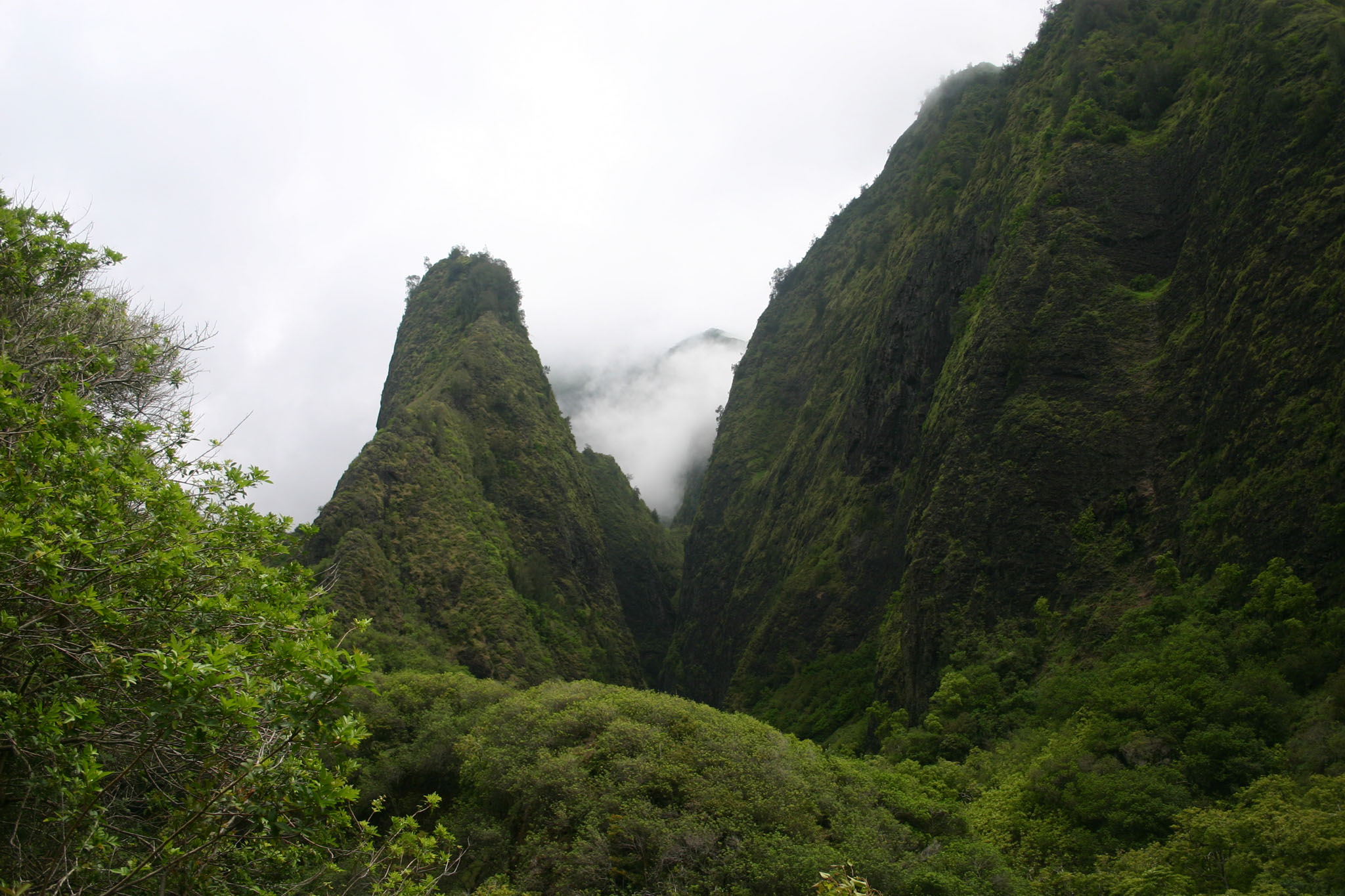
Sitting in the heart of the lush Iao Valley, on the island of Maui, stands one of Hawaii’s most iconic natural landmarks: the Iao Needle. Rising 1,200 feet from the valley floor, this green-mantled pinnacle is more than just a geological marvel—it is a place of history, legend, and cultural significance. Visitors from around the world journey to this serene valley to marvel at its beauty, hike its trails, and connect with the stories of old Hawaii that echo through the landscape.
A Natural Wonder
The Iao Needle, also known in Hawaiian as Kuka‘emoku, is a towering basalt formation created from millennia of erosion and volcanic activity. Unlike the vast shield volcanoes and dramatic cliffs found elsewhere on the islands, the needle’s shape is unique—an emerald spire that juts dramatically from the valley, draped in tropical vegetation and often shrouded by clouds drifting through the West Maui Mountains.
The surrounding valley is part of the West Maui Forest Reserve, an area filled with dense rainforest, waterfalls, and streams. Frequent rain nourishes this fertile region, making it one of the greenest and most vibrant places on Maui. The Iao Stream meanders through the valley, carving a path that has sustained native flora, fauna, and Hawaiian communities for centuries.
:max_bytes(150000):strip_icc()/GettyImages-520874214-5f27618a2ebb4a0cb07cee5c70954e75.jpg)
A Sacred Place in Hawaiian History
Beyond its natural beauty, the Iao Needle holds deep cultural and historical significance. The valley was once considered sacred, serving as a burial site for Maui’s chiefs, or ali‘i. Because of this, it is regarded as a place of reverence and respect. Visitors are encouraged to tread thoughtfully, keeping in mind the generations of Hawaiian heritage connected to the land.
One of the most famous events tied to Iao Valley is the Battle of Kepaniwai in 1790. This fierce conflict took place during King Kamehameha I’s campaign to unify the Hawaiian Islands under his rule. The battle was fought between Kamehameha’s forces and Maui’s warriors, led by King Kalanikūpule. The fighting was intense and devastating—so much so that the battle’s name, Kepaniwai, means “the damming of the waters,” as the Iao Stream was said to have been clogged with the fallen.
Though the battle ended in a tragic loss for Maui, it marked a pivotal moment in Hawaiian history. The Iao Needle, rising high above the valley, is said to have served as a lookout point during the fighting. Today, the valley is a place of peace, but the echoes of its past remain a reminder of Hawaii’s struggles and resilience.

Visiting Iao Needle State Monument
For travelers to Maui, the Iao Needle is one of the island’s most accessible and rewarding cultural landmarks. Located just a short drive from Wailuku, the Iao Valley State Monument offers visitors a chance to immerse themselves in nature and history in less than an hour’s journey from most resort areas.
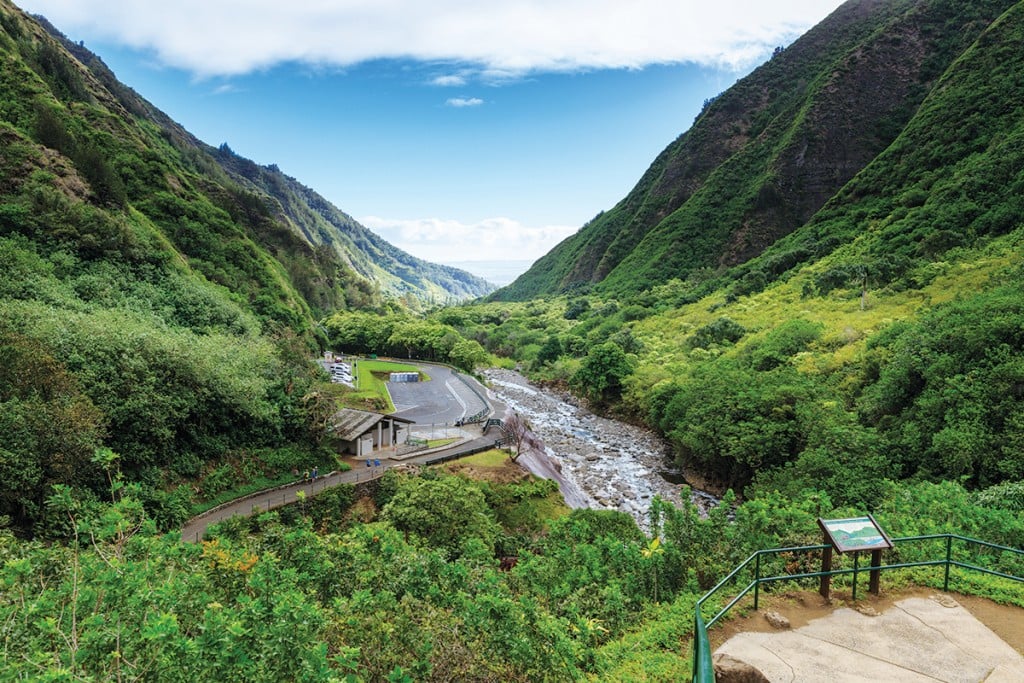
The park features a paved, well-maintained trail that leads to a lookout point with sweeping views of the needle and valley. The walk is relatively easy, making it a family-friendly excursion suitable for visitors of all ages. Along the way, interpretive signs provide insight into the area’s cultural and natural history, enriching the experience.
In addition to the main lookout, the park offers pathways along the Iao Stream and through lush gardens showcasing native Hawaiian plants. The air is cool and fresh, often perfumed by tropical flowers, and the constant presence of mist and flowing water creates a tranquil atmosphere. For those who want to go beyond the state monument, nearby hiking trails in the West Maui Mountains offer more challenging adventures.
Cultural and Environmental Preservation
Like many treasured places in Hawaii, Iao Valley and the Iao Needle require care and respect from both residents and visitors. The site has undergone temporary closures in recent years to allow for restoration and to protect the land from erosion and overuse. Efforts by local organizations and the Hawai‘i State Parks system ensure that the valley remains a living classroom for cultural education and environmental stewardship.
Visitors are reminded to follow all posted guidelines, stay on designated trails, and avoid disturbing the natural and cultural resources. By treating the land with aloha and reverence, we help ensure that the Iao Needle continues to inspire future generations.
Why the Iao Needle Captures the Imagination
The allure of the Iao Needle lies not only in its dramatic appearance but also in the way it symbolizes the connection between Hawaii’s natural beauty and cultural heritage. It is a place where geology, ecology, history, and legend converge. Standing at the lookout, gazing at the spire rising from the valley floor, one cannot help but feel a sense of awe—a reminder of how the Hawaiian Islands were shaped not only by volcanic forces but also by the lives and struggles of the people who called them home.
For visitors to Maui, a journey to the Iao Needle is more than just a photo opportunity. It is an invitation to step into the heart of Hawaii, to listen to the whispers of history in the wind, and to experience a place that has stood as a silent witness to centuries of change.
Helpful Links
Hawai‘i State Parks – Iao Valley State Monument
Battle of Kepaniwai Historical Overview
Native Hawaiian Plant Restoration Efforts
Frequently Asked Questions
1. What exactly is the Iao Needle in Maui?
The Iao Needle is a 1,200-foot tall basalt pinnacle rising out of the lush Iao Valley on Maui. Covered in dense tropical vegetation and surrounded by misty mountains, it’s one of Hawaii’s most famous natural landmarks. Its unique, narrow shape was formed through thousands of years of erosion, making it unlike any other geological feature on the islands.
2. Why is the Iao Needle such a significant natural landmark in Hawaii?
The Iao Needle stands out because of its dramatic appearance and lush green setting. While much of Hawaii is known for volcanoes and cliffs, the needle’s steep, narrow spire is visually striking and instantly recognizable. The surrounding Iao Valley is one of the greenest locations on Maui, fed by constant rainfall, waterfalls, and the flowing Iao Stream. Its untouched beauty makes it a must-see stop for nature lovers.
3. What is the cultural or historical importance of Iao Valley and the Iao Needle?
Iao Valley is deeply sacred in Hawaiian culture. For centuries, it served as a burial ground for Maui’s chiefs (ali‘i), making it a site of reverence. The valley was also the location of the historic 1790 Battle of Kepaniwai, where King Kamehameha I fought to unify the Hawaiian Islands. The Iao Needle is believed to have served as a lookout during the battle. Today, it remains a place where visitors are encouraged to walk with respect and aloha.
4. What was the Battle of Kepaniwai, and how is it connected to the Iao Needle?
The Battle of Kepaniwai was a pivotal conflict in Hawaiian history. King Kamehameha I brought his forces to Maui in 1790, clashing with Maui’s warriors led by King Kalanikūpule. The battle was intense—its name, “Kepaniwai,” means “the damming of the waters,” referencing how the Iao Stream was reportedly blocked by the fallen. The Iao Needle, towering above the battlefield, is said to have served as a strategic vantage point during the fighting.
5. How do I visit the Iao Needle State Monument on Maui?
Visiting the Iao Needle is simple and convenient. Located just minutes from Wailuku and less than an hour from most resort towns, the Iao Valley State Monument features paved walkways, interpretive signs, and a main lookout offering incredible views of the valley and its iconic spire. The walk is easy and family-friendly, making it suitable for all ages and fitness levels.
6. Is there hiking at Iao Valley, and what can I expect on the trails?
Yes—while the main lookout trail is paved and easy, the area offers several paths and walkways that explore the gardens and Iao Stream. The state monument itself is gentle and accessible, while additional trails in the nearby West Maui Mountains offer more challenging adventures for experienced hikers. Expect lush greenery, cool breezes, and the calming sound of flowing water.
7. What should visitors know about preservation and respecting Iao Valley?
Iao Valley is a sacred and environmentally sensitive site. In recent years, it has experienced temporary closures for restoration, erosion control, and cultural preservation. Visitors should stay on marked trails, follow posted guidelines, avoid disturbing wildlife and plants, and treat the area with aloha. Respecting the valley ensures it remains pristine for future generations.
8. Why does the Iao Needle capture the imagination of visitors?
The Iao Needle inspires awe because it represents the perfect blend of Hawaii’s natural beauty and cultural depth. Standing before it, visitors see not just a towering green peak—but a symbol of Hawaii’s geological story, ecological wonder, and rich historical past. Its quiet presence in the valley invites reflection, making it far more than a simple sightseeing stop.
9. Is the Iao Needle worth visiting during my Maui vacation?
Absolutely. The Iao Needle is one of Maui’s most iconic and accessible cultural landmarks. Whether you’re interested in Hawaii’s history, love stunning landscapes, or want a peaceful outdoor escape, the valley offers a meaningful experience for all types of travelers. It’s a quick visit with a big payoff—and ideal for families, photographers, and anyone seeking a deeper connection to Maui’s heritage.
If you would like to read and learn more about interesting things in Hawaii! Check out our blog page here on our website!
or