
Table of Contents
Hawaiʻi is unlike anywhere else in the world. While many destinations are known for beaches, scenery, or weather, Hawaiʻi stands apart because of its deeply layered culture. The islands are a living example of how diverse traditions can coexist, evolve, and blend into a shared identity. From Native Hawaiian roots to influences brought by immigrants from across the globe, Hawaiʻi’s culture is a powerful fusion shaped by history, resilience, and community.
Understanding Hawaiian culture means looking beyond surface-level experiences and appreciating how language, food, customs, and values have merged over generations. This cultural mixture is not accidental—it is the result of centuries of migration, labor, and shared life on isolated islands in the Pacific.
Native Hawaiian Culture: The Foundation
At the heart of Hawaiʻi’s cultural identity is Native Hawaiian culture. Long before Western contact, Native Hawaiians developed a sophisticated society rooted in spirituality, land stewardship, and community responsibility. Concepts such as aloha, ʻohana (family), and kuleana (responsibility) are more than words—they are guiding principles that continue to influence modern Hawaiian culture.
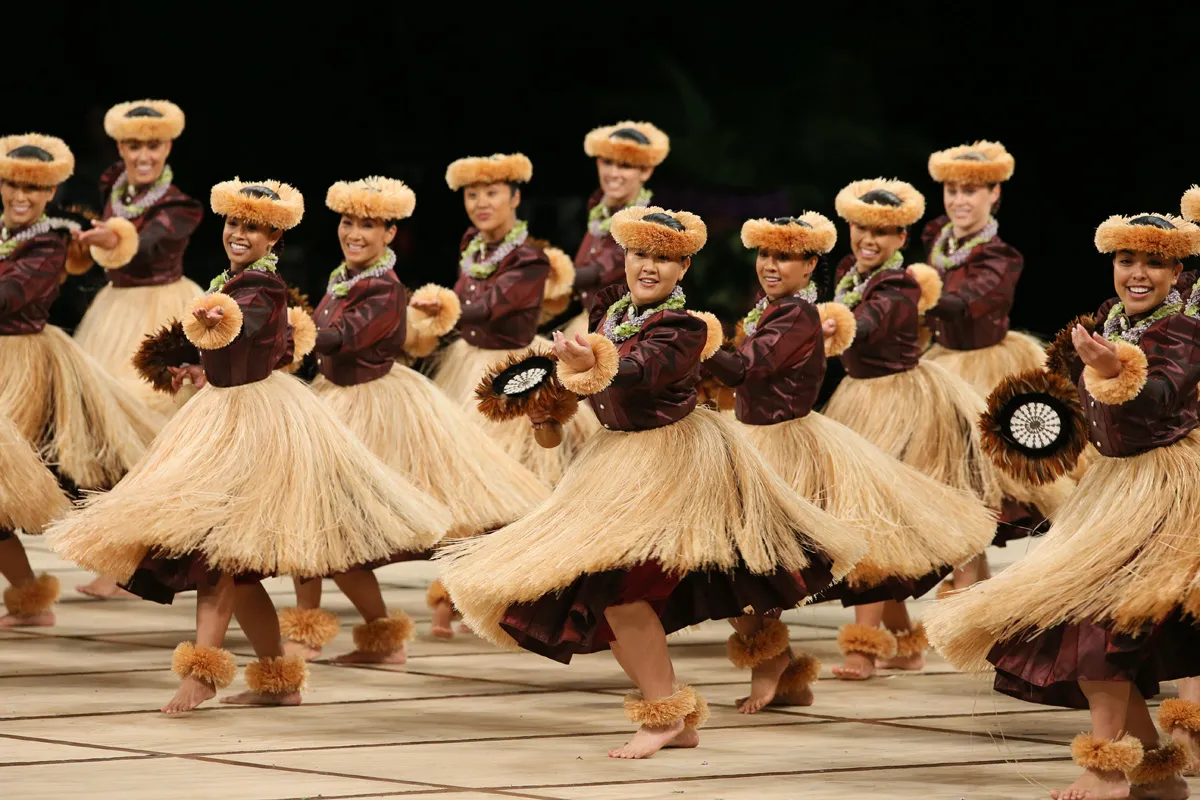
Hula, oli (chants), traditional navigation, and respect for the ʻāina (land) remain essential elements. Even as new cultures arrived, Native Hawaiian values became the foundation upon which Hawaiʻi’s multicultural society was built.
Immigration and the Expansion of Culture
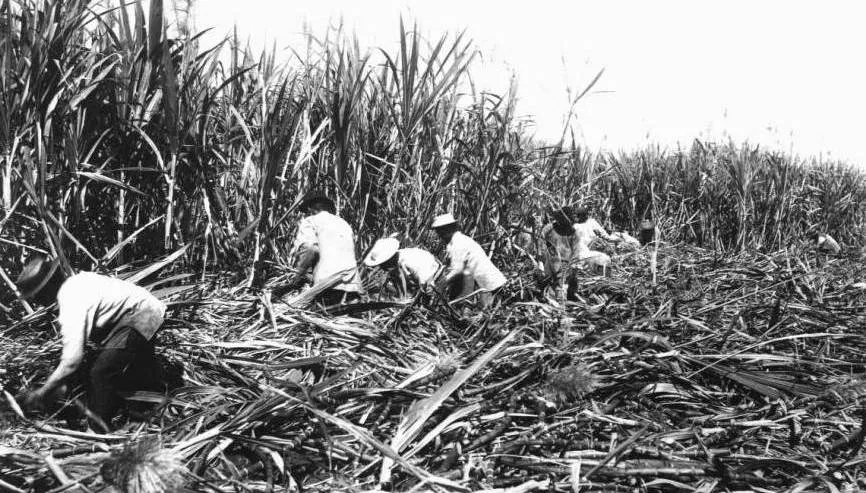
The major expansion of Hawaiʻi’s culture occurred during the plantation era of the 19th and early 20th centuries. Sugar and pineapple plantations brought laborers from China, Japan, Okinawa, the Philippines, Korea, Portugal, Puerto Rico, and other regions. Each group arrived with its own language, religion, food traditions, and social customs.
Rather than remaining isolated, these communities lived and worked alongside one another. Over time, their cultures blended organically. Children attended the same schools, families shared meals, and traditions influenced one another. This environment created a uniquely Hawaiian multicultural identity rather than separate ethnic enclaves.
Food as a Cultural Connector
One of the most visible expressions of Hawaiʻi’s mixed culture is its food. Local cuisine reflects generations of cultural blending. Dishes such as plate lunches, saimin, poke, and loco moco combine ingredients and techniques from multiple traditions.
Food in Hawaiʻi is more than nourishment—it is how culture is shared. Family gatherings, celebrations, and even casual social interactions often revolve around meals. Each dish tells a story of migration, adaptation, and unity, making cuisine one of the strongest symbols of Hawaiian culture.
Language and Pidgin: A Cultural Bridge
Language plays a major role in cultural fusion. Hawaiian, English, and Hawaiʻi Creole English (commonly called Pidgin) coexist throughout the islands. Pidgin developed as a practical way for plantation workers from different backgrounds to communicate, but it eventually became a cultural identifier of its own.
Today, Pidgin represents shared local identity and cultural pride. It reflects how language evolves when cultures meet and adapt to one another, further reinforcing Hawaiʻi’s collective culture.
Festivals, Traditions, and Shared Identity
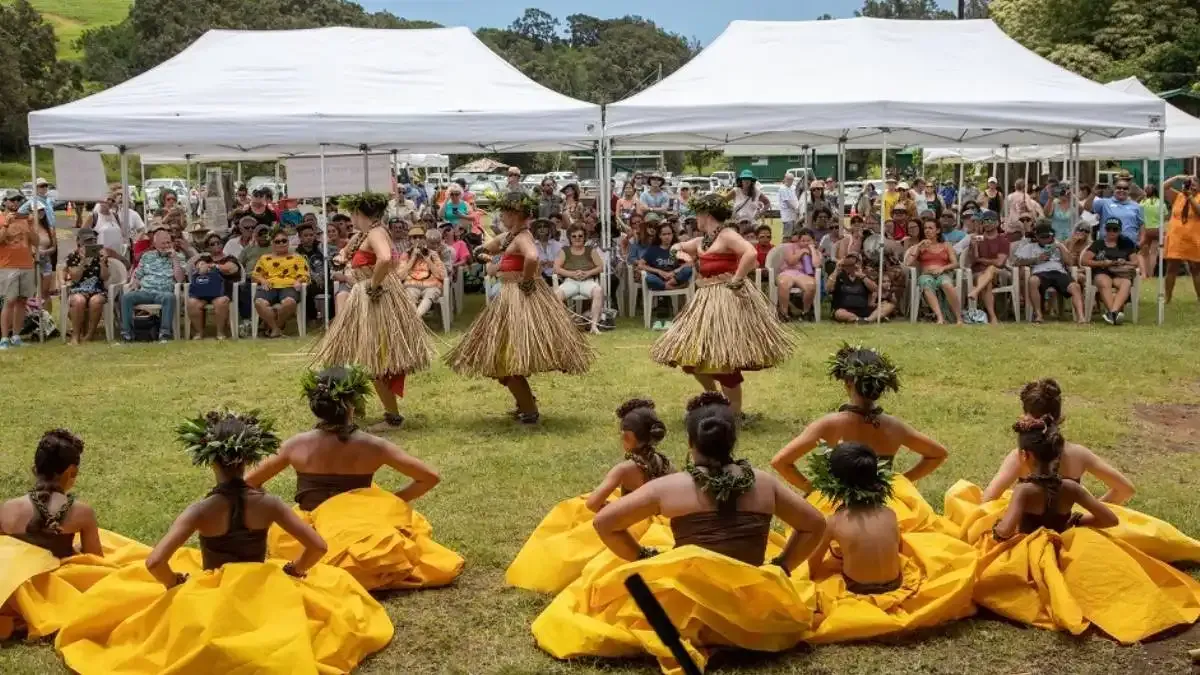
Cultural festivals in Hawaiʻi showcase the islands’ blended heritage. Events celebrating Japanese, Filipino, Chinese, Hawaiian, Portuguese, and Pacific Islander traditions are attended by people from all backgrounds. These festivals are not exclusive—they are communal.
This openness is a defining feature of Hawaiian culture. While each tradition is respected individually, they are also embraced collectively. The result is a shared identity that honors diversity without losing unity.
Modern Culture in Hawaiʻi
Today, Hawaiʻi’s culture continues to evolve. Contemporary music, art, fashion, and storytelling reflect both ancestral roots and modern influences. While globalization has introduced new challenges, many residents actively work to preserve cultural practices while allowing room for growth.
Education, community programs, and cultural revitalization efforts help ensure that future generations understand both where Hawaiʻi came from and where it is going. Culture here is not frozen in time—it is lived daily.
Why Hawaiʻi’s Culture Matters
Hawaiʻi’s cultural mixture offers an important lesson to the world. It demonstrates that diversity does not weaken identity—it strengthens it. Respect, shared experience, and community values have allowed Hawaiʻi’s culture to flourish in a way that feels authentic and inclusive.
For visitors and residents alike, understanding this cultural depth leads to deeper appreciation and more meaningful connections with the islands.
Helpful Resources on Hawaiian Culture
- https://www.hawaii.edu
- https://www.bishopmuseum.org
- https://www.hawaiiculture.org
- https://www.gohawaii.com
- https://www.nativehawaiians.com
Frequently Asked Questions About Culture in Hawaiʻi
What makes Hawaiian culture unique?
Hawaiian culture is unique because it blends Native Hawaiian traditions with influences from Asia, Europe, and the Americas, creating a shared local identity rooted in respect and community.
How did culture in Hawaiʻi become so diverse?
Hawaiʻi’s diversity developed through immigration during the plantation era, when workers from many countries lived and worked together, blending traditions over generations.
Is Native Hawaiian culture still practiced today?
Yes, Native Hawaiian culture remains alive through language revitalization, hula, traditional navigation, music, and cultural education.
What role does food play in Hawaiian culture?
Food is a major cultural connector in Hawaiʻi, representing shared history, family traditions, and the blending of global influences.
Why is language important to Hawaiian culture?
Language reflects history and identity. Hawaiian, English, and Pidgin all play roles in expressing Hawaiʻi’s multicultural culture.
How can visitors respectfully experience Hawaiian culture?
Visitors can learn about local history, support cultural events, respect the land, and approach traditions with humility and openness.
If you would like to read and learn more about interesting things in Hawaii! Check out our blog page here on our website!
or