

Table of Contents
The Road to Hana is one of Maui’s most iconic journeys. It offers an unforgettable adventure through lush jungles, thick rainforests, and deep-rooted cultural history. Spanning around 600 curves and more than 59 bridges, this breathtaking journey brings you through Maui's rugged coastline, past lush rainforests, and many stunning waterfalls. As you go through this picturesque paradise, expect panoramic views that seamlessly blend the beauty of the sparkling blue ocean and the vibrant green rainforests.
Crucial Tips for Your Journey
Before setting out on your adventure, keeping a few things in mind is important.
- While the Road to Hana is a stunning route for travelers, locals rely on it for their daily commutes to school, work, and home. Many of them are not sightseeing, so it’s essential to be mindful of others. Be courteous and let locals pass when needed.
- It’s equally important to respect the signs along the road. If a sign reads "No Entry," "No Parking," or "Locals Only," there’s a good reason. The road is narrow, and parking in these areas can impede local traffic, including large vehicles transporting goods to the communities. Ignoring these warnings can result in accidents or injury, so always follow the signs and be aware of your surroundings.
- Additionally, many waterfalls along the route have been closed for public access, as the streams are used by locals for daily needs like bathing and cooking. Unfortunately, pollution from visitors has led to these closures. Respect for the land and its residents is crucial.
Beating the Hana Traffic
Start the Journey Early
One of the best ways to experience the Road to Hana without the hassle of bumper-to-bumper traffic is to start your journey early in the morning. The road tends to get crowded throughout the morning, with visitors flocking to experience Hana’s beauty. By getting an early start, you'll enjoy fewer cars on the road, allowing you more freedom to stop and take in the sights at your own pace.
Explore the Backside of Hana
Another way to explore this iconic route is by driving around the backside of Hana. Starting from Upper Kula, you'll discover a different perspective of the island with unique landscapes, hidden beaches, and secluded hiking trails. This route provides a distinct contrast to the more popular Road to Hana, offering an unforgettable journey through Maui’s untouched beauty.
Must-See Stops on the Road to Hana
Along the way, there are several unforgettable stops where you can immerse yourself in Maui's natural beauty. Whether you’re drawn to scenic hikes, dreamy waterfalls, or local culinary delights, here are some top recommendations:
Jaws
If you're a surf enthusiast, Jaws is an unmissable stop on your journey. This legendary surf spot, accessible only by four-wheel-drive vehicles, is famous for its colossal waves, which can reach up to 60 to about 85 feet in the winter months (December to February). This notorious wave is known as “the 2nd largest wave in the world.” Jaws only breaks for a few days during the winter season, giving many world-class surfers just a few days to try and catch this monster. Pe'ahi, when it is going off, offers a thrilling spectacle for those fortunate enough to witness it.

Twin Falls
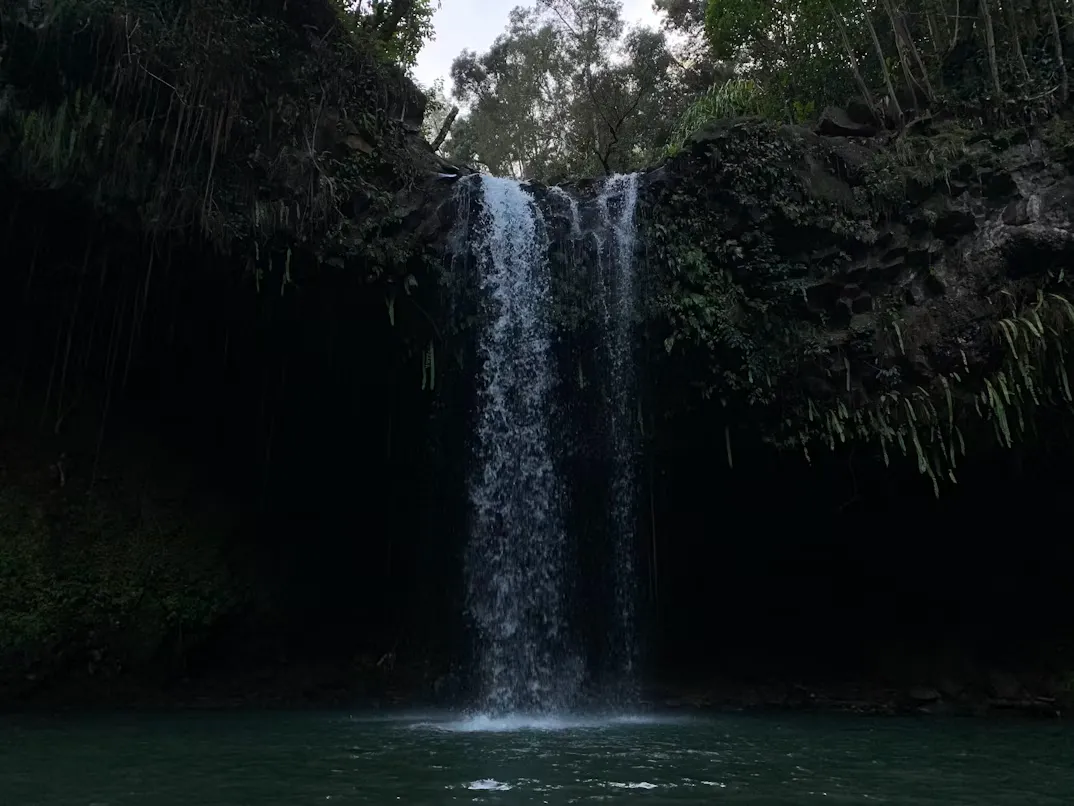
At the start of your adventure to Hana, you will likely come across many cars turning into an area known as Twin Falls. If you are looking for a quiet place to relax, take in the rainforest plants, and enjoy beautiful hikes to waterfalls, then Twin Falls should be on your list. While the name suggests two waterfalls, you’ll actually find four to five cascading falls, all reachable by easy, scenic hikes. This family-friendly destination offers perfect photo opportunities and the chance to cool off in the crystal-clear pools beneath the falls. After your hike, make sure to stop by the local farm stand for fresh tropical fruit, refreshing juices, and some of the best banana bread on the island.
Waikamoi Ridge Trail
For a quieter, less trafficked escape, head to the Waikamoi Ridge Trail. This trail is located just past mile marker 9 on your journey, between Twin Falls and Ke'anae. Visitors often overlook this peaceful trail, which offers stunning views of lush rainforest plants and surrounding landscapes. The hike is very short, just under a mile, but be very cautious, as after some rain it can become very slippery. Always proceed with caution. For those who love to adventure and take the road less traveled, this spot is perfect for those who love to listen to the many sounds of the Hana rain forest.
Garden of Eden Arboretum
The Garden of Eden Arboretum offers an experience like no other. You can't miss it as you pass it on the road to Hana. This destination can be found between mile markers 10 and 11 and is a must-visit for those who appreciate the beauty, landscape, and history of an area. This Garden was established in 1991 by Maui’s first ISA-certified arborist, showcasing Maui's diverse rainforest plants, rich ecosystem, and exotic birds such as the peacock. Famous for the picturesque bamboo alleys and the largest collection of Ti leaf plants in Hawaii. This area is also known for the world-renowned Jurassic Park, as the opening scene was filmed in this ridge. In addition to its botanical wonders, the garden provides panoramic views of the ocean, rainforest, and the stunning Puohokamoa Falls.
Kaumahina State Wayside Park
If you are ever in need of a quick break, Kaumahina State Wayside Park offers a chance to stretch your legs, use the restroom, and take in some incredible views of Maui's coast. This stop offers a short walk up the ridge to bask in the view of the area and is also guarded by guard rails for safety. While the facilities may not be pristine, it’s a welcoming stop during your journey, and if you prefer a cleaner stop, the Ke‘anae Peninsula is a little further down the road.
Aunty Sandy’s Banana Bread
Aunty Sandy's Banana Bread is an iconic stop on the Road to Hana. Since 1983, Aunty Sandy Hueu has been baking her famous banana bread in Keʻanae, and in 2003, her daughter Tammy joined the family business to open a food stand that has since become a must-visit spot. Featured in magazines and on Gordon Ramsay’s Uncharted series, Aunty Sandy's stand continues to serve up fresh, delicious banana bread that has earned a loyal following.
Ke‘anae Valley Overlook
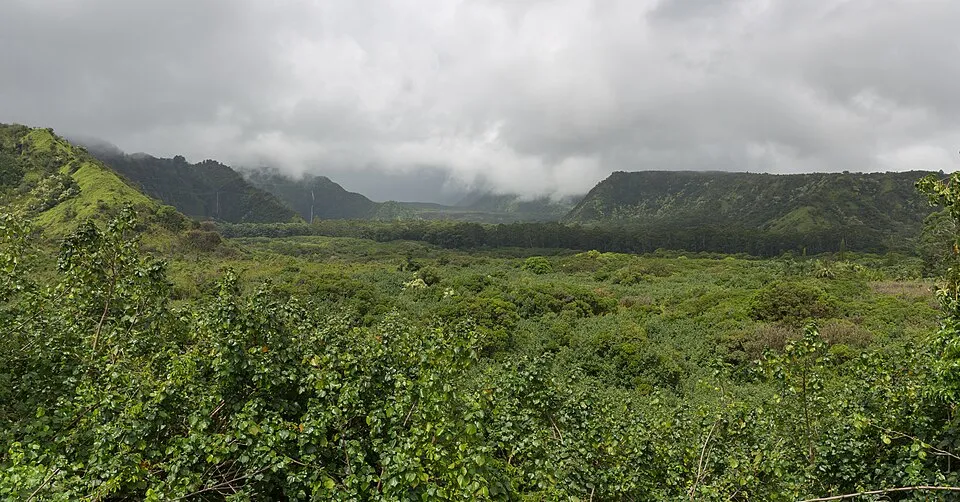
The Ke‘anae Valley Overlook has one of the most picturesque views on the island. From here, you can see the valley’s fertile taro patches, still cultivated by local farmers. Ke‘anae has long been known for its taro cultivation, with much of the land still dedicated to this ancient practice. The overlook also provides insight into the area’s tragic history, including the devastation caused by the 1946 tsunami, which wiped out much of the village. Today, the Ke‘anae Congregational Church, the only structure left standing, remains as a poignant reminder of the resilience of the community.
Halfway to Hana Food Stand
About halfway to Hana, you will come across a general store and it is the perfect place to The Halfway to Hana Food Stand offers a variety of snacks, including banana bread, shaved ice, burgers, and sandwiches. It’s a great place to stop, especially if you're short on time or traveling with children, and serves as the perfect halfway point for your journey. A great place to take a breath from the many curves.
Wailua Valley State Wayside Park
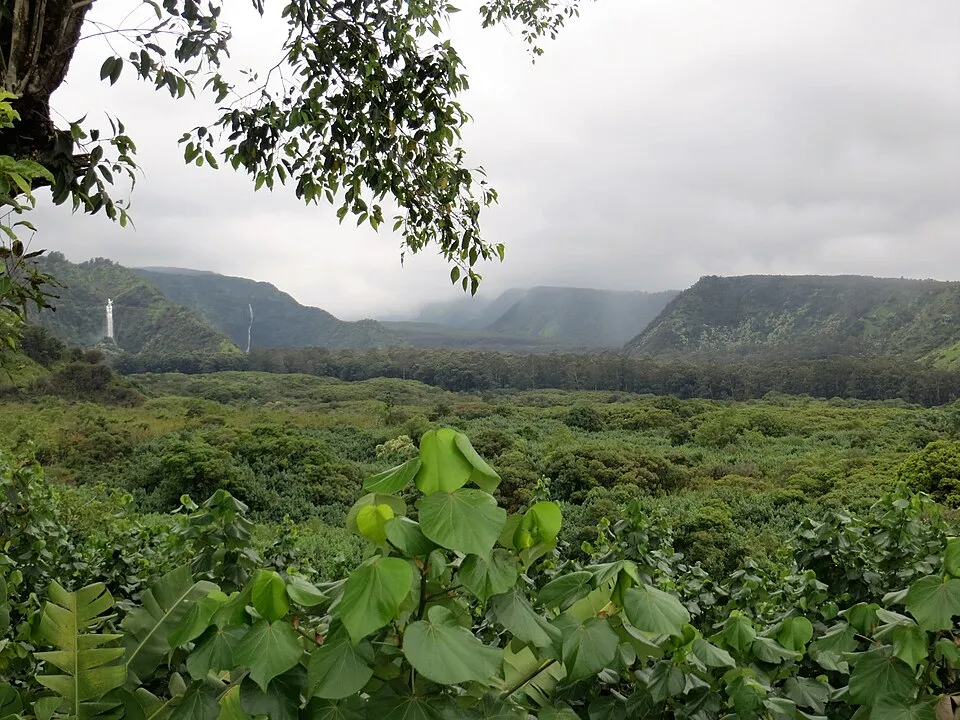
For a stunning view of the island, stop at Wailua Valley State Wayside Park. From this scenic overlook, you’ll have panoramic views of Wailua Town, the Coral Miracle Church, and Maui’s rolling hills, the towering peaks of Hale'akalā, and many cascading waterfalls. The beauty of this location perfectly encapsulates the untouched wilderness of the island.
Waianapanapa State Park
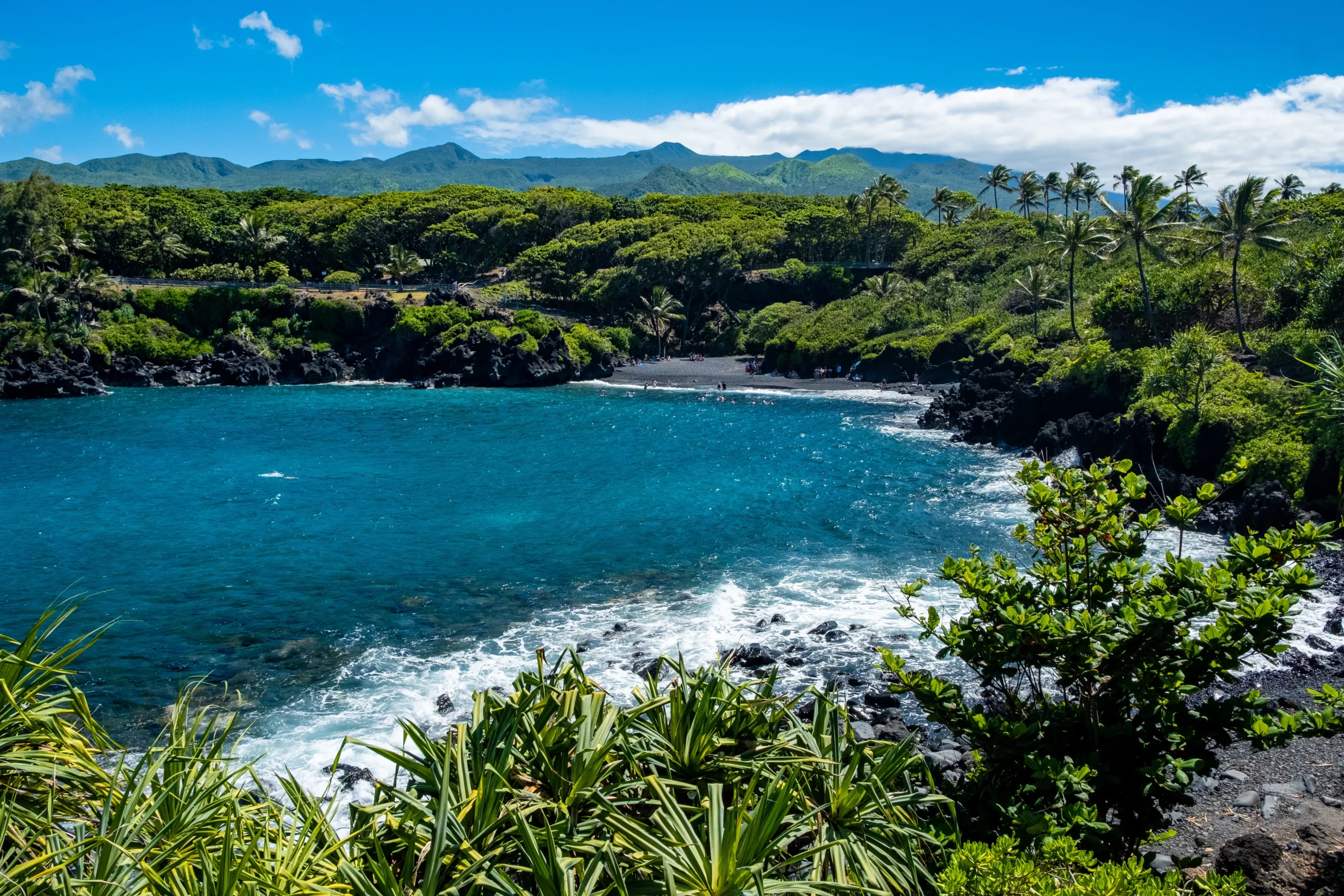
The legendary Waianapanapa State Park known as the iconic black sand beach in Hana is a coastal masterpiece. Offering stunning views of the ocean, sea caves, and vibrant rainforest plants this rugged coastline invites adventurers to explore the beauty of the Pacific. The sound of the waves crashing and wind blowing echoes throughout the many sea caves in this geological landscape, offering a very interesting sensory experience. Explore the many hiking trails along this coast and immerse yourself in the beauty of scenic points, lush tropical foliage, and the many cultural sites. Waianapanapa and its captivating black sand offers an experience through the contrasting landscapes of Maui’s breathtaking northshore.
The Road to Hana’s Rich History
The Road to Hana isn’t just a scenic drive—it’s a journey through the heart of Maui’s history. Originally created to connect remote areas, the road has evolved into a world-renowned route that offers not only stunning views but also a deeper connection to the island’s cultural heritage. From ancient footpaths to a vital transportation route, the Road to Hana serves as a testament to Maui’s past and its enduring connection to nature. Whether you're drawn to the landscapes, the culture, or the history, this is a journey that promises unforgettable memories.
If you are looking for an easy-going and amazing guide for the Road to Hana or anywhere else, the Shaka Guide app is a must! They have audio tours that are interactive in a way that will allow you to drive and learn! Check them out here:
Shaka Guide: Road to Hana Itinerary
Whether you're an adventurer, nature lover, or history buff, the Road to Hana is an experience you won't soon forget. Plan your journey carefully, respect the land and its people, and enjoy every moment of this unique and unforgettable route.
Helpful Links
- Road to Hāna – GoHawaii — Official Hawaiʻi visitor information for exploring Hāna and East Maui.
- Waiʻānapanapa State Park Reservations — Reserve parking and entry for Maui’s famous black sand beach before your Road to Hāna trip.
- Haleakalā National Park – Kīpahulu District — Official information for visiting the Pīpīwai Trail, Kīpahulu, and other attractions beyond Hāna.
- Maui Weather – National Weather Service — Check current Maui weather and forecasts before beginning your drive.
- NorthShore Zipline Maui Blog — Explore more Maui guides covering waterfalls, Hāna, beaches, hiking, North Shore attractions, and outdoor adventures.
Frequently Asked Questions About the Road to Hāna
What is the Road to Hāna?
The Road to Hāna is one of Maui’s most famous scenic drives, following Hāna Highway through the lush North Shore and East Maui. The journey is known for tropical rainforest, waterfalls, one-lane bridges, coastal views, beaches, roadside stands, and numerous opportunities to stop and explore.
Is the Road to Hāna worth doing?
Yes. For travelers who enjoy nature, scenic drives, waterfalls, hiking, and exploring beyond Maui’s resort areas, the Road to Hāna can be one of the highlights of a Maui vacation. The journey itself is a major part of the experience rather than simply reaching Hāna town.
How long does the Road to Hāna take?
Most visitors should plan an entire day for the Road to Hāna. Driving time depends heavily on where you begin, traffic, weather, and how many stops you make. Starting early gives you more time to explore without feeling rushed.
Can you do the Road to Hāna in one day?
Yes. Many visitors complete the Road to Hāna as a full-day trip. However, trying to visit every waterfall, beach, trail, and viewpoint in one day is unrealistic. Choosing several priority stops usually creates a more enjoyable experience.
What are the best stops on the Road to Hāna?
Popular Road to Hāna stops include Twin Falls, the Keʻanae Peninsula, Puaʻa Kaʻa State Wayside, Waiʻānapanapa State Park, Hāna town, and the Kīpahulu District of Haleakalā National Park. Which stops are best depends on your interests and how much time you have.
Do you need reservations for the Road to Hāna?
You do not need a reservation simply to drive the Road to Hāna. However, certain attractions along the route have their own reservation or entrance requirements. Most notably, non-Hawaiʻi residents need advance reservations to visit Waiʻānapanapa State Park.
Do you need reservations for the black sand beach on the Road to Hāna?
Yes. Nonresident visitors need advance reservations for Waiʻānapanapa State Park, home to Maui’s famous black sand beach. Reservations include designated entry periods, and visitors should book before beginning their Road to Hāna trip.
How far in advance should you reserve Waiʻānapanapa State Park?
Waiʻānapanapa reservations can currently be made up to 30 days in advance. Popular periods can sell out, so travelers should reserve their preferred time as soon as their date becomes available.
What time should you start the Road to Hāna?
Starting early in the morning is generally best. An early departure gives you more daylight for waterfalls, hiking, beaches, and sightseeing and reduces the pressure to rush through stops later in the day.
Where does the Road to Hāna start?
Most visitors consider Pāʻia and the beginning of Hāna Highway along Maui’s North Shore the gateway to the Road to Hāna. From there, the route continues east through areas such as Hoʻokipa, Haʻikū, Keʻanae, and eventually Hāna.
How many curves are on the Road to Hāna?
The Road to Hāna is famous for having more than 600 curves along with dozens of bridges. The winding road is one reason the drive takes considerably longer than the mileage alone might suggest.
Is the Road to Hāna difficult to drive?
The drive requires attention and patience because of its many curves, narrow sections, bridges, changing weather, and local traffic. Drivers who are comfortable with winding roads can generally manage the journey by driving cautiously and following traffic laws.
Is the Road to Hāna scary?
That depends on the driver. Some visitors find the narrow roads, curves, bridges, and occasional steep drop-offs intimidating, while others find the drive manageable. Drive slowly, remain alert, and never feel pressured to travel faster than conditions safely allow.
Should I drive the Road to Hāna myself or take a tour?
Both are good options. Driving yourself provides more flexibility over where and how long you stop. A guided tour allows everyone in your group to enjoy the scenery without having to navigate the winding road and may also provide additional information about East Maui’s history, environment, and culture.
Do I need a 4WD vehicle for the Road to Hāna?
A four-wheel-drive vehicle is not normally necessary for the traditional paved route to Hāna. Travelers should check current road conditions and their rental-car agreement before attempting alternate routes or driving beyond the areas typically included in a standard Road to Hāna trip.
Can you drive all the way around the Road to Hāna?
Some maps show a route continuing beyond Kīpahulu and around Maui’s southeastern side, but conditions and access can vary. Sections beyond the traditional Road to Hāna route may be narrow, rough, remote, closed, or prohibited by certain rental-car agreements. Check current official road information and your rental agreement rather than assuming the full loop is available.
Is the Road to Hāna safe when it rains?
Light rain is common in East Maui, but heavier rainfall can create hazardous driving conditions, reduced visibility, falling debris, flooding, and rapidly rising streams. Check the weather before leaving, respect closures and warning signs, and never cross flooded roads or streams.
Can you swim in waterfalls on the Road to Hāna?
Some areas along the route may allow swimming when conditions are appropriate, but not every waterfall or pool is safe or legally accessible. Flash flooding, falling rocks, currents, slippery terrain, and private property can create serious hazards. Follow posted signs and never enter restricted areas.
What should I bring on the Road to Hāna?
Bring plenty of drinking water, snacks, comfortable shoes, sun protection, rain protection, towels, insect repellent, and a change of clothes if you plan on swimming. Downloading maps or directions before leaving can also be helpful because cellular service may be limited in portions of East Maui.
Are there bathrooms along the Road to Hāna?
Yes, restrooms are available at certain parks and developed stops along the route, but they are not available everywhere. Take advantage of facilities when you encounter them rather than assuming another restroom will be immediately available.
Are there places to eat on the Road to Hāna?
Yes. Travelers can find local fruit stands, food trucks, cafés, and other places to eat along portions of the route and in Hāna. Hours can vary, so carrying water and snacks is still a good idea.
Is the Road to Hāna good for kids?
It can be a fantastic family experience, particularly for children who enjoy waterfalls, forests, beaches, and exploring outdoors. However, the long winding drive can cause motion sickness, and parents should carefully supervise children around streams, waterfalls, cliffs, and roadways.
What is the best day of the week to drive the Road to Hāna?
There is no single day that guarantees fewer crowds or perfect conditions. Weather, holidays, visitor volume, and local traffic can all affect the experience. Starting early and avoiding an overly ambitious itinerary can be more important than choosing a specific weekday.
Can you visit Waiʻānapanapa and the Pīpīwai Trail on the same Road to Hāna trip?
Yes, but careful planning is important. Waiʻānapanapa requires a scheduled reservation for nonresident visitors, while the Pīpīwai Trail is farther beyond Hāna in the Kīpahulu District of Haleakalā National Park. Completing both along with numerous roadside stops can make for a very long day.
Where is the bamboo forest on the Road to Hāna?
The famous bamboo forest commonly associated with the Road to Hāna is located along the Pīpīwai Trail in the Kīpahulu District of Haleakalā National Park, beyond Hāna town. The bamboo forest begins approximately one mile into the trail.
Is the Road to Hāna better than Haleakalā?
They offer completely different experiences. The Road to Hāna showcases Maui’s tropical rainforest, waterfalls, coastline, and East Maui communities, while the Haleakalā Summit District features a high-elevation volcanic landscape. If your itinerary allows, experiencing both provides a much broader look at Maui’s extraordinary geography.
Should you stay overnight in Hāna?
Staying overnight can be a great option for travelers who want to explore East Maui at a slower pace. It provides more time for Hāna, Waiʻānapanapa, Kīpahulu, hiking, and other stops without trying to fit everything into one long driving day.
What should you not do on the Road to Hāna?
Avoid trespassing on private property, blocking roads or driveways, parking illegally, ignoring closures, leaving trash behind, and entering unsafe streams or waterfalls. Visitors should also allow local traffic to pass when it is safe to pull over and remember that Hāna Highway is an essential roadway for East Maui residents, not simply a tourist attraction.
What else can you do near the beginning of the Road to Hāna?
Before heading deep into East Maui, visitors can explore Pāʻia, Hoʻokipa, Haʻikū, local restaurants, beaches, and other North Shore attractions. NorthShore Zipline is also located in Haʻikū for travelers looking to add a rainforest adventure to their Maui itinerary.
If you would like to read and learn more about interesting things in Hawaii! Check out our blog page here on our website!
or
Image Credits:
Hero:
.
Photo: Margaret Hallahan, via Wikimedia Commons. Licensed under Creative Commons Attribution-ShareAlike 4.0 International (CC BY-SA 4.0).
"waterfalls in the middle of the forest" by Tuva Hoyer, via Unsplash
Photo: Ekrem Canli, via Wikimedia Commons. Licensed under Creative Commons Attribution-ShareAlike 4.0 International (CC BY-SA 4.0)
"Forest in bay on sea shore" by Kelsey, via PexelsPhoto: Boydsk2000, via Wikimedia Commons. Licensed under Creative Commons Attribution-ShareAlike 4.0 International (CC BY-SA 4.0)