
Table of Contents
If you’re searching for the top attractions in Maui, Hawaii, start with Haleakalā National Park, the Road to Hāna, Waiʻānapanapa State Park, ʻĪao Valley, Maui’s North Shore, Kāʻanapali Beach, Molokini, and Upcountry Maui. Together, these destinations showcase the island’s volcanic landscapes, rainforests, waterfalls, beaches, Hawaiian culture, marine life, and outdoor adventures.
Maui is known as the Valley Isle, and one of the island’s greatest attractions is its variety. In a single vacation, travelers can watch the sun rise above the clouds at more than 10,000 feet, drive through a tropical rainforest, snorkel above a volcanic crater, walk along a black-sand beach, and explore the cooler slopes of Upcountry Maui.
Here are some of the best attractions and places to visit in Maui when planning your trip.
Haleakalā National Park
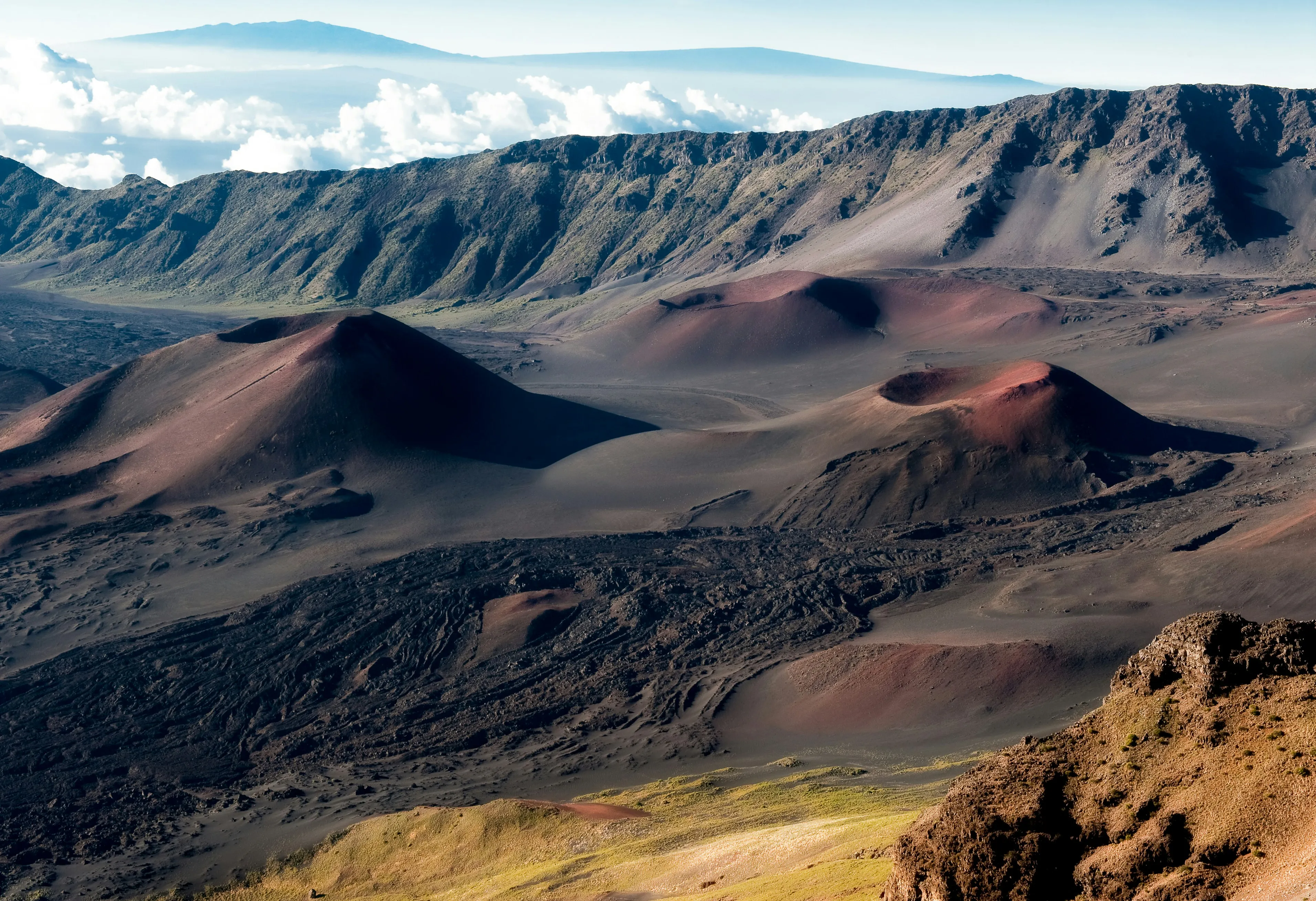
Rising to 10,023 feet above sea level, Haleakalā is one of Maui’s most recognizable natural landmarks. The Summit District of Haleakalā National Park offers a landscape dramatically different from Maui’s beaches: volcanic cinder cones, sweeping crater views, high-elevation trails, and viewpoints that can sit above the clouds.
Sunrise is the famous experience, but it requires advance planning. The National Park Service currently requires a separate sunrise reservation for vehicles entering the Summit District between 3:00 a.m. and 7:00 a.m. Reservations are available through Recreation.gov up to 60 days in advance, with another portion released two days before the visit.
Sunset is another option and does not currently require a sunrise-style reservation, although parking can reach capacity.
Visitors should also remember that Haleakalā can be surprisingly cold and windy. Temperatures near the summit can be dramatically lower than at sea level, so bring warm layers even if your day begins at the beach.
Best for: sunrise and sunset views, hiking, photography, volcanic scenery, and stargazing.
The Road to Hāna
The Road to Hāna is not simply a drive to Hāna—it is an attraction in itself.
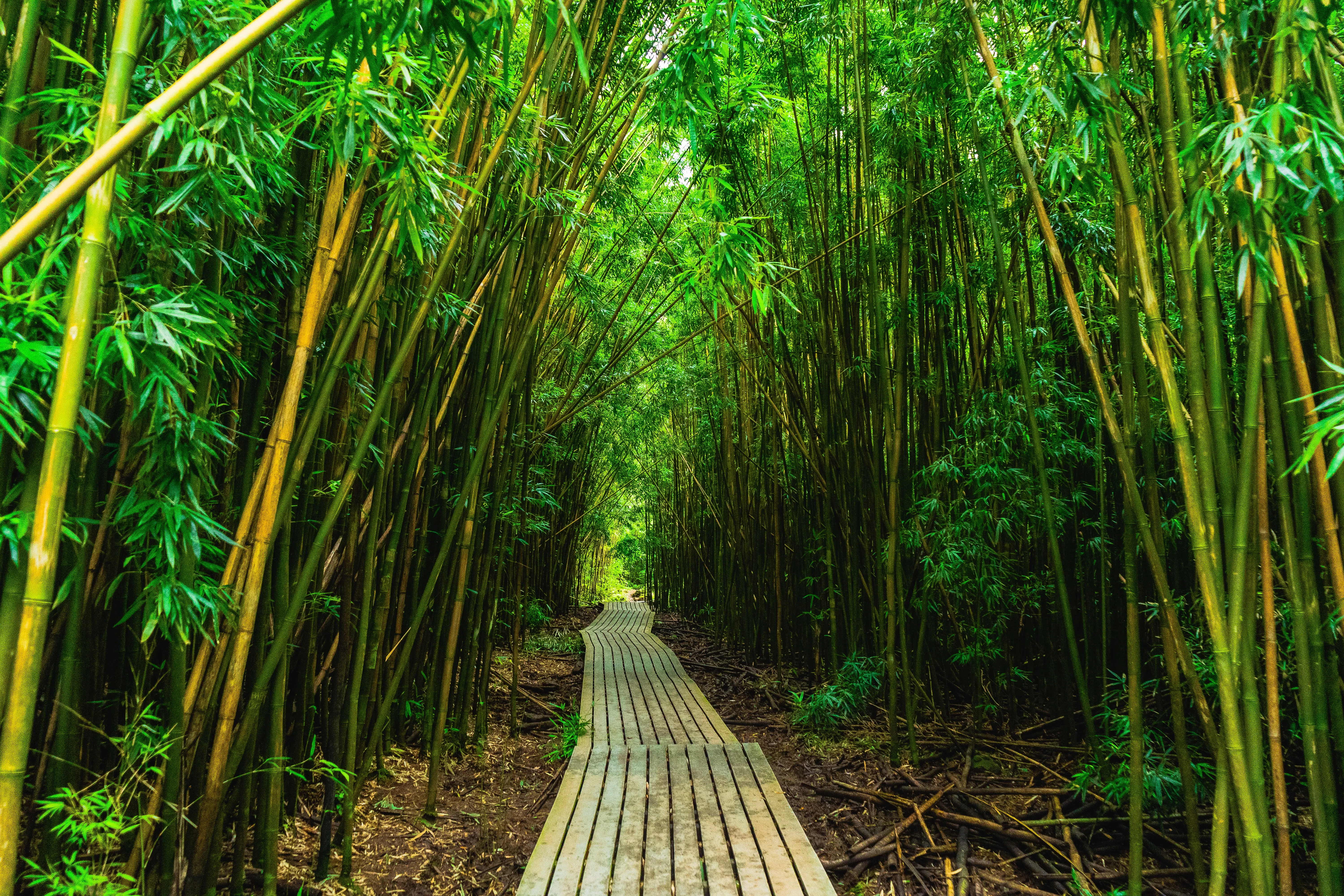
The journey along East Maui takes travelers through lush rainforest scenery, past waterfalls, ocean cliffs, tropical vegetation, historic bridges, and small communities. Popular stops can include Keʻanae Peninsula, waterfalls along the Hāna Highway, Hāna Town, Waiʻānapanapa State Park, and the Kīpahulu District of Haleakalā National Park.
Instead of trying to stop at every roadside attraction, choose a smaller number of meaningful stops and give yourself time to enjoy them. The road is narrow and winding in many places, and local residents depend on it for everyday travel.
If you plan to visit Waiʻānapanapa State Park, do not treat it as an unplanned roadside stop. Out-of-state visitors currently need advance parking and entry reservations, which can be booked up to 30 days ahead. Hawaiʻi residents with valid state identification are exempt from the reservation and fee requirement.
Best for: waterfalls, rainforest scenery, scenic driving, photography, and exploring East Maui.
Waiʻānapanapa State Park
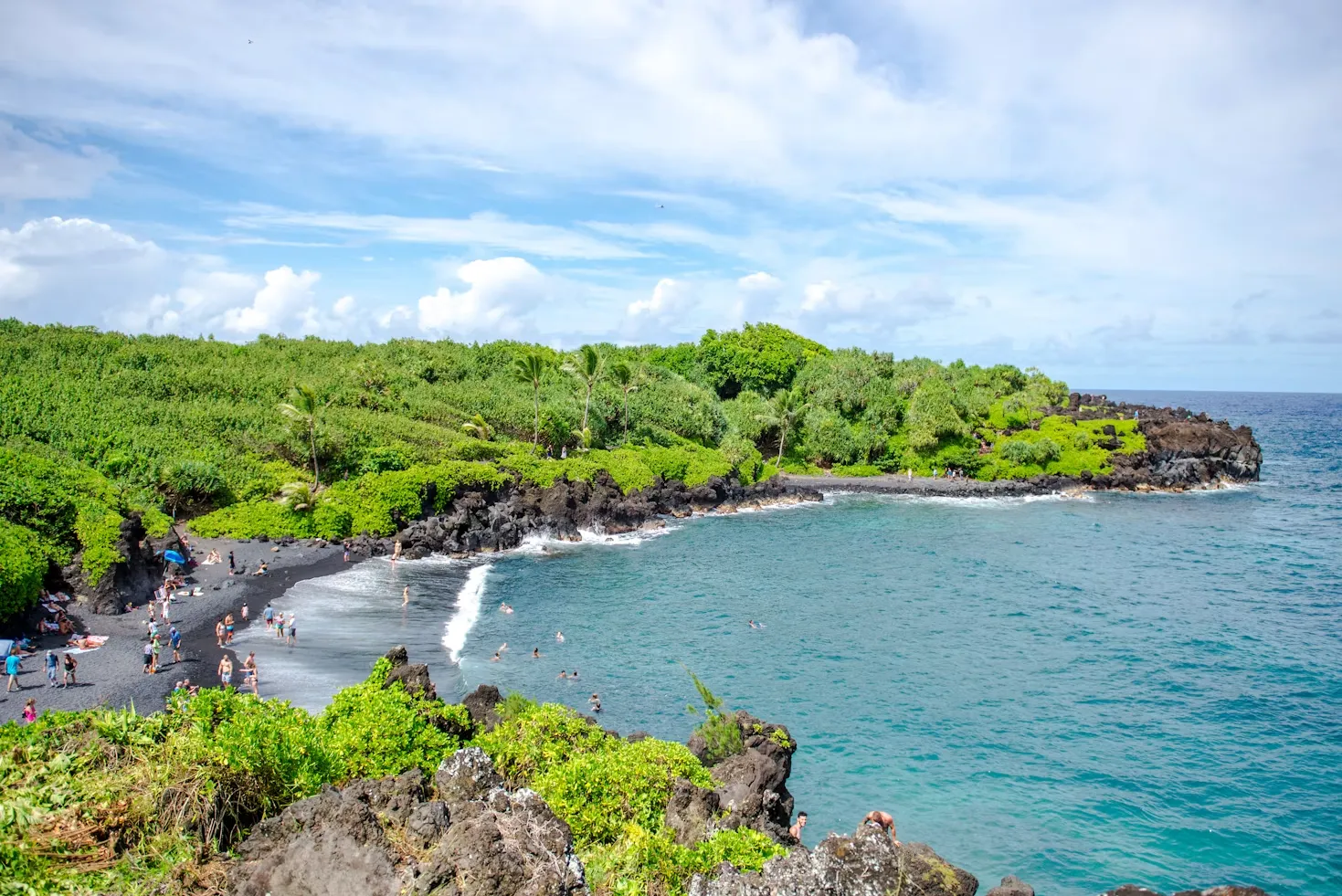
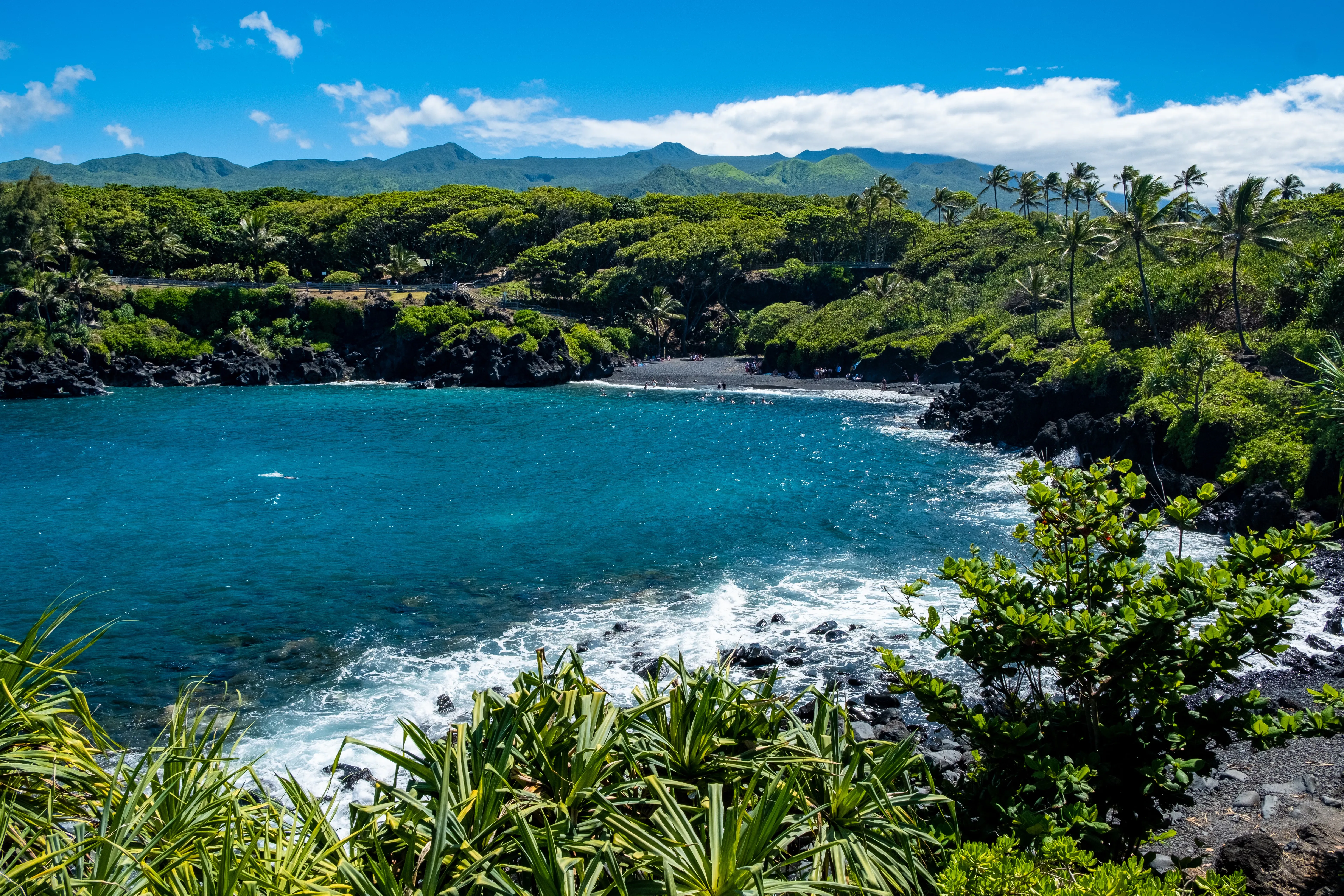
Located near Hāna, Waiʻānapanapa State Park is famous for its dramatic volcanic coastline and black-sand beach.
The contrast between dark volcanic rock, blue Pacific water, and thick green vegetation makes this one of the most distinctive landscapes on Maui. Beyond the beach itself, the coastal setting is a major part of the experience.
Because entry is controlled through timed reservations for nonresidents, travelers should coordinate their reservation with the rest of their Road to Hāna itinerary rather than assuming they can simply arrive whenever they reach Hāna.
Best for: black-sand scenery, coastal views, photography, and Road to Hāna itineraries.
ʻĪao Valley State Monument
For a completely different side of Maui, head into the lush mountains of Central Maui at ʻĪao Valley State Monument.
The valley is surrounded by steep, green ridges shaped by water and erosion over countless years. Its best-known landmark is Kukaʻemoku, commonly called the ʻĪao Needle.
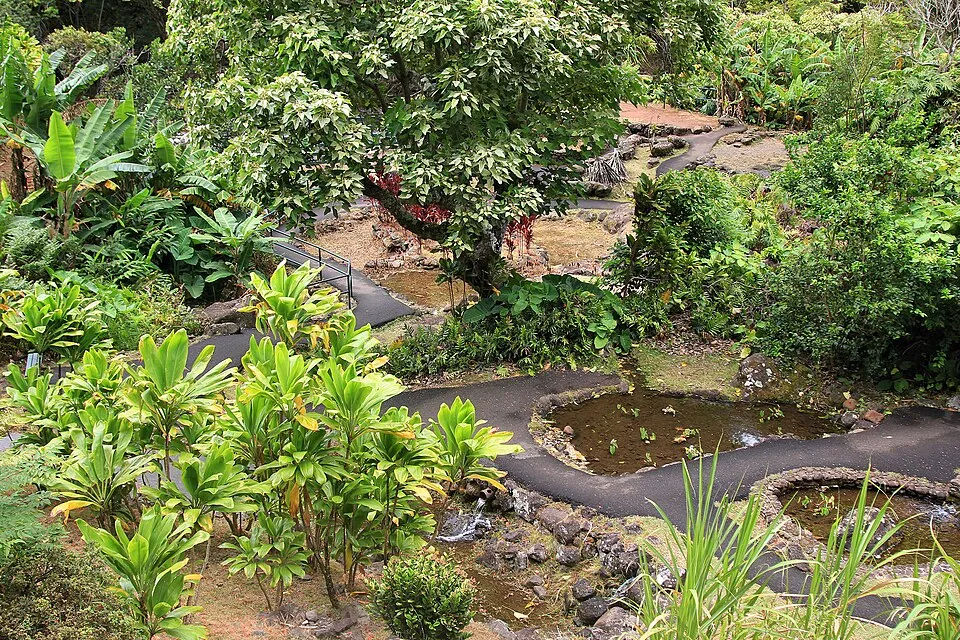
ʻĪao Valley is also culturally and historically significant. The valley was the site of the Battle of Kepaniwai in 1790, an important event during Kamehameha I’s campaign to unite the Hawaiian Islands.
Non-Hawaiʻi residents currently need advance reservations to enter ʻĪao Valley State Monument. Hawaiʻi residents with valid state identification are exempt, although parking is not guaranteed when the lot reaches capacity.
Best for: Hawaiian history, mountain scenery, short walks, families, and photography.
Explore Maui’s North Shore
Maui’s North Shore offers a noticeably different atmosphere from the resort areas of Wailea and Kāʻanapali.
Pāʻia is a convenient starting point for exploring the region, while Hoʻokipa Beach Park is internationally known for ocean sports and powerful winter surf. Continue toward Haʻikū and the landscape becomes increasingly lush, with tropical vegetation, agricultural land, and outdoor adventures.
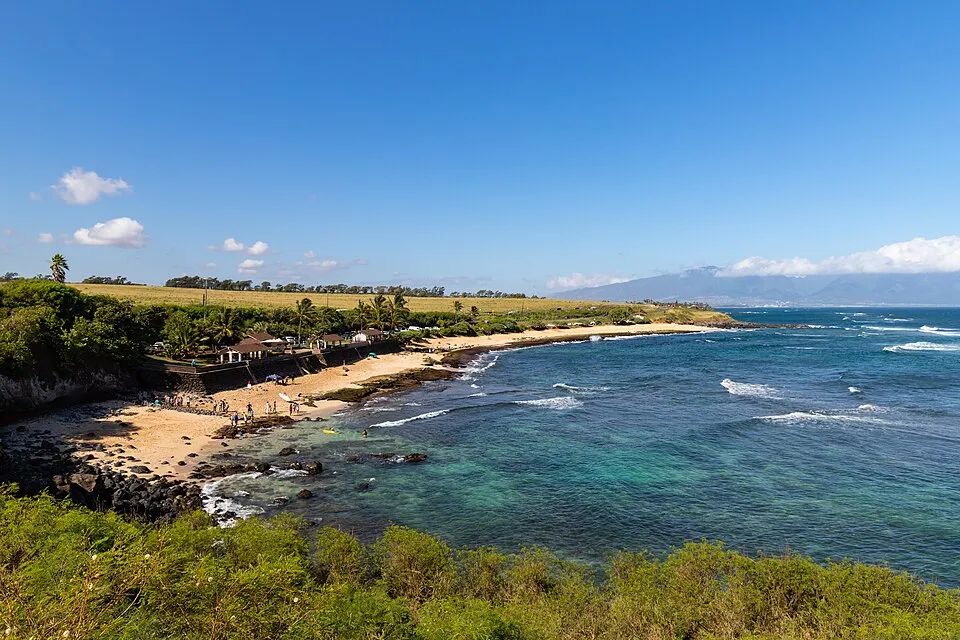
For travelers looking to add something more active to their Maui itinerary, NorthShore Zipline in Haʻikū offers a way to experience Maui from above the forest while exploring a historic property on the North Shore.
The North Shore also fits naturally into a day that includes Pāʻia, Hoʻokipa, Haʻikū, or the beginning of the Road to Hāna.
Best for: outdoor adventure, surfing scenery, scenic drives, local communities, and exploring beyond Maui’s resort districts.
Molokini Crater
A few miles off Maui’s southwestern coast, Molokini is one of the island’s most recognizable snorkeling and diving destinations.
The crescent-shaped islet is the exposed southern rim of an extinct volcanic crater. Its protected inner cove contains reef habitat and a variety of marine life, while the deeper back wall drops to more than 200 feet in places. Molokini is protected as a Marine Life Conservation District, and landing on the islet itself is prohibited because it is also a seabird sanctuary.
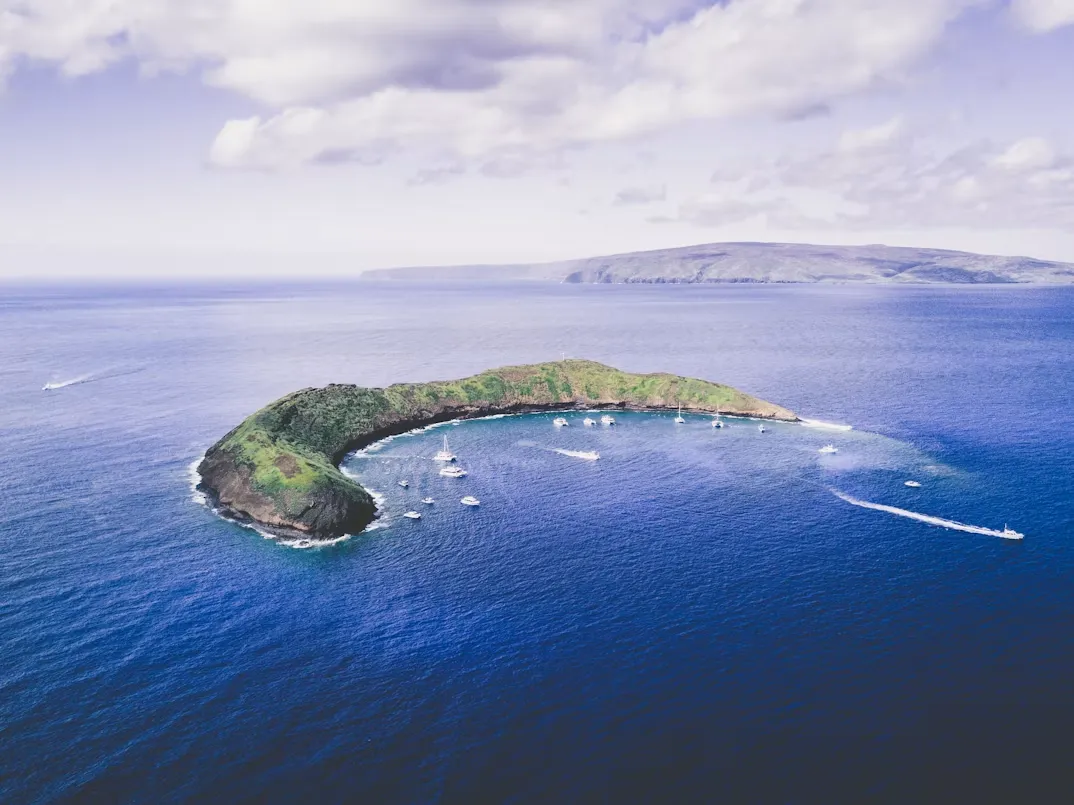
Because Molokini is offshore, visitors reach it by boat. Conditions often favor morning excursions because winds and currents can strengthen later in the day.
Best for: snorkeling, scuba diving, boat excursions, marine life, and underwater photography.
Kāʻanapali Beach and West Maui
Travelers looking for the classic Maui combination of sand, swimming, resorts, restaurants, and sunsets will find it along Kāʻanapali Beach.
This stretch of West Maui is particularly convenient for travelers who want beach time without spending an entire day driving around the island. Snorkeling, swimming, sunset walks, and ocean excursions can all be incorporated into a relaxed day.
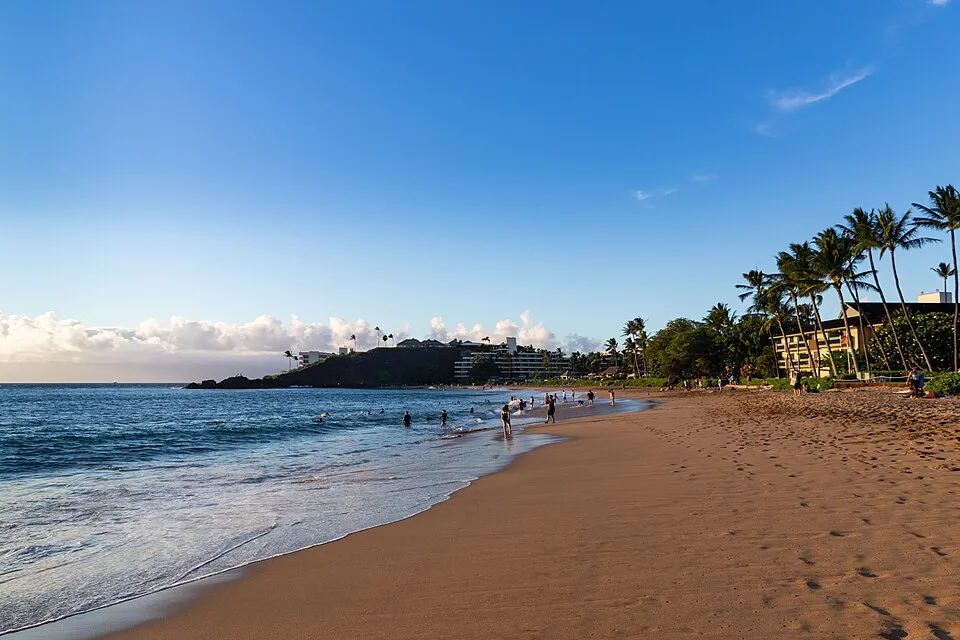
Farther north, the Kapalua area offers additional beaches, coastal scenery, and trails, making West Maui worth exploring beyond the major resort properties.
Best for: beaches, swimming, sunsets, resort stays, and relaxing days near the ocean.
Upcountry Maui
Maui is much more than its coastline.
Upcountry Maui, on the slopes of Haleakalā, includes communities such as Makawao and Kula. Higher elevation creates cooler temperatures and a landscape filled with farms, ranch country, forests, gardens, and expansive views toward Maui’s central valley and coastline.
Makawao is known for its paniolo—or Hawaiian cowboy—history, while Kula provides a scenic transition between Central Maui and Haleakalā.
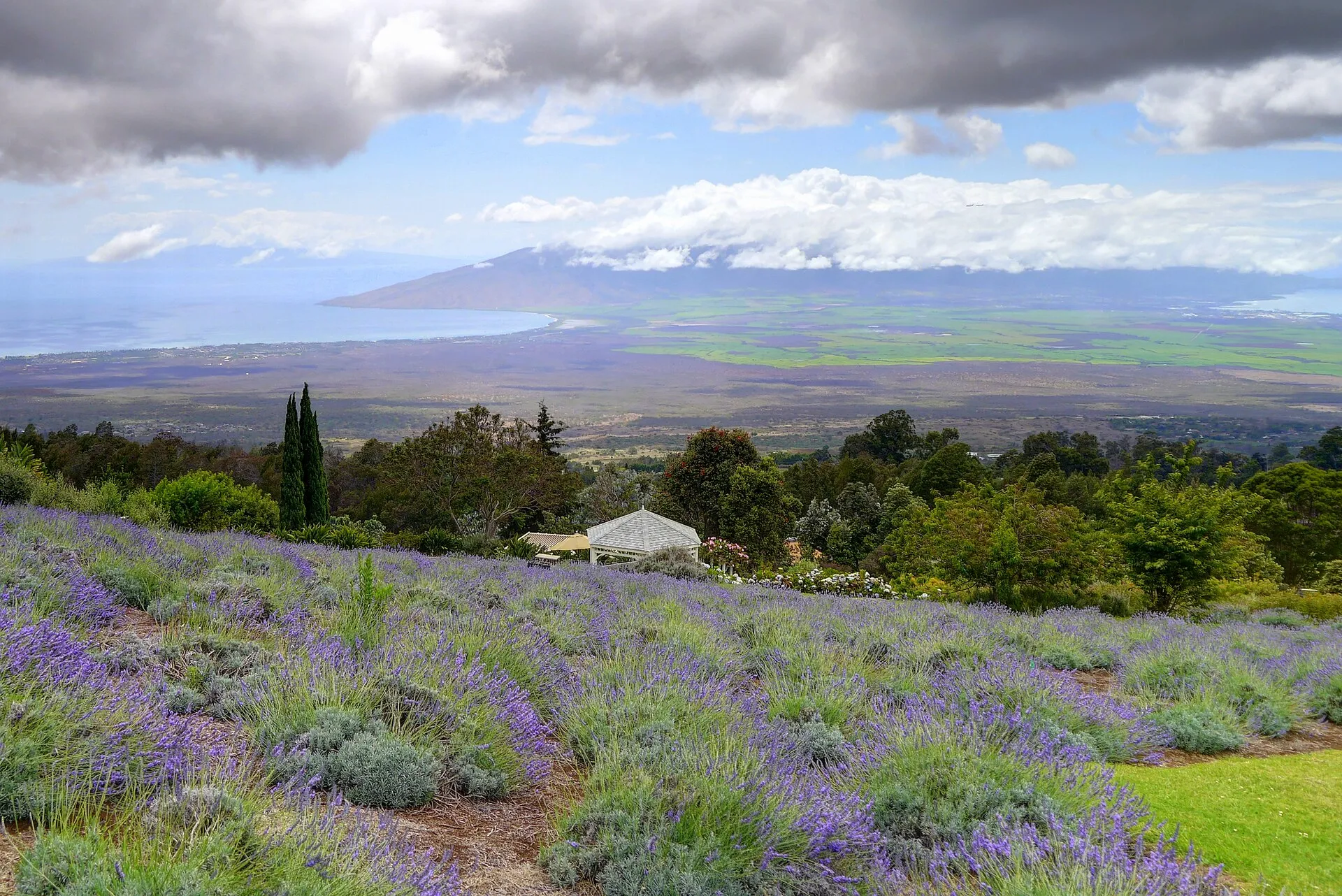
Upcountry is especially easy to combine with a Haleakalā visit, turning the journey to or from the summit into a larger day of exploring rather than simply driving up the mountain and back.
Best for: scenic drives, local history, farms, cooler weather, food stops, and exploring a less beach-focused side of Maui.
Seasonal Humpback Whale Watching
If you visit Maui during winter, the ocean itself becomes one of the island’s greatest attractions.
Thousands of North Pacific humpback whales migrate to Hawaiian waters during winter and spring to breed, give birth, and nurse their calves. NOAA says humpbacks are generally seen in Hawaiʻi from November through April, with peak season typically occurring from January through March.
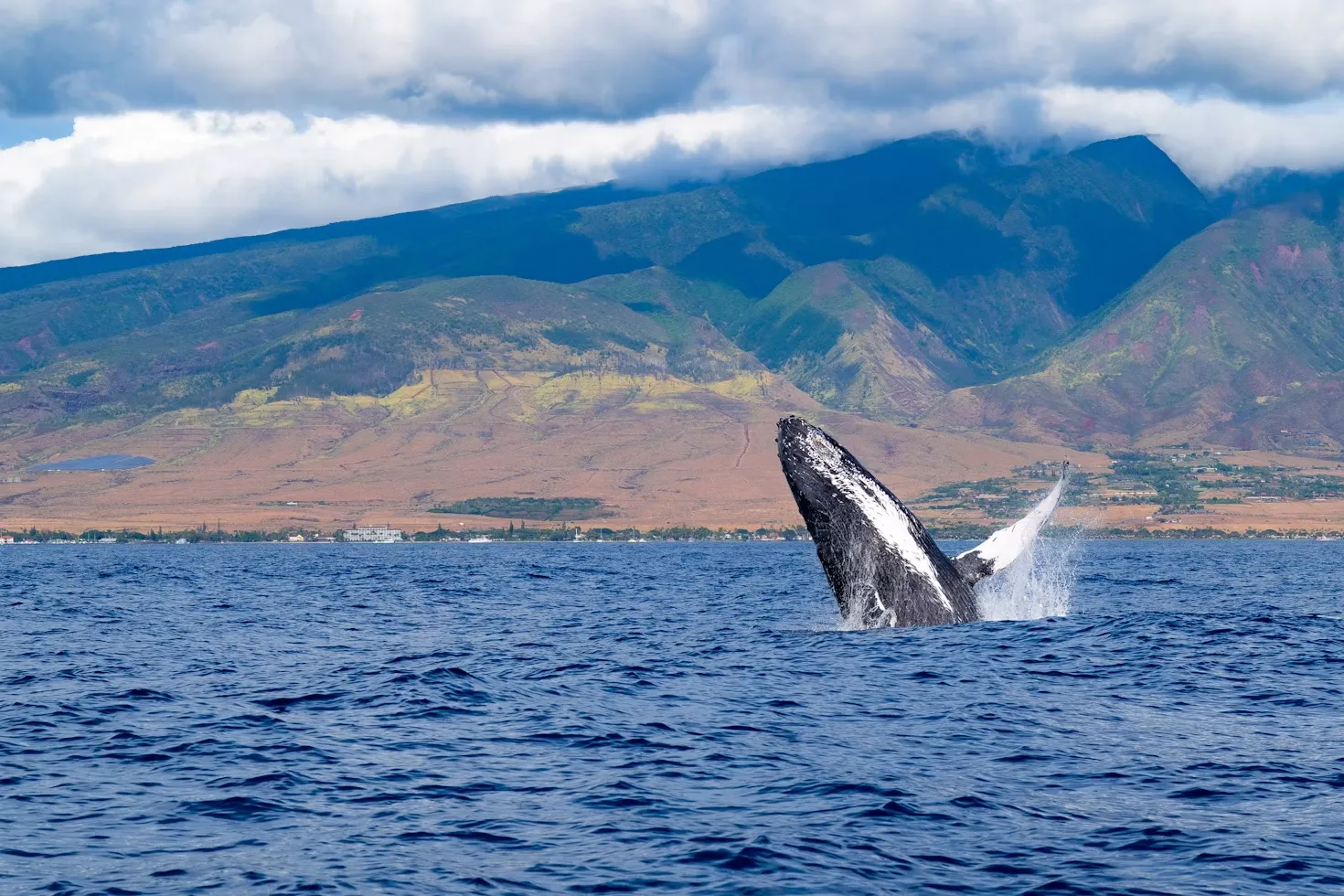
Whales can sometimes be spotted from shore, but authorized whale-watching excursions provide opportunities to observe them from the water while learning about their behavior and conservation.
Best for: winter visitors, families, wildlife enthusiasts, photography, and boat excursions.
How to Choose Which Maui Attractions to Visit
The best Maui itinerary usually combines different regions rather than trying to visit every famous attraction in one or two days.
For example, dedicate one day to Haleakalā and Upcountry Maui, another to the Road to Hāna and Waiʻānapanapa, and another to West or South Maui beaches and snorkeling. A separate North Shore day can combine Pāʻia, Hoʻokipa, Haʻikū, and an outdoor activity such as ziplining.
This approach reduces unnecessary driving while allowing more time to actually experience each area.
Helpful Links for Your Maui Adventure
- Haleakalā National Park – National Park Service
- Haleakalā Sunrise Reservations – National Park Service
- Waiʻānapanapa State Park Reservations
- ʻĪao Valley State Monument Reservations
- Maui Visitor Information – GoHawaii
- Hawaiian Islands Humpback Whale National Marine Sanctuary – NOAA
- NorthShore Zipline – Maui Zipline Tours
Frequently Asked Questions About Maui Attractions
What are the top attractions in Maui, Hawaii?
Some of the top attractions in Maui include Haleakalā National Park, the Road to Hāna, Waiʻānapanapa State Park, ʻĪao Valley, Molokini, Kāʻanapali Beach, Maui’s North Shore, and Upcountry Maui. The best choices depend on whether you prefer beaches, hiking, snorkeling, Hawaiian history, scenic drives, or outdoor adventure.
What should I not miss on my first trip to Maui?
For a first Maui vacation, consider experiencing at least one major volcanic landscape such as Haleakalā, one scenic coastal or rainforest area such as the Road to Hāna, and one beach or ocean activity. Exploring Upcountry or the North Shore can also provide a different perspective beyond Maui’s resort areas.
What are the best Maui attractions for families?
Popular family activities include ʻĪao Valley, Maui beaches, scenic North Shore stops, Haleakalā, beginner-friendly snorkeling when ocean conditions are safe, and age-appropriate outdoor adventures such as ziplining.
Do I need reservations for Maui attractions?
Some attractions do require advance reservations. Haleakalā sunrise requires a reservation for entry between 3:00 a.m. and 7:00 a.m., while non-Hawaiʻi residents need reservations for Waiʻānapanapa State Park and ʻĪao Valley State Monument. Requirements can change, so always check the official website before visiting.
Is the Road to Hāna worth a full day?
Yes. For most visitors, the Road to Hāna should be treated as a full-day experience because the attraction is the journey itself. Waterfalls, coastal viewpoints, rainforest scenery, Hāna, and Waiʻānapanapa can easily fill an entire day.
What are the best free attractions in Maui?
Maui offers many attractions that can be enjoyed without purchasing a tour, including beaches, scenic viewpoints, Pāʻia, Makawao, portions of the North Shore, and coastal drives. Parking or entrance fees may still apply at certain parks and managed areas.
What are the best outdoor activities in Maui besides the beach?
Maui offers hiking, ziplining, snorkeling, scuba diving, whale watching, scenic drives, waterfall sightseeing, and exploring volcanic landscapes. Haleakalā, the North Shore, Upcountry, and East Maui are especially good areas for travelers looking for outdoor activities away from the resort beaches.
When is the best time to see whales in Maui?
Humpback whales are generally present in Hawaiian waters from November through April, with January through March typically considered the peak period for sightings.
Can I visit Haleakalā and the Road to Hāna on the same day?
Technically it may be possible to cover portions of both, but it is generally better to schedule them on separate days. Both experiences involve substantial driving and deserve enough time to enjoy safely without rushing.
What part of Maui has the most things to do?
There is no single area that contains all of Maui’s major attractions. West and South Maui are convenient for beaches and ocean activities, Central Maui provides access to ʻĪao Valley, Upcountry leads toward Haleakalā, and the North Shore and East Maui provide rainforest scenery, outdoor adventures, and access to the Road to Hāna. A well-planned Maui vacation usually explores several of these regions.
If you would like to read and learn more about interesting things in Hawaii! Check out our blog page here on our website!
or
Image Credits:
Blog Photos:
"Green trees on seashore during daytime" by William Zhang, via Unsplash
"brown and red sand" by Jeff King, via Unsplash
"Boardwalk between trees" by Satty Singh, via Pexels
"Forest in bay on sea shore" by Kelsey, via Pexels
ʻĪao Valley State Park Nature Trail, Maui — Photo by Larry D. Moore. Licensed under the Creative Commons Attribution 4.0 International (CC BY 4.0). Source: Wikimedia Commons.
Hoʻokipa Beach, Maui — Photo by dronepicr. Licensed under the Creative Commons Attribution 2.0 Generic (CC BY 2.0). Optimized for web. Source: Wikimedia Commons.
"body of water under white cloudy sky during daytime" by Farid Askerov, via Unsplash
Black Rock Beach, Kāʻanapali, Maui — Photo by dronepicr. Licensed under the Creative Commons Attribution 2.0 Generic (CC BY 2.0). Optimized for web. Source: Wikimedia Commons.
Kula Lavender Farm, Maui — Photo by John Morgan. Licensed under the Creative Commons Attribution 2.0 Generic (CC BY 2.0). Optimized for web. Source: Wikimedia Commons.
"a whale jumping out of the water" by Steve Wrzeszczynski, via Unsplash