
Table of Contents
If you are dreaming of trading cold winter mornings for tropical beaches, lush landscapes, and warm Pacific sunsets, travel to Hawaii in February can be an excellent choice. While much of the mainland United States is still experiencing the heart of winter, February in Hawaii offers comfortable temperatures, plenty of outdoor adventures, and one of the biggest seasonal attractions of the year: humpback whales.
February does fall within Hawaii's wetter winter season, and ocean conditions can vary considerably from one side of an island to another. However, travelers who build a little flexibility into their itinerary can experience everything from snorkeling and hiking to waterfalls, scenic drives, cultural attractions, and world-class whale watching.
Here is what to know when planning a February vacation to the Hawaiian Islands.
What Is Hawaii Like in February?
February is part of Hawaii's winter season, but "winter" means something very different in the islands. At sea level, daytime conditions are generally warm enough for shorts, sandals, swimming, and other outdoor activities. Evenings and early mornings may feel noticeably cooler, particularly at higher elevations and in windier areas.
Hawaii also contains numerous microclimates. One side of an island can be rainy while another is enjoying sunshine. Windward areas tend to receive more precipitation, while many leeward resort areas are comparatively dry.
That means a rainy forecast doesn't necessarily mean your entire vacation will be washed out. When planning travel to Hawaii in February, it is helpful to keep your schedule somewhat flexible and check conditions for the specific part of the island you plan to visit.
February Is an Incredible Month for Whale Watching
One of the strongest reasons to visit Hawaii in February is humpback whale season.
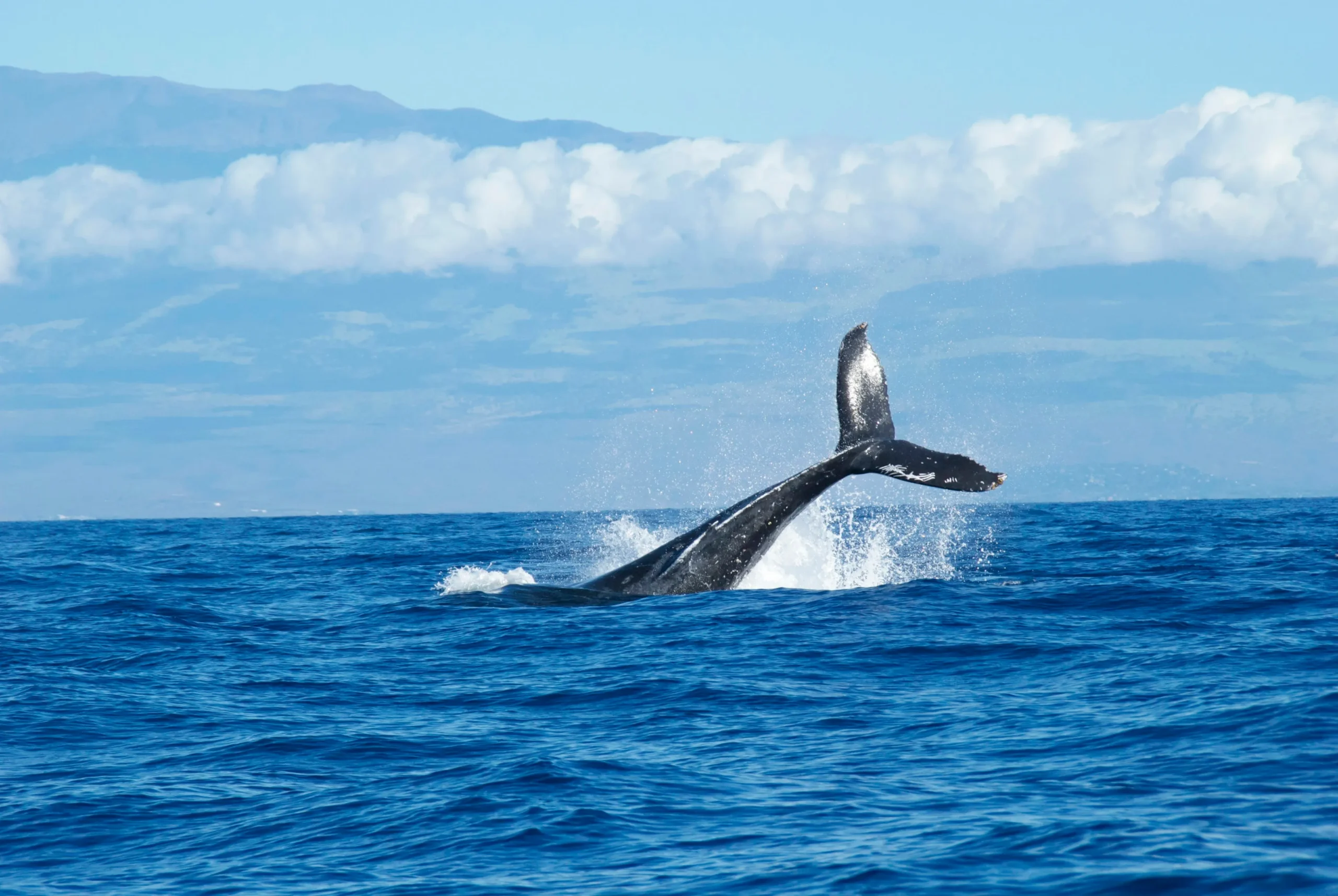
Thousands of humpback whales, known in Hawaiian as koholā, migrate to Hawaiian waters during the winter to breed, give birth, and nurse their calves. The Hawaiian Islands Humpback Whale National Marine Sanctuary notes that humpbacks are generally seen in Hawaii from November through April, with peak season occurring from January through March.
Maui is especially famous for whale watching because of the shallow waters surrounding Maui, Molokaʻi, and Lānaʻi. Hawaii's Division of State Parks identifies this area as having some of the state's highest concentrations of humpback sightings.
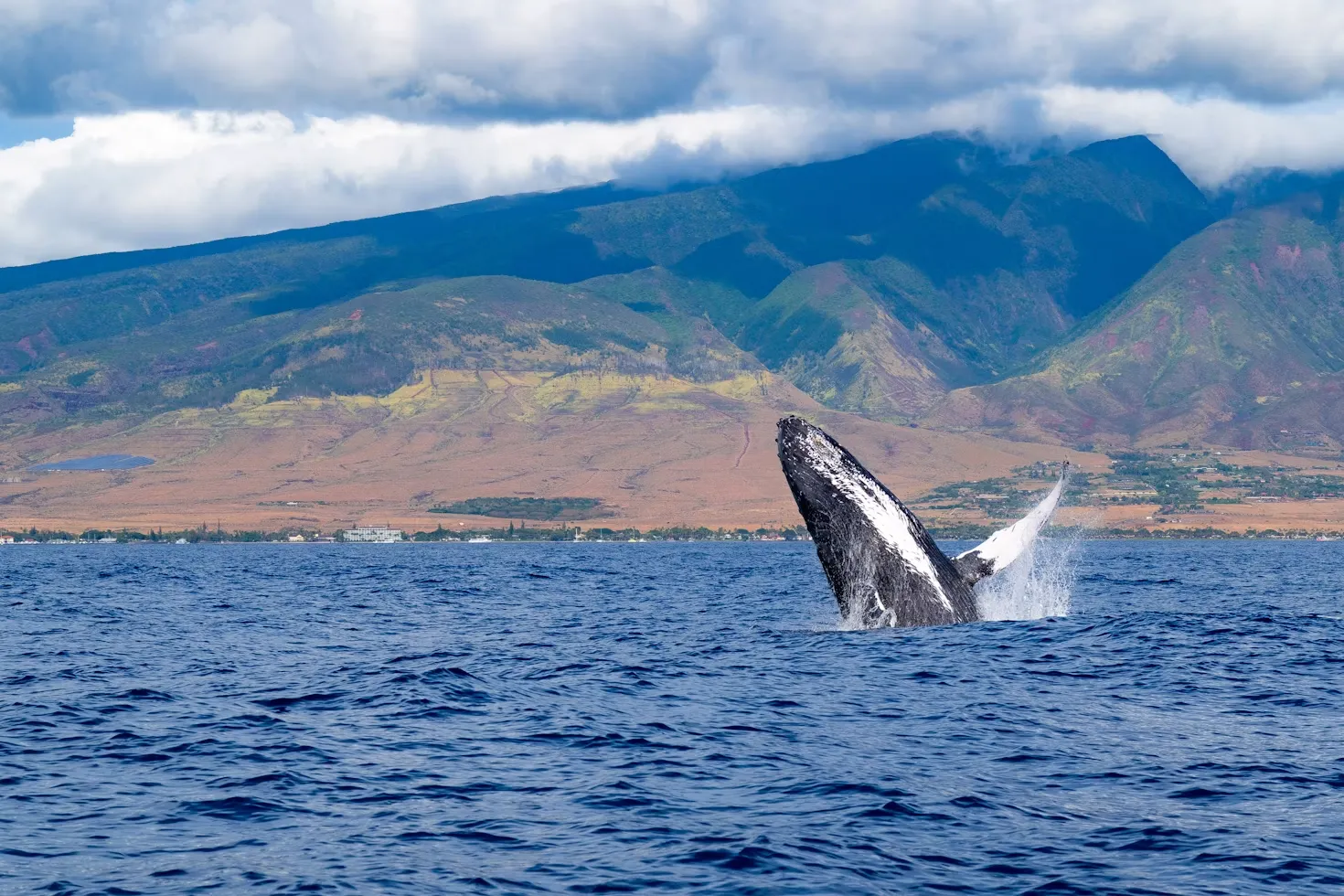
Visitors may spot whales from shore, particularly from elevated coastal viewpoints, but a responsible whale-watching excursion can provide another perspective.
Remember that humpback whales are federally protected. Boats and other ocean users must remain at least 100 yards away from them.
Which Hawaiian Island Should You Visit in February?
Choosing an island is one of the biggest decisions when planning a Hawaii vacation.
Maui
Maui is an especially appealing February destination for travelers interested in outdoor adventures, scenic drives, beaches, and whale watching.
You can spend your trip exploring Upcountry Maui, driving toward Hāna, visiting waterfalls, relaxing along the coast, or heading approximately 10,000 feet above sea level to explore Haleakalā.
February's whale activity adds another reason to spend time around Maui's coastline.
Oʻahu
Oʻahu works well for travelers who want a combination of beaches, restaurants, nightlife, history, shopping, and outdoor recreation.
Popular experiences include Waikīkī, Pearl Harbor, the North Shore, and hiking at Diamond Head (Lēʻahi). Non-Hawaii residents currently need advance reservations to enter Diamond Head State Monument, which can be booked through the official Hawaii State Parks reservation system.
Winter also brings powerful swells to many north-facing shores, so always pay attention to posted warnings and local ocean conditions.
Kauaʻi
Travelers seeking dramatic scenery, hiking, waterfalls, and a quieter atmosphere may prefer Kauaʻi. February rainfall can make the island particularly lush, although rain and trail conditions can also affect outdoor plans.
Consider leaving extra room in your itinerary rather than scheduling every outdoor activity for a specific day.
Island of Hawaiʻi
The Island of Hawaiʻi, commonly called the Big Island, offers an enormous variety of landscapes. Travelers can experience beaches, tropical forests, volcanic terrain, ranch country, and high-elevation environments during the same vacation.
It is a great option for visitors who prioritize exploration and don't mind spending more time driving between attractions.
Visit Haleakalā on Maui
If Maui is part of your February Hawaii trip, consider visiting Haleakalā National Park.
The summit reaches 10,023 feet above sea level, creating conditions dramatically different from Maui's beaches. Temperatures around the summit can be at least 20 degrees colder than at sea level and can sometimes drop below freezing.
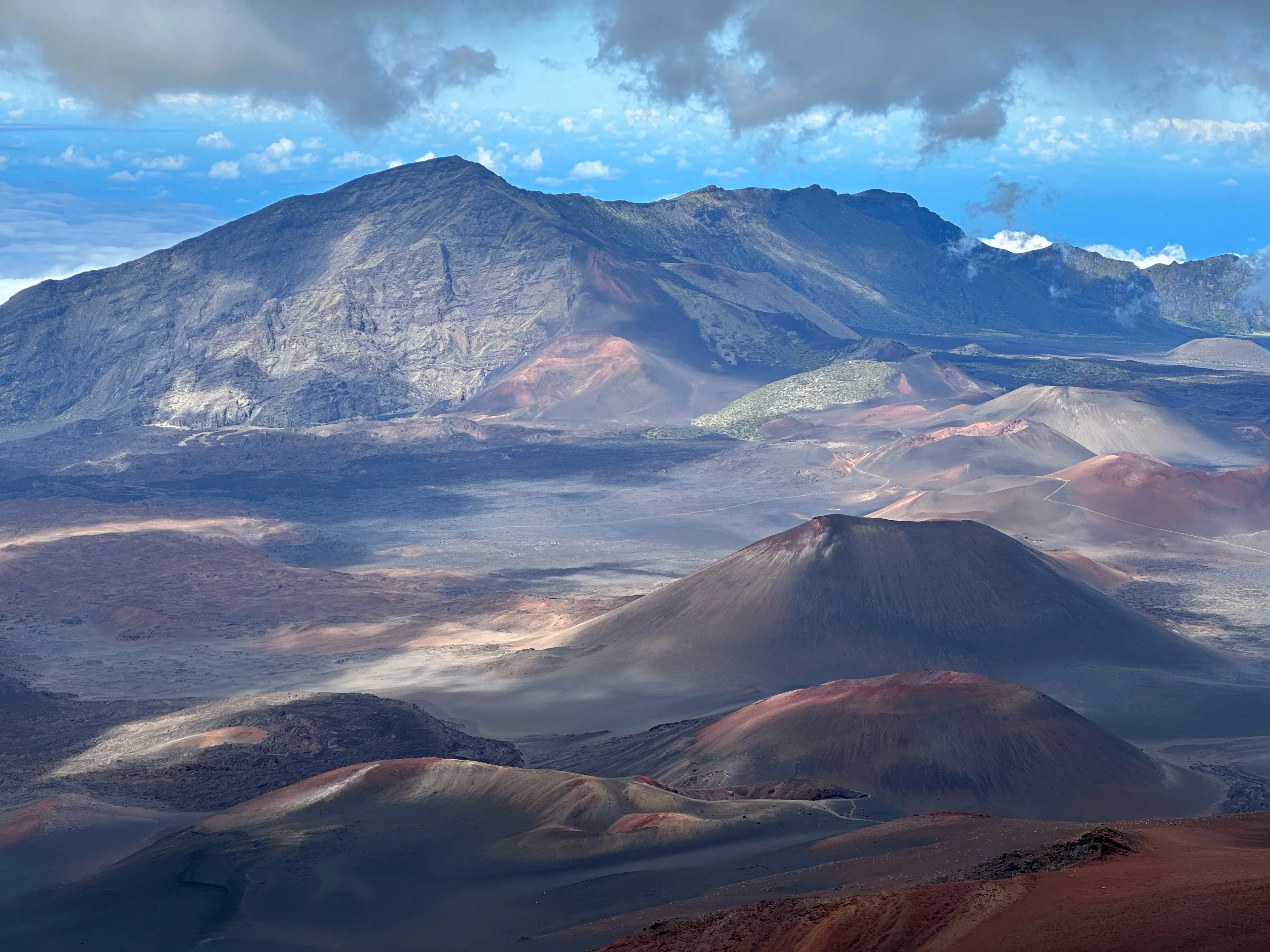
Sunrise is particularly popular. Visitors entering the Summit District between 3:00 a.m. and 7:00 a.m. currently need an advance sunrise reservation in addition to paying the park entrance fee or presenting an eligible park pass. Reservations are released through Recreation.gov up to 60 days in advance, with another portion released two days beforehand.
Even if your beach day requires nothing more than swimwear and a light cover-up, bring warm layers if Haleakalā is on your itinerary.
Can You Swim and Snorkel in Hawaii in February?
Absolutely—but ocean conditions matter.
February can provide beautiful swimming and snorkeling opportunities, especially along protected and leeward coastlines. At the same time, winter is known for larger north and northwest swells.
A beach that looks inviting from shore may have strong currents, shorebreak, or other hazards that aren't obvious to an inexperienced visitor.
Check daily ocean conditions, obey posted signs, speak with lifeguards when available, and avoid entering unfamiliar water when conditions appear questionable. If you are uncertain, choosing a lifeguarded beach or professionally guided ocean activity is a safer approach.
What Should You Pack for Hawaii in February?
Packing for February requires slightly more variety than travelers might expect from a tropical destination.
Bring lightweight clothing, swimwear, comfortable walking shoes, sun protection, a reusable water bottle, and a light rain jacket. A sweater or light jacket can be useful during cooler evenings.
If your itinerary includes Haleakalā or another high-elevation destination, pack genuinely warm layers rather than assuming a thin sweatshirt will be sufficient.
Reef-conscious sun protection, hats, sunglasses, and quick-drying clothing are also useful when spending long days outdoors.
Make Reservations Before Your Trip
Some of Hawaii's most popular natural attractions now require advance reservations, particularly for nonresidents.
In addition to Diamond Head and Haleakalā sunrise, advance reservations are required for non-Hawaii residents visiting several Hawaii state parks, including ʻĪao Valley State Monument and Waiʻānapanapa State Park on Maui and Hāʻena State Park on Kauaʻi.
Use the Hawaii State Parks reservation portal when planning your itinerary.
It is also wise to reserve rental cars, accommodations, luaus, whale-watching excursions, and other must-do activities ahead of your arrival rather than waiting until you are already on the island.
Is February a Good Time to Travel to Hawaii?
For many visitors, February is one of the most interesting months to visit Hawaii.
You get warm tropical weather while escaping winter elsewhere, and humpback whale season is near its peak. Hawaii's landscapes can also be exceptionally green during the wetter months.
The tradeoff is that February weather can be more variable than during some summer periods, and winter swells can affect certain beaches and ocean activities.
Instead of planning every hour of your vacation, build a few flexible periods into your itinerary. If weather changes your plans on one part of the island, you may be able to explore somewhere else.
With a little preparation, travel to Hawaii in February can offer an incredible combination of beaches, culture, wildlife, hiking, scenic drives, and unforgettable winter sunshine.
Frequently Asked Questions About Travel to Hawaii in February
Is February a good month to travel to Hawaii?
Yes. February offers warm weather, outdoor activities, lush scenery, and peak humpback whale season. Travelers should simply be prepared for occasional rain and changing ocean conditions.
Is Hawaii warm enough to swim in February?
Yes. Swimming, snorkeling, surfing, and other ocean activities continue throughout the winter. However, conditions vary by island and shoreline, so always check local ocean and surf reports before entering the water.
Does it rain a lot in Hawaii in February?
February falls within Hawaii's wetter season, but rainfall varies significantly depending on the island and location. Windward regions generally receive more rain than leeward areas, and showers do not necessarily last all day.
What is the best Hawaiian island to visit in February?
There is no single best island for everyone. Maui is excellent for whale watching and varied outdoor adventures, Oʻahu combines beaches with urban attractions and history, Kauaʻi offers dramatic natural scenery, and the Island of Hawaiʻi provides exceptionally diverse landscapes.
Can you see whales in Hawaii in February?
Yes. February falls within the peak period for humpback whales in Hawaiian waters. NOAA identifies January through March as the peak season.
Is Maui worth visiting in February?
Yes. February is an excellent time to visit Maui, especially for travelers interested in humpback whales, scenic drives, beaches, hiking, Upcountry Maui, and Haleakalā National Park.
What clothes should I bring to Hawaii in February?
Pack warm-weather clothing along with a light rain jacket and sweater or jacket for cooler evenings. Bring substantially warmer layers if you plan to visit high-elevation destinations such as the summit of Haleakalā.
Are Hawaii beaches crowded in February?
Popular beaches and resort areas can still be busy, particularly around holiday periods. Visiting beaches earlier in the day and exploring beyond the busiest resort areas can provide a quieter experience.
How many days should I spend in Hawaii in February?
Seven to ten days works well for many travelers visiting one or two islands. If you only have a week, spending most or all of the trip on one island can reduce travel time and allow for a more relaxed vacation.
What are the best things to do in Hawaii in February?
Whale watching, snorkeling when conditions permit, hiking, scenic drives, visiting cultural and historic sites, attending a luau, exploring national and state parks, and watching sunsets are all excellent February activities.
If you would like to read and learn more about interesting things in Hawaii! Check out our blog page here on our website!
or
Image Credits:
Blog Photos:
"humpback whale tail breaching ocean" by Abigail Lynn, via Unsplash
"a whale jumping out of the water" by Steve Wrzeszczynski, via Unsplash
"majestic Haleakala volcano landscape in Hawaii" by Rushi Patel, via Pexels