
Table of Contents
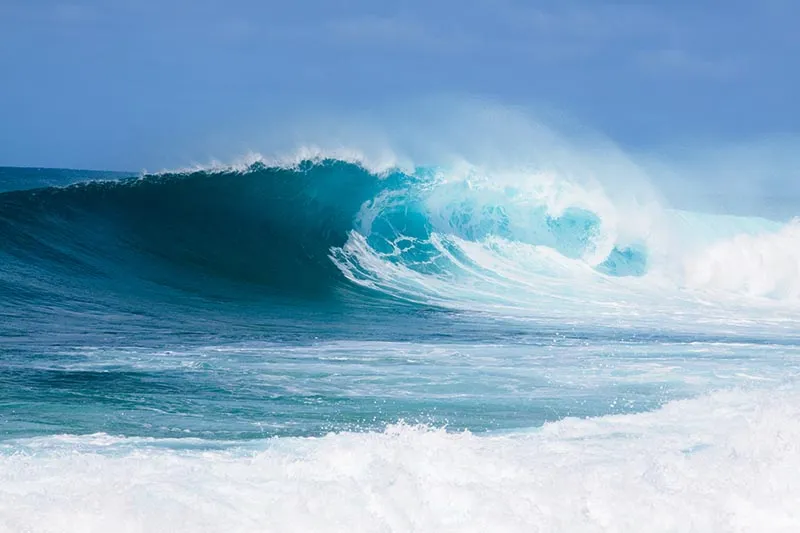
Hawaiʻi might be famous for sunshine and palm trees, but every winter the islands experience a dramatic shift in ocean energy. Powerful winter storms in the North Pacific send massive swells thousands of miles toward the Hawaiian Islands, transforming normally calm coastlines into world-class wave arenas. These winter storms are the driving force behind legendary surf breaks like Peʻahi (Jaws) on Maui, where waves can exceed 60 feet during peak conditions.
Right now, winter storms are actively lighting up Hawaiʻi’s north shores, and conditions can change by the hour. If you’re wondering how these storms work—and more importantly, how to safely watch Jaws go off in real time—this guide breaks it all down.
How Winter Storms Create Massive Hawaiian Waves
Hawaiʻi’s big-wave season runs roughly from November through March, when intense low-pressure systems form near Alaska and the Aleutian Islands. These winter storms generate powerful winds over vast stretches of open ocean, known as “fetch.” The longer and stronger the fetch, the more energy is transferred into the water.
As these swells travel south across the Pacific, they organize into long-period waves. By the time they reach Hawaiʻi, they carry enormous power. When these swells collide with the islands’ underwater topography—especially steep reefs like Peʻahi—the energy is forced upward, producing towering, fast-breaking waves that are unmatched anywhere else in the world.
Jaws is particularly sensitive to winter storms because of its unique bathymetry. A deep-water channel funnels swell energy directly into a shallow reef, causing waves to jack up suddenly and violently. This is why Jaws only breaks during significant winter storm events and remains relatively calm the rest of the year.
Why Jaws Is the Ultimate Winter Storm Wave
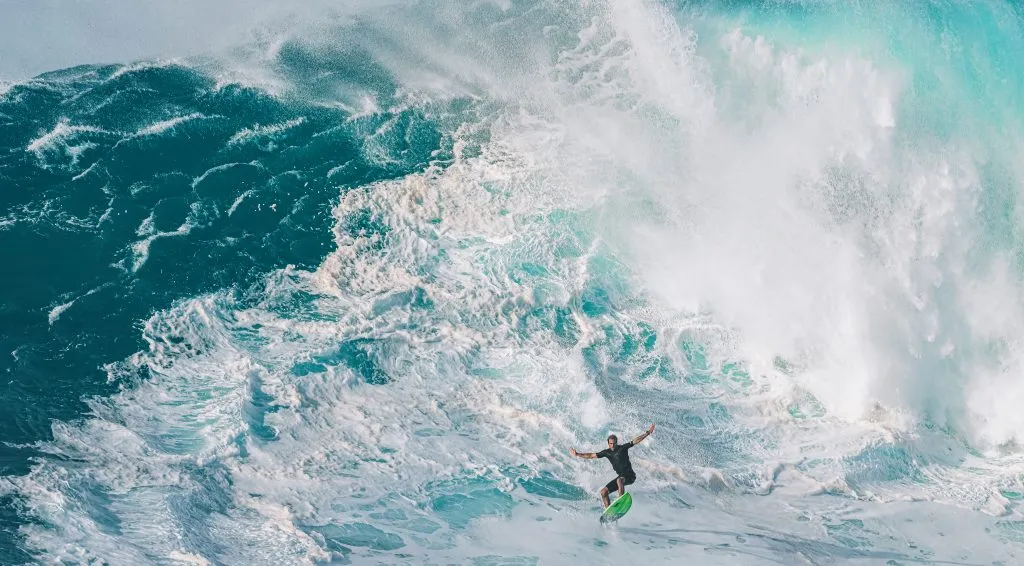
Unlike beach breaks, Jaws is not a casual surf spot. It only comes alive when winter storms push wave heights into the extreme category. On these days, professional big-wave surfers and tow-in teams from around the world converge on Maui’s north shore.
What makes Jaws special isn’t just size—it’s raw power. The waves move faster, break harder, and demand absolute precision. For spectators, this creates a once-in-a-lifetime viewing experience, especially when winter storms stack multiple large swells back-to-back.
How to Watch Jaws Go Off Right Now
If winter storms are currently impacting Hawaiʻi, timing and location are everything. Here’s how to catch the action safely and responsibly.
1. Head to the Cliffs Above Peʻahi
The most popular and safest viewing area is from the cliffs overlooking Peʻahi. These elevated vantage points allow you to see the entire break without being anywhere near the danger zone. Always stay well back from cliff edges, as winter storms bring strong winds and unstable ground.
2. Arrive Early
When winter storms hit, word spreads fast. Parking and access become limited, especially on Maui’s narrow north-shore roads. Arriving early increases your chances of finding legal parking and a clear view.
3. Watch the Wind
Clean conditions matter. Winter storms generate the swell, but lighter local winds create the best viewing. Offshore or light winds allow the waves to stand up cleanly, making each set more dramatic.
4. Never Attempt Ocean Access
This cannot be overstated: winter storm conditions at Jaws are extremely dangerous. Do not attempt to hike down to the water, swim, or paddle out. Even experienced surfers treat these conditions with extreme caution.
Safety and Respect During Winter Storms
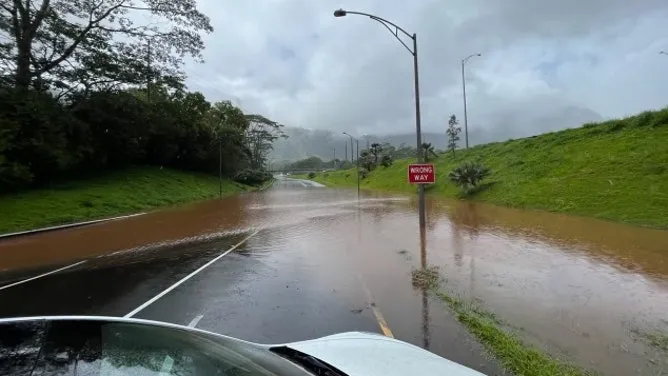
Winter storms don’t just affect surfers—they impact roads, cliffs, and coastlines. High surf advisories, road closures, and emergency warnings are common during major swell events. Always respect posted signs and local guidance.
Additionally, remember that Jaws is located near residential areas. Be respectful of private property, park legally, and pack out anything you bring with you. Watching winter storms in Hawaiʻi should be awe-inspiring, not disruptive.
Why Winter Storms Matter Beyond Surfing
Beyond big waves, winter storms play a critical role in Hawaiʻi’s natural systems. They help replenish beaches, shape reefs, and redistribute sand along coastlines. While they can be destructive in the short term, winter storms are part of the long-term balance of the islands’ environment.
For visitors, witnessing the power of winter storms offers a deeper appreciation of Hawaiʻi’s dynamic nature—one that goes far beyond the postcard image.
Helpful Links
Frequently Asked Questions About Winter Storms
What are winter storms in Hawaii?
Winter storms are powerful low-pressure systems in the North Pacific that generate large ocean swells, heavy winds, and high surf across the Hawaiian Islands.
When do winter storms hit Hawaii?
Winter storms typically affect Hawaiʻi between November and March, with peak surf activity occurring in December and January.
How do winter storms create waves like Jaws?
Winter storms produce strong winds over long distances, creating large swells that travel to Hawaiʻi. When these swells hit reefs like Peʻahi, they rapidly rise into massive waves.
Is it safe to watch winter storms at Jaws?
Yes, if you stay in designated viewing areas on the cliffs and follow safety guidelines. It is never safe to enter the water or approach the break during winter storm conditions.
Can you see big waves from winter storms on other islands?
Absolutely. Winter storms also create massive waves on the north shores of Oʻahu, Kauaʻi, and other islands, though Jaws is among the largest and most dramatic.
If you would like to read and learn more about interesting things in Hawaii! Check out our blog page here on our website!
or